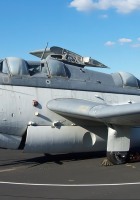
PZL-Mielec TS-11 Iskra

PZL TS-11 Iskra

PaesePolonia
RuoloAerei da addestramento
Primo volo5 febbraio 1960
Costruito424

Galleria fotografica di un PZL TS-11 Iskra, The PZL TS-11 Iskra (English: Spark) is a Polish jet trainer aircraft, used by the air forces of Poland and India. It is notable as the main training aircraft of the Polish Air Force, and as the oldest jet aircraft still in service in Poland.

fonte: PZL TS-11 Iskra su Wiki

Continua a leggere

Views : 5053

SEP W1

SEP W1

PaeseSvezia
digitareVeicolo blindato modulare
FotografoErik Gustavsson
Descrizione

Album di 60 foto walk-around di un «SEP W1»

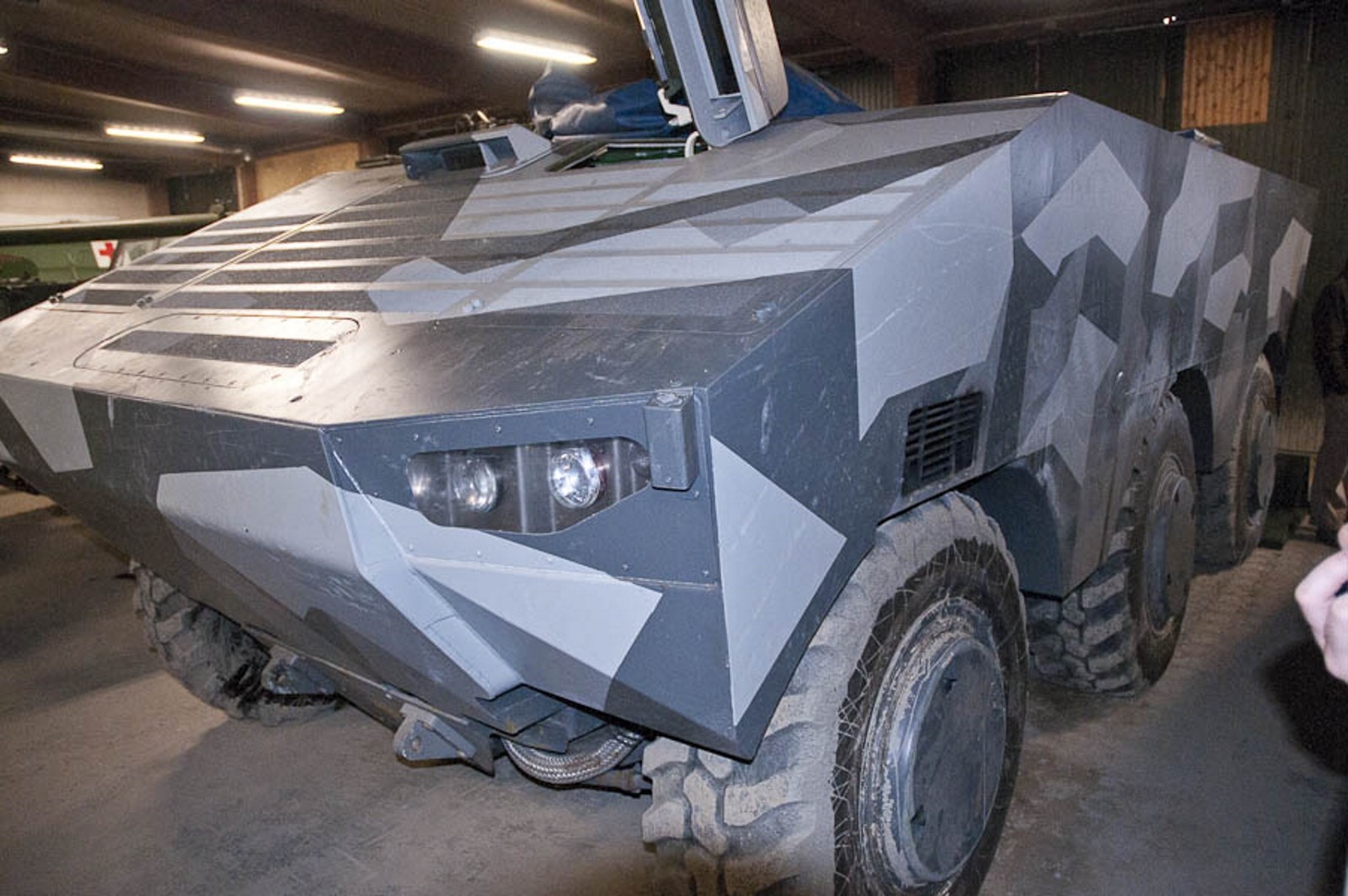
Galleria fotografica di un SEP W1, The SEP modular armoured vehicle (Splitterskyddad enhetsplattform), Swedish for “Fragmentation Protected Standard Platform”, is a hybrid diesel-electric powered armoured fighting vehicle developed by BAE Systems AB. The vehicle is codenamed “Thor”. The first demonstration models were produced in 2000 (tracked) and 2003 (wheeled).[1] It was originally contracted by the Swedish Defence Materiel Administration. The series-hybrid electric drivetrains for both the wheeled (SEP-W) and two generations of tracked (SEP-T) vehicles were designed and manufactured by MAGTEC (Magnetic Systems Technology Ltd, Sheffield, UK).

fonte: SEP W1 su Wiki

Continua a leggere

Visualizzazioni : 1638

Fokker C.X

Fokker C.X

PaesePaesi Bassi
digitareCaccia a getto
FotografoMichail Mamalygin
Descrizione

Album di 20 photos walk-around of a «Fokker C.X»

Galleria fotografica di un Fokker C.X at Museum der Schweizerischen Fliegertruppe, The Fokker C.X was a biplane scout and light bomber designed in 1933. It had a crew of two (a pilot and an observer). It was originally designed for the Royal Dutch East Indies Army, in order to replace the Fokker C.V. Like all Fokker aircraft of that time, it was of mixed construction, with wooden wing structures and a welded steel tube frame covered with aluminium plates at the front of the aircraft and with fabric at the rear. The prototype was built in 1934 with a Rolls-Royce Kestrel V engine.

fonte: Fokker C.X on Wiki

Continua a leggere

Views : 1875

Cacciatore di venditori ambulanti

Cacciatore di venditori ambulanti

PaeseRegno unito
digitareCaccia a getto
Primo volo20 luglio 1951
Costruito1978

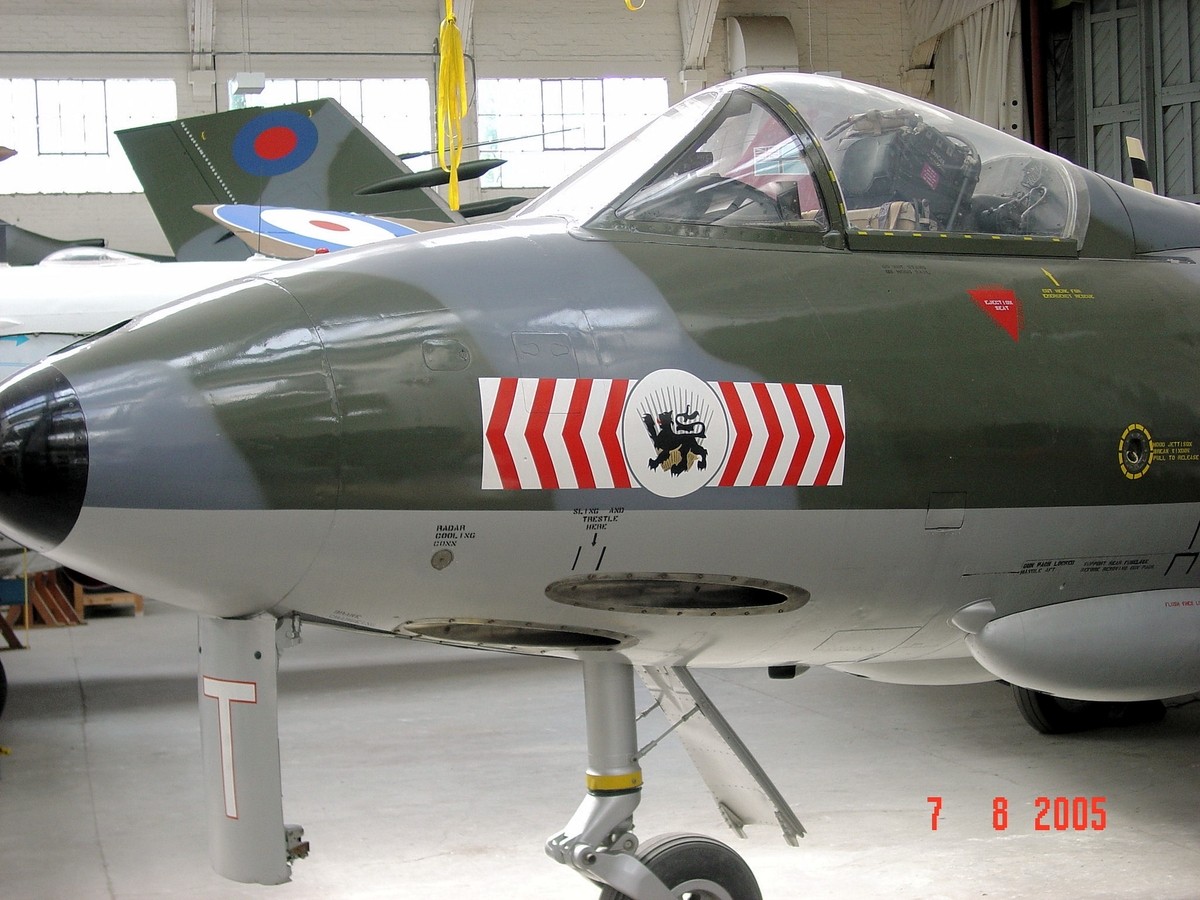
Galleria fotografica di un Cacciatore di venditori ambulanti, The Hawker Hunter is a transonic British jet-powered fighter aircraft that was developed by Hawker Aircraft for the Royal Air Force (RAF) during the late 1940s and early 1950s. It was designed to take advantage of the newly developed Rolls-Royce Avon turbojet engine and the swept wing, and was the first jet-powered aircraft produced by Hawker to be procured by the RAF.

fonte: Hawker Hunter su Wiki

Continua a leggere

Views : 10723

Re del Mare di Westland Mk48

Westland Seaking Mk7

PaeseRegno unito
digitareElicottero

Galleria fotografica di un Westland Seaking Mk7, The Westland WS-61 Sea King is a British licence-built version of the American Sikorsky S-61 helicopter of the same name, built by Westland Helicopters. The aircraft differs considerably from the American version, with Rolls-Royce Gnome engines (derived from the US General Electric T58), British-made anti-submarine warfare systems and a fully computerised flight control system. The Sea King was primarily designed for performing anti-submarine warfare (ASW) missions. A Sea King variant was adapted by Westland as troop transport known as the Commando.

fonte: Westland Seaking Mk7 su Wiki

Continua a leggere

Punti di vista: 3551

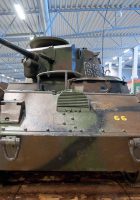
Stridsvagn m-38 ·

Stridsvagn m-38 ·

PaeseSvezia
digitareCarro leggero
FotografoErik Gustavsson
Descrizione

Album di 21 foto walk-around di un «Stridsvagn m-38»

Galleria fotografica di un Stridsvagn m-38 · Stridsvagn L-60 (Strv L-60), also known as Landsverk L-60, was a Swedish tank developed in 1934. It was developed by AB Landsverk as a light tank which included several advanced design features such as torsion bar suspension, periscopes rather than view slits and all-welded construction. The L-60 was progressively improved and four variants were created: L-60A, L-60B, L-60C (37mm gun), L-60D (new turret and 37mm gun and twin machine guns). The L-60 eventually evolved into the Stridsvagn m/38 and subsequent Stridsvagn m/39 and Stridsvagn m/40 and was adopted by the Swedish army as such.

fonte: Stridsvagn m-38 su Wiki

Continua a leggere

Visualizzazioni : 2153

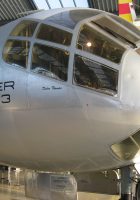
Dornier Do 31 E3

Dornier Do 31E3

PaeseGermania
digitareTrasporto in jet
Primo volo10 febbraio 1967
Costruito3
Le Dornier Do 31 was a West German experimental VTOL jet transport built by Dornier. The Do 31 was designed to meet a NATO specification (NBMR-4) for a tactical support aircraft for the EWR VJ 101 VTOL strike aircraft designed under the NATO contract of BMR-3. The project was cancelled in 1970 owing to high costs, technical problems and a change of requirement.

fonte: Dornier Do 31E3 su Wiki

Continua a leggere

Visualizzazioni : 2553

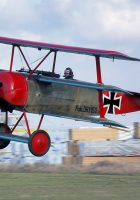
Fokker DR-1

Fokker Dr.I

PaeseGermania
RuoloCombattente
Primo volo5 luglio 1917
Costruito320

Galleria fotografica di un Fokker Dr.I, The Fokker Dr.I (Dreidecker, “triplane” in German) was a World War I fighter aircraft built by Fokker-Flugzeugwerke. The Dr.I saw widespread service in the spring of 1918. It became famous as the aircraft in which Manfred von Richthofen gained his last 19 victories, and in which he was killed on 21 April 1918.

fonte: Fokker Dr.I su Wiki

Continua a leggere

Punti di vista: 5363

Hawker Tempest TT.5

Hawker Tempest V

PaeseRegno unito
RuoloCaccia
Primo voloIl 2 settembre 1942
Costruito1702

Galleria fotografica di un Hawker Tempest V at The Royal Air Force Museum at Hendon, The Hawker Tempest was a British fighter aircraft primarily used by the Royal Air Force (RAF) in the Second World War. The Tempest was an improved derivative of the Hawker Typhoon, the type originally being known as the Typhoon II, which was intended to address the Typhoon’s unexpected fall-off of performance at high altitude by replacing its wing with a thinner laminar flow design. Having diverged considerably from the Typhoon, it was chosen to rename the aircraft Tempest. The Tempest emerged as one of the most powerful fighters of the World War II and was the fastest propeller-driven aircraft of the war at low altitude.

fonte: Hawker Tempest V su Wiki

Continua a leggere

Visualizzazioni : 4373

Gannet AS.4

Gannet AS.4

PaeseRegno unito
digitareAeromobili trasportati da portaerei
FotografoKarl Feller
Descrizione

Album di 45 foto walk-around di una «Sula AS.4»

Galleria fotografica di un Gannet AS.4, The Fairey Gannet was a British carrier-borne aircraft of the post-Second World War era developed for the Royal Navy’s Fleet Air Arm (FAA) by the Fairey Aviation Company. It was a mid-wing monoplane with a tricycle undercarriage and a crew of three, and a double turboprop engine driving two contra-rotating propellers.

fonte: Gannet AS.4 su Wiki

Continua a leggere

Punti di vista : 2986