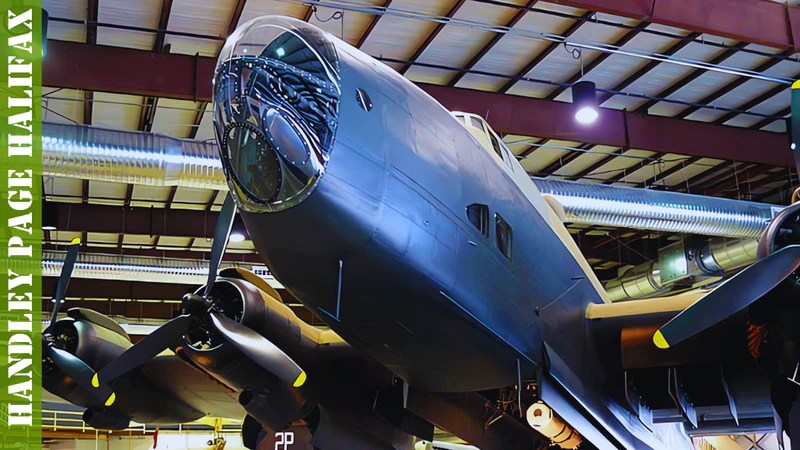
Handley Page Halifax | |
|---|---|
| Maa | Iso |
| Rooli | Raskas pommittaja |
| Ensimmäinen lento | 25. lokakuuta 1939 |
| Rakennettu | 6176 |
Nniiden Handley Page Halifax was a Royal Air Force (RAF) four-engined heavy bomber of the Second World War. It was developed by Handley Page to the same specification as the contemporary twin-engine Avro Manchester. The Halifax has its origins in the twin-engine HP56 proposal of the late 1930s, produced in response to the British Air Ministry’s Specification P.13/36 for a capable medium bomber for “world-wide use.” The HP56 was ordered as a backup to the Avro 679, both aircraft being designed to use the underperforming Rolls-Royce Vulture engine. The Handley Page design was altered at the Ministry to a four-engine arrangement powered by the Rolls-Royce Merlin engine; the rival Avro 679 was produced as the twin-engine Avro Manchester which, while regarded as unsuccessful mainly due to the Vulture engine, was a direct predecessor of the famed Avro Lancaster. Both the Lancaster and the Halifax would emerge as capable four-engined strategic bombers, thousands of which would be built and operated by the RAF and several other services during the War.
Lähde: Handley Page Halifax Wikipediassa
| Handley Page Halifax Bomber Walk Around | |
|---|---|
| Photographer | Bill Maloney |
| Localisation | RCAF Royal Canadian Air Force Museum |
| Photos | 45 |


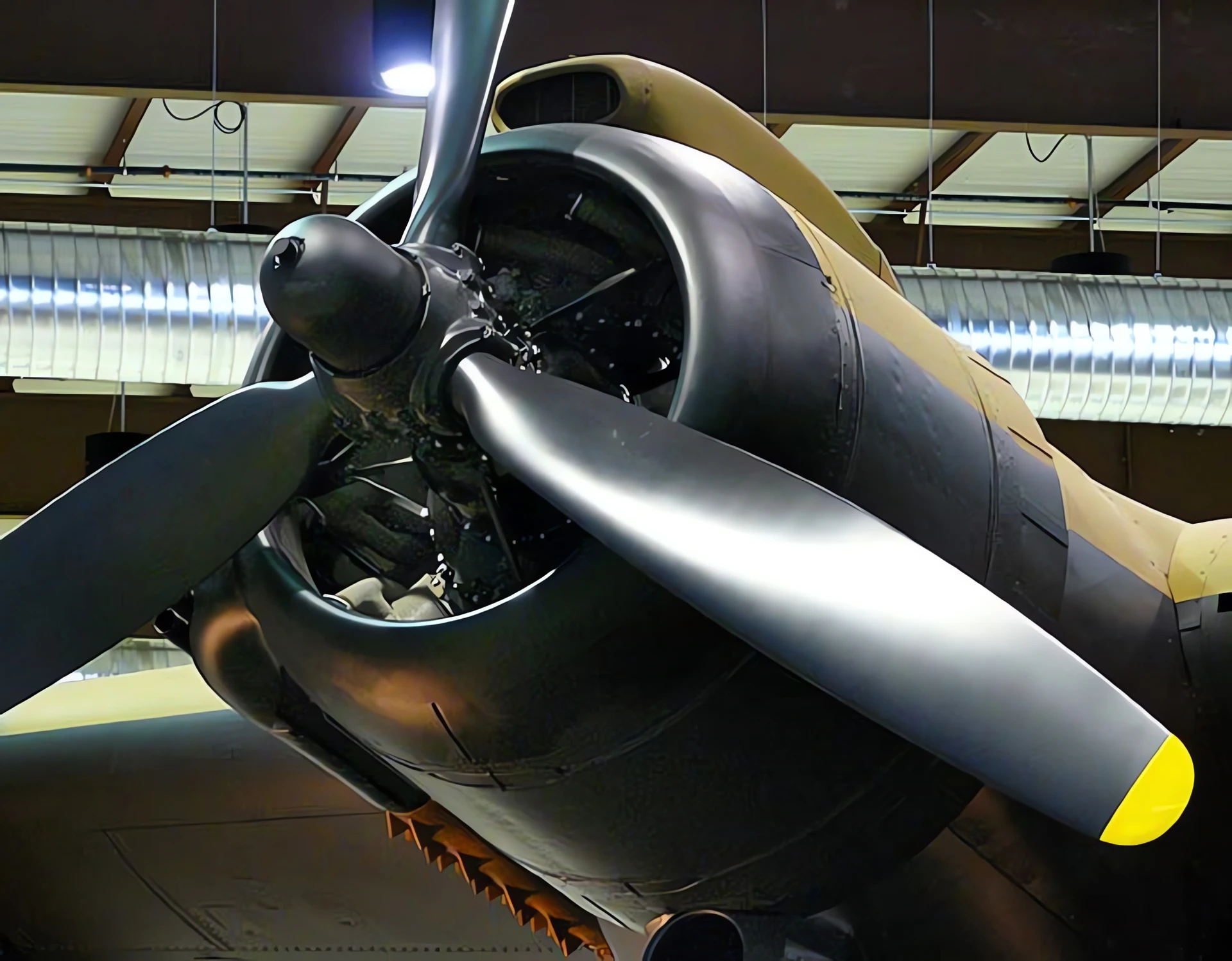

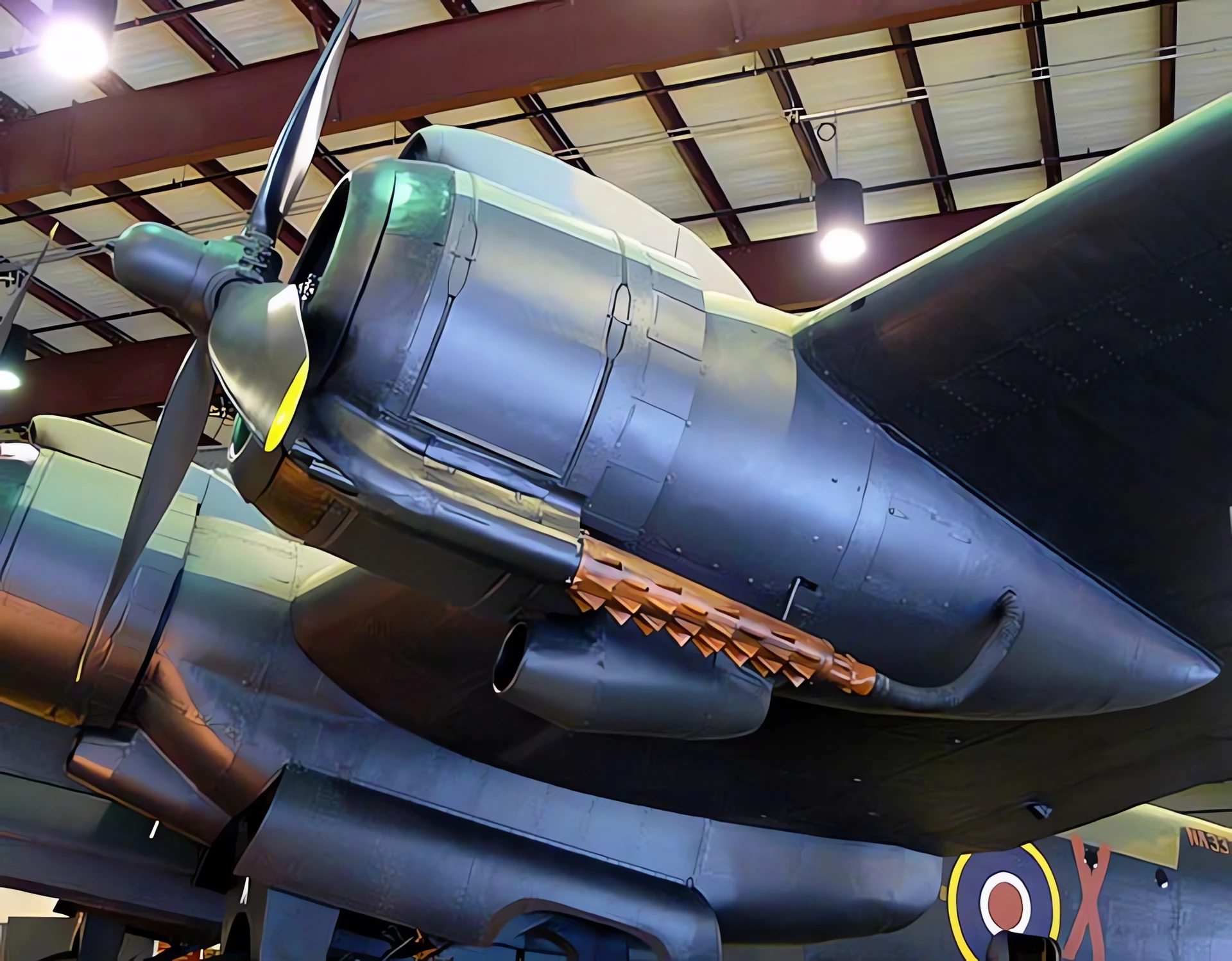
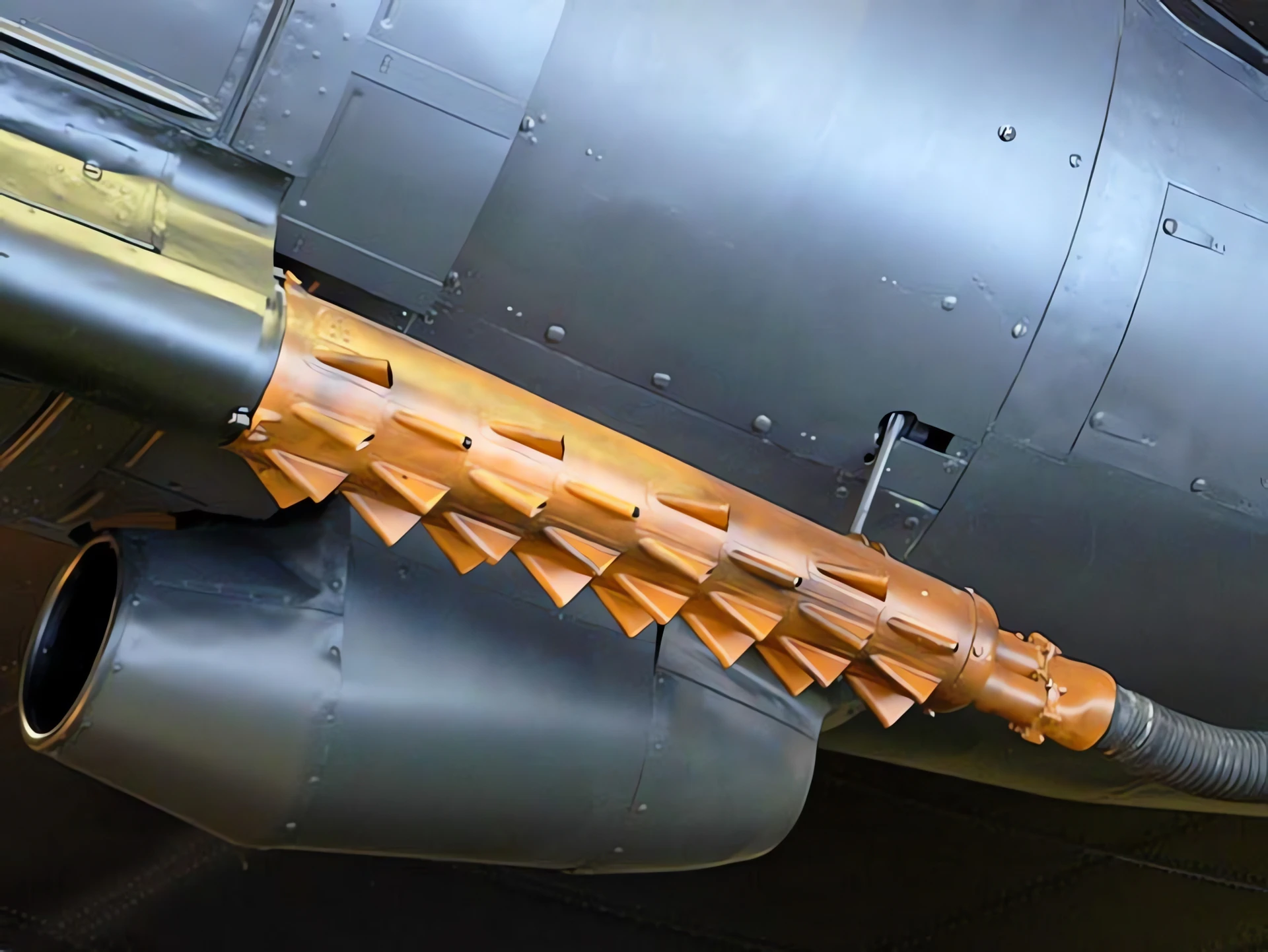

Katso myös:


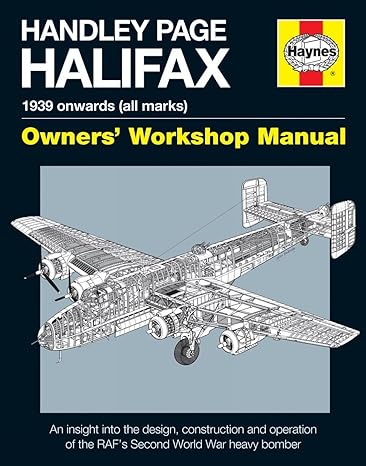
General Characteristics and Role
The Handley Page Halifax was one of the three principal four-engined heavy bombers used by the Royal Air Force (RAF) during World War II, alongside the Avro Lancaster and the Short Stirling. Developed from a 1936 specification for a twin-engine medium bomber, it was quickly upscaled into a heavy bomber when the war began. It formed the backbone of RAF Bomber Command’s night offensive against Germany from 1941 onward. While primarily a bomber, the Halifax proved to be an extremely versatile aircraft, serving successfully in roles including coastal command (anti-submarine warfare), glider tugging, troop transport, and electronic warfare (EW).
| Property | Typical Value (Halifax B.Mk III, most numerous variant) |
|---|---|
| Rooli | Heavy Bomber, Maritime Reconnaissance, Transport |
| National Origin | Iso-Britannia |
| Valmistaja | Handley Page, English Electric, Fairey Aviation, Rootes Motors, London Aircraft Production Group |
| First Flight | 25. lokakuuta 1939 |
| miehistö | 7 (Pilot, Flight Engineer, Navigator, Bomb Aimer, Radio Operator, 2 Gunners) |
| pituus | 21.82 m (71 ft 7 in) |
| Siipiväli | 31.75 m (104 ft 2 in) |
| korkeus | 6.32 m (20 ft 9 in) |
| Empty Weight | 17,340 kg (38,220 lb) |
| Max Takeoff Weight | 29,480 kg (65,000 lb) |
Powerplant and Performance
- Engines: 4 x Bristol Hercules XVI 14-cylinder radial engines.
- Power Output (Each): 1,200 kW (1,615 hp).
- Maximum Speed: 454 km/h (282 mph; 245 kn) at 4,115 m (13,500 ft).
- Cruise Speed: 346 km/h (215 mph).
- Range: 3,000 km (1,860 mi; 1,620 nmi) with typical bombload.
- Service Ceiling: 7,315 m (24,000 ft).
Armament and Bombload
- Defensive Armament: Typically 9 x .303 in (7.7 mm) Browning machine guns spread across a nose turret, a dorsal (mid-upper) turret, and a large four-gun tail turret.
- Bombload: Normal maximum load was 5,897 kg (13,000 lb).
- Bomb Bay: Split bomb bays in the fuselage and smaller bomb cells in the wing center section allowed for a flexible mixture of general-purpose bombs and incendiaries.
- Production: Over 6,176 Halifax aircraft were built during the war. It flew the second-highest number of sorties and dropped the second-highest tonnage of bombs among RAF heavy bombers.
Katsottu: 3553
Voit myös nähdä:
 Pohjois-Amerikan FJ-4 Fury – Valokuvat & Video
 Messerschmitt Me 410 – Valokuvat & video
 McDonnell Douglas F/A-18 Hornet – Valokuvat & video
 Mitsubishi A6M Zero – Kävele
 Hawker Hurricane – Kävele ympäriinsä
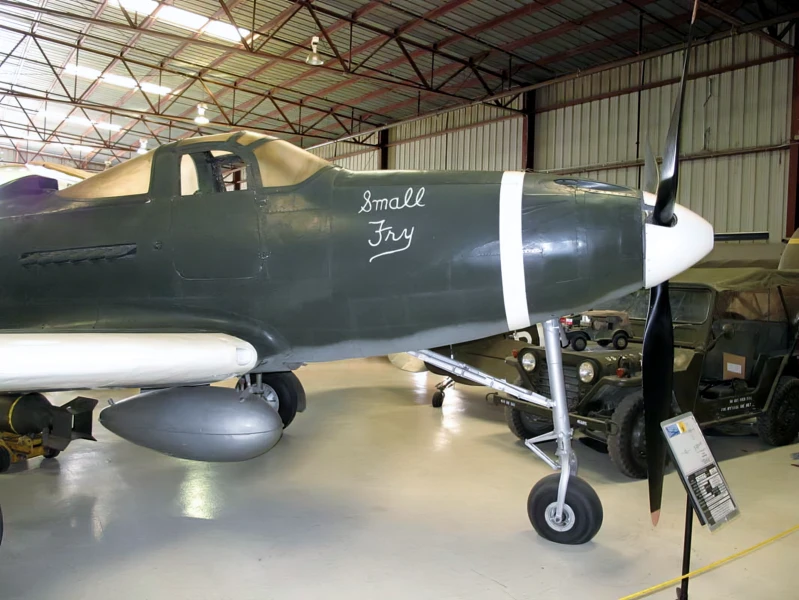 Bell P-39N Airacobra – WalkAround
 Konsolidoitu B-24M-vapauttaja – WalkAround
 P-47D Thunderbolt – WalkAround
 A-20 Havoc – WalkAround
 TBM-3E Avenger – Kävellä