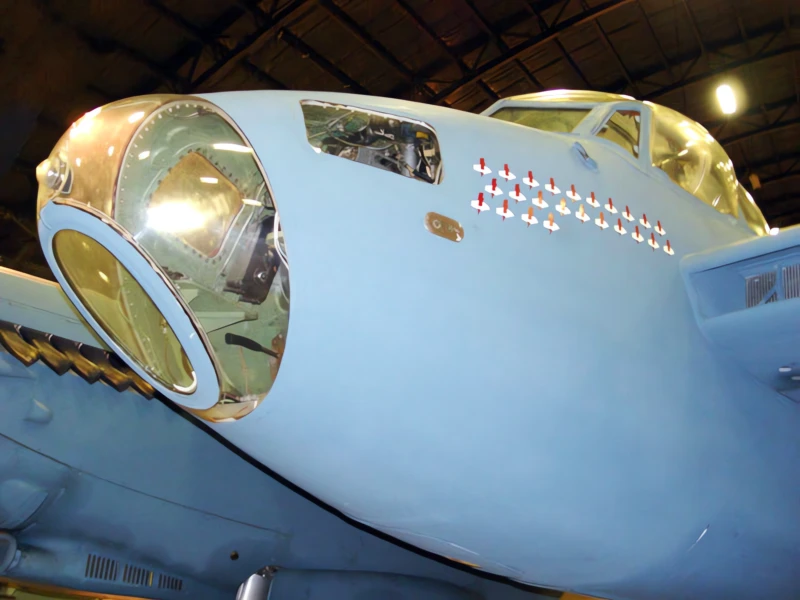
de Havilland Mosquito | |
|---|---|
| Maa | Iso |
| Rooli | Kevyt pommikone Hävittäjäpommittaja Yöhävittäjä |
| Ensimmäinen lento | 25 päivänä marraskuuta 1940 |
| Rakennettu | 7781 |
Nniiden de Havilland DH.98 Hyttynen oli brittiläinen kaksimoottorinen olkapääsiipinen monitoiminen taistelukone. Kahden hengen miehistö, lentäjä ja navigaattori, istuivat vierekkäin. Se palveli toisen maailmansodan aikana ja sen jälkeen. Se oli yksi harvoista aikakauden operatiivisista rintamalentokoneista, joka oli rakennettu lähes kokonaan puusta ja sai lempinimen Puinen ihme. Mosquito tunnettiin myös hellästi "Mossiena" miehistöilleen. Alun perin aseettomana nopeana pommittajana suunniteltu Mosquito sovitettiin rooleihin, kuten matalan tai keskikorkeuden taktinen pommikone, korkean korkeuden yöpommittaja, tienraivaaja, päivä- tai yöhävittäjä, hävittäjäpommittaja, tunkeilija, meri-iskukone ja nopeat valokuvien tiedustelukoneet. British Overseas Airways Corporation (BOAC) käytti sitä myös nopeana kuljetuksena kuljettamaan pieniä arvokasta rahtia puolueettomaan maahan ja sieltä pois vihollisen hallitseman ilmatilan kautta. Yksi matkustaja pystyi ajamaan lentokoneen pommilaiturilla, kun se sovitettiin tarkoitukseen.
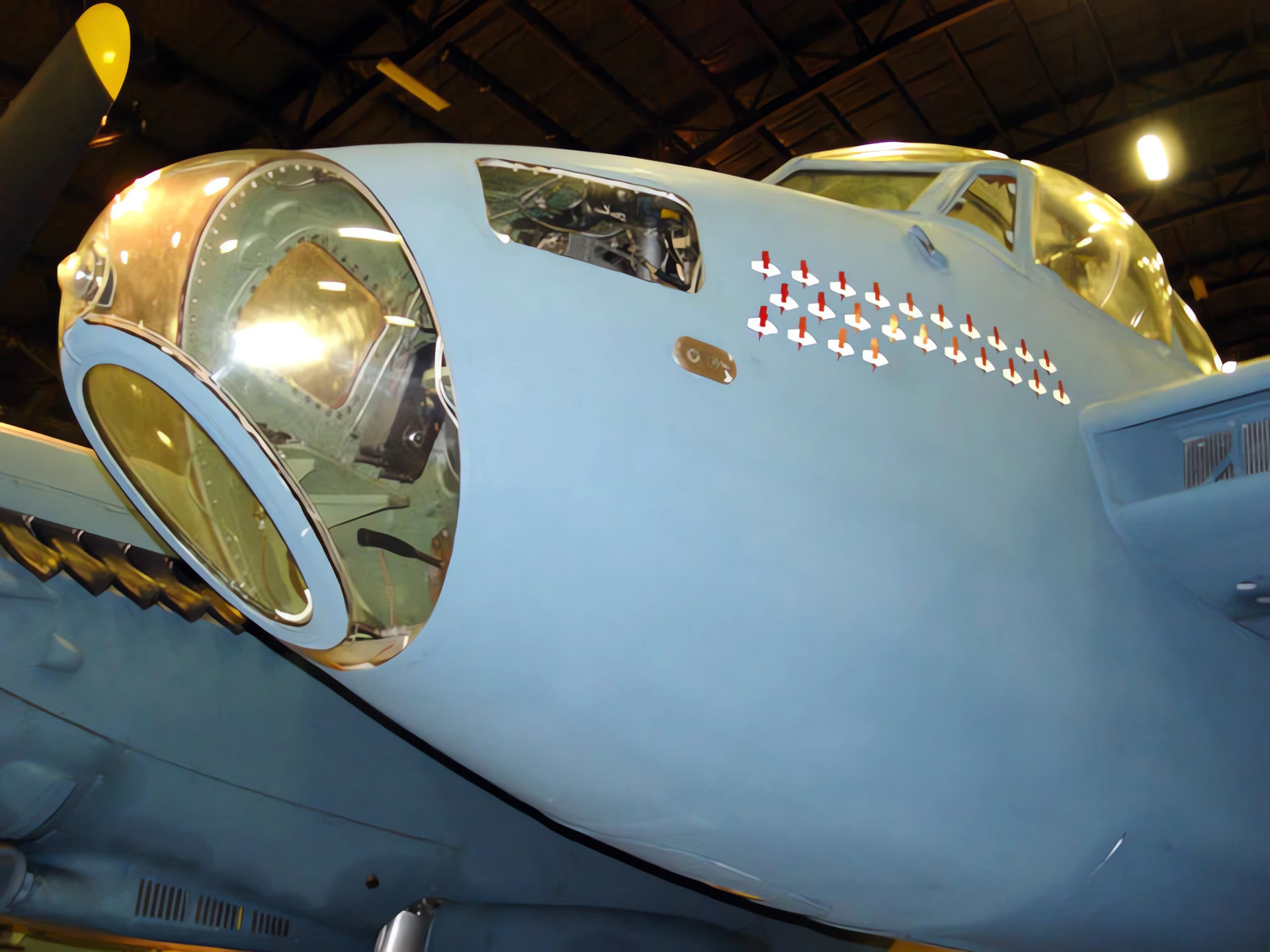
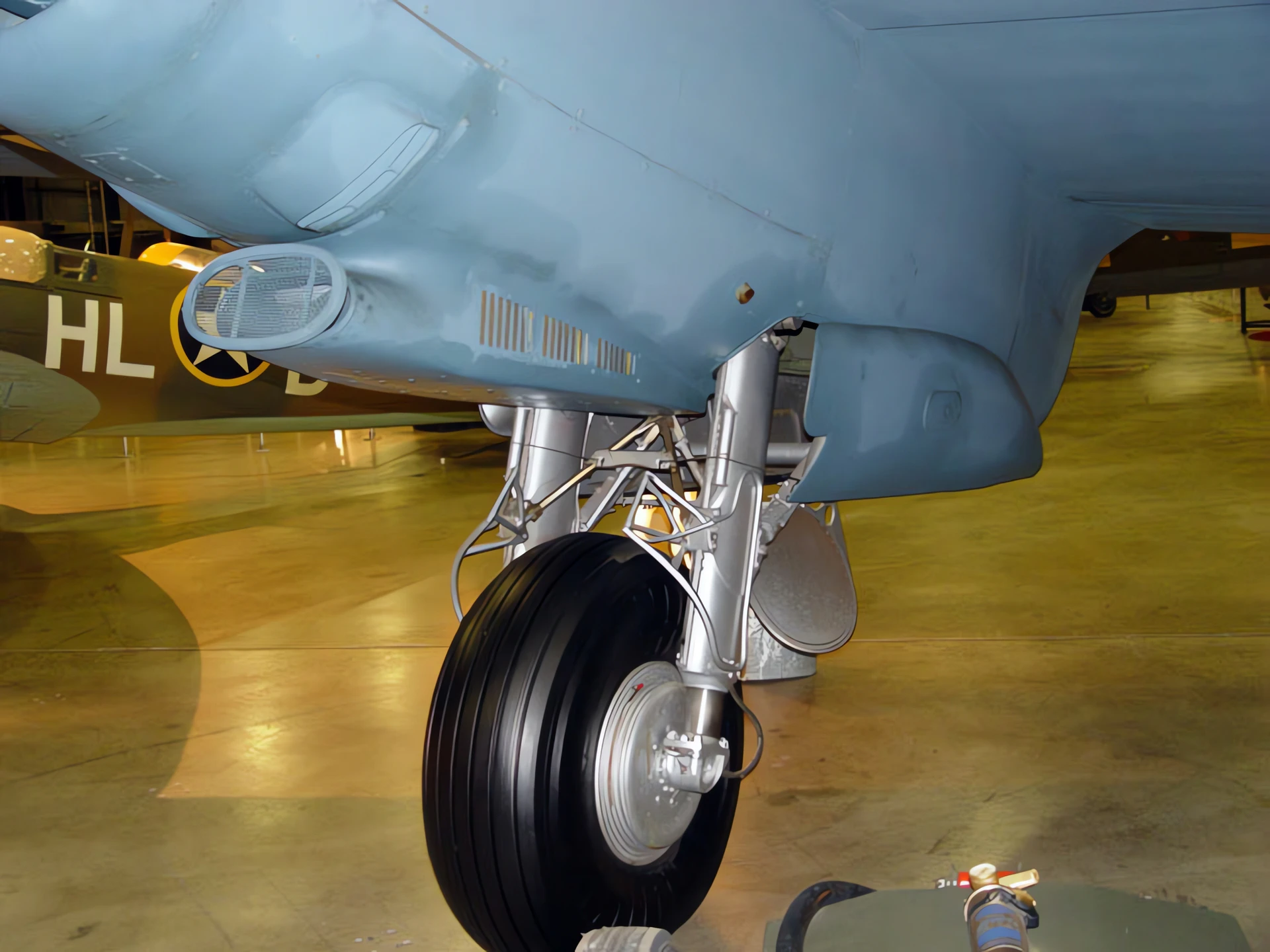
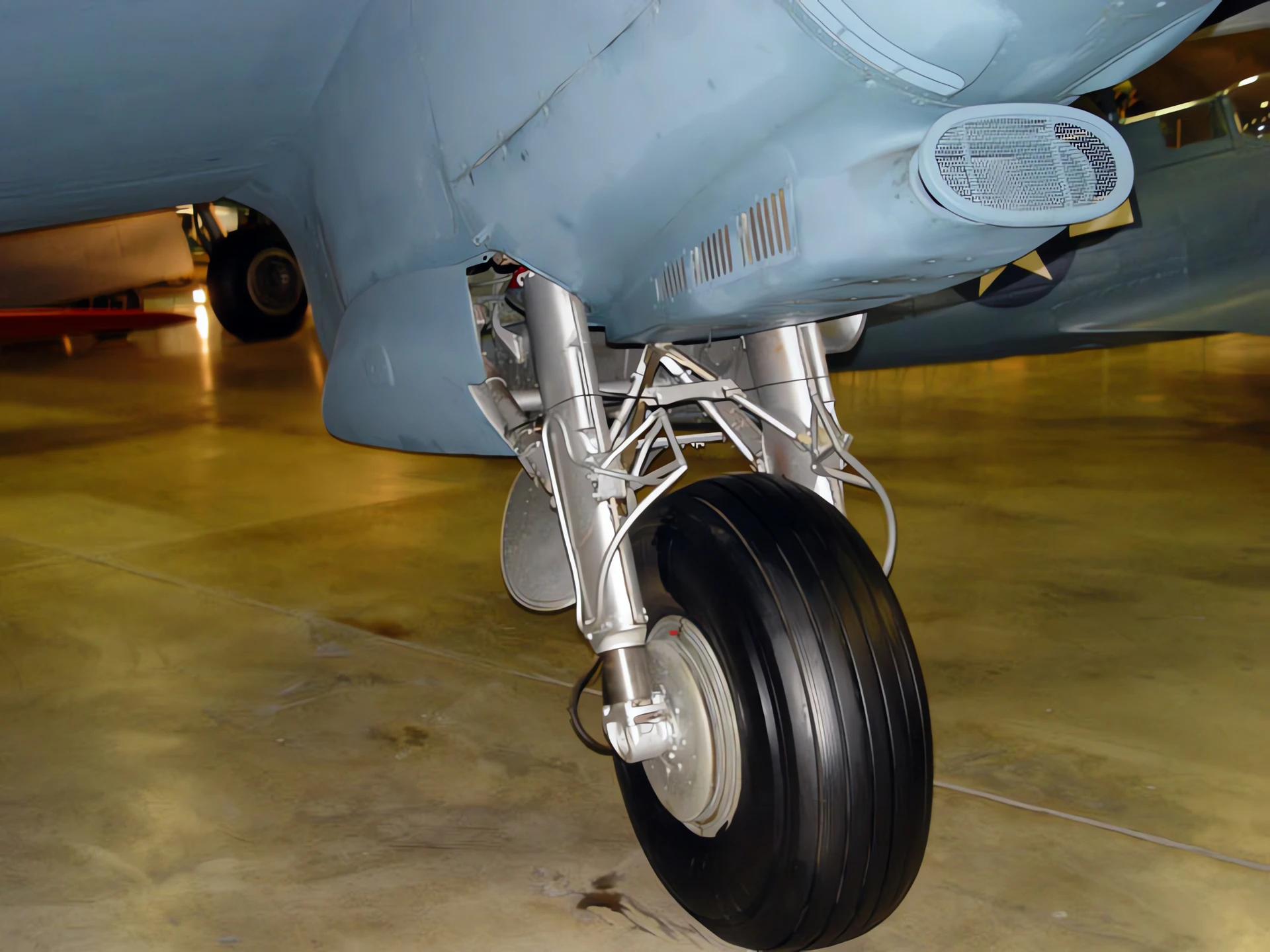
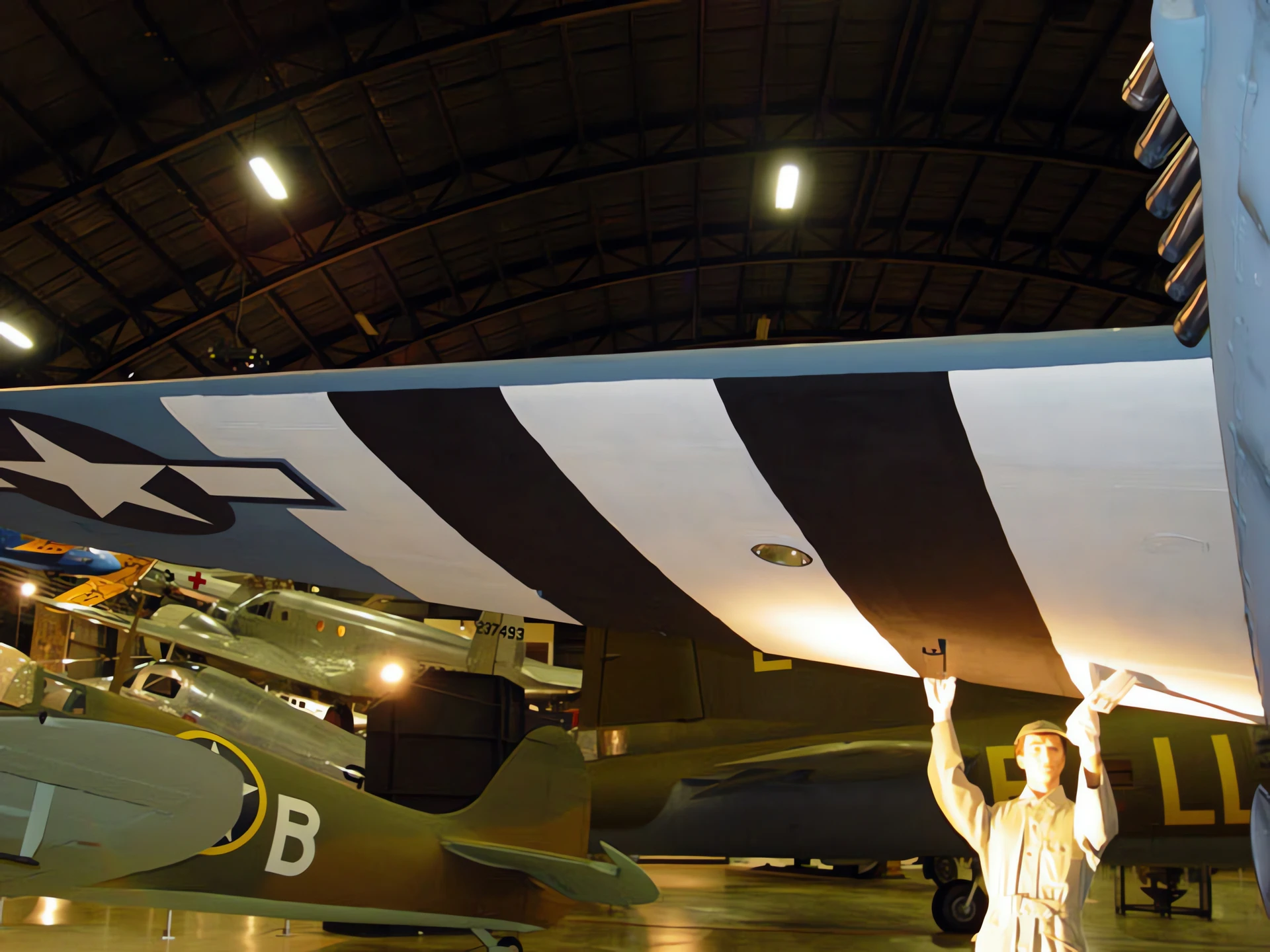
| DeHavilland DH-98 Mosquito Walk Around | |
|---|---|
| Valokuvaaja | Vladimir Jakubov |
| Lokalisointi | USAF:n kansallismuseo |
| Valokuvat | 50 |
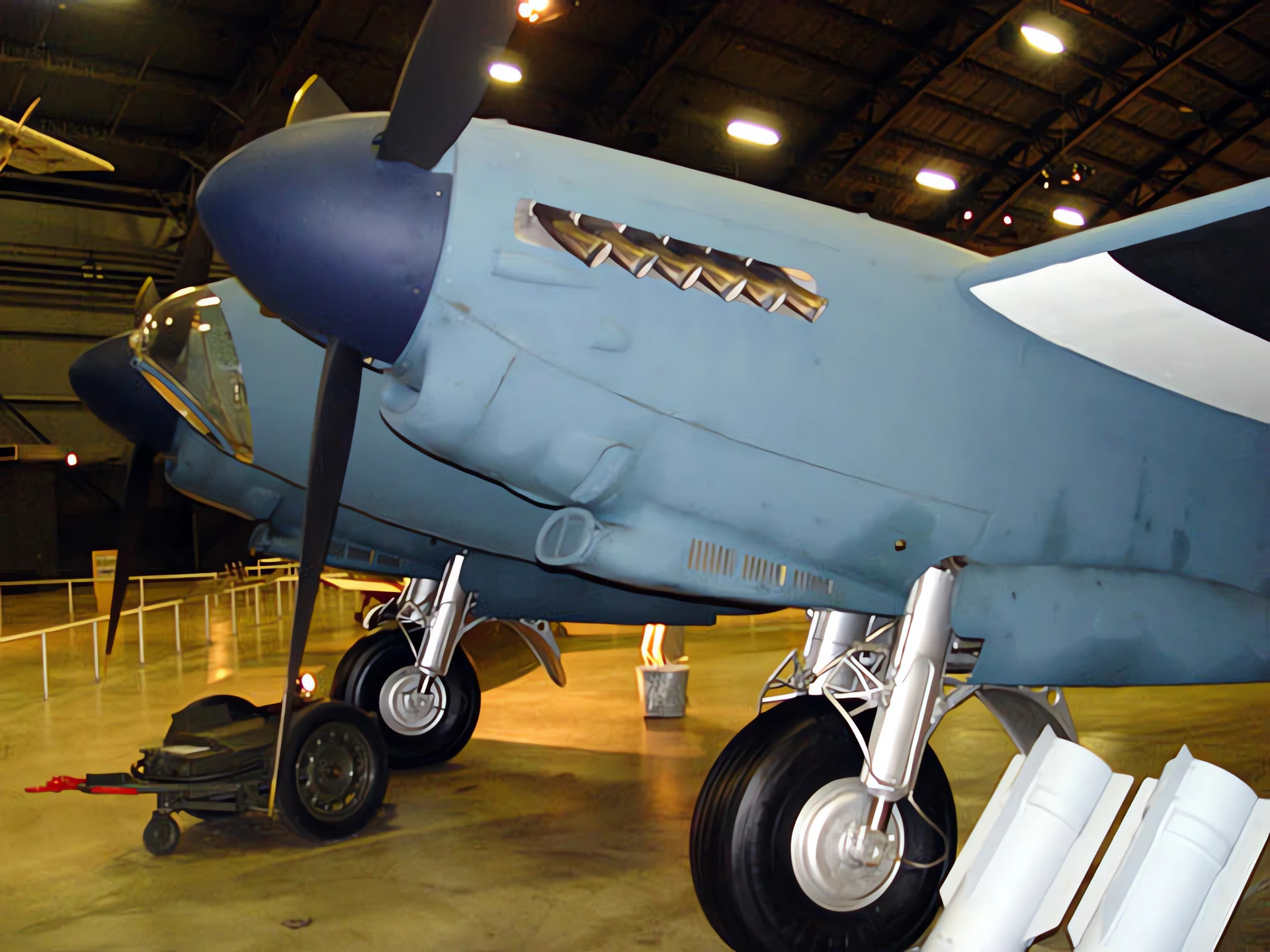
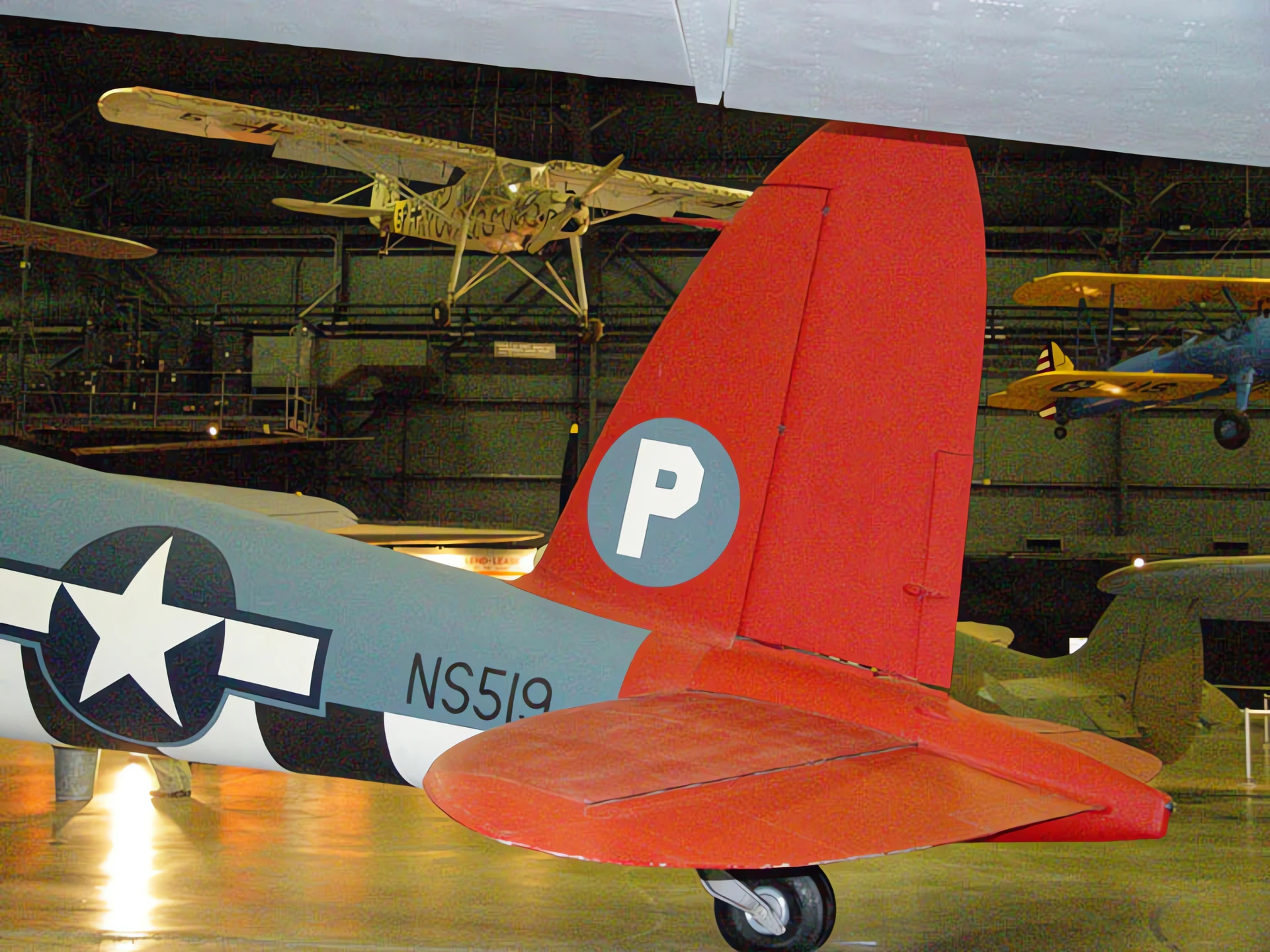
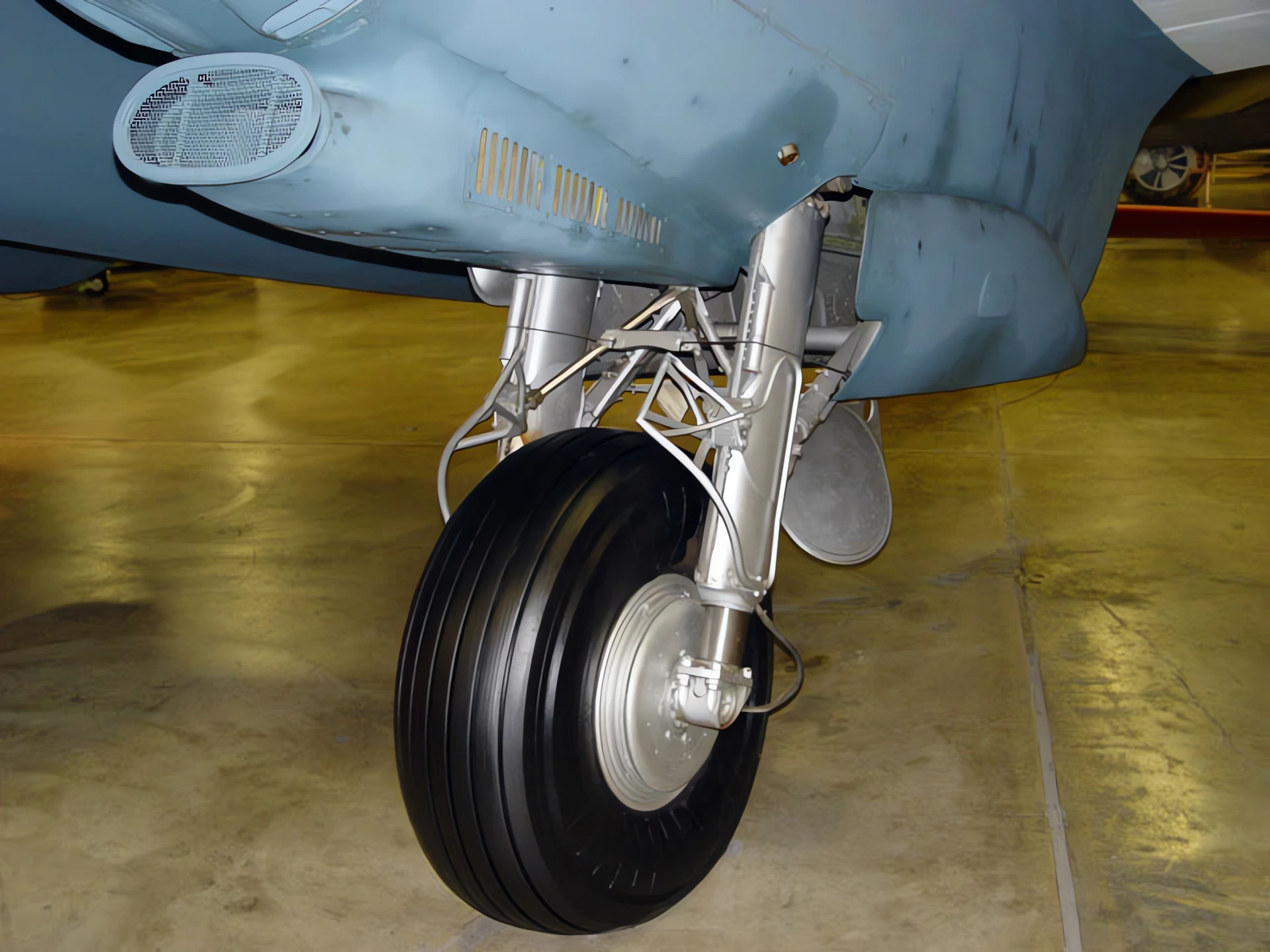
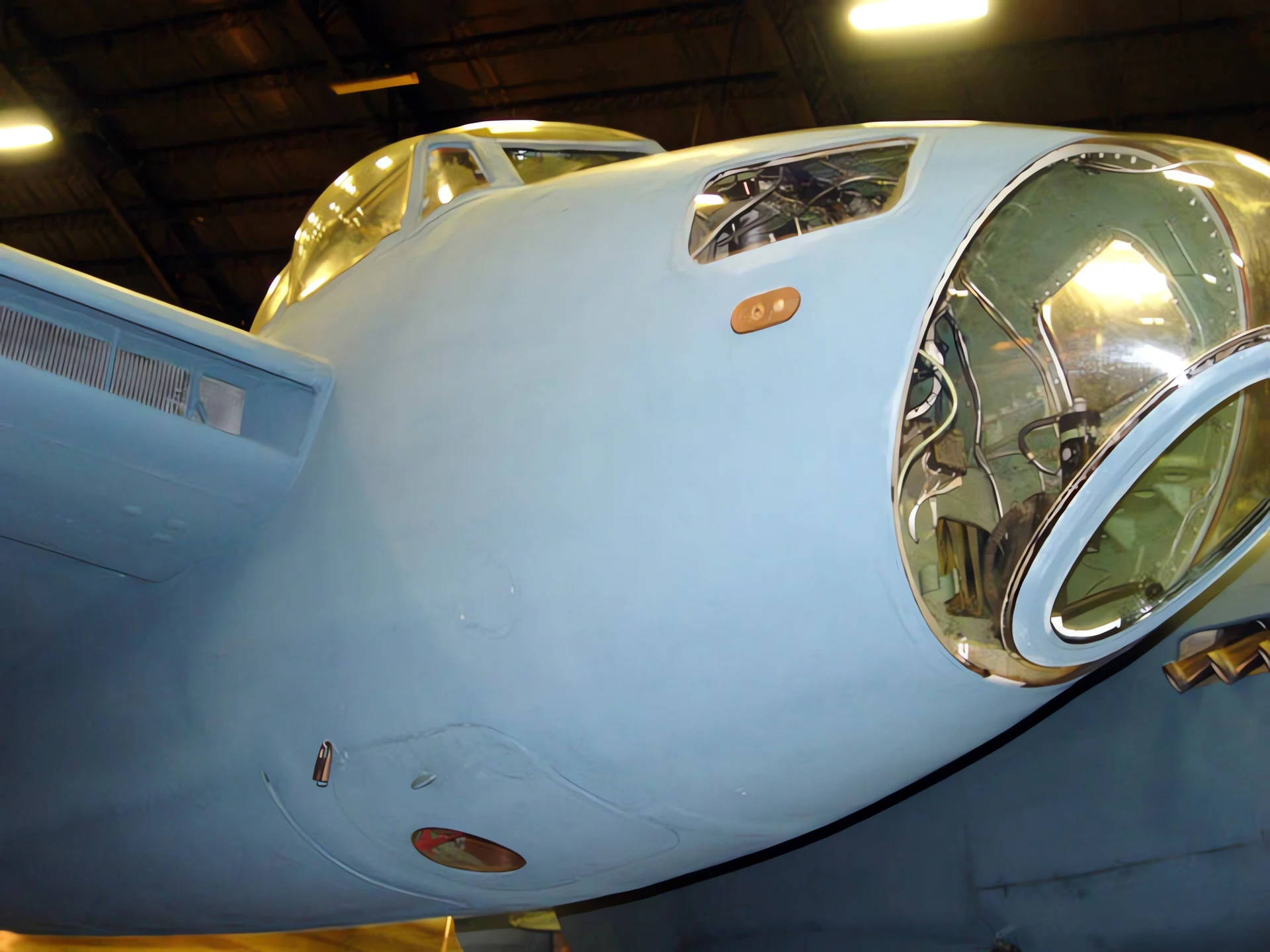
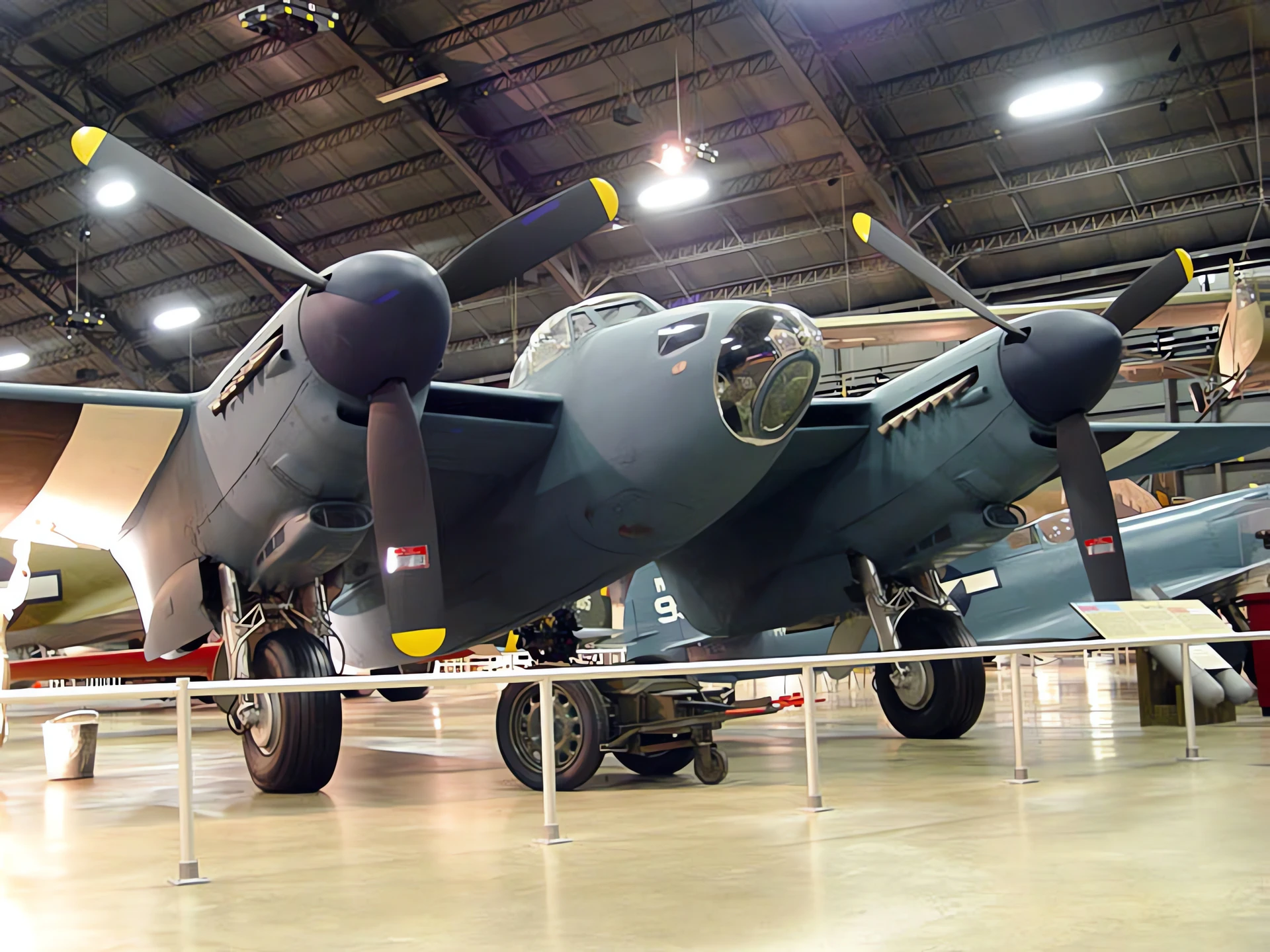

| De Havilland Mosquito NF.XIX | |
|---|---|
| Valokuvaaja | Andrei Sinkkihuk |
| Lokalisointi | Ei tietää |
| Valokuvat | 39 |
| Mosquito FB.VI (T.3) Walk Around | |
|---|---|
| Valokuvaaja | Randy Malmstrom |
| Lokalisointi | Ei tietää |
| Valokuvat | 106 |
| Mosquito PR.XVI (TT.35) Walk Around | |
|---|---|
| Valokuvaaja | Michael Benolkin |
| Lokalisointi | Ei tietää |
| Valokuvat | 15 |
Katso myös:


| De Havilland Mosquito B.35 Walk Around | |
|---|---|
| Valokuvaaja | Max Otten |
| Lokalisointi | Ei tietää |
| Valokuvat | 75 |
The Unarmed Speedster
Nniiden De Havilland Mosquito was one of the most remarkable aircraft of World War II. While other manufacturers were competing for scarce aluminum, De Havilland proposed a bomber made almost entirely of puu. Initially dismissed by the Air Ministry, the Mosquito proved that by removing defensive turrets and relying on pure speed, it could outrun almost any fighter of its day. It evolved from a fast bomber into a lethal night fighter, a precision strike aircraft, and the ultimate reconnaissance platform.
| Attribute | Technical Specification (FB Mk VI) |
|---|---|
| Rooli | Fighter-Bomber / Night Fighter / Reconnaissance |
| miehistö | 2 (Pilot and Navigator/Radio Operator) |
| First Flight | November 25, 1940 |
| Voimalaitos | 2 × Rolls-Royce Merlin 25 liquid-cooled V12s |
| Horsepower | 1,620 hp per engine |
| Enimmäisnopeus | 415 mph (668 km/h) at 28,000 ft |
| Rakentaminen | Plywood, Balsa, and Spruce Sandwich |
| Aseistus | 4 × 20mm Hispano cannons; 4 × .303 Browning machine guns |
Engineering the “Wooden Wonder”
- The Balsa Sandwich: The fuselage was constructed in two halves (left and right) using a sandwich of Ecuadorian balsa wood between layers of birch plywood. This allowed for internal equipment to be installed easily before the halves were glued together.
- Radiators in the Wings: Unlike most aircraft that had radiators hanging below the engines (creating drag), the Mosquito’s radiators were buried in the leading edges of the wing roots, further cleaning up the airflow.
- The Merlin Harmony: Powered by the same engines as the Spitfire and Mustang, the twin Merlins gave the Mosquito a power-to-weight ratio that allowed it to carry a 4,000 lb “Cookie” bomb—the same load as a four-engine B-17 Flying Fortress early in the war.
- Stealth Ancestry: Because of its wooden construction, the Mosquito had a significantly lower radar cross-section than metal aircraft, making it an accidental pioneer in stealth technology for night-time operations.
Operational Excellence
- Operation Jericho: In 1944, Mosquitos performed a legendary low-level precision strike on Amiens Prison in France, breaching the walls to allow French Resistance members to escape just before their scheduled executions.
- The Pathfinders: Mosquitos served as the “Pathfinders” for the RAF Bomber Command, using high-speed navigation and the Oboe radio system to mark targets with flares for the heavy bombers following behind.
- The “Tsetse” Variant: The Mk XVIII variant was equipped with a massive 57mm Molins anti-tank gun in the nose, used with devastating effect against German U-boats and shipping.
- A Global Legacy: Over 7,700 were built in the UK, Canada, and Australia. Today, they are among the most prized warbirds in the world, with only a tiny handful remaining in airworthy condition due to the difficulty of preserving 80-year-old glue and wood.
Views : 4754
Voit myös nähdä:
 de Havilland Dragon Rapide – Valokuvat & Videot
 de Havilland Canada DHC-2 - Valokuvat ja videot
 de Havilland DH.60 Moth - Valokuvat ja videot
 de Havilland DH112 Venom – Valokuvat & Videot
 de Havilland, Kanada DHC-4 Caribou – Valokuvat ja video
 de Havilland Dragon – Valokuvat & Video
 de Havilland DH.88 Comet – Valokuvat ja video
 de Havilland Vampire – Valokuvat & Video
de Havilland DH112 Venom – Valokuvat ja video
de Havilland Vampire – Valokuvat & Video
de Havilland DH112 Venom – Valokuvat ja video
 de Havilland DH.82 Tiger Moth – Valokuvat ja video