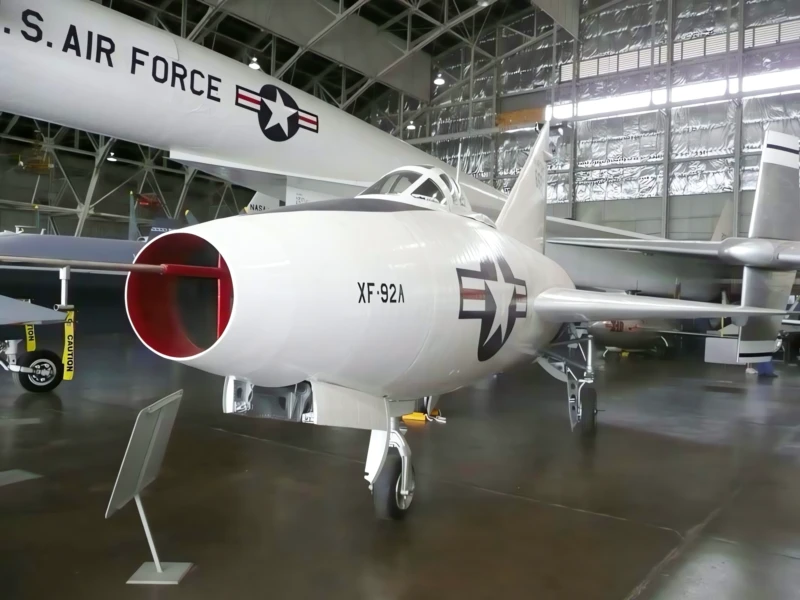
Convair XF-92 | |
|---|---|
| País | E.e.u.u |
| Papel | Aviones interceptores |
| Primer vuelo | 18 de septiembre de 1948 |
| Construido | 1 |
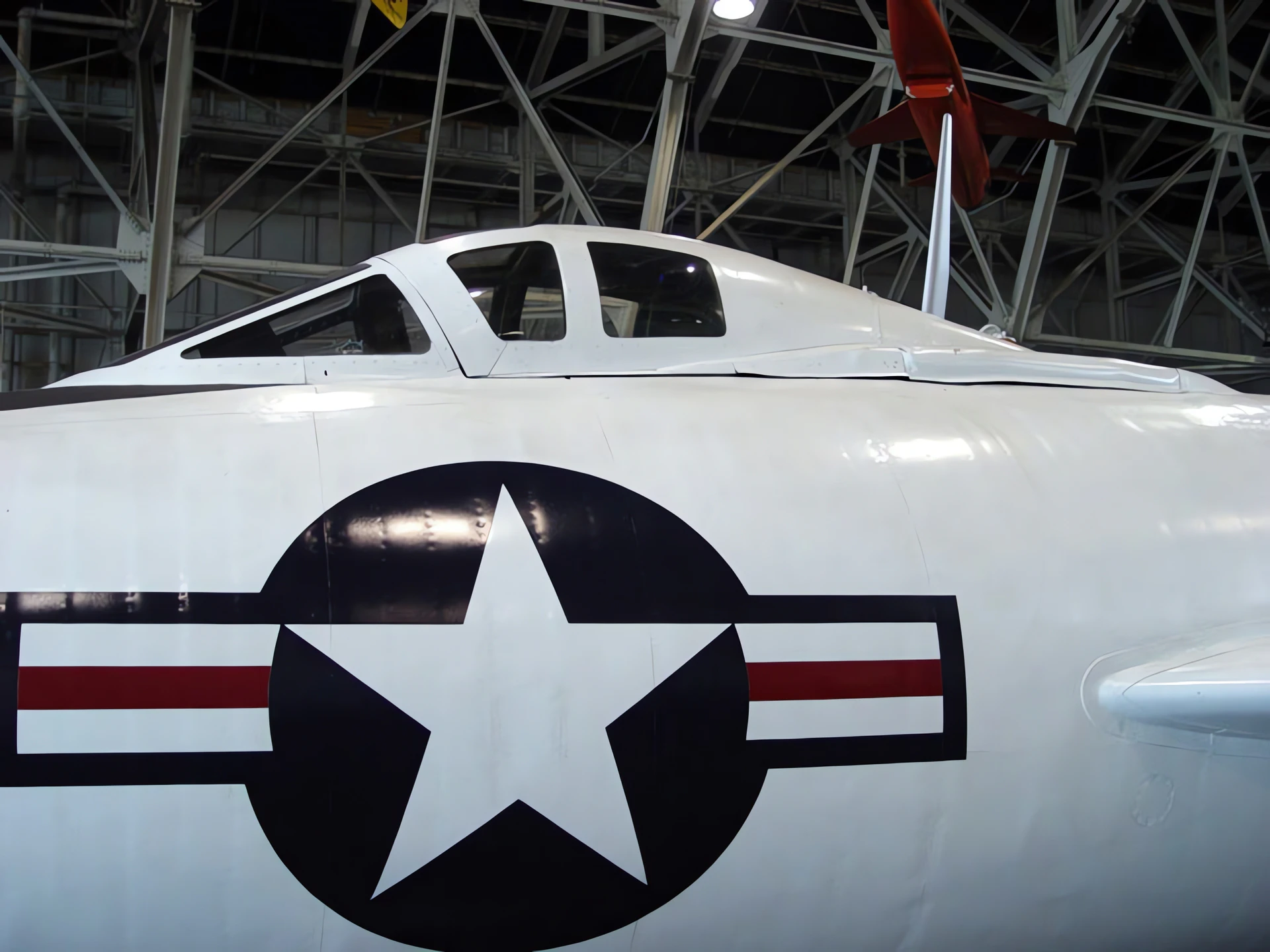
el Convair XF-92 (originalmente designado XP-92) fue uno de los primeros aviones de ala delta estadounidenses. Originalmente concebido como un interceptor de defensa puntual, el diseño se utilizó más tarde con fines puramente experimentales. Sin embargo, llevó a Convair a usar el ala delta en una serie de diseños, incluyendo el F-102 Delta Dagger, F-106 Delta Dart, B-58 Hustler, el F2Y Sea Dart de la Armada de los Estados Unidos, así como el VTOL FY Pogo.
Fuente: Convair XF-92 en Wikipedia
| Convair XF-92 | |
|---|---|
| Fotógrafos | John Heck, Vladimir Yakubov |
| Localización | Museo Nacional del Aire y el Espacio, Washington DC |
| Fotos | 113 |
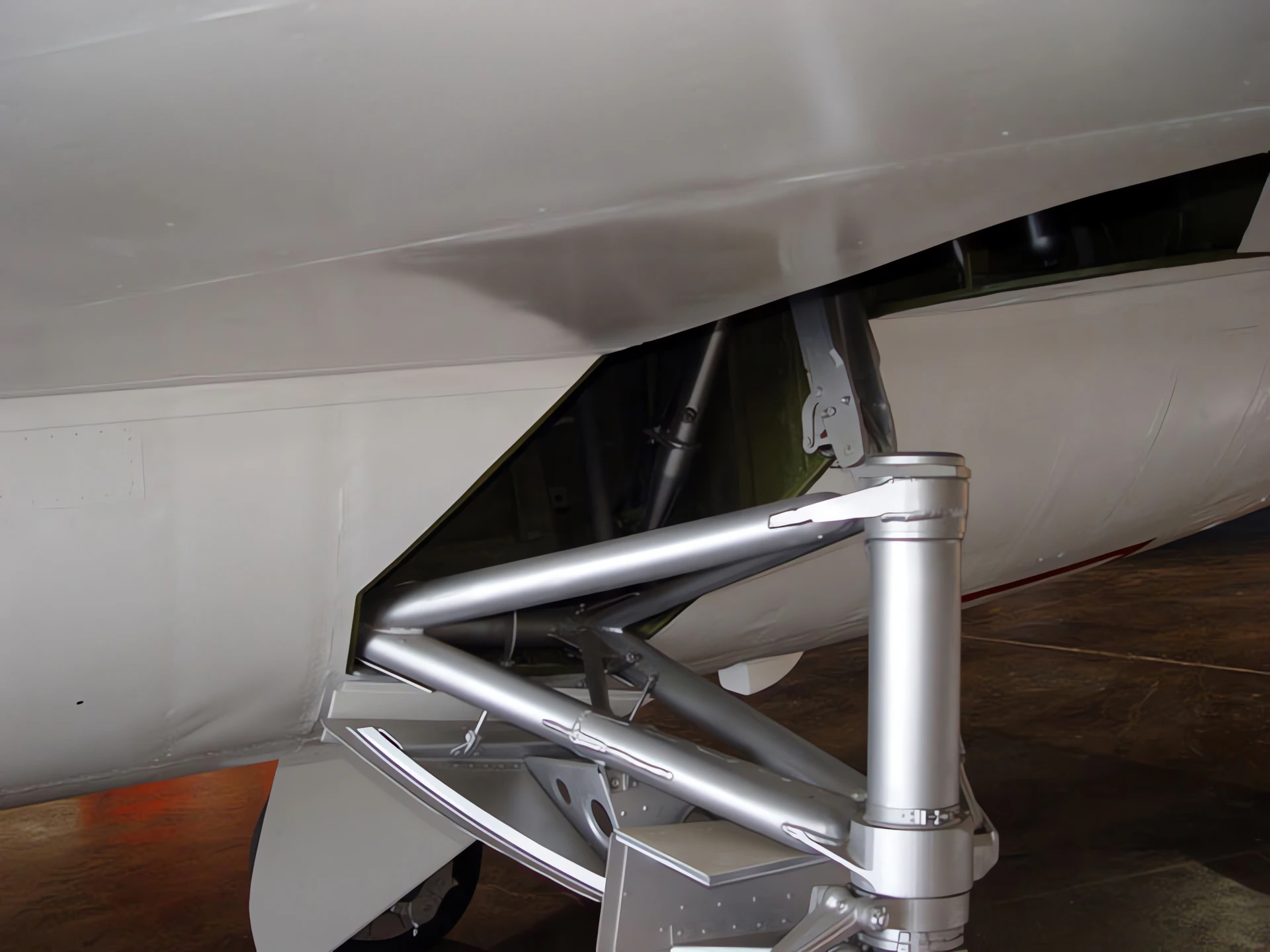
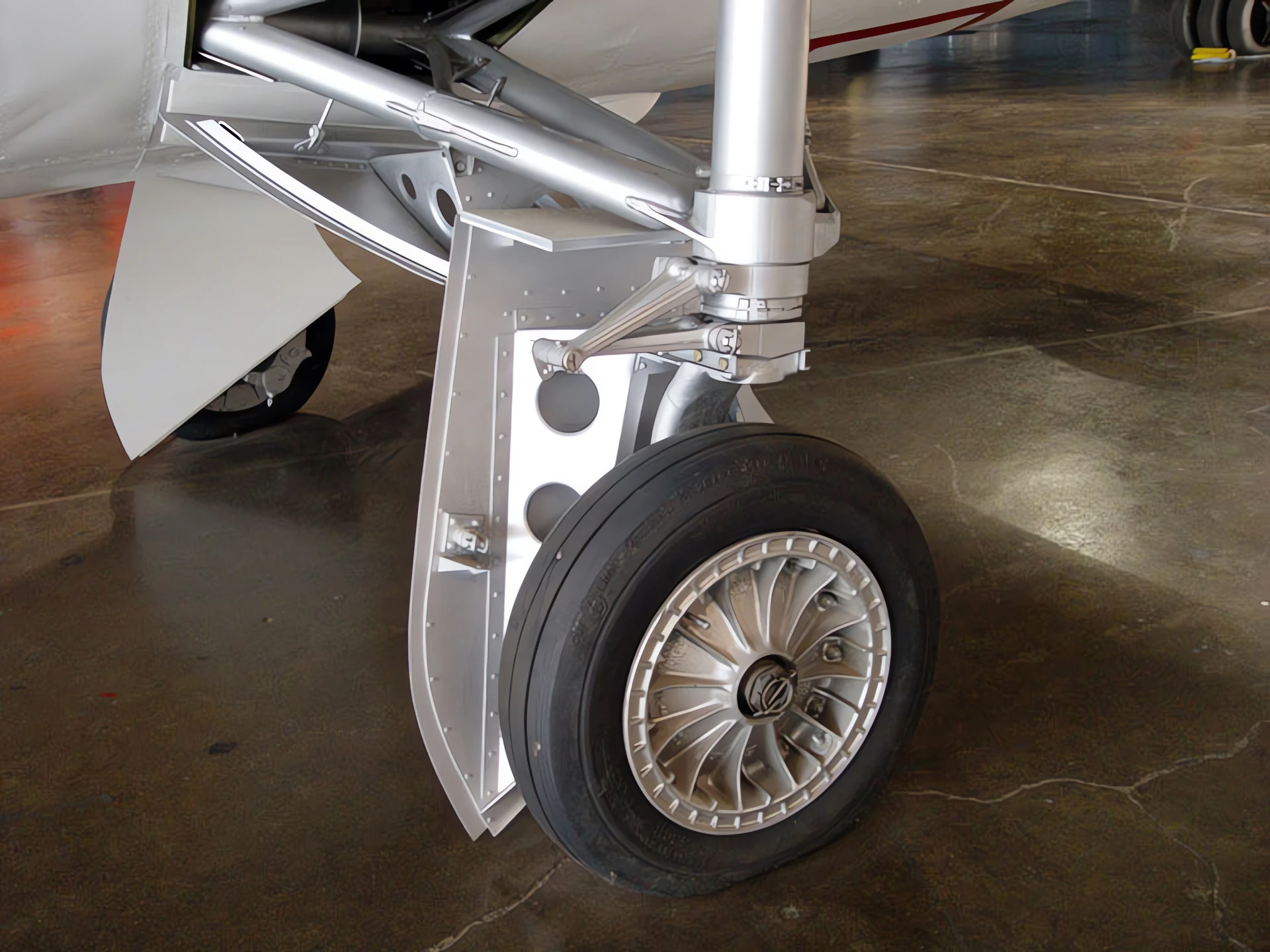
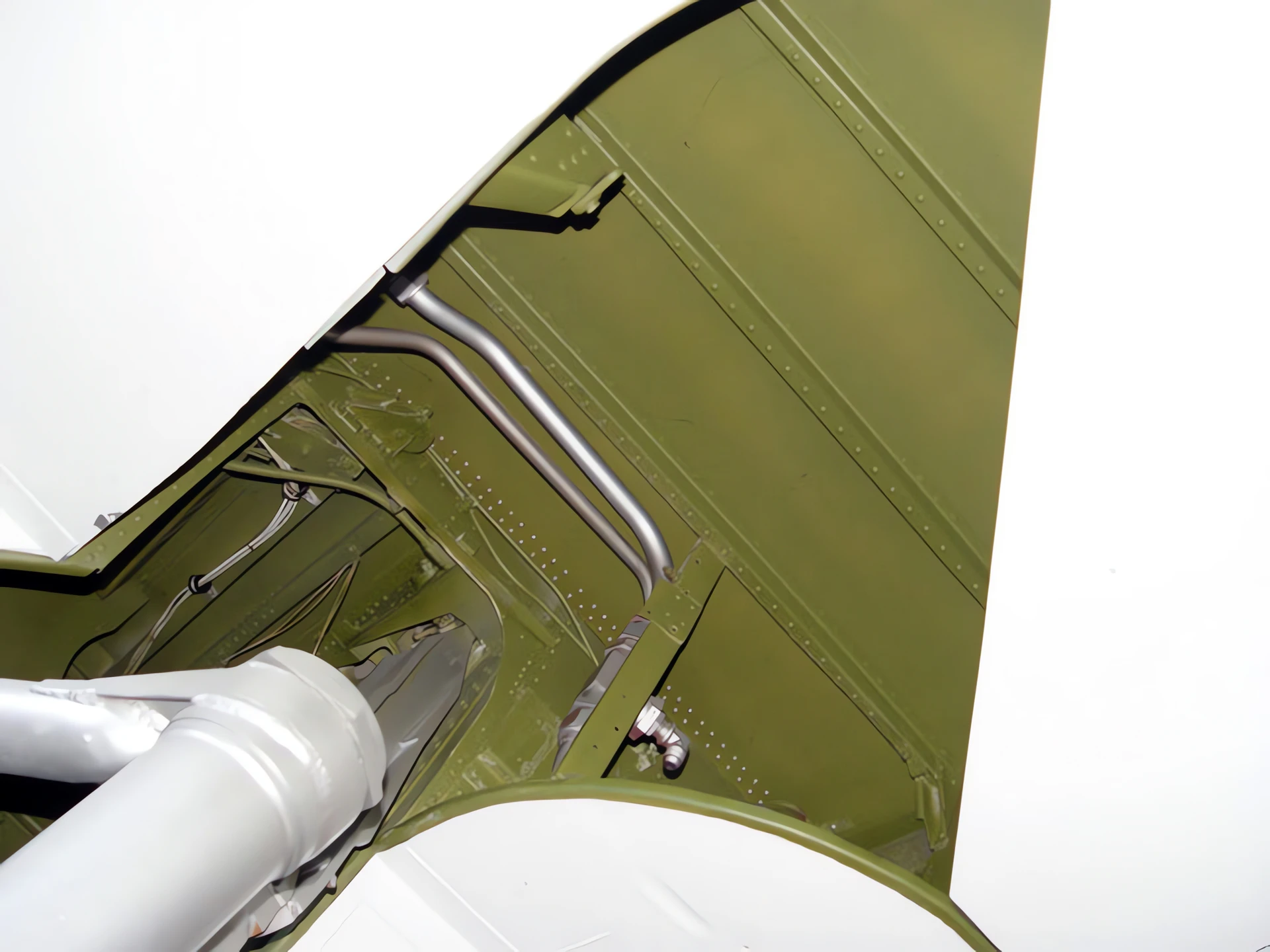
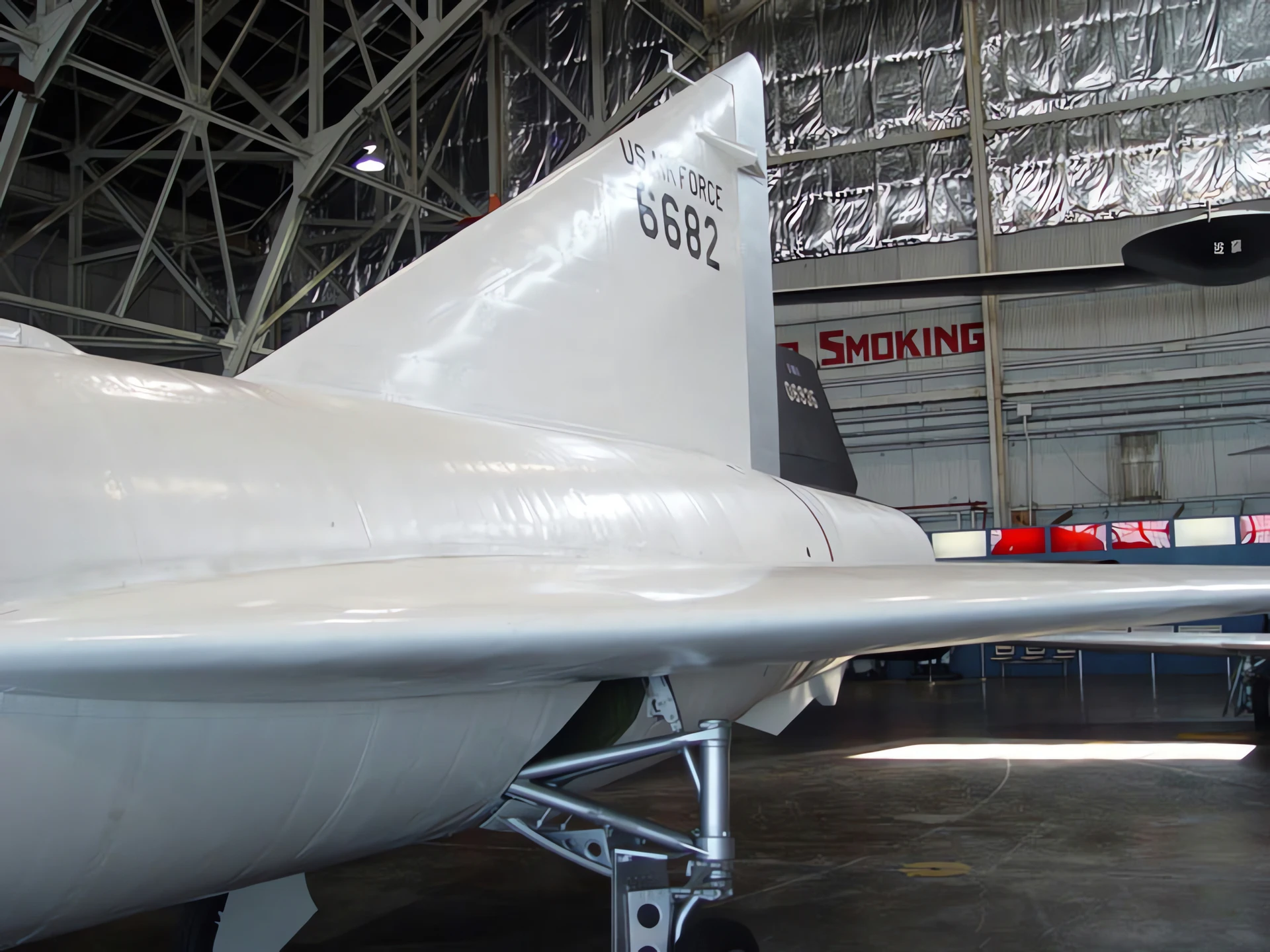


Ver también:


General Characteristics and Role
The Convair XF-92A Dart was a single-seat, experimental jet aircraft developed for the U.S. Air Force (USAF) in the late 1940s. Although initially conceived as a prototype interceptor (designations XF-92/YF-92), its true significance lies in its role as a pure research vehicle. The XF-92A was the first American jet aircraft to fly with a delta wing configuration. Based on aerodynamic research by German engineer Alexander Lippisch, this radical wing shape was crucial to Convair’s supersonic aircraft development. The XF-92A successfully proved the feasibility of the delta wing design for high-speed flight, directly leading to the development of the F-102 Delta Dagger and the B-58 Hustler.
| Property | Typical Value (XF-92A) |
|---|---|
| Papel | Experimental/Research Aircraft (Delta Wing) |
| National Origin | Estados Unidos |
| Fabricante | Convair |
| First Flight | 18 de septiembre de 1948 |
| Equipo | 1 (Pilot) |
| Longitud | 12.83 m (42 ft 1 in) |
| Envergadura | 9.55 m (31 ft 4 in) |
| Gross Weight | 6,890 kg (15,198 lb) |
Powerplant and Delta Features
- Engine: Initially a General Electric J33-A-21 turbojet, later upgraded to a Allison J33-A-29 turbojet with afterburner.
- Thrust (Max): Approx. 3,400 lbf (15 kN) (original J33); 8,300 lbf (37 kN) (upgraded J33-A-29 with afterburner).
- Aerodynamics: The delta wing featured a 60-degree sweep along the leading edge. The absence of a conventional horizontal stabilizer meant the single control surfaces (elevons) handled both pitch and roll control.
- Maximum Speed: The upgraded version was capable of speeds approaching the speed of sound, with Mach 0.95 being achieved during flight testing.
- Key Contribution: The XF-92A was vital in studying the flight characteristics of the delta wing, particularly issues related to high angle-of-attack handling and high-speed stability.
Program Legacy and Impact
- Pilot Feedback: Test pilots, including Chuck Yeager, praised the aircraft’s high-speed handling but noted poor low-speed maneuverability, particularly during landing approach, which required high pitch angles.
- Influence: The XF-92A is considered the direct predecessor to all of Convair’s supersonic delta wing interceptors and bombers, setting the path for aircraft such as the F-102 Delta Dagger, the F-106 Delta Dart, and the B-58 Hustler strategic bomber.
- Retirement: The sole prototype flew over 250 times and was retired in 1953 after successfully completing its primary research objectives.
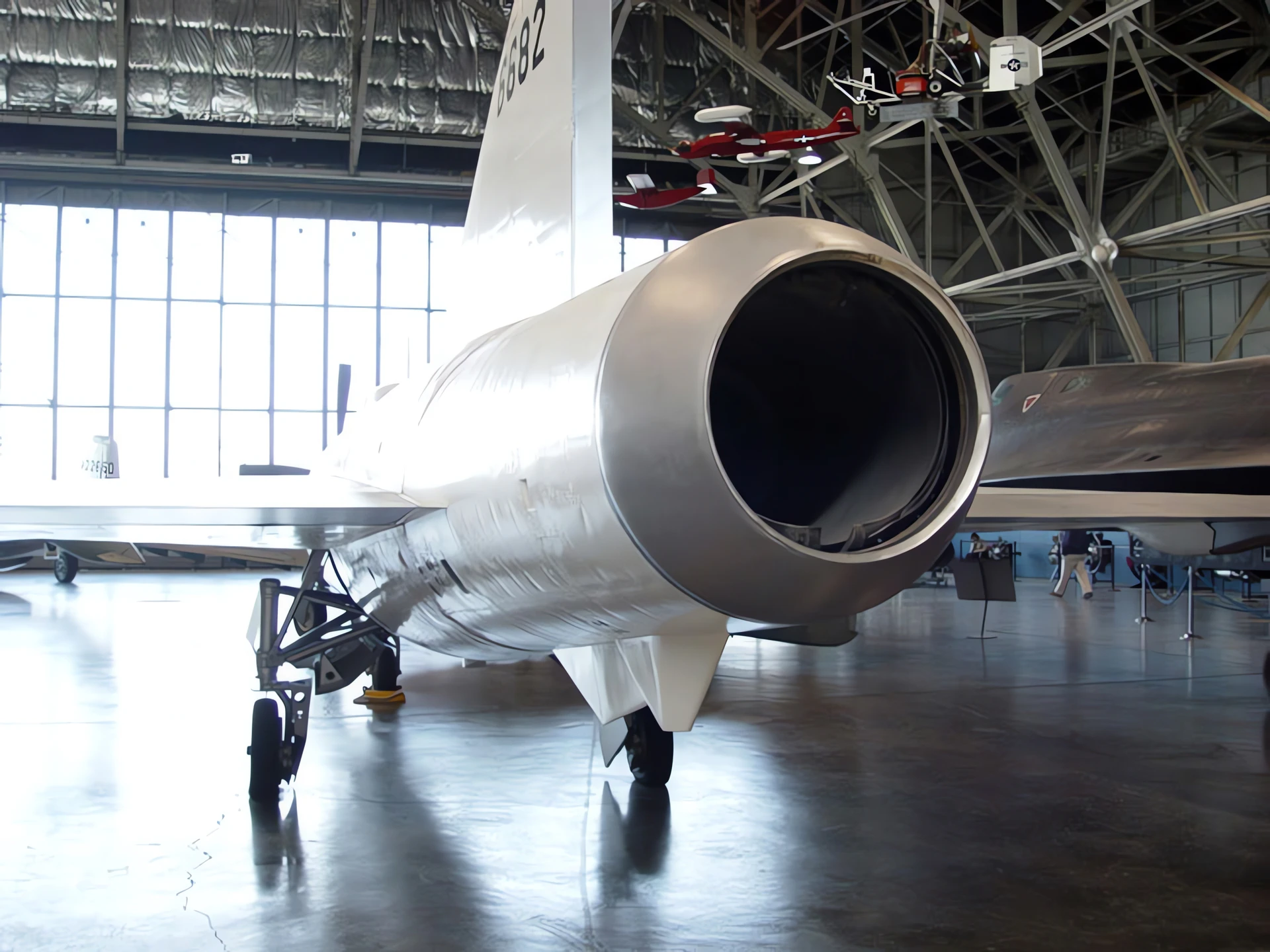
- Preservation: The single XF-92A built (AF Ser. No. 46-682) is now on permanent display at the National Museum of the United States Air Force in Dayton, Ohio.
Vistas : 2314
También puede ver:
 Convair F2Y Sea Dart – Fotos y Videos
 Convair C-131 Samaritan – Fotos y Videos
 Piper L-4 Grasshopper – Fotos y Video
 Lockheed U-2 – Fotos y Video
 Convair B-58A Hustler – Fotos y Video
 Convair B-36 Peacemaker – Fotos y Video
 Convair F-102A – Fotos y Video
 P-51D Mustang vol2 – Caminar
 B-17G Flying Fortress – WalkAround
 Messerschmitt Bf 109G-2 - Caminar