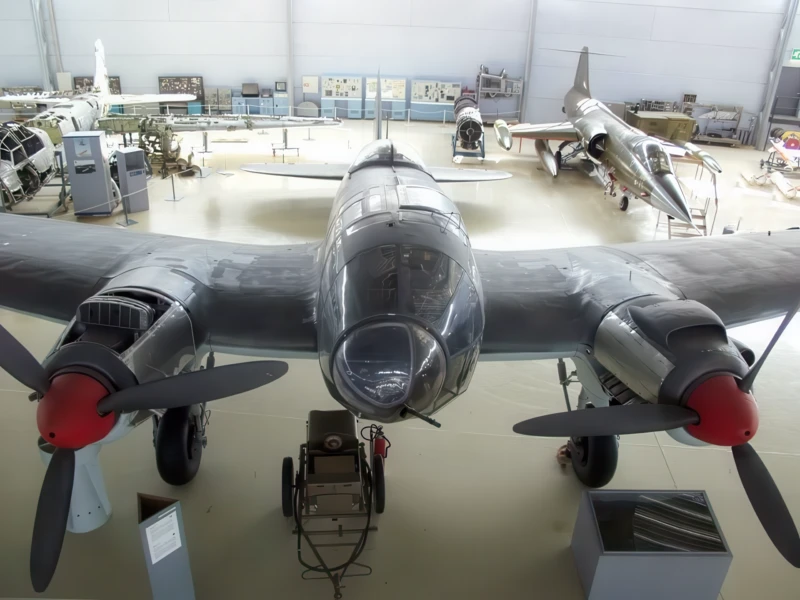
Heinkel He 111 | |
|---|---|
| País | Alemania |
| Papel | Bombardero medio |
| Primer vuelo | 24 de febrero de 1935 |
| Construido | 6508 |
el Heinkel Tiene 111 años was a German aircraft designed by Siegfried and Walter Günter at Heinkel Flugzeugwerke in 1934. Through development it was described as a “wolf in sheep’s clothing” because the project masqueraded the machine as civilian transport, though from conception the Heinkel was intended to provide the nascent Luftwaffe with a fast medium bomber. Perhaps the best-recognised German bomber due to the distinctive, extensively glazed “greenhouse” nose of later versions, the Heinkel He 111 was the most numerous Luftwaffe bomber during the early stages of World War II. The bomber fared well until the Battle of Britain, when its weak defensive armament was exposed. Nevertheless, it proved capable of sustaining heavy damage and remaining airborne. As the war progressed, the He 111 was used in a variety of roles on every front in the European theatre. It was used as a strategic bomber during the Battle of Britain, a torpedo bomber in the Atlantic and Arctic, and a medium bomber and a transport aircraft on the Western, Eastern, Mediterranean, Middle Eastern, and North African Front theatres.
Fuente:: Heinkel He 111 en Wiki
| Heinkel He 111-H | |
|---|---|
| Fotógrafo | Unknow |
| Localización | Unknow |
| Fotos | 22 |
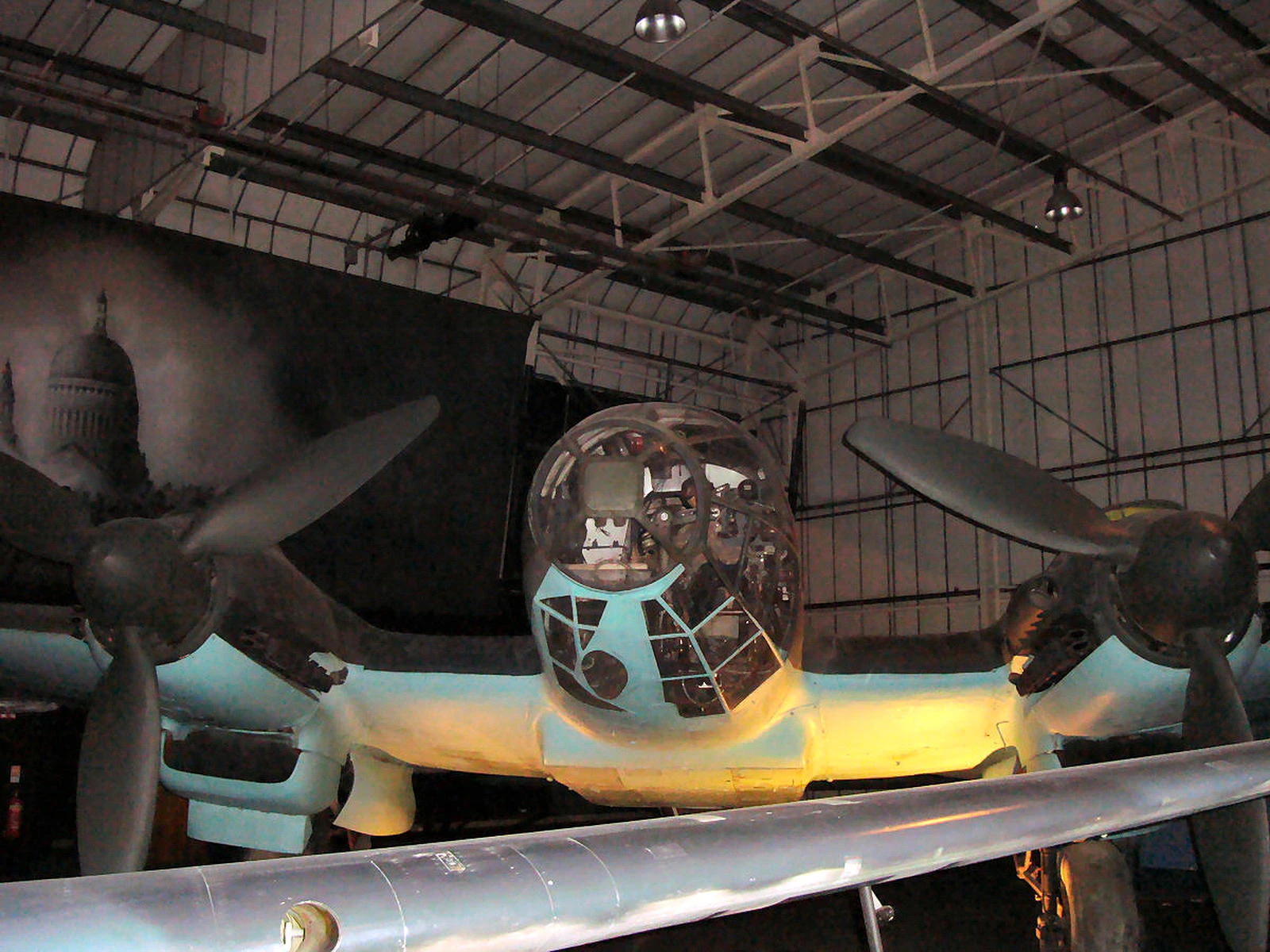
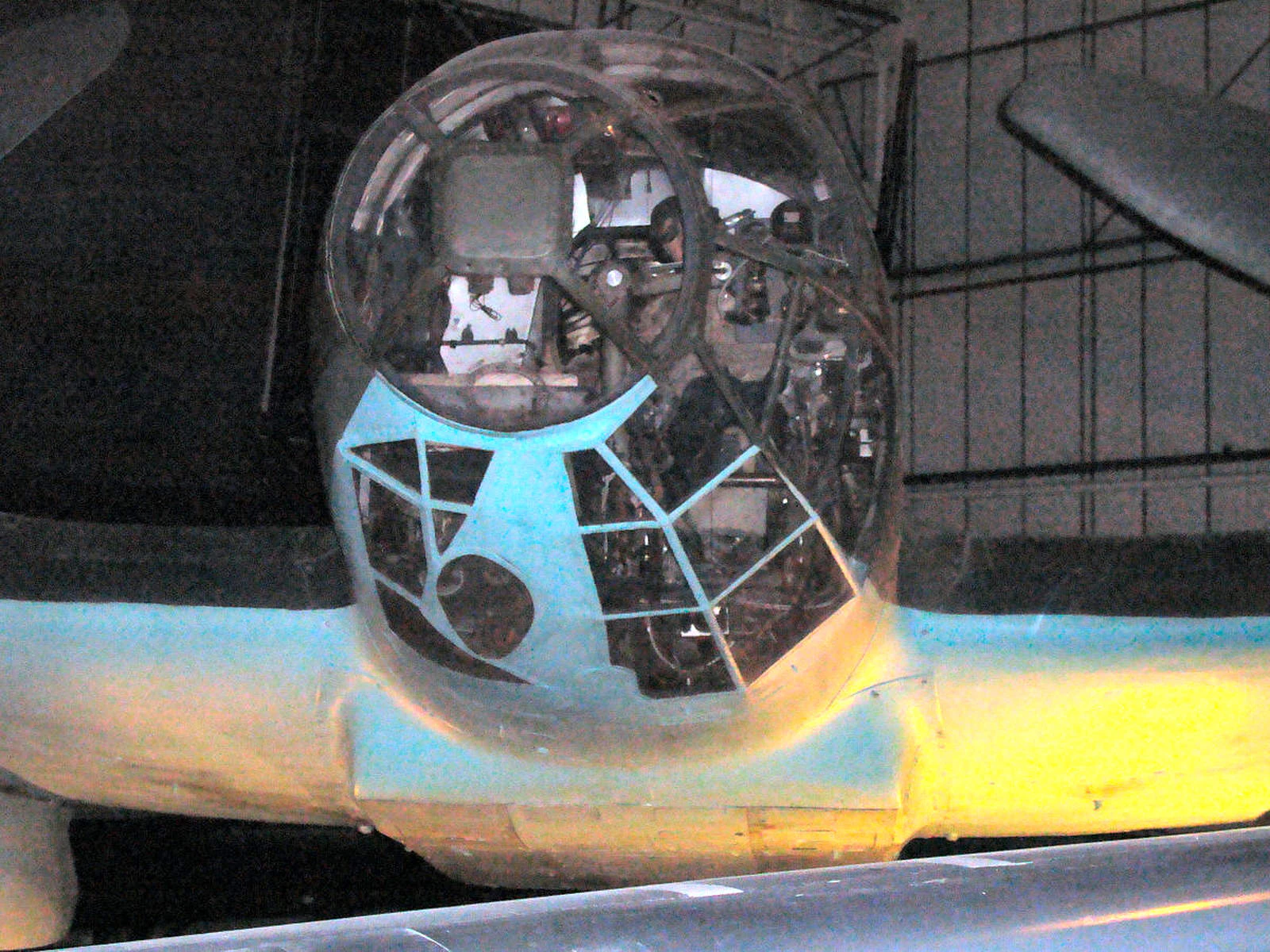
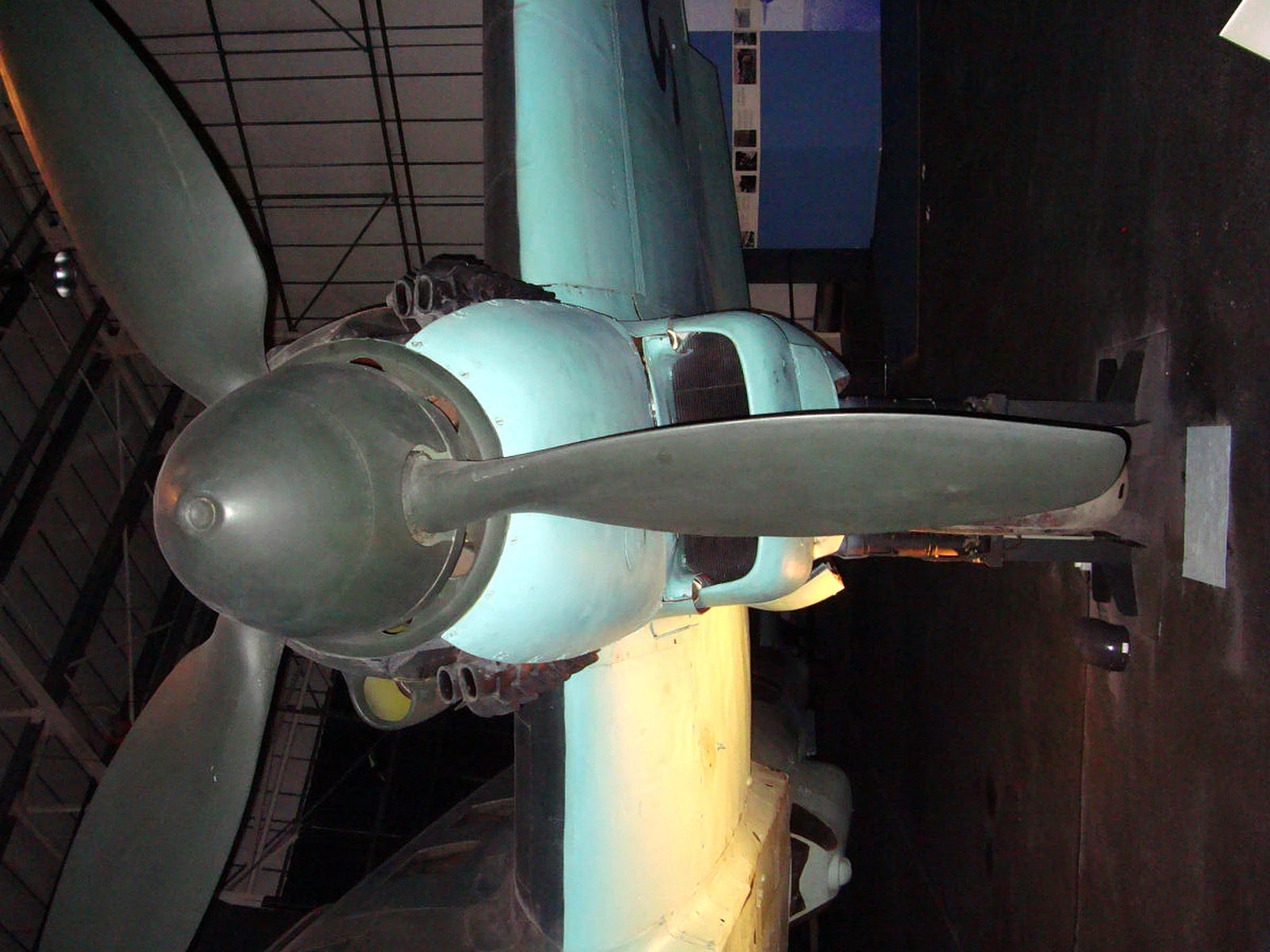
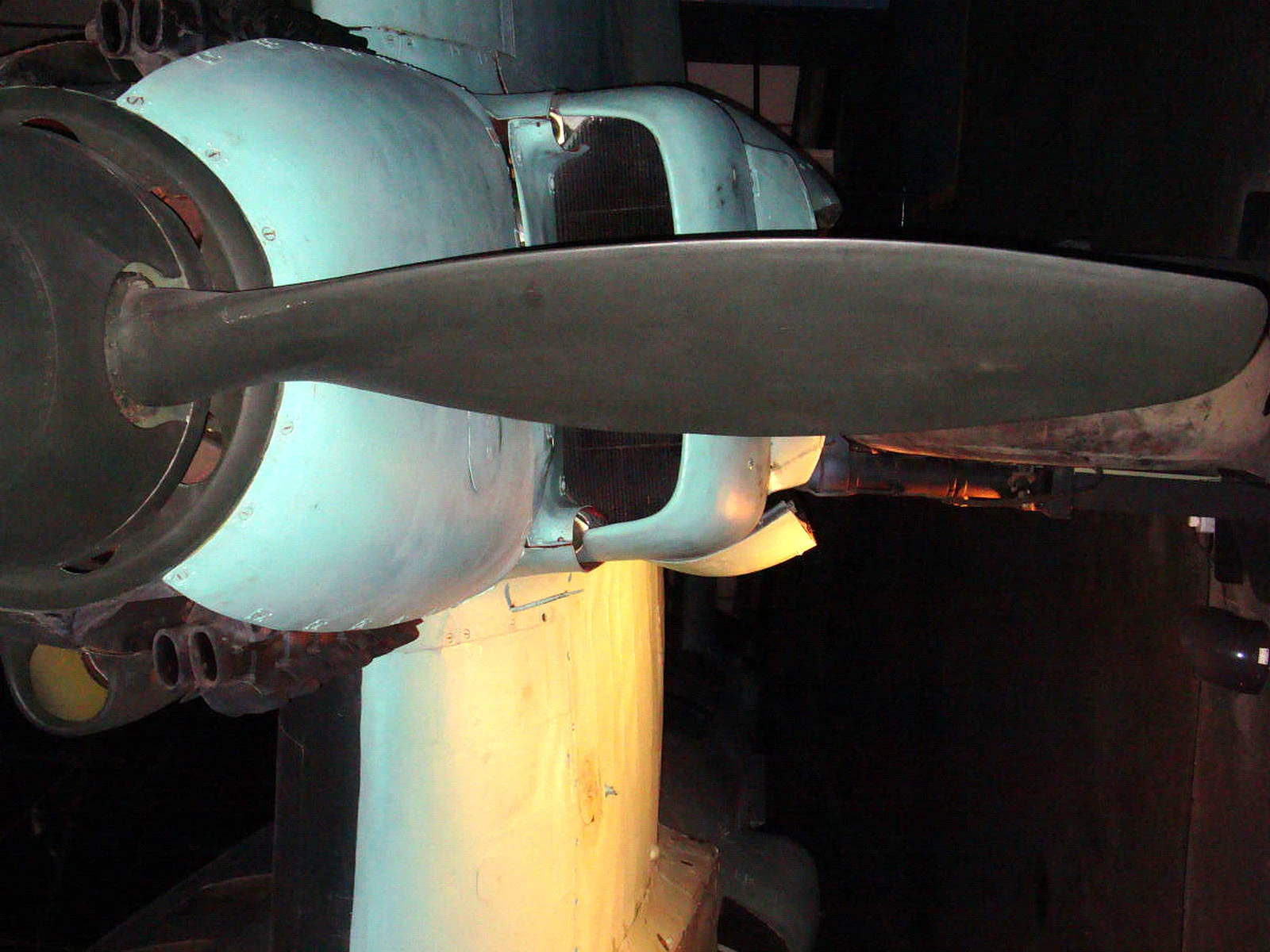
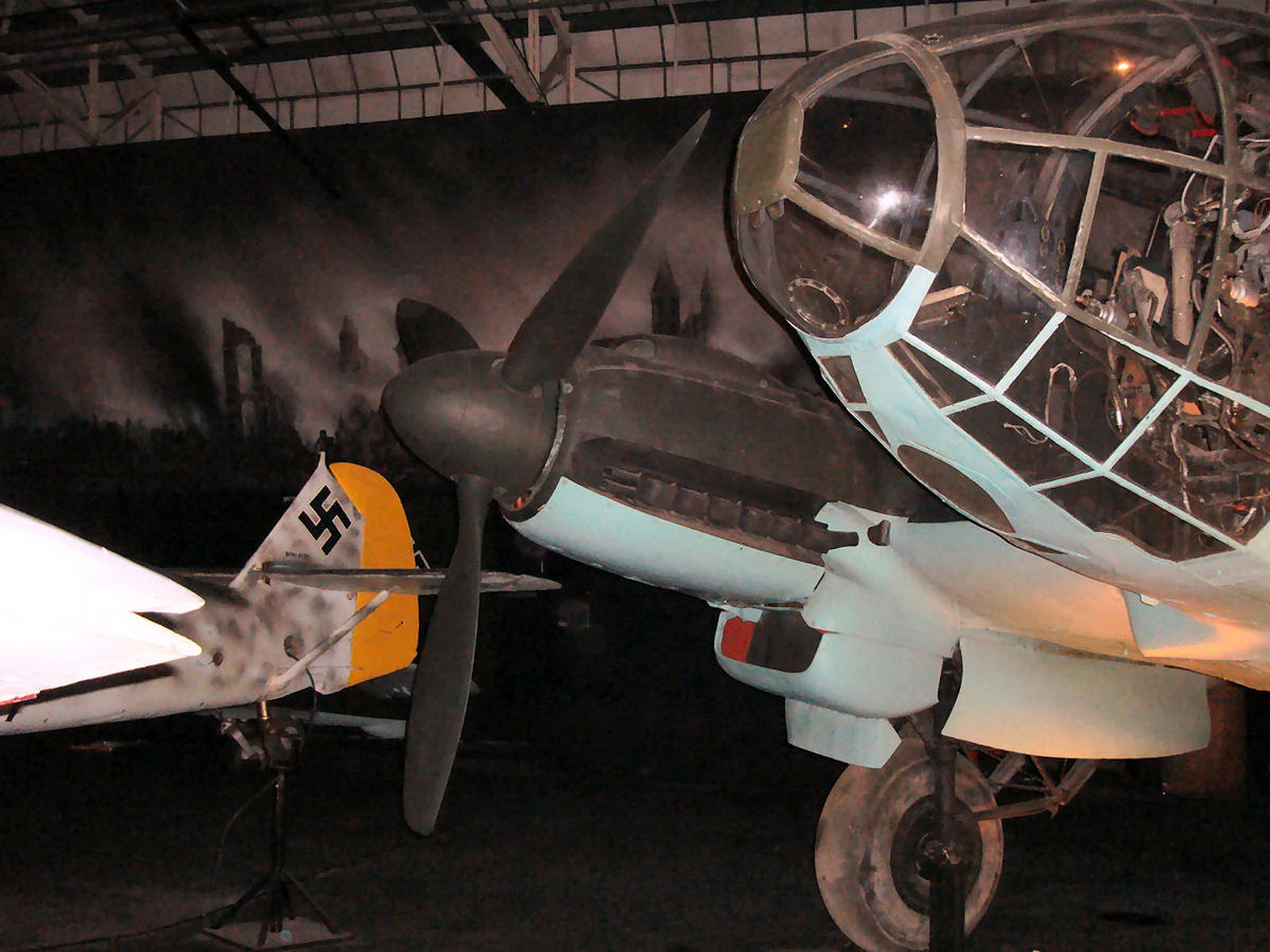
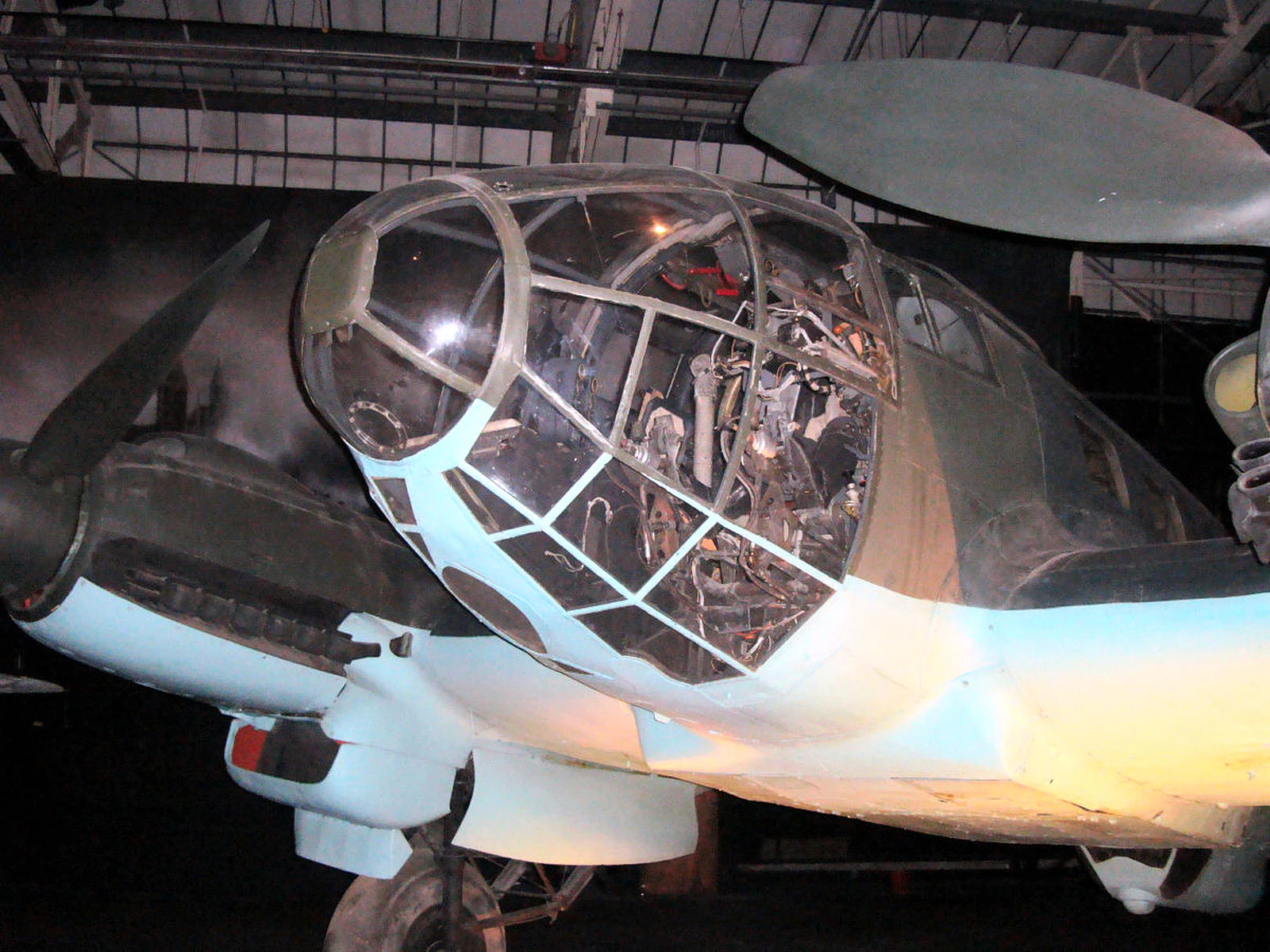
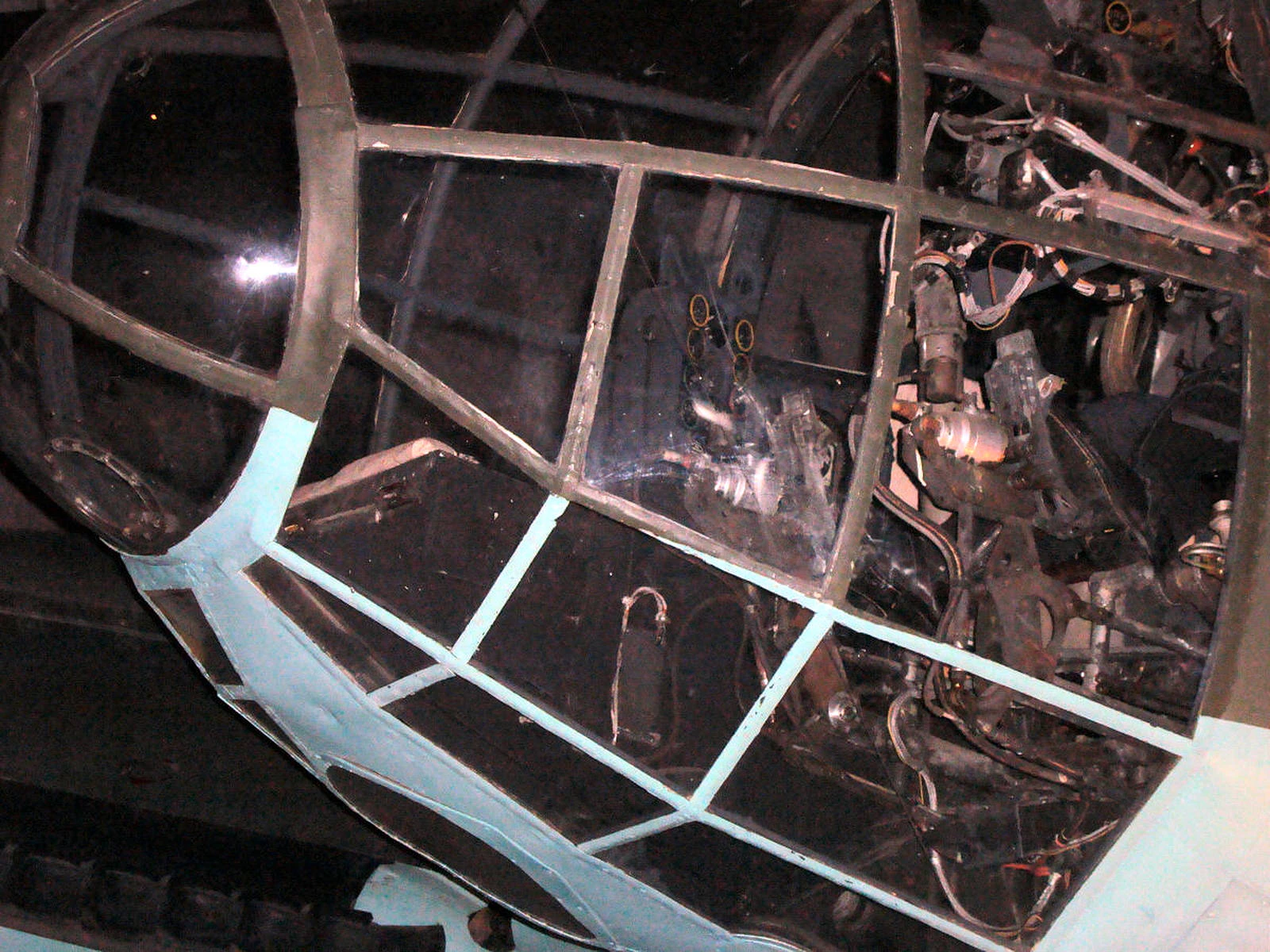
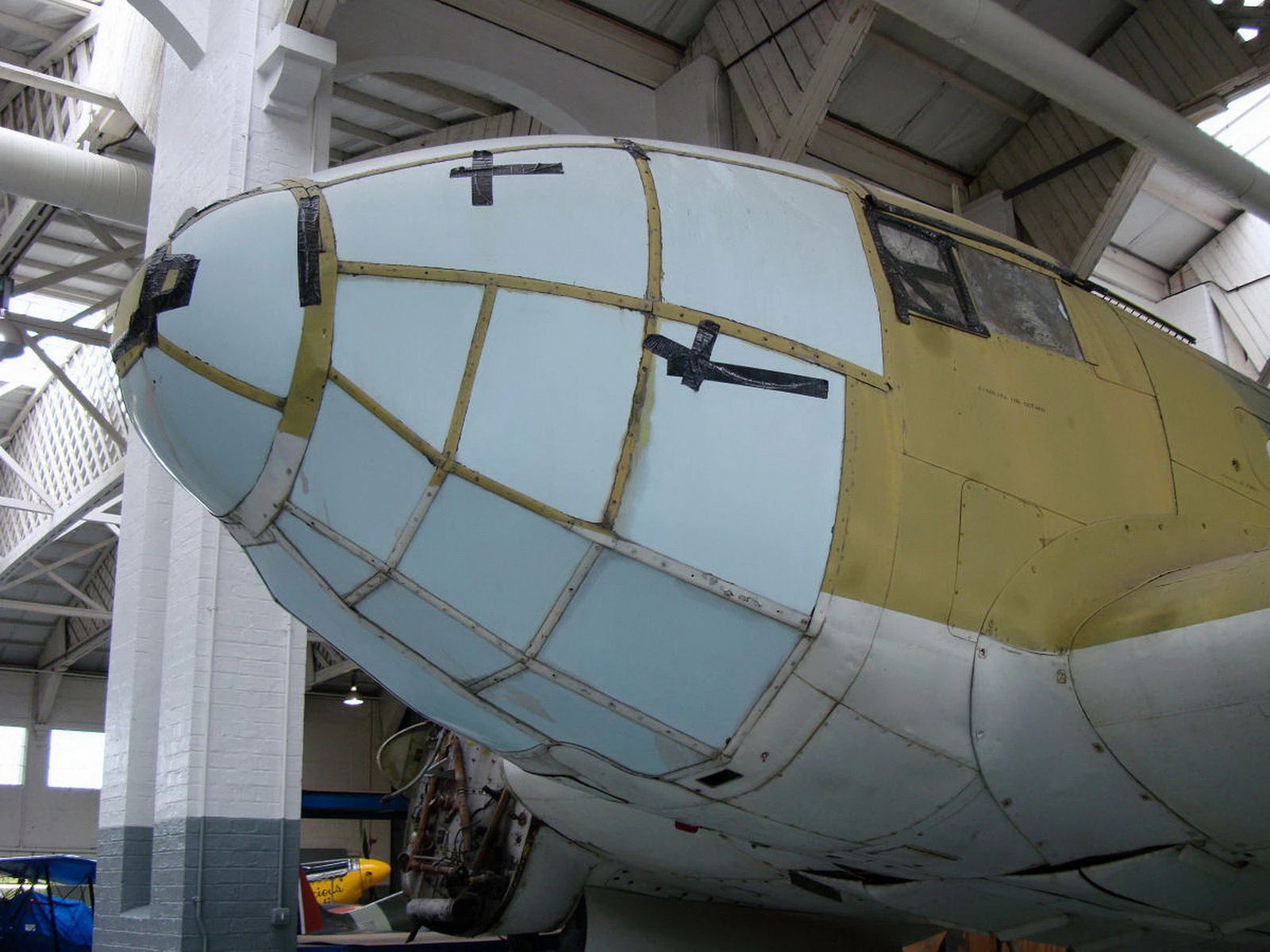
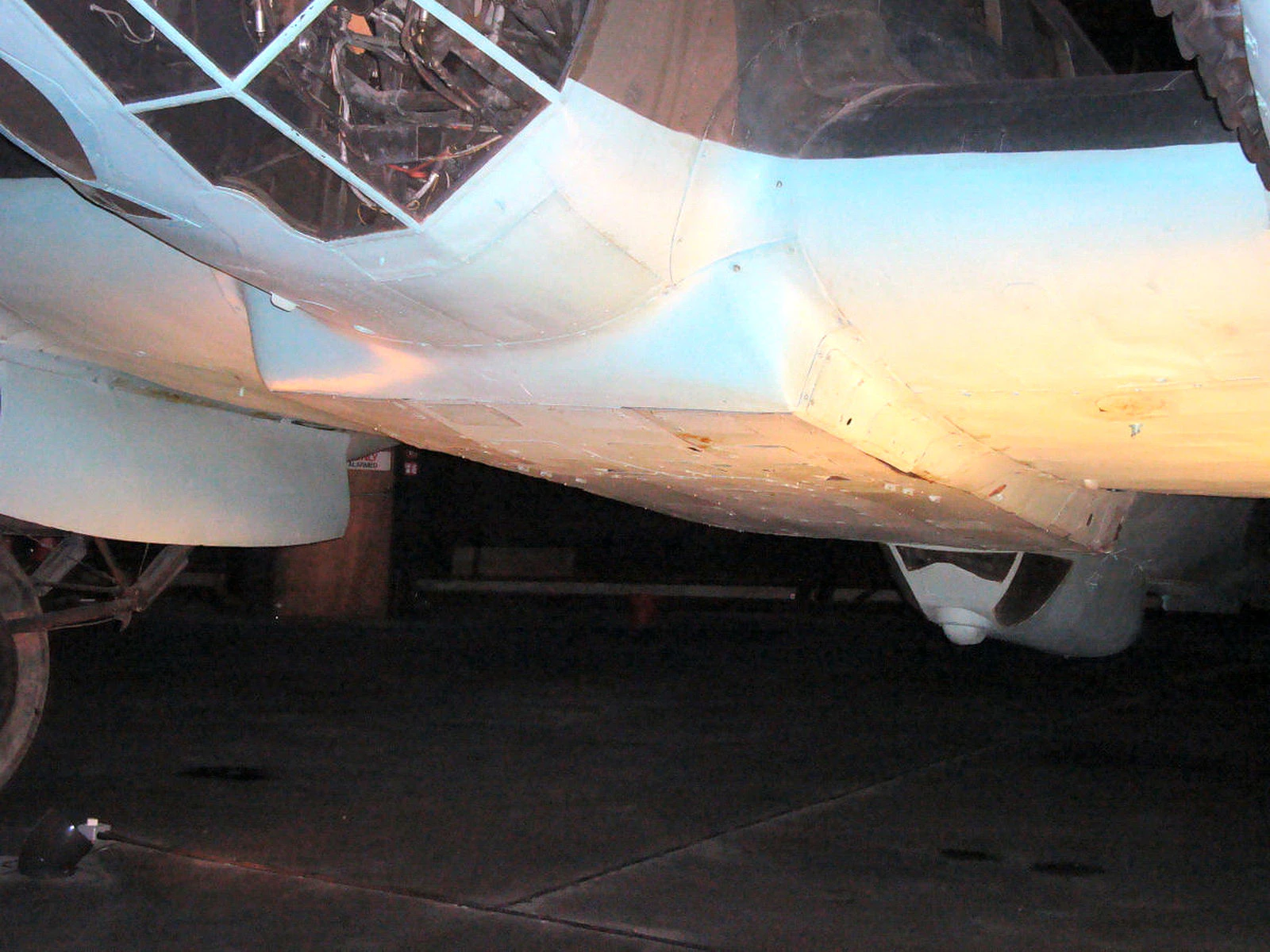

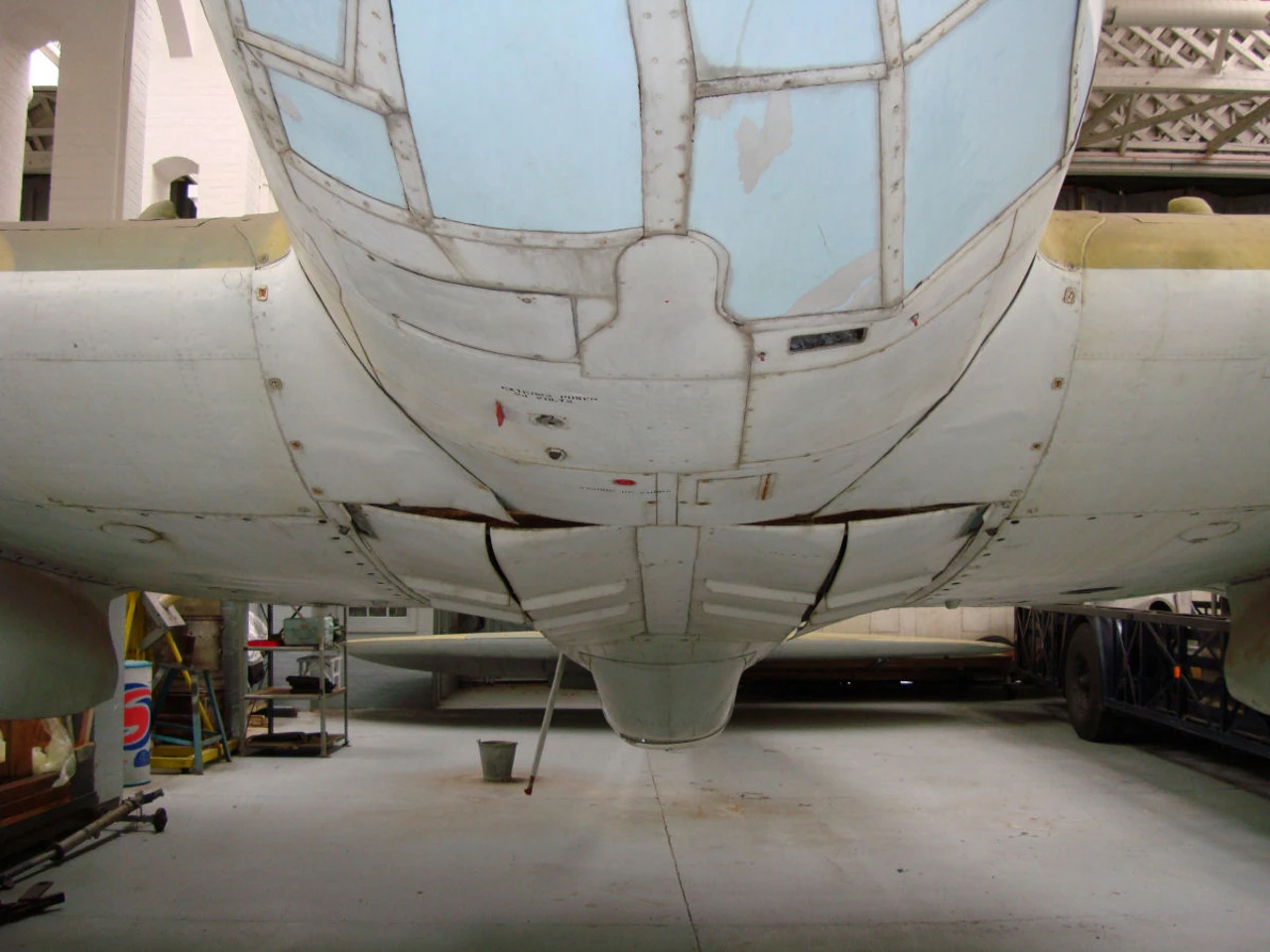
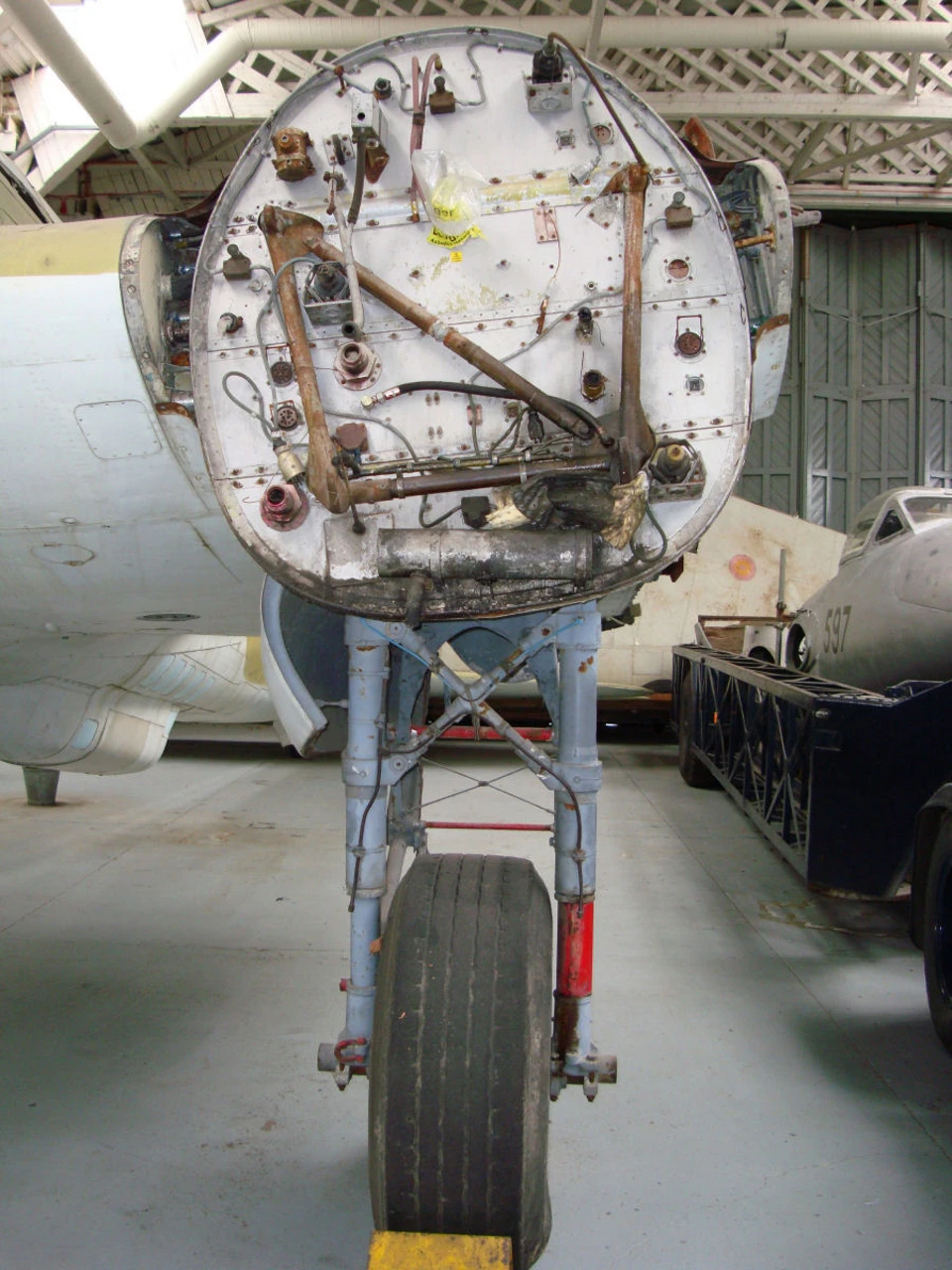
| Heinkel He 111H-20 Walk Around | |
|---|---|
| Fotógrafo | Michael Benolkin |
| Localización | Unknow |
| Fotos | 28 |
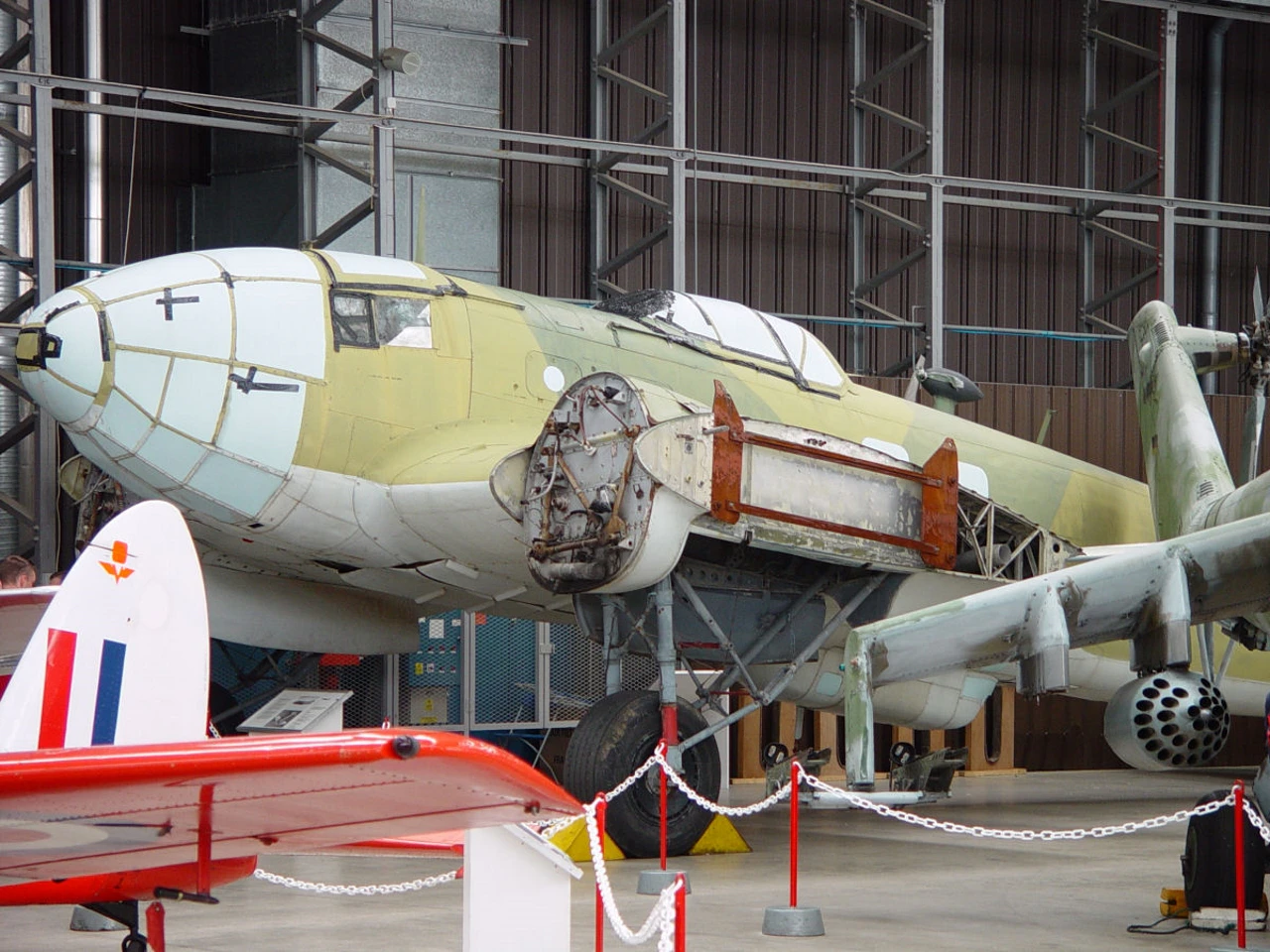
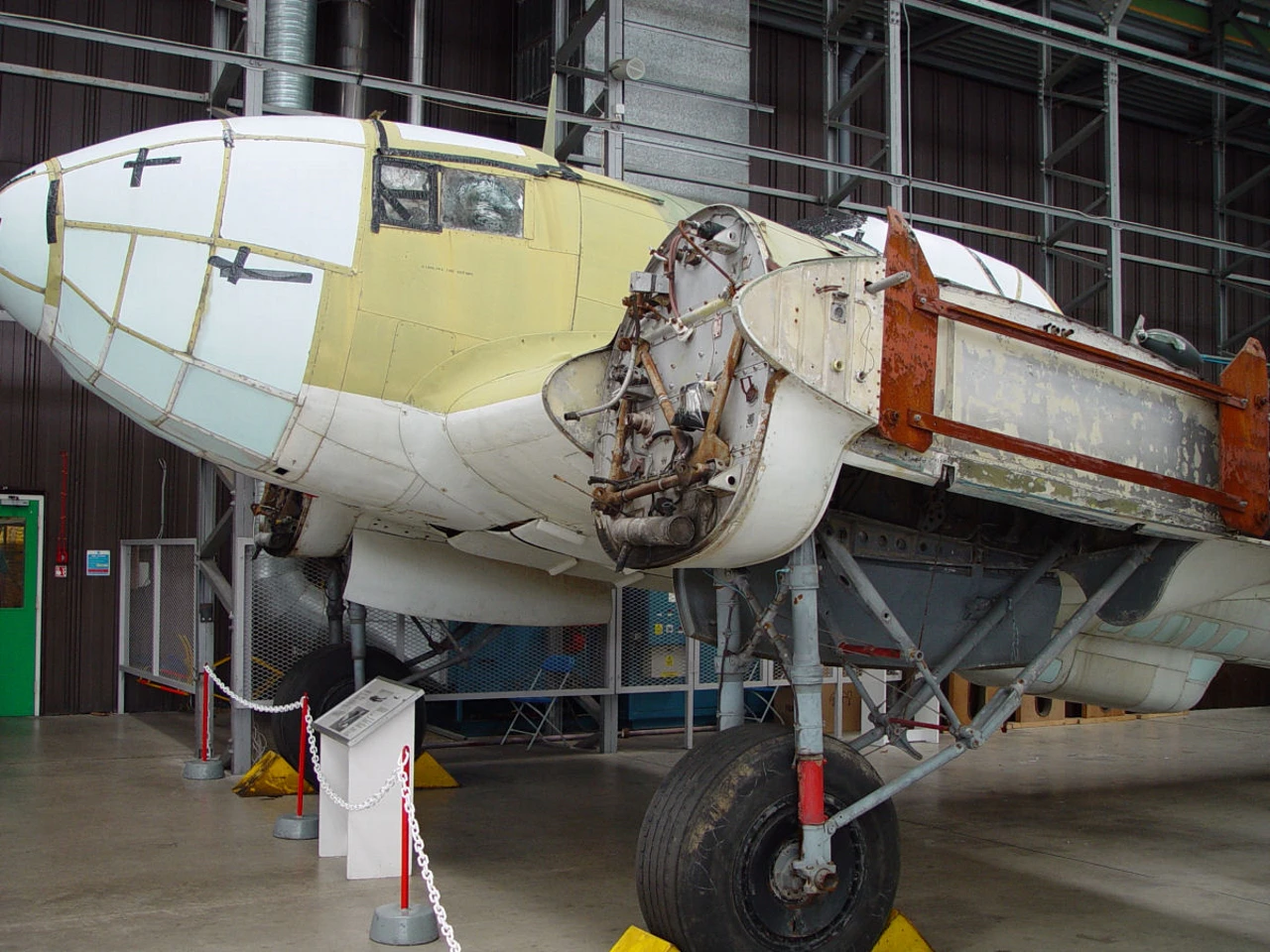
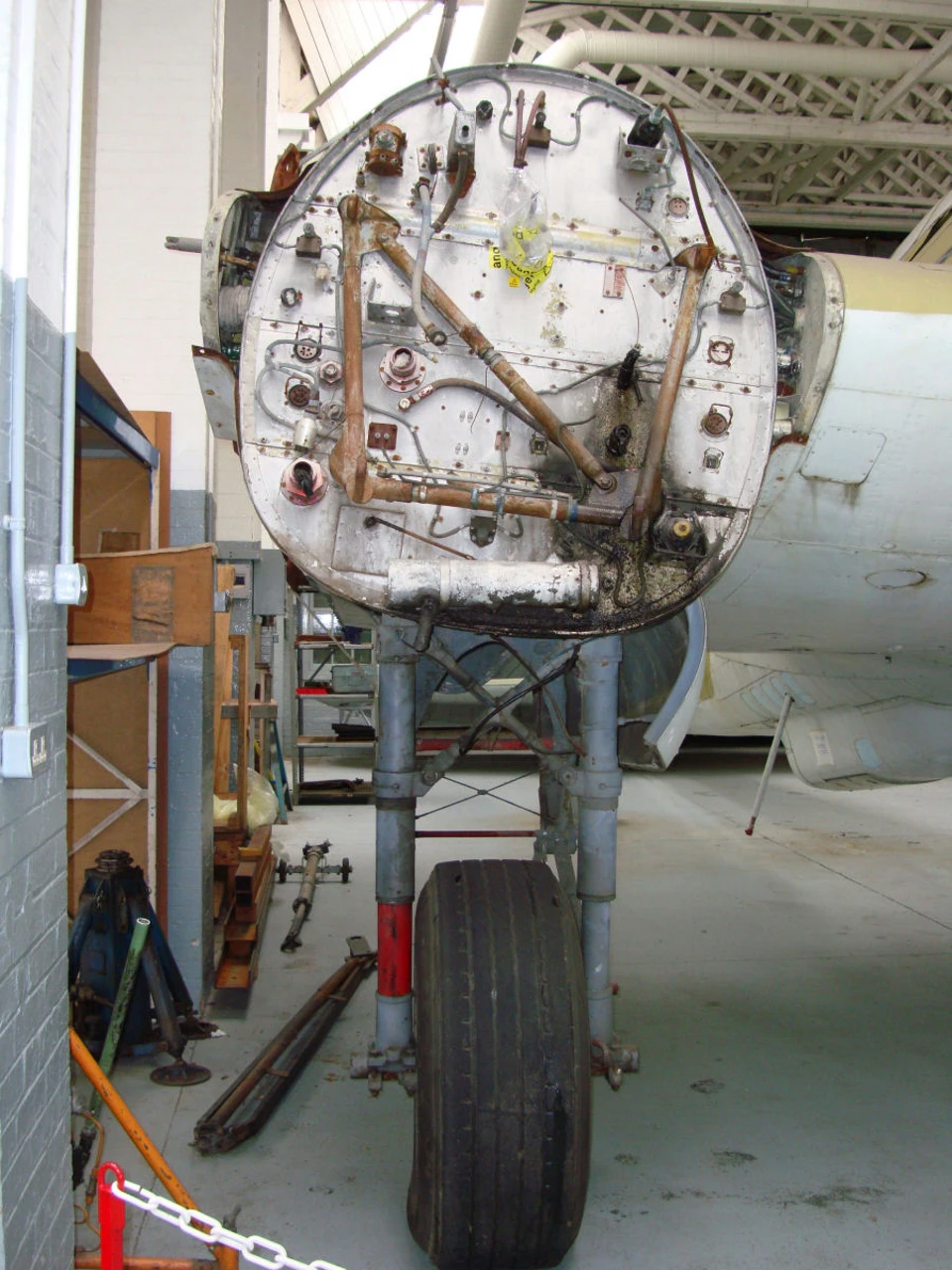
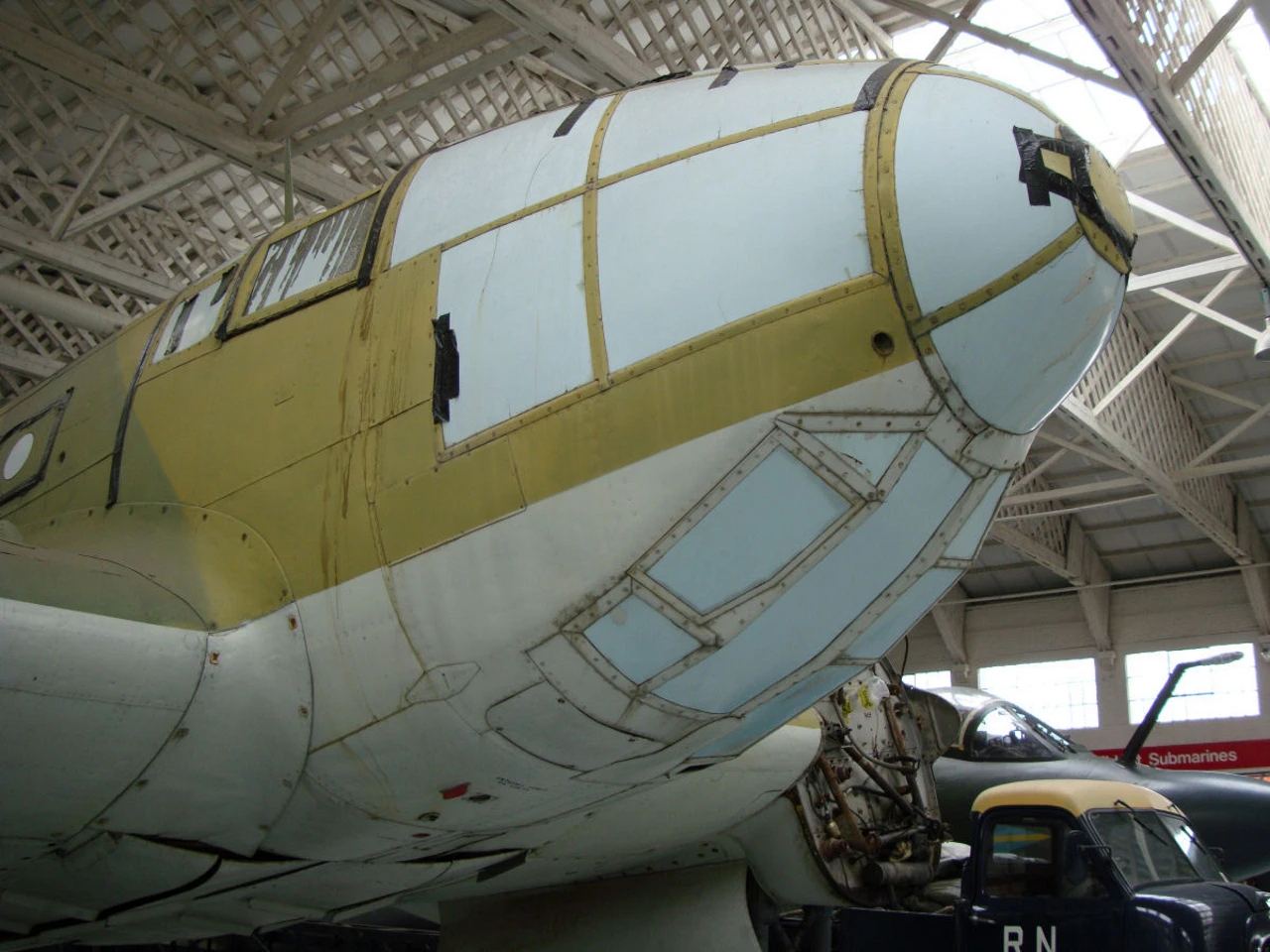
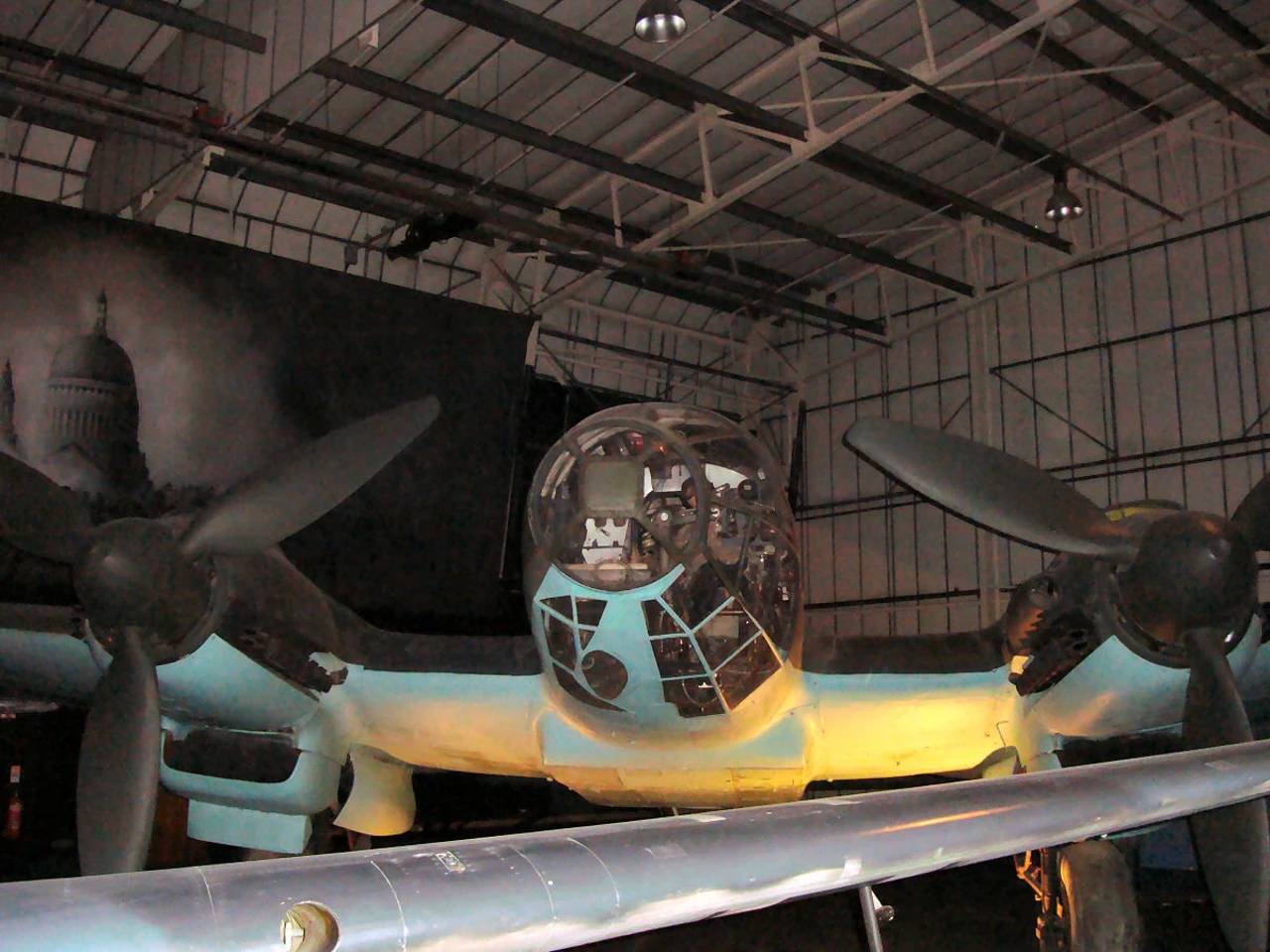
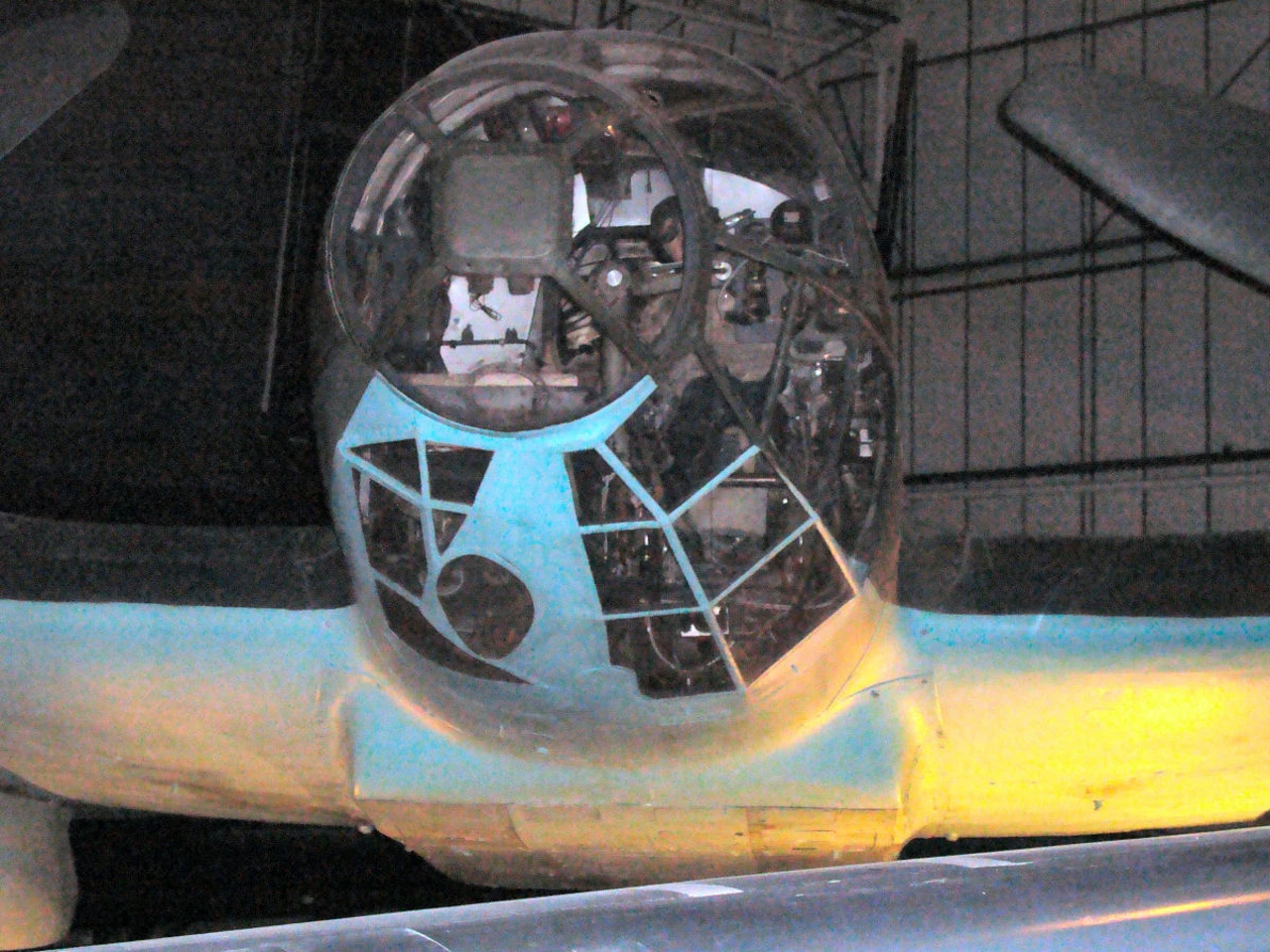
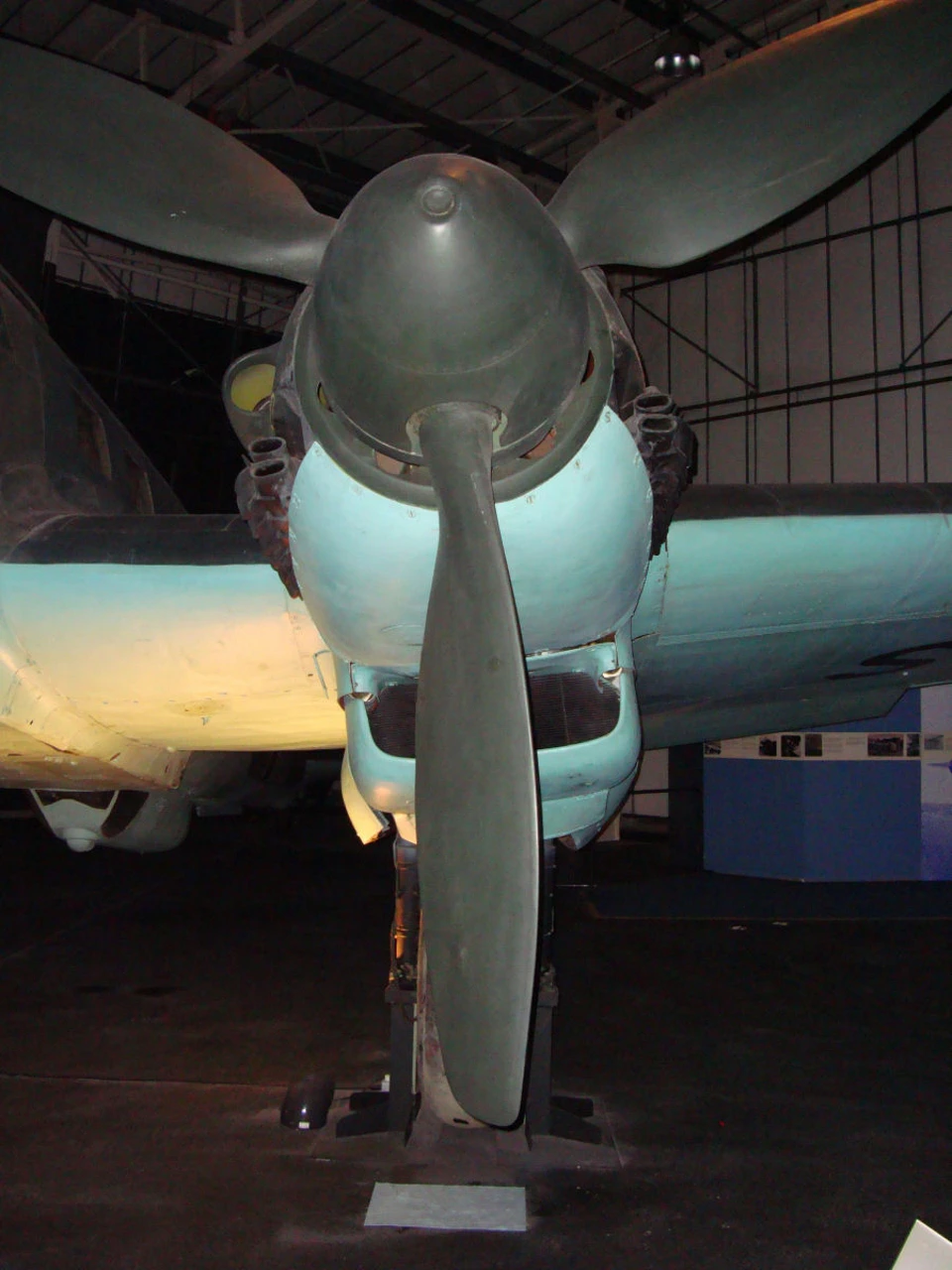
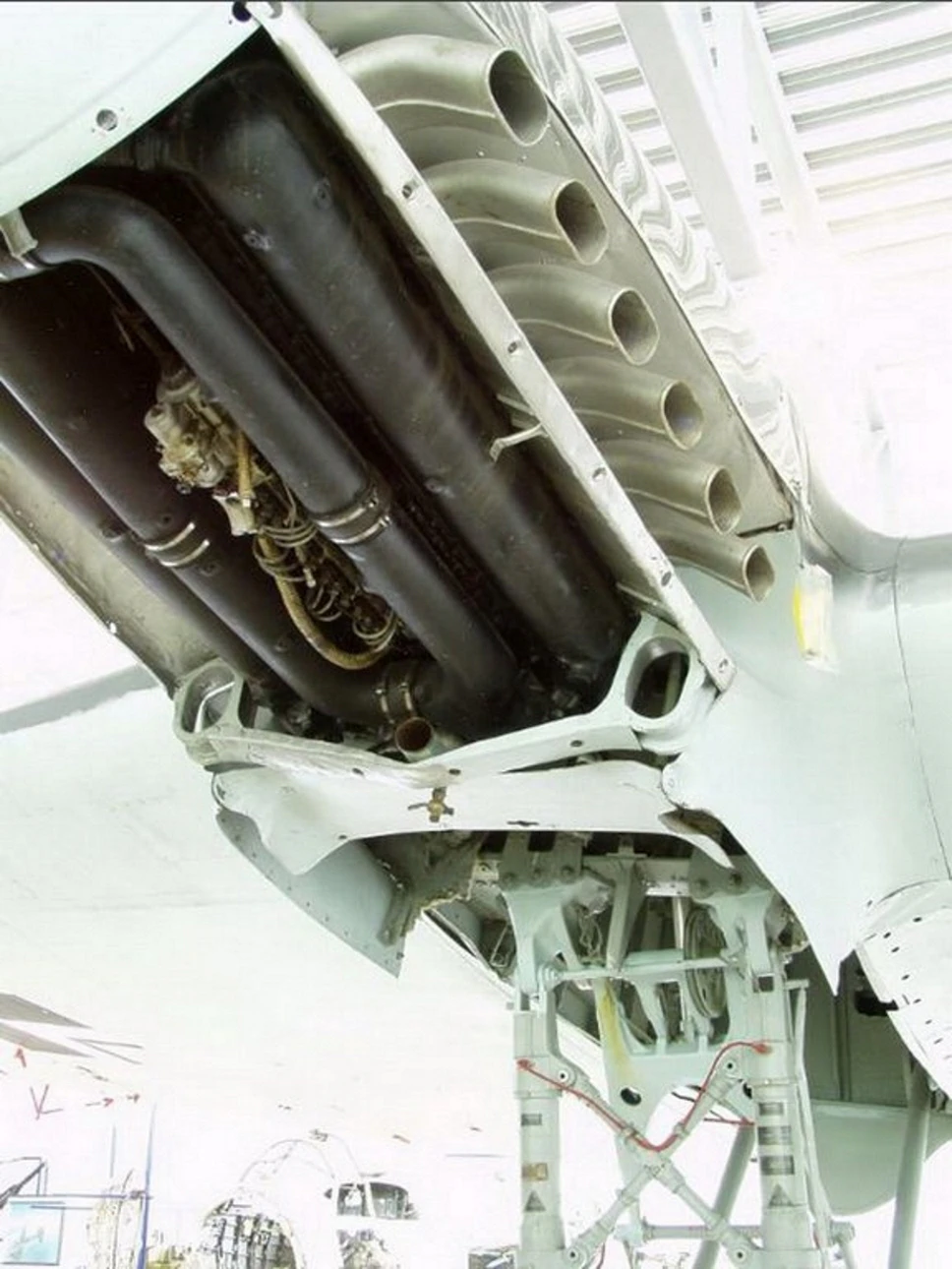
| Heinkel 111 P-1 Walk Around | |
|---|---|
| Fotógrafo | Unknow |
| Localización | Unknow |
| Fotos | 46 |
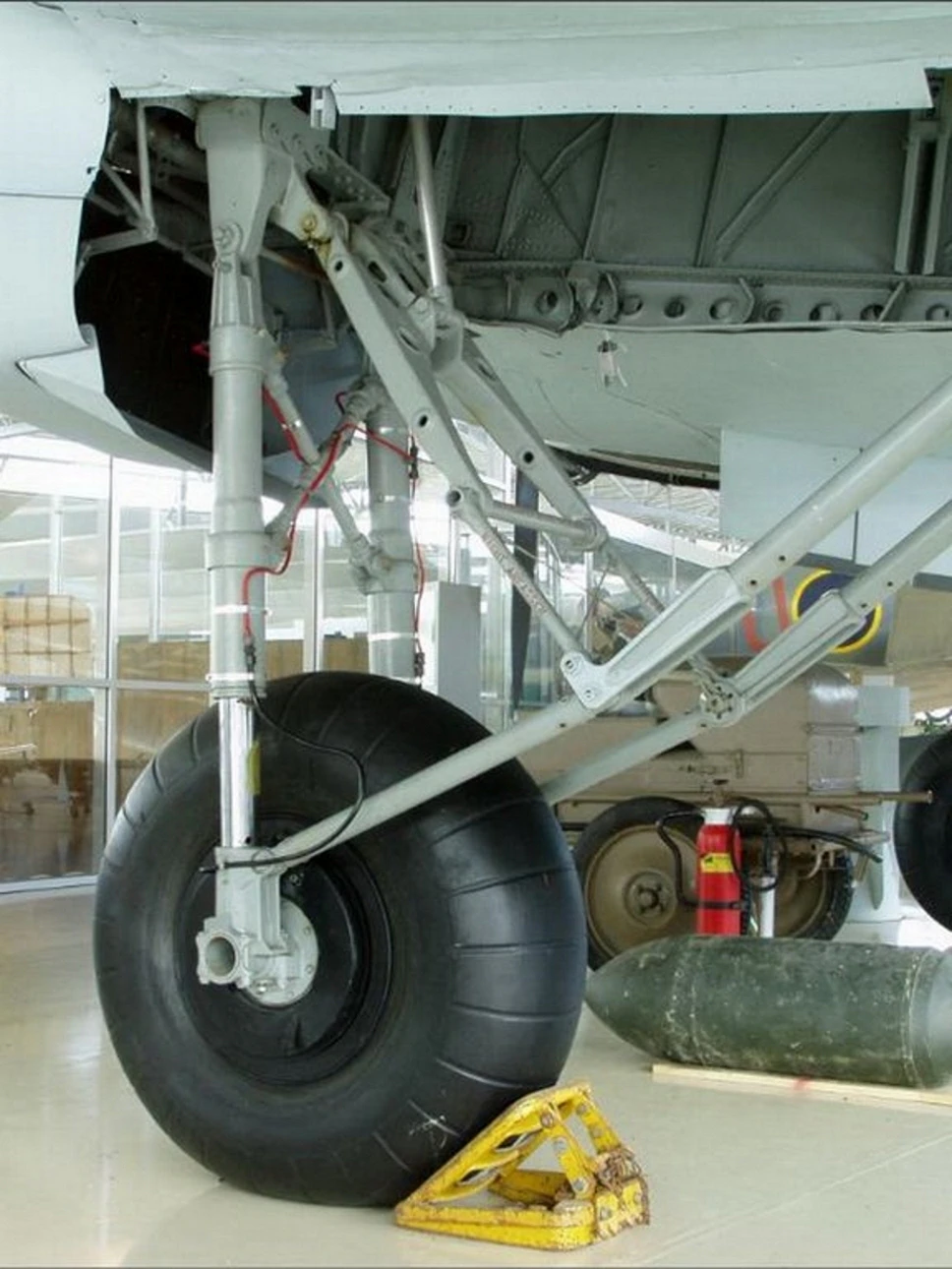
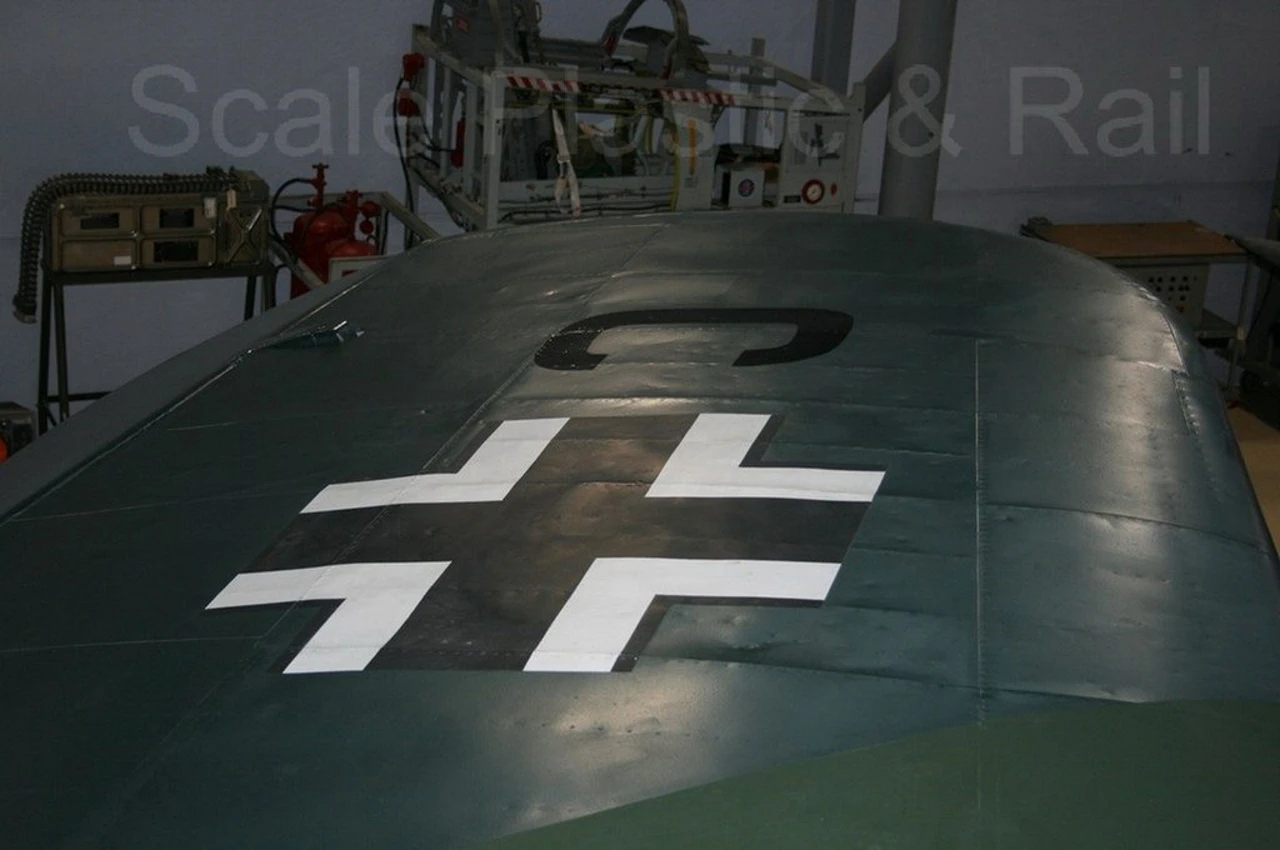
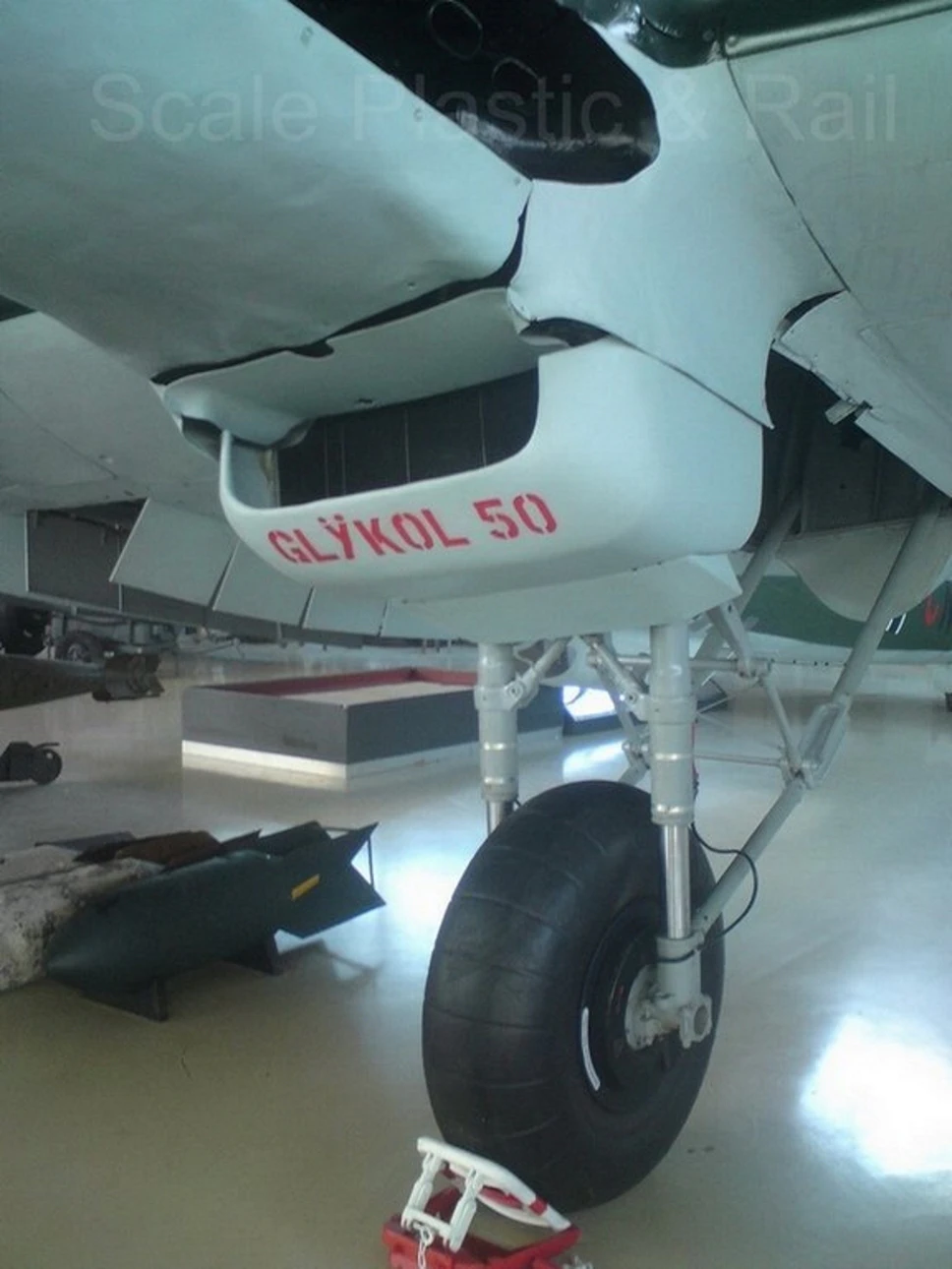
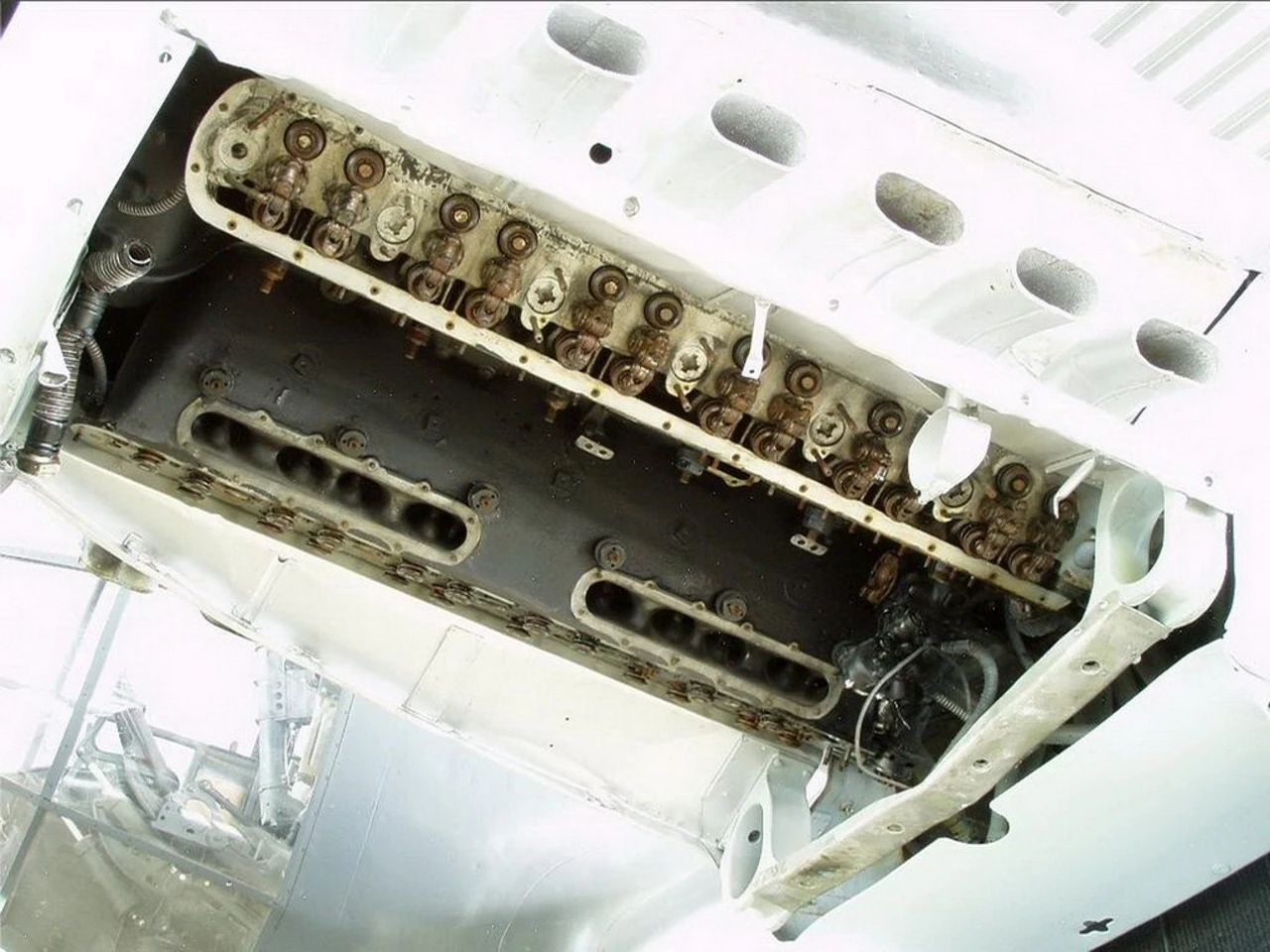
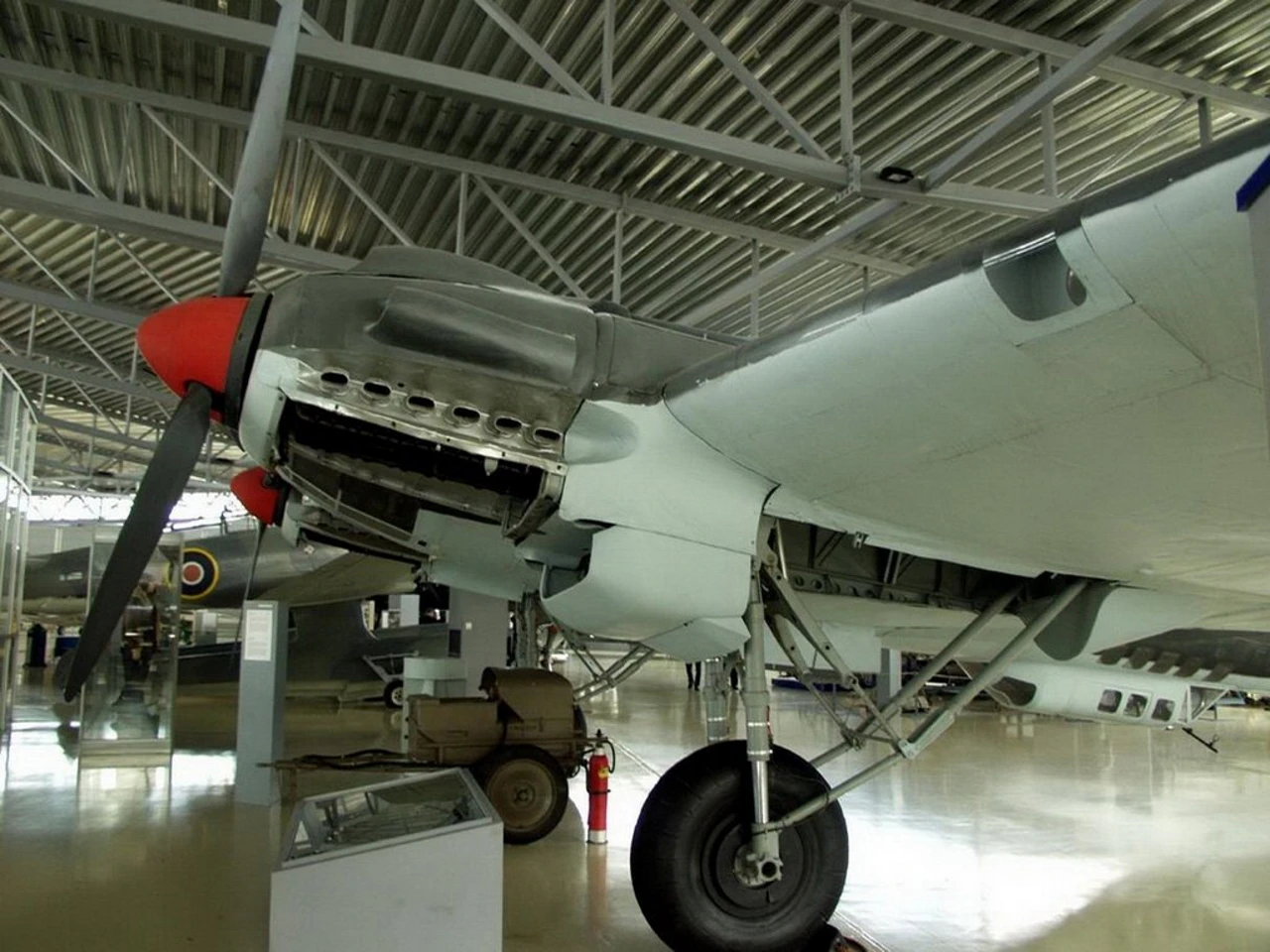
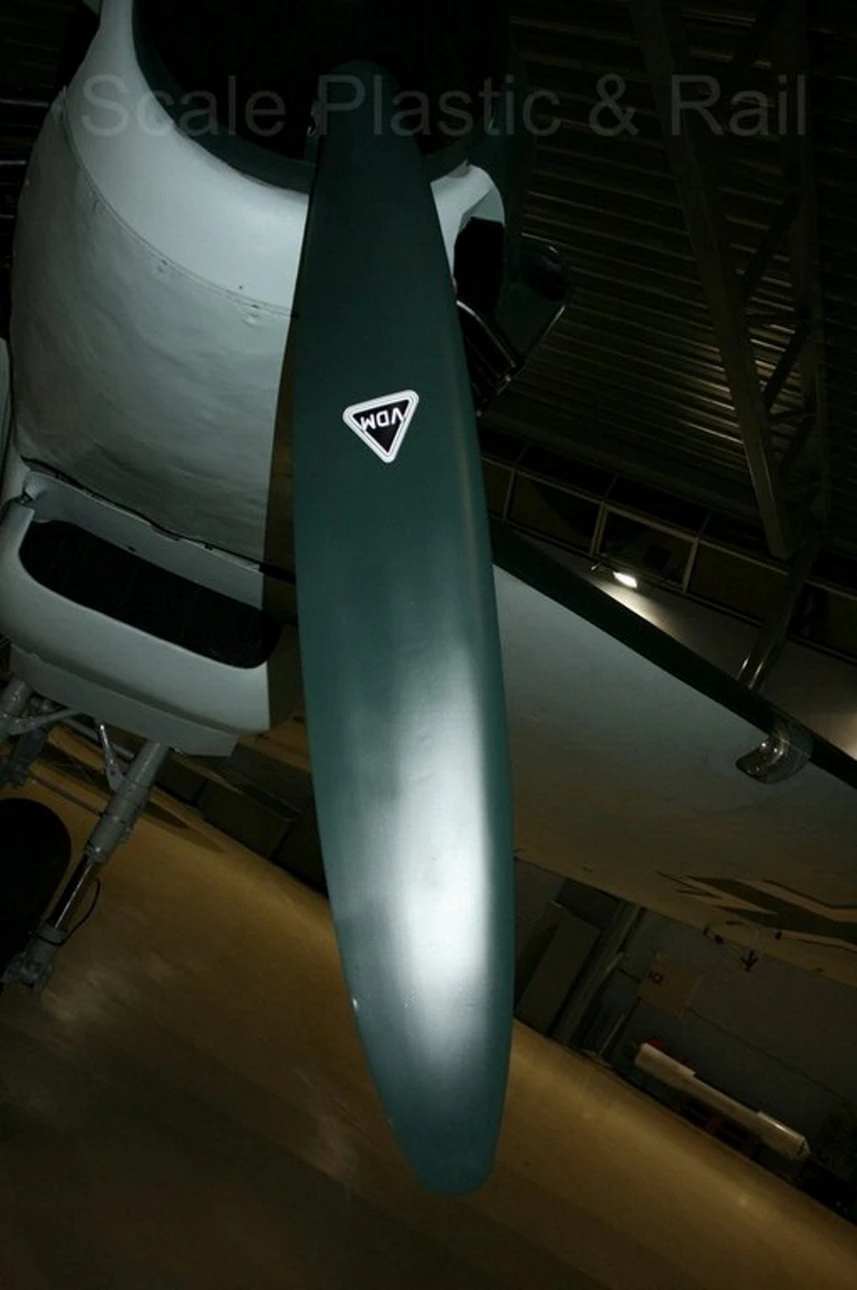
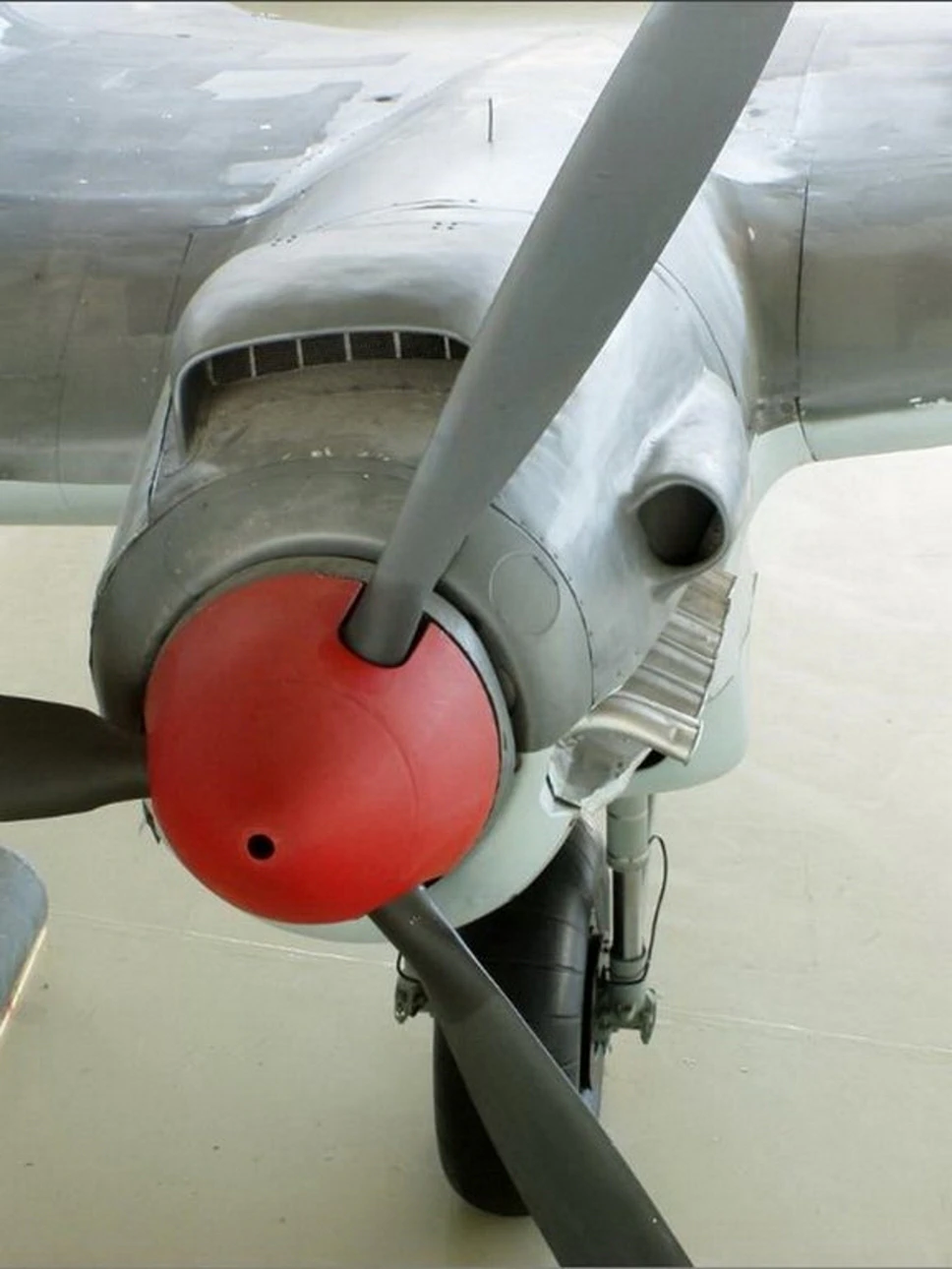
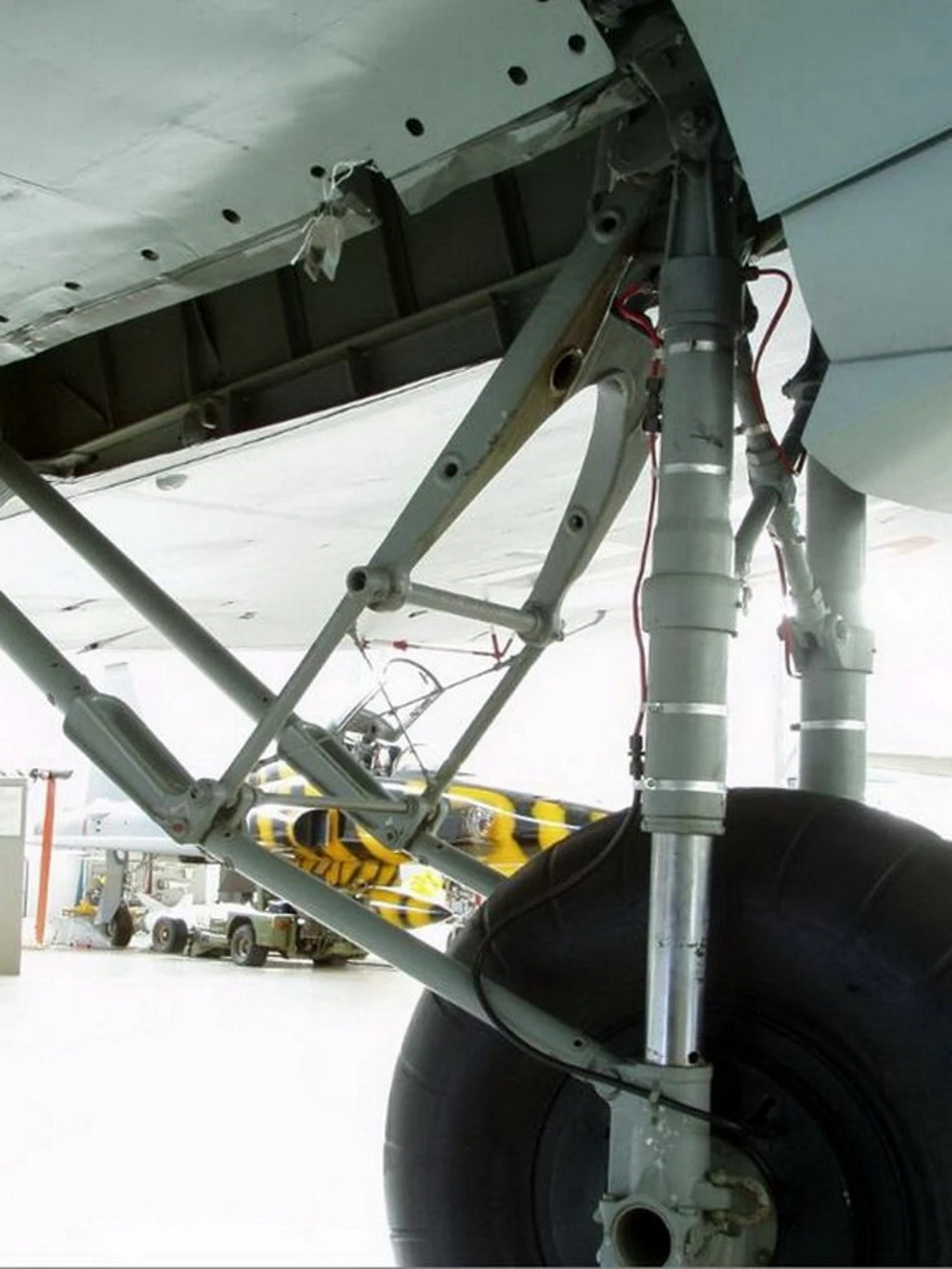
Ver también:


The Wolf in Sheep’s Clothing
el Heinkel Tiene 111 años was the most recognizable German bomber of World War II. Developed in the mid-1930s under the guise of a “civilian airliner” to bypass Treaty of Versailles restrictions, it became the spearhead of the German air force. Its distinctive elliptical wings and glass-heavy, “bullet” nose made it a silhouette synonymous with the Battle of Britain. While it was advanced for its time, its relatively slow speed and weak defensive armament meant it relied heavily on fighter escorts to survive against modern interceptors like the Spitfire.
| Attribute | Technical Specification (He 111 H-16) |
|---|---|
| Papel | Medium Bomber / Torpedo Bomber / Transport |
| Equipo | 5 (Pilot, Navigator/Bombardier, 3 Gunners) |
| Motores | 2 × Junkers Jumo 211F-2 V12 (1,340 hp each) |
| Velocidad máxima | 435 km/h (270 mph) |
| Cruise Speed | 305 km/h (190 mph) |
| Bomb Load | Up to 2,000 kg (4,409 lbs) internally; more on external racks |
| Defensive Armament | Mixed: 1 × 20mm MG FF, 1 × 13mm MG 131, up to 7 × 7.92mm MGs |
| Rango de operación | 1,950 km (1,212 miles) fully loaded |
Design Engineering: The Asymmetric Glass House
- The “Wabenbau” Wing: Early models featured a beautiful, complex elliptical wing (inherited from the He 70 “Blitz”). While aerodynamically efficient, it was a nightmare to mass-produce, leading later models (the H and P series) to use a simplified straight-edged wing.
- The Greenhouse Nose: Starting with the P-series, the He 111 featured a fully glazed, unstepped cockpit. To improve the pilot’s view, the nose was asymmetric, with the pilot’s seat slightly offset to port to give the nose gunner/bombardier more room on the starboard side.
- Vertical Bomb Racks: Unlike Allied bombers that stacked bombs horizontally, the He 111’s internal bay held eight 250 kg bombs vertically (nose-up). This allowed for a narrower fuselage but meant the bombs had to “flip” horizontal after release.
- The “Dustbin” Turret: Early versions had a retractable ventral turret that lowered from the belly. It was so cramped and drafty that crews hated it, eventually leading to the permanent “Gondola” (Bodenlafette) bulge seen on most wartime variants.
Operational History: From the Blitz to the Tundra
- Guernica and Spain: The He 111 saw its first major combat with the Condor Legion during the Spanish Civil War. At that time, it was faster than most contemporary fighters, leading the Luftwaffe to mistakenly believe it wouldn’t need heavy defensive guns.
- The Battle of Britain: This was the Heinkel’s trial by fire. Facing the RAF, the bomber’s flaws were exposed: its “greenhouse” nose made the crew highly vulnerable to head-on attacks, and it lacked the speed to escape Hurricanes and Spitfires.
- The Stalingrad Airlift: On the Eastern Front, the He 111 was forced into a transport role to resupply the trapped 6th Army at Stalingrad. It was one of the few German planes capable of carrying enough cargo through the brutal winter, though hundreds were lost in the attempt.
- Spanish Longevity: The design lived on long after the war. Spain produced its own version, the CASA 2.111, which used British Rolls-Royce Merlin engines (the same as the Spitfire!). These Spanish Heinkels were famously used to play “German” bombers in the 1969 film Battle of Britain.
Views : 355
También puede ver:
 Avro Canada VZ-9 Avrocar – Fotos y Videos
 Republic RC-3 Seabee – Fotos y Videos
 Convair C-131 Samaritan – Fotos y Videos
 de Havilland Canada DHC-4 Caribou – Fotos y Video
 Curtiss-Wright CW-22 – Fotos y Video
 Heinkel He 162 – Fotos y Video
 Heinkel He 219 – Fotos y Video
 Heinkel He 100 – Fotos y Video
 P-51D-25-NA Mustang – Caminar
 B-47 Stratojet – Caminar