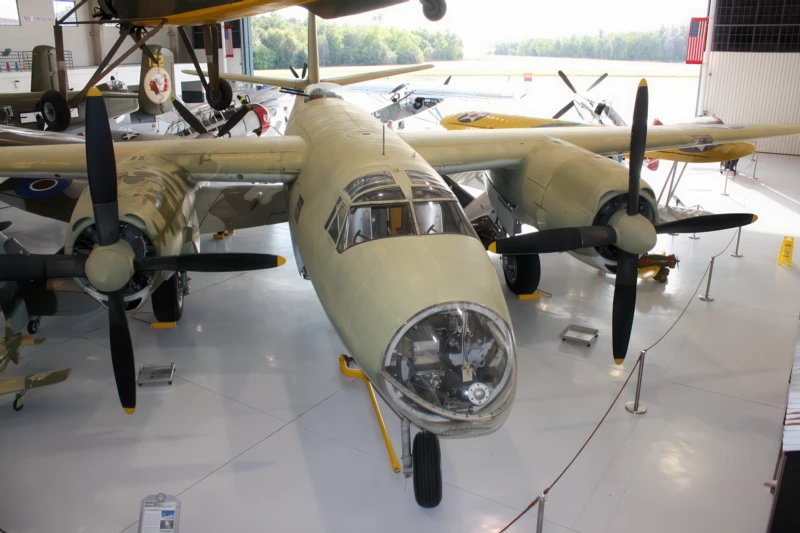
B-26 Marauder | |
|---|---|
| País | E.e.u.u |
| Papel | Bombardero medio |
| Primera mosca | 25 de noviembre de 1940 |
| Construido | 5288 |
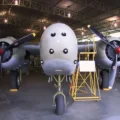
el Martin B-26 Merodeador es un bombardero medio bimotor de la Segunda Guerra Mundial construido por la Glenn L. Martin Company en Middle River, Maryland (justo al este de Baltimore) de 1941 a 1945. Utilizado por primera vez en el Teatro del Pacífico a principios de 1942, también se utilizó en el Teatro Mediterráneo y en Europa Occidental.
Fuente: B-26 Marauder en Wikipedia
| B-26G Marauder | |
|---|---|
| Fotógrafo | Unknow |
| Localización | Unknow |
| Fotos | 38 |
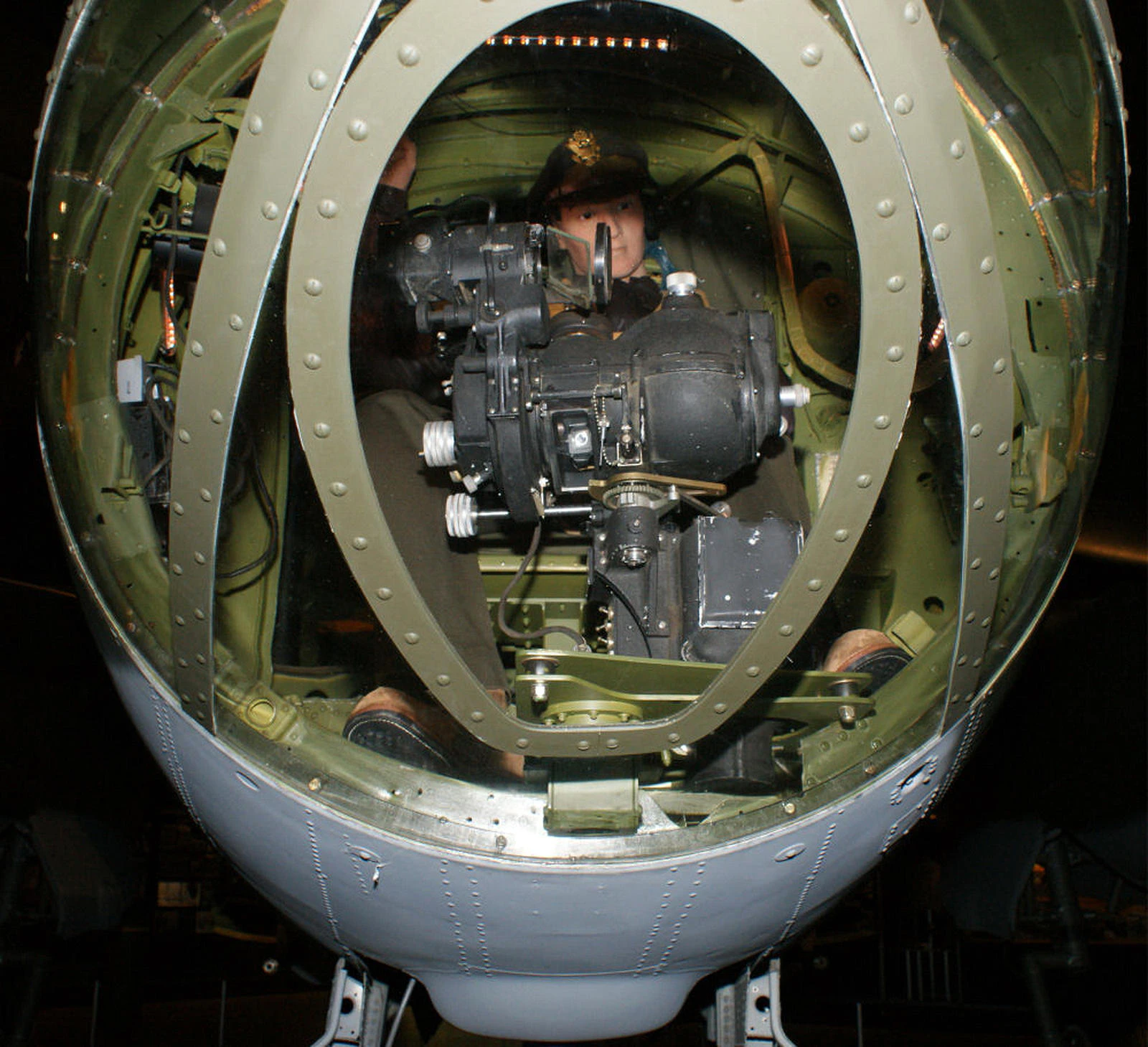
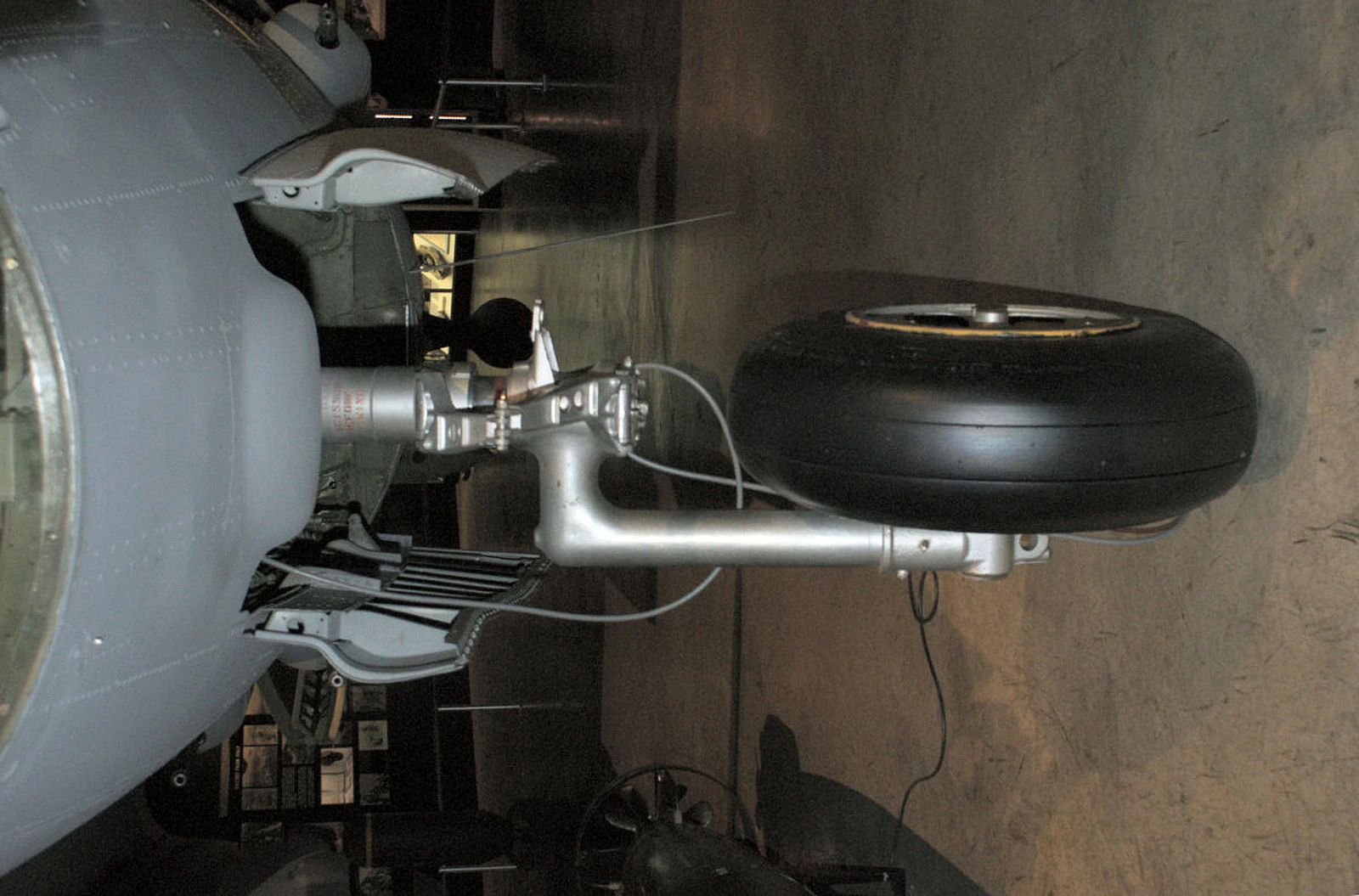
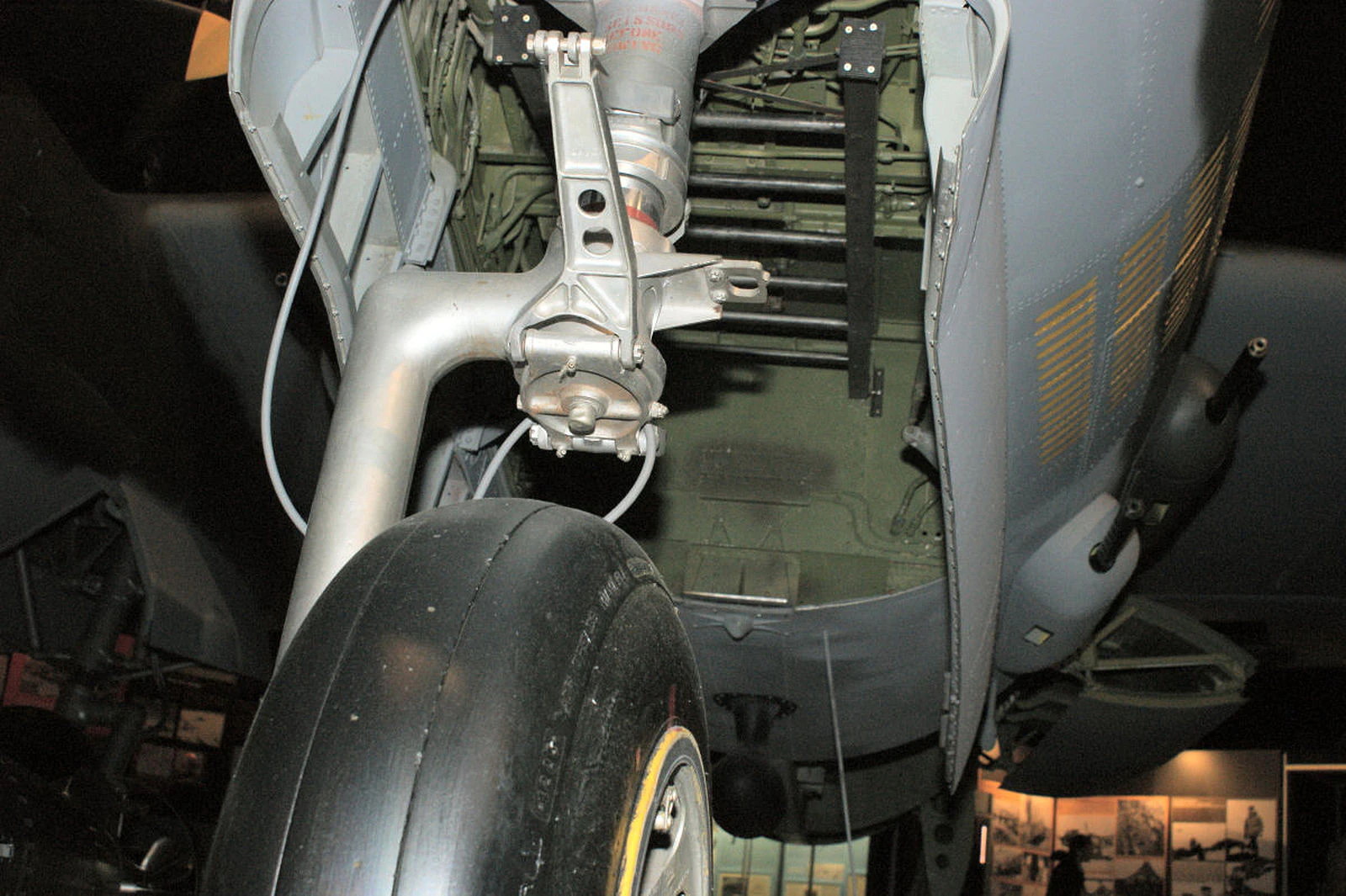
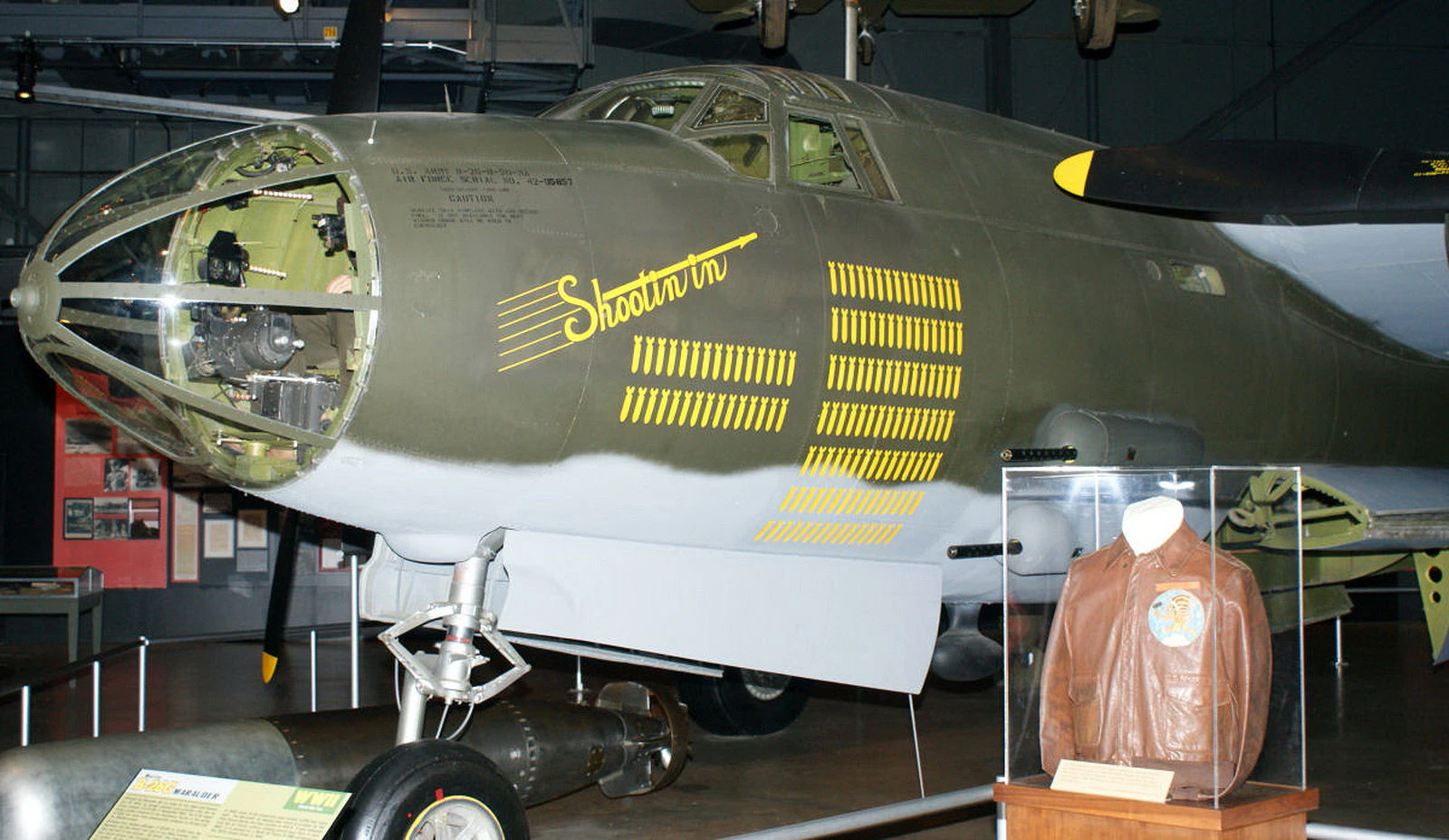
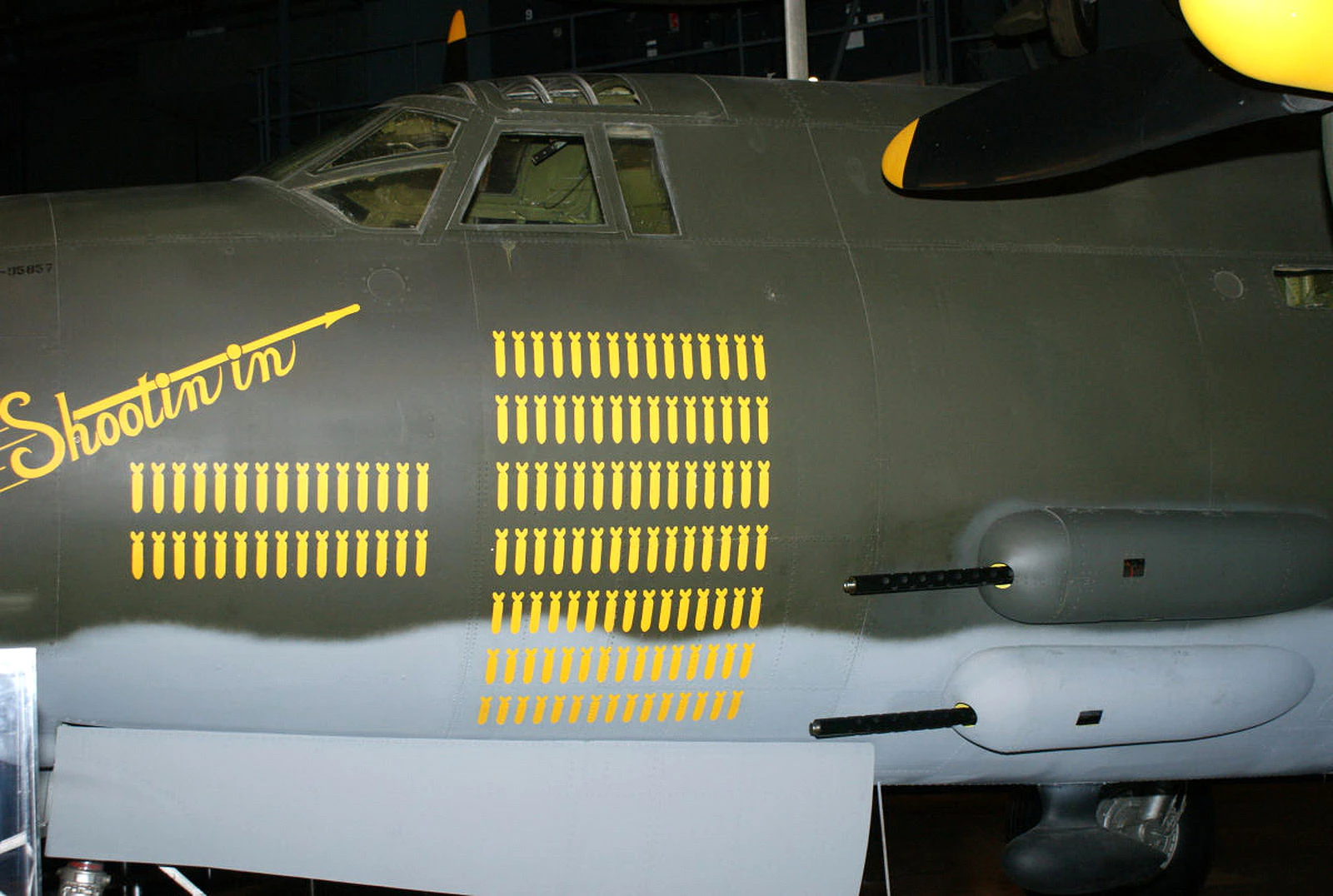
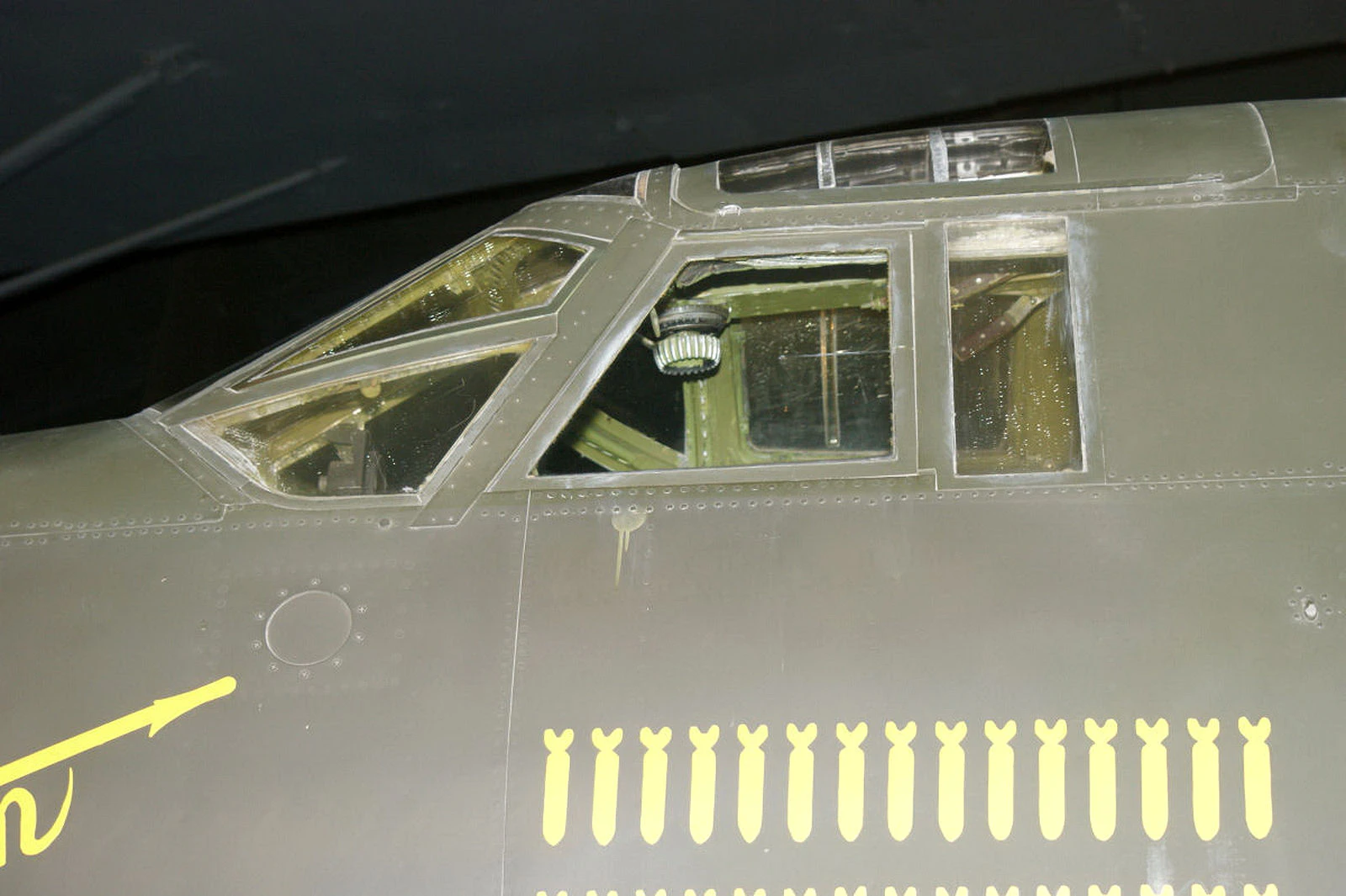
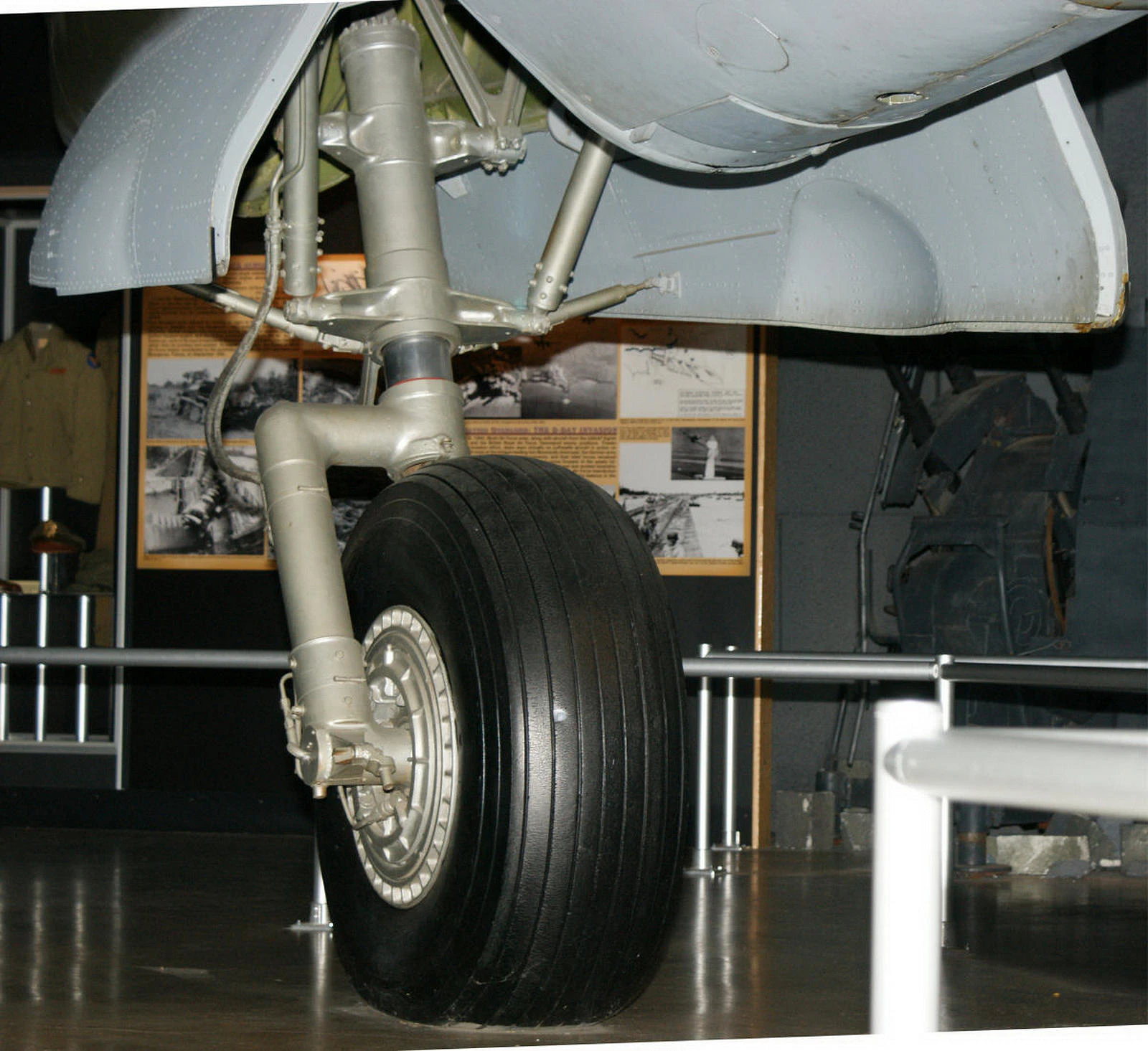
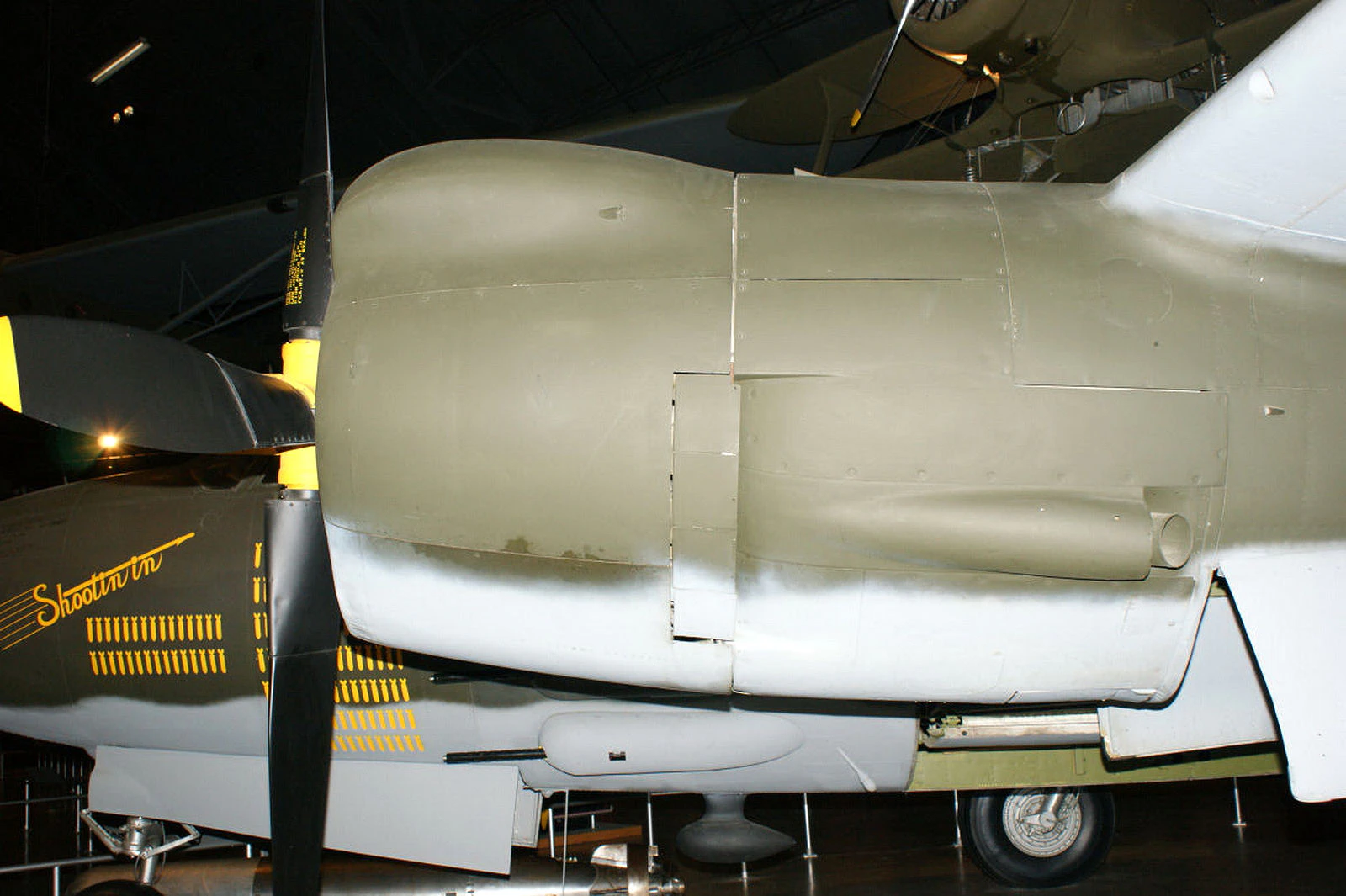
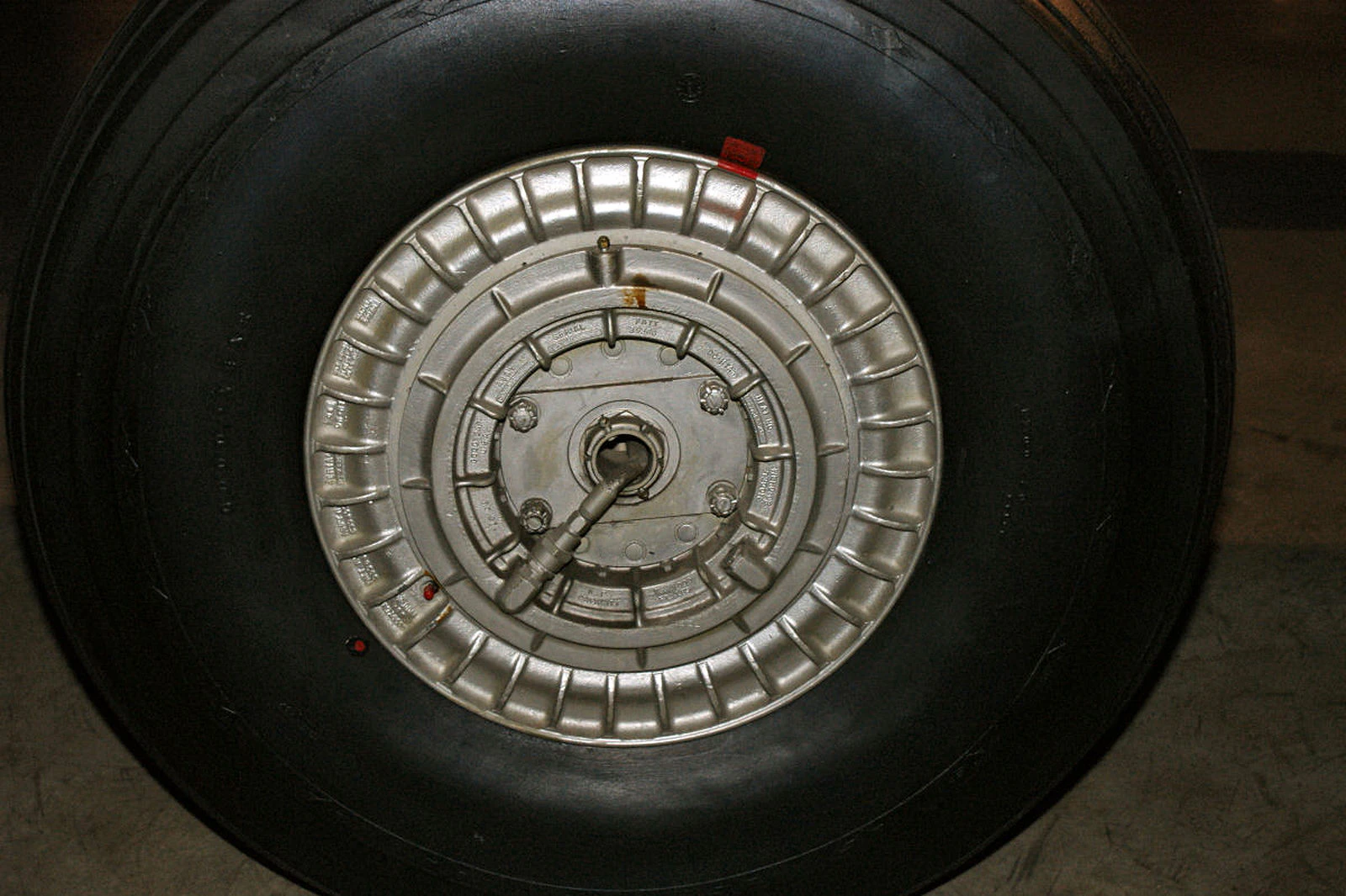

| B-26 Marauder Walk Around | |
|---|---|
| Fotógrafo | Unknow |
| Localización | Unknow |
| Fotos | 16 |
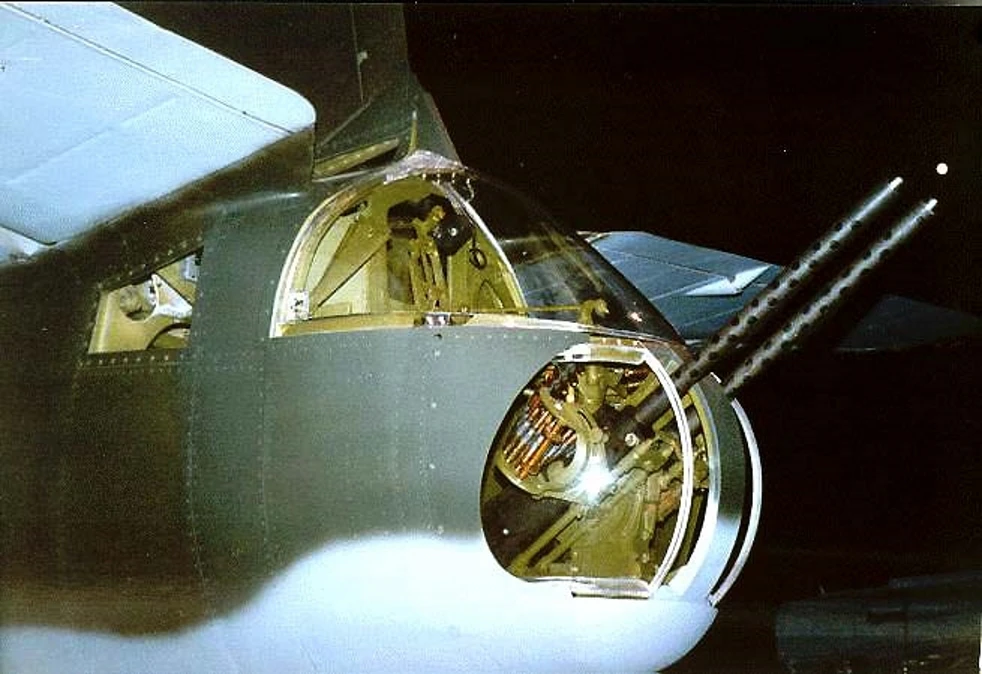
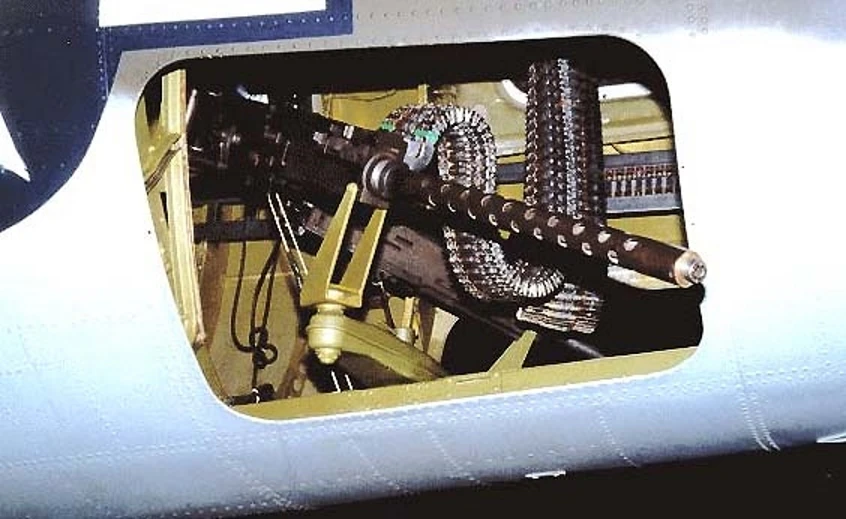
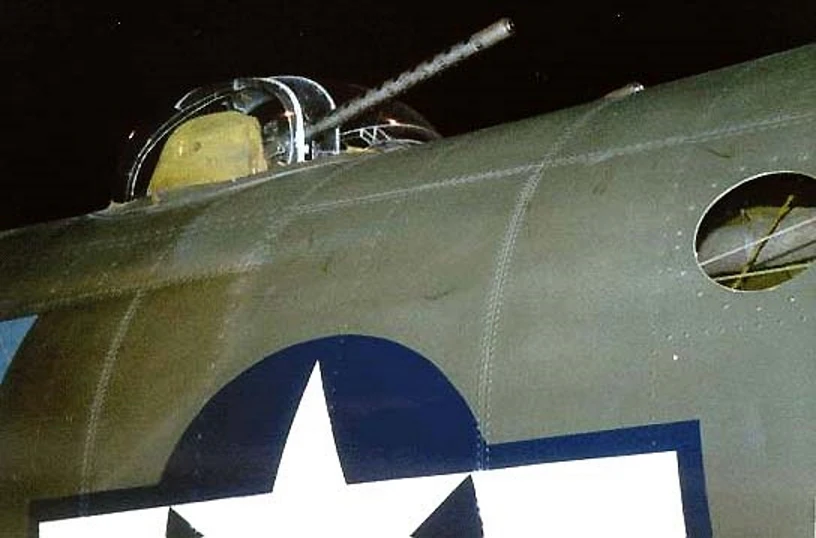
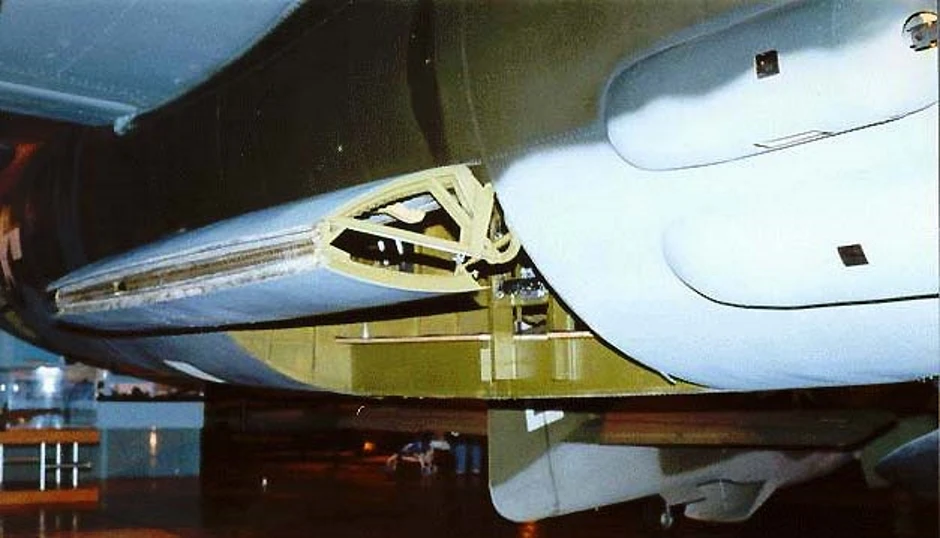
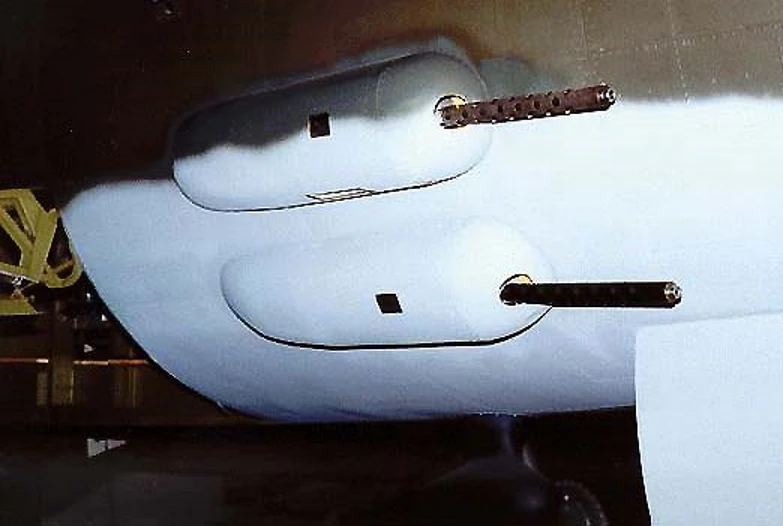
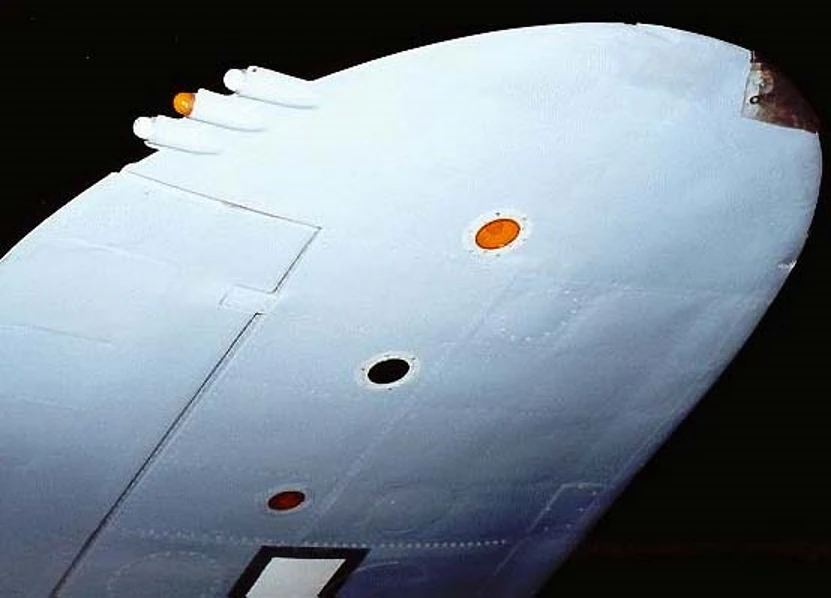
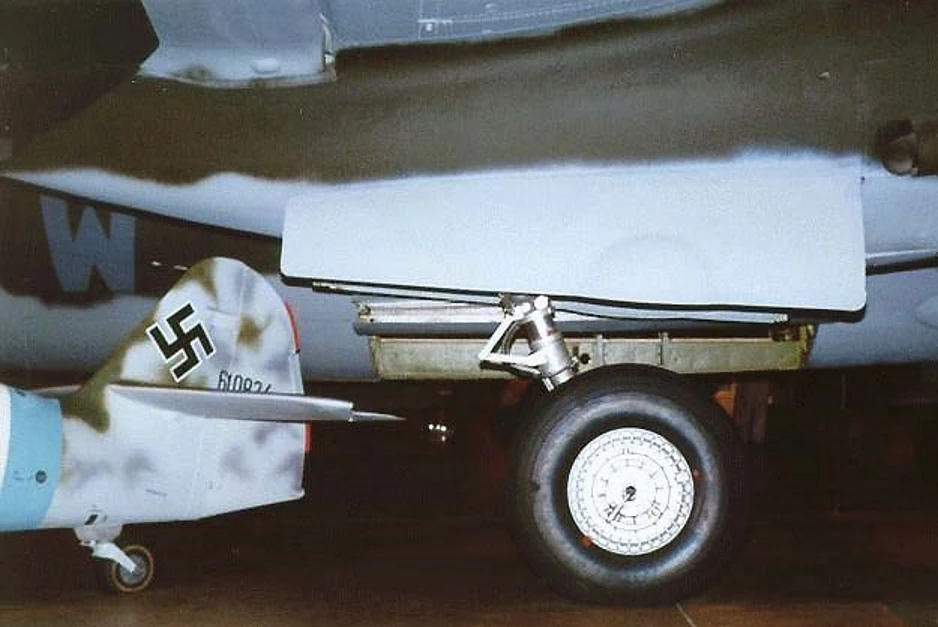
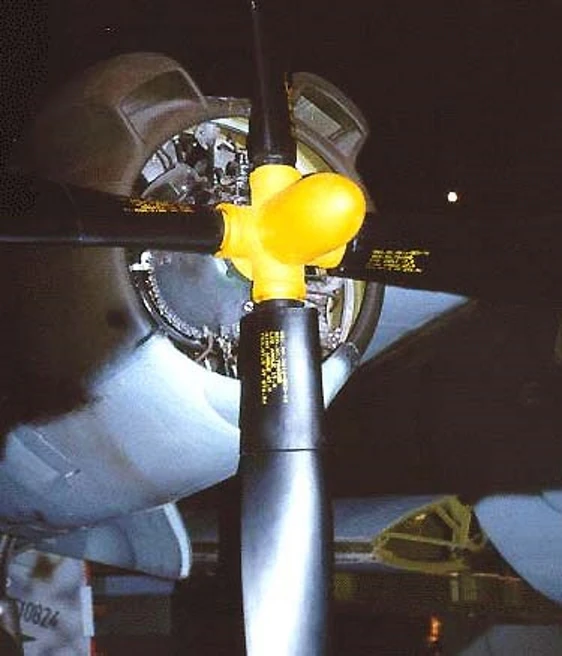
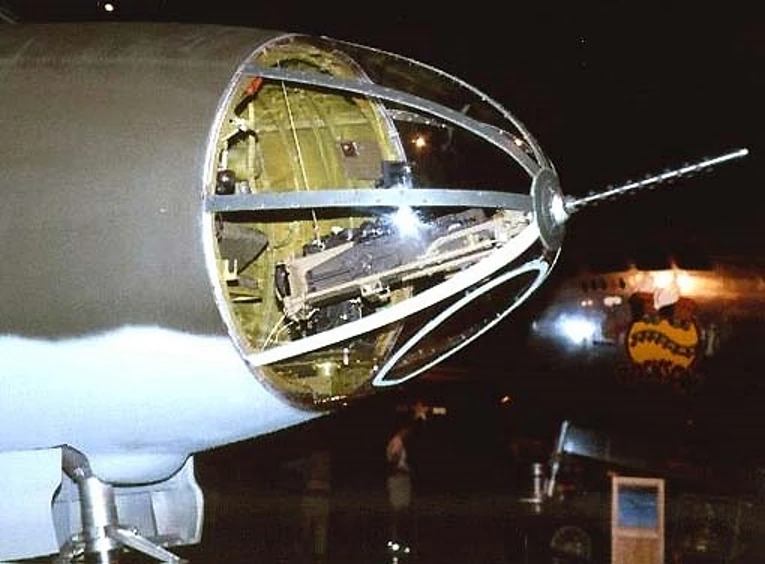
| Martin B-26 Marauder Walk Around | |
|---|---|
| Fotógrafo | Unknow |
| Localización | Unknow |
| Fotos | 83 |
Ver también:


From Infamy to Excellence
el Martin B-26 Merodeador had a rocky start. Designed for extreme speed, it featured short, stubby wings that resulted in a very high wing loading. Early in its career, this led to frequent landing accidents, earning it the terrifying nickname “The Widow Maker.” However, once pilots were properly trained on its high-speed handling, the B-26 became one of the most effective bombers of the war. By 1944, it boasted the lowest combat loss rate of any American aircraft in Europe, specializing in precision strikes against Nazi rail yards and bridges.
| Attribute | Technical Specification (B-26G) |
|---|---|
| Papel | Bombardero medio |
| Equipo | 7 (Pilot, Co-pilot, Navigator, Bombardier, 3 Gunners) |
| Motores | 2 × Pratt & Whitney R-2800-43 Double Wasps (2,000 hp each) |
| Velocidad máxima | 454 km/h (282 mph) at 15,000 ft |
| Cruise Speed | 344 km/h (214 mph) |
| Combat Range | 1,850 km (1,150 miles) |
| Internal Bomb Load | 1,814 kg (4,000 lbs) |
| Armamento | 11 × .50 cal Browning M2 machine guns |
Design Engineering: Speed and Surface Area
- The “Flying Torpedo”: The B-26’s fuselage was a perfect cigar shape, designed to minimize drag. This made it faster than most early-war fighters, but left no room for error during take-off and landing.
- High Wing Loading: To achieve high speeds, the wings were made small. This meant the B-26 had to land at speeds of nearly 130 mph—unheard of at the time—which caught many rookie pilots off guard.
- The “Package” Guns: Later models featured four .50 cal machine guns mounted in “packages” on the sides of the fuselage. This allowed the pilot to act as a strafer, using the bomber’s speed to suppress enemy flak during low-level runs.
- Increased Wing Incidence: To help with the landing issues, engineers eventually increased the wing’s angle (incidence) and span in the B-26B and G models, which improved lift and safety without sacrificing too much speed.
Operational History: Breaking the Reich
- The “Bridge Busters”: In the lead-up to D-Day, B-26 squadrons were tasked with isolating the Normandy beachhead. They became so proficient at destroying bridges that they were nicknamed the “Bridge Busters,” cutting off German reinforcements with surgical precision.
- Battle of Midway: The B-26 saw early action in the Pacific as a torpedo bomber. During the Battle of Midway, B-26s were the first to attack the Japanese carrier fleet, flying through a wall of fire to drop their torpedoes.
- “Flak-Bait”: The most famous B-26, named Flak-Bait, survived a record **202 combat missions** over Europe. Despite returning with hundreds of holes on multiple occasions, it never failed to bring its crew home. Its fuselage is currently preserved in the Smithsonian.
- The Marauder vs. The Mitchell: While the B-25 Mitchell was easier to fly and more famous for the Doolittle Raid, the B-26 was faster and better armored, making it the preferred choice for the high-intensity air war over occupied France.
Vistas : 6295
También puede ver:
 Short Solent – Fotos y Videos
 Grumman G-73 Mallard – Fotos y Videos
 Lockheed LC-130 – Fotos y videos
 Myasishchev M-4 Bison – Fotos y Video
 Lockheed F-22A Raptor – Fotos y Video
 B-47 Stratojet – Caminar
 Casa C.2111 Vol2 - WalkAround
 Liberador consolidado B-24M – WalkAround
 Avro Lancaster – WalkAround
 A-20 Havoc – WalkAround