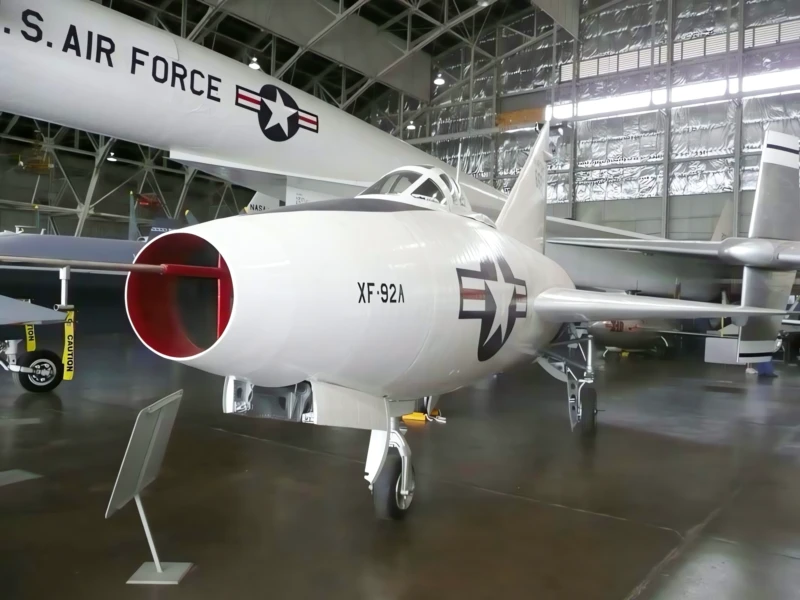
Convair XF-92 | |
|---|---|
| Страна | Сащ |
| Роля | Въздухоплавателни средства, прехващачи |
| Първи полет | 18 септември 1948 г. |
| Построен | 1 |
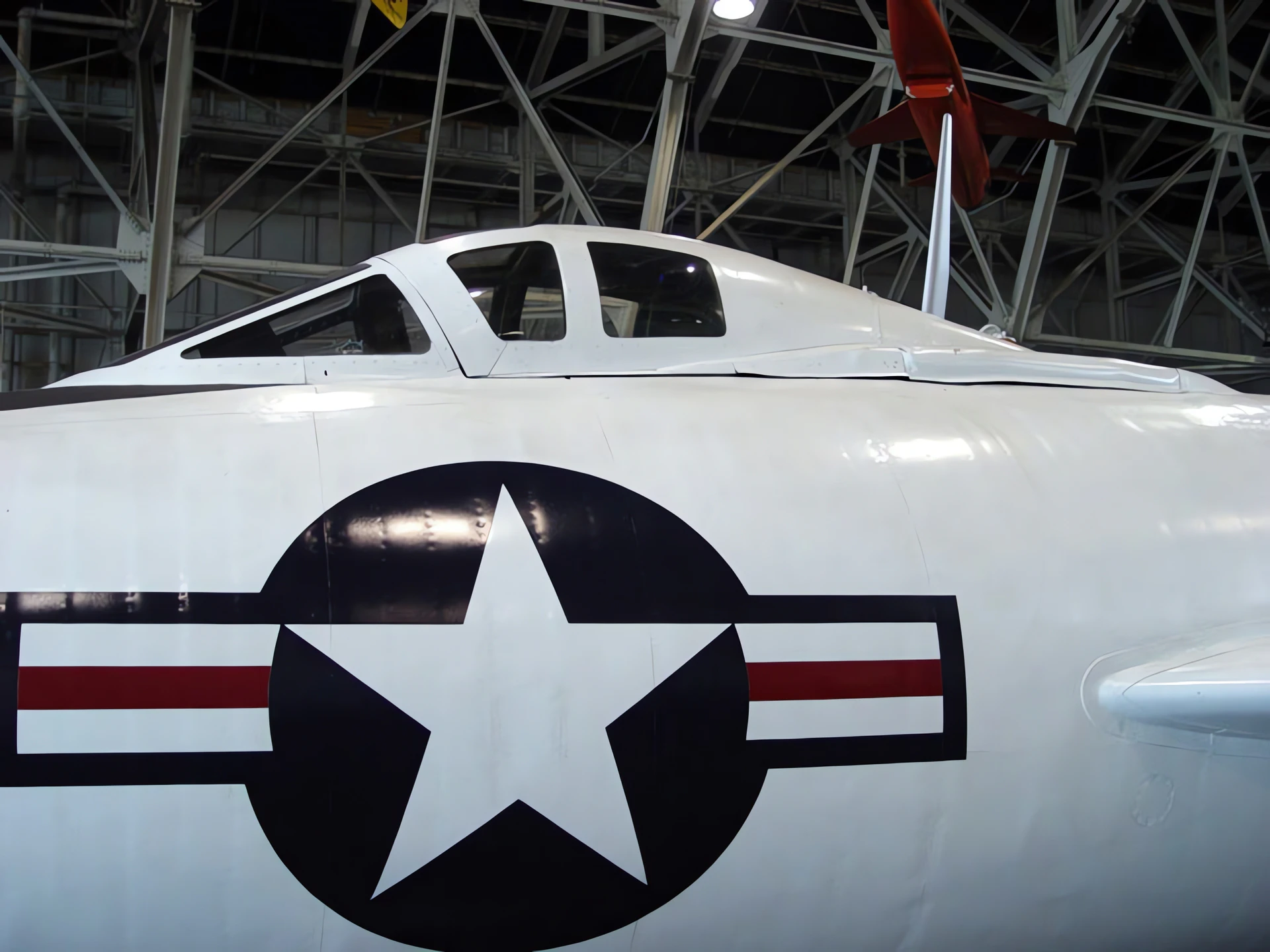
1. Конвайр XF-92 (първоначално обозначен като XP-92) е ранен американски самолет с делта крило. Първоначално замислен като прехващач на точкова защита, дизайнът по-късно е използван само за експериментални цели. Това обаче кара Convair да използва делта-крилото по редица проекти, включително F-102 Delta Dagger, F-106 Delta Dart, B-58 Hustler, F2Y Sea Dart на ВМС на САЩ, както и VTOL FY Pogo.
Източник: Convair XF-92 в Уикипедия
| Конвайр XF-92 | |
|---|---|
| Фотографи | Джон Хек, Владимир Якудов |
| Локализация | Национален музей на въздуха и космоса, Вашингтон |
| Снимки | 113 |
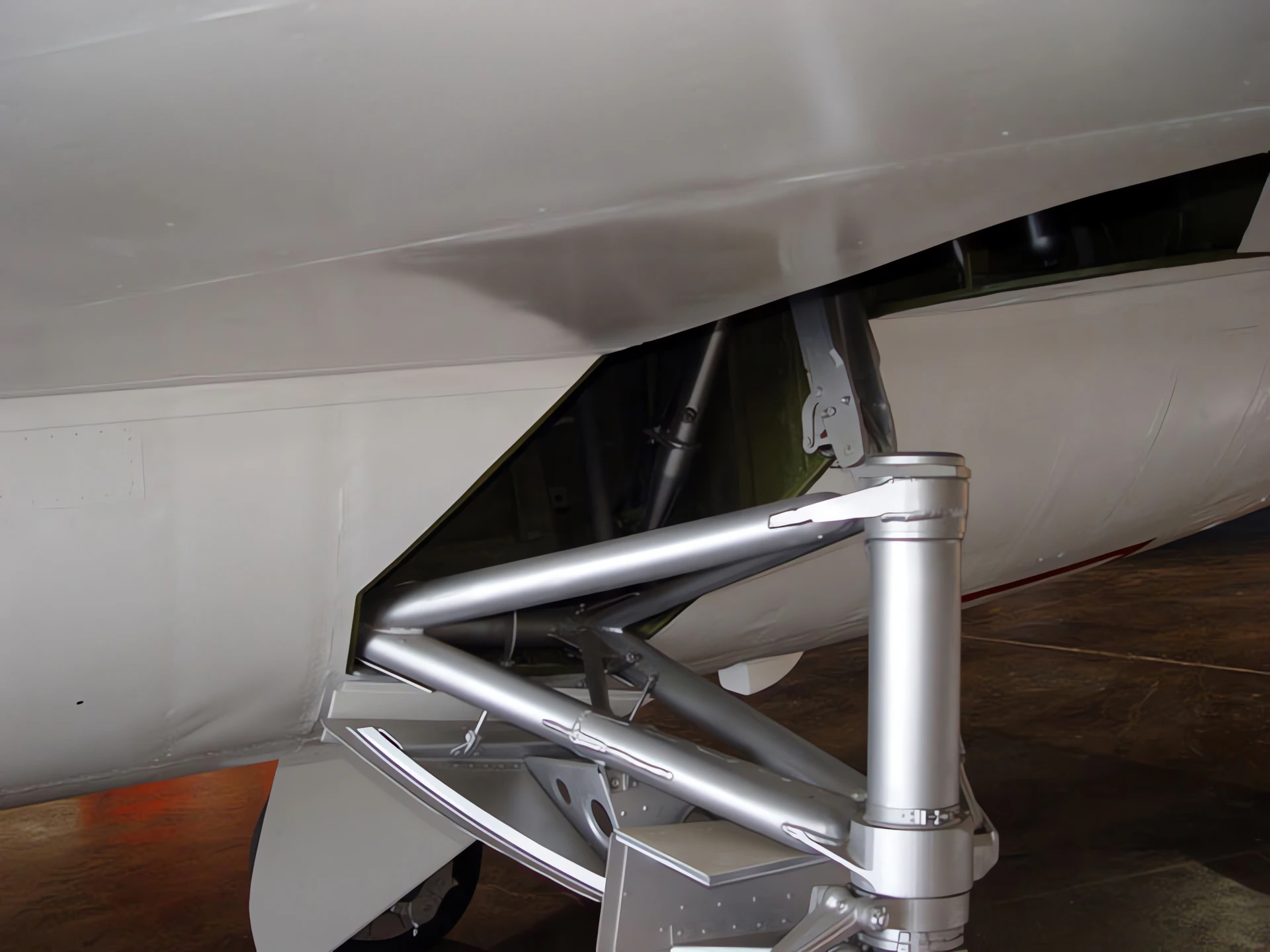
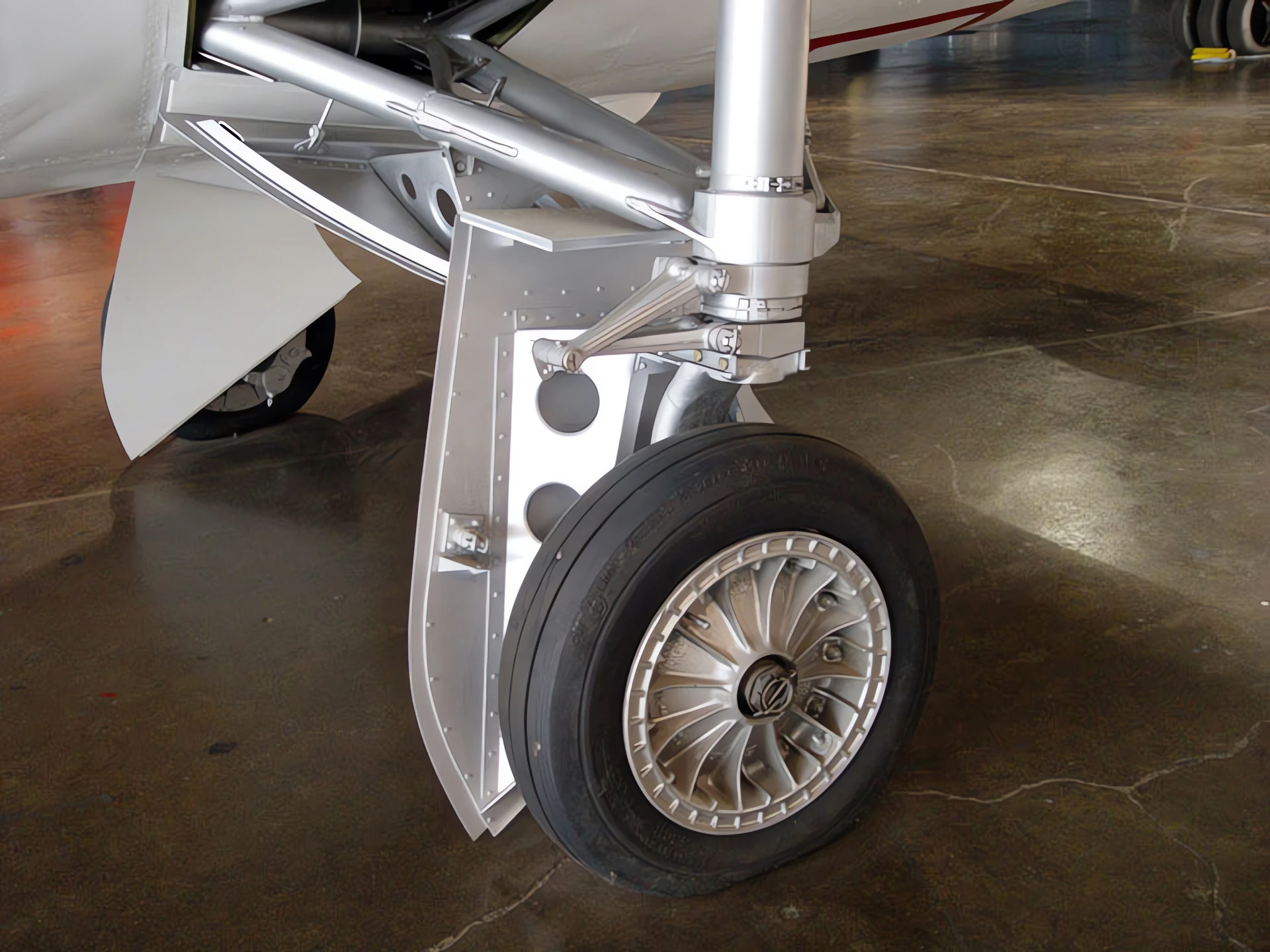
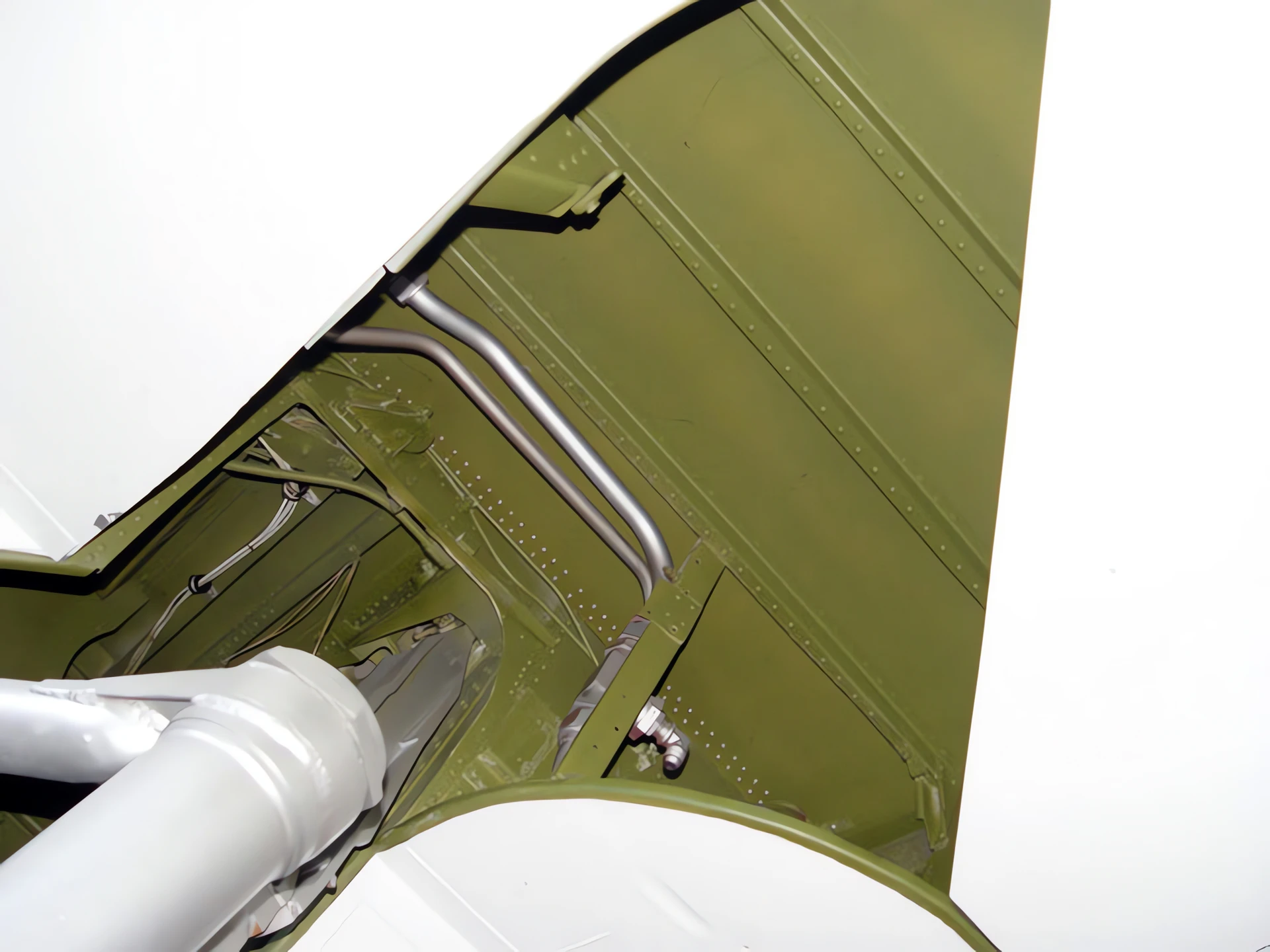
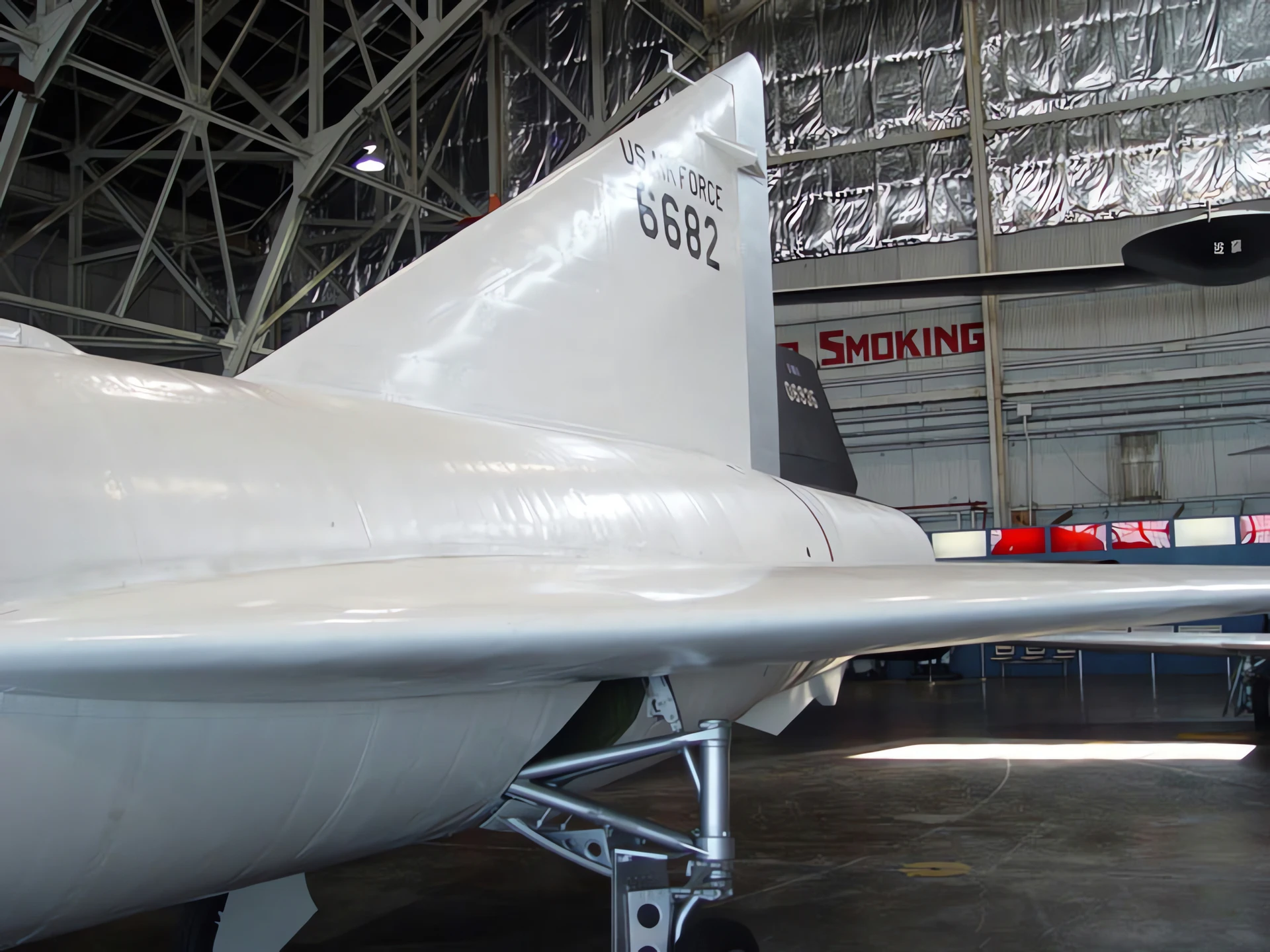


Вижте също:


General Characteristics and Role
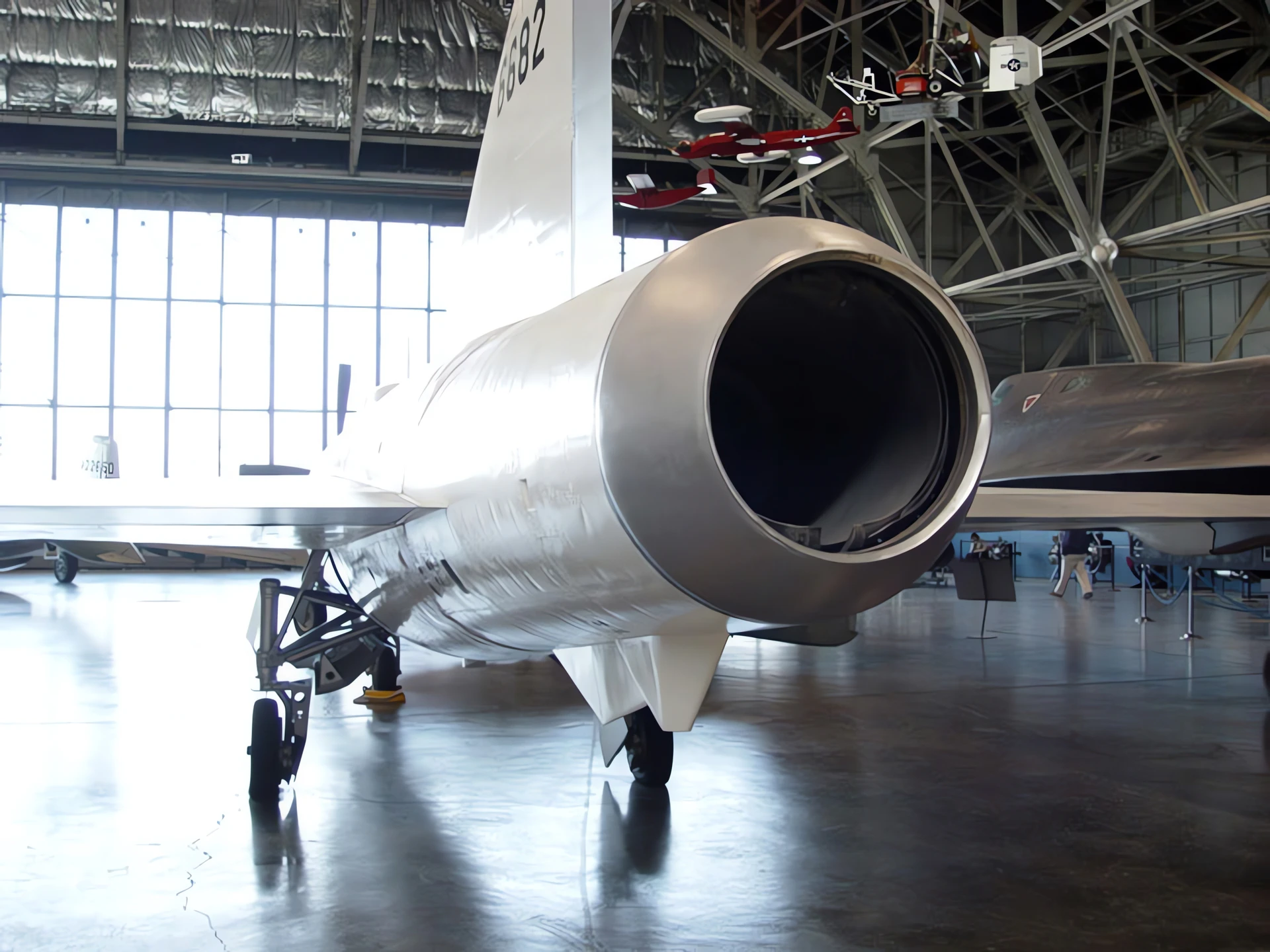
The Convair XF-92A Dart was a single-seat, experimental jet aircraft developed for the U.S. Air Force (USAF) in the late 1940s. Although initially conceived as a prototype interceptor (designations XF-92/YF-92), its true significance lies in its role as a pure research vehicle. The XF-92A was the first American jet aircraft to fly with a delta wing configuration. Based on aerodynamic research by German engineer Alexander Lippisch, this radical wing shape was crucial to Convair’s supersonic aircraft development. The XF-92A successfully proved the feasibility of the delta wing design for high-speed flight, directly leading to the development of the F-102 Delta Dagger and the B-58 Hustler.
| Property | Typical Value (XF-92A) |
|---|---|
| Роля | Experimental/Research Aircraft (Delta Wing) |
| National Origin | САЩ |
| Производителя | Конвейр |
| First Flight | 18 септември 1948 г. |
| Екипажа | 1 (Pilot) |
| Дължина | 12.83 m (42 ft 1 in) |
| Размах | 9.55 m (31 ft 4 in) |
| Gross Weight | 6,890 kg (15,198 lb) |
Powerplant and Delta Features
- Engine: Initially a General Electric J33-A-21 turbojet, later upgraded to a Allison J33-A-29 turbojet with afterburner.
- Thrust (Max): Approx. 3,400 lbf (15 kN) (original J33); 8,300 lbf (37 kN) (upgraded J33-A-29 with afterburner).
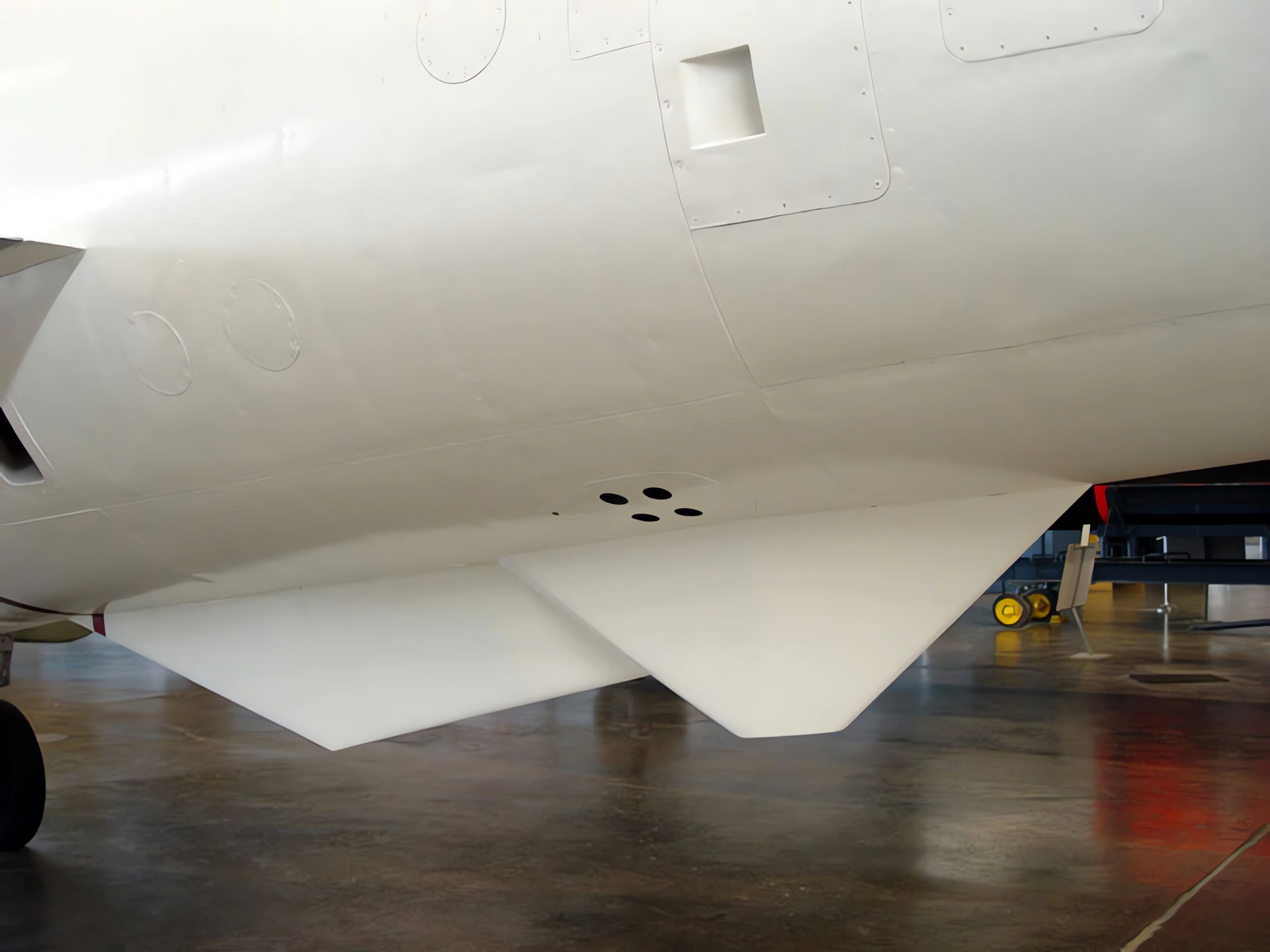
- Aerodynamics: The delta wing featured a 60-degree sweep along the leading edge. The absence of a conventional horizontal stabilizer meant the single control surfaces (elevons) handled both pitch and roll control.
- Maximum Speed: The upgraded version was capable of speeds approaching the speed of sound, with Mach 0.95 being achieved during flight testing.
- Key Contribution: The XF-92A was vital in studying the flight characteristics of the delta wing, particularly issues related to high angle-of-attack handling and high-speed stability.
Program Legacy and Impact
- Pilot Feedback: Test pilots, including Chuck Yeager, praised the aircraft’s high-speed handling but noted poor low-speed maneuverability, particularly during landing approach, which required high pitch angles.
- Influence: The XF-92A is considered the direct predecessor to all of Convair’s supersonic delta wing interceptors and bombers, setting the path for aircraft such as the F-102 Delta Dagger, the F-106 Delta Dart, and the B-58 Hustler strategic bomber.
- Retirement: The sole prototype flew over 250 times and was retired in 1953 after successfully completing its primary research objectives.
- Preservation: The single XF-92A built (AF Ser. No. 46-682) is now on permanent display at the National Museum of the United States Air Force in Dayton, Ohio.
Views : 2314
Можете да видите също :
 Convair F2Y Sea Dart – снимки и видеоклипове
 Convair C-131 самарянин – снимки и видеоклипове
 Piper L-4 скакалец – снимки и видео
 Lockheed U-2 – Снимки и видео
 Convair B-58A Hustler – Снимки и видео
 Convair B-36 Миротворец – Снимки и видео
 Convair F-102A – Снимки и видео
 P-51D Мустанг vol2 – разходка около
 Б-17 гр летяща крепост – мобилна
 Месершмит БФ 109Г-2 – Разходка Около