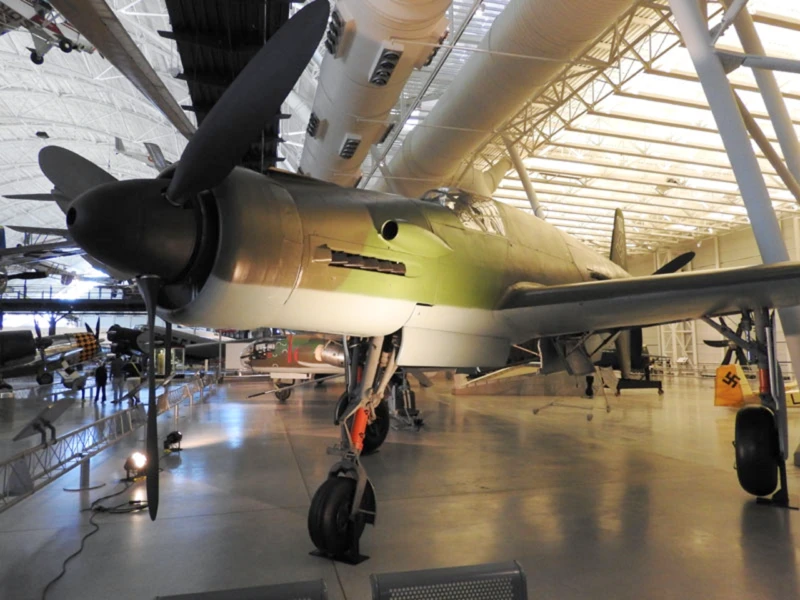
Dornier Do.335 | |
|---|---|
| Land | Nazi-Deutschland |
| Rolle | Jagdbomber |
| Erstflug | 26. Oktober 1943 |
| Gebaut | 37 |
das Dornier Do 335 Pfeil ("Pfeil") war ein schweres Jagdflugzeug der Firma Dornier. Die zweisitzige Trainerversion wurde auch Ameisenbär genannt. Die Leistung des Pfeil war aufgrund seines einzigartigen Push-Pull-Layouts und des deutlich geringeren aerodynamischen Luftwiderstands der Inline-Ausrichtung der beiden Triebwerke viel besser als bei anderen zweimotorigen Konstruktionen. Es war Deutschlands schnellstes kolbengetriebenes Flugzeug des Zweiten Weltkriegs. Die Luftwaffe war verzweifelt, das Design in Betrieb zu nehmen, aber Verzögerungen bei der Lieferung von Triebwerksmotoren bedeuteten, dass nur eine Handvoll geliefert wurden, bevor der Krieg endete.
Quelle: Dornier Do.335 auf Wikipedia
| Dornier Do.335 A-0 Pfeil Walk Around | |
|---|---|
| Fotograf | Cees Hendriks |
| Lokalisierung | Unbekannter |
| Fotos | 67 |
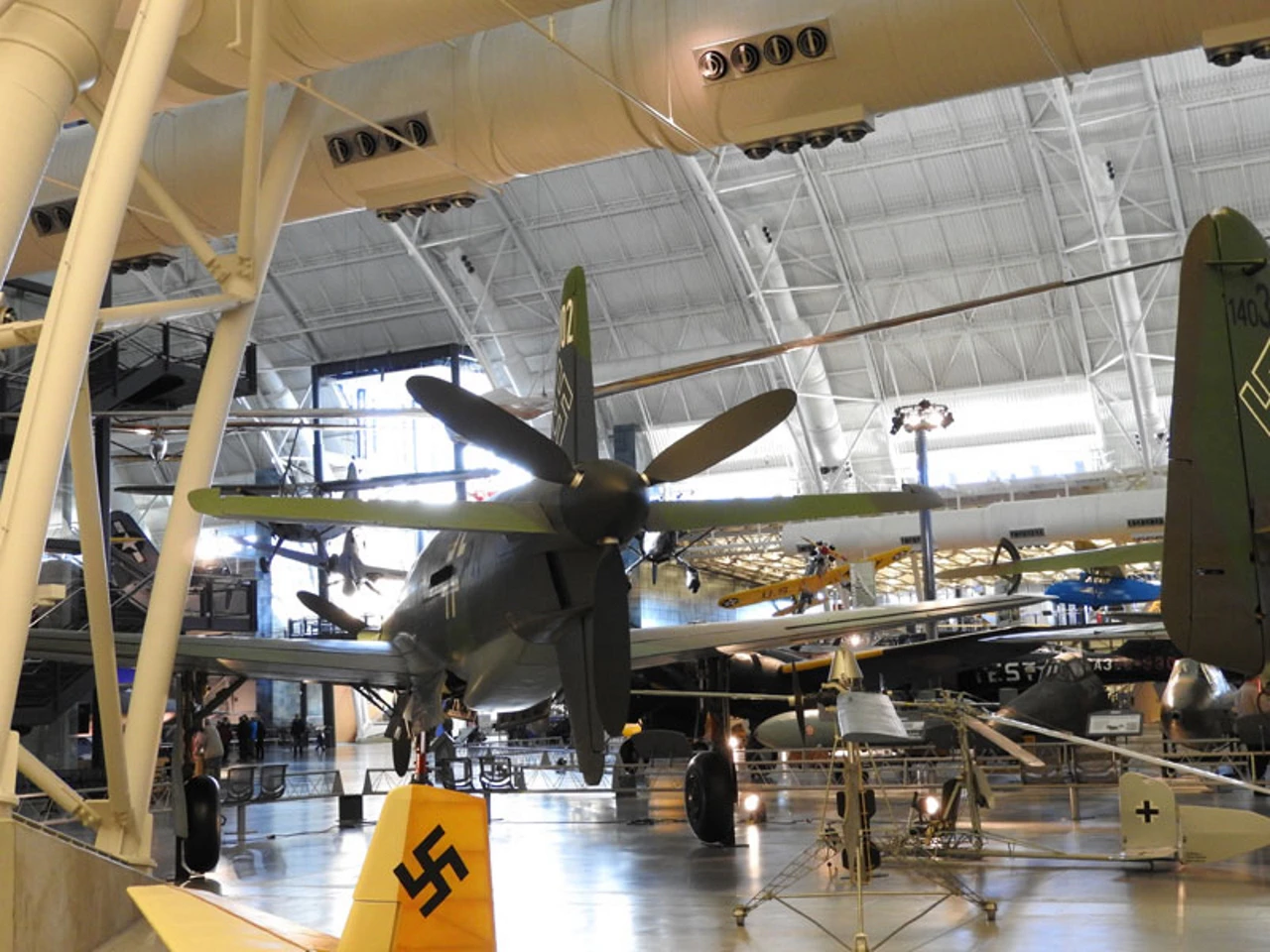
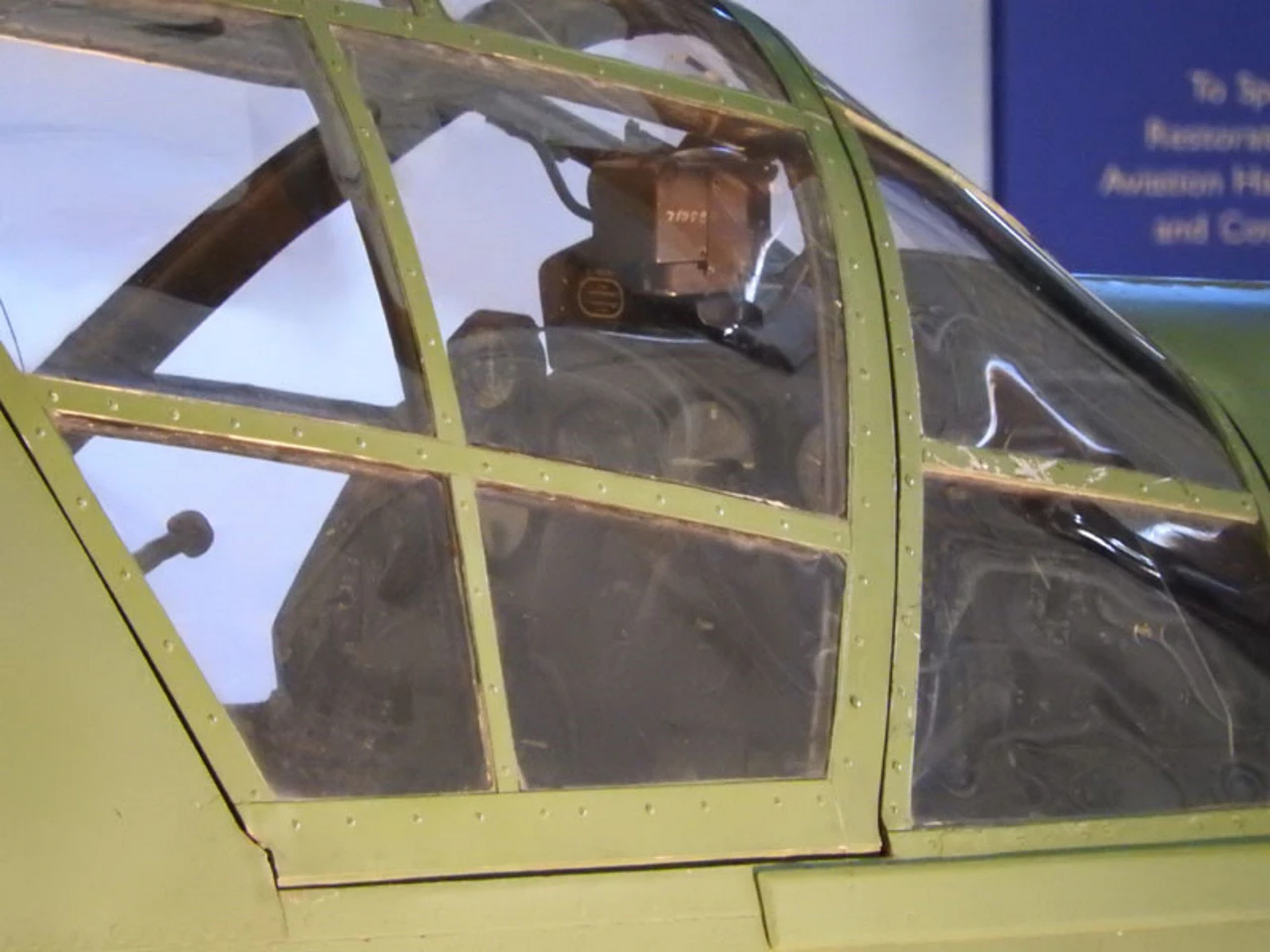
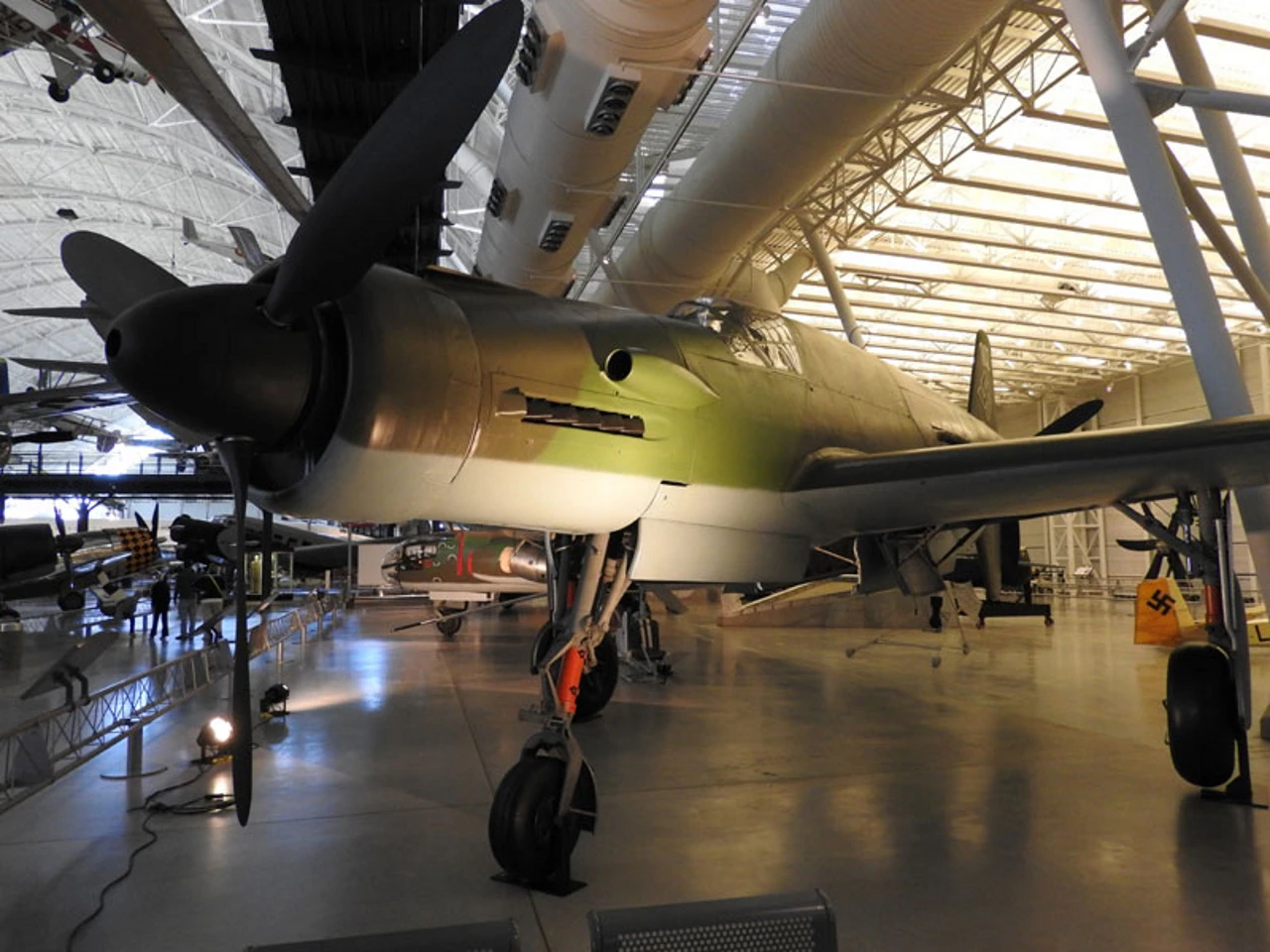
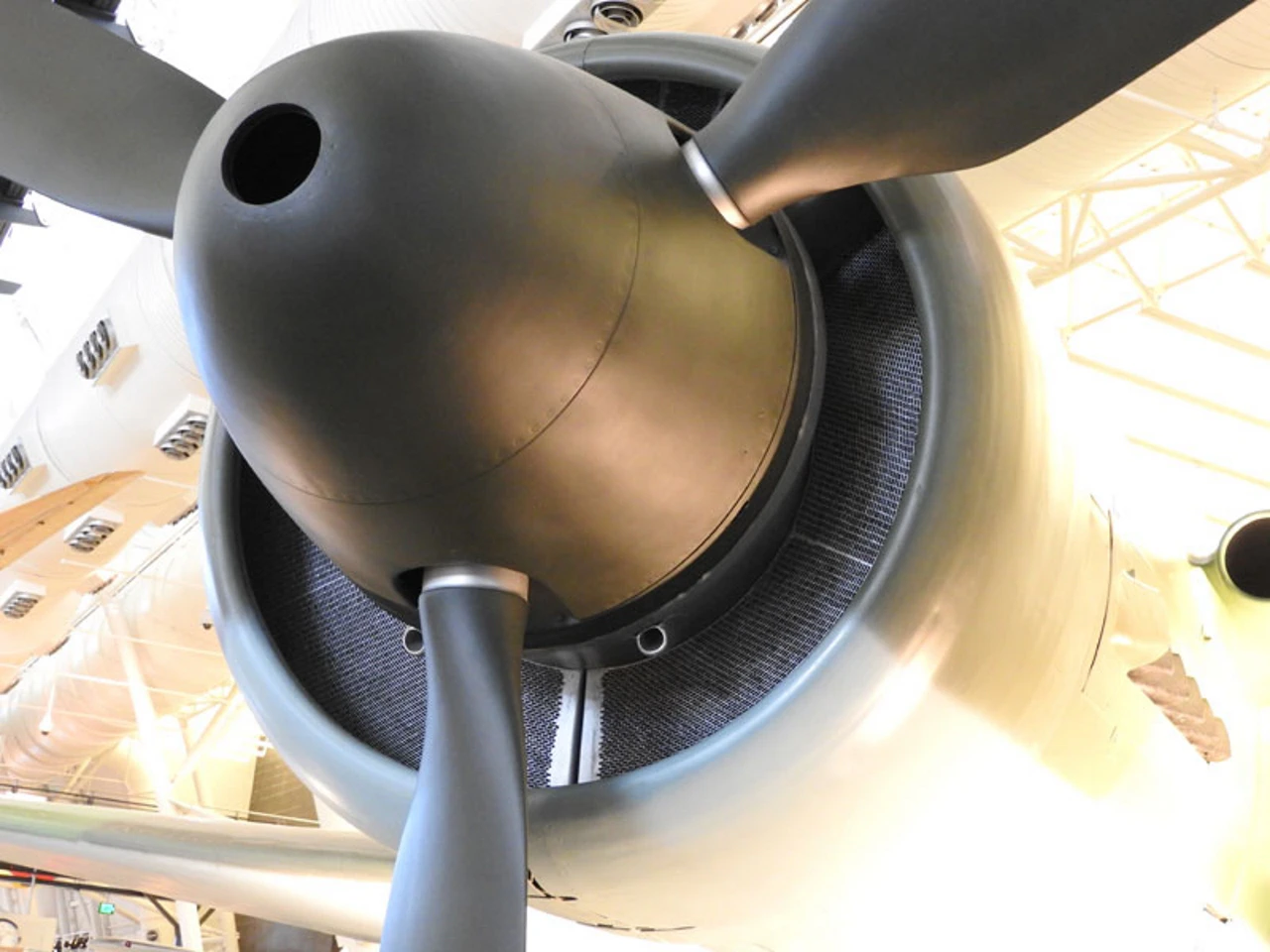
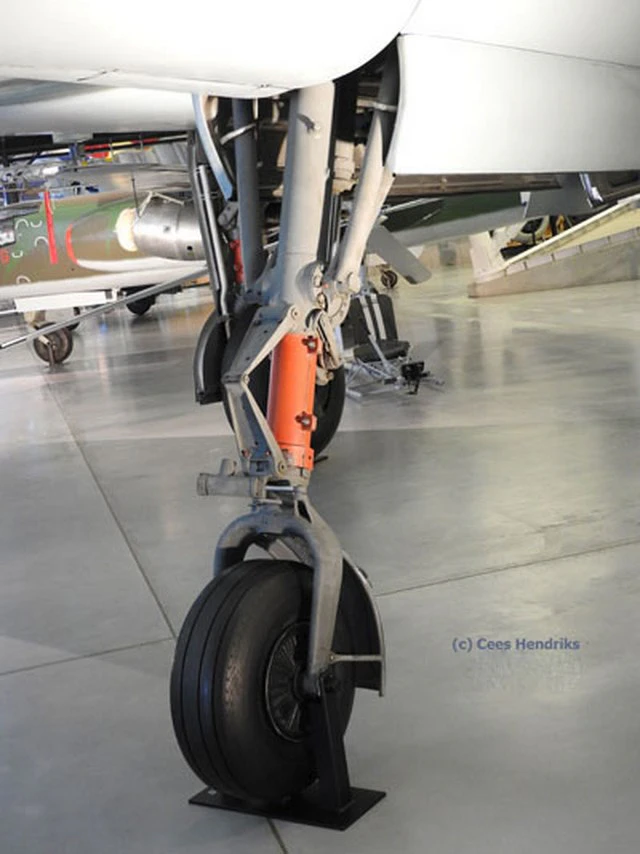
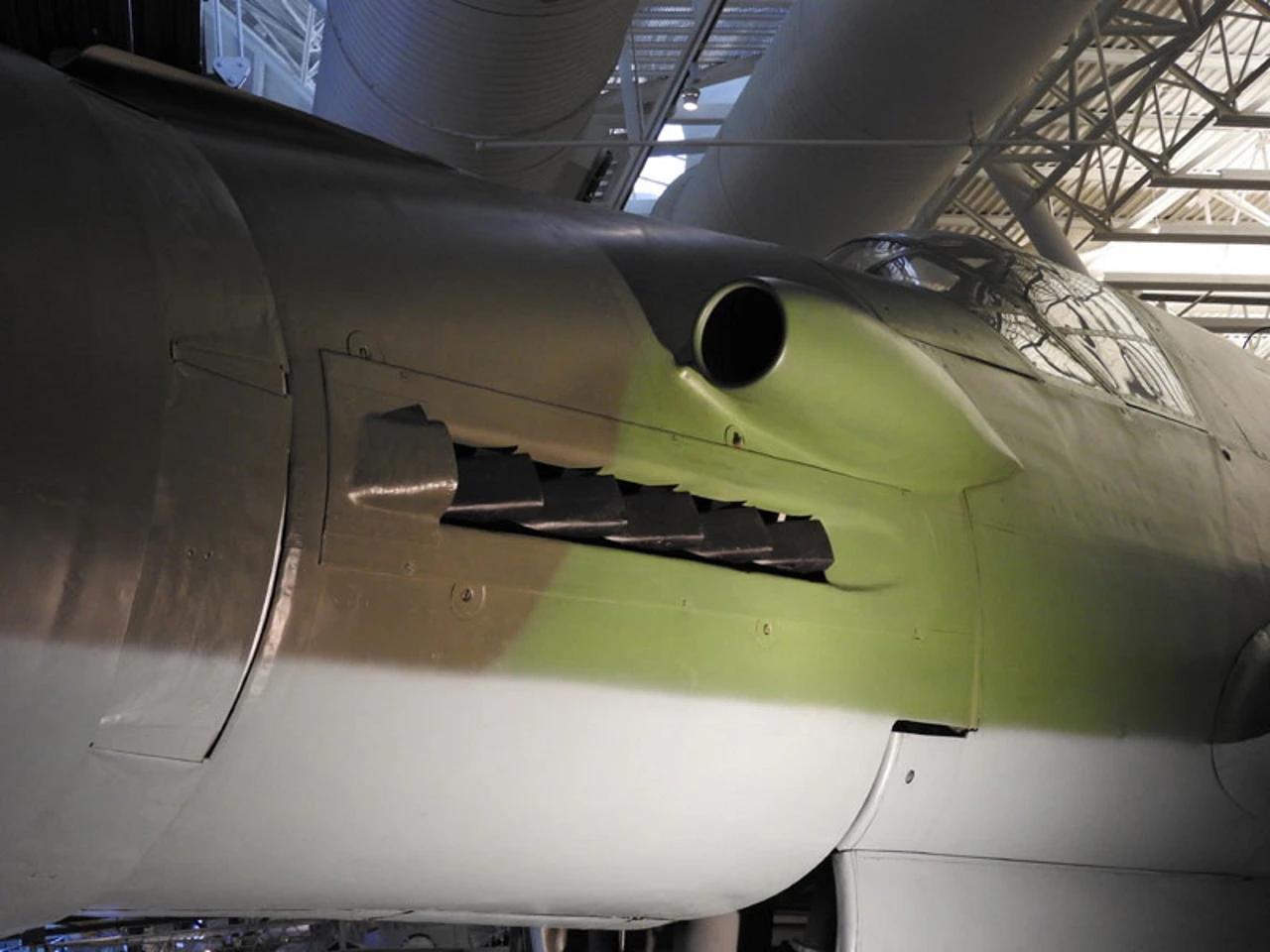
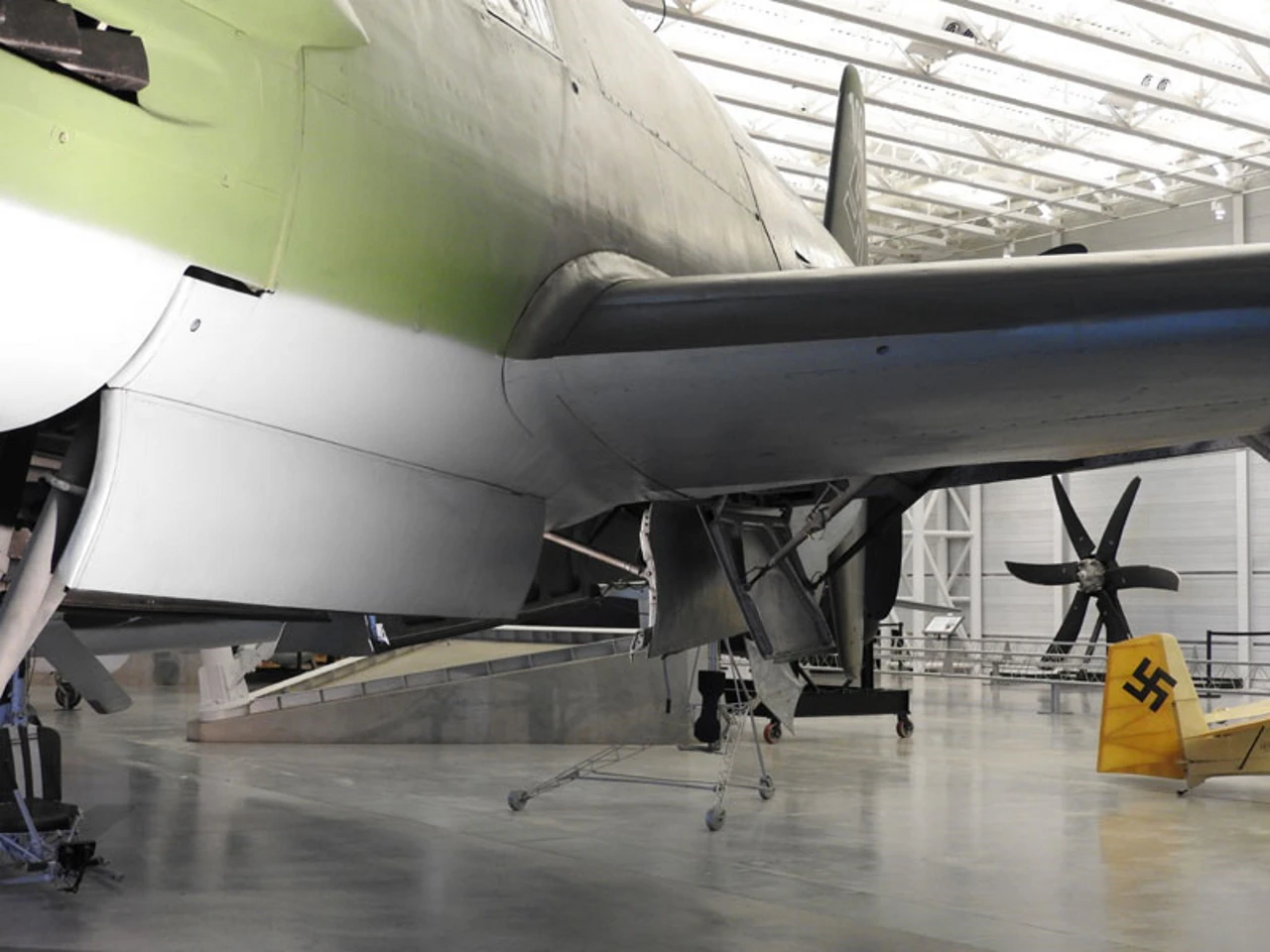
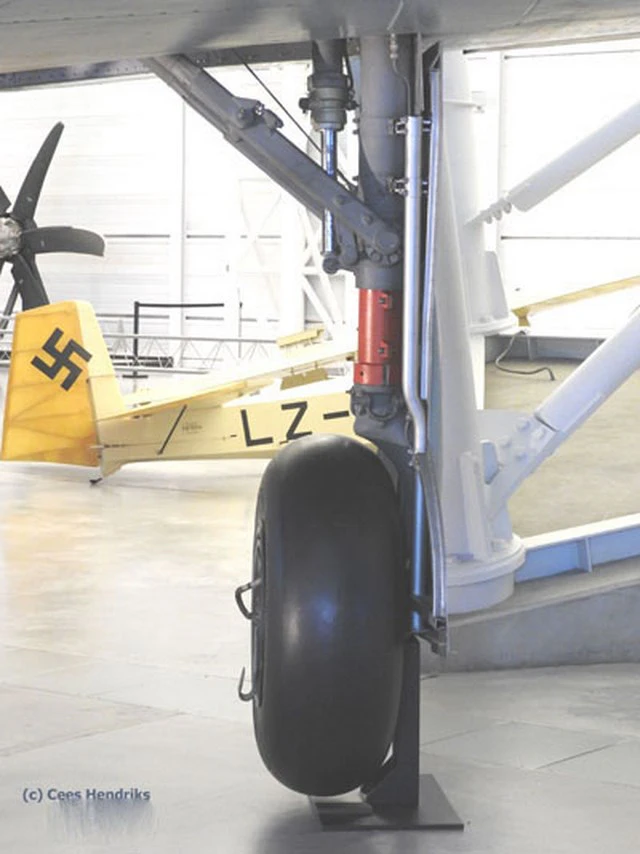
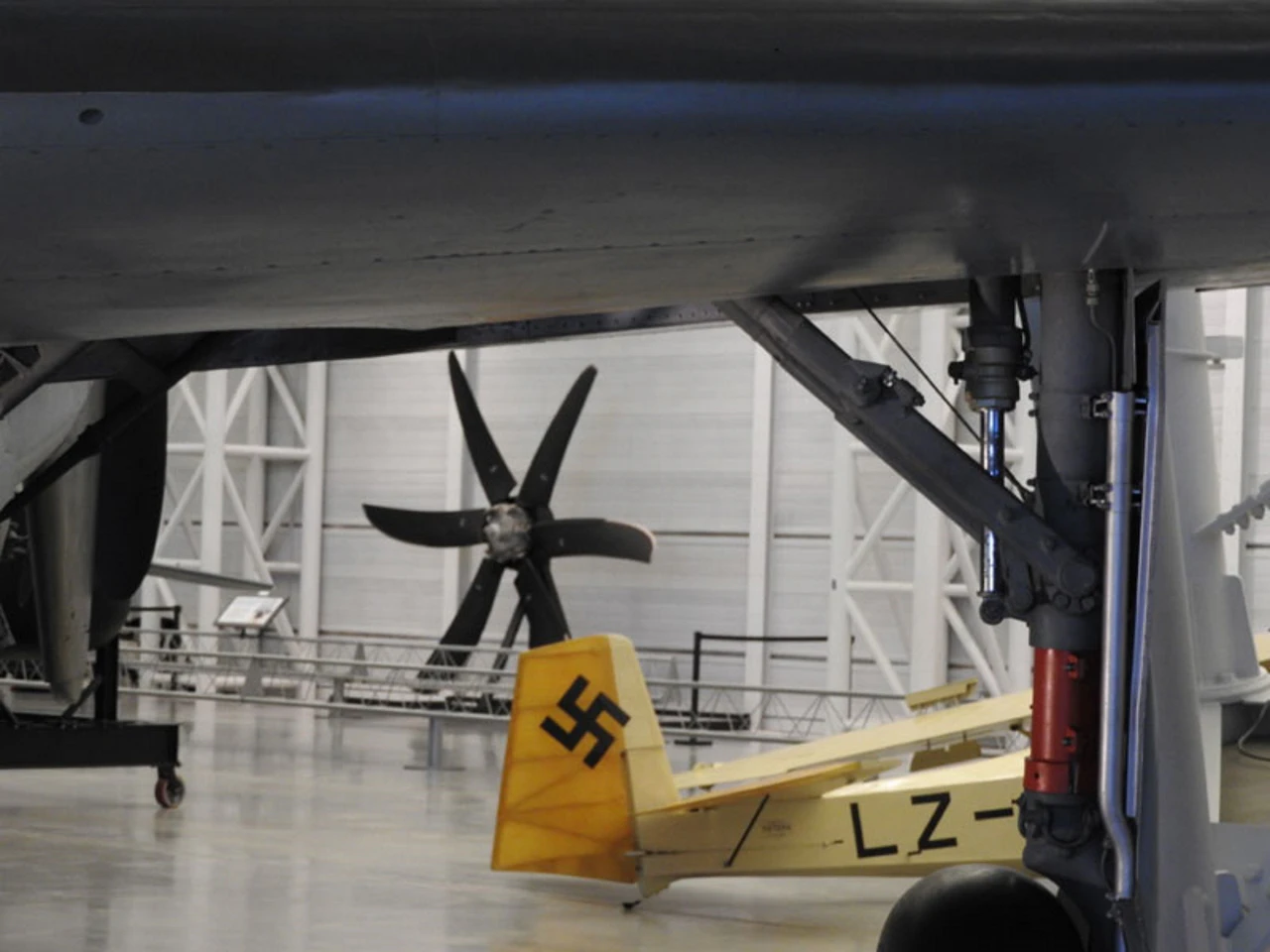

| Dornier Do 335 A B-2 Pfeil | |
|---|---|
| Fotograf | Unknow |
| Lokalisierung | Unbekannter |
| Fotos | 26 |
Siehe auch:


A Radical Approach to Speed
das Dornier Do 335 Pfeil was a revolutionary heavy fighter that defied conventional twin-engine design. By placing the engines in a “push-pull” tandem arrangement—one in the nose and one in the tail—Dornier eliminated the aerodynamic drag associated with wing-mounted nacelles and solved the deadly “asymmetric thrust” issues that plagued traditional twin-engine planes if one engine failed. The result was a massive, incredibly fast aircraft that could outrun almost anything in the sky.
| Attribute | Technical Specification (Do 335 A-1) |
|---|---|
| Rolle | Heavy Fighter / Fighter-Bomber |
| Crew | 1 (A-series) or 2 (M-series night fighter) |
| First Flight | October 26, 1943 |
| Triebwerk | 2 × Daimler-Benz DB 603E inverted V-12s |
| Horsepower | 1,800 hp (1,342 kW) per engine |
| Höchstgeschwindigkeit | 474 mph (763 km/h) |
| Service Ceiling | 37,400 feet (11,400 m) |
| Bewaffnung | 1 × 30mm MK 103 cannon (engine-mounted); 2 × 20mm MG 151/20 cannons |
The “Push-Pull” Innovation
- Tandem Engine Layout: The front engine drove a standard tractor propeller, while the rear engine drove a pusher propeller via a long extension shaft. This kept the frontal area small, giving the Do 335 the drag profile of a single-engine fighter despite having double the power.
- The Cruciform Tail: To protect the rear propeller during takeoff and landing, the Do 335 featured a unique four-finned “cross” tail. The lower vertical fin acted as a bumper to prevent the propeller from striking the runway if the pilot over-rotated.
- Emergency Separation: Because of the rear propeller, a traditional bailout was impossible. The Do 335 featured an ejection seat; before the pilot was launched, explosive bolts would blow off the rear propeller and the top vertical fin to ensure a clear escape path.
- Reversible Pitch Propellers: The rear propeller could be adjusted to provide reverse thrust, significantly shortening the landing run for such a heavy and fast aircraft.
Combat Capability & Late Arrival
- The “Anteater” (Ameisenbär): The two-seat night fighter version (Do 335 A-6) featured a second, raised cockpit for the radar operator, giving the aircraft a humped appearance that led to its ungraceful nickname.
- Heavy Firepower: The 30mm MK 103 cannon fired through the front propeller hub (Motorkanone), providing enough destructive power to down a heavy bomber with just a few hits.
- The “Ghost” Interceptions: While the Do 335 never saw major air-to-air combat, several Allied pilots reported seeing a massive, incredibly fast German plane that simply pulled away from them with ease. Famous French ace Pierre Clostermann once attempted to intercept one in a Hawker Tempest, but the “Arrow” outran him before he could get in range.
- Preservation: Only one complete Do 335 survives today. Captured by the Americans, it was returned to Germany for restoration in the 1970s before being placed on permanent display at the Steven F. Udvar-Hazy Center in Virginia, USA.
Aufrufe : 6096
Sie können auch sehen:
 Dornier Do-28 – Fotos & Video
 Dornier Do-27 – Fotos & Video
 Dornier Do-228 – Fotos & Video
 Dornier Do-24 – Fotos & Video
 Dornier Do 31E3 – Fotos und Videos
 Dassault / Dornier Alpha Jet – WalkAround
 CASA 2.111 vol3 – WalkAround
 AV-8B Harrier II Plus – WalkAround
 Mikojan MiG-29 – WalkAround
 C-17 Globemaster – WalkAround