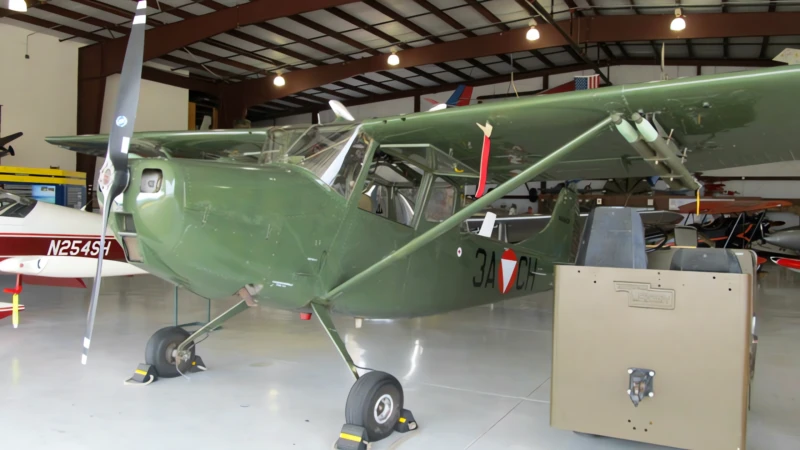
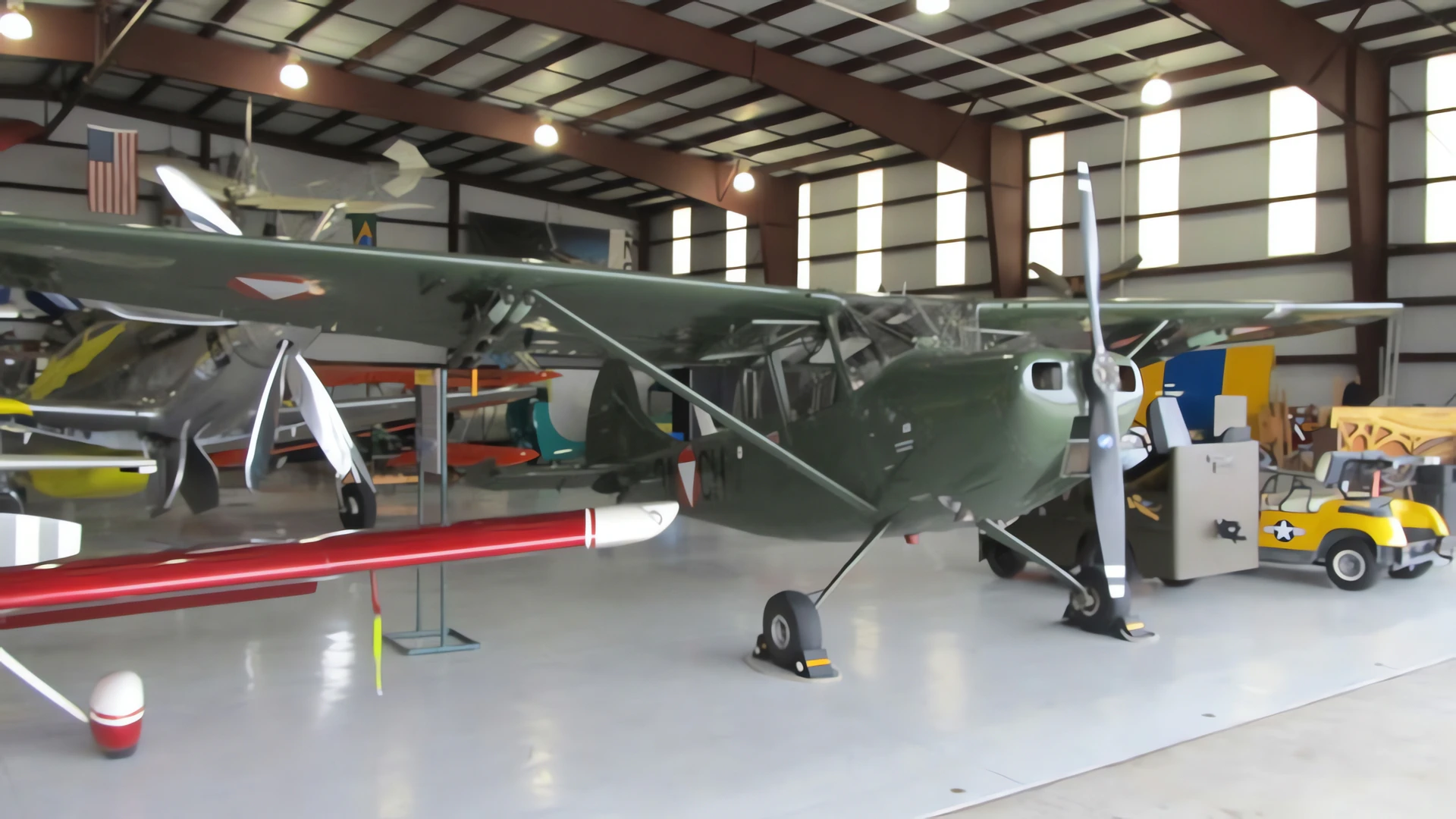
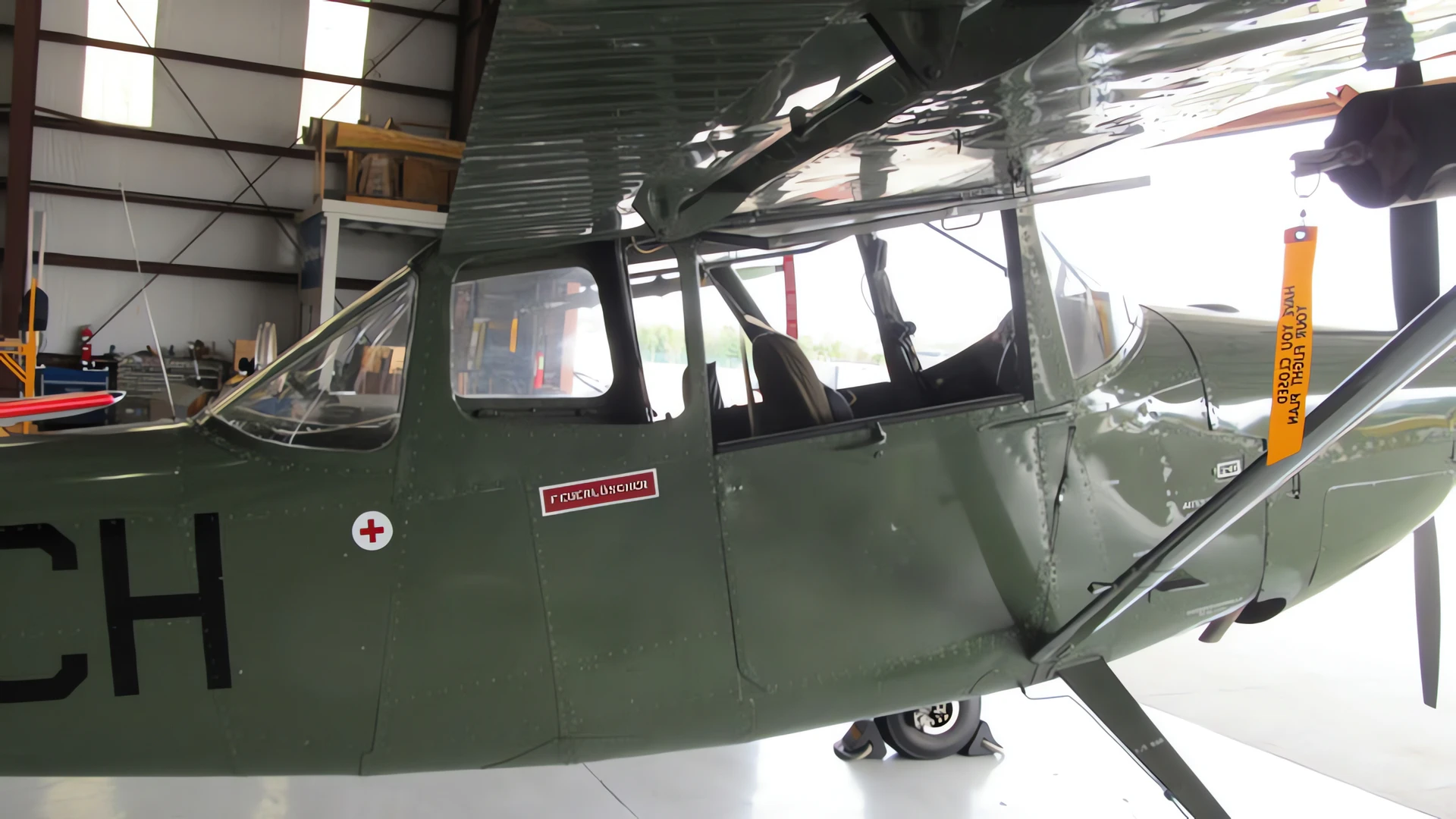
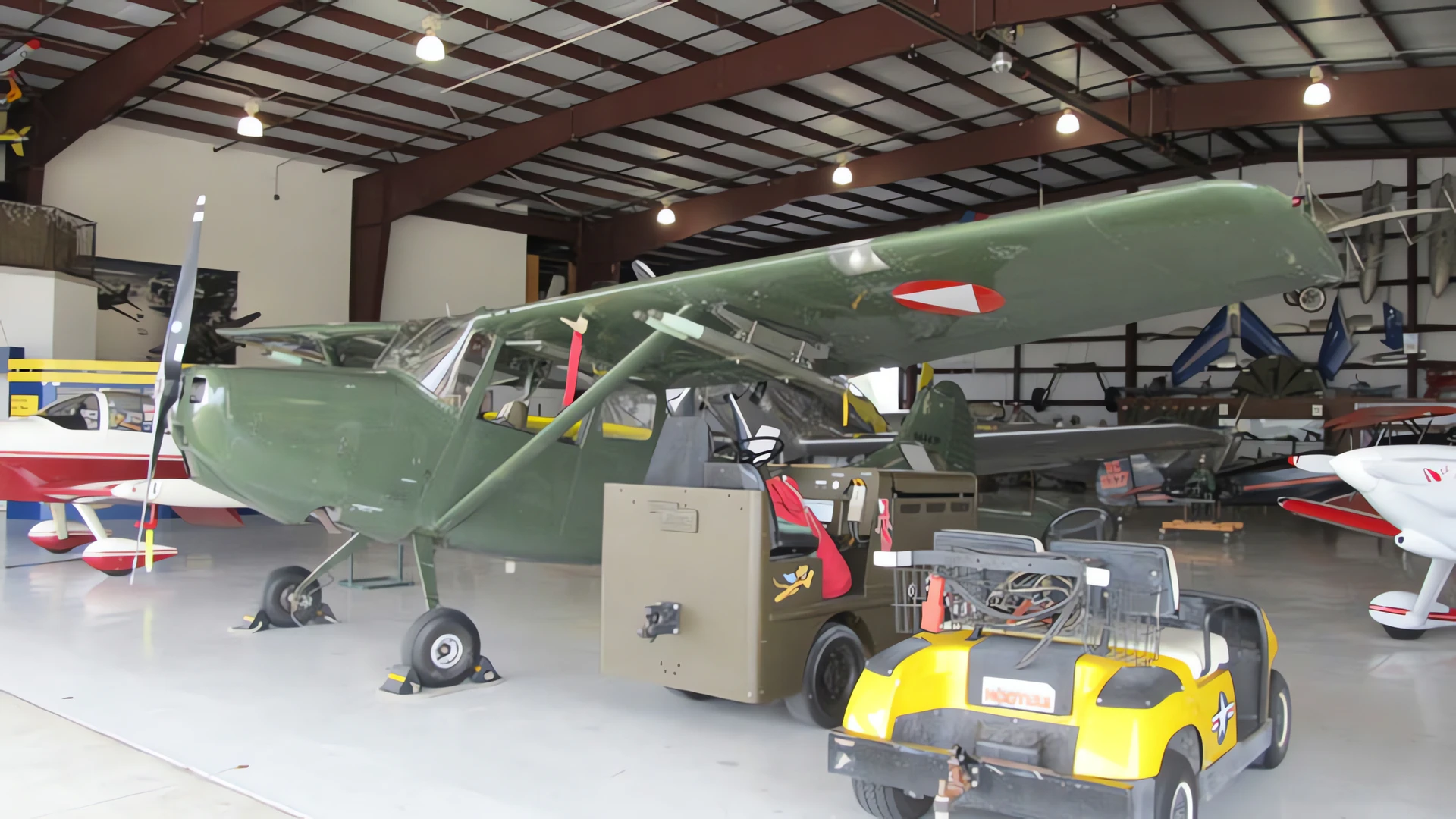
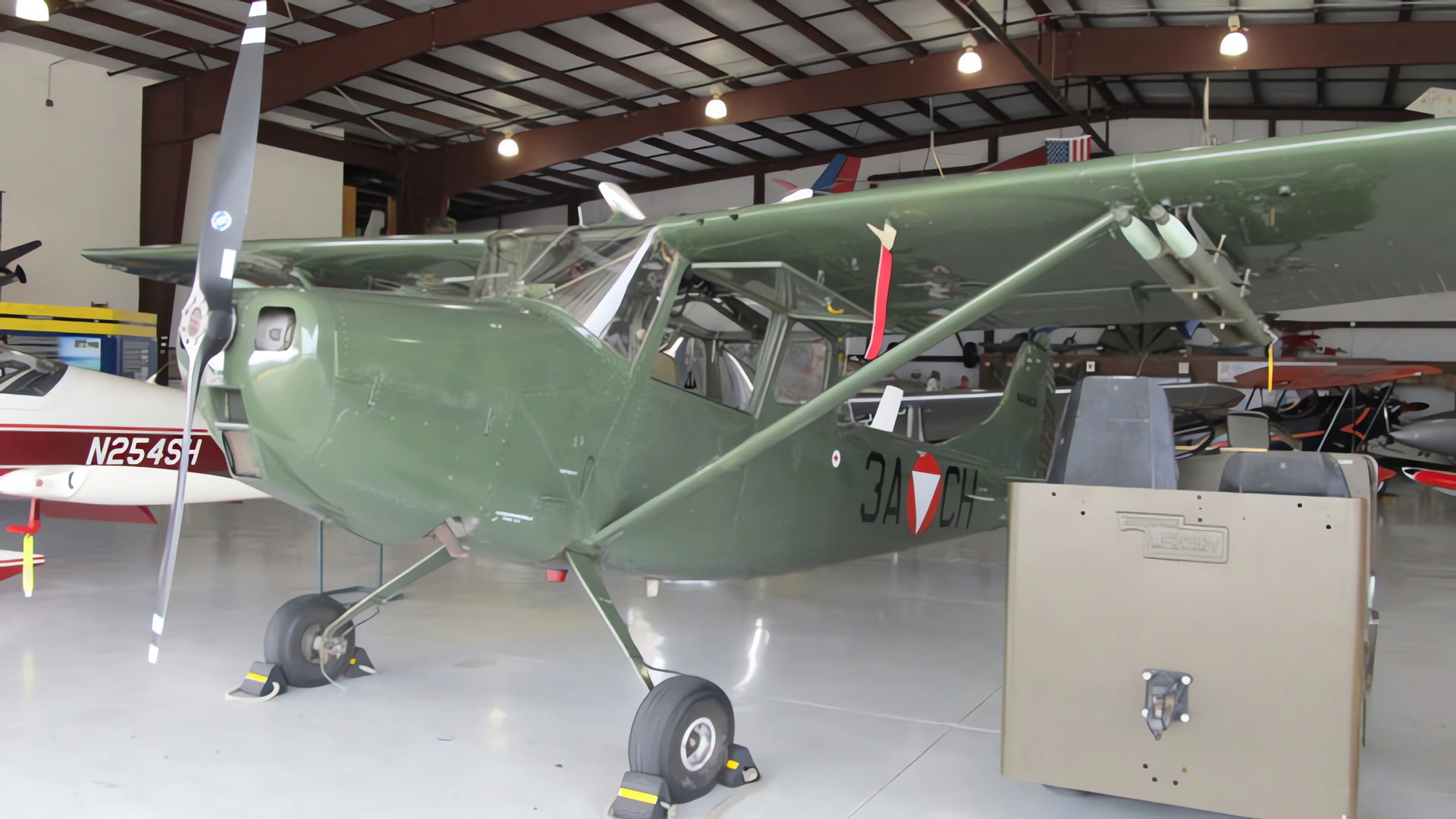
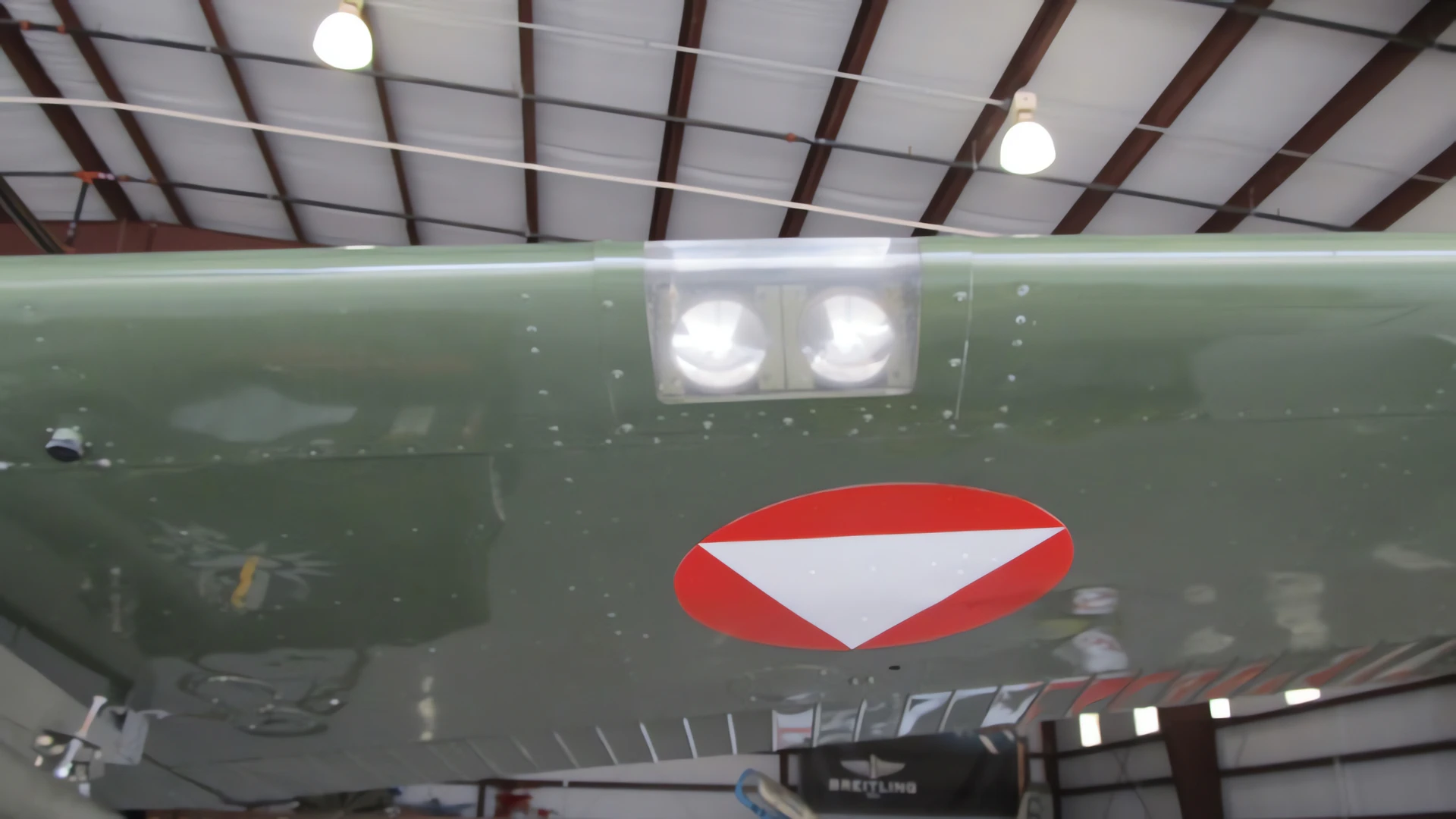
Den Cessna L-19/O-1 Fuglehund var et forbindelses- og observationsfly. Det var det første fastvingede fly i metal, der blev bestilt til og af den amerikanske hær, siden US Army Air Forces blev adskilt fra hæren i 1947 og blev sin egen tjenestegren, United States Air Force. Fuglehunden havde en lang karriere i det amerikanske militær såvel som i andre lande.
Den Cessna L-19 Fugl Hund(later redesignated theO-1) was a rugged, all-metal liaison and observation aircraft that became a legend in Korea and Vietnam. Born from a 1950 U.S. Army requirement for a “spotter” plane, it was nicknamed the “Bird Dog” because it could find the enemy and “point” to them for the artillery or fighter-bombers to strike. Though unarmed and unarmored, it was one of the most respected aircraft on the battlefield due to the bravery of the pilots who flew it low and slow over hostile territory.
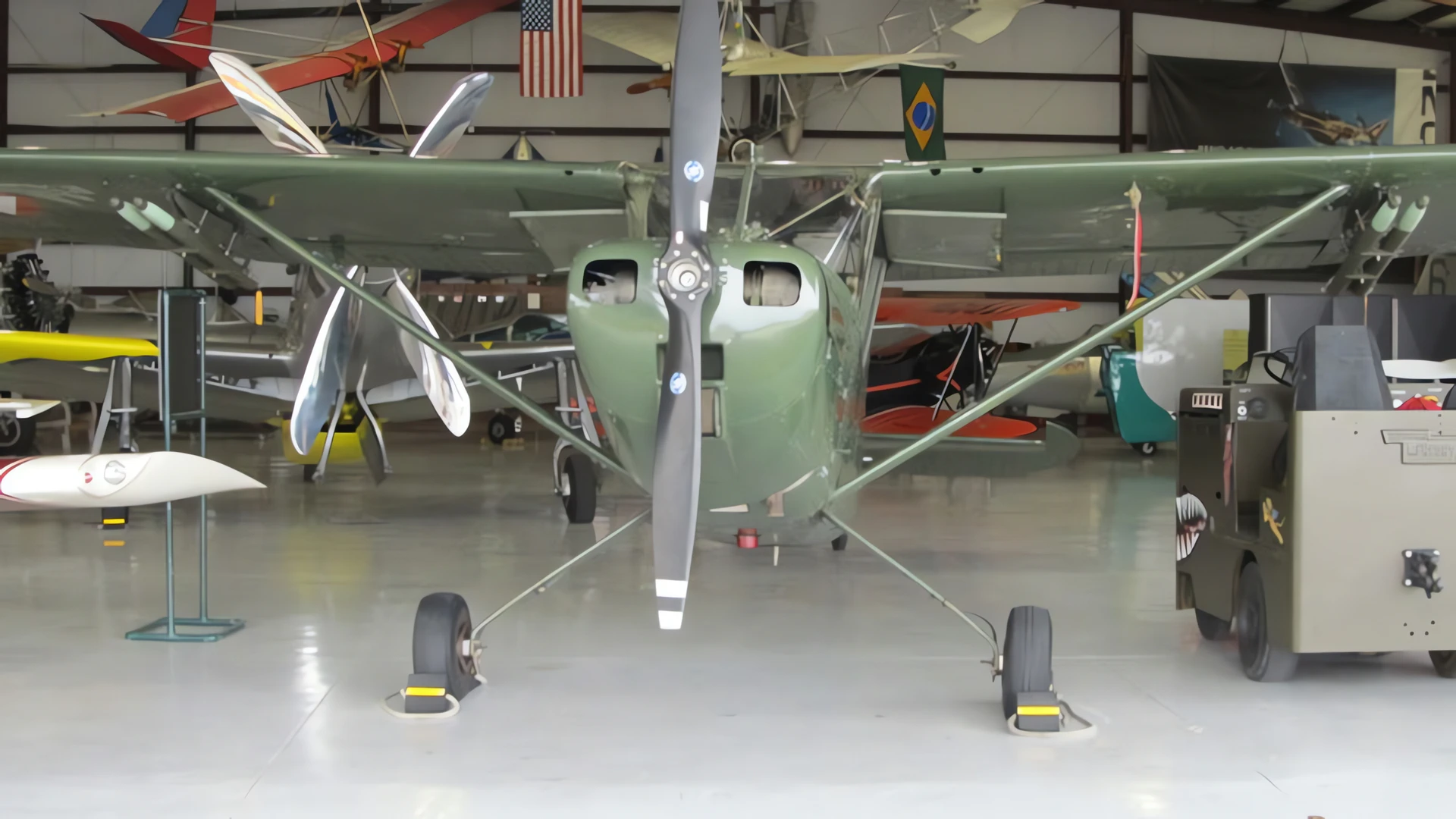
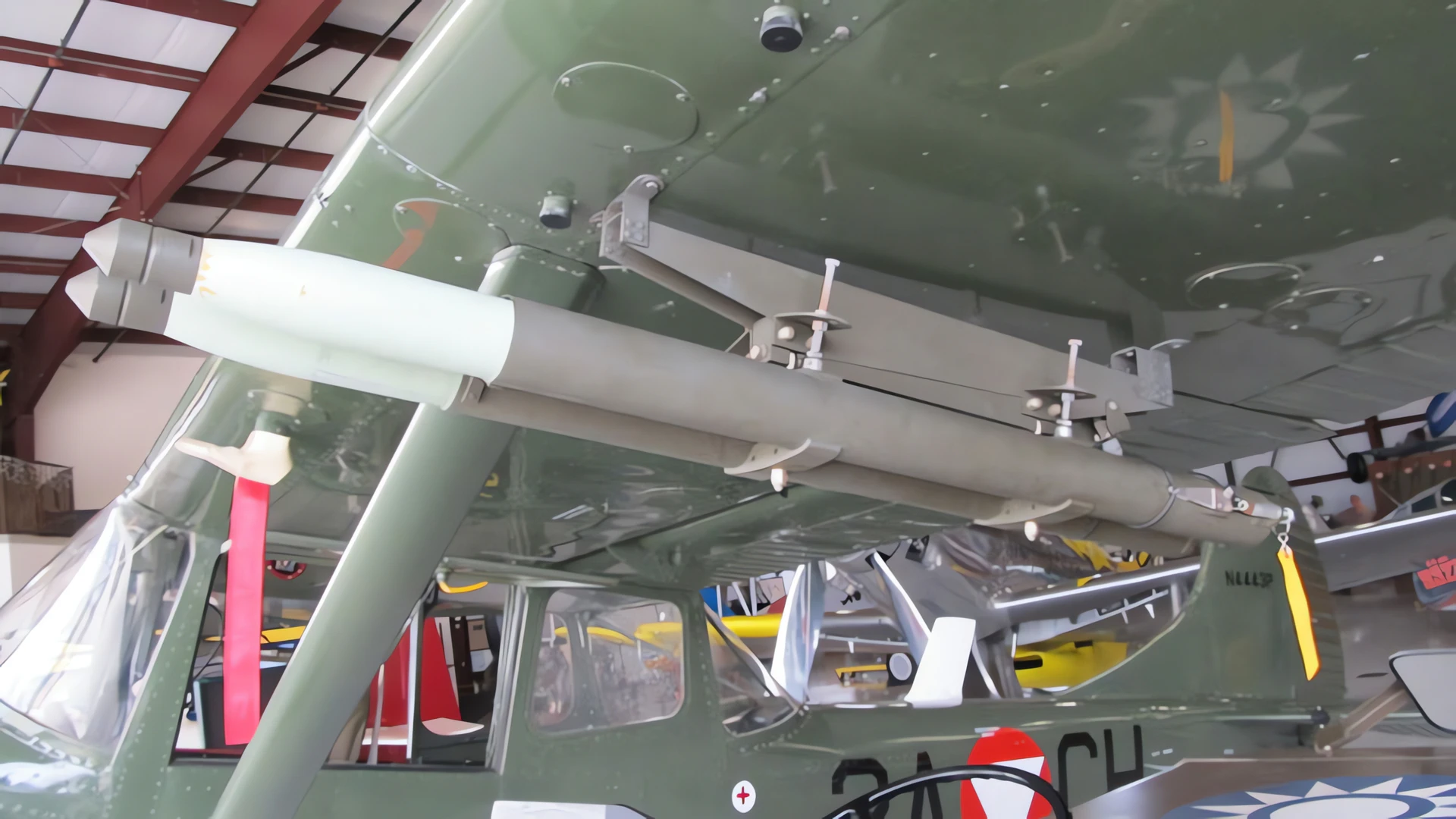
Underwing racks for white phosphorus (Willie Pete) smoke rockets
Design for Observation and Survival
The “Greenhouse” View:The L-19 featured a significantly revised cabin compared to its civilian cousin, the Cessna 170. It had slanted side windows and a transparent overhead panel, giving the pilot and observer an almost 360-degree view of the ground and sky.
Low and Slow Capability:The Bird Dog could maintain controlled flight at exceptionally low speeds (below 50 mph). This allowed FAC pilots to orbit a single point for hours, meticulously identifying enemy positions hidden in the jungle.
Rocket Racks:While it didn’t carry bombs, it was often fitted with four wing-mounted racks for 2.75-inch rockets. These weren’t for destruction, but for “marking” the target with colored smoke so that incoming jets knew exactly where to drop their ordnance.
Tough Landing Gear:Using Cessna’s famous “spring steel” landing gear, the Bird Dog could land on muddy roads, rice paddy dikes, or rough forward operating strips that would shatter the landing gear of other aircraft.
Legacy of the Forward Air Controller
The Vietnam War:In Vietnam, the Bird Dog was the primary FAC platform. Pilots would fly low enough to see the enemy’s muzzle flashes, then drop a smoke grenade or fire a rocket to guide in the “Heavy Metal” (F-4 Phantoms or A-1 Skyraiders).
The “Raven” FACs:A group of secret pilots known as the “Ravens” flew unmarked Bird Dogs in Laos, conducting some of the most dangerous and classified missions of the war in civilian clothes.
Major Bung-Ly’s Landing:In a famous 1975 incident, South Vietnamese Major Bung-Ly loaded his wife and five children into a two-seat Bird Dog and landed it on the deck of theUSS Midtvejsduring the evacuation of Saigon—the only time an L-19 ever landed on a carrier.
Civilian Transition:After the war, many Bird Dogs were sold to civilian owners. Their power and STOL performance make them highly prized as “bush planes” and for glider towing.


 Cessna 185 Skywagon - Billeder og videoer
 Cessna 310 - Billeder og videoer
 Cessna T-37 Tweet - Billeder & Videoer
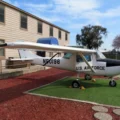 Cessna 150 - Billeder og videoer
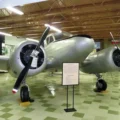 Cessna AT-17 Bobcat - Billeder og videoer
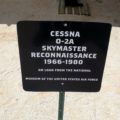 Cessna O-2A Skymaster - Billeder og video
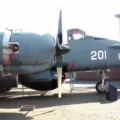 Lockheed P-2 Neptun – Billeder & Video
 Cessna Dragonfly - Billeder & Video
 B-17G flyvende fæstning - WalkAround
 Messerschmitt Bf 109G-2 - Gå rundt