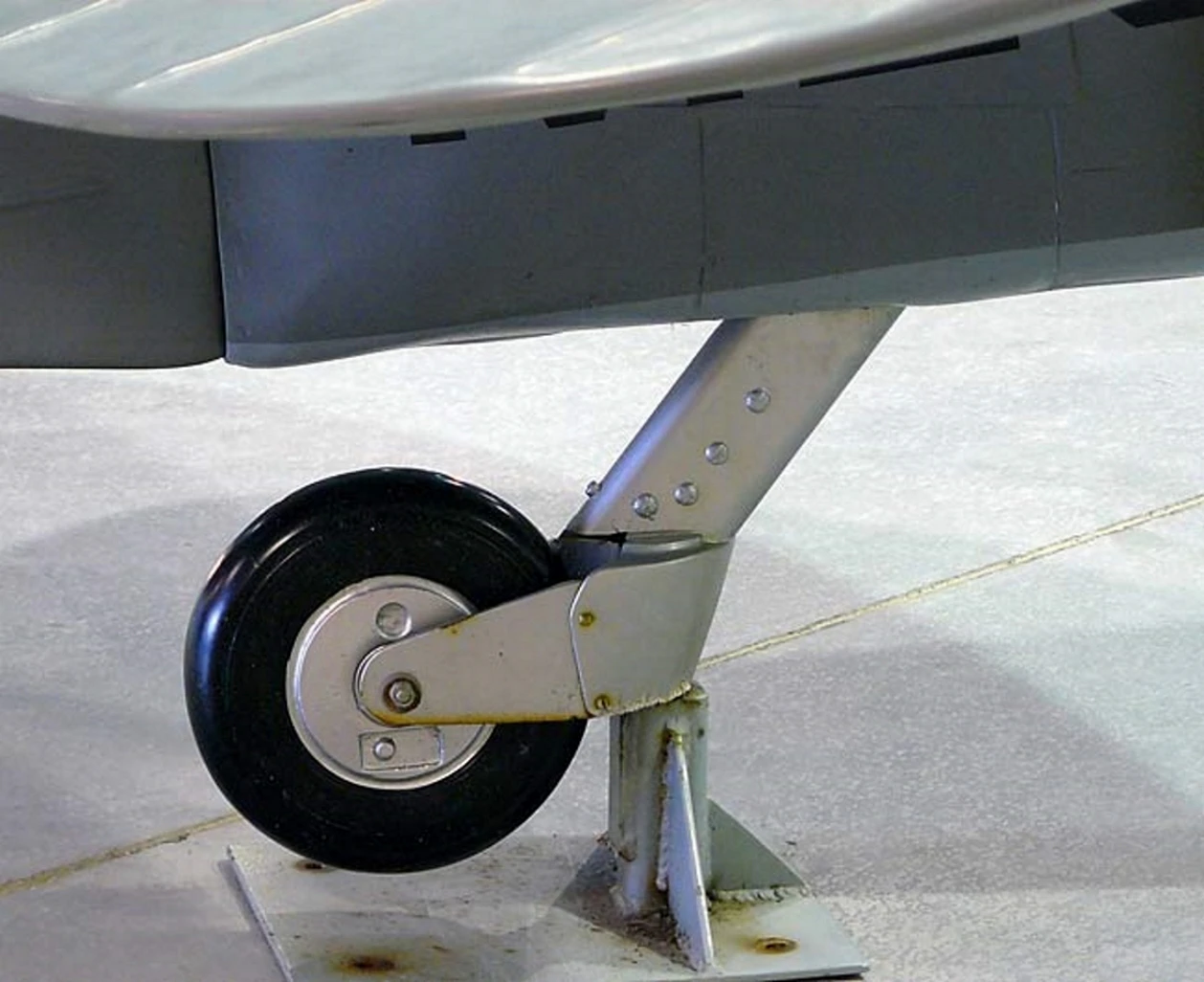
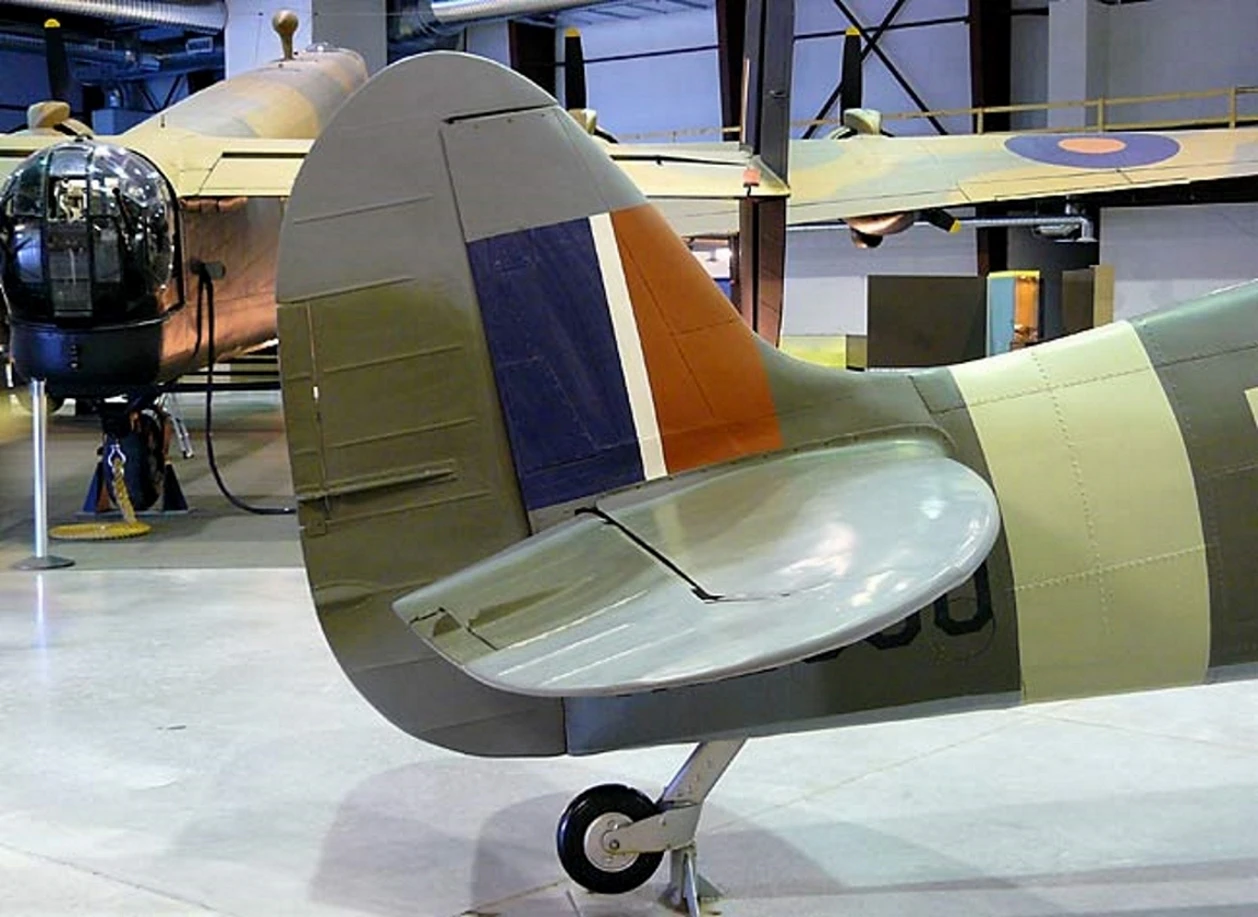
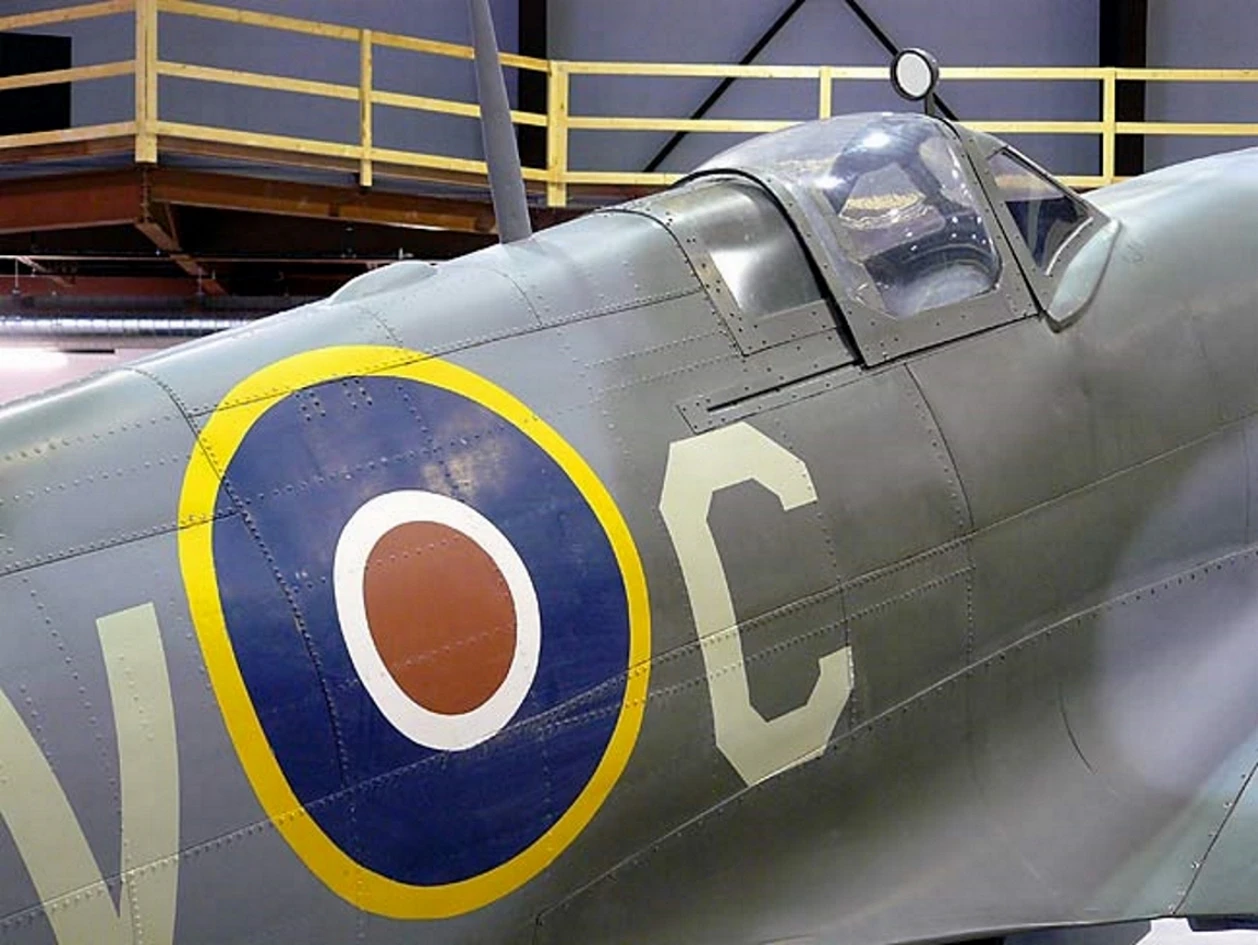
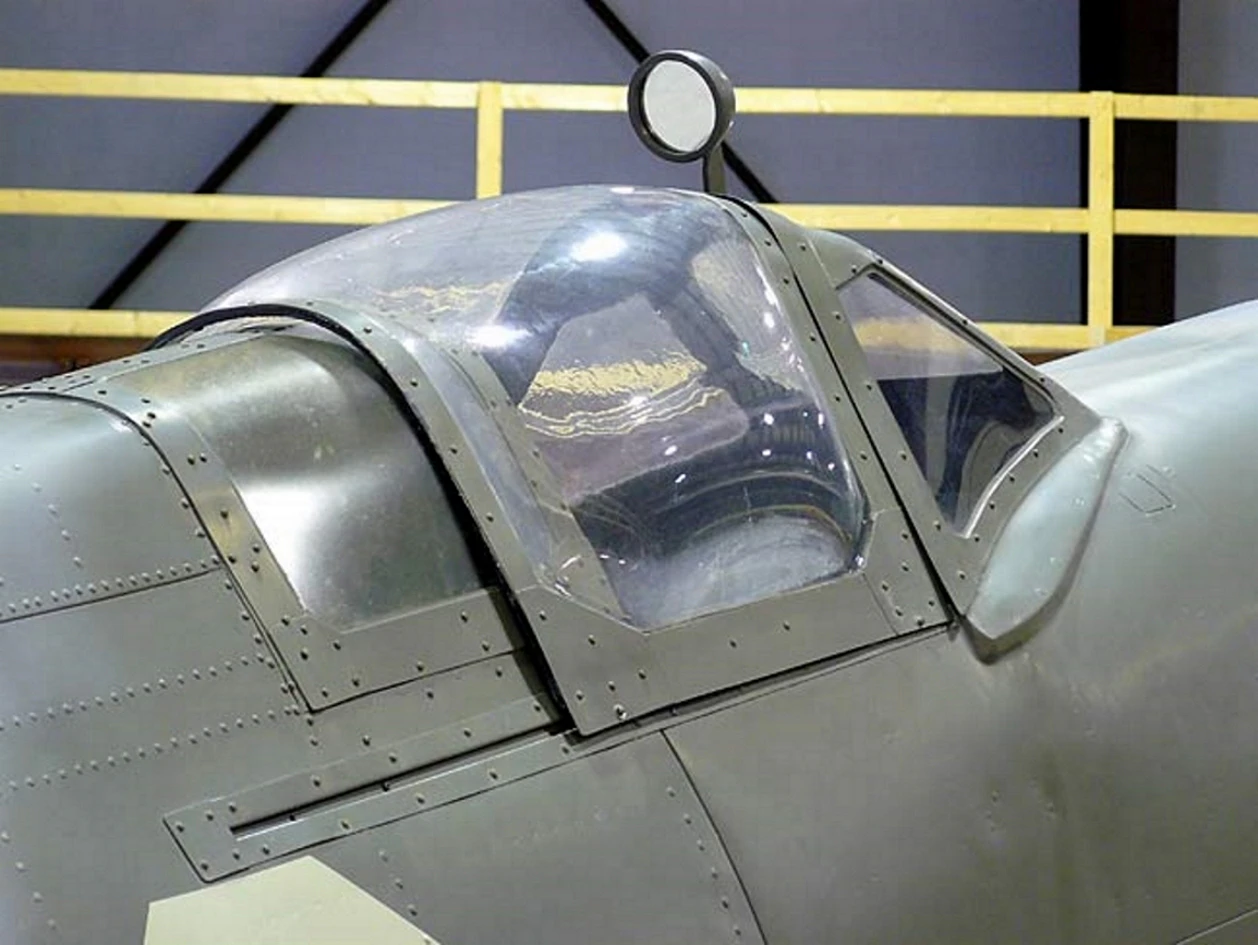
Mk IX (类型 361):
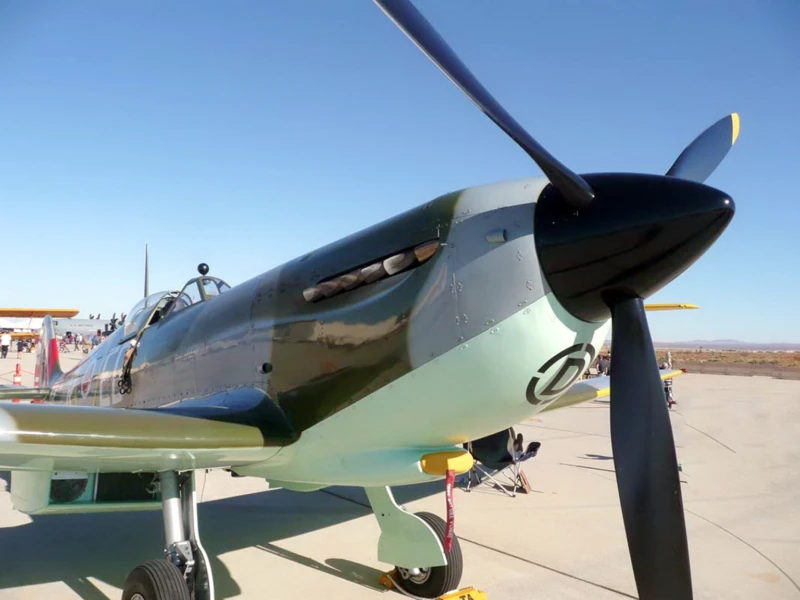
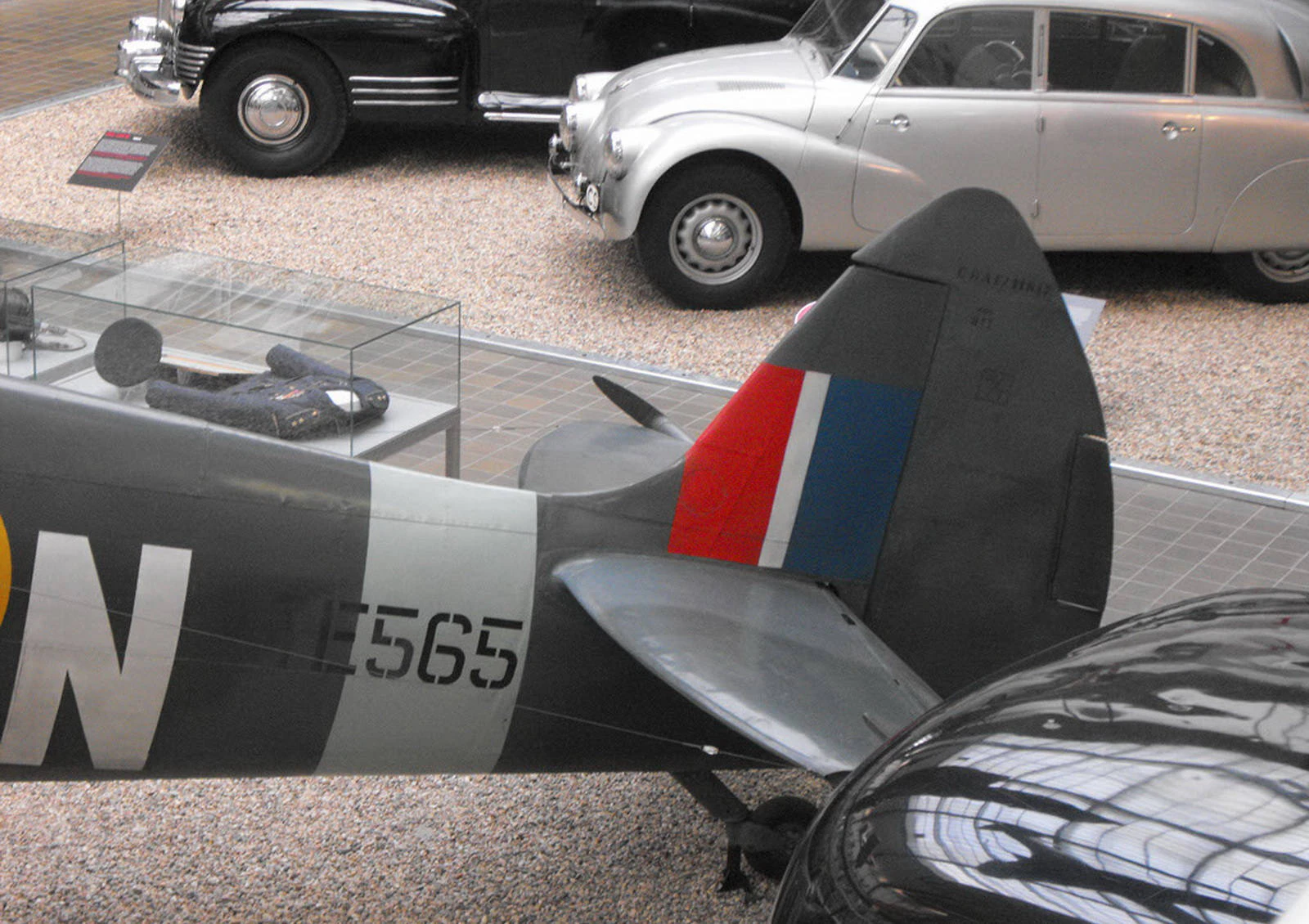
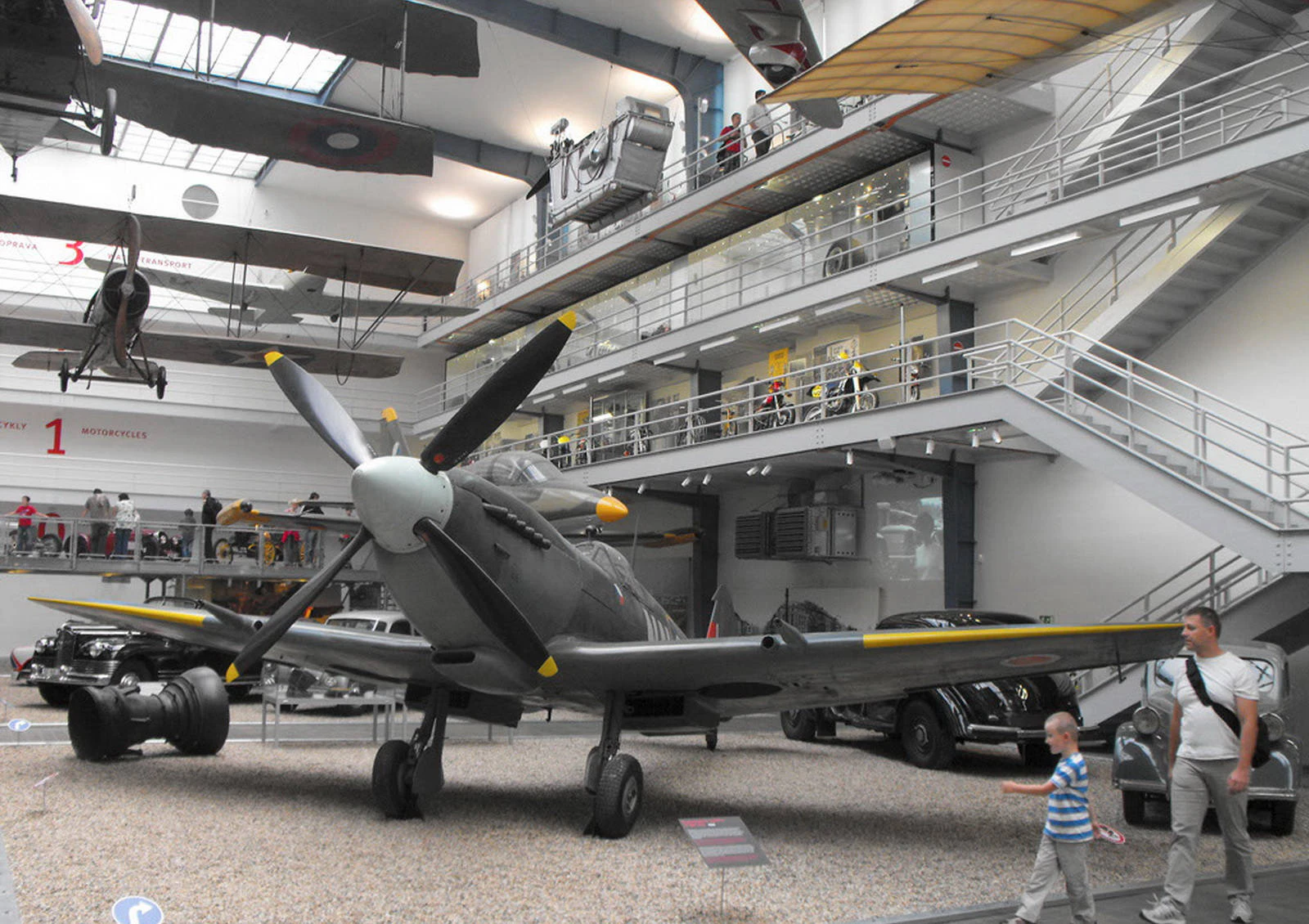
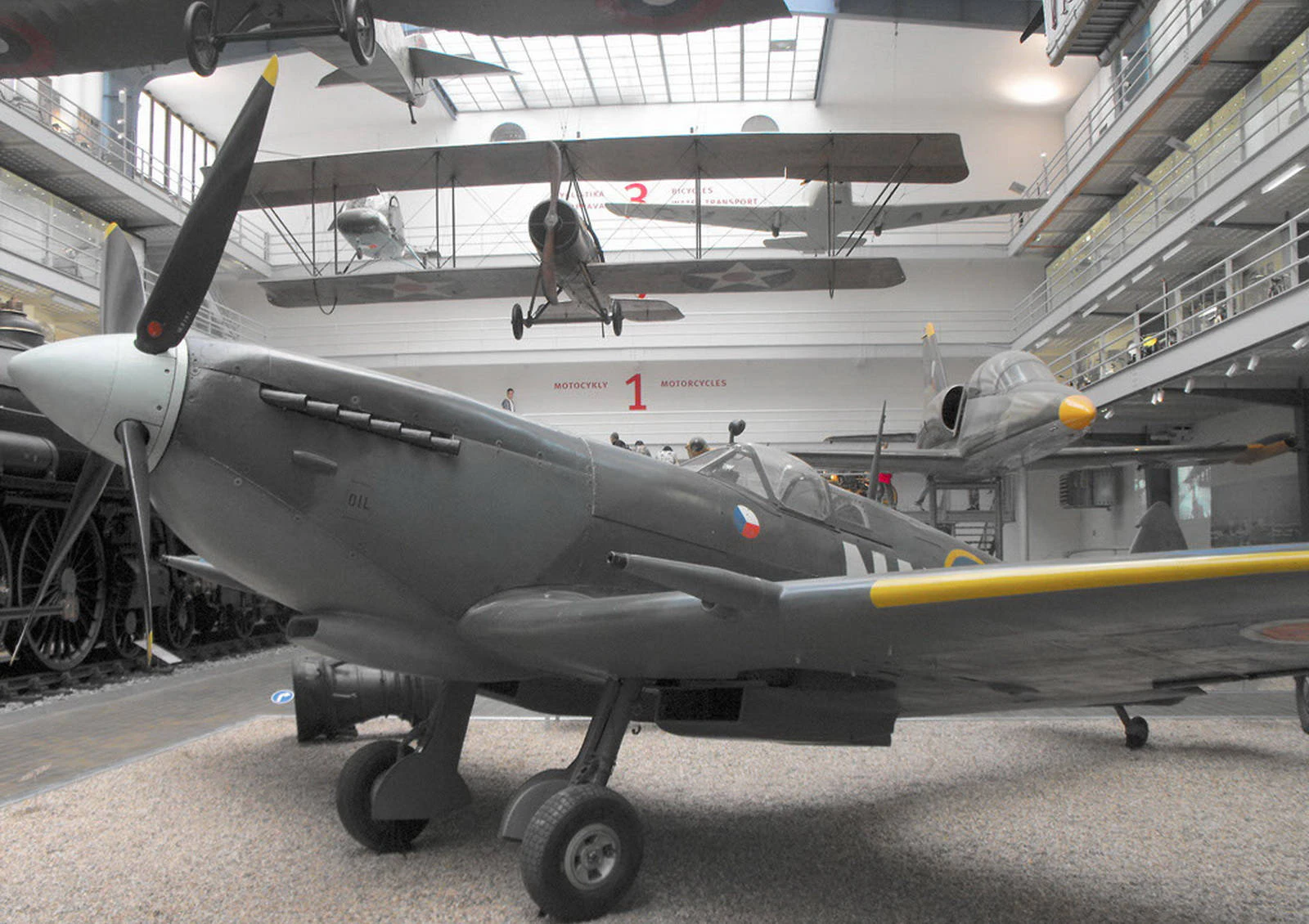
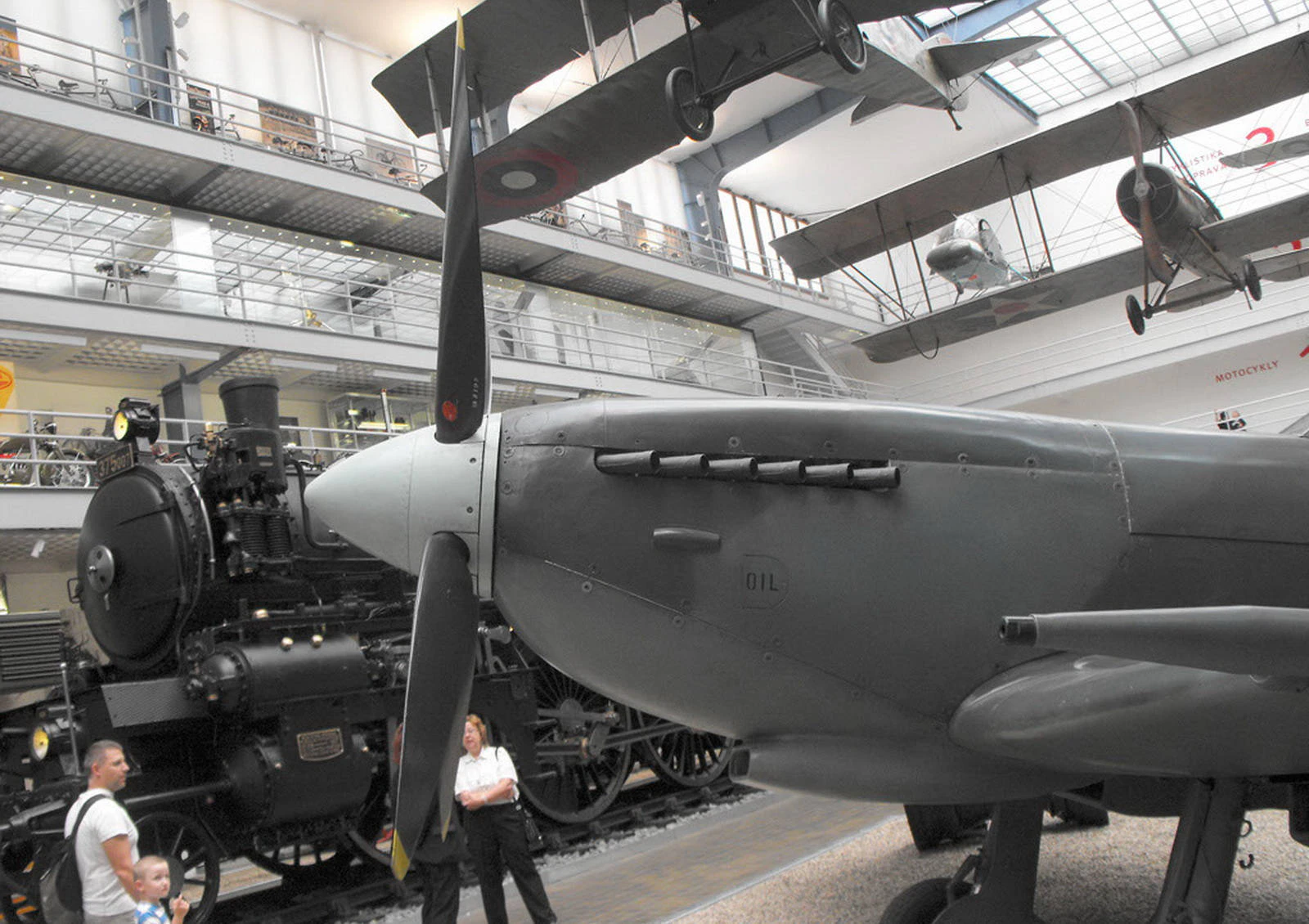
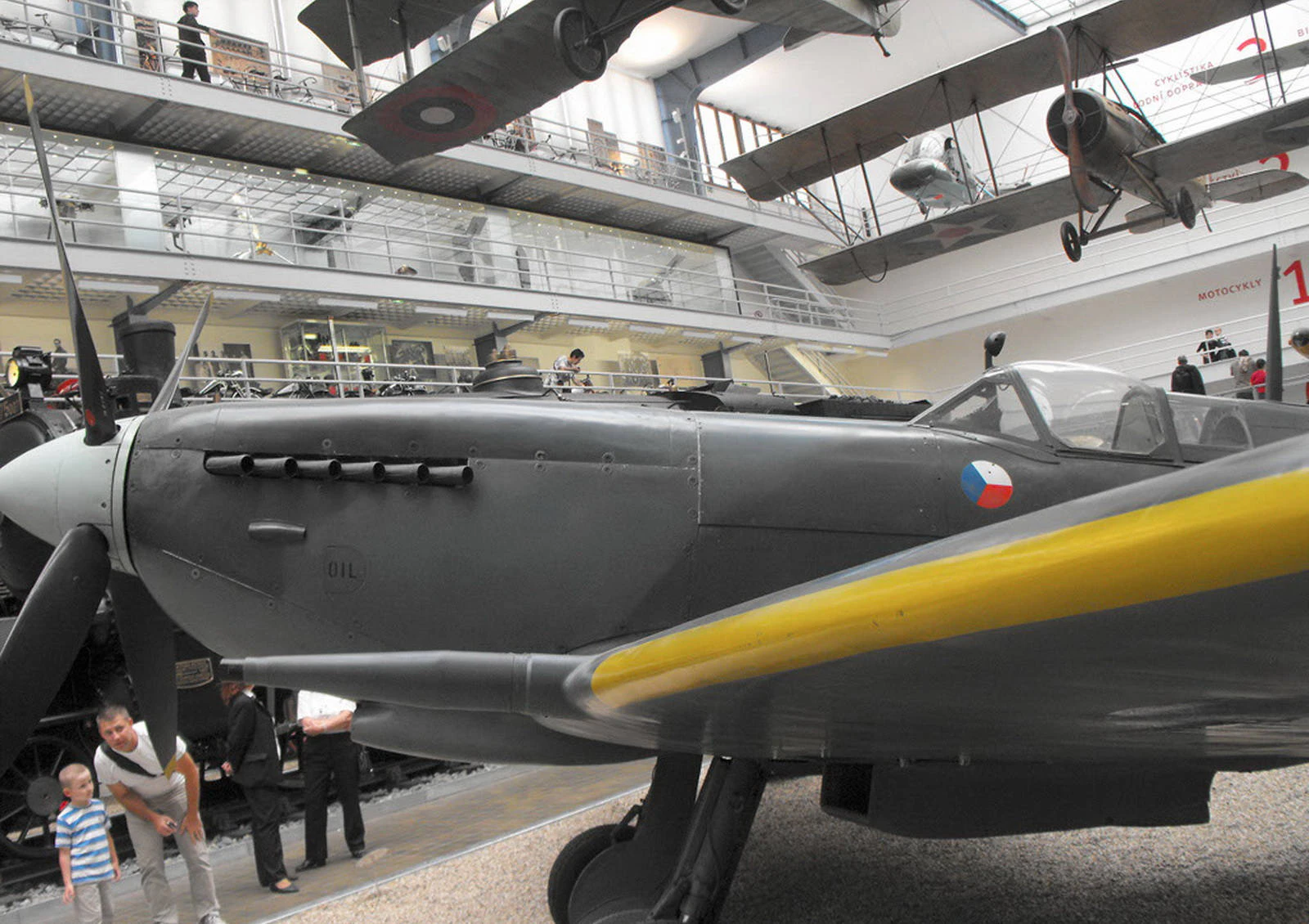
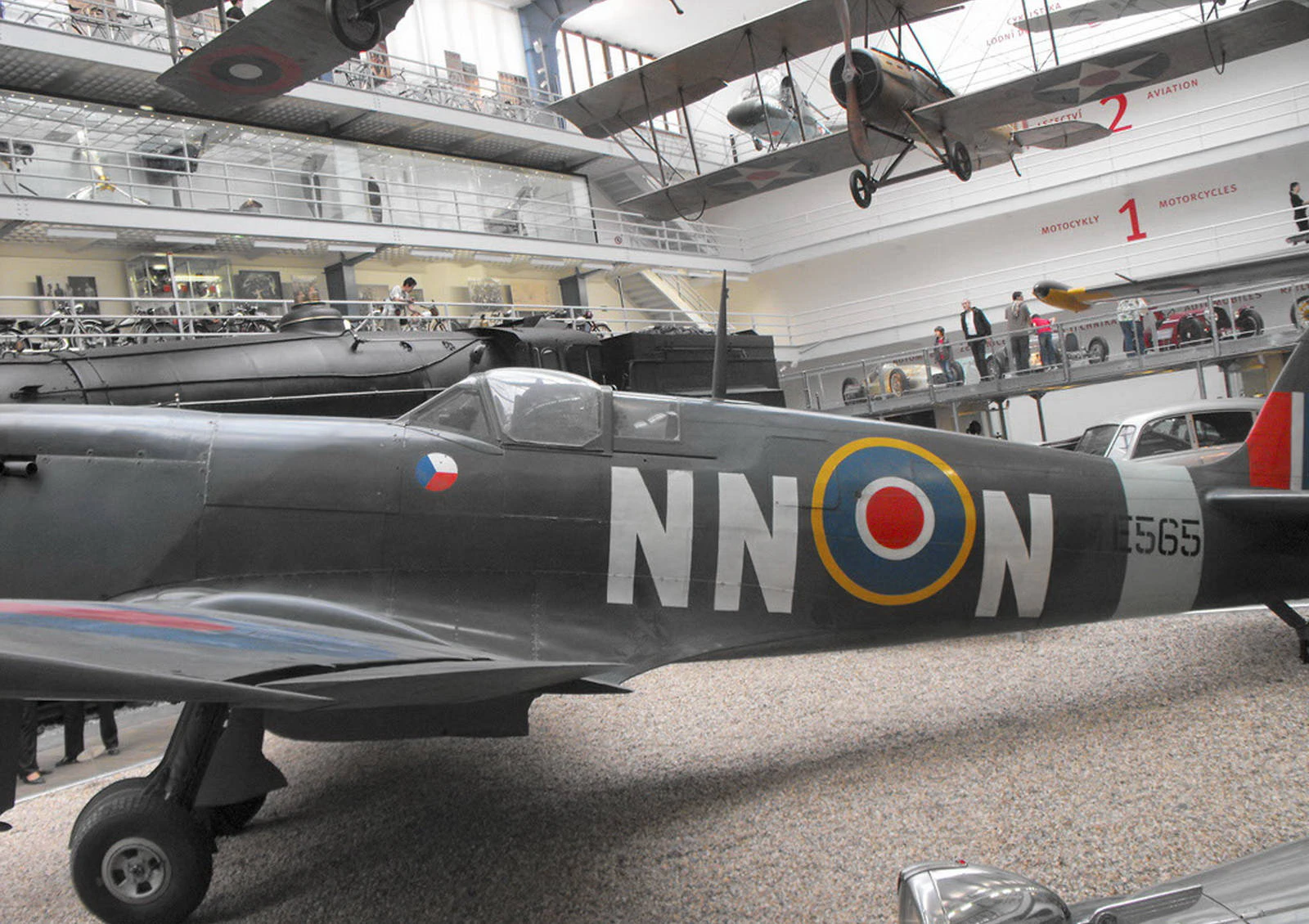
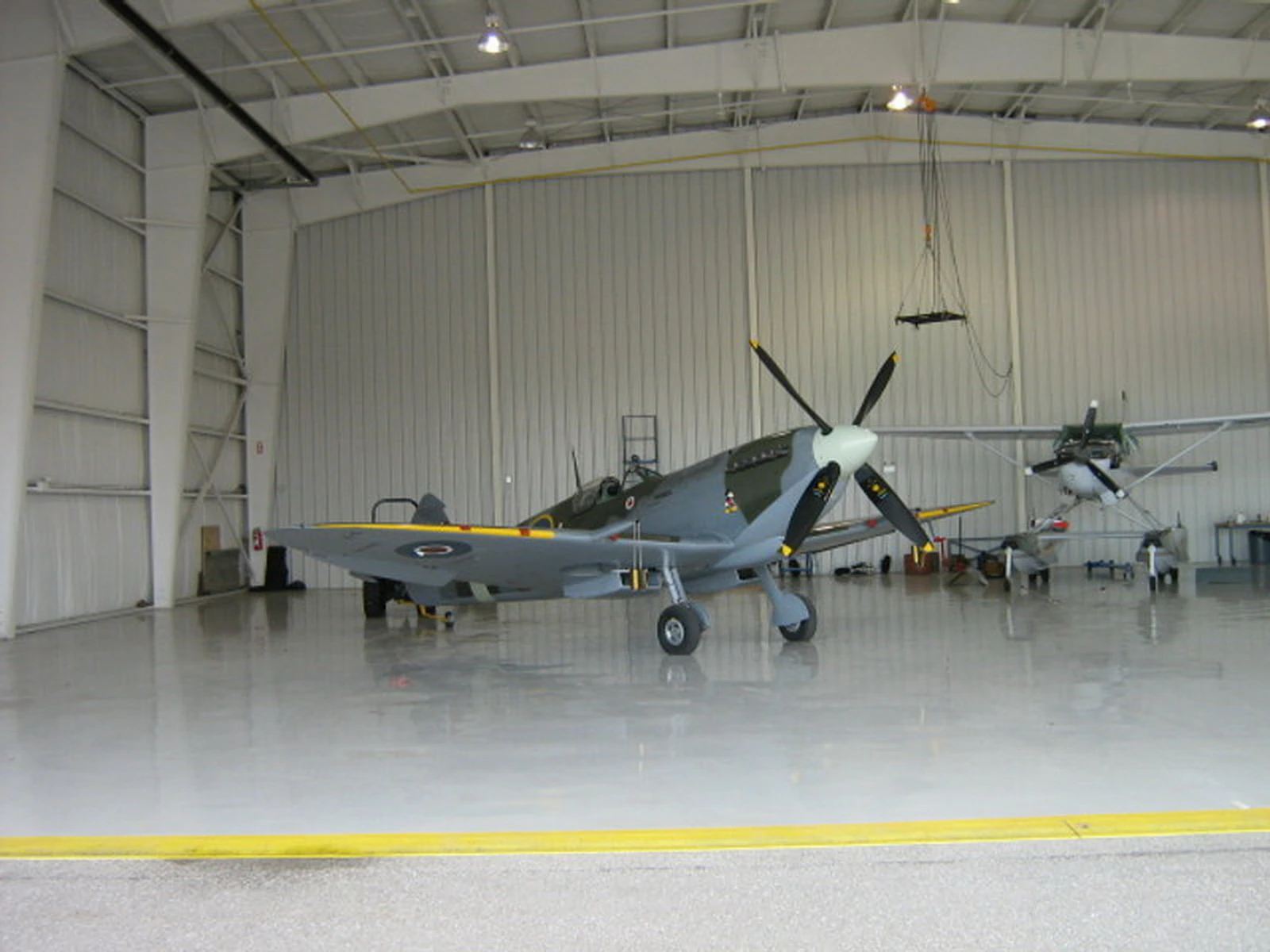
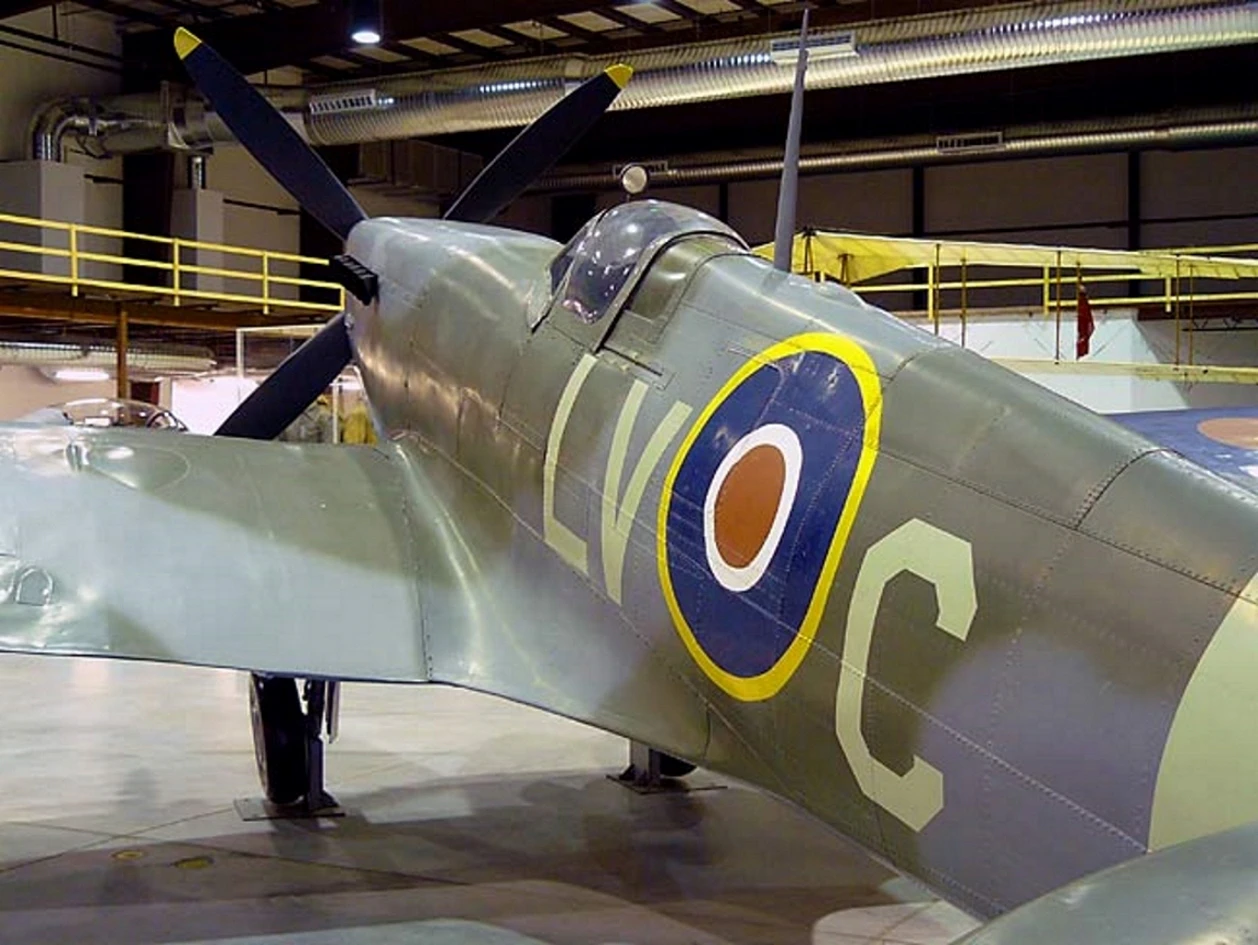
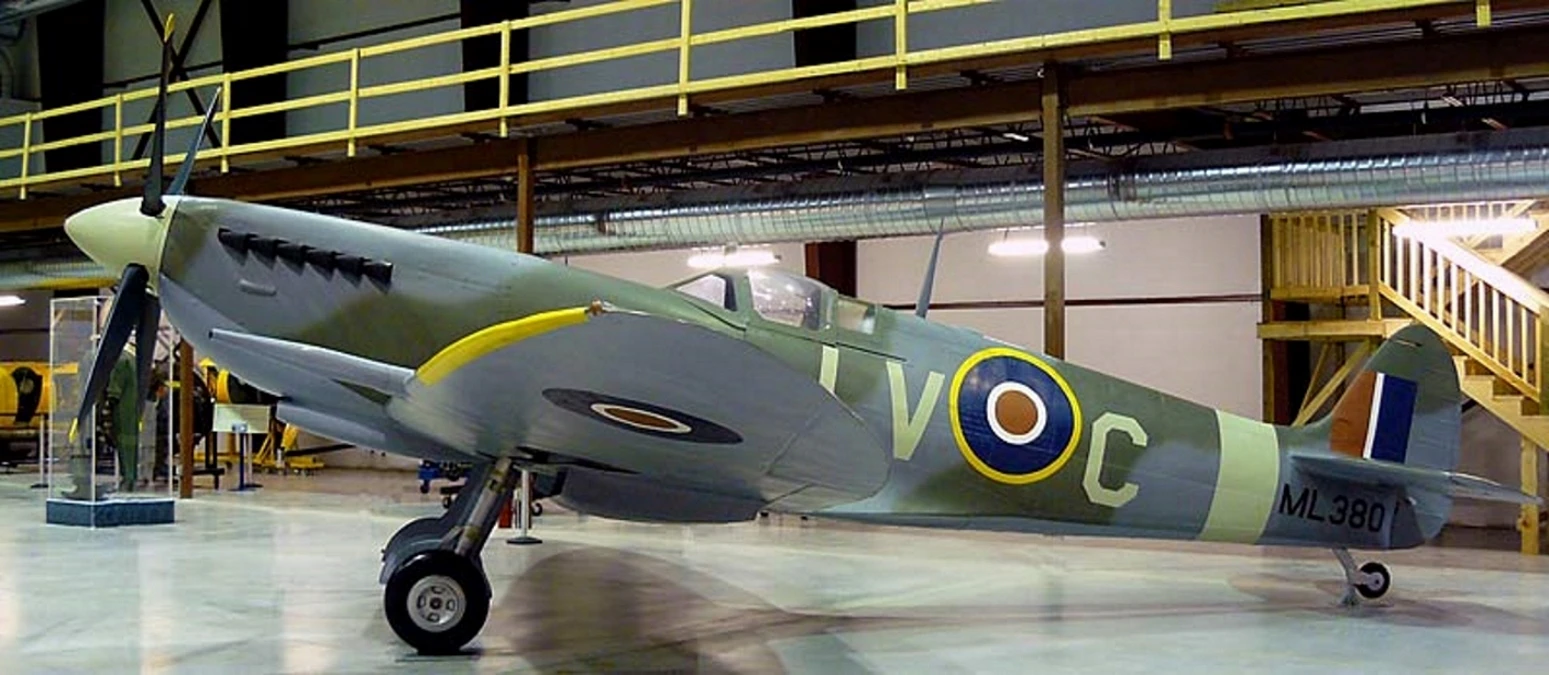
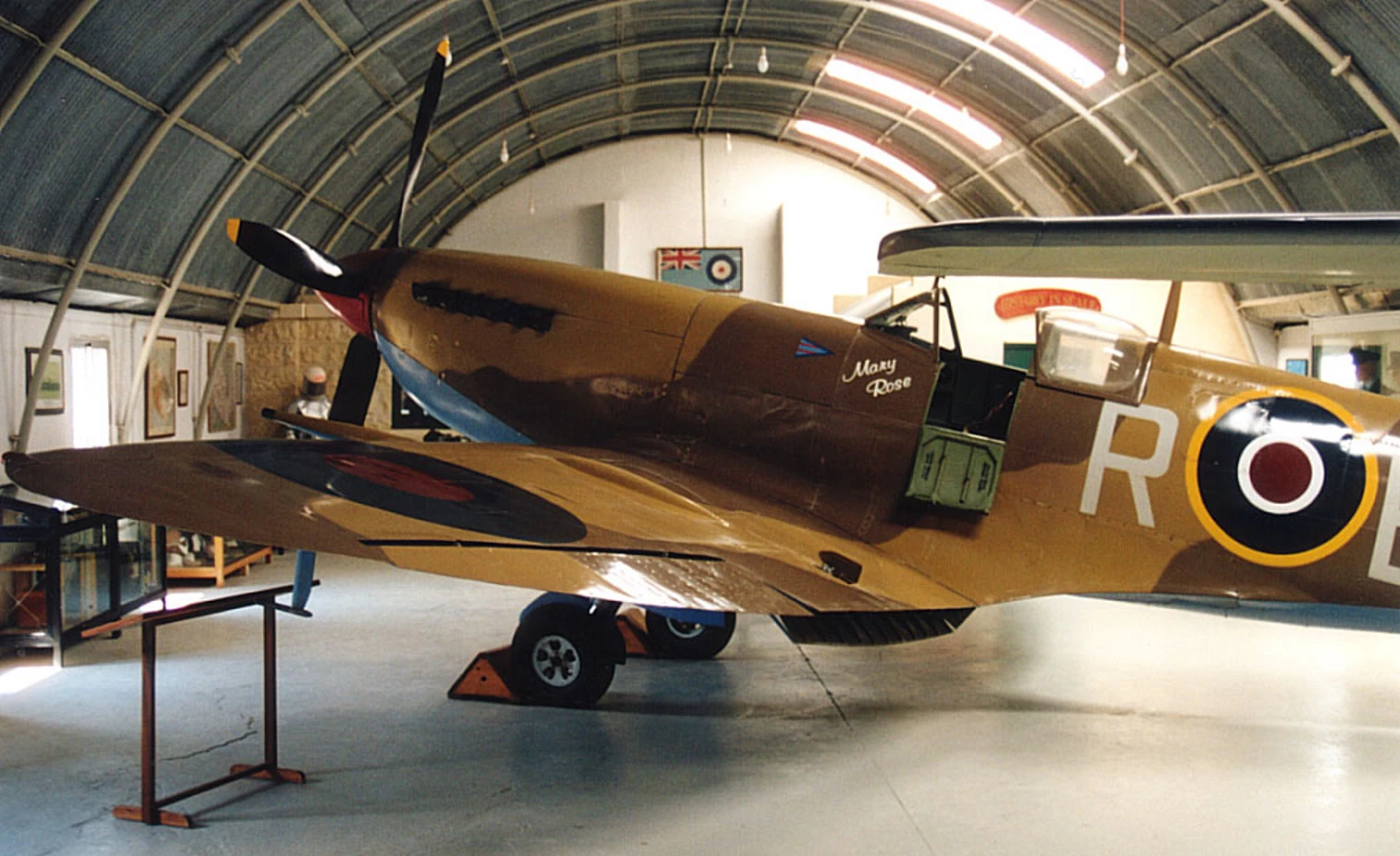
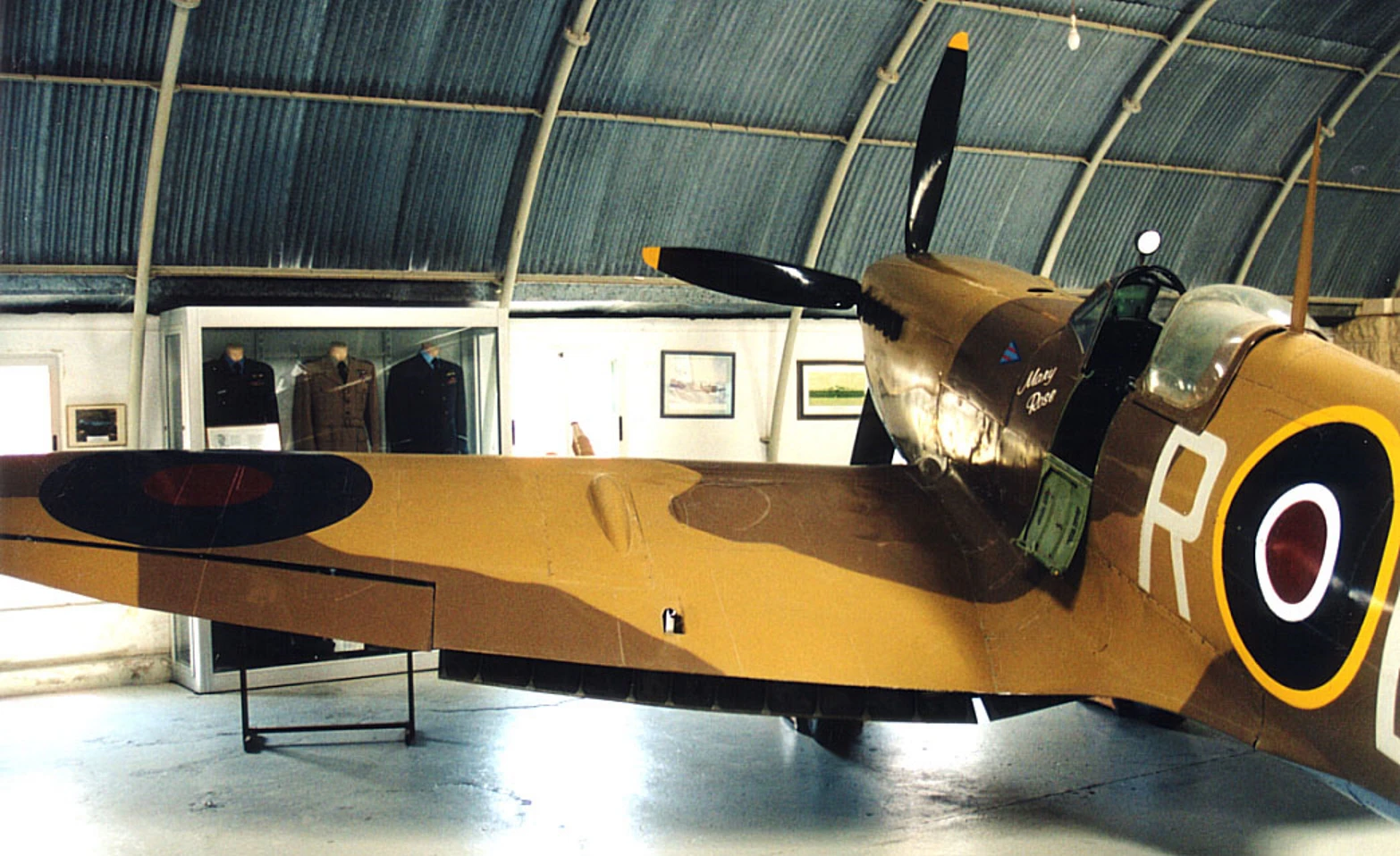
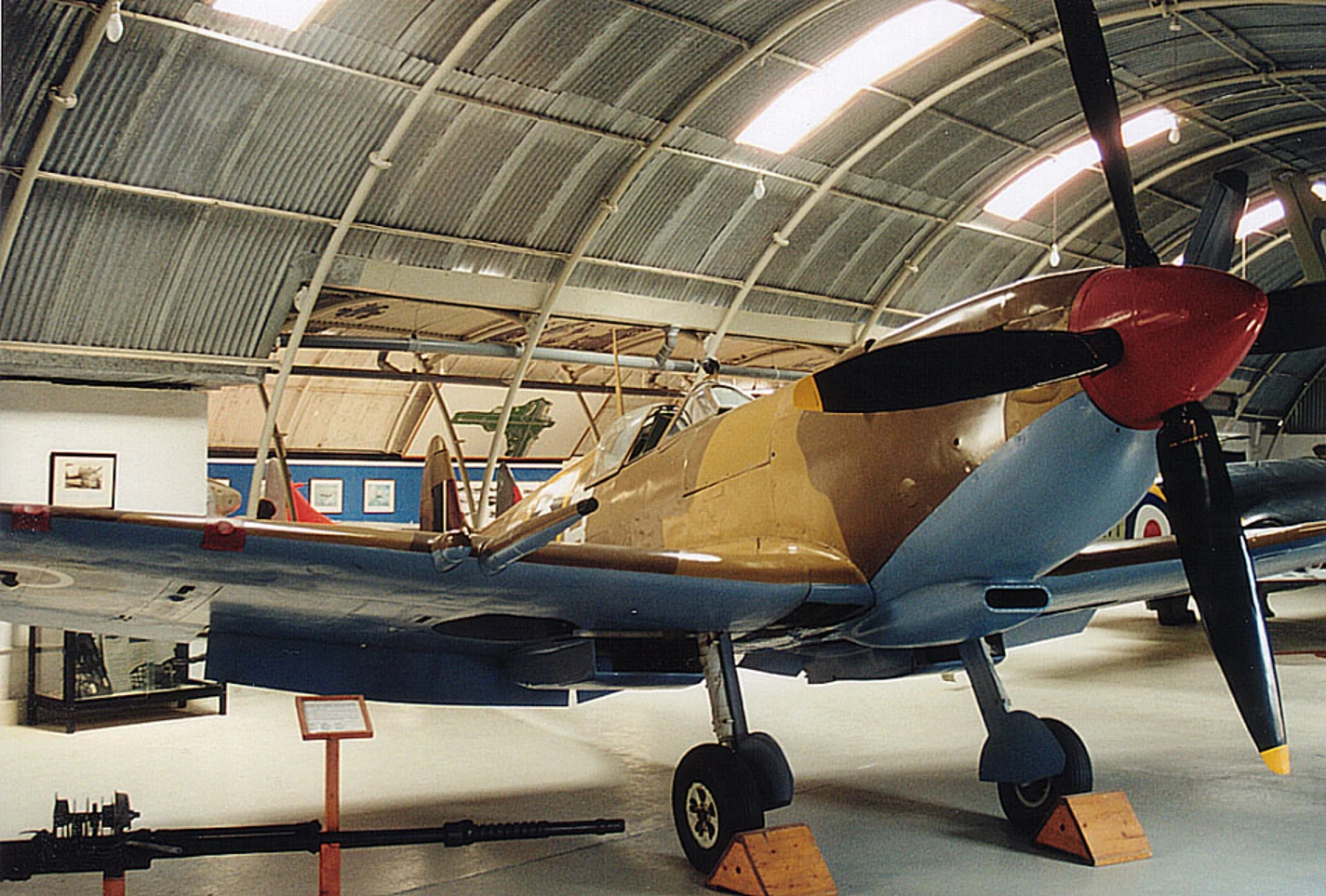
BS456 UZ-Z of 306(Polish) Toruński Squadron, RAF Northolt, November 1942. A Spitfire IX converted from a Mk VC airframe. A teardrop shaped blister for a Coffman cartridge starter can be seen just behind the propeller. This aircraft carries a 30-gallon “slipper” drop tank under the fuselage.
In the early months of 1942, with the clear superiority of the Focke Wulf Fw 190 over the Spitfire VB, there was much pressure to get Spitfires into production using the new two-stage supercharged Merlin 61 engine. In September 1941 the Spitfire Mk III prototype N3297 had been converted by Rolls-Royce at their Hucknall plant to take a Merlin 60, which had been specifically designed for use in the Wellington Mk VI high altitude bomber.
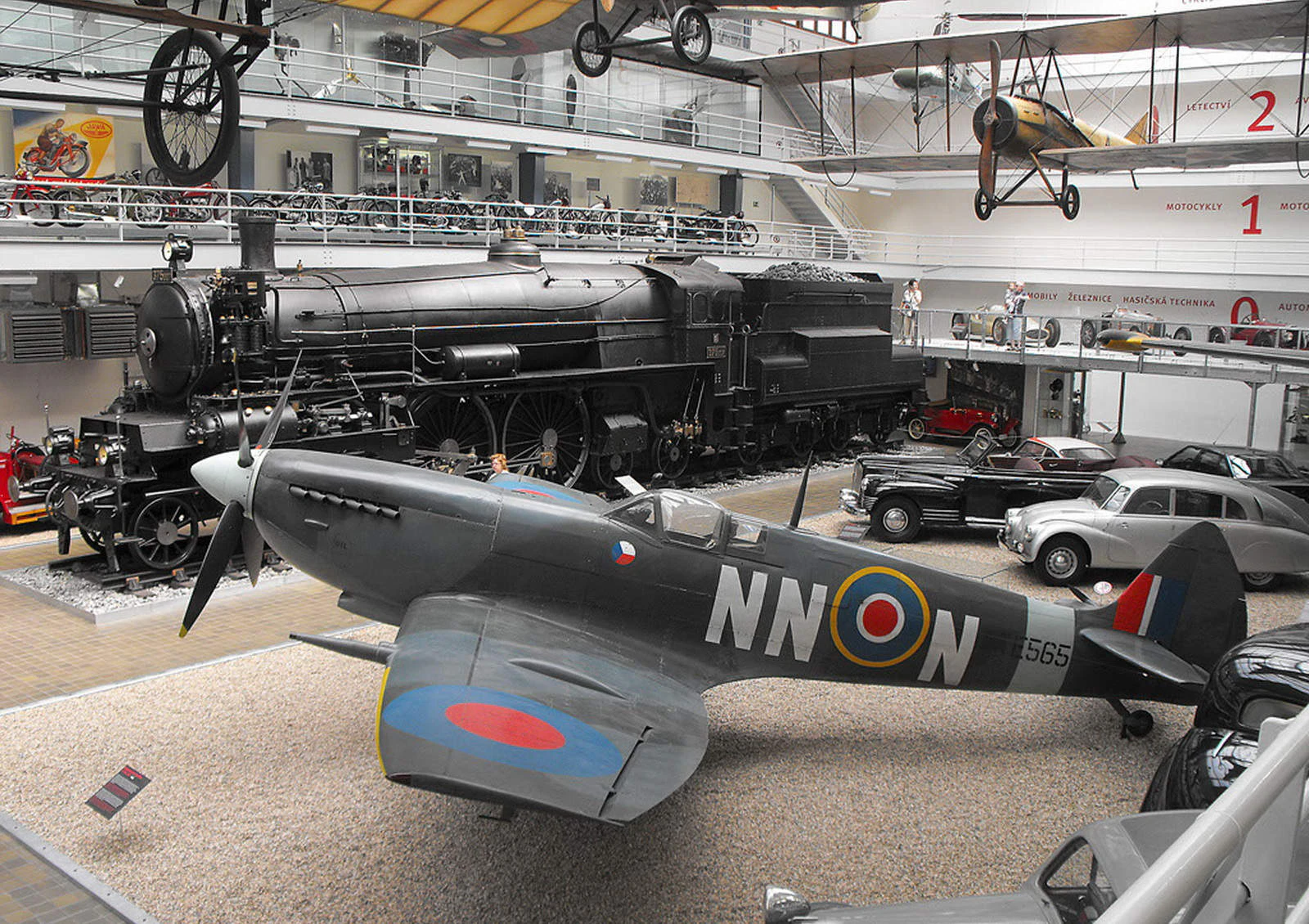
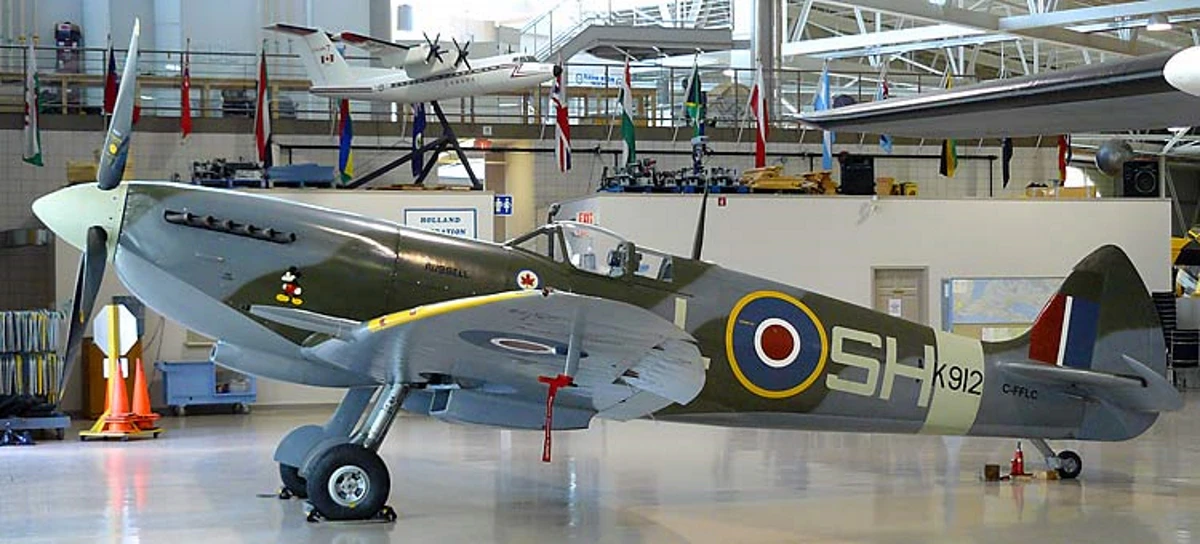
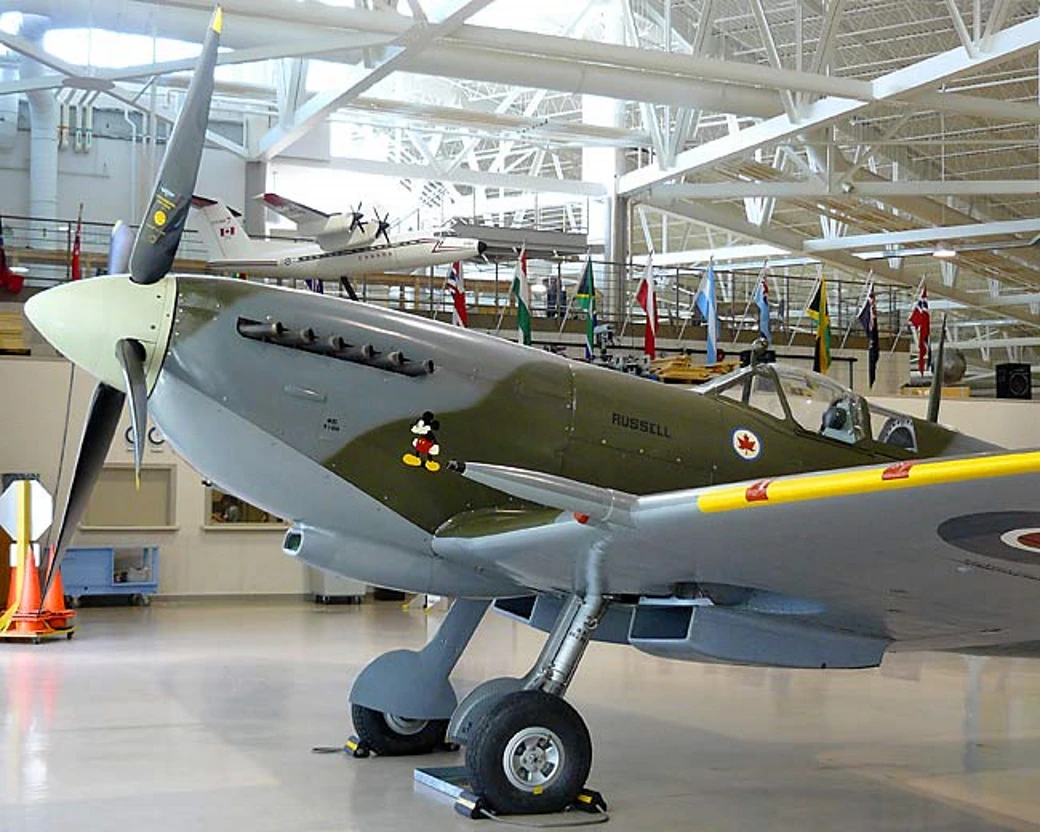
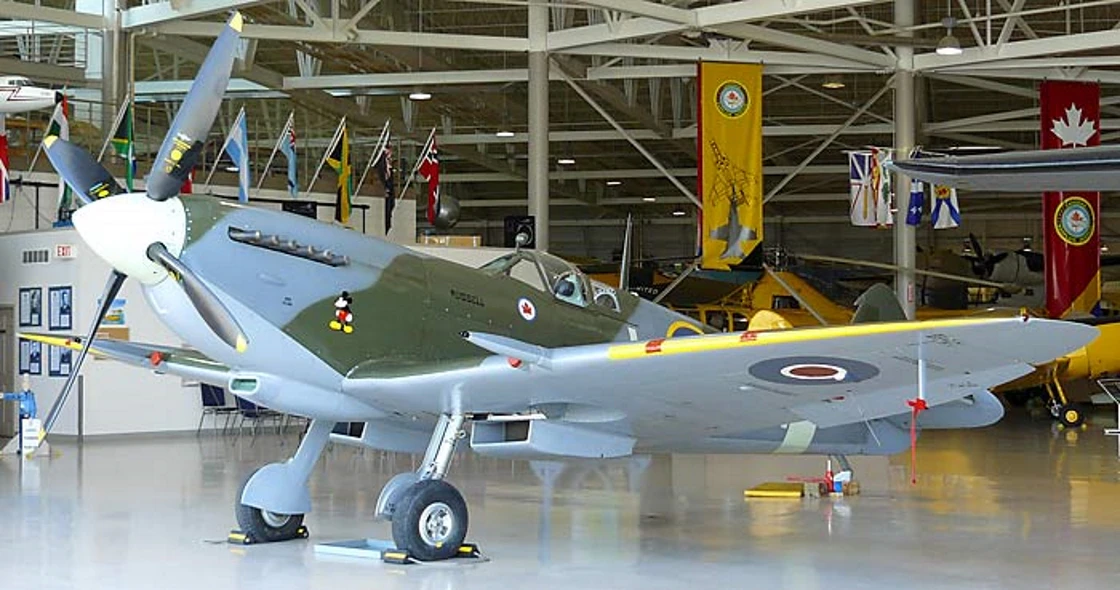
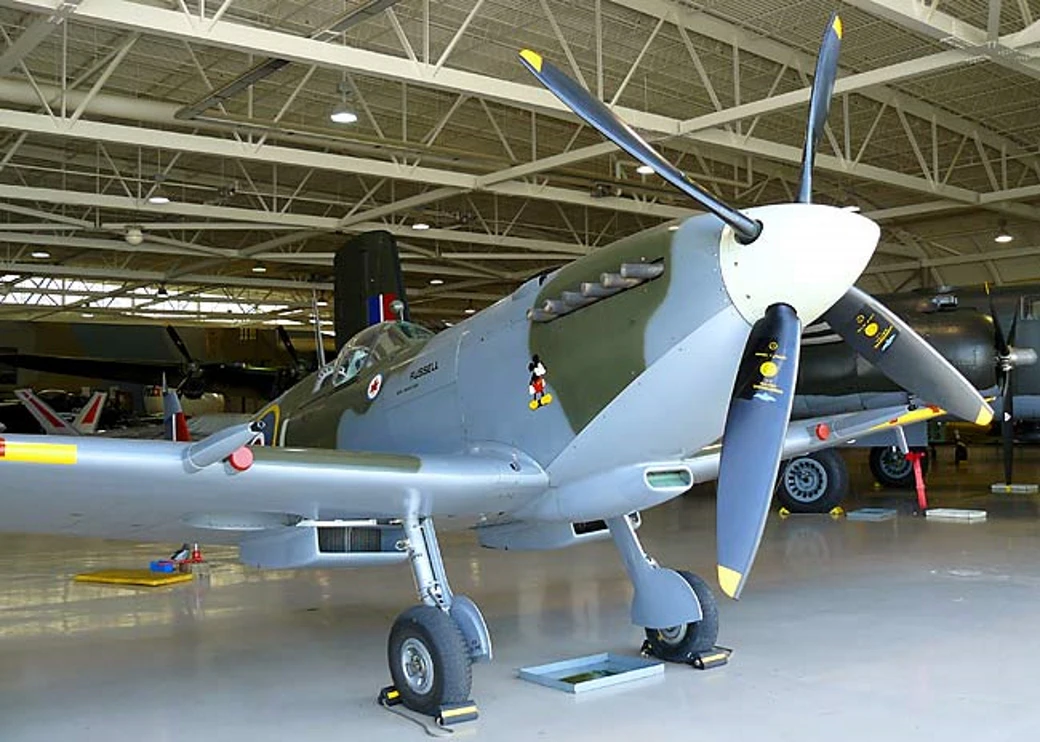
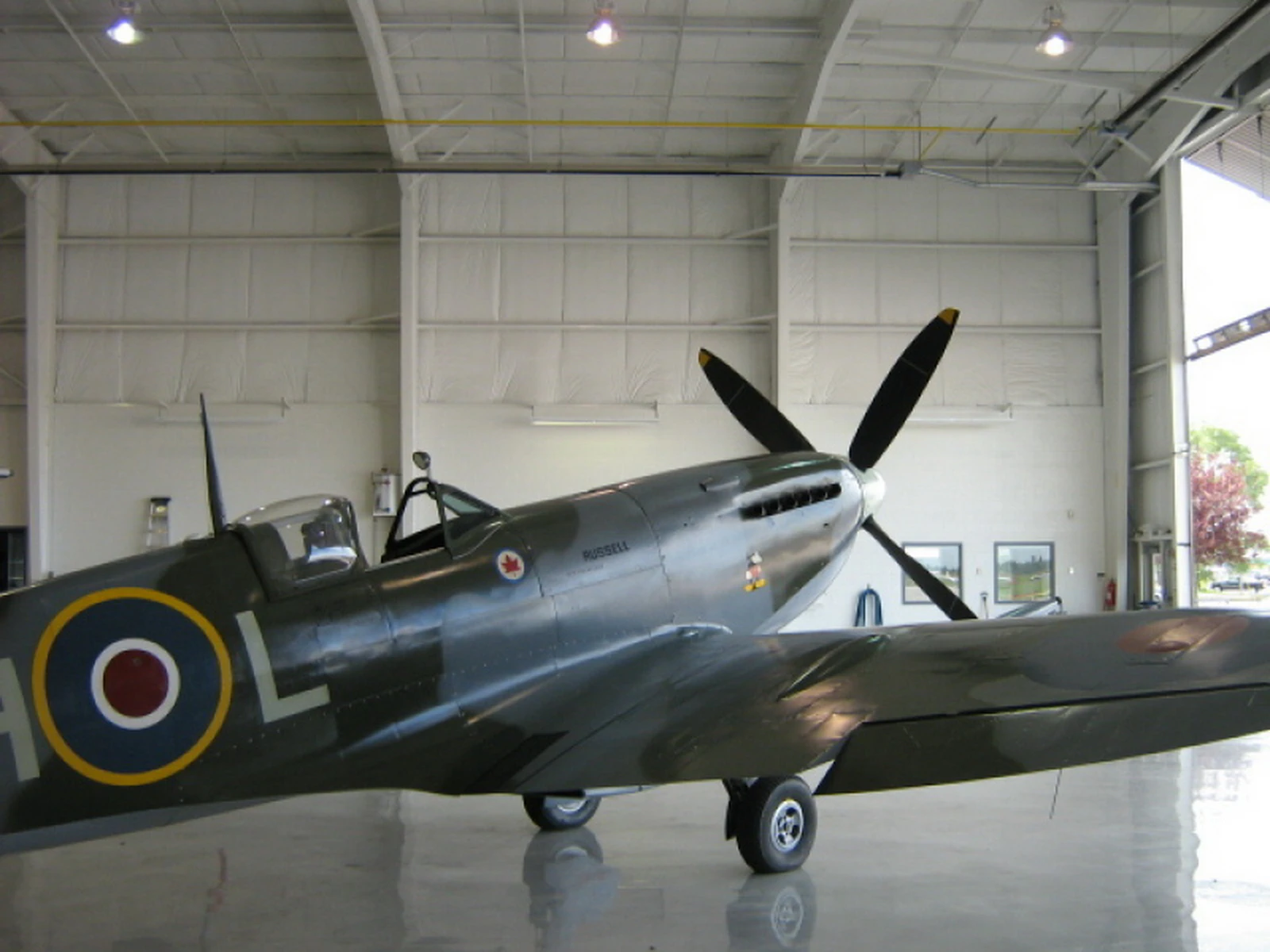
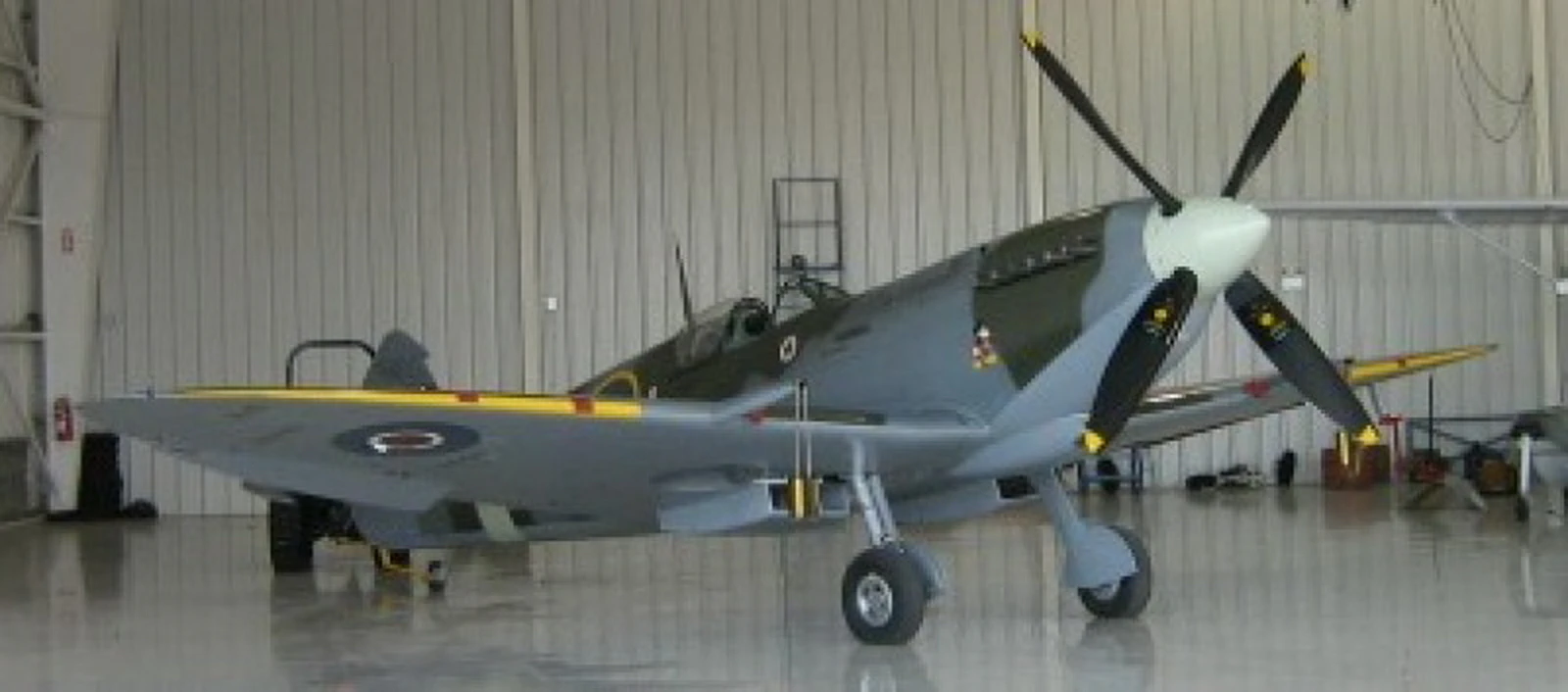
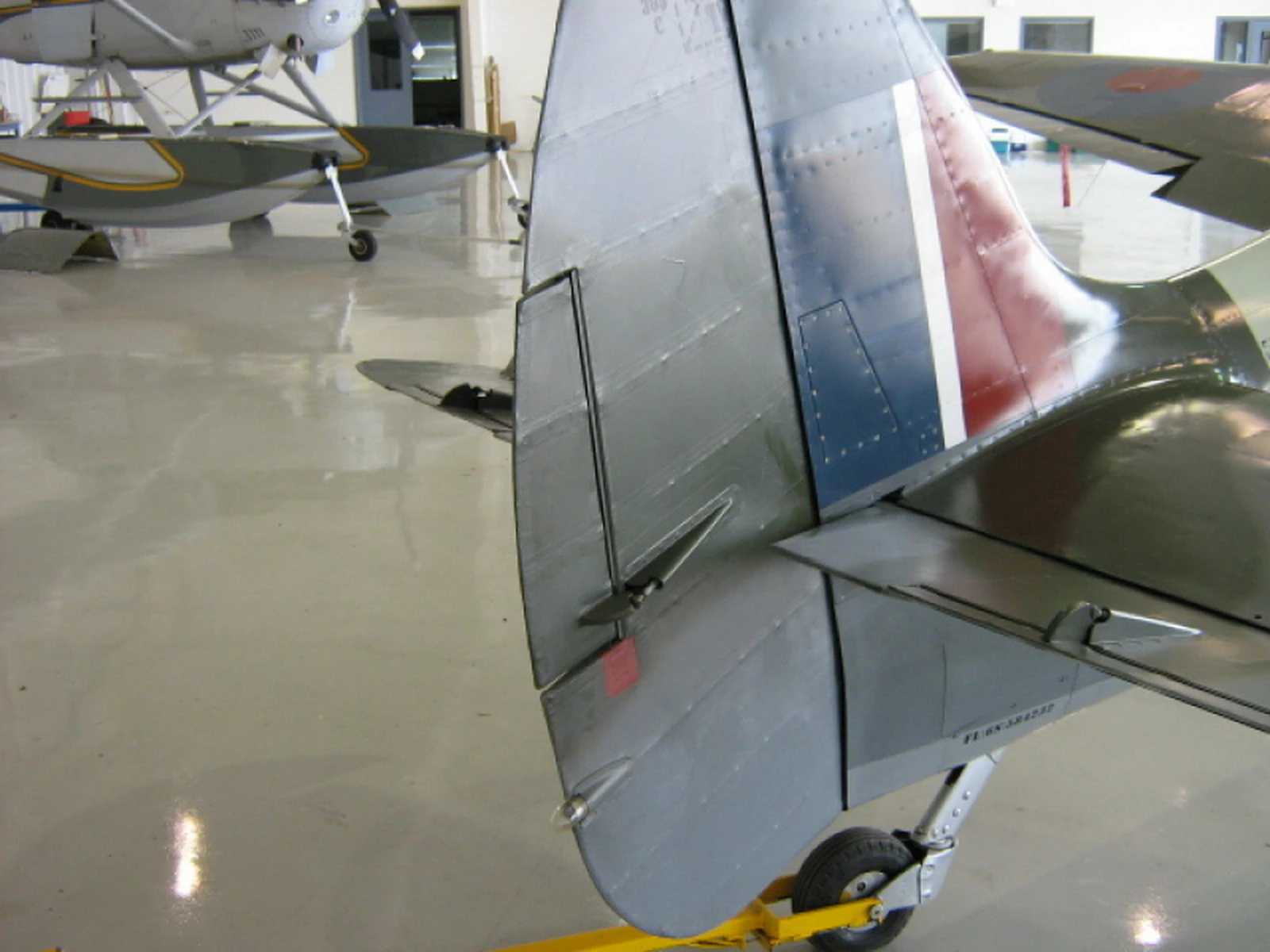
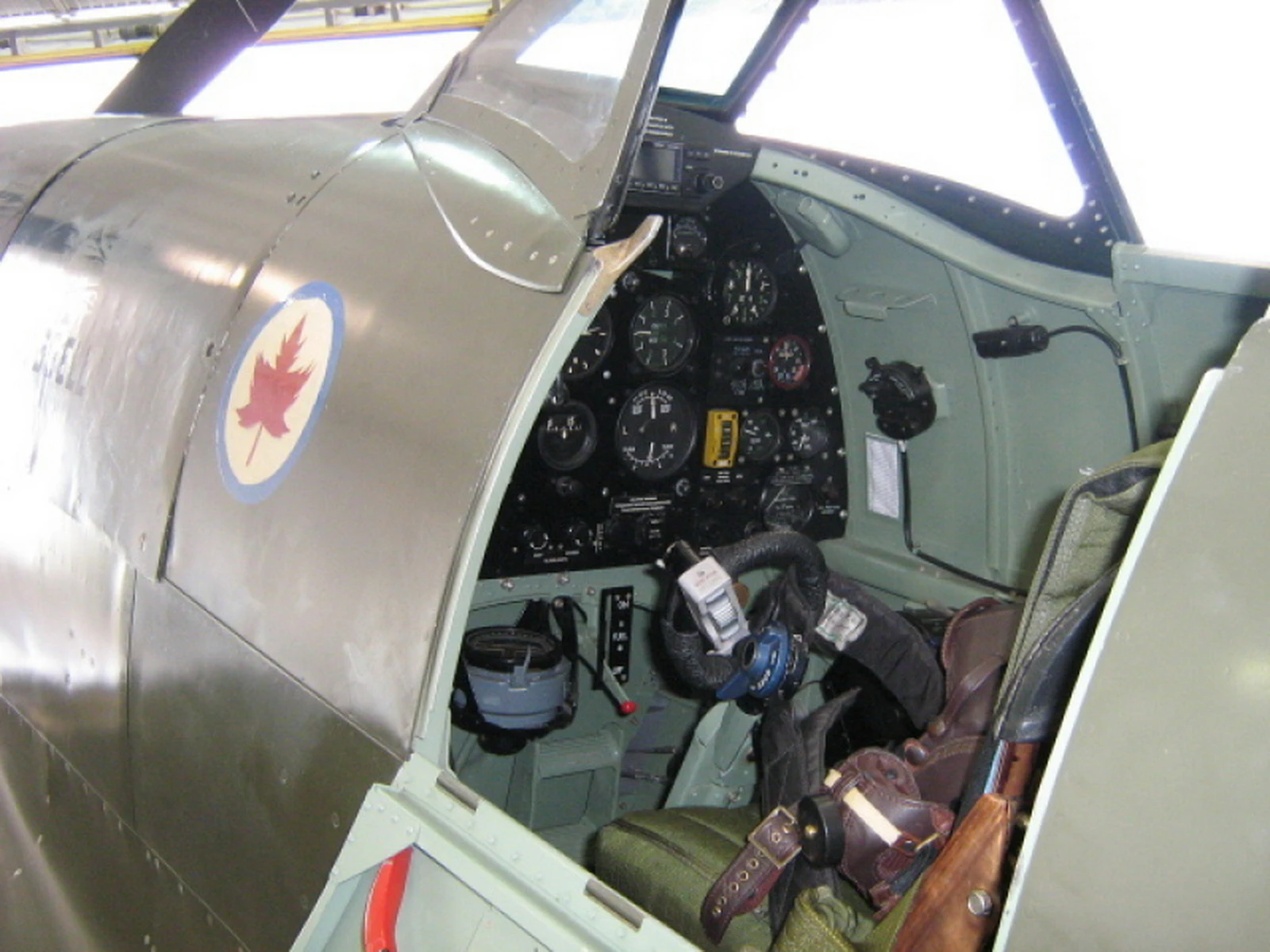
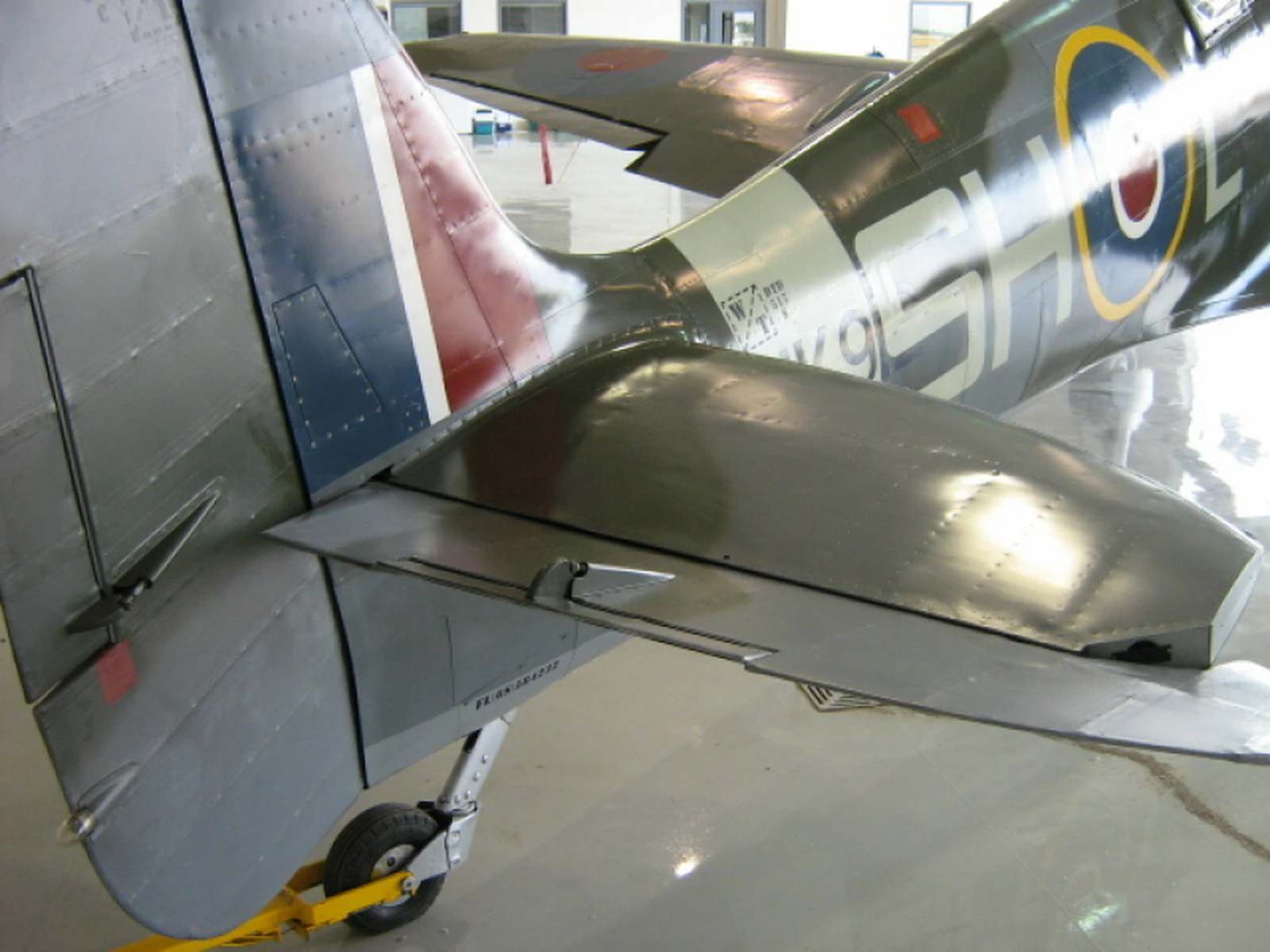
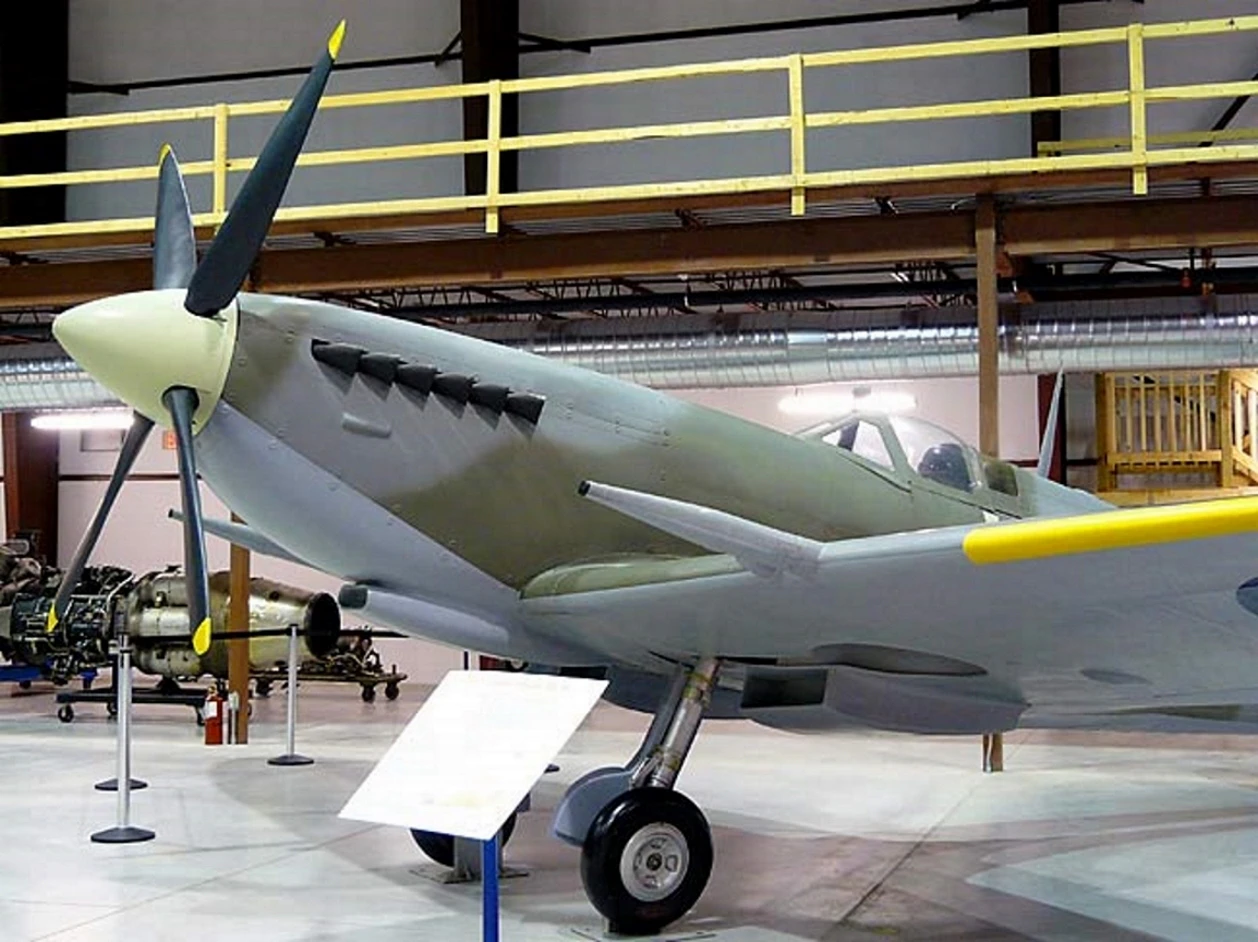
这 Supermarine Spitfire Mk.IXis widely regarded as one of the most successful and agile iterations of Britain’s iconic fighter lineage. Introduced in 1942, the Mk.IX was initially conceived as an emergency, temporary “stopgap” measure to counter the sudden, alarming dominance of the German Focke-Wulf Fw 190 over the Western Front. By mating the existing, lightweight Mk.V airframe with the powerful, two-stage supercharged Merlin 60-series engine, Supermarine created a beautifully balanced interceptor. It not only erased the German technological advantage overnight but went on to become the second most heavily produced Spitfire variant of the war.
~700 km (434 miles) internal fuel; 1,580 km with drop tank
Service Ceiling
13,100 m (43,000 ft)
Primary Armament
2 × 20mm Hispano Mk II cannon; 2 × 0.50-inch Browning heavy machine guns (“E” Wing configuration)
Ordnance Capacity
Up to 1 × 500 lb bomb under centerline hull, 2 × 250 lb bombs under wings
Design Engineering: Two-Stage Merlins and Universal Wings
The Two-Stage Supercharger:The defining engineering triumph of the Mk.IX was its Rolls-Royce Merlin 61/66 engine. This motor featured a two-stage, two-speed supercharger with an intercooler. This mechanical arrangement compressed and cooled incoming air twice, preventing the engine from gasping for oxygen at high altitudes and handing the Spitfire massive horsepower gains above 20,000 feet.
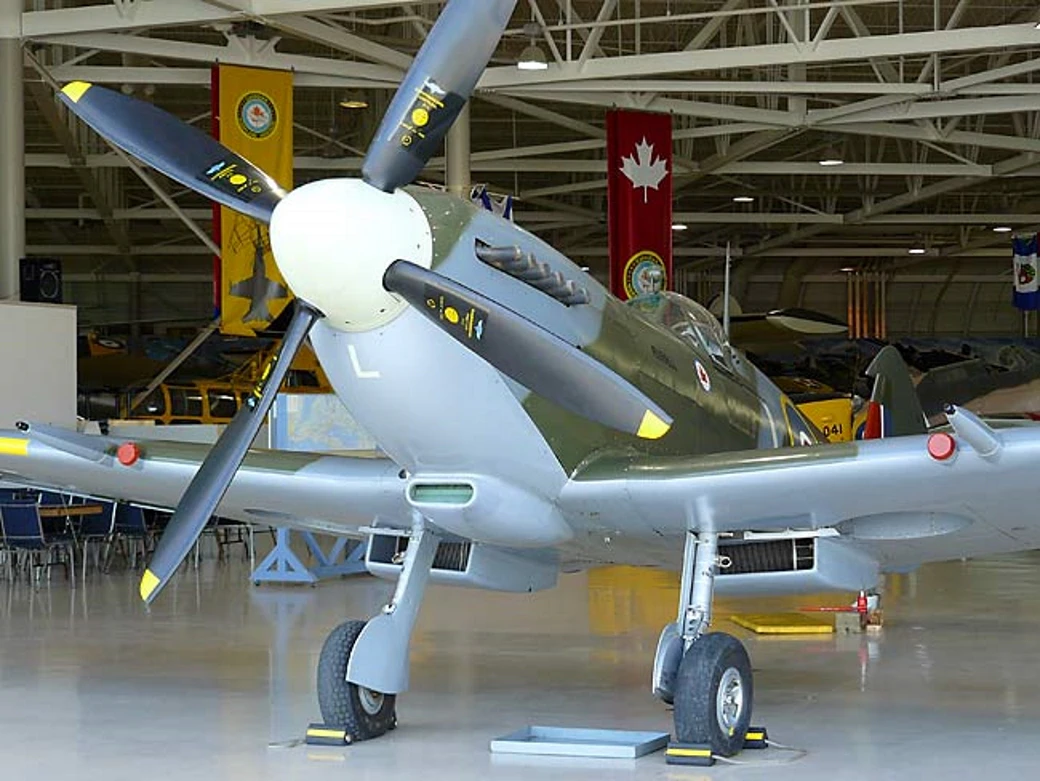
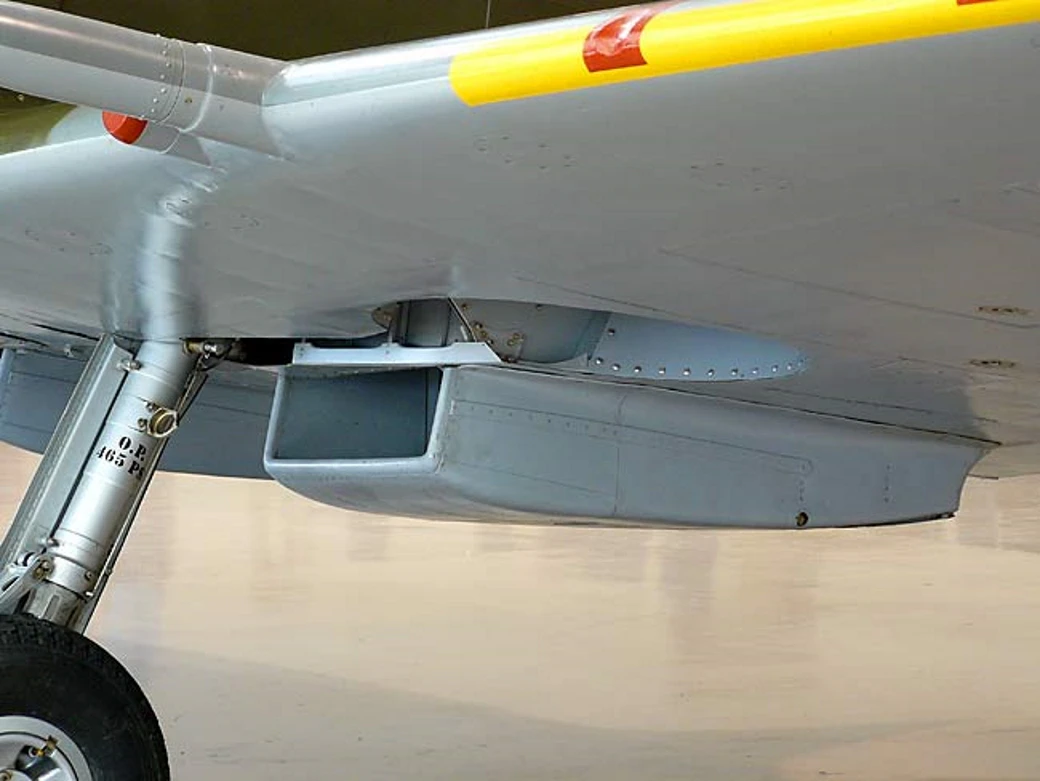
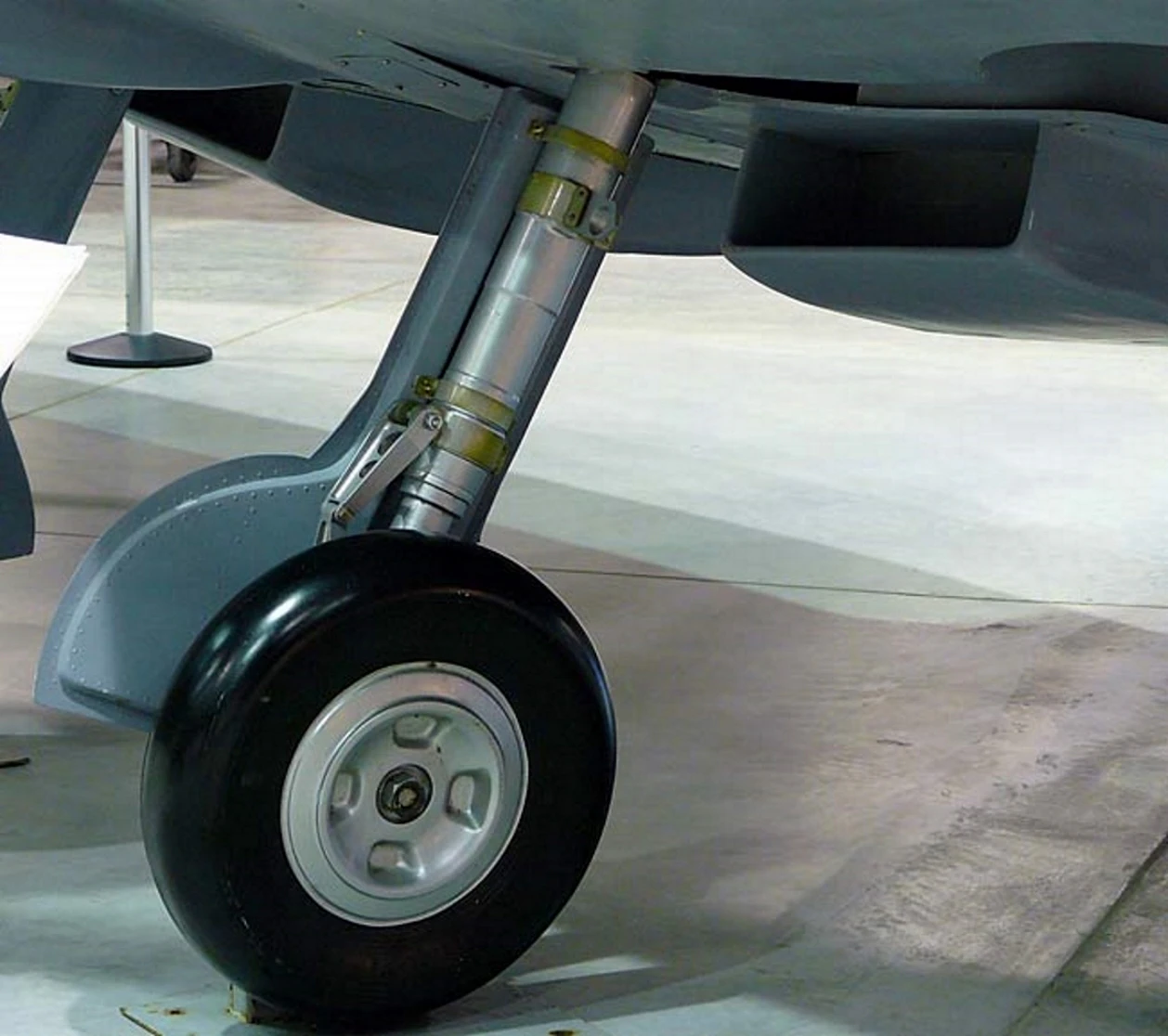
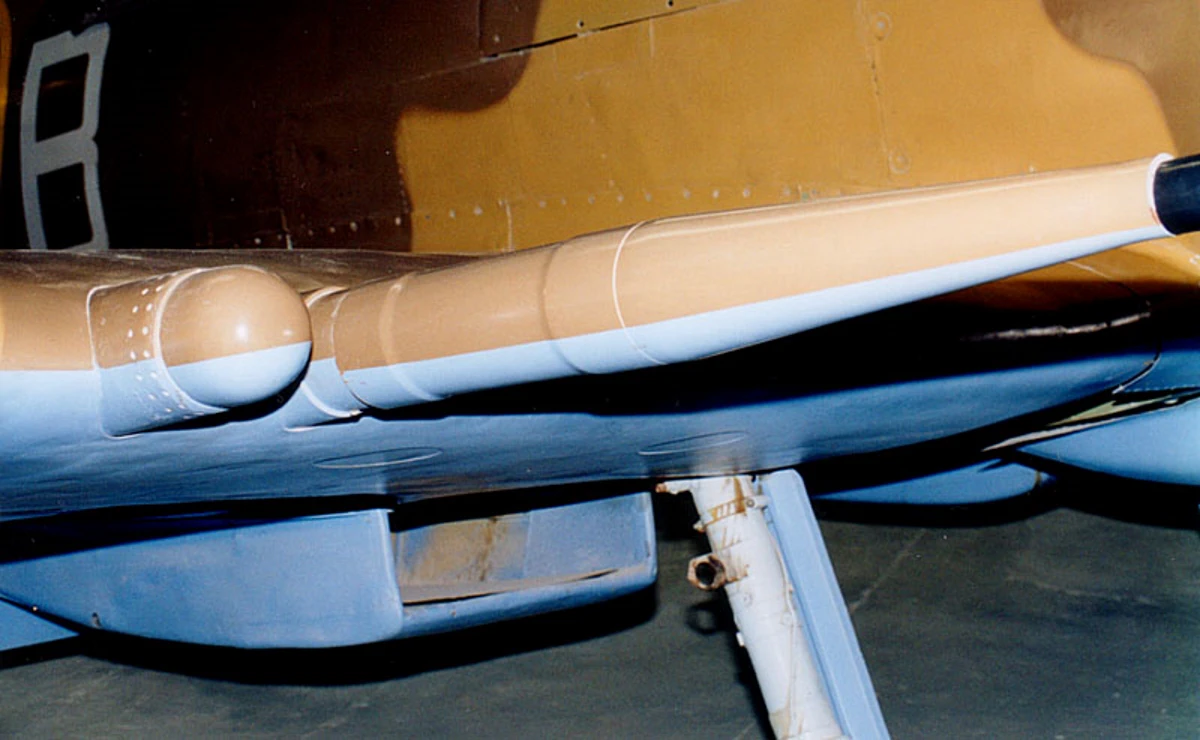
Airframe Lengthening and Radiator Balance:To accommodate the longer, heavier Merlin 60-series engine and its associated cooling machinery, engineers had to lengthen the Spitfire’s nose by several inches. Additionally, to balance the aircraft’s aerodynamics and cooling demands, a second radiator housing was added under the left wing, mirroring the one under the right wing and giving the Mk.IX its signature symmetrical under-wing look.
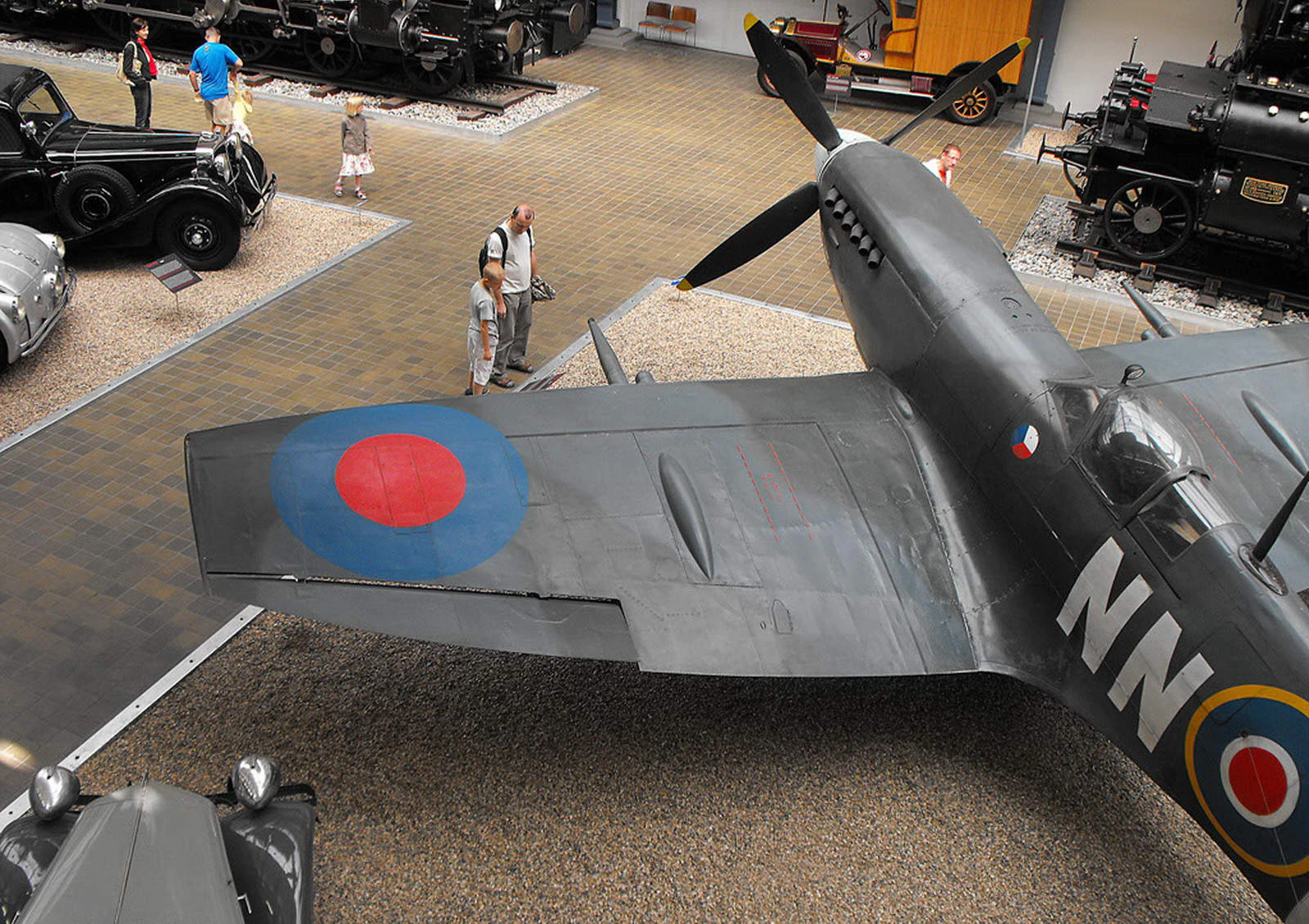
The Universal “C” and “E” Wings:The Mk.IX utilized advanced structural wing layouts that standardized weapon mountings. While early versions used the “C” wing (four 20mm cannons or two cannons and four .303 machine guns), the later “E” wing swapped out the weak .303 caliber machine guns for hard-hitting .50-inch Browning heavy machine guns, drastically improving the pilot’s destructive power against armored targets.
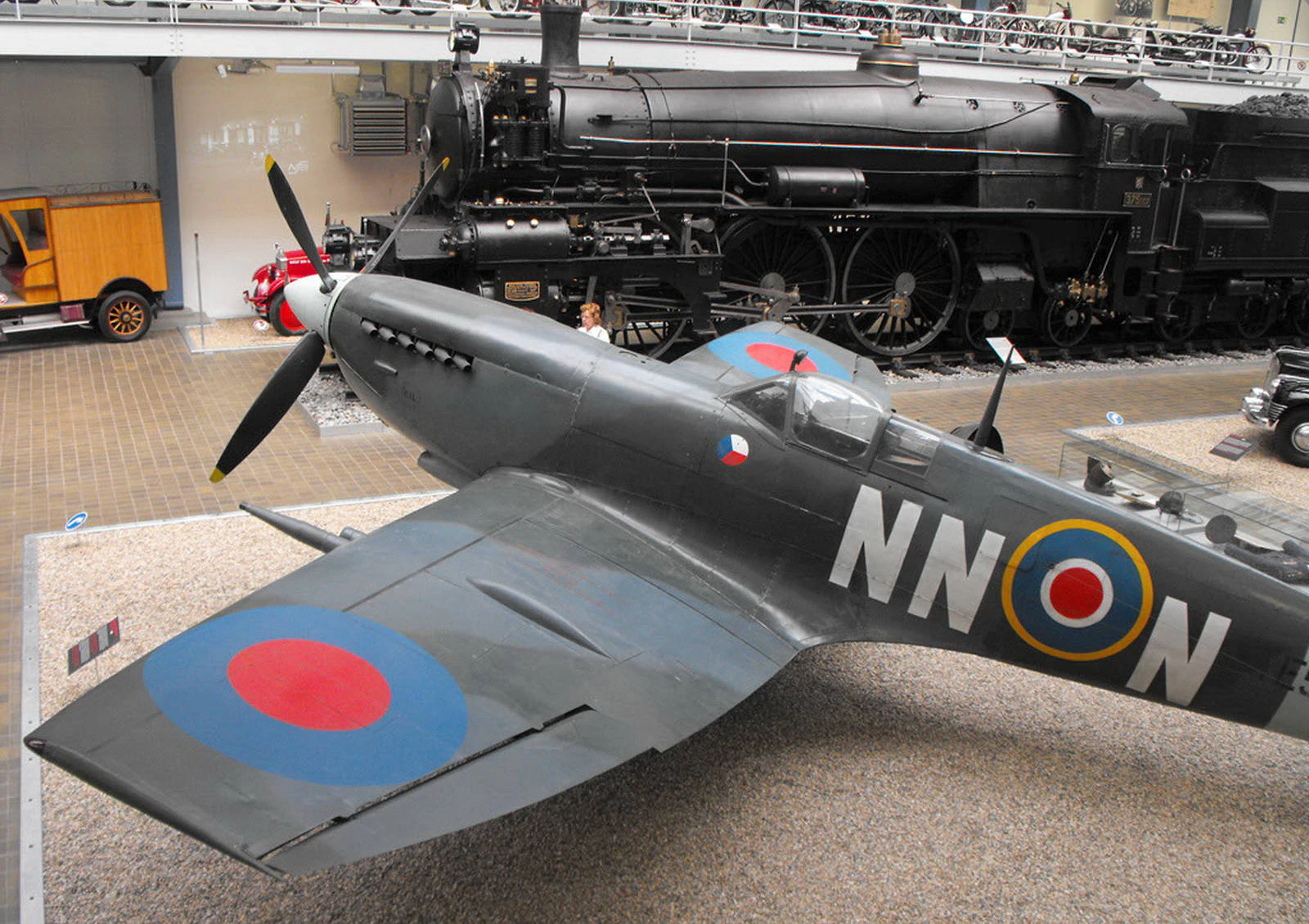
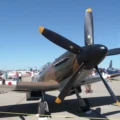
Four-Bladed Propeller Efficiency:To efficiently convert the engine’s massive jump in horsepower into usable thrust without expanding the propeller’s diameter (which would risk hitting the ground during take-off), the Mk.IX introduced a rigid, four-bladed Rotol constant-speed propeller.
Operational History: Blunting the Fw 190 and Clearing the Skies for D-Day
Taming the “Butcher Bird”:In late 1941, the German Fw 190 out-climbed, out-dived, and out-rolled the Royal Air Force’s standard Spitfire Mk.V, causing heavy British casualties. When No. 64 Squadron took the new Spitfire Mk.IX into combat in July 1942, they discovered it could match the Fw 190 in speed and completely out-turn it, instantly restoring parity to the European air war.
The Big Dipper over Dieppe:The Mk.IX saw its first large-scale tactical evaluation during the ill-fated Dieppe Raid in August 1942. Flying aggressive low-to-medium altitude fighter sweeps, Mk.IX pilots successfully shielded the retreating Allied ground forces from devastating Luftwaffe bomber raids, validating the aircraft’s mass-production mandate.
Low-Altitude “Clipped-Wing” Sweeps:To counter low-level German hit-and-run raiders across the English Channel, the RAF introduced the LF (Low Fighter) Mk.IX. These models featured the tips of their beautiful elliptical wings cropped off and were fitted with a Merlin 66 engine tuned for peak performance at lower altitudes, significantly increasing the aircraft’s roll rate.
D-Day and Beyond:By June 1944, the Spitfire Mk.IX was the most numerous fighter variant in the Allied tactical air forces. Wearing iconic black-and-white invasion stripes, Mk.IX squadrons strafed German supply lines, intercepted V-1 flying bombs, escorted heavy bombers, and acted as highly effective dive-bombers all the way into the heart of Germany.