Saunders-Roe Skeeter | |
|---|---|
| 国家 | 英国 |
| 作用 | 教练, 童子军 |
| 第一只苍蝇 | 1948年10月10日 |
| 建立 | 未知 |
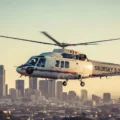
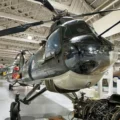
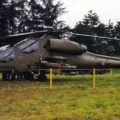
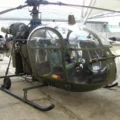
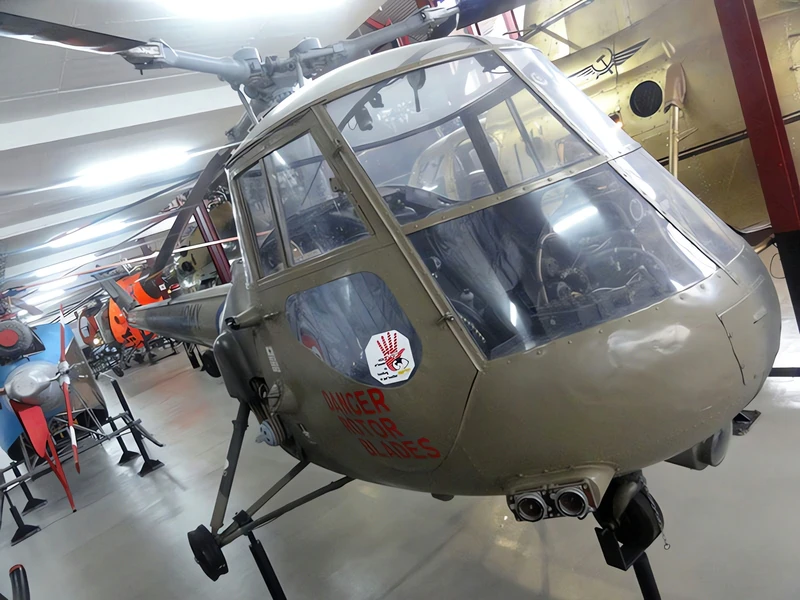
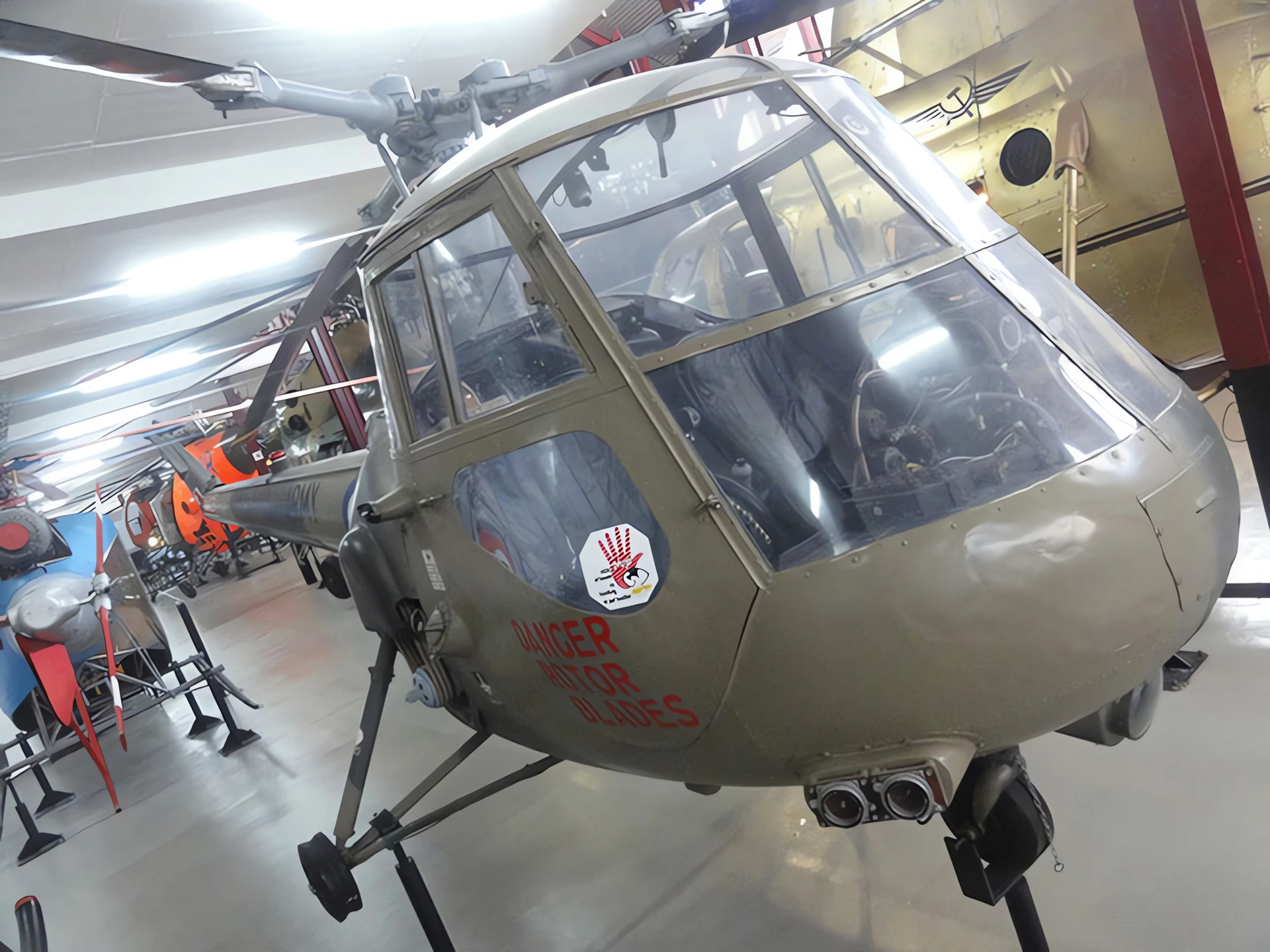
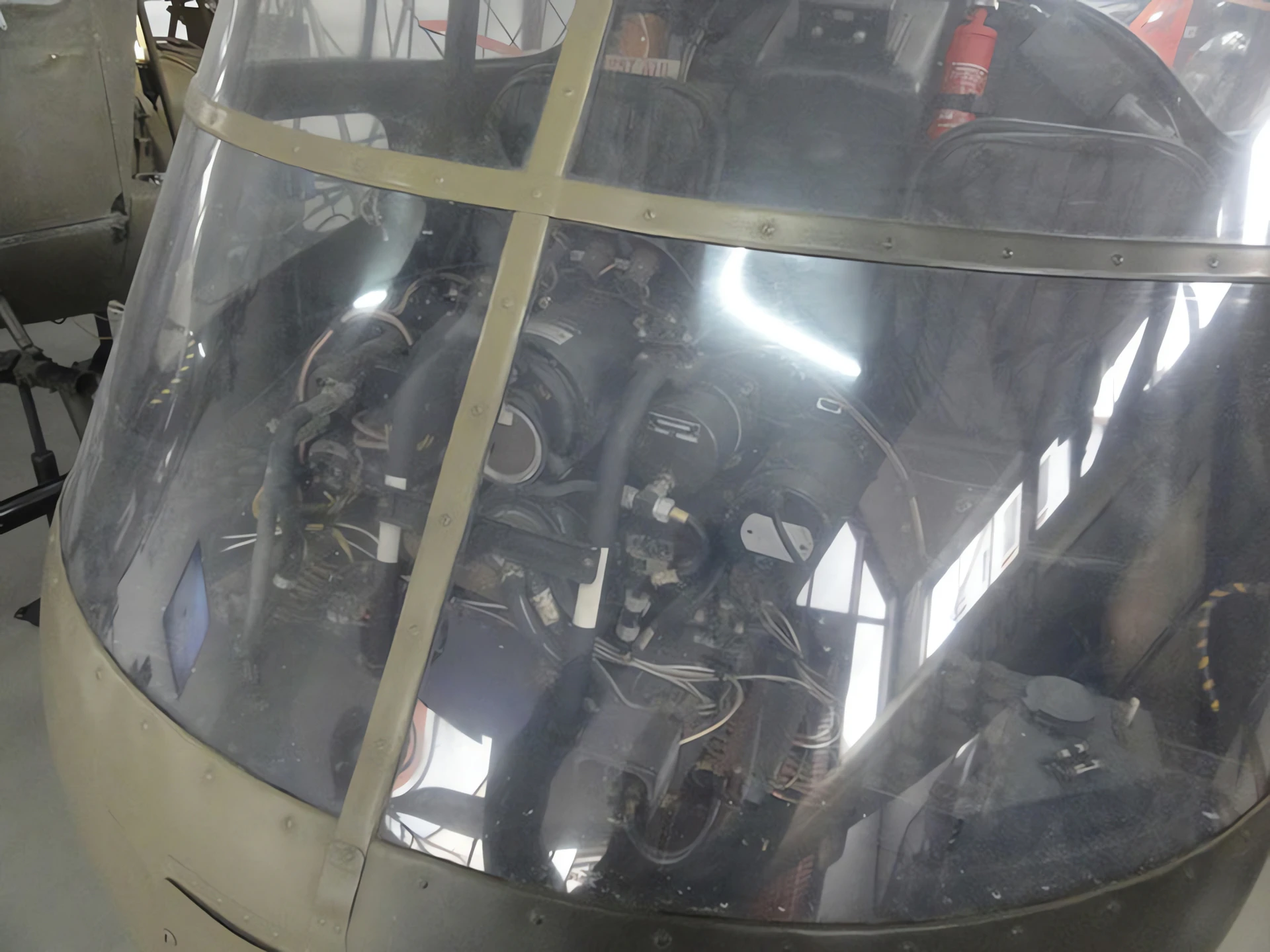
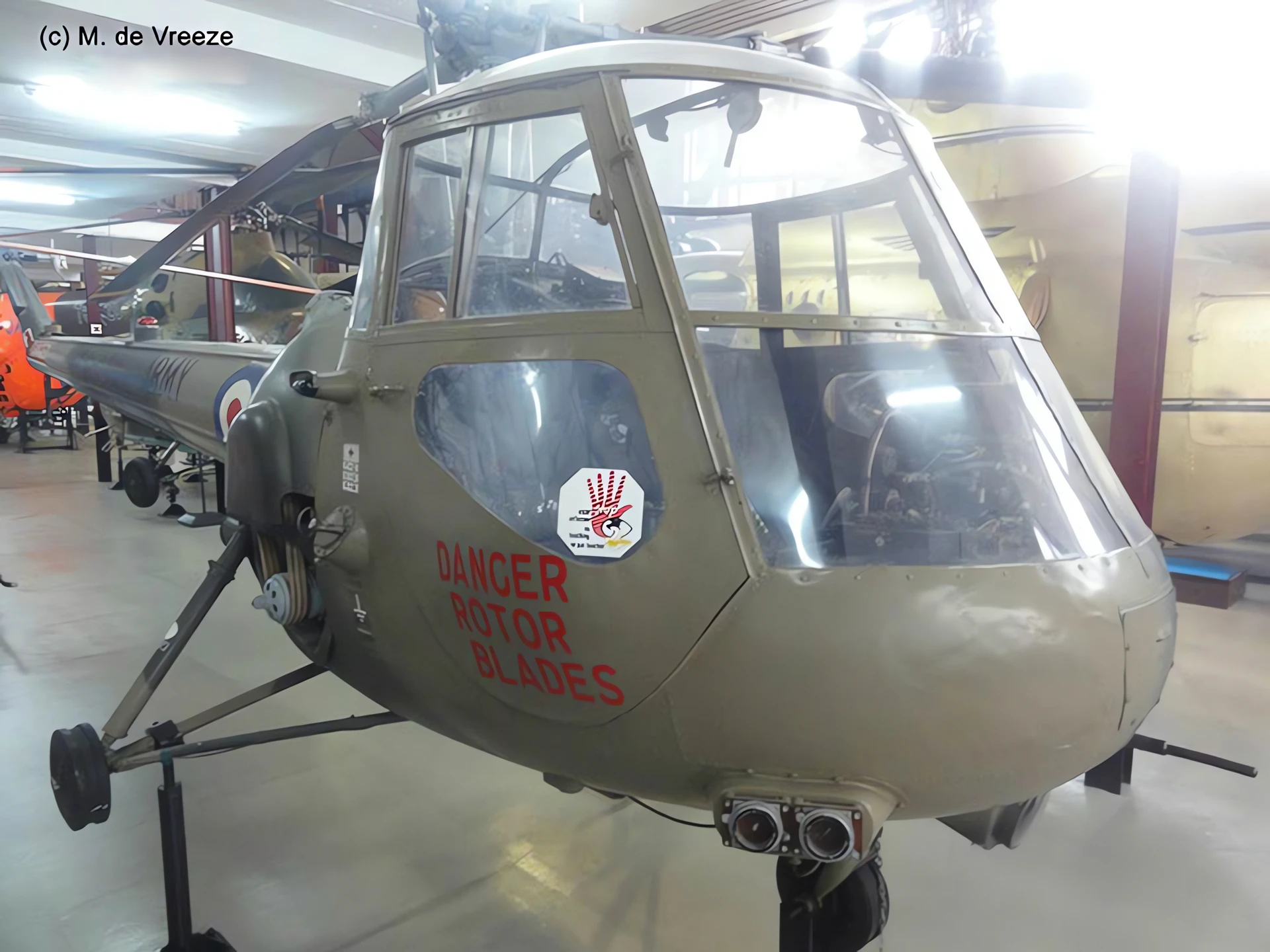
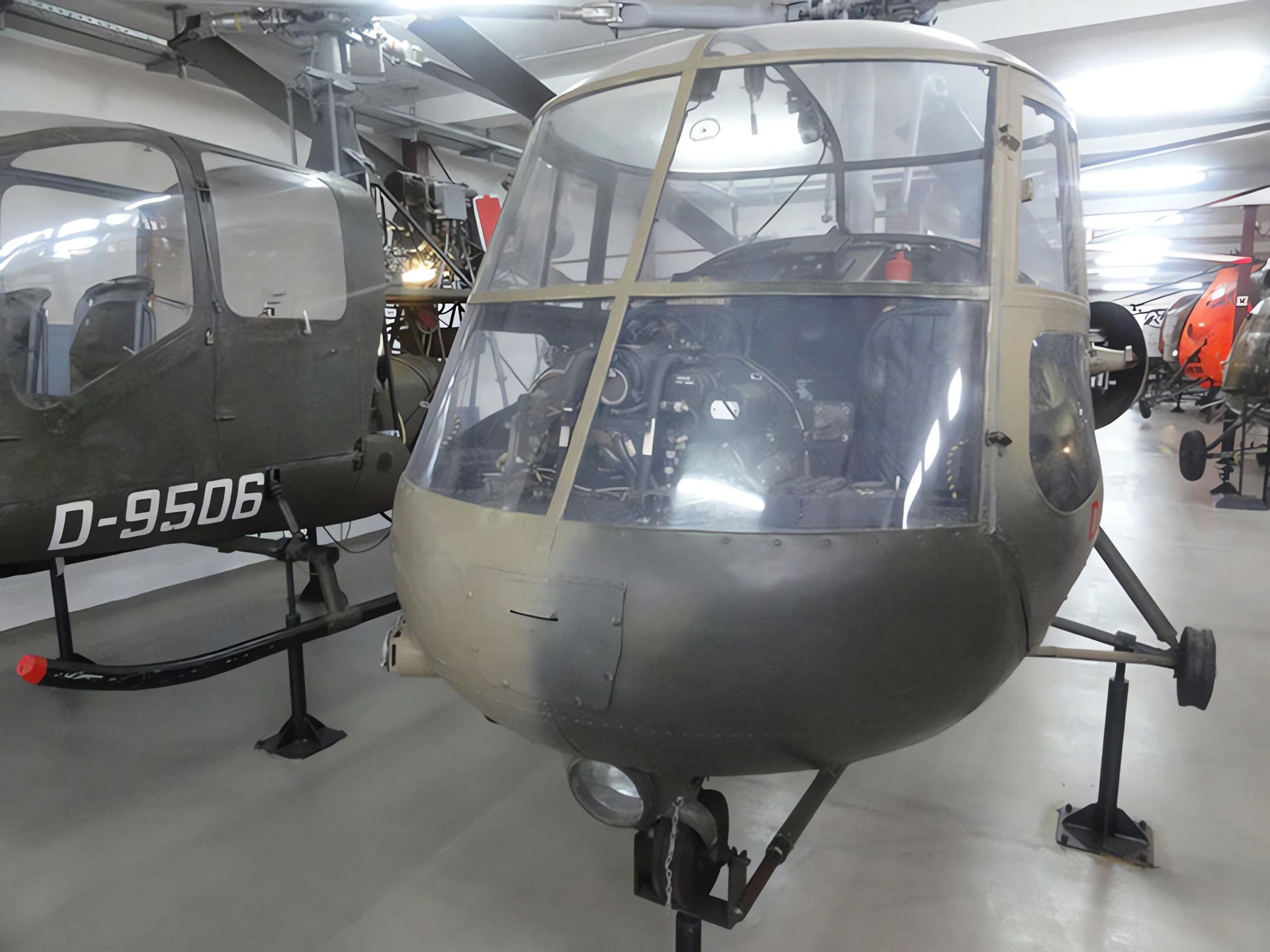
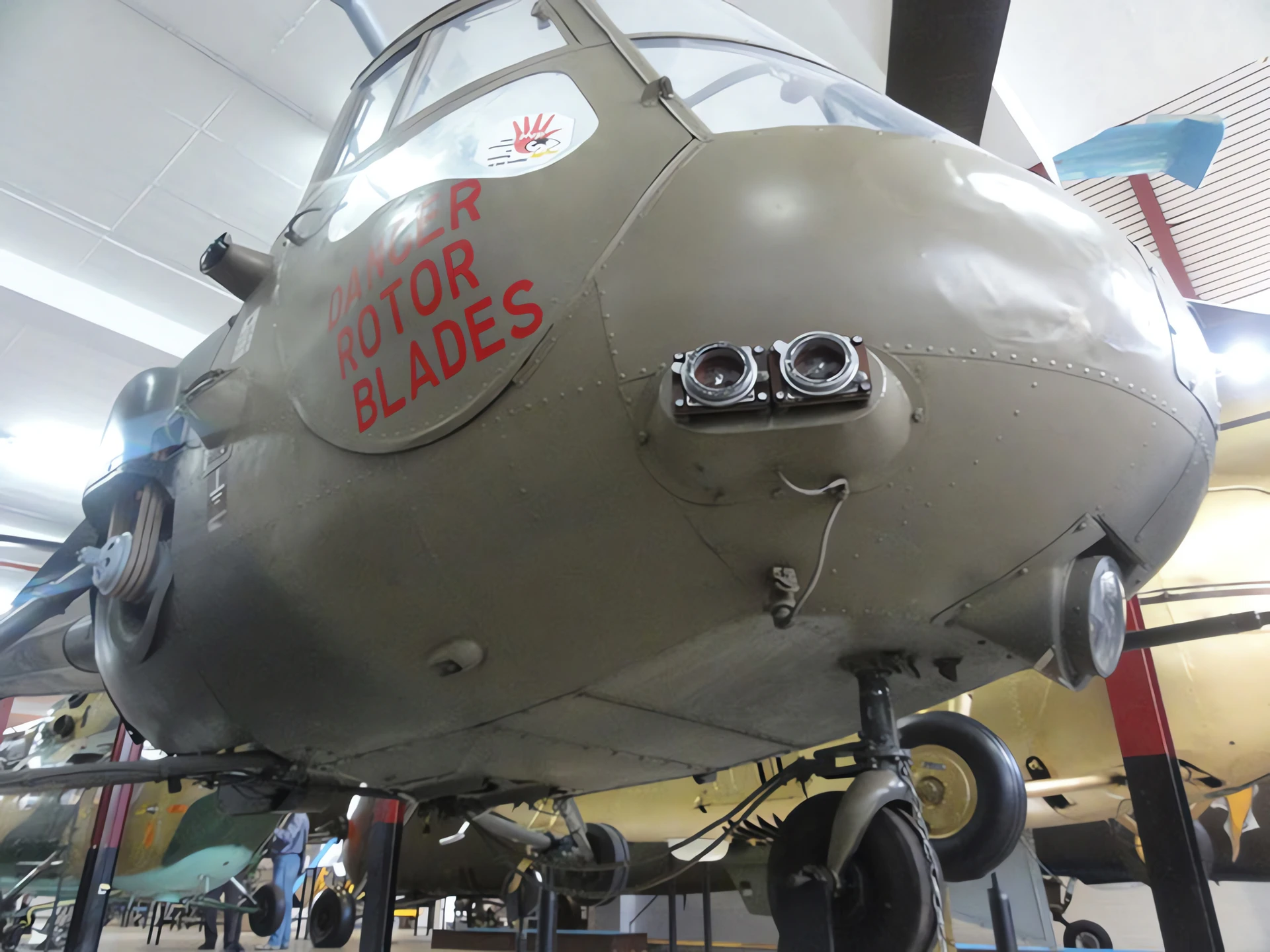
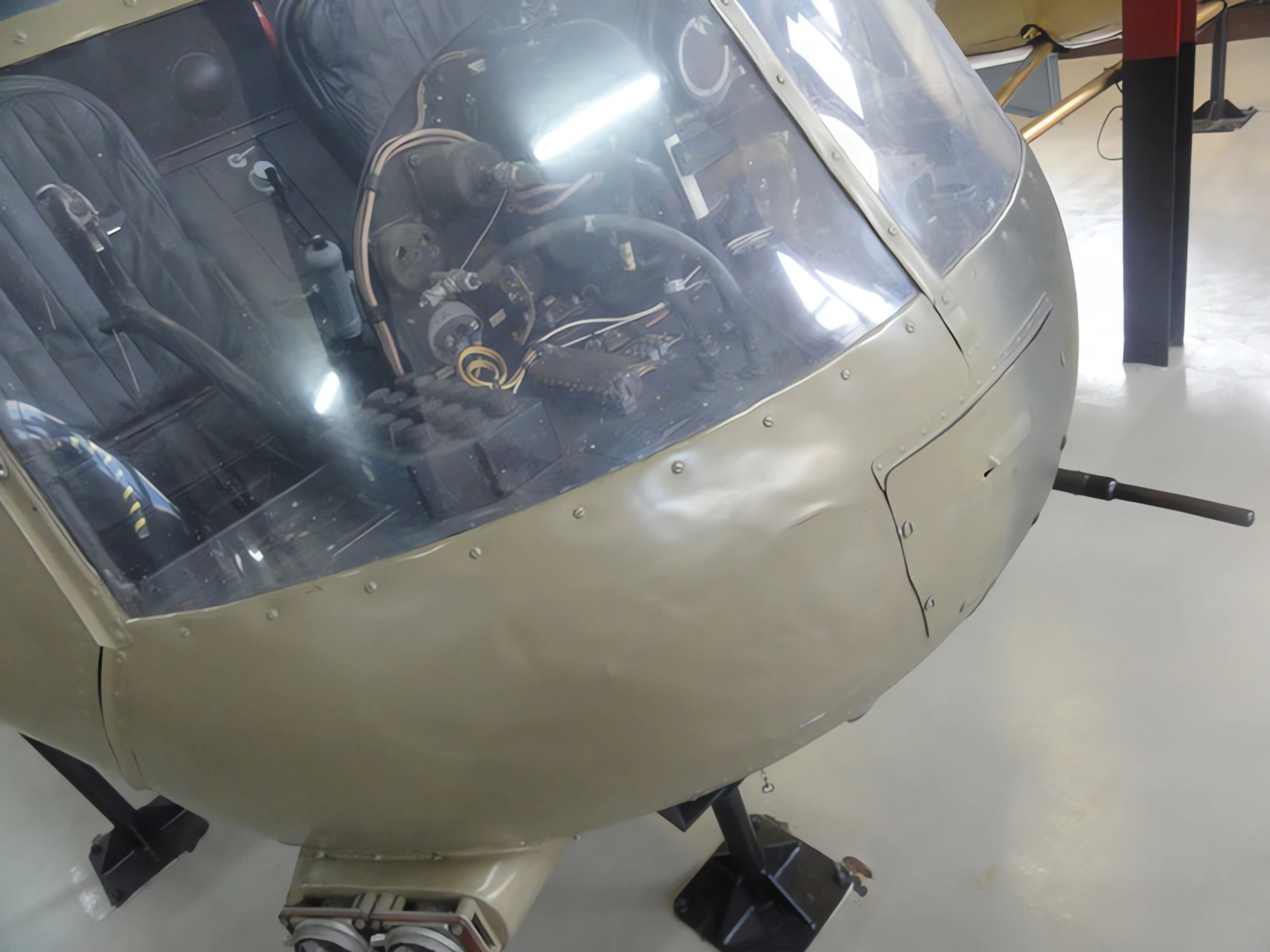
这 桑德斯-罗·斯凯特 was a two-seat training and scout helicopter that was developed and produced by British manufacturer Saunders-Roe (“Saro”) of Cowes and Southampton, in the United Kingdom. Work on what would become the Skeeter had been commenced by the Cierva Autogiro Company as the Cierva W.14. Following Saunders-Roe’s take over of Cierva, it was decided to continue its projects, including the Skeeter. Despite an initial preference for the rival Fairey Ultra-light Helicopter, which had already been ordered, there was a reversal of fortune when interest from the Bundeswehr in the potential procurement of a large number of Skeeters. This led to the British order for the Ultra-light Helicopter being cancelled and the Skeeter effectively taking its place, which also served to guarantee an export order from Germany.
| Saunders-Roe Skeeter Walk Around | |
|---|---|
| 摄影师 | 明德·德·弗瑞泽 |
| 本地化 | 未知 |
| 照片 | 46 |


另请参阅:


General Characteristics and Role
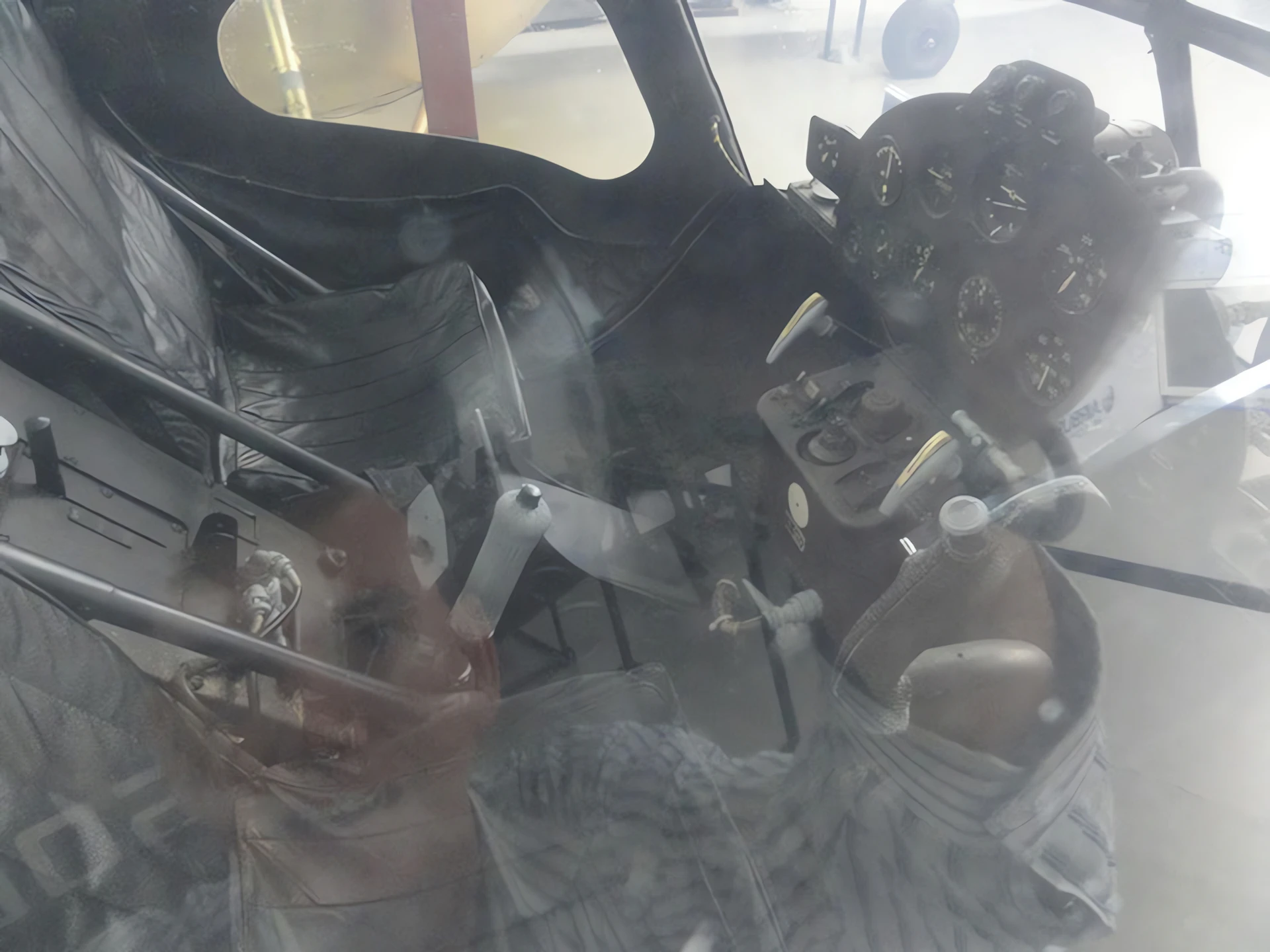
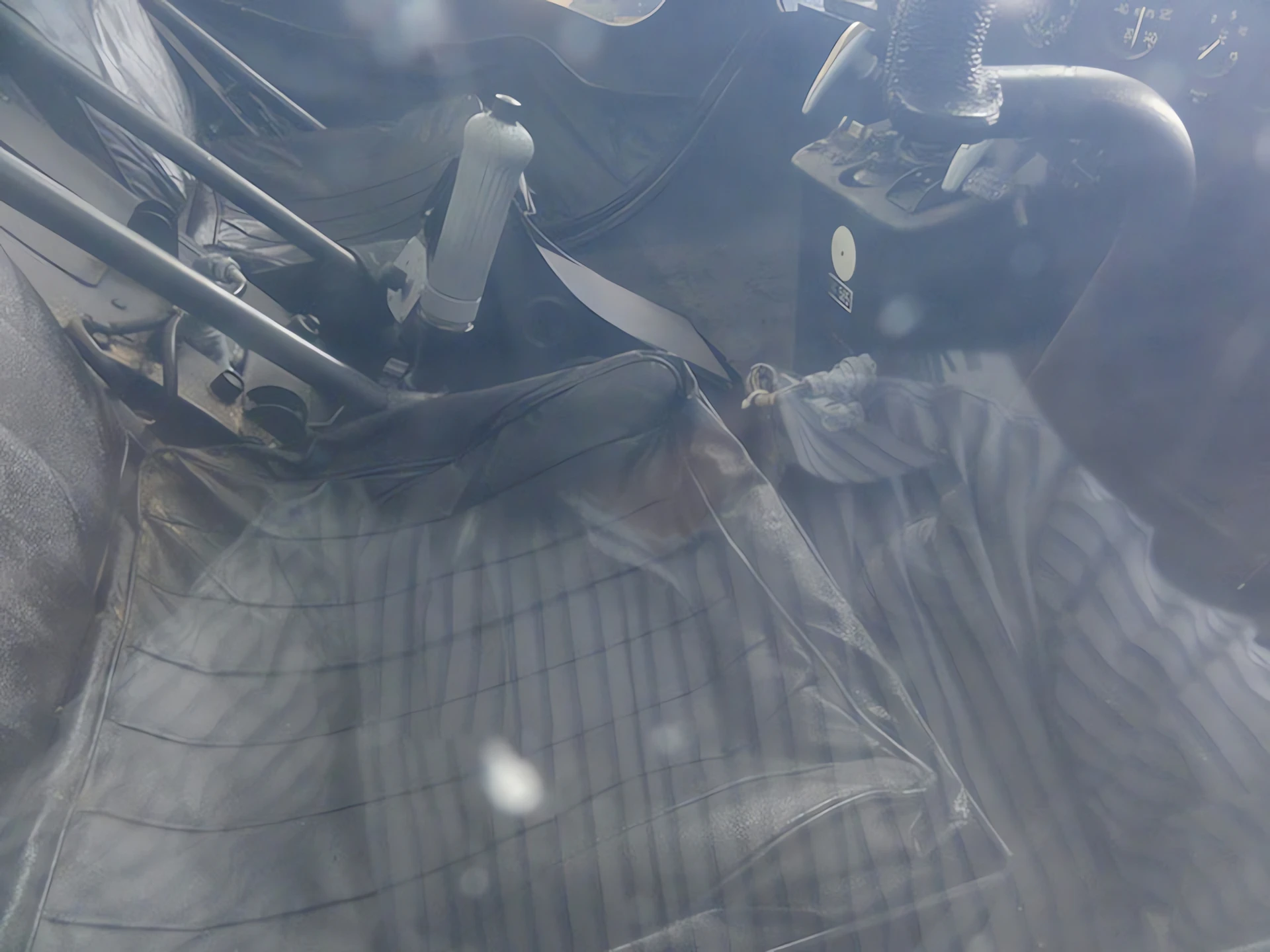
The Saunders-Roe Skeeter was a small, two-seat British helicopter developed for reconnaissance, air observation post (AOP), and pilot training roles. Initially designed by the Cierva Autogiro Company, the project was taken over by Saunders-Roe (Saro) in 1951. It was the first British-designed helicopter to receive a Certificate of Airworthiness and enter production in a substantial number. The Skeeter saw service with the British Army Air Corps (AAC) as a light utility and training aircraft and was also adopted by the German Army Aviation Corps and the Royal Navy for training. It was later developed into the more successful Westland Scout/Wasp line after Saro’s helicopter interests were acquired by Westland Aircraft in 1960.
| Property | Typical Value (Skeeter 6/AOP.12) |
|---|---|
| 作用 | Light Utility, Observation, Trainer Helicopter |
| National Origin | 英国 |
| 制造商 | Saunders-Roe (Saro) |
| First Flight | 8 October 1948 (as Cierva W.14) |
| 船员 | 2 (Pilot and Observer/Trainee) |
| Length (Fuselage) | 8.53 m (28 ft 0 in) |
| Main Rotor Diameter | 9.75 m (32 ft 0 in) |
| 高度 | 2.92 m (9 ft 7 in) |
| Empty Weight | 732 kg (1,614 lb) |
| Max Takeoff Weight | 1,000 kg (2,200 lb) |
Powerplant and Performance
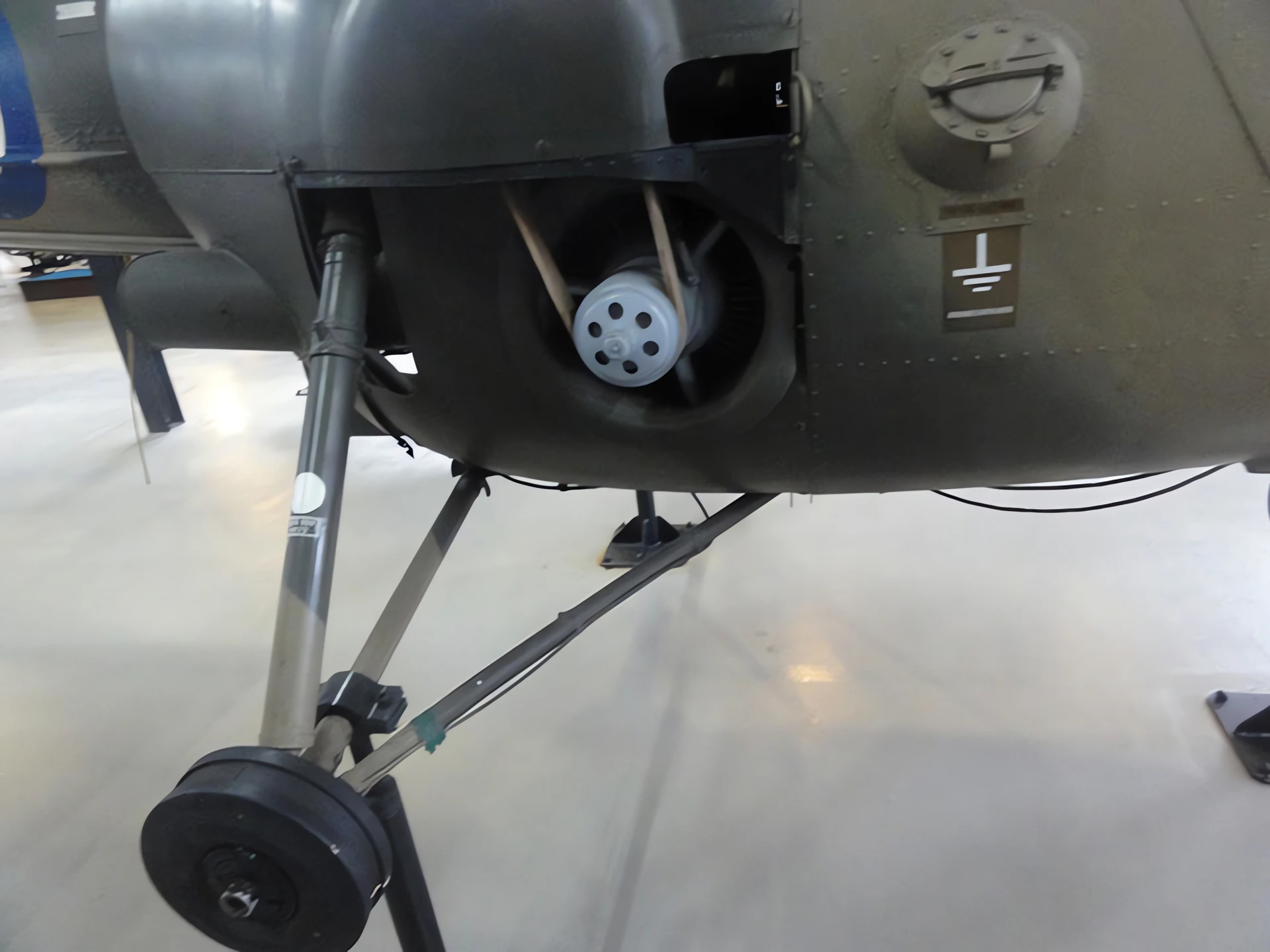
- Engine: 1 x de Havilland Gipsy Major 215 four-cylinder inverted air-cooled engine.
- Power Output: 160 kW (215 hp).
- Rotor System: 3-bladed main rotor.
- Maximum Speed: 164 km/h (102 mph; 89 kn).
- Cruise Speed: 104 km/h (65 mph; 56 kn).
- Range: 370 km (230 mi; 200 nmi).
- Service Ceiling: 3,960 m (13,000 ft).
Service and Legacy
- Service Life: Used primarily by the British Army Air Corps for training and light observation duties starting in the late 1950s.
- International Use: Exported to the German Army (Heer) as the Skeeter Mk 50 and the German Navy (Marine) as the Skeeter Mk 51.
- Successor: The knowledge gained from the Skeeter program directly informed the development of the highly successful Westland Scout and Westland Wasp helicopters.
- Training Role: Served as the basic rotorcraft trainer before pilots transitioned to larger helicopters like the Westland Whirlwind.
意见:992