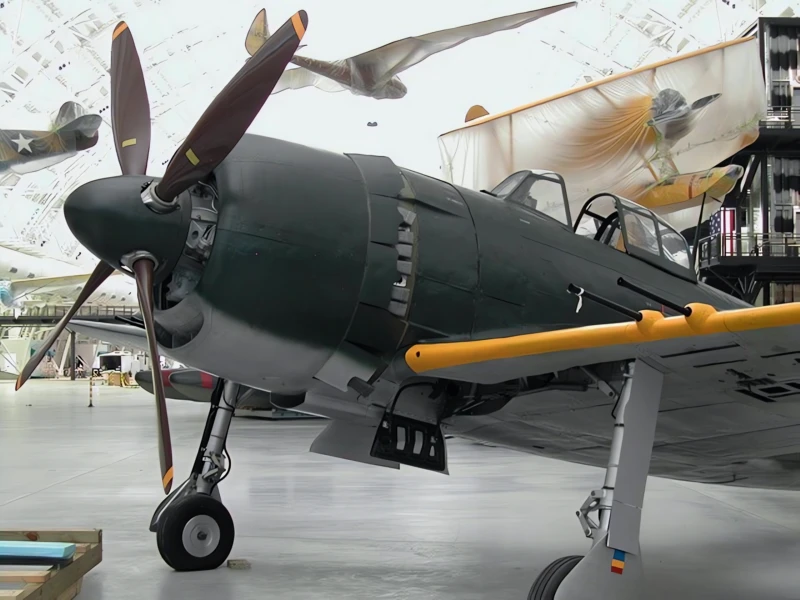
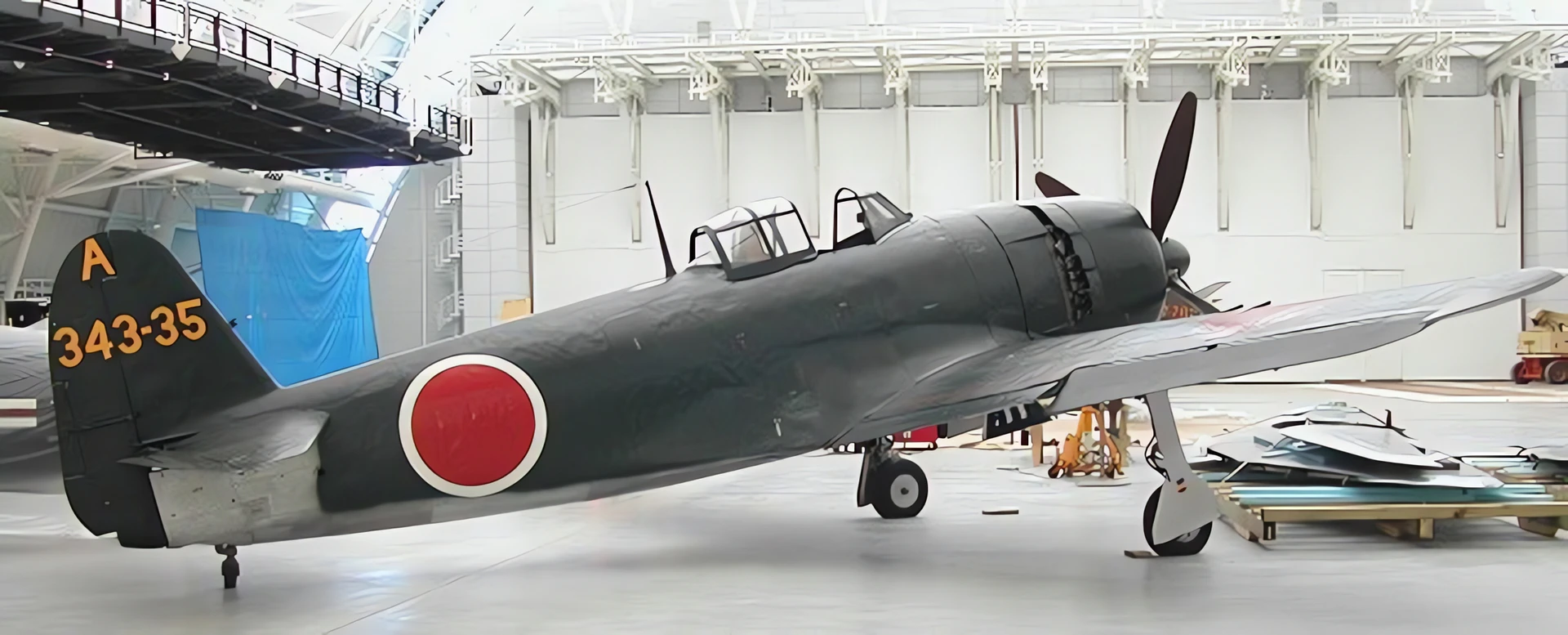
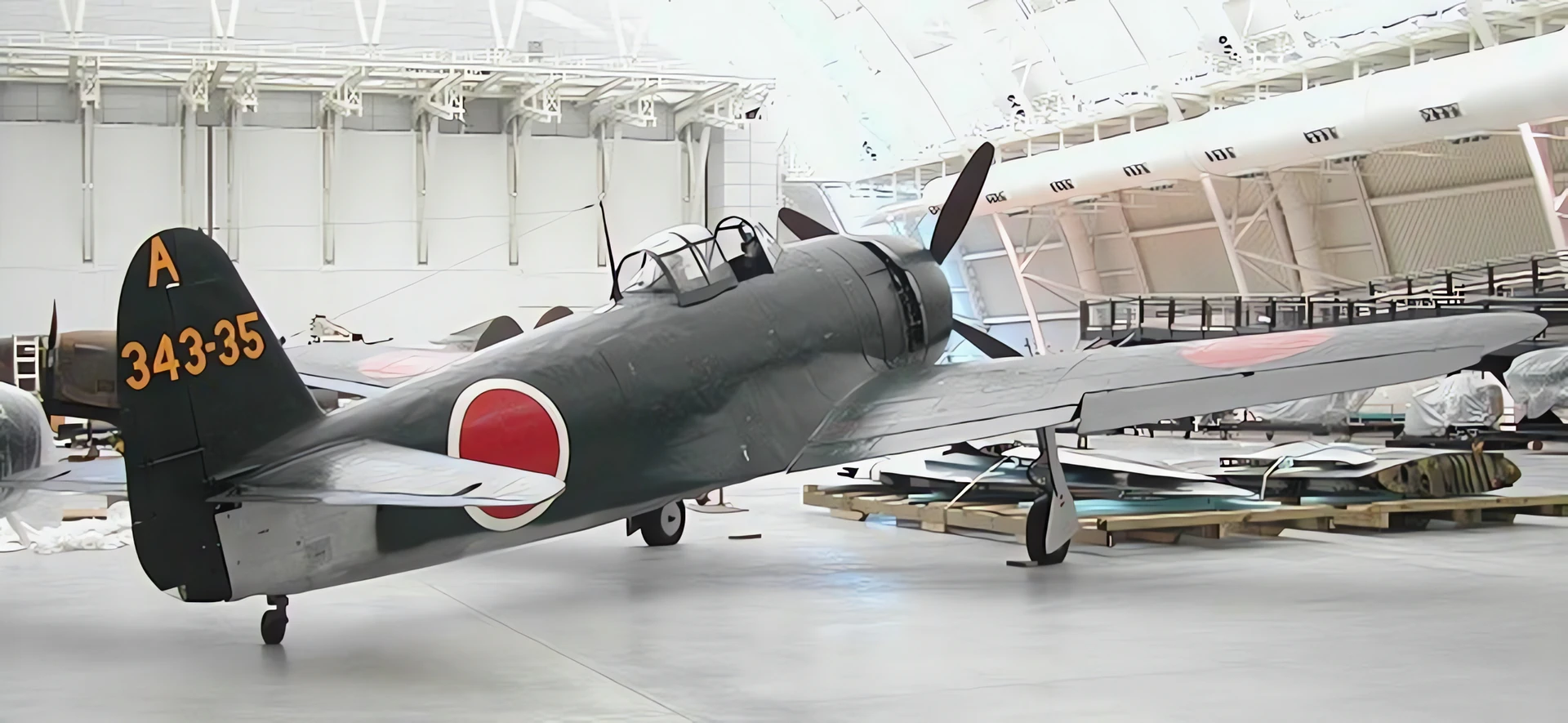
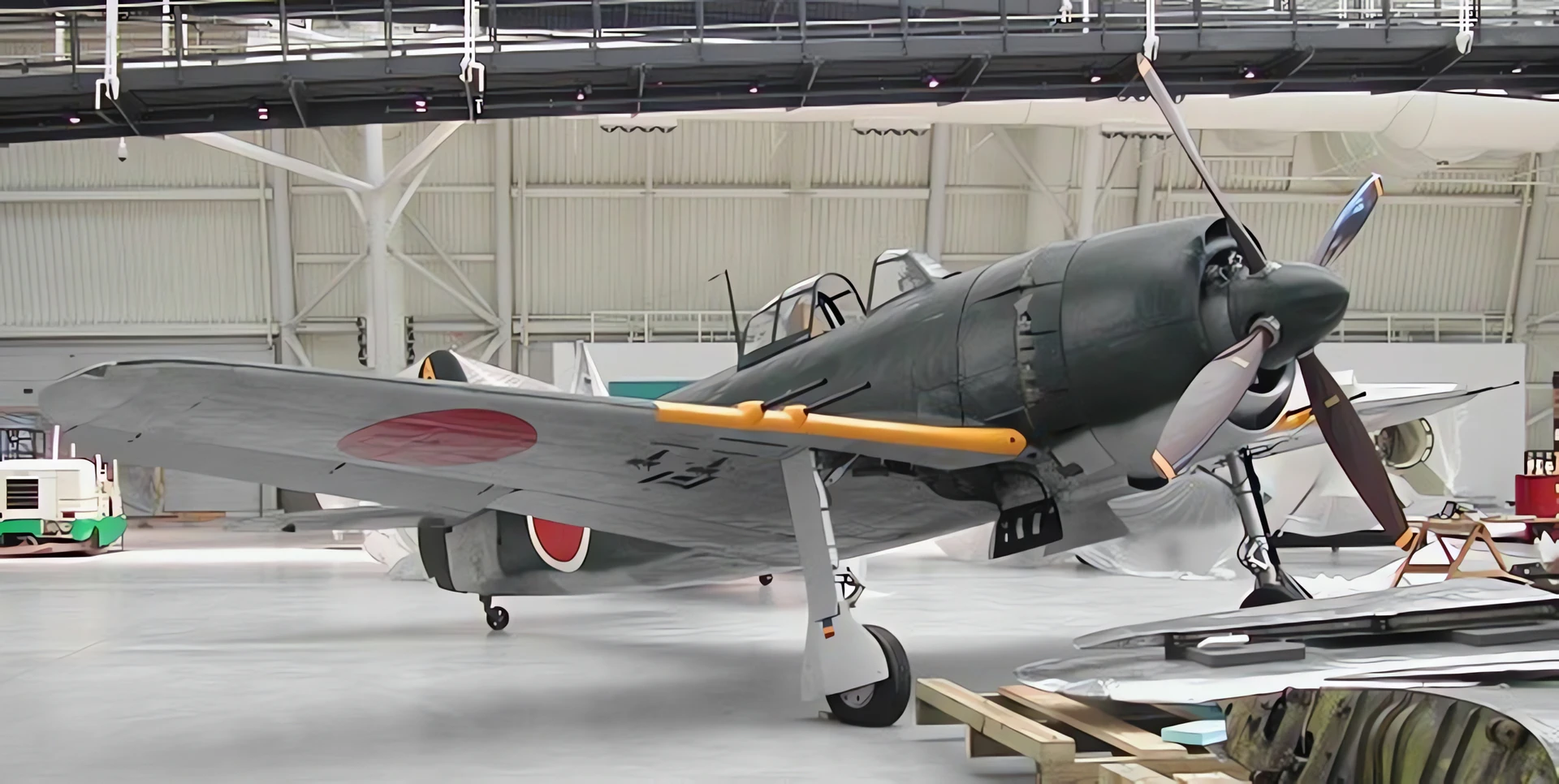
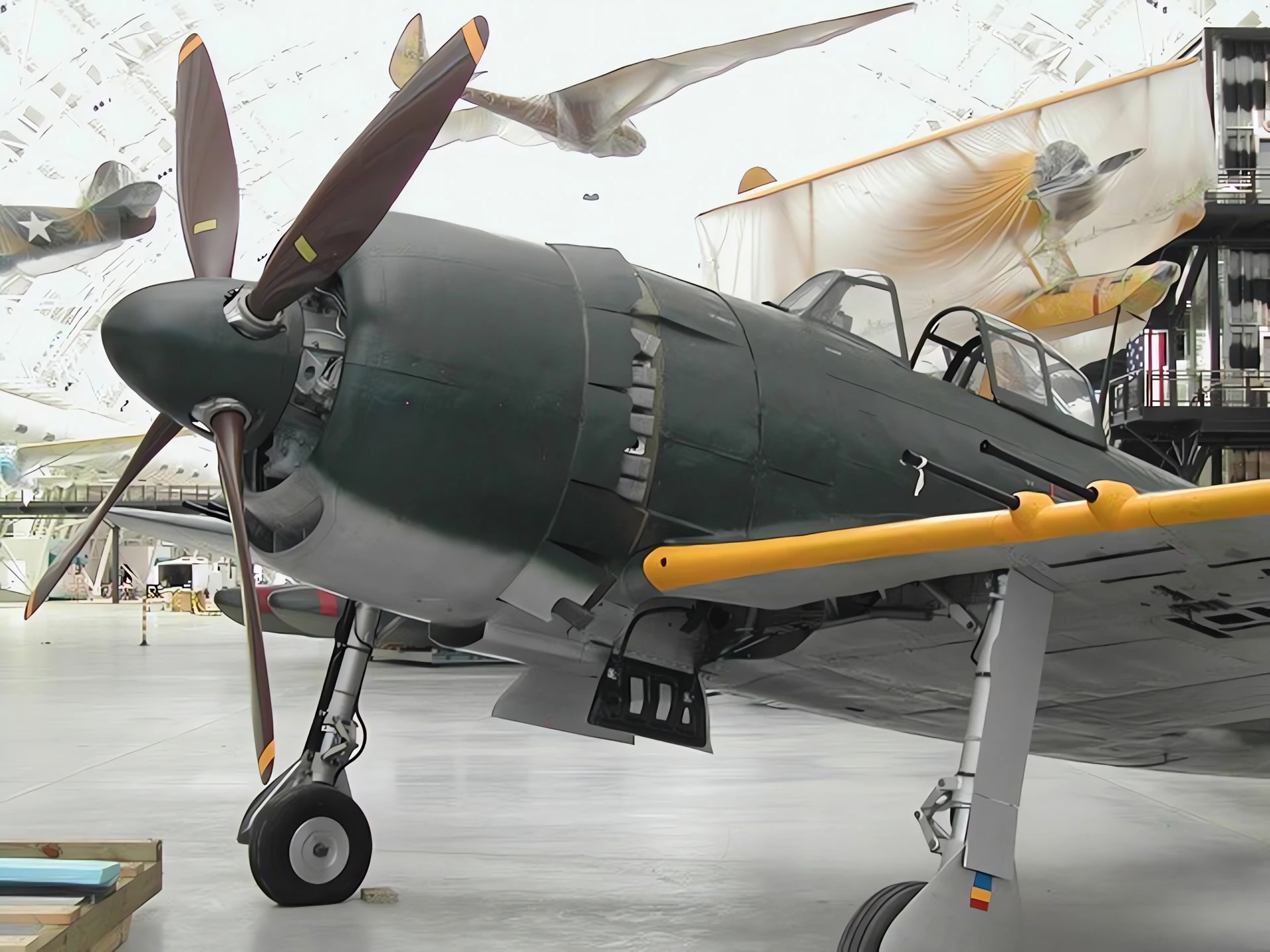
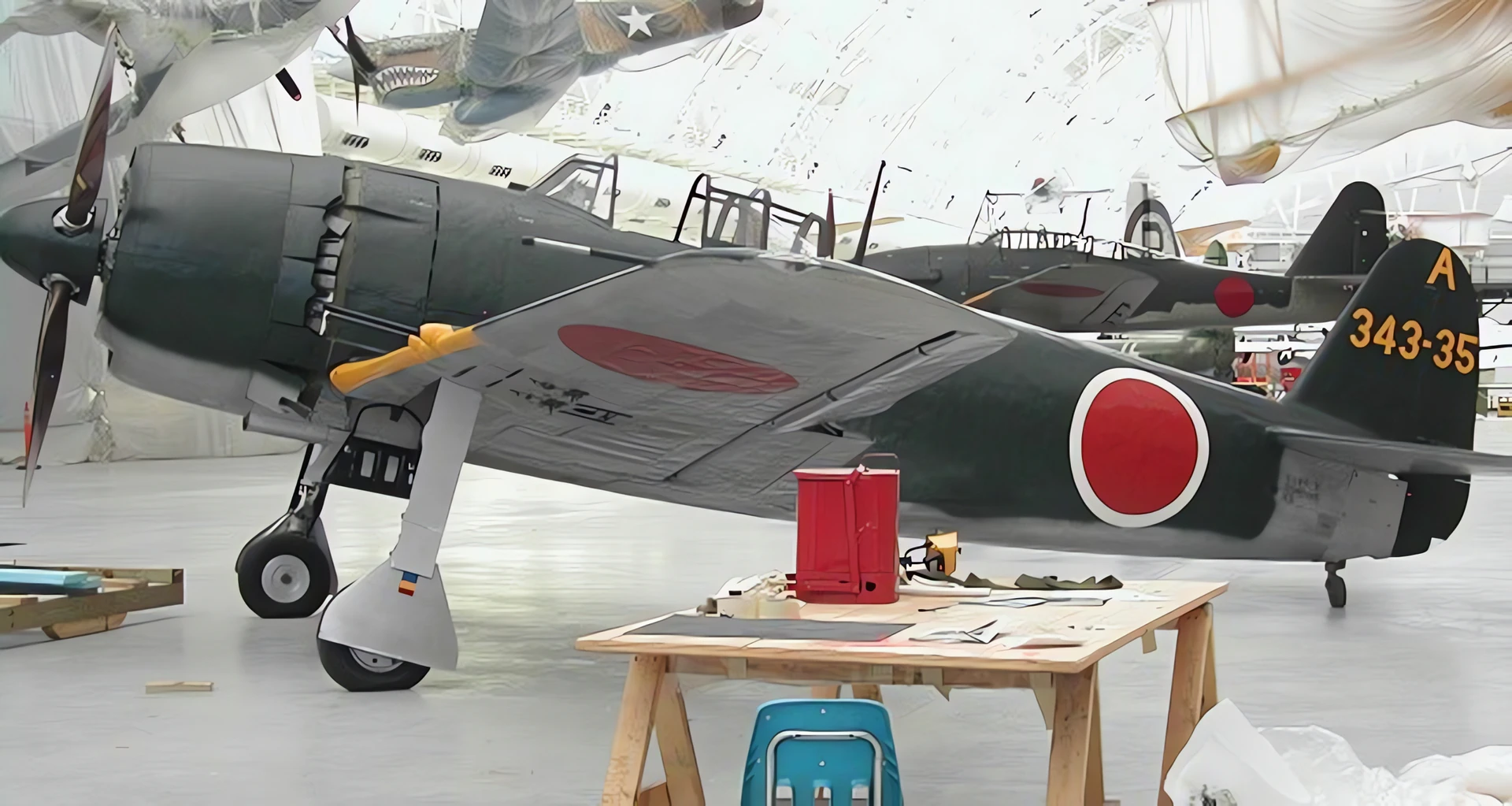
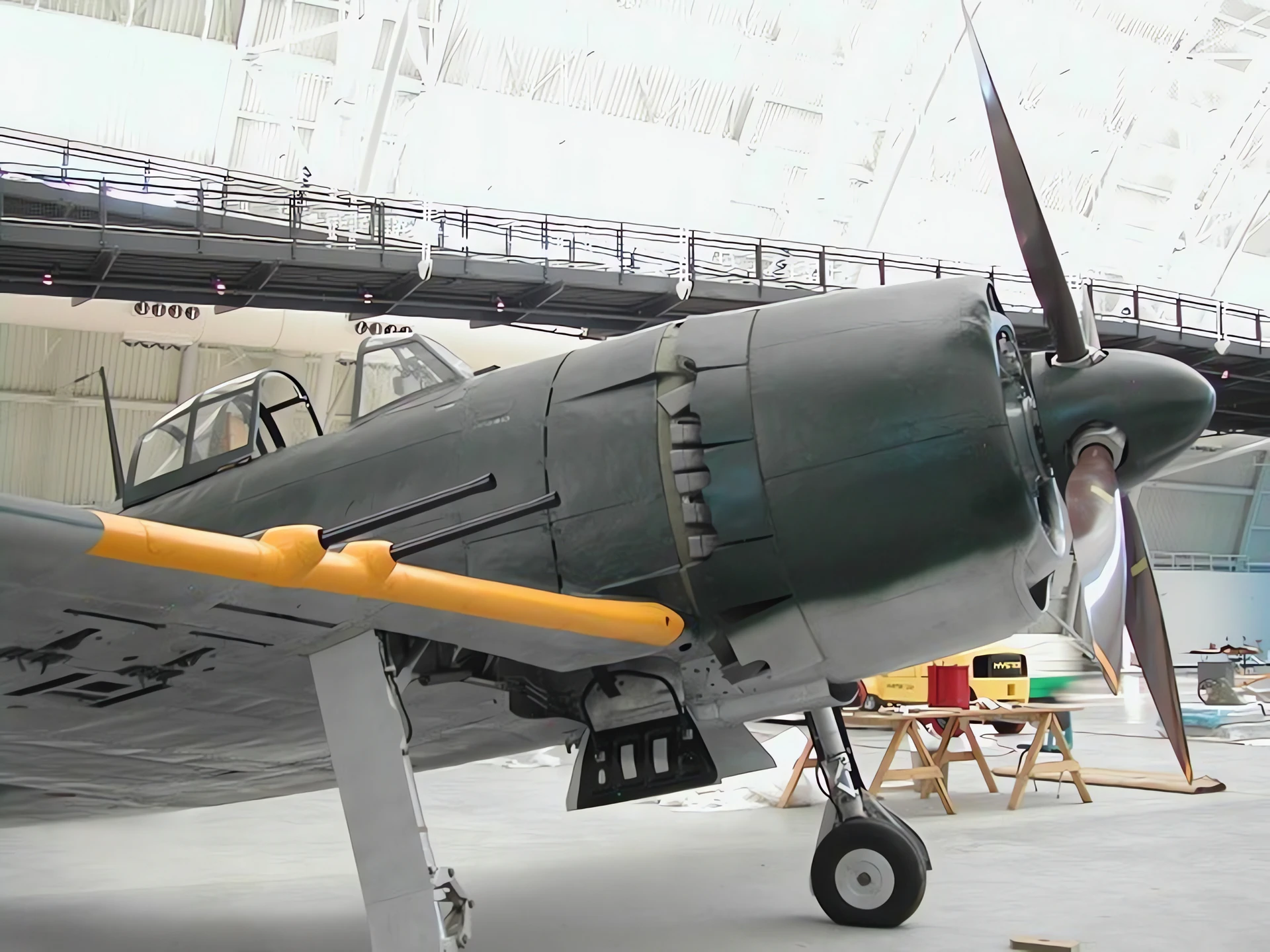
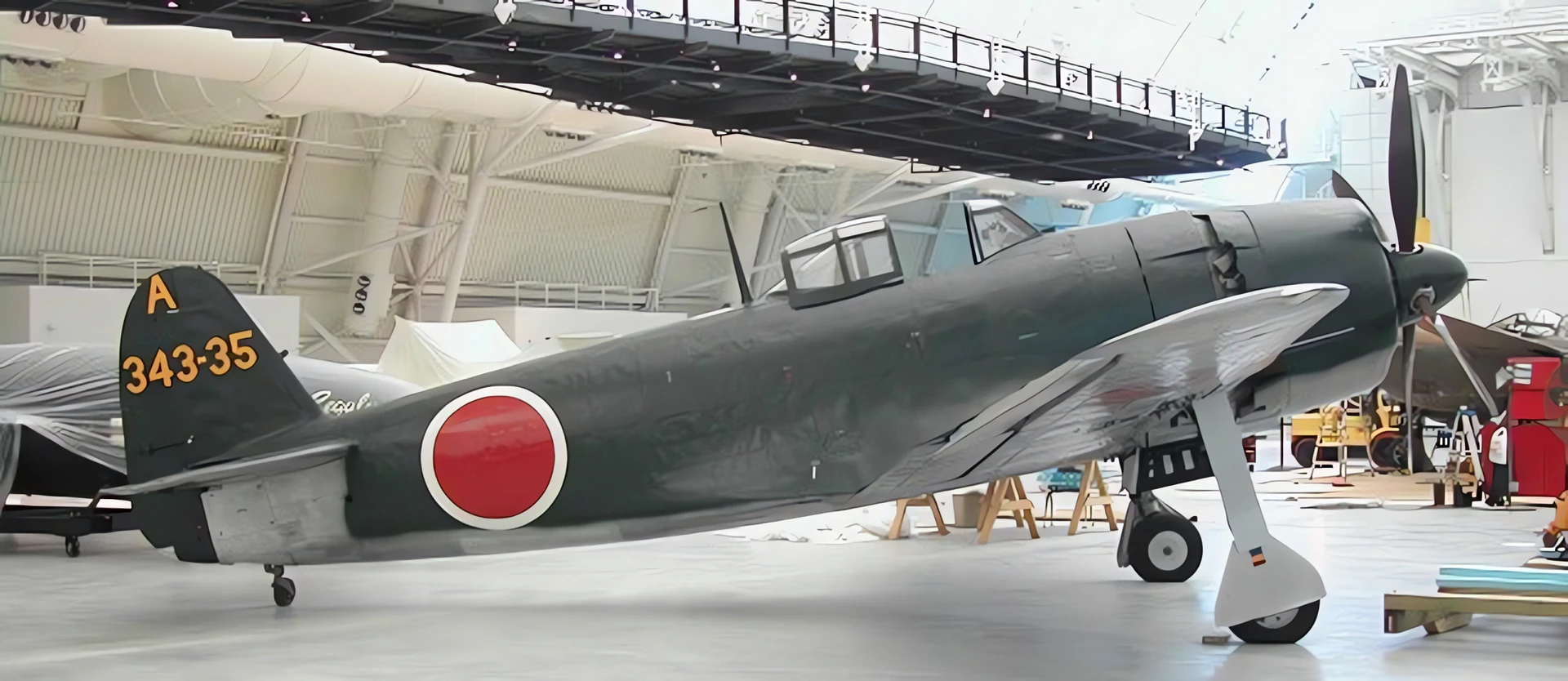
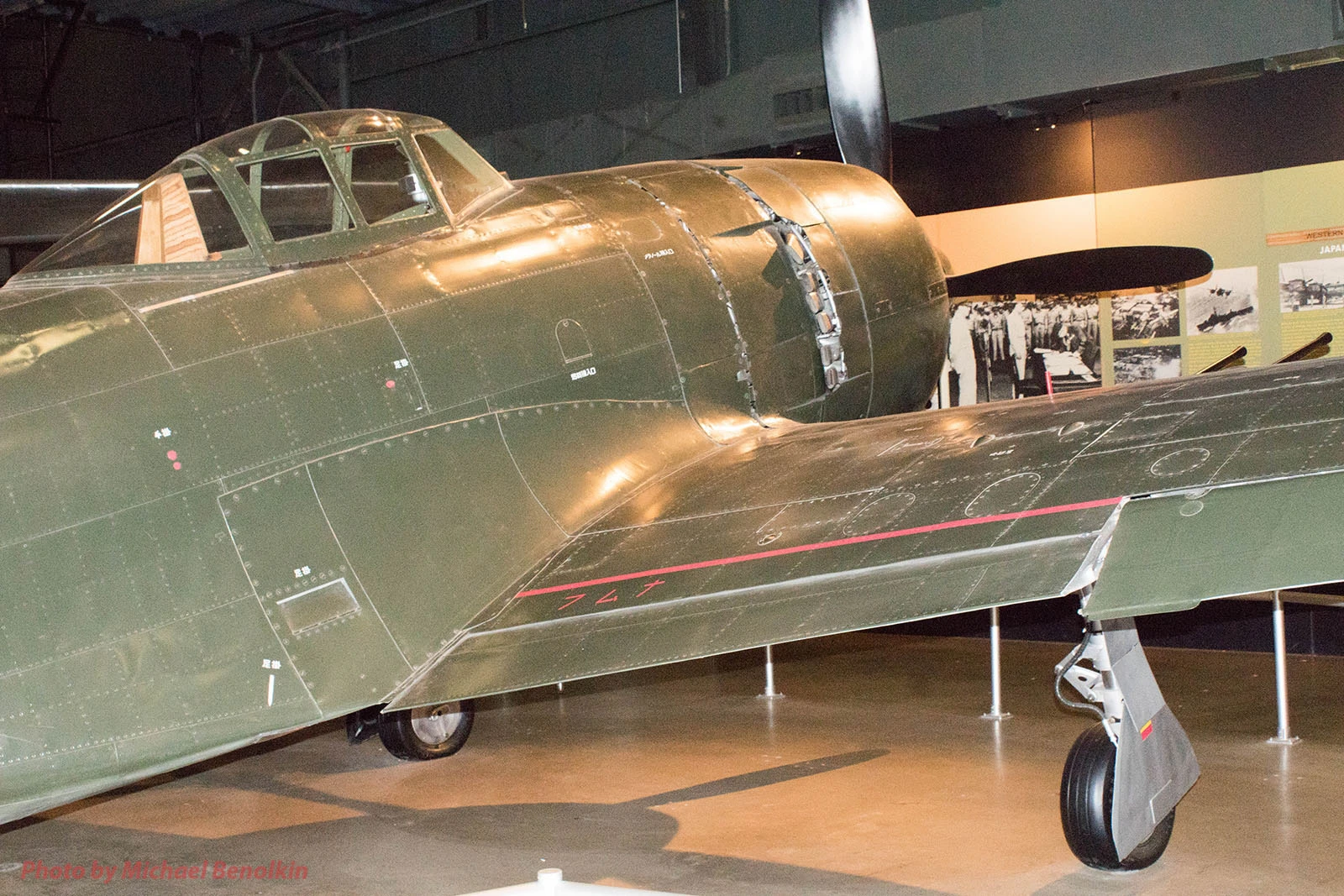
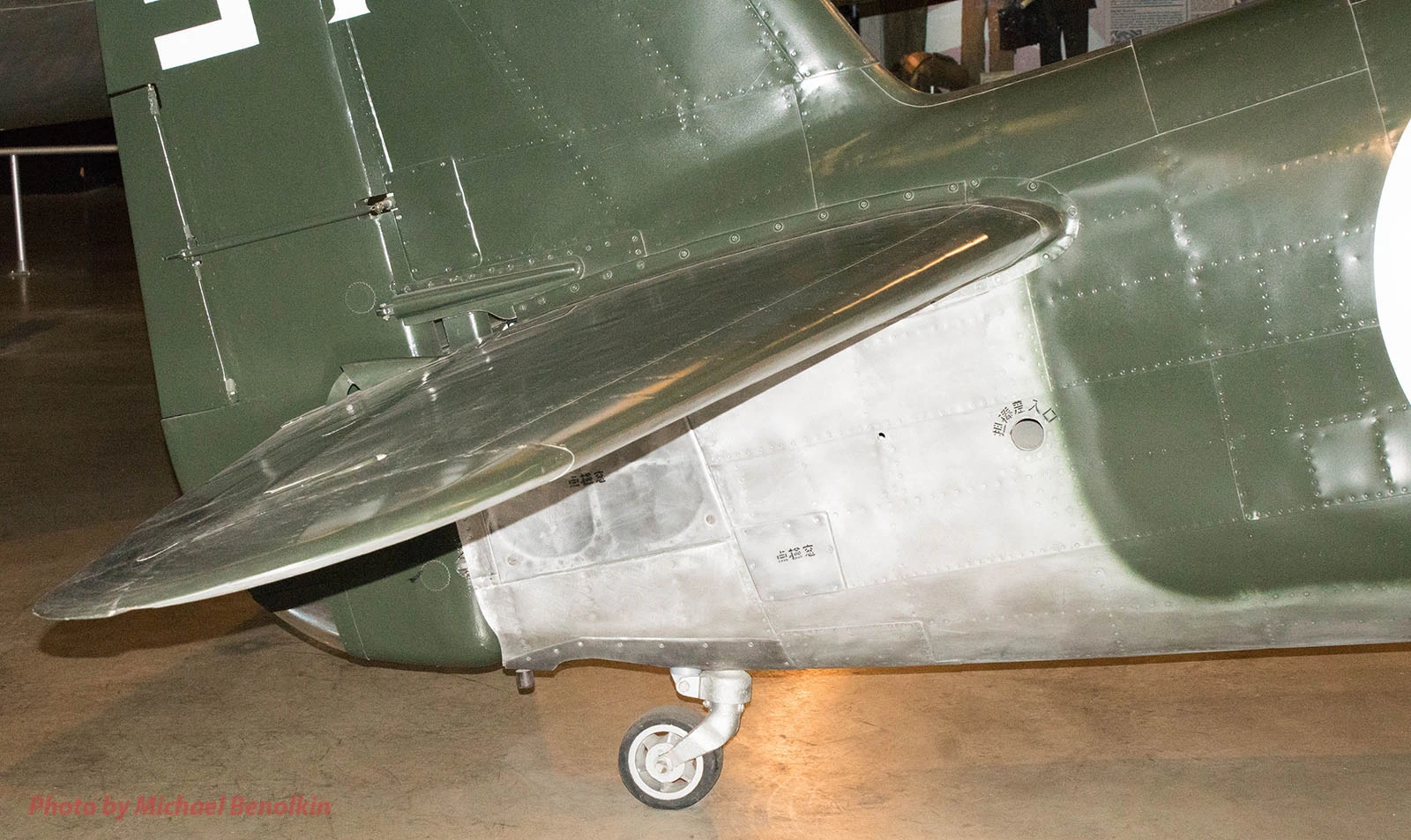
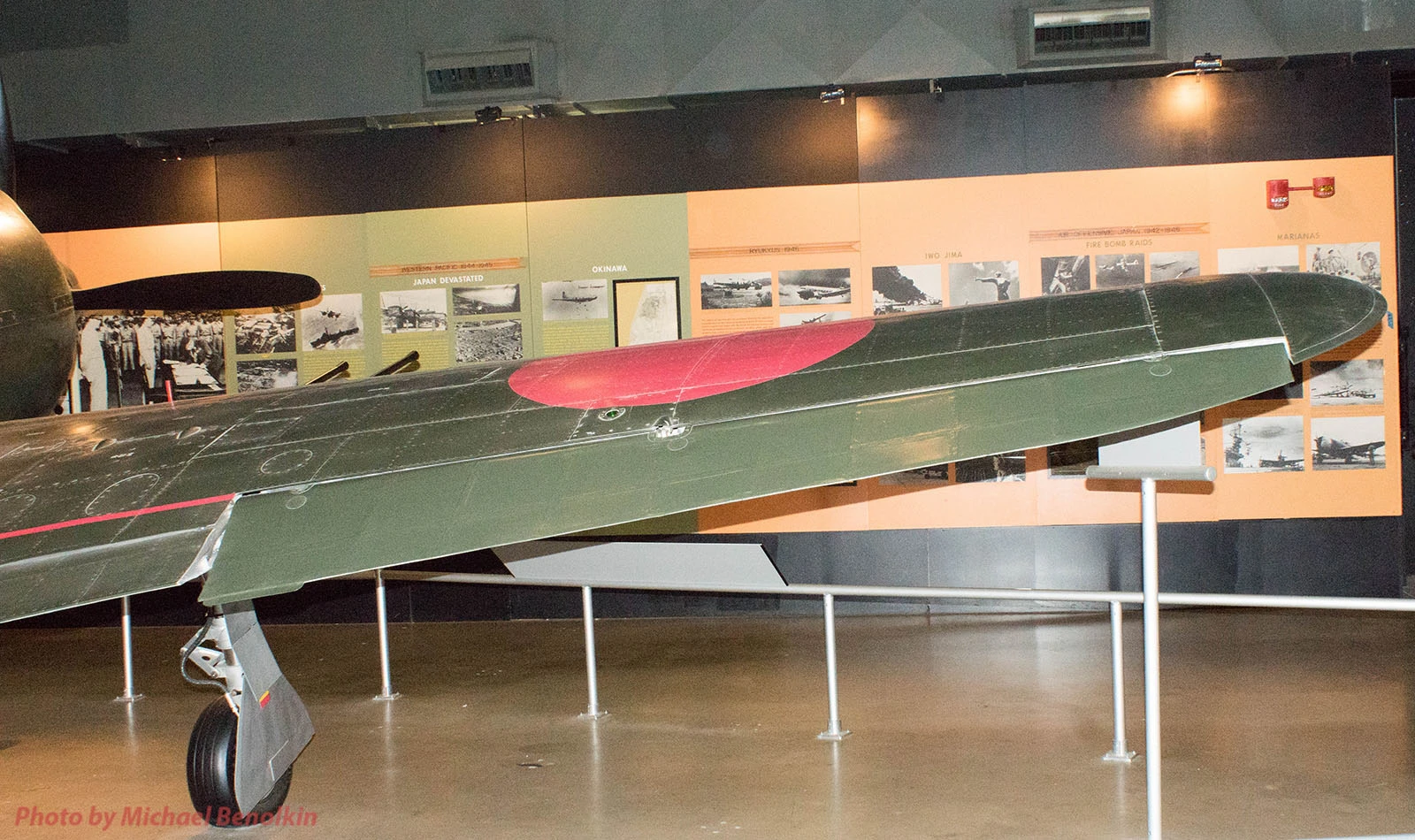
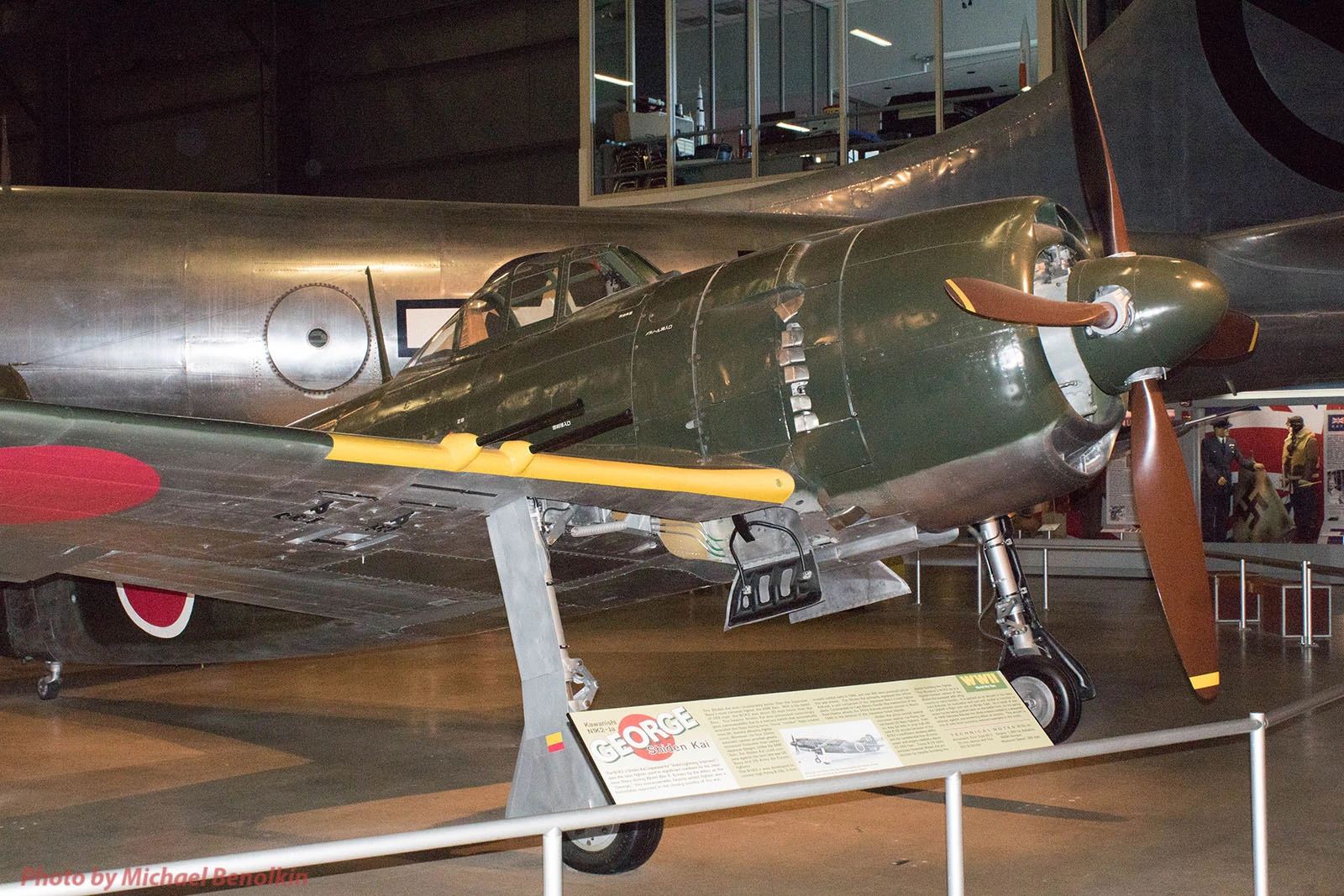
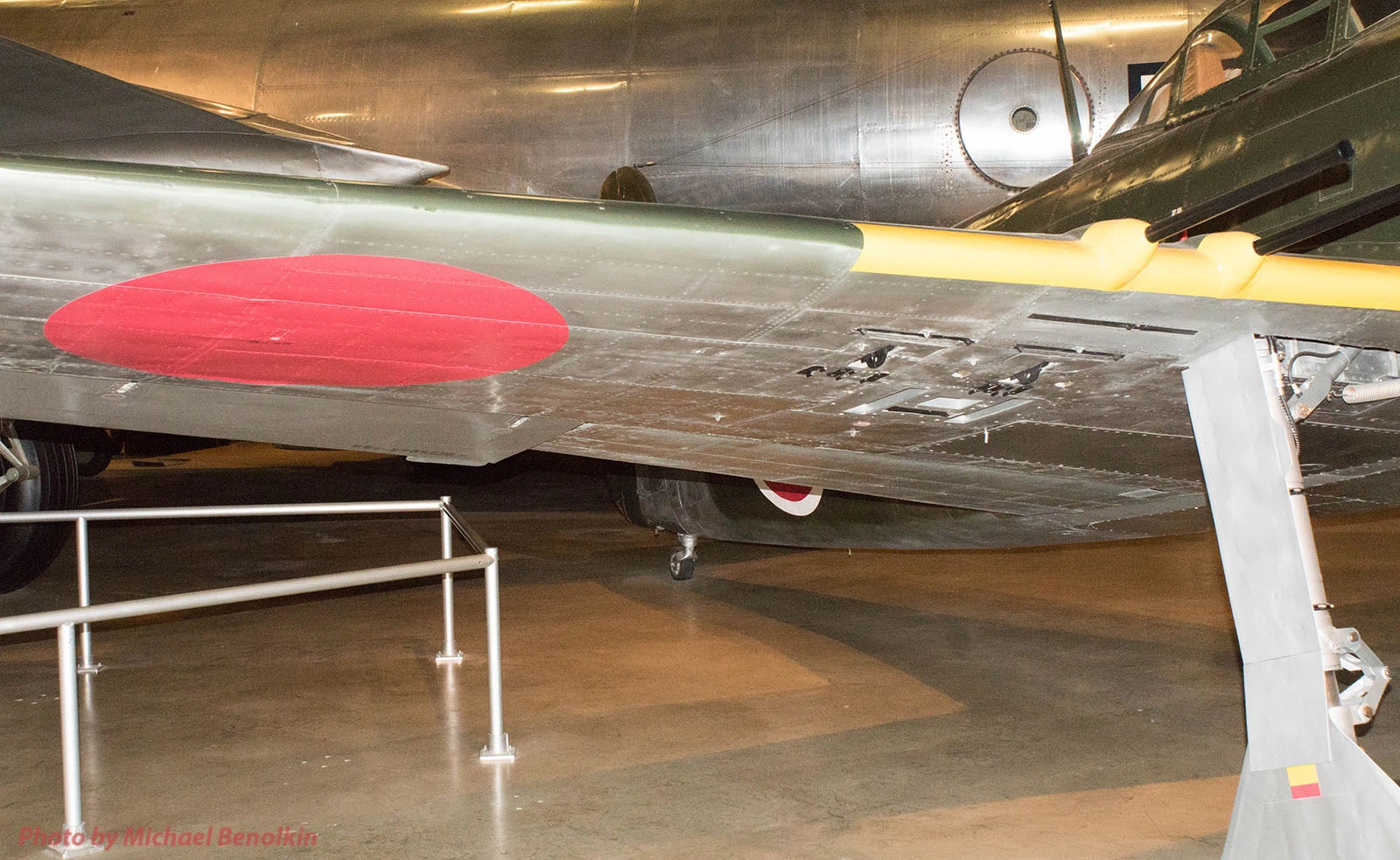
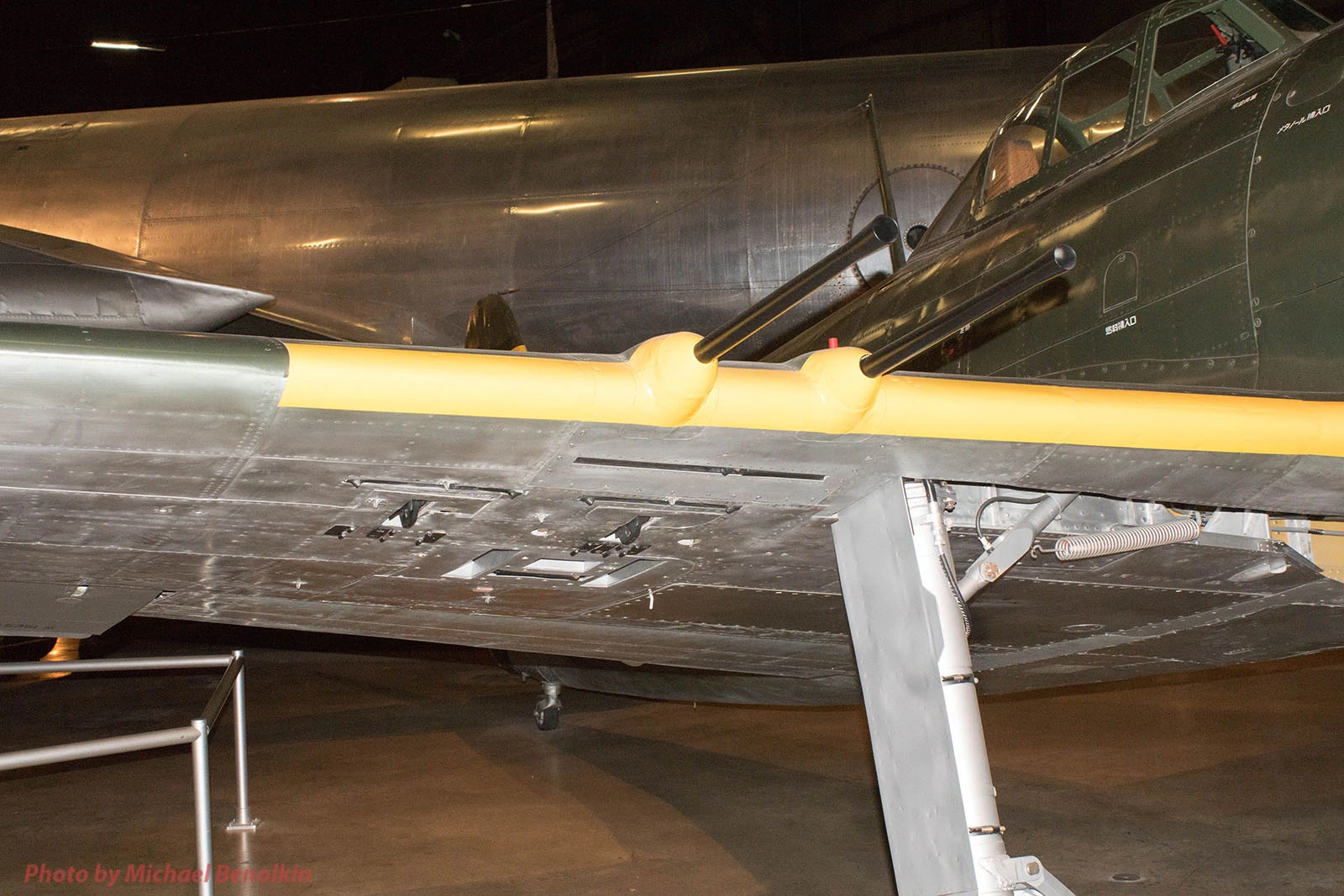
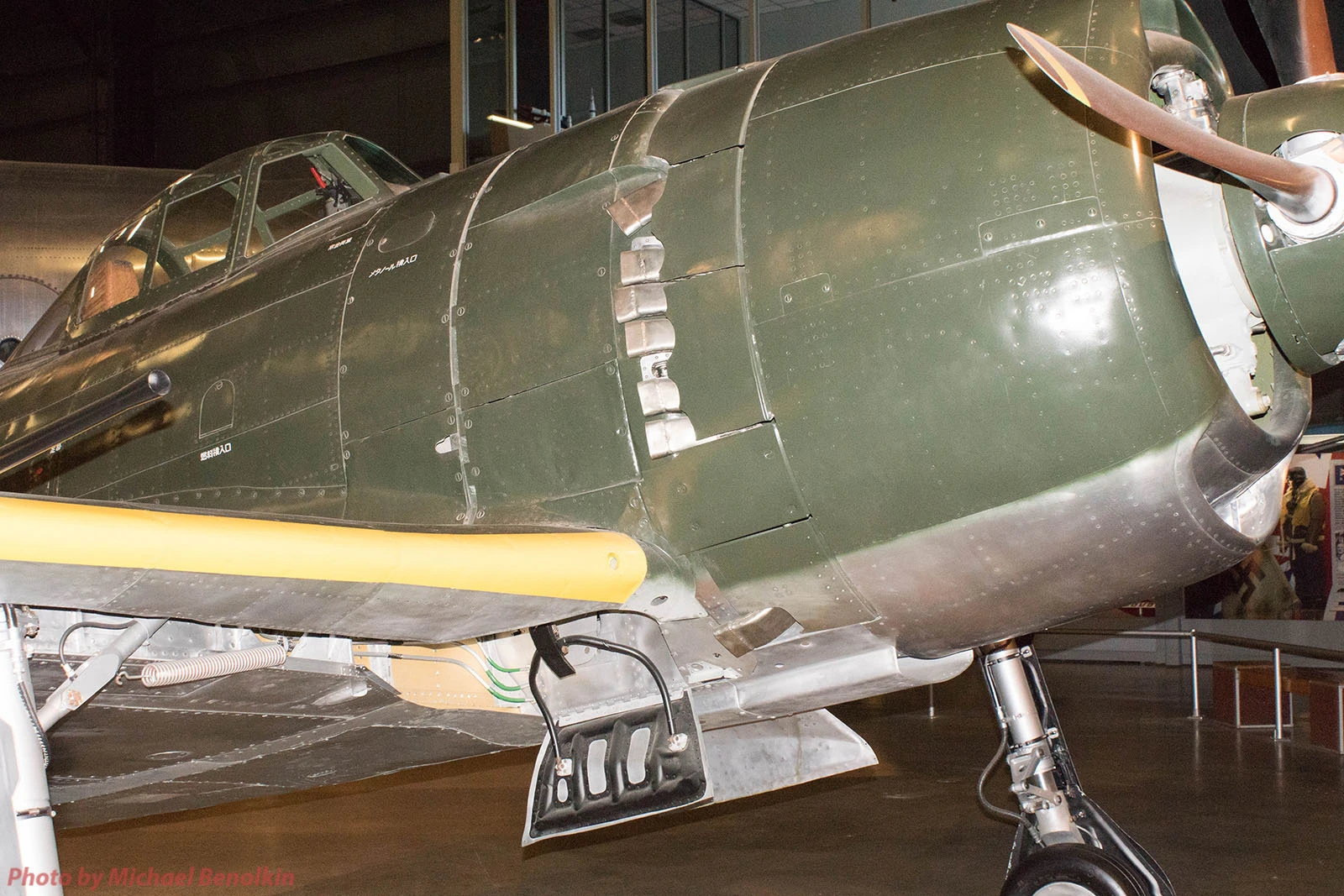
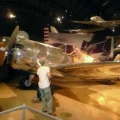
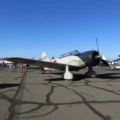
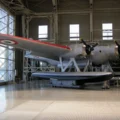
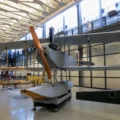
照片库的 川西N1K2-J,
The Kawanishi N1K Kyōfū (強風 “strong wind”, Allied reporting name “Rex”) was an Imperial Japanese Navy floatplane fighter. The Kawanishi N1K-J Shiden (紫電 “Violet Lightning”) was an Imperial Japanese Navy Air Service land-based version of the N1K. Assigned the Allied codename “George”, the N1K-J was considered by both its pilots and opponents to be one of the finest land-based fighters flown by the Japanese during World War II.
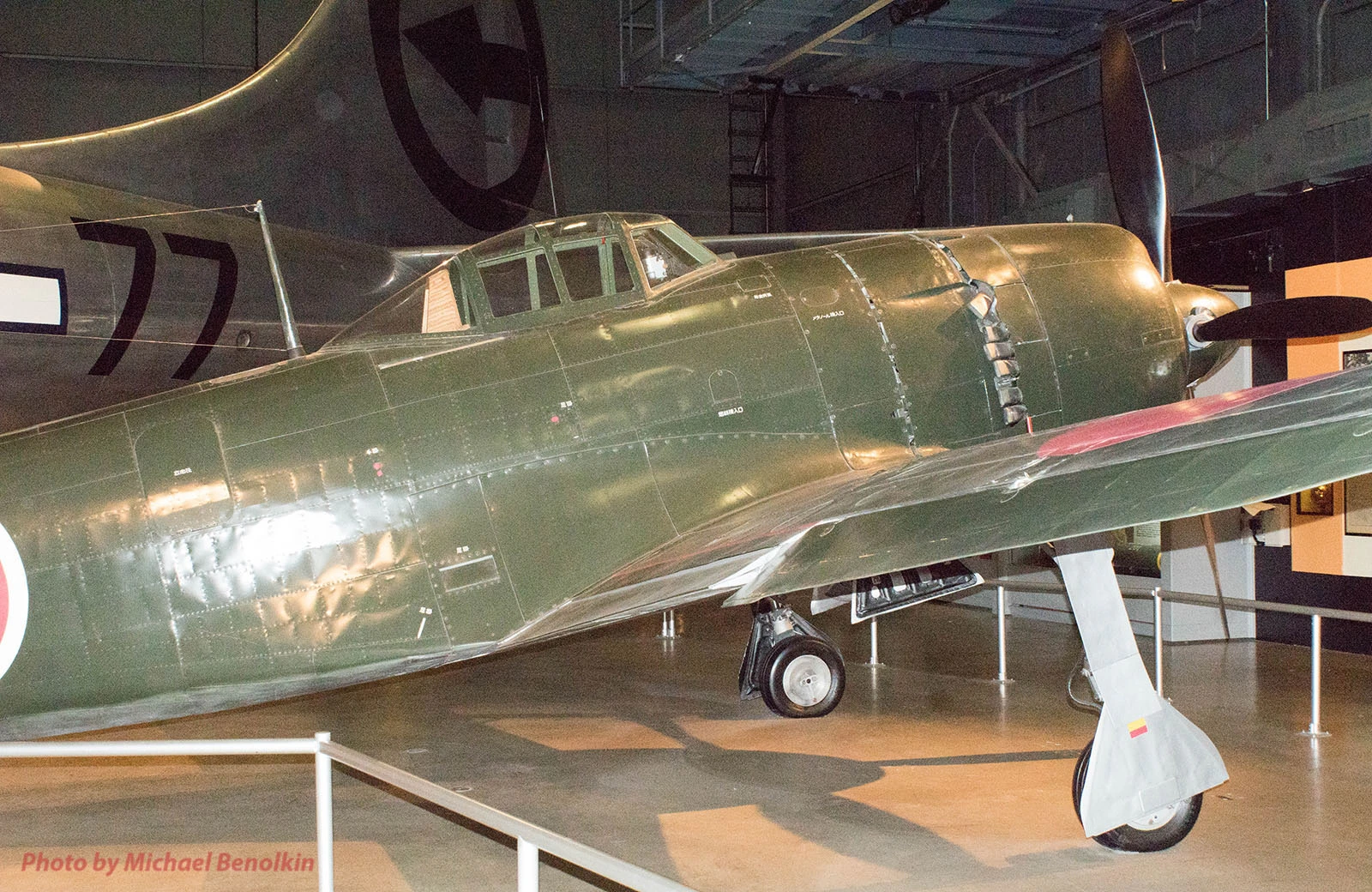
这 N1K2-J Shiden Kai(Allied reporting name: “George”) was perhaps the most capable fighter the Imperial Japanese Navy ever fielded. In a rare reversal of aviation design, it was adapted from a floatplane fighter (the N1KKyofu). While early land-based versions (N1K1-J) suffered from unreliable engines and fragile, overly long landing gear, the redesignedN1K2-Jmoved the wings to a low position and simplified the structure. This resulted in a rugged, heavily armed interceptor that could finally meet the Hellcat and Corsair on equal—and often superior—terms.
Attribute
Technical Specification (N1K2-J)
作用
Land-based Interceptor / Fighter
船员
1 (Pilot)
主要武器装备
4 × 20 mm Type 99 Model 2 cannons (wing-mounted)
发动机
Nakajima NK9H Homare 21 (1,990 hp)
最高速度
594 km/h (369 mph) at 5,600 m
Service Ceiling
10,760 m (35,300 ft)
Maneuverability
High (Aided by automatic combat flaps)
Combat Weight
4,000 kg (8,818 lbs)
Engineering: The Mercury Switch
Automatic Combat Flaps:The “George” featured a revolutionary system where a mercury-filled U-tube acted as a sensor for G-loads and airspeed. This automatically deployed the flaps during tight turns, increasing lift and preventing stalls without any input from the pilot.
Simplified Construction:The “Kai” (Modified) model was designed for mass production in Japan’s failing industrial environment. It used 250kg less material than the original N1K1 and had far fewer parts, though B-29 raids eventually crippled its production numbers.
The “Homare” Struggle:The Nakajima Homare engine was a masterclass in power density but a nightmare for mechanics. It was prone to overheating and power loss at high altitudes, which limited the N1K2’s effectiveness against high-flying B-29 formations.
Lethal Punch:With four 20mm cannons, a single burst from the Shiden Kai could tear through the wings of a Grumman F6F or seriously damage a heavy bomber. Unlike the Zero, it also possessed self-sealing fuel tanks and pilot armor.
History: Genda’s Blade
The 343rd Kokutai:To maximize the Shiden Kai’s potential, Captain Minoru Genda (planner of the Pearl Harbor attack) formed the elite 343rd Air Group. He gathered Japan’s surviving veteran aces, creating a “Squadron of Experts” that became the most feared unit in the Japanese Navy.
March 19, 1945:In one of the war’s most famous dogfights over Shikoku, the 343rd’s Shiden Kais intercepted a massive US carrier strike. Despite being outnumbered, the Japanese pilots claimed over 50 victories, proving the N1K2-J was a deadly threat in experienced hands.
Post-War Evaluation:American test pilots who flew captured N1K2s after the war were impressed by its agility and pilot visibility. They concluded that it was a superior dogfighter to almost everything in the US inventory at medium and low altitudes.
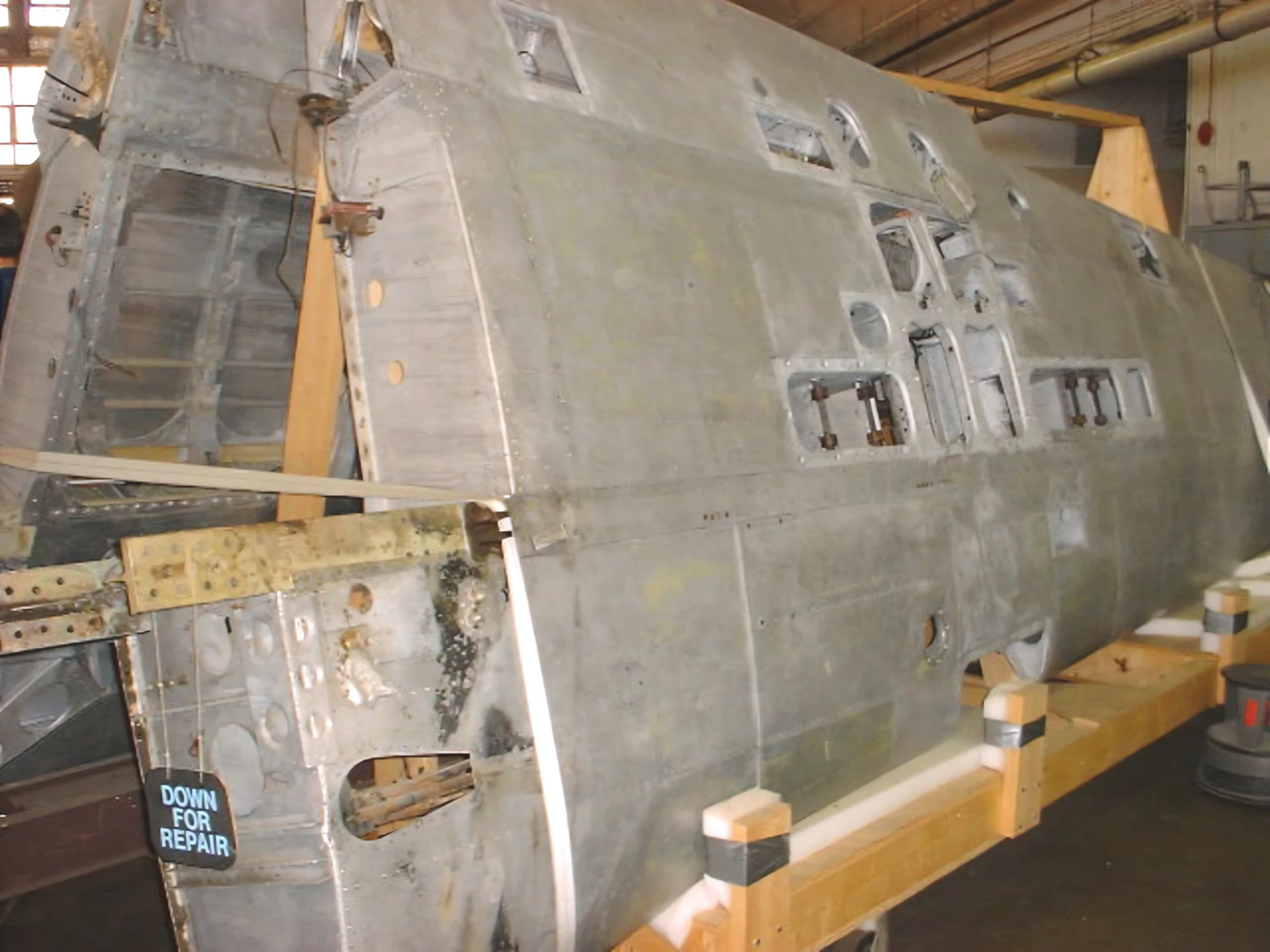
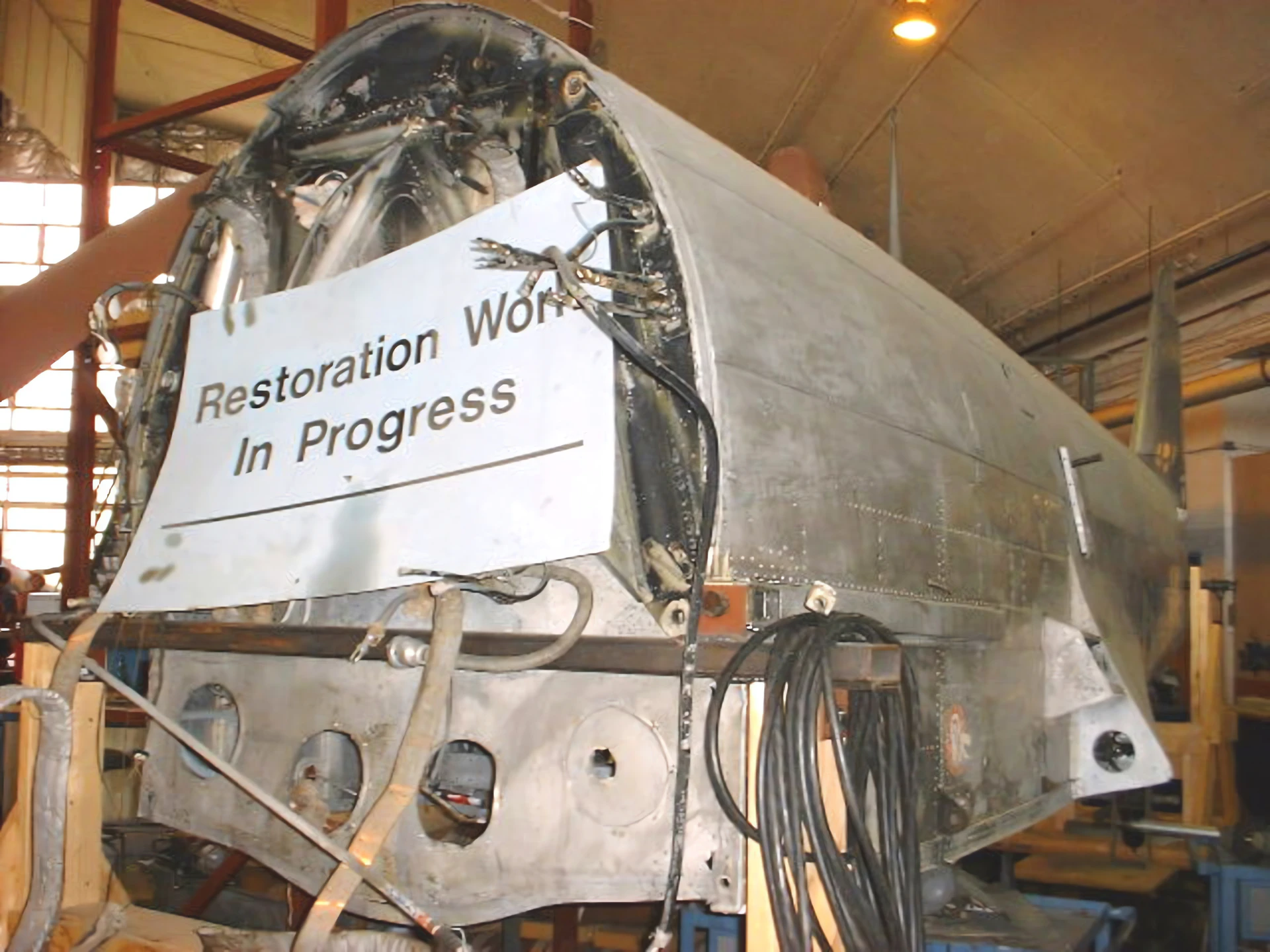
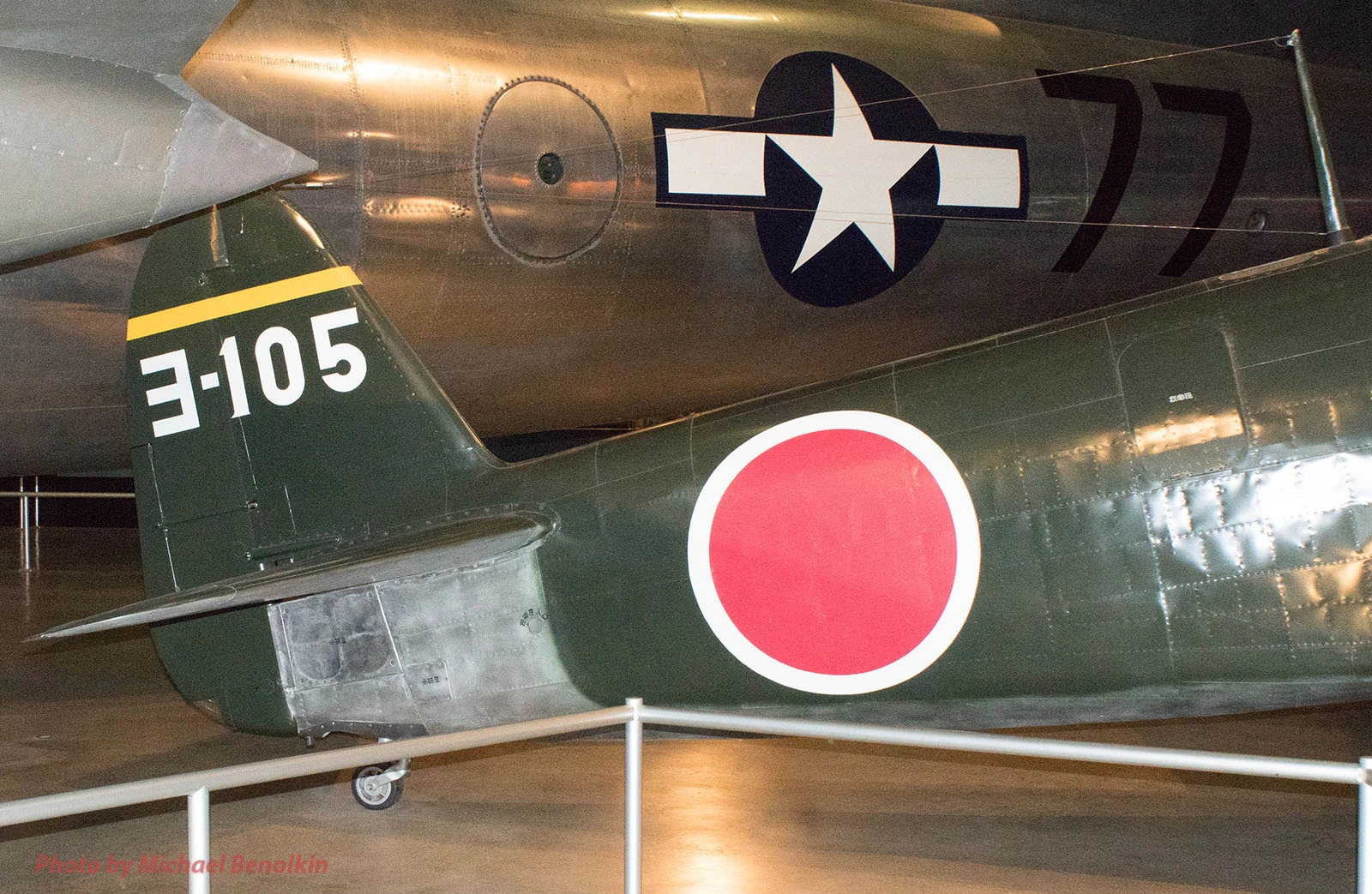
Rarity Today:Only four original Shiden Kais remain in the world today, with one notable example displayed at the National Museum of the US Air Force in Dayton, Ohio.