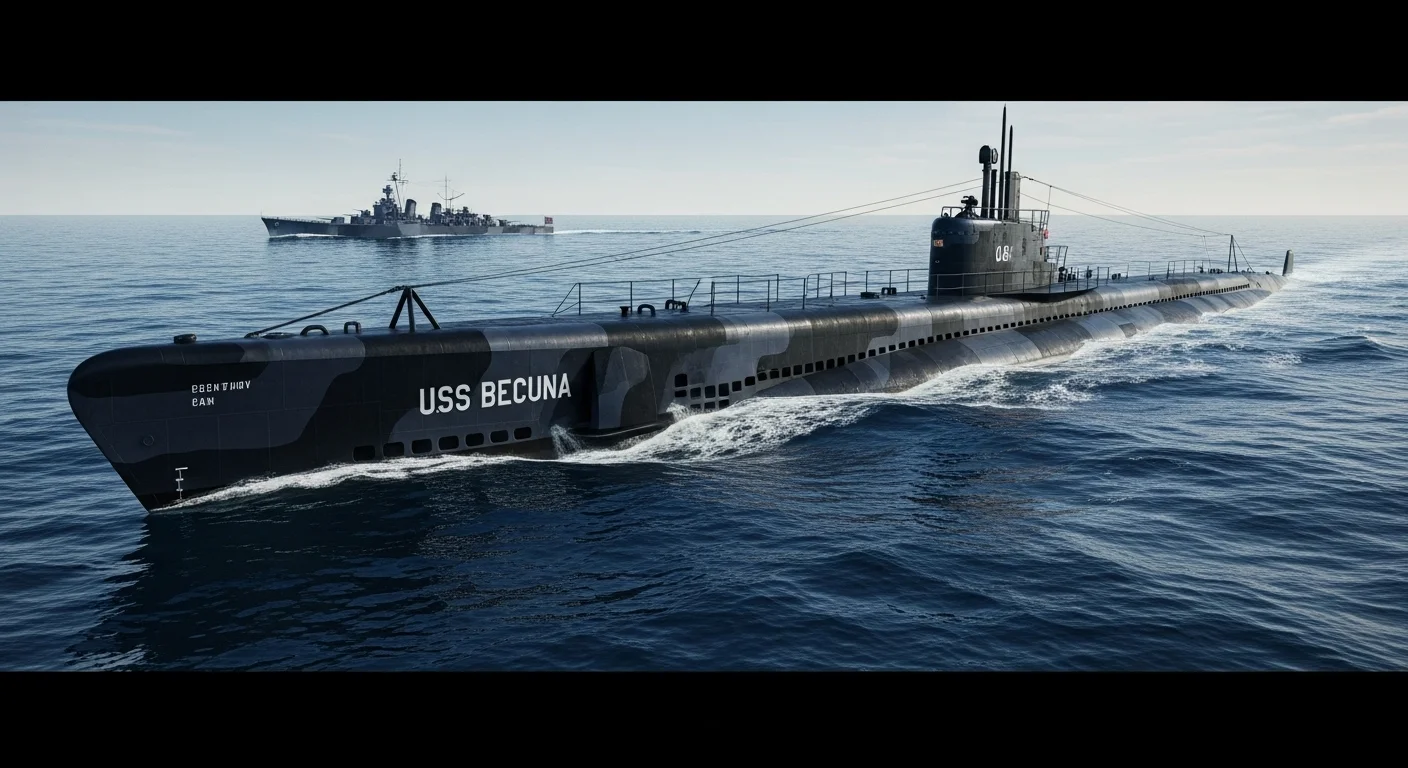
USS Becuna |
|
|---|---|
| Land | Usa |
| Klass och typ | Dieselelektrisk ubåt av Balao-klass |
| Lanserade | den 30 januari 1944 |
| Ur drift | Den 7 november 1969 |
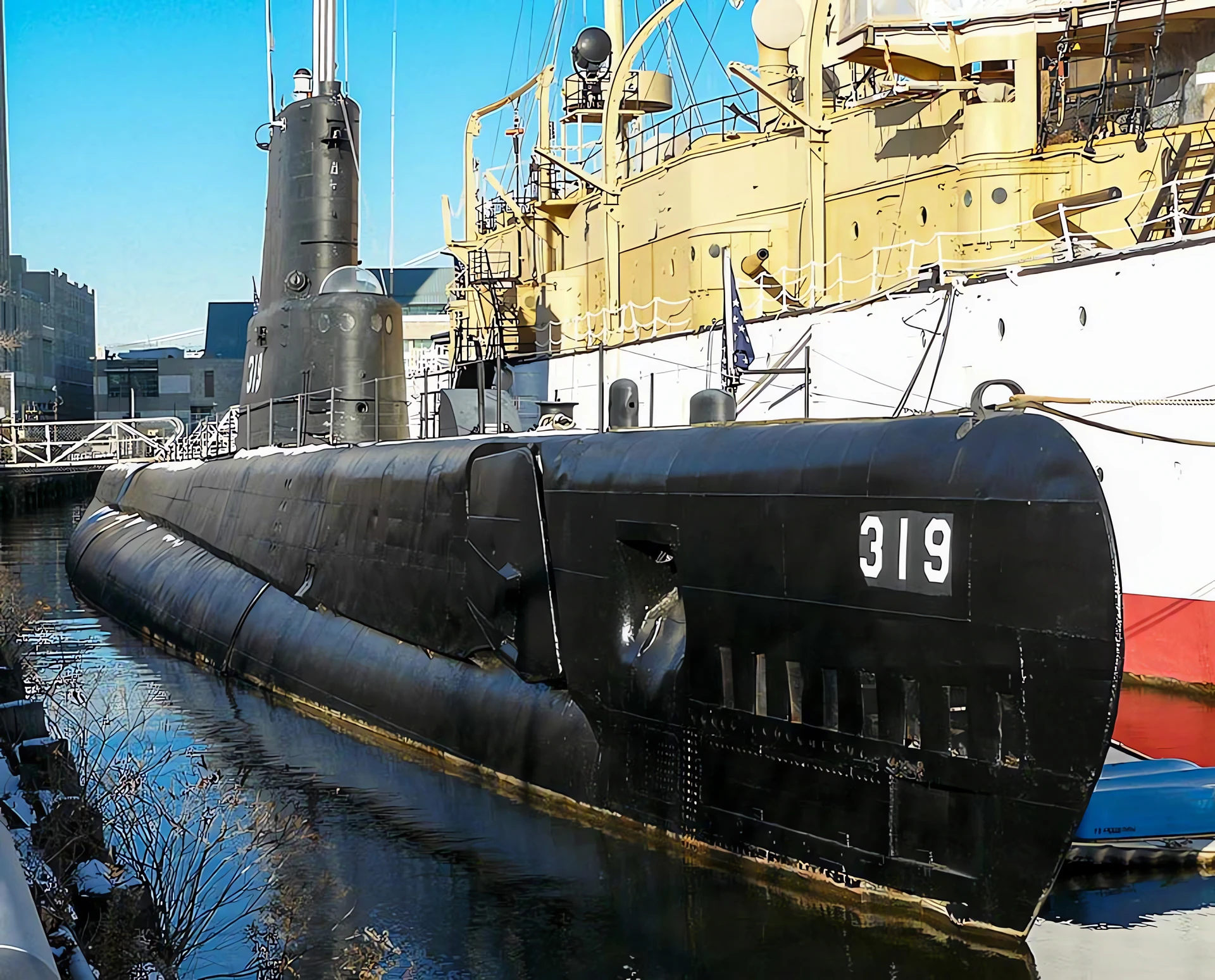
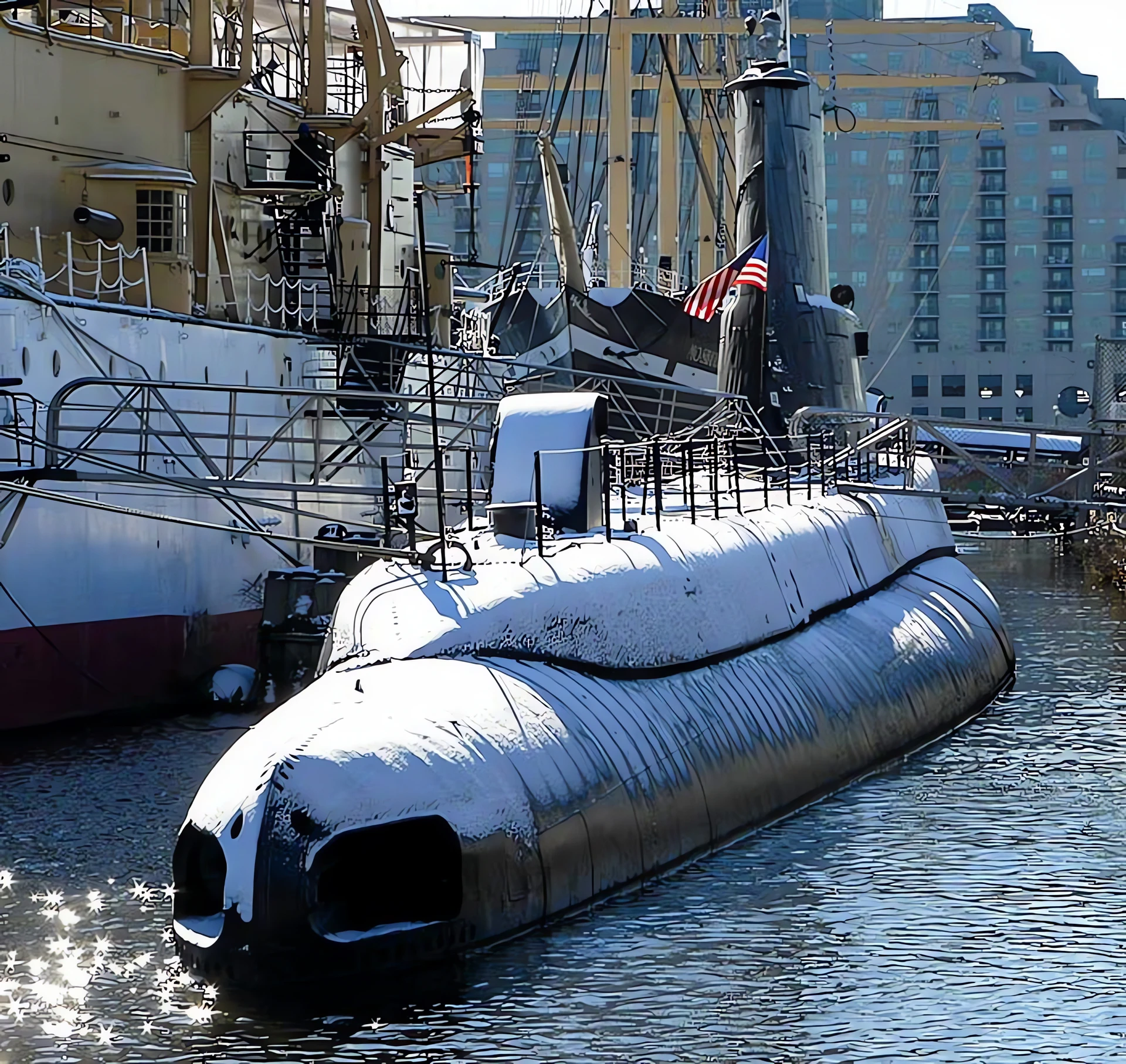
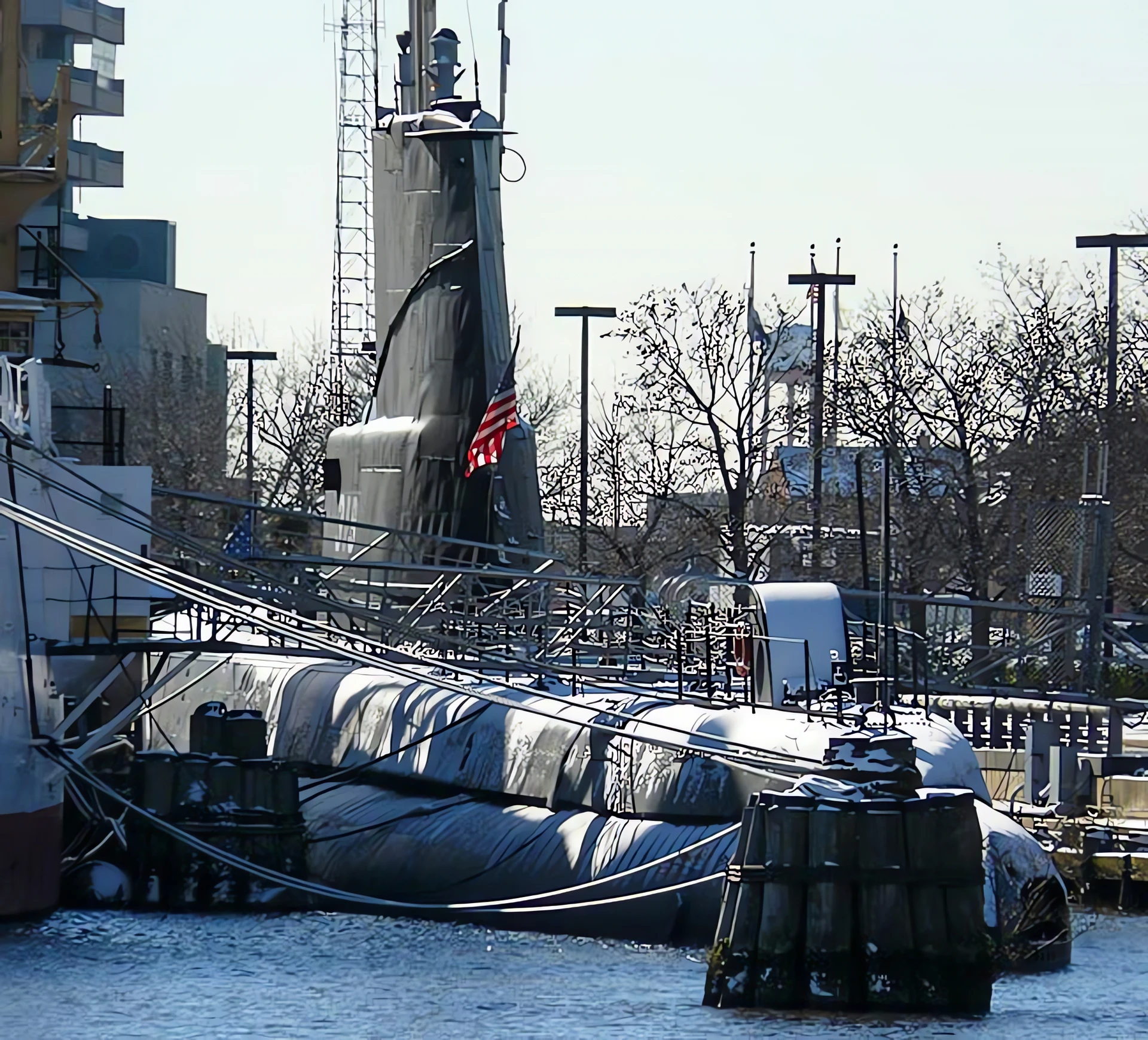
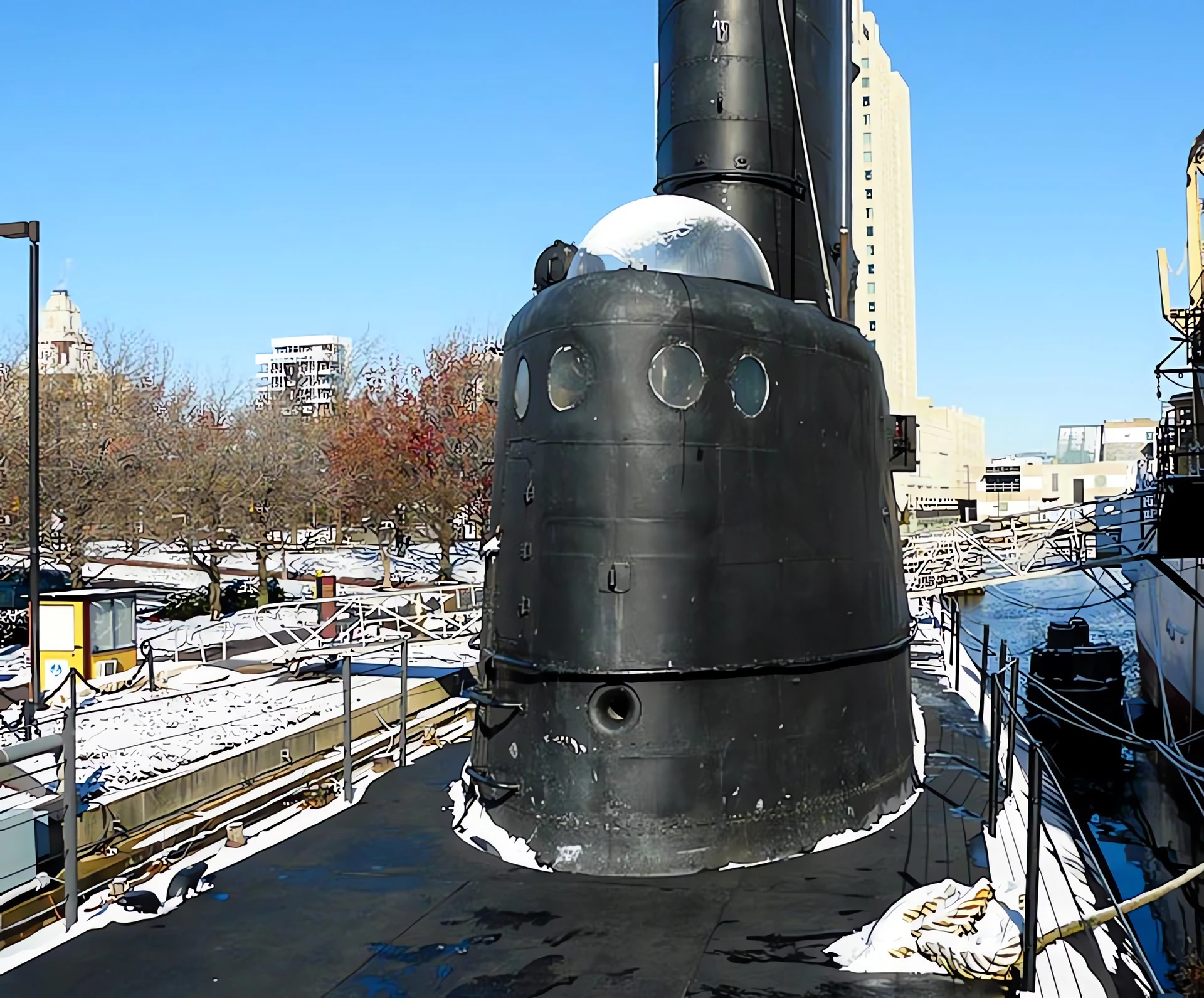
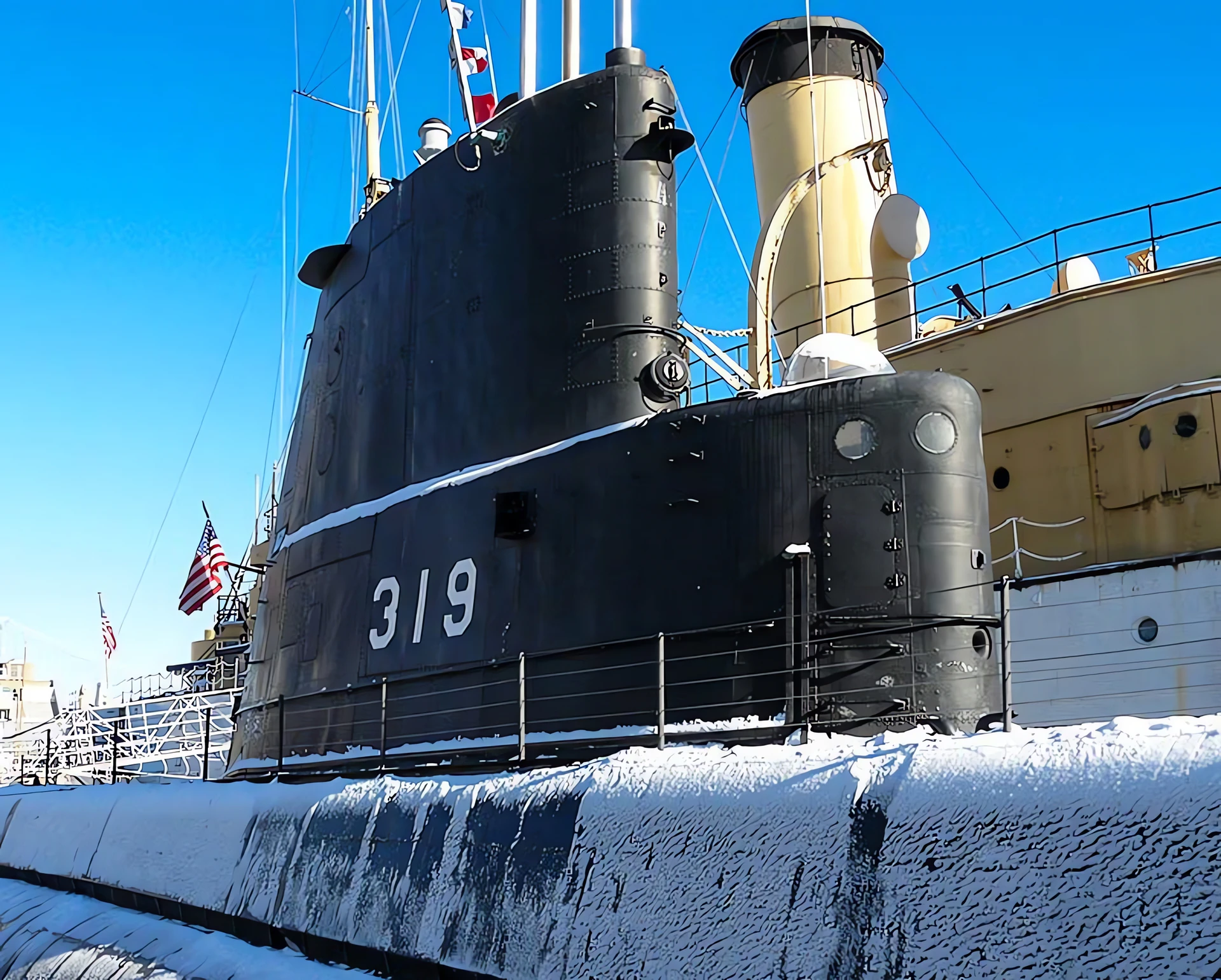
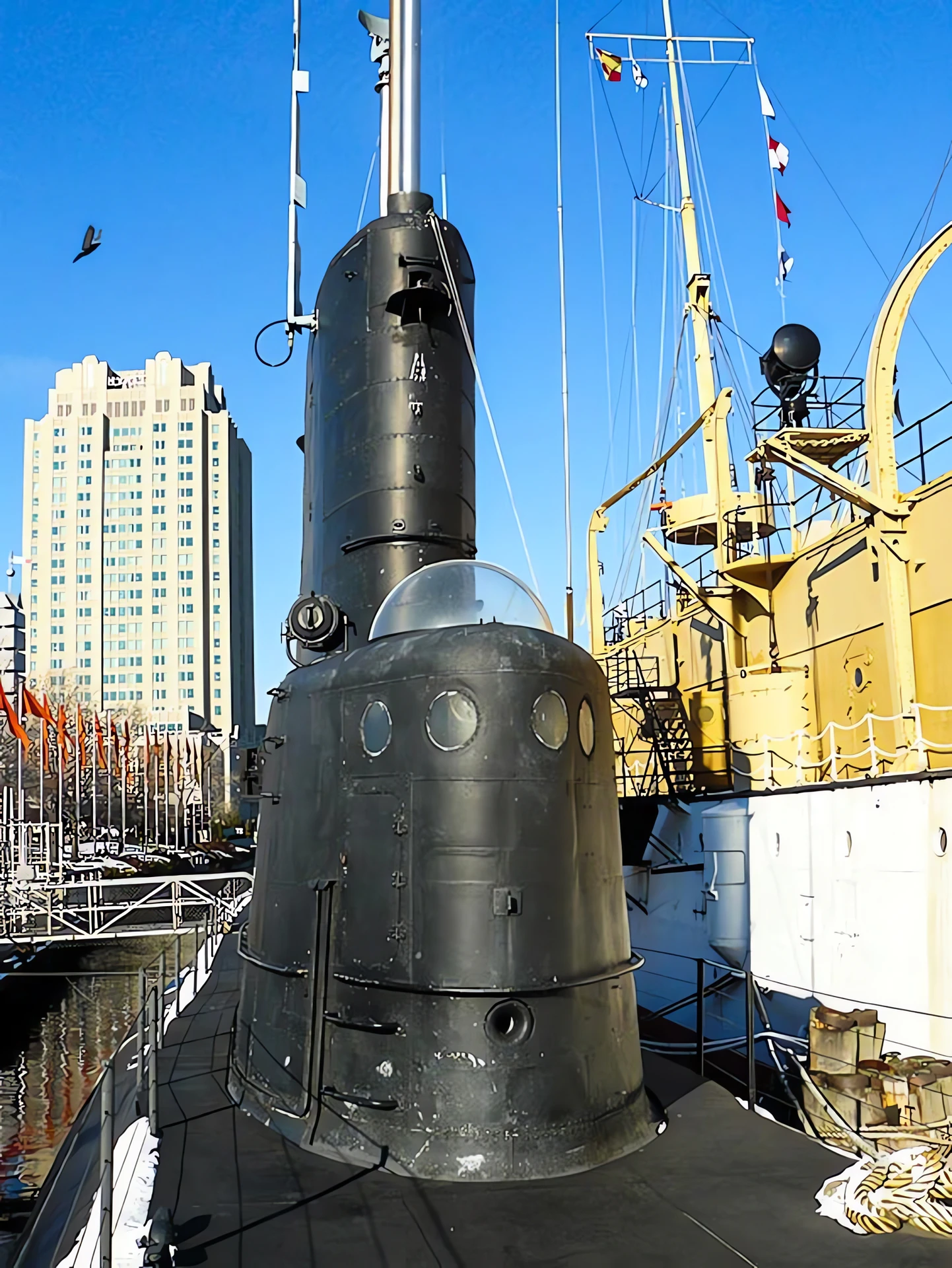
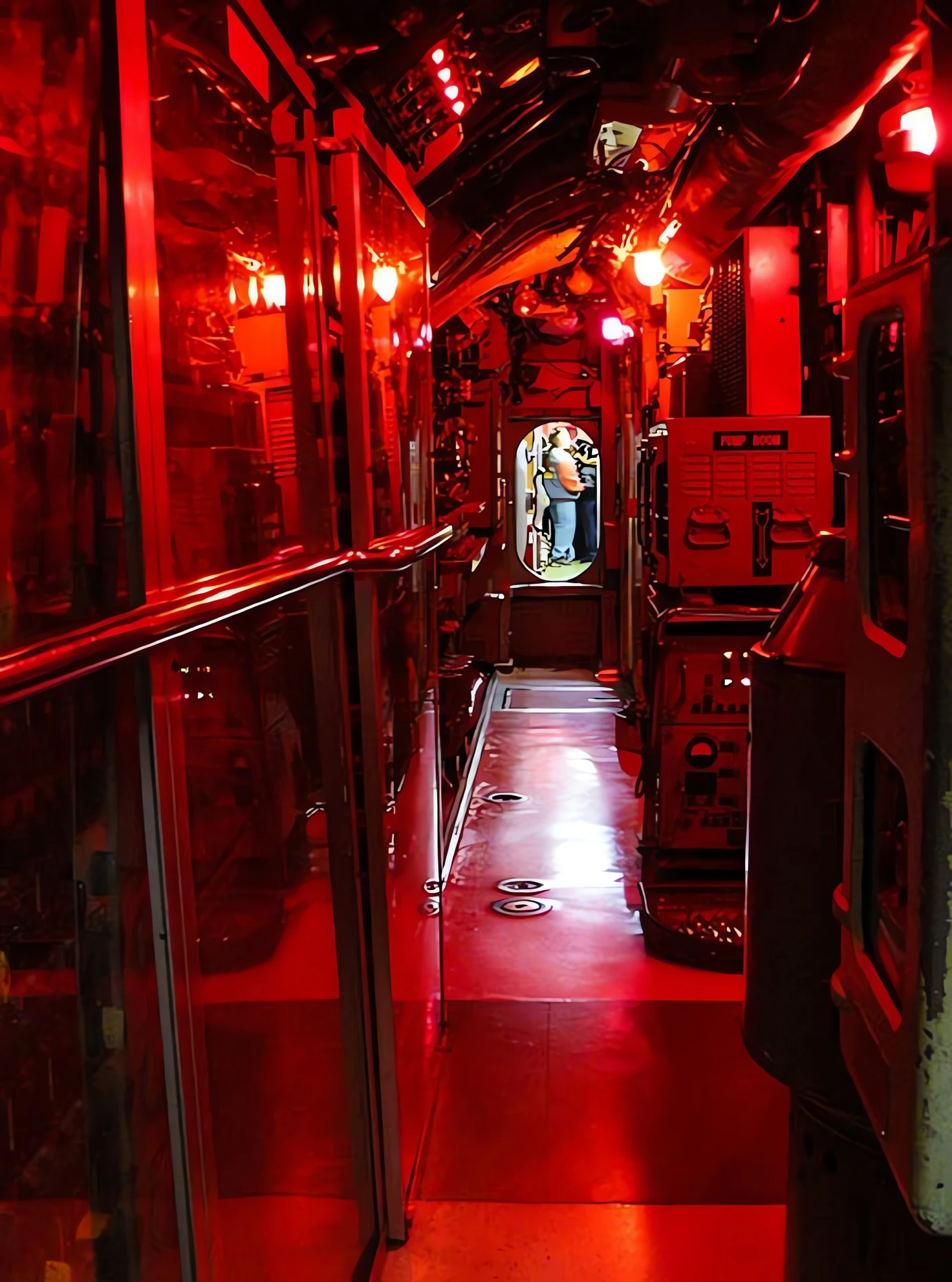
USS Becuna (SS/AGSS-319), en ubåt av Balao-klass, är ett före detta fartyg i USA:s flotta som är uppkallat efter becuna, en gäddliknande fisk i Europa. Hon utsågs till ett nationellt historiskt landmärke för sin tjänst under andra världskriget, för vilken hon fick fyra stridsstjärnor. Hon fungerar för närvarande som museifartyg på Independence Seaport Museum i Philadelphia, Pennsylvania.
Källkod: USS Becuna på Wikipedia
| USS Becuna SS-319 Walk Around | |
|---|---|
| Fotograf | Räkning Maloney |
| Lokalisering | Unknow |
| Bilder | 164 |


Se även:


The Deep-Diving Fleet Submarine
Den USS Becuna är en Balao-class submarine, the most successful class of American submarines in World War II. Launched in 1944, the Becuna was a “fleet submarine,” designed to travel with the main battle fleet across the vast Pacific. Unlike the earlier Gato-class, the Balao-class utilized high-tensile steel (HTS), allowing it to dive to depths of 400 feet (120m), significantly safer from Japanese depth charges.
| Attribute | Technical Specification (WWII Configuration) |
|---|---|
| Klass | Balao-class Diesel-Electric Submarine |
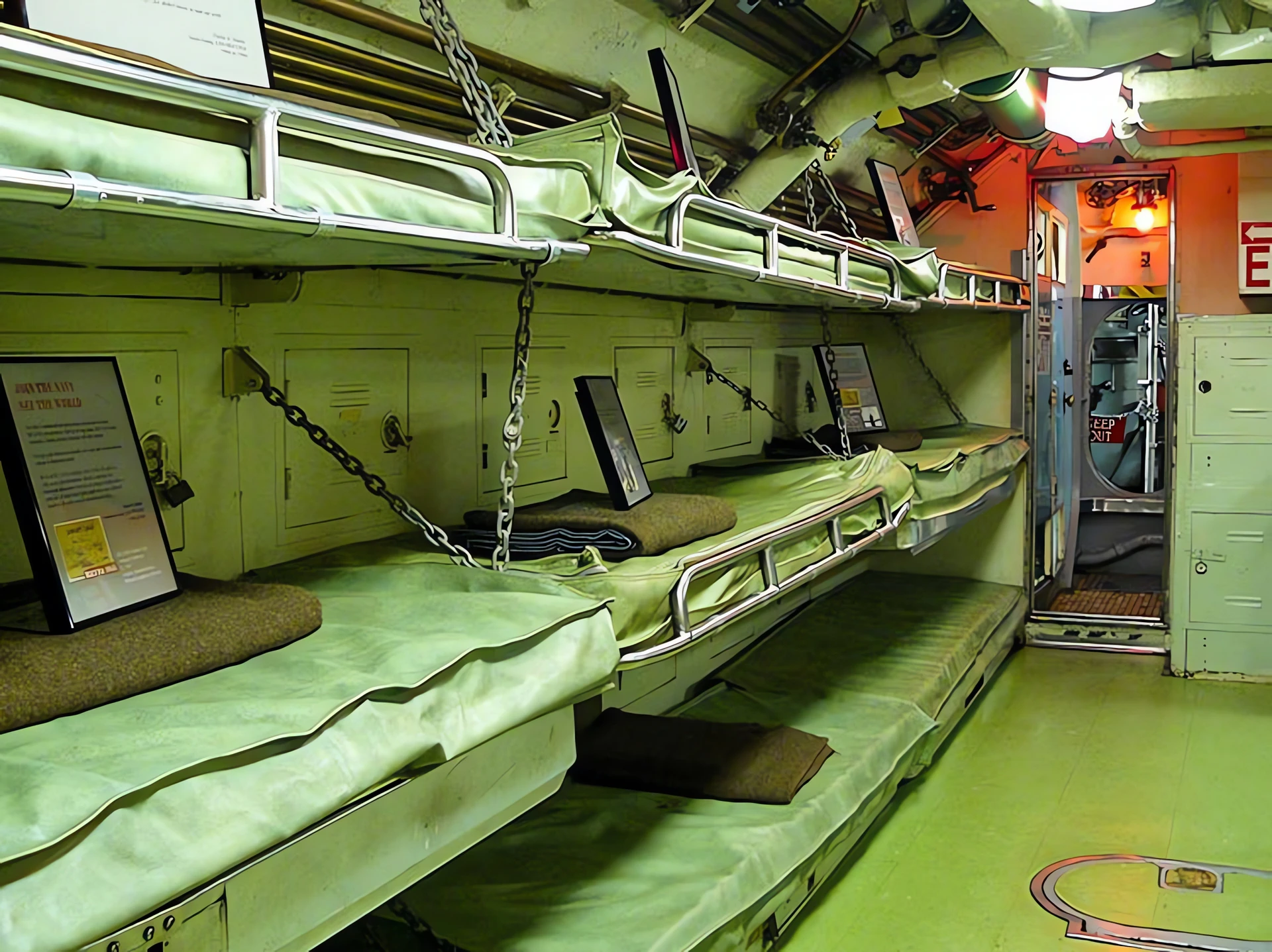
| besättning | 10 Officers, 70-72 Enlisted |
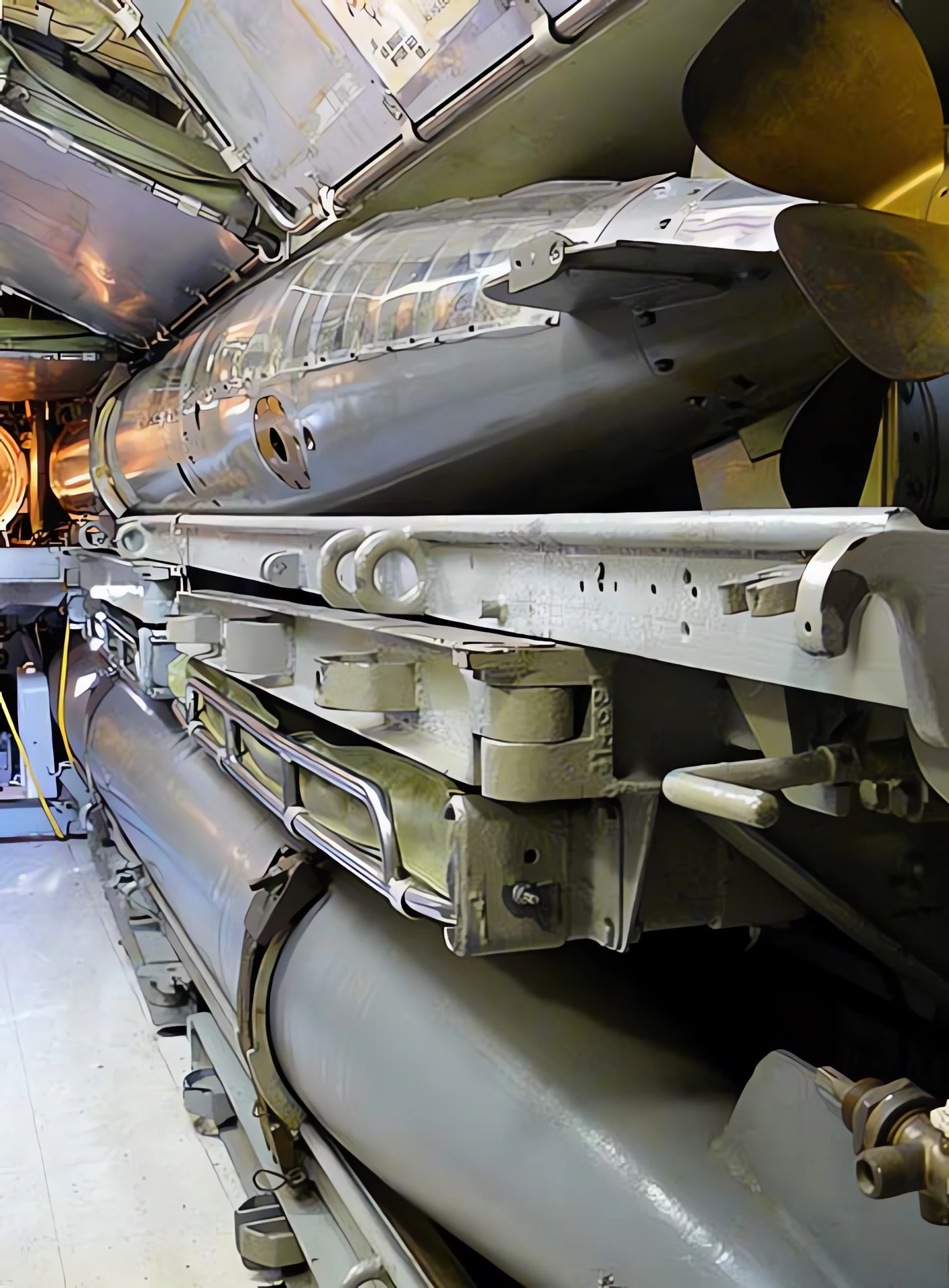
| Main Armament | 10 × 21-inch (533 mm) Torpedo Tubes (6 forward, 4 aft) |
| Deck Gun | 1 × 5-inch / 25 caliber dual-purpose gun |
| Kraftverk | 4 × Fairbanks-Morse Diesel Engines; 4 × Elliott Electric Motors |
| Surface Speed | 20.25 knots (37.5 km/h) |
| Submerged Speed | 8.75 knots (16 km/h) |
| Test Depth | 400 feet (122 m) |
The GUPPY Modernization
- Streamlining the Hull: In 1951, the Becuna underwent a GUPPY IA (Greater Underwater Propulsive Power) conversion. This removed the deck guns and replaced the bulky WWII bridge with a streamlined “sail” to reduce underwater drag.
- Snorkel System: The conversion added a “snorkel” (inspired by German technology), which allowed the submarine to run its diesel engines and recharge batteries while submerged at periscope depth.
- Battery Upgrades: The internal “Sargo” batteries were replaced with much larger, high-capacity battery banks, nearly doubling the boat’s submerged endurance and speed.
- Sonar Evolution: Her radar and sonar systems were upgraded throughout the 1950s and 60s, transitioning her from a surface-running raider to a true underwater Cold War interceptor.
Service and Preservation
- WWII Combat: During her five war patrols, the Becuna was credited with sinking several Japanese merchant ships and tankers, totaling thousands of tons, earning two battle stars.
- Cold War Role: Post-GUPPY, she operated primarily in the Atlantic and Mediterranean, tracking Soviet naval movements and participating in NATO exercises until her decommissioning in 1969.
- Museum Ship: Today, the Becuna is a National Historic Landmark. She is preserved at the Independence Seaport Museum in Philadelphia, Pennsylvania, where she is moored alongside the Spanish-American War cruiser USS Olympia.
Visningar: 1233
Du kan också se:
 USS Cod – Foton och videor
 USS Requin SS-481 – Foton och videor
 USS Croaker – Foton och videor
 Intelligent Whale – Foton &; Videor
 USS Pampanito (SS-383) – Foton och videor
 Seehund – Foton & Videos
 USS Blueback (SS-581) – Foton &; Video
 USS Bowfin SS-287 – Foton och video
 USS Lionfish SS-298 – Foton &; Video
 U-505 Typ IXc U-båt – Foton &; Video