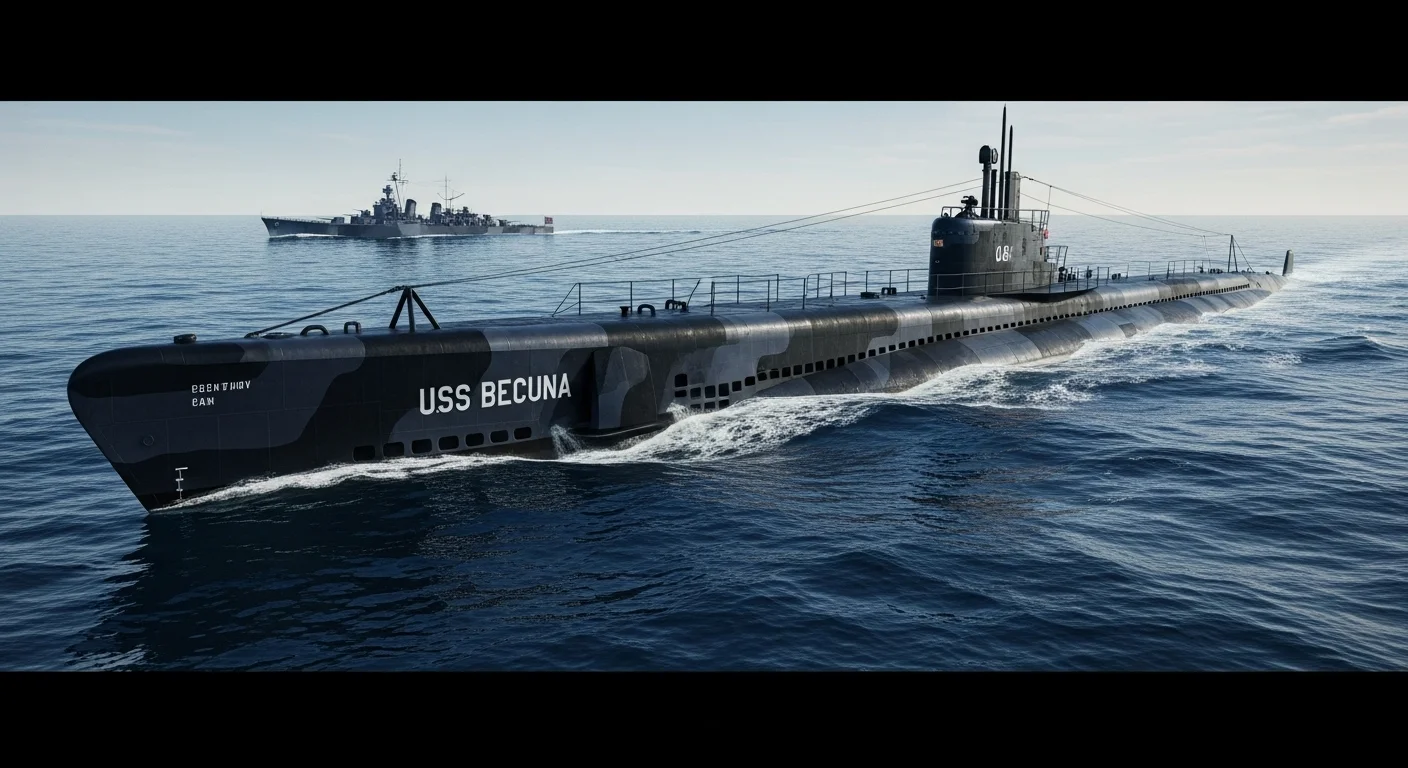
USS Becuna |
|
|---|---|
| Krajiny | Spojené štáty americké |
| Trieda a typ | Diesele elektrická ponorka triedy Balao |
| Začala | 30. januára 1944 |
| Mimo prevádzky | 7. novembra 1969 |
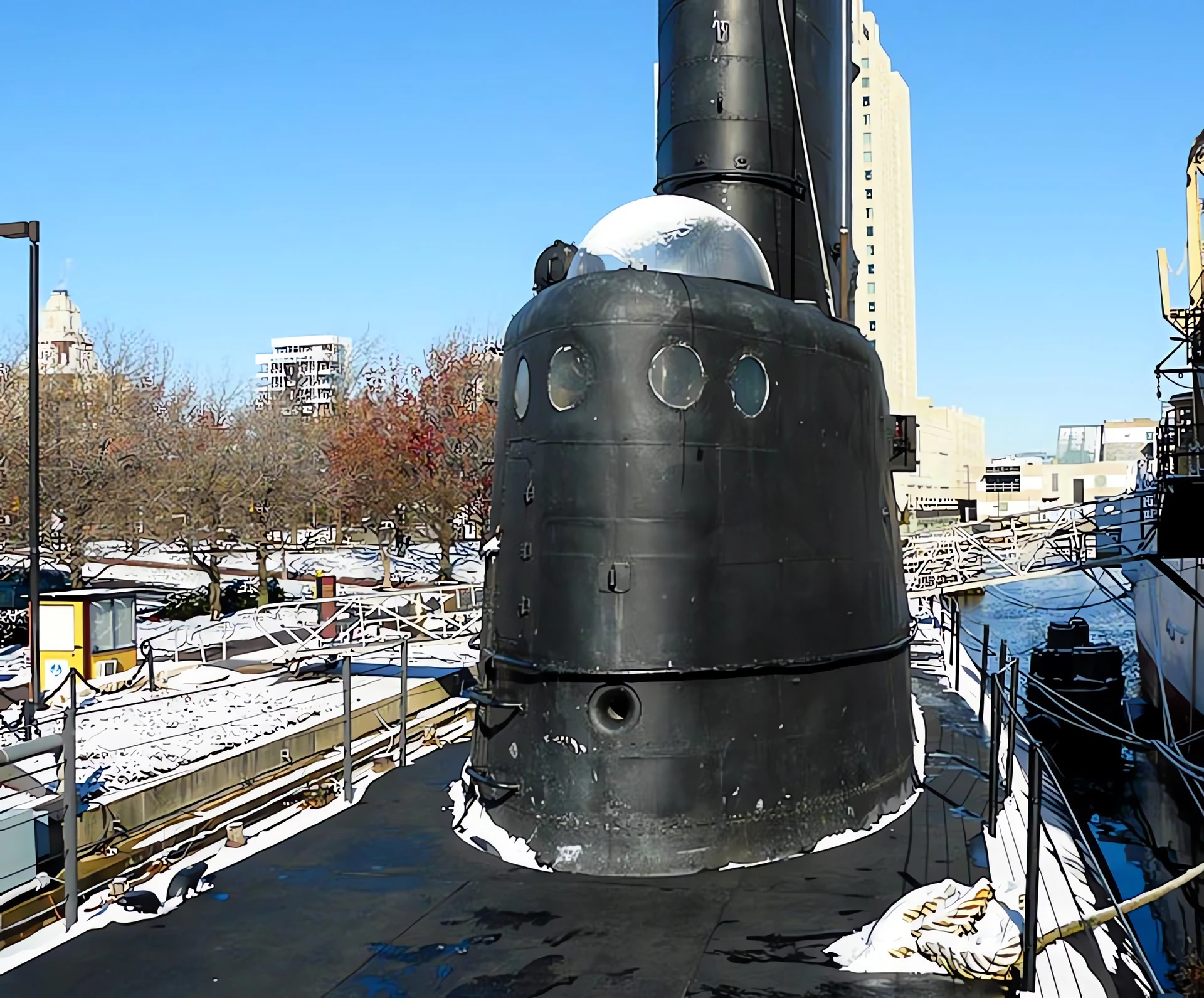
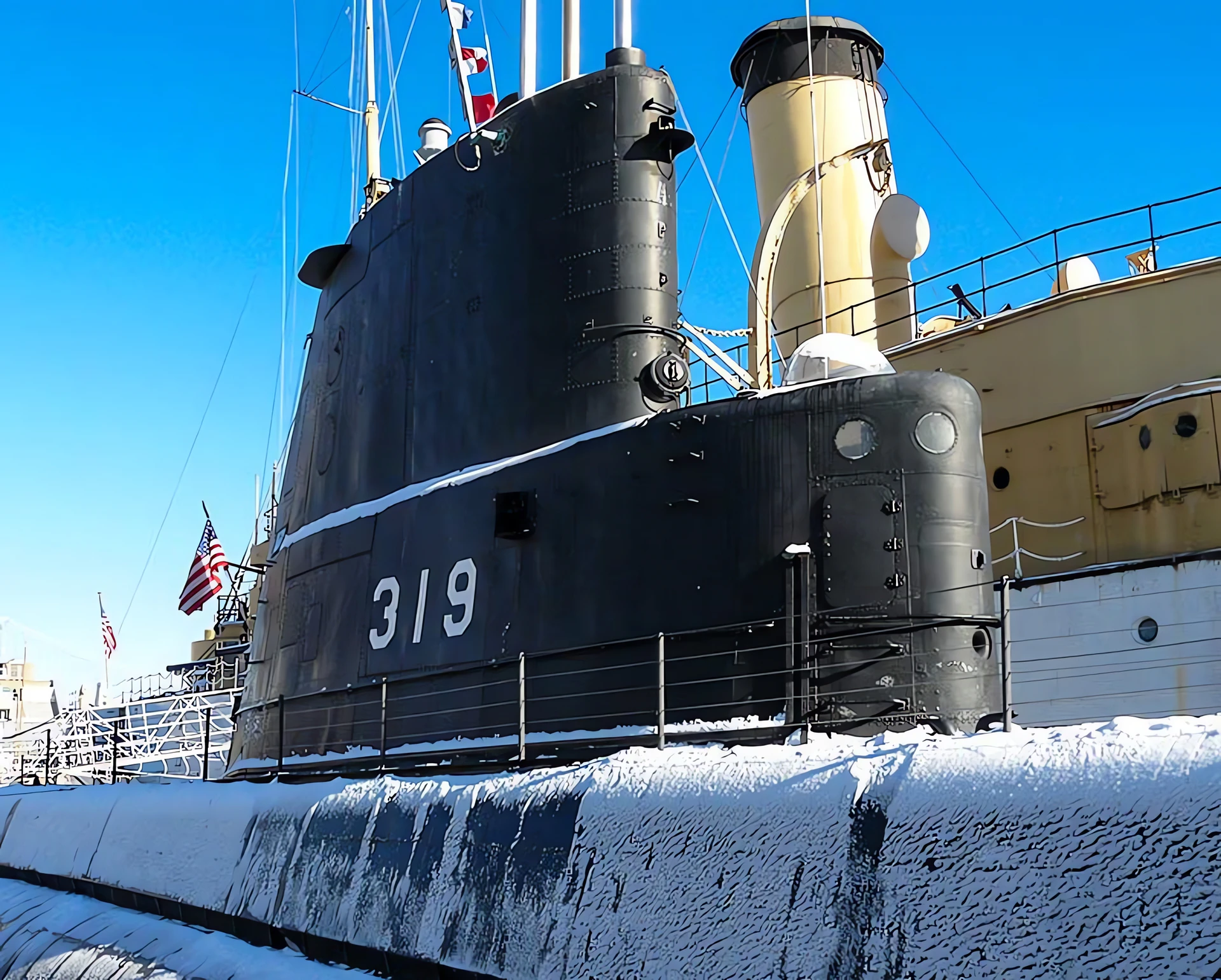
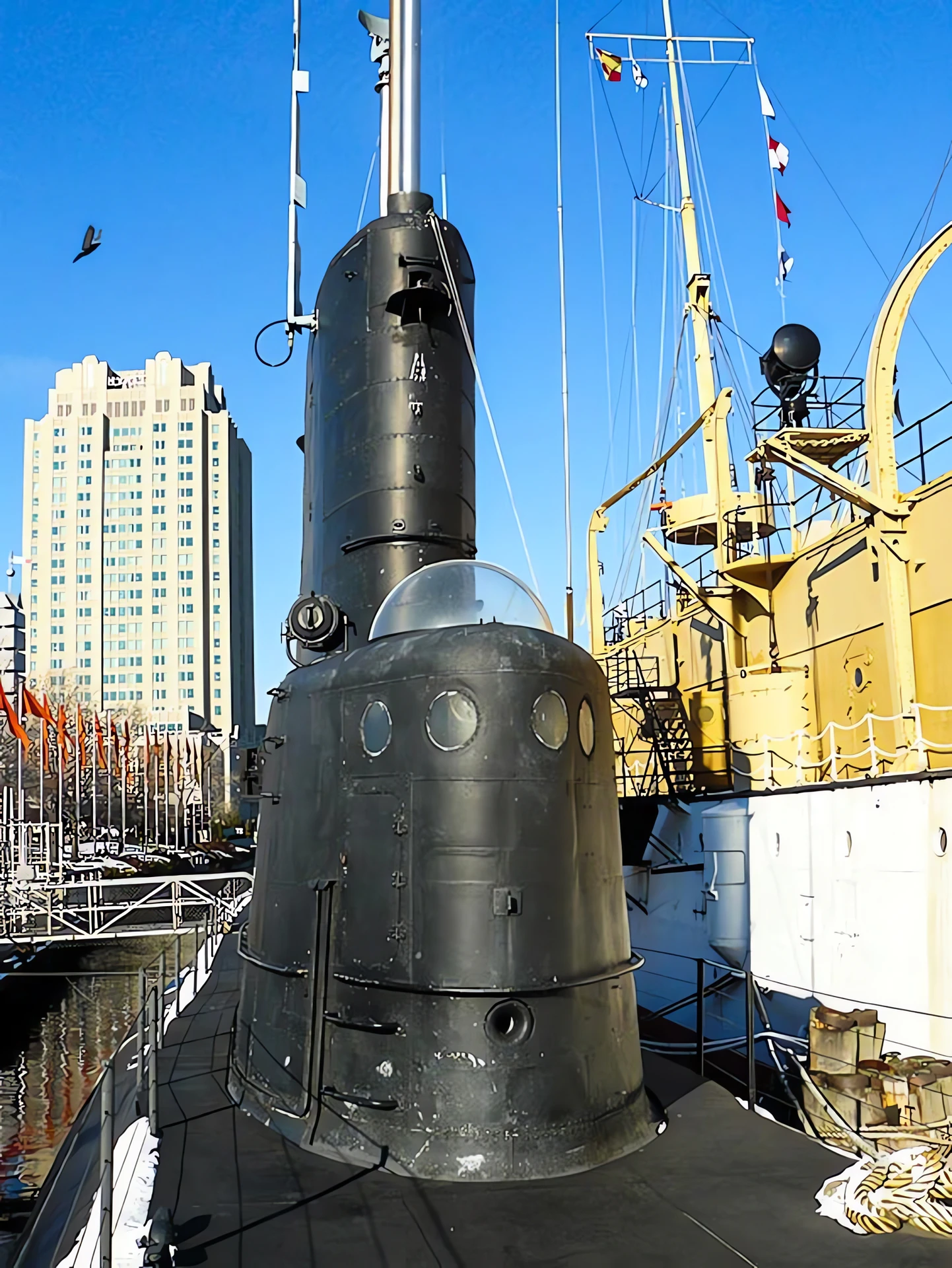
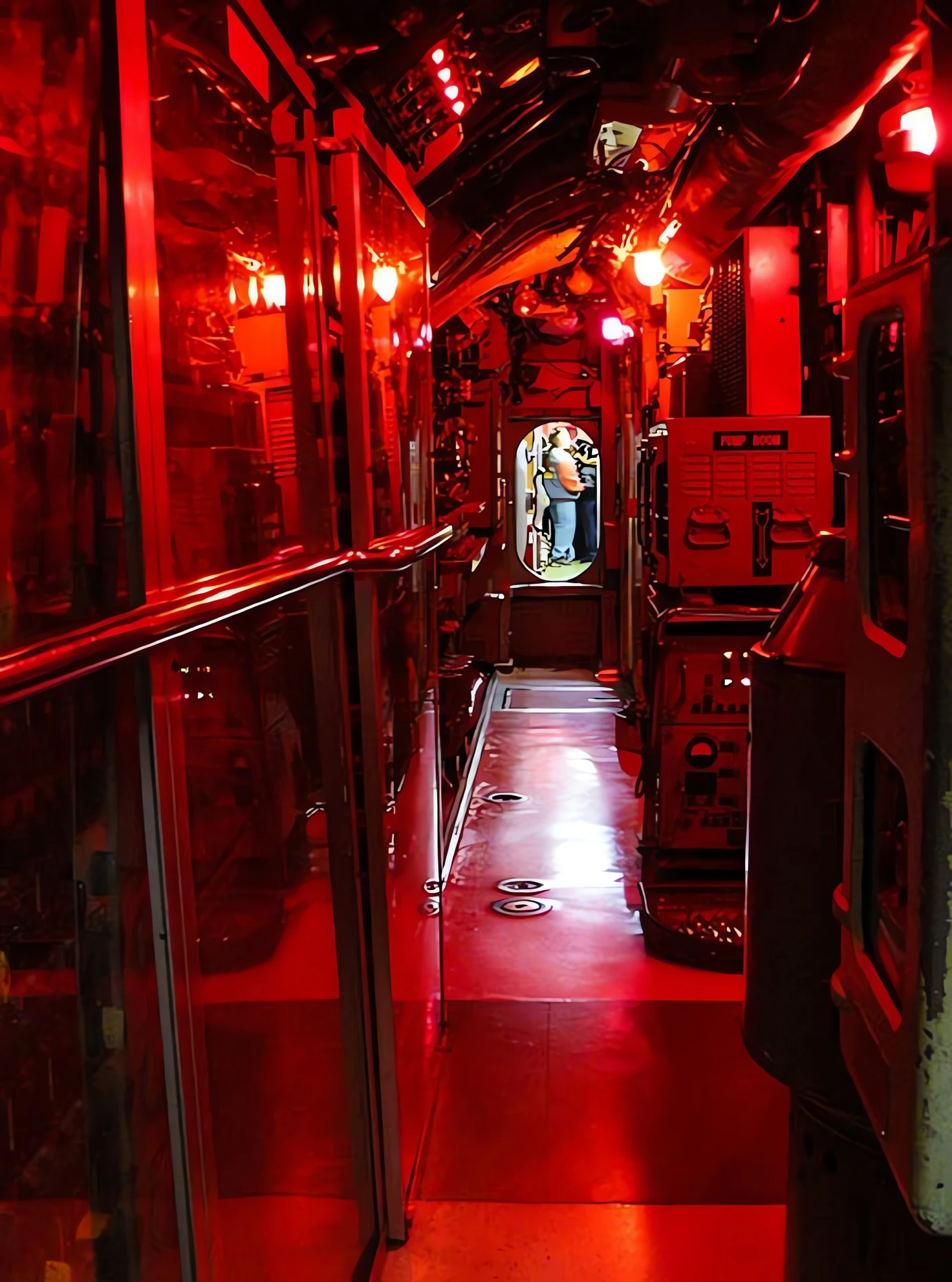
USS Becuna (SS/AGSS-319), ponorka triedy Balao, je bývalá loď amerického námorníctva pomenovaná po becune, rybe európskej šťuke. Za svoju službu v druhej svetovej vojne bola označená za Národnú historickú pamiatku, za ktorú získala štyri bojové hviezdy. V súčasnosti pôsobí ako múzejná loď v Múzeu námorného prístavu nezávislosti vo Philadelphii v Pensylvánii.
Zdrojový: USS Becuna na Wikipédii
| USS Becuna SS-319 Walk Around | |
|---|---|
| Fotograf | Bill Maloney |
| Lokalizácia | Neznáme |
| Fotografie | 164 |
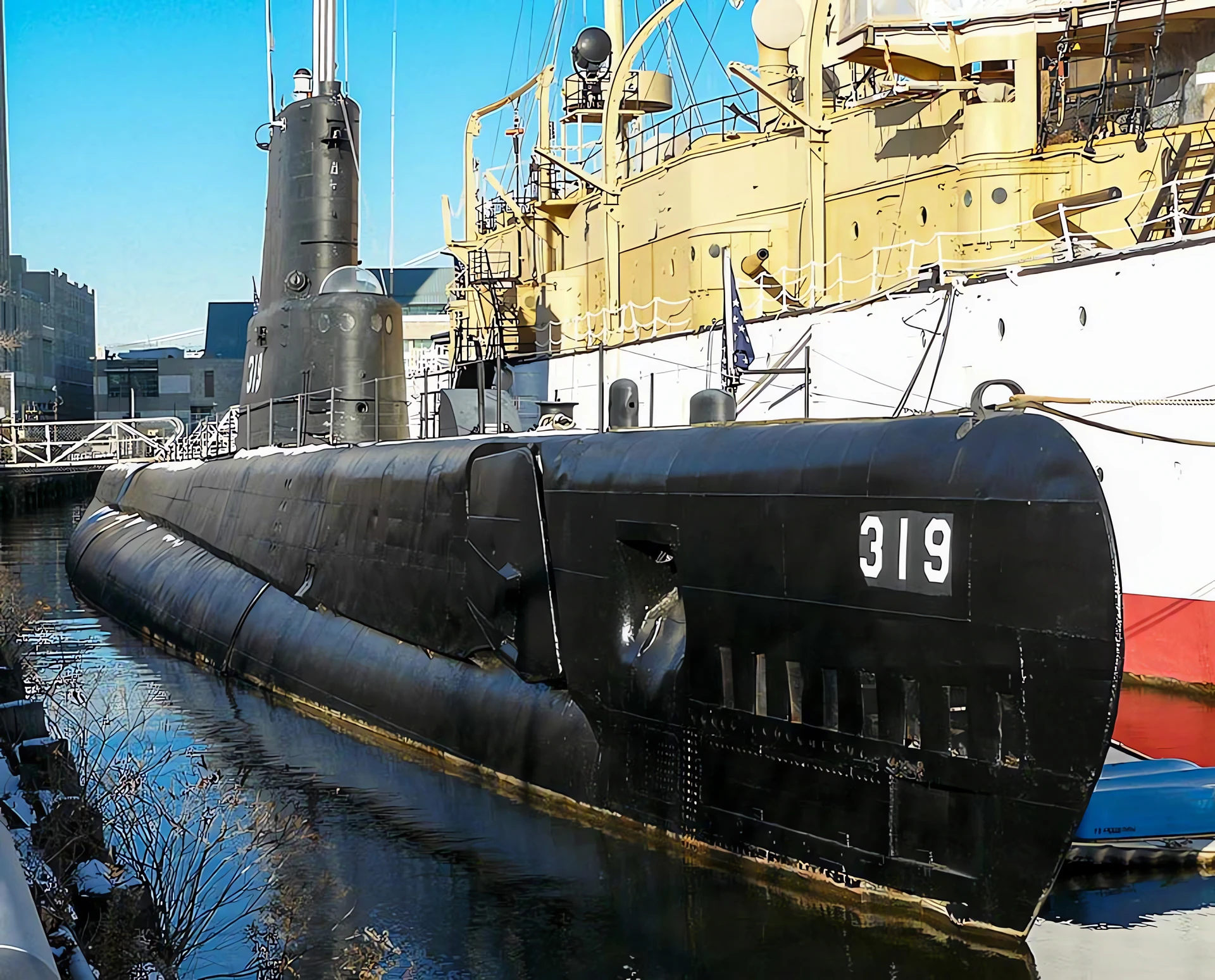
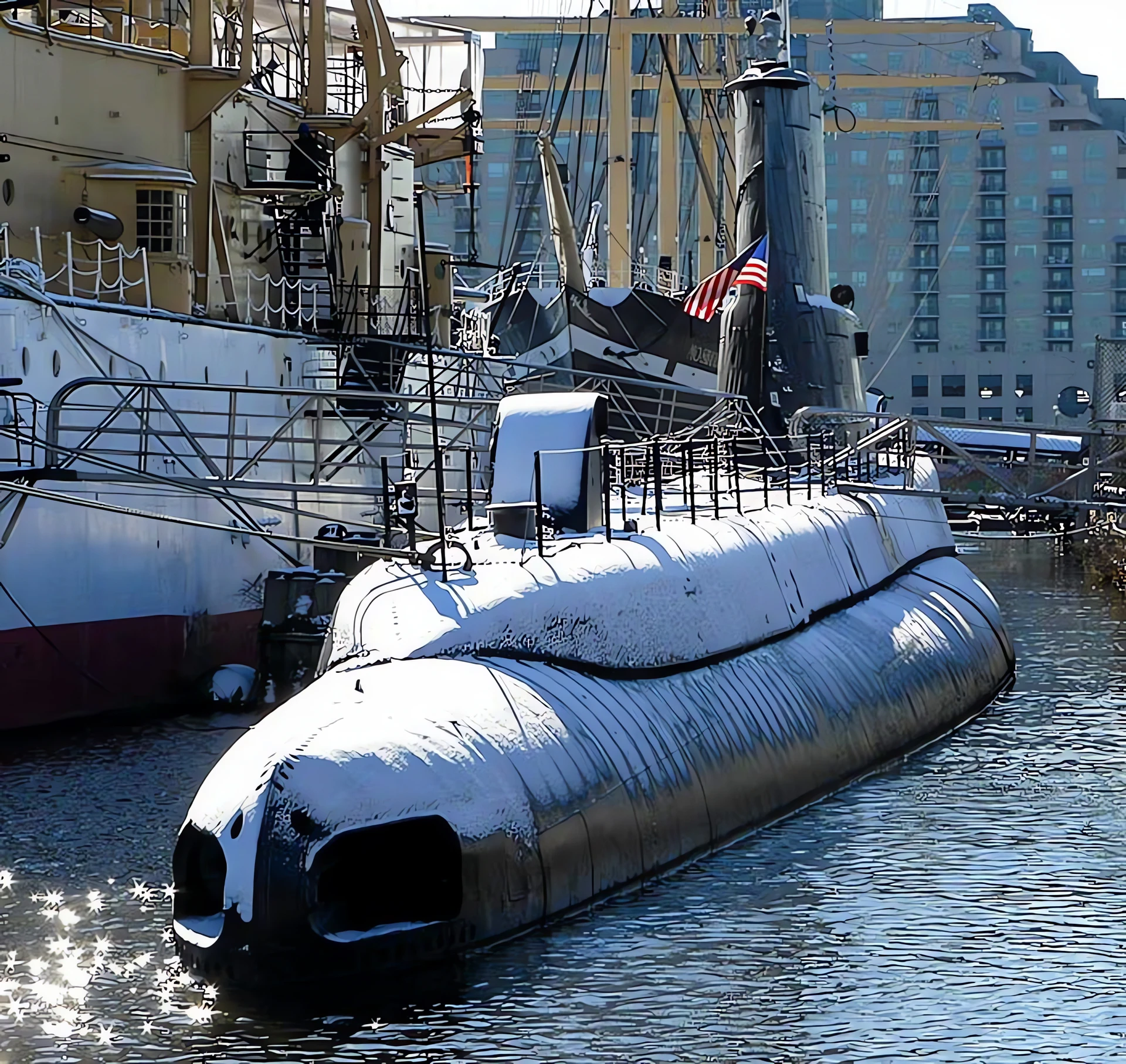
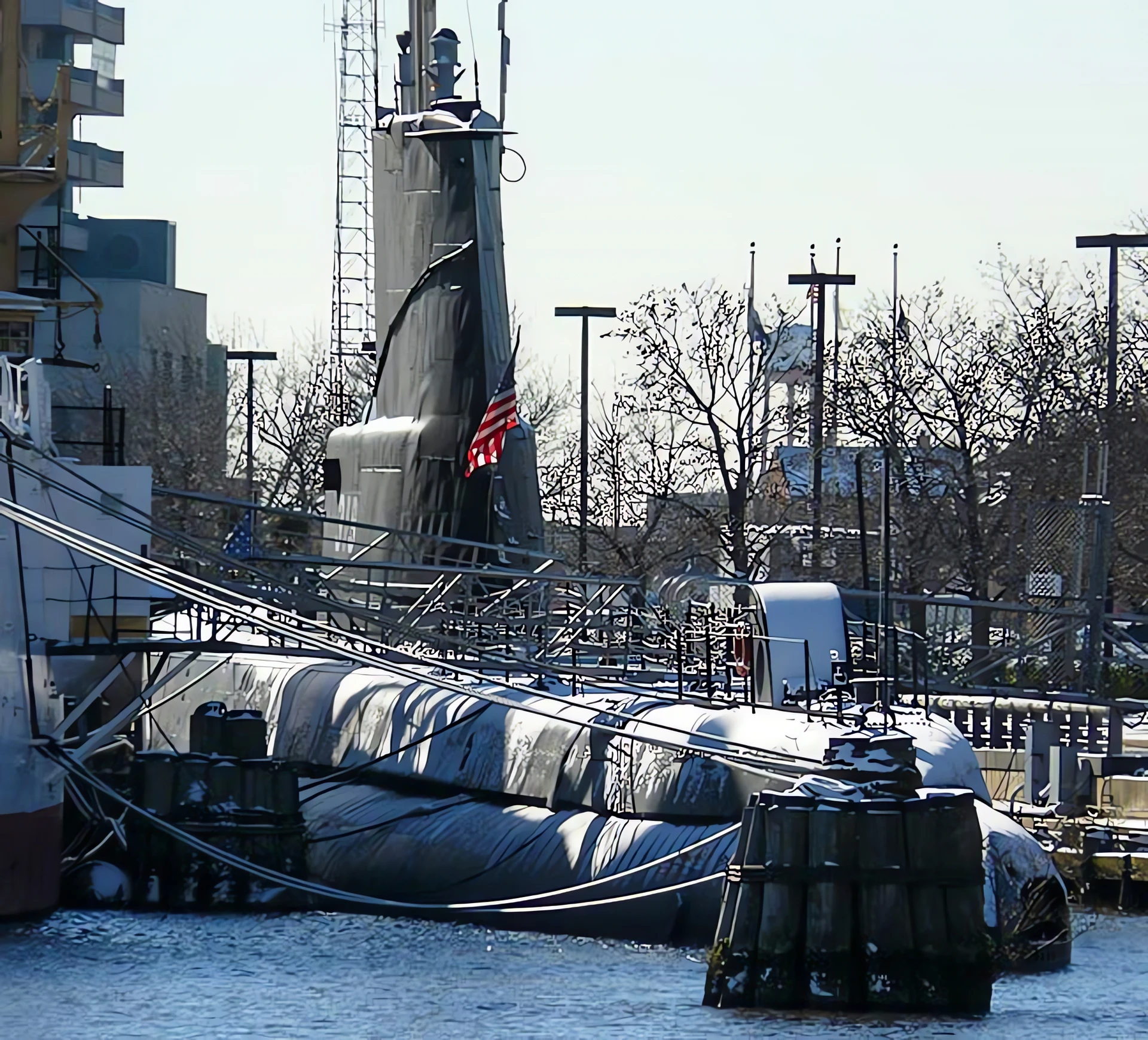
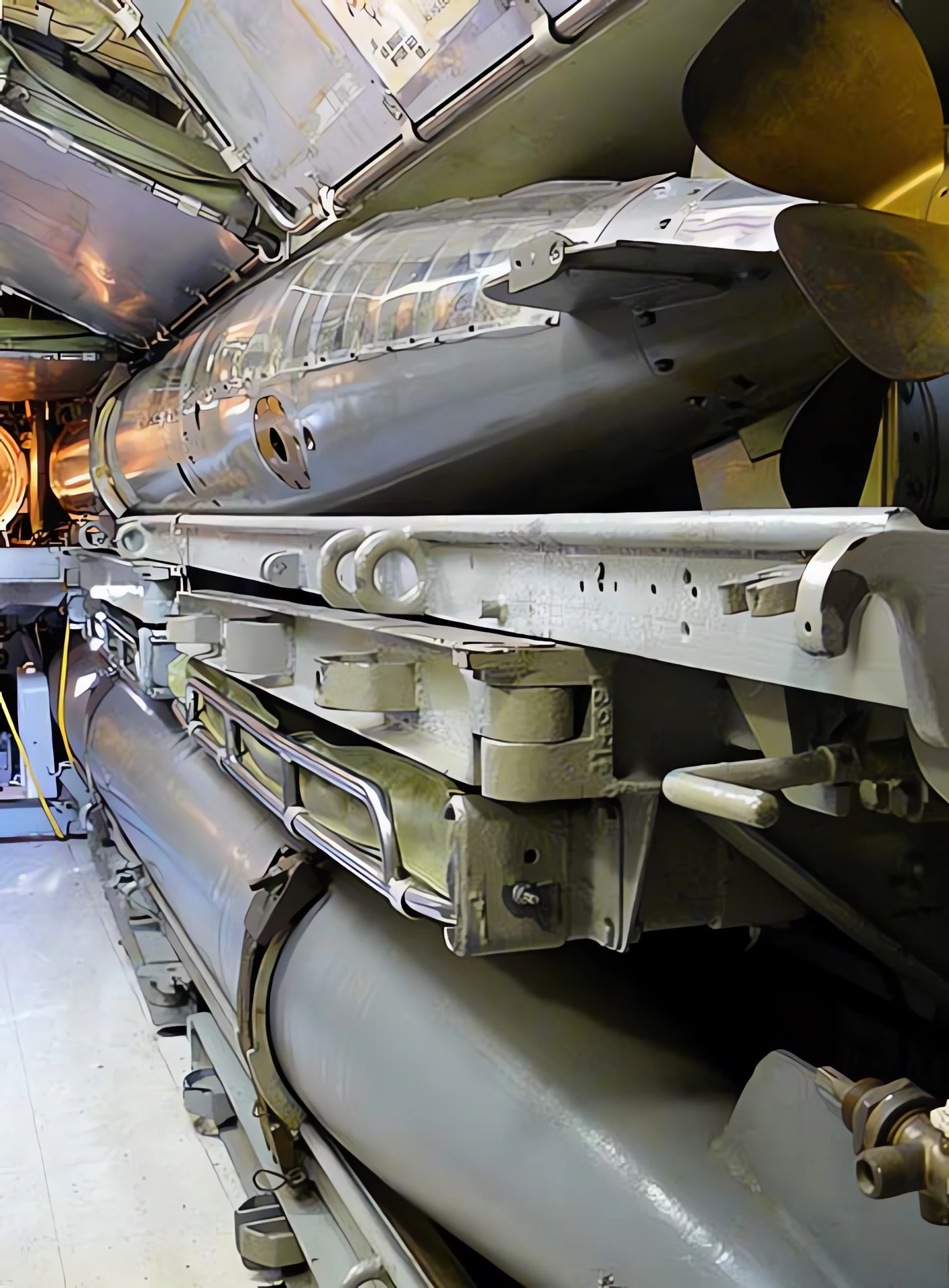
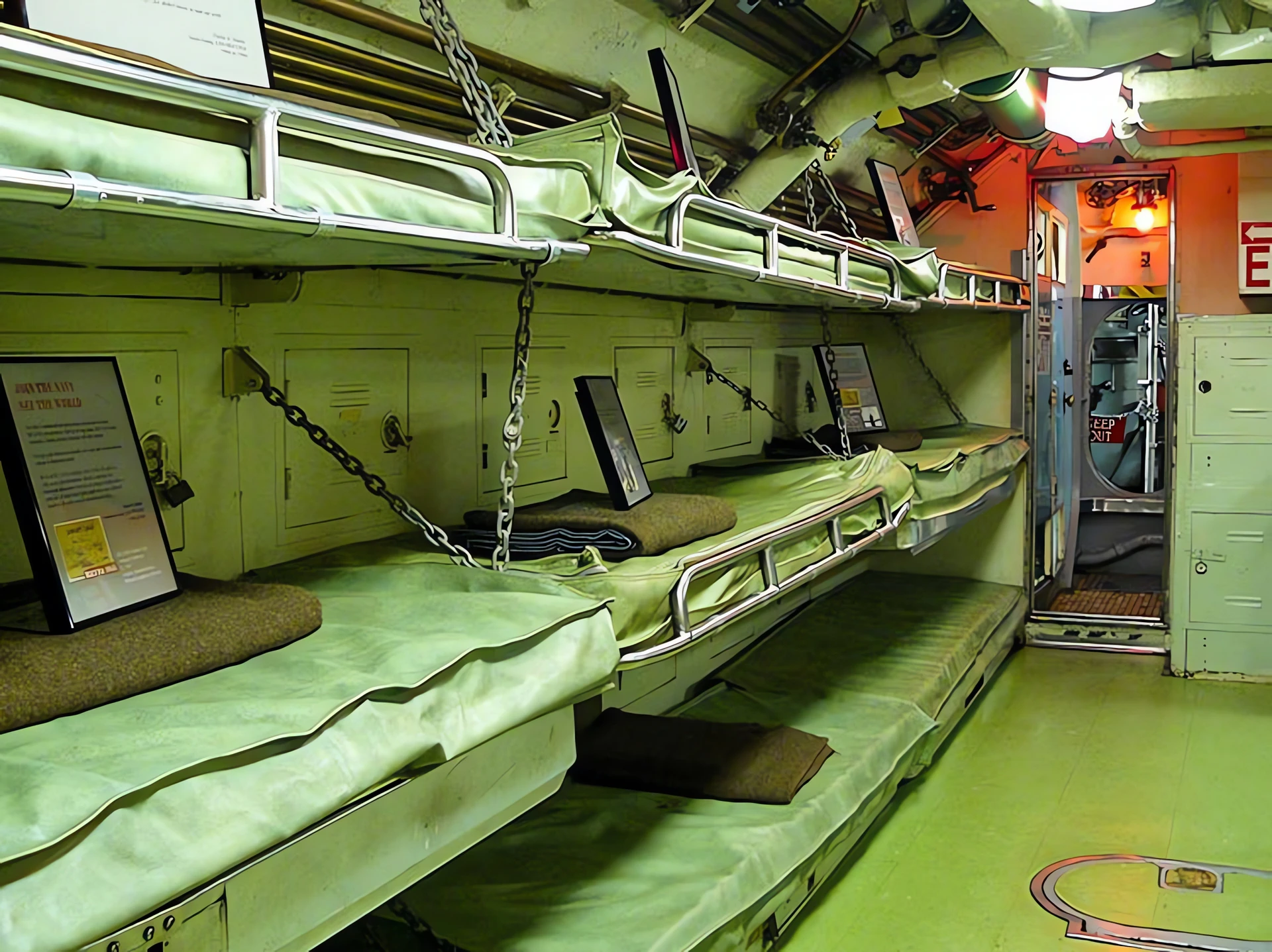


Pozri tiež:


The Deep-Diving Fleet Submarine
Komisia USS Becuna je to Balao-class submarine, the most successful class of American submarines in World War II. Launched in 1944, the Becuna was a “fleet submarine,” designed to travel with the main battle fleet across the vast Pacific. Unlike the earlier Gato-class, the Balao-class utilized high-tensile steel (HTS), allowing it to dive to depths of 400 feet (120m), significantly safer from Japanese depth charges.
| Attribute | Technical Specification (WWII Configuration) |
|---|---|
| Triedy | Balao-class Diesel-Electric Submarine |
| Posádky | 10 Officers, 70-72 Enlisted |
| Hlavná výzbroj | 10 × 21-inch (533 mm) Torpedo Tubes (6 forward, 4 aft) |
| Deck Gun | 1 × 5-inch / 25 caliber dual-purpose gun |
| Pohonná jednotka | 4 × Fairbanks-Morse Diesel Engines; 4 × Elliott Electric Motors |
| Surface Speed | 20.25 knots (37.5 km/h) |
| Submerged Speed | 8.75 knots (16 km/h) |
| Test Depth | 400 feet (122 m) |
The GUPPY Modernization
- Streamlining the Hull: In 1951, the Becuna underwent a GUPPY IA (Greater Underwater Propulsive Power) conversion. This removed the deck guns and replaced the bulky WWII bridge with a streamlined “sail” to reduce underwater drag.
- Snorkel System: The conversion added a “snorkel” (inspired by German technology), which allowed the submarine to run its diesel engines and recharge batteries while submerged at periscope depth.
- Battery Upgrades: The internal “Sargo” batteries were replaced with much larger, high-capacity battery banks, nearly doubling the boat’s submerged endurance and speed.
- Sonar Evolution: Her radar and sonar systems were upgraded throughout the 1950s and 60s, transitioning her from a surface-running raider to a true underwater Cold War interceptor.
Service and Preservation
- WWII Combat: During her five war patrols, the Becuna was credited with sinking several Japanese merchant ships and tankers, totaling thousands of tons, earning two battle stars.
- Cold War Role: Post-GUPPY, she operated primarily in the Atlantic and Mediterranean, tracking Soviet naval movements and participating in NATO exercises until her decommissioning in 1969.
- Museum Ship: Today, the Becuna is a National Historic Landmark. She is preserved at the Independence Seaport Museum in Philadelphia, Pennsylvania, where she is moored alongside the Spanish-American War cruiser USS Olympia.
Zobrazenia : 1220
Môžete tiež vidieť:
 USS Cod – fotografie a videá
 USS Requin SS-481 – fotografie a videá
 USS Croaker – fotografie a videá
 Inteligentná veľryba - fotografie a videá
 USS Pampanito (SS-383) – fotografie a videá
 Seehund – fotografie a videá
 USS Blueback (SS-581) – fotografie a video
 USS Bowfin SS-287 – fotografie a video
 USS Lionfish SS-298 – fotografie a video
 U-505 Type IXc U-Boat - fotografie a video