USS Becuna |
|
|---|---|
| 国家 | 美国 |
| 类和类型 | 巴拉奥级柴油电潜艇 |
| 推出 | 1944年1月30日 |
| 停用 | 1969年11月7日 |
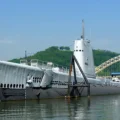
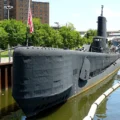
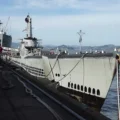
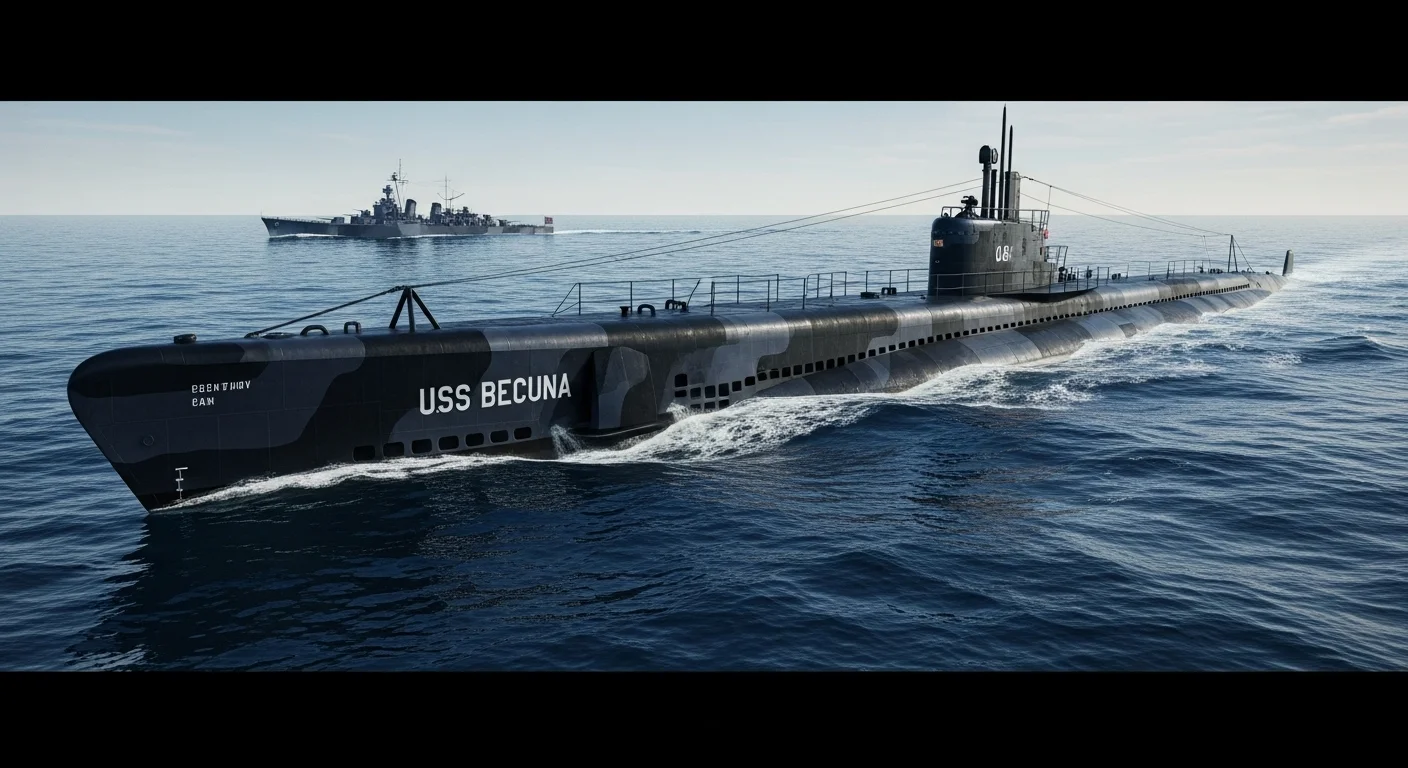
贝库纳号 (SS/AGSS-319),一艘巴拉奥级潜艇,是美国海军的前舰艇,以欧洲的一条类似派克的鱼贝库纳号命名。她因在第二次世界大战中服役而被指定为国家历史地标,为此她赢得了四颗战星。她目前在宾夕法尼亚州费城的独立海港博物馆担任博物馆馆长。
源: 维基百科上的贝库纳号
| USS Becuna SS-319 Walk Around | |
|---|---|
| 摄影师 | 比尔·马洛尼 |
| 本地化 | 未知 |
| 照片 | 164 |
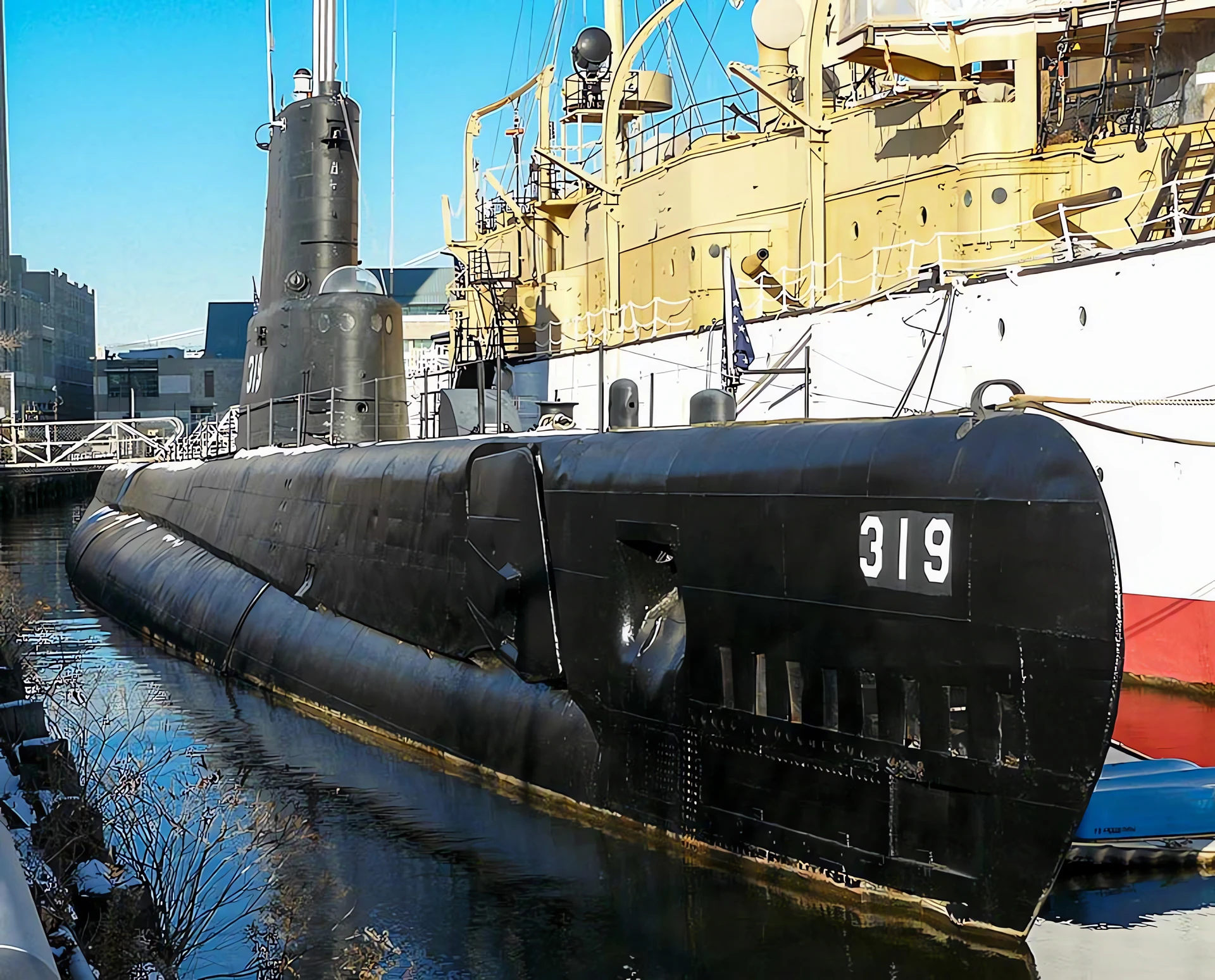
USS Becuna SS-319 01
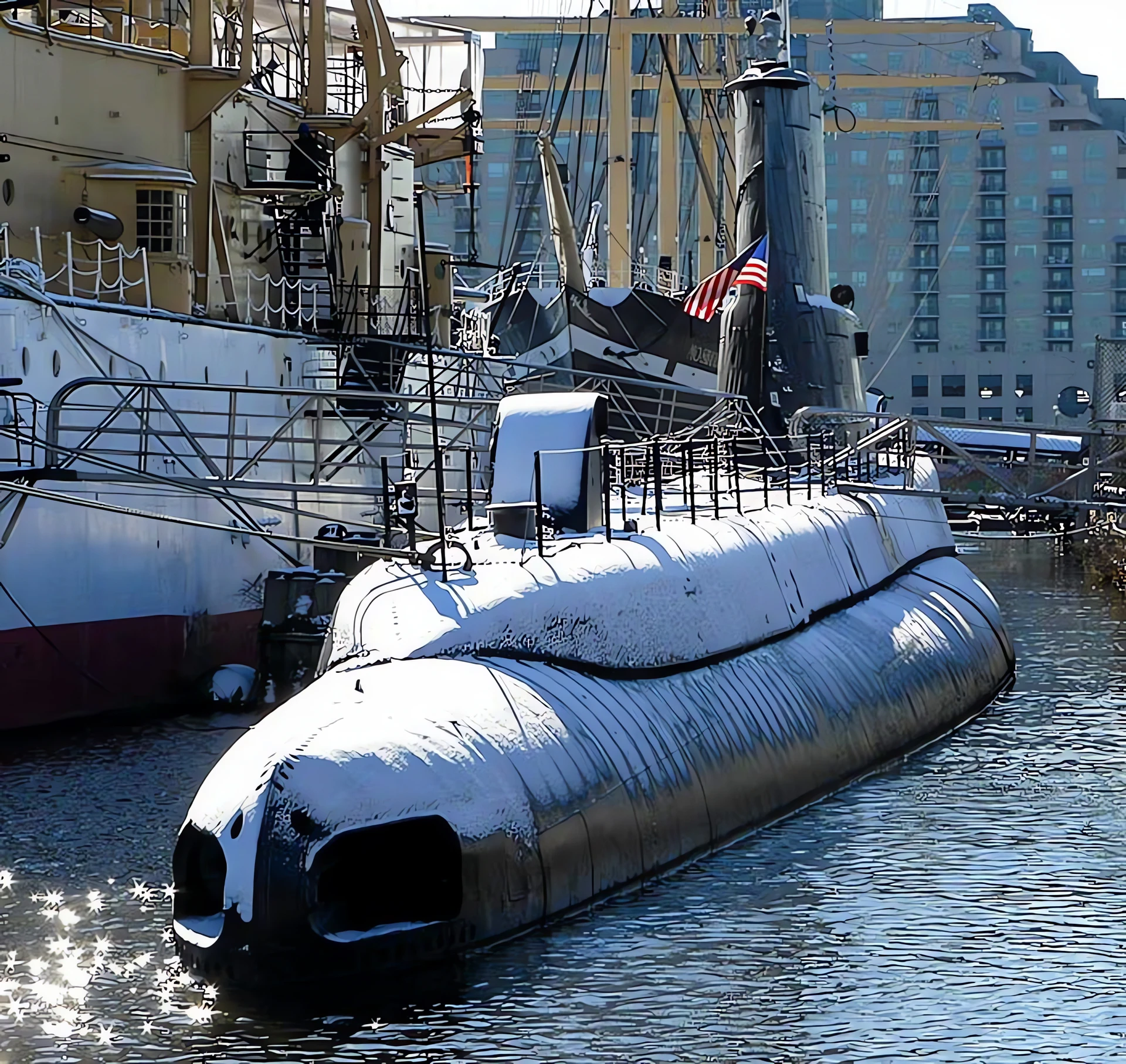
USS Becuna SS-319 02
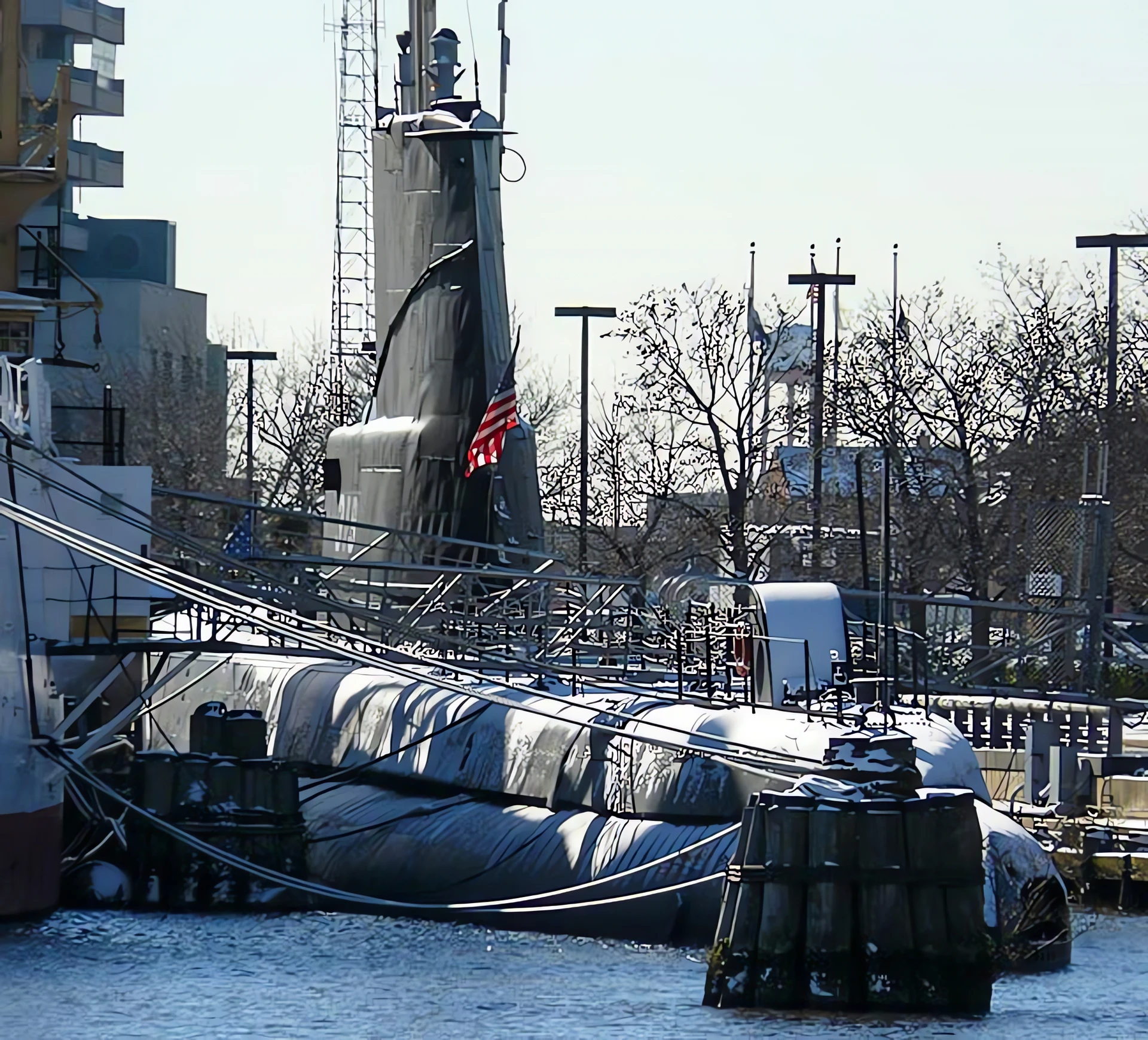
USS Becuna SS-319 03
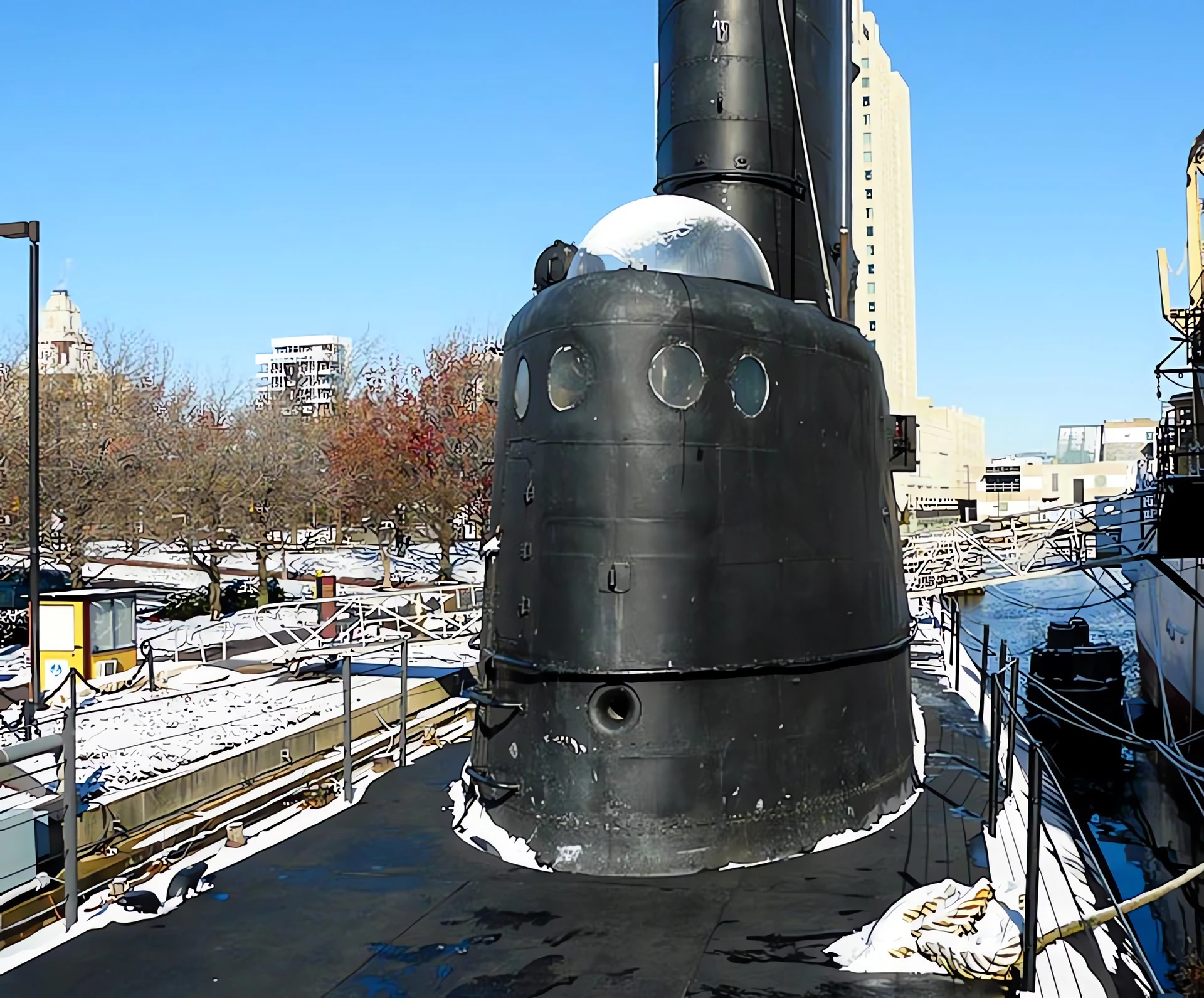
USS Becuna SS-319 04
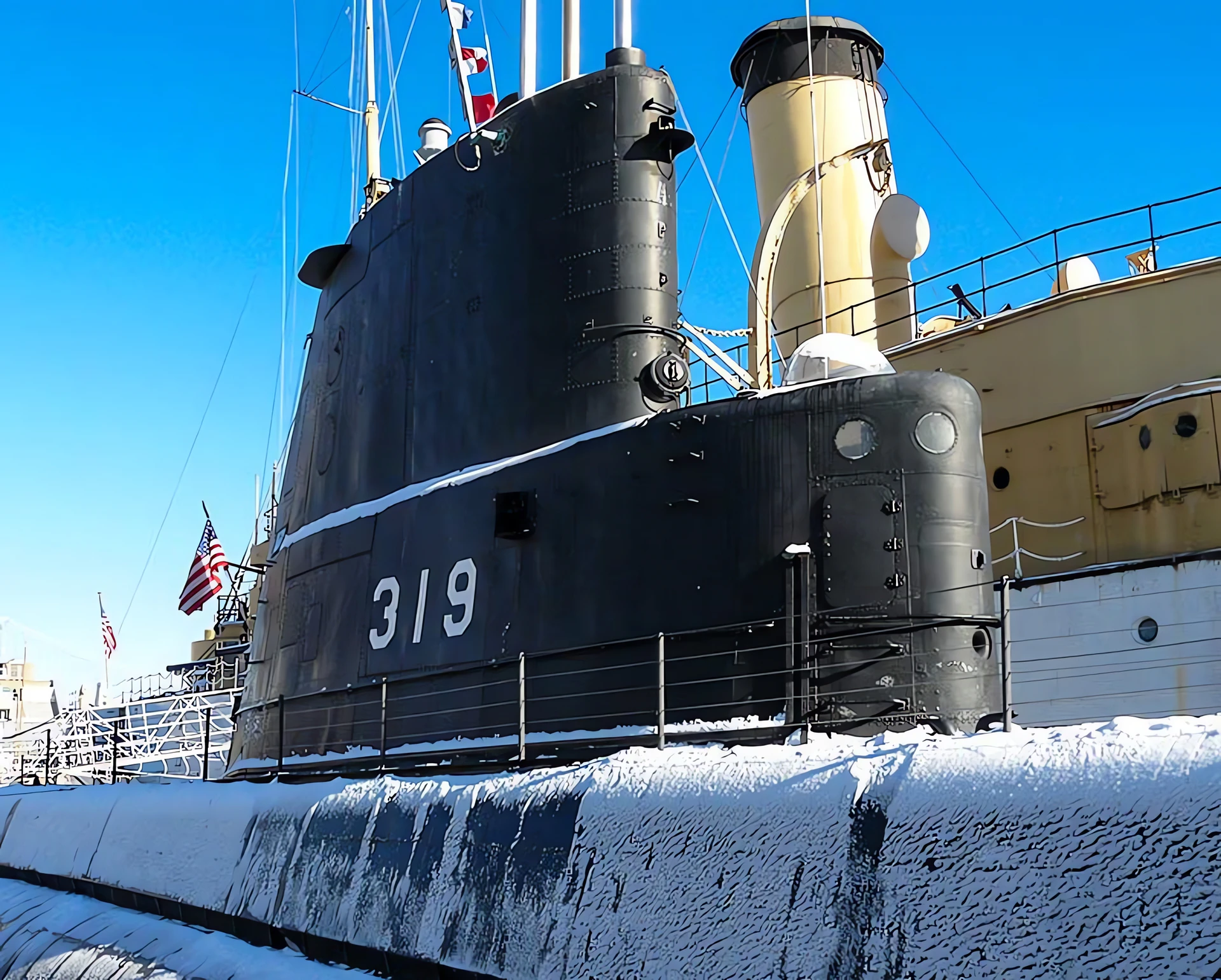
USS Becuna SS-319 05
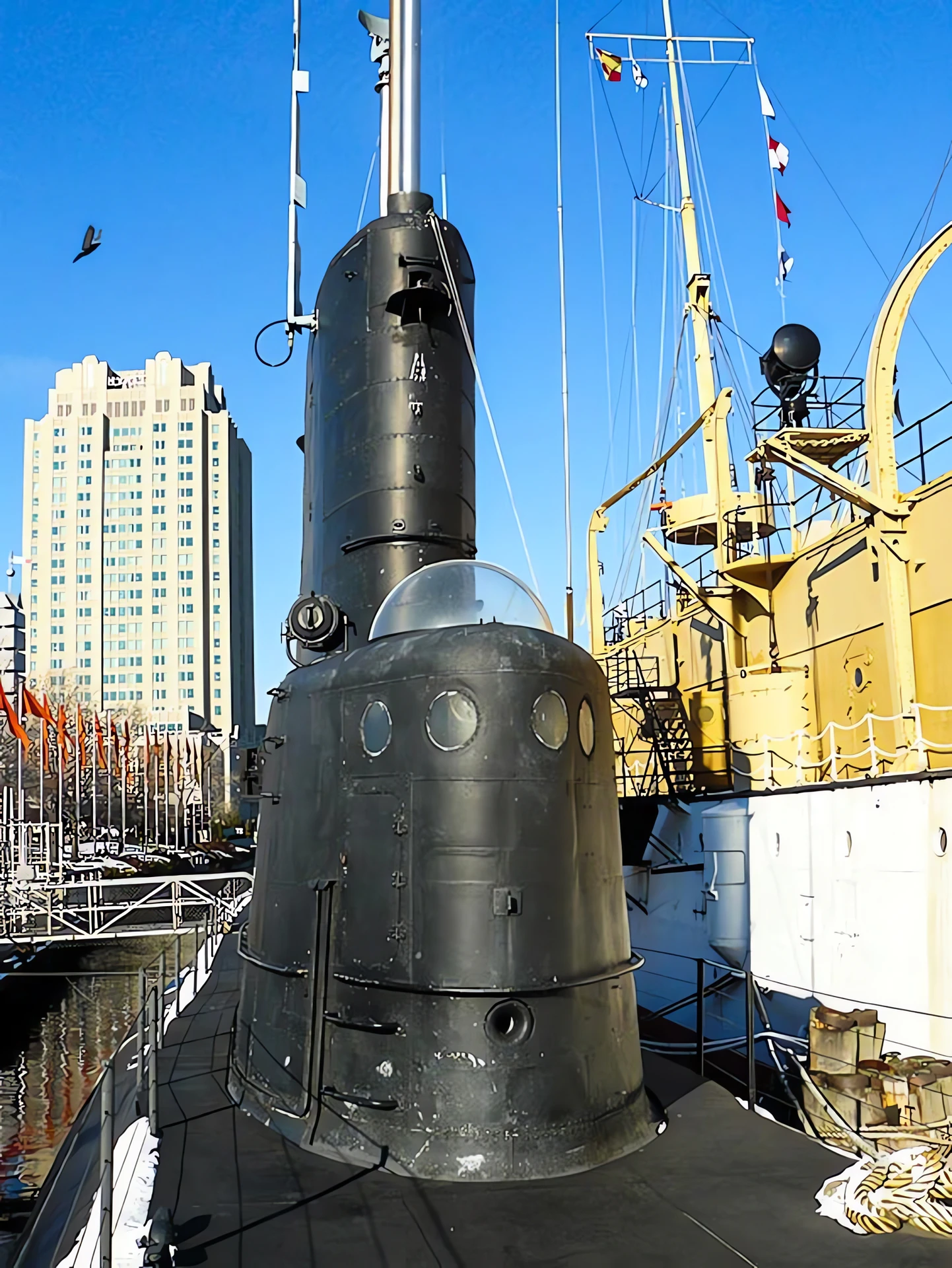
USS Becuna SS-319 06
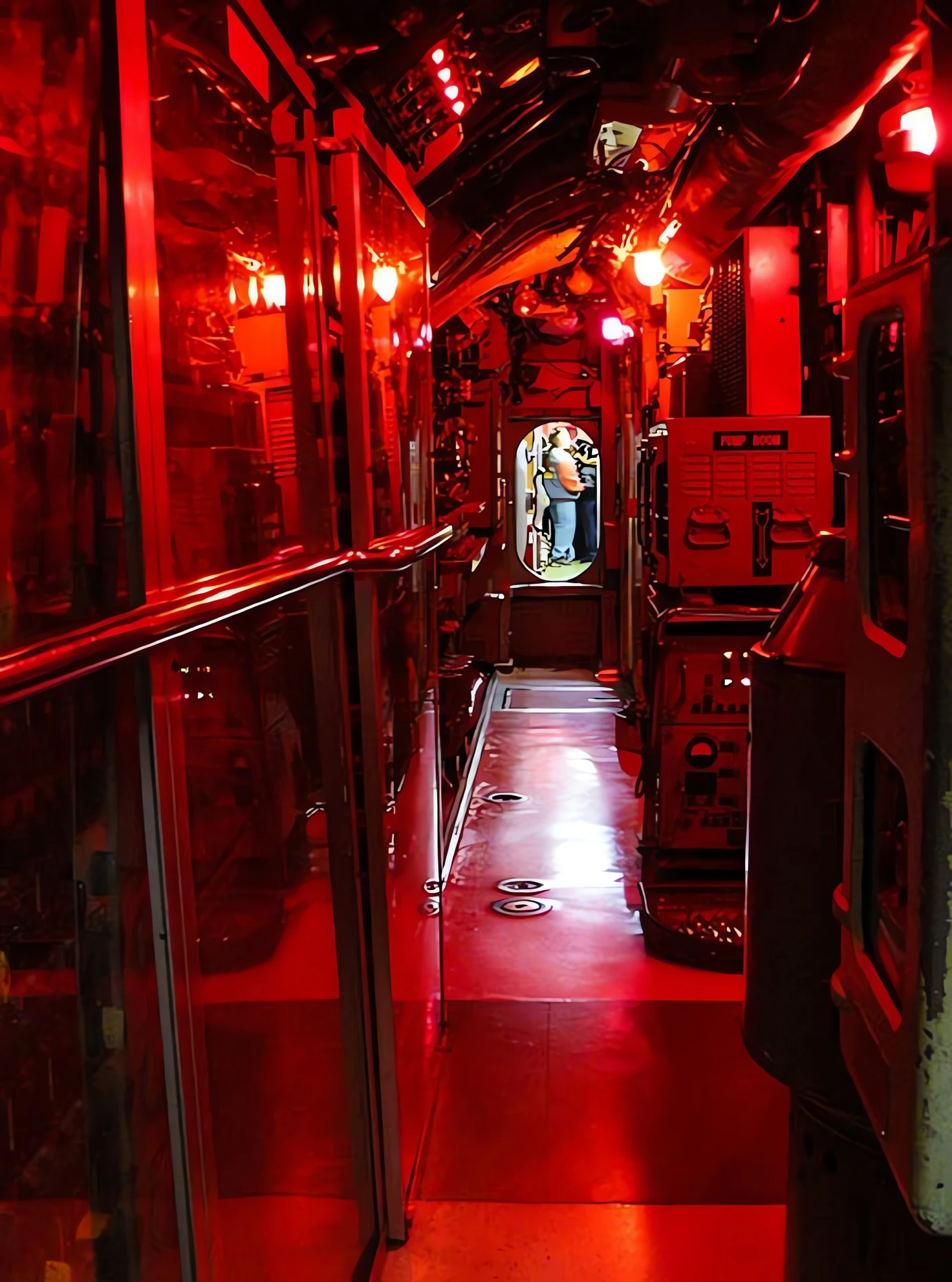
USS Becuna SS-319 07
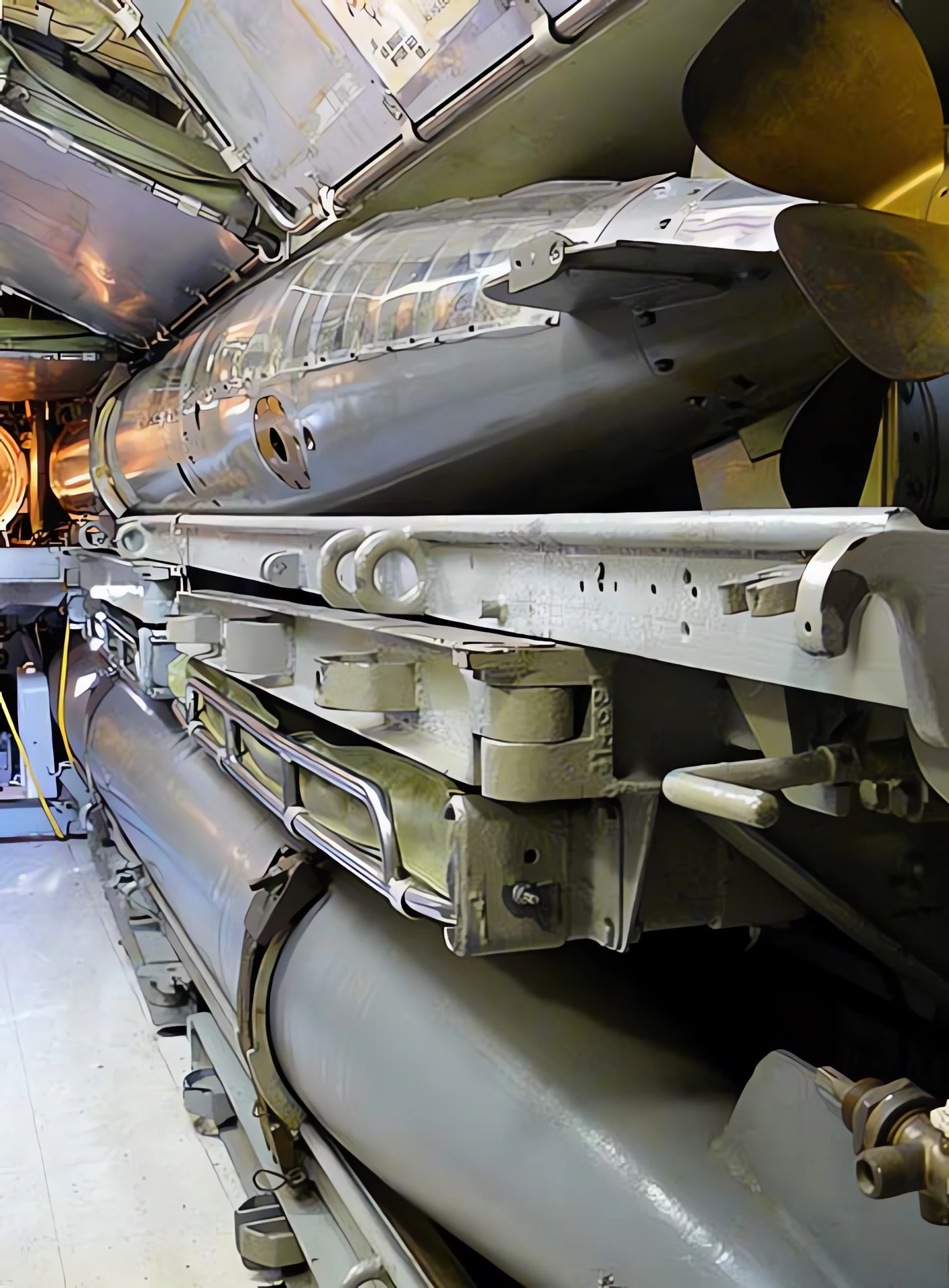
USS Becuna SS-319 08
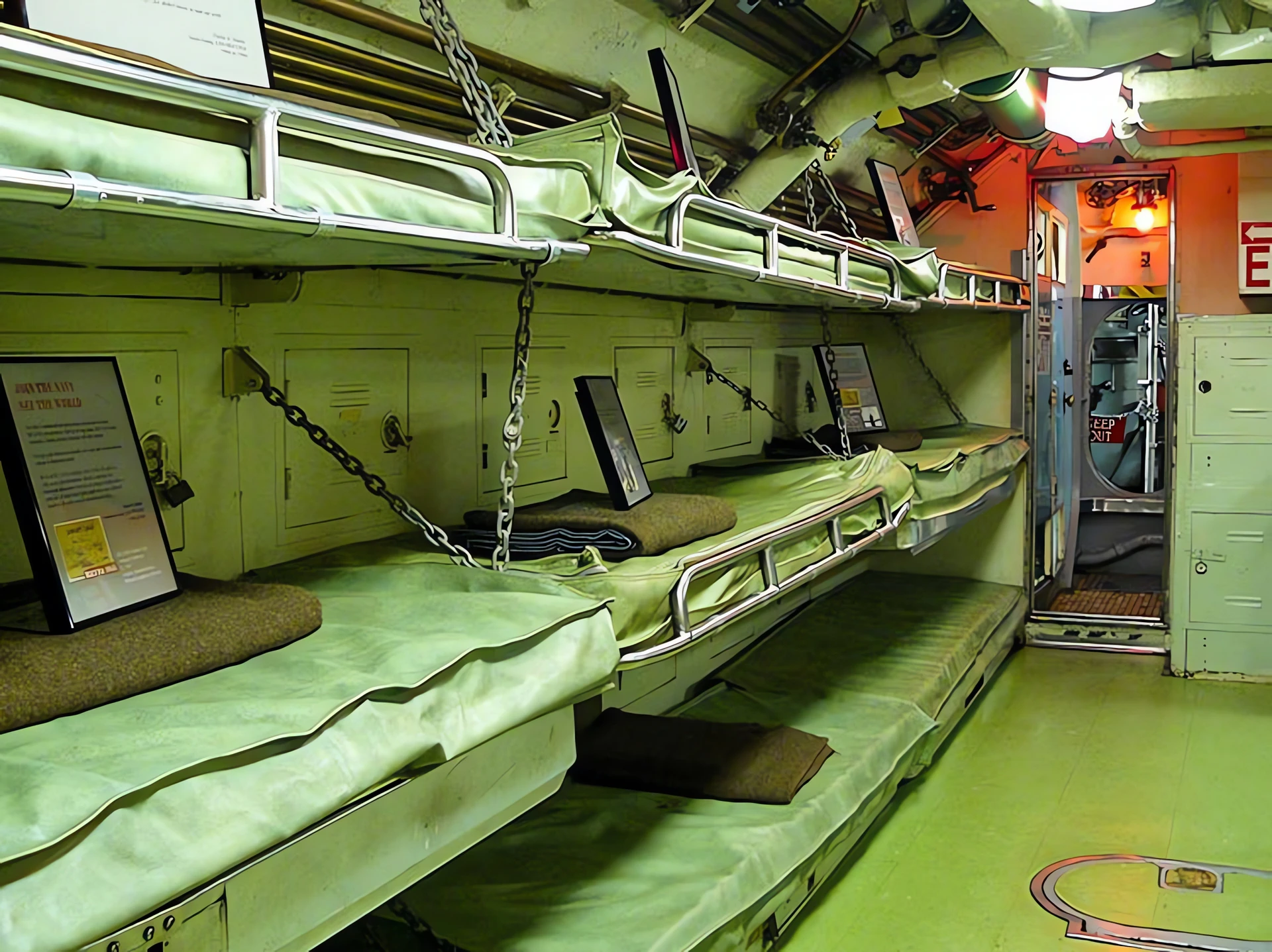
USS Becuna SS-319 09
等等,为你搜索贝库纳号。。。


另请参阅:


The Deep-Diving Fleet Submarine
这 贝库纳号 是 Balao-class submarine, the most successful class of American submarines in World War II. Launched in 1944, the Becuna was a “fleet submarine,” designed to travel with the main battle fleet across the vast Pacific. Unlike the earlier Gato-class, the Balao-class utilized high-tensile steel (HTS), allowing it to dive to depths of 400 feet (120m), significantly safer from Japanese depth charges.
| Attribute | Technical Specification (WWII Configuration) |
|---|---|
| 类 | Balao-class Diesel-Electric Submarine |
| 船员 | 10 Officers, 70-72 Enlisted |
| 主要武器装备 | 10 × 21-inch (533 mm) Torpedo Tubes (6 forward, 4 aft) |
| Deck Gun | 1 × 5-inch / 25 caliber dual-purpose gun |
| 动力装置 | 4 × Fairbanks-Morse Diesel Engines; 4 × Elliott Electric Motors |
| Surface Speed | 20.25 knots (37.5 km/h) |
| Submerged Speed | 8.75 knots (16 km/h) |
| Test Depth | 400 feet (122 m) |
The GUPPY Modernization
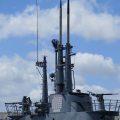
- Streamlining the Hull: In 1951, the Becuna underwent a GUPPY IA (Greater Underwater Propulsive Power) conversion. This removed the deck guns and replaced the bulky WWII bridge with a streamlined “sail” to reduce underwater drag.
- Snorkel System: The conversion added a “snorkel” (inspired by German technology), which allowed the submarine to run its diesel engines and recharge batteries while submerged at periscope depth.
- Battery Upgrades: The internal “Sargo” batteries were replaced with much larger, high-capacity battery banks, nearly doubling the boat’s submerged endurance and speed.
- Sonar Evolution: Her radar and sonar systems were upgraded throughout the 1950s and 60s, transitioning her from a surface-running raider to a true underwater Cold War interceptor.
Service and Preservation
- WWII Combat: During her five war patrols, the Becuna was credited with sinking several Japanese merchant ships and tankers, totaling thousands of tons, earning two battle stars.
- Cold War Role: Post-GUPPY, she operated primarily in the Atlantic and Mediterranean, tracking Soviet naval movements and participating in NATO exercises until her decommissioning in 1969.
- Museum Ship: Today, the Becuna is a National Historic Landmark. She is preserved at the Independence Seaport Museum in Philadelphia, Pennsylvania, where she is moored alongside the Spanish-American War cruiser USS Olympia.
意见:1220