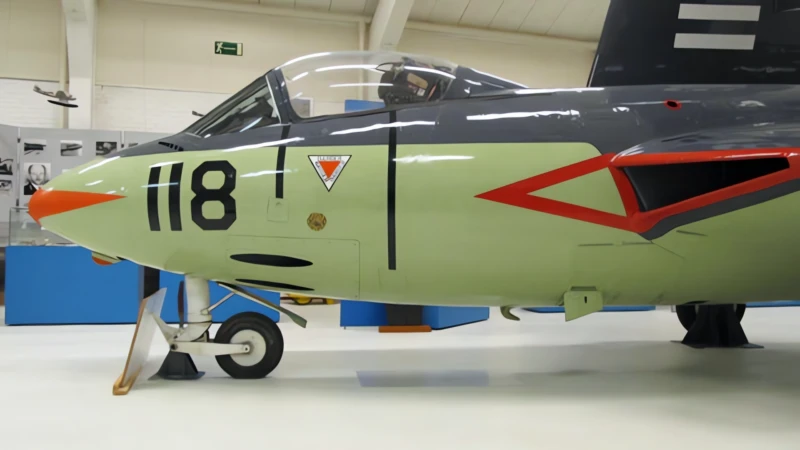
Hawker Sea Hawk | |
|---|---|
| Land | Storbritannien |
| Roll | Sjöstridsflygplan |
| Första flugan | 2 september 1947 |
| Byggd | 542 |
Den Hökhavshök is a British single-seat jet fighter of the Fleet Air Arm (FAA), the air branch of the Royal Navy (RN), built by Hawker Aircraft and its sister company, Armstrong Whitworth Aircraft. Although its origins stemmed from earlier Hawker piston-engined fighters, the Sea Hawk became the company’s first jet aircraft. Following the type’s acceptance in the RN, the Sea Hawk proved to be a reliable and sturdy workhorse. A considerable number were also produced for the export market, and were operated from aircraft carriers in both Dutch and Indian service. The last operational Sea Hawks, operated by the Indian Navy, were retired in 1983.
Källkod: Hawker Sea Hawk på Wikipedia
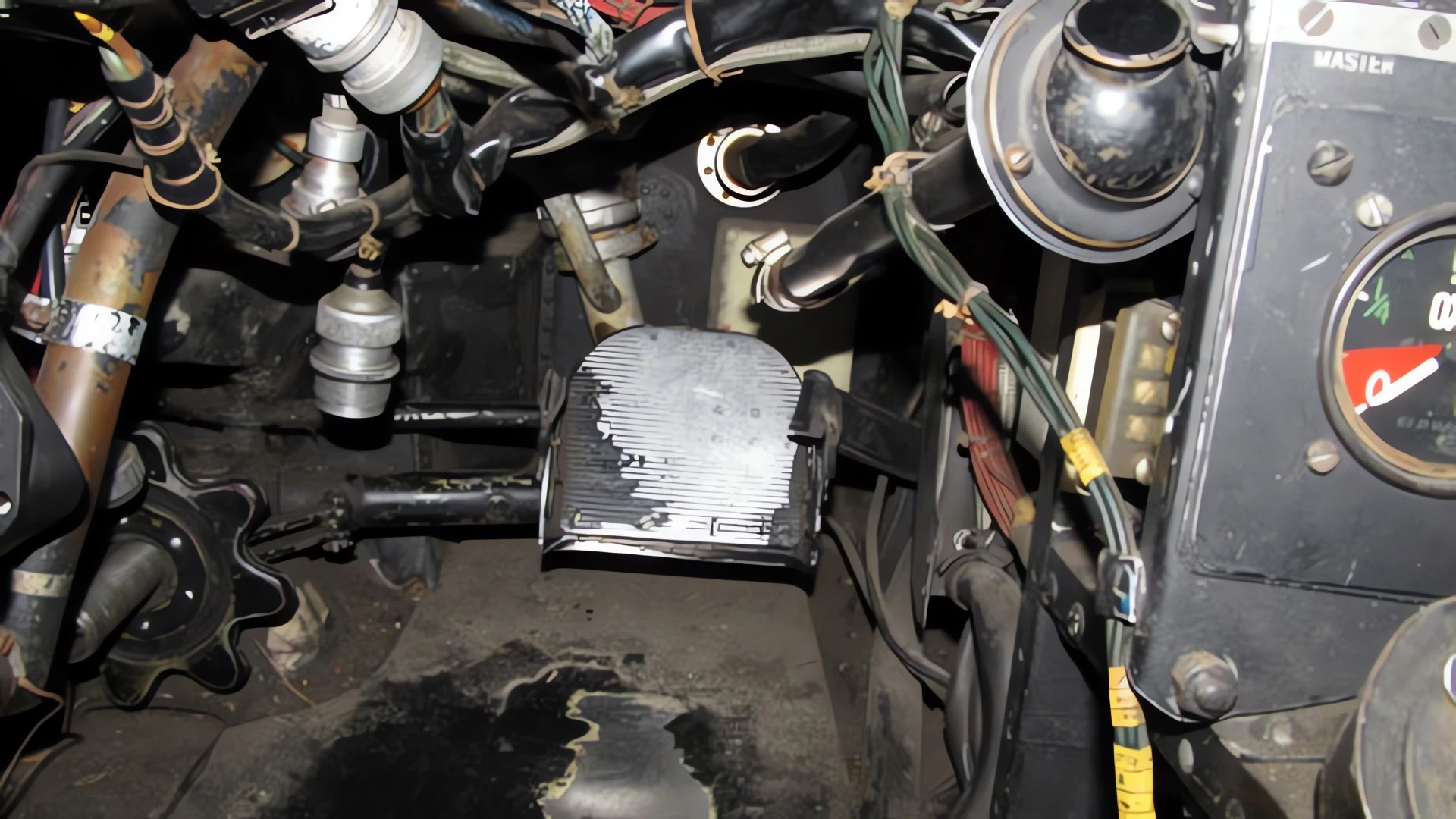
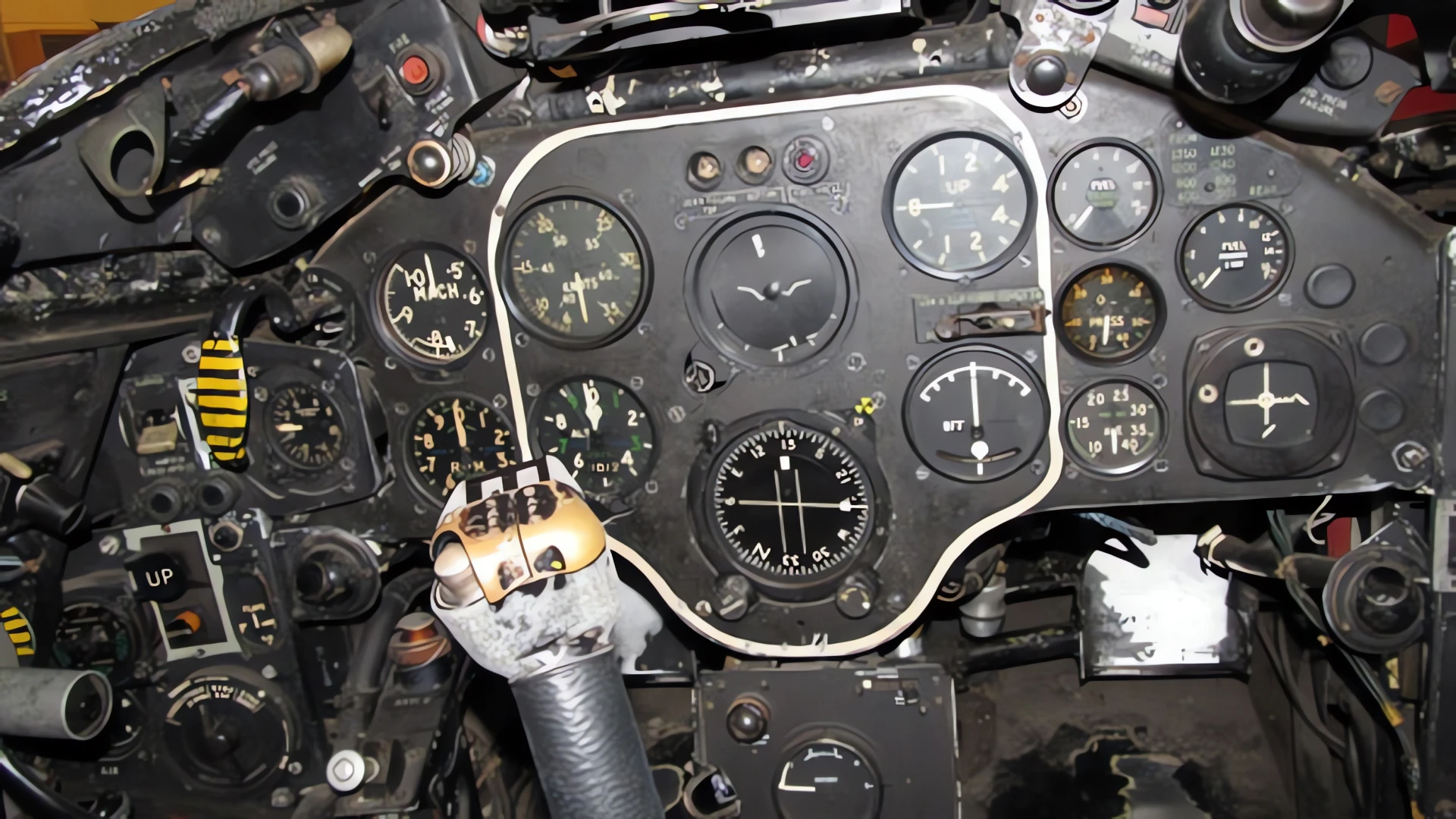
| Hawker Sea Hawk Walk Around | |
|---|---|
| Fotografer | Cees Hendriks |
| Lokalisering | Unknow |
| Bilder | 173 |
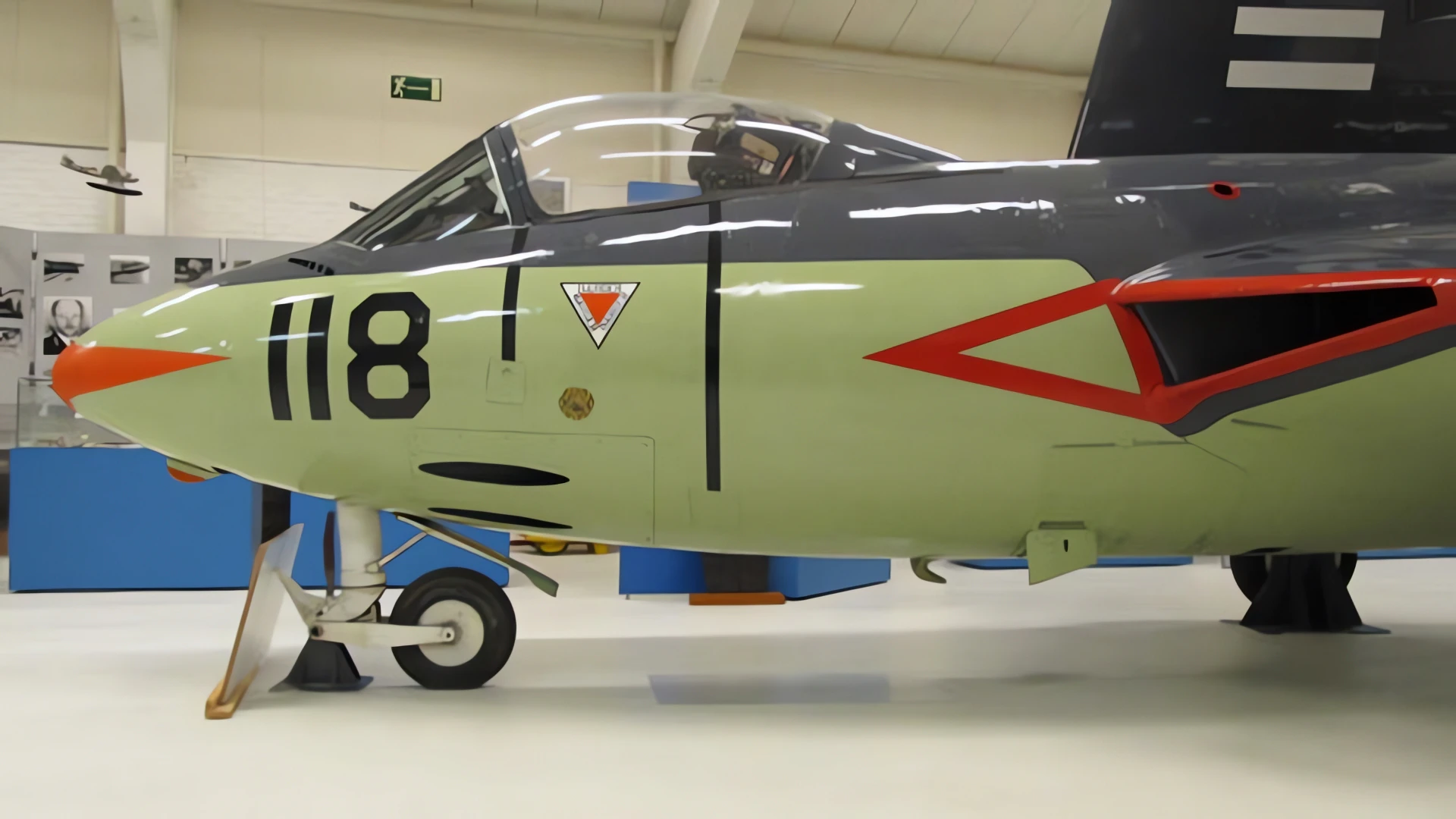
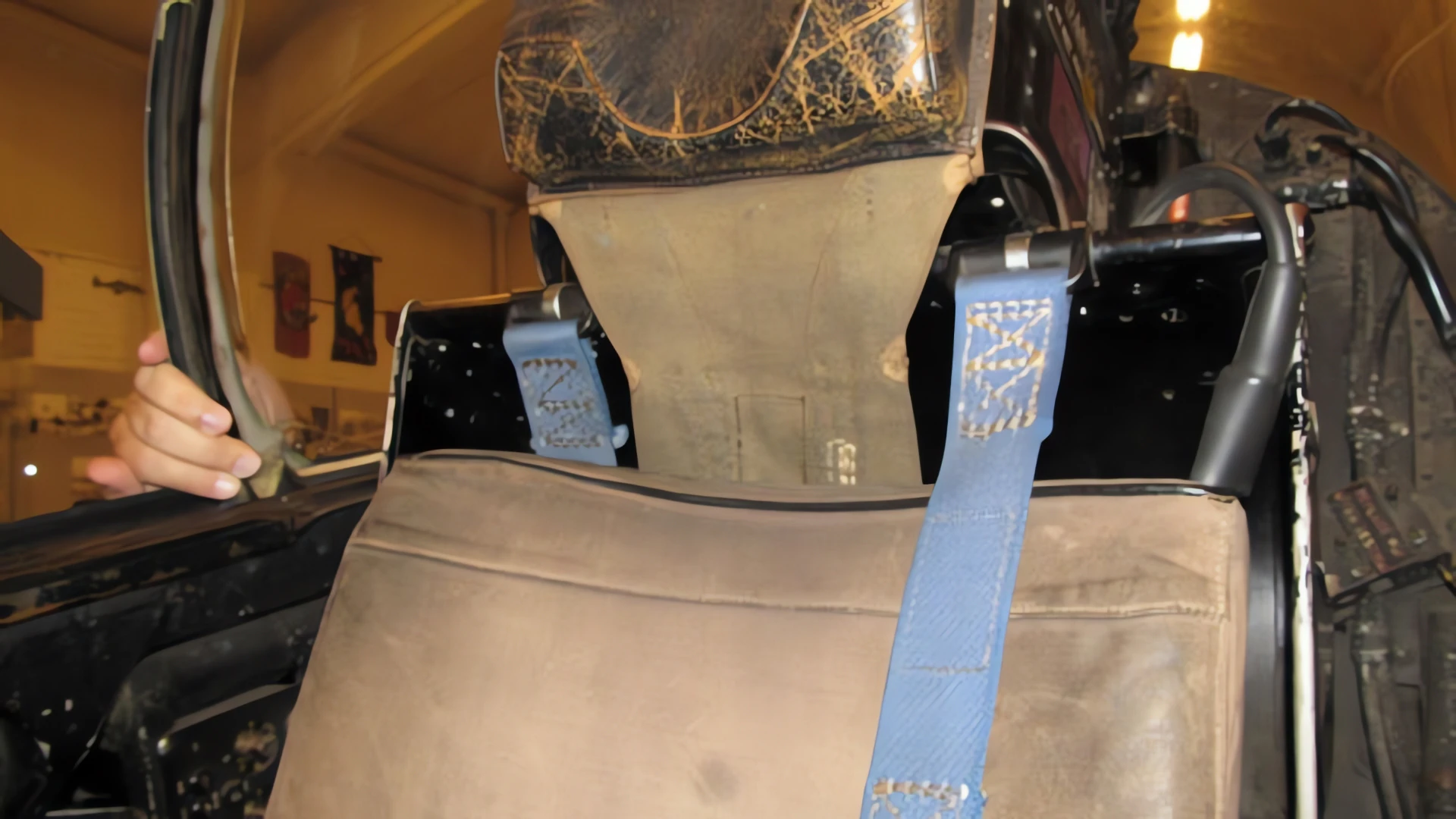
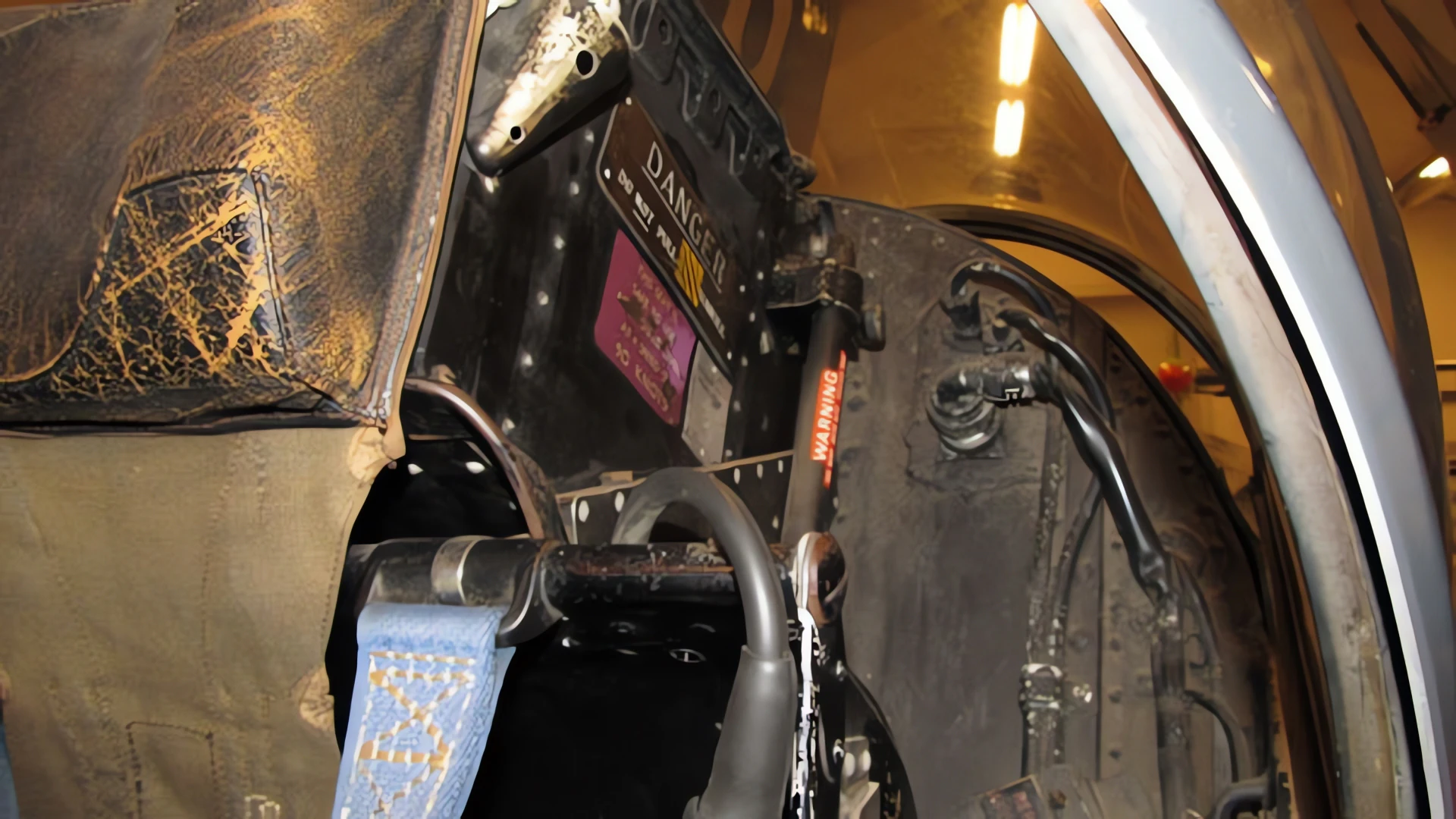
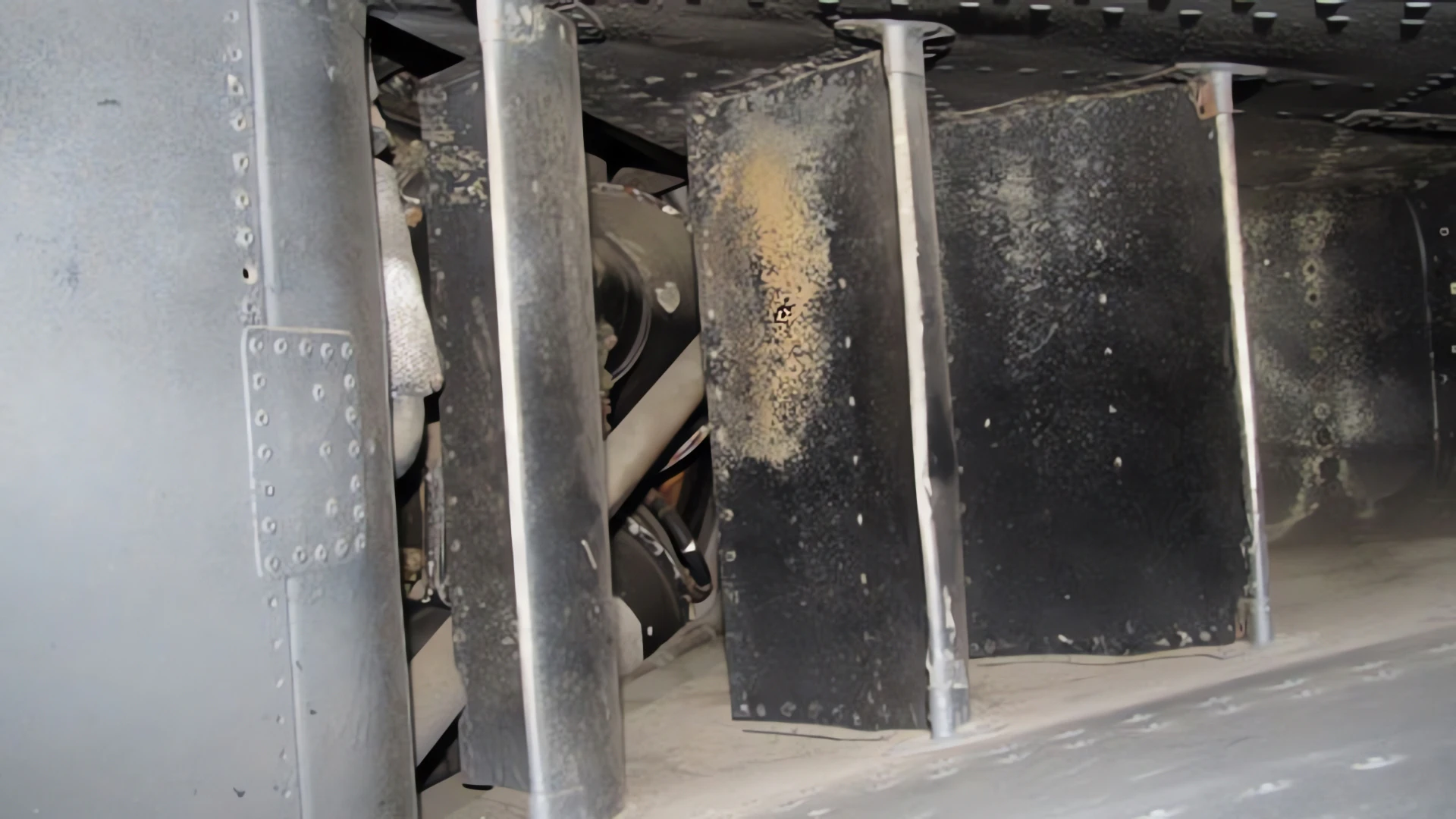
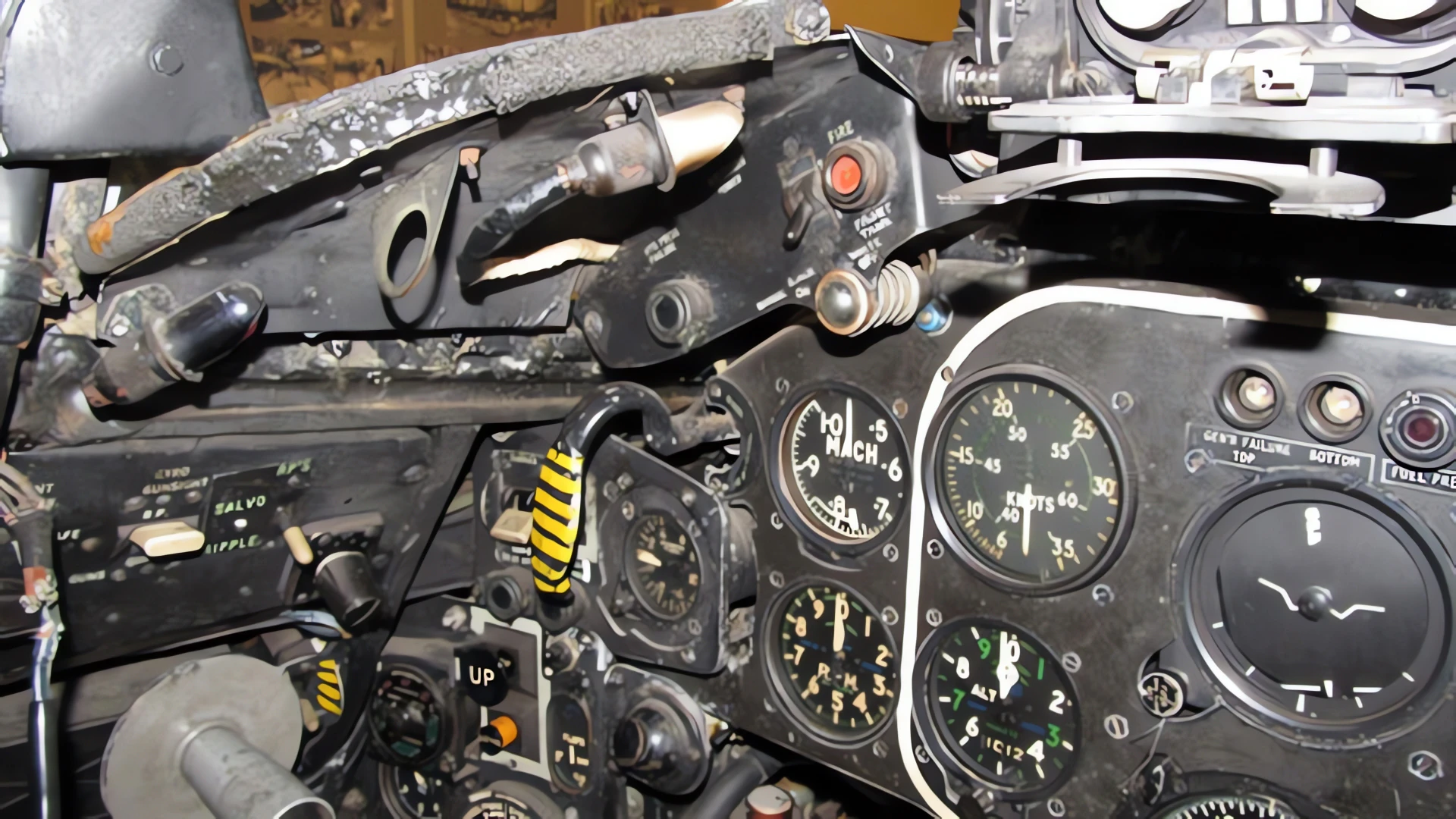
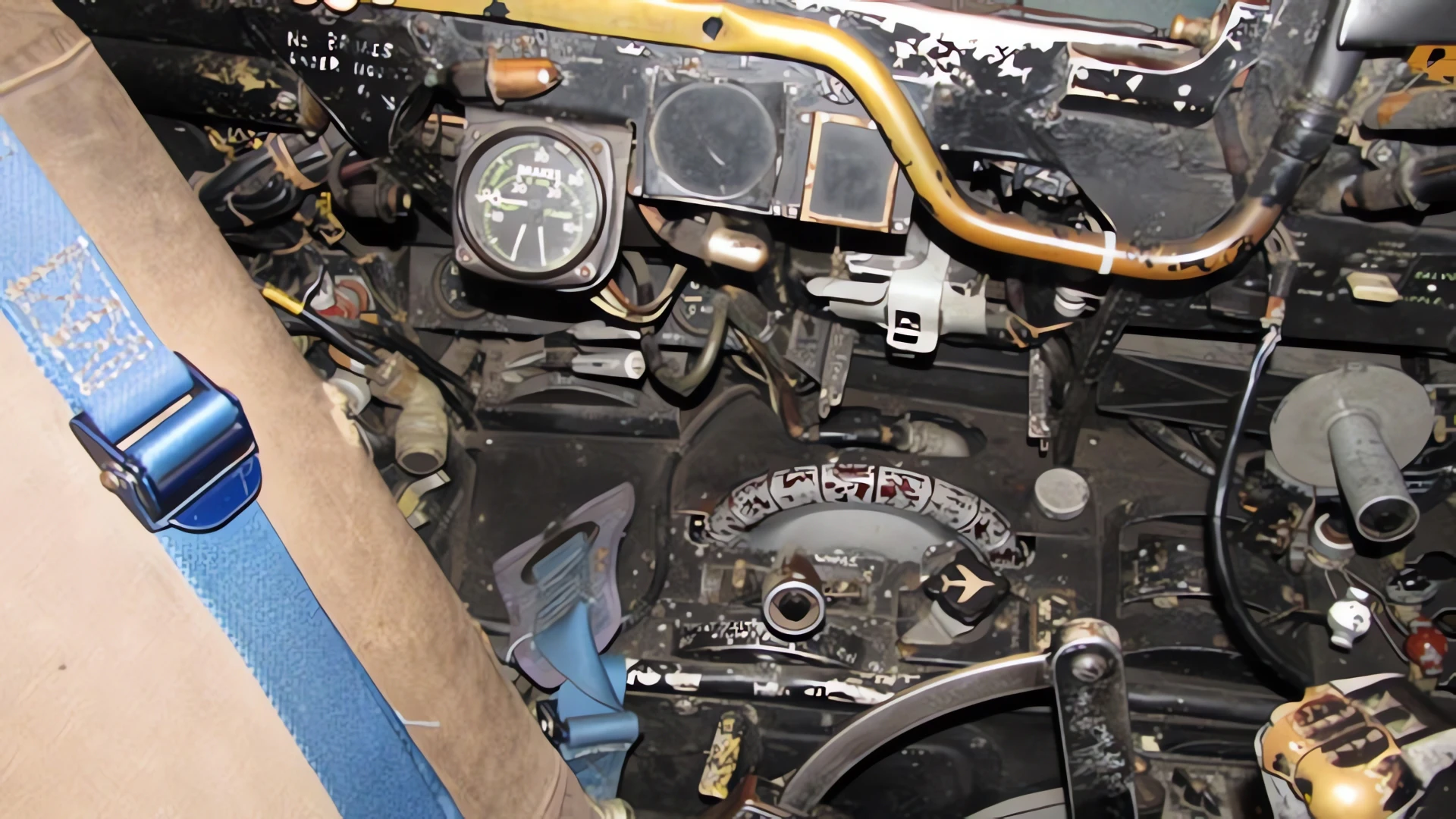
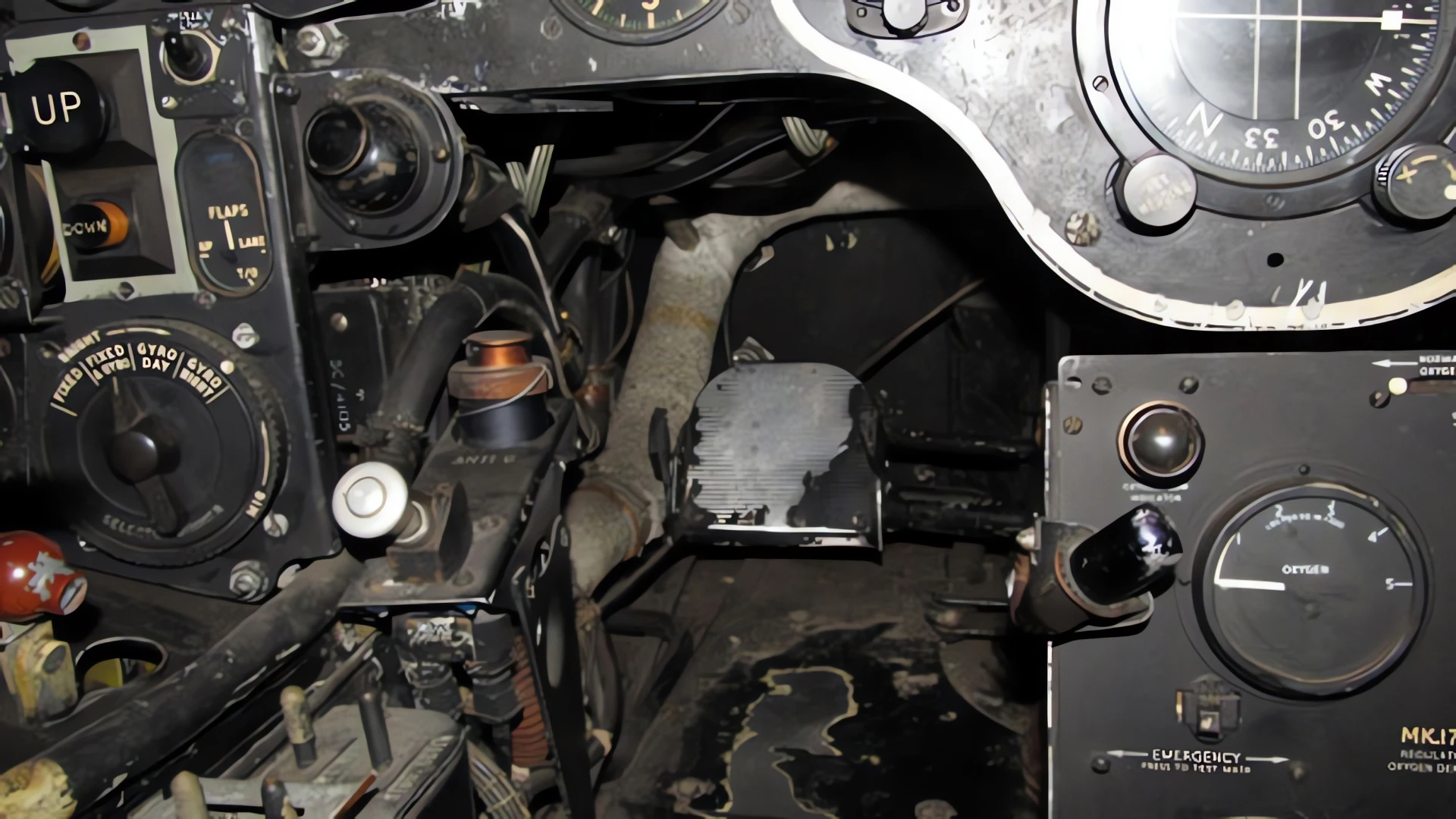

 Köp mig en kaffe
| Hawker Seahawk Walk Around | |
|---|---|
| Fotograf | Reuben Saliba |
| Lokalisering | Unknow |
| Bilder | 17 |
Se även:


The “Jet Fury” Evolution
Den Hökhavshök was the first jet aircraft designed by the legendary Sir Sydney Camm’s team. Emerging from the lineage of the Hawker Fury, it was a straight-wing jet characterized by its clean, elegant lines and exceptional handling qualities. While it was slightly slower than its contemporary, the Supermarine Attacker, the Sea Hawk was a far superior deck-handler and a much more stable weapons platform, eventually becoming the backbone of the Fleet Air Arm during the 1950s.
| Attribute | Technical Specification (FGA Mk 6) |
|---|---|
| Roll | Carrier-based Fighter-Bomber |
| besättning | 1 (Pilot) |
| First Flight | September 2, 1947 |
| Kraftverk | 1 × Rolls-Royce Nene 103 turbojet |
| Thrust | 5,200 lbf (23 kN) |
| Maximum Speed | 600 mph (965 km/h) / Mach 0.79 |
| Service Ceiling | 44,500 feet (13,564 m) |
| Beväpning | 4 × 20mm Hispano Mk V cannons; 2 × 500 lb bombs or 20 × RP-3 rockets |
Innovative Design: The Bifurcated Exhaust
- Bifurcated (Split) Exhaust: One of the Sea Hawk’s most unique features was the way it handled its single engine. To keep the fuselage short and provide more room for fuel, the exhaust from the Rolls-Royce Nene was split into two separate pipes exiting at the wing roots.
- Clean Aerodynamics: The air intakes were also located in the wing roots, leaving the nose free for a concentrated battery of four 20mm cannons. This layout provided the pilot with a very clean, unobstructed view over the nose during carrier approaches.
- Power-Fold Wings: As a carrier aircraft, the Sea Hawk featured hydraulic wing-folding. Unlike later swept-wing jets, the straight-wing design allowed for a very simple and robust folding mechanism.
- Rugged Tricycle Gear: Moving away from the “tail-dragger” jets like the Attacker, the Sea Hawk used a stout tricycle landing gear that made crosswind landings on pitching carrier decks much safer.
Suez and Global Service
- Combat over Suez: The Sea Hawk’s finest hour came during the 1956 Suez Crisis. Operating from the carriers HMS Eagle, Albion, and Bulwark, Sea Hawks provided devastating ground support, proving to be an exceptionally accurate rocket and strafing platform.
- The Indian Navy: India was a major operator of the Sea Hawk, using them effectively from the carrier INS Vikrant. During the 1971 Indo-Pakistani War, Indian Sea Hawks were instrumental in strikes against coastal targets.
- Export Success: Beyond the UK and India, the Sea Hawk served with the West German Marineflieger (as a specialized strike/recon aircraft) and the Royal Netherlands Navy.
- Preservation: Several Sea Hawks are preserved in museums today, most notably at the Flotta luftar beväpnar museet in Yeovilton, UK, where the aircraft’s contribution to naval aviation history is celebrated.
Views : 4894
Du kan också se:
 Douglas World Cruiser – Foton &; Videos
 Kellett K-2 – Foton &; Videor
 Travel Air 2000 – Foton &; Videos
 Saab 21R – Foton &; Video
 Canadair Sabre – Bilder &; Video
 Douglas C-47 Skytrain – Bilder &; Video
 Lockheed P-3 Orion – Foton &; Video
 Macchi MC-202 – WalkAround
 Fairey Battle – WalkAround
 Hawker Sea Fury – Gå runt