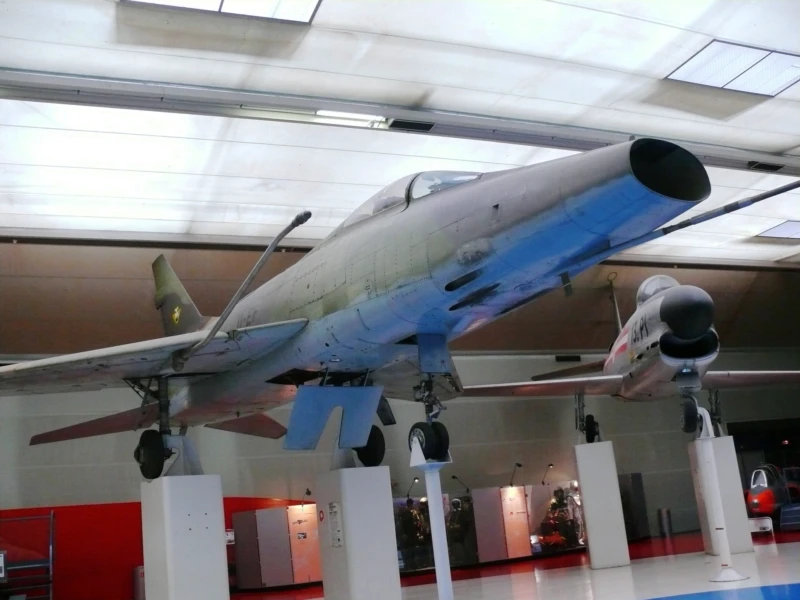
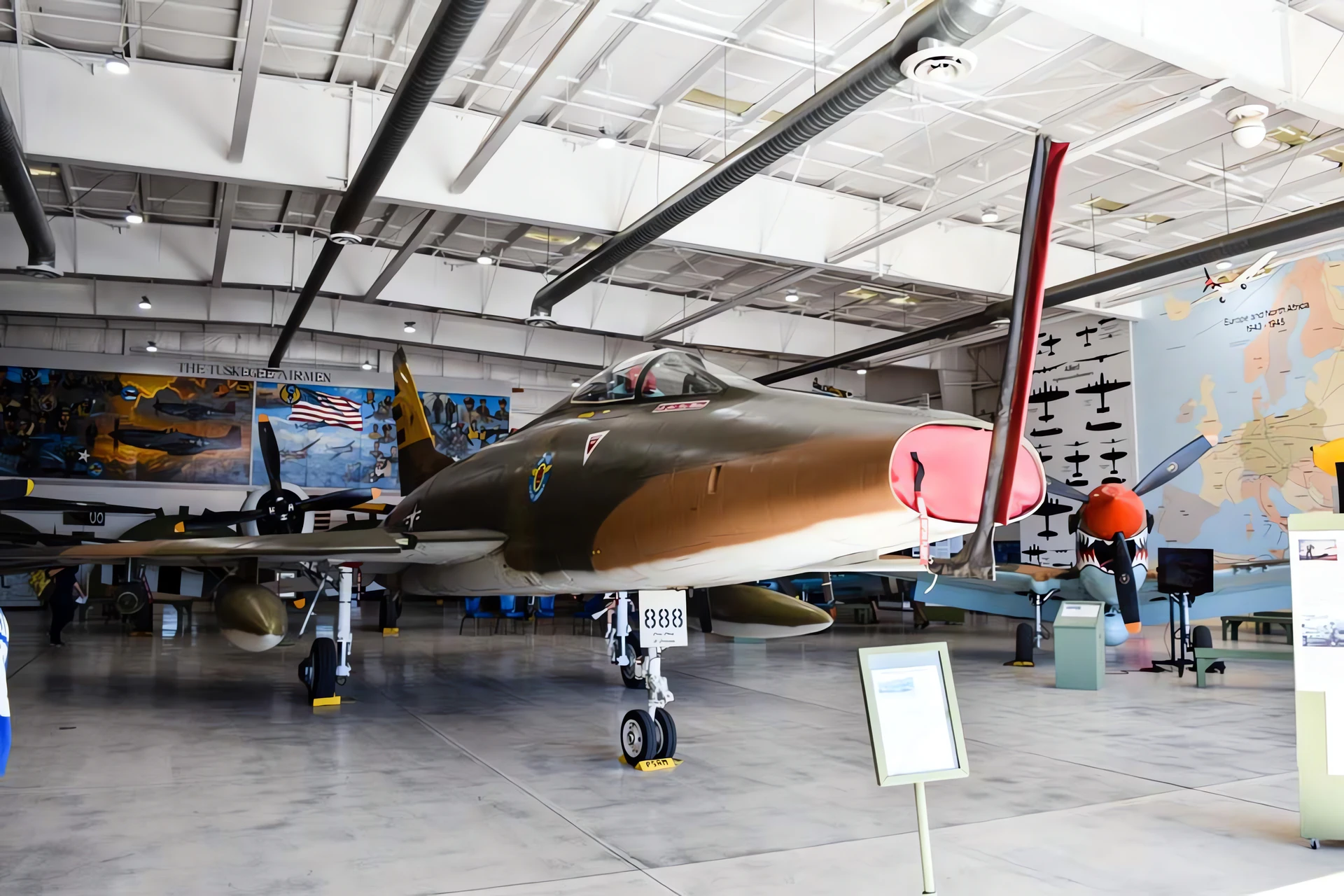
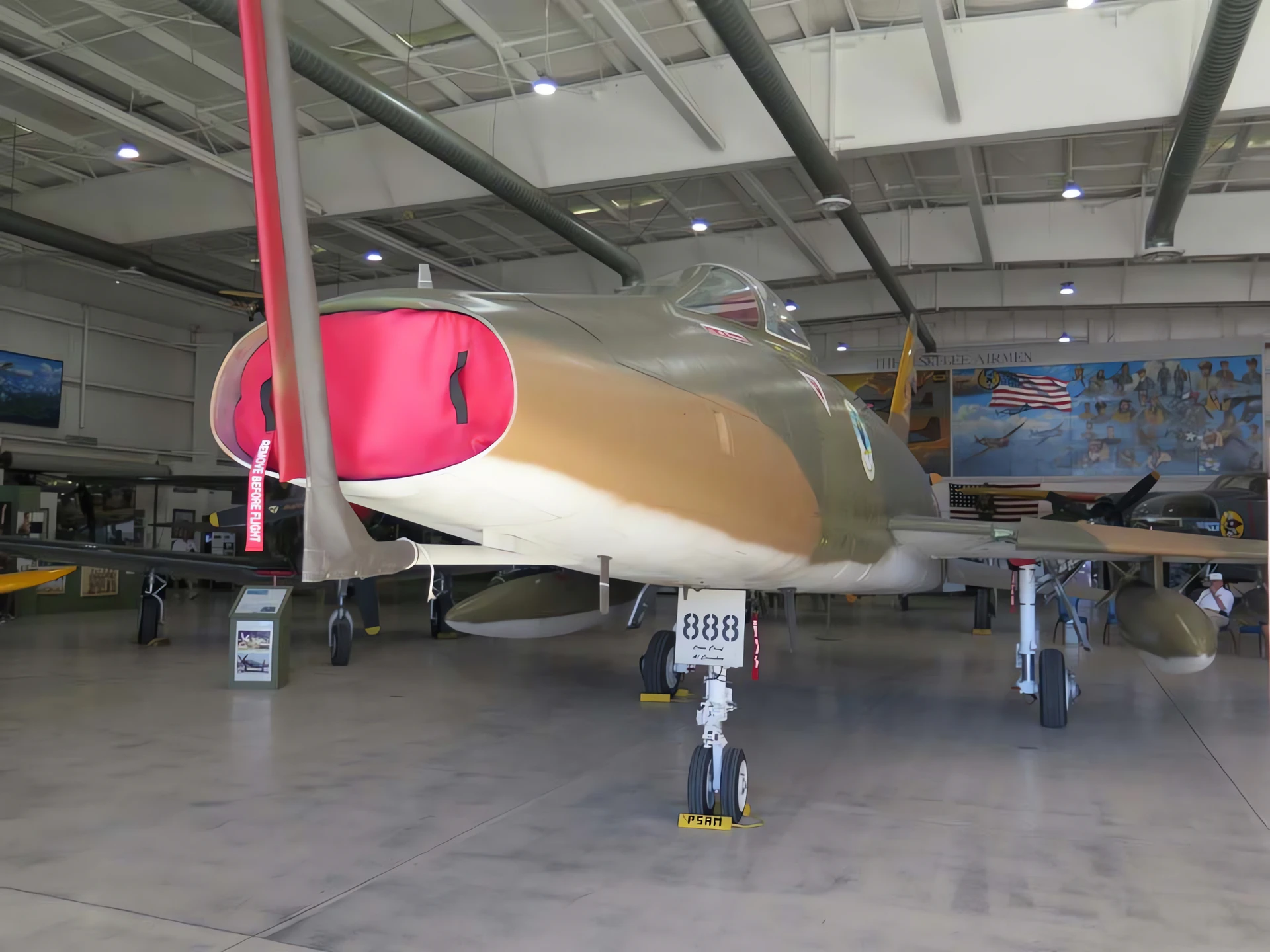
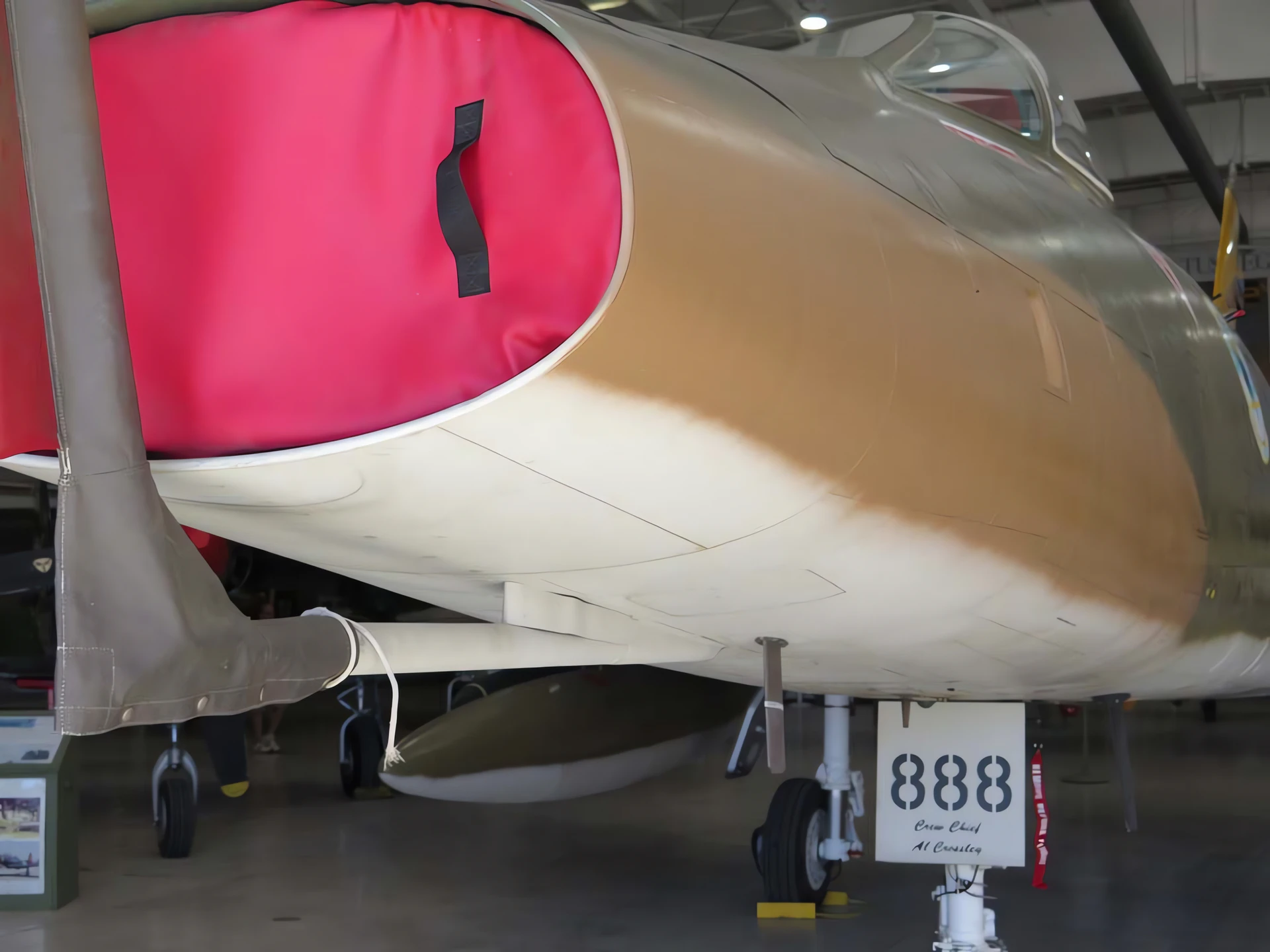
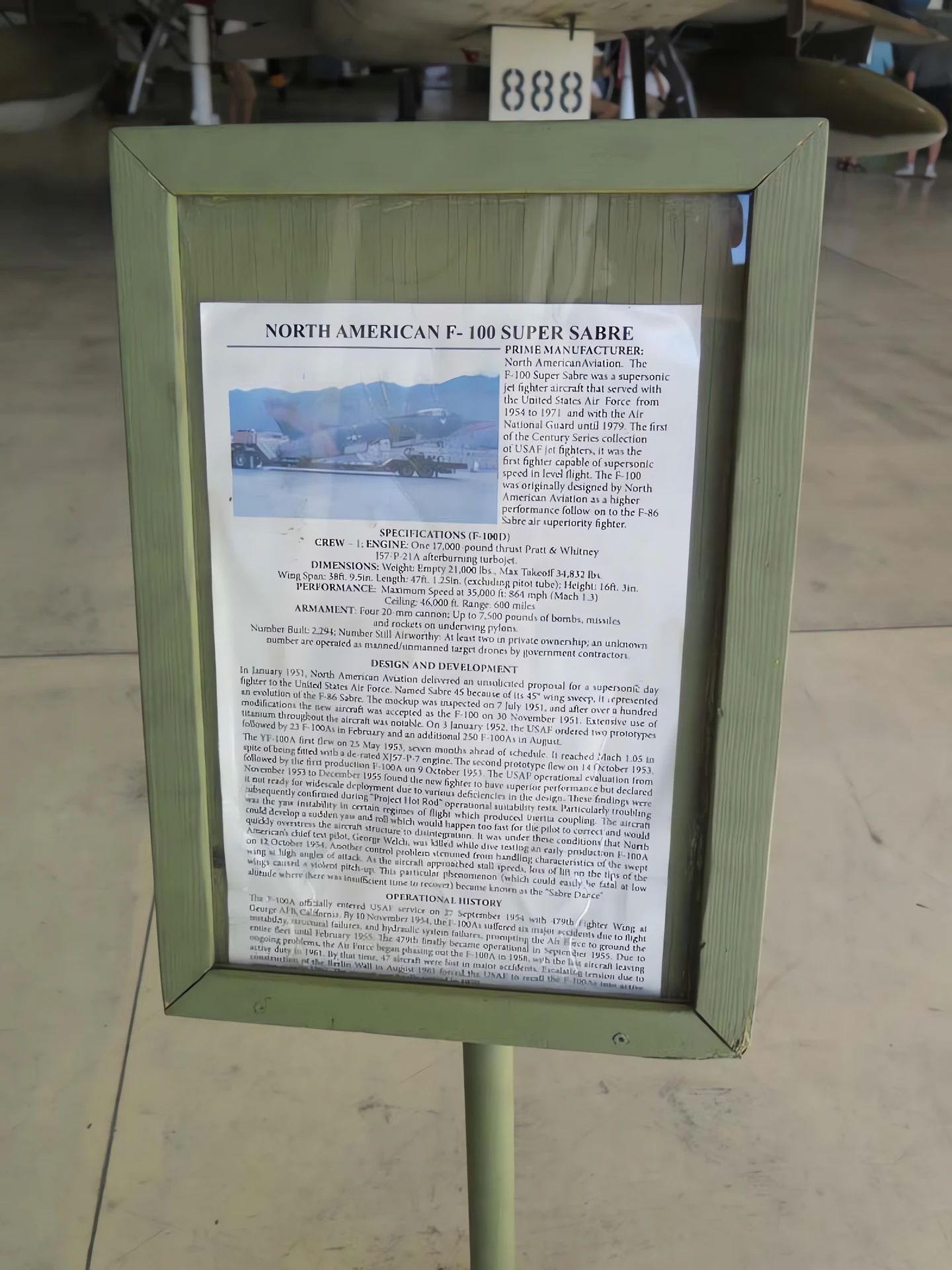
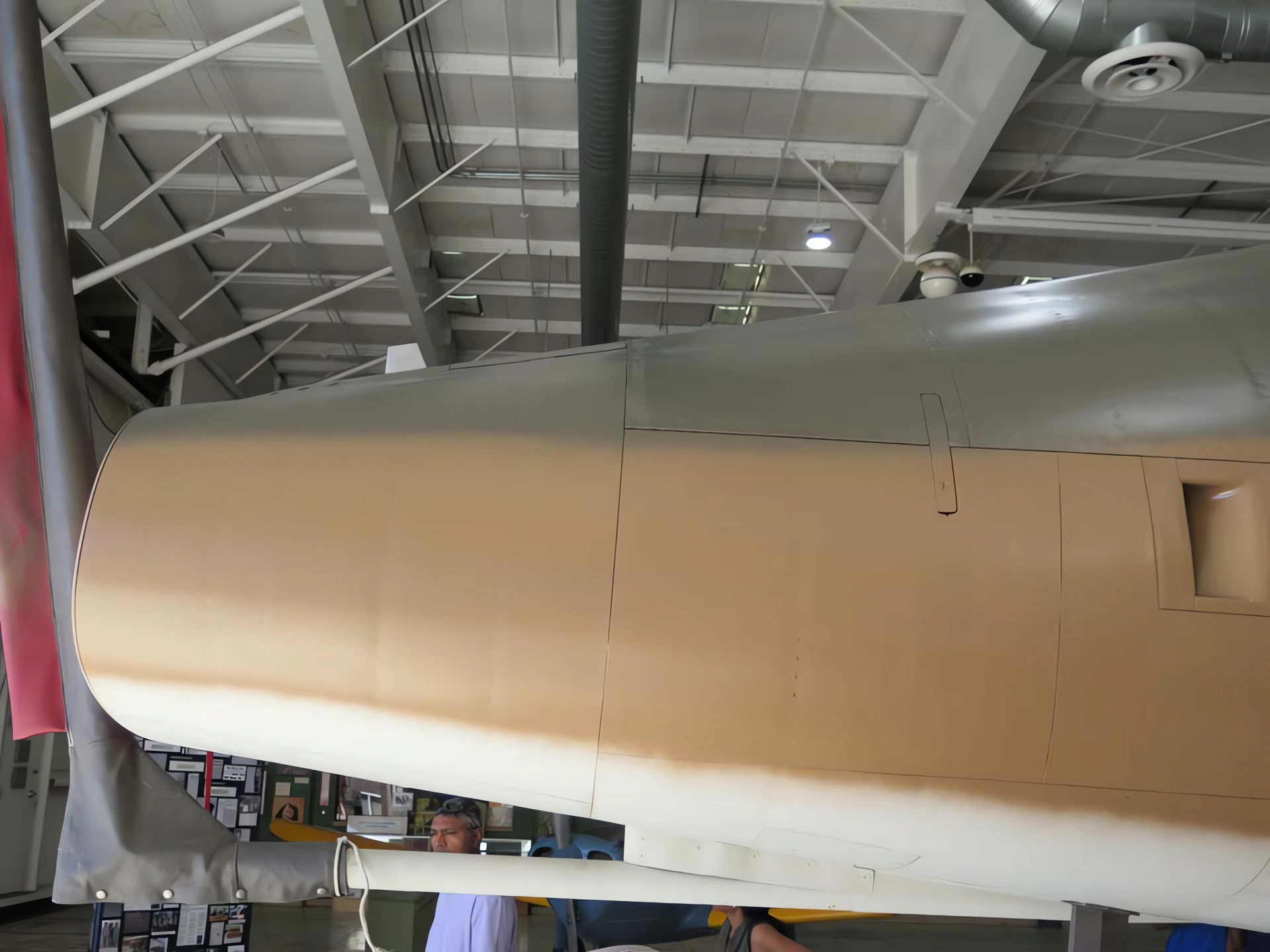
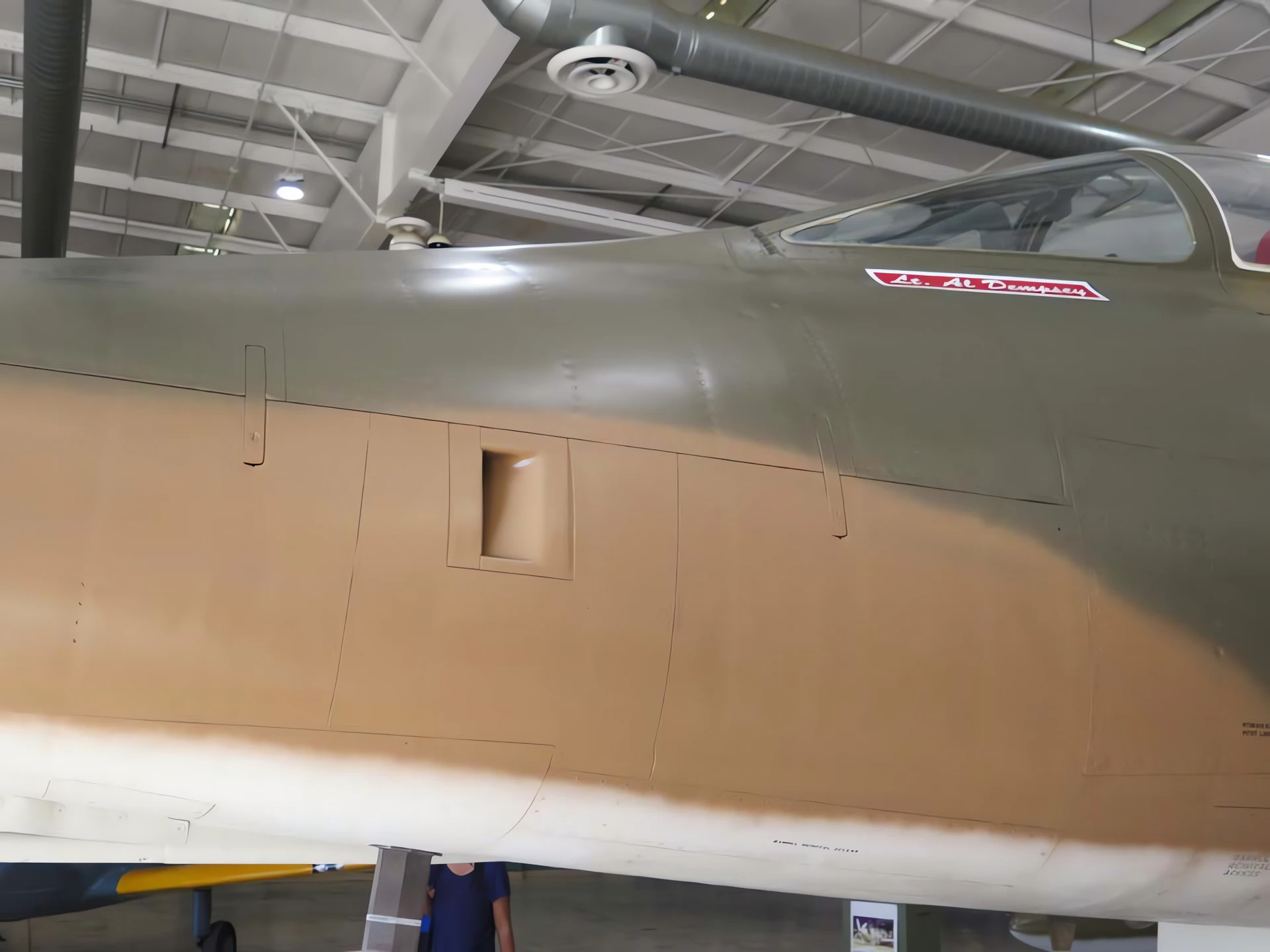
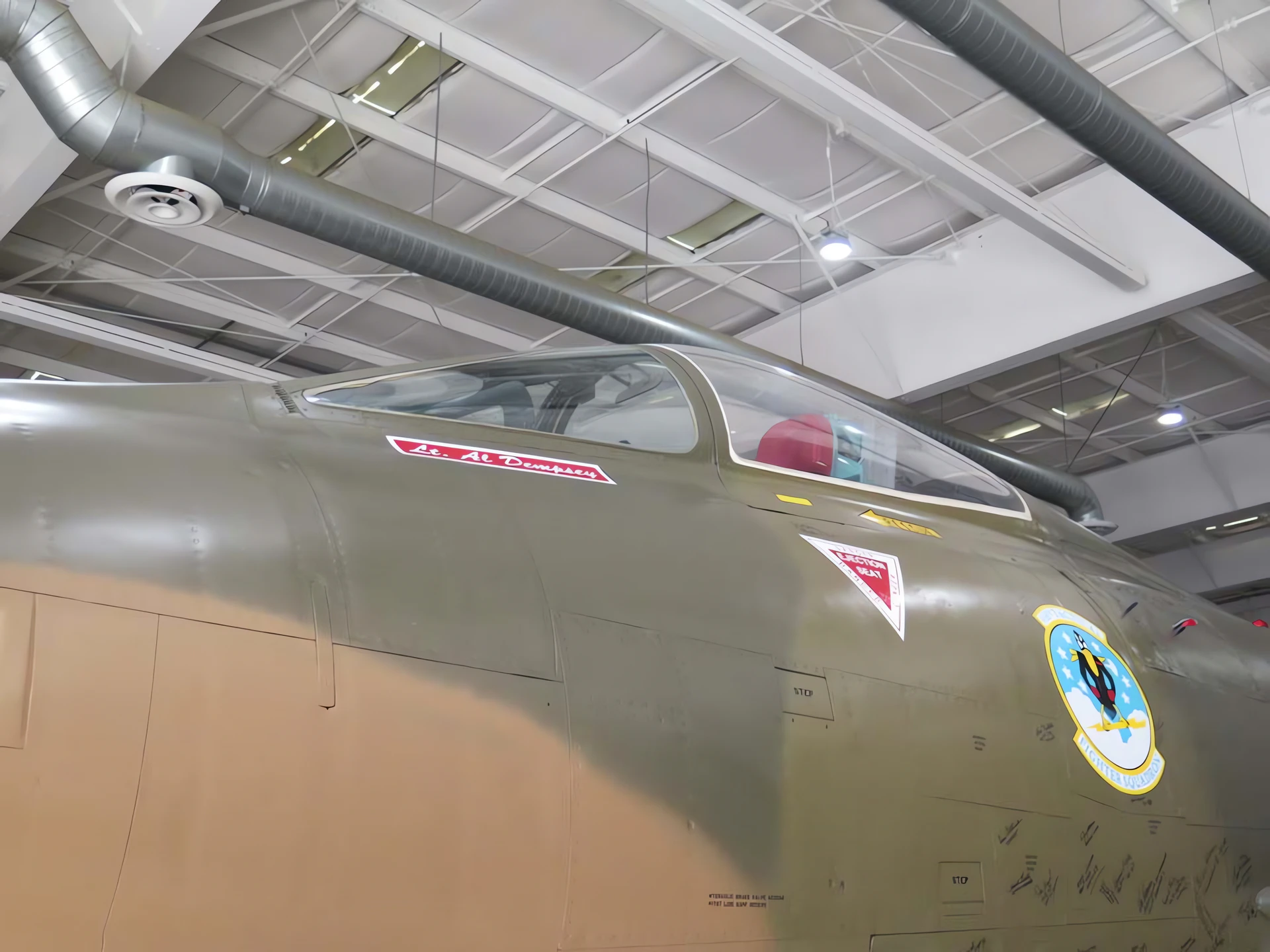
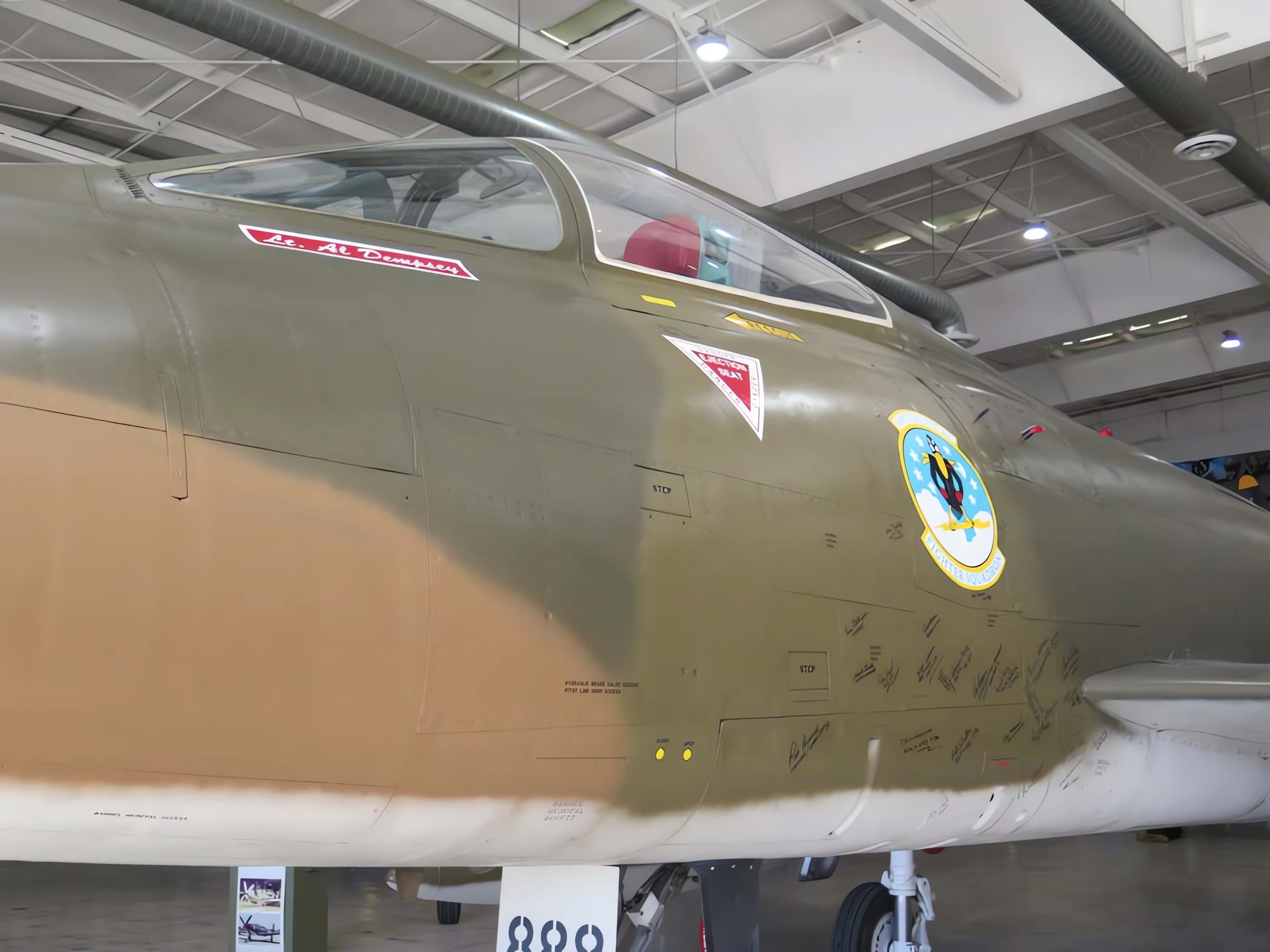
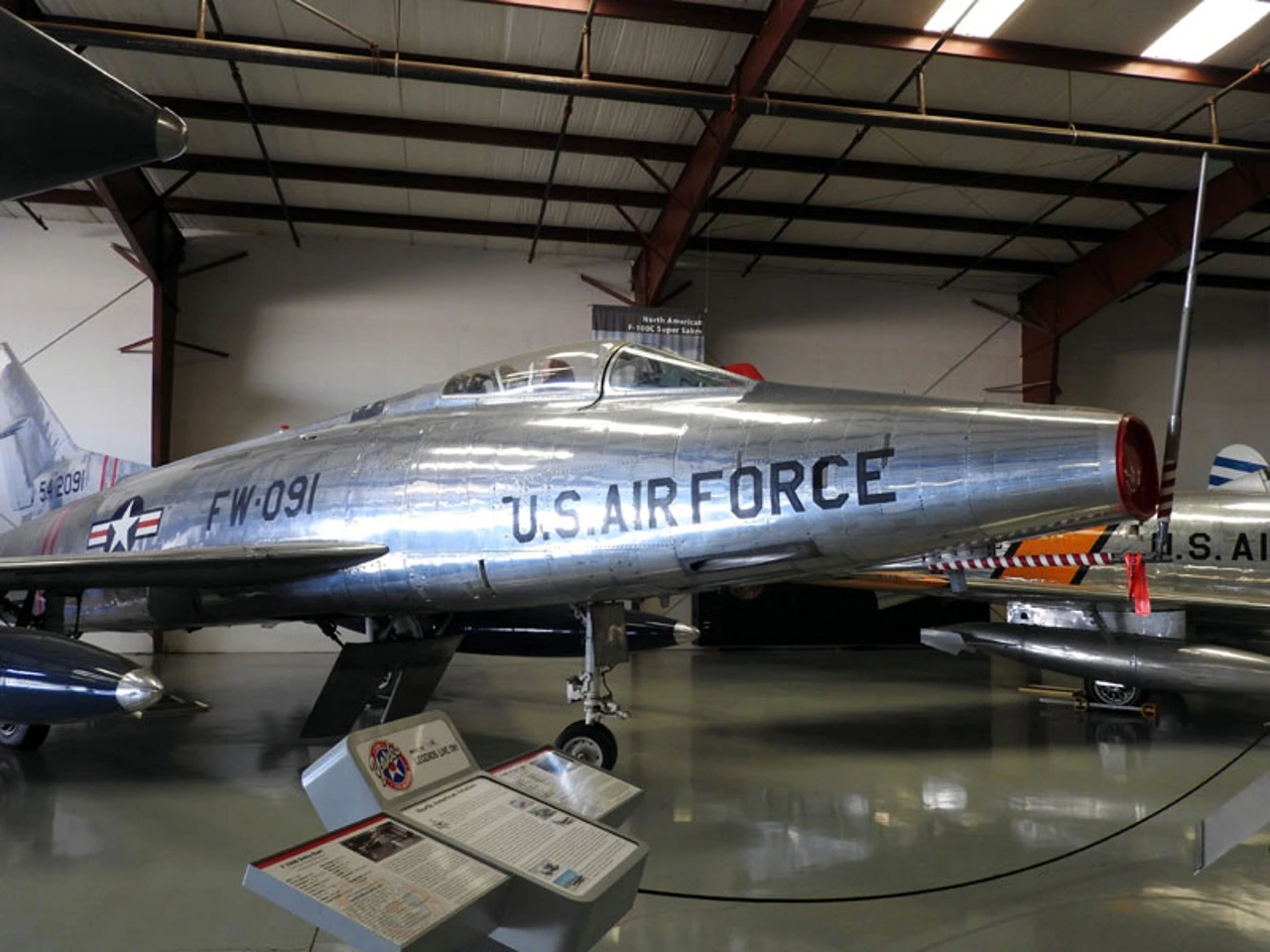
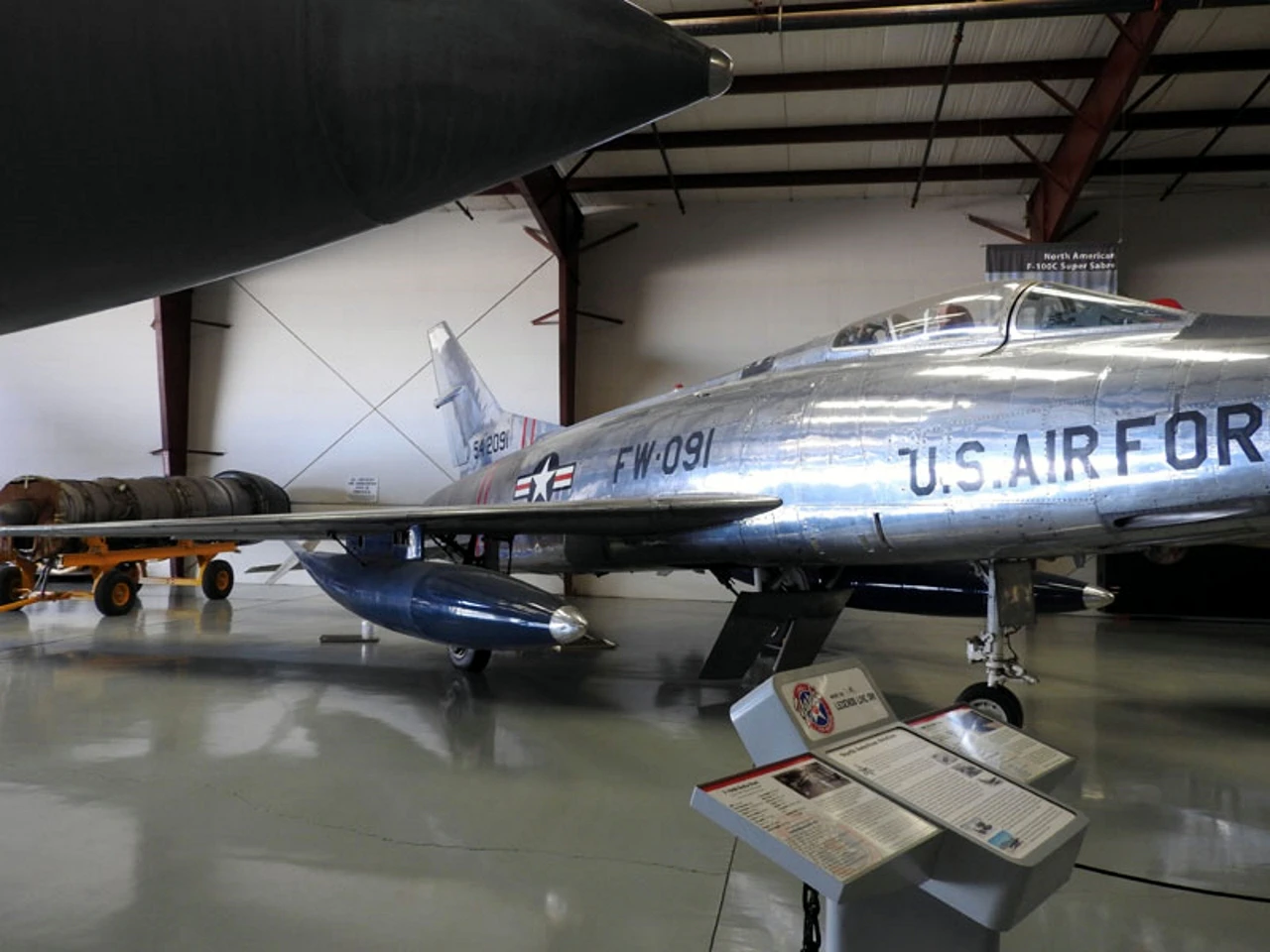
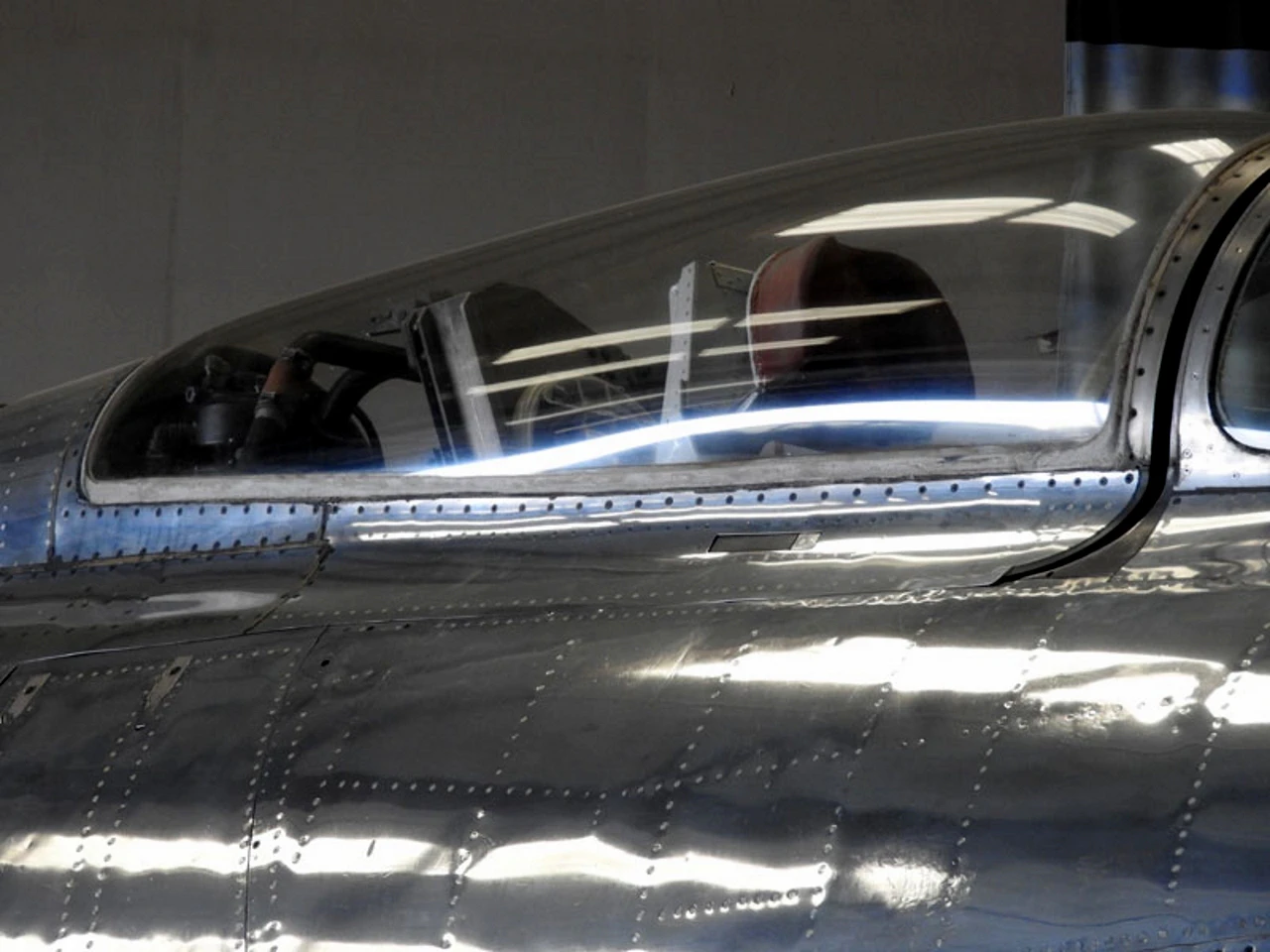
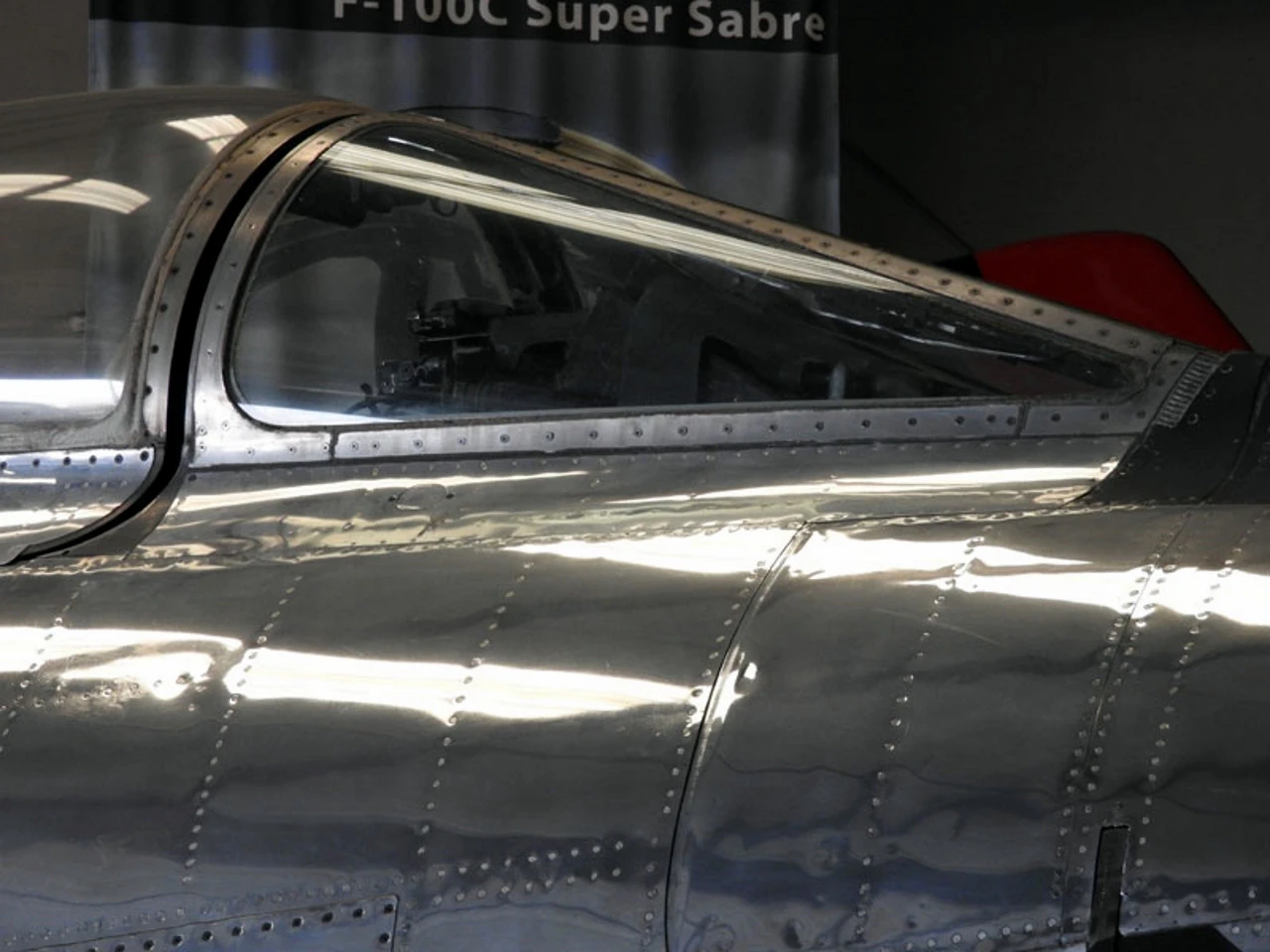
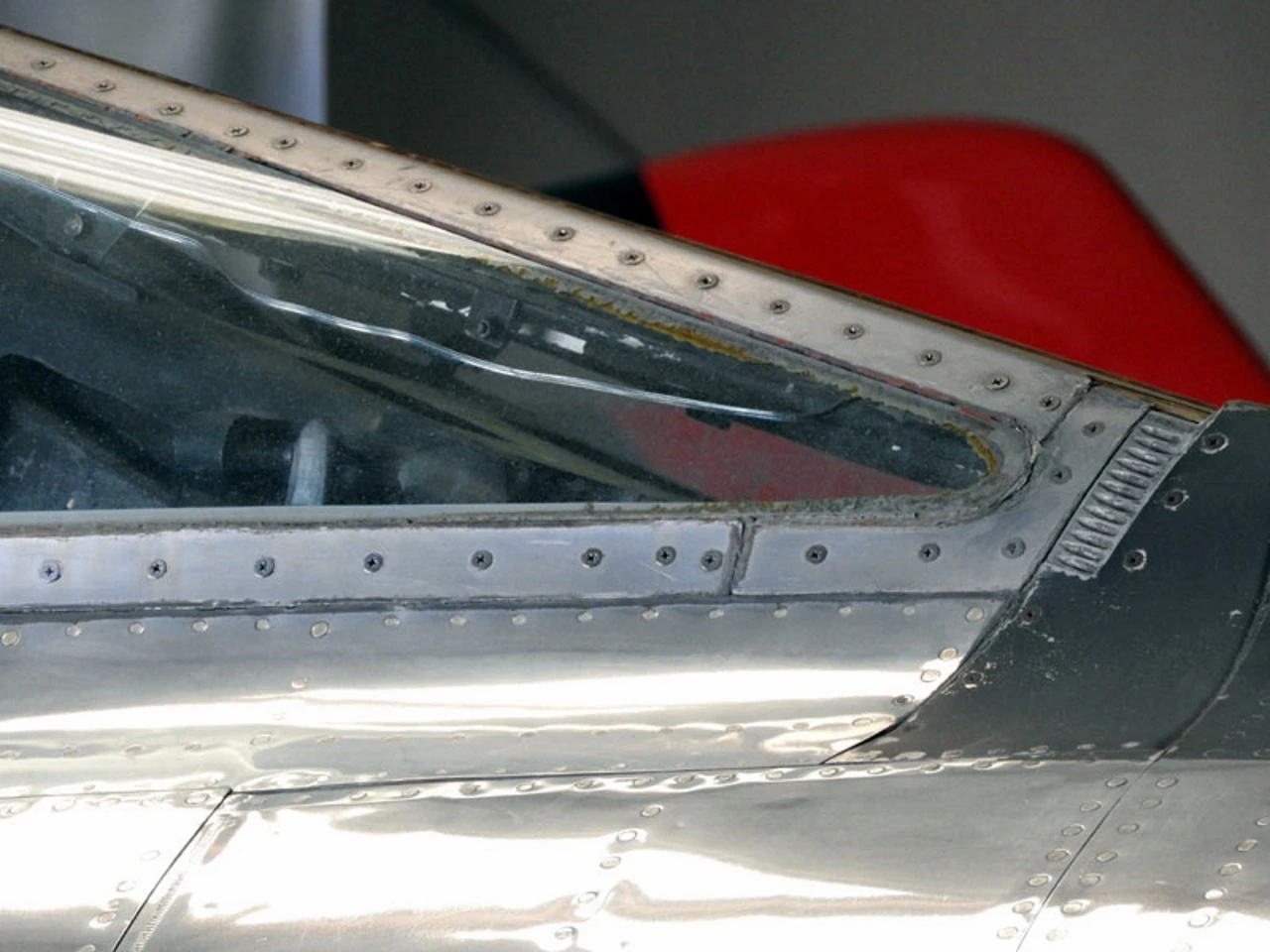
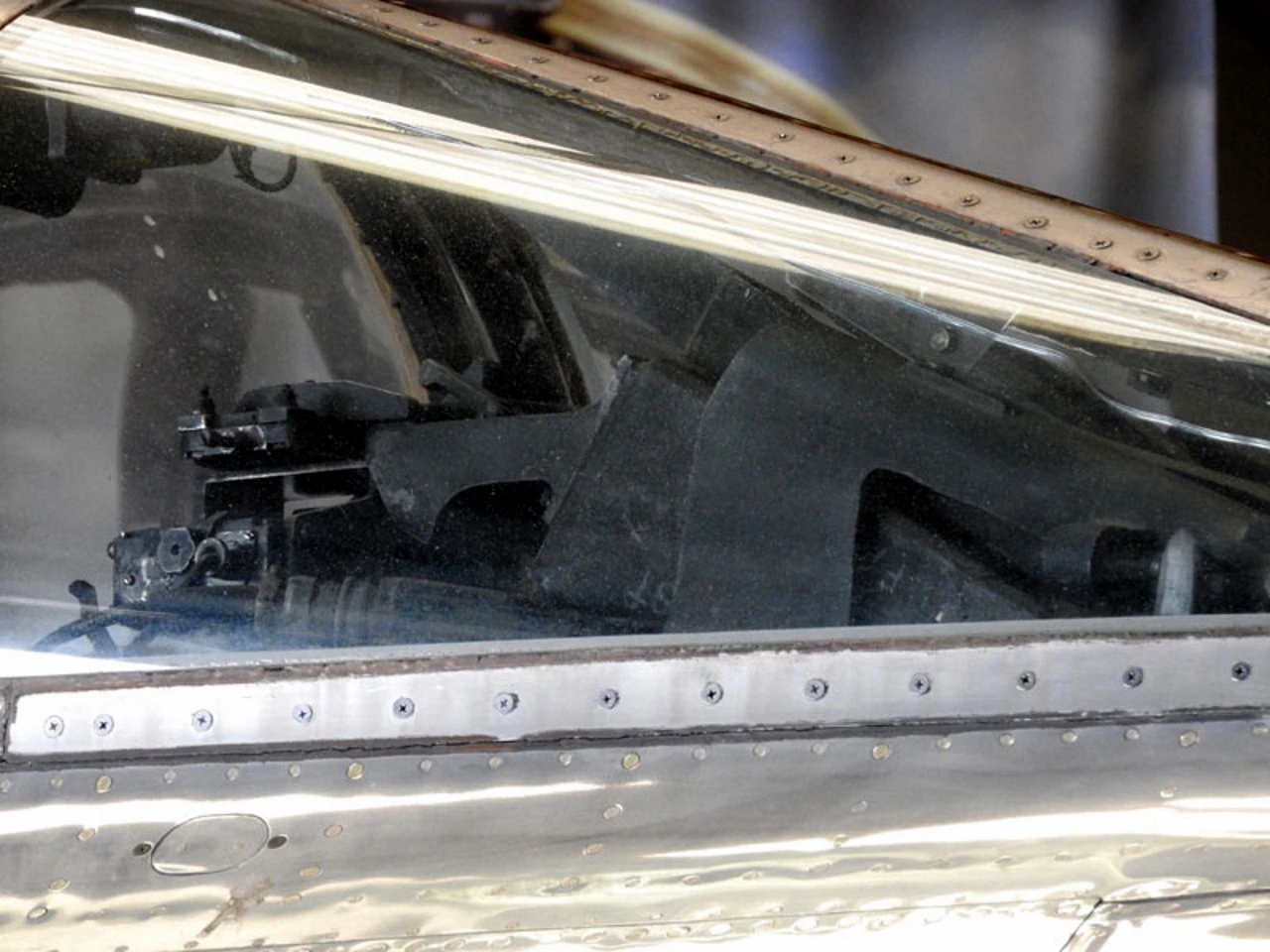
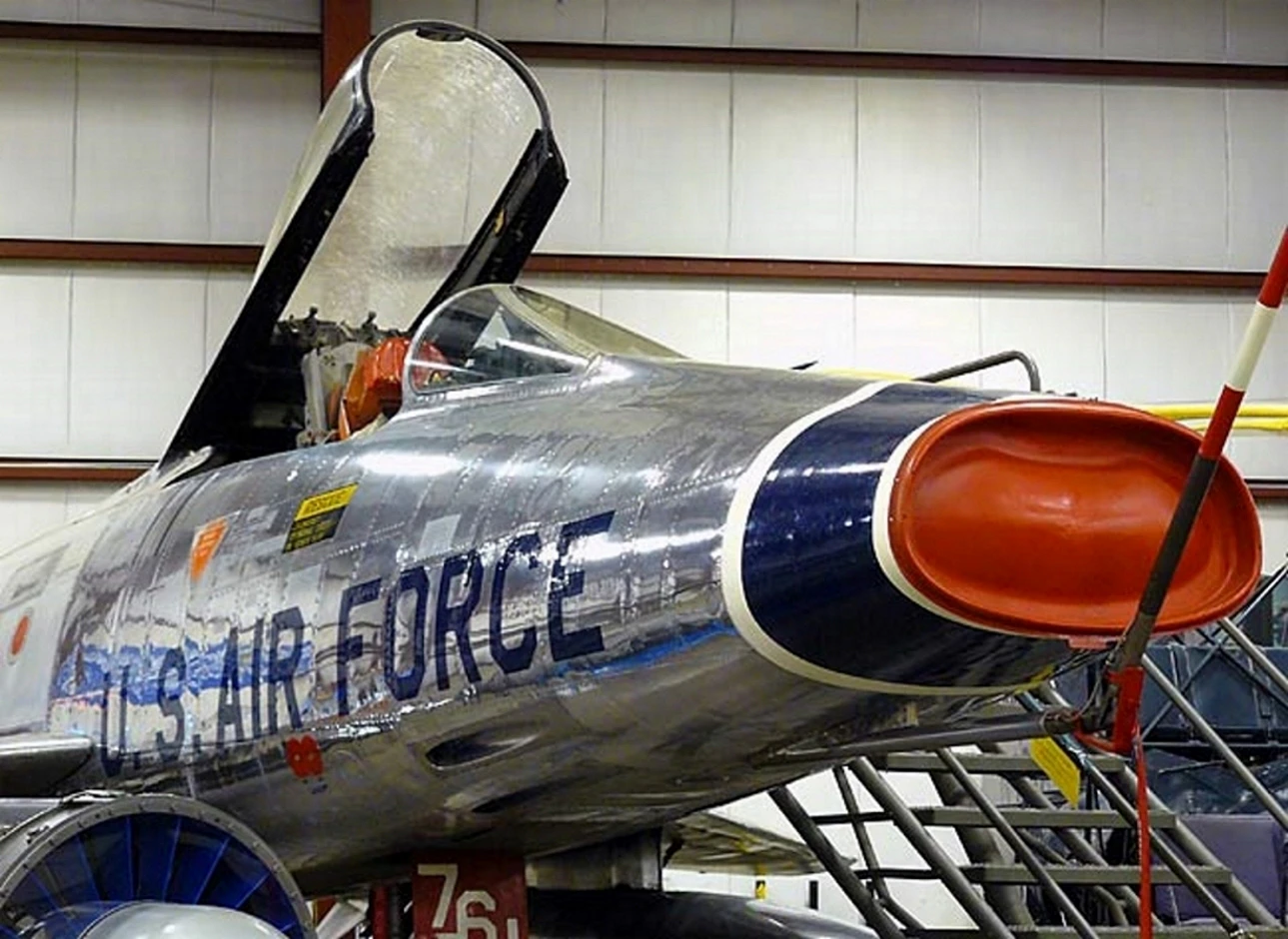
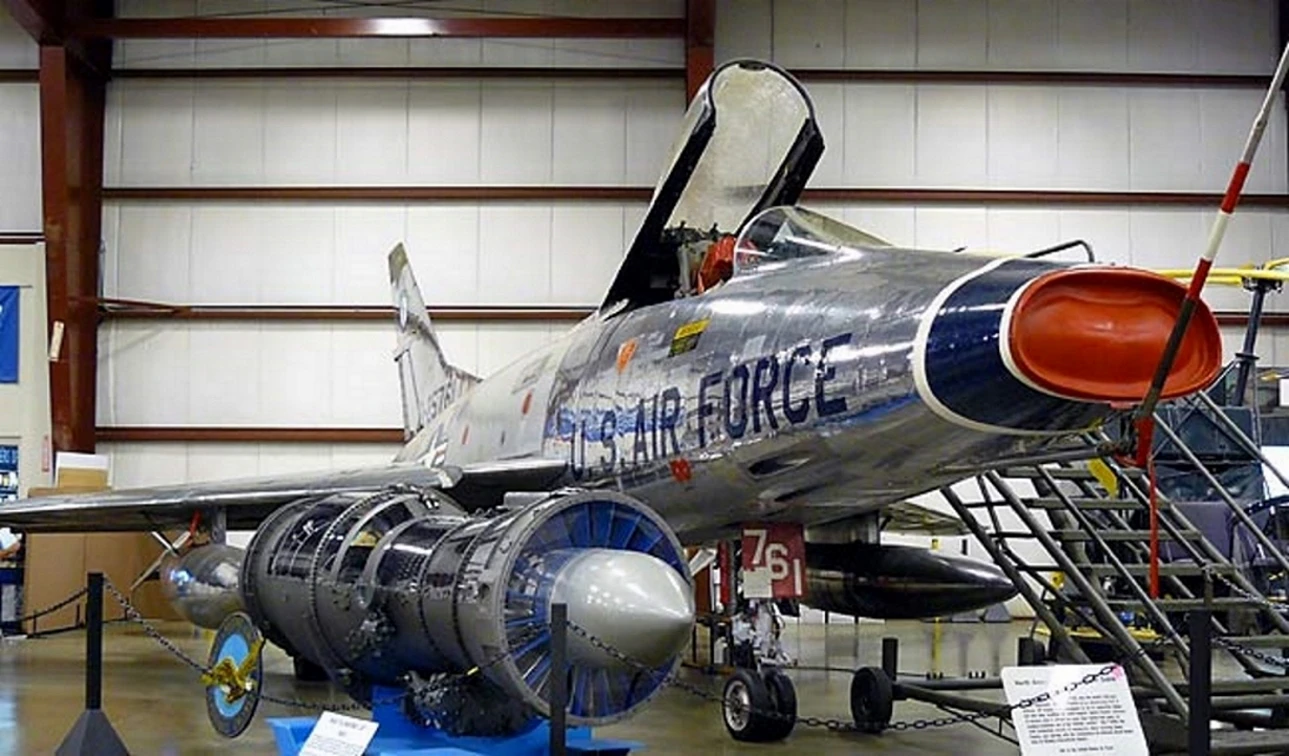
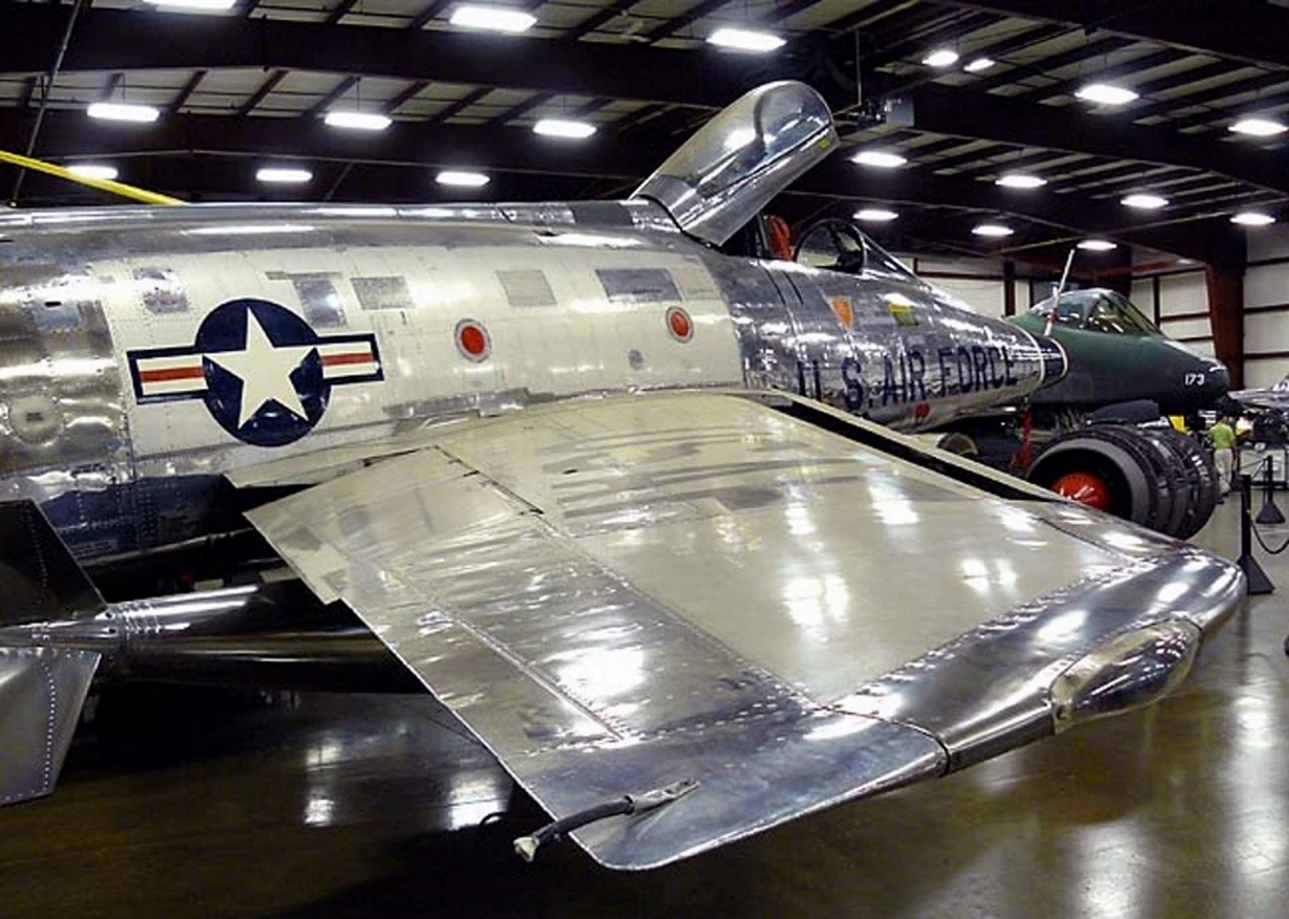
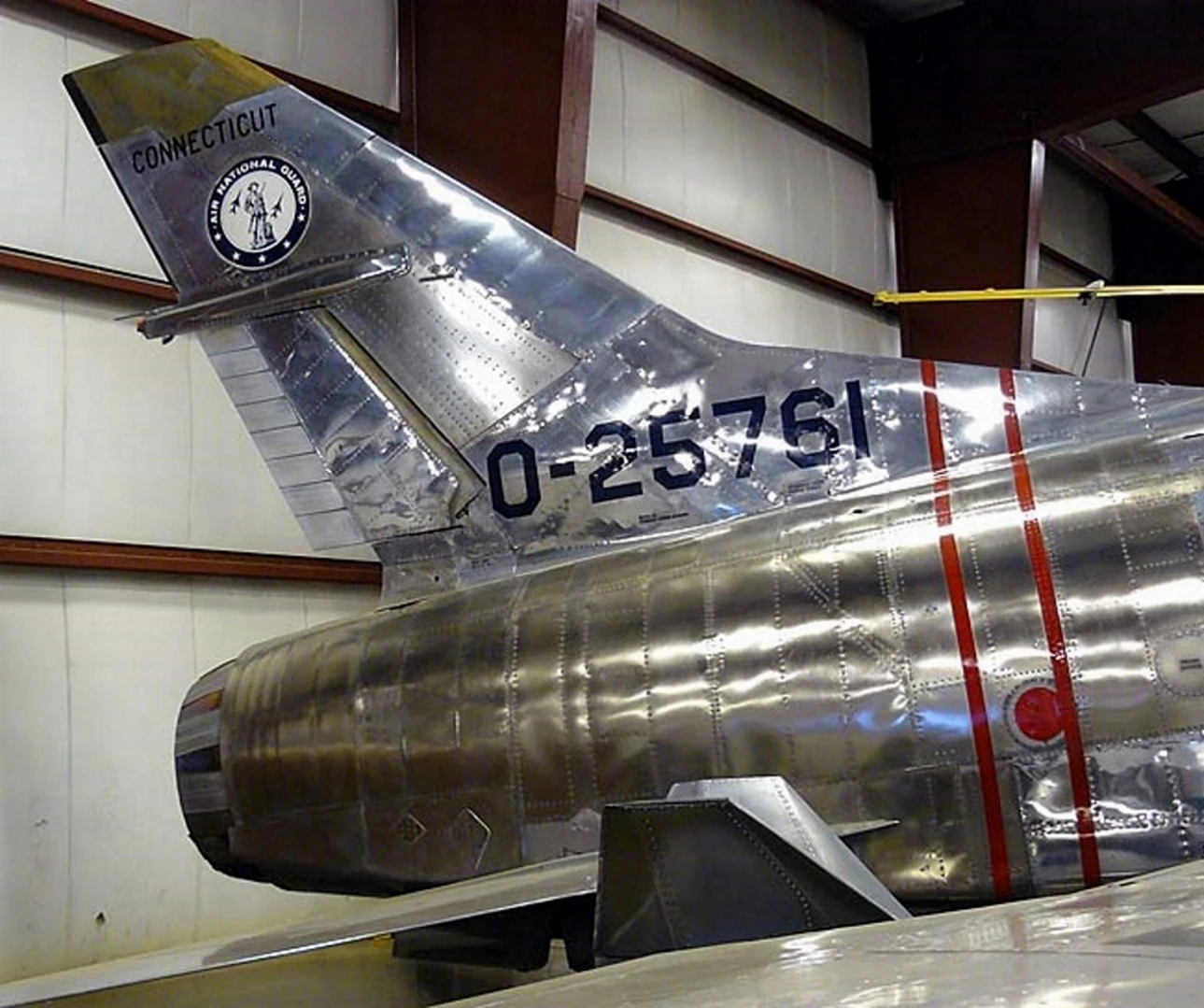
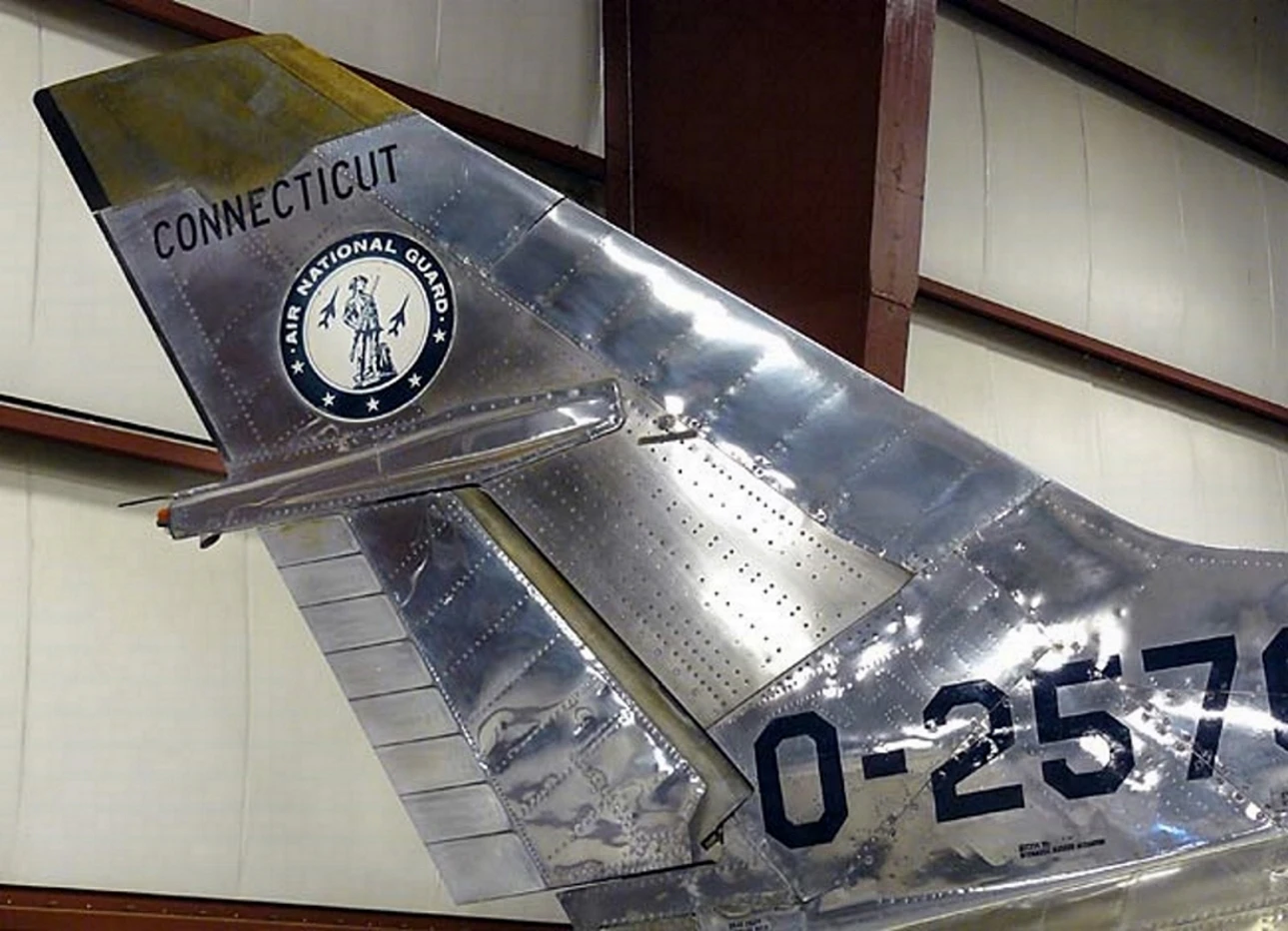
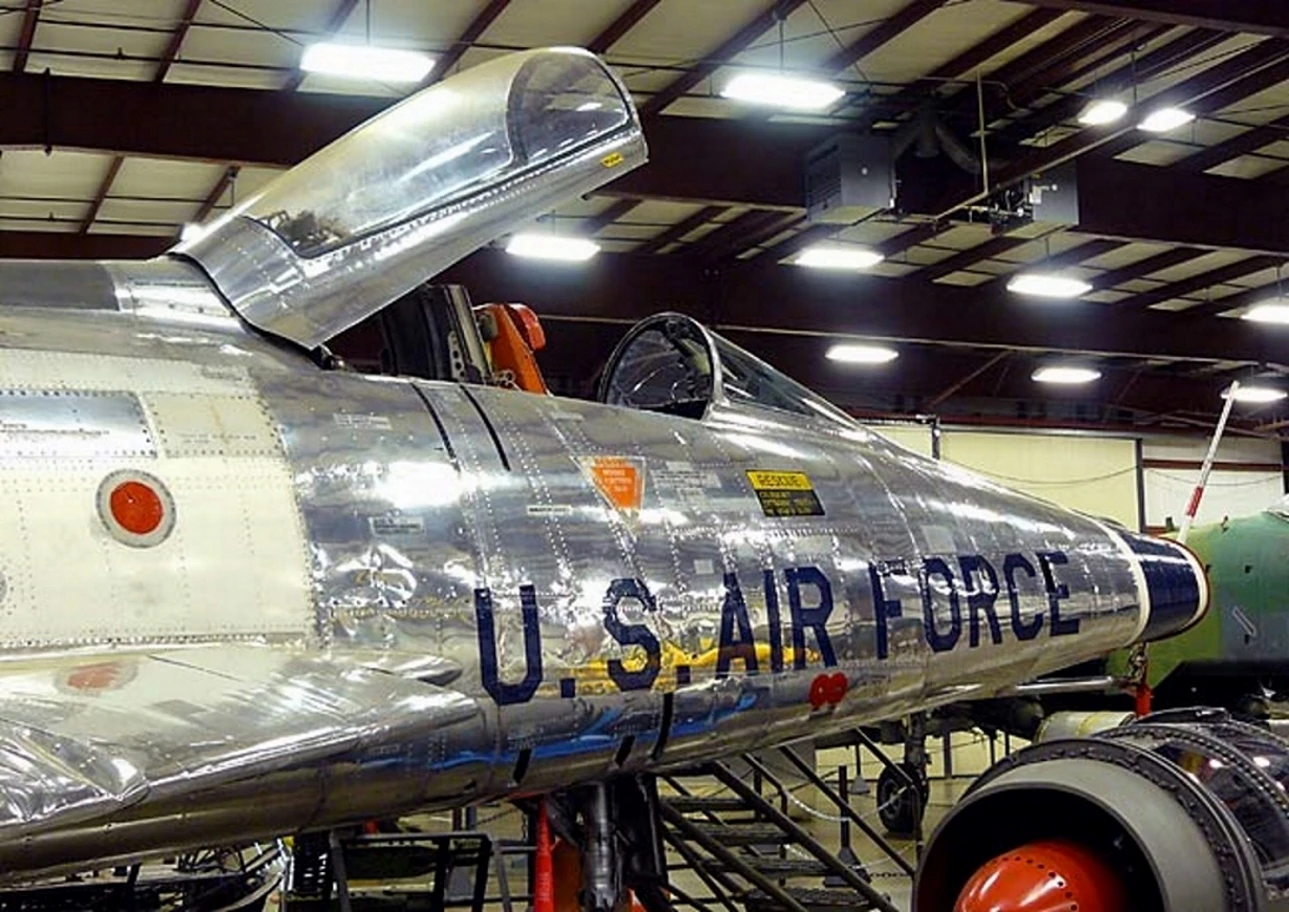
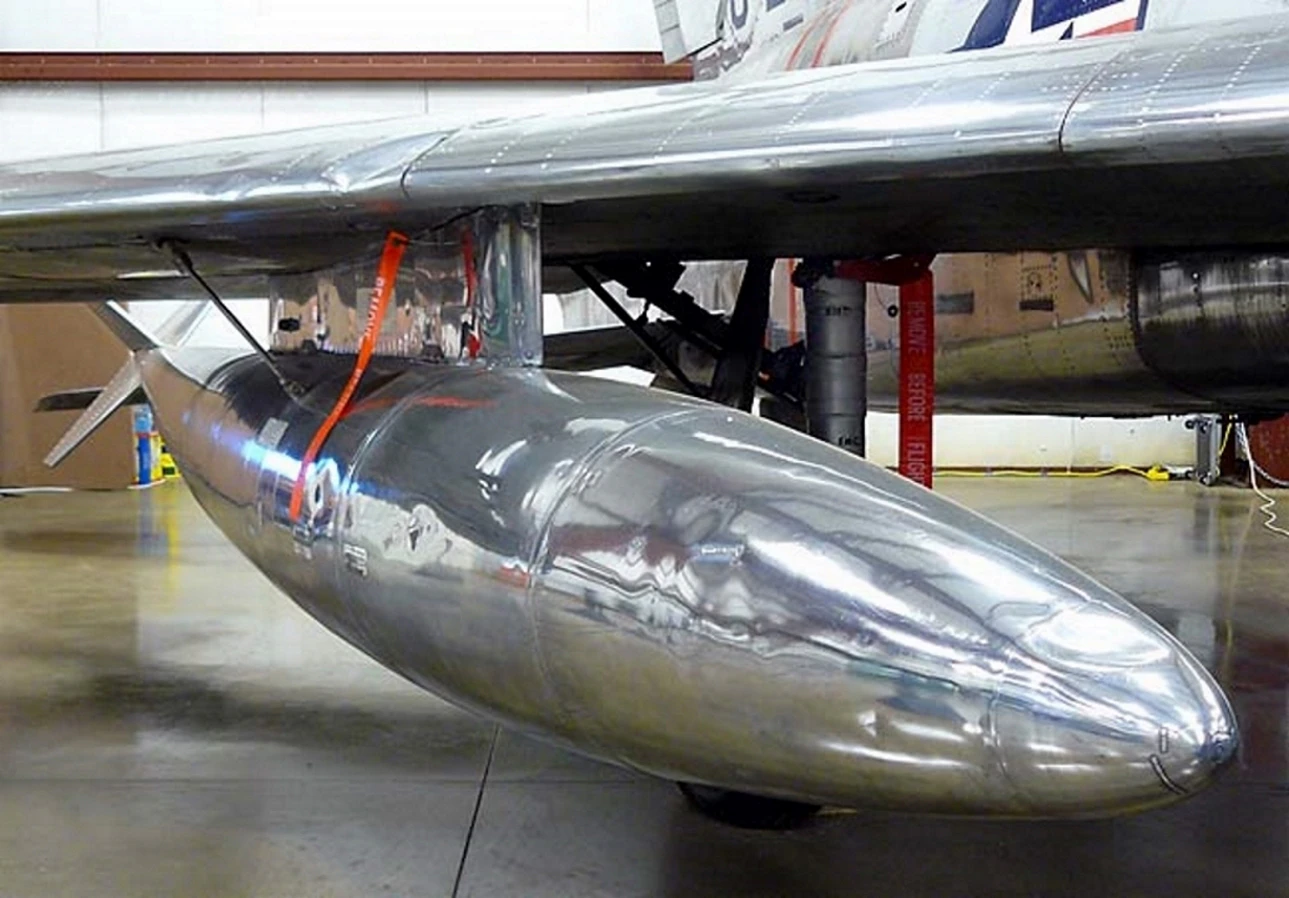
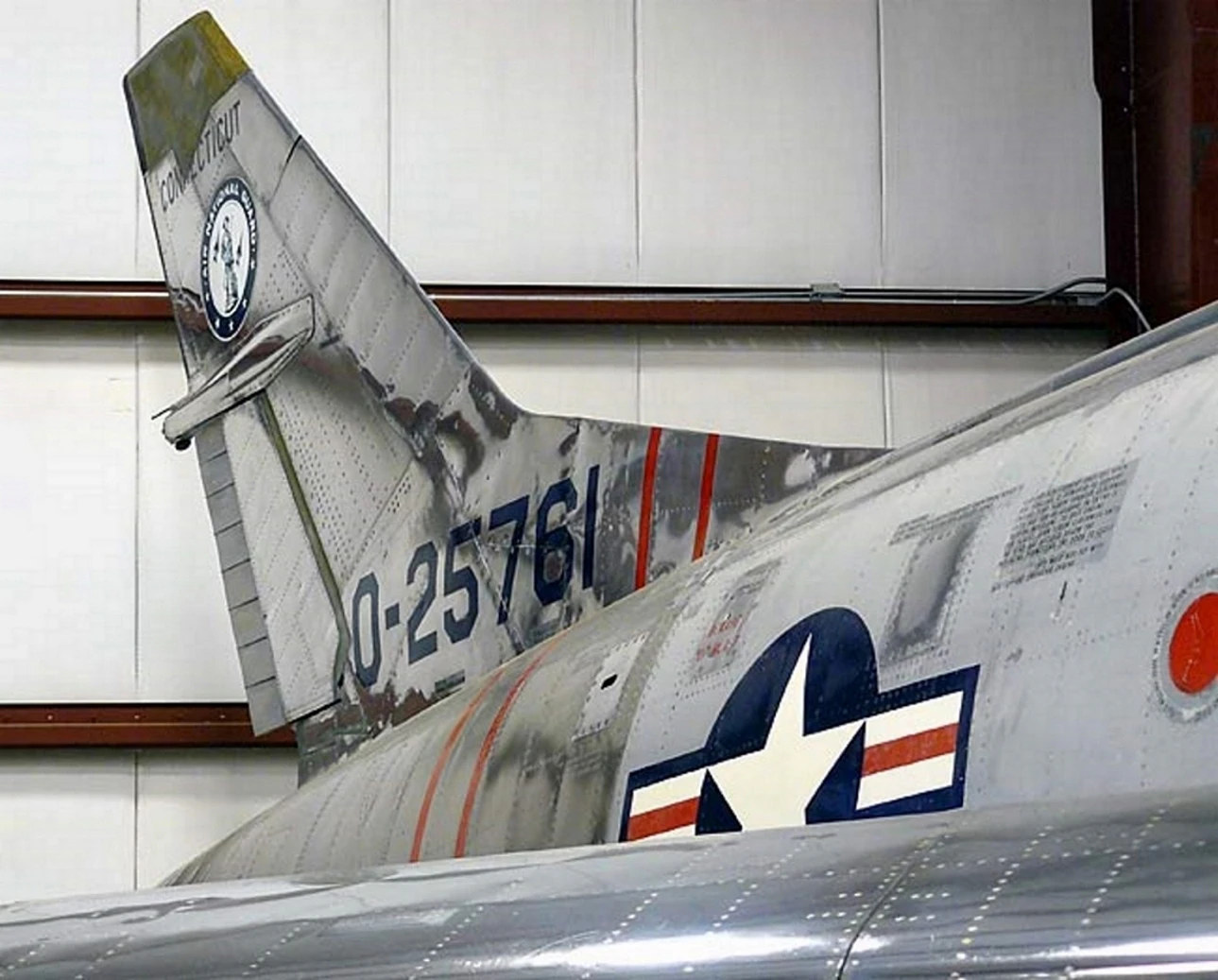
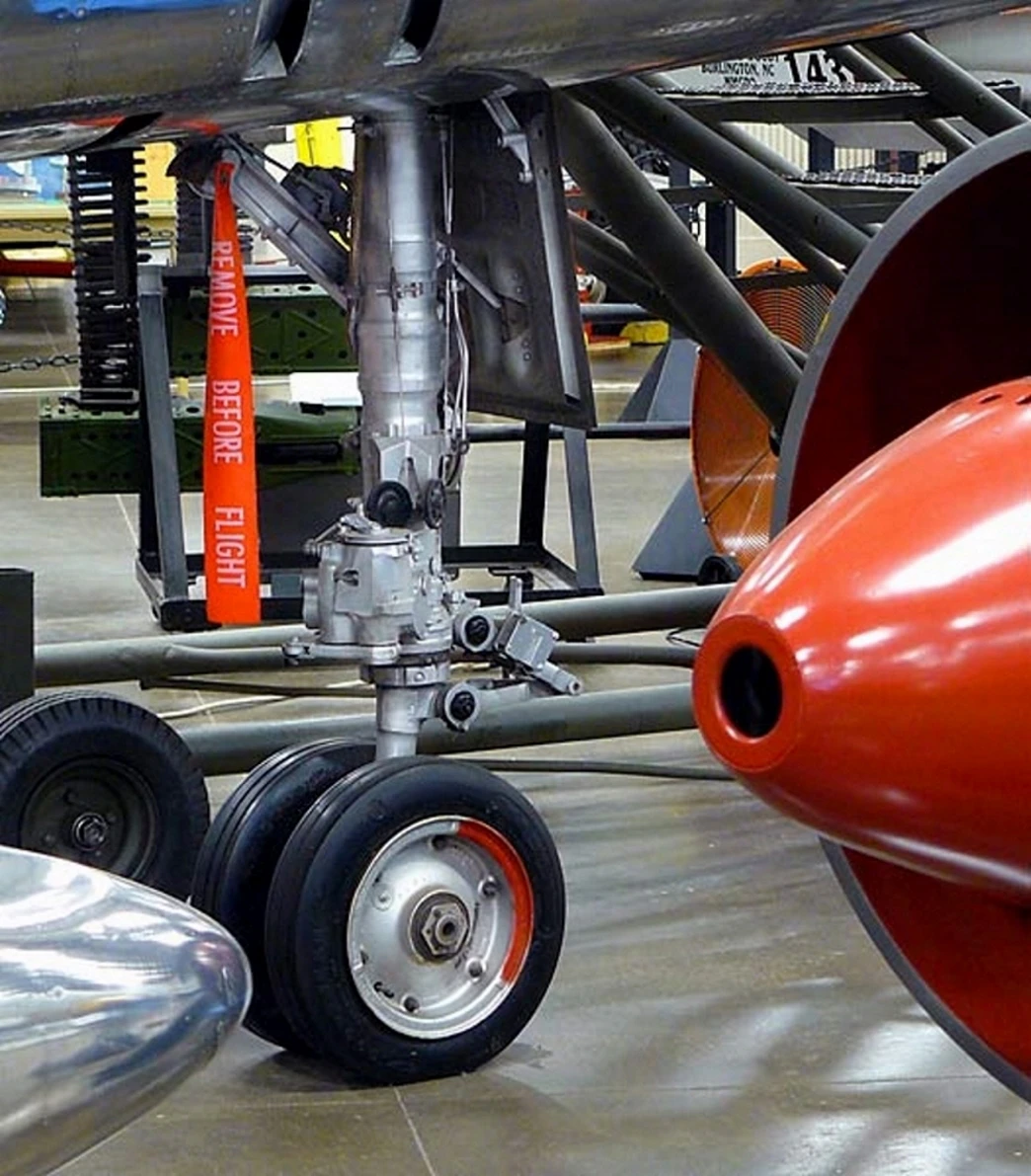
V Severnoameriška F-100 Super Sabljawas an American supersonic jet fighter aircraft that served with the United States Air Force (USAF) from 1954 to 1971 and with the Air National Guard (ANG) until 1979. The first of the Century Series of USAF jet fighters, it was the first USAF fighter capable of supersonic speed in level flight. The F-100 was designed by North American Aviation as a higher performance follow-on to the F-86 Sabre air superiority fighter.
V Severnoameriška F-100 Super Sablja, affectionately known by its pilots as the “Hun” (short for “Hundred”), was a monumental leap in aviation. As the first of the famous “Century Series” fighters, it was the first Western aircraft capable of exceeding Mach 1 in level flight. Derived from the legendary F-86 Sabre, the F-100 featured a radical 45-degree wing sweep and the massive Pratt & Whitney J57 turbojet. While it ushered in the age of supersonic combat, it was a “hot” and unforgiving aircraft that taught the U.S. Air Force hard lessons about high-speed aerodynamics.
10,200 lbf dry / 16,000 lbf (71 kN) with afterburner
Maximum Speed
1,390 km/h (Mach 1.3) at 35,000 ft
Combat Range
965 km (600 mi) internal / 3,170 km ferry range
Oborožitev
4 × 20 mm M39A1 revolver cannons; 7,040 lbs of ordnance
Design Engineering: Titanium and the “Sabre Dance”
The 45° Sweep:To achieve supersonic speeds, North American increased the wing sweep from the F-86’s 35° to a sharp 45°. This reduced wave drag but led to significant stability issues at low speeds.
Titanium Construction:The F-100 was one of the first production aircraft to make extensive use of titanium, particularly in the rear fuselage around the engine, to withstand the immense heat generated by the J57’s afterburner.
All-Moving Tail (Stabilator):To maintain control in the “transonic” region where traditional elevators lose effectiveness, the F-100 utilized a slab tail—the entire horizontal stabilizer moved to control pitch.
The J57 Two-Spool Engine:The J57 was a masterpiece of engineering, being the first 10,000-lb thrust class engine in the US. Its “twin-spool” design allowed for better compressor efficiency across a wide range of speeds.
The Sabre Dance:Because of the high wing sweep and lack of sophisticated flight computers, the F-100 was prone to a dangerous “pitch-up” phenomenon at low speeds. If a pilot pulled too hard during landing, the nose would pitch up violently, stalling the aircraft—a maneuver captured in terrifying historical footage known as the “Sabre Dance.”
Combat History: The Workhorse of Vietnam
Vietnam Longevity:The F-100 flew more sorties in Vietnam than any other US fighter (over 360,000), serving as the primary close air support (CAS) platform until the late 1960s.
Wild Weasel I:The two-seat F-100F was the original “Wild Weasel.” These crews flew incredibly dangerous missions to detect and suppress North Vietnamese Surface-to-Air Missile (SAM) sites using the first primitive radar-homing equipment.
Misty FACs:F-100Fs also served as “Fast FACs” (Forward Air Controllers). Flying under the callsign “Misty,” these pilots flew at high speeds and low altitudes over the Ho Chi Minh Trail to mark targets for other bombers.
The Thunderbirds:The F-100 was the first supersonic mount for the USAF Thunderbirds demonstration team (1956–1968), where its gleaming silver and red-white-blue livery became an icon of American air power.

 Kupite mi kavo

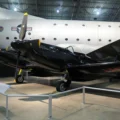 Severnoameriški F-82 Twin Mustang – Fotografije & Video posnetki
 Severnoameriški FJ-4 Fury – Fotografije & Video
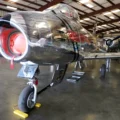 Canadair Sabre - Fotografije in video
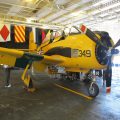 North American T-28 Trojan – Fotografije & Video
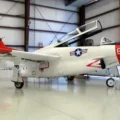 Severnoameriški T-2 Buckeye - fotografije in video
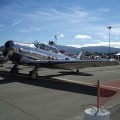 Severnoameriški AT-6D Texan – Fotografije & Video
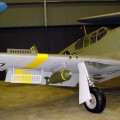 Severnoameriški A-36A Apache – Fotografije & Video
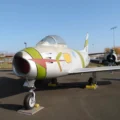 Severnoameriški F-86 Sabre – Fotografije & Video
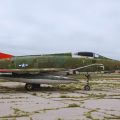 QF-100D Super Sabre – Fotografije & Video
 Severnoameriški T-6 Texan – Fotografije & Video