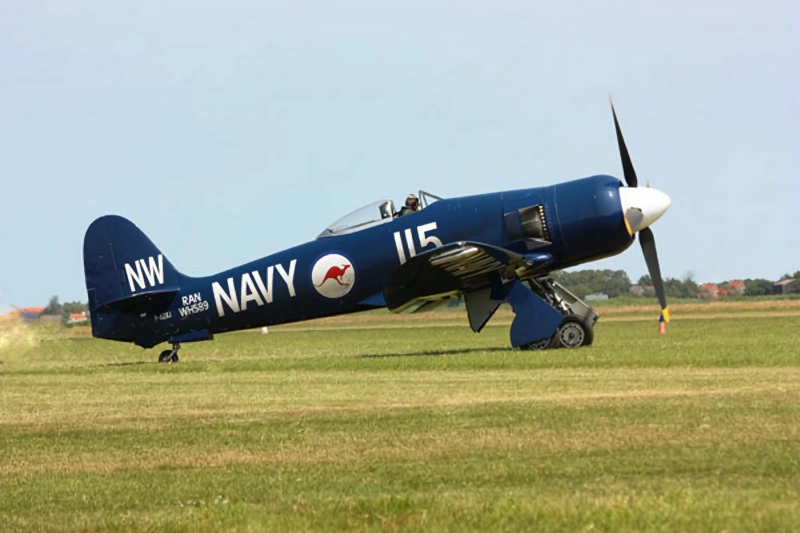
Hawker Sea Fury | |
|---|---|
| Državi | Uk |
| Obdobje | 2. svetovna vojna |
| Vrsta | Orion |
Galerie photo sur un chasseur Hawker Sea Fury FBII, Le Morska besna je bil britanski lovec, ki ga je za Kraljevo mornarico razvil proizvajalec Hawker-Siddeley med drugo svetovno vojno. To je bilo zadnje propelersko letalo Kraljeve mornarice, eden najhitrejših enomotornih batov, ki so jih kdaj zgradili, in zadnji lovec na propelerski pogon, ki je sestrelil reaktivno letalo.
V Hawker Bes a pris la succession du Hawker Tempest ainsi que du Hawker Typhoon. Développé en 1942 par l’ingénieur Sidney Camm pour répondre à un appel d’offres ayant été émis par la RAF (Royal Air Force) et visant le remplacement du Tempest II qui était dépassé. La base du concept étant de concevoir un Tempest en le rendant plus léger avec l’utilisation de son aile semi-elliptique positionnée au centre du fuselage qui était lui-même identique à celui du Tempest. Les différences entre les deux avions était le mode monocoque et le cockpit surélevé qui fournissait au pilote une meilleure visibilité.
| Hawker Sea Fury FBII | |
|---|---|
| Fotograf | Unknow |
| Lokalizacijo | Neznano |
| Fotografije | 26 |
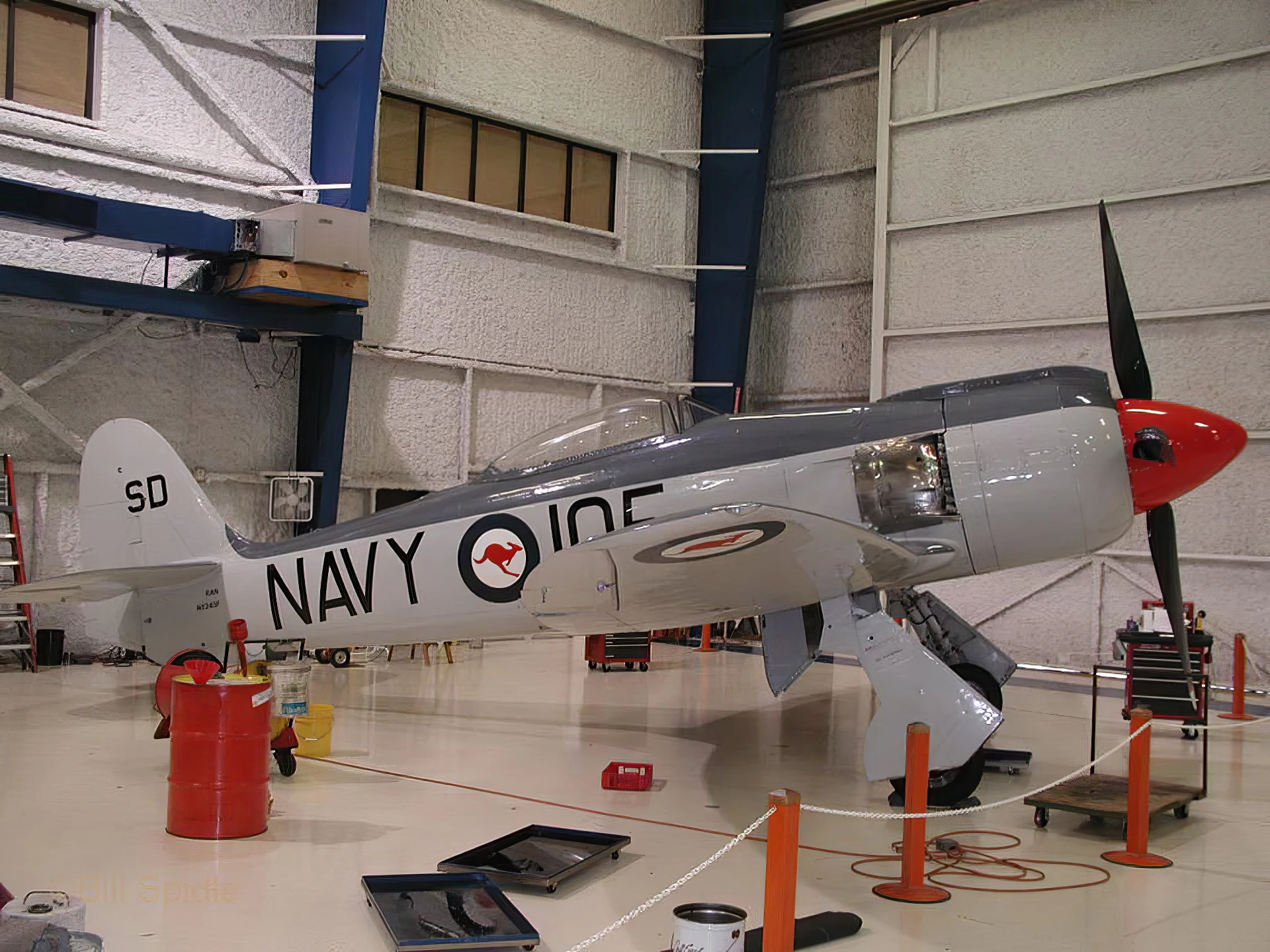
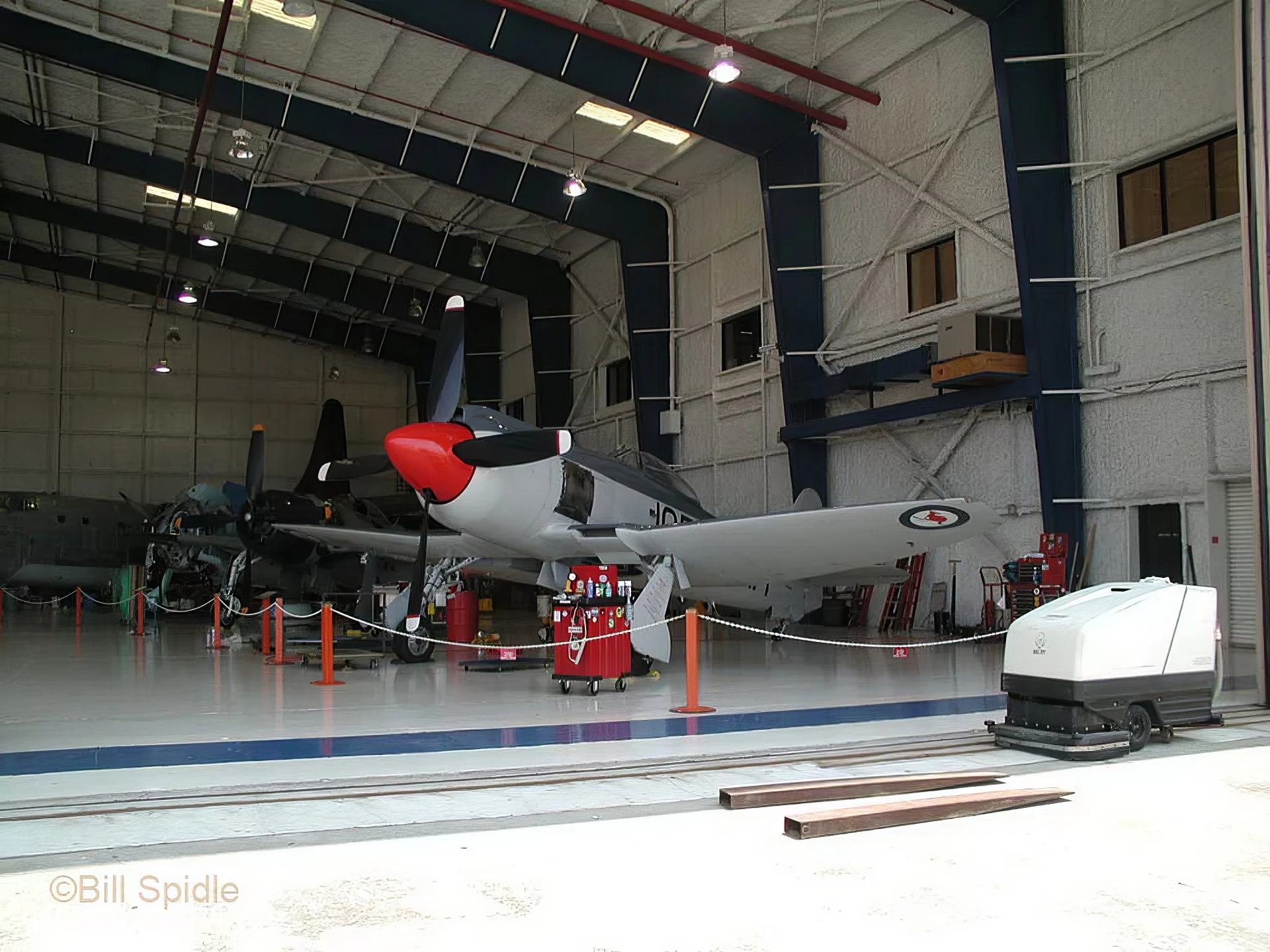
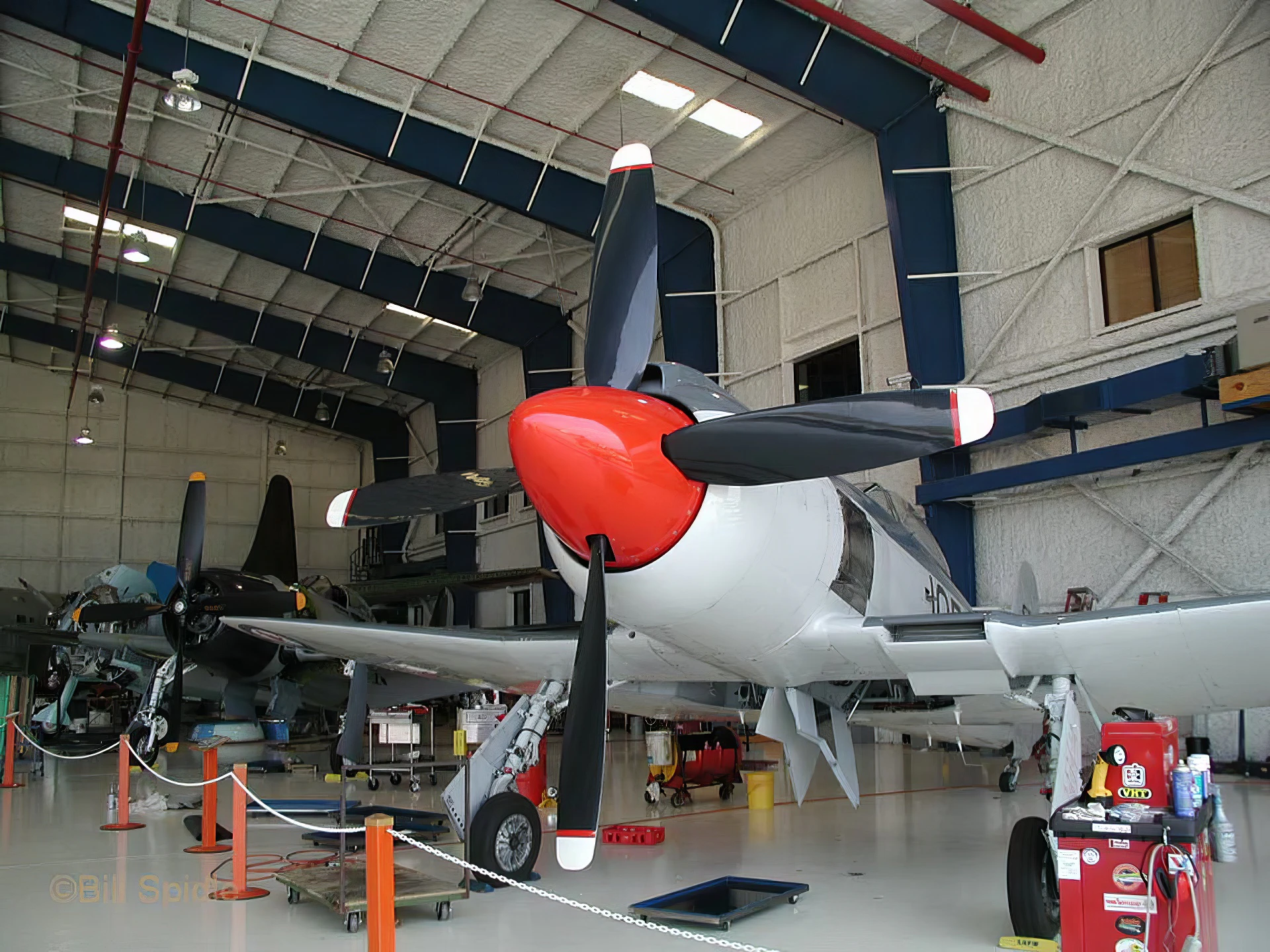
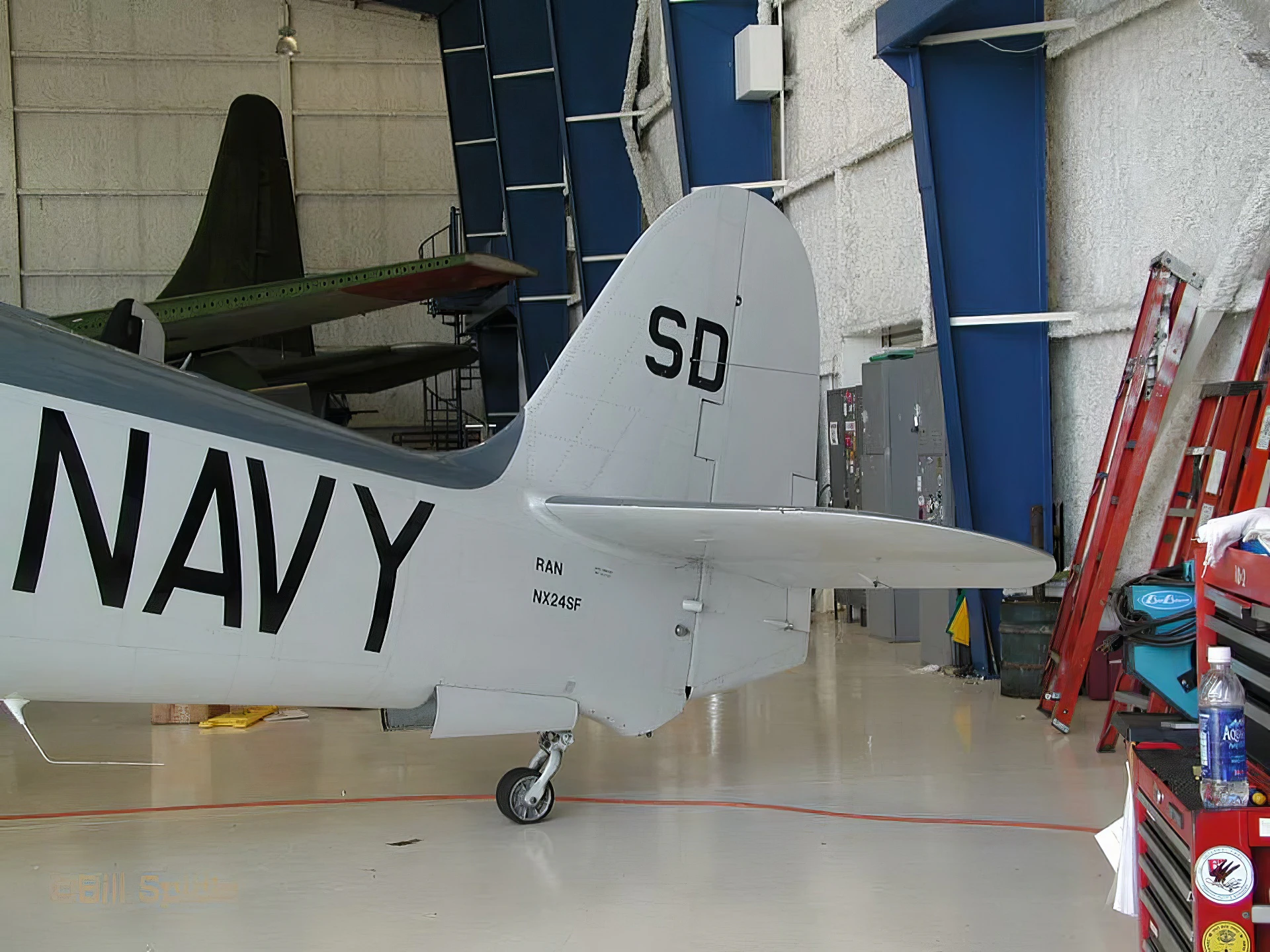
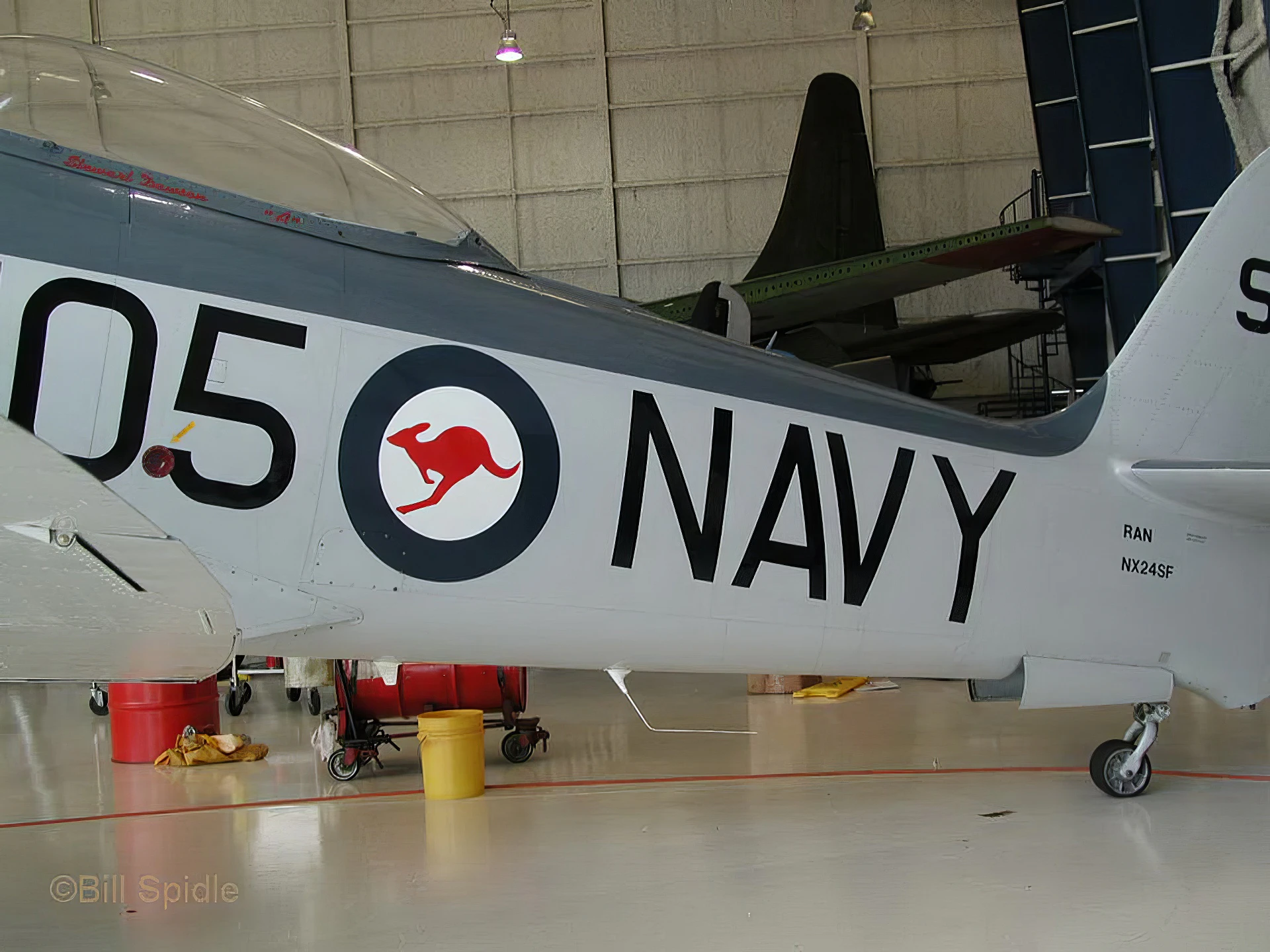
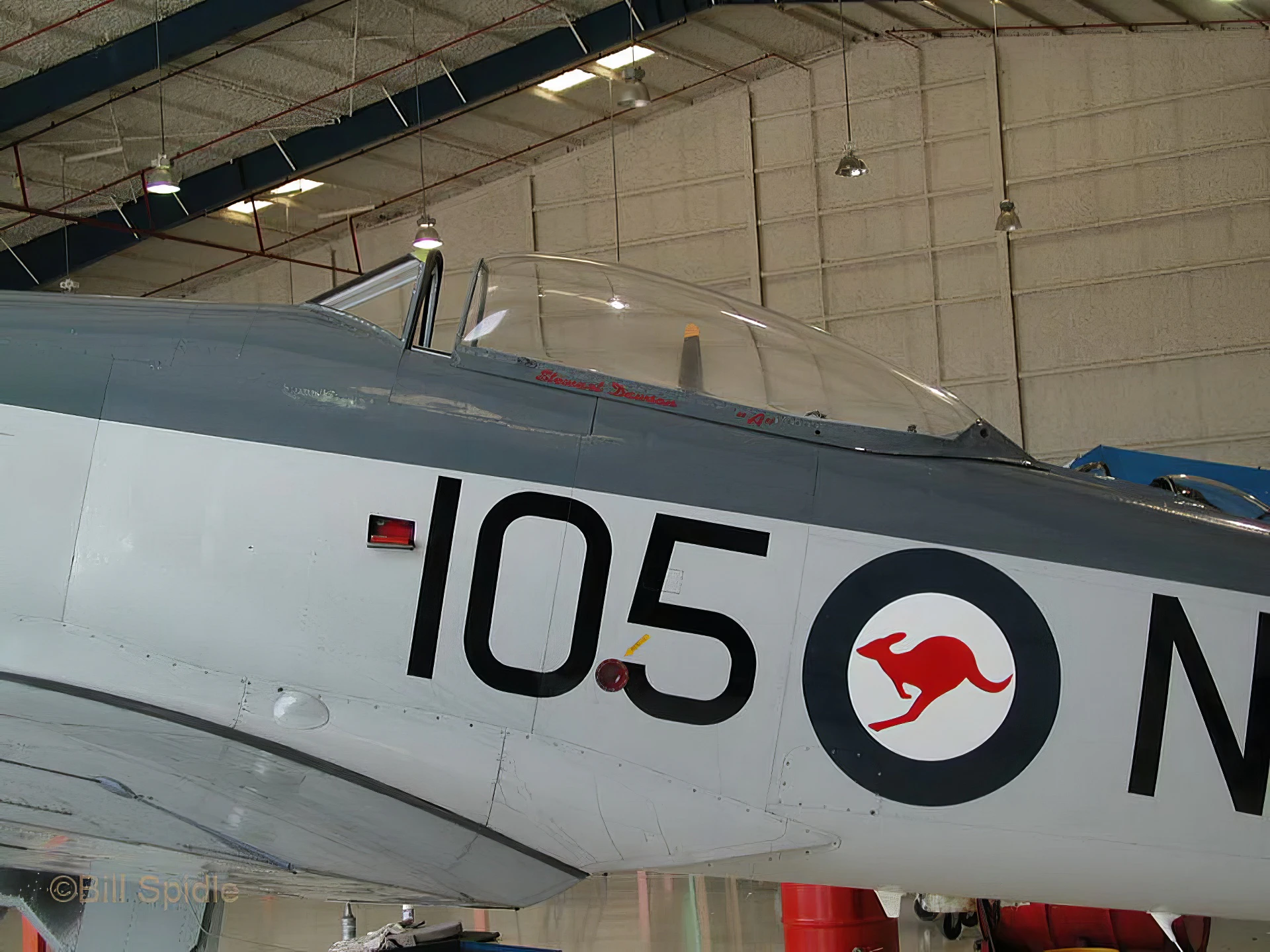
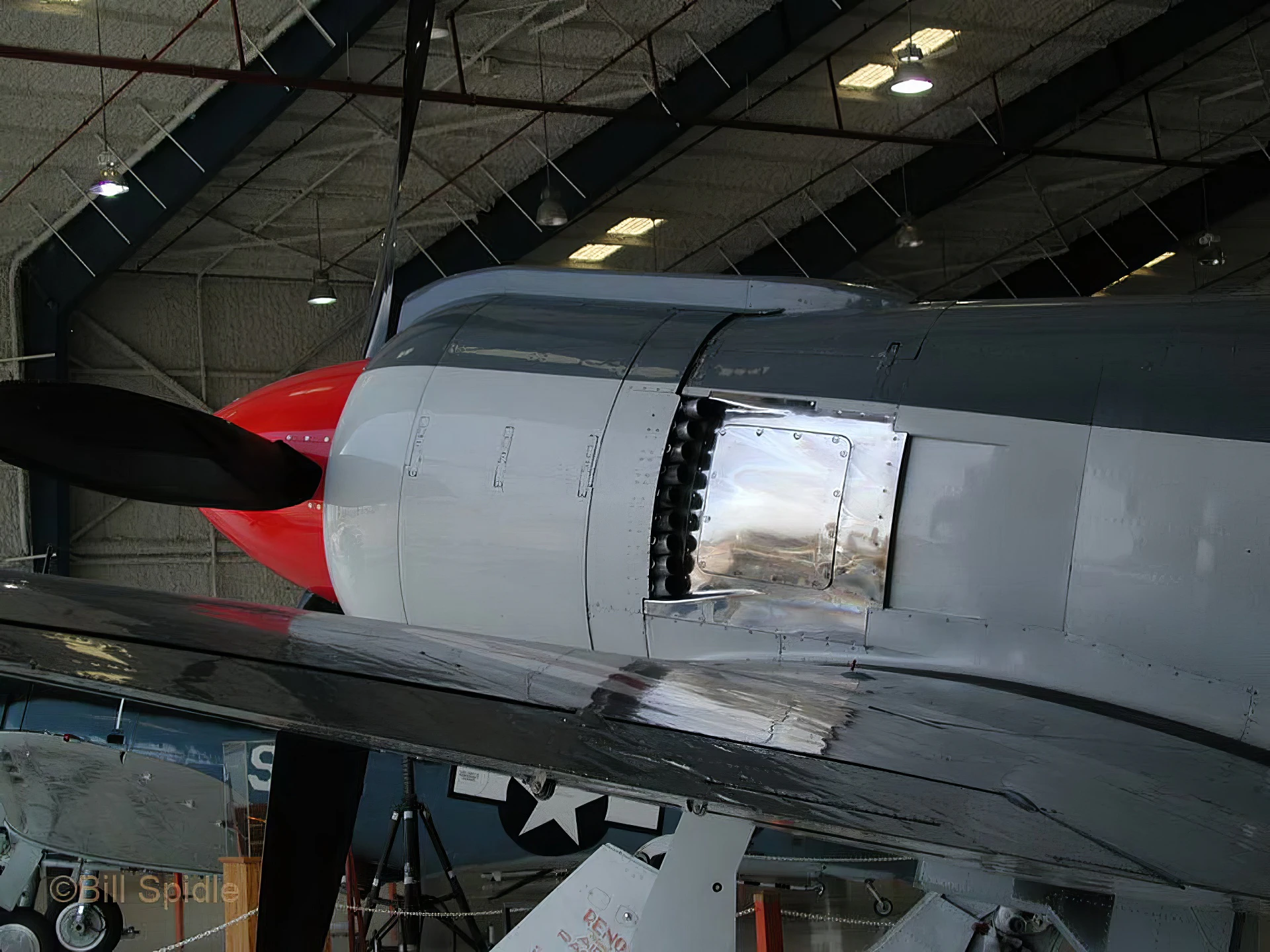
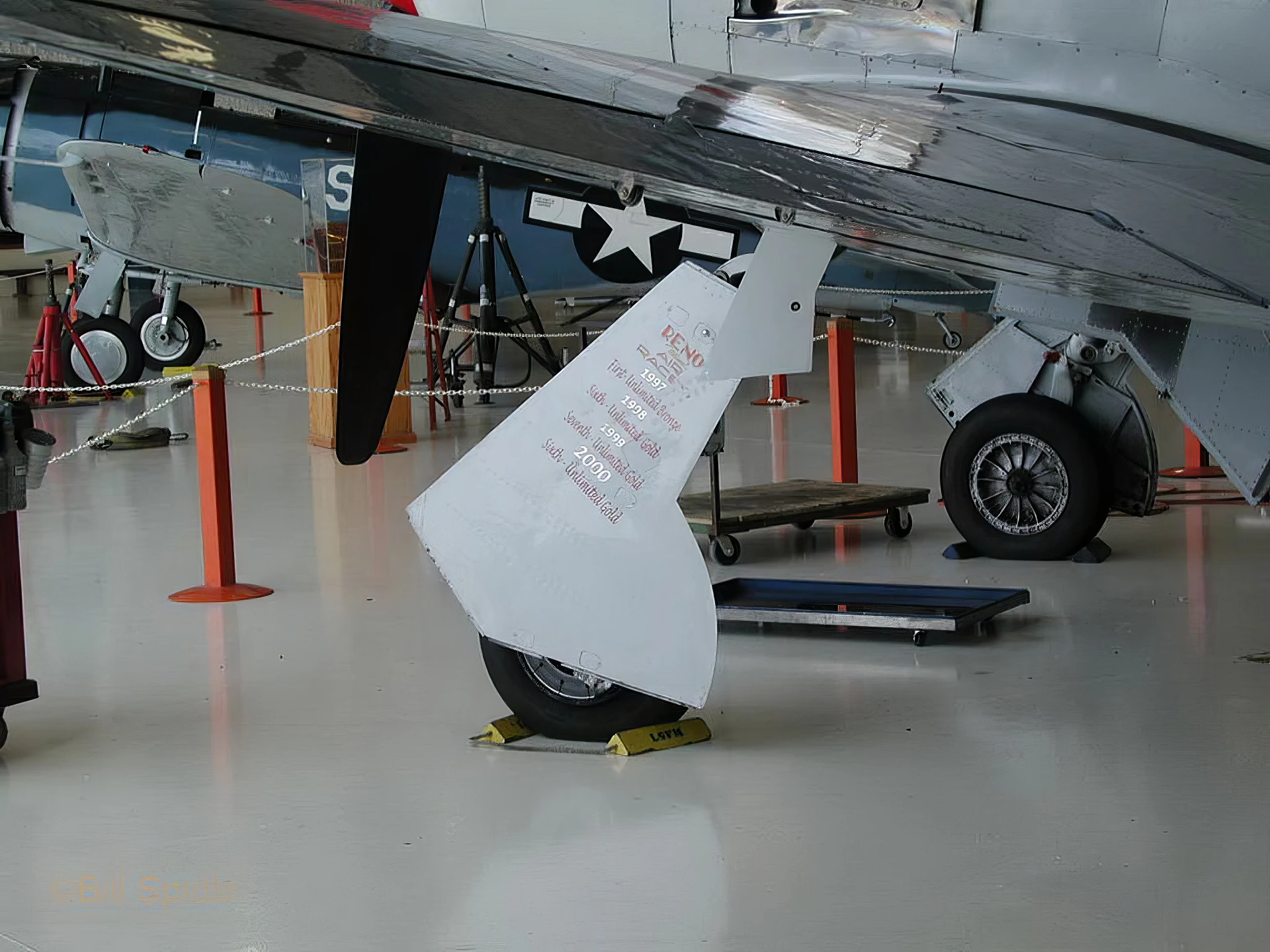
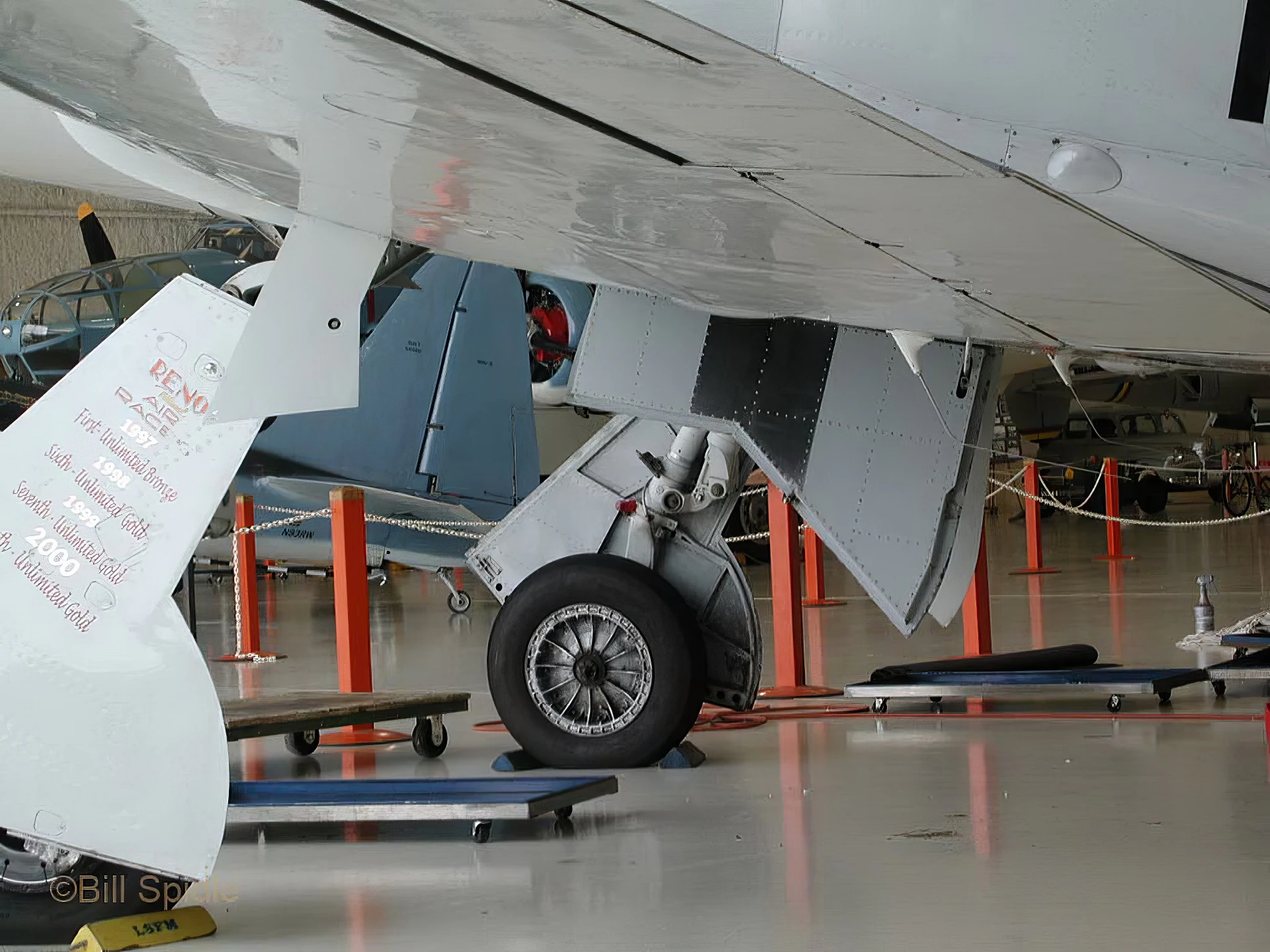

| Hawker Seafury FB.11 Walk Around | |
|---|---|
| Fotograf | Unknow |
| Lokalizacijo | Neznano |
| Fotografije | 26 |
Glej tudi:


| Hawker Sea Fury Mk.11 Walk Around | |
|---|---|
| Fotograf | Unknow |
| Lokalizacijo | Neznano |
| Fotografije | 13 |
Pinnacle of Piston Power
The Hawker Sea Fury was a British carrier-borne fighter-bomber that emerged from a wartime requirement for a lighter, high-performance successor to the successful Hawker Tempest. Designed by the renowned Sydney Camm, it represented the ultimate development of the single-seat, piston-engined fighter to enter military service.
Although it arrived too late to see service in the Second World War, the Sea Fury went on to be the last propeller-driven fighter used by the Royal Navy’s Fleet Air Arm and was one of the fastest piston-engined aircraft ever produced.
Key Features and Engineering
- Motor: Powered by the massive Bristol Centaurus 18-cylinder, twin-row radial engine, delivering immense power (over 2,400 hp) to a five-bladed propeller.
- Aerodynamics: It featured a sleek, all-metal monocoque fuselage and a semi-elliptical wing profile, contributing to its superb speed and high-altitude performance.
- Navalization: Designed specifically for aircraft carrier operations, the wings were equipped with a hydraulic folding mechanism to conserve deck space, and the tail featured a sturdy arrestor hook.
- Cockpit: The pilot enjoyed excellent visibility thanks to the signature bubble canopy.
Armament and Variants (FB.11)
The most widely produced version was the Sea Fury FB.11 (Fighter-Bomber Mark 11), emphasizing its dual-role capability.
| Category | Detail |
|---|---|
| Internal Guns | Four 20 mm Hispano Mk V cannons (two in each wing) |
| Ground Attack Ordnance | Rockets (up to 12 or 16 depending on configuration) |
| Bomb Load | Bombs (up to 2,000 lbs, including 500 lb or 1,000 lb bombs) |
| Other Stores | External fuel drop tanks for extended range |
Operational Highlights
The Sea Fury’s combat life was brief but distinguished, seeing action with several international operators, notably in the Korean War:
- Korean War Service: It served extensively in a ground-attack role from Royal Navy carriers, proving to be robust and capable of absorbing significant battle damage.
- Jet Kill: In a legendary incident in 1952, a Sea Fury of the Fleet Air Arm, piloted by Lieutenant Peter Carmichael, successfully shot down a faster, jet-powered Soviet-built MiG-15—one of the few confirmed kills of a jet by a propeller-driven aircraft.
- Post-Military Life: After being retired from front-line service in the mid-1950s by nations adopting jet technology, many Sea Furies found a new life as highly modified and successful competitors in the Unlimited class of the Reno Air Races in the United States.
Views : 4226
Prav tako si lahko ogledate:
 Stout Bushmaster 2000 – Fotografije & Video posnetki
 Beechcraft RC-12 Guardrail – Fotografije & Video posnetki
 Cessna 310 – Fotografije & Video posnetki
 Curtiss P-36 Hawk - fotografije in videoposnetki
 Cessna T-37 Tweet - Fotografije in video posnetki
 Boeing KC-97 Stratofreighter – Fotografije & Video posnetki
 Curtiss P-40 Warhawk – WalkAround
 Messerschmitt Me 163B – WalkAround
 McDonnell Douglas F-4 Phantom II – WalkAround
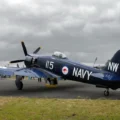 Hawker Sea Fury – Sprehod Okoli