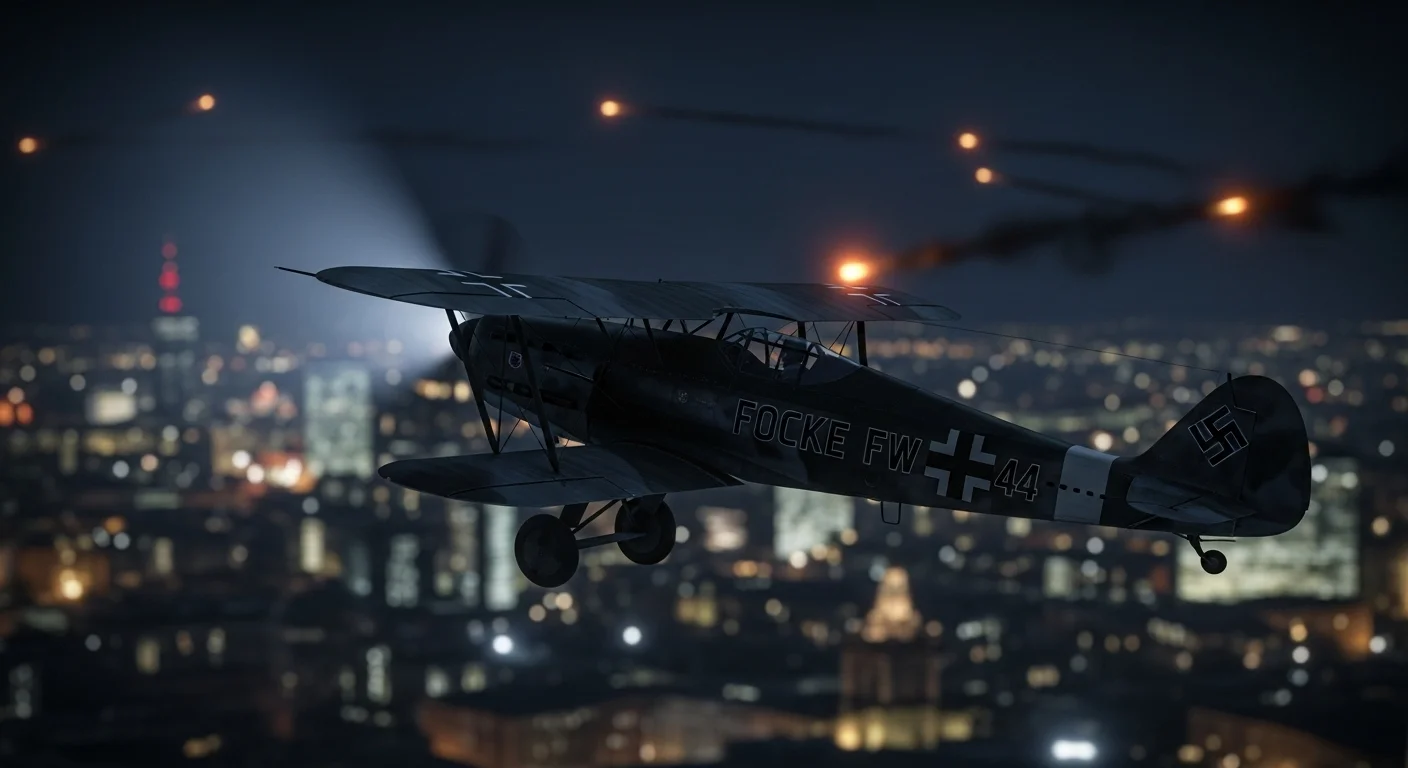
Focke-Wulf Fw 44 | |
|---|---|
| Državi | Nemčija |
| Vlogo | Trener za biplane |
| Proizvajalci | Focke-Wulf FMA |
| Prvi let | 1932 |
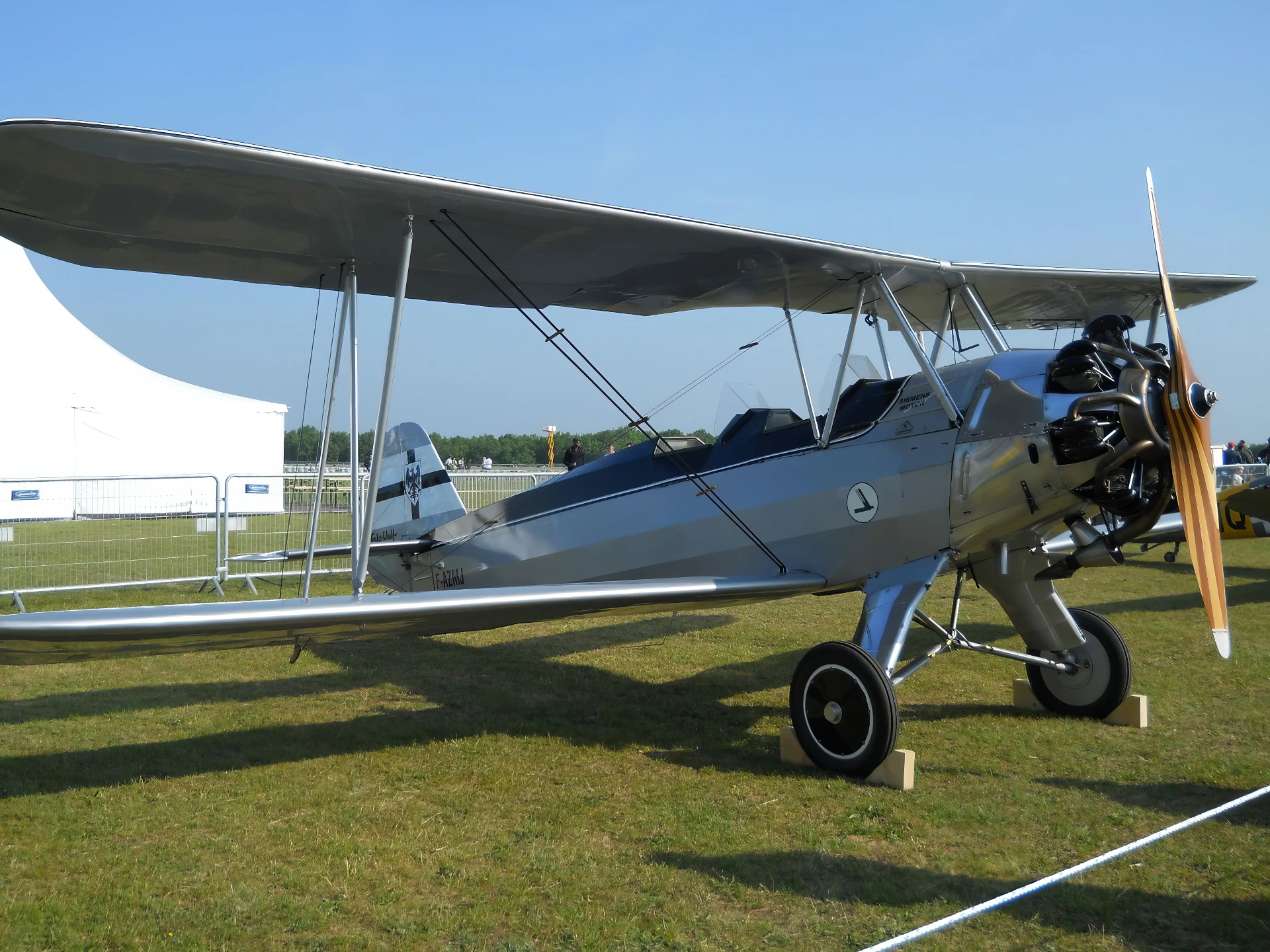
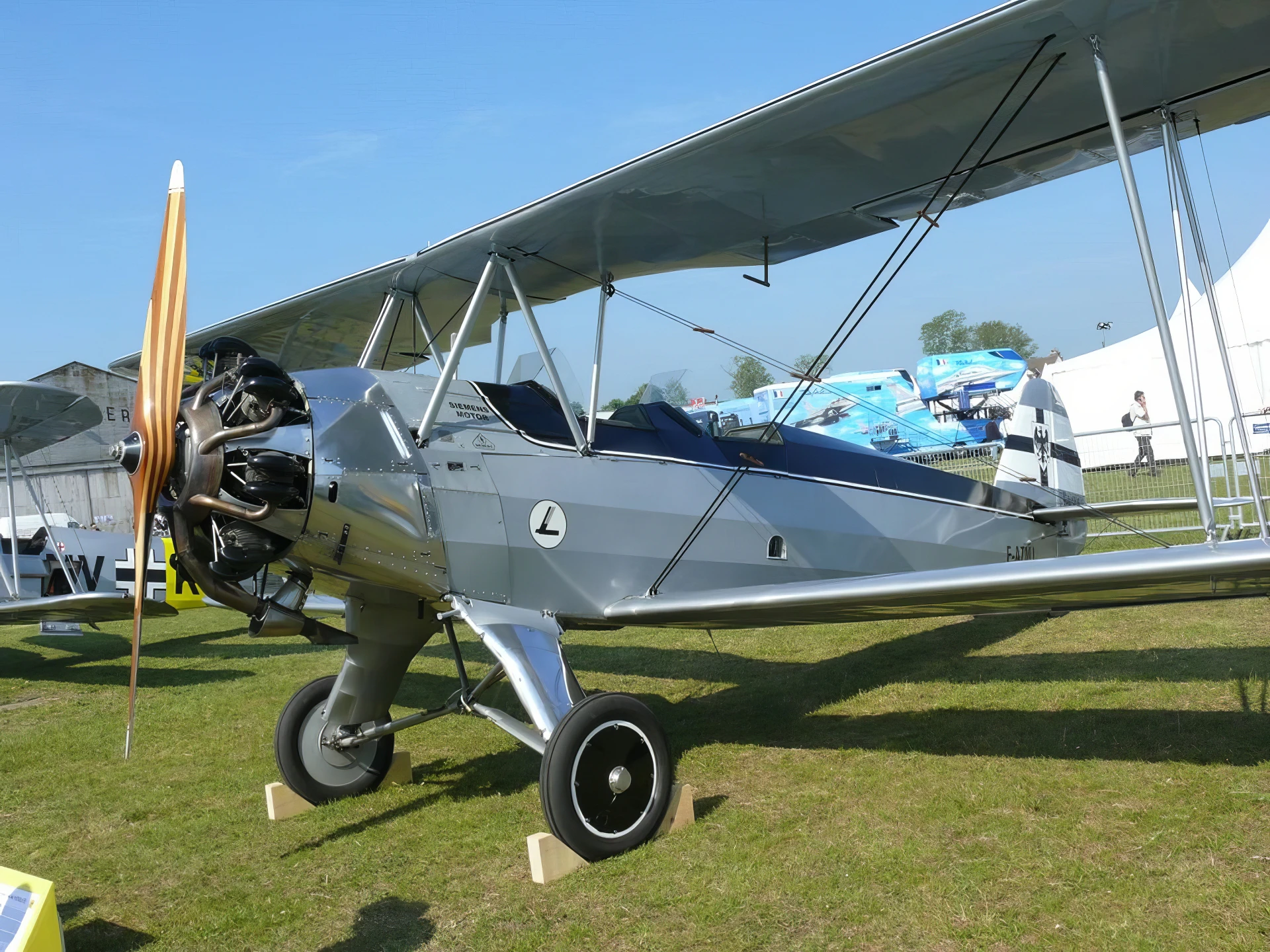
V Focke-Wulf Fw 44 je nemško dvosežje iz 1930-jih, znano kot Stieglitz ("Goldfinch"). Zgodnja zasnova Kurt Tanka je bila izdelana v podjetju Focke-Wulf kot pilotno usposabljanje in športno leteče letalo. Na koncu je bila zgrajena tudi po licenci v več drugih državah.
| Focke-Wulf Fw 44 Stieglitz Walk Around | |
|---|---|
| Fotograf | Unknow |
| Lokalizacijo | Neznano |
| Fotografije | 20 |
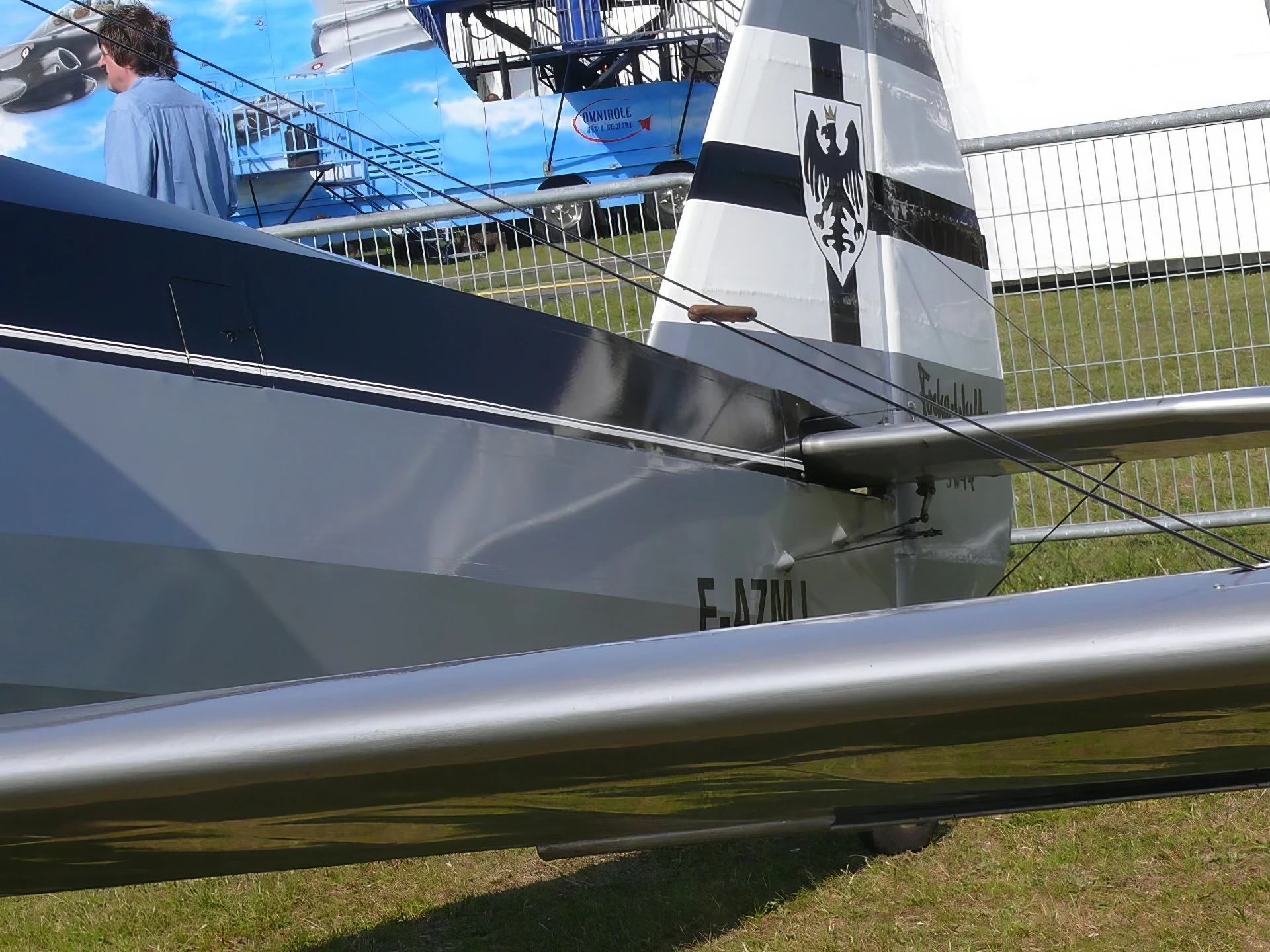
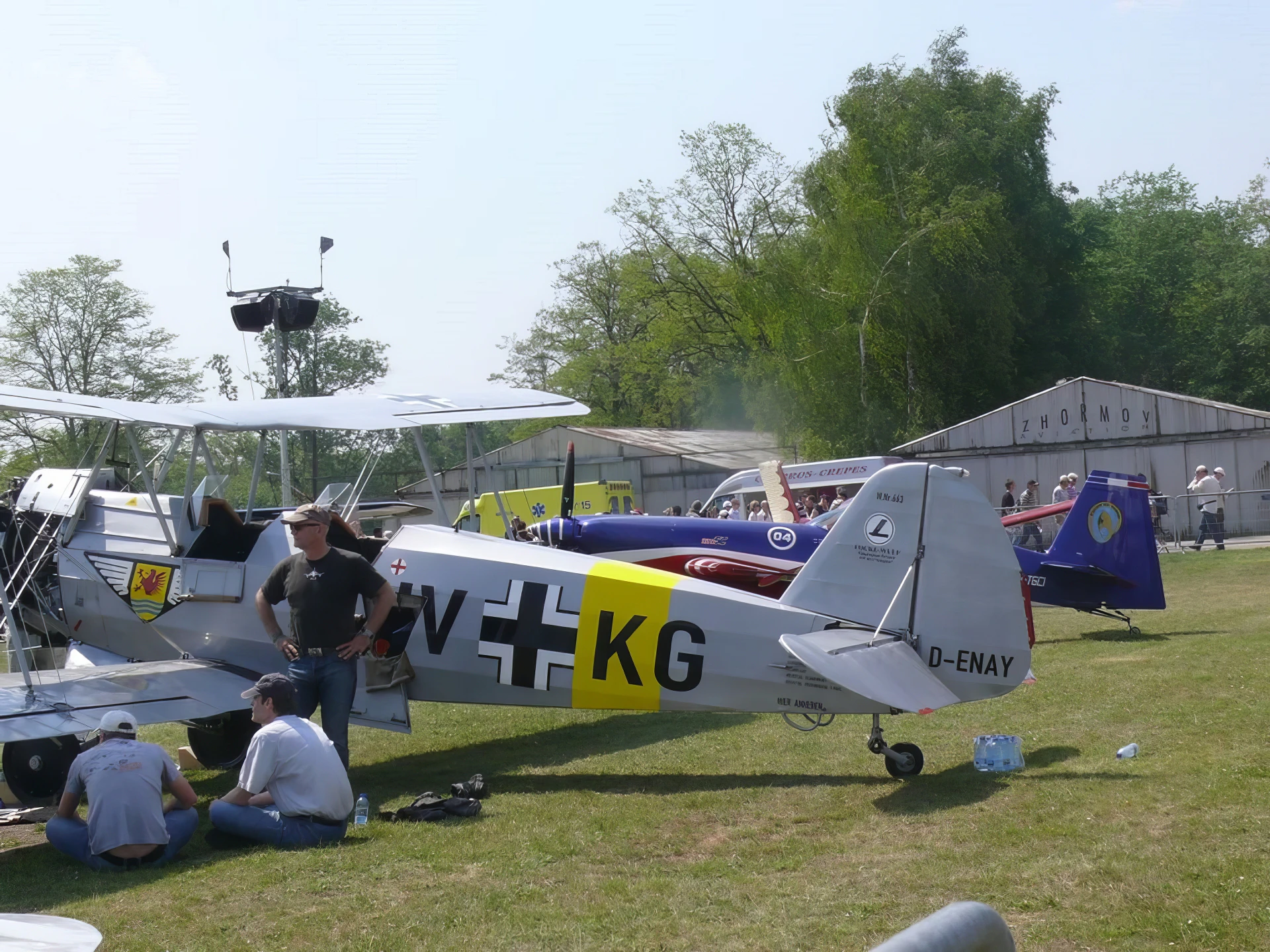
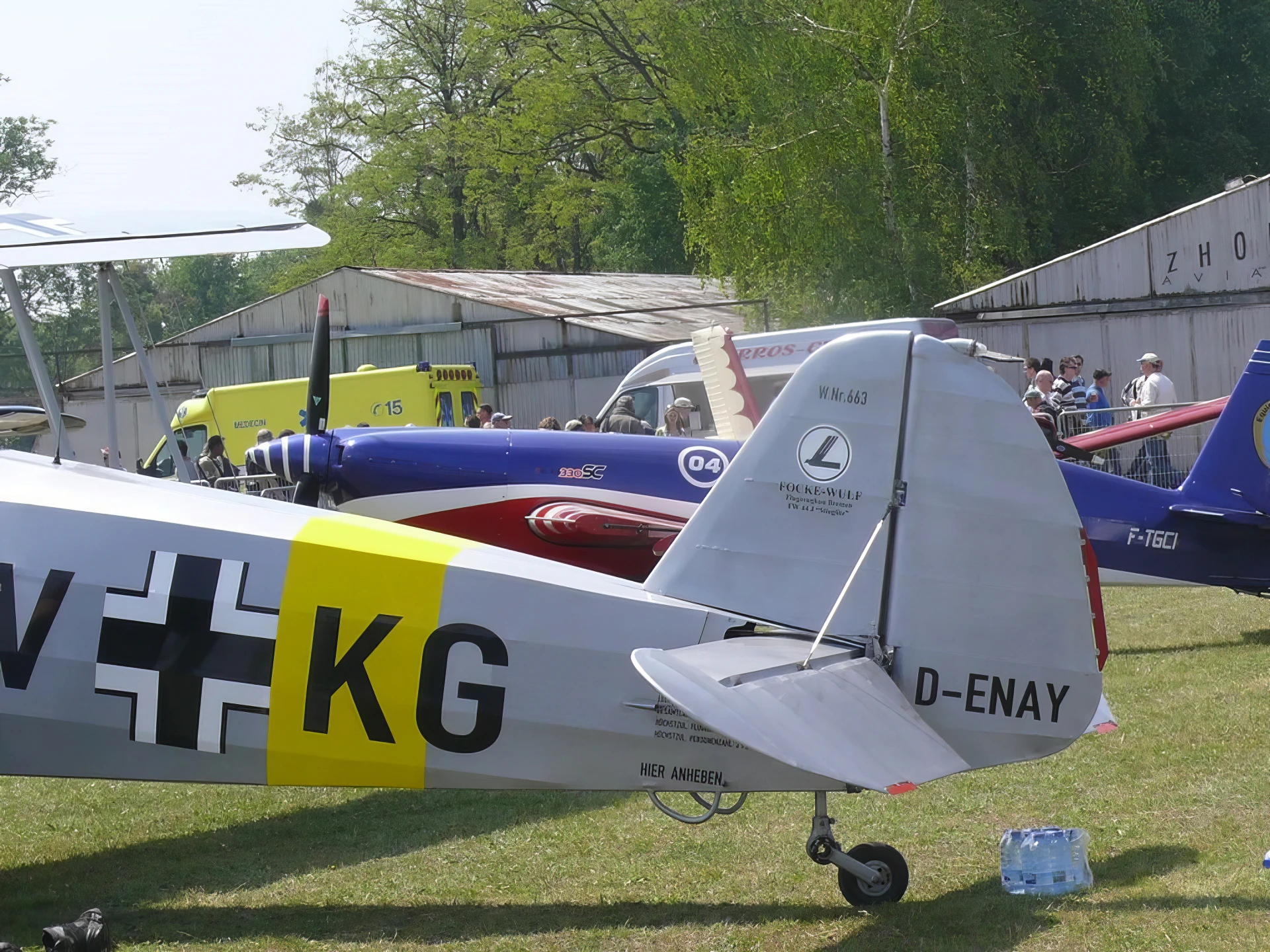


Glej tudi:


The Foundation of the Luftwaffe
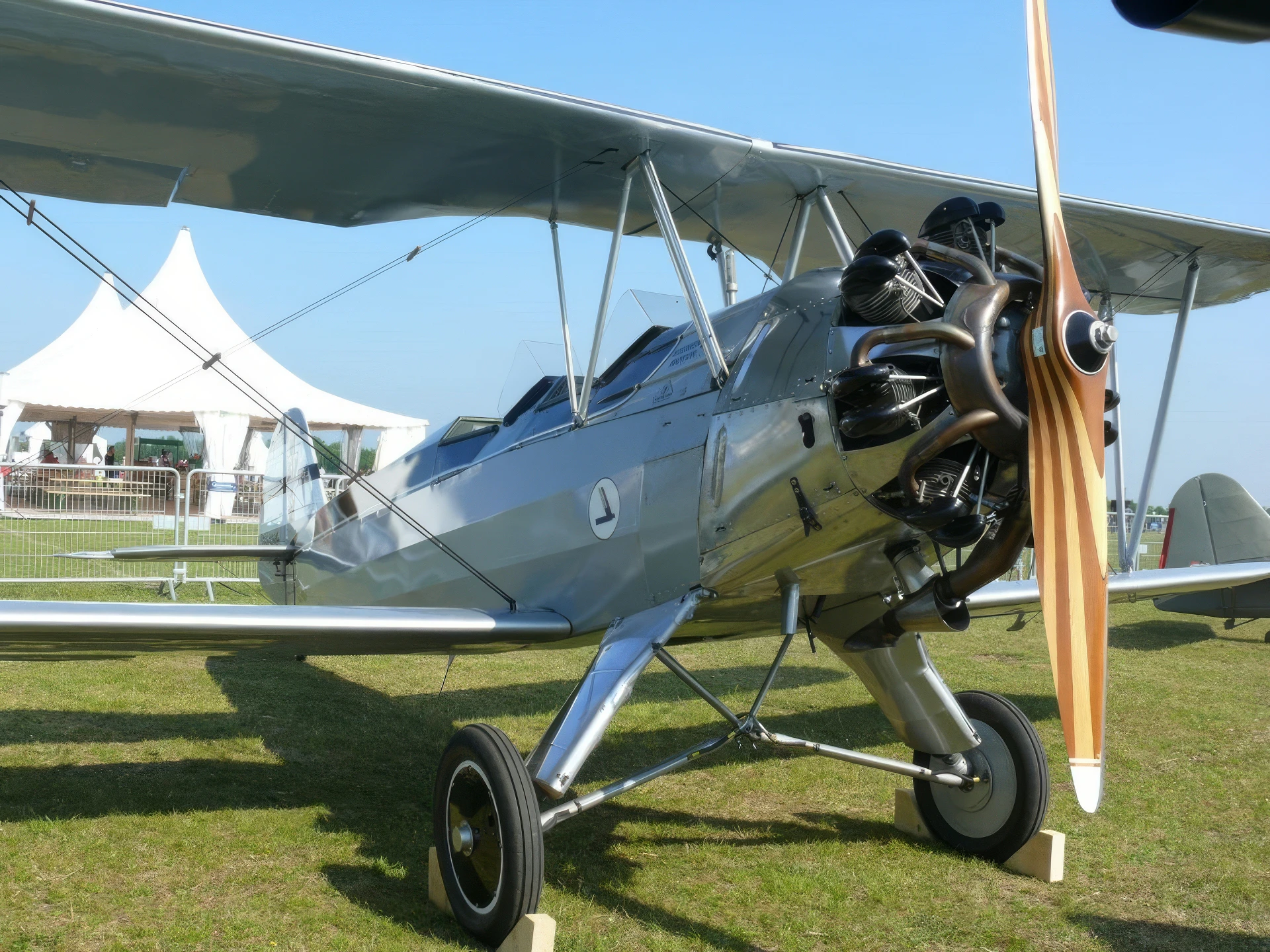
V Focke-Wulf Fw 44 Stieglitz (Goldfinch) was a 1930s-era two-seat biplane that served as the primary basic trainer for the re-emerging German Luftwaffe. Designed by the legendary Kurt Tank, it was a conventional but exceptionally well-balanced aircraft. Its fame came not just from training pilots, but from its incredible aerobatic capabilities. It was the aircraft of choice for world-renowned pilots like Ernst Udet and Gerd Achgelis, who used it to perform maneuvers that were previously thought impossible for a biplane of its class.
| Attribute | Standard Specification (Fw 44J) |
|---|---|
| Vlogo | Primary Trainer / Aerobatic Aircraft |
| Posadke | 2 (Tandem open cockpits) |
| First Flight | 1932 |
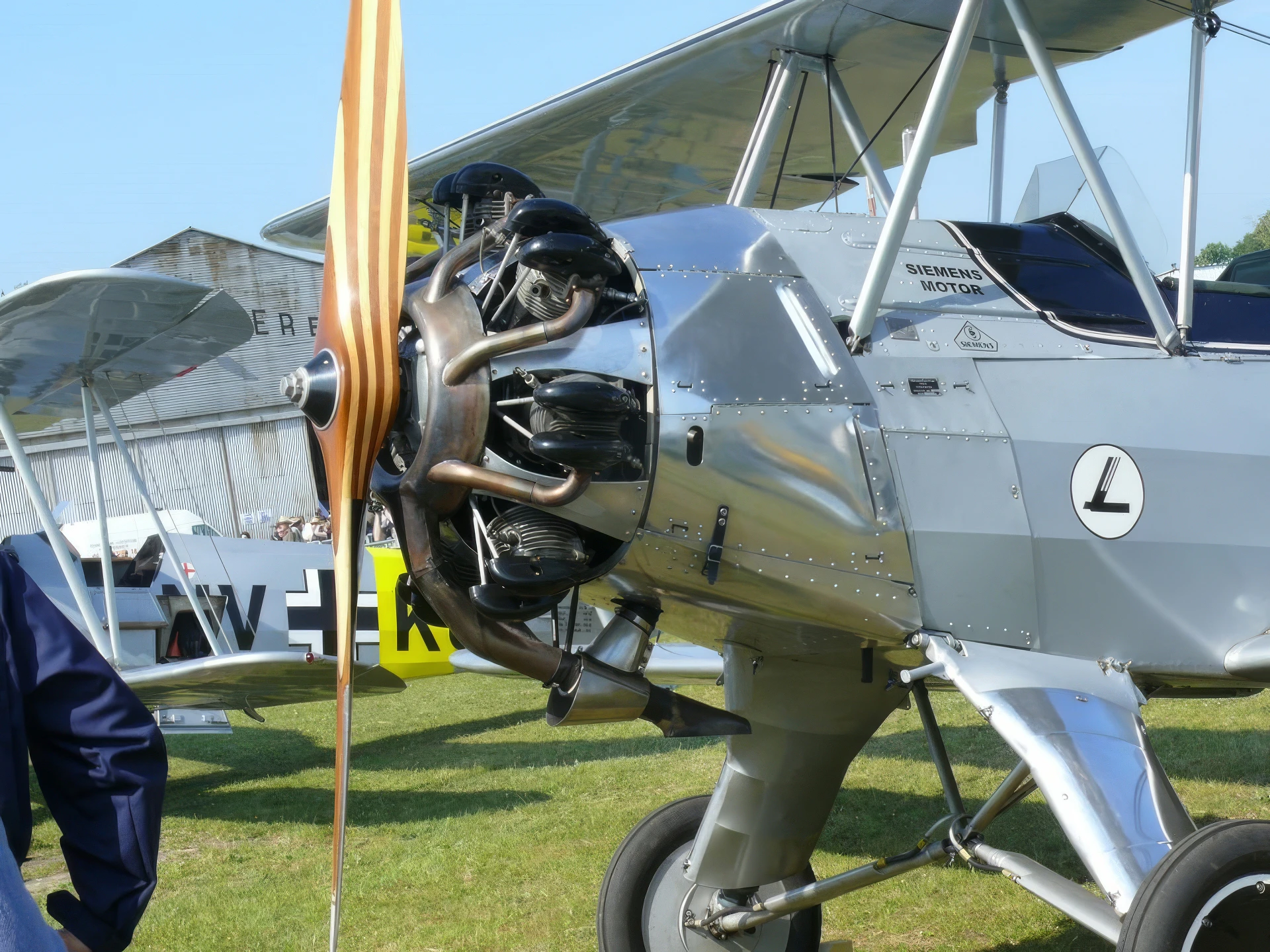
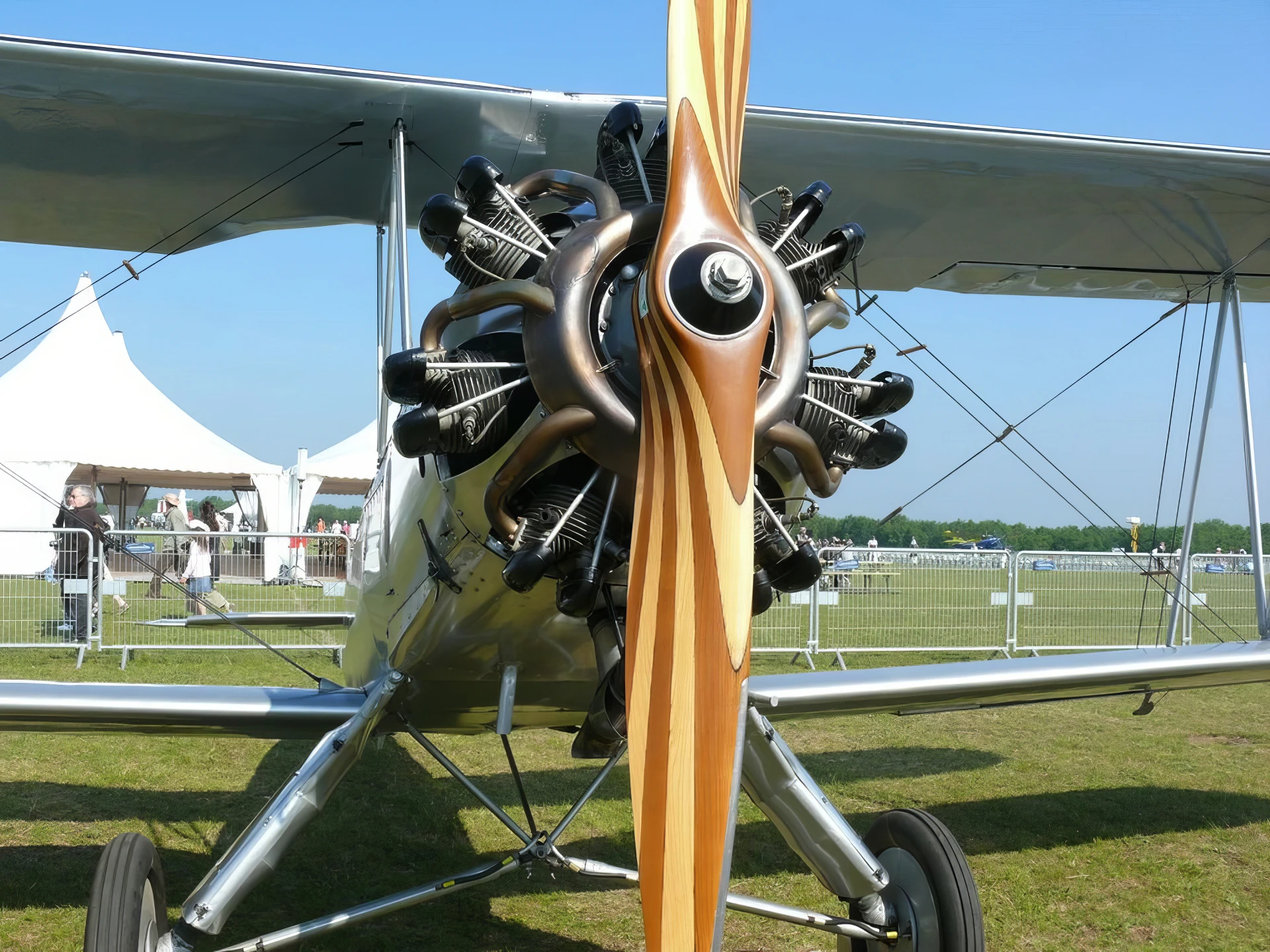
| Powerplant | 1 × Siemens-Halske Sh 14A 7-cylinder radial |
| Horsepower | 150 hp (112 kW) |
| Maximum Speed | 185 km/h (115 mph) |
| Peruti | 9 meters (29 ft 6 in) |
| Empty Weight | 565 kg (1,246 lb) |
Design Refinement & Handling
- Staggered Biplane Wings: The upper wing was positioned slightly forward of the lower wing. This “stagger” improved the pilot’s upward visibility and provided better stall characteristics, as the two wings would stall at slightly different angles of attack.
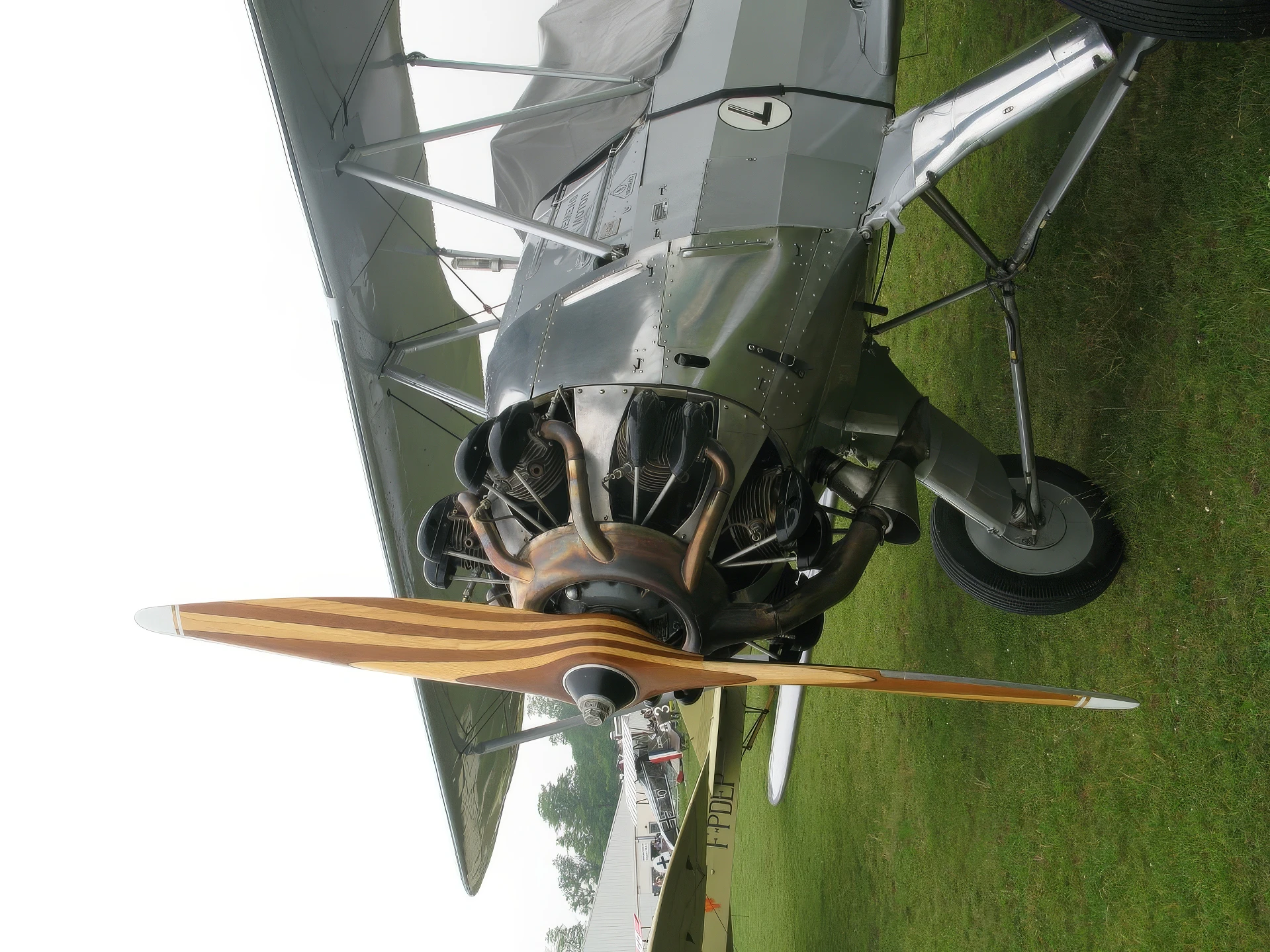
- The Sh 14 Radial: The Siemens-Halske Sh 14 radial engine was famous for its reliability and smooth power delivery. Crucially for aerobatics, it featured a specialized carburetor system that allowed the engine to run while the aircraft was flying inverted (upside down).
- Steel-Tube Fuselage: Unlike many contemporary wooden trainers, the Fw 44 used a welded steel-tube fuselage covered in fabric. This gave the aircraft the structural rigidity needed to withstand high G-loads during extreme aerobatic maneuvers.
- Four-Aileron System: To ensure rapid roll rates, the Stieglitz featured ailerons on both the upper and lower wings, connected by push-rods. This gave the pilot immense “authority” over the plane’s movements.
International Success
- Global Trainer: The Fw 44 was an export sensation, sold to or built under license by Argentina, Austria, Brazil, Bulgaria, China, Finland, Romania, Sweden, and Turkey.
- Finnish Service: In Finland, the aircraft was used for decades and was nicknamed the Stigu. It was instrumental in training the Finnish fighter aces who would later fly the Brewster Buffalo and Bf 109.
- Aerobatic Legend: During the 1936 Berlin Olympics, the Fw 44 was used in massive aerobatic displays to showcase German aviation prowess to the world.
- Longevity: Because of its robust construction and delightful handling, many Fw 44s survived the war and continued flying in civilian hands as late as the 1960s and 70s.
Ogledi : 1214
Prav tako si lahko ogledate:
 Hawker Fury – Fotografije & Video posnetki
 EKW C-35 – Fotografije & Video posnetki
 SPAD S.XI – Sprehod Okoli
 Phönix D.I – Fotografije in video posnetki
 Pravljična mečarica - fotografije in videi
 Hawker Hart – Fotografije & Video posnetki
 Fokker D.VII - Fotografije in video
 Royal Aircraft Factory S.E.5 – Fotografije & Video
 SPAD S.VII Cabruna & Ruffo – Fotografije & Video
 Stearman PT-13D Kaydet- Fotografije & Video