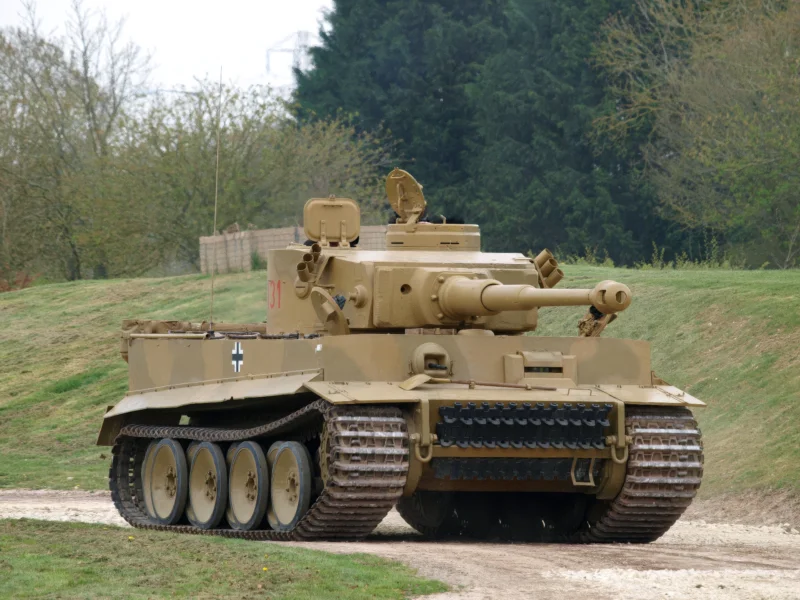
Tiger Tank | |
|---|---|
| Državi | Nemčija |
| Vrsta | Težka cisterna |
| Opis | Album of 27 photos walk-around of a «Tiger Tank» |
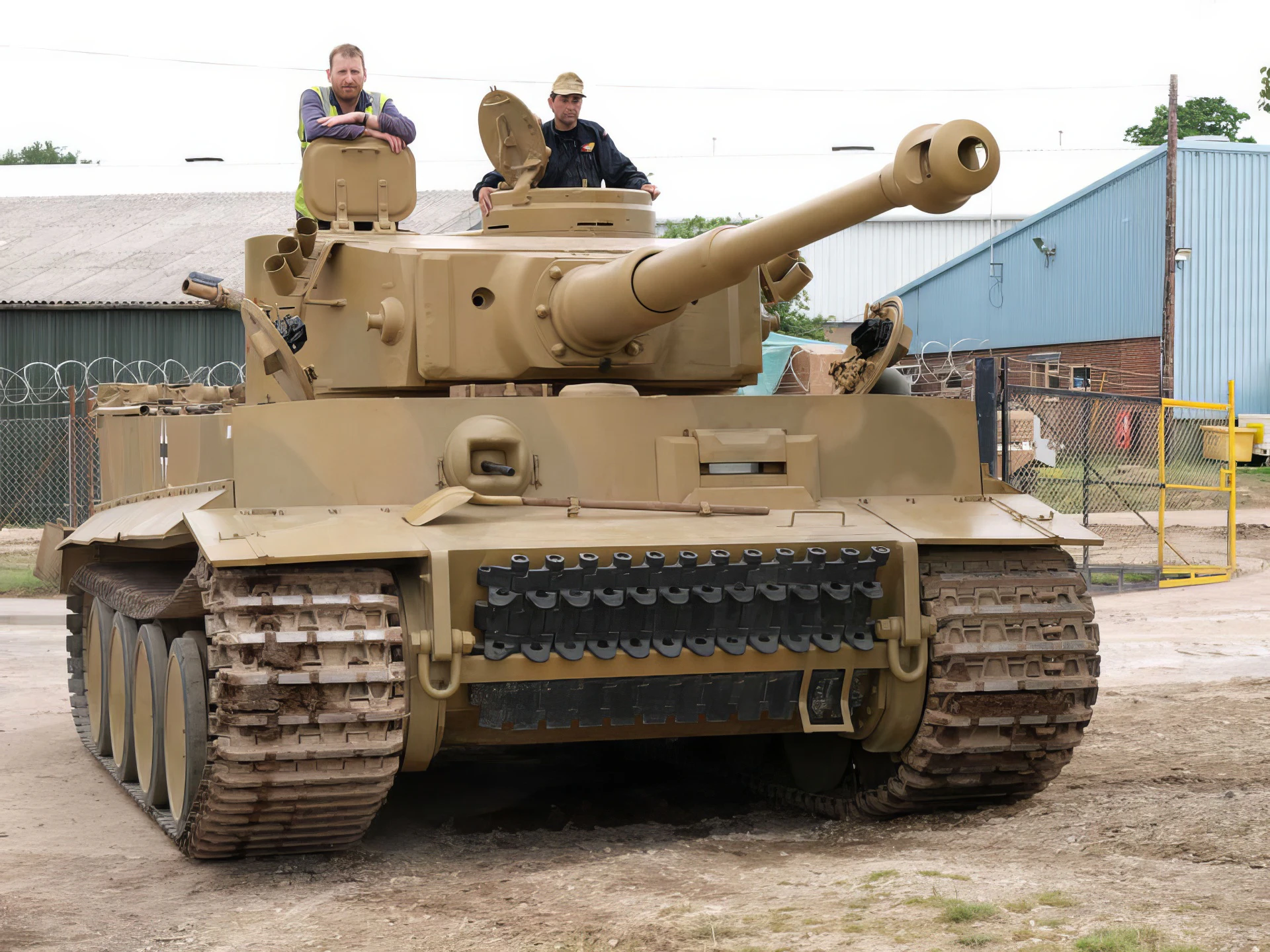
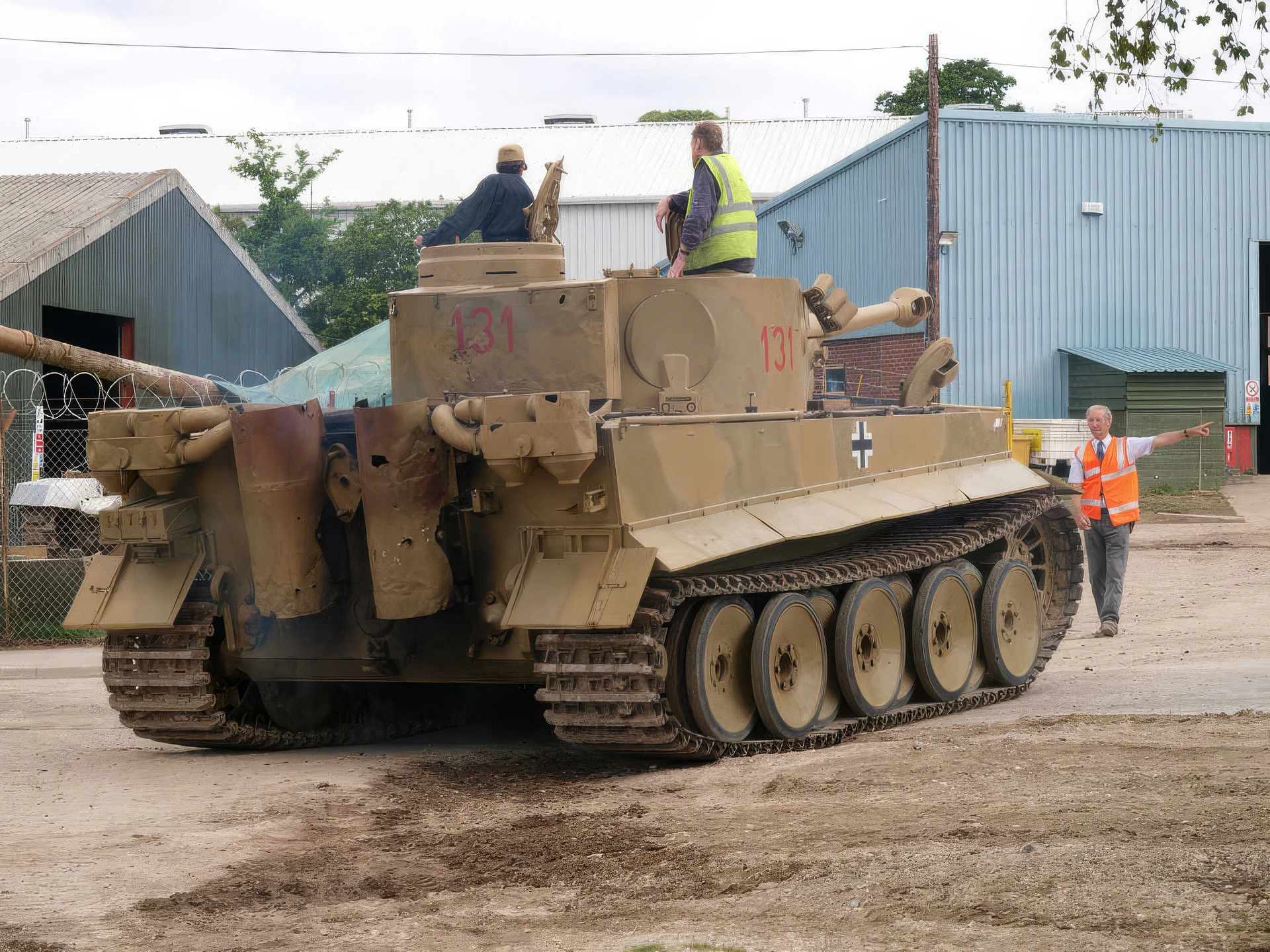
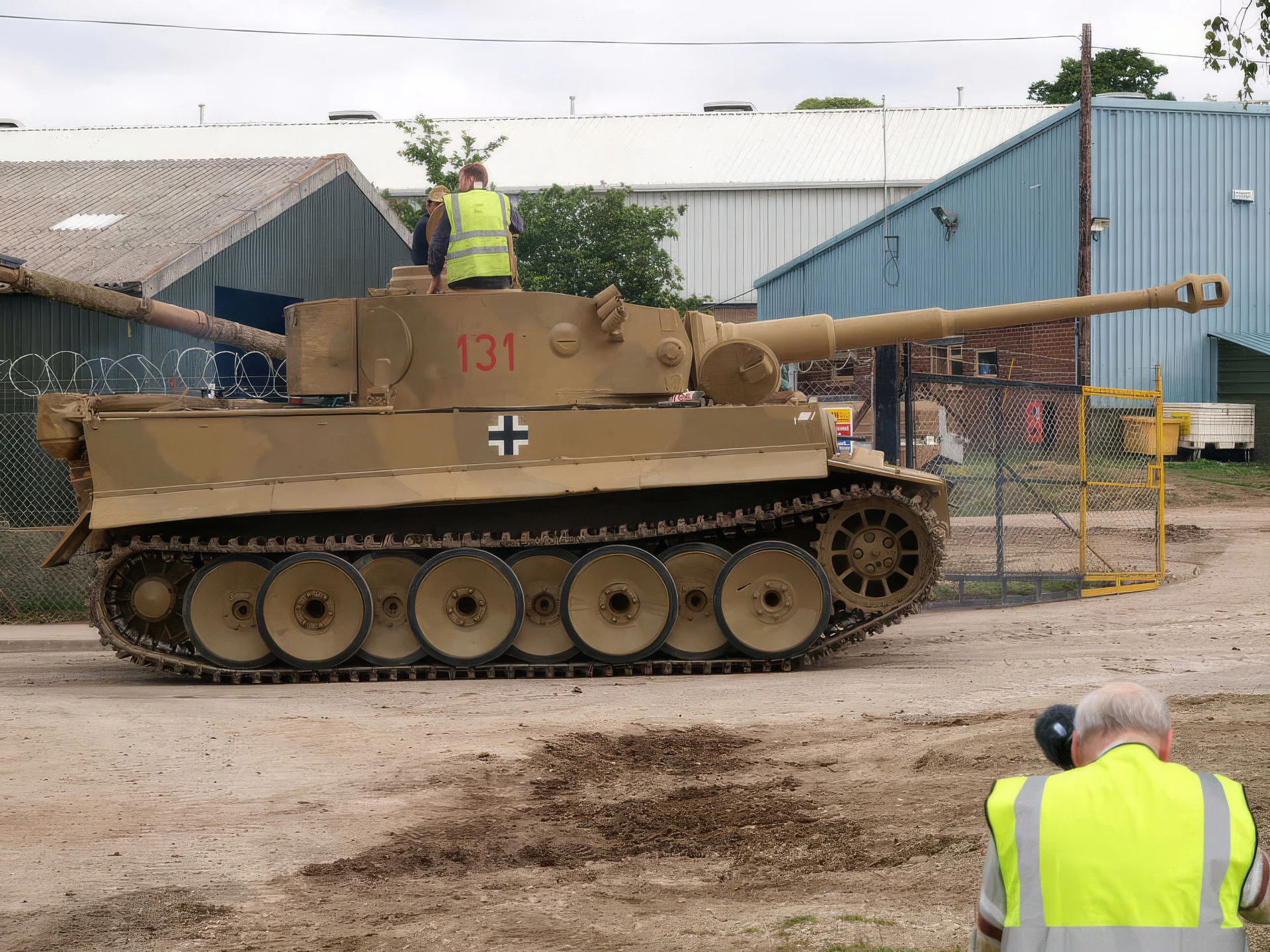
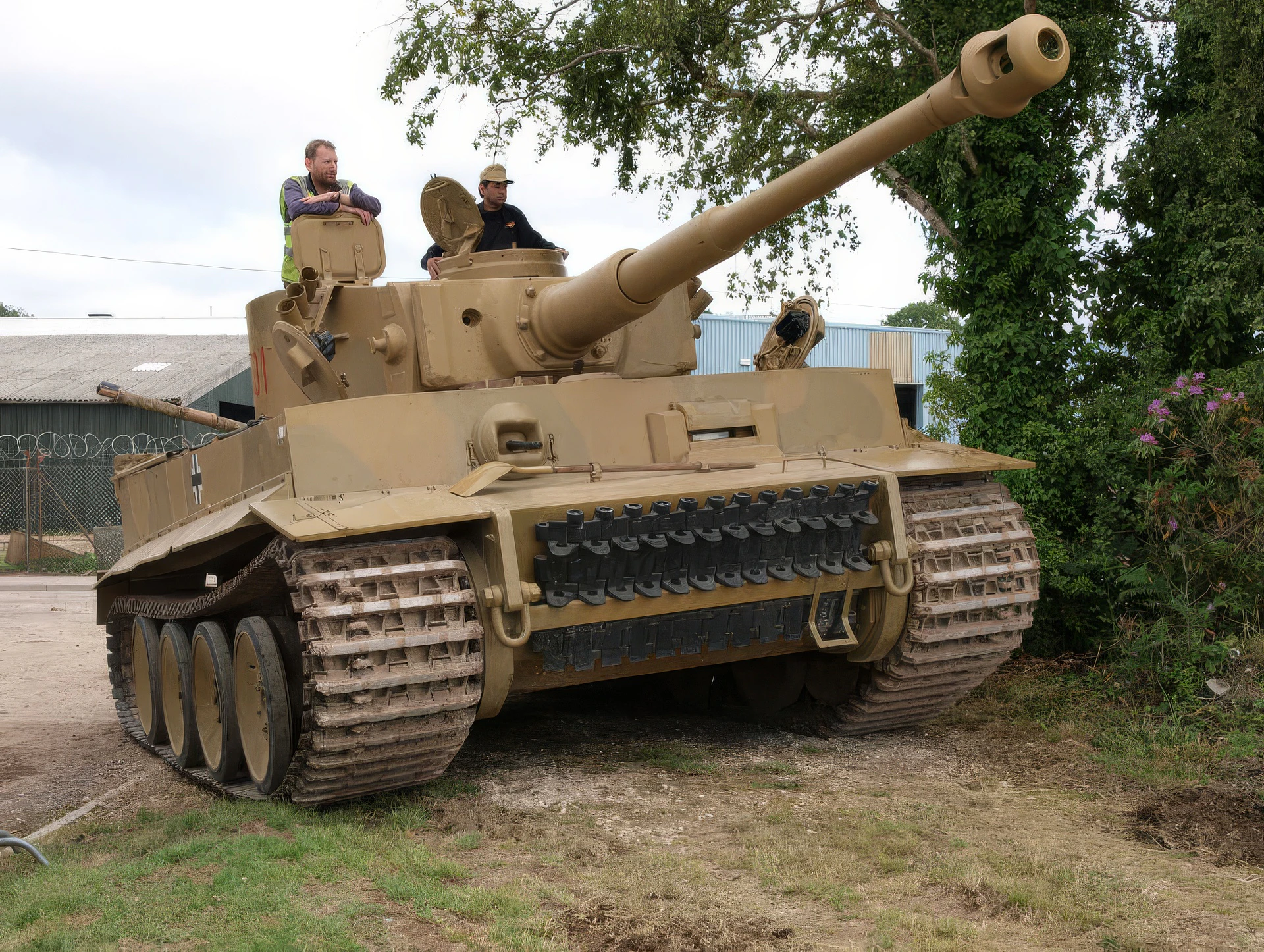
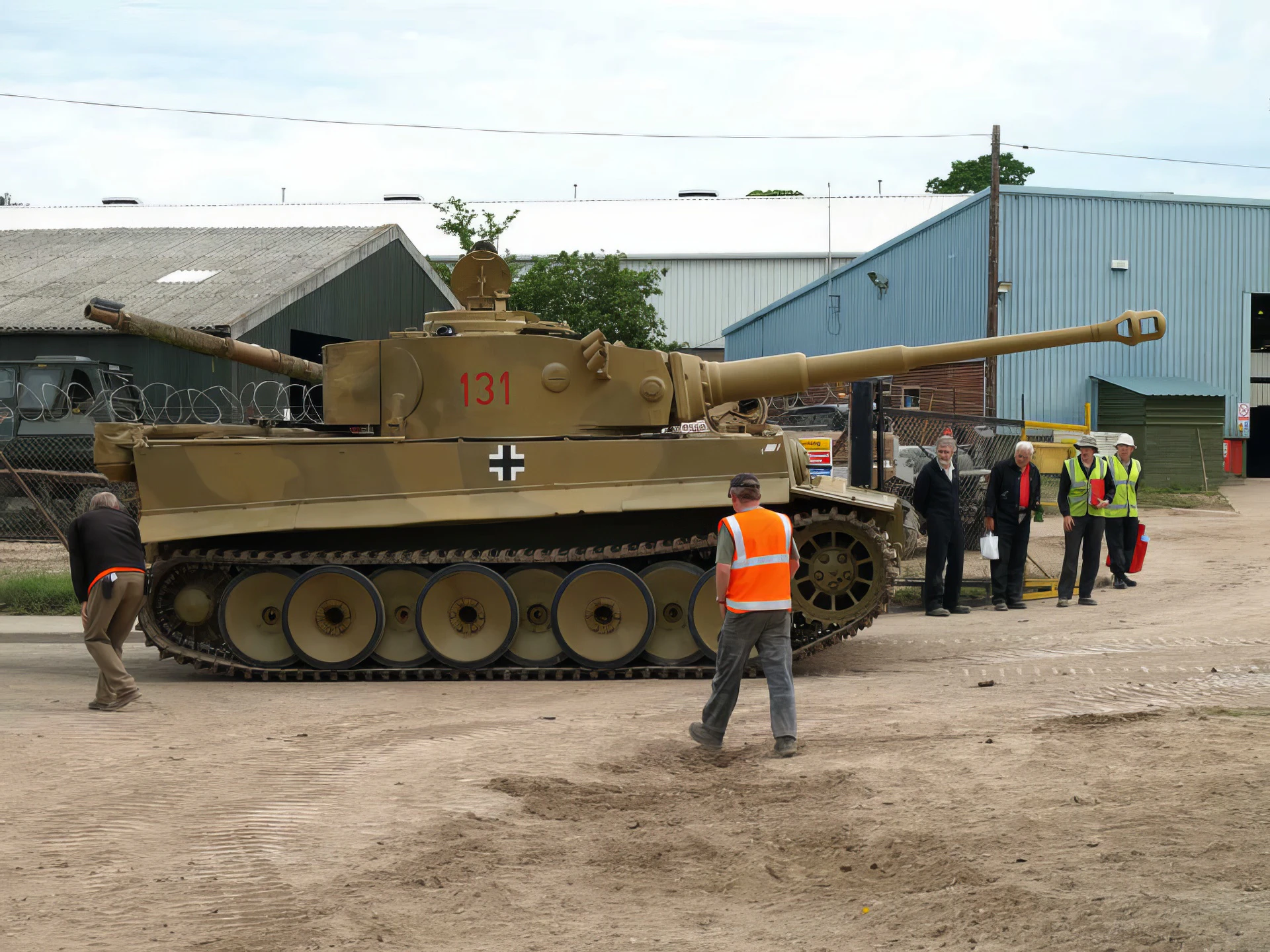
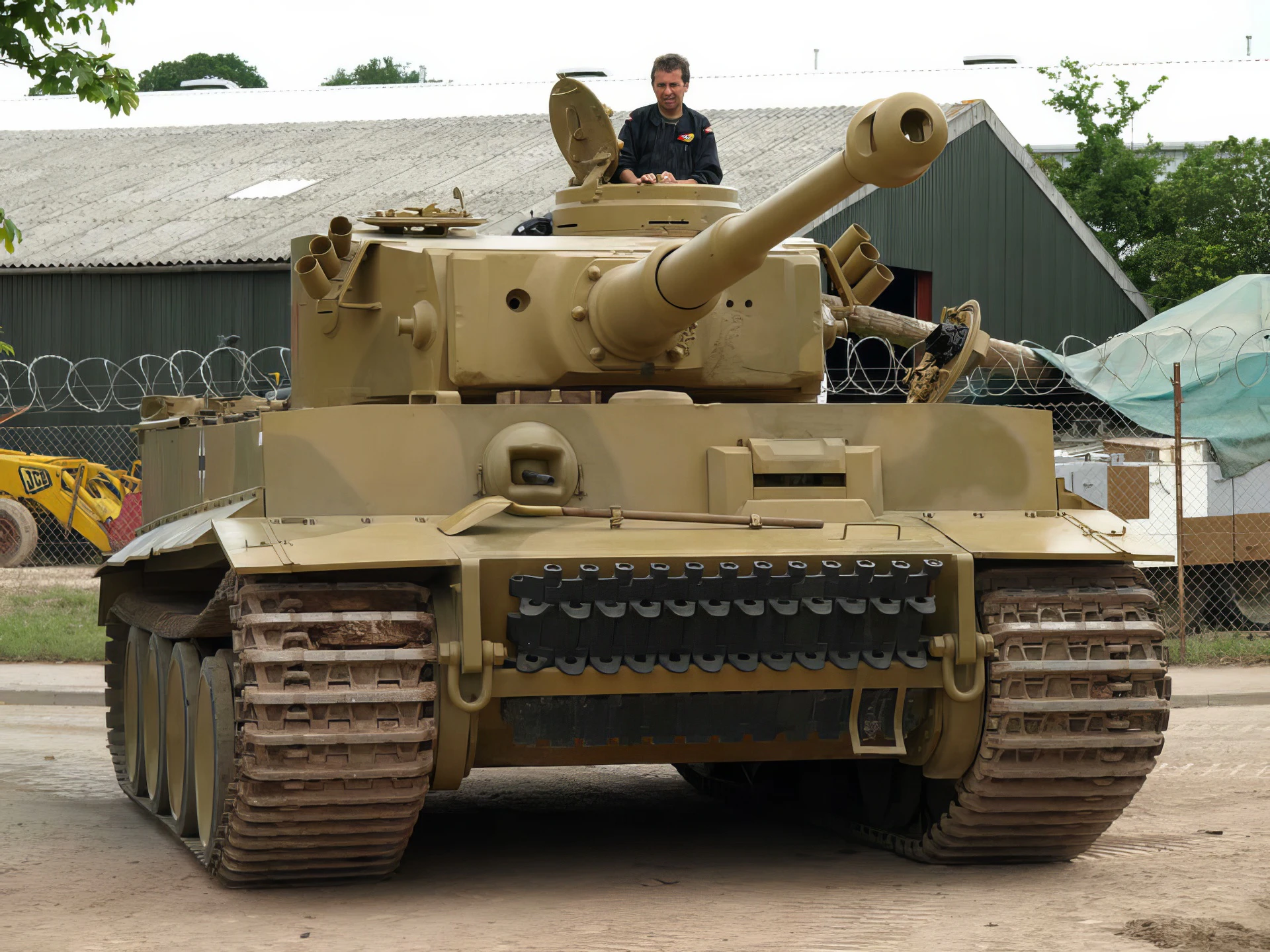
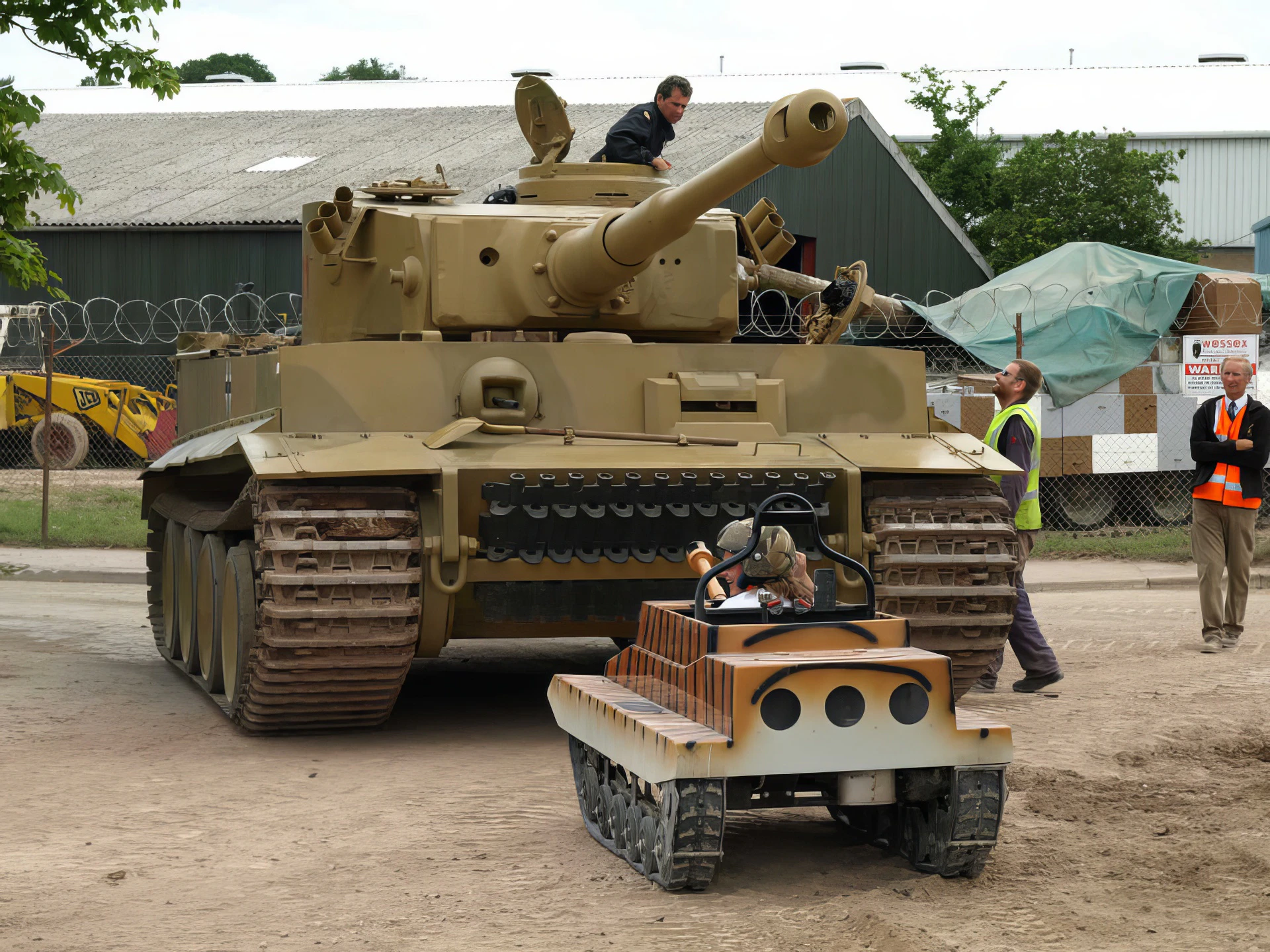
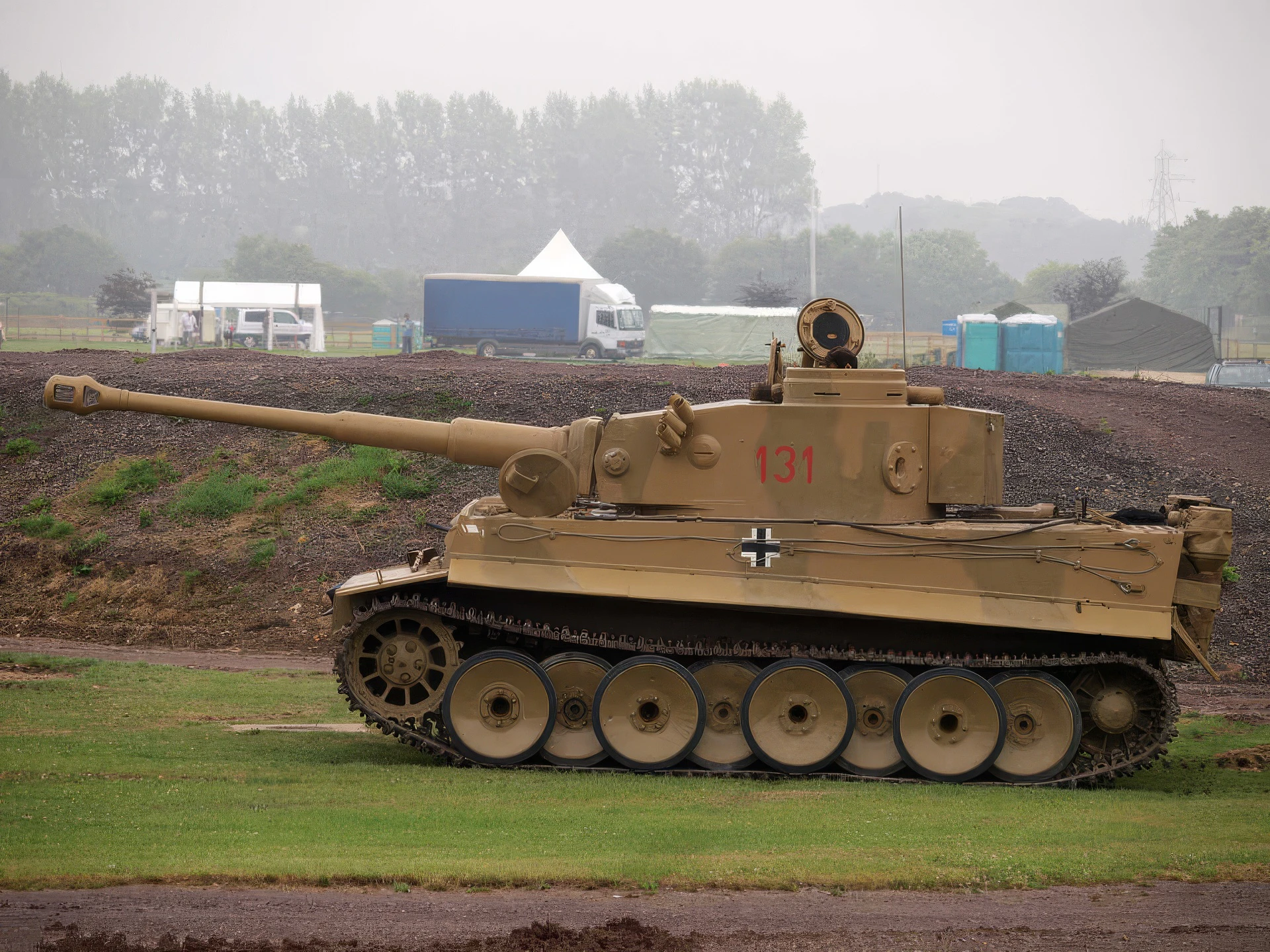
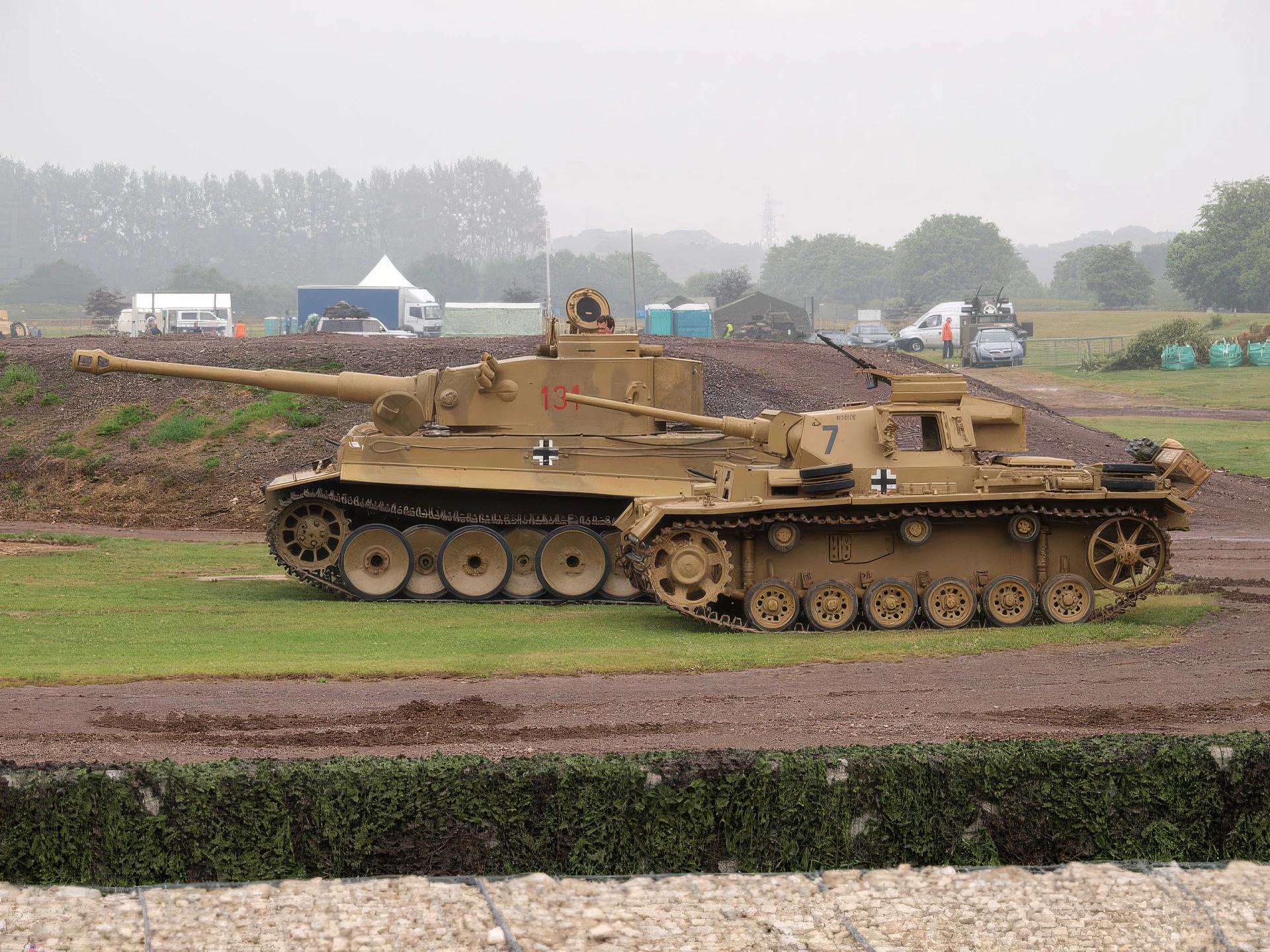
Fotogalerija Tigrovega tanka v akciji, The Tiger I. je skupno ime nemškega težkega tanka, razvitega leta 1942 in se uporablja v drugi svetovni vojni. Končna uradna nemška označbe je bila Panzerkampfwagen VI Tiger Ausf.E, pogosto skrajšana na Tiger. To je bil odgovor na nepričakovano mogočni sovjetski oklep, ki se je srečal v začetnih mesecih invazije osi na Sovjetsko zvezo, zlasti na T-34 in KV-1. Model Tiger I je Wehrmachtu dal svoj prvi tank, ki je vgradil 88 mm pištolo, v začetni oklepni bojni različici, namenjeni vozilu, ki je v svoji različici Flak že prej dokazala svojo učinkovitost tako proti zračnim kot zemeljskih tarčam. Med vojno, tiger sem videl boj na vseh nemških bojiščih. Običajno je bil razporejen v neodvisnih tankovskih bataljonih, kar se je izkazalo za precej mogočno.

Glej tudi:


V Panzerkampfwagen VI (Pz.Kpfw. VI), commonly known as the Tiger, was a series of German heavy tanks used during World War II. It was a formidable and revolutionary design, primarily known for its incredibly heavy armor and powerful main gun. The series includes two primary models: the Tiger I and the Tiger II.
1. Panzer VI Tiger I (Sd.Kfz. 181)
The original Tiger I was a response to the unexpectedly strong Soviet tanks encountered during the invasion of the USSR. It entered service in 1942 and quickly established a fearsome reputation.
- Vloga: Heavy Tank, designed for breakthrough and long-range engagement.
- Main Armament: The devastating 88 mm KwK 36 L/56 cannon, which could penetrate most Allied tank armor at extreme distances.
- Armor: Featured very heavy, though largely flat and vertical, armor. Frontal hull armor was typically 100 mm thick, with the gun mantlet up to 200 mm. Its protection relied on sheer thickness.
- Weight: Približno 57 tonnes.
- Mobility: Powered by a 700 hp Maybach V-12 engine. Capable of speeds up to 38 to 45 km/h on roads. Its complex interleaved road wheel suspension provided good off-road performance but was mechanically demanding and maintenance-intensive.
- Crew: 5 (Commander, Gunner, Loader, Driver, Radio Operator).
2. Panzer VI Tiger II (Königstiger / King Tiger) (Sd.Kfz. 182)
The Tiger II, or “King Tiger,” was the successor to the Tiger I and represented an evolution in German tank design. It entered production in late 1943.
- Vloga: Heavy Tank.
- Main Armament: The superior 88 mm KwK 43 L/71 cannon. This longer-barreled gun significantly increased muzzle velocity and anti-tank performance.
- Armor: Combined the sheer thickness of the Tiger series with sloped armor. The frontal hull plate was 150 mm thick and angled at 50, making it virtually impervious to most Allied tank guns from the front.
- Weight: Skoraj 68.5 tonnes, making it the heaviest tank used by Germany during the war.
- Drawbacks: Its extreme weight severely strained its powertrain, leading to significant mechanical reliability issues and placing a massive burden on German logistics and manufacturing.
Views : 9244
Prav tako si lahko ogledate:
 TOG2 – Fotografije & Video posnetki
 P26/40 tank – Fotografije & Video posnetki
 T-28 Super Heavy Tank – Fotografije & Video
 Rezervoar Chieftain – Sprehod Okoli
 Pz.Kpfw. VI Tiger I – HOBBY BOSS 82601
 PzKpfw HIV Tiger – Sprehod Okoli
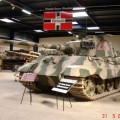 Tiger II – Königstiger vol3 – Sprehod Okoli
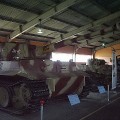 Tiger I – Sprehod Okoli
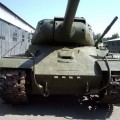 JS2-M – Sprehod Okoli
 Panzerkampfwagen VI – TIGER – Sdkfz.181 – Wydawnictwo Militaria 074