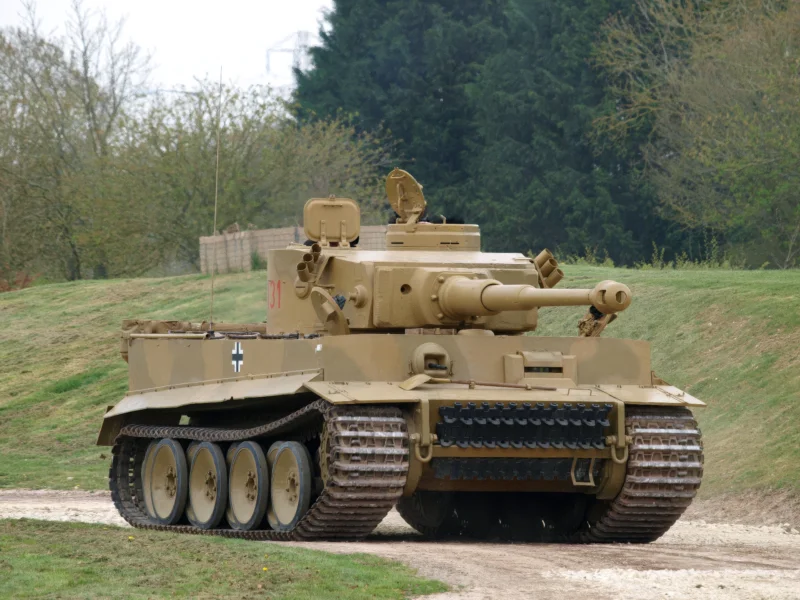
Δεξαμενή τίγρης | |
|---|---|
| Χώρα | Γερμανία |
| Πληκτρολογήστε | Βαριά δεξαμενή |
| Περιγραφή | Album of 27 photos walk-around of a «Tiger Tank» |
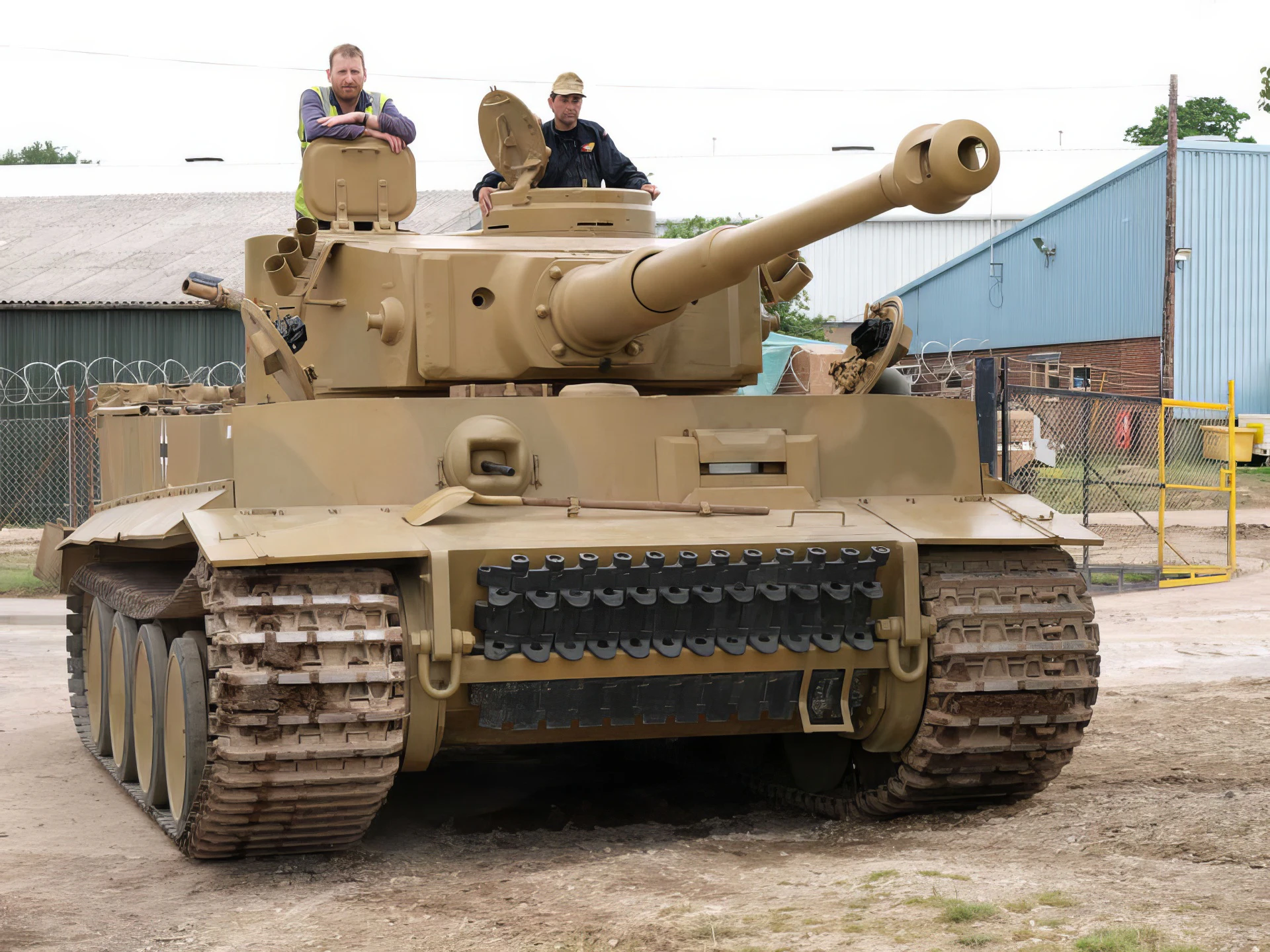
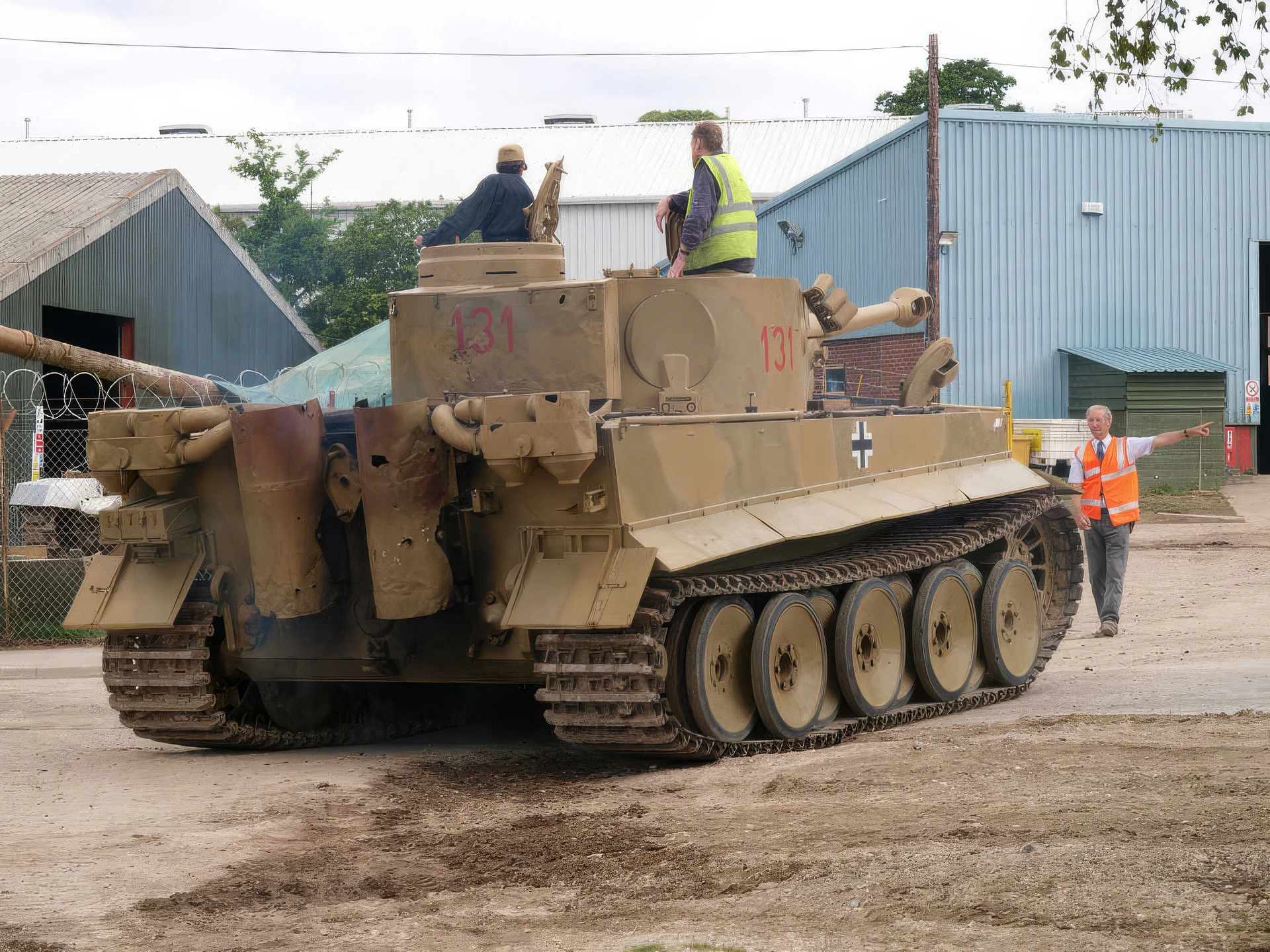
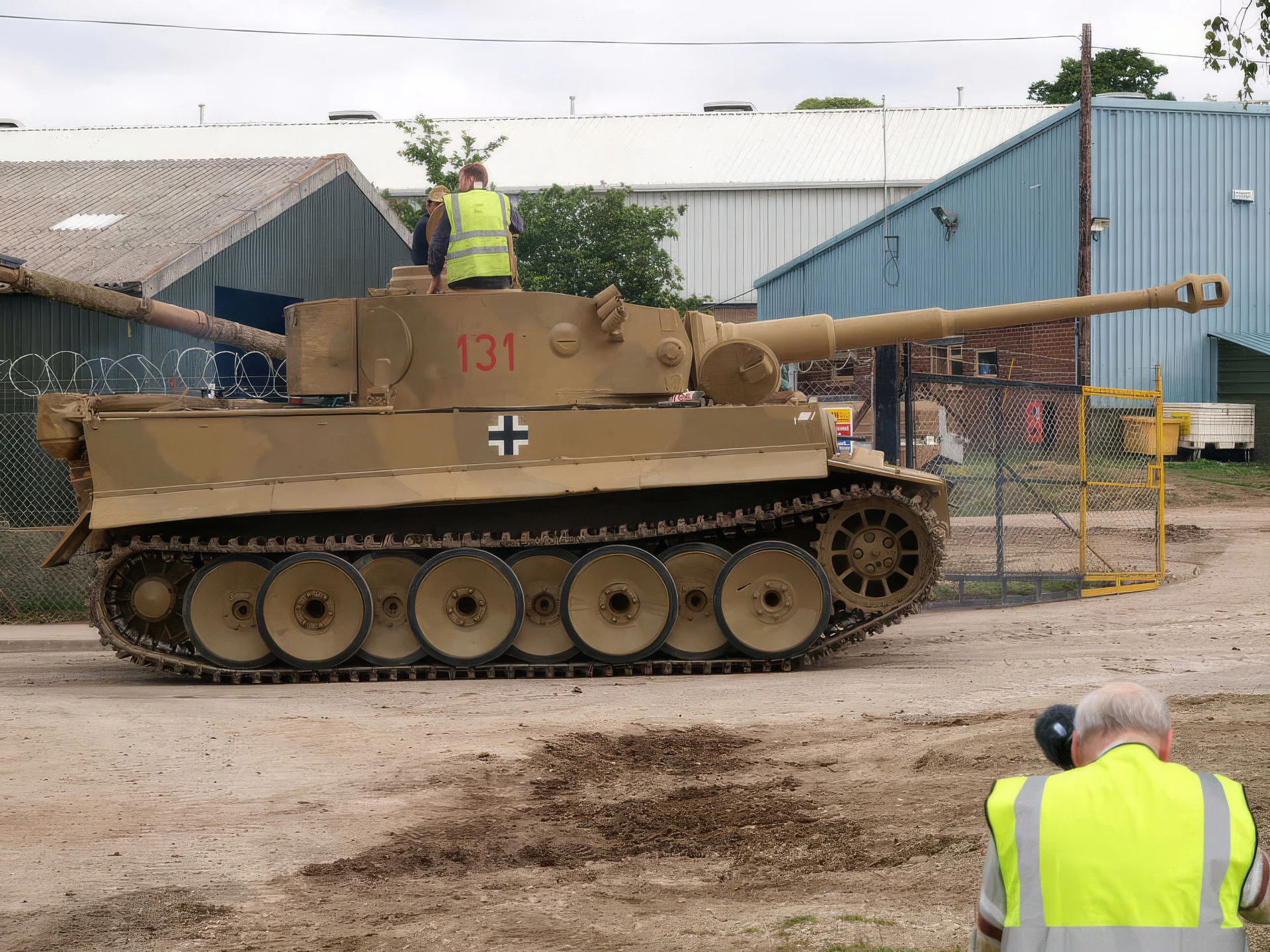
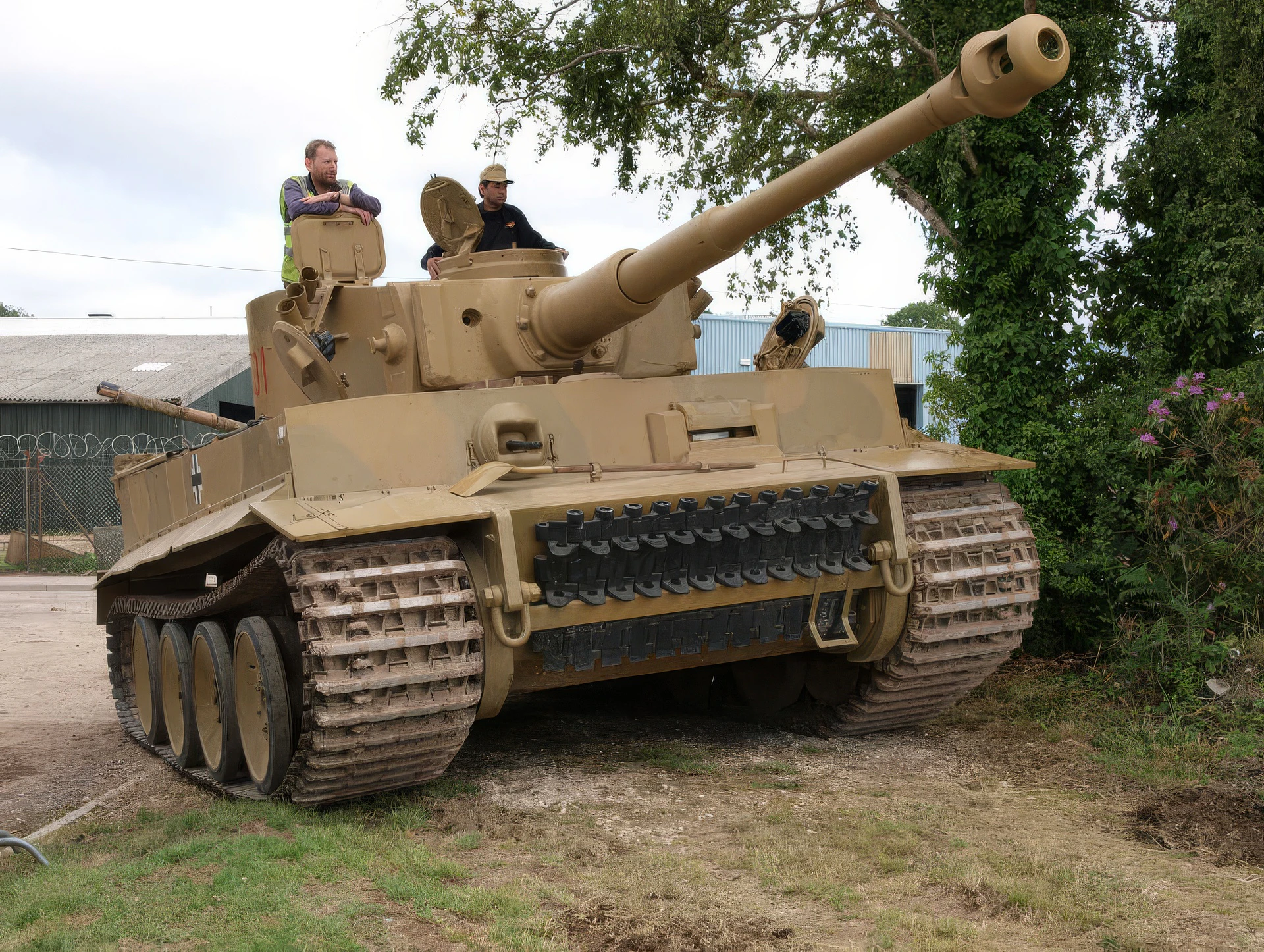
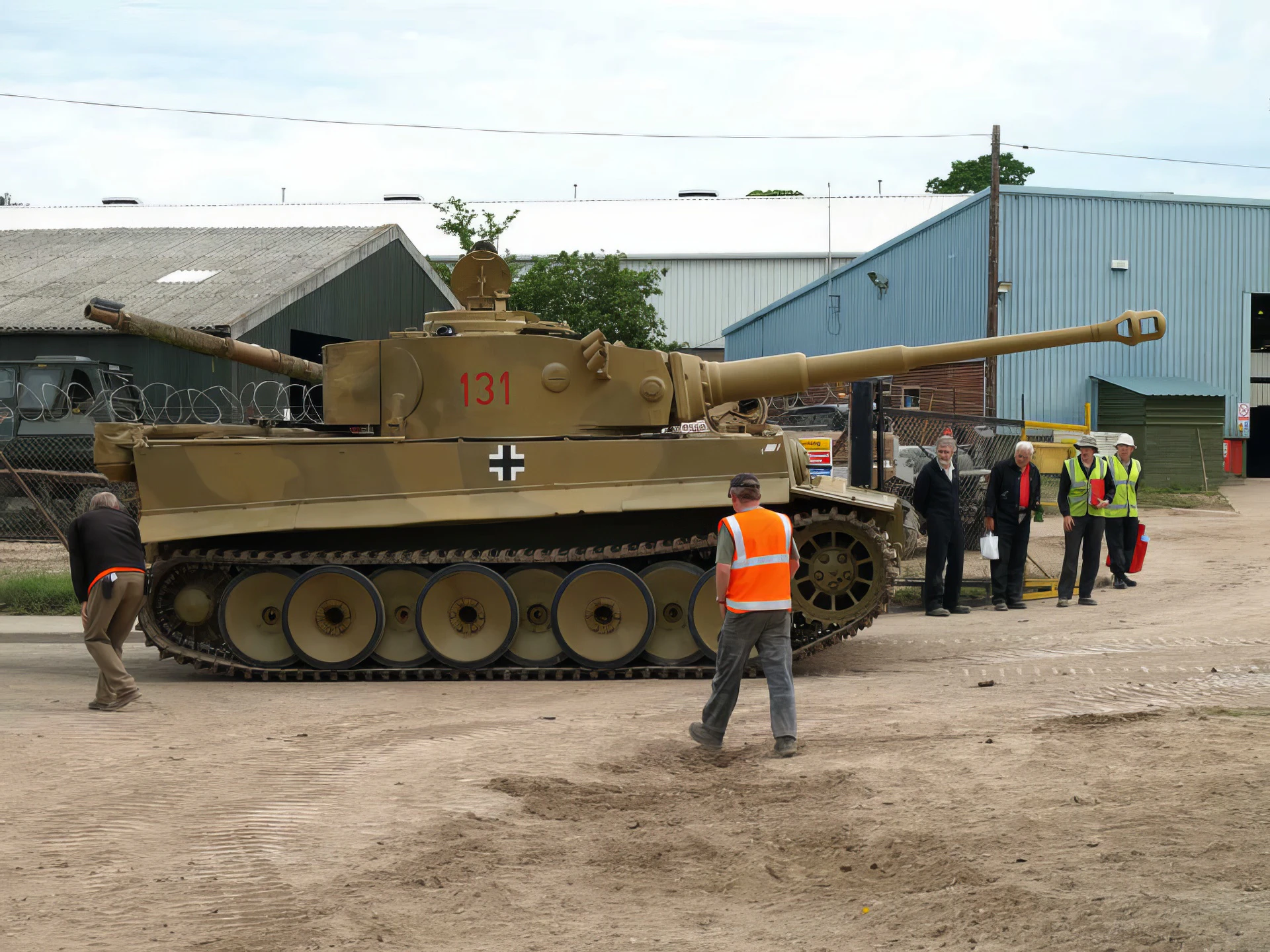
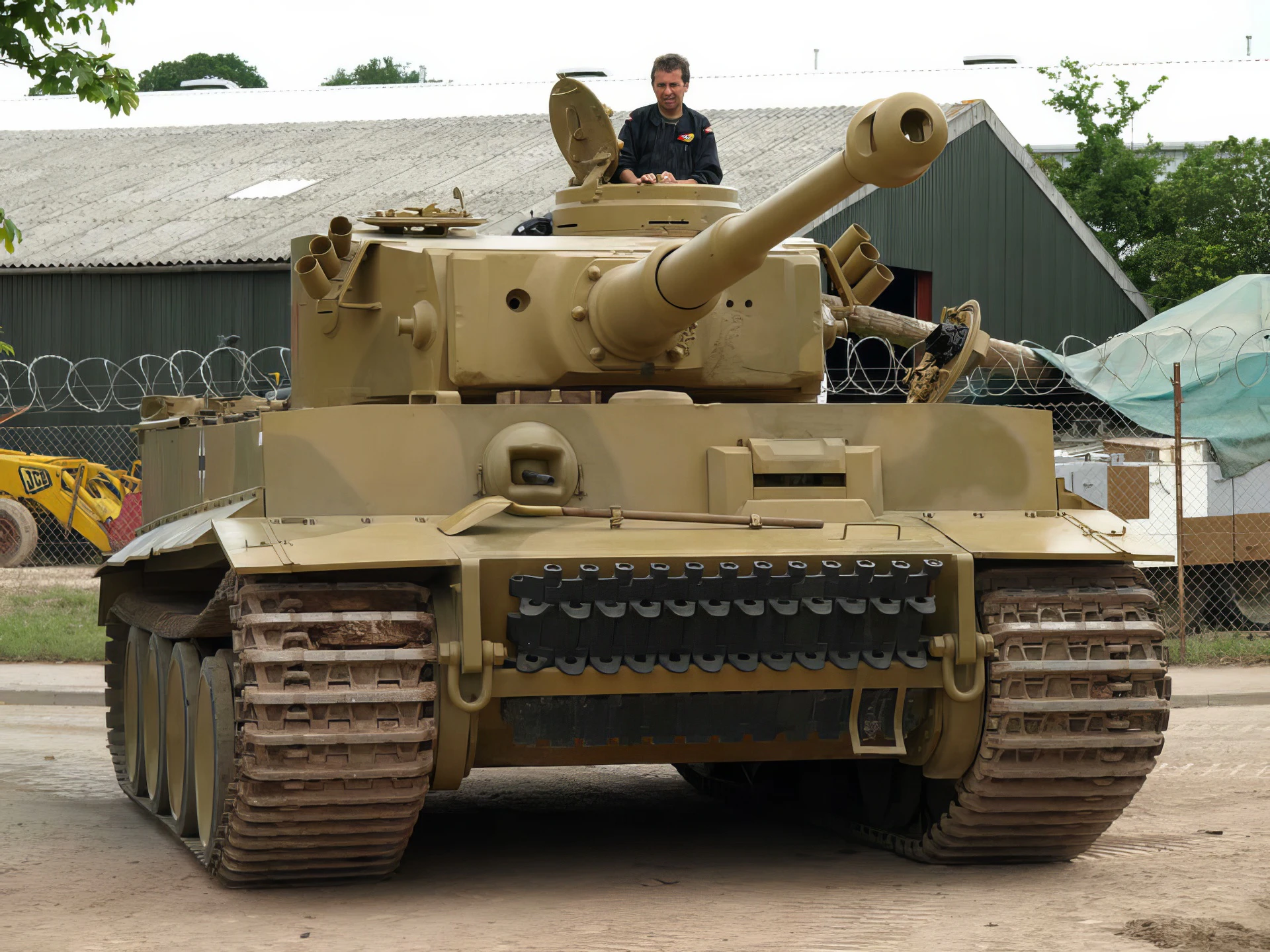
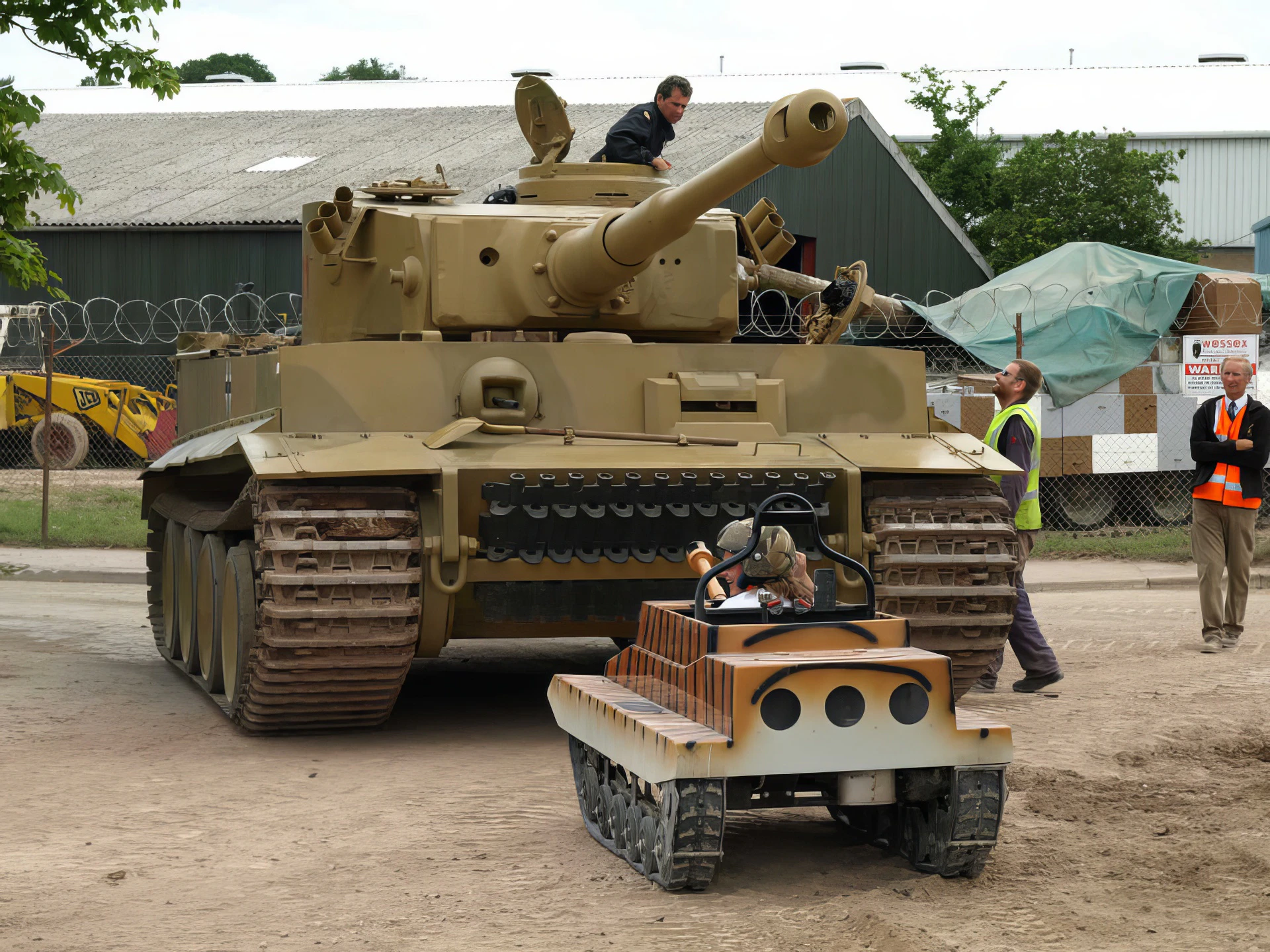
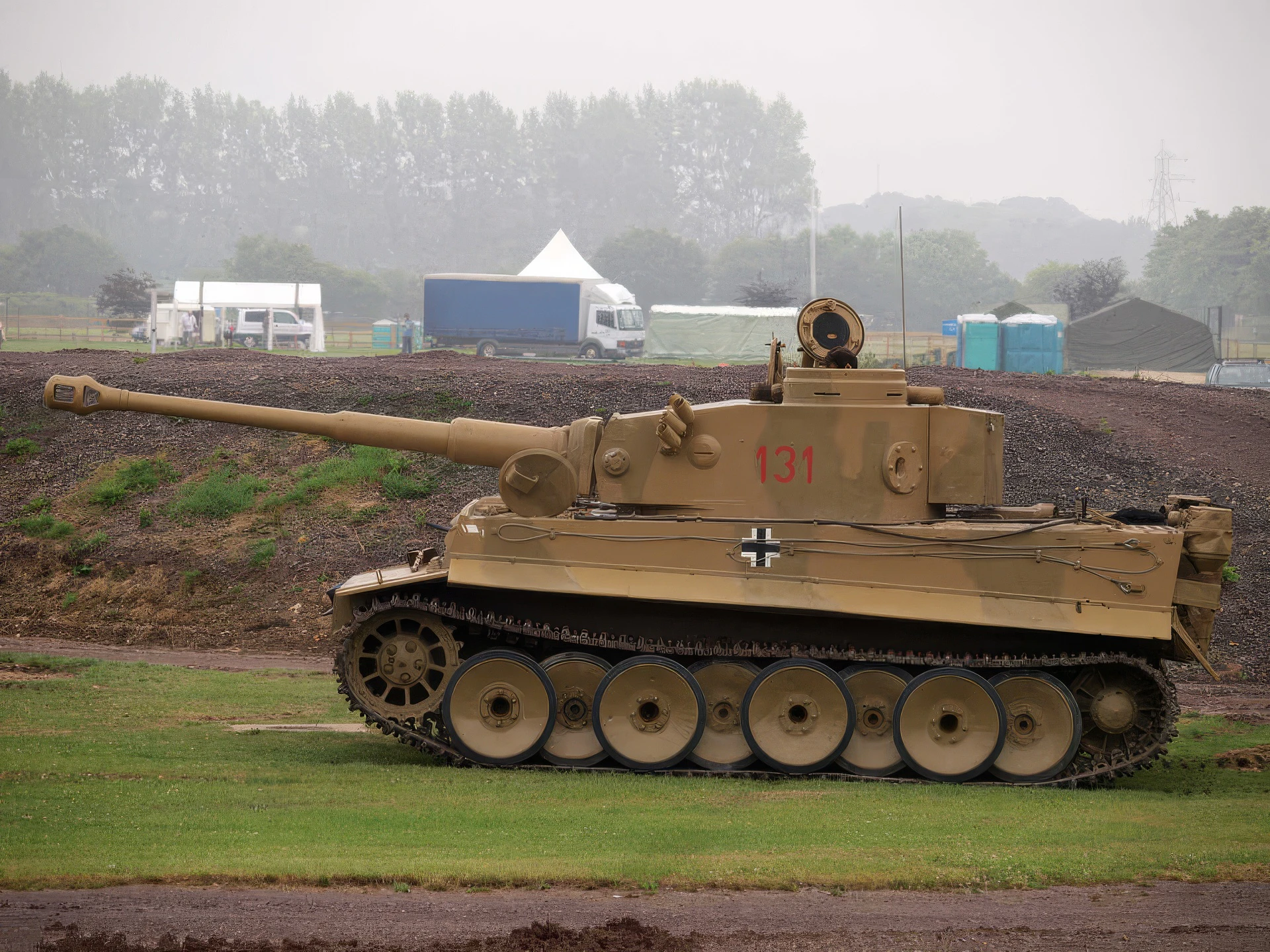
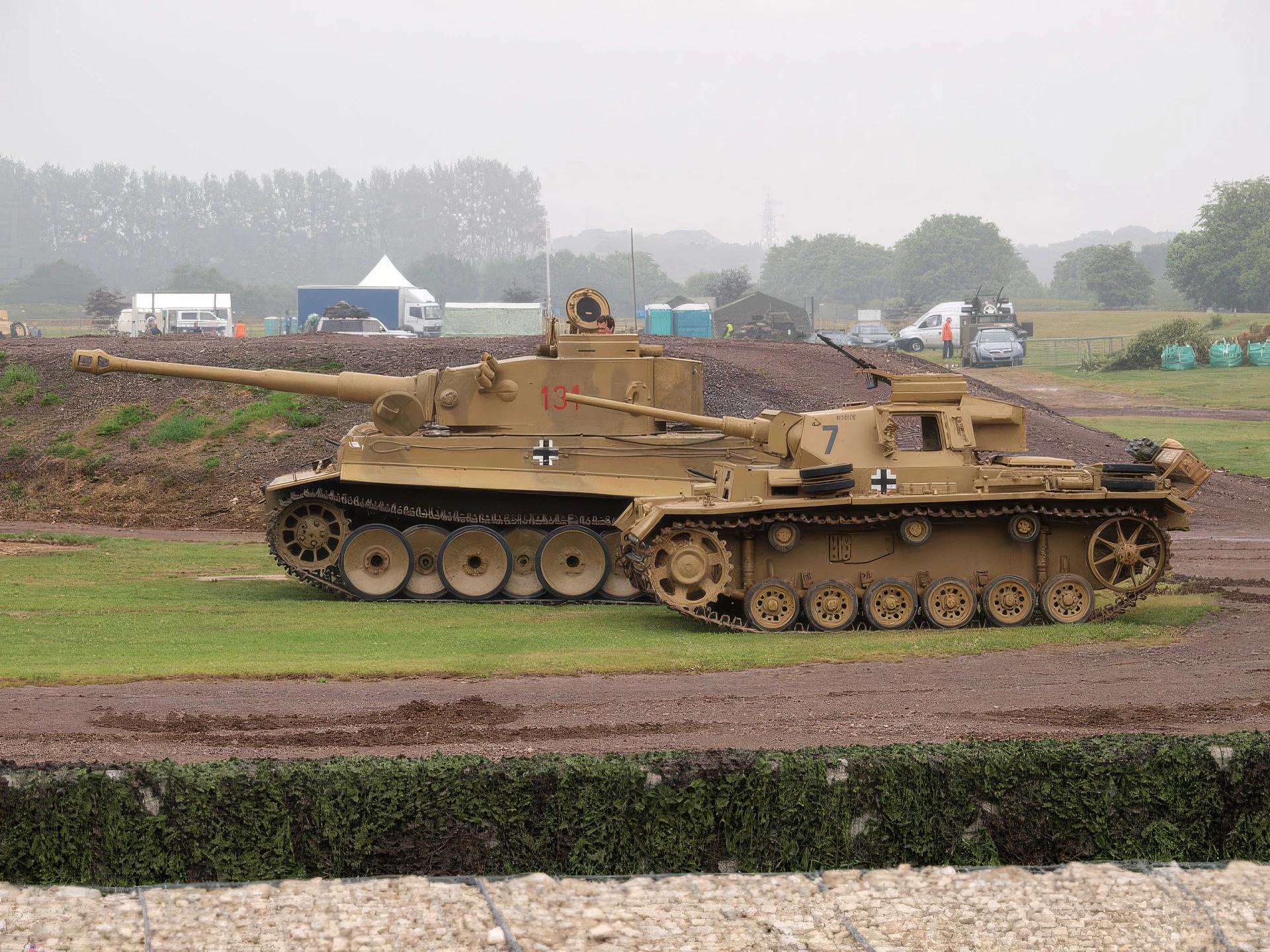
Φωτογραφία μιας δεξαμενής τίγρης σε δράση, Η Τίγρης Ι είναι η κοινή ονομασία μιας γερμανικής βαριάς δεξαμενής που αναπτύχθηκε το 1942 και χρησιμοποιήθηκε στον Δεύτερο Παγκόσμιο Πόλεμο. Ο τελικός επίσημος γερμανικός προσδιορισμός ήταν Panzerkampfwagen VI Τίγρης Ausf.E, συχνά μικρότερος τίγρης. Ήταν μια απάντηση στην απροσδόκητα τρομερή σοβιετική πανοπλία που συνάντησε κατά τους αρχικούς μήνες της εισβολής του Άξονα στη Σοβιετική Ένωση, ιδιαίτερα το Τ-34 και το KV-1. Ο σχεδιασμός tiger I έδωσε στη Wehrmacht την πρώτη δεξαμενή που τοποθέτησε το όπλο των 88 mm, στην αρχική θωρακισμένη έκδοση που ήταν αφιερωμένη σε οχήματα μάχης, η οποία στην έκδοση Flak είχε προηγουμένως αποδείξει την αποτελεσματικότητά της έναντι τόσο των στόχων αέρος όσο και του εδάφους. Κατά τη διάρκεια του πολέμου, ο Τίγρης είδα μάχη σε όλα τα γερμανικά μέτωπα μάχης. Αναπτύχθηκε συνήθως στα ανεξάρτητα τάγματα δεξαμενών, τα οποία αποδείχθηκαν αρκετά τρομερά.

Δείτε επίσης:


Teh Panzerkampfwagen VI (Pz.Kpfw. VI), commonly known as the Τίγρη, was a series of German heavy tanks used during World War II. It was a formidable and revolutionary design, primarily known for its incredibly heavy armor and powerful main gun. The series includes two primary models: the Tiger I and the Tiger II.
1. Panzer VI Tiger I (Sd.Kfz. 181)
The original Tiger I was a response to the unexpectedly strong Soviet tanks encountered during the invasion of the USSR. It entered service in 1942 and quickly established a fearsome reputation.
- Ρόλος: Heavy Tank, designed for breakthrough and long-range engagement.
- Main Armament: The devastating 88 mm KwK 36 L/56 cannon, which could penetrate most Allied tank armor at extreme distances.
- Armor: Featured very heavy, though largely flat and vertical, armor. Frontal hull armor was typically 100 mm thick, with the gun mantlet up to 200 mm. Its protection relied on sheer thickness.
- Weight: Περίπου 57 tonnes.
- Κινητικότητα: Powered by a 700 hp Maybach V-12 engine. Capable of speeds up to 38 to 45 km/h on roads. Its complex interleaved road wheel suspension provided good off-road performance but was mechanically demanding and maintenance-intensive.
- Crew: 5 (Commander, Gunner, Loader, Driver, Radio Operator).
2. Panzer VI Tiger II (Königstiger / King Tiger) (Sd.Kfz. 182)
The Tiger II, or “King Tiger,” was the successor to the Tiger I and represented an evolution in German tank design. It entered production in late 1943.
- Ρόλος: Heavy Tank.
- Main Armament: The superior 88 mm KwK 43 L/71 cannon. This longer-barreled gun significantly increased muzzle velocity and anti-tank performance.
- Armor: Combined the sheer thickness of the Tiger series with sloped armor. The frontal hull plate was 150 mm thick and angled at 50, making it virtually impervious to most Allied tank guns from the front.
- Weight: Σχεδόν 68.5 tonnes, making it the heaviest tank used by Germany during the war.
- Drawbacks: Its extreme weight severely strained its powertrain, leading to significant mechanical reliability issues and placing a massive burden on German logistics and manufacturing.
Views : 9962
Μπορείτε επίσης να δείτε:
 TOG2 – Φωτογραφίες &; Βίντεο
 Δεξαμενή P26/40 – Φώτο & Βίντεο
 T-28 Super Heavy Tank – Φώτο & Βίντεο
 Δεξαμενή οπλαρχηγού - Περπατήστε γύρω
 Pz.Kpfw. VI Τίγρης Ι – ΑΦΕΝΤΙΚΟ ΧΟΜΠΥ 82601
 Τίγρης PzKpfw VIH - Περπατήστε γύρω
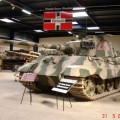 Τίγρης ΙΙ - Konigstiger Vol3 - Περπατήστε γύρω
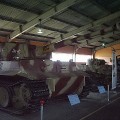 Τίγρης Ι – Περίπατος
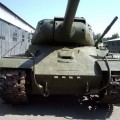 JS2-M - Περπατήστε γύρω
 Πανζερκαμπφουάγκεν VI – ΤΙΓΡΑ – Sdkfz.181 – Wydawnictwo Μιλιέντα 074