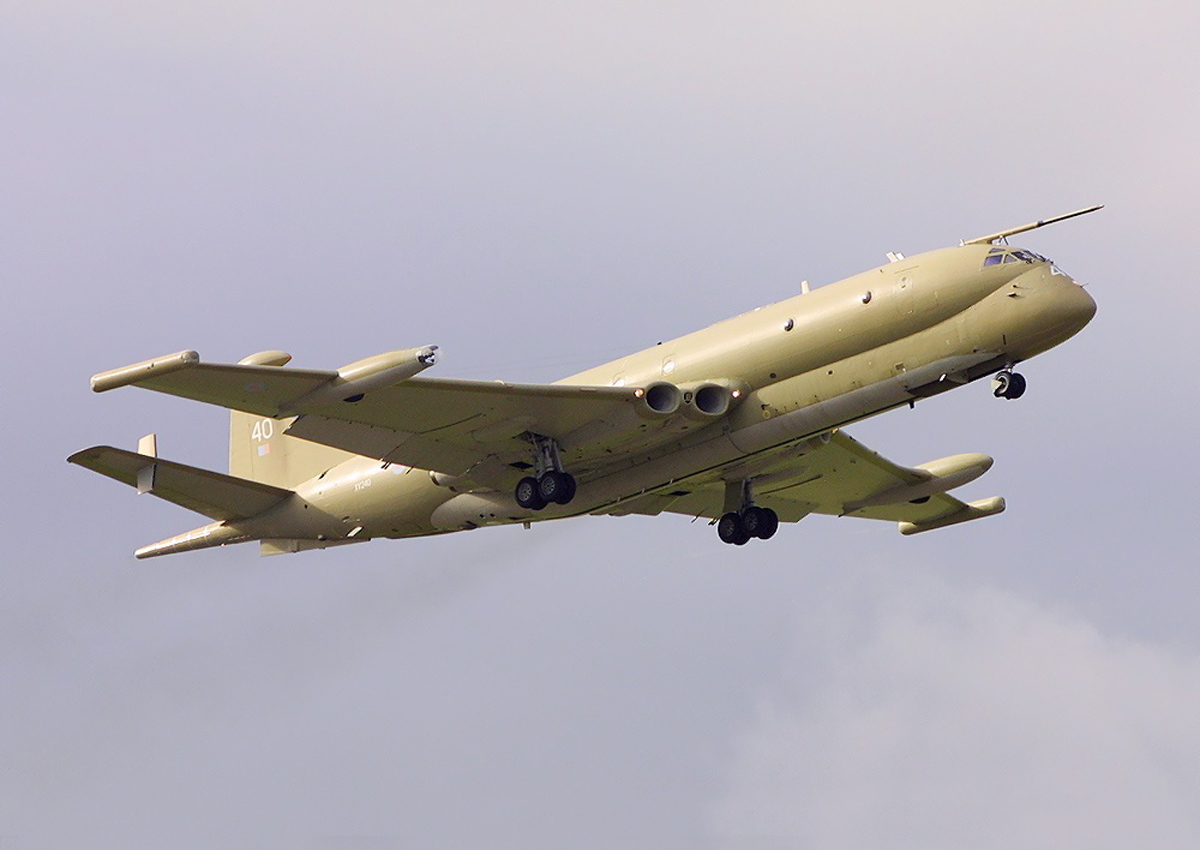
| Hawker Siddeley Nimrod | |
|---|---|
| País | Reino unido |
| Papel | Patrulha marítima, ELINT, AEW |
| Primeiro voo | 23 de maio de 1967 |
| Construído | 49+2 |
O Hawker Siddeley Nimrod foi uma aeronave de patrulha marítima desenvolvida e operada pelo Reino Unido. Foi uma extensa modificação do de Havilland Comet, o primeiro avião a jato operacional do mundo. Foi originalmente projetado pela empresa sucessora de Havilland, Hawker Siddeley; o trabalho de desenvolvimento e manutenção foi realizado pelas próprias empresas sucessoras da Hawker Siddeley, British Aerospace e BAE Systems, respectivamente.
| Nimrod MR2 | |
|---|---|
| Fotógrafo | Vladimir Yakubov |
| Localização | Farnborough |
| Fotos | 27 |
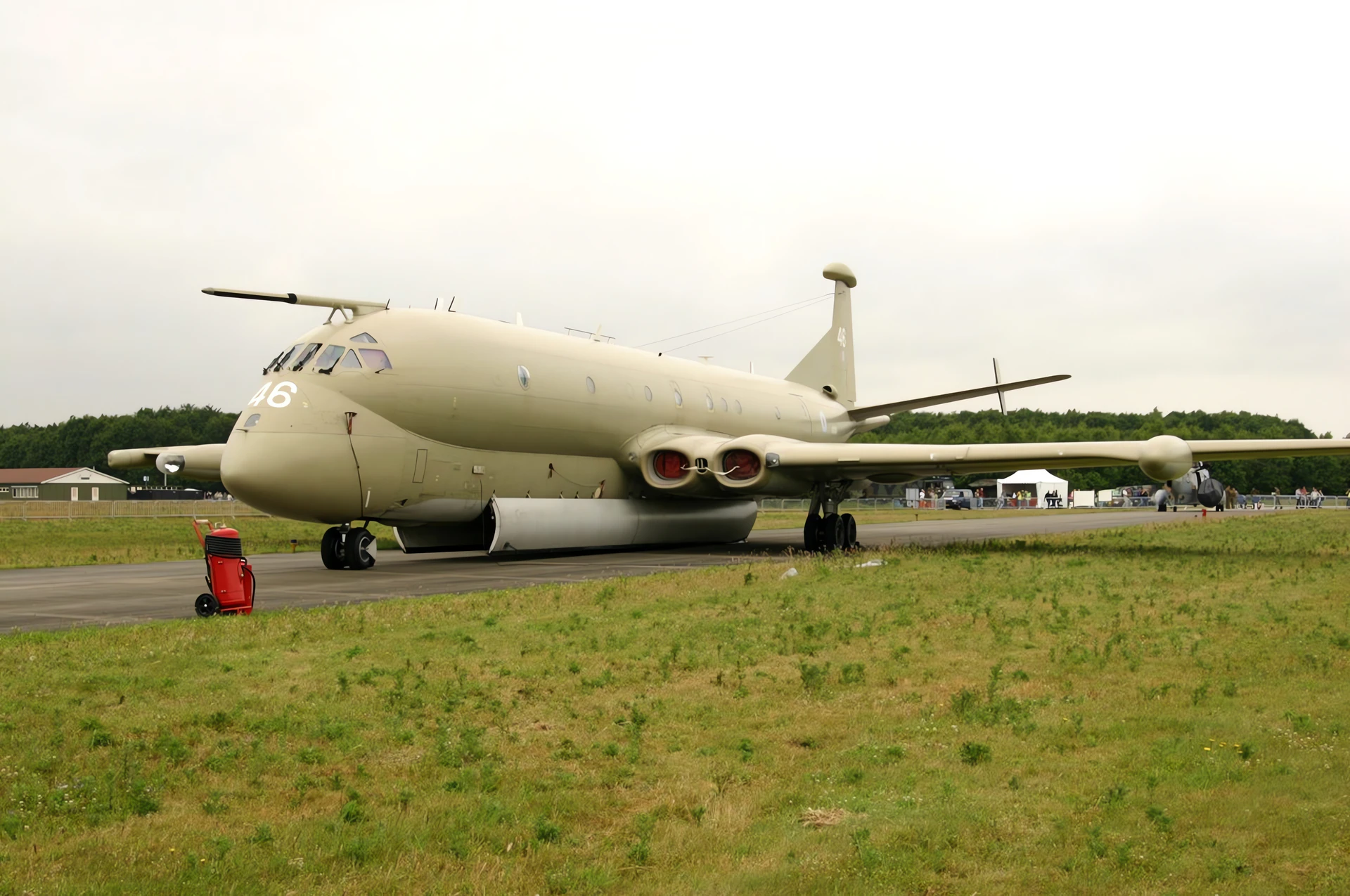
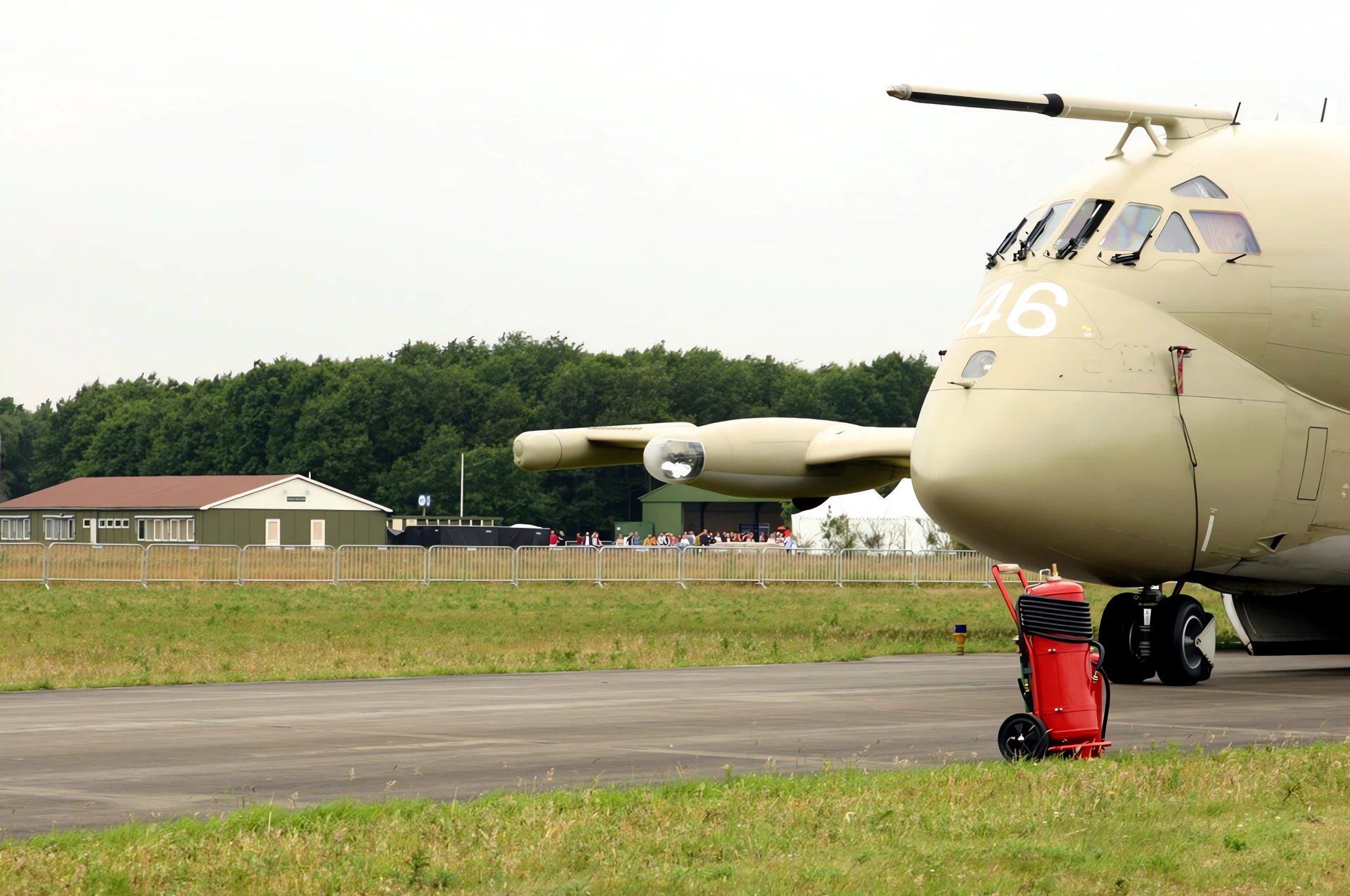
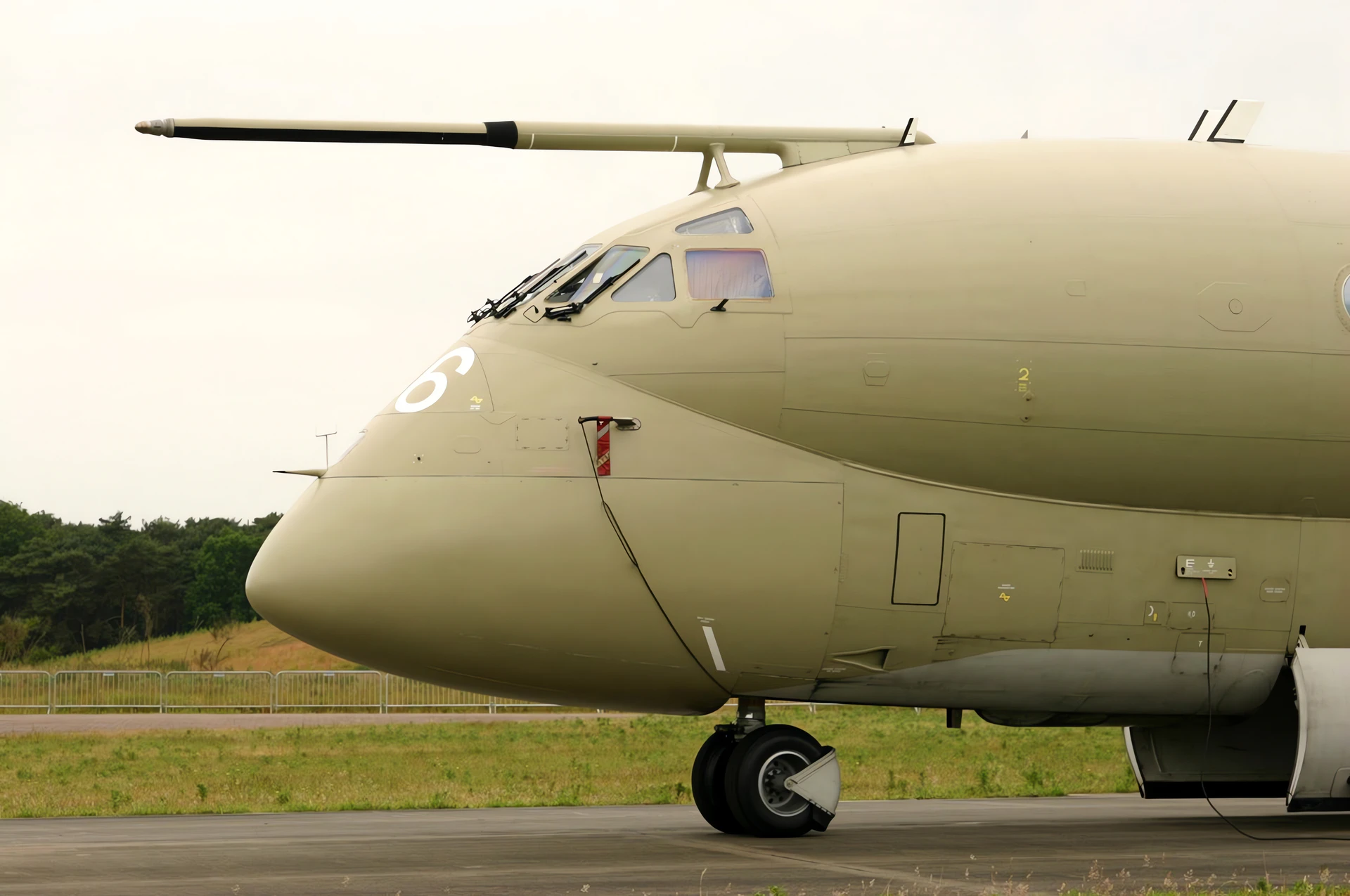

Veja também:


The Comet’s Warrior Descendant
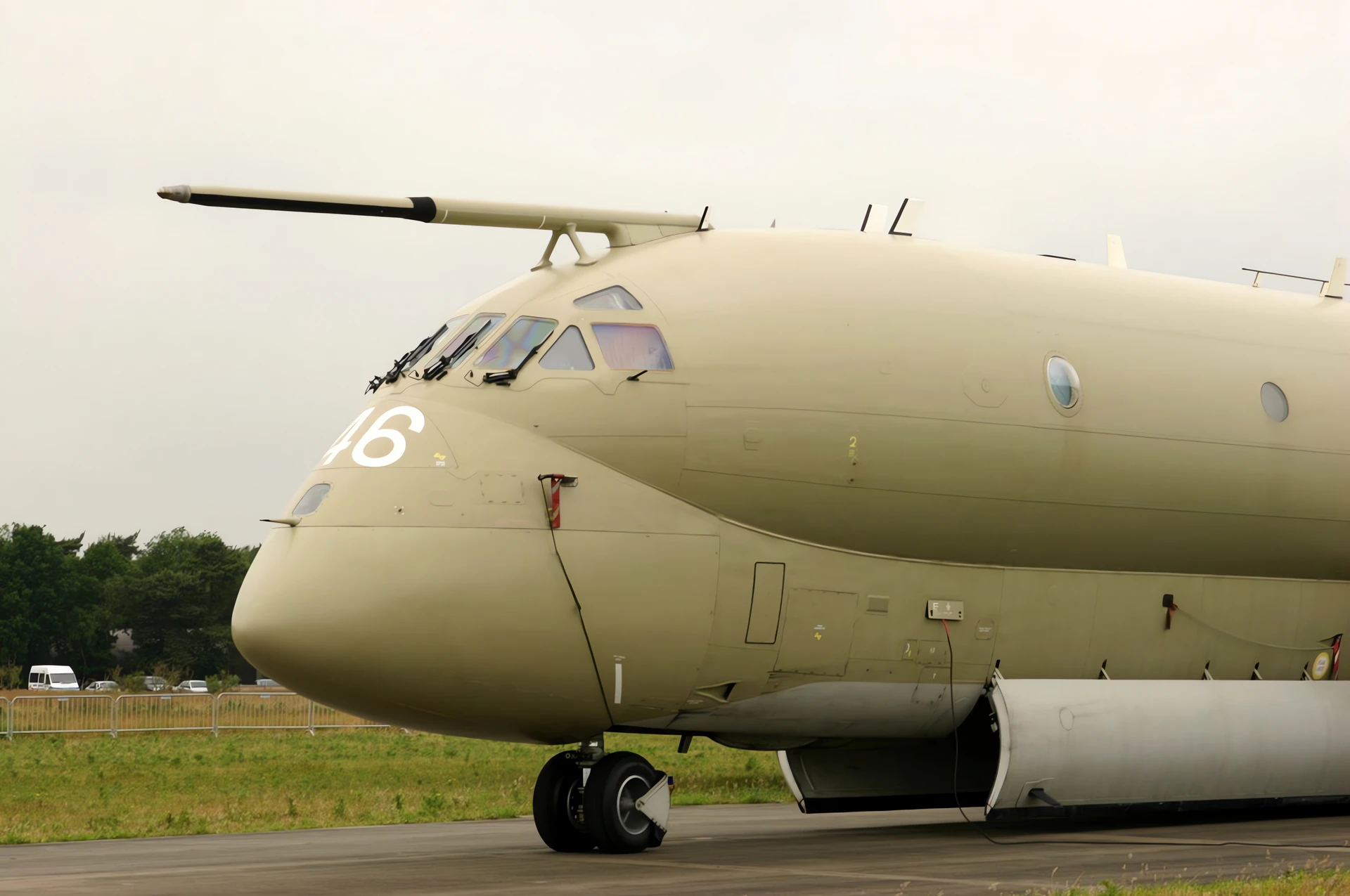
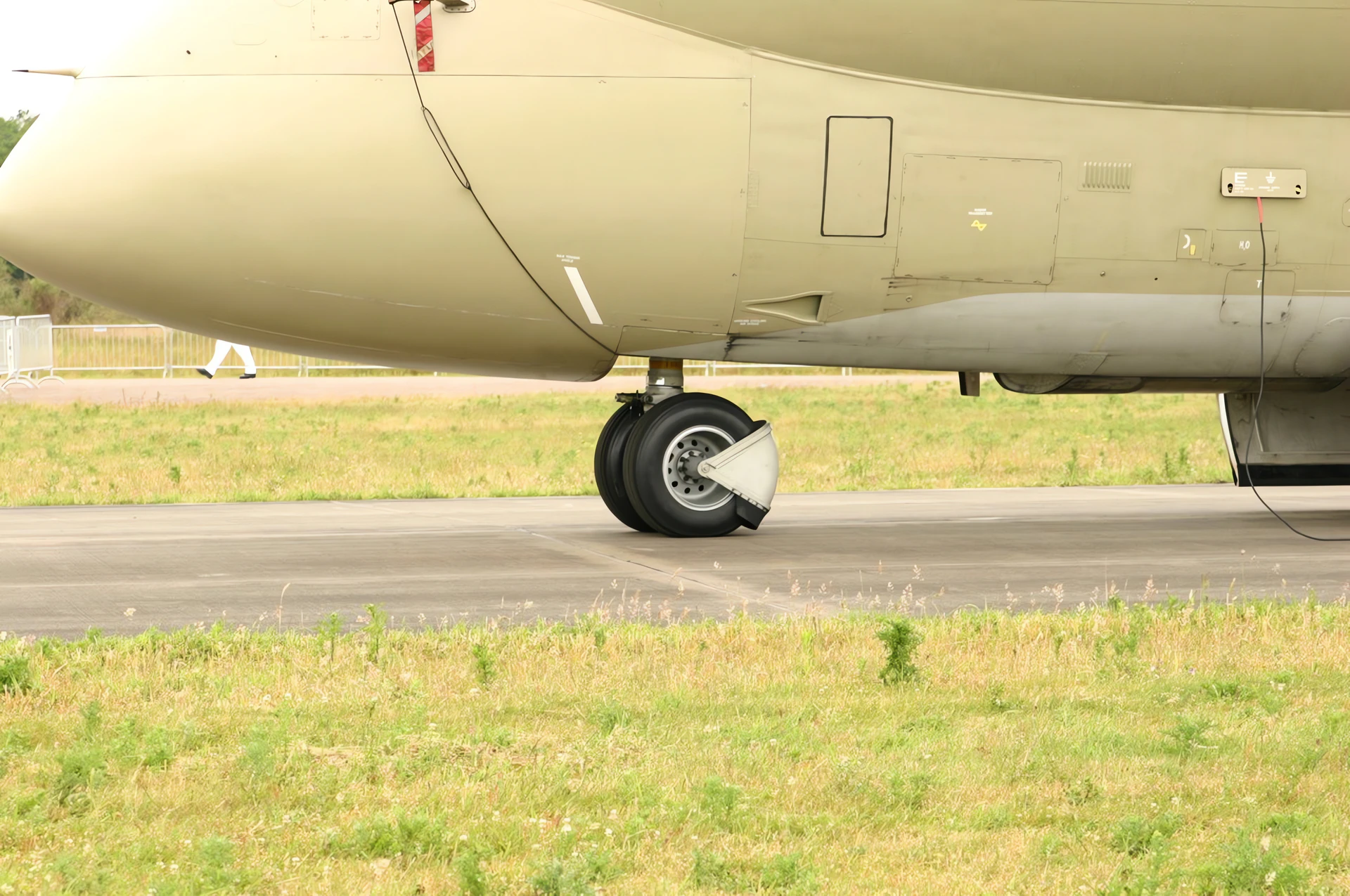
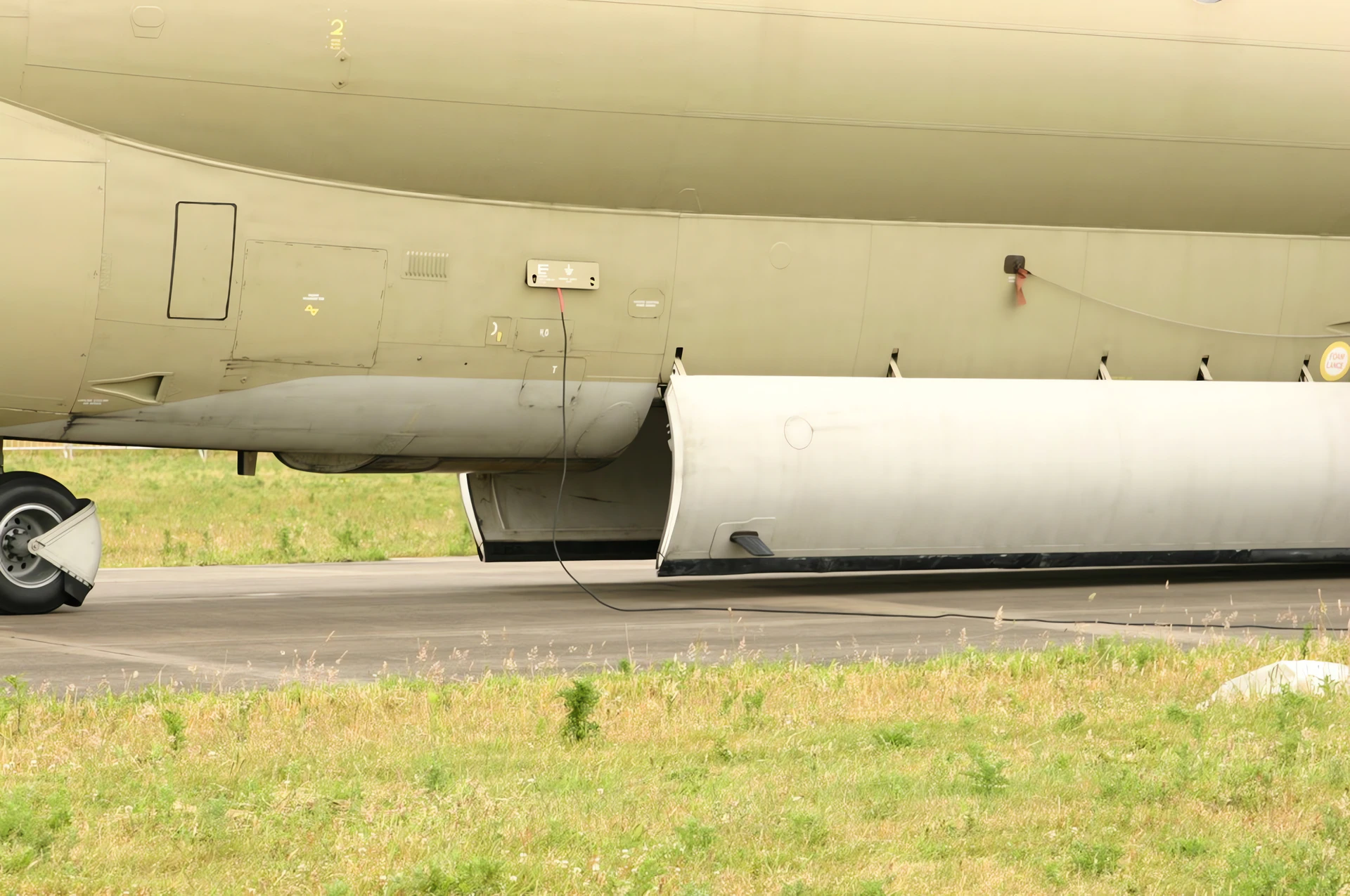
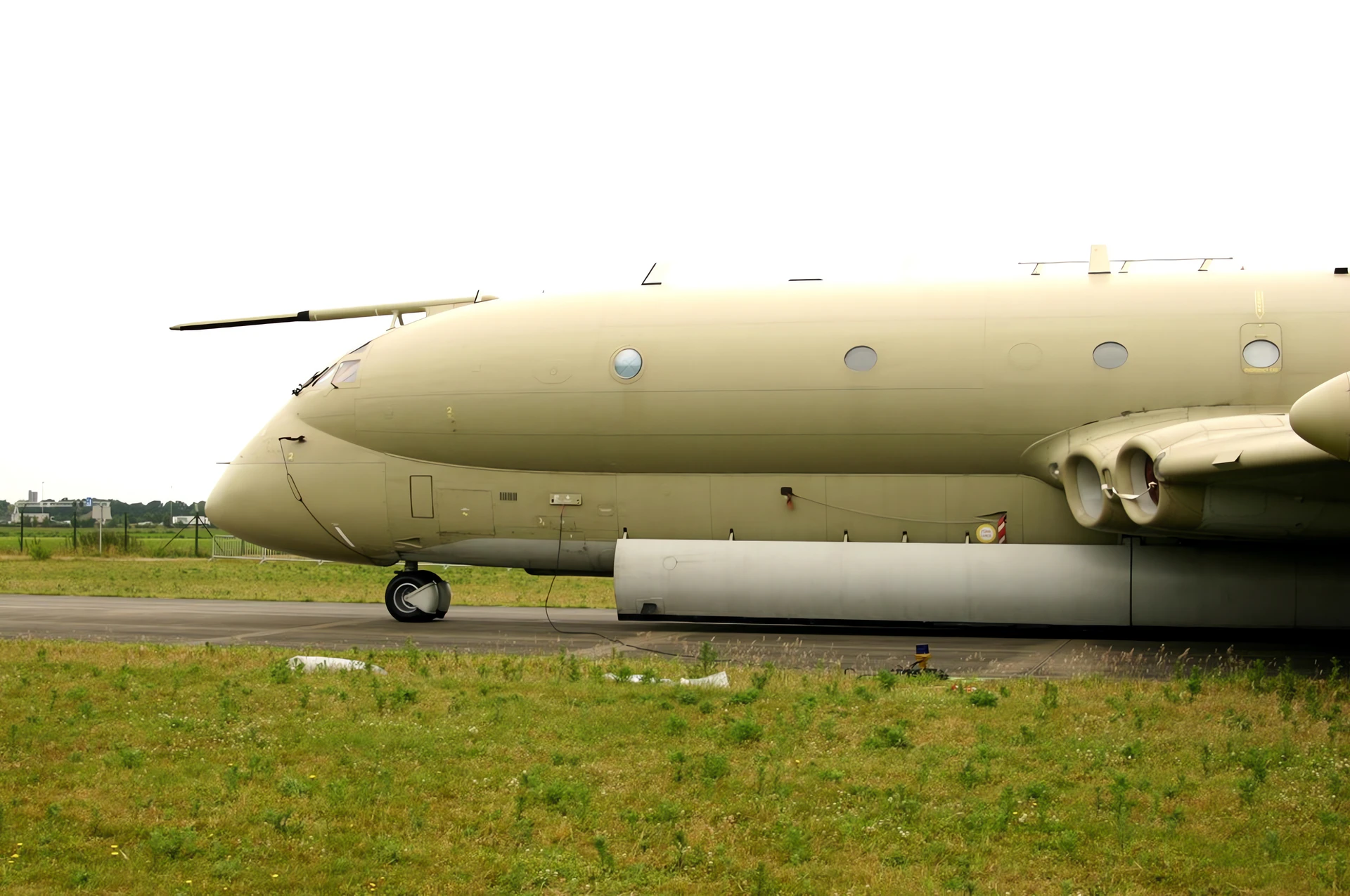
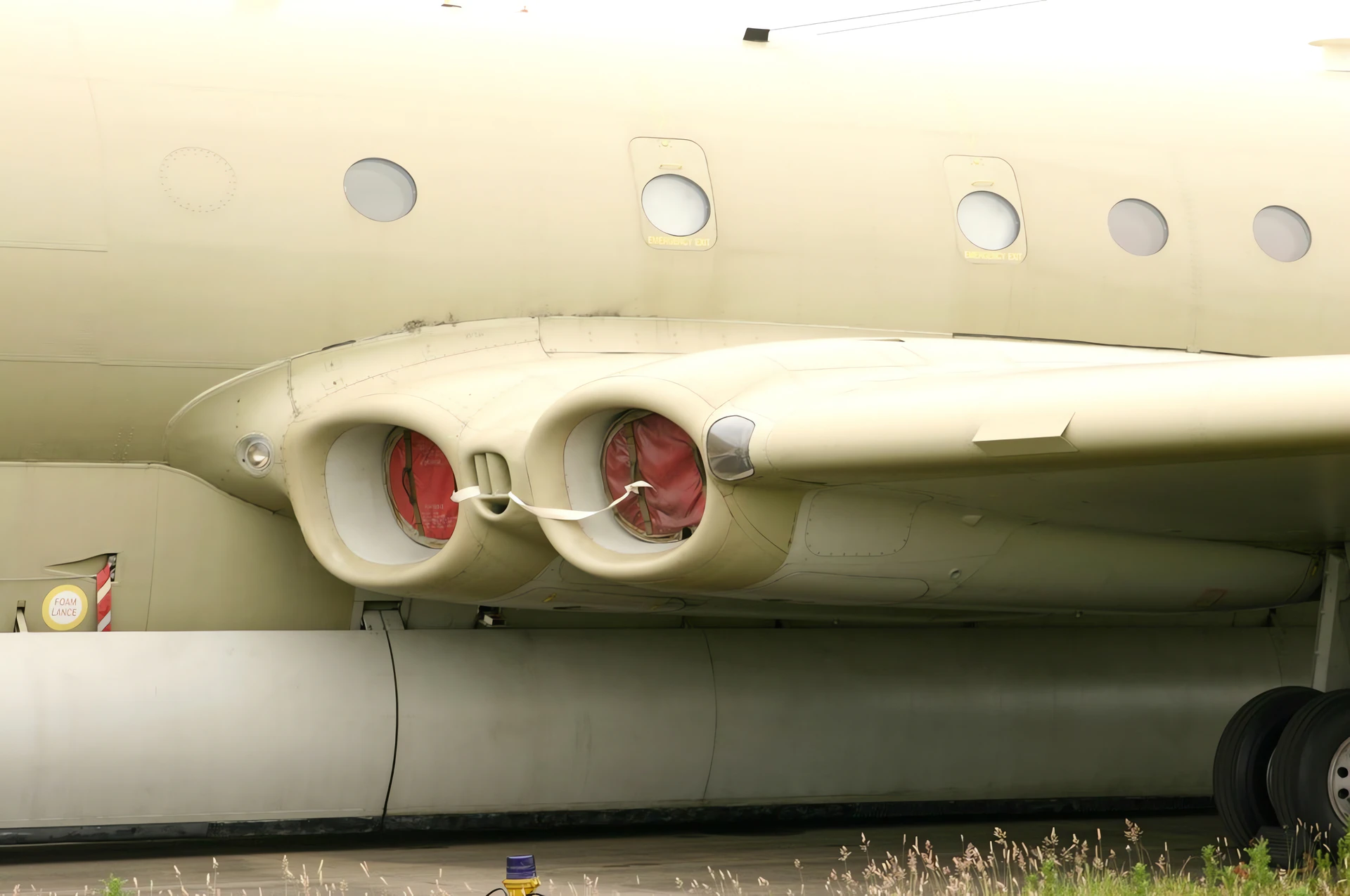
O Nimrod MR2 was the backbone of the Royal Air Force’s maritime reconnaissance and anti-submarine warfare (ASW) capability for over 30 years. Derived from the de Havilland Comet—the world’s first jet airliner—the Nimrod swapped passengers for an array of sophisticated sensors and a cavernous internal weapons bay. During the Cold War, it patrolled the North Atlantic, tracking Soviet submarines with clinical precision, and later proved its versatility in search and rescue and electronic intelligence roles.
| Attribute | Technical Specification (Nimrod MR2) |
|---|---|
| Papel | Maritime Patrol & Anti-Submarine Warfare (ASW) |
| tripulação | 12-13 (2 Pilots, 1 Flight Engineer, 2 Navigators, 7-8 Sensor Ops) |
| First Flight (MR1) | May 23, 1967 |
| Usina | 4 × Rolls-Royce RB.168-20 Spey turbofans |
| Thrust | 12,140 lbf (54 kN) per engine |
| Maximum Speed | 575 mph (925 km/h) |
| Operational Range | 5,000 to 6,000 miles (unrefueled) |
| Armamento | 2 × Sidewinder AAMs; Torpedoes (Mk 46/Stingray), Depth Charges, Harpoon missiles |
Acoustic Mastery and “The Double Bubble”
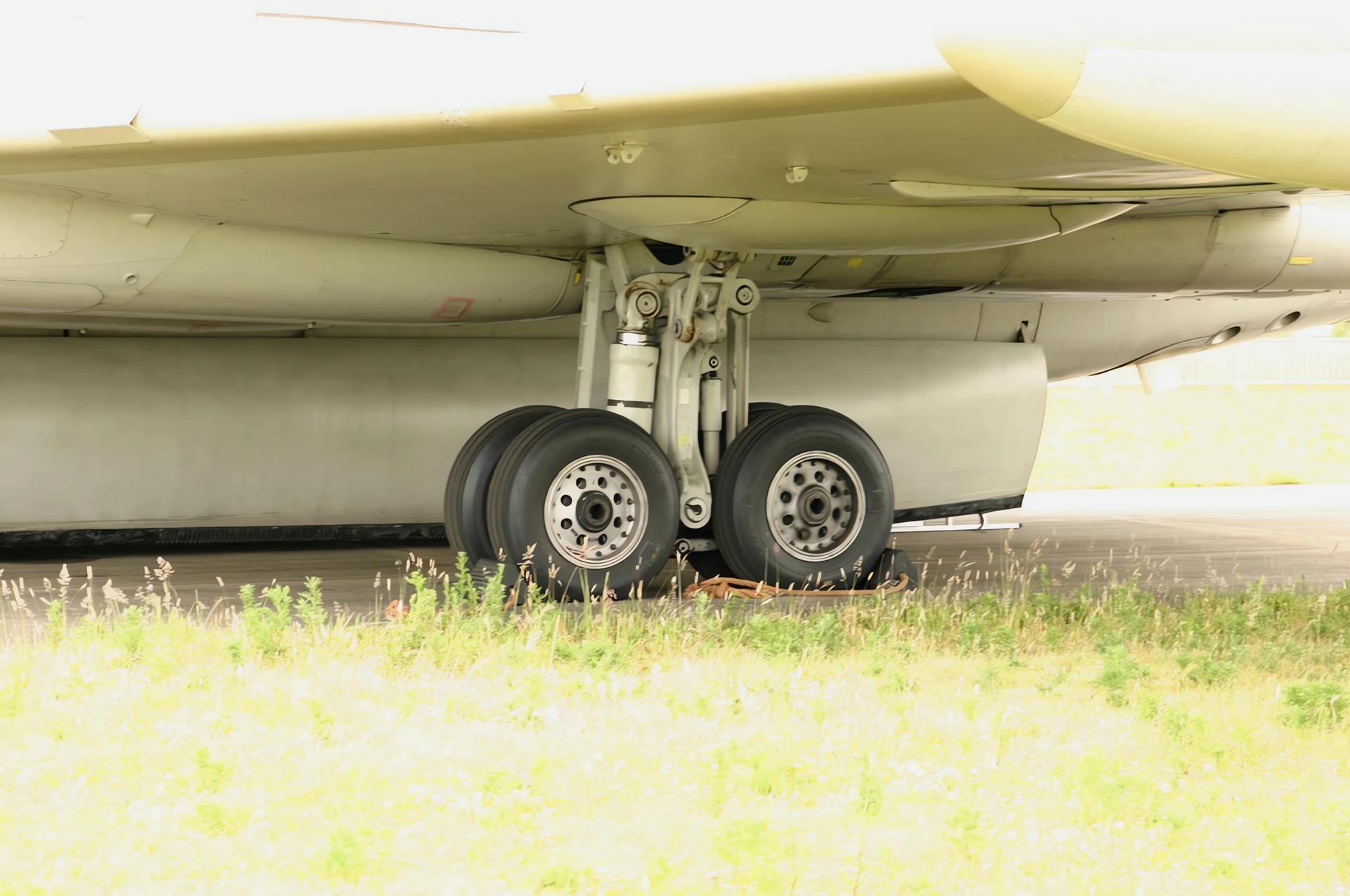
- The “Double Bubble” Fuselage: To accommodate a massive 48-foot internal weapons bay without weakening the original Comet structure, engineers added a second “hull” underneath the main fuselage. This gave the Nimrod its distinctive teardrop-shaped cross-section.
- Acoustic Processor Upgrade: The transition from MR1 to MR2 in the late 70s introduced the AQS-901 acoustic system. This allowed the Nimrod to process data from 150 sonobuoys simultaneously, making it arguably the most capable submarine hunter of its era.
- MAD Boom (The Tail Stinger): Extending from the tail is the Magnetic Anomaly Detector (MAD) boom. It detects the minute disturbances in the Earth’s magnetic field caused by a large steel submarine hull deep underwater.
- Engine Versatility: For long-endurance loitering over a search area, the Nimrod could shut down two of its four Spey engines to conserve fuel, extending its time “on station” significantly.
Falklands and the “Finest Hour”
- The Longest Missions: During the 1982 Falklands War, Nimrods were rapidly fitted with air-to-air refueling probes. They flew record-breaking 19-hour missions from Ascension Island to the South Atlantic to provide surveillance for the British Task Force.
- Search and Rescue (SAR): The Nimrod was often the first on the scene of maritime disasters (like the Piper Alpha oil rig fire), acting as an on-scene commander due to its extensive communication suite and ability to drop life rafts.
- The MRA4 Tragedy: The planned successor, the MRA4, was canceled in 2010 after massive cost overruns and delays. This left the UK without a dedicated maritime patrol aircraft until the arrival of the American P-8 Poseidon years later.
- Preservation: Several MR2s are preserved in the UK, most notably at the City of Norwich Aviation Museum e Museu Do Ar de Yorkshire, where some are still maintained in “ground-runnable” condition.
Visualizações : 3302
Você pode ver também:
 Ryan Navion – Fotos e Vídeo
 Stinson L-5 Sentinel – Fotos e Vídeo
 Piper L-4 Grasshopper – Fotos e Vídeo
 Lockheed U-2 – Fotos e Vídeo
 P-47G Thunderbolt – WalkAround
 Hawker Sea Fury FBII vol2 - Walk Around
 P-51D Mustang vol2 - Ande por aí
 B-17G Flying Fortress – WalkAround
 Messerschmitt Bf 109G-2 - Ande por aí
 General Motors FM-2 Wildcat – WalkAround