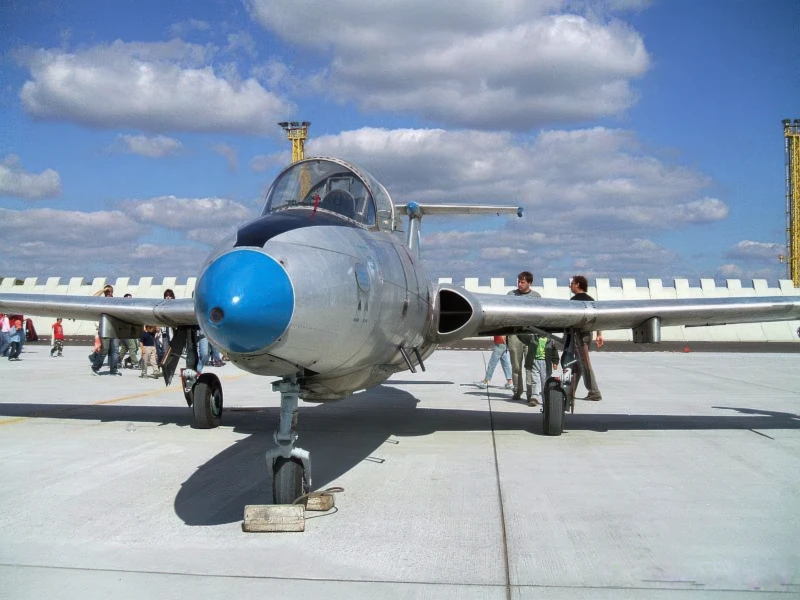
L-29 Delfin | |
|---|---|
| Kraju | Czechosłowacji |
| Typu | Wojskowy samolot szkoleniowy |
| Okres | 1963-1974 |
| Zbudowany | 3500 |
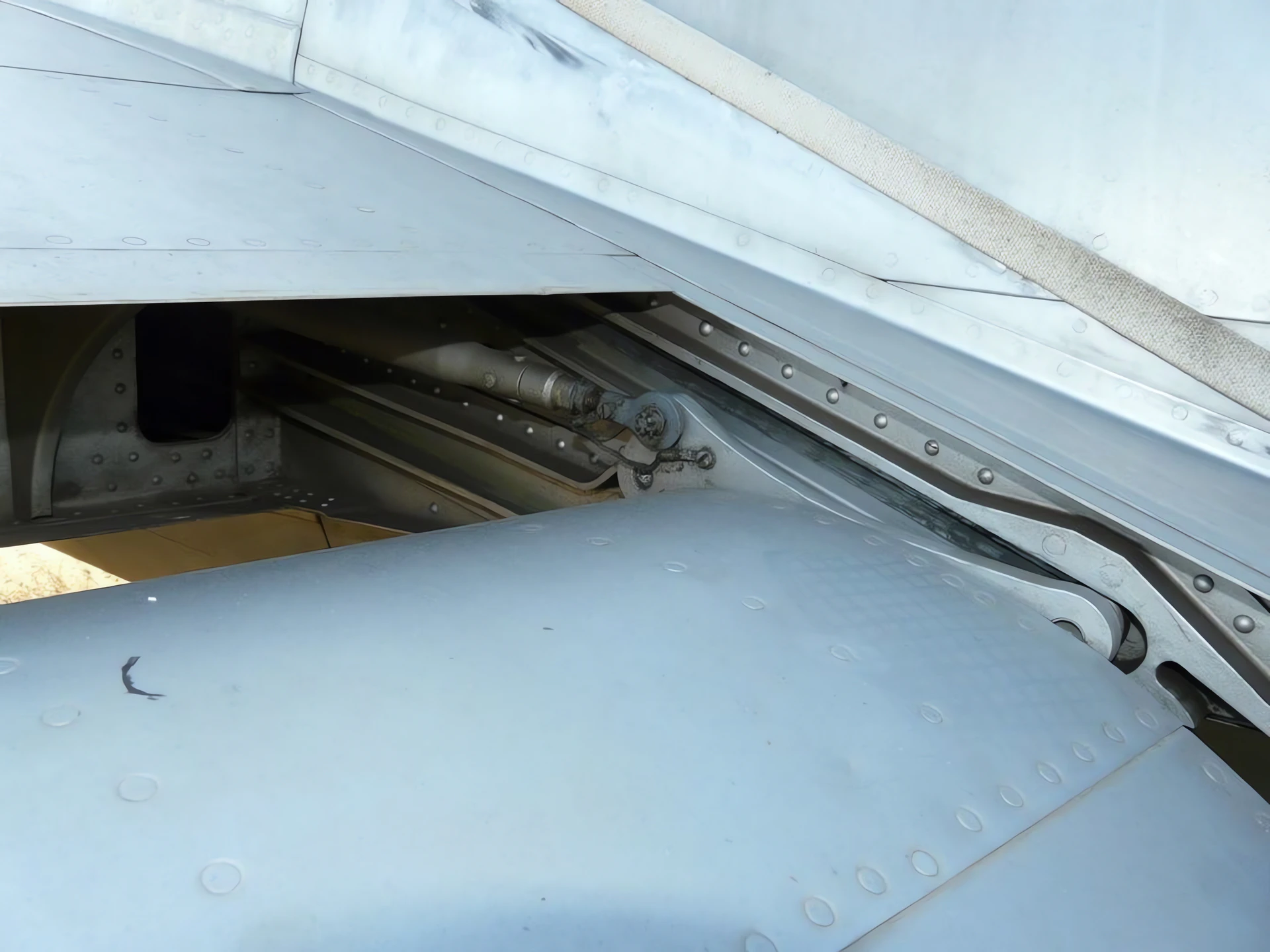
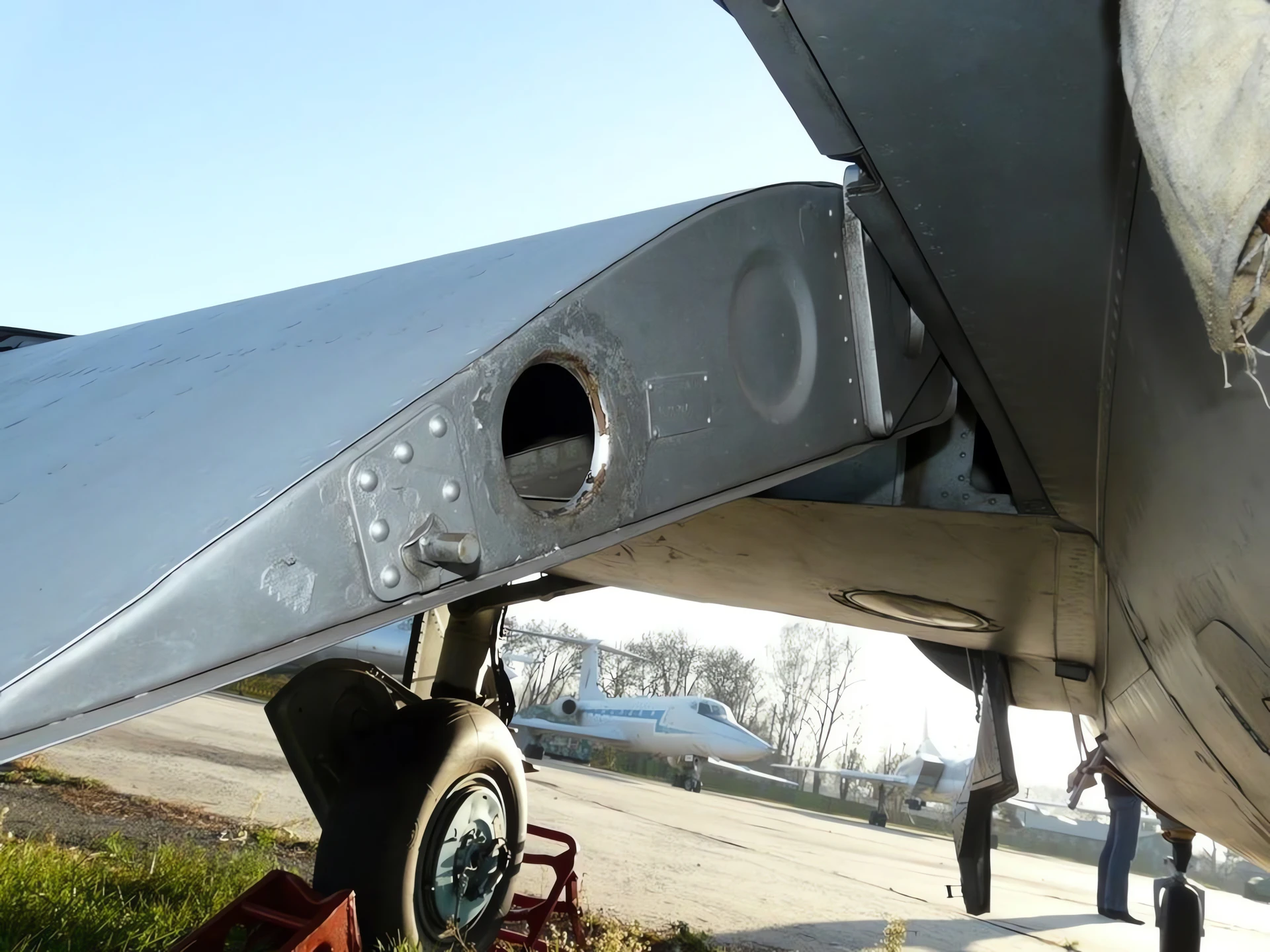
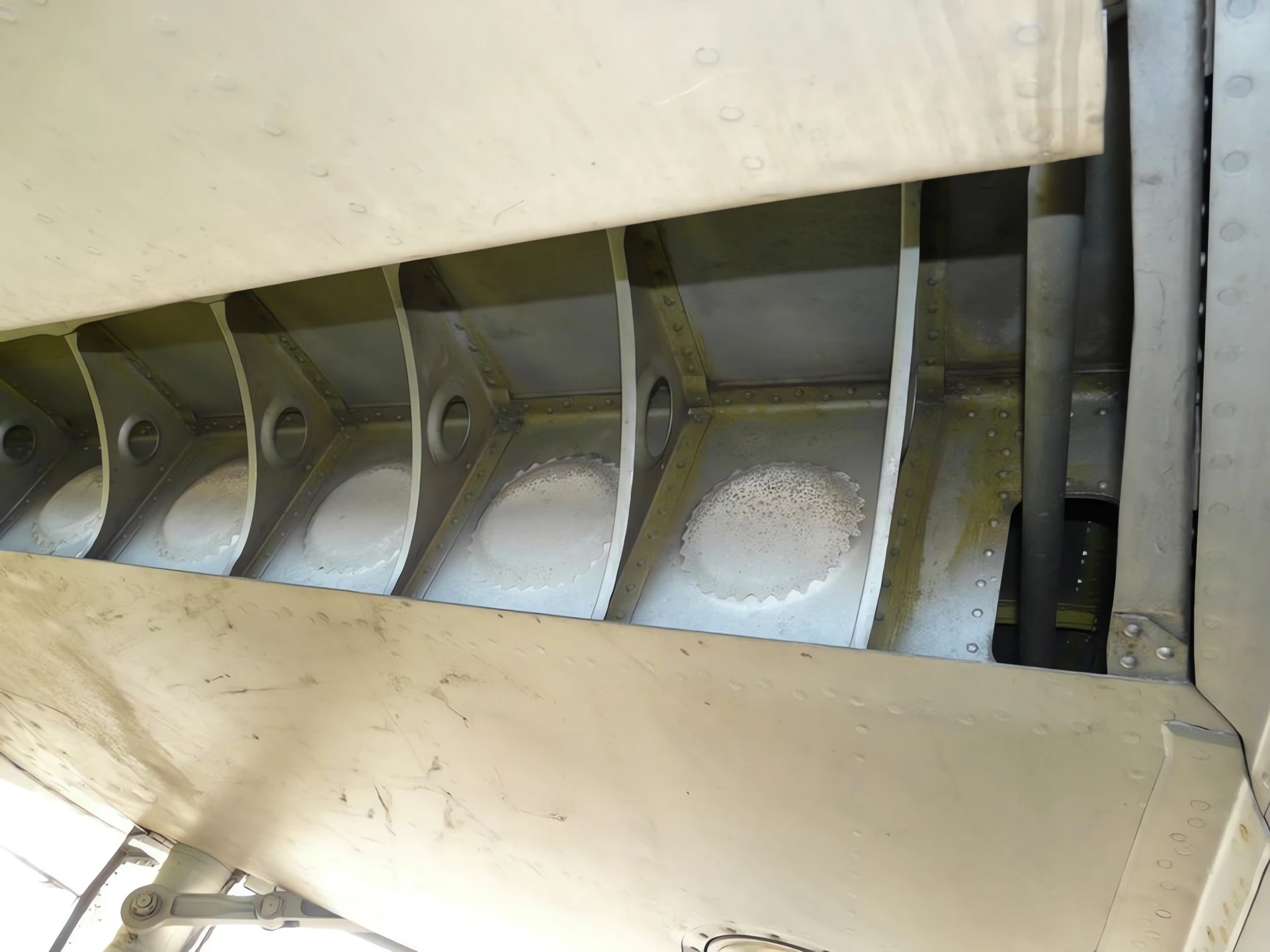
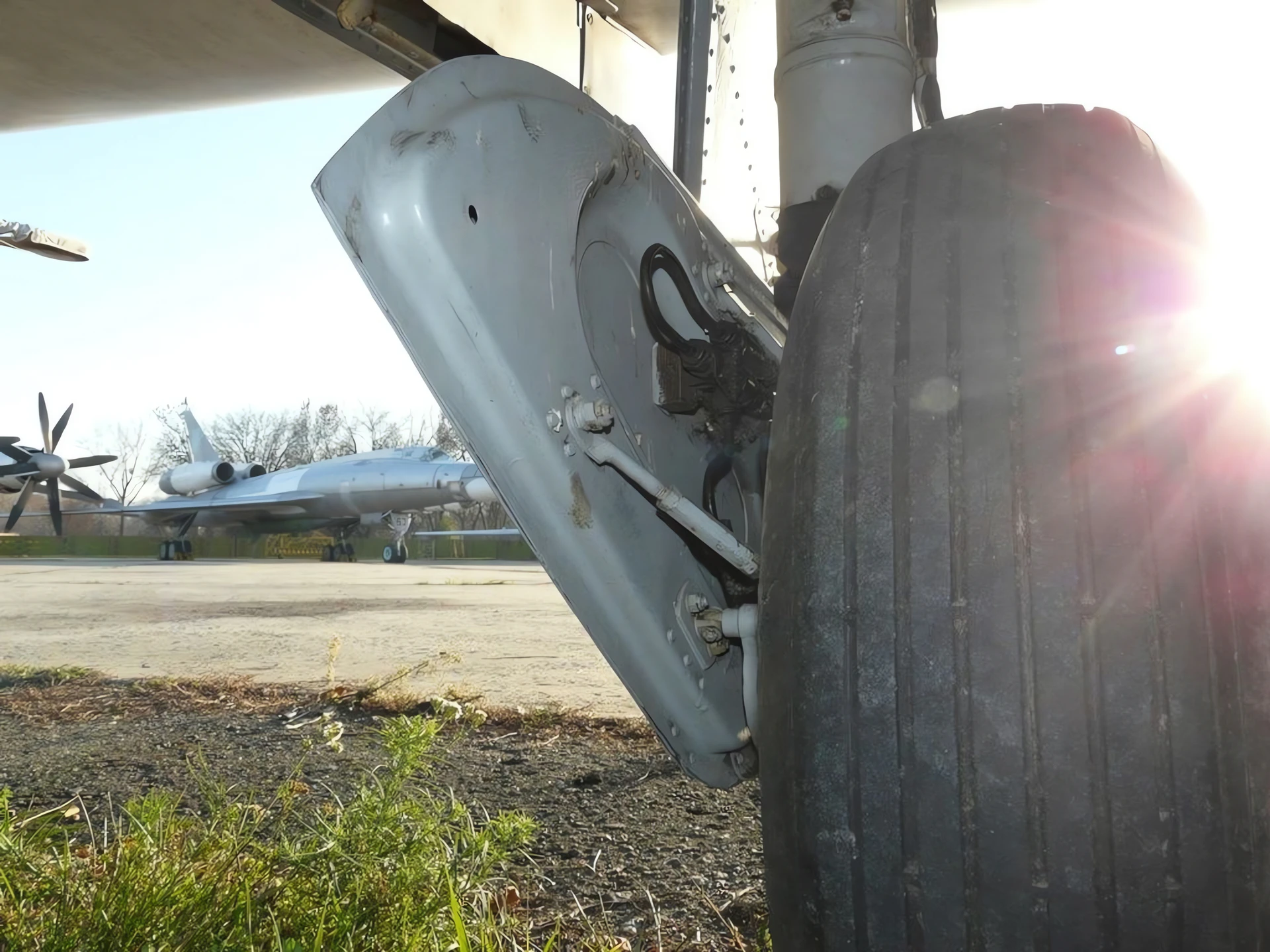
Tthe Aero L-29 Delfín (angielski: Dolphin, natowska nazwa raportowa: Maya) to wojskowy odrzutowy samolot szkolno-treningowy, który stał się standardowym samolotem szkoleniowym dla sił powietrznych państw Układu Warszawskiego w 1960 roku. Był to pierwszy lokalnie zaprojektowany i zbudowany samolot odrzutowy Czechosłowacji.
Źródła: L-29 Delfin na Wiki
| L-29 Delfin Spacer | |
|---|---|
| Fotograf | Bams • |
| Lokalizacja | Niewiedzy |
| Zdjęcia | 30 |
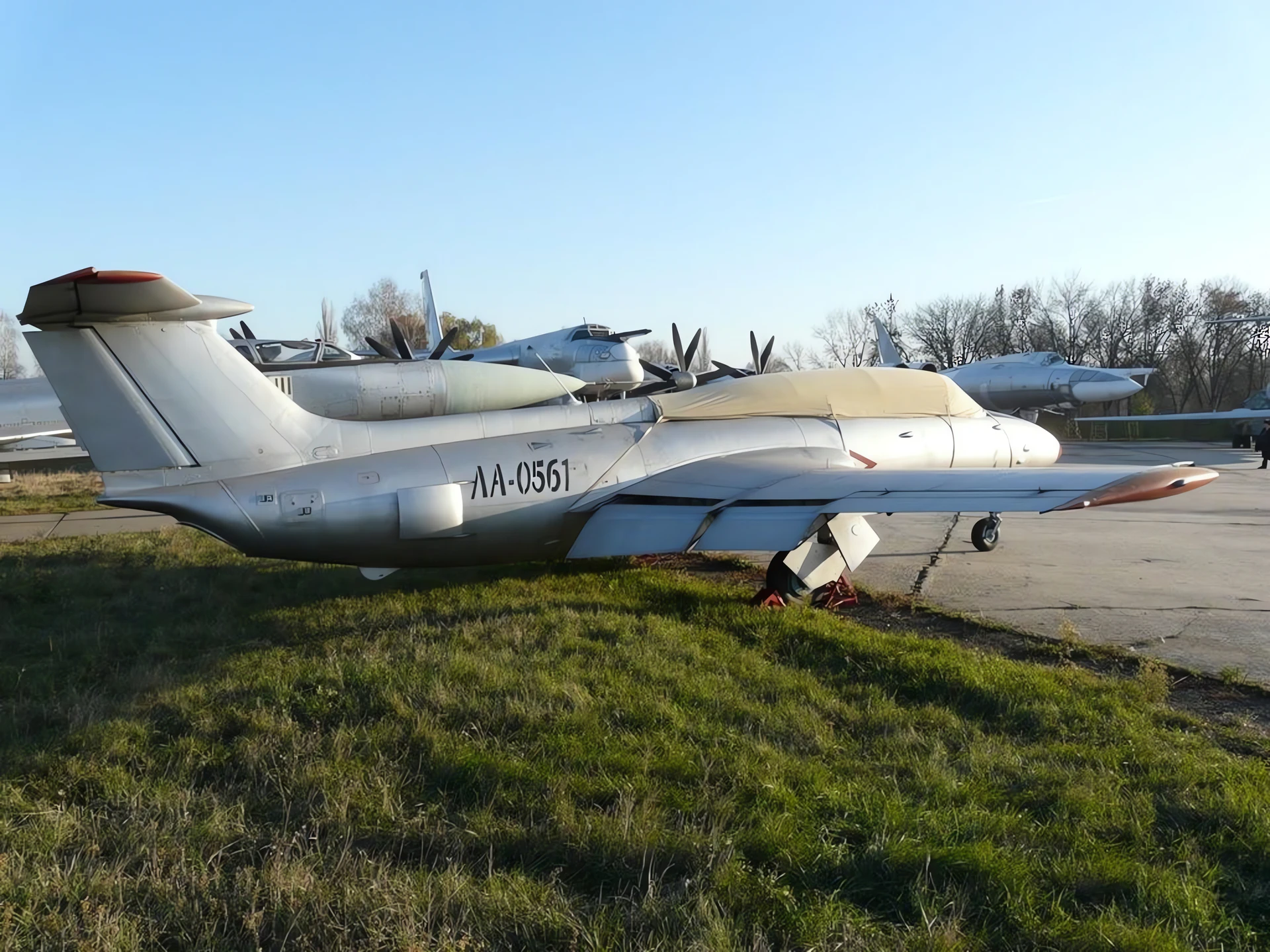
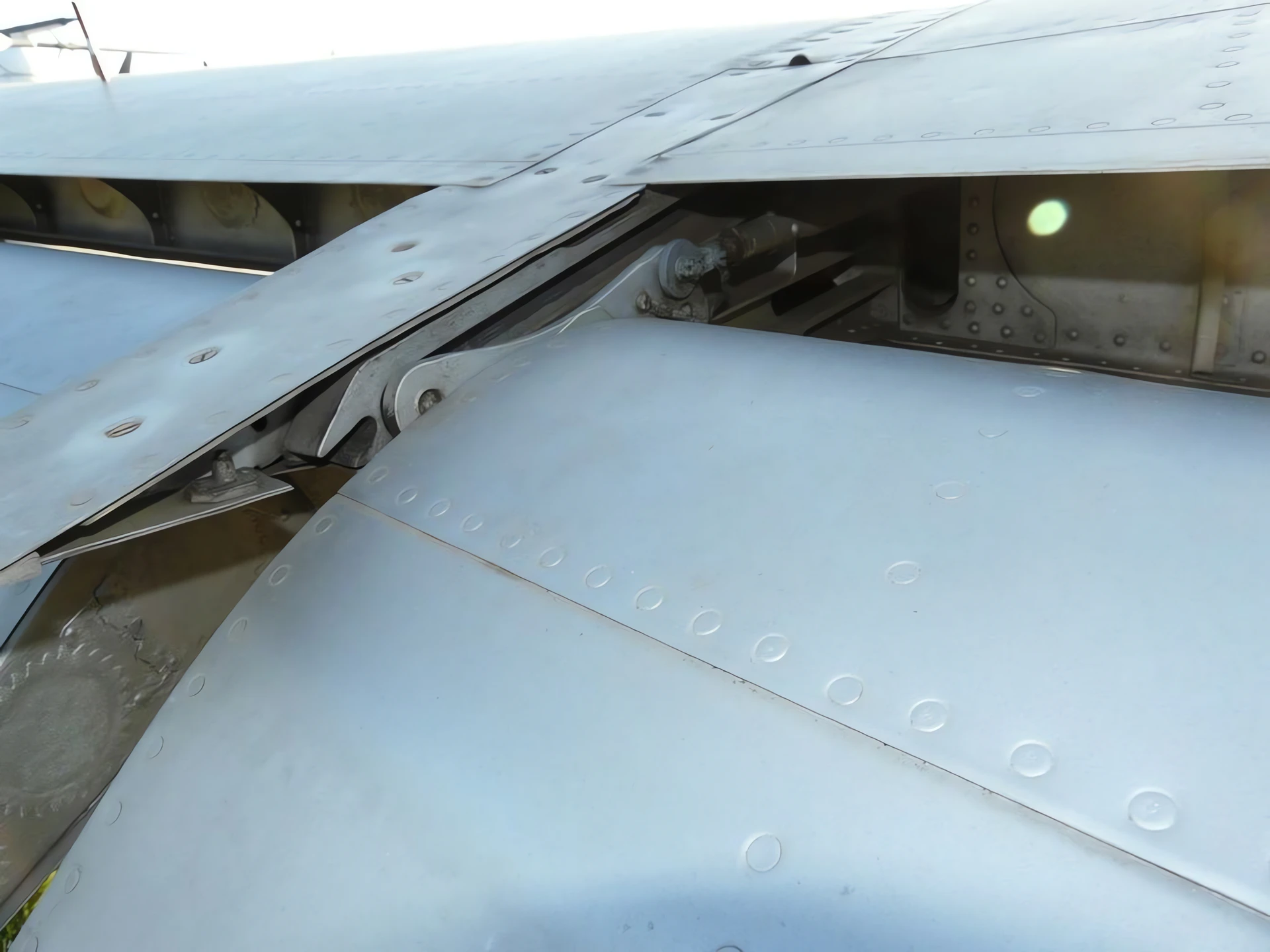
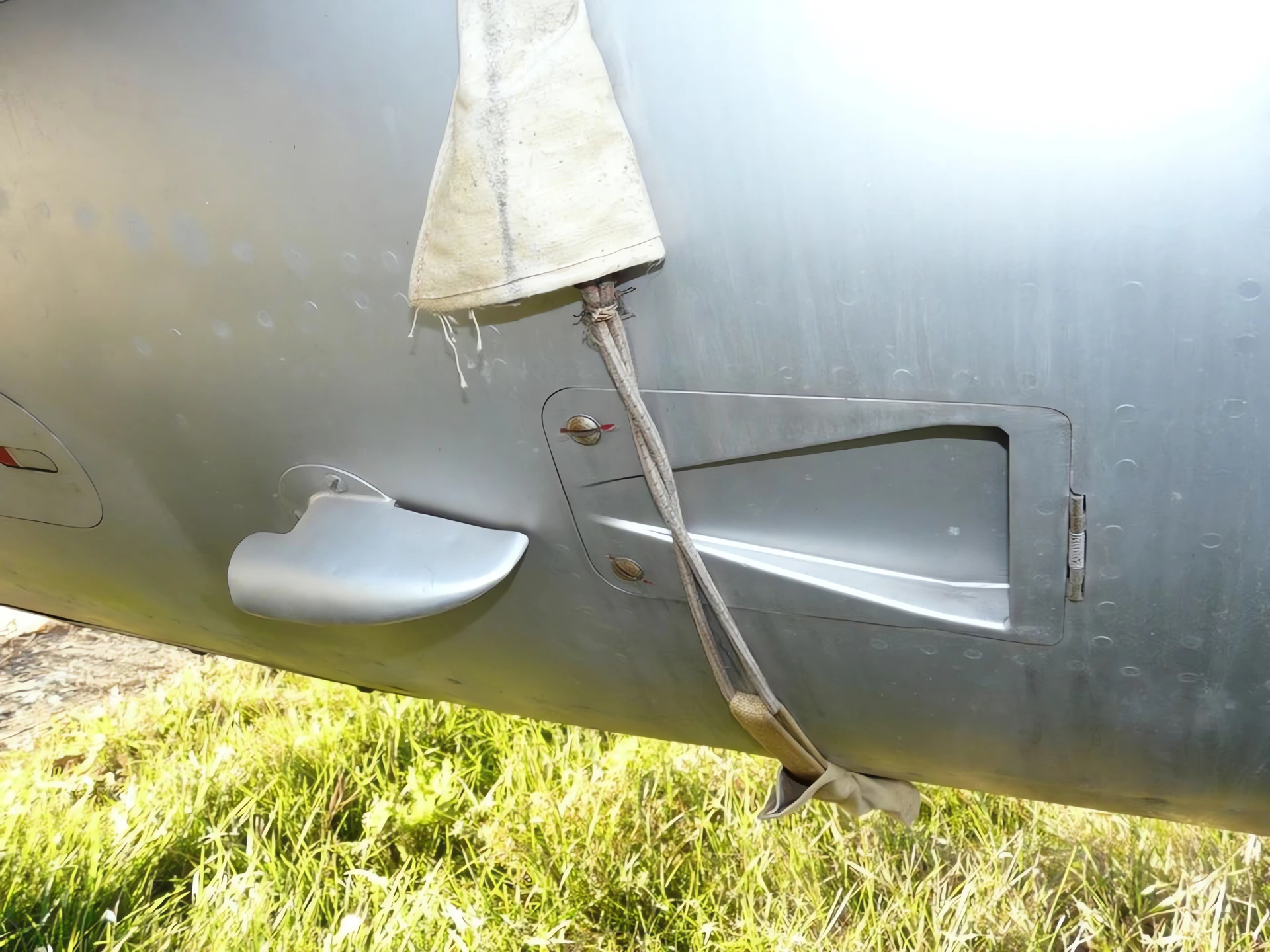

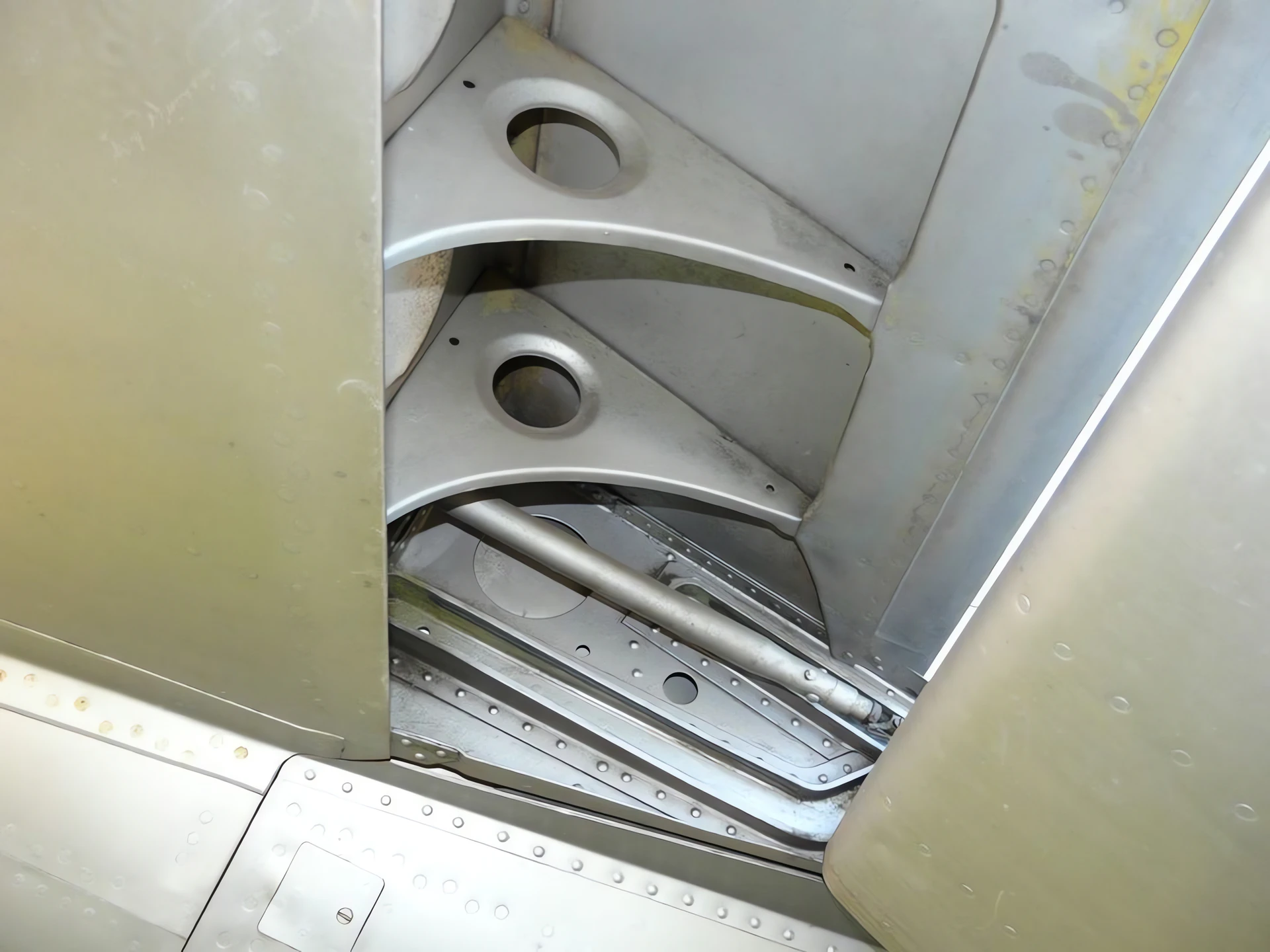

Zobacz też:


| L-29R Delfin Spacer | |
|---|---|
| Fotograf | Kevan Vogler |
| Lokalizacja | Muzeum Techniki w Brnie |
| Zdjęcia | 23 |
General Characteristics and Role
The Aero L-29 Delfín (Czech for “Dolphin”) was the first jet-powered aircraft designed and manufactured in Czechoslovakia. It was developed by Aero Vodochody in the late 1950s and early 1960s to fulfill the requirement for a standardized basic and intermediate jet trainer for the air forces of the Warsaw Pact countries. The L-29 won a fly-off competition against Soviet and Polish designs, leading to its designation as the primary jet trainer for the Soviet bloc. It is known for its rugged, simple, and forgiving design, making it an excellent platform for students transitioning from propeller aircraft to jets.
| Property | Typical Value (L-29) |
|---|---|
| Roli | Basic and Intermediate Jet Trainer |
| NATO Reporting Name | Maya |
| National Origin | Czechoslovakia (ČSSR) |
| Producent | Aero Vodochody |
| First Flight | 5 kwietnia 1959 |
| Załogi | 2 (Student and Instructor, in tandem) |
| Długość | 10.81 m (35 ft 6 in) |
| Rozpiętość | 10.29 m (33 ft 9 in) |
| Maximum Takeoff Weight | 3,500 kg (7,716 lb) |
Powerplant and Performance
- Engine: 1 x Motorlet M-701 turbojet engine (mounted in the rear fuselage).
- Thrust: 8.7 kN (1,960 lbf).
- Maximum Speed: 655 km/h (407 mph) at 5,000 m.
- Ceiling: 11,500 m (37,700 ft).
- Range: 897 km (557 mi).
- Armament: The L-29 features two underwing hardpoints for carrying light practice ordnance, rocket pods, bombs, or drop tanks.
- Key Feature: Simplicity and robustness, allowing it to operate easily from semi-prepared airstrips, a necessity for many Warsaw Pact airfields.
Service History and Legacy
- Mass Production: Approximately 3,600 L-29s were built, making it the most produced jet trainer of its time.
- Primary Operator: The Soviet Air Force (VVS) was the main user, receiving around 2,000 aircraft.
- Combat Use: Although primarily a trainer, the L-29 saw limited combat use as a light ground attack aircraft during the Yom Kippur War (with Egypt and Syria) and in various conflicts in Africa and Asia.
- Replacement: The L-29 was succeeded in production and operational use by its modernized and more powerful stablemate, the Aero L-39 Albatros, which addressed the need for higher speeds and more advanced systems.
- Civilian Use: Like the L-39, the L-29 is a popular and inexpensive warbird, frequently seen in private hands and in jet racing competitions worldwide.
Liczba wyświetleń : 3014
Możesz również zobaczyć:
 Jakowlew Jak-1 – Zdjęcia & wideo
 Boeing EA-18G Growler – Zdjęcia & Film
 Lockheed PV-2D Harpoon – WalkAround
 Macchi MC-200 – WalkAround
 PZL P.11 – WalkAround
 P-51 Mustang vol2 – Spacer
 Bell P-63E KingCobra – WalkAround
 Vought F4U Corsair – WalkAround
 F4U-7 Corsair – WalkAround
 Douglas A-26 Najeźdźca – WalkAround