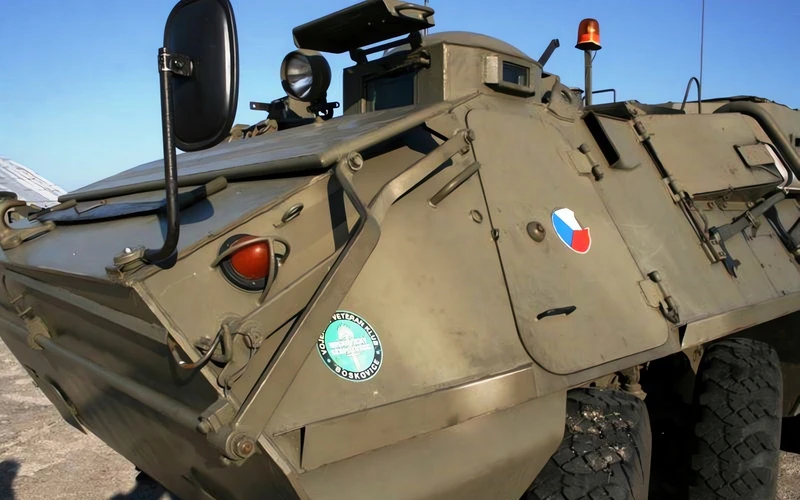
OT-64 SKOT | |
| Country | Czechoslovakia |
| Type | Wheeled Amphibious Armored Personnel Carrier |
| In service | 1963–present |
| Built | 4500 |
The OT-64 SKOT is an amphibious armored personnel carrier (8×8), developed jointly by Poland (PRL) and Czechoslovakia (ČSSR) well into the 1960s. Until the early 1970s Czechoslovakia and Poland produced around 4,500 OT-64 SKOTs of all variants, just under a third of which were exported. In 2002, the modernization of the SKOT transporter began in Poland. The work resulted in the KTO Ryś prepared by Wojskowe Zakłady Mechaniczne No. 5 from Poznań.
Source: OT-64 SKOT on Wikipedia
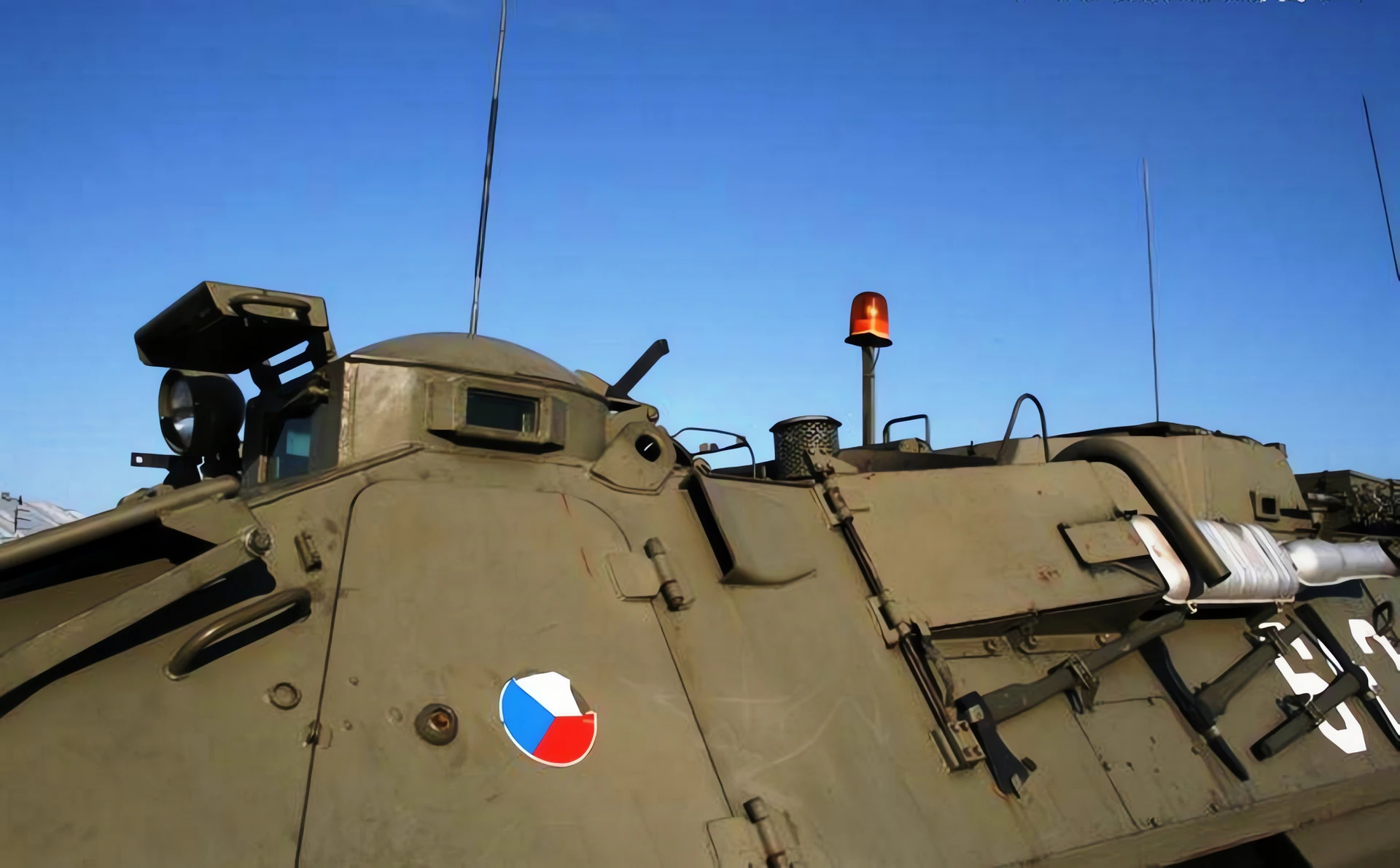
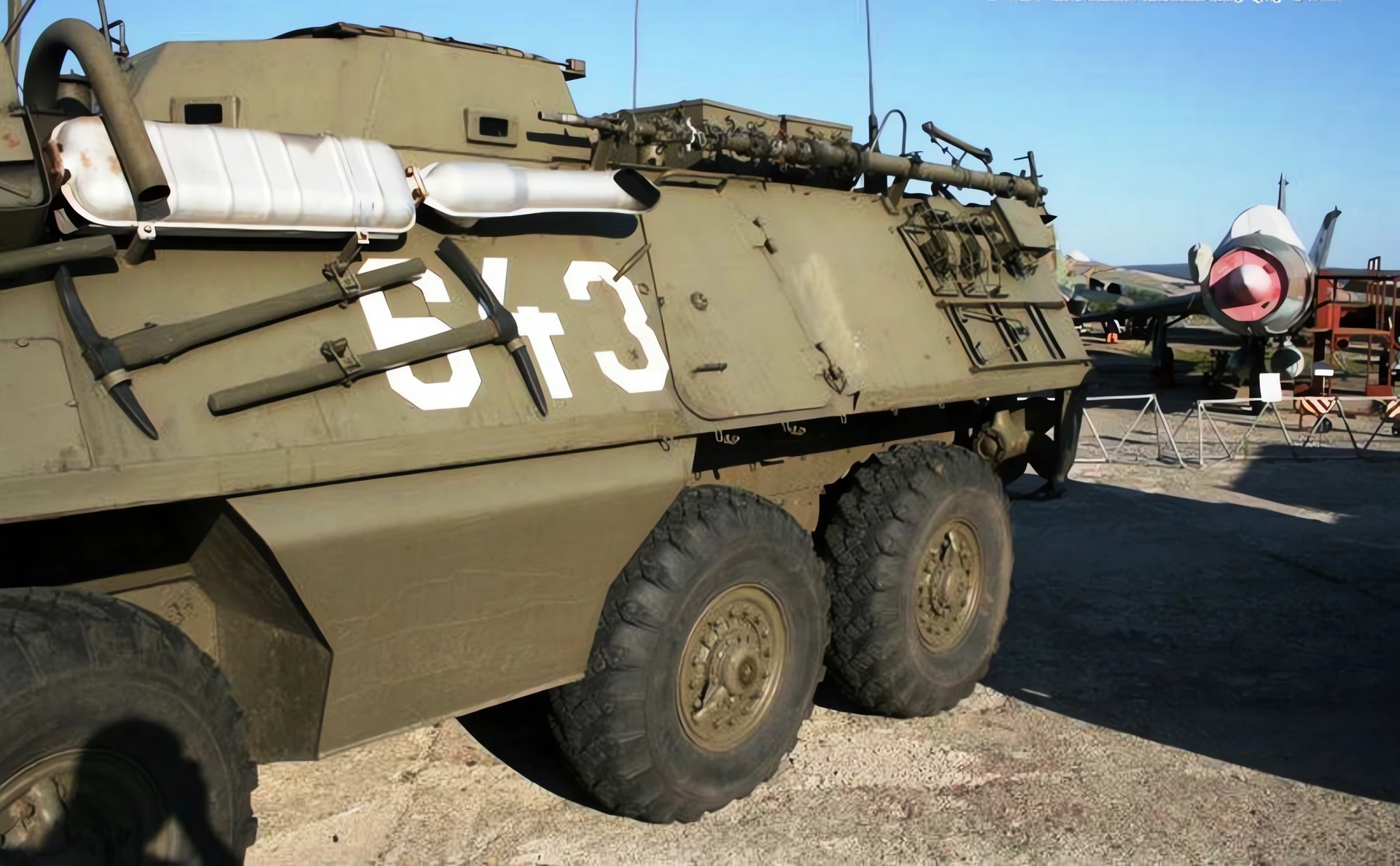
| OT-64 SKOT Walk Around | |
|---|---|
| Photographer | Roman Kresta |
| Localisation | Unknow |
| Photos | 18 |
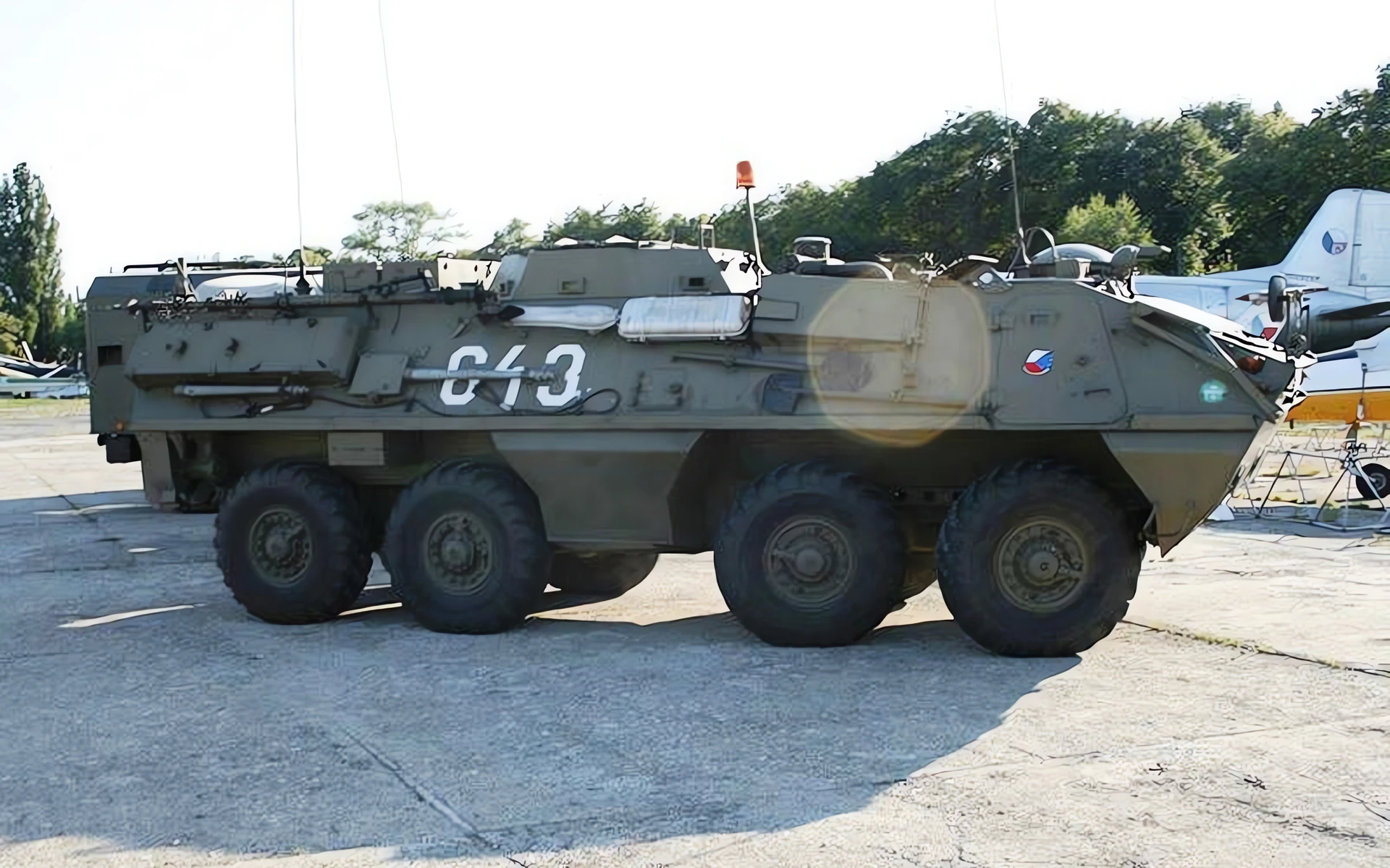
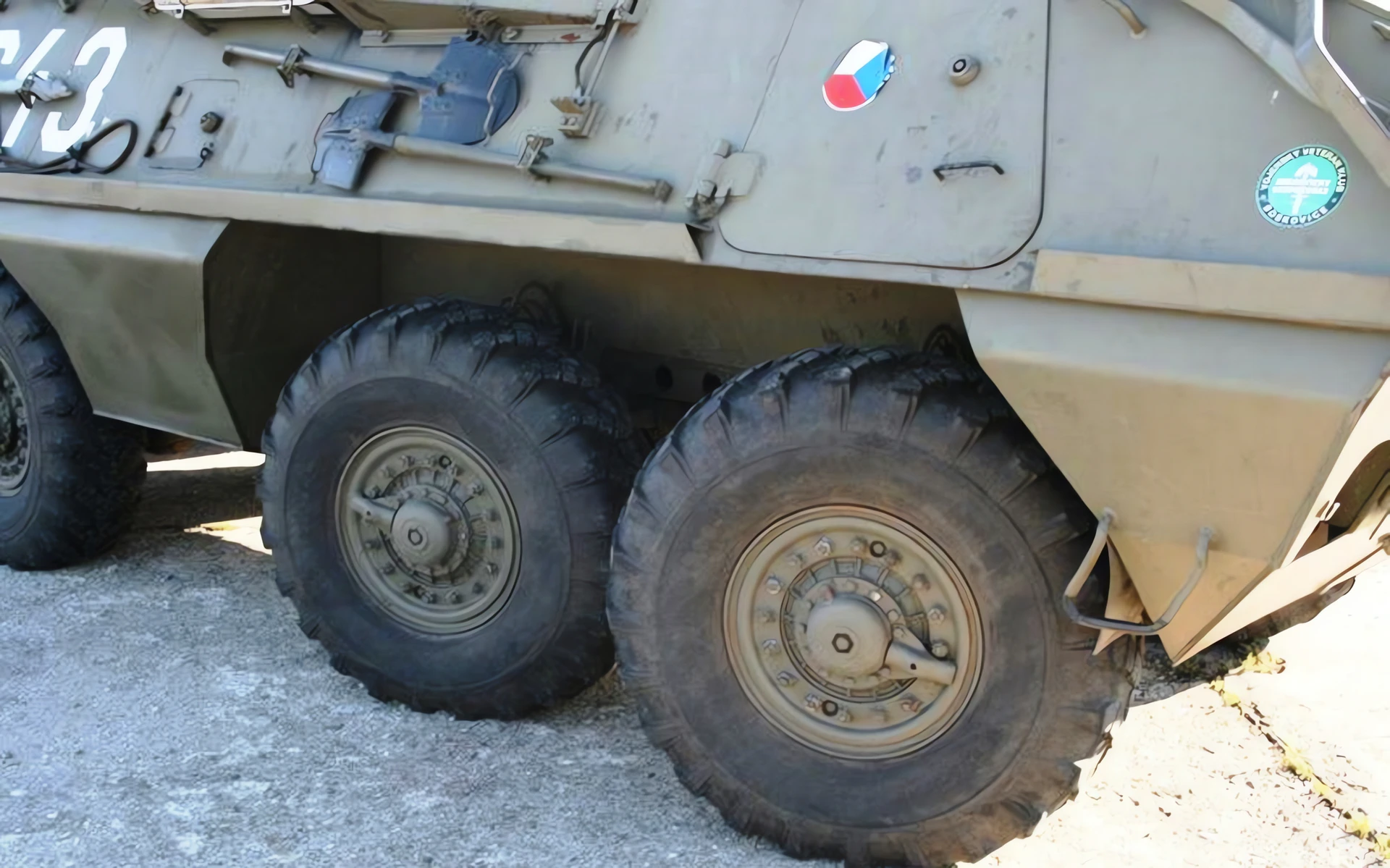
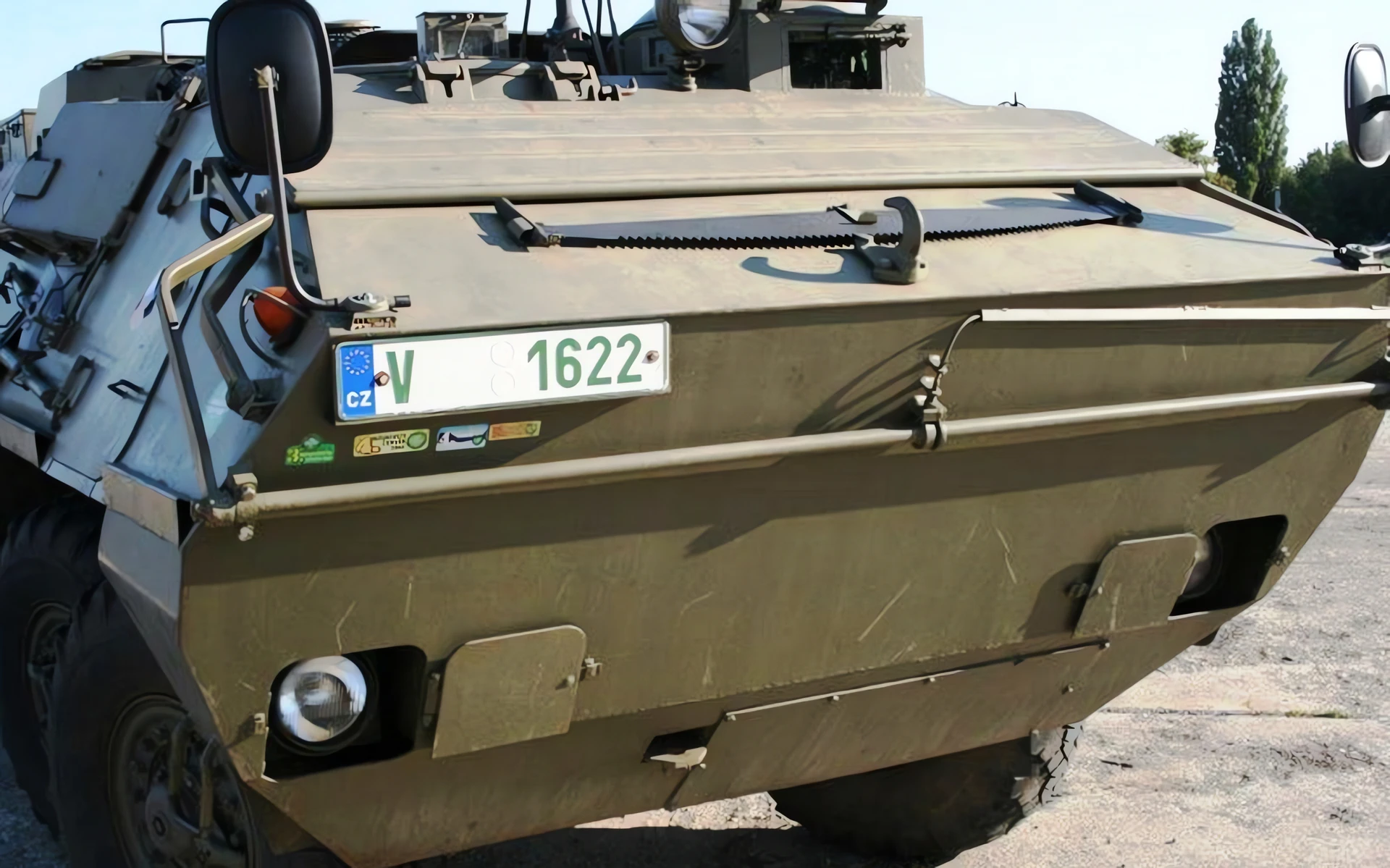
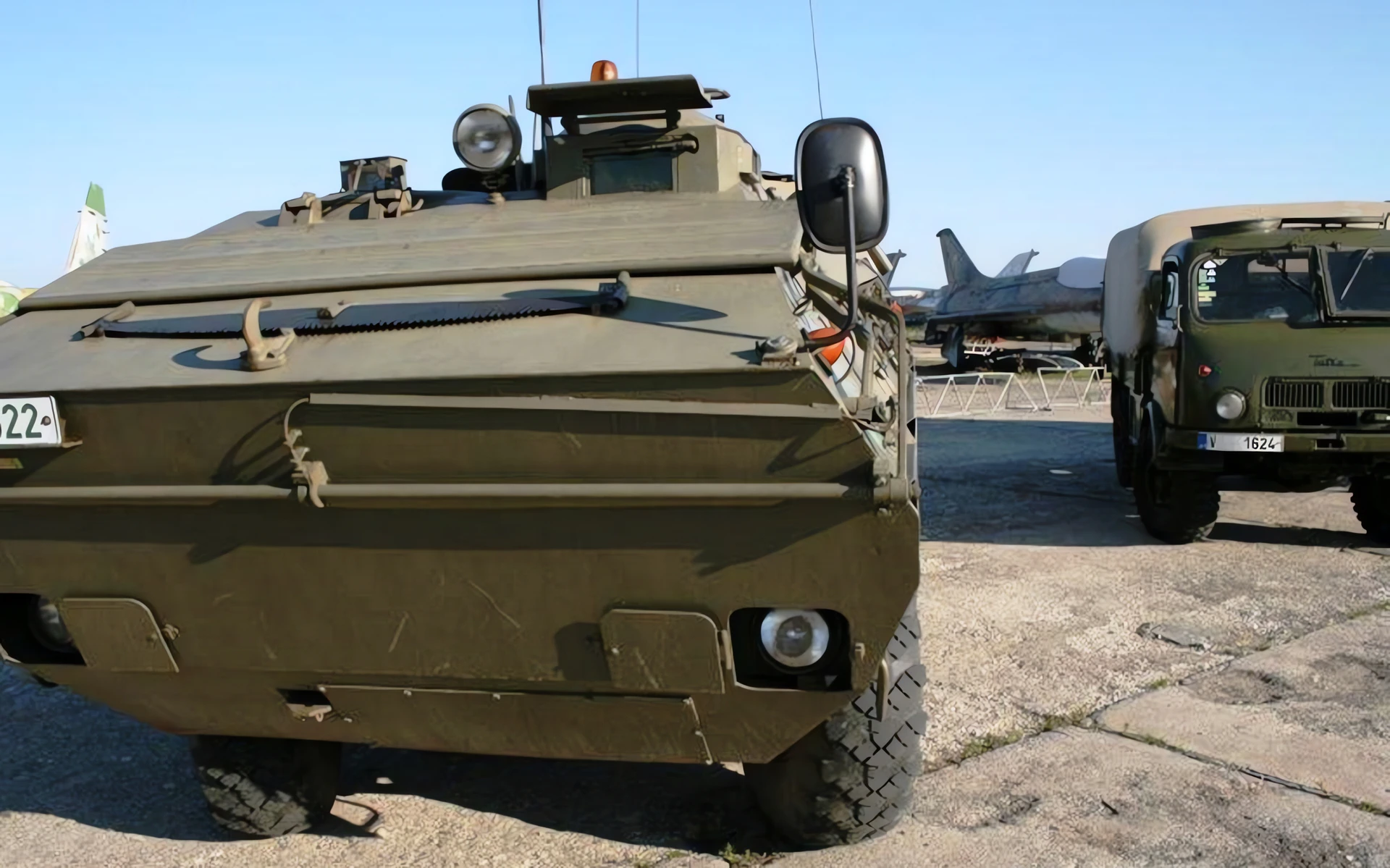
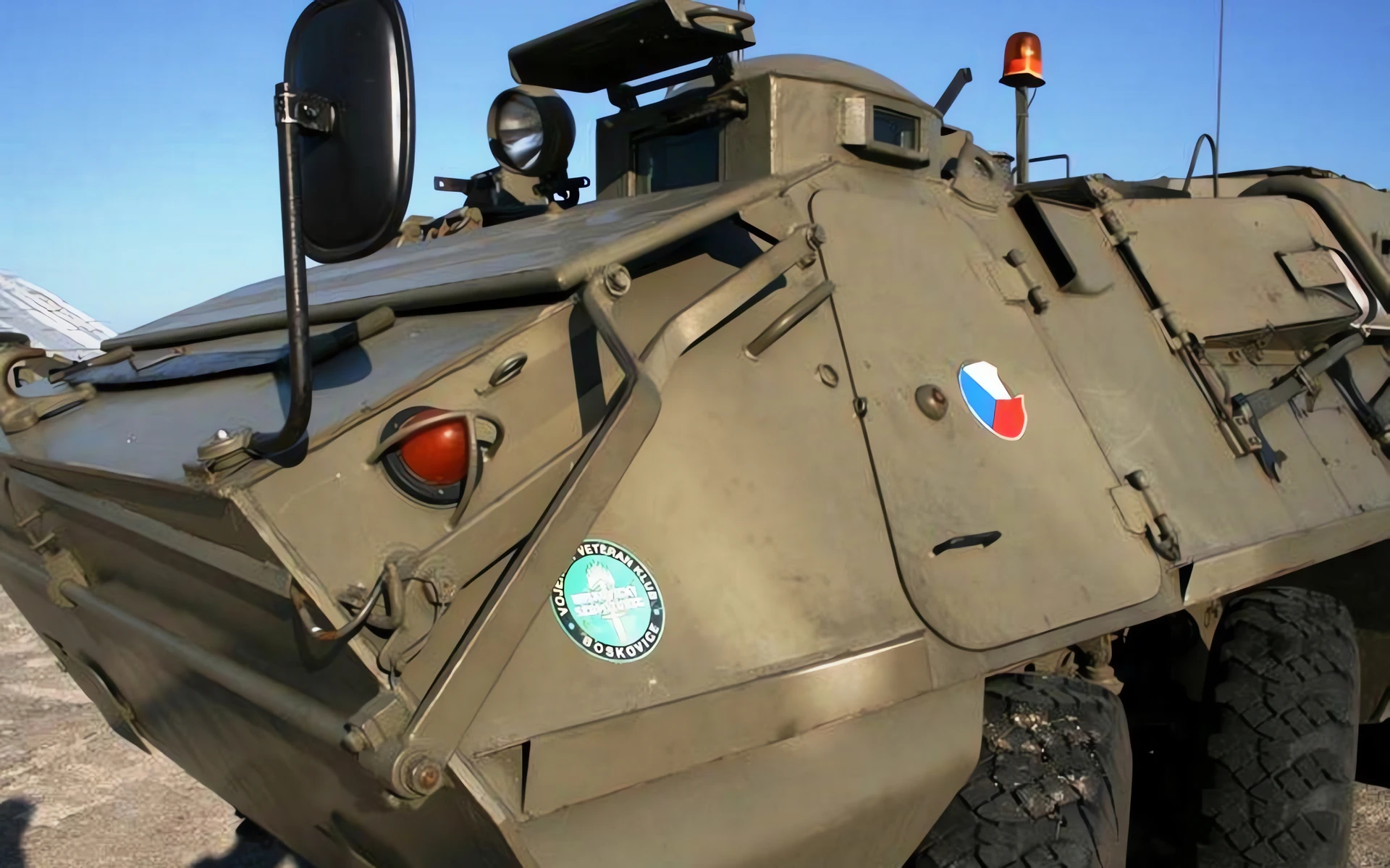
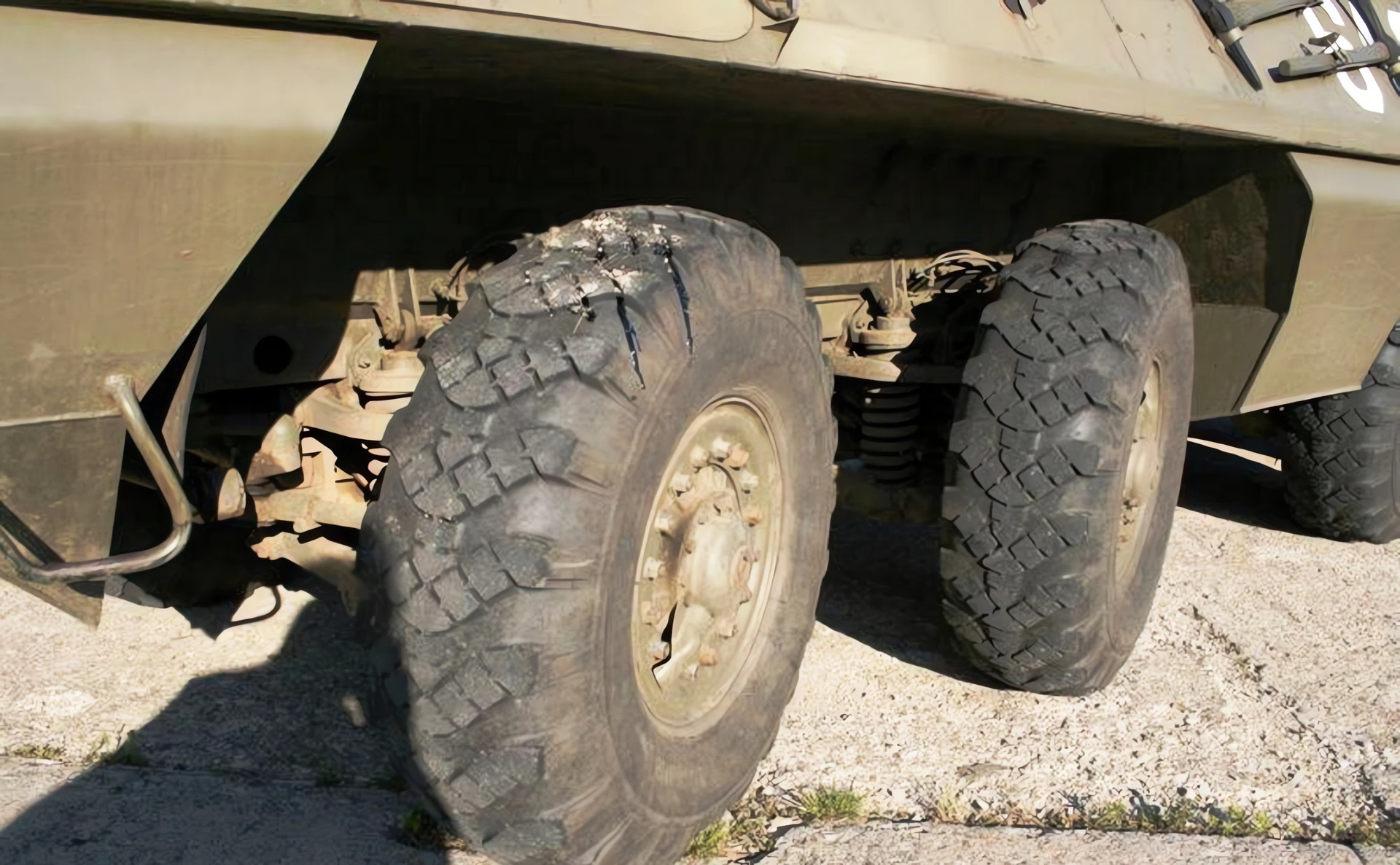
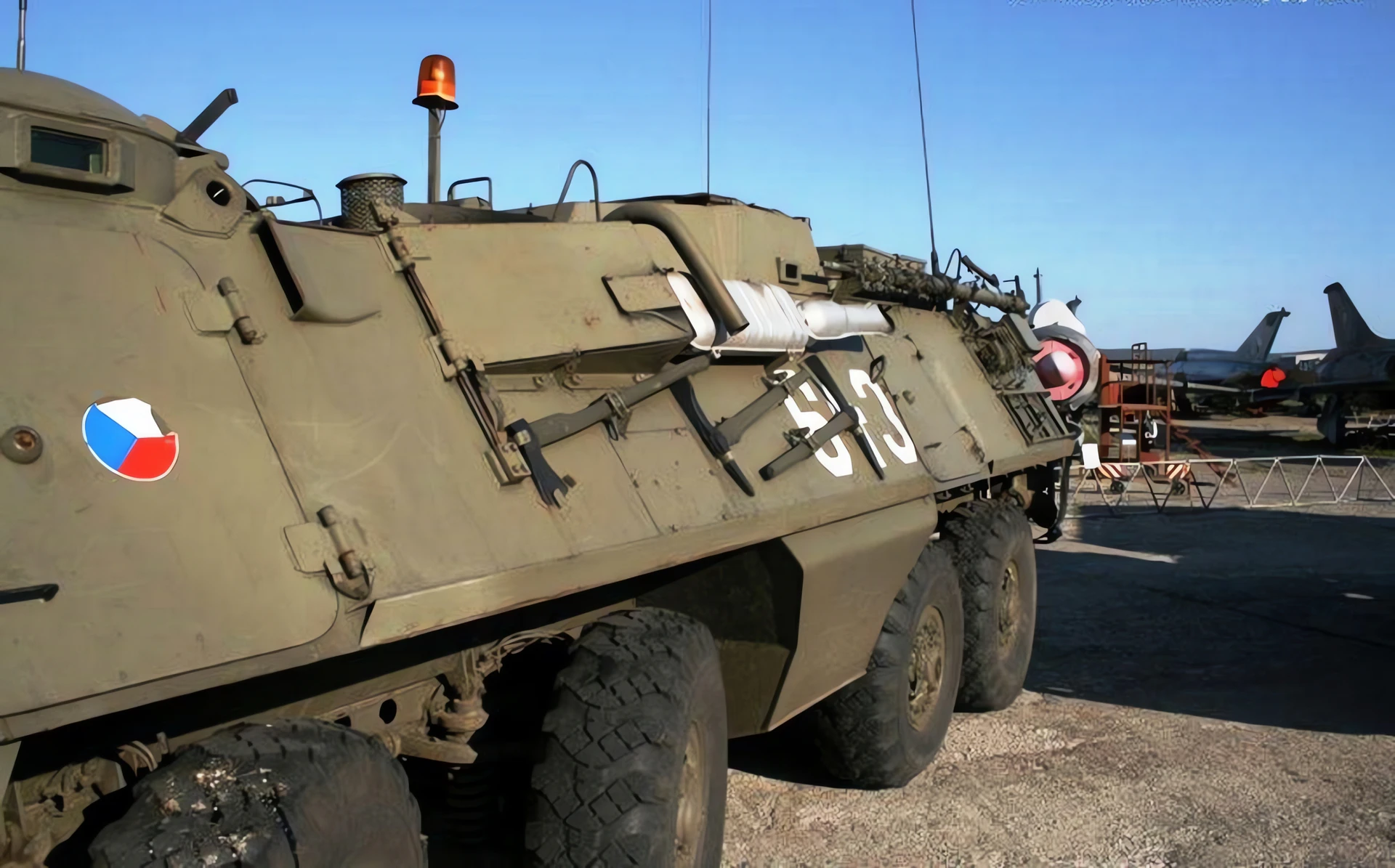


See also:


The Joint Venture Challenger to the BTR
The OT-64 SKOT (Czech/Polish for “Medium Wheeled Armored Transporter”) was a unique Cold War collaboration between Czechoslovakia and Poland. Developed in the early 1960s, it was designed to be a more capable alternative to the Soviet BTR-60. While it shared the 8×8 configuration of its Soviet cousin, the SKOT was widely considered superior due to its more powerful diesel engine, amphibious capabilities, and significantly better internal layout. It served as the backbone of motorized infantry units for both nations and was exported extensively across the Middle East and Africa.
| Attribute | Technical Specification (OT-64A / SKOT-2AP) |
|---|---|
| Role | Amphibious Armored Personnel Carrier (APC) |
| Crew | 2 (Driver, Commander) + 18 Infantry |
| Engine | Tatra T-928-14 V8 air-cooled diesel (180 hp) |
| Maximum Speed | 94 km/h (58 mph) on road / 9 km/h in water |
| Drive Train | 8×8 with central tire inflation system (CTIS) |
| Main Armament | 14.5 mm KPVT heavy machine gun (in turret) |
| Secondary Armament | 7.62 mm PKT coaxial machine gun |
| Armor | 6 mm to 13 mm (Small arms/shrapnel protection) |
Design Engineering: Practicality Over Tradition
- Central Engine Placement: Unlike the rear-engined BTR-60, the SKOT placed its Tatra engine in the center of the vehicle. This allowed for large rear doors, enabling infantry to exit safely under the cover of the vehicle’s body—a major tactical advantage over the BTR’s side or top hatches.
- The Tatra Heritage: Powering the SKOT was a modified Tatra V8 air-cooled diesel. Air-cooling made the vehicle exceptionally reliable in extreme temperatures (from Siberian winters to Saharan summers) as there was no radiator to leak or freeze.
- Advanced Transmission: The OT-64 featured a Wilson-type pre-selector semi-automatic gearbox. This made the 14-ton vehicle surprisingly easy to drive for conscript soldiers compared to the manual heavy-duty trucks of the era.
- Amphibious Drive: The vehicle was fully amphibious with minimal preparation. It was propelled through water by two rear-mounted propellers and featured a trim vane at the bow to prevent the nose from diving into the water.
Operational History: A Global Career
- Warsaw Pact Service: The SKOT was the standard APC for Polish and Czechoslovakian forces throughout the 1960s and 70s. It was often used in command and signals variants (OT-64 R2/R3) due to its spacious interior.
- Middle Eastern Combat: Egypt and Syria used the OT-64 extensively during the Yom Kippur War in 1973. While its armor was thin, its high road speed and reliability made it effective for rapid desert maneuvers.
- The “2AP” Polish Variant: Poland developed a specialized anti-aircraft turret for the SKOT (the SKOT-2AP), which allowed the 14.5mm gun to reach high elevation angles, making it a threat to low-flying helicopters and ground targets in urban fighting.
- Modern Longevity: Because the Tatra engine and chassis were so robust, many OT-64s remain in service today with nations like Algeria, Sudan, and Uruguay, often being retrofitted with modern optics and electronics.
Views : 1009
You can see also :
 Pansarbandvagn 202 – Photos & Video
 Panhard PVP – Photos & Videos
 Loyd Carrier – Photos & Videos
 IDF Achzarit – Photos & Video
 SPz kurz KrKW Hotchkiss – Photos & Video
 Pansarbandvagn 301 – Photos & Video
 M114 armored fighting vehicle – Photos & Video
 M75 APC – Photos & Video
 BTR-40 – WalkAround
 M59 APC – WalkAround