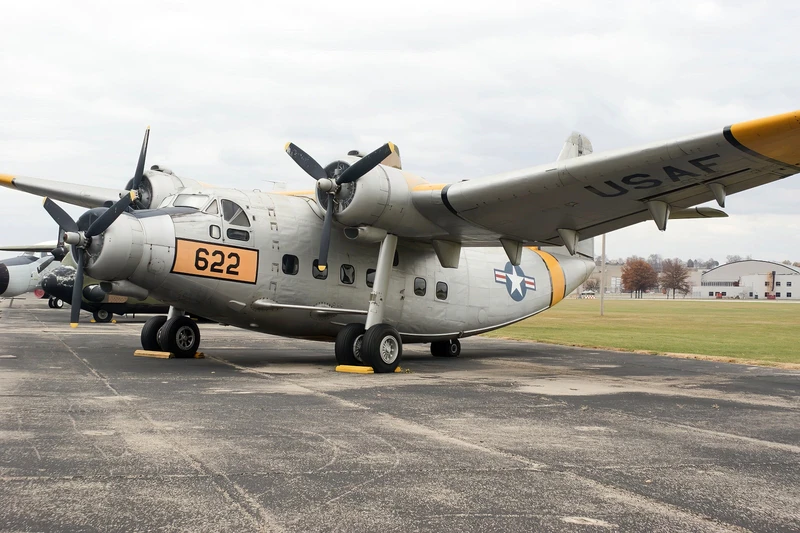
Northrop YC-125 Raider | |
|---|---|
| Country | USA |
| Role | Transport aircraft |
| First flight | 1 August 1949 |
| Built | 23 |
The Northrop YC-125 Raider was a 1940s American three-engined STOL utility transport built by Northrop Corporation, Hawthorne, California. Deliveries of the YC-125 to the USAF began in 1950. These aircraft did not serve long as they were underpowered and they were soon sent to Sheppard Air Force Base, Texas and relegated to be ground instructional trainers until retired in 1955 and declared surplus. Most of the surplus aircraft were purchased by Frank Ambrose and sold to bush operators in South and Central America.
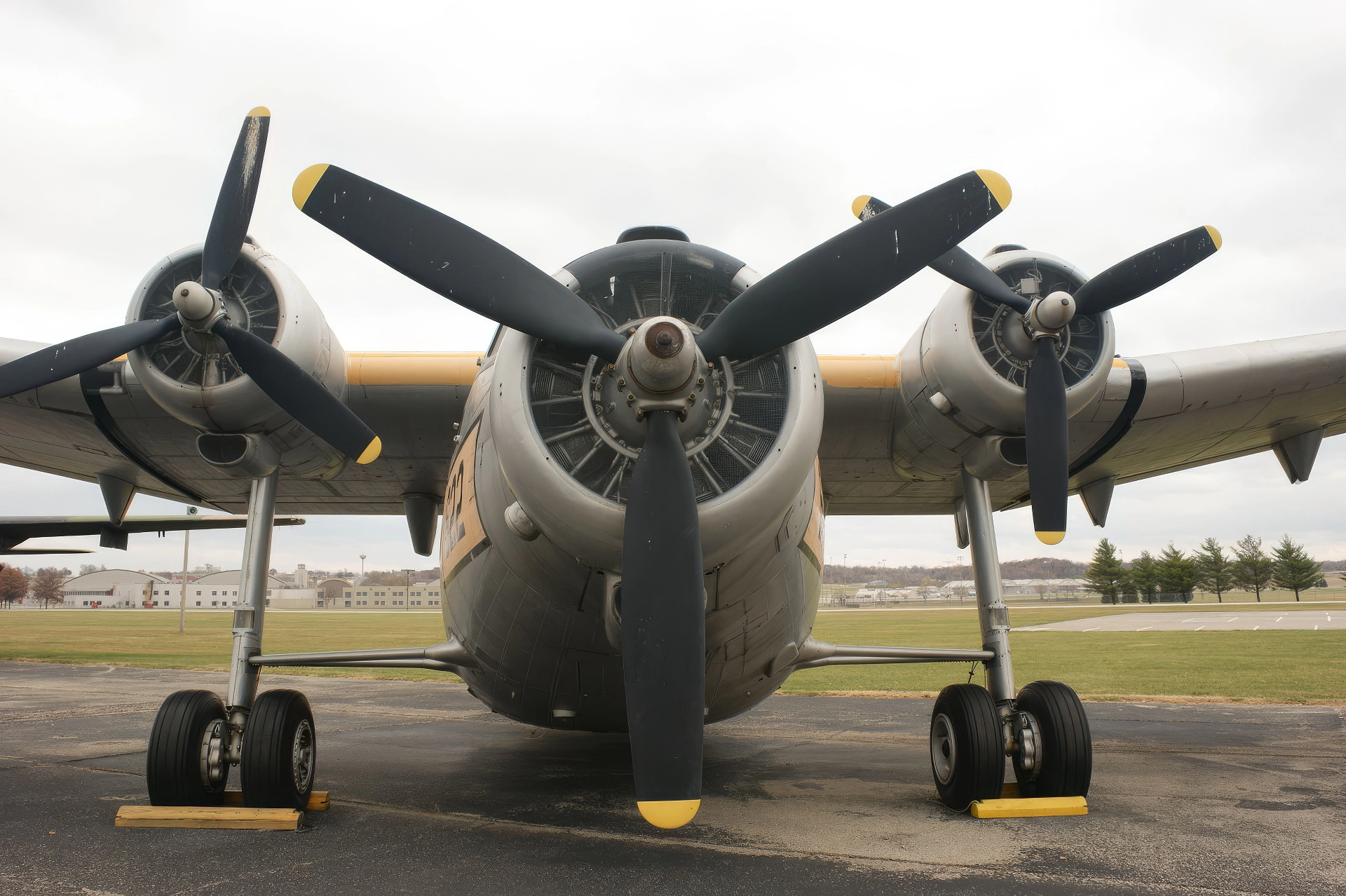
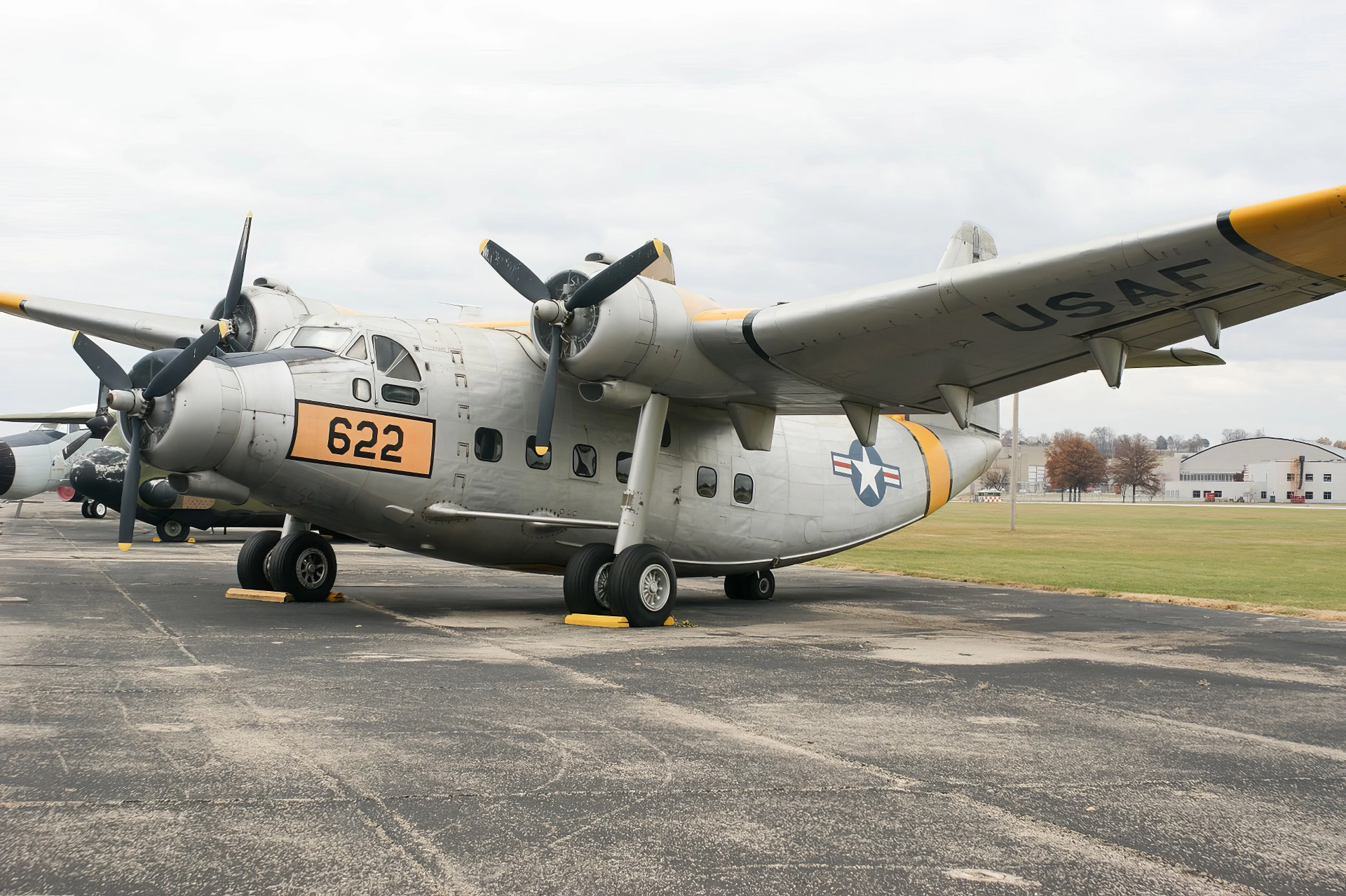
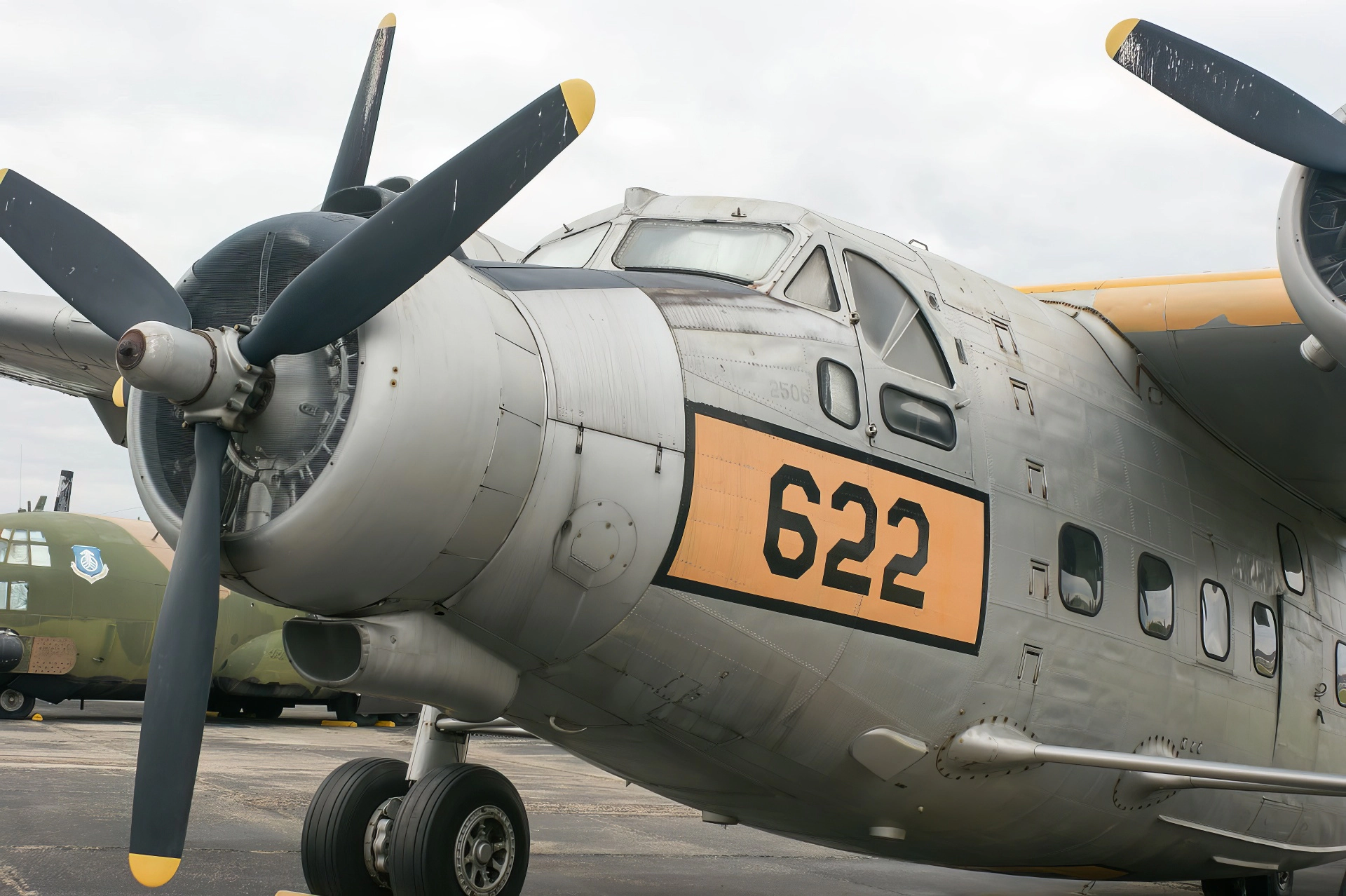
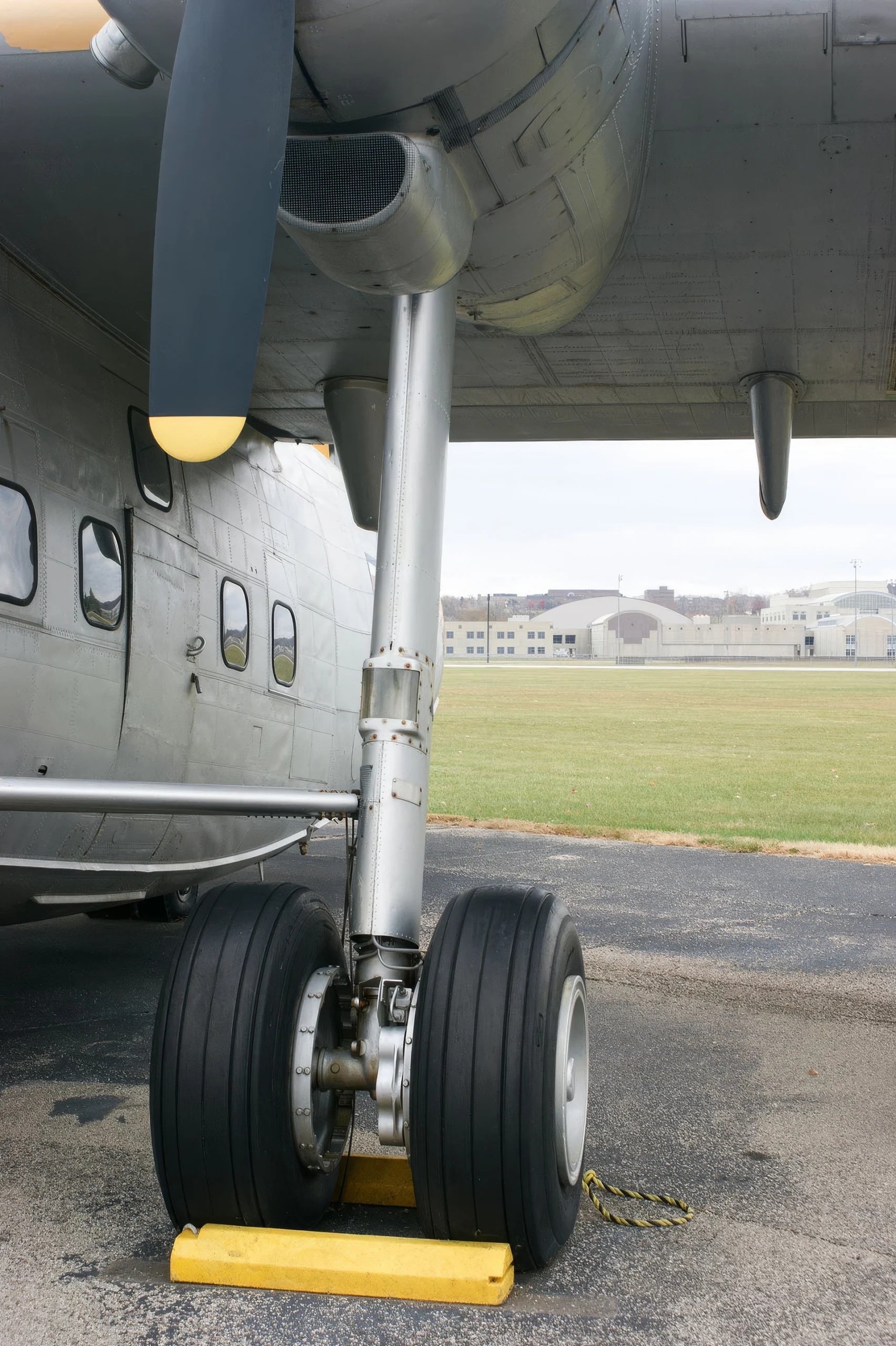
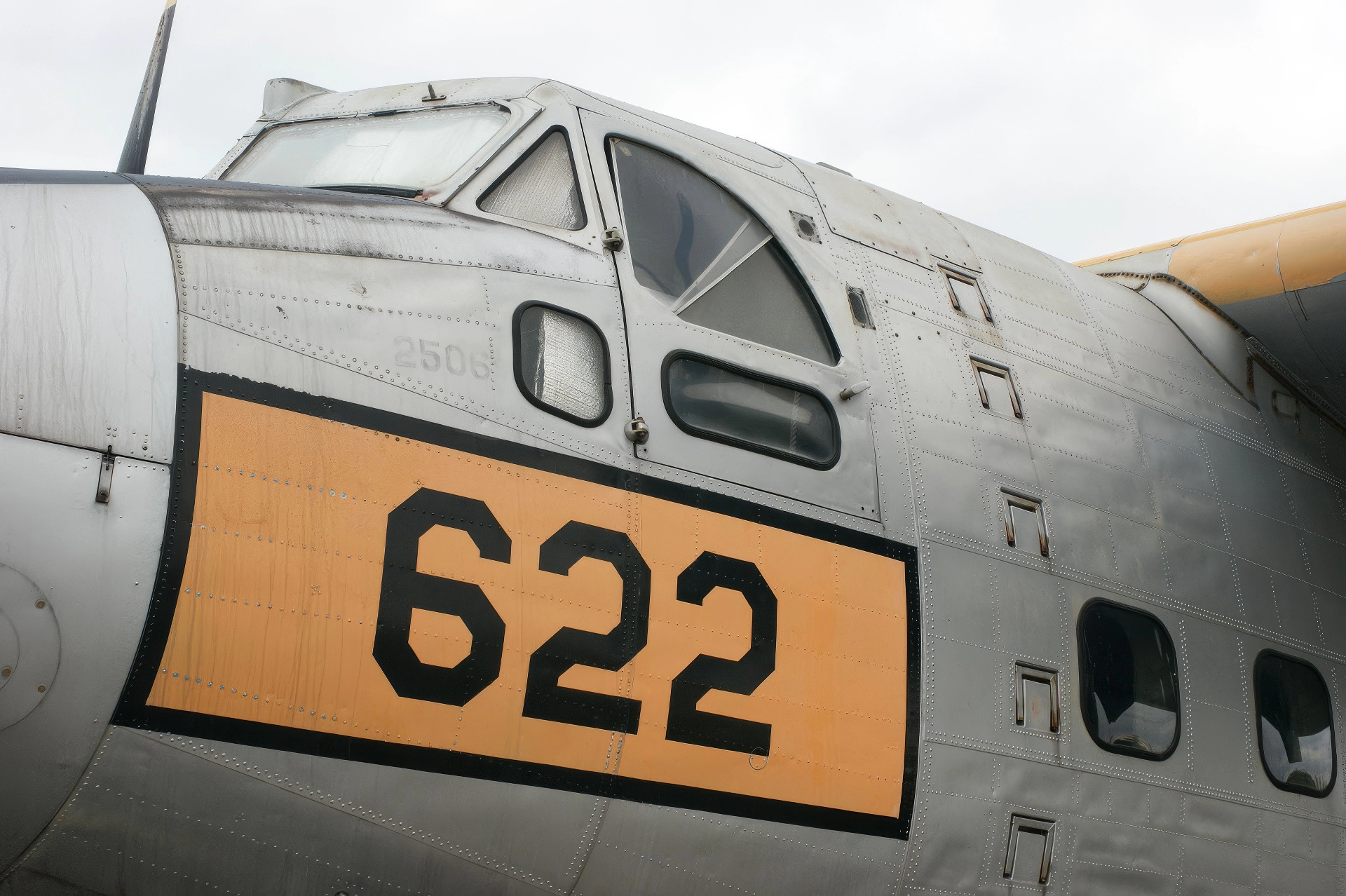
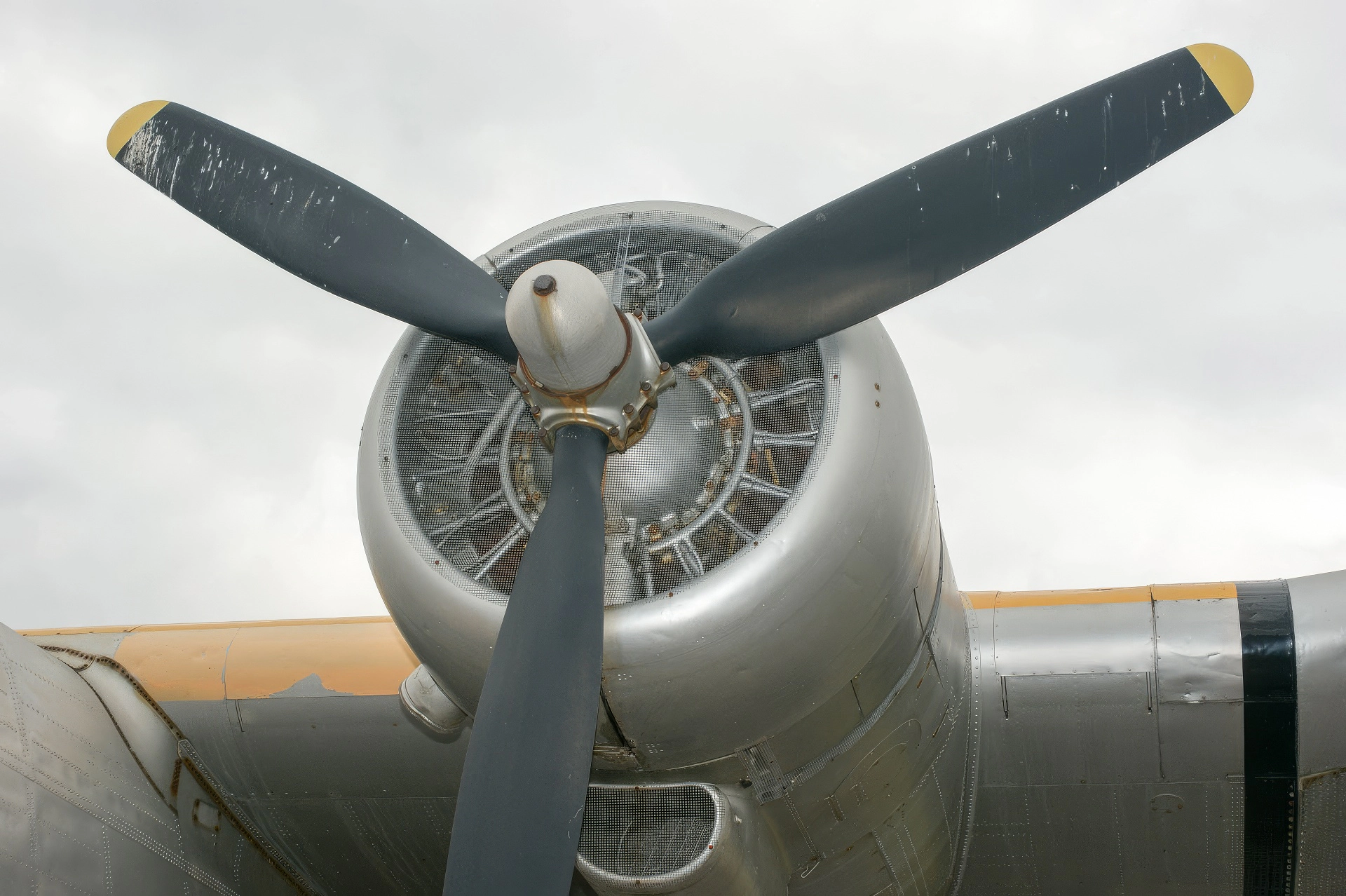
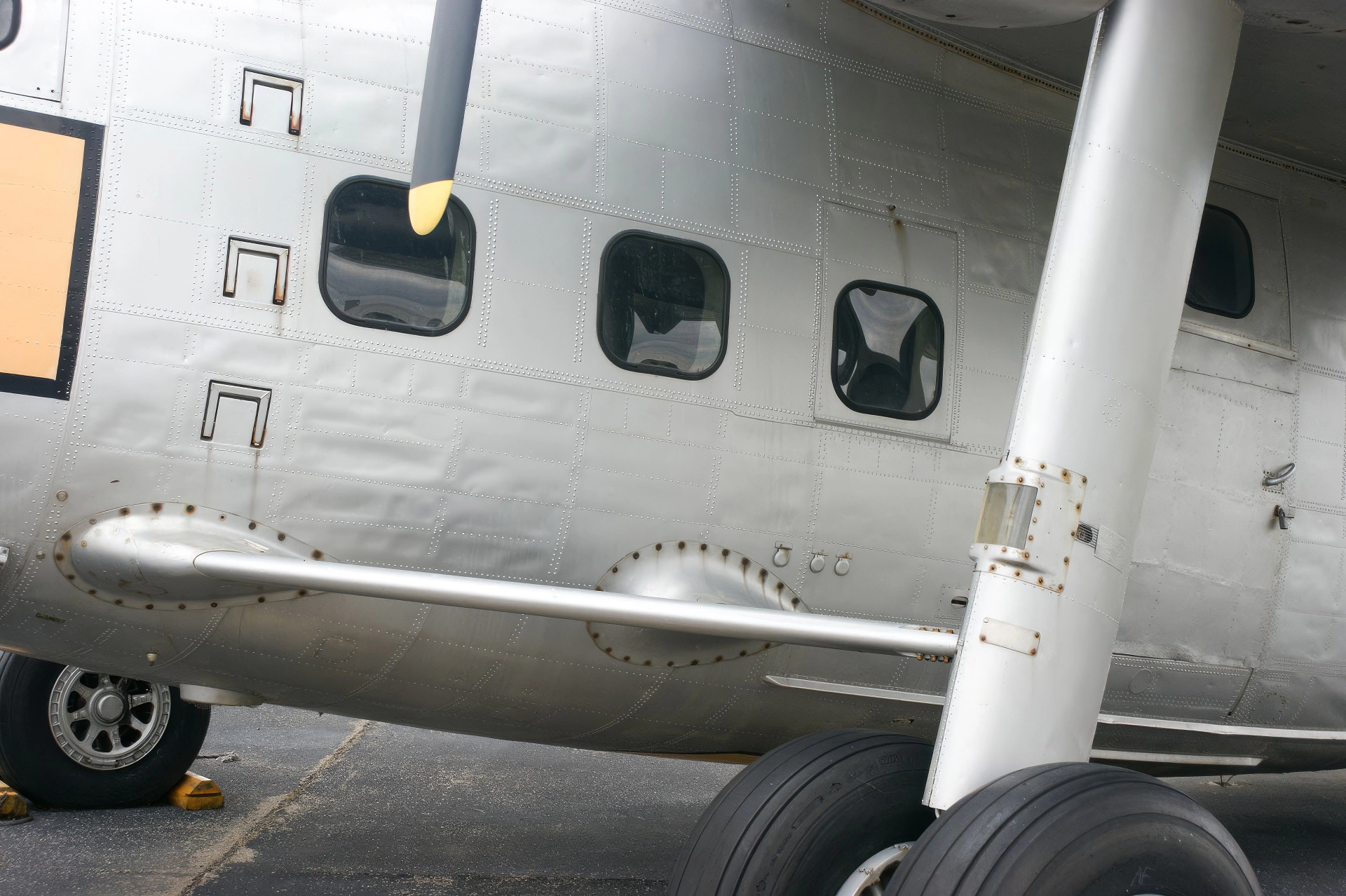
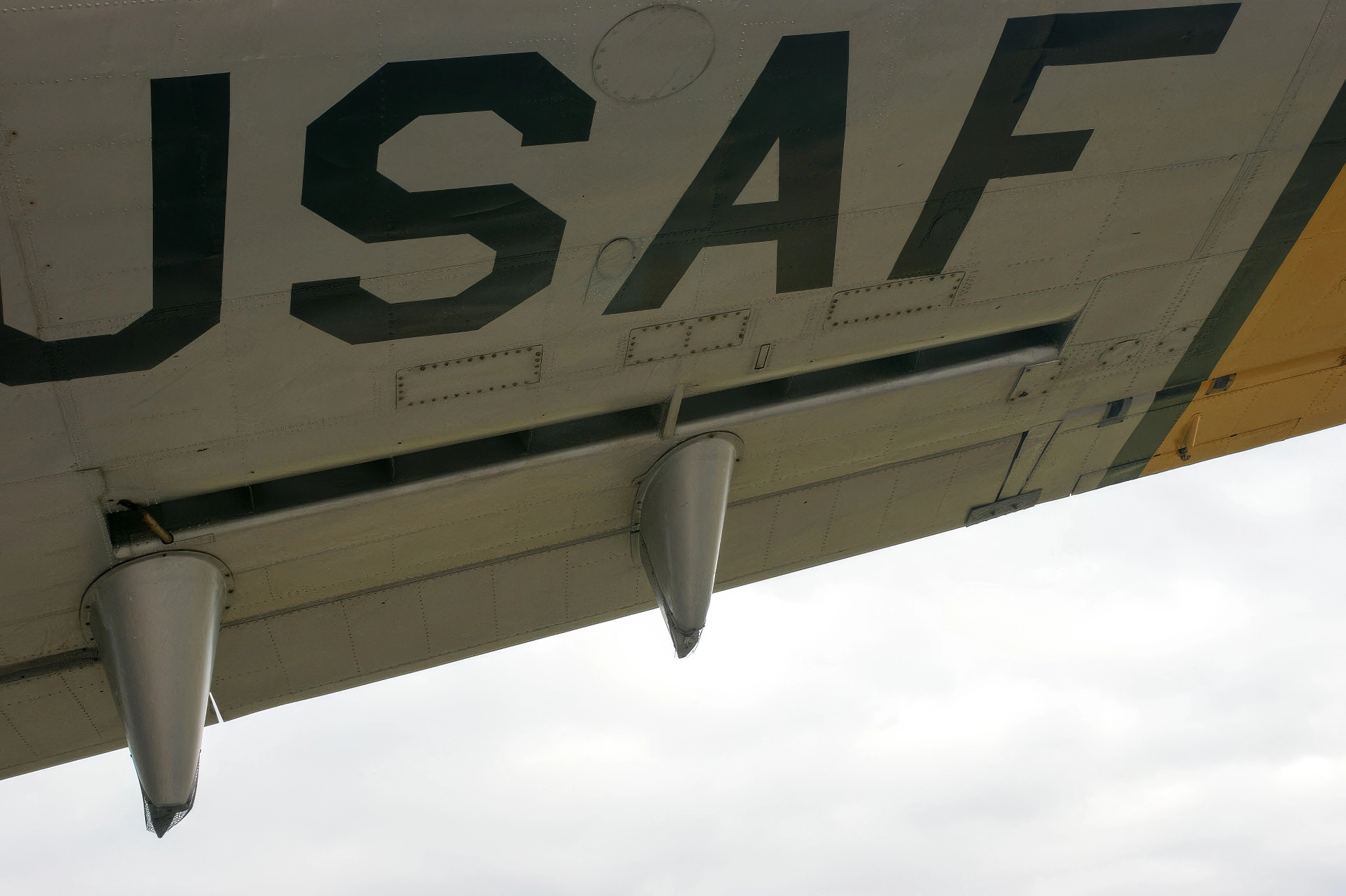
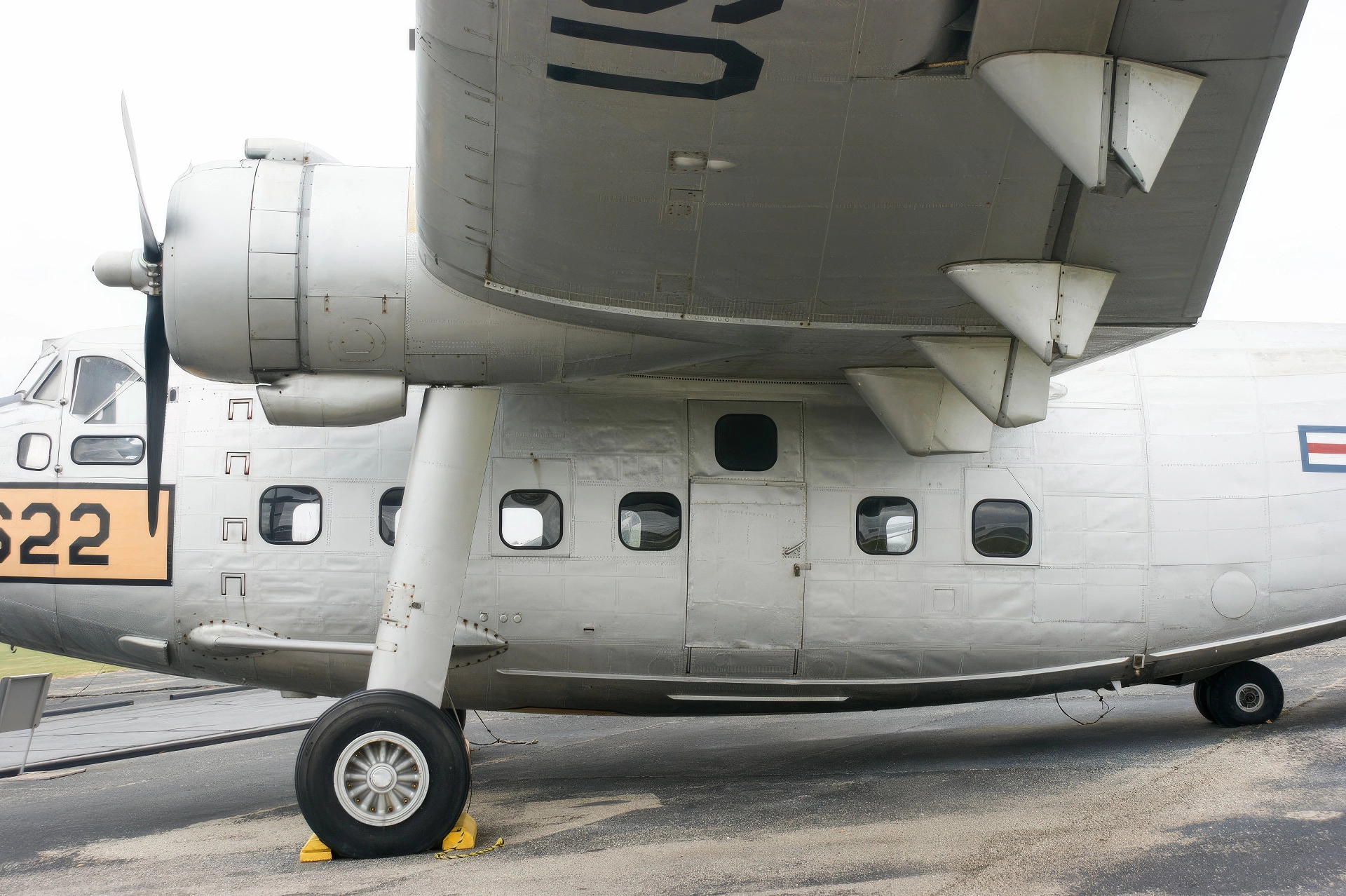
| Northrop YC-125B Raider Walk Around | |
|---|---|
| Photographer | Michael Benolkin |
| Localisation | Unknow |
| Photos | 41 |


See also:


General Characteristics and Role
The Northrop YC-125 Raider was an American three-engined, short takeoff and landing (STOL) utility transport aircraft developed in the late 1940s. It was the last tri-motor propeller-driven aircraft to see service with the US military. Developed from the civil Northrop N-23 Pioneer, the Raider was designed to haul troops and cargo into and out of short, rough, and unimproved forward airfields, including potential Arctic operations. Despite its excellent STOL performance (achieved with the option of using JATO—jet-assisted take-off rockets), the aircraft was ultimately deemed underpowered, and its service with the US Air Force (USAF) was very brief before the planes were retired and sold off.
| Property | Typical Value (YC-125A/B) |
|---|---|
| Role | STOL Utility Transport / Arctic Rescue |
| National Origin | United States |
| Manufacturer | Northrop Corporation |
| First Flight | 1 August 1949 |
| Crew | 4 (Pilot, Co-Pilot, Navigator, Radio Operator) |
| Capacity | 32–36 troops or 5,443 kg (12,000 lb) cargo |
| Length | 20.45 m (67 ft 1 in) |
| Wingspan | 26.37 m (86 ft 6 in) |
| Height | 7.04 m (23 ft 1 in) |
| Max Takeoff Weight | 19,006 kg (41,900 lb) |
Powerplant and Performance
- Engines: 3 x Wright R-1820-99 Cyclone nine-cylinder, air-cooled radial piston engines.
- Power Output (Each): 895 kW (1,200 hp).
- Maximum Speed: 333 km/h (207 mph; 180 knots).
- Cruise Speed: Approx. 275 km/h (171 mph; 149 knots).
- Range: Approx. 2,987 km (1,856 mi; 1,613 nmi).
- Service Ceiling: 3,719 m (12,200 ft).
- STOL Feature: Could take off fully loaded in less than 152 m (500 ft) with the use of Jet-Assisted Take-Off (JATO) rockets. The propellers also had reversible pitch to aid short landings.
Key Design Features and Variants
- Design Layout: Classic tri-motor arrangement with one engine in the nose and one mounted on each high wing.
- Loading Capability: Featured a large, redesigned rear fuselage with a loading ramp for vehicles and bulkier cargo. The nose also had a hatch for loading long objects up to 11 m (36 ft) long.
- Armament: The aircraft was unarmed.
- Major Variants:
- YC-125A Raider: Troop transport variant, 13 built.
- YC-125B Raider: Arctic rescue variant, ten built, with provisions for a ski undercarriage and seating for twenty litters (stretchers).
- Post-Military Use: Many surplus YC-125s were sold to commercial operators in Central and South America and served as rugged “bush planes” for several more years.
Views : 1451
You can see also :
 Northrop X-4 Bantam – Photos & Videos
 Northrop Grumman X-47B – Photos & Videos
 Northrop Tacit Blue – Photos & Videos
 Northrop YF-23 – Photos & Video
 Northrop F-89 Scorpion – Photos & Video
 Northrop F-20 Tigershark – Photos & Video
 Northrop Grumman EA-6B Prowler – Photos & Video
 Northrop YA-9 – Photos & Video
 Northrop T-38 Talon – Photos & Video
 Northrop F-5 – Photos & Video