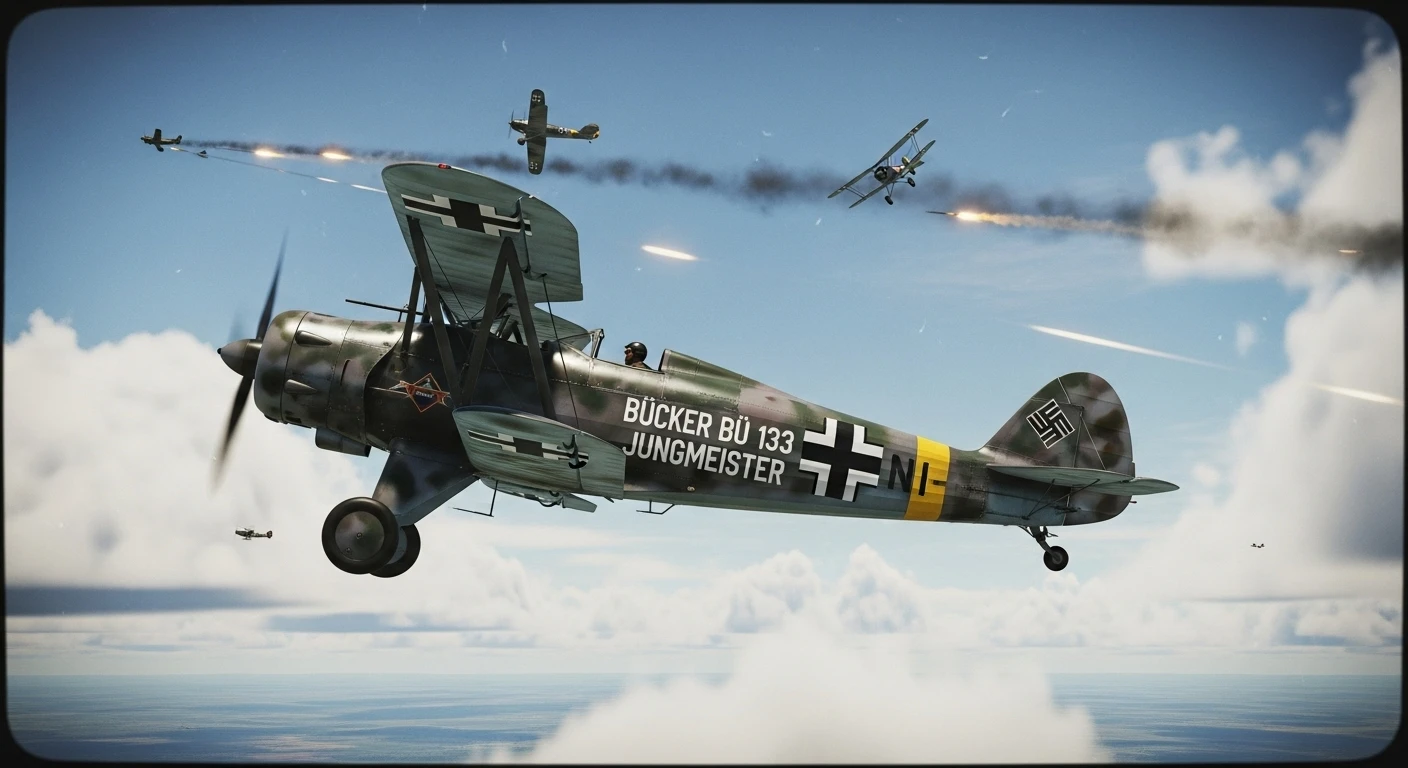
Bücker Bü 133 Jungmeister | |
|---|---|
| Country | Germany |
| Role | Single-seat advanced trainer |
| First flight | 1935 |
| Built | 250 |
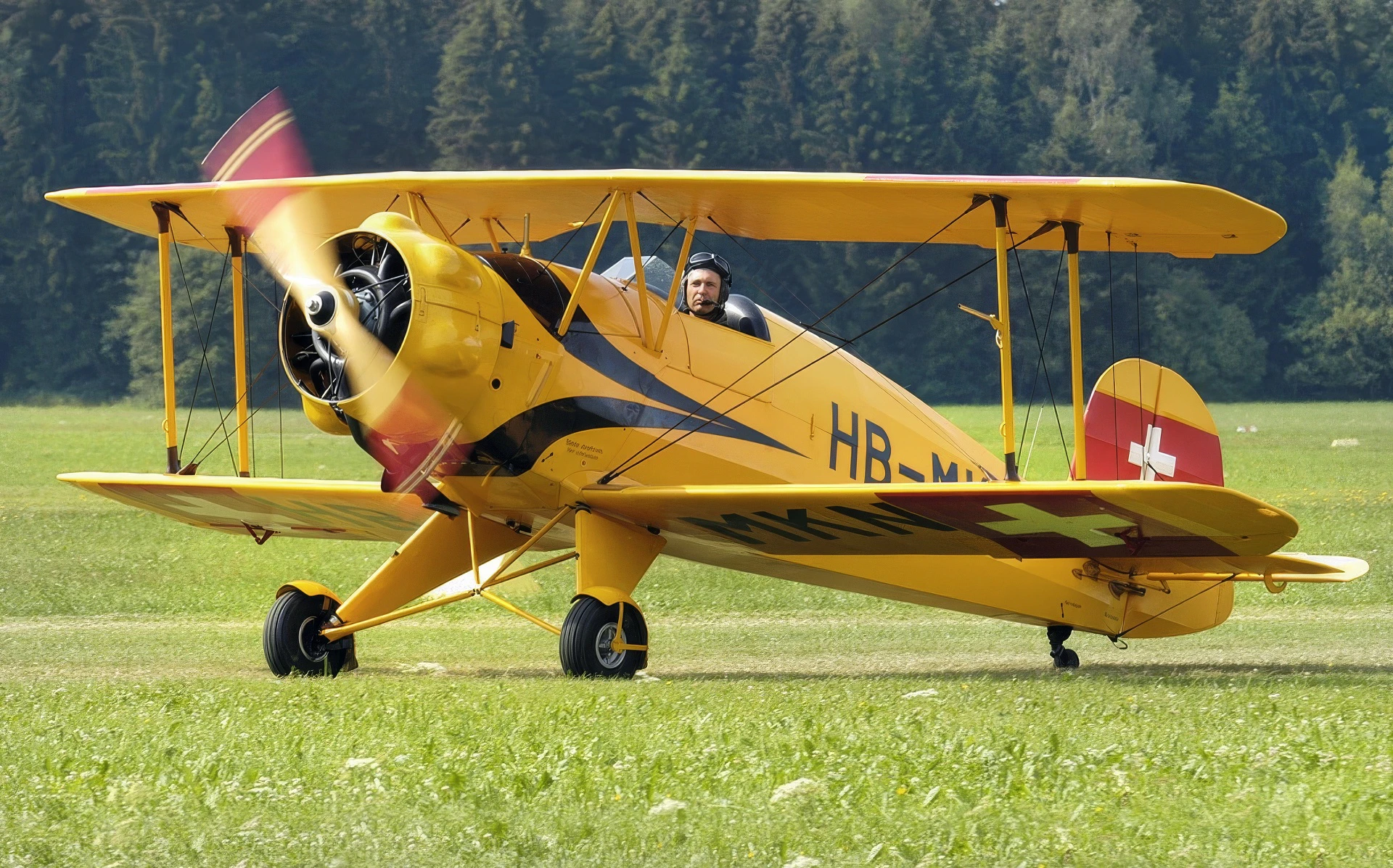
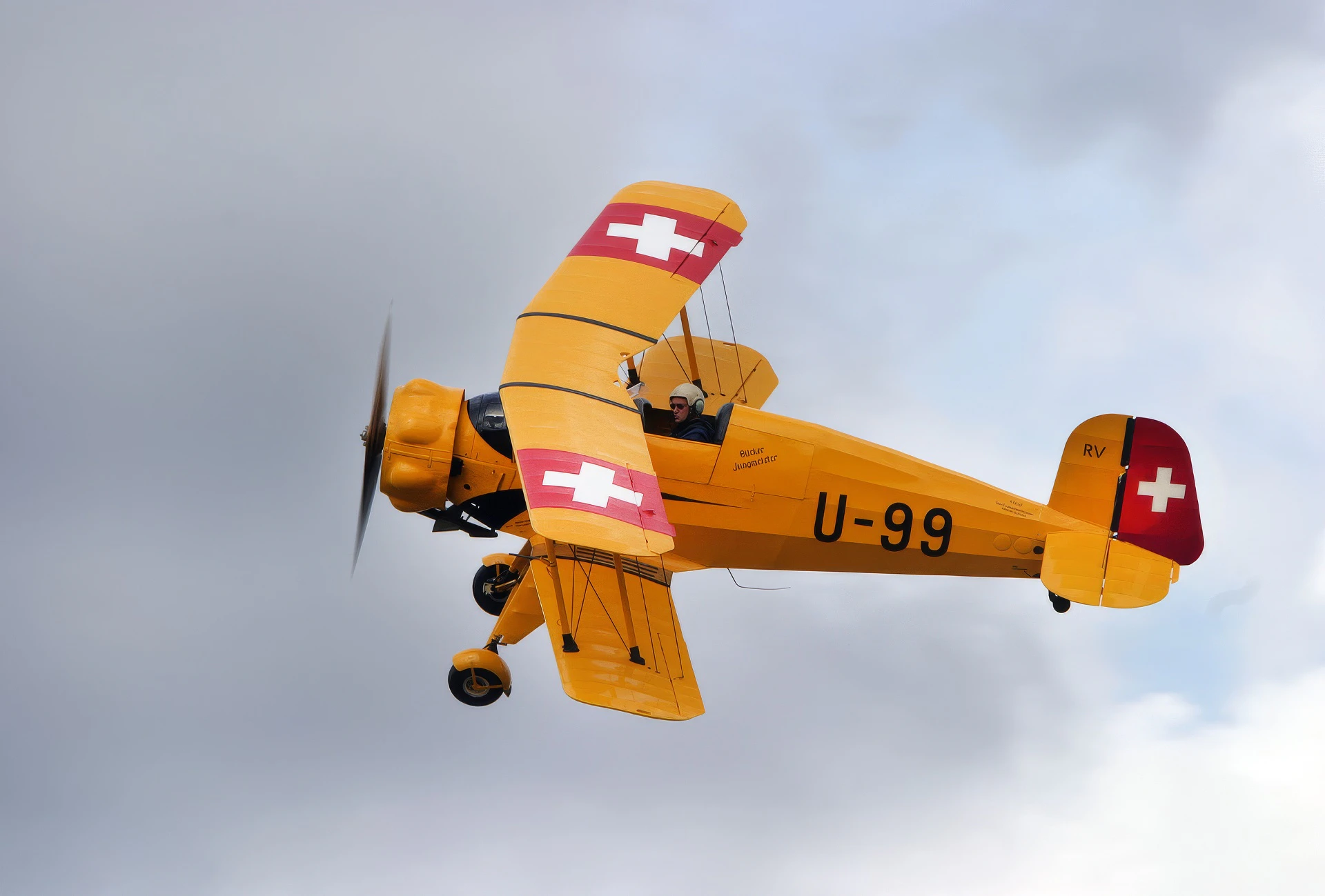
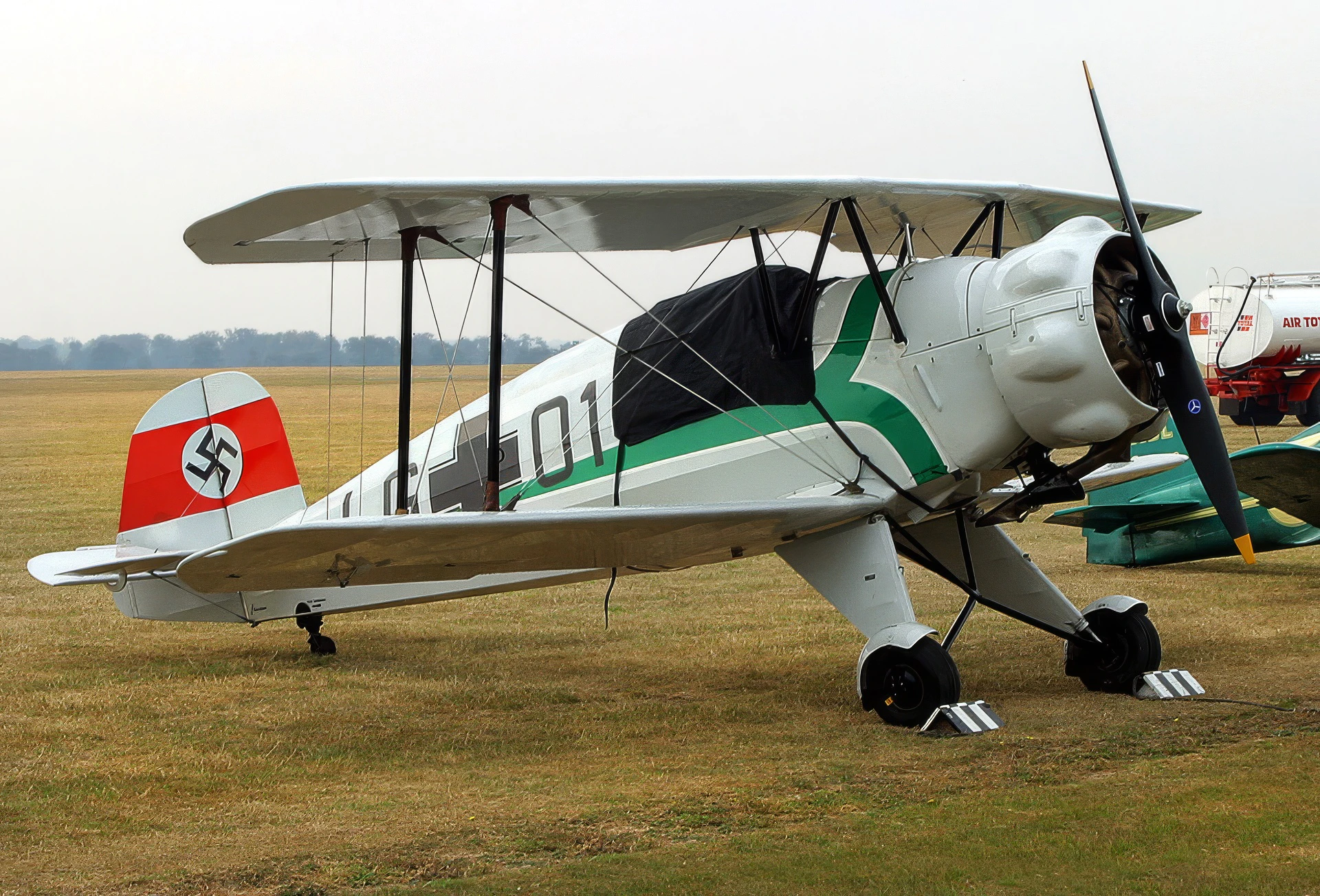
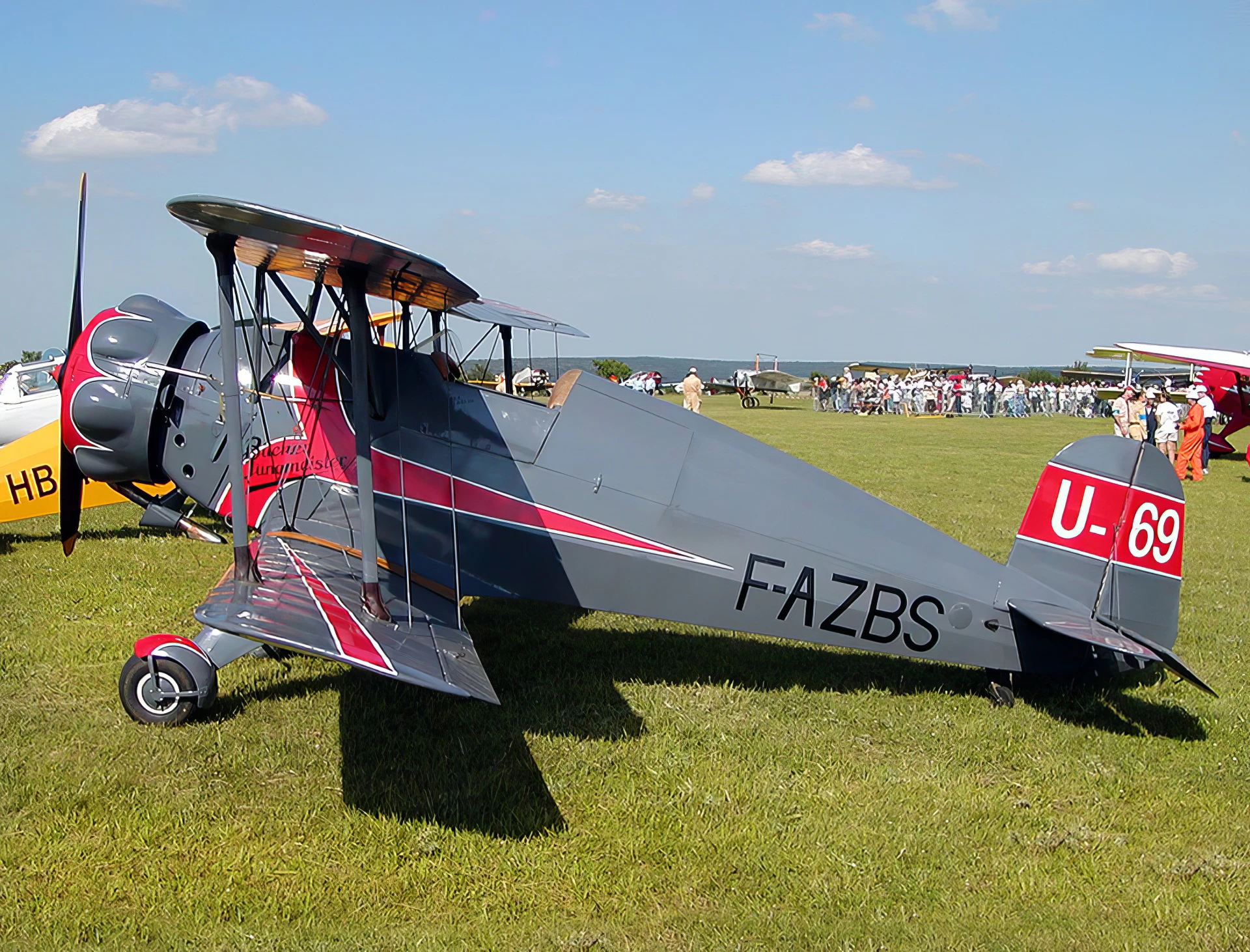
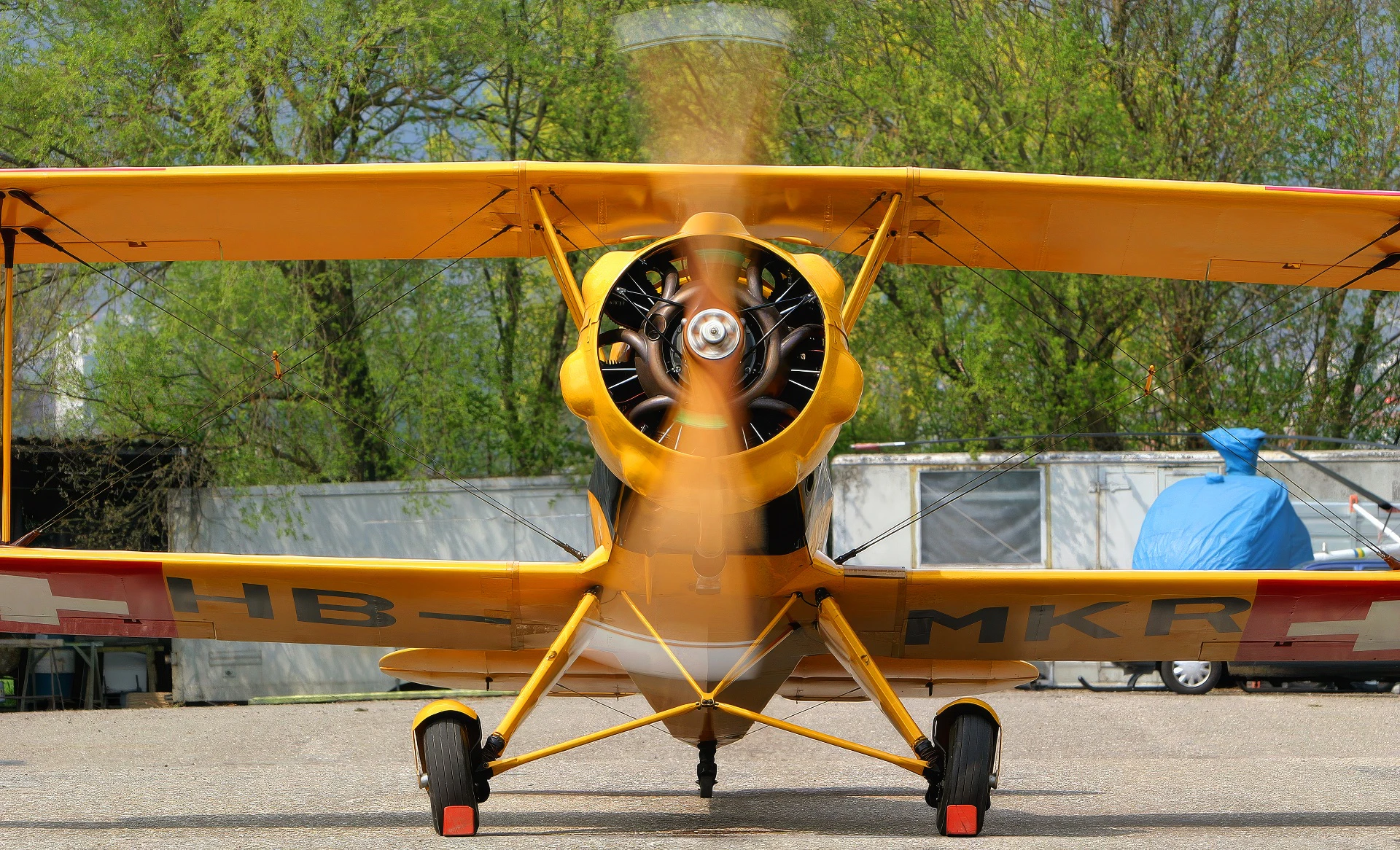
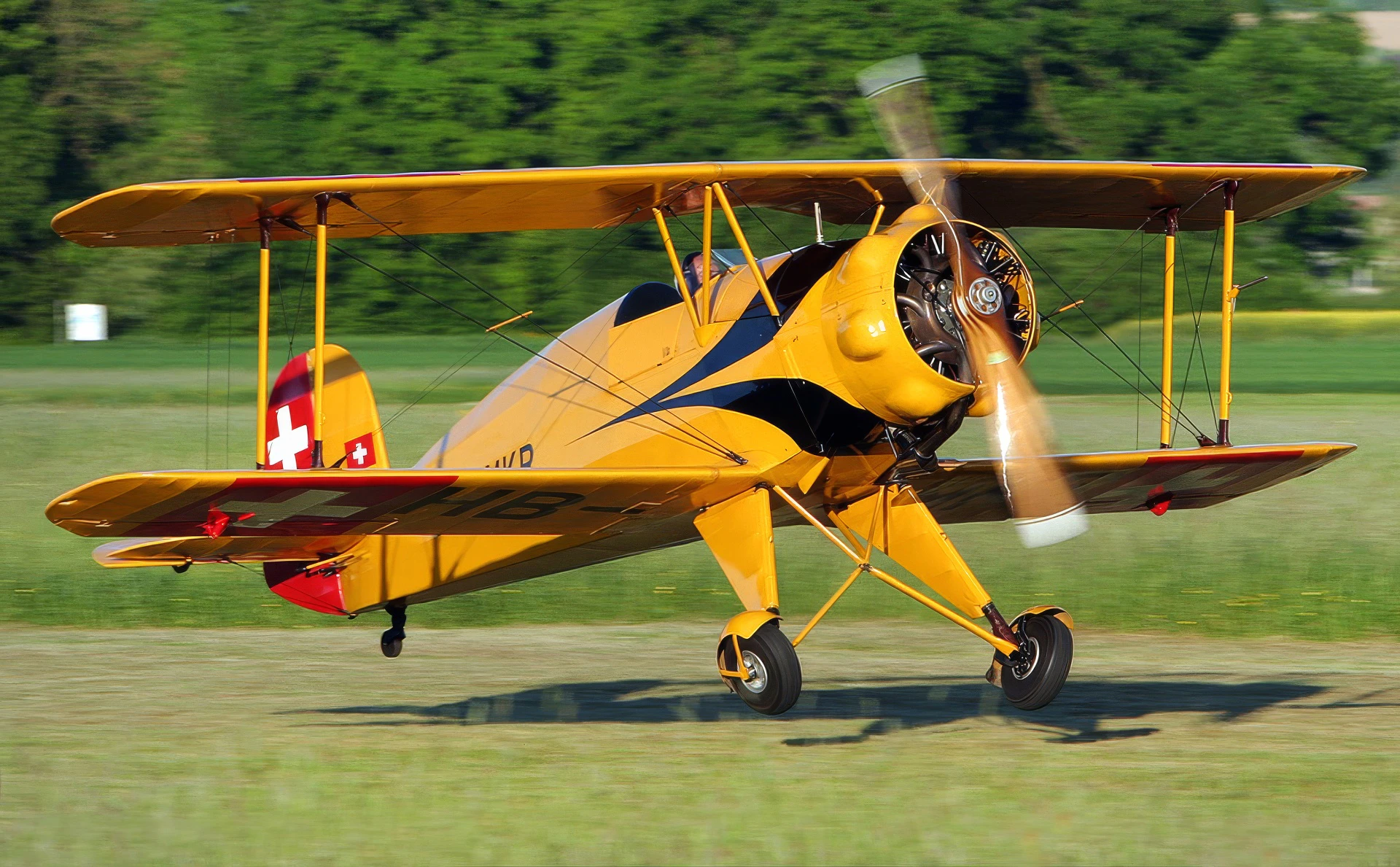
The Bücker Bü 133 Jungmeister was an advanced trainer of the Luftwaffe in the 1930s. It was a single-engine, single-seat biplane of wood and tubular steel construction and covered in fabric.
| Bu-133 Jungmeister | |
|---|---|
| Photographers | Unknow |
| Localisation | Unknow |
| Photos | 100 |
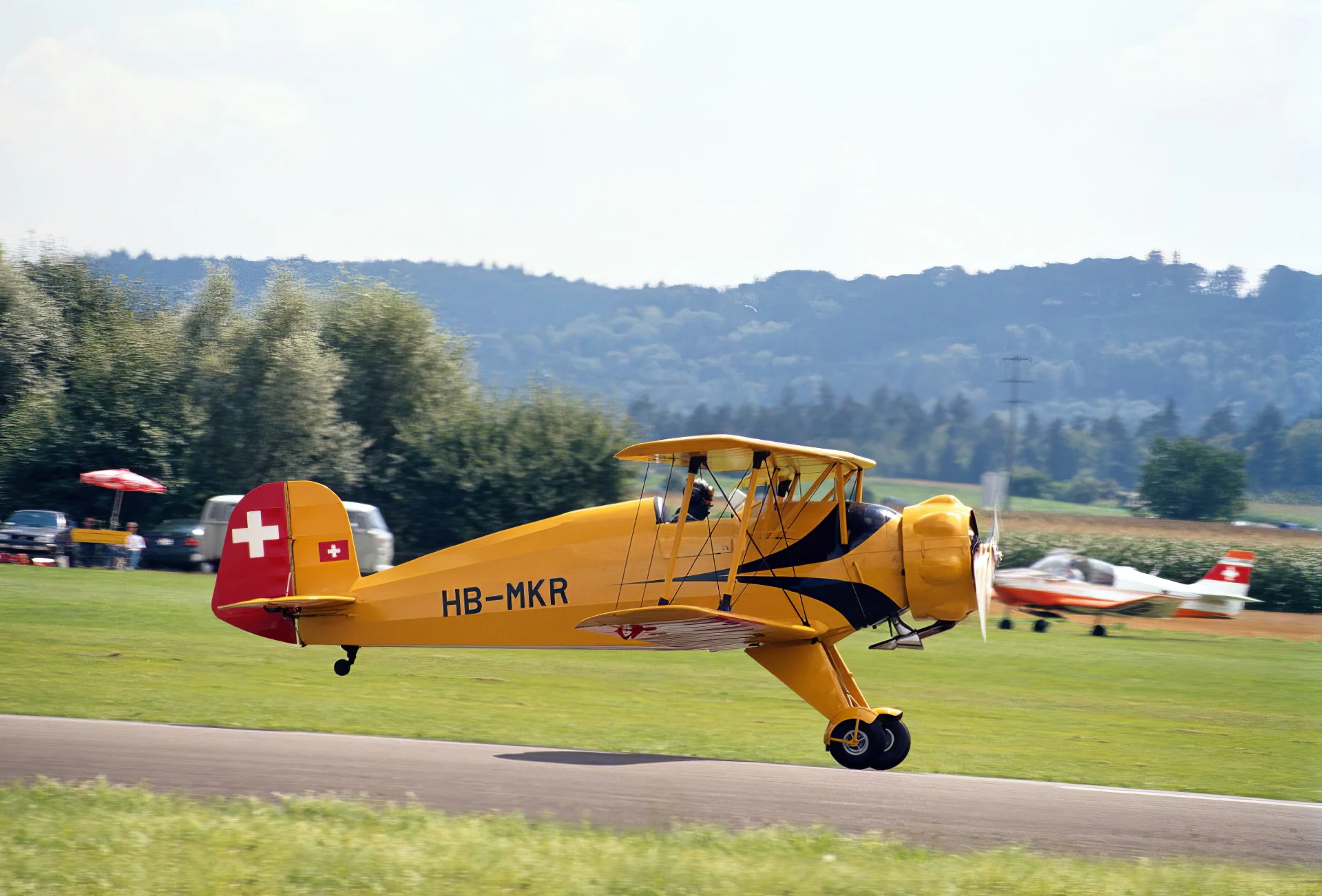
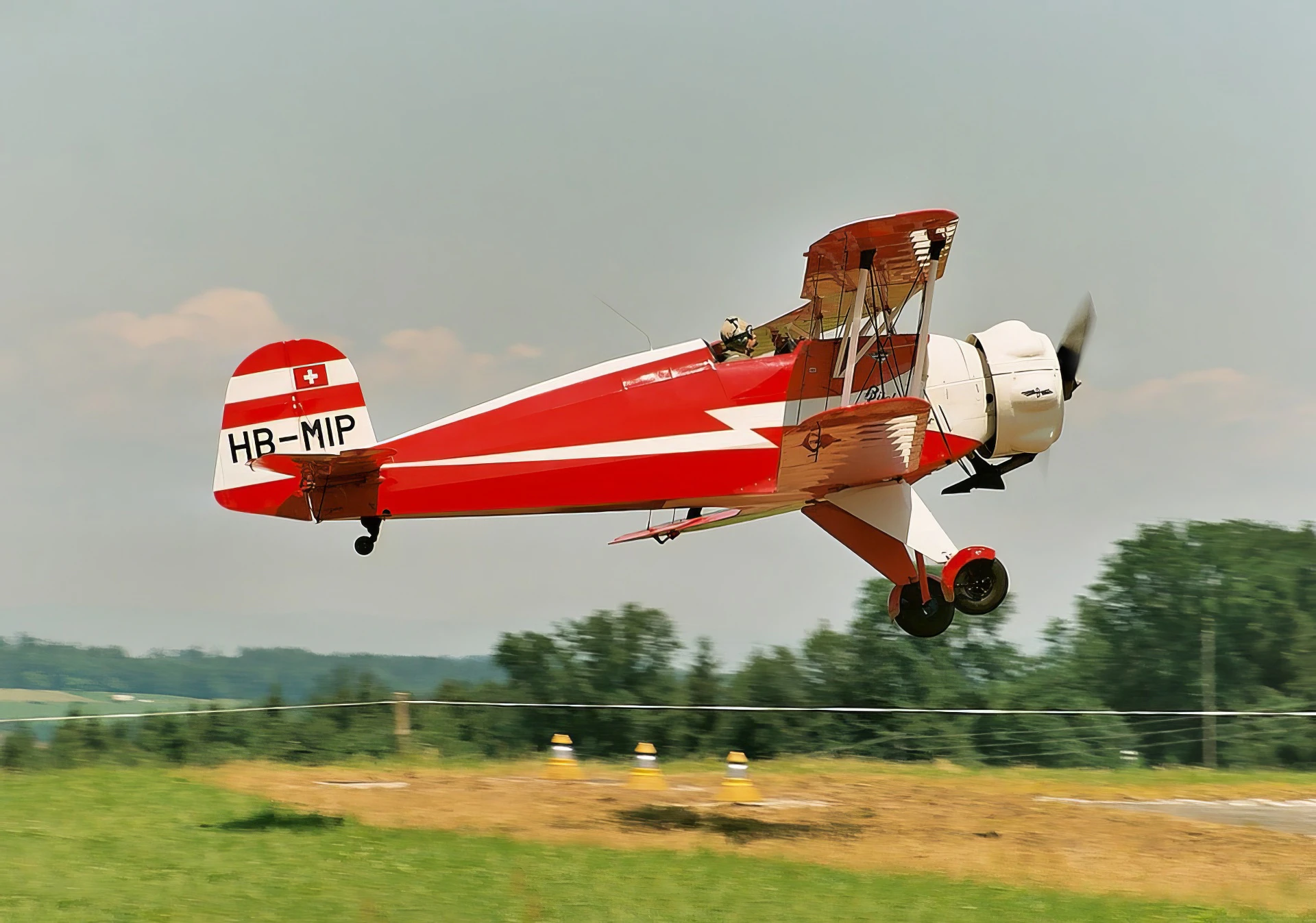
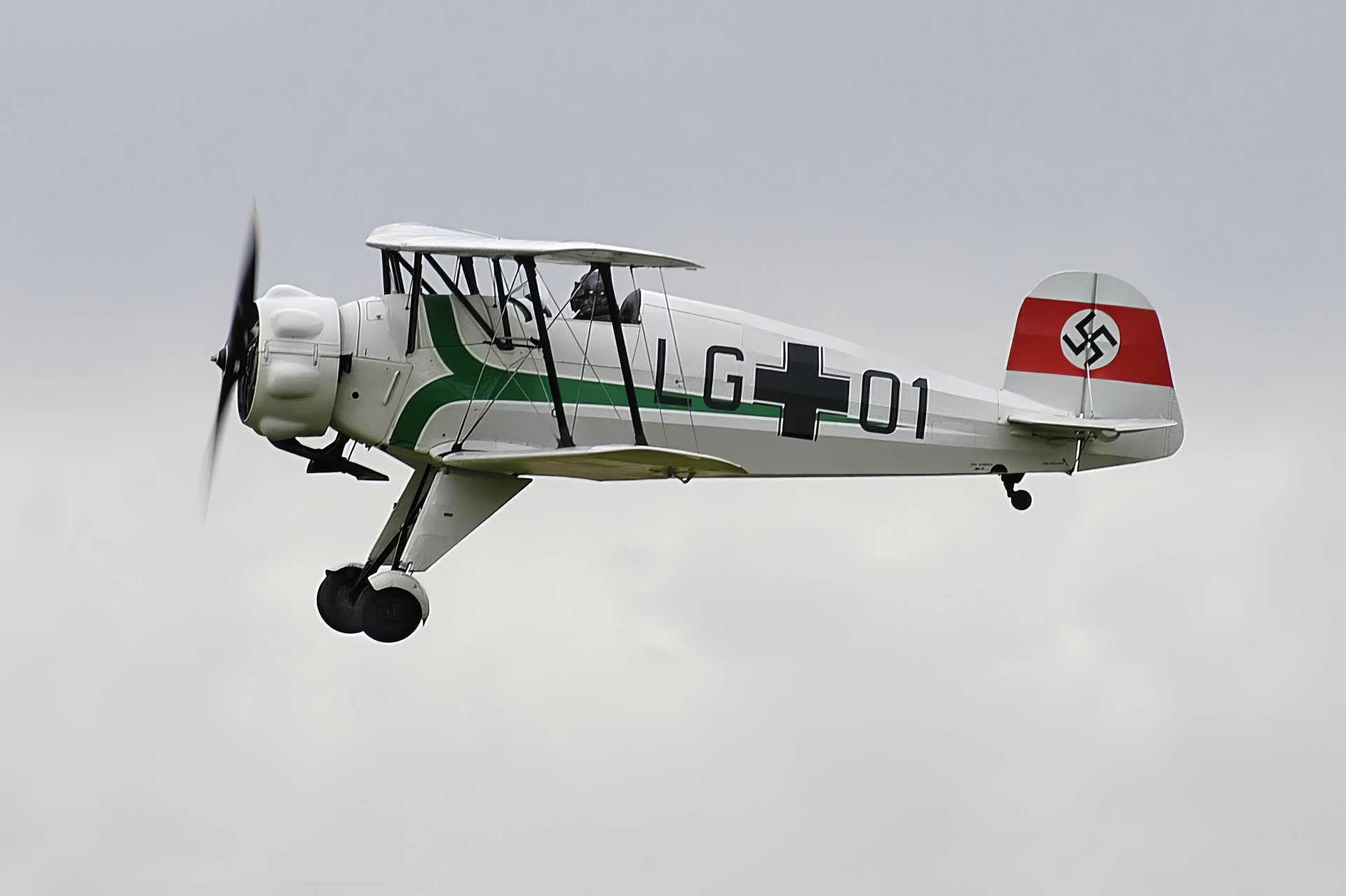


See also:


The Quintessential Aerobatic Trainer
The Bücker Bü 133 Jungmeister (Young Master) is widely considered one of the finest aerobatic biplanes ever built. Developed in the mid-1930s as a single-seat advanced trainer for the Luftwaffe, it was a smaller, more powerful evolution of the two-seat Bü 131 Jungmann. Its exceptional power-to-weight ratio and precise control response made it the dominant force in international aerobatic competitions throughout the late 1930s. Even today, vintage Jungmeisters are highly sought after by collectors for their legendary handling characteristics.
| Attribute | Standard Specification (Bü 133C) |
|---|---|
| Role | Advanced Trainer / Aerobatic Aircraft |
| Crew | 1 (Pilot) |
| First Flight | 1935 |
| Powerplant | 1 x Siemens-Halske Sh 14A-4 7-cylinder radial |
| Horsepower | 160 hp (119 kW) |
| Maximum Speed | 220 km/h (137 mph) |
| Cruising Speed | 190 km/h (118 mph) |
| Empty Weight | 425 kg (937 lbs) |
| Service Ceiling | 4,500 meters (14,765 ft) |
Design and Engineering Excellence
- Compact Dimensions: The Jungmeister was roughly 15% smaller than its predecessor, the Jungmann. This reduced inertia, allowing for incredibly rapid roll rates and “snappy” maneuvers.
- The Sh 14 Radial Engine: The move to the Siemens-Halske radial engine provided the torque and reliability needed for sustained inverted flight and high-G maneuvers.
- Steel and Wood Construction: The fuselage was made of welded steel tubing, while the wings used wooden spars and ribs. The entire airframe was fabric-covered, keeping it exceptionally light and easy to repair.
- Staggered Wings: The upper wing was swept back and staggered forward of the lower wing, which improved the pilot’s visibility and contributed to the aircraft’s stall characteristics.
Service and Competition
- Military Training: In the Luftwaffe, the Bü 133 was used as a final stage for fighter pilots to master extreme maneuvers before graduating to the Me 109.
- Olympic Glory: The Jungmeister famously showcased its capabilities during the 1936 Berlin Olympics, solidifying its reputation as the world’s premier aerobatic machine.
- International Adoption: It was exported to numerous countries, including Switzerland and Spain. The Spanish company CASA continued to build them under license well after World War II ended.
- The “Inverted” Specialist: The fuel and oil systems were specifically designed to allow the engine to run perfectly while flying upside down, a feature that was advanced for its time.
Views : 720
You can see also :
 North American FJ-4 Fury – Photos & Video
 Messerschmitt Me 410 – Photos & Video
 McDonnell Douglas F/A-18 Hornet – Photos & Video
 Mitsubishi A6M Zero – Walk Around
 Hawker Hurricane – Walk Around
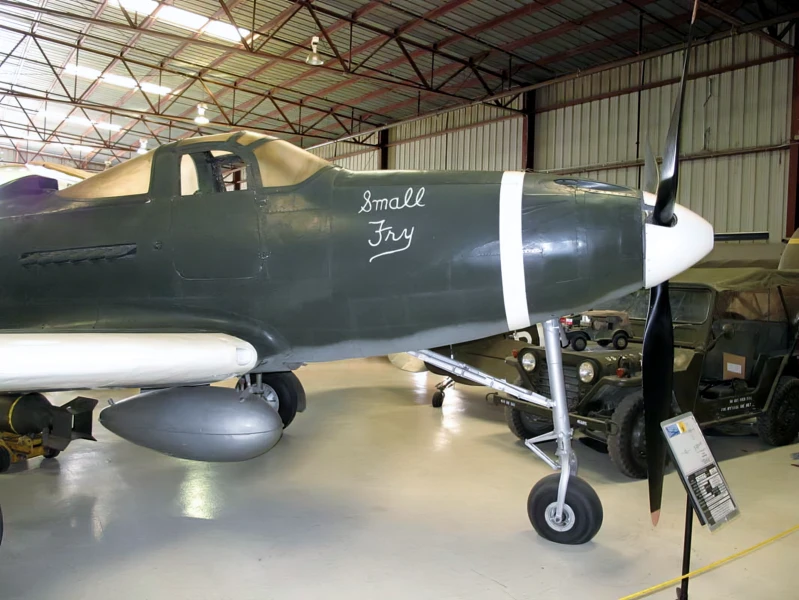 Bell P-39N Airacobra – WalkAround
 Consolidated B-24M Liberator – WalkAround
 P-47D Thunderbolt – WalkAround
 A-20 Havoc – WalkAround
 TBM-3E Avenger – Walk Around