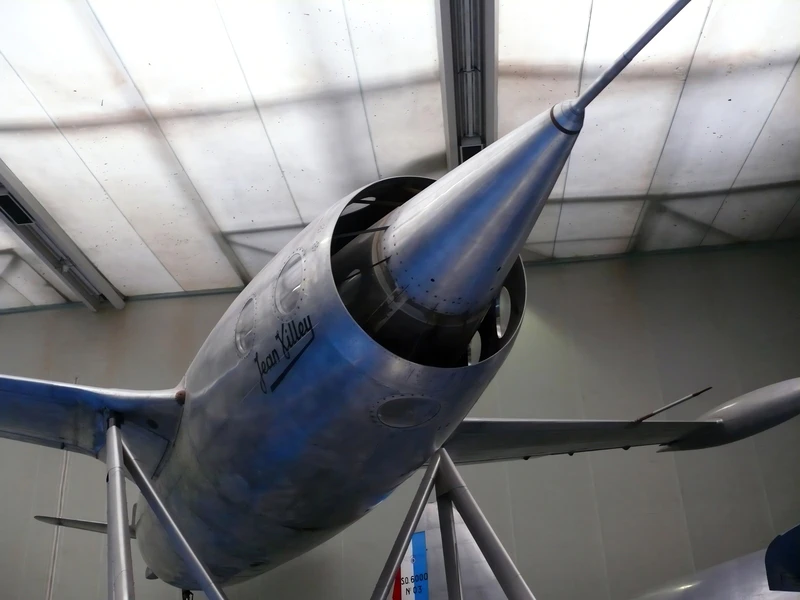
르덕 0.10 | |
|---|---|
| 국가 | 프랑스 |
| 역할 | 연구 항공기 |
| 첫 비행 | 1947년 10월 21일 |
| 내장 | 3 |
Tthe 르덕 0.10 프랑스에서 제작 된 연구용 항공기로, 램제트만으로 구동되는 세계 최초의 항공기 중 하나입니다.
소스: 위키피디아의 르덕 0.10
| Leduc 010 Walk Around | |
|---|---|
| 사진 작가 | Unknow |
| 로컬라이제이션 | Unknow |
| 사진 | 11 |
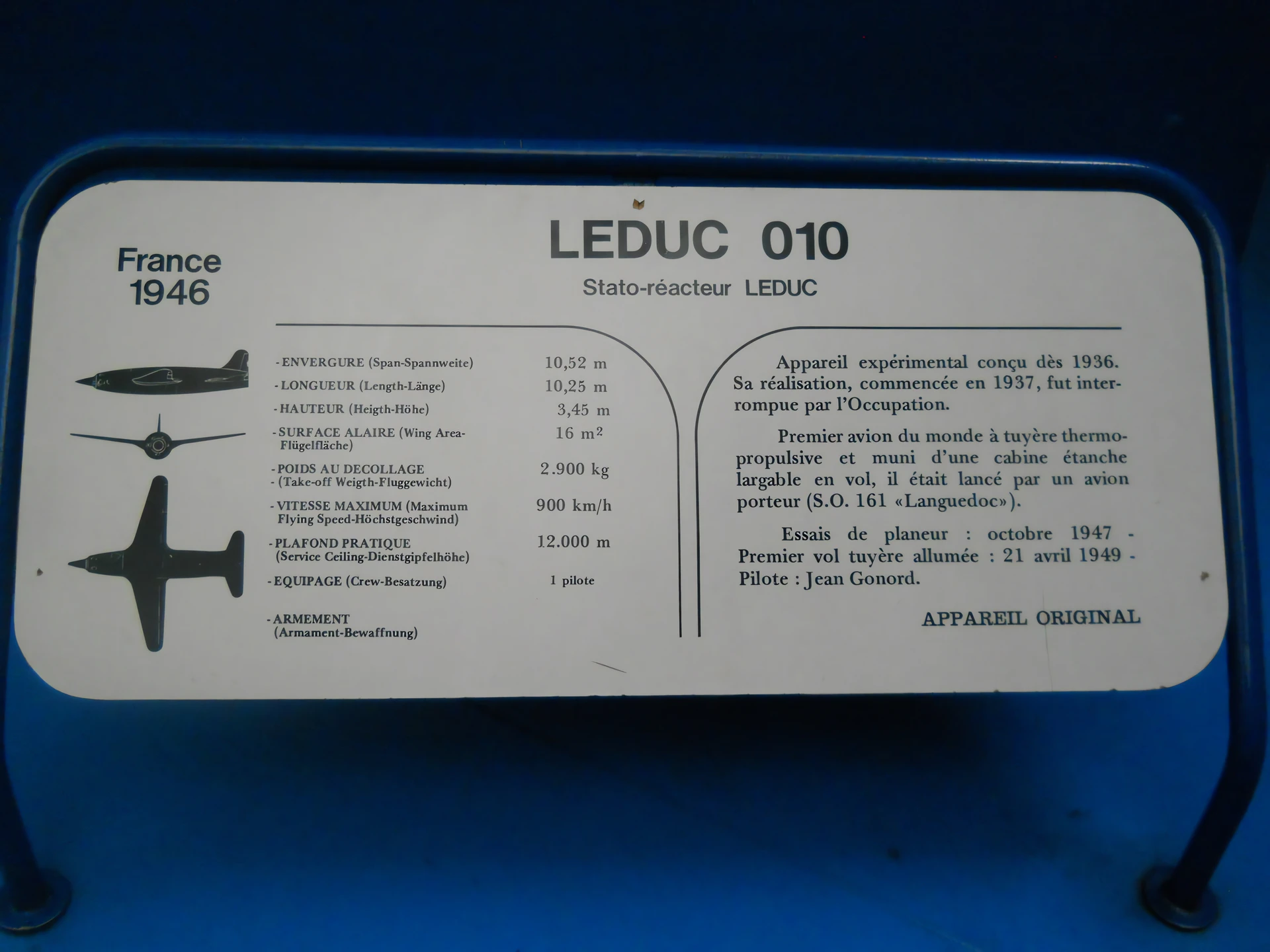
Leduc 010 1
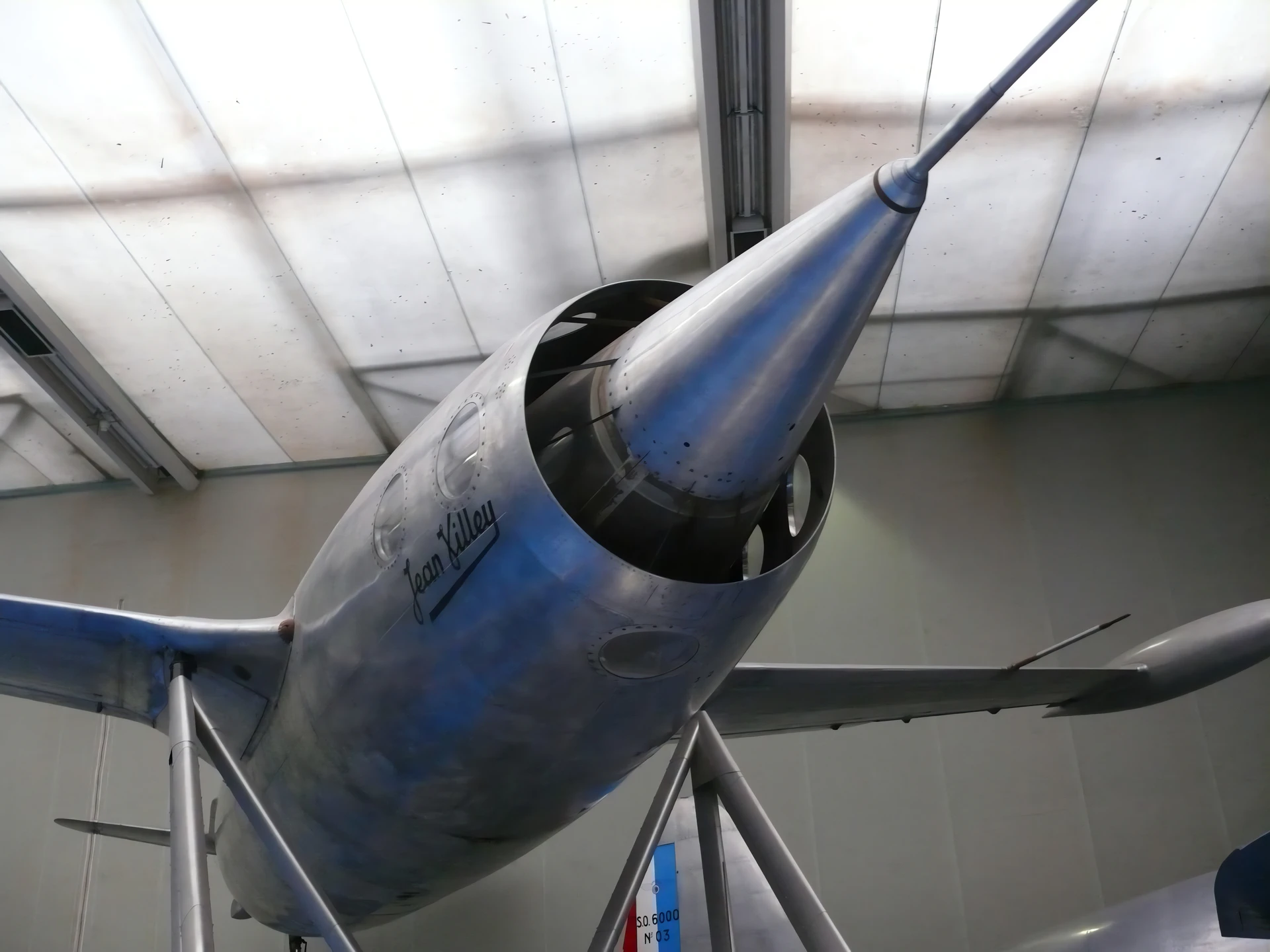
Leduc 010 2
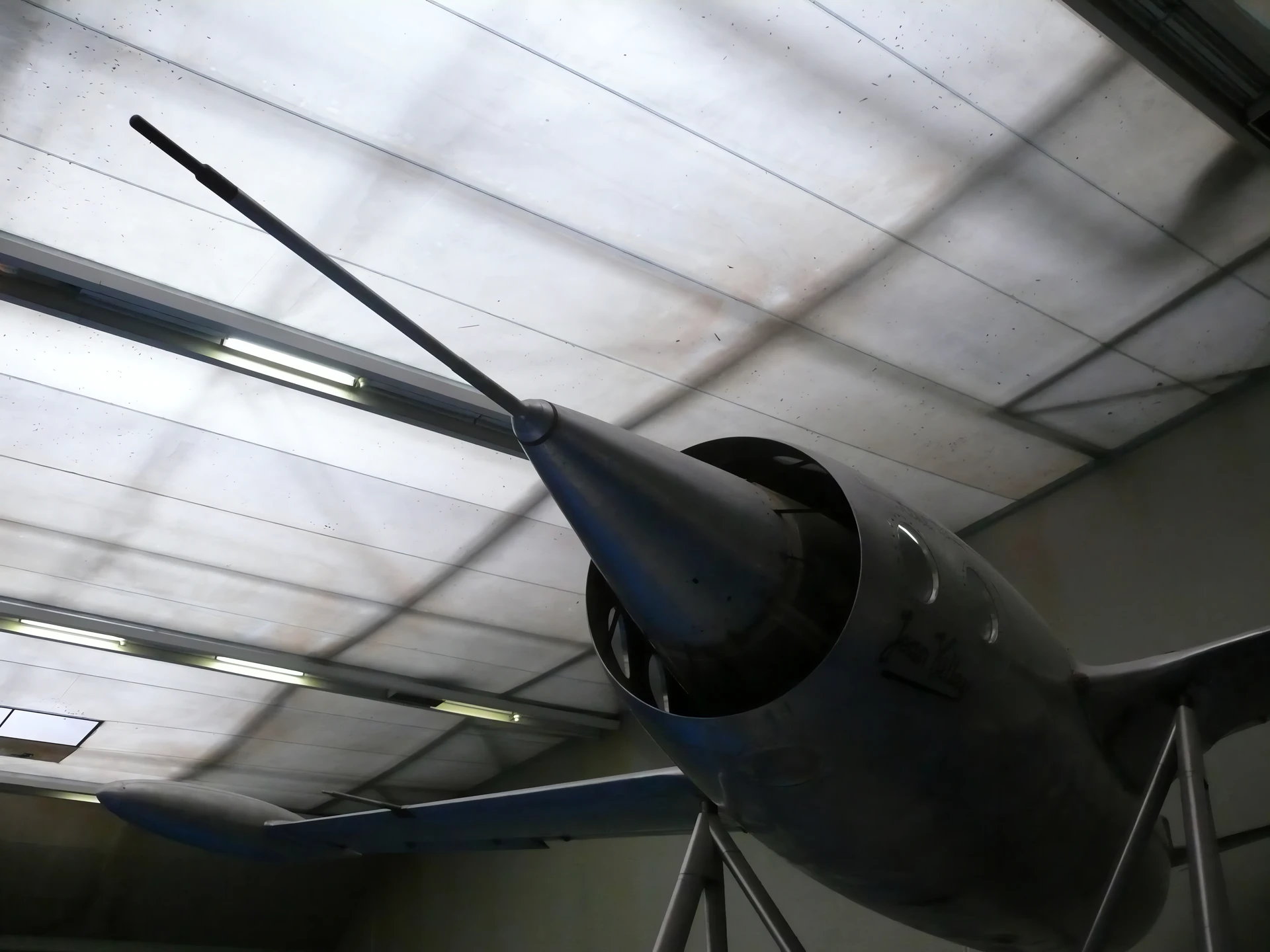
Leduc 010 3
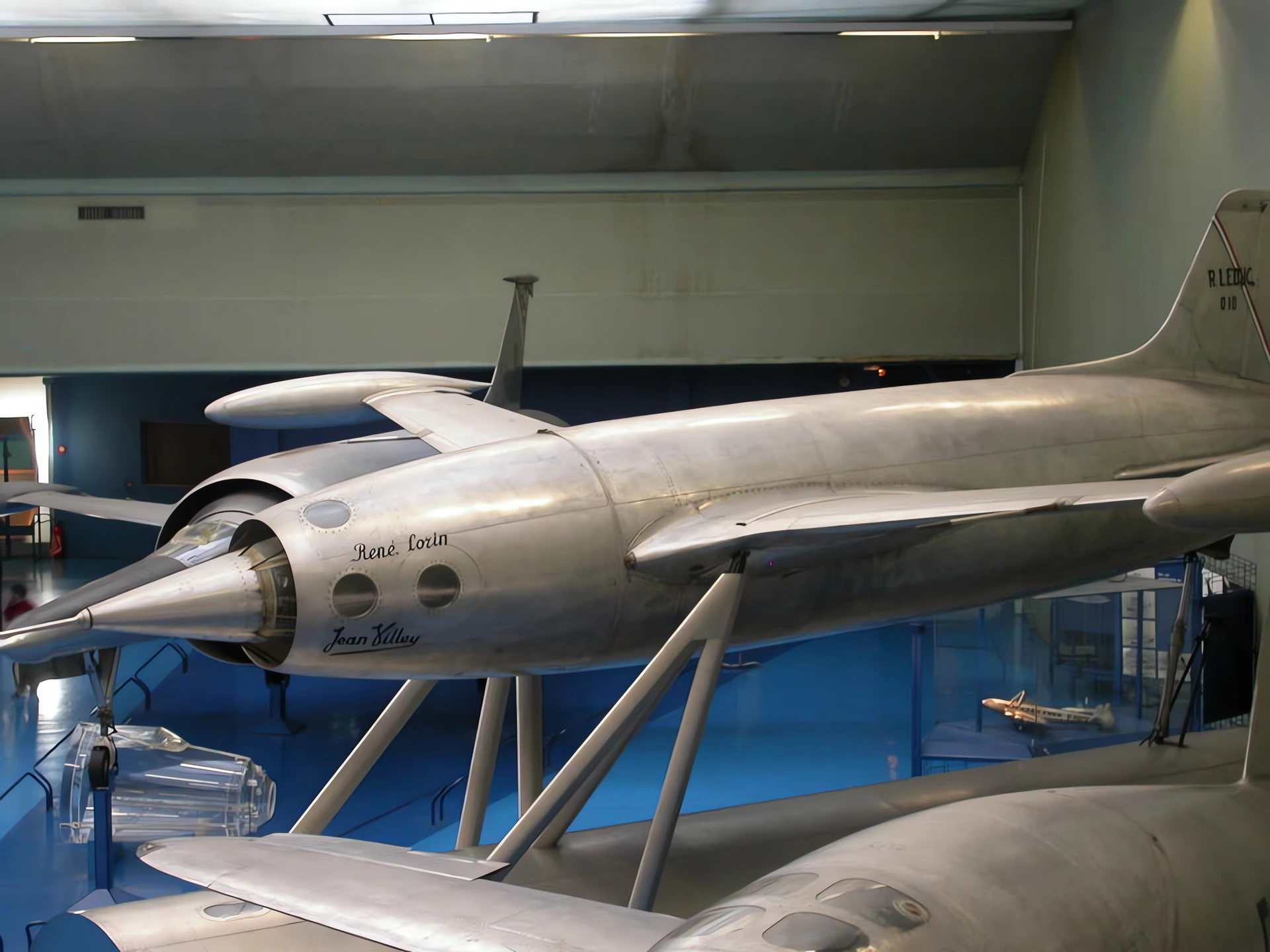
Leduc 010 4
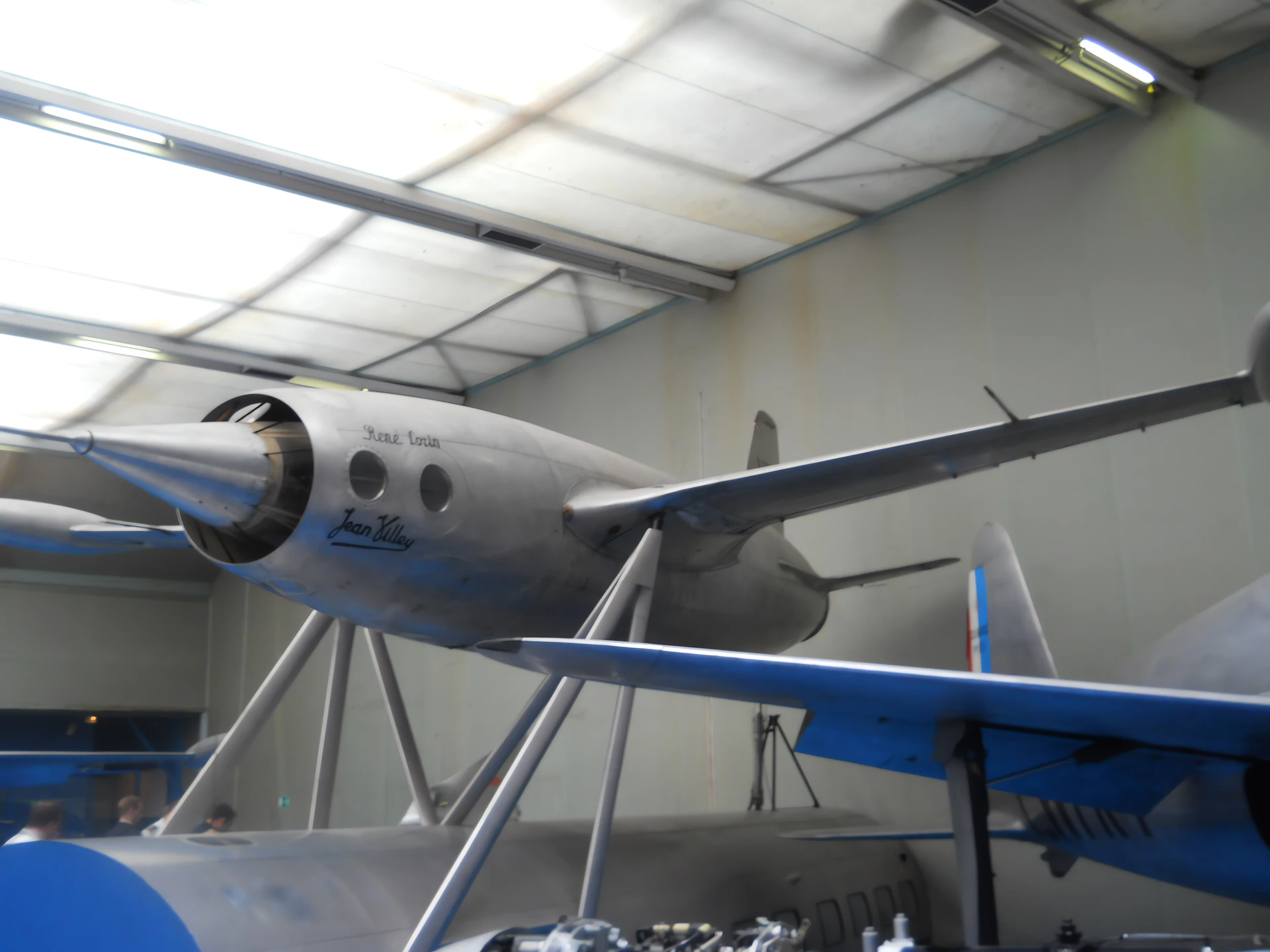
Leduc 010 5
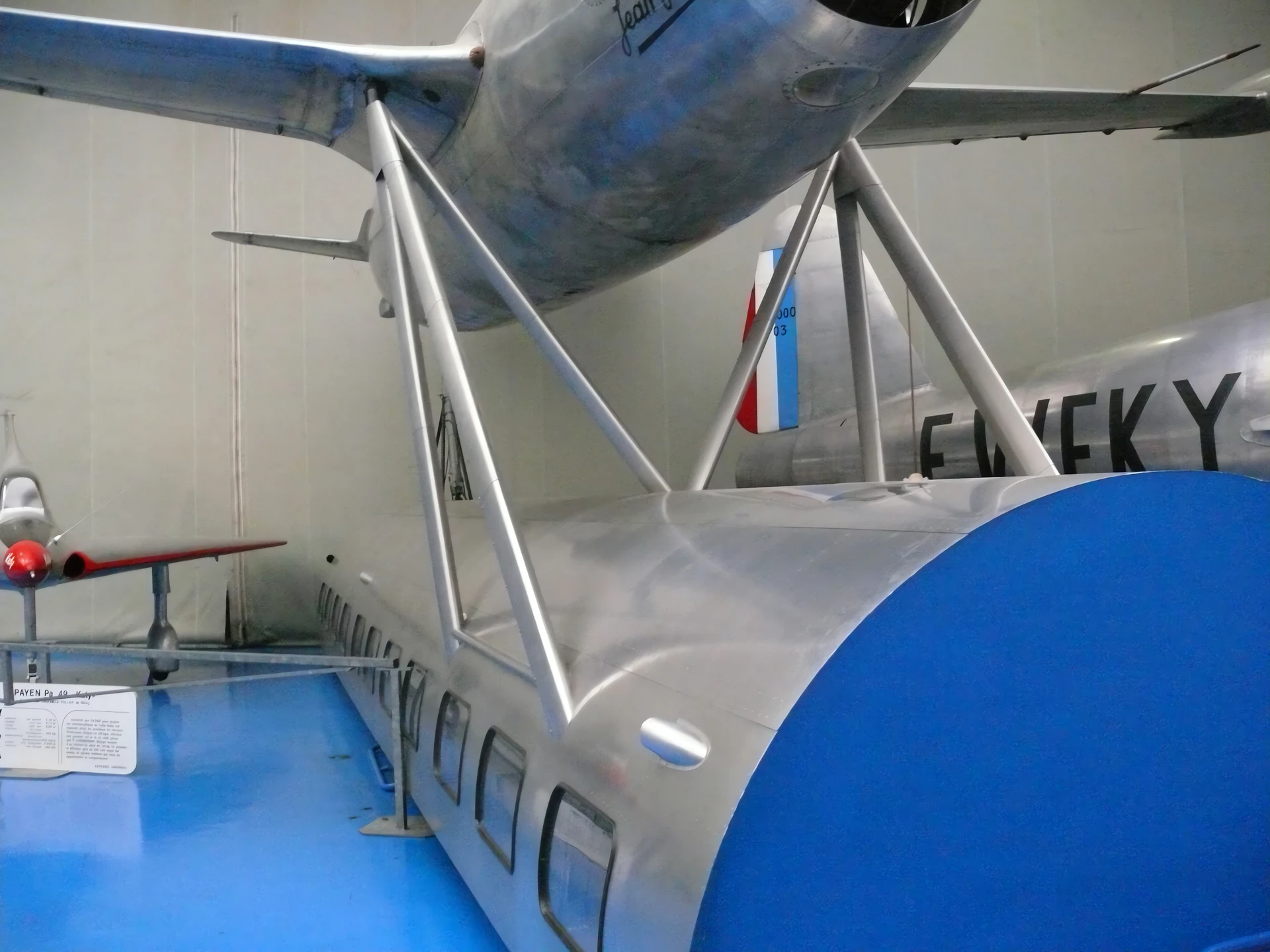
Leduc 010 6
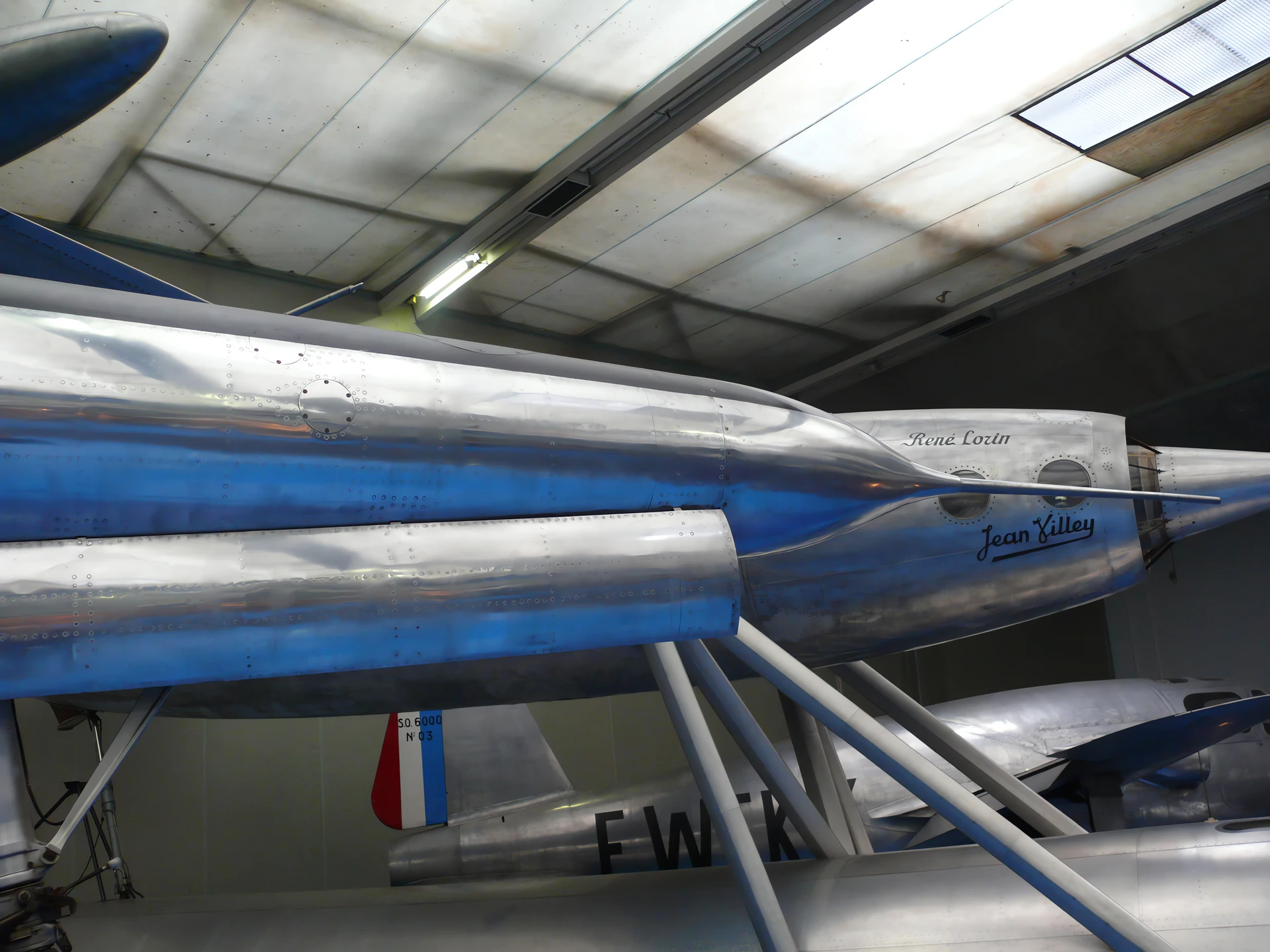
Leduc 010 7
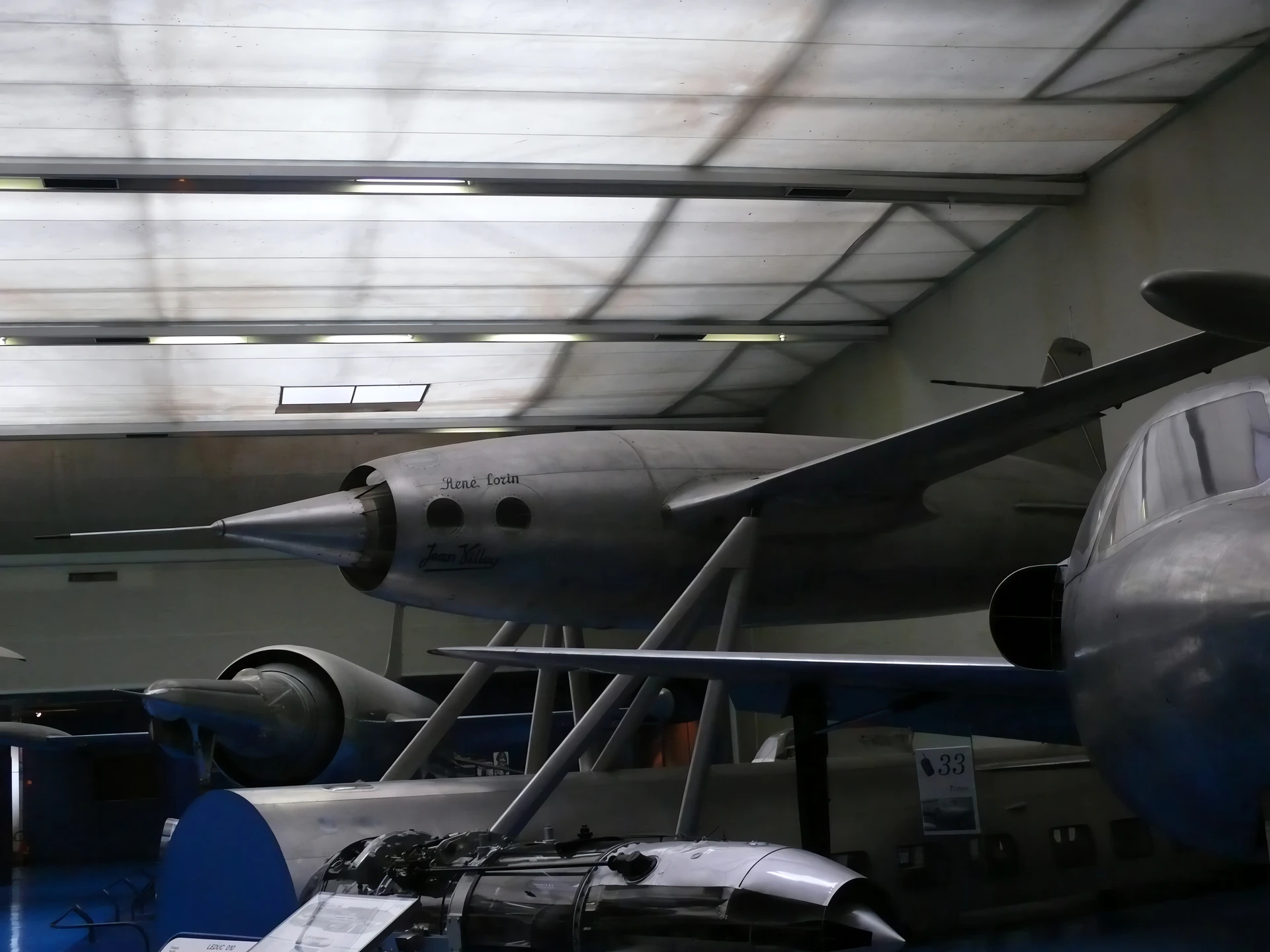
Leduc 010 8
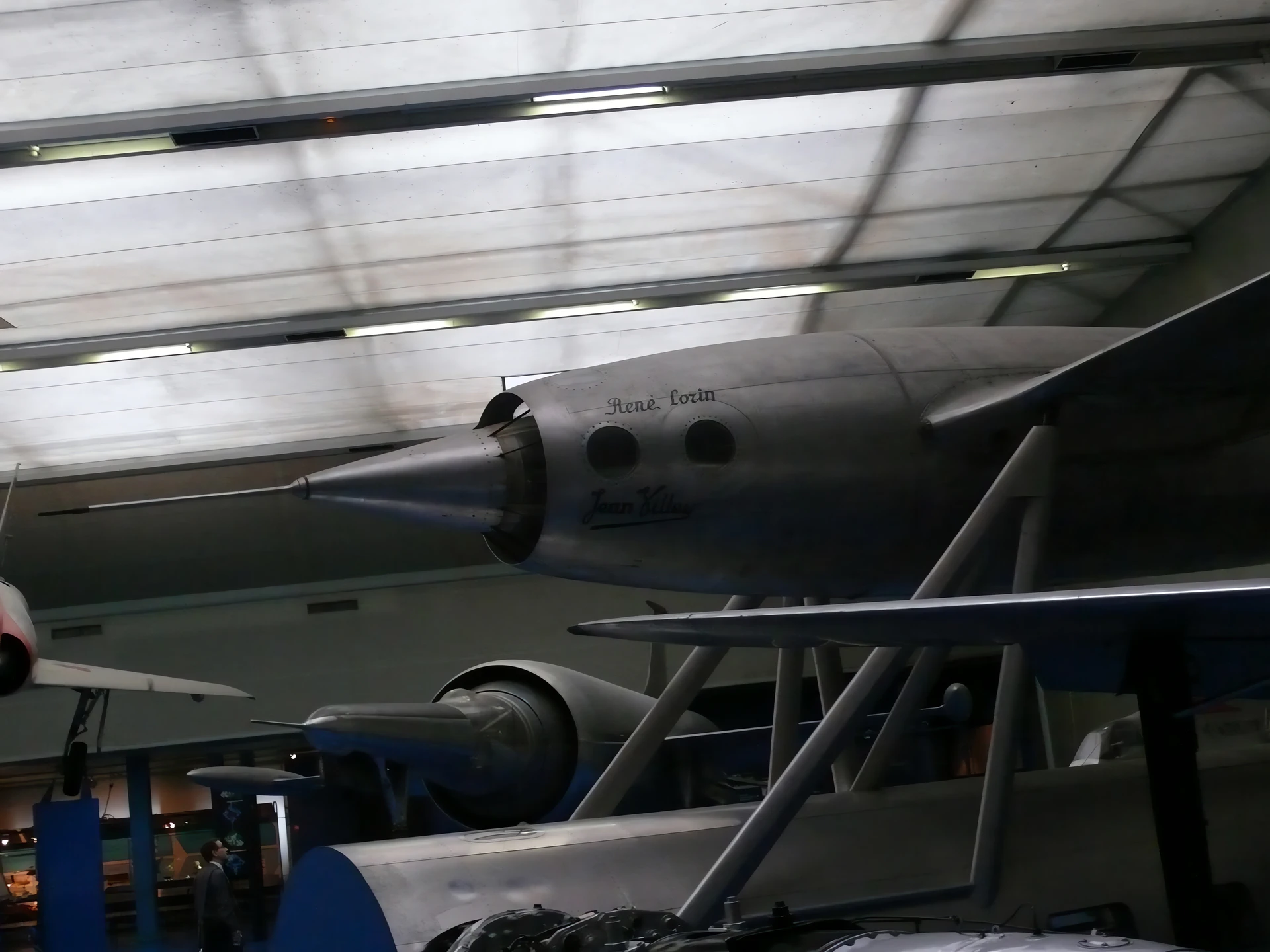
Leduc 010 9
대기,검색 Leduc 0.10 사진 당신을 위해...


참고 항목:


General Characteristics
The Leduc 0.10 was a groundbreaking French experimental aircraft designed by René Leduc and built by Breguet Aviation. It is famous for being one of the world’s first aircraft to fly powered solely by a ramjet engine. Designed starting in 1938 and finally completed after World War II, the aircraft was built purely to test the viability of ramjet propulsion. Its unique fuselage featured a double-walled cylindrical design, where the pilot sat in a cockpit within the inner shell, and the annular space between the inner and outer shells served as the air inlet for the ramjet. Only two prototypes were initially built.
| Property | Typical Value (Leduc 0.10) |
|---|---|
| 역할 | Experimental Research Aircraft |
| National Origin | 프랑스 |
| 제조업체 | Breguet Aviation (Designed by René Leduc) |
| First Flight (Powered) | April 21, 1949 |
| 승무원 | 1 (Pilot) or 2 (Pilot/Observer) |
| 길이 | 10.25 m (33 ft 7 in) |
| 윙스 팬 | 10.52 m (34 ft 6 in) |
| Max Takeoff Weight | 2,800 kg (6,173 lb) |
| Construction | All-metal structure with conical mid-wings |
Powerplant and Performance
- Engine: 1 x Leduc ramjet (Leduc Tuyère 5 viroles).
- Thrust: ~15.7 kN (3,520 lbf) at full power (ramjets only produce thrust above a minimum forward speed).
- Propulsion Method: The ramjet has no moving parts (like a turbine) and relies on the aircraft’s high speed to compress incoming air (ram compression) before mixing with fuel and igniting it.
- Takeoff: Could not take off unassisted; it was a parasite aircraft carried aloft by a mother ship (usually a Sud-Est SE.161 Languedoc four-engined airliner) and released at speed and altitude.
- Maximum Speed: Achieved 960 km/h (597 mph, Mach 0.85) in tests.
- Service Ceiling: 12,000 m (39,400 ft).
- Rate of Climb: Achieved 40 m/s (7,900 ft/min), exceeding the best jet fighters of the time.
Design and Legacy
- Pilot Safety: The nose section containing the cockpit was designed to be jettisonable in an emergency, allowing the pilot to escape with a parachute.
- Visibility: The pilot’s forward view was via a Perspex cone (Plexiglas) at the nose, with side vision provided by small portholes on the outer shell.
- Significance: The Leduc 0.10 proved the viability of the ramjet as an aviation powerplant, paving the way for further French ramjet experiments, including the Leduc 0.21 and the partially successful Leduc 0.22 supersonic interceptor prototype.
- Preservation: The third aircraft built, initially designated 0.11 or 0.16, is now preserved at the Musée de l’Air et de l’Espace at Le Bourget, France.
조회수:896