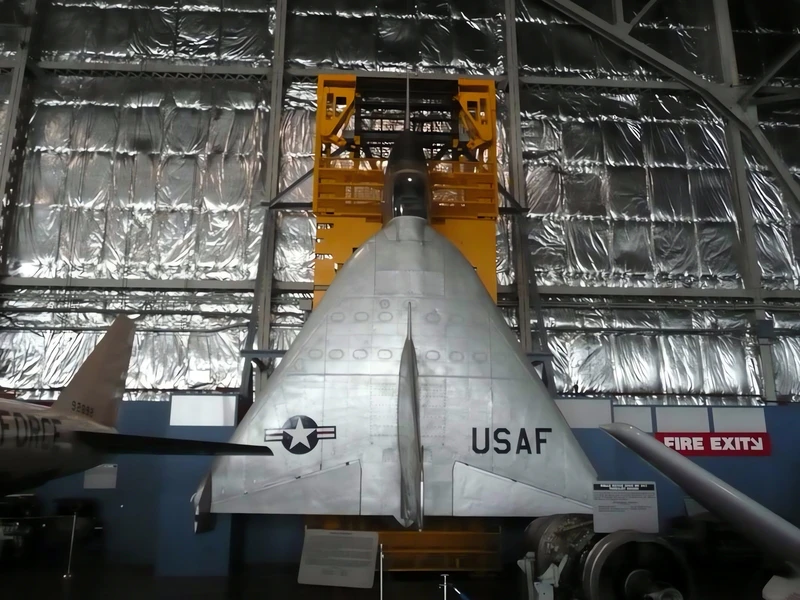
Ryan X-13 Vertijet | |
|---|---|
| Paese | Usa |
| Ruolo | Aerei sperimentali VTOL a reazione |
| Primo volo | 10 dicembre 1955 |
| Costruito | 2 |
Le Ryan X-13 Vertijet (designazione aziendale Model 69) era un aereo sperimentale a decollo e atterraggio verticale (VTOL) a reazione volato negli Stati Uniti nel 1950. L'obiettivo principale del progetto era dimostrare la capacità di un jet puro di decollare verticalmente, librarsi, passare al volo orizzontale in avanti e atterrare verticalmente.
| Ryan X-13 Vertijet Cammina intorno | |
|---|---|
| Fotografi | Vladimir Jakubov |
| Localizzazione | Museo Nazionale dell'USAF |
| Foto | 96 |
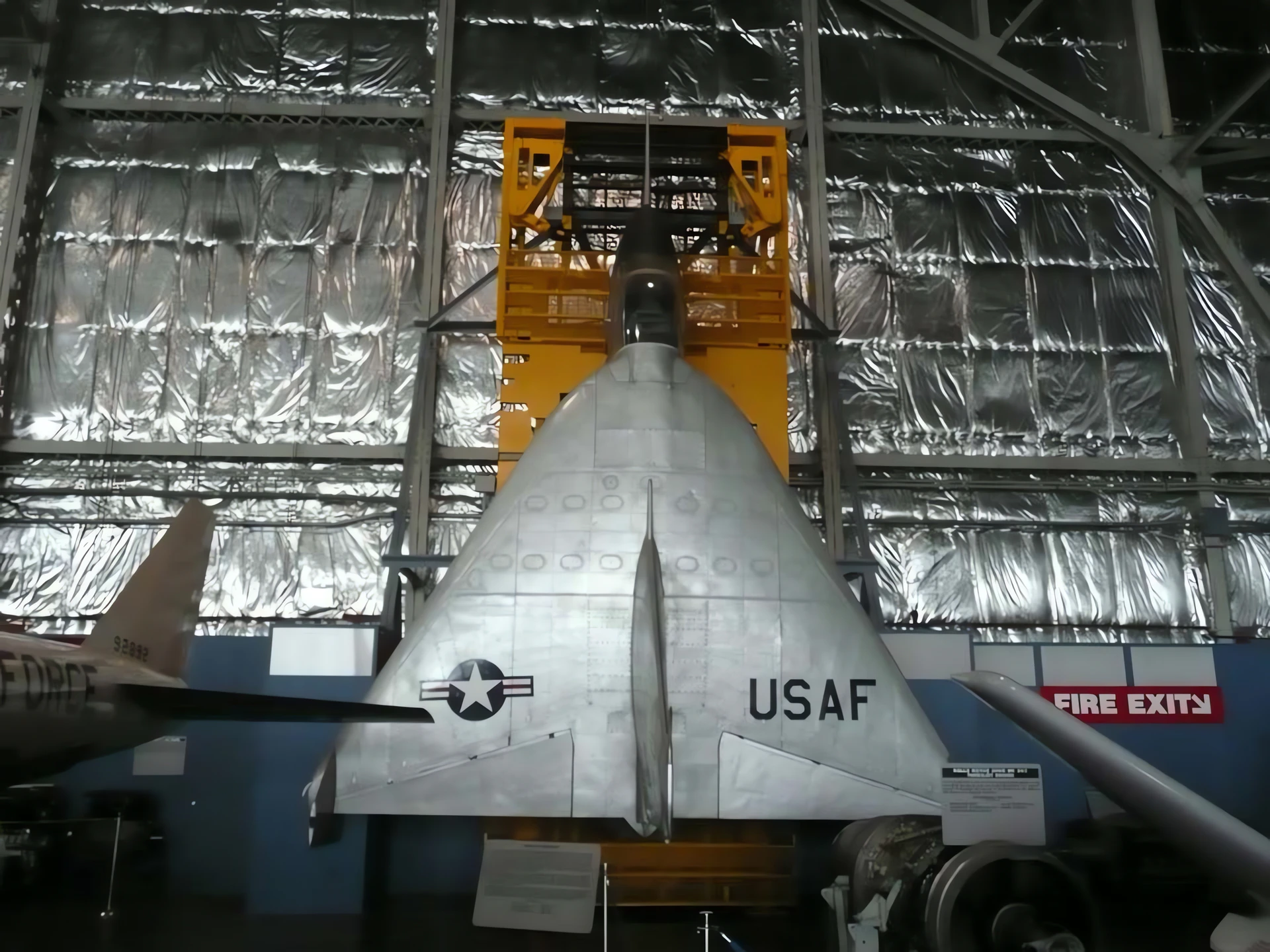
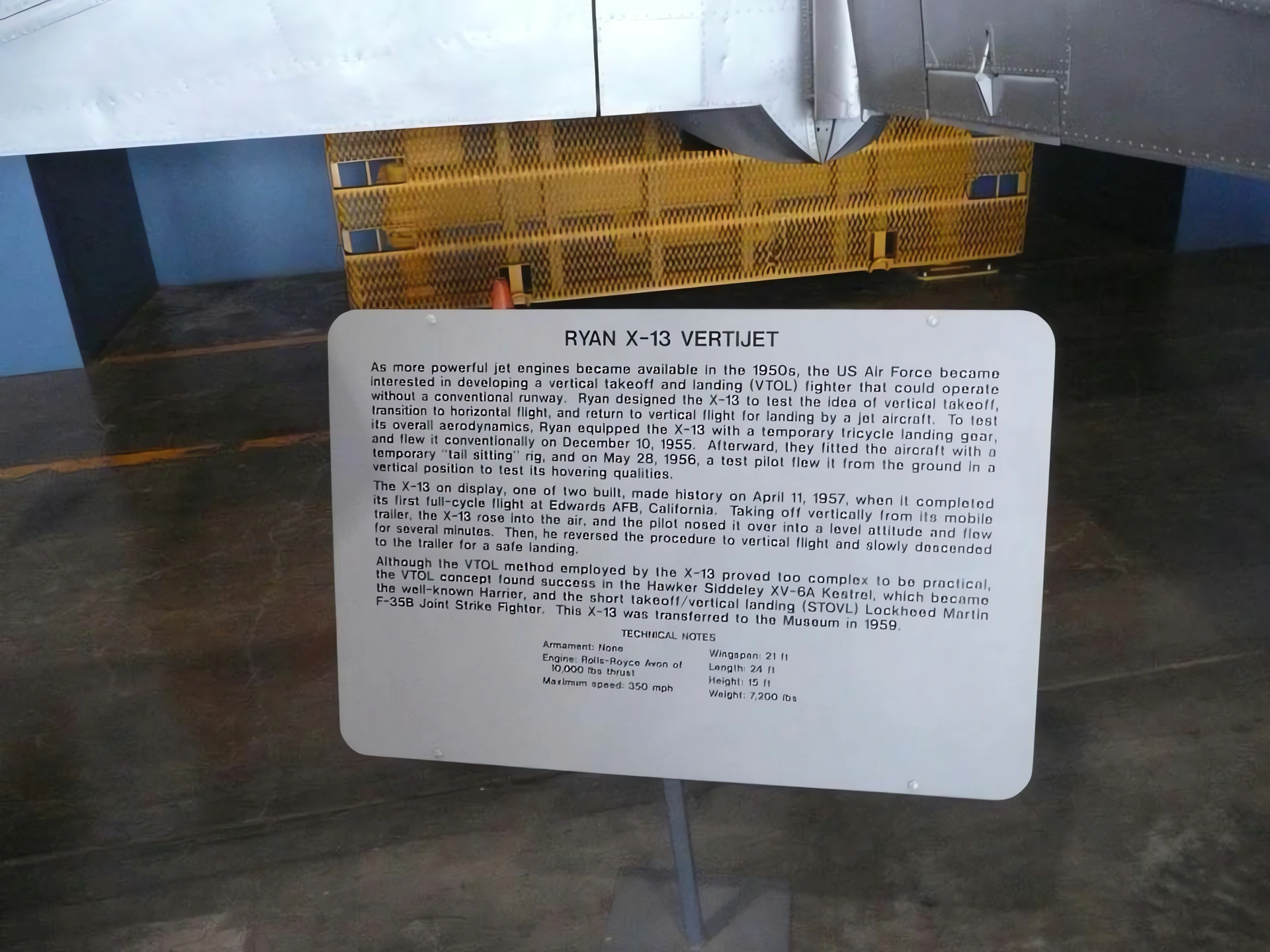
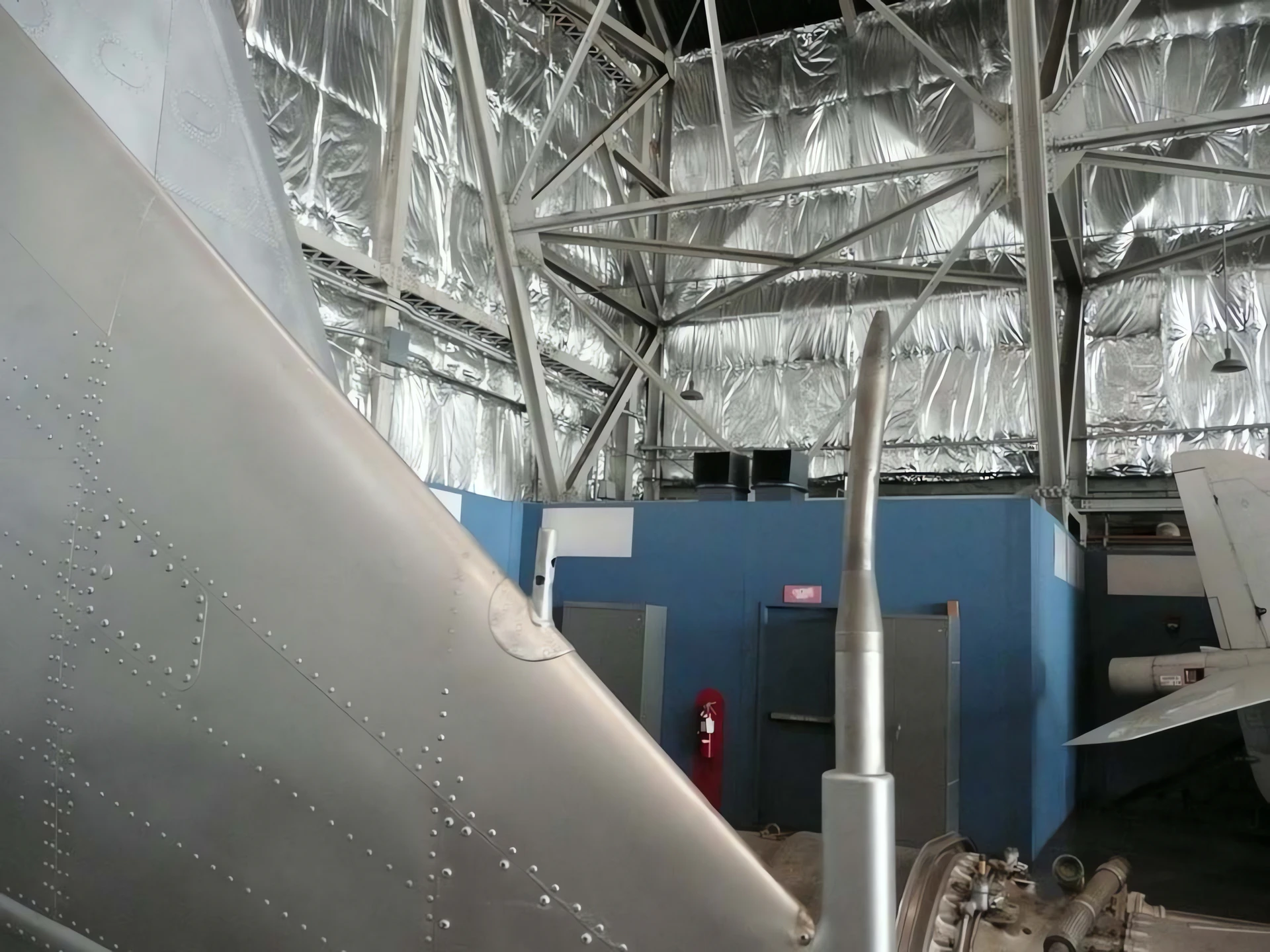
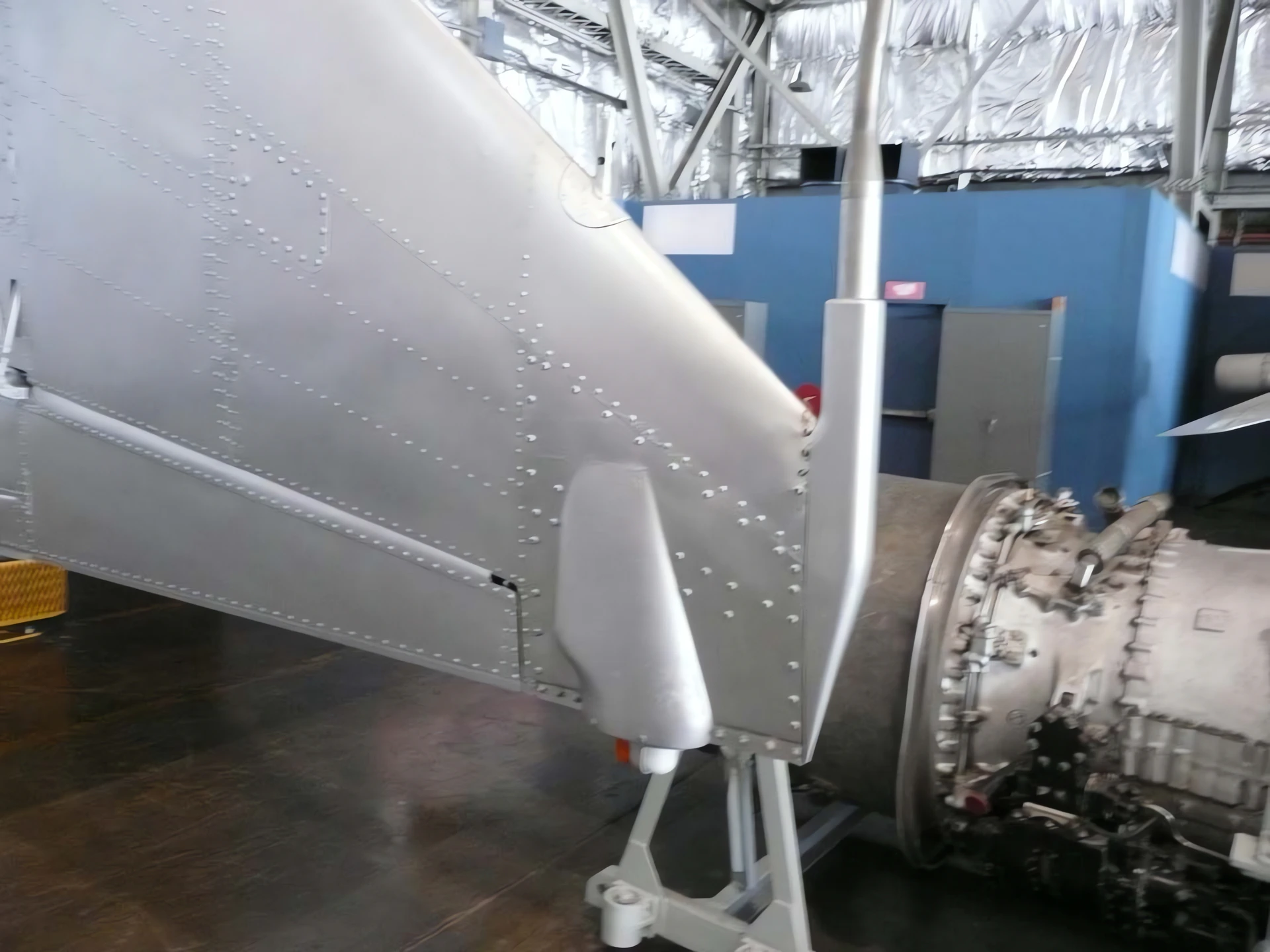
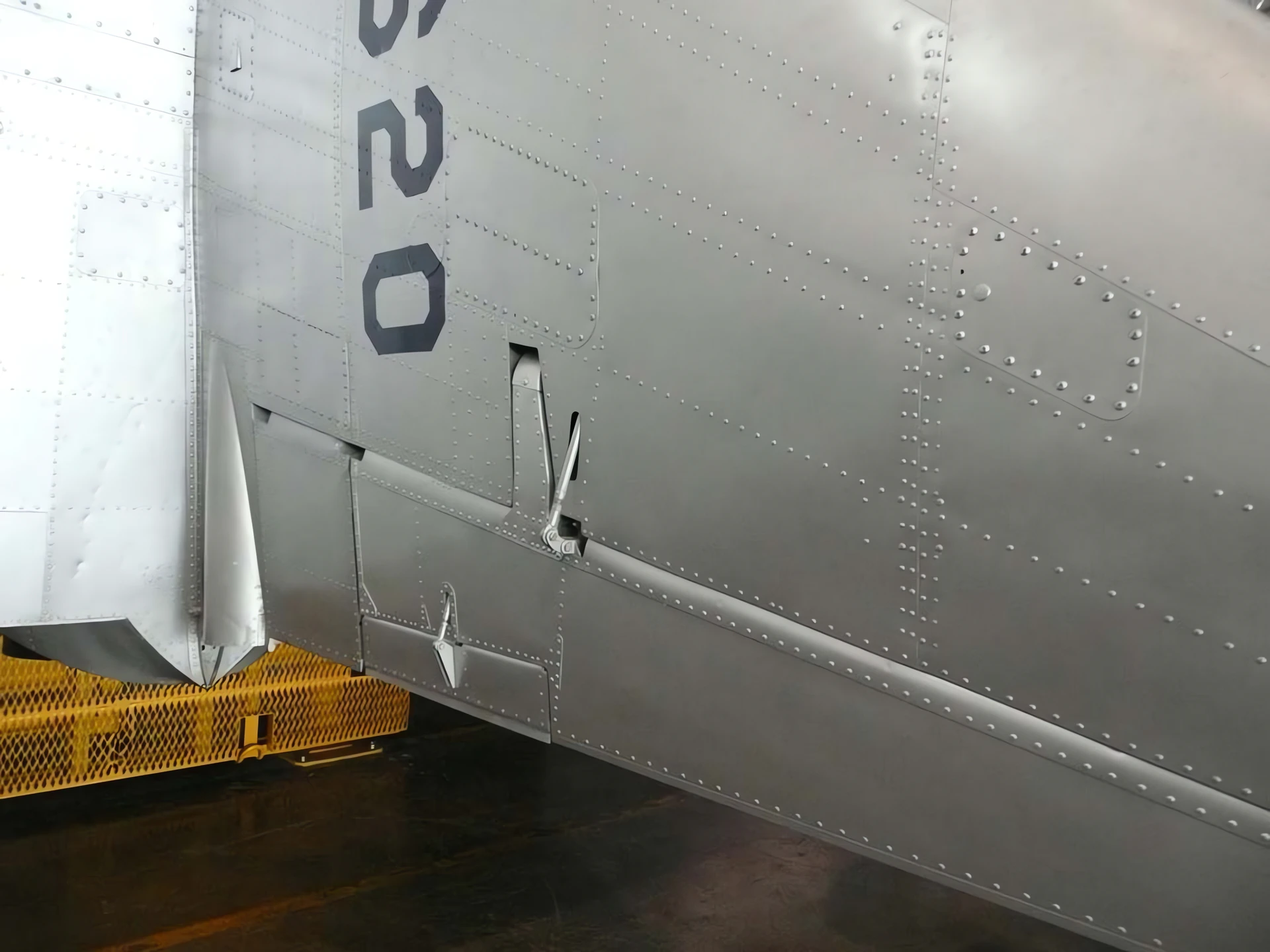
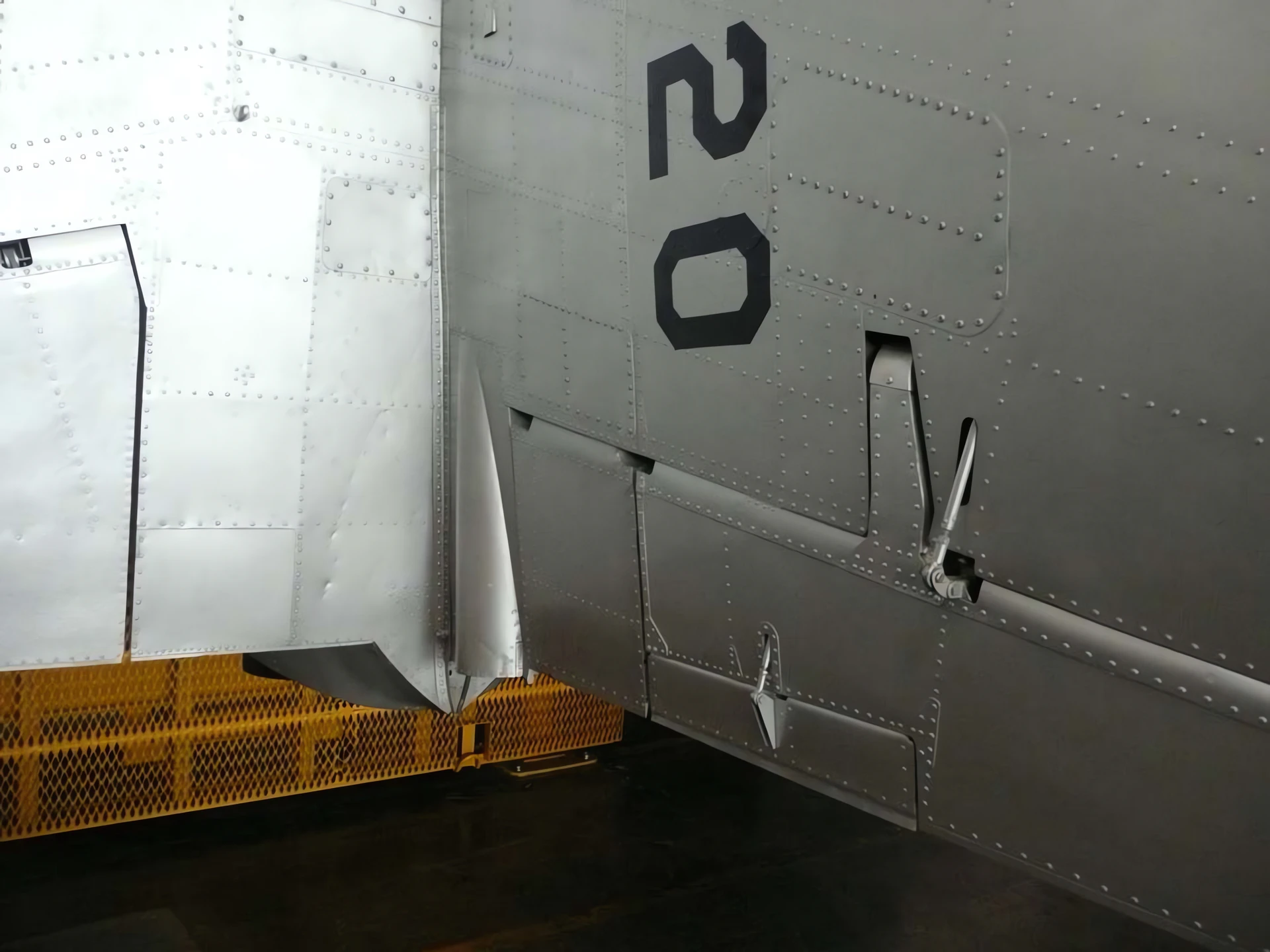
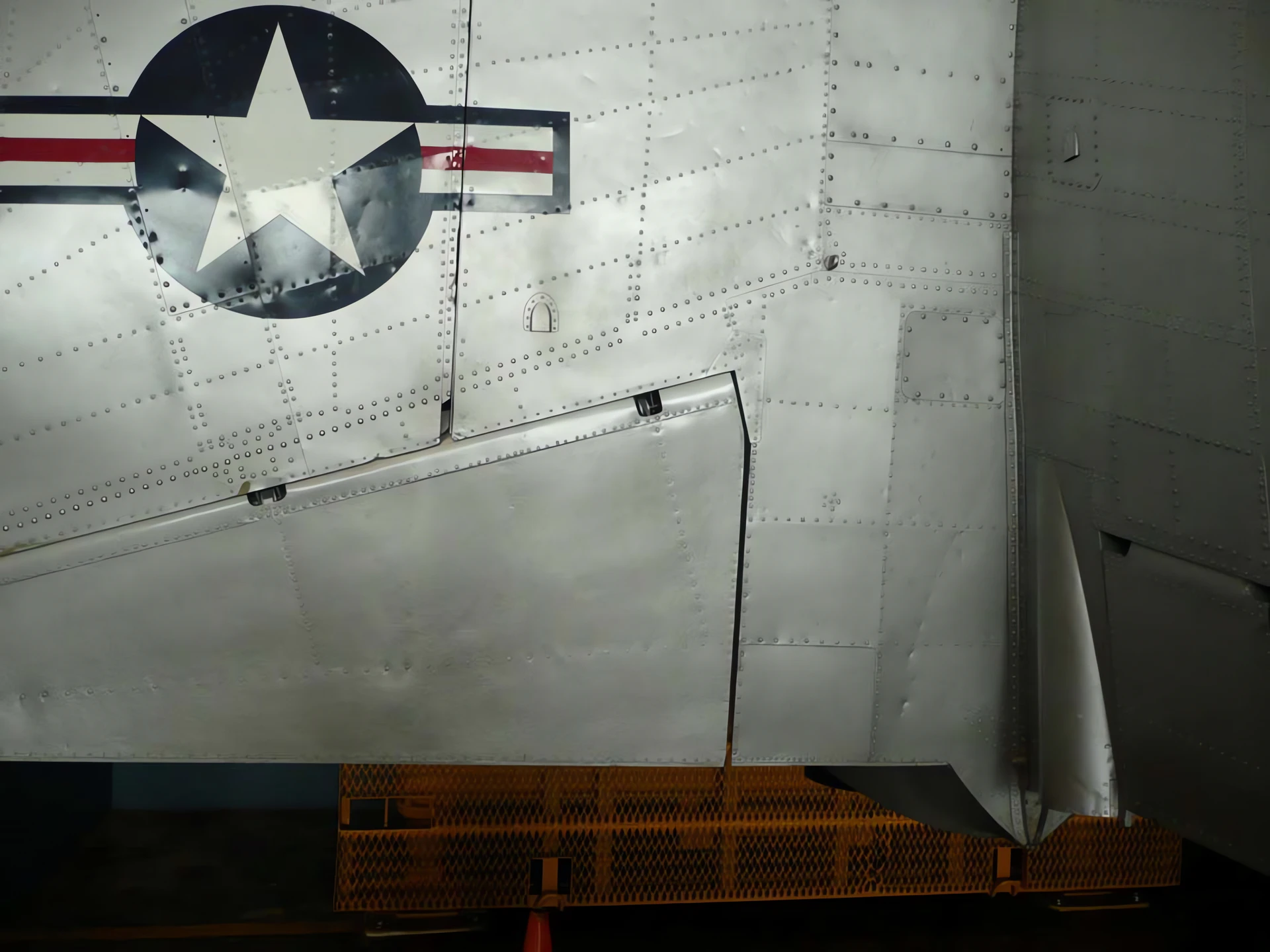
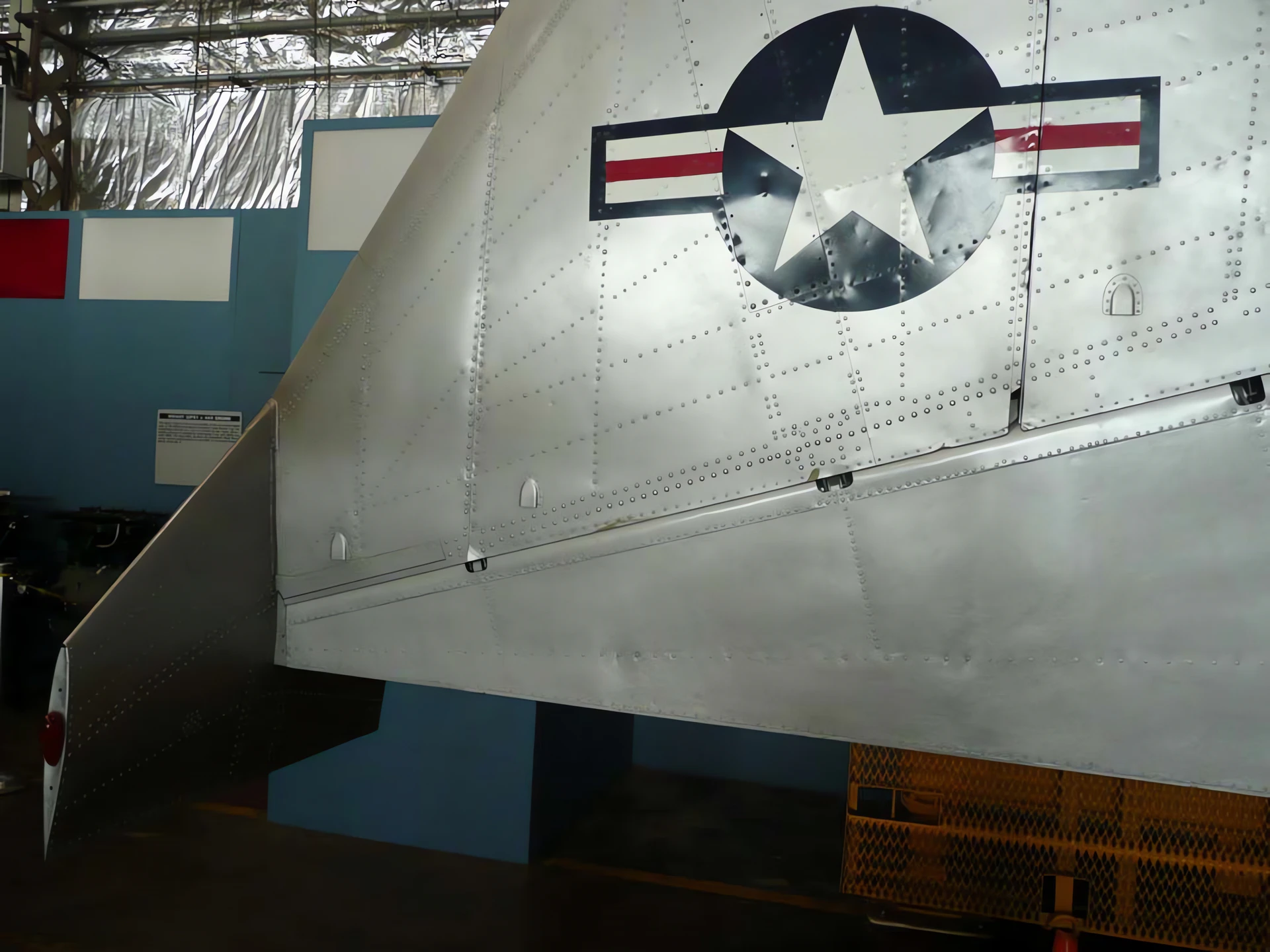
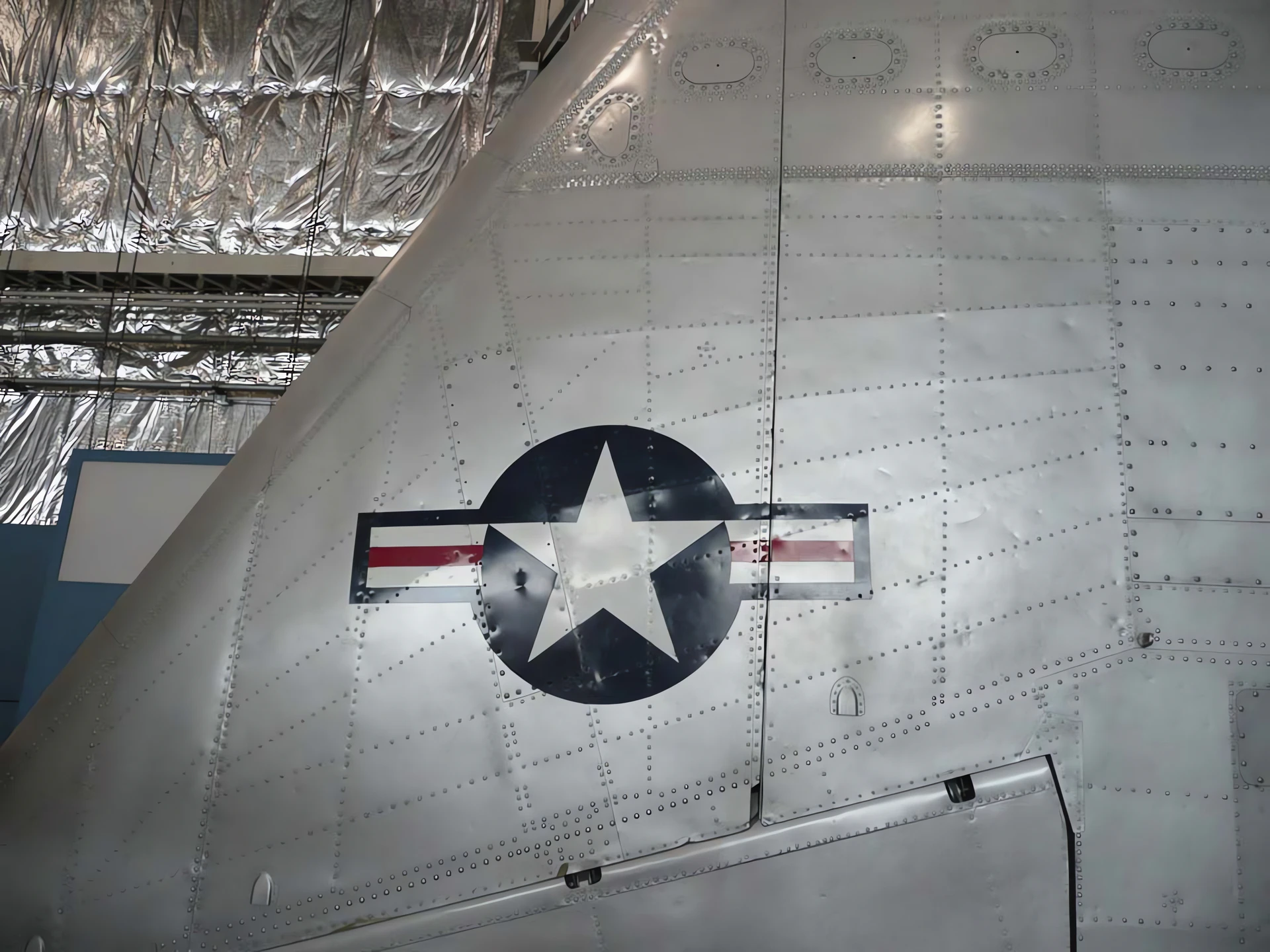

| Ryan X-13 Walk Around | |
|---|---|
| Fotografo | Howard Mason |
| Localizzazione | Inconsapevole |
| Foto | 38 |
Vedi anche:


General Characteristics and Role
The Ryan X-13 Vertijet was a unique experimental jet aircraft developed for the U.S. Navy and later the U.S. Air Force in the 1950s. Its singular mission was to prove the feasibility of a “tail-sitter” Vertical Takeoff and Landing (VTOL) jet fighter that could launch vertically from a mobile platform or submarine, eliminating the need for long runways. The aircraft was configured like a flying dart, taking off and landing straight up on its tail, supported by a specialized gantry or hook system. The X-13 successfully demonstrated the entire vertical flight cycle, including takeoff, transition to horizontal flight, transition back to vertical flight, and a vertical “hook” landing on a platform.
| Property | Typical Value (X-13) |
|---|---|
| Ruolo | Experimental VTOL Research Aircraft |
| National Origin | Stati Uniti |
| Produttore | Ryan Aeronautical Company |
| First Flight (Horizontal) | 10 December 1955 |
| First Vertical Flight | 11 April 1957 |
| Equipaggio | 1 Pilot |
| Lunghezza | 7.14 m (23 ft 5 in) |
| Apertura alare | 6.43 m (21 ft 1 in) |
| Configurazione | Delta-wing, Tail-sitter, Jet VTOL |
| Gross Weight | 3,363 kg (7,415 lb) |
Powerplant and Control System
- Engine: 1 x Rolls-Royce Avon turbojet engine (with modifications for vertical operation).
- Thrust: Approximately 44 kN (10,000 lbf).
- Control System (Vertical Flight): Used a thrust deflection system achieved via small jet nozzles, or thrusters, located in the nose and wingtips. These were powered by bleed air from the engine and controlled by a conventional stick and rudder pedals, allowing the pilot to stabilize the aircraft in the hover.
- Landing Gear: Featured a small hook mounted beneath the nose and support pads on the tail, as it landed vertically onto a cable stretched between the mobile launch trailer’s arms.
- Maximum Speed: Mach 0.9 (approx. 1,090 km/h or 670 mph).
Program Outcome and Legacy
- Success: The X-13 proved the concept of a jet-powered tail-sitter VTOL, successfully completing the world’s first full-cycle transition from vertical takeoff, to horizontal flight, and back to a vertical landing.
- Conclusion: Despite its success, the operational concept was deemed too challenging and complex for tactical combat use. The pilot had to look backward over their shoulder using mirrors during the critical vertical landing phase to hook the gantry.
- Influence: The lessons learned from the X-13’s control systems, especially the use of thrusters for low-speed control, were directly applied to later, more successful VTOL programs, such as the Hawker Siddeley Harrier.
- Preservation: Both prototypes built were retired in 1959. One is displayed at the National Museum of the United States Air Force in Ohio, and the other is at the National Air and Space Museum’s Udvar-Hazy Center in Virginia.
Numero visioni : 1005
Puoi anche vedere:
 Bell XV-15 Tiltrotor – Foto e Video
 Avro Canada VZ-9 Avrocar – Foto e Video
 Doak VZ-4 – Foto e Video
 Ryan FR Fireball – Foto e Video
 Ryan Navion – Foto e Video
 Dornier Do 31E3 – Foto e Video
 Ryan PT-22 Recruit – Foto e Video
 Yakovlev Yak-38 – Foto e Video
 A-20 Havoc - Walkaround
 TBM-3E Avenger – Walk Around