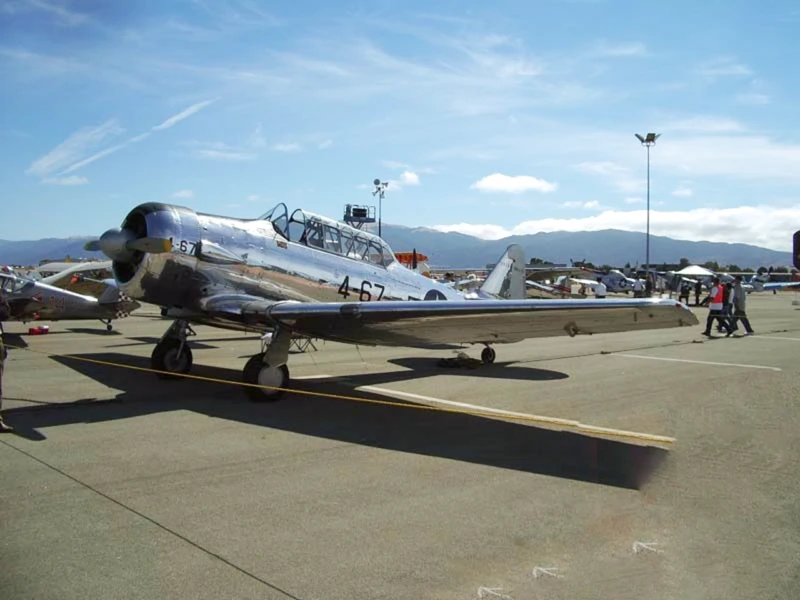
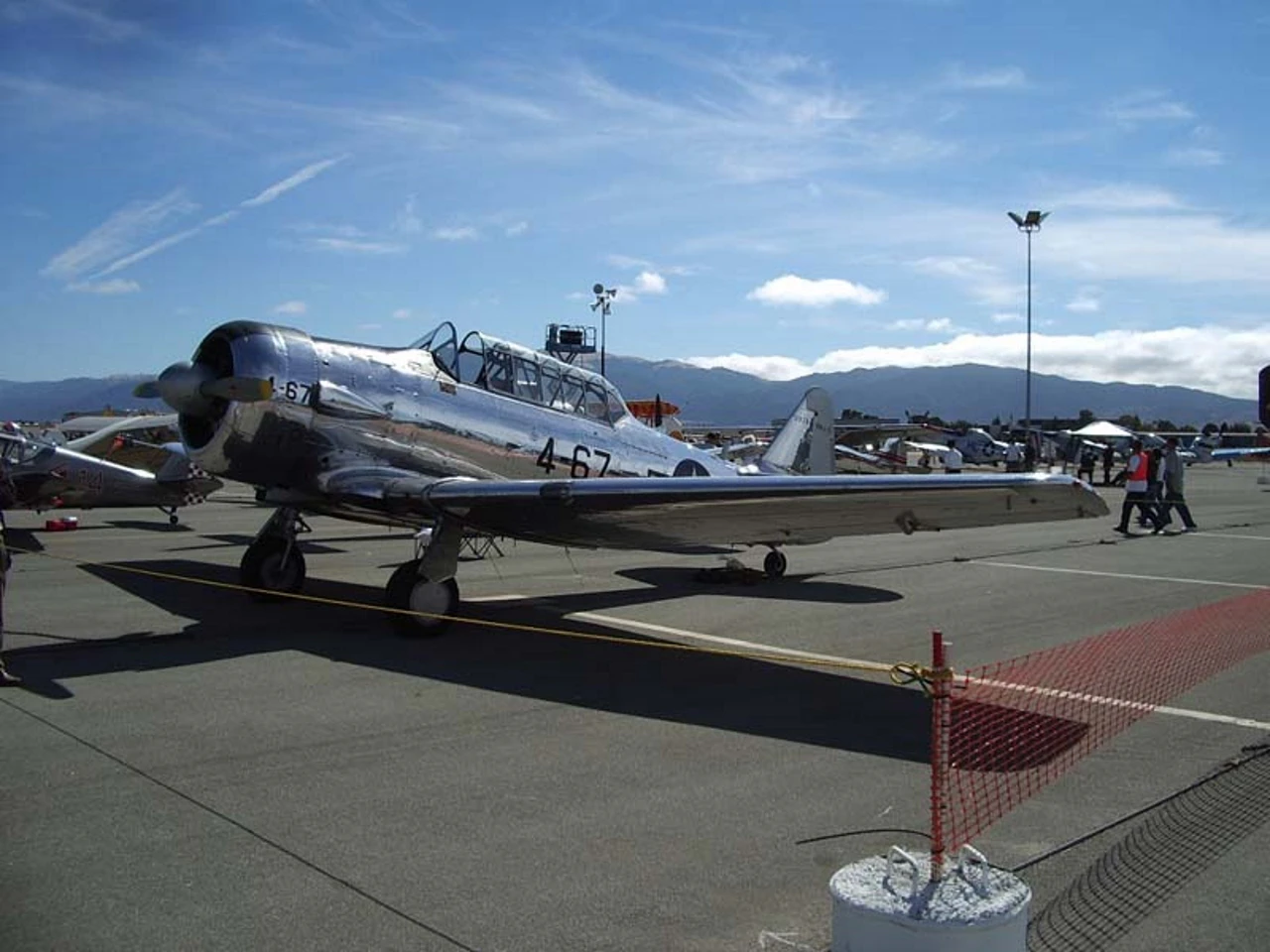
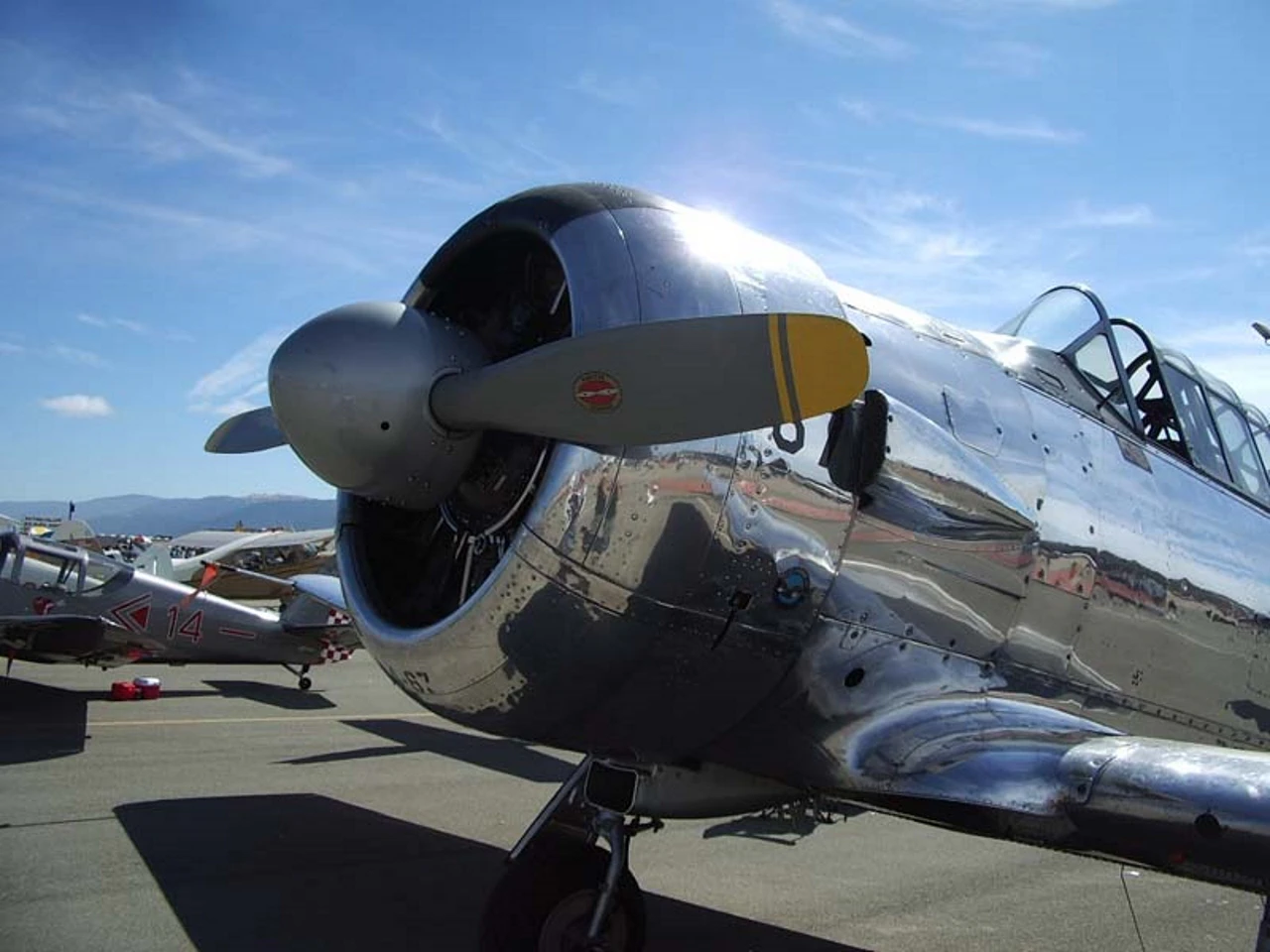
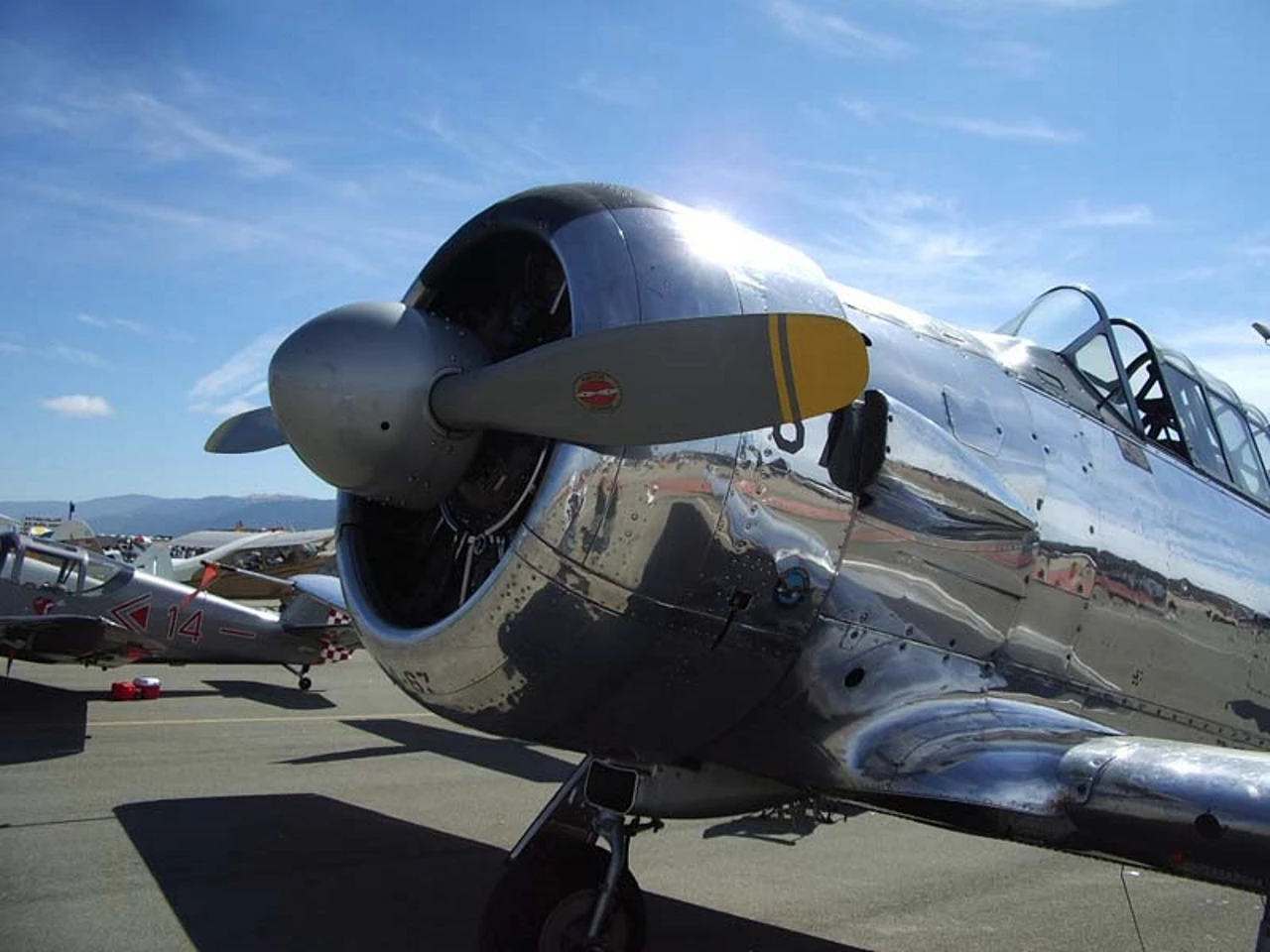
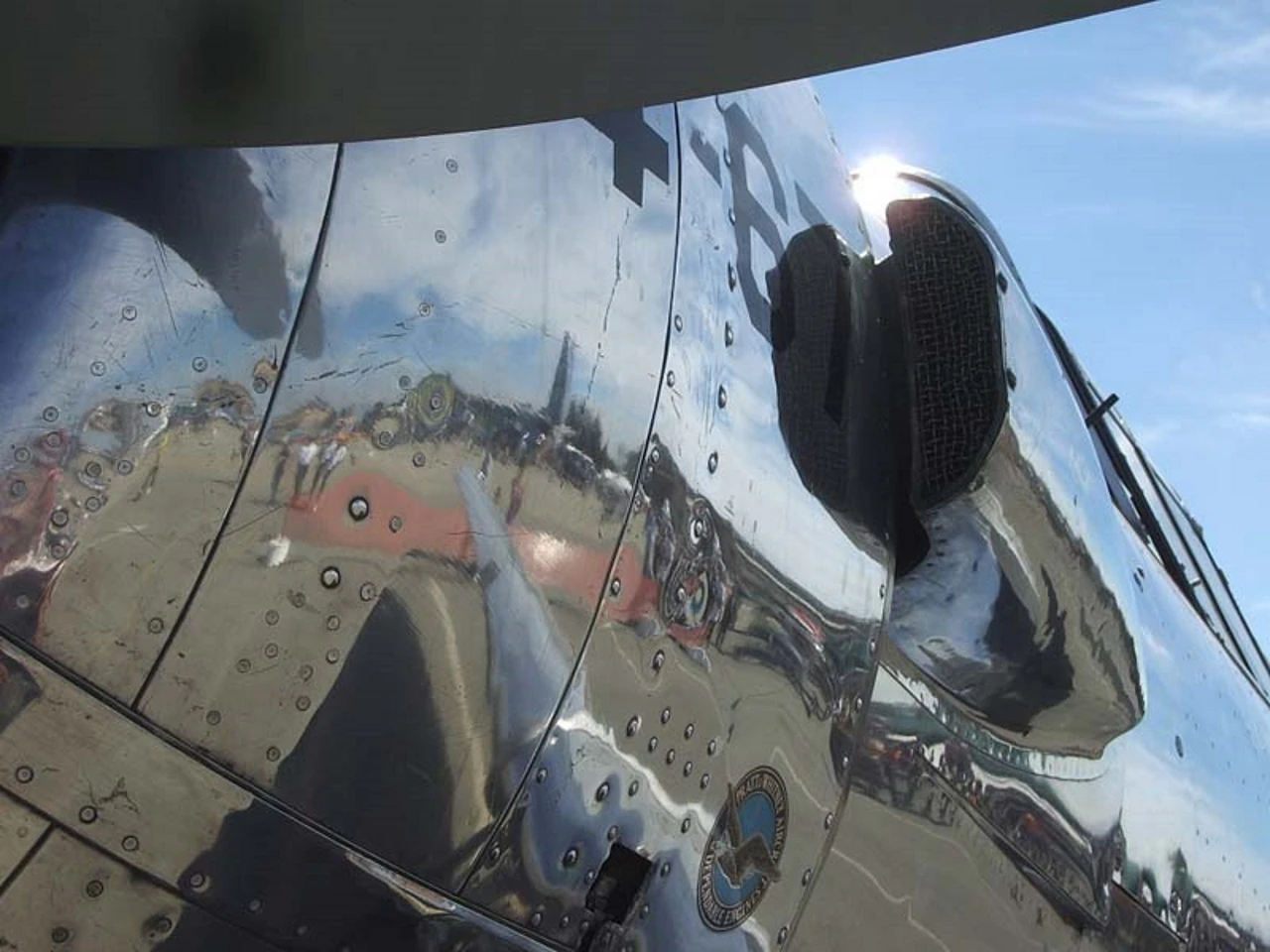
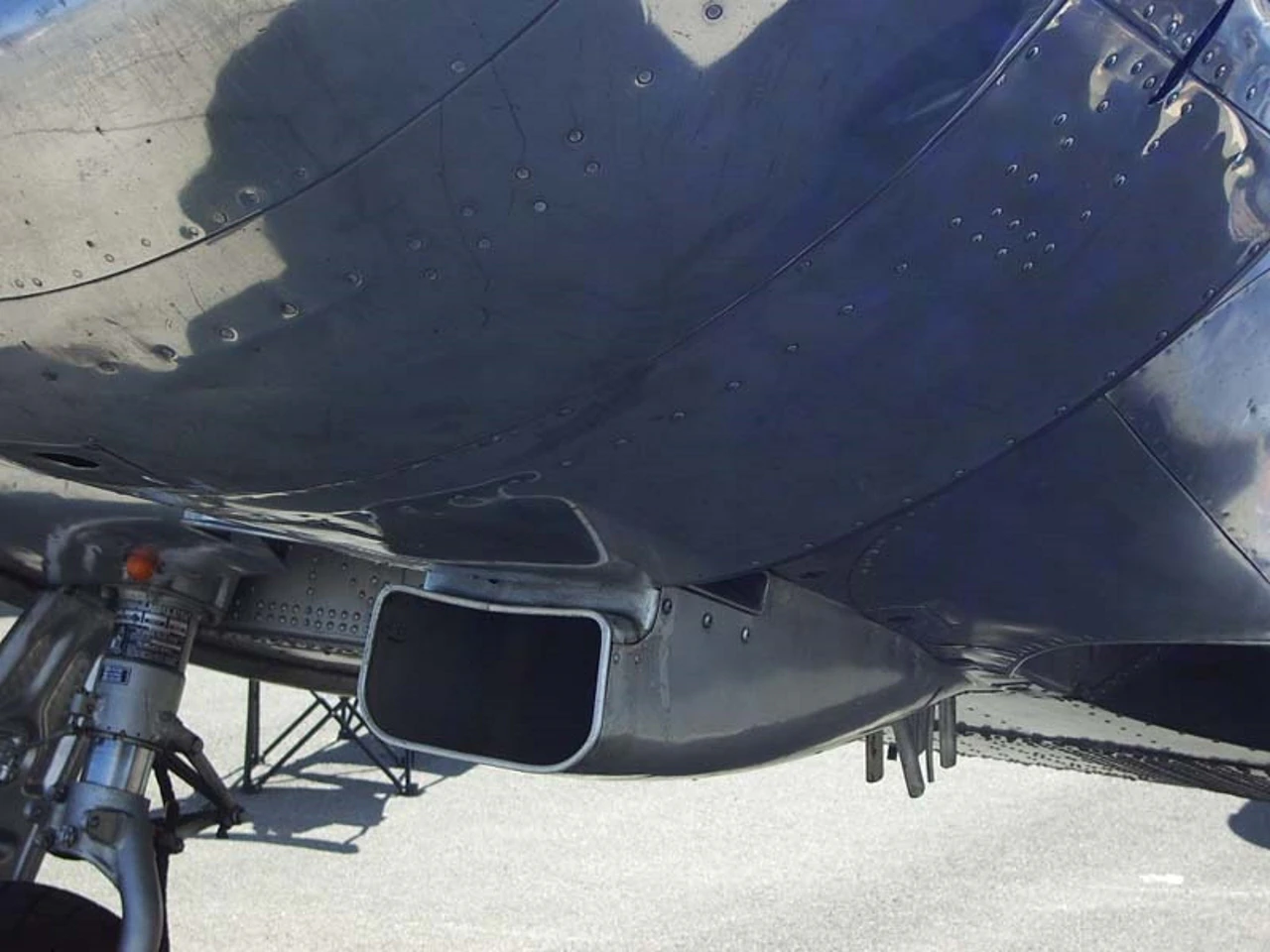
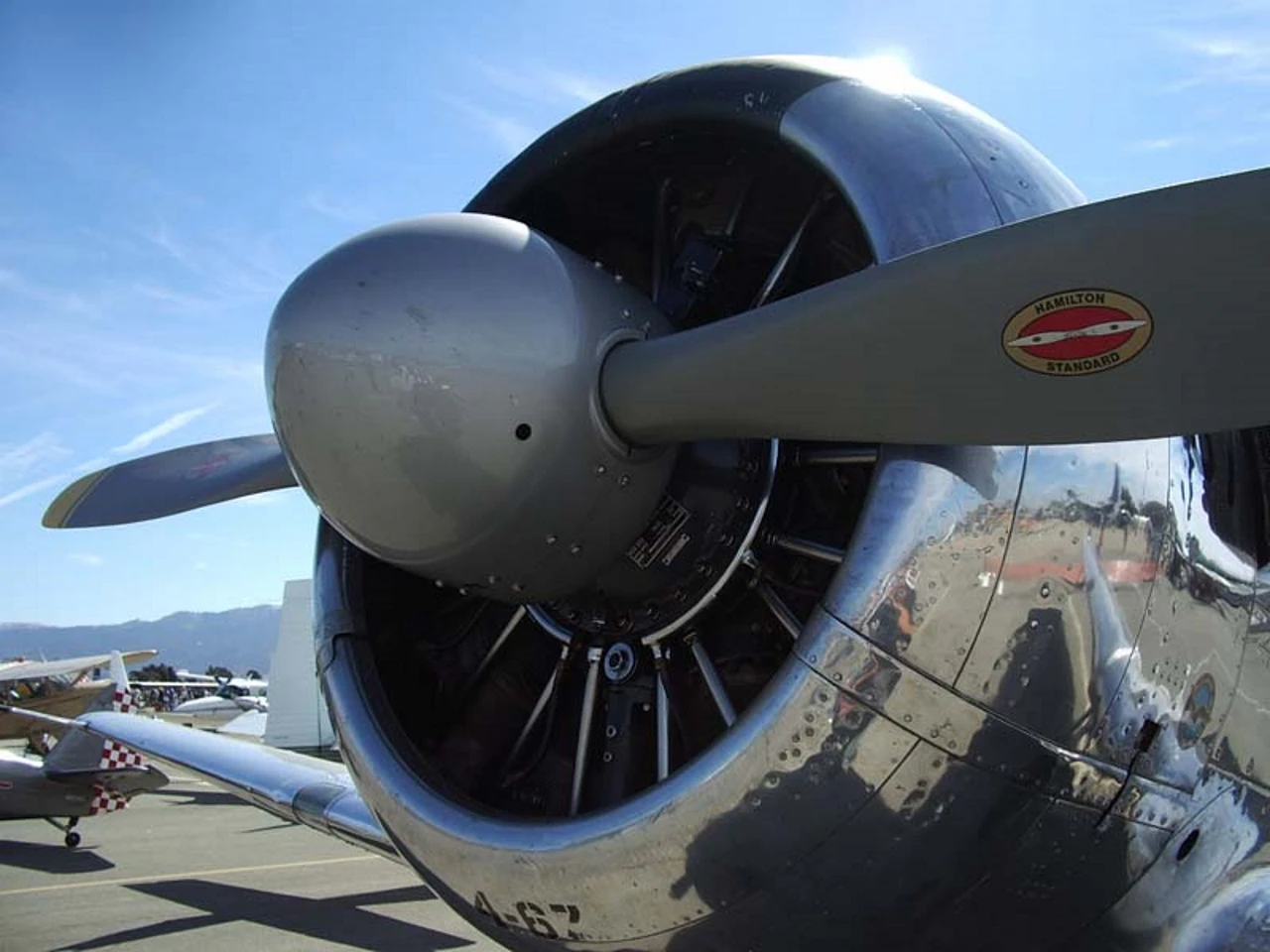
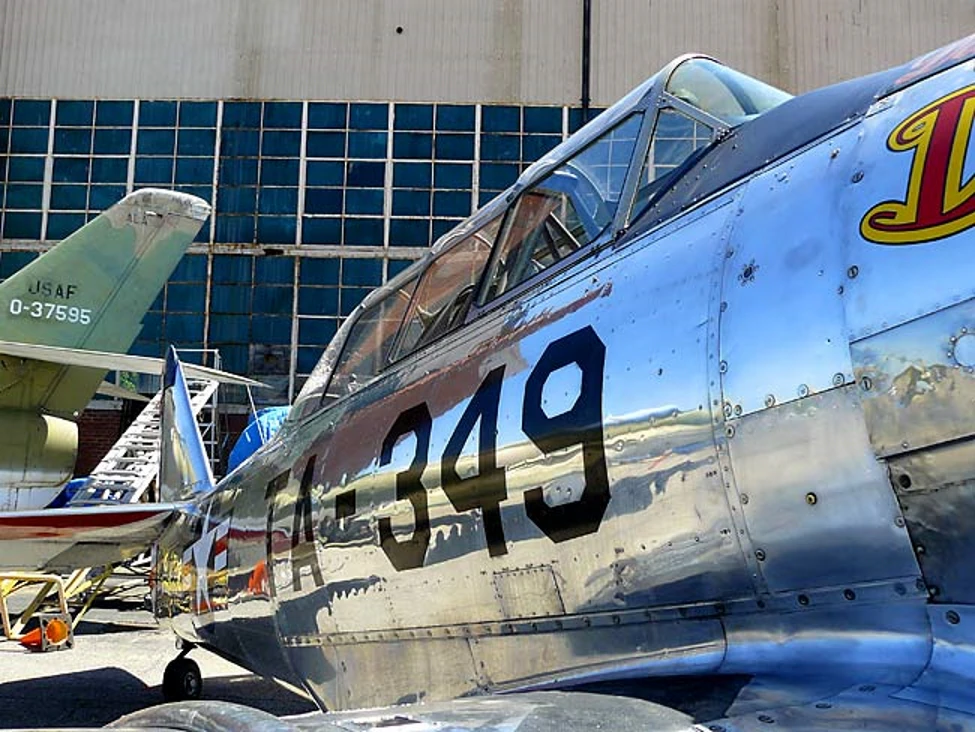
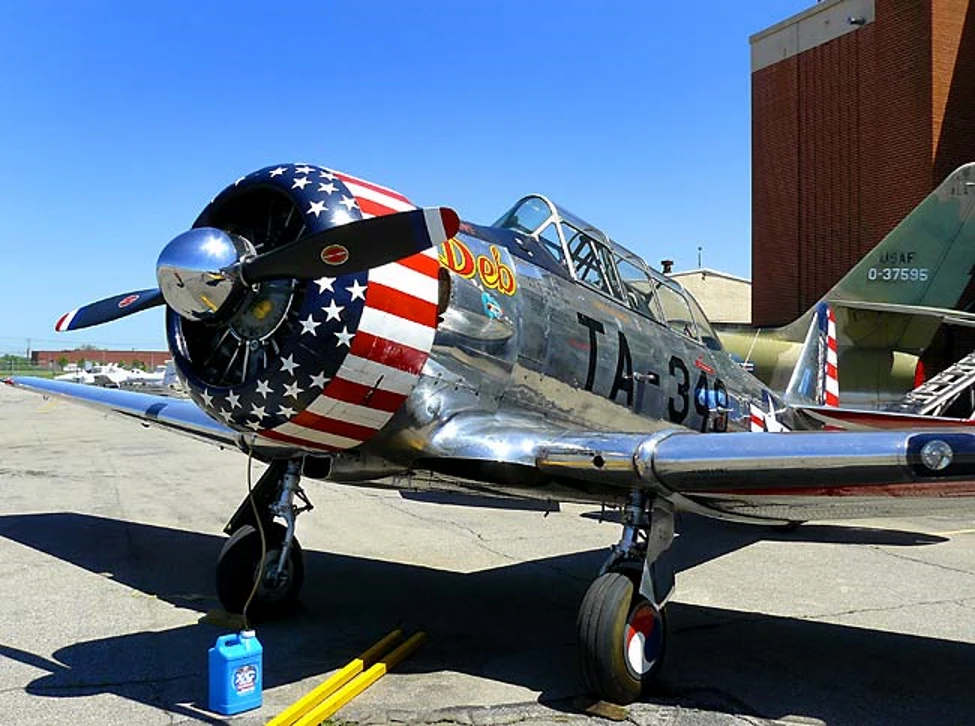
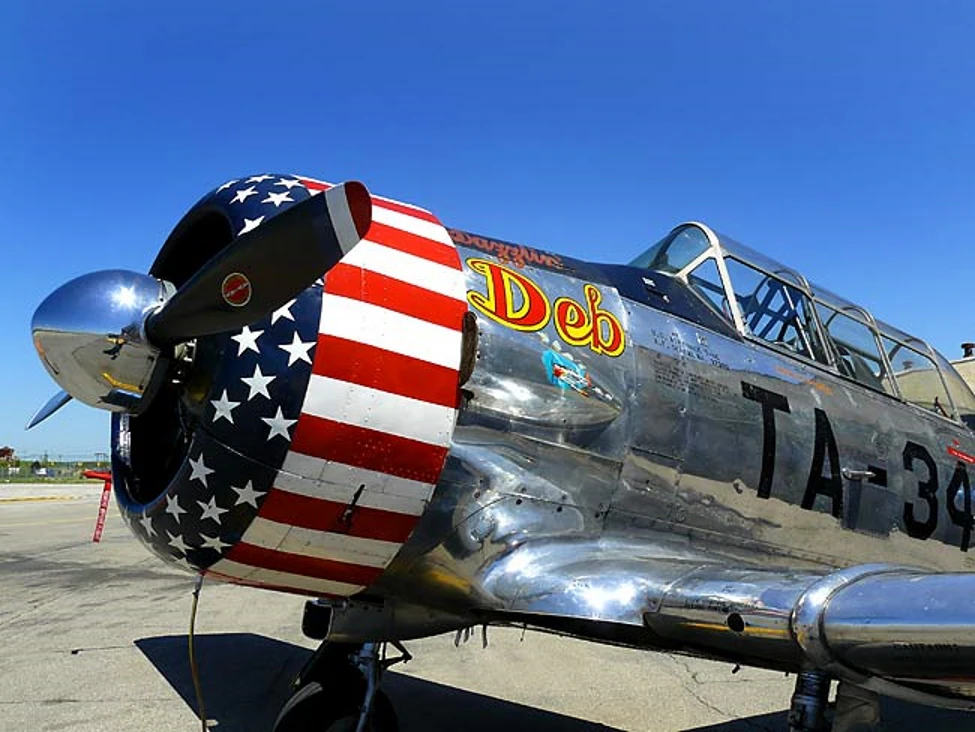
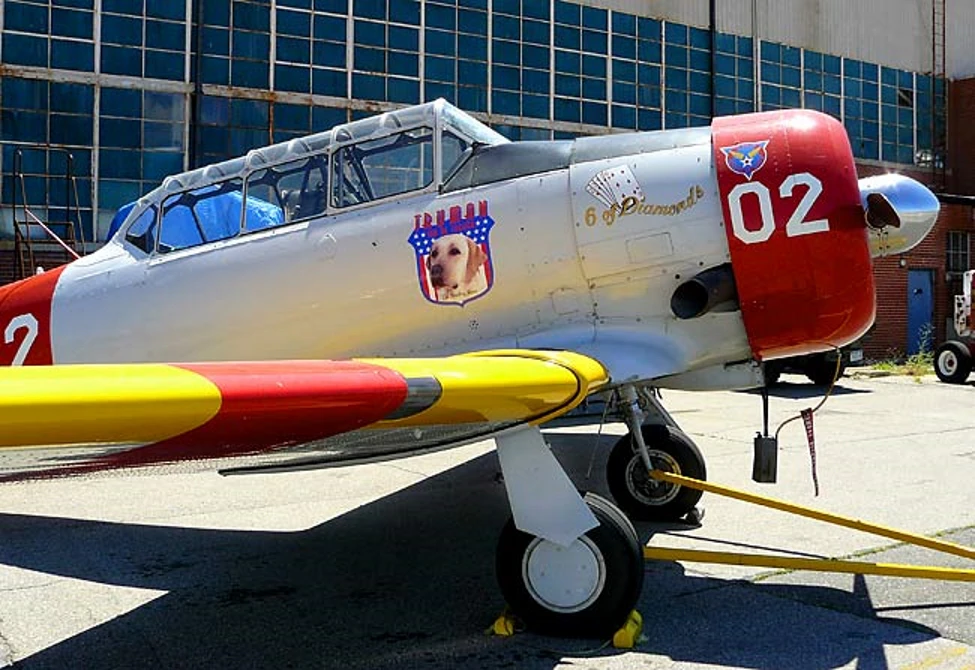
North American Aviation T-6 Texan è un aereo da addestramento avanzato monomotore utilizzato per addestrare i piloti delle United States Army Air Forces (USAAF), della United States Navy, della Royal Air Force e di altre forze aeree del Commonwealth britannico durante la seconda guerra mondiale e nel 1970. Progettato dalla North American Aviation, il T-6 è conosciuto con una varietà di designazioni a seconda del modello e dell'aeronautica operativa. Lo United States Army Air Corps (USAAC) e l'USAAF lo designarono come AT-6, la United States Navy la SNJ e le forze aeree del Commonwealth britannico, Harvard, il nome con cui è meglio conosciuto al di fuori degli Stati Uniti. Dopo il 1962, le forze statunitensi lo designarono T-6. Rimane un popolare aereo da guerra utilizzato per dimostrazioni di airshow e display statici. È stato anche usato molte volte per simulare vari aerei giapponesi tra cui il Mitsubishi A6M Zero in film raffiguranti la seconda guerra mondiale nel Pacifico.
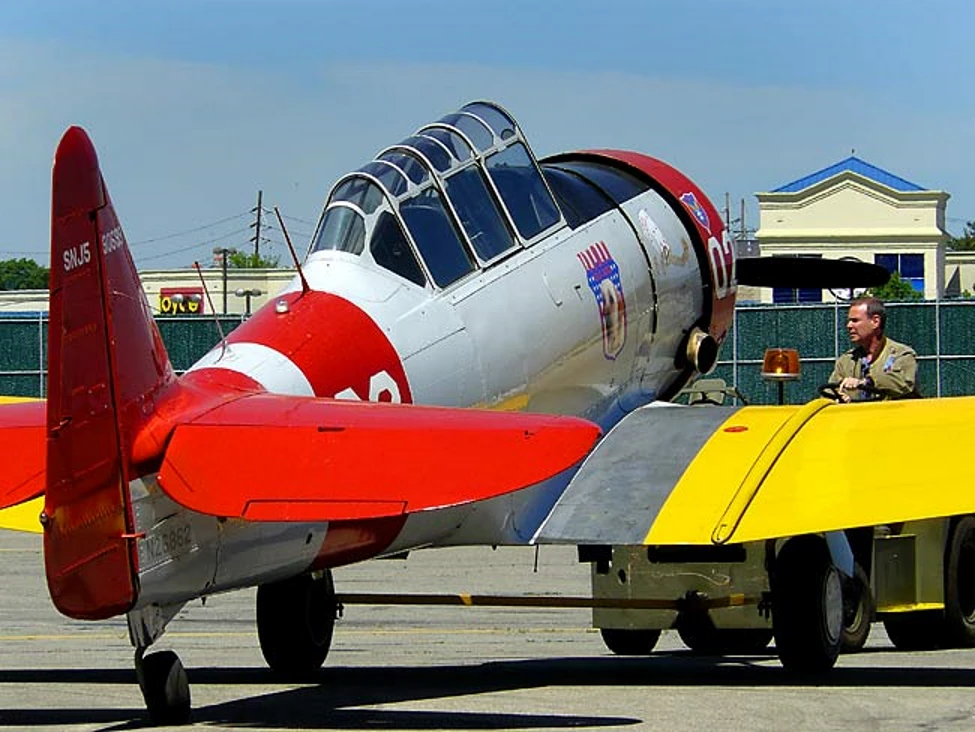
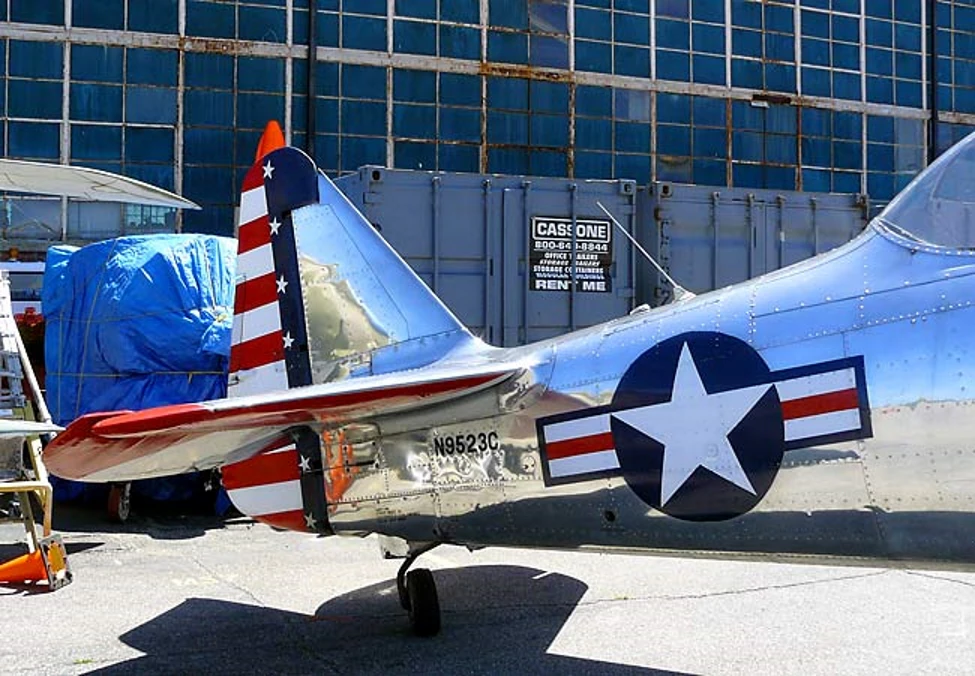
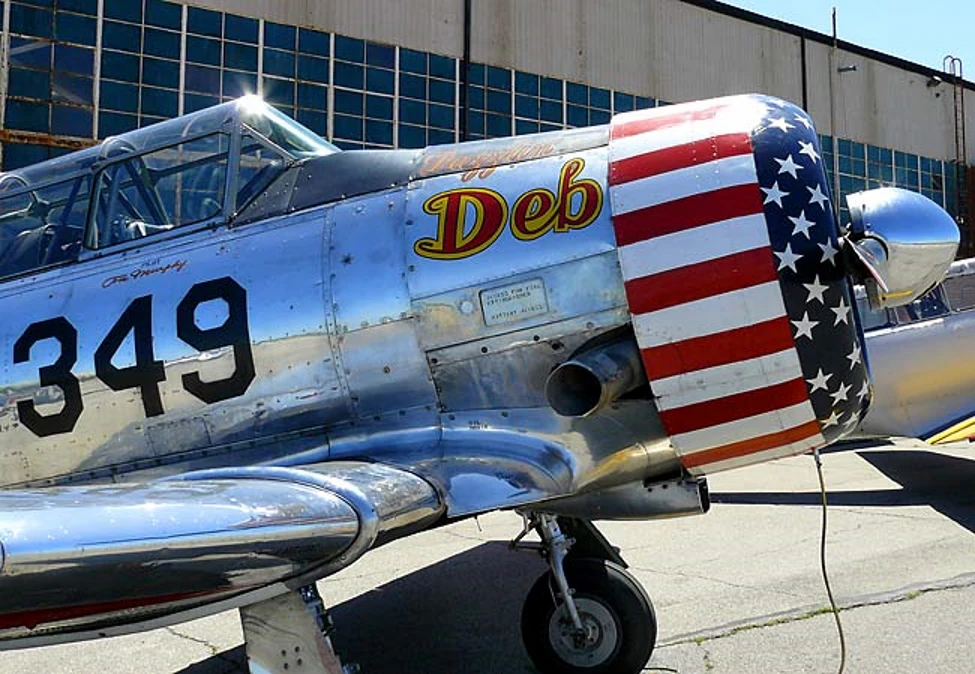
If the PT-17 was the elementary school of flight and the BT-13 was high school, theAT-6D Texanwas the university. By the time a student reached the “D” model, they were flying a complex, powerful, and demanding aircraft that was only a small step away from a P-51 Mustang or a P-47 Thunderbolt. The AT-6D was the most produced variant of the series, featuring a modernized 24-volt electrical system. It was designed to teach everything: aerial gunnery, formation flying, instrument flight, and even carrier landings for the Navy (as theSNJ-5). It was famously nicknamed thePilot Makerbecause it was just difficult enough to fly that if you could master a Texan, you could master any fighter in the Allied arsenal.
Attribute
Technical Specification (AT-6D)
Ruolo
Advanced Trainer / Forward Air Control / Light Attack
Equipaggio
2 (Student and Instructor)
Motopropulsore
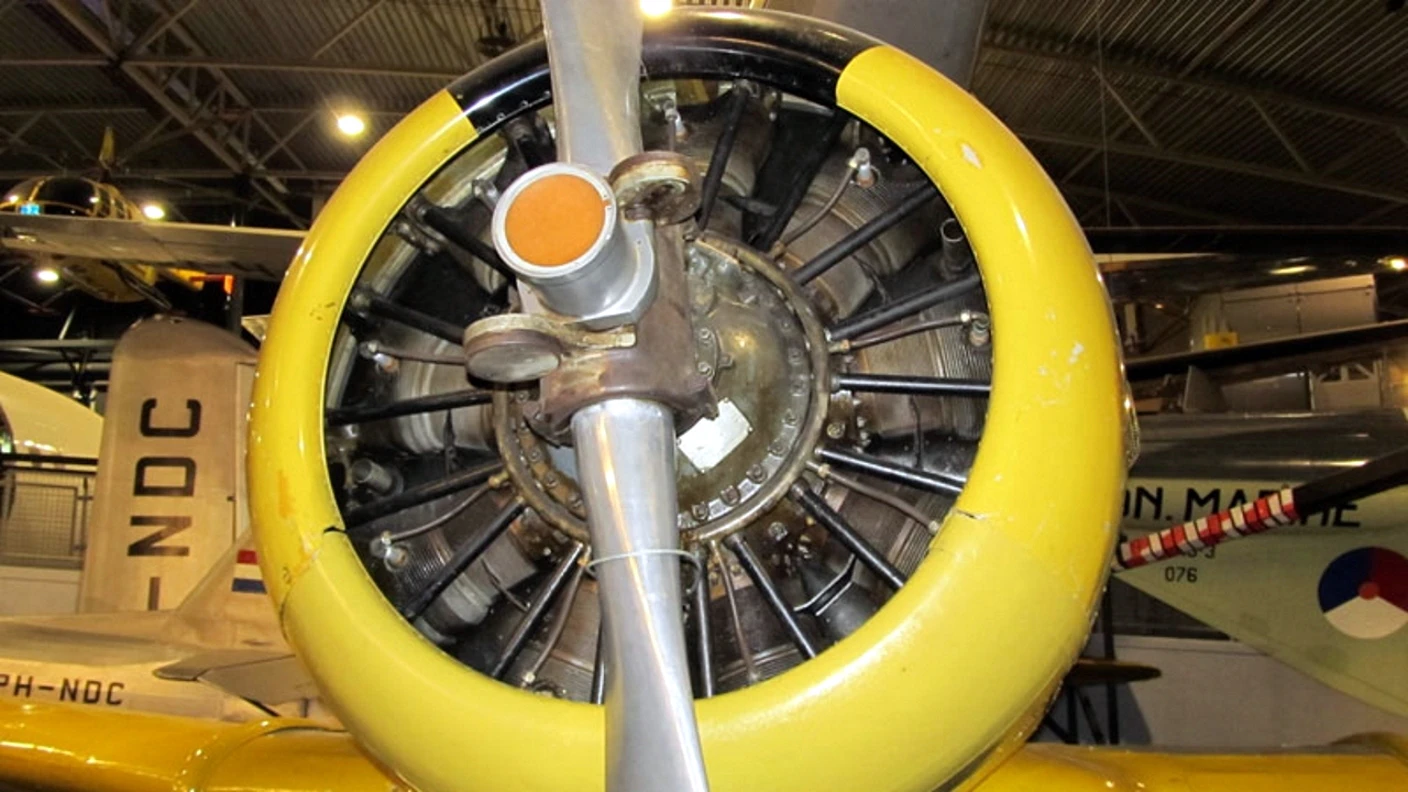
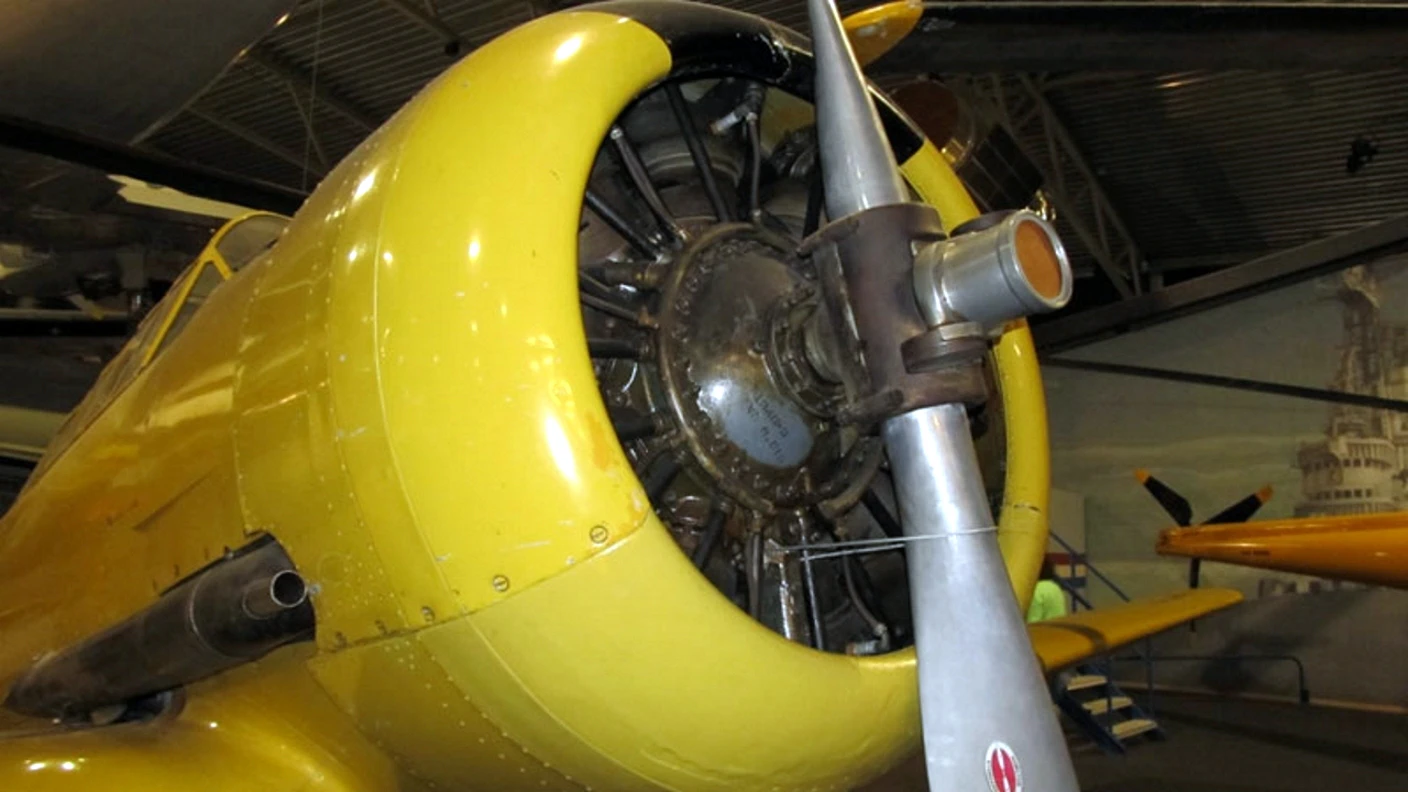
1 × Pratt & Whitney R-1340-AN-1 Wasp radial
Horsepower
600 hp (447 kW)
Velocità massima
208 mph (335 km/h) at 5,000 ft
Service Ceiling
24,200 ft (7,376 m)
Armament (Training)
Up to 3 × .30 cal machine guns (Cowl, Wing, and Flexible Rear)
Electrical System
24V DC (Key upgrade for the ‘D’ model)
Design Engineering: The Sound of the Wasp
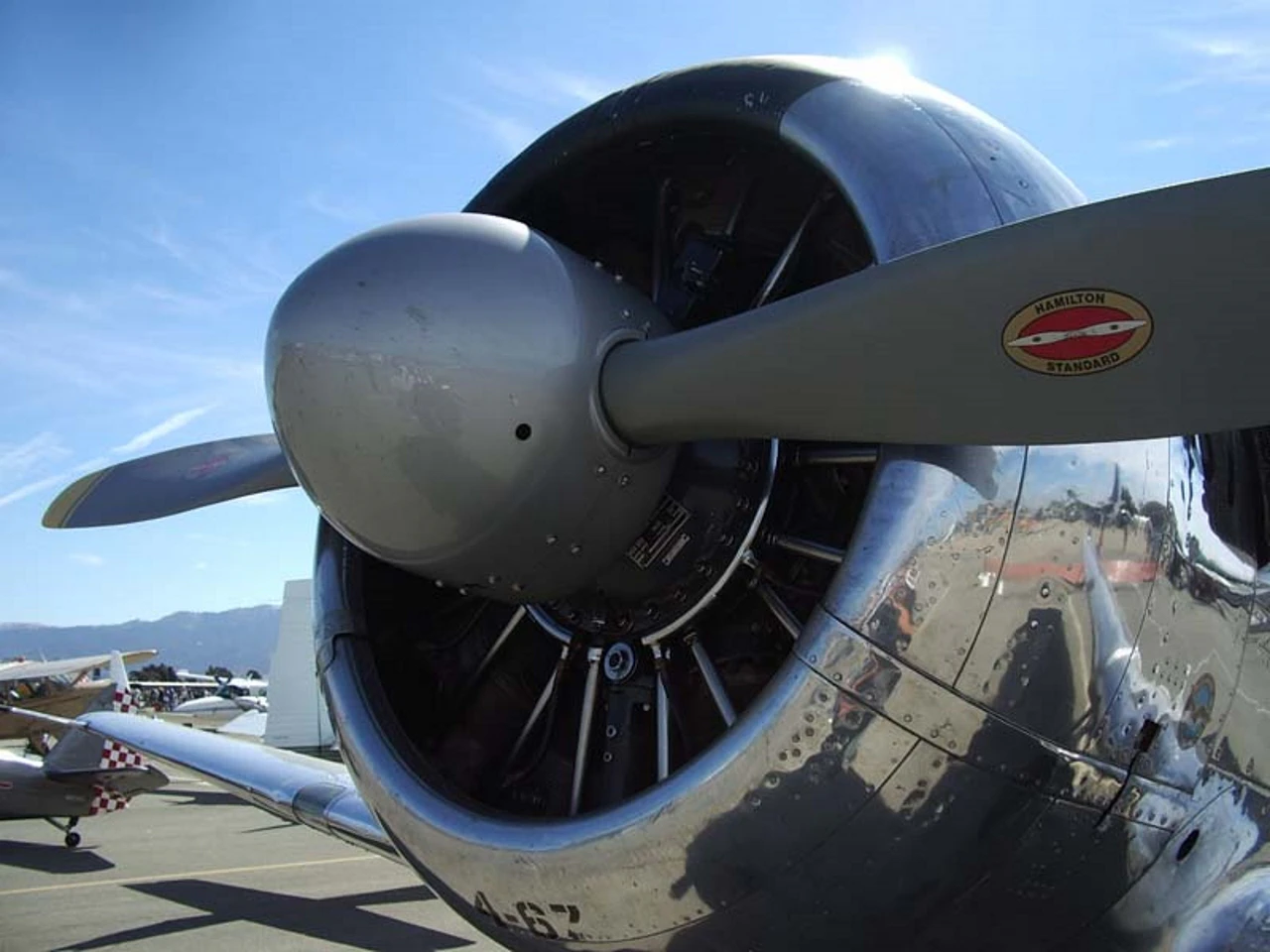
The “Texan Growl”:The AT-6 is famous for its deafening “growl” on takeoff. This is caused by the propeller tips exceeding the speed of sound, creating a series of small sonic booms. This sound was a constant presence at training airfields across the US and UK.
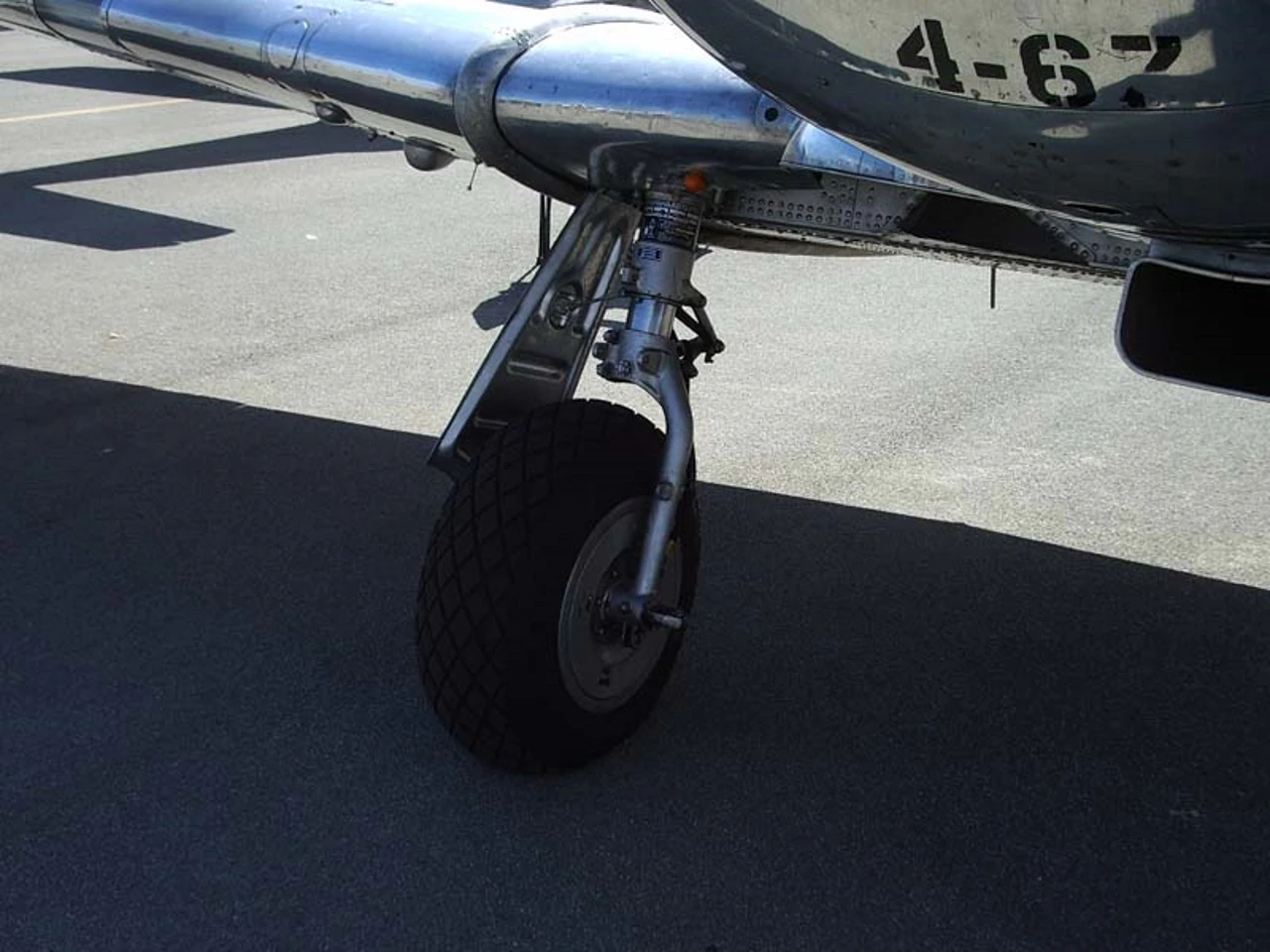
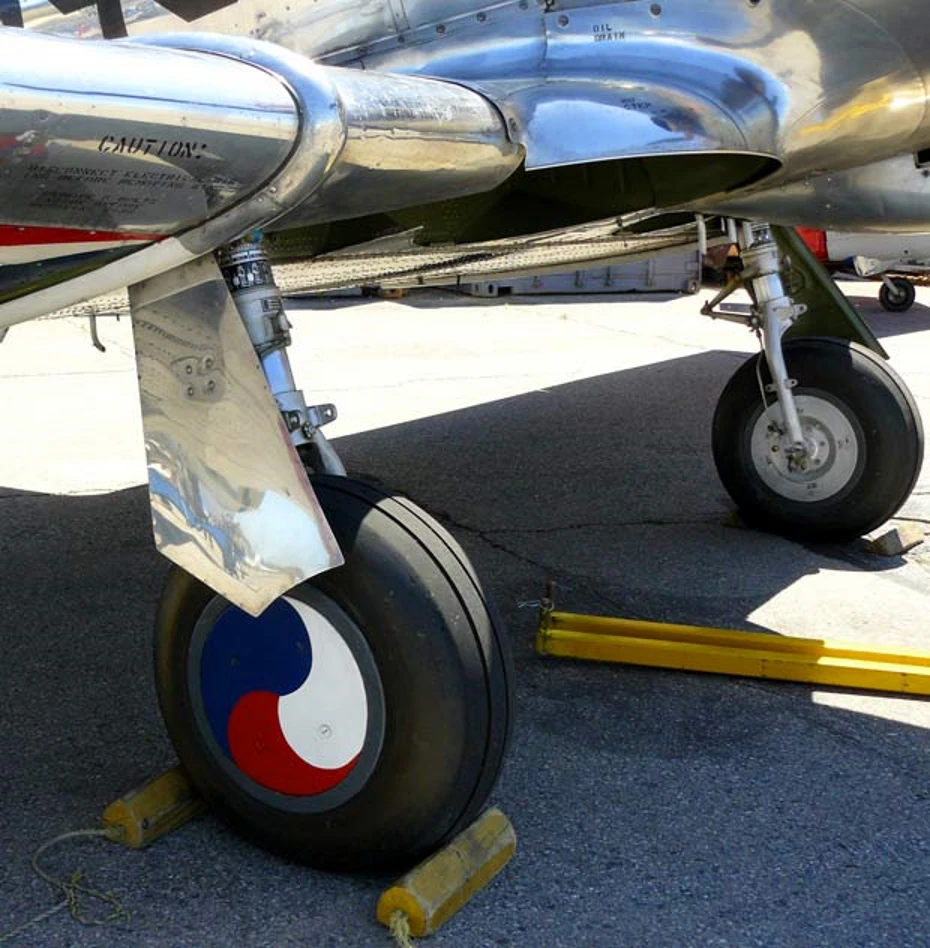
Retractable Geometry:The main landing gear retracted inward toward the fuselage. This cleaned up the aerodynamics significantly compared to the BT-13, allowing the student to practice the “Gear Up/Gear Down” discipline essential for modern combat aircraft.
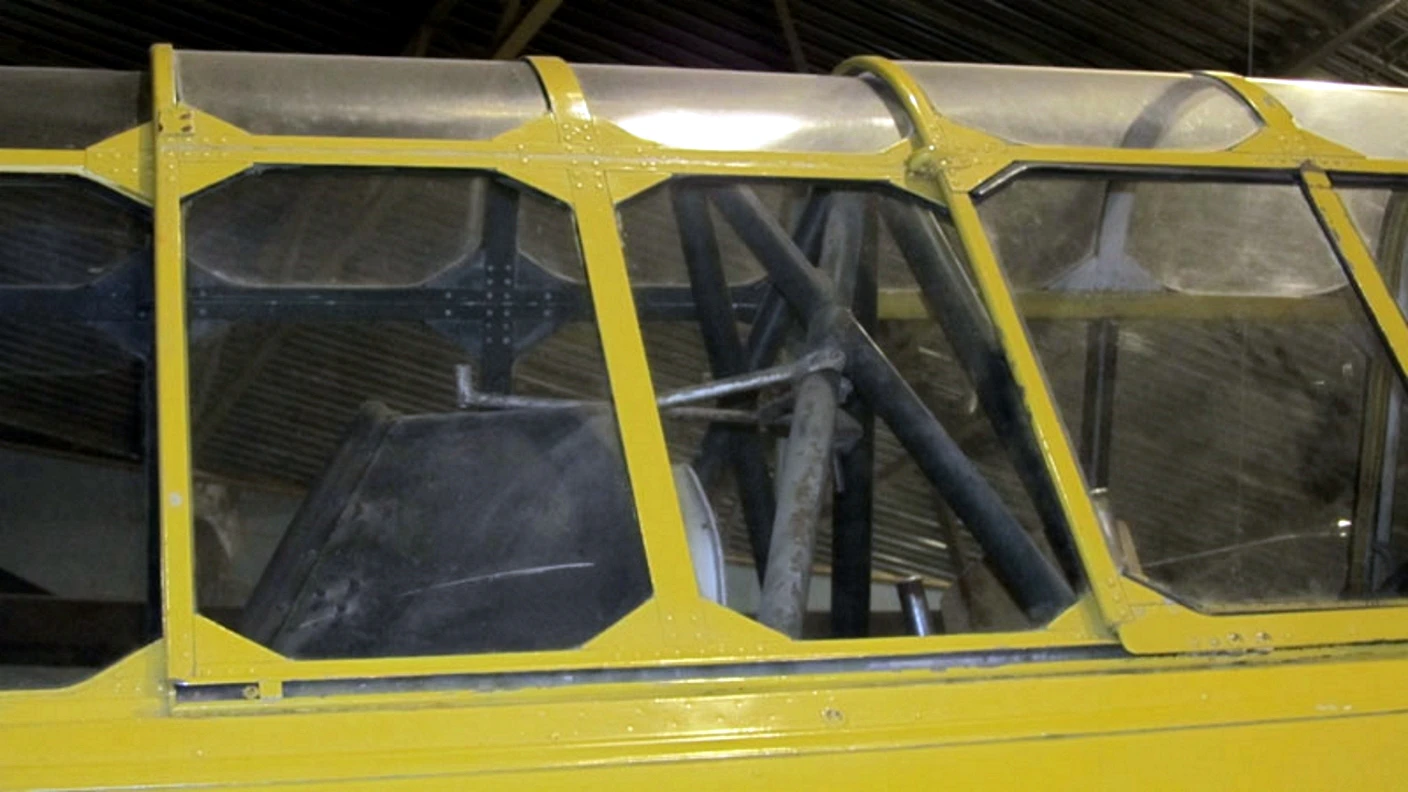
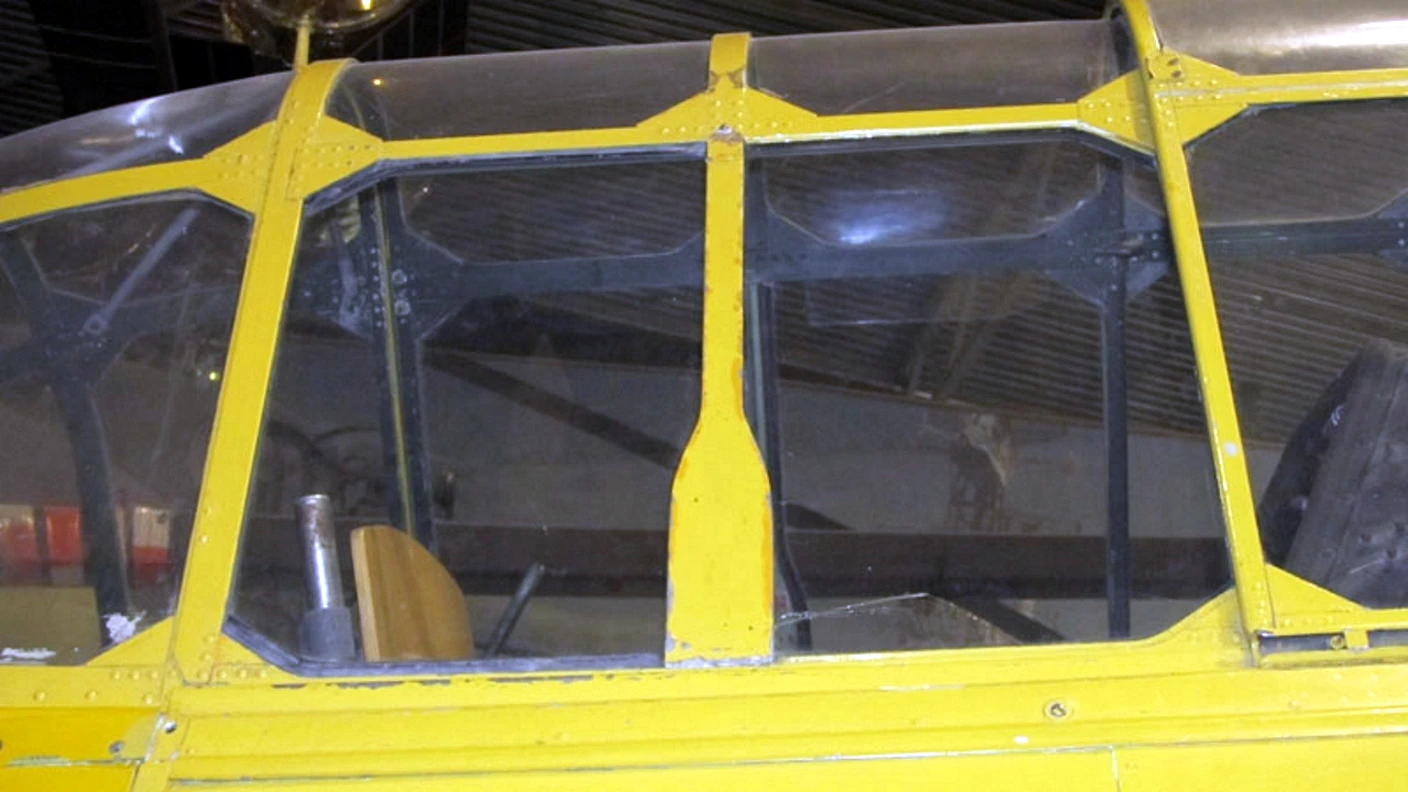
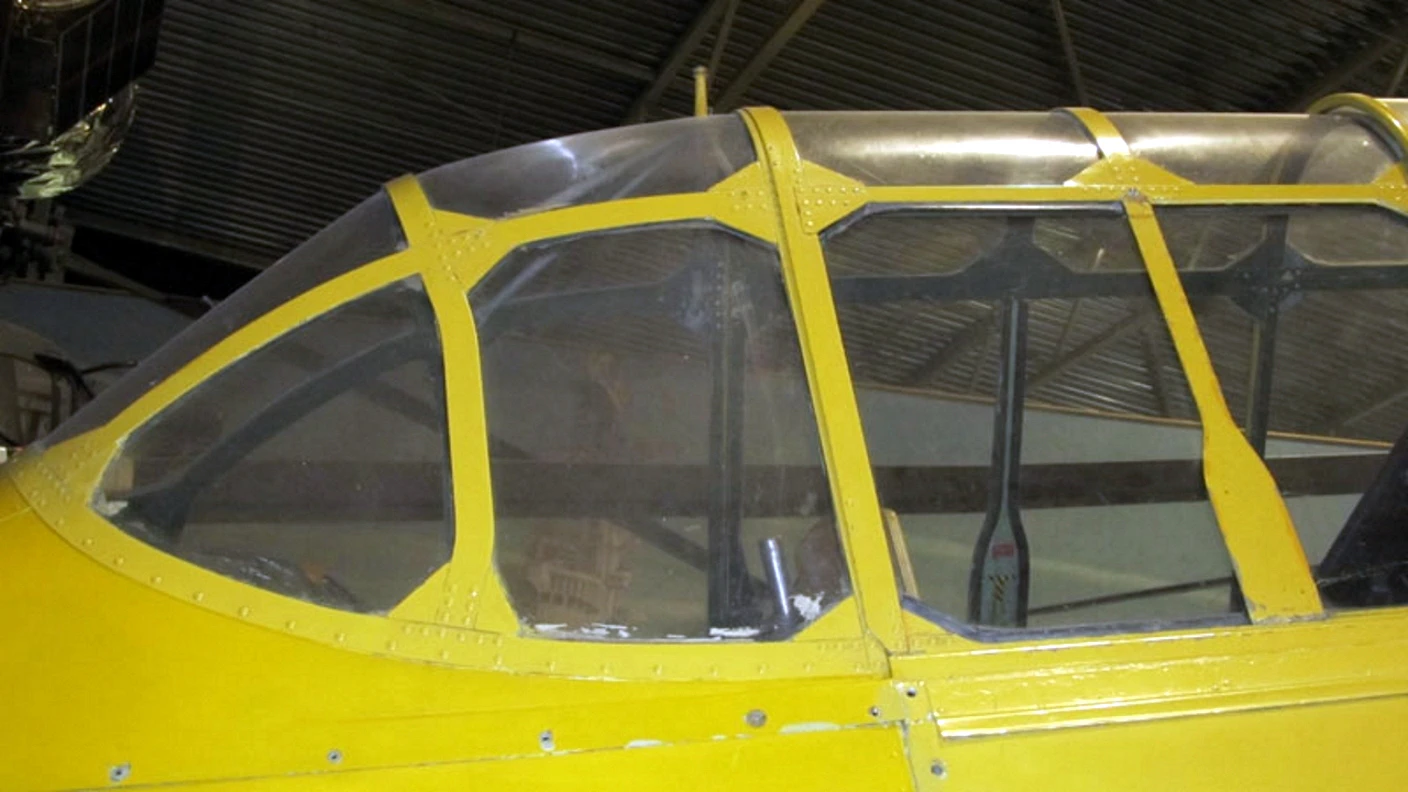
The Greenhouse Canopy:The long, multi-paned canopy provided excellent 360-degree visibility. In the AT-6D, the rear seat could be unlatched and swiveled 180 degrees to allow the student to practice “flexible” gunnery with a rear-facing machine gun.
All-Metal Excellence:Unlike earlier trainers with fabric sections, the AT-6D was a fully stressed-skin aluminum aircraft. It was incredibly rugged, capable of high-G maneuvers that would have snapped the wings off lesser planes.
Combat History: The “Mosquito” and Beyond
The Korean “Mosquitoes”:During the Korean War, the AT-6D (and later T-6G) was used as a Forward Air Control (FAC) aircraft. Known as “Mosquitoes,” they flew low over enemy lines to mark targets with smoke rockets for jet fighters, often staying over the target for hours.
The Syrian Victory:In a bizarre instance of trainer-vs-fighter combat, a Syrian AT-6 Texan’s rear gunner successfully shot down an Israeli Avia S-199 (a Bf 109 derivative) during the 1948 Arab-Israeli War.
World Traveler:Under the nameHarvard Mk III, the AT-6D served the RAF and Commonwealth air forces globally. It remained in frontline service in some countries, like South Africa and Portugal, as a counter-insurgency (COIN) aircraft well into the 1970s and 80s.
Cinematic Chameleon:Like the BT-13, the Texan has “played” the Mitsubishi Zero in dozens of films. Its similar tail and canopy shape make it a perfect stand-in for the legendary Japanese fighter after a few cosmetic modifications.

 Comprami un caffè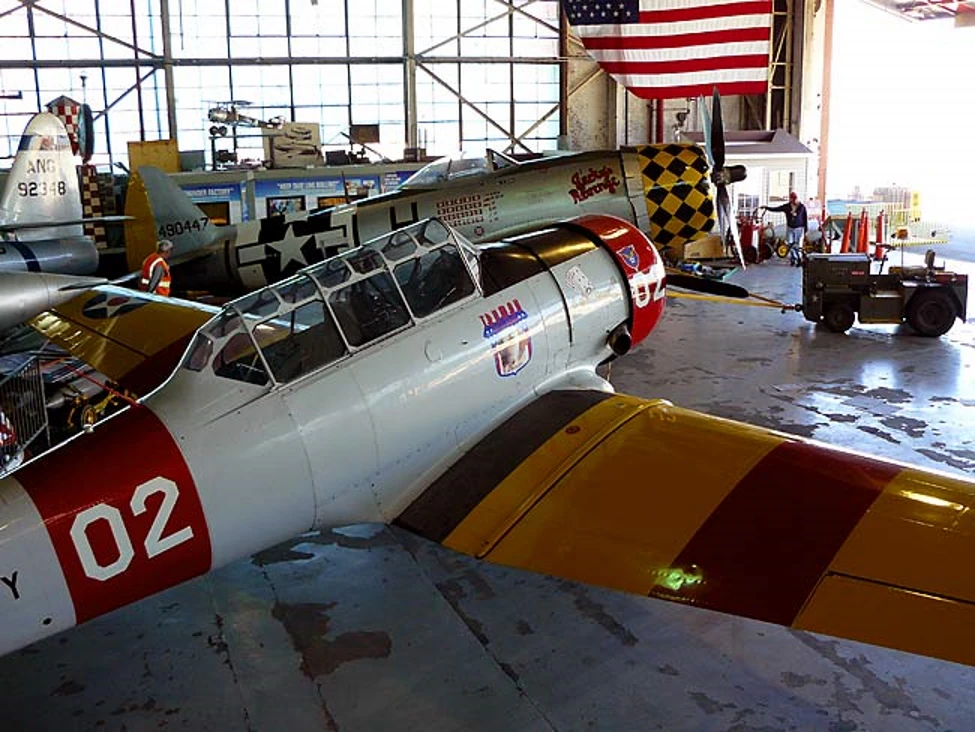



 North American F-82 Twin Mustang – Foto e Video
 North American X-15 – Foto e Video
 North American FJ-4 Fury – Foto e Video
 Canadair Sabre – Foto e Video
 North American T-28 Trojan – Foto e Video
 North American T-2 Buckeye – Foto e Video
 North American F-100 Super Sabre – Foto e Video
 North American A-36A Apache – Foto e Video
 North American F-86 Sabre – Foto e Video
 QF-100D Super Sabre – Foto e Video