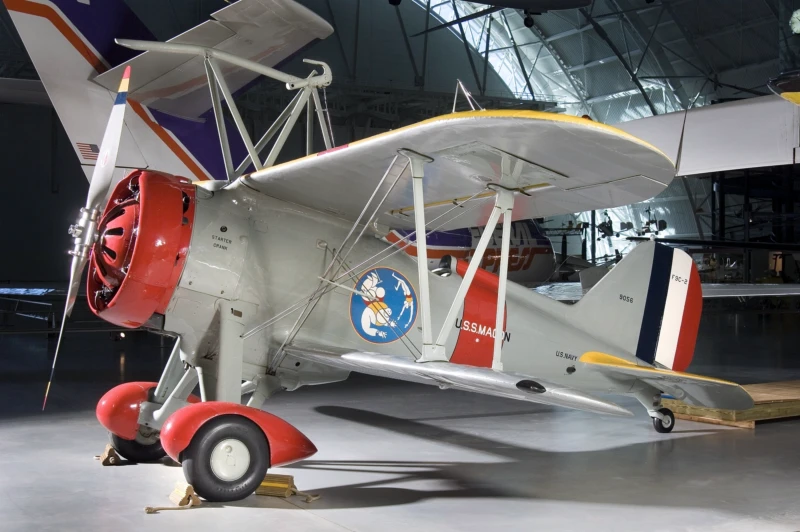
Curtiss F9C-2 Sparrowhawk | ||
| Paese | Usa | |
| digitare | Aereo da caccia biplano | |
| Primo volo | Il 12 febbraio 1931 | |
| Costruito | 7+ | |
Il Curtiss F9C Sparrowhawk è un aereo da combattimento biplano leggero degli anni '30 trasportato dai dirigibili della Marina degli Stati Uniti USS Akron e Macon. È un esempio di caccia parassita, un piccolo aeroplano progettato per essere schierato da un velivolo più grande come un dirigibile o un bombardiere.
| Curtiss F9C Sparrowhawk Cammina | |
|---|---|
| Fotografo | Vladimir Jakubov |
| Localizzazione | National Air & Space Museum - Udvar-Hazy Center, Chantilly |
| Foto | 46 |
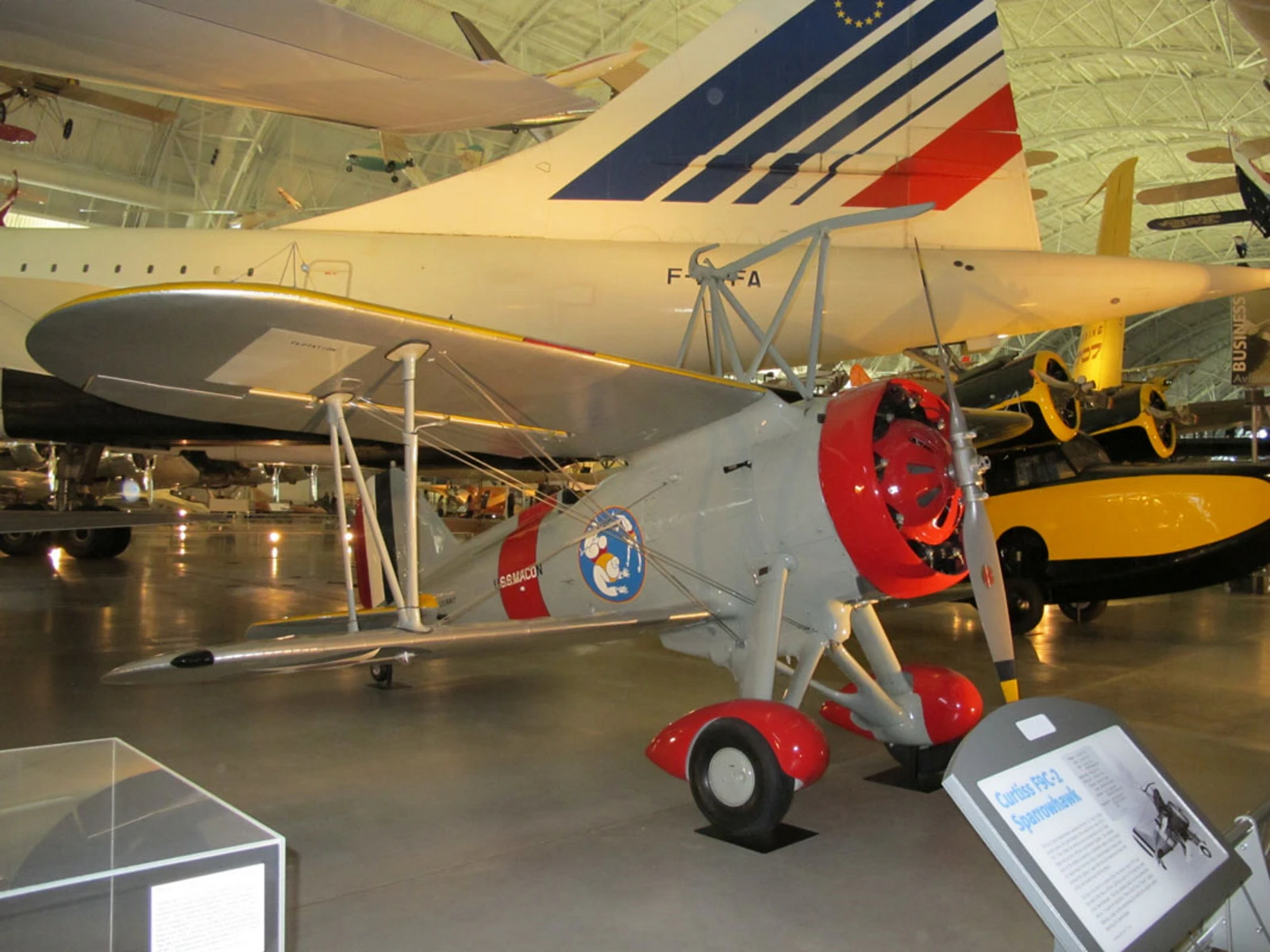
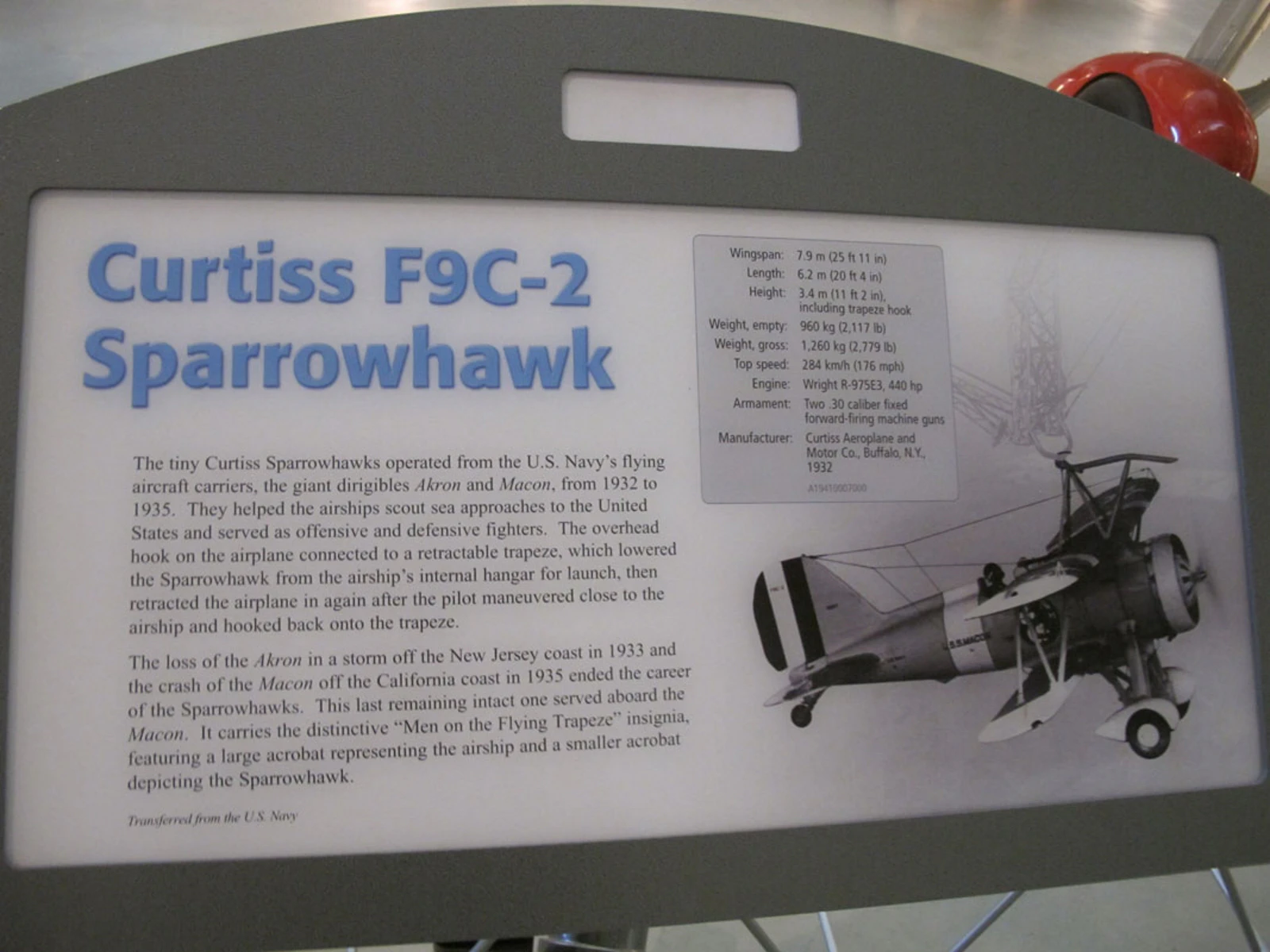
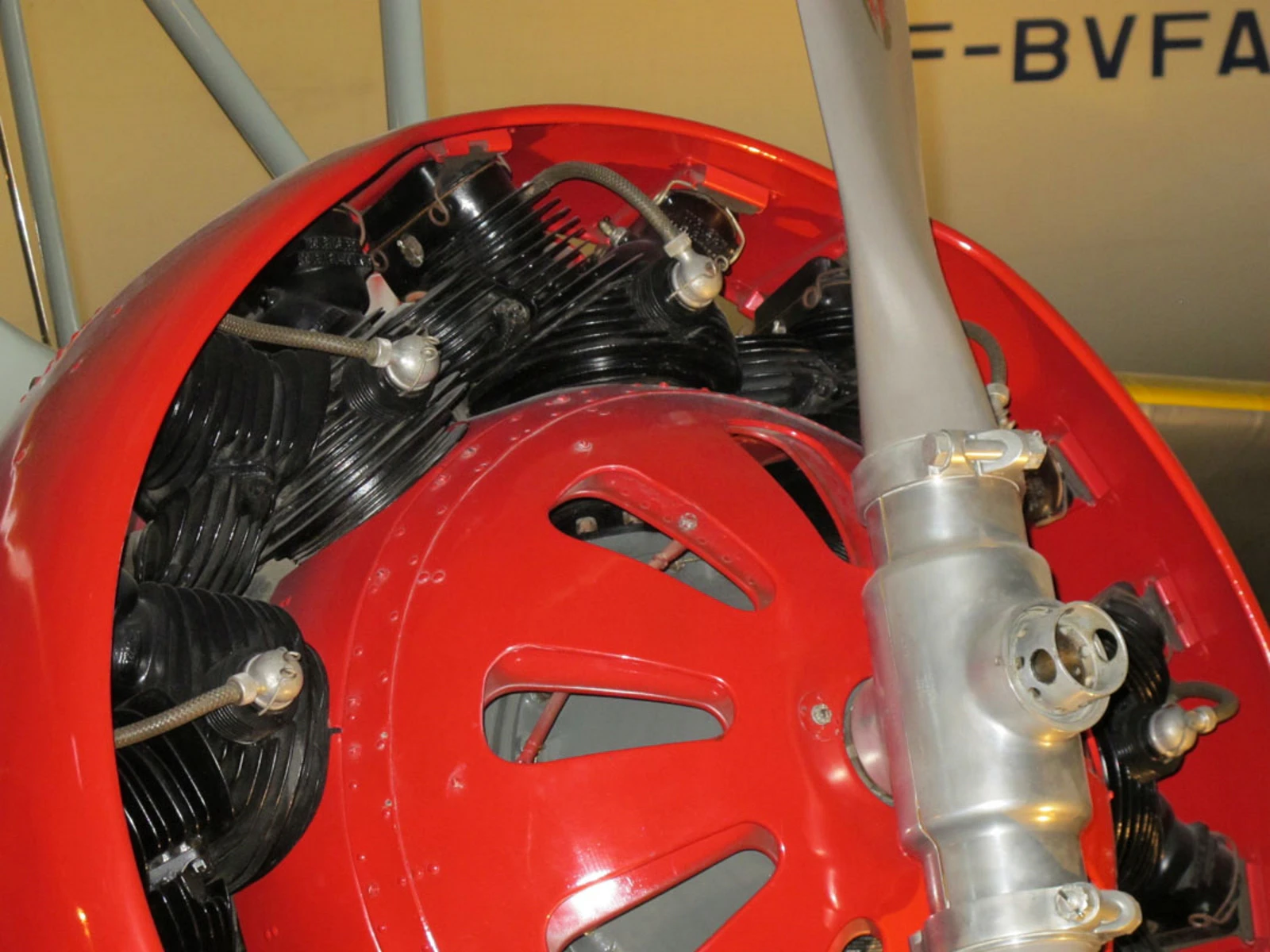
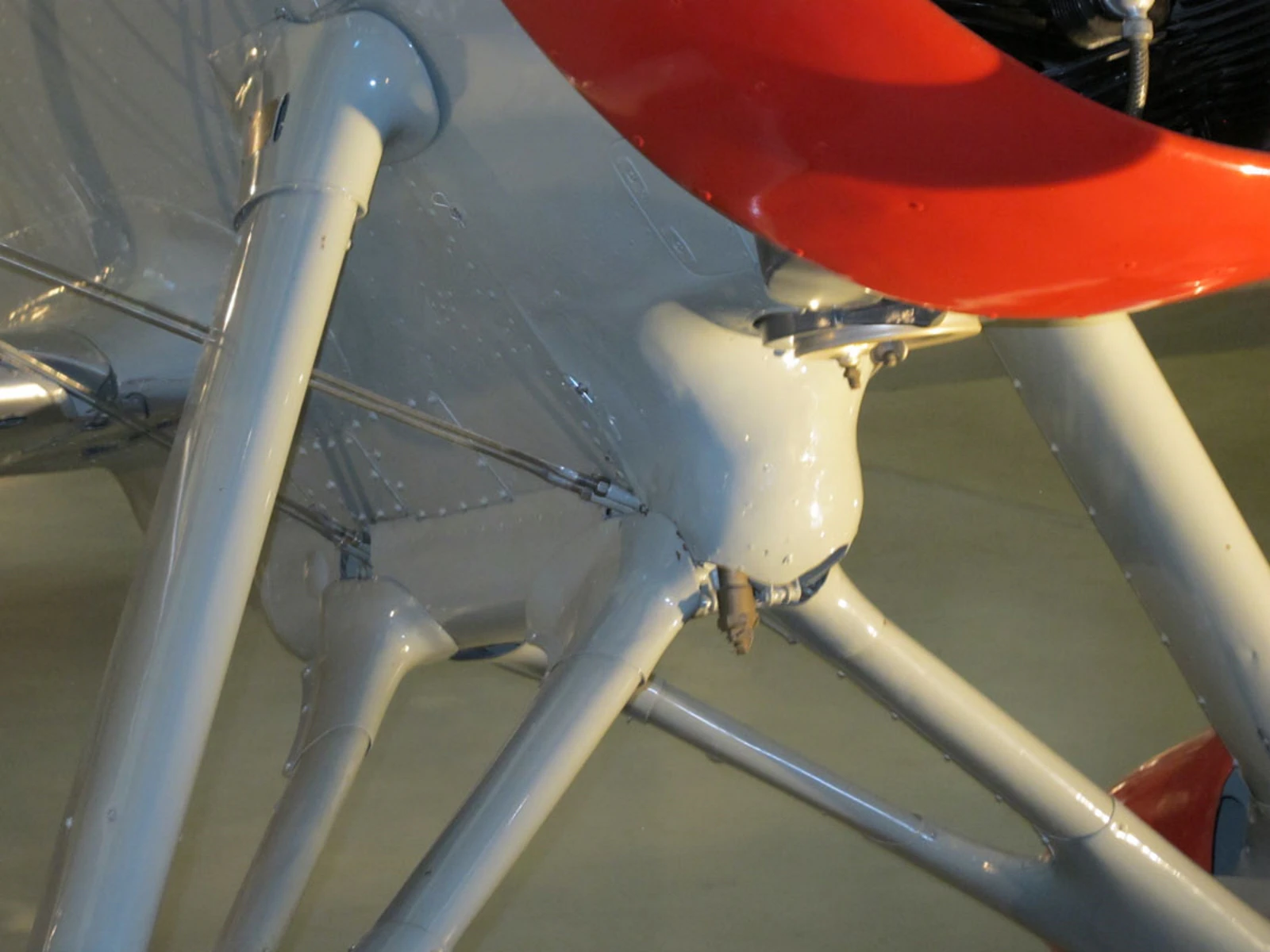
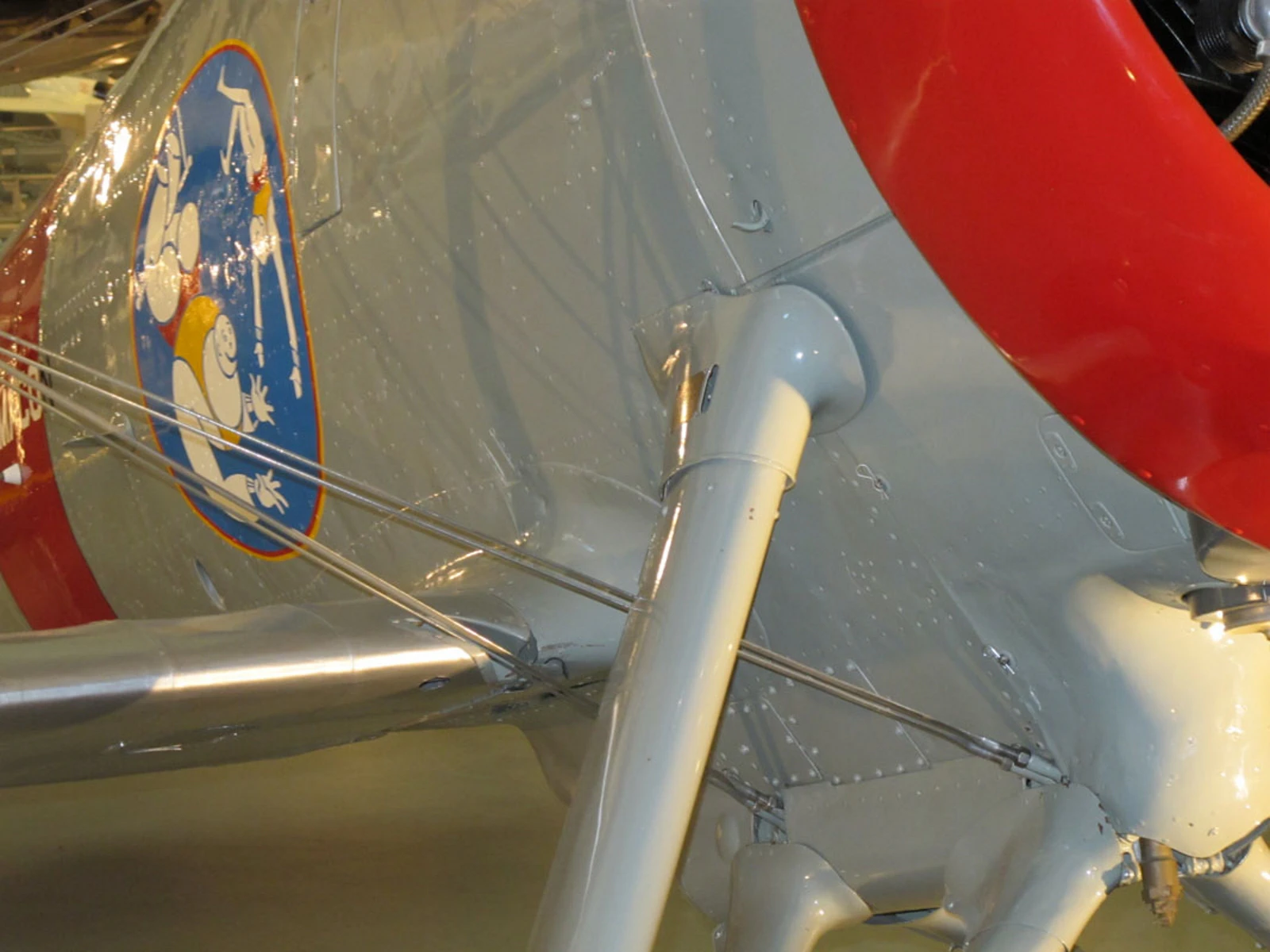

| Informazioni | |
|---|---|
| Ruolo | Combattente parassita |
| Produttore | Curtiss Aeroplane and Motor Company |
| Primo volo | Il 12 febbraio 1931 |
| Introduzione | 1931 |
| Pensionati | 1937 |
| Numero costruito | 7 (?) |
| Curtiss F9C Sparrowhawk Cammina | |
|---|---|
| Fotografo | Grant Moulton |
| Localizzazione | Inconsapevole |
| Foto | 53 |
 Comprami un caffè
Vedi anche:


The Sky-Borne Defender
Le Curtiss F9C-2 Sparrowhawk remains one of the most unique aviation experiments in history. It was a “parasite” fighter, designed not to operate from land or sea, but from a “flying aircraft carrier”—the massive helium-filled airships USS Akron e USS Macon. The Sparrowhawk provided these vulnerable giants with a defensive screen and significantly extended their scouting range. Small, agile, and remarkably compact, it spent its operational life living inside a hangar in the belly of a dirigible, launching and recovering via a mechanical “trapeze” while thousands of feet in the air.
| Attribute | Technical Specification (F9C-2) |
|---|---|
| Ruolo | Parasite Scout / Fighter |
| Equipaggio | 1 (Pilot) |
| Apertura alare | 25 ft 6 in (7.77 m) |
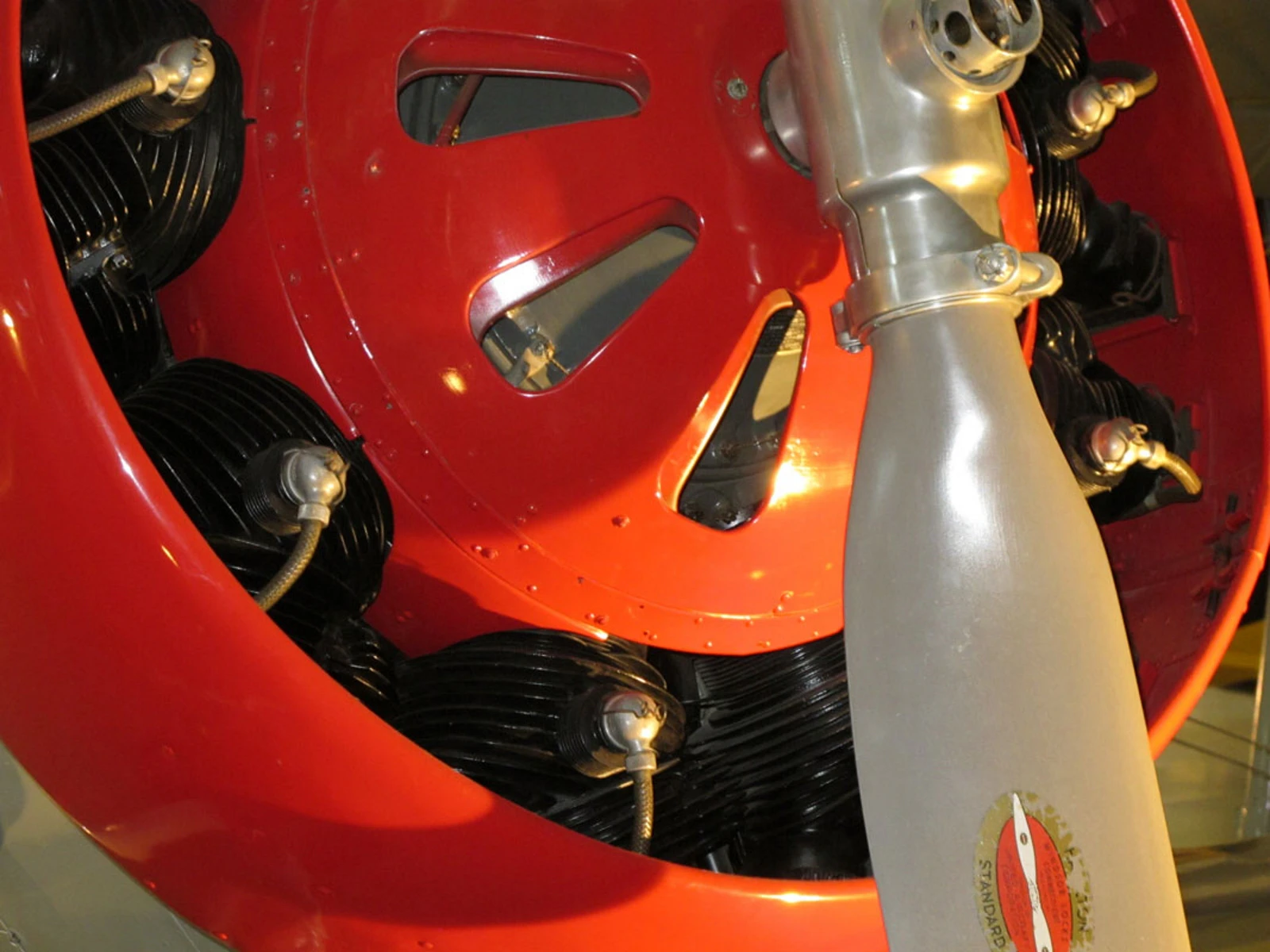
| Motopropulsore | 1 × Wright R-975-E3 Whirlwind radial |
| Horsepower | 438 hp |
| Velocità massima | 176 mph (283 km/h) |
| Endurance | Approx. 3 hours |
| Armamento | 2 × .30 cal Browning machine guns (fixed in cowl) |
Design Engineering: The Skyhook and the “Hangar”
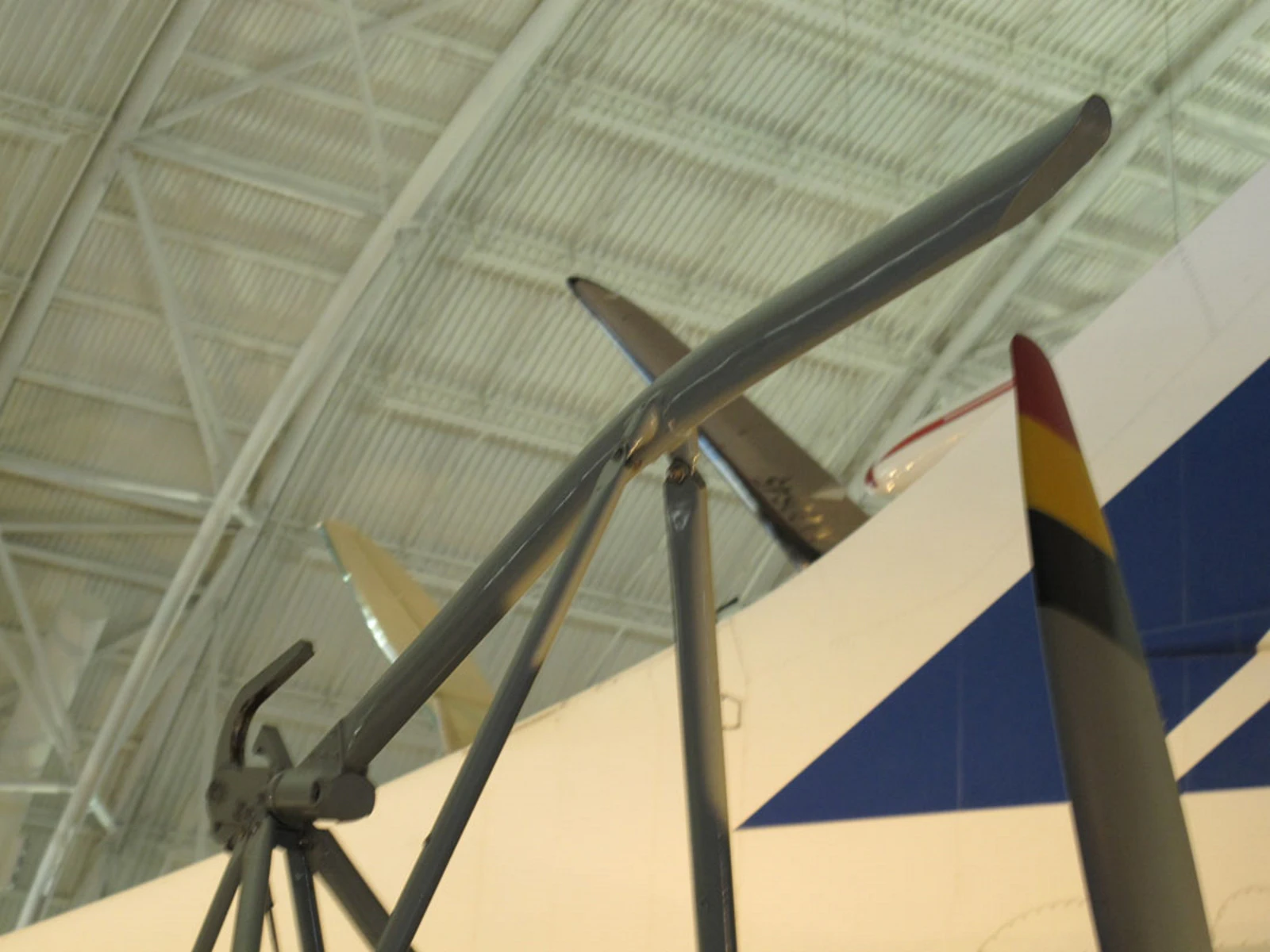
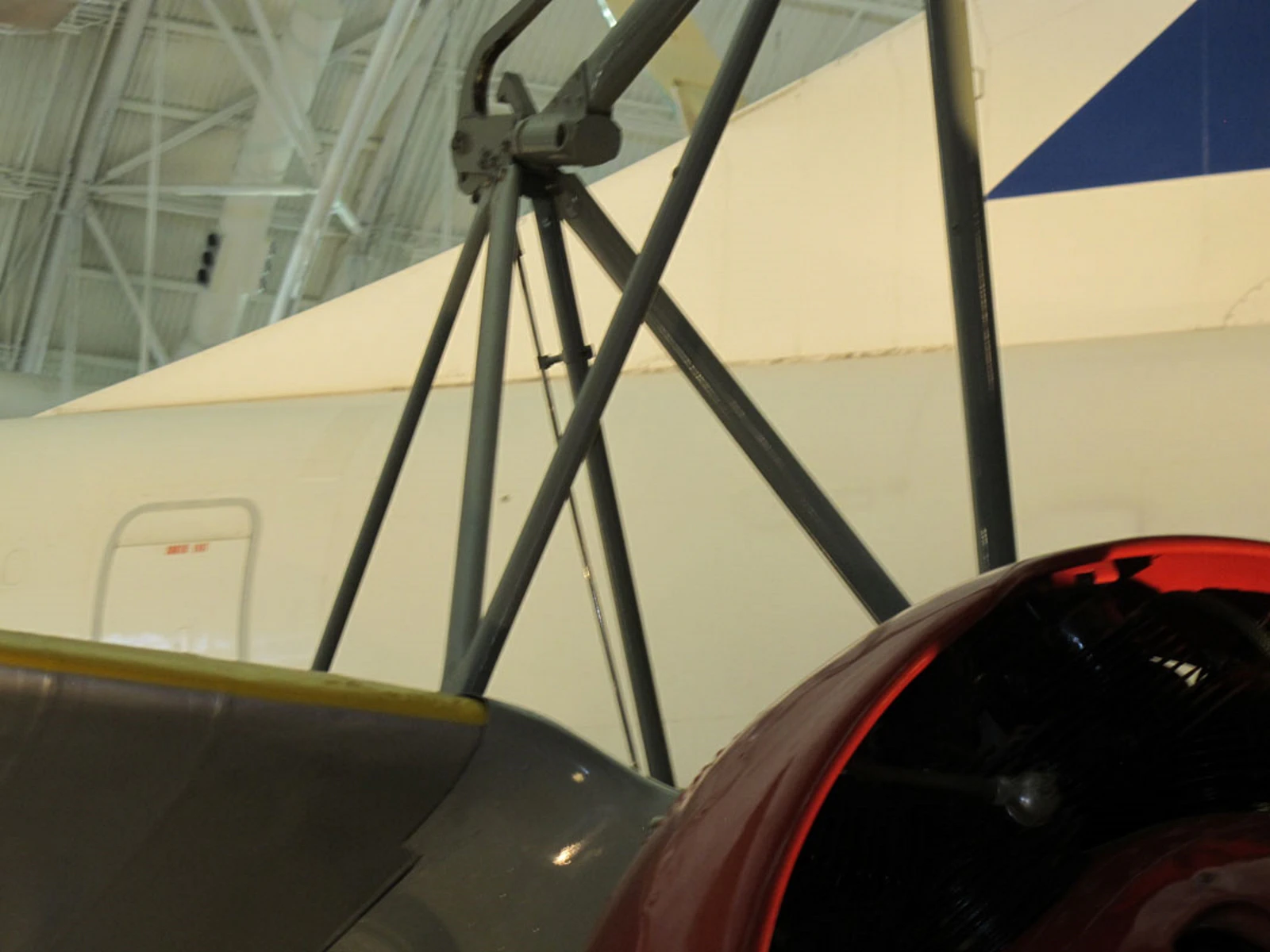
- The “Skyhook”: Mounted above the top wing was a sturdy metal frame and a hook. To recover, the pilot had to match the airship’s speed (around 60 mph) and precisely fly the hook onto a horizontal bar on the airship’s trapeze. Once hooked, the plane was hoisted into the internal hangar.
- Compact Biplane Layout: The F9C was purposefully small. Its wingspan and height were kept to a minimum so it could fit through the narrow “T” shaped opening in the bottom of the Akron and Macon’s hulls.
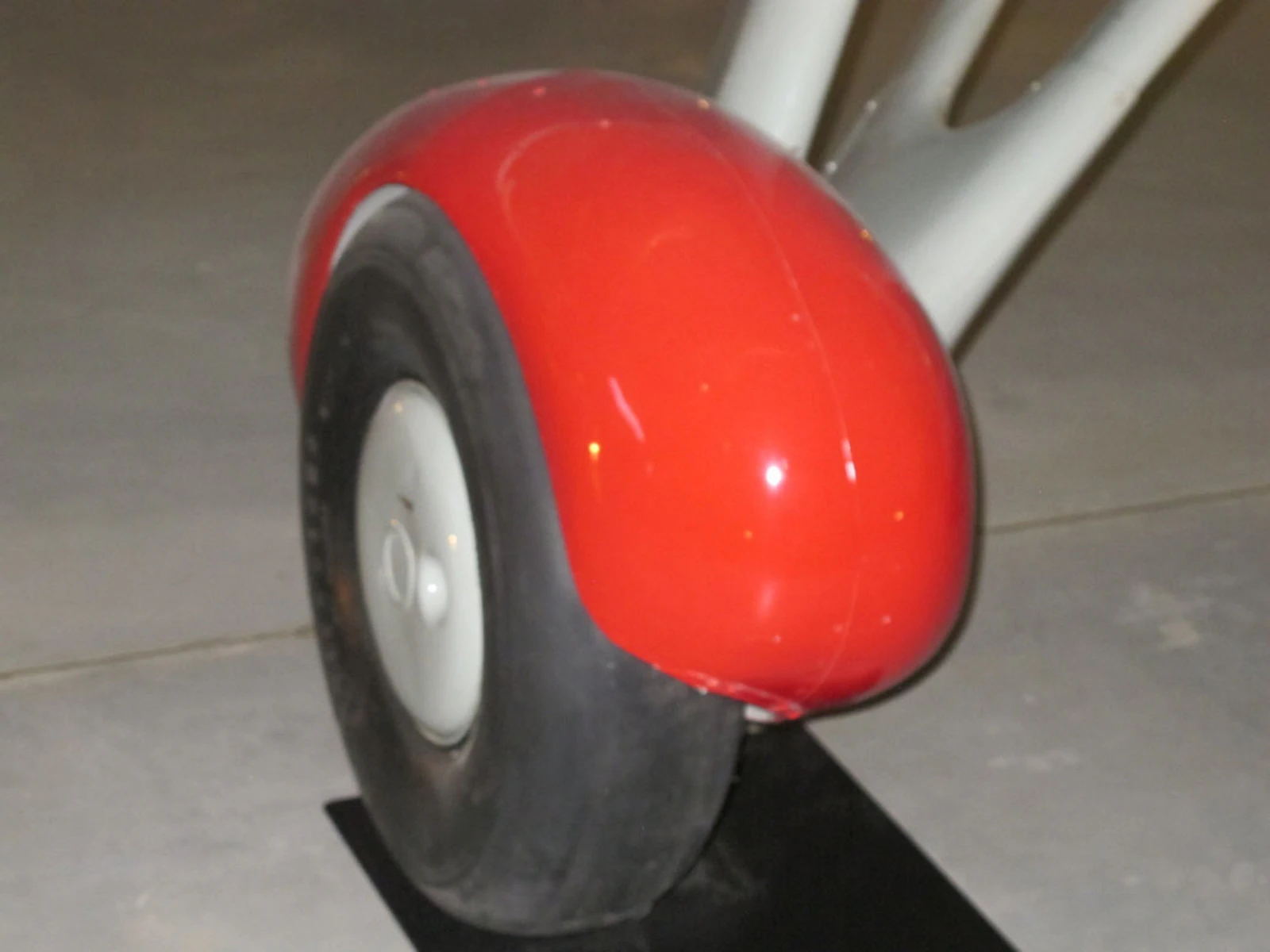
- Removal of Landing Gear: During scouting missions, pilots often removed the wheel fairings (and sometimes the wheels themselves) and replaced them with an extra fuel tank. Since the planes launched and landed in the air, wheels were only necessary for transit on the ground.
- Staggered Wings: The biplane wings were “staggered” (the top wing further forward than the bottom) to provide the pilot with better visibility—critical when trying to spot a moving trapeze bar directly overhead.
Operational History: A Short-Lived Marvel
- The Airship Era: The Sparrowhawks served only from 1932 to 1935. They were the stars of the Navy’s “lighter-than-air” program, proving that airships could act as long-range maritime scouts if they carried their own protection.
- The Tragedy of the Akron and Macon: Most F9C-2s were lost when their mother ships crashed—the Akron in 1933 and the Macon in 1935. These disasters effectively ended the US Navy’s rigid airship program and the career of the Sparrowhawk.
- Mastery of the Trapeze: Landing on the trapeze was considered one of the most difficult feats in naval aviation. Pilots had to contend with the airship’s turbulence and the fact that a missed hook could mean a fatal collision with the hull.
- The Lone Survivor: Today, only one original Sparrowhawk remains (A-9056). It is preserved at the Smithsonian National Air and Space Museum, still wearing the distinctive markings of the USS Macon’s scouting squadron.
Visualizzazioni : 3788
Puoi anche vedere:
 Aero A.32 – Foto e Video
 Polikarpov I-15 – Foto e Video
 Beechcraft Model 17 Staggerwing – Foto e Video
 SPAD S.XIII – Foto e Video
 Loening OL – Foto e Video
 Curtiss O-52 Owl – Foto e Video
 Curtiss JN-4D Jenny – Foto e Video
 Grumman F3F – Foto e Video
 Curtiss P-6 Hawk – Foto e Video
 Royal Aircraft Factory BE2A – Foto e Video
Mi sono appena imbattuto nel sito eccellente del tour! È stato un modellatore e un aereo per più di 50 anni. Che ne dici di alcuni scatti multi-vista di pozzetti e pozzi di ruote!
TI HANNO FATTO AGGIUNGERE UN SEGNALIBRO!
Larry
Grazie Larry