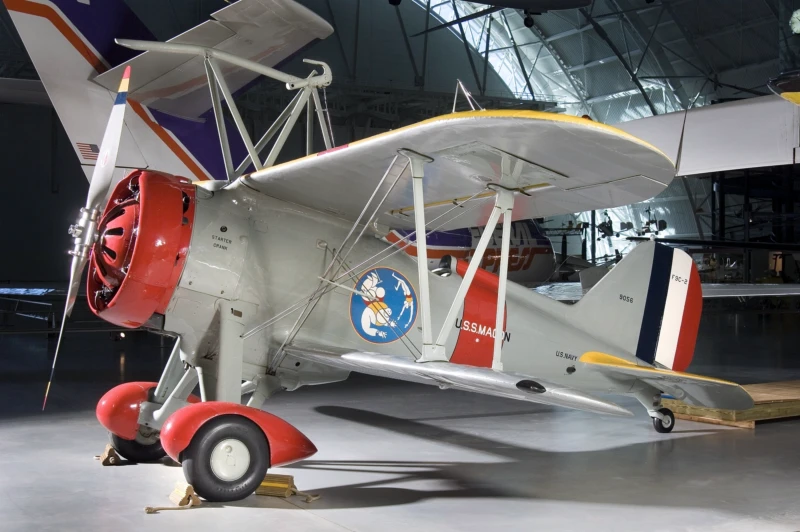
柯蒂斯 F9C-2 麻雀鹰 | ||
| 国家 | 美国 | |
| 类型 | 双翼战斗机 | |
| 首次飞行 | 1931年2月12日 | |
| 建立 | 7+ | |
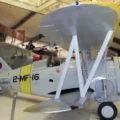
柯蒂斯F9C雀鹰是一架轻型1930年代的双翼战斗机,由美国海军飞艇USS Akron和Macon携带。它是寄生虫战斗机的一个例子,这是一种小型飞机,旨在从飞艇或轰炸机等大型飞机上部署。
| 柯蒂斯 F9c 麻雀鹰四处走动 | |
|---|---|
| 摄影师 | 弗拉基米尔·亚库博夫 |
| 本地化 | 国家航空航天博物馆–乌德瓦尔-哈兹中心,尚蒂利 |
| 照片 | 46 |
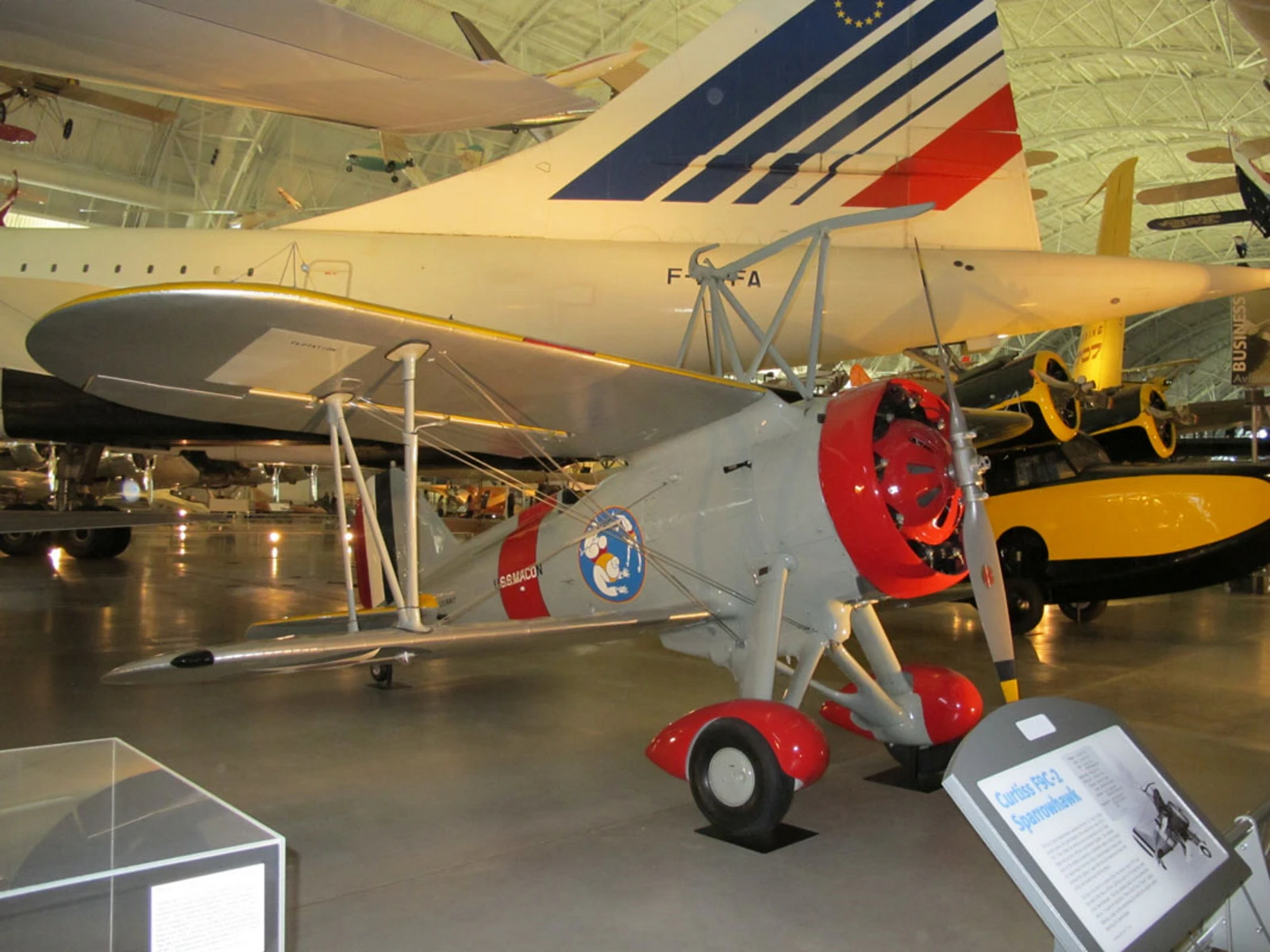
Curtiss F9C-2 Sparrowhawk 01
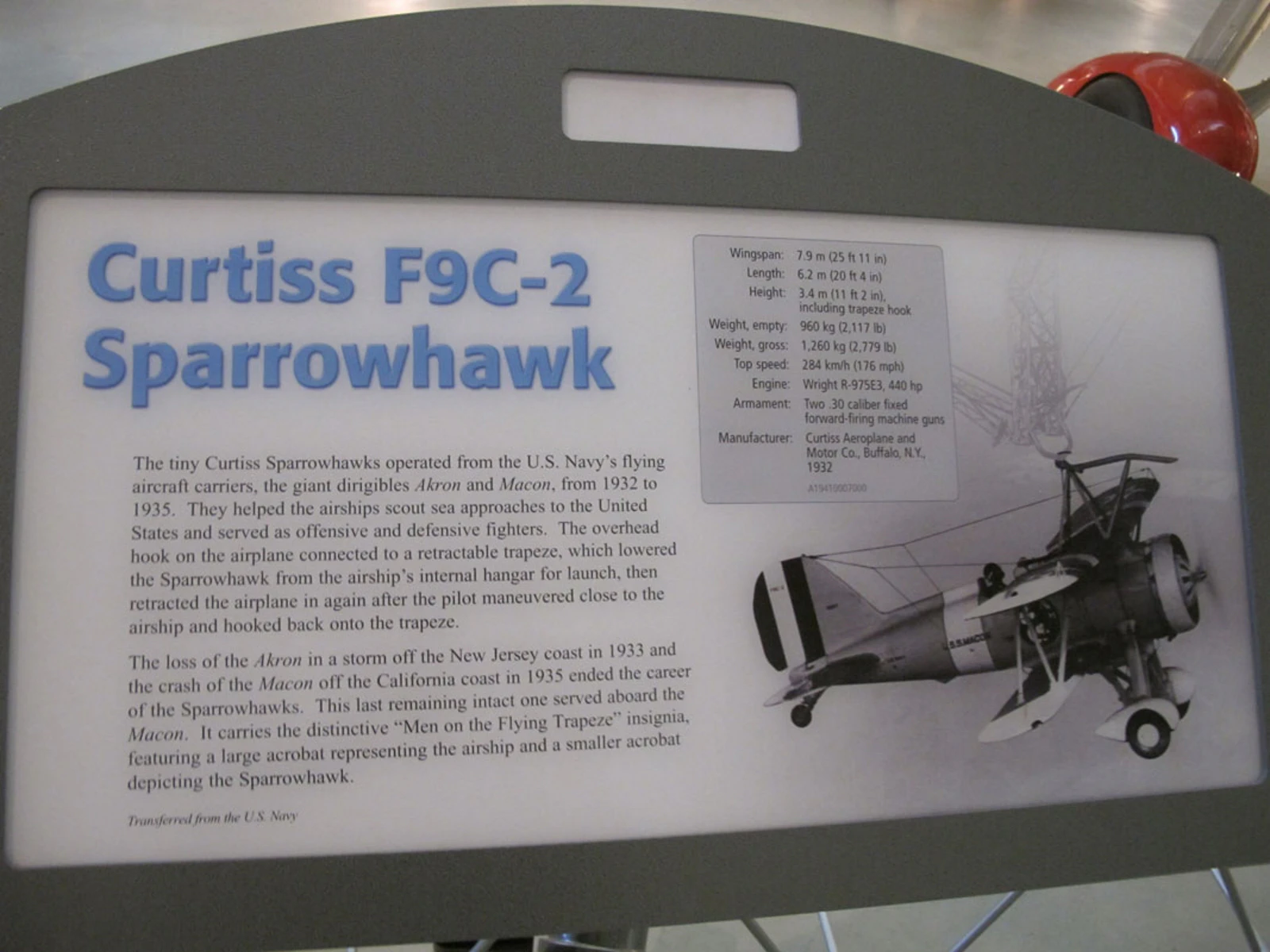
Curtiss F9C-2 Sparrowhawk 02
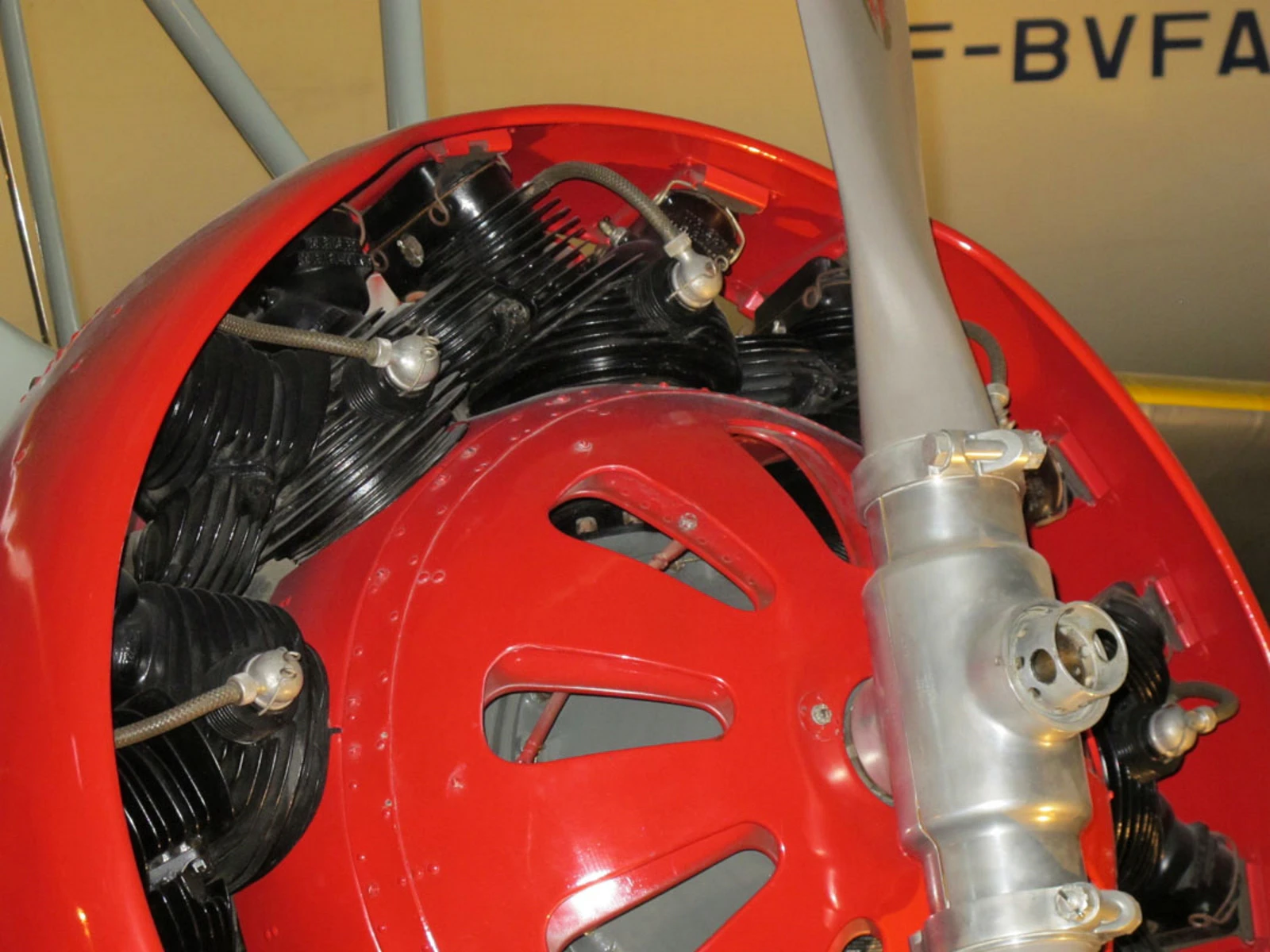
Curtiss F9C-2 Sparrowhawk 03
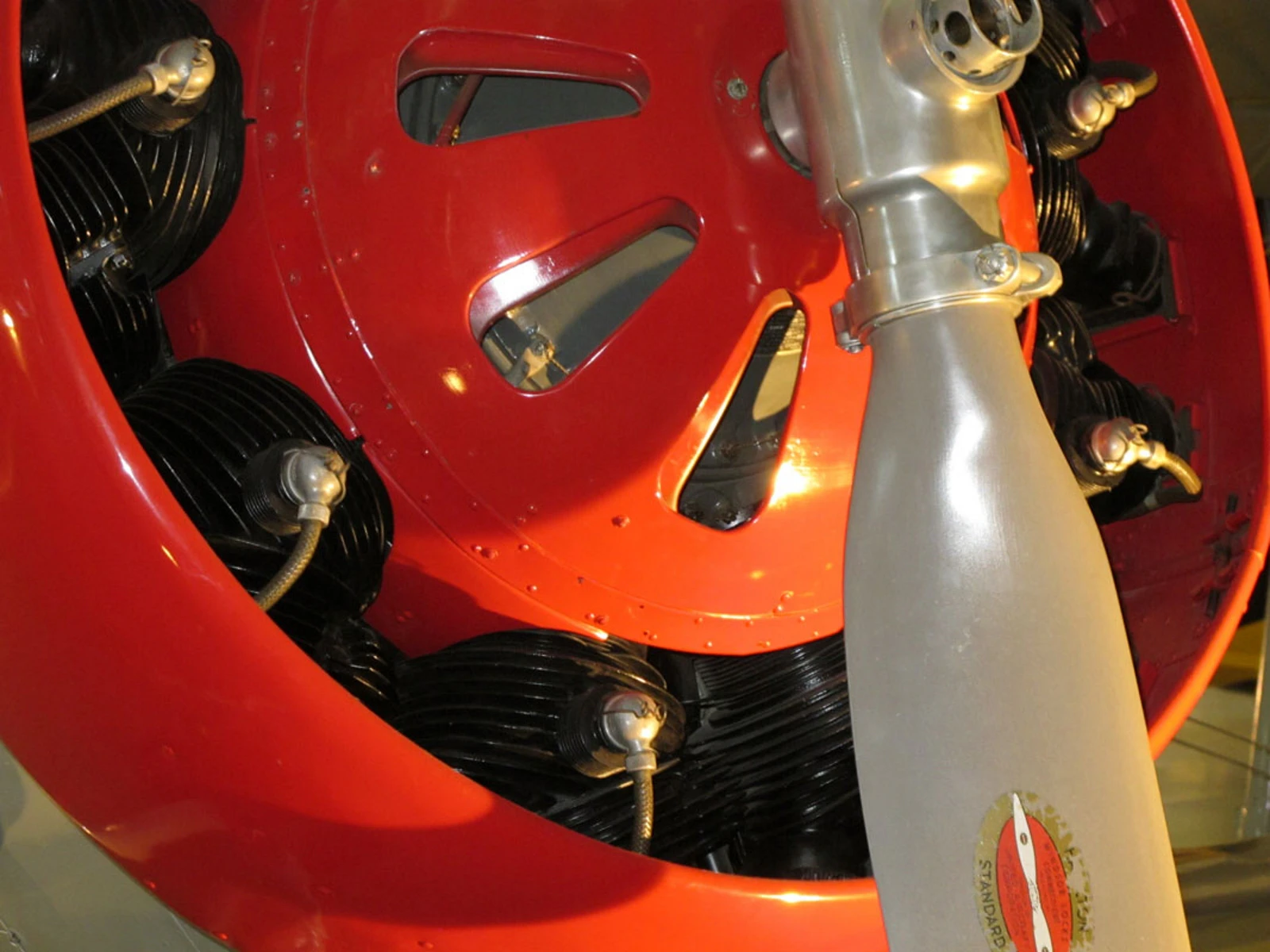
Curtiss F9C-2 Sparrowhawk 04
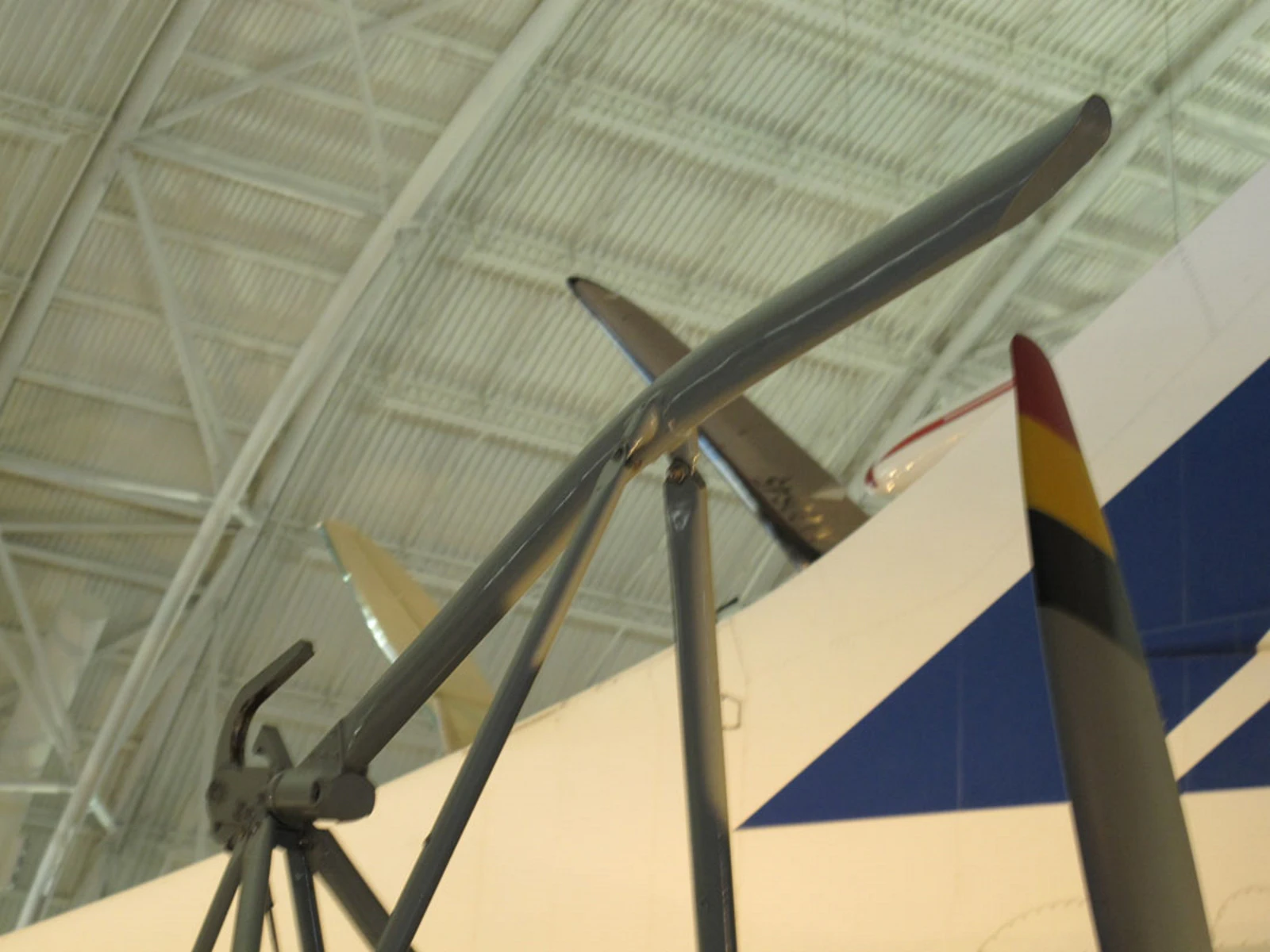
Curtiss F9C-2 Sparrowhawk 05
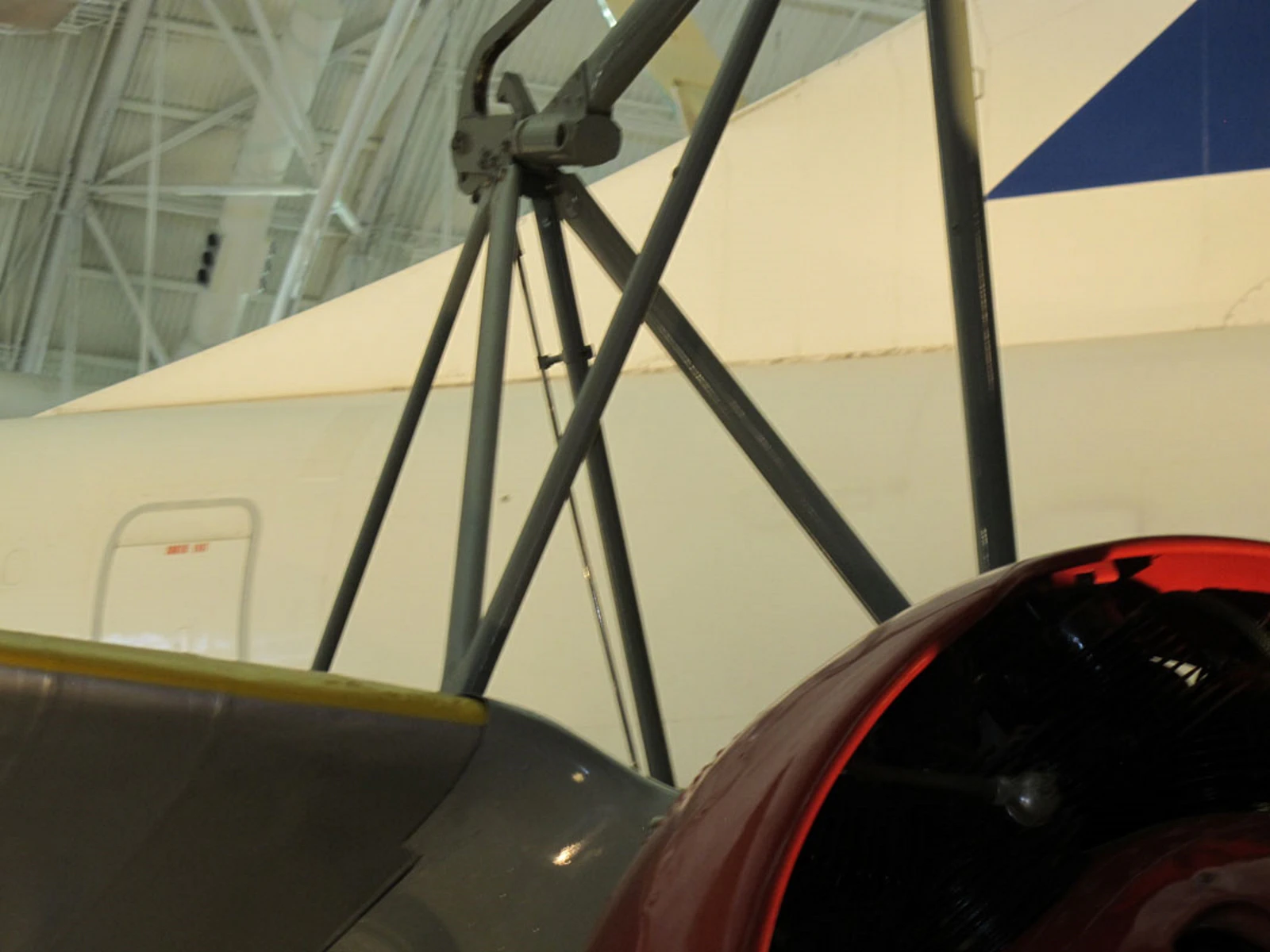
Curtiss F9C-2 Sparrowhawk 06
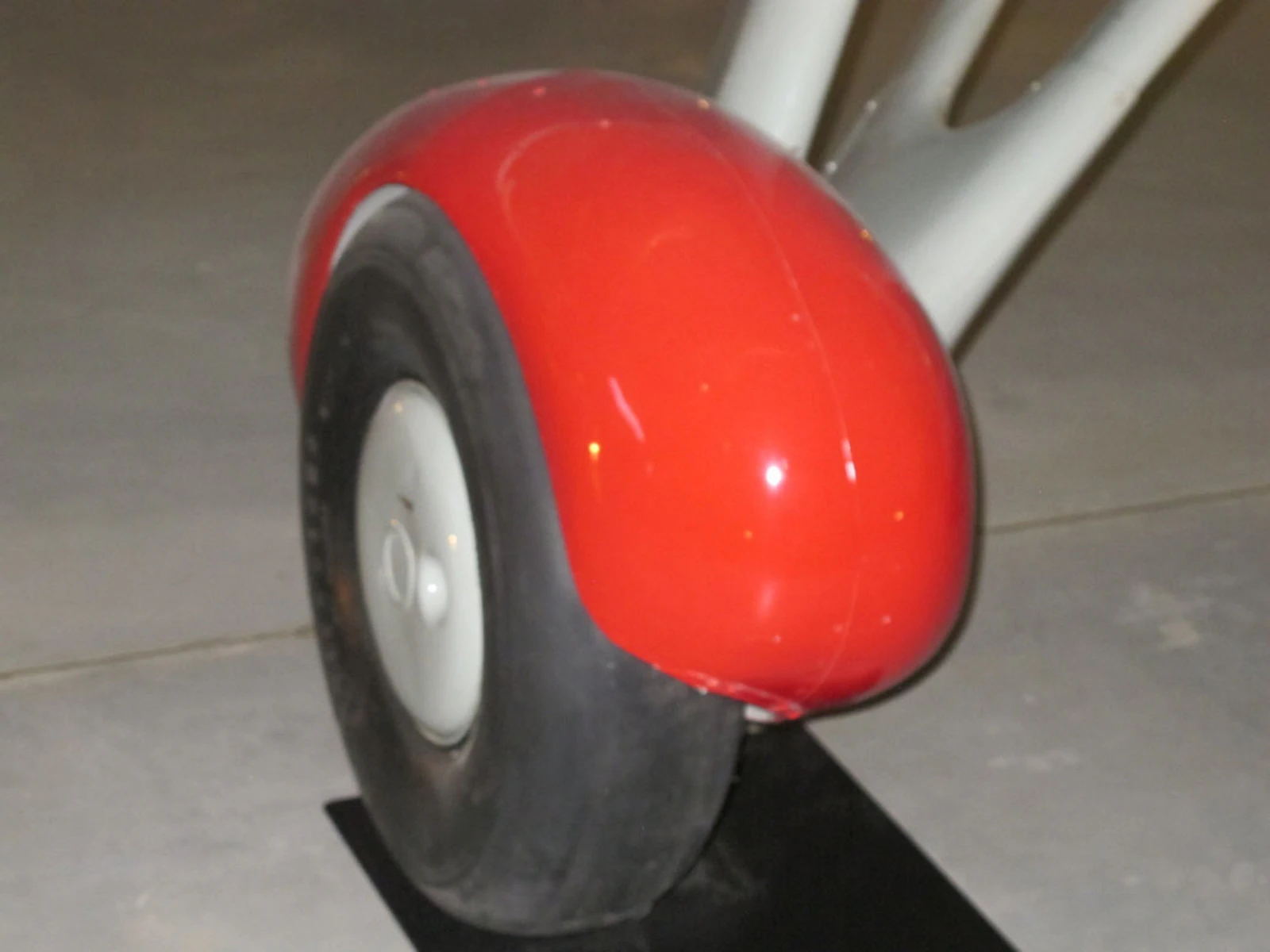
Curtiss F9C-2 Sparrowhawk 07
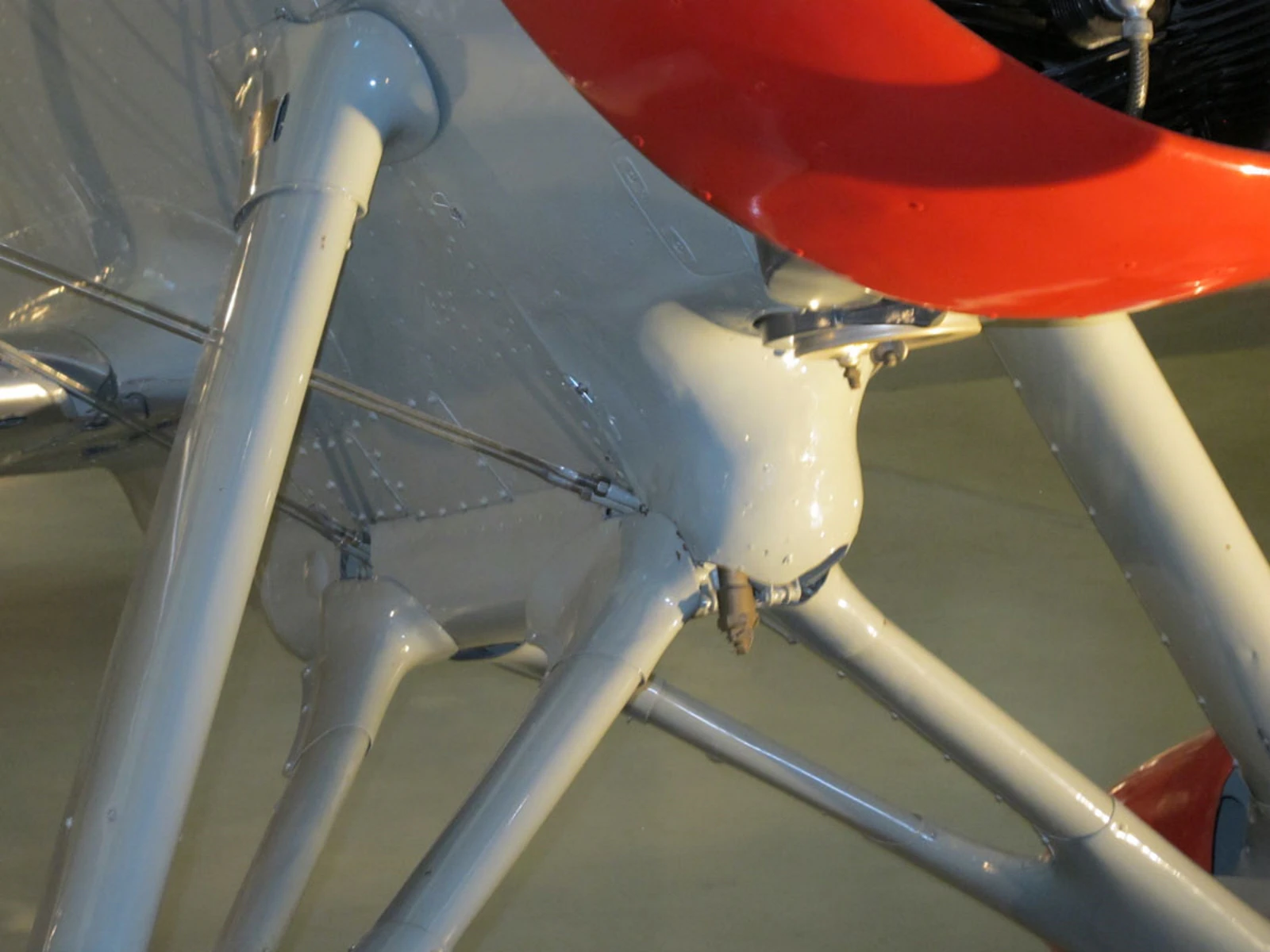
Curtiss F9C-2 Sparrowhawk 08
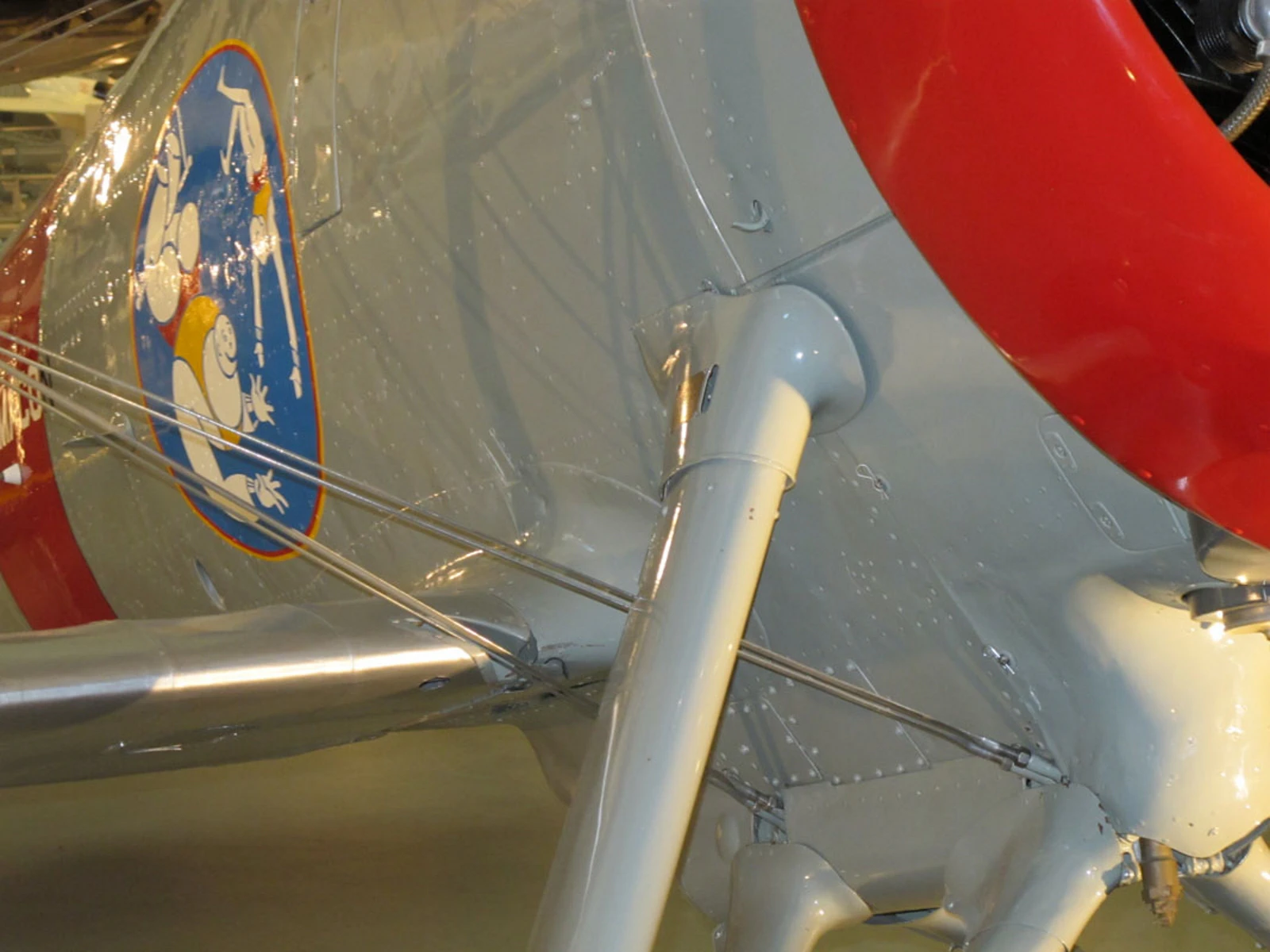
Curtiss F9C-2 Sparrowhawk 09
等等,为你搜索柯蒂斯F9C-2麻雀鹰的照片。。。

| 信息 | |
|---|---|
| 作用 | 寄生虫战斗机 |
| 制造商 | 柯蒂斯飞机和汽车公司 |
| 首次飞行 | 1931年2月12日 |
| 介绍 | 1931 |
| 退休 | 1937 |
| 已构建的编号 | 7 (?) |
| 柯蒂斯 F9c 麻雀鹰四处走动 | |
|---|---|
| 摄影师 | 格兰特·莫尔顿 |
| 本地化 | 未知 |
| 照片 | 53 |
 给我买杯咖啡
另请参阅:


The Sky-Borne Defender
这 柯蒂斯 F9C-2 麻雀鹰 remains one of the most unique aviation experiments in history. It was a “parasite” fighter, designed not to operate from land or sea, but from a “flying aircraft carrier”—the massive helium-filled airships USS Akron 和 USS Macon. The Sparrowhawk provided these vulnerable giants with a defensive screen and significantly extended their scouting range. Small, agile, and remarkably compact, it spent its operational life living inside a hangar in the belly of a dirigible, launching and recovering via a mechanical “trapeze” while thousands of feet in the air.
| Attribute | Technical Specification (F9C-2) |
|---|---|
| 作用 | Parasite Scout / Fighter |
| 船员 | 1 (Pilot) |
| 翼展 | 25 ft 6 in (7.77 m) |
| 动力装置 | 1 × Wright R-975-E3 Whirlwind radial |
| Horsepower | 438 hp |
| 最高速度 | 176 mph (283 km/h) |
| Endurance | Approx. 3 hours |
| 装备 | 2 × .30 cal Browning machine guns (fixed in cowl) |
Design Engineering: The Skyhook and the “Hangar”
- The “Skyhook”: Mounted above the top wing was a sturdy metal frame and a hook. To recover, the pilot had to match the airship’s speed (around 60 mph) and precisely fly the hook onto a horizontal bar on the airship’s trapeze. Once hooked, the plane was hoisted into the internal hangar.
- Compact Biplane Layout: The F9C was purposefully small. Its wingspan and height were kept to a minimum so it could fit through the narrow “T” shaped opening in the bottom of the Akron and Macon’s hulls.
- Removal of Landing Gear: During scouting missions, pilots often removed the wheel fairings (and sometimes the wheels themselves) and replaced them with an extra fuel tank. Since the planes launched and landed in the air, wheels were only necessary for transit on the ground.
- Staggered Wings: The biplane wings were “staggered” (the top wing further forward than the bottom) to provide the pilot with better visibility—critical when trying to spot a moving trapeze bar directly overhead.
Operational History: A Short-Lived Marvel
- The Airship Era: The Sparrowhawks served only from 1932 to 1935. They were the stars of the Navy’s “lighter-than-air” program, proving that airships could act as long-range maritime scouts if they carried their own protection.
- The Tragedy of the Akron and Macon: Most F9C-2s were lost when their mother ships crashed—the Akron in 1933 and the Macon in 1935. These disasters effectively ended the US Navy’s rigid airship program and the career of the Sparrowhawk.
- Mastery of the Trapeze: Landing on the trapeze was considered one of the most difficult feats in naval aviation. Pilots had to contend with the airship’s turbulence and the fact that a missed hook could mean a fatal collision with the hull.
- The Lone Survivor: Today, only one original Sparrowhawk remains (A-9056). It is preserved at the Smithsonian National Air and Space Museum, still wearing the distinctive markings of the USS Macon’s scouting squadron.
观点 : 3788
只是偶然发现旅游优秀的网站! 50多年来一直是个模特儿和飞机手 驾驶舱和车轮井的多视角照片怎么样!
让你明白了!
拉里
谢谢拉里