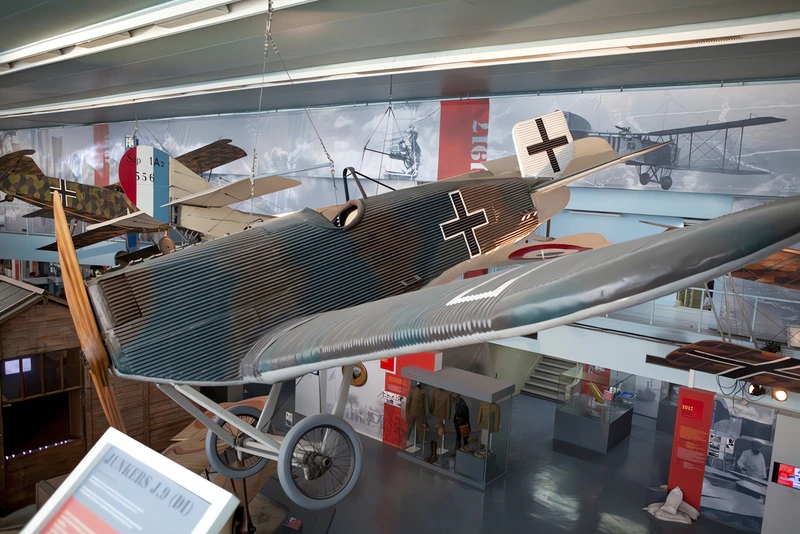
Junkers D.I | |
|---|---|
| Ország | Németország |
| Szerepet | Harcos |
| Első repülés | 1917. szeptember 17. |
| Beépített | 41 |
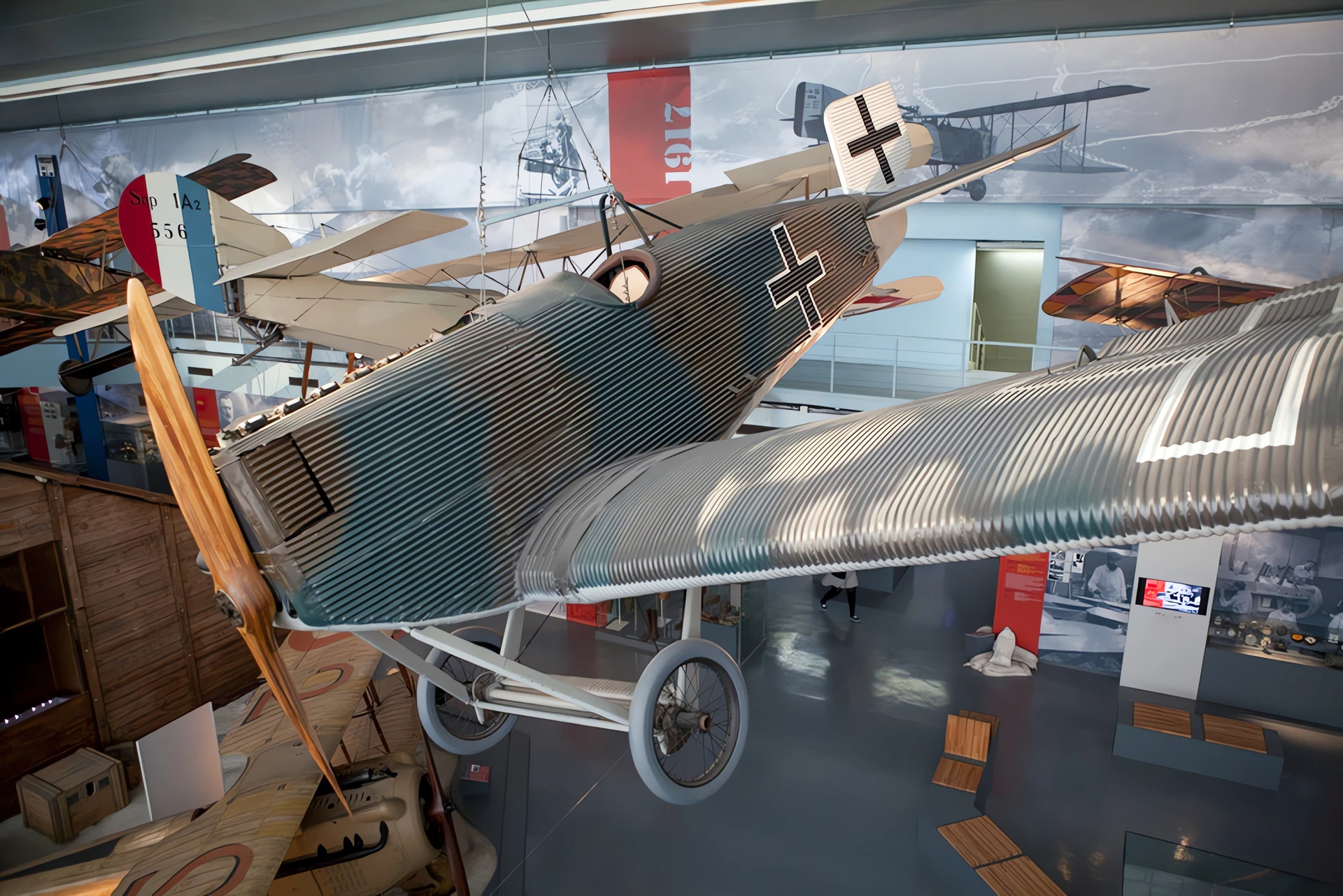
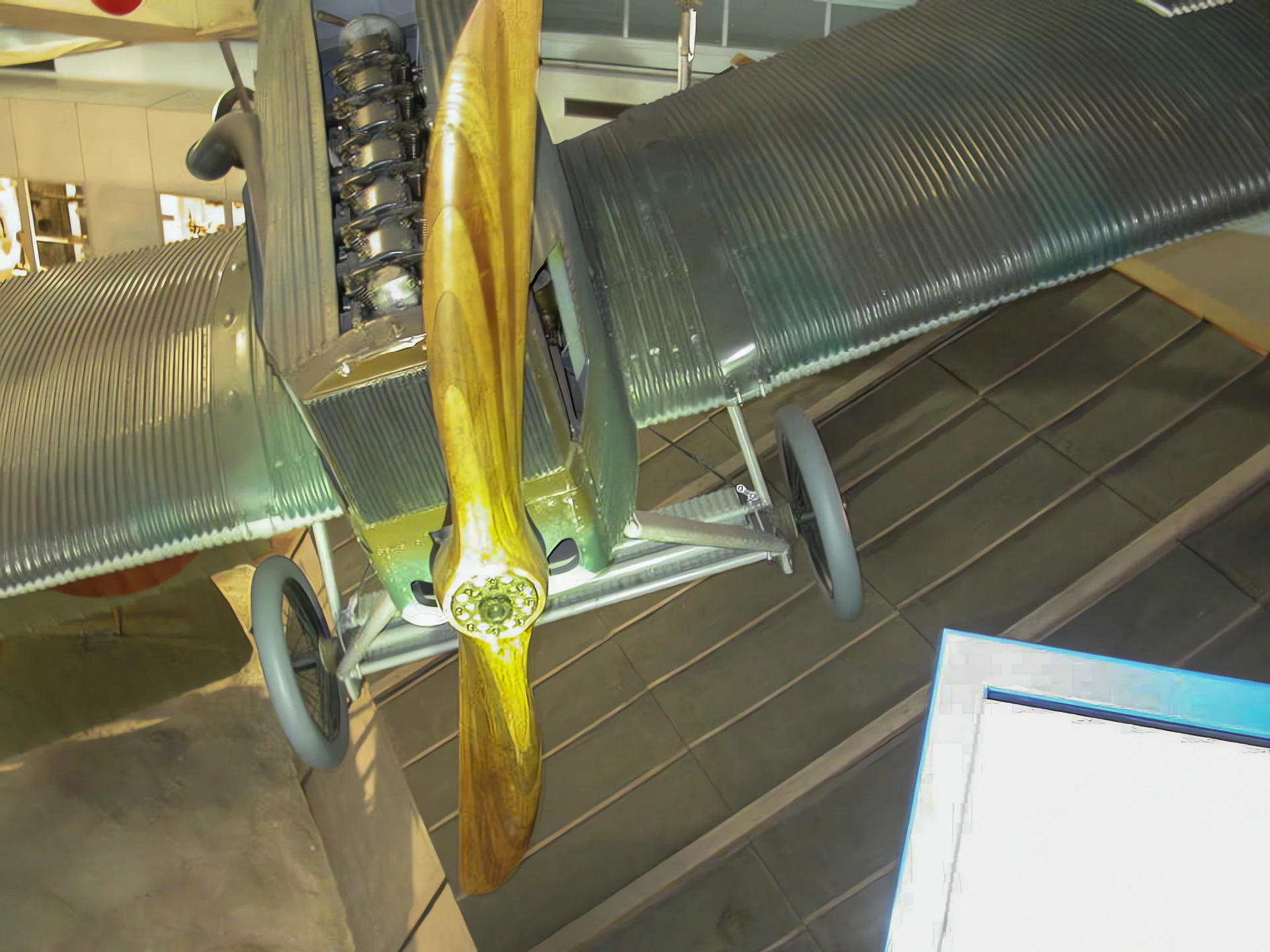
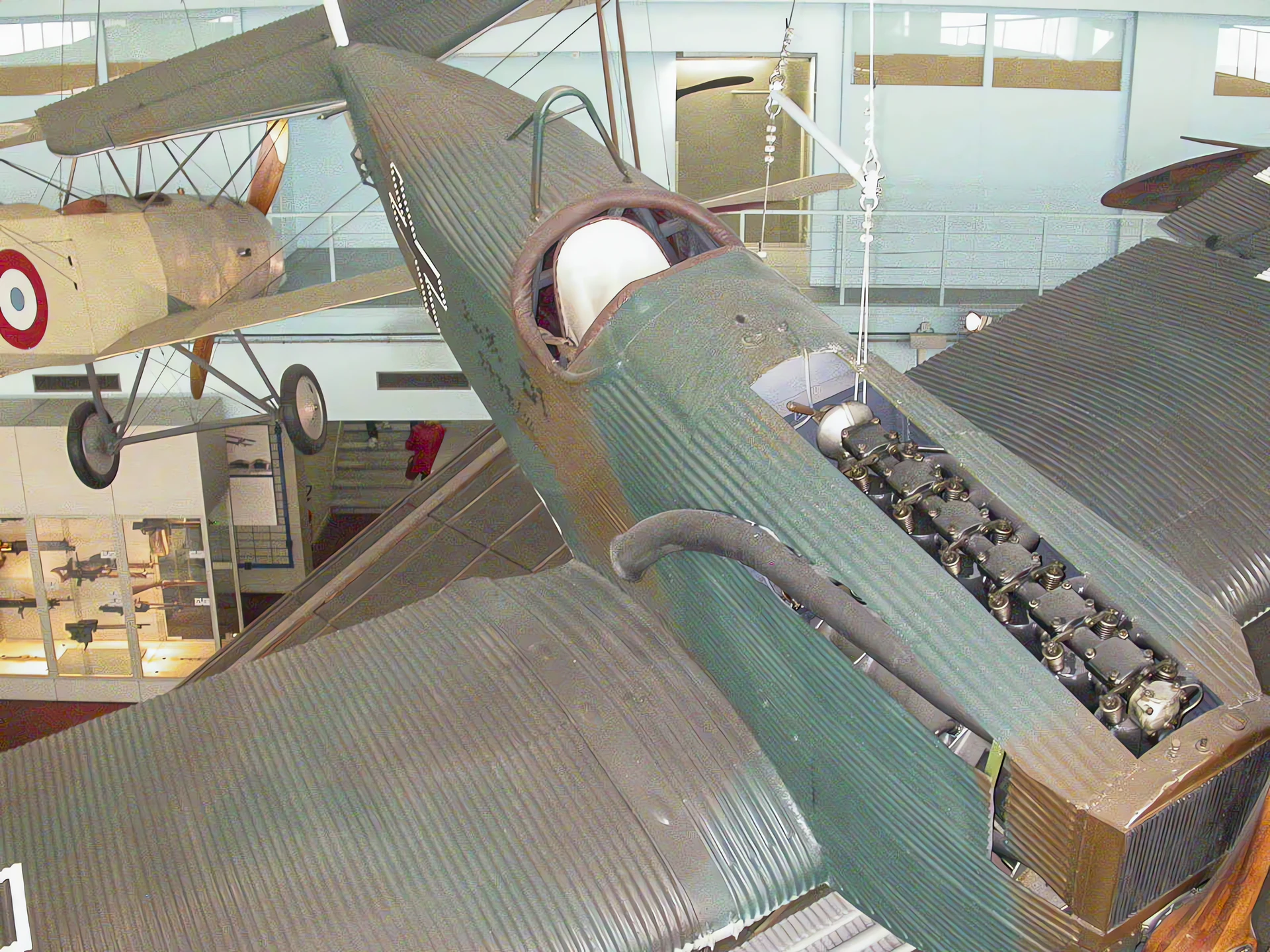
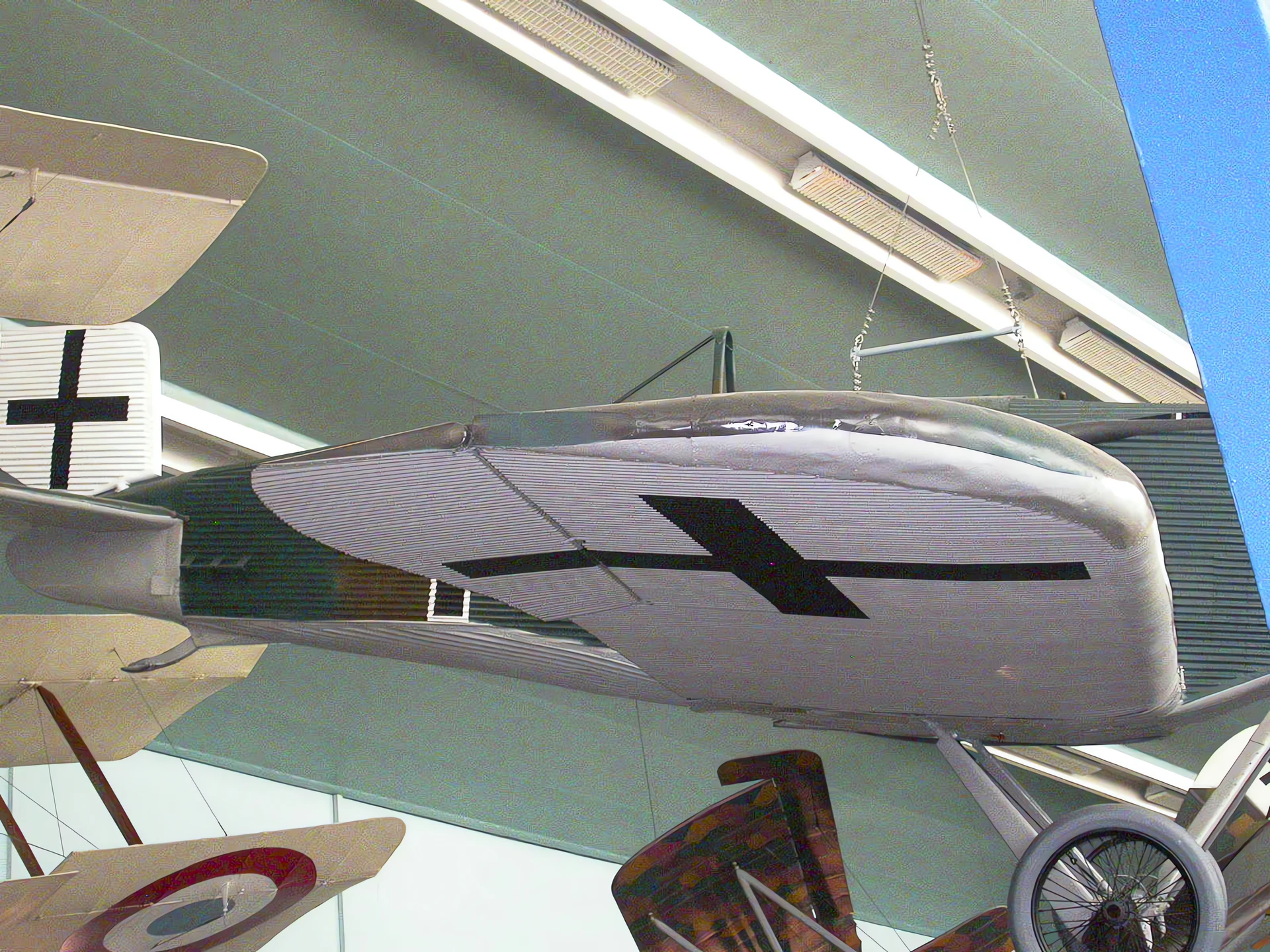
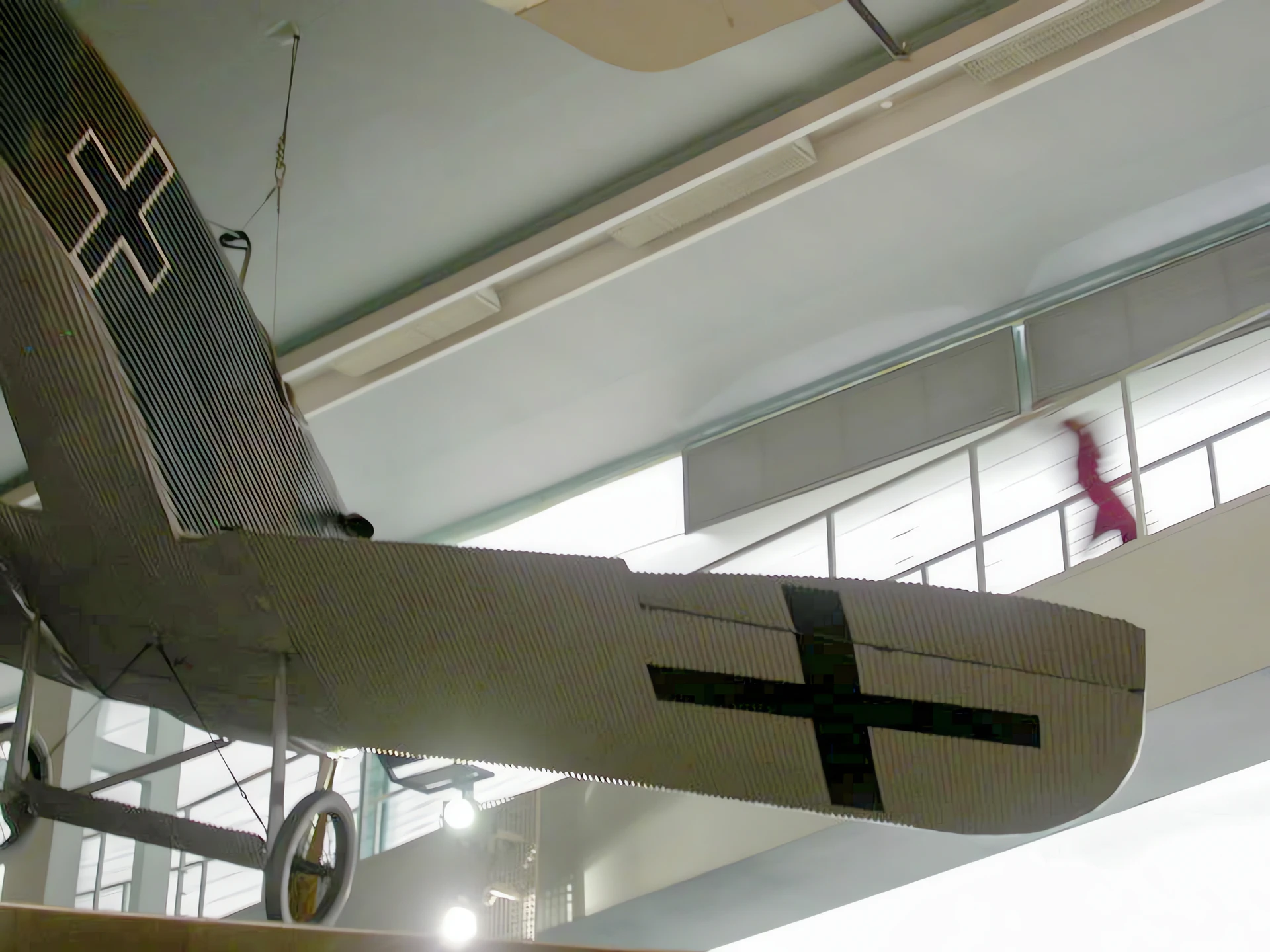
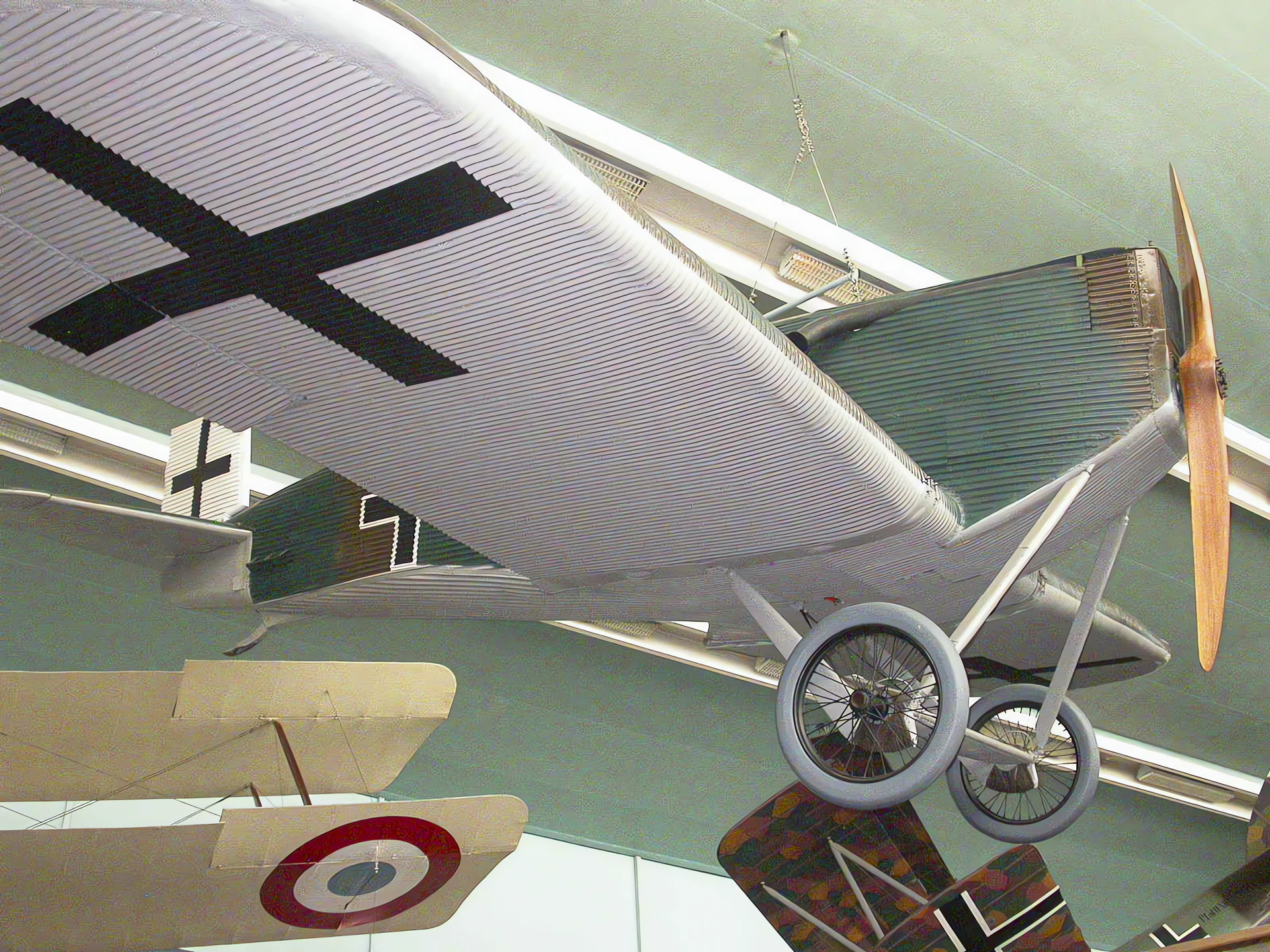
A Junkers D.I (gyári jelölés J 9) egy egyfedelű vadászrepülőgép volt, amelyet Németországban gyártottak az első világháború végén, és amely az első teljesen fémből készült vadászgép lett. A prototípus, a Junkers J 7 nevű magánvállalkozása, először 1917. szeptember 17-én repült, és a tesztek során közel fél tucat részletváltoztatáson ment keresztül a tervezésben. Amikor a következő év elején bemutatták az Idfliegnek, elég lenyűgözőnek bizonyult ahhoz, hogy három további repülőgépet rendeljenek próbára. A Junkers által végrehajtott változtatások elég jelentősek voltak ahhoz, hogy a cég a következő példányt J 9-re nevezze át, amelyet a megrendelt három J 7 helyett az Idfliegnek szállítottak.
Forrás: Junkers D.I a Wikipédián
| Junker J9 D1 Walk Around | |
|---|---|
| Fotós | Unknow |
| Lokalizáció | Ismeretlen |
| Fénykép | 22 |
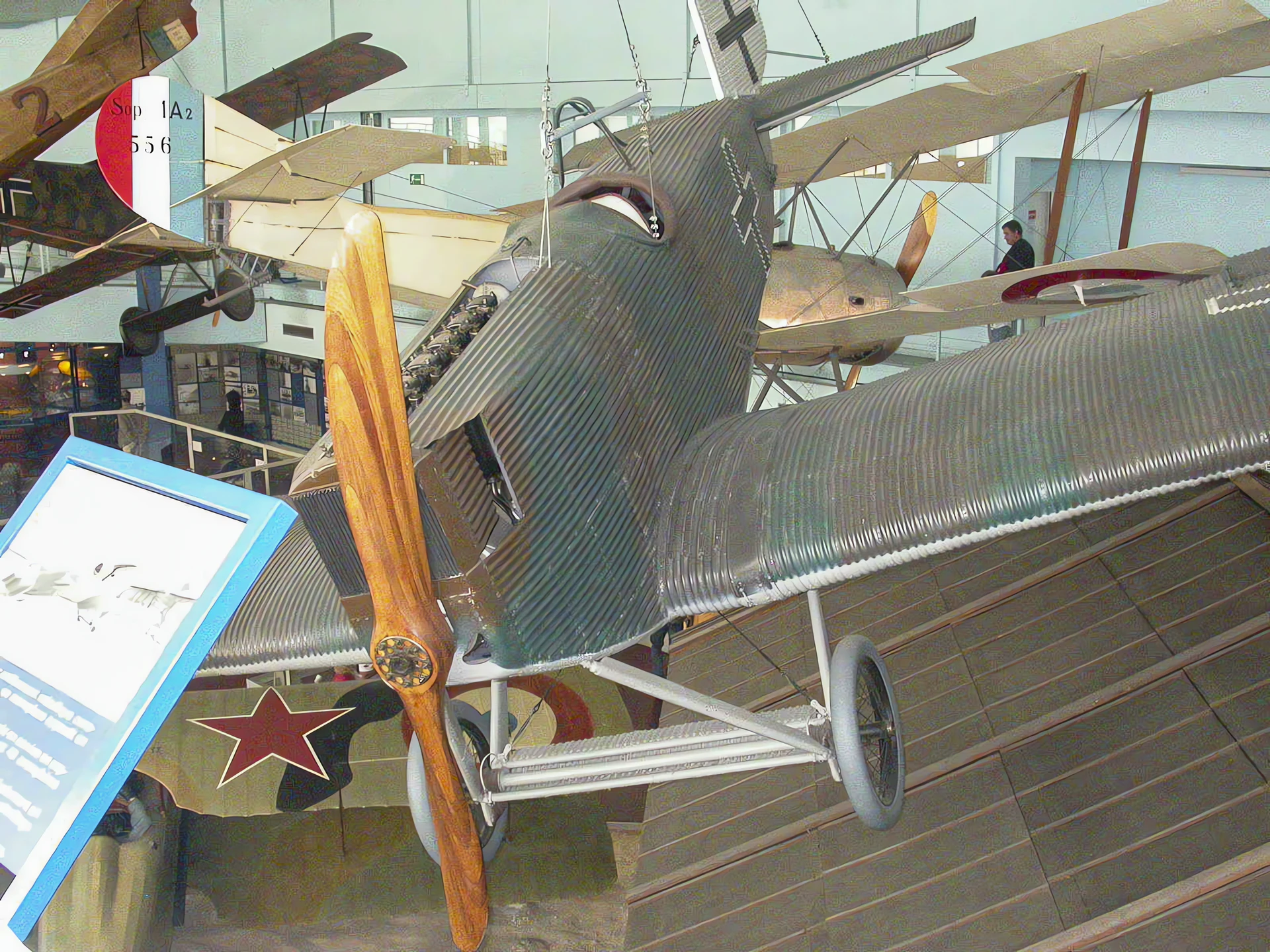
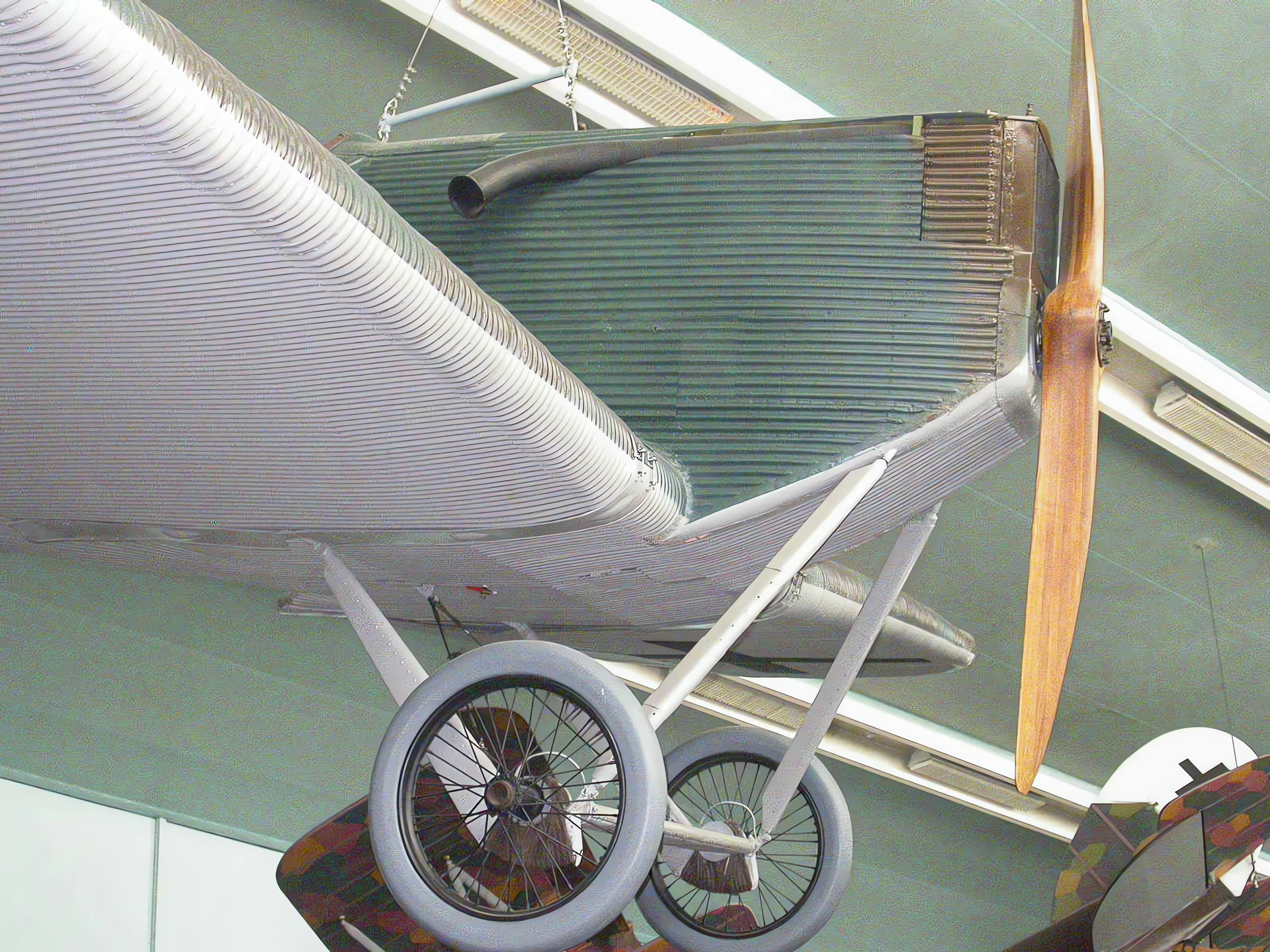
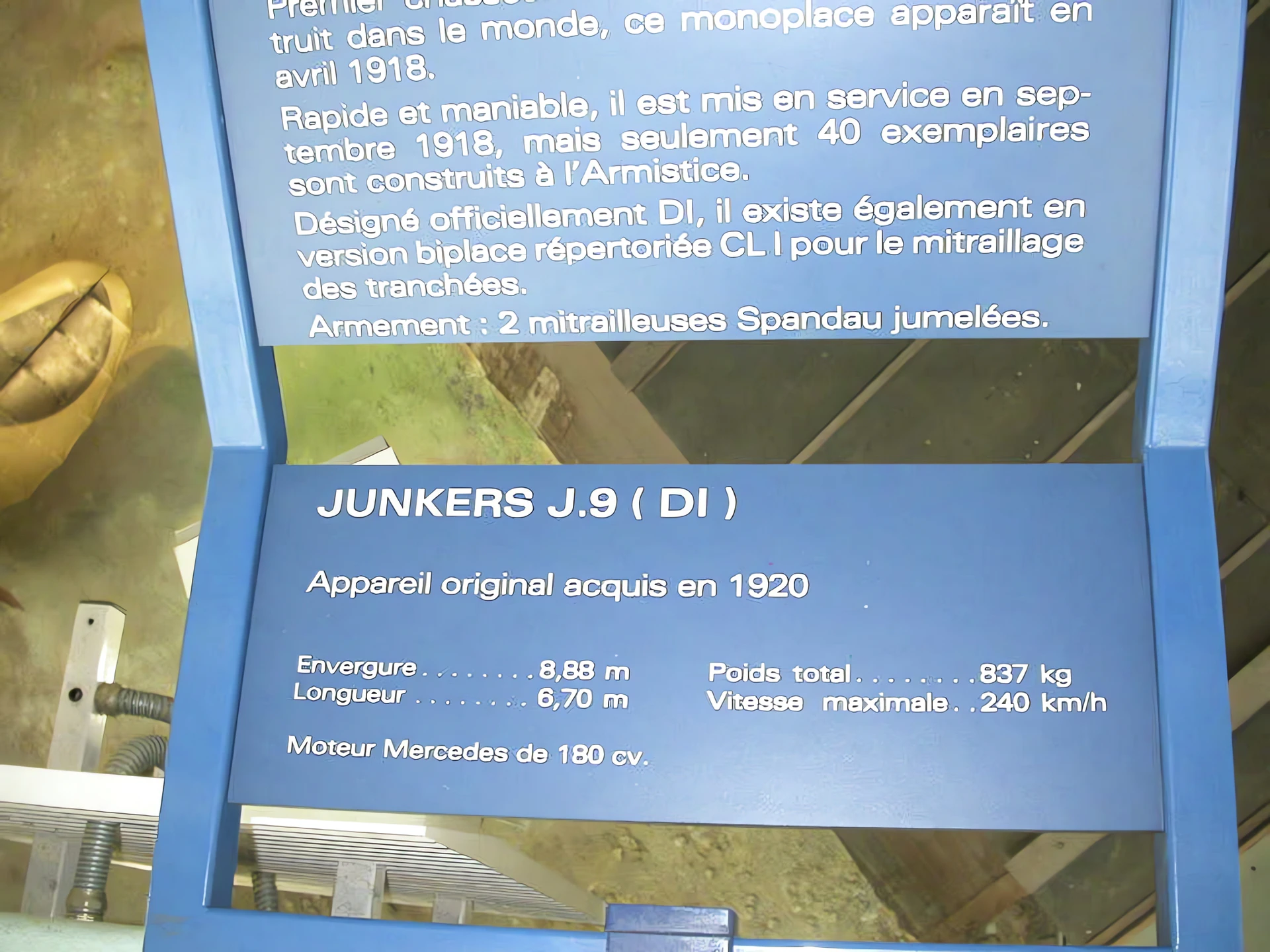


Lásd még:


General Characteristics
The Junkers J 9 (military designation D.I) was a German monoplane fighter aircraft produced late in World War I, notable for being the world’s first all-metal fighter to enter military service. Designed by Hugo Junkers, the aircraft featured a revolutionary cantilever wing and fuselage entirely covered in corrugated duralumin (an aluminum alloy). This construction method made the aircraft exceptionally durable and easy to maintain compared to conventional wood-and-fabric aircraft, though early models were criticized for low maneuverability. Only a small number of J 9s were delivered before the Armistice, primarily used by the Imperial German Navy for coastal defense and later by paramilitary Freikorps units after the war.
| Property | Typical Value (D.I Production) |
|---|---|
| Szerepet | Fighter Aircraft / Naval Fighter |
| National Origin | Germany (German Empire) |
| Gyártó | Junkers-Fokker A.G. |
| First Flight (Prototype J 7) | September 17, 1917 |
| Introduction Date | 1918 |
| No. Built | Approx. 41 |
| Legénység | 1 (Pilot) |
| Hossza | 7.25 m (23 ft 9 in) |
| Szárnyfesztávolsága | 9.00 m (29 ft 6 in) |
| Max Takeoff Weight | 834 kg (1,839 lb) |
Powerplant and Performance
- Engine: 1 x BMW IIIa water-cooled 6-cylinder inline piston engine (Later production models and prototypes were also fitted with Mercedes D.IIIa/aü engines).
- Power Output: 138 kW (185 hp) (BMW IIIa).
- Maximum Speed: 176 km/h (109 mph) (with BMW IIIa).
- Service Ceiling: 6,000 m (19,700 ft).
- Endurance: 1.5 hours.
- Design Note: Its all-metal, low-wing monoplane design was extremely advanced for its time, predating similar designs by over a decade.
Fegyverzet
- Armament: 2 x 7.92 mm LMG 08/15 Spandau machine guns, fixed and synchronized to fire forward through the propeller arc.
- Operational Note: Despite being an advanced design, many German pilots preferred the maneuverability and climb rate of contemporary biplanes, such as the Fokker D.VII, for traditional aerial combat. The J 9 was deemed better suited for specialist roles like naval patrol or balloon attack.
Views : 1521