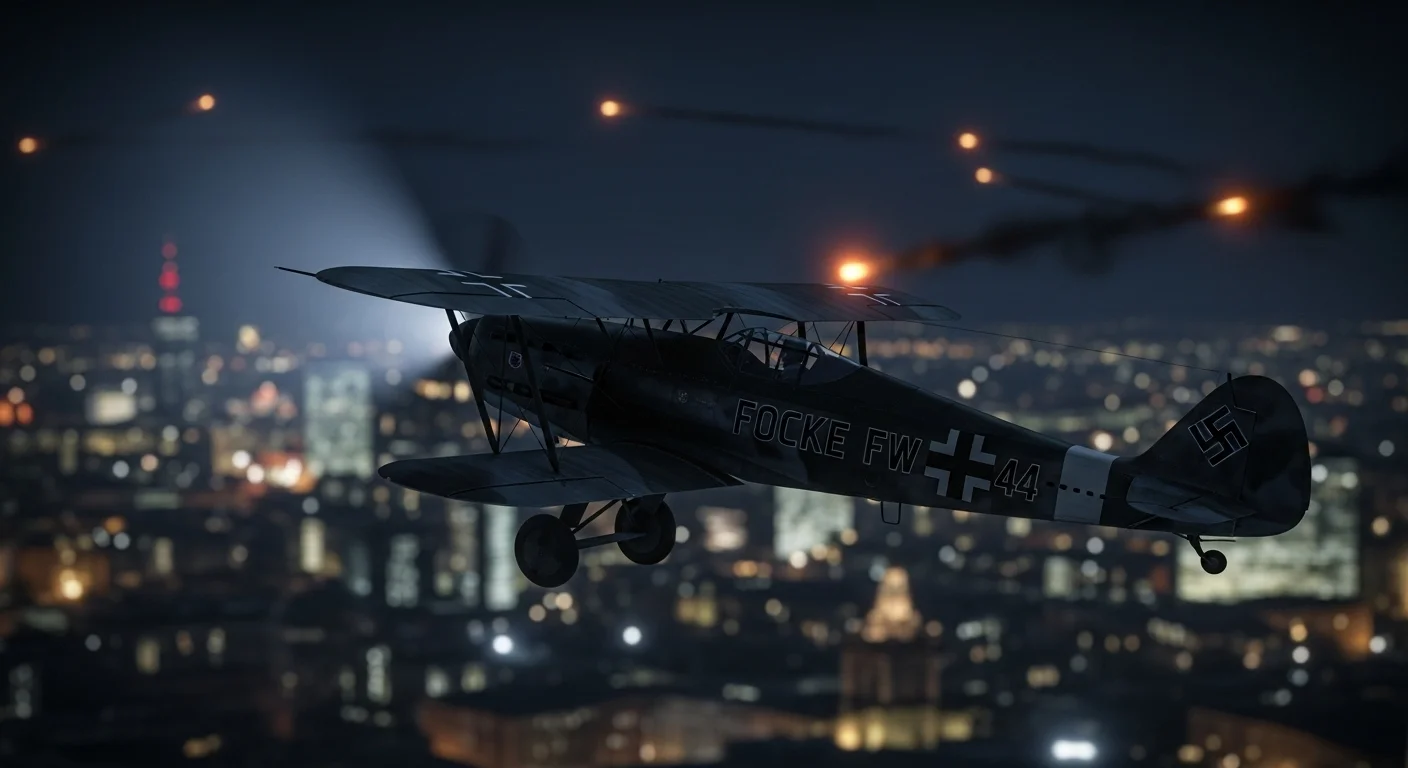
Focke-Wulf Fw 44 | |
|---|---|
| Pays | Germany |
| Rôle | Biplan d’entraînement |
| Fabricants | Focke-Wulf FMA |
| Premier vol | 1932 |
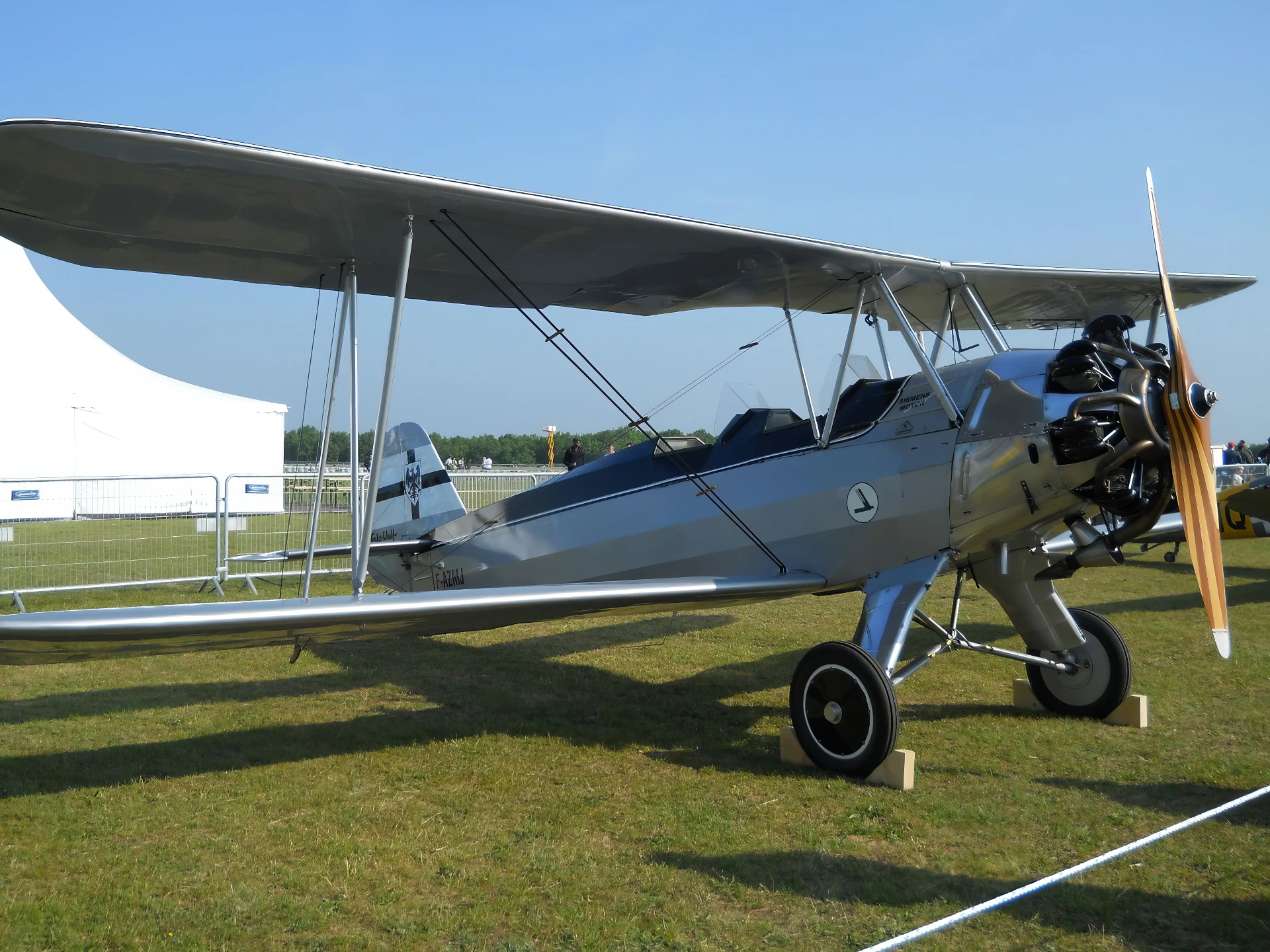
Lla Focke-Wulf Fw 44 est un biplan biplace allemand des années 1930 connu sous le nom de Stieglitz (« Chardonneret »). Conçu par Kurt Tank, il a été produit par la société Focke-Wulf en tant qu’avion d’entraînement des pilotes et de vol sportif. Il a également été construit sous licence dans plusieurs autres pays.
Source: Focke-Wulf Fw 44 sur Wikipédia
| Focke-Wulf Fw 44 Stieglitz Walk Around | |
|---|---|
| Photographe | Unknow |
| Localisation | Inconnu |
| Photos | 20 |
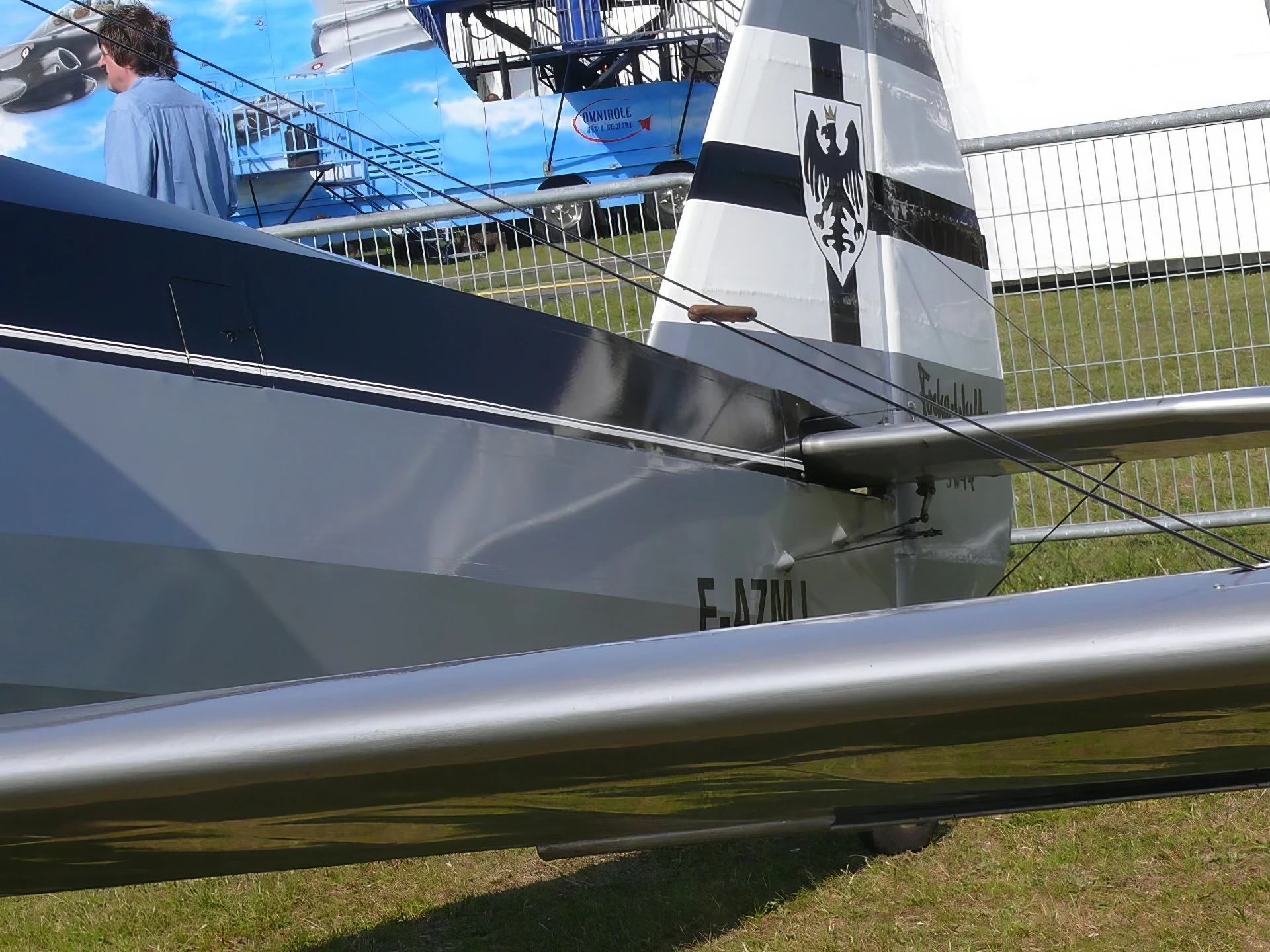
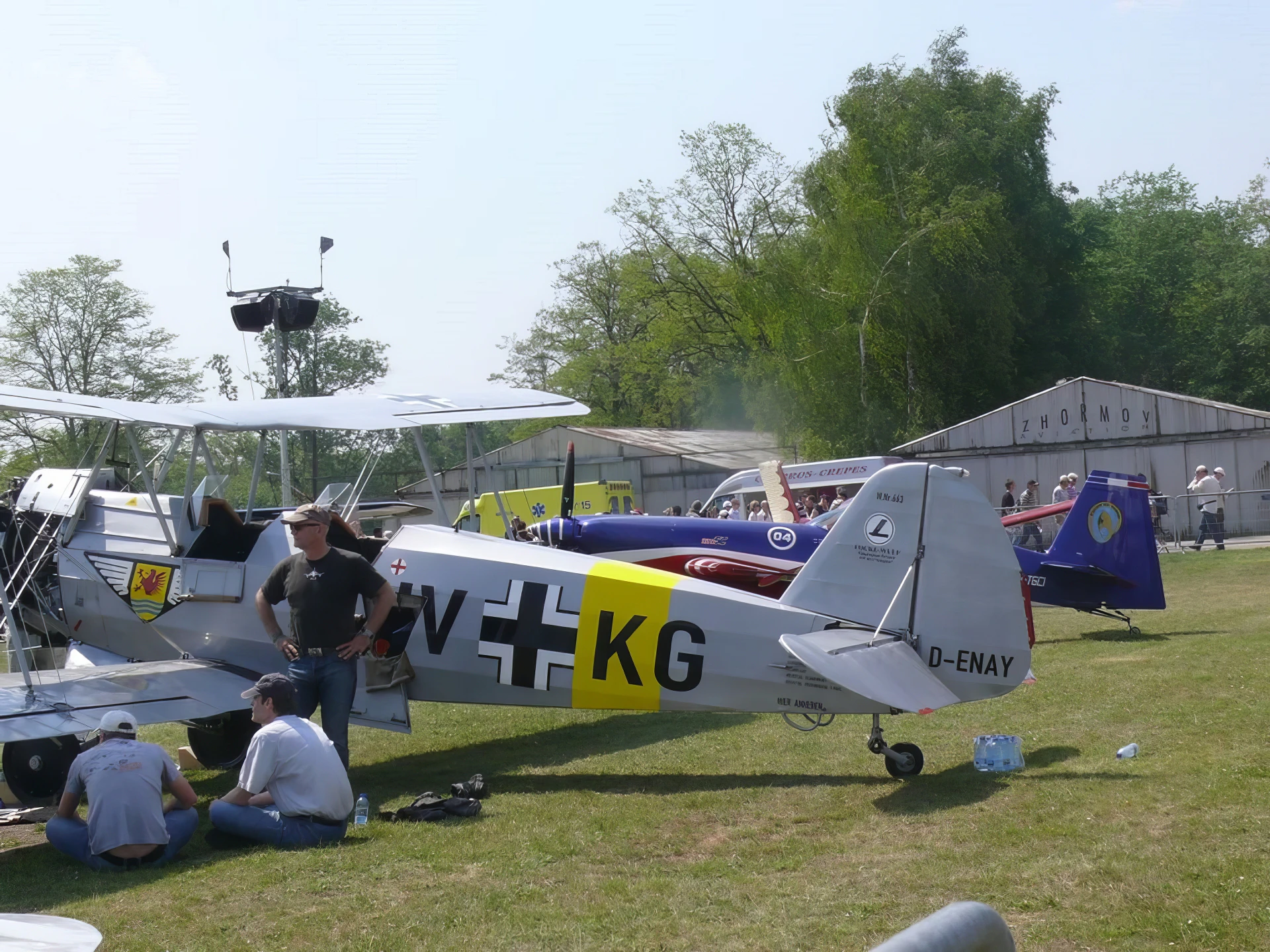
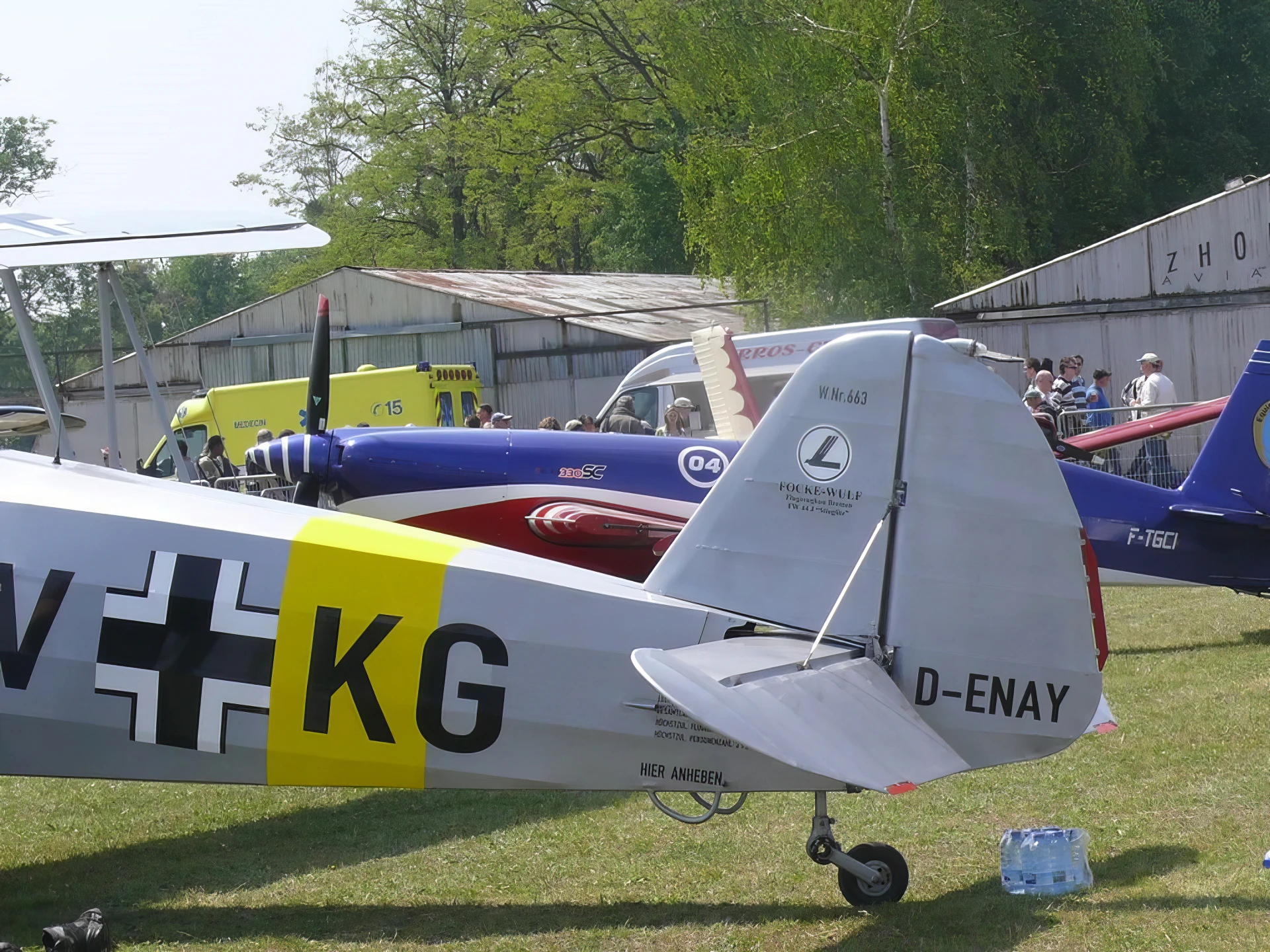
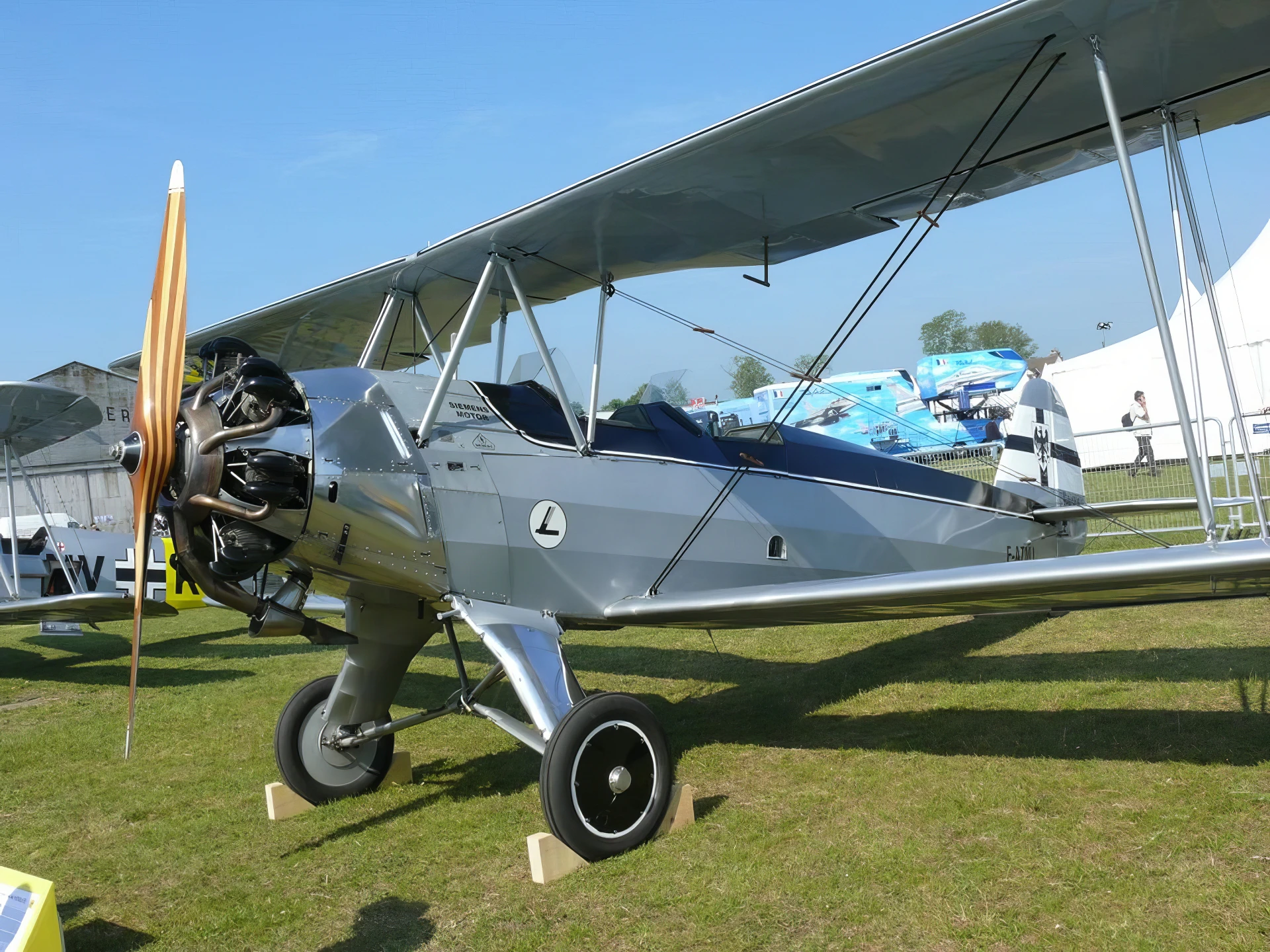
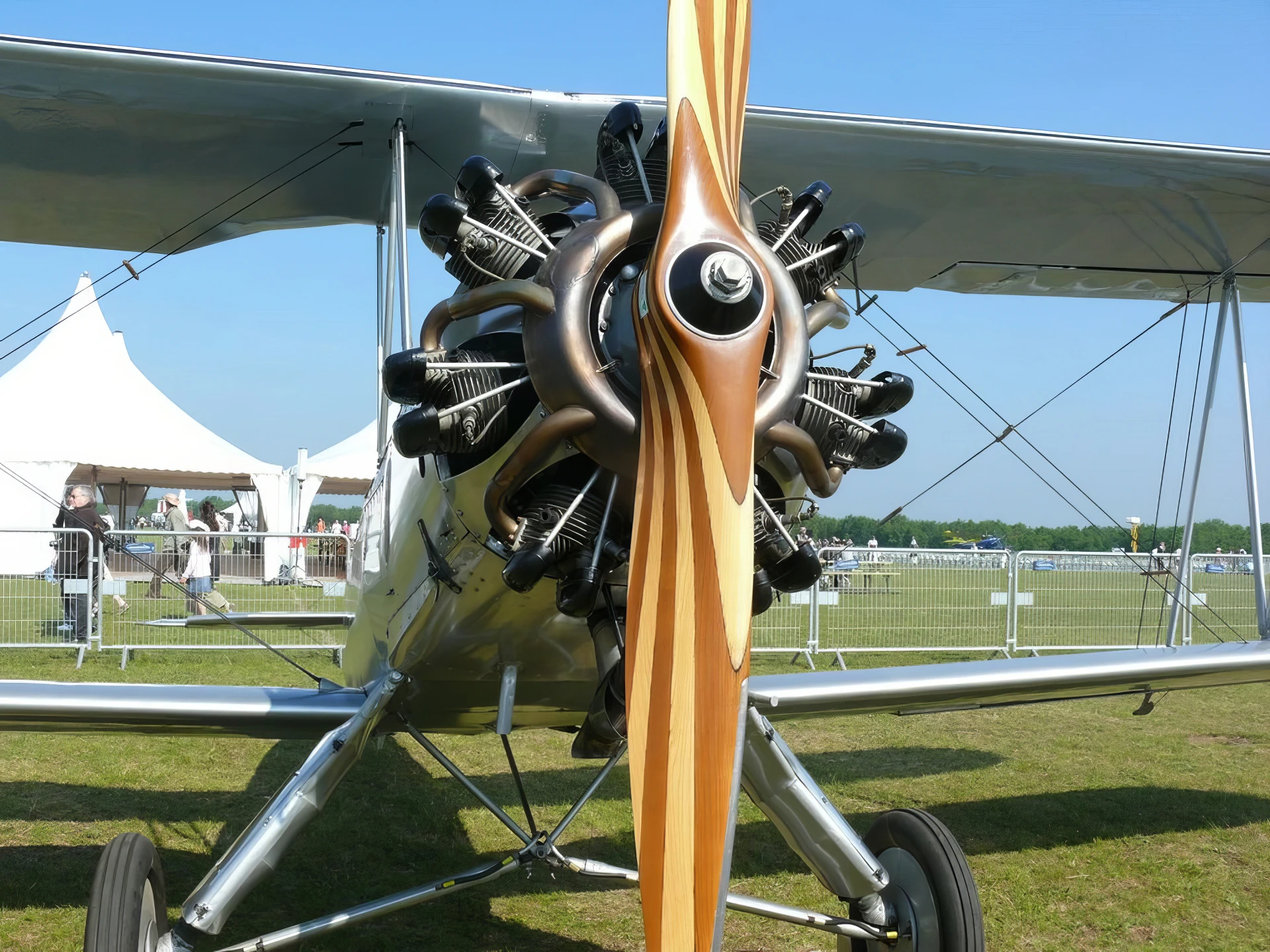


Voir aussi :


The Foundation of the Luftwaffe
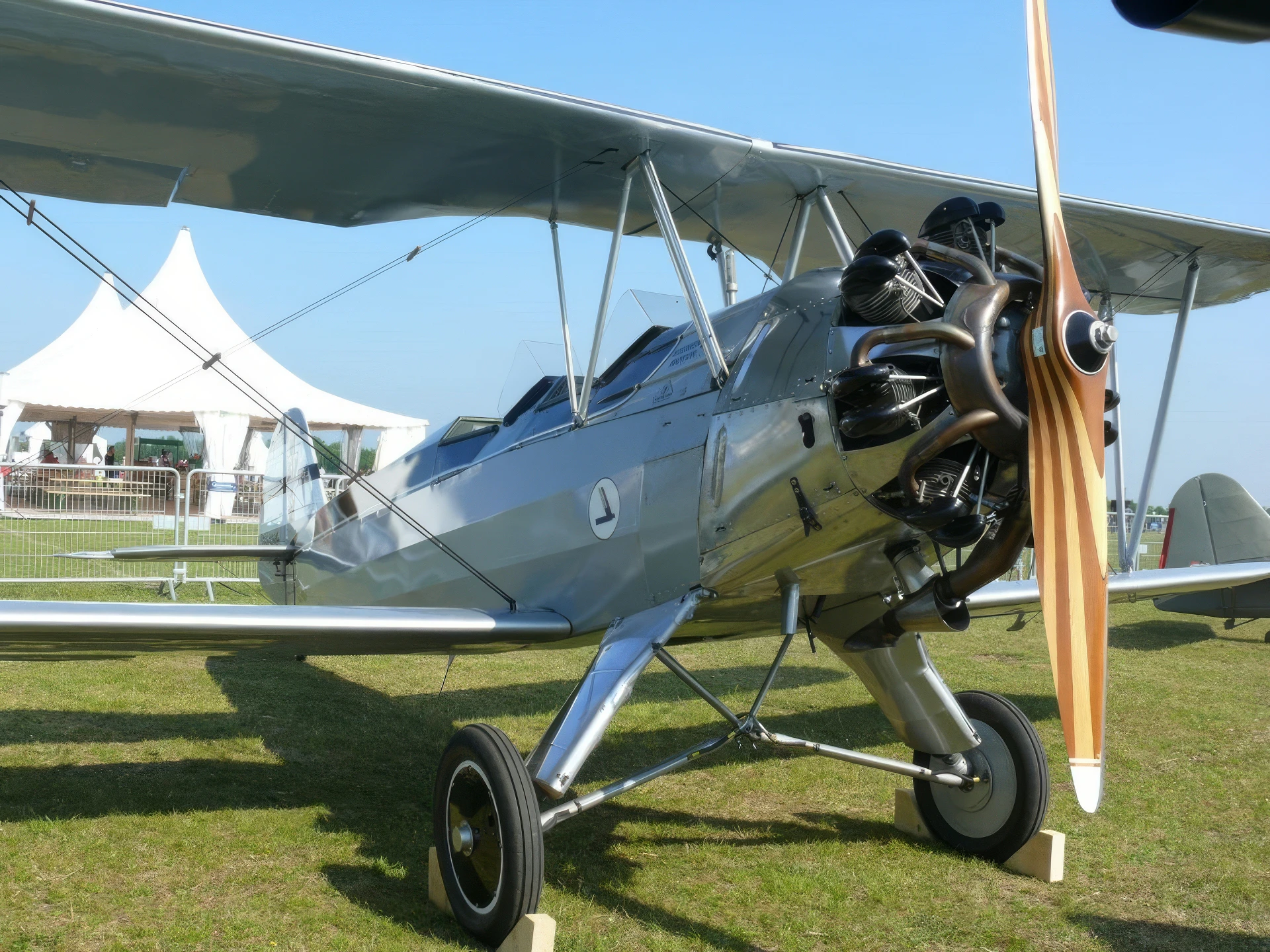
Lla Focke-Wulf Fw 44 Stieglitz (Goldfinch) was a 1930s-era two-seat biplane that served as the primary basic trainer for the re-emerging German Luftwaffe. Designed by the legendary Kurt Tank, it was a conventional but exceptionally well-balanced aircraft. Its fame came not just from training pilots, but from its incredible aerobatic capabilities. It was the aircraft of choice for world-renowned pilots like Ernst Udet and Gerd Achgelis, who used it to perform maneuvers that were previously thought impossible for a biplane of its class.
| Attribute | Standard Specification (Fw 44J) |
|---|---|
| Rôle | Primary Trainer / Aerobatic Aircraft |
| Crew | 2 (Tandem open cockpits) |
| First Flight | 1932 |
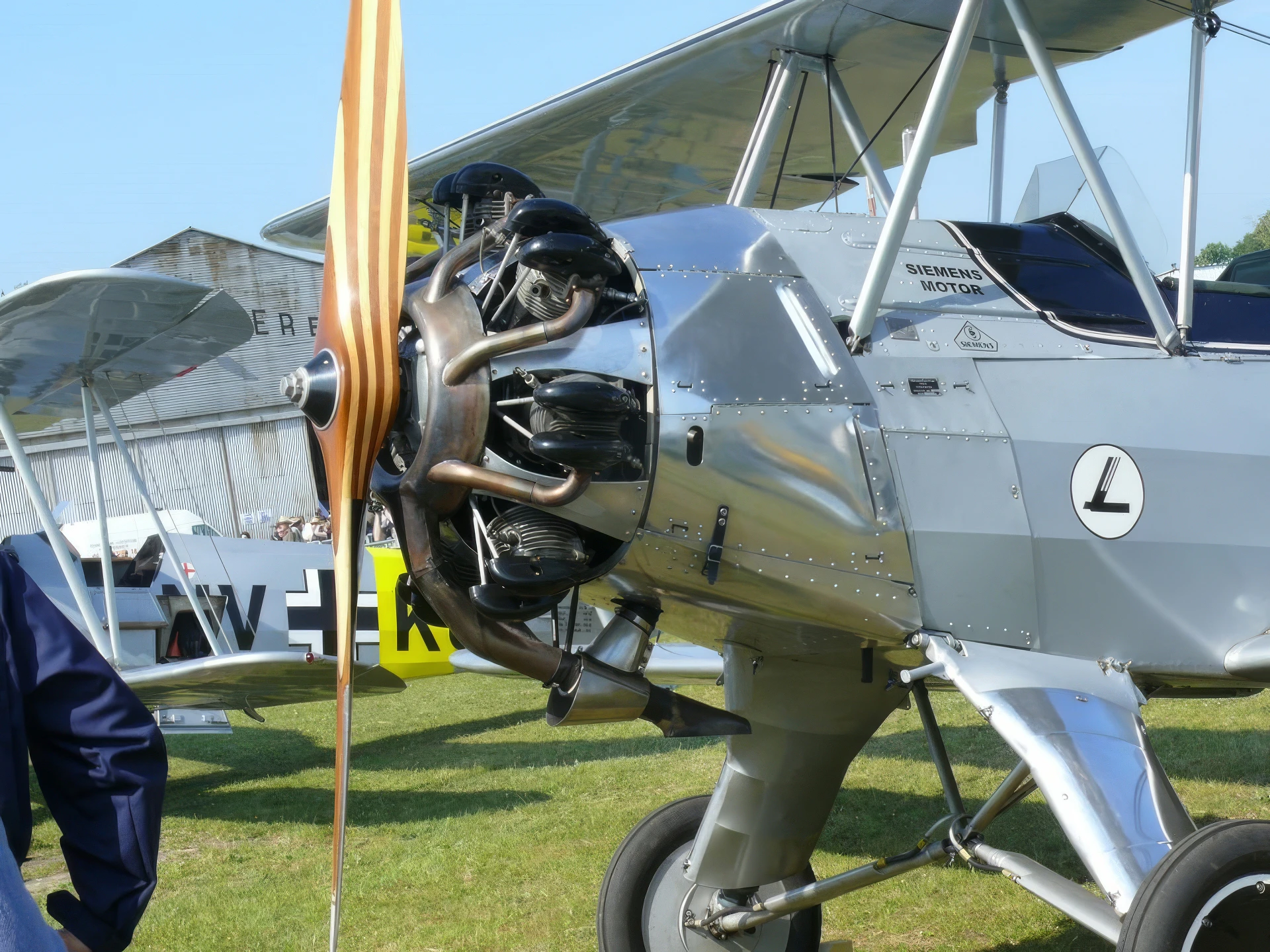
| Groupe motopropulseur | 1 × Siemens-Halske Sh 14A 7-cylinder radial |
| Horsepower | 150 hp (112 kW) |
| Vitesse maximale | 185 km/h (115 mph) |
| Envergure | 9 meters (29 ft 6 in) |
| Empty Weight | 565 kg (1,246 lb) |
Design Refinement & Handling
- Staggered Biplane Wings: The upper wing was positioned slightly forward of the lower wing. This « stagger » improved the pilot’s upward visibility and provided better stall characteristics, as the two wings would stall at slightly different angles of attack.
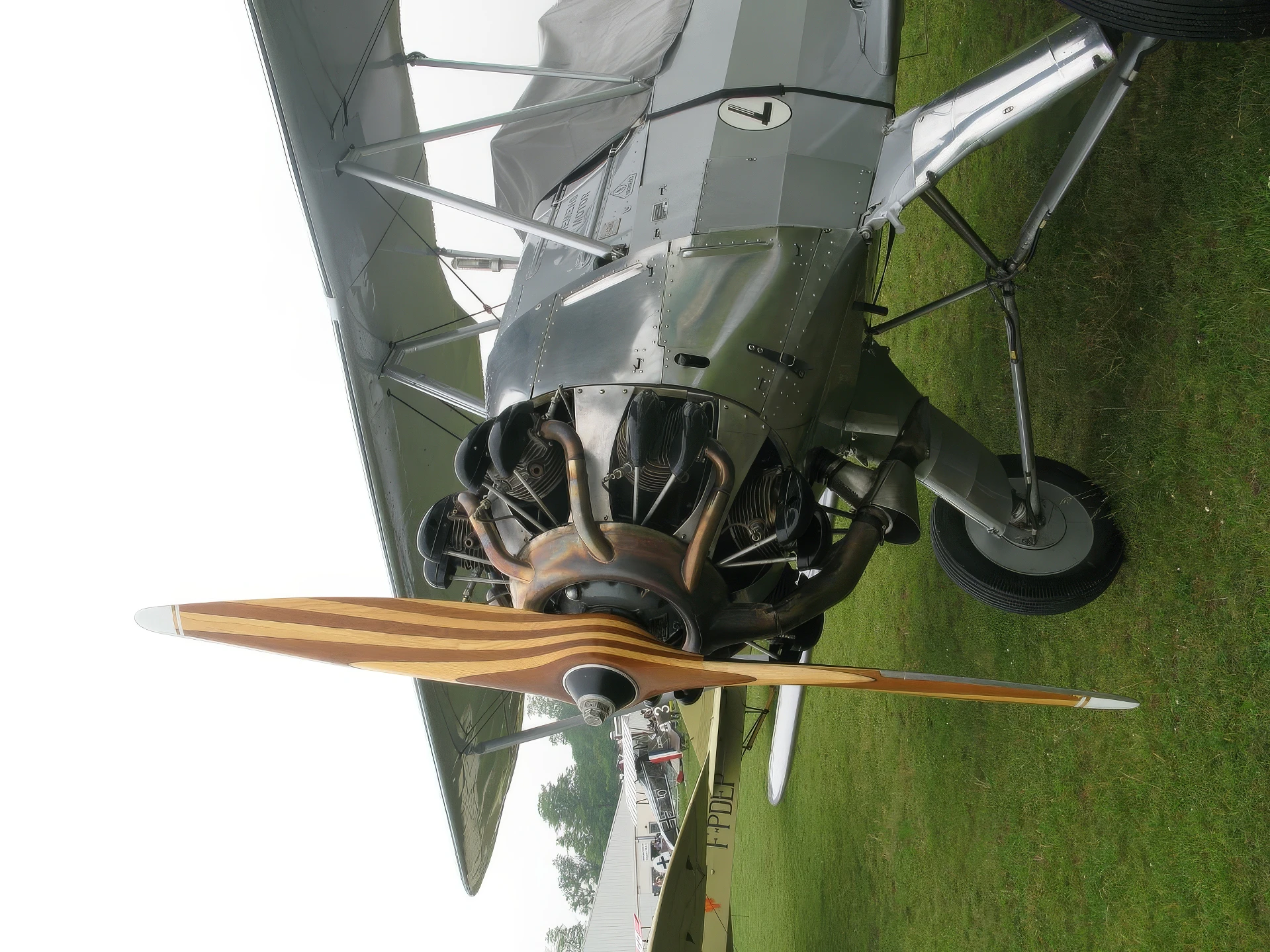
- The Sh 14 Radial: The Siemens-Halske Sh 14 radial engine was famous for its reliability and smooth power delivery. Crucially for aerobatics, it featured a specialized carburetor system that allowed the engine to run while the aircraft was flying inverted (upside down).
- Steel-Tube Fuselage: Unlike many contemporary wooden trainers, the Fw 44 used a welded steel-tube fuselage covered in fabric. This gave the aircraft the structural rigidity needed to withstand high G-loads during extreme aerobatic maneuvers.
- Four-Aileron System: To ensure rapid roll rates, the Stieglitz featured ailerons on both the upper and lower wings, connected by push-rods. This gave the pilot immense « authority » over the plane’s movements.
International Success
- Global Trainer: The Fw 44 was an export sensation, sold to or built under license by Argentina, Austria, Brazil, Bulgaria, China, Finland, Romania, Sweden, and Turkey.
- Finnish Service: In Finland, the aircraft was used for decades and was nicknamed the Stigu. It was instrumental in training the Finnish fighter aces who would later fly the Brewster Buffalo and Bf 109.
- Aerobatic Legend: During the 1936 Berlin Olympics, the Fw 44 was used in massive aerobatic displays to showcase German aviation prowess to the world.
- Longevity: Because of its robust construction and delightful handling, many Fw 44s survived the war and continued flying in civilian hands as late as the 1960s and 70s.
Vues : 1215
Vous pouvez voir aussi :
 Hawker Fury – Photos & Vidéos
 EKW C-35 – Photos & Vidéos
 SPAD S.XI – Promenez-vous
 Phönix D.I – Photos & Vidéos
 Fairey Swordfish – Photos & Vidéos
 Hawker Hart – Photos et vidéos
 Fokker D.VII – Photos & Vidéo
 Royal Aircraft Factory S.E.5 – Photos & Vidéo
 SPAD S.VII Cabruna & Ruffo – Photos & Vidéo
 Stearman PT-13D Kaydet- Photos & Vidéo