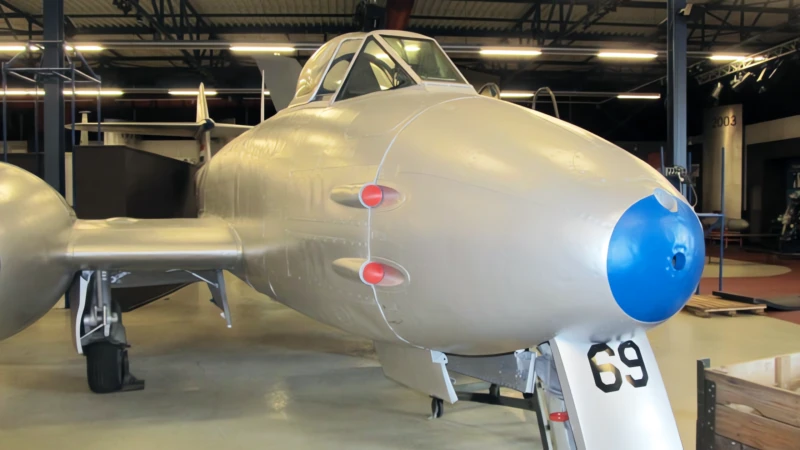
Gloster Meteo | |
|---|---|
| Land | Großbritannien |
| Rolle | Kampfflugzeuge |
| Erstflug | 5. März 1943 |
| Gebaut | 3947 |
das Gloster Meteor war das erste britische Düsenflugzeug und das einzige Düsenflugzeug der Alliierten, das während des Zweiten Weltkriegs Kampfoperationen durchlief. Die Entwicklung des Meteor war stark von seinen bahnbrechenden Turbojet-Triebwerken abhängig, die von Sir Frank Whittle und seiner Firma Power Jets Ltd. ins Leben geschlossen wurden. Die Entwicklung des Flugzeugs begann 1940, obwohl die Arbeiten an den Triebwerken seit 1936 im Gange waren. Die Meteor flog erstmals 1943 und nahm ihren Betrieb am 27. Juli 1944 mit der Nr. 616 Squadron RAF auf. Der Meteor war in seiner Aerodynamik kein ausgeklügeltes Flugzeug, sondern erwies sich als erfolgreicher Kampfjäger. Glosters 1946 ziviler Meteor F.4 Demonstrator G-AIDC war das erste zivil registrierte Düsenflugzeug der Welt
Quelle: Gloster Meteor auf Wikipedia
| Gloster Meteor Mk.4 Rundgang | |
|---|---|
| Fotografen | Cees Hendriks |
| Lokalisierung | Unbekannter |
| Fotos | 106 |
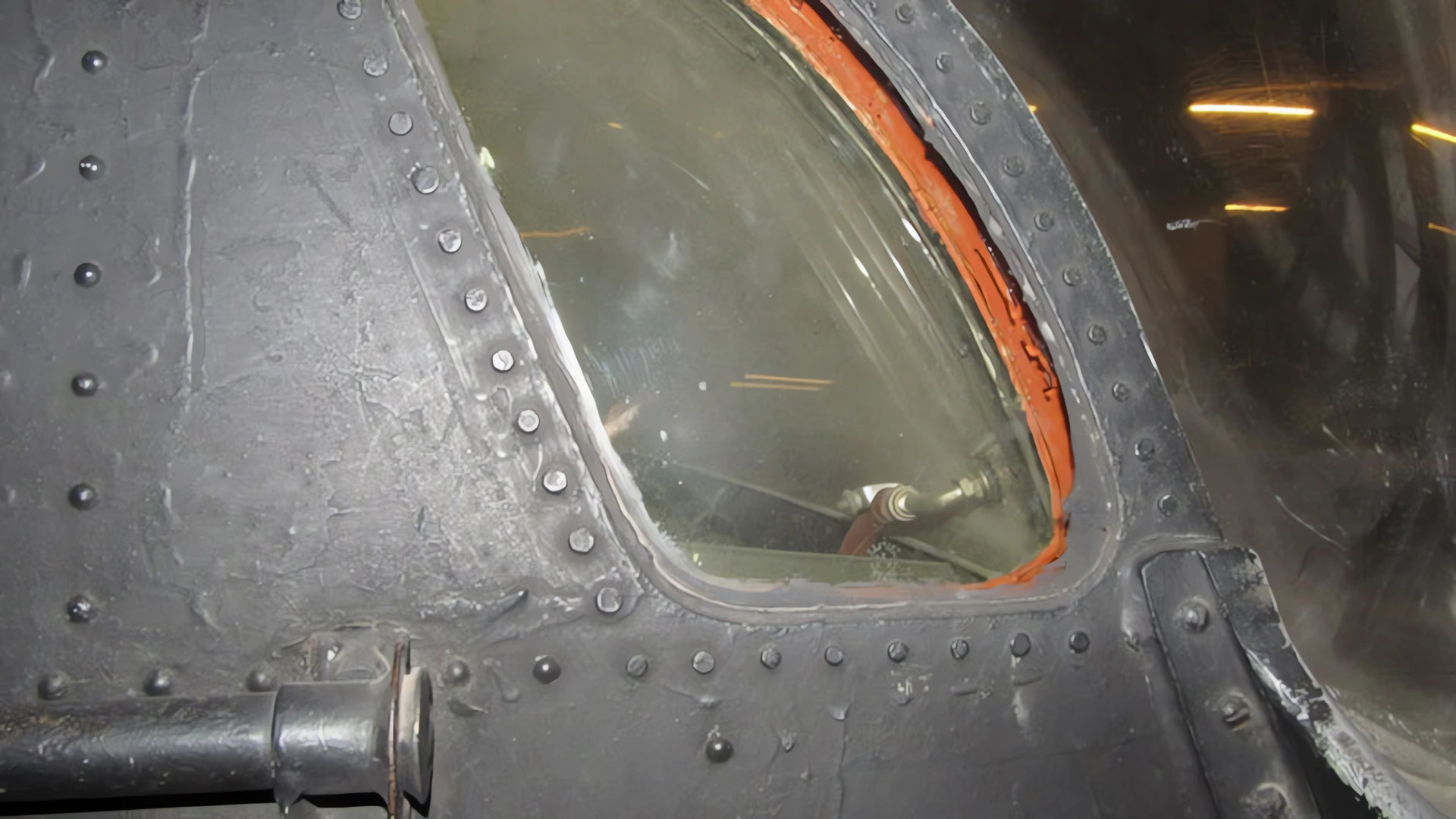
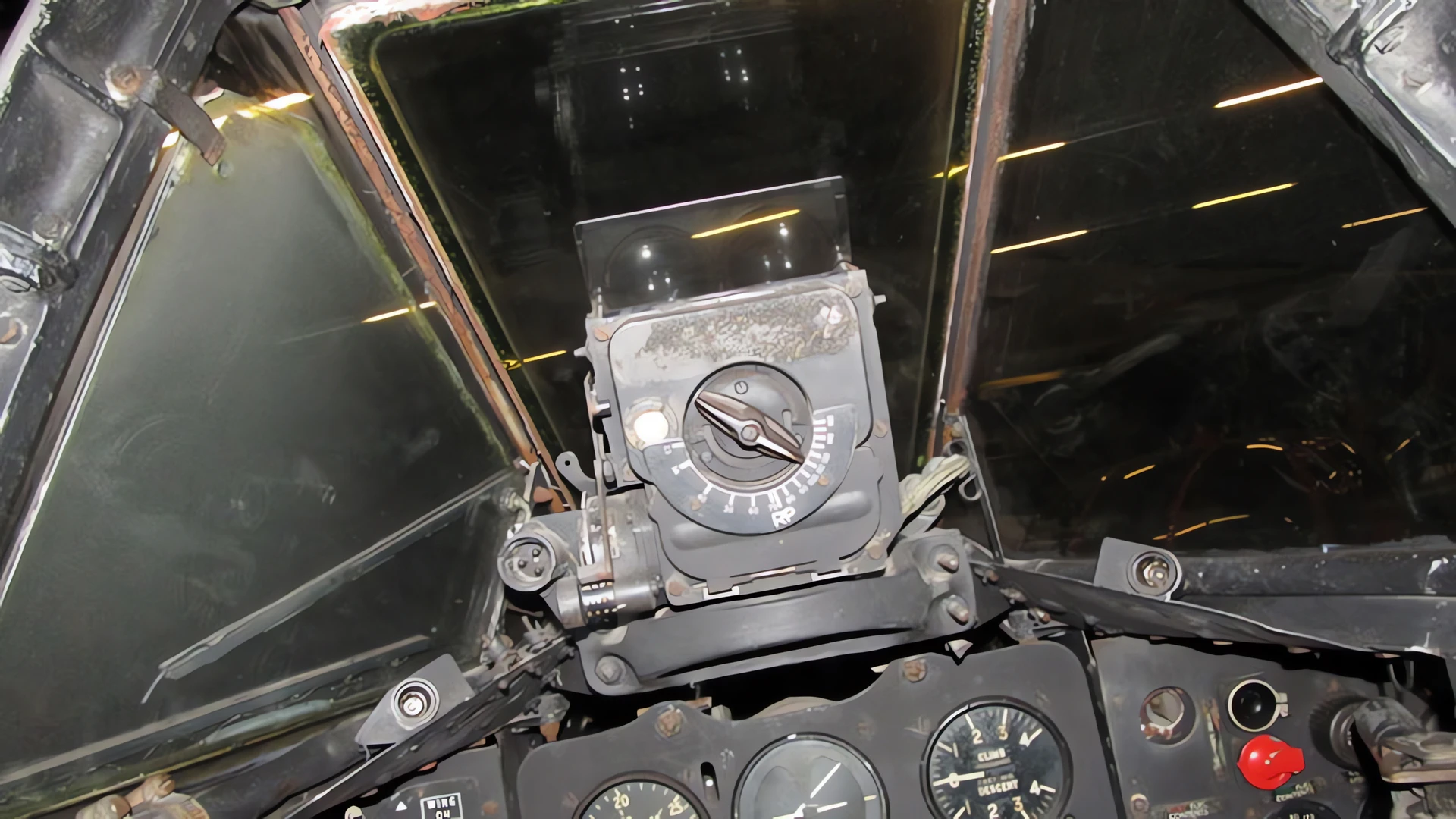
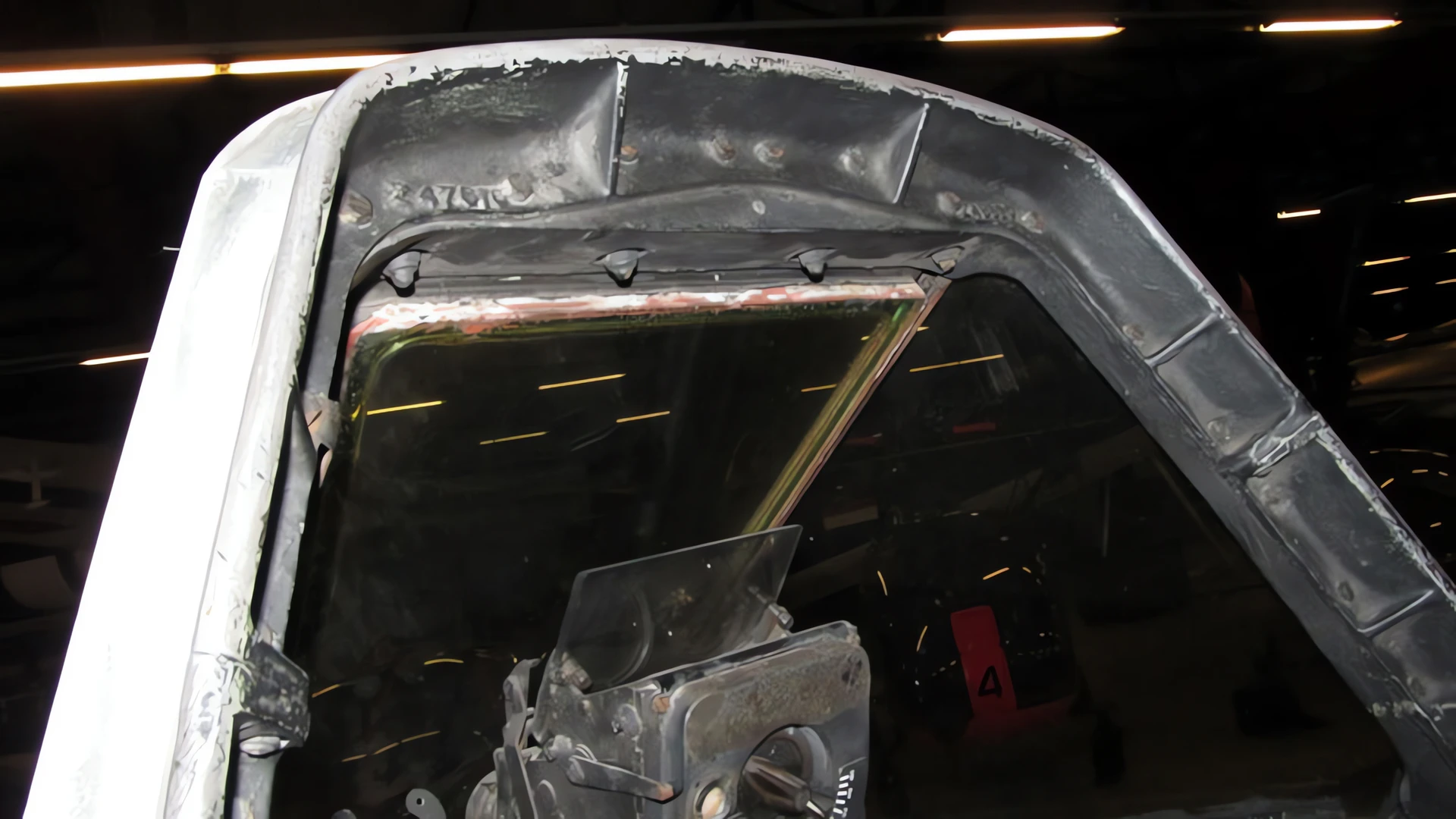
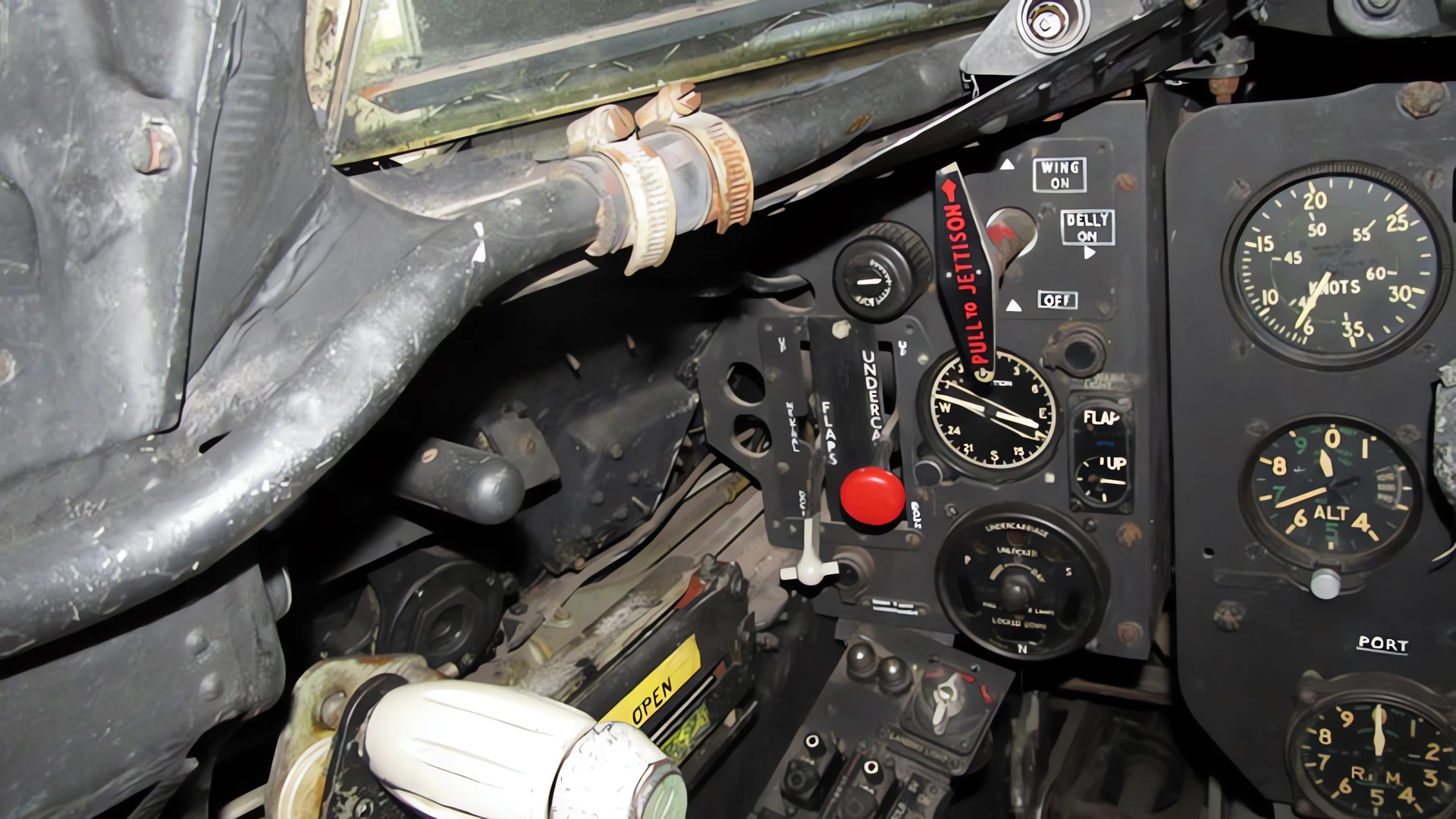
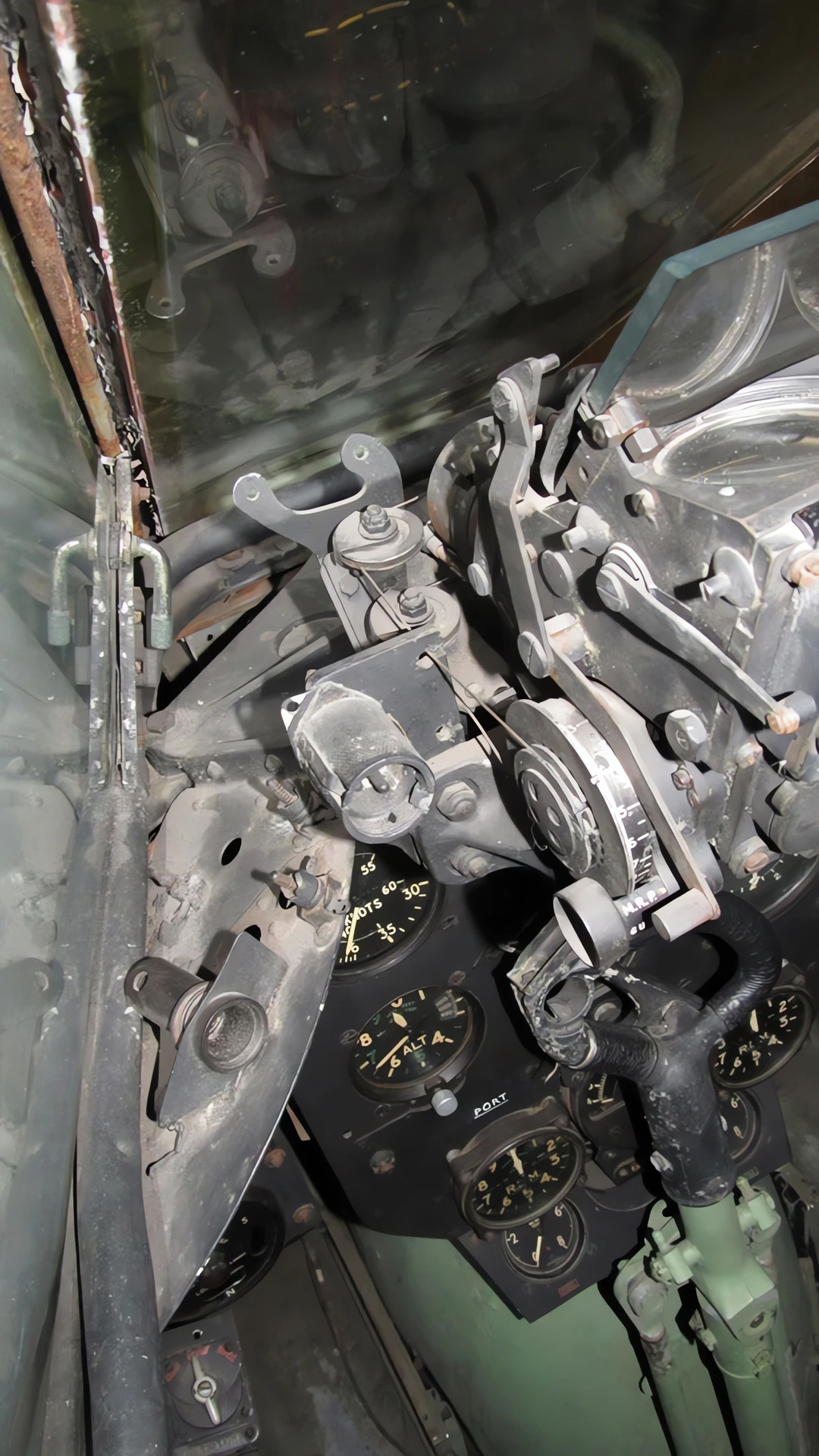
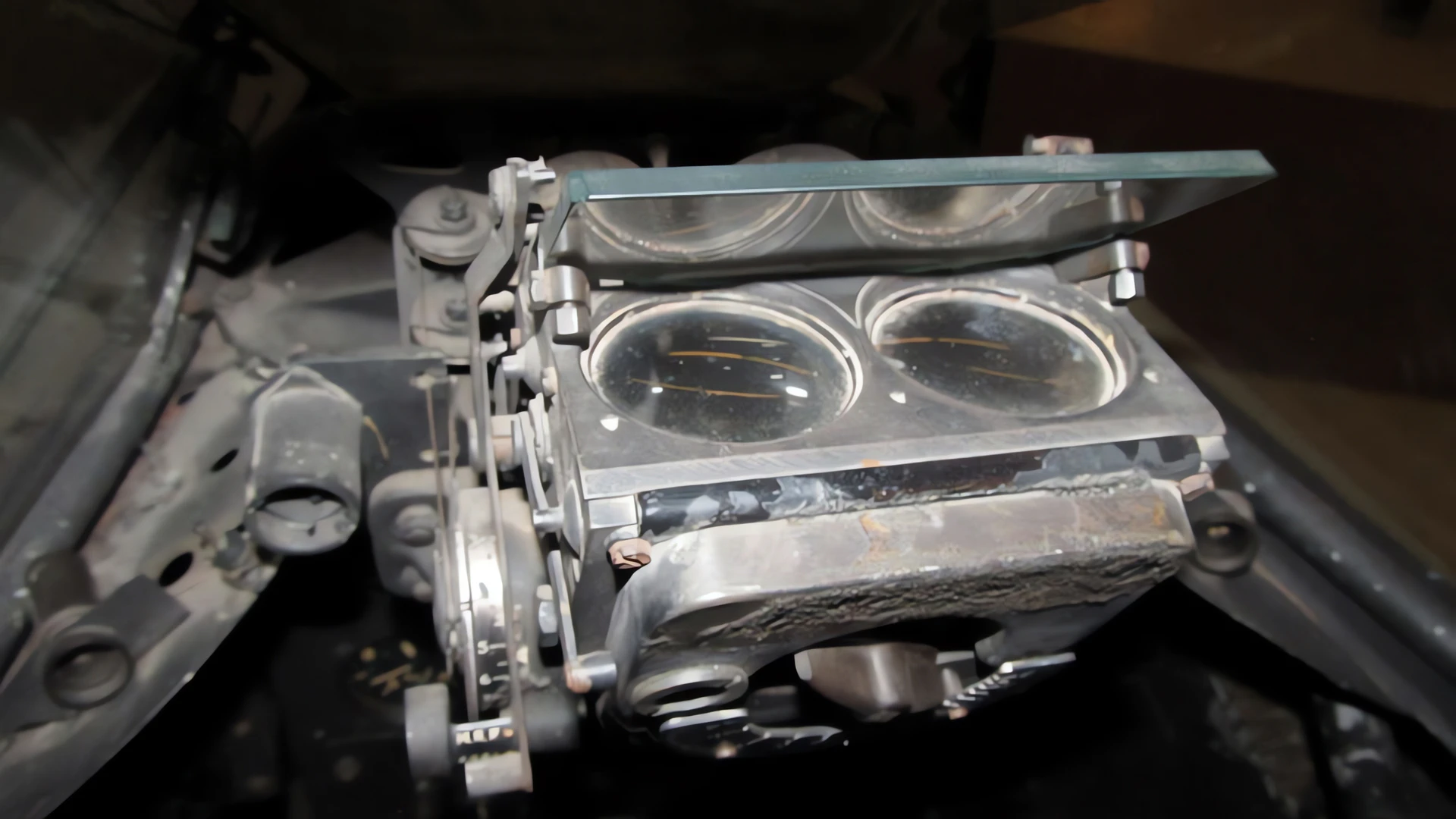
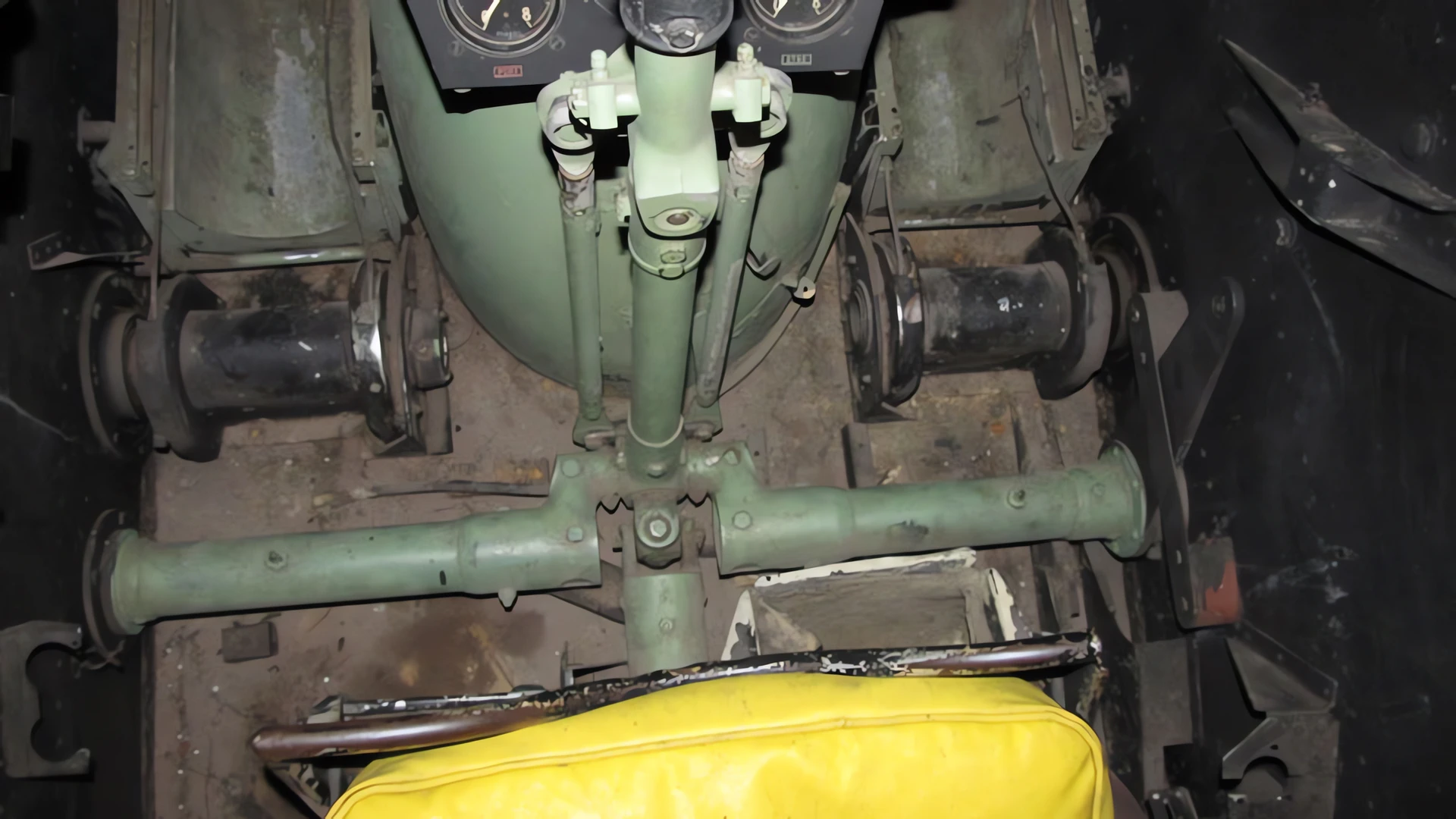
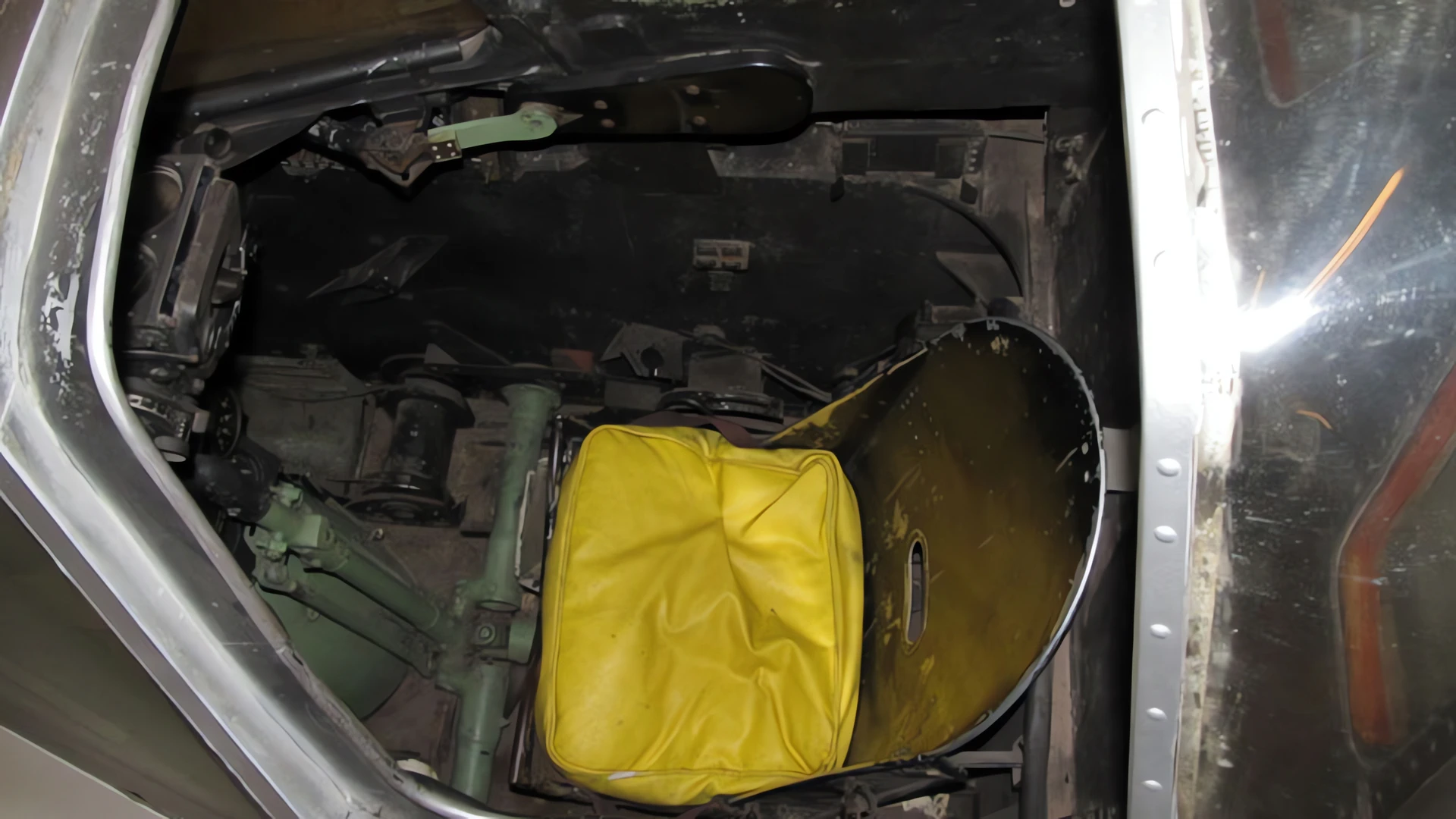
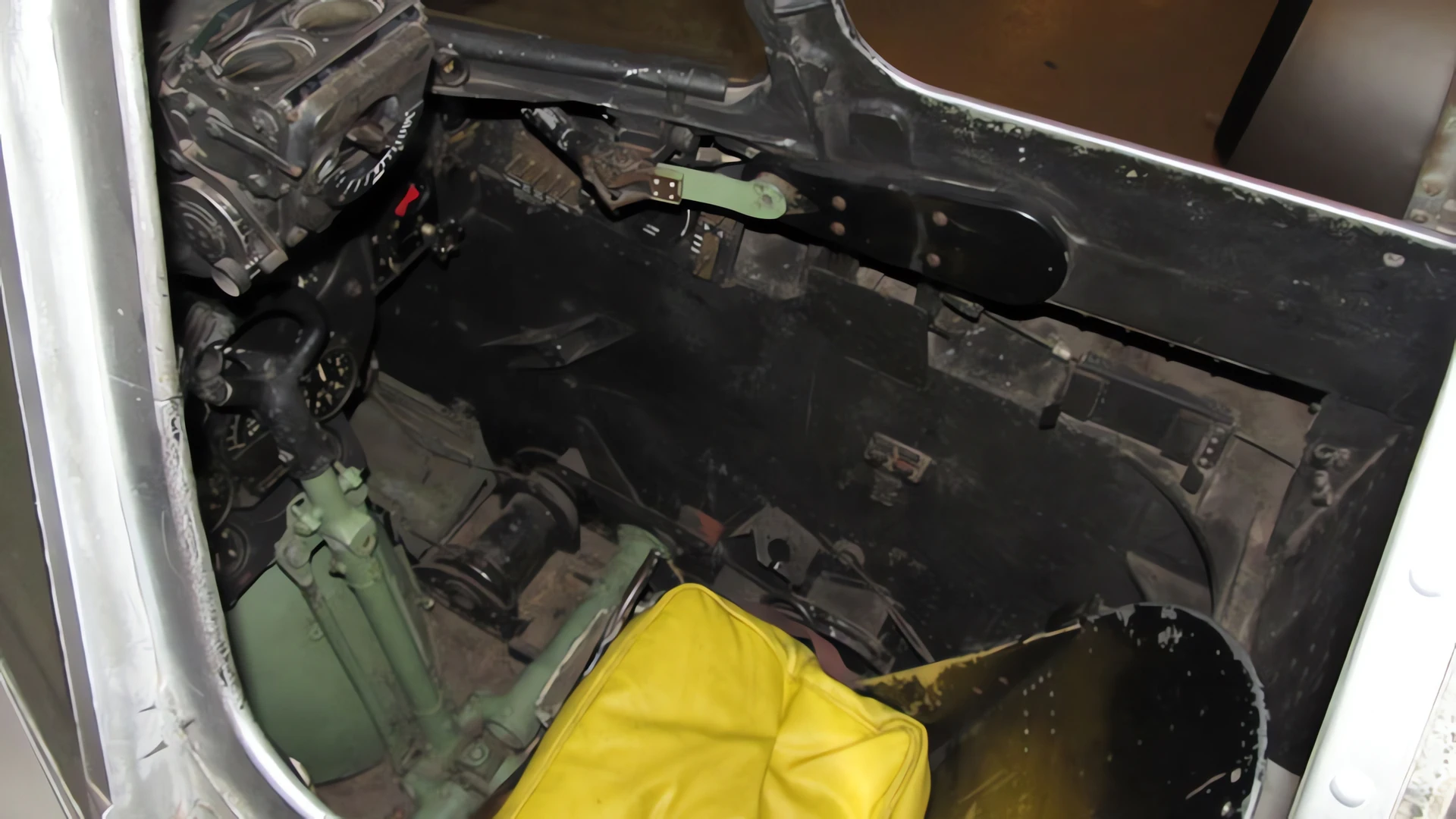

| Gloster Meteor Mk.4 Walk Around | |
|---|---|
| Fotograf | Unbekannter |
| Lokalisierung | Unbekannter |
| Fotos | 38 |
| Gloster Meteor F8 Walk Around | |
|---|---|
| Fotografen | Ian Kaiser and Matt Gannon |
| Lokalisierung | Das Temora Aviation Museum |
| Fotos | 101 |
| Gloster Meteor F8 Walk Around | |
|---|---|
| Fotografen | Unknow |
| Lokalisierung | Unbekannter |
| Fotos | 25 |
Siehe auch:


| Gloster Meteor F9-40 N Walk Around | |
|---|---|
| Fotografen | Unknow |
| Lokalisierung | Unbekannter |
| Fotos | 27 |
The Refined First-Generation Jet
das Gloster Meteor F.4 was the first major post-war evolution of the UK’s (and the Allies’) only operational WWII jet fighter. While the earlier Mk.1 and Mk.3 models were pioneering but underpowered, the F.4 introduced the significantly more powerful Derwent 5 engines. This variant transformed the Meteor from a curiosity into a world-class interceptor, boasting a climb rate and top speed that briefly made it the fastest aircraft on the planet.
| Attribute | Technical Specification (Meteor F.4) |
|---|---|
| Rolle | Fighter Interceptor |
| Crew | 1 (Pilot) |
| Einleitung | 1947 |
| Triebwerk | 2 × Rolls-Royce Derwent 5 centrifugal-flow turbojets |
| Thrust | 3,500 lbf (15.6 kN) per engine |
| Höchstgeschwindigkeit | 585 mph (941 km/h) at sea level |
| Rate of Climb | 7,350 ft/min (at sea level) |
| Bewaffnung | 4 × 20mm Hispano Mk.V cannons (nose-mounted) |
Design Innovations: Power and Stability
- The “Clipped” Wings: Early F.4s had long wings like the Mk.3, but the increased speed caused structural stress and heavy aileron control. Designers “clipped” the wingtips by nearly 3 feet each. This improved the roll rate and structural integrity, though it slightly increased the landing speed.
- Derwent 5 Engines: These were essentially scaled-down versions of the massive Nene engine. Their increased thrust allowed the Meteor F.4 to set two world speed records in 1945 and 1946, eventually reaching 616 mph in the famous “EE549” aircraft.
- Pressurized Cockpit: The F.4 was the first Meteor variant to offer a fully pressurized cockpit as standard, allowing pilots to operate comfortably at the high altitudes where jet engines are most efficient.
- Extended Engine Nacelles: To reduce aerodynamic drag at high speeds, the engine cowlings (nacelles) were lengthened. This “long-nacelle” look became the classic silhouette for the remainder of the Meteor’s production life.
Global Reach and Legacy
- Export Success: The F.4 was a massive export hit for Gloster. It served in the air forces of Argentina, Belgium, Denmark, Egypt, the Netherlands, and Norway, making it one of the most widely used early jet fighters in the world.
- The Argentine Dispute: Argentina was a major operator of the F.4; their Meteors saw combat during internal uprisings in the 1950s, marking some of the earliest jet combat in South America.
- The T.7 Trainer: The F.4 airframe was so successful that it served as the basis for the Meteor T.7, a two-seat trainer version that taught a generation of pilots how to handle the unique challenges of jet flight.
- Structural Limits: While incredibly fast for its time, the F.4 was still a straight-wing design. It suffered from “compressibility” issues as it approached the speed of sound, which eventually led to its replacement by swept-wing fighters like the Hawker Hunter.
Views : 6674
Sie können auch sehen:
 Packard-Le Père LUSAC-11 – Fotos & Video
 Jakowlew Jak-1 – Fotos & Video
 Boeing EA-18G Growler – Fotos & Video
 Grumman F7F Tigercat – WalkAround
 Lockheed PV-2D Harpune – WalkAround
 Macchi MC-200 – WalkAround
 PZL P.11 – WalkAround
 P-51 Mustang vol2 – Walk Around
 Bell P-63E KingCobra – WalkAround
 Vought F4U Corsair – WalkAround
Hallo
Immer wenn ich auf Seite #2 klicke und vorwärts sehe ich keine Fotos des Flugzeugs mehr. Thios ist für jedes Ihrer Alben. Nur in der Lage, die Fotos auf Seite #1 eines Themas zu sehen. Mit Firefox, neueste Version.
Irgendwelche Vorschläge?
Danke!
Ich aktualisiere nur die Bilder Manager, Es ist gut für Sie jetzt ?
Vielen Dank für Ihre Rückkehr!