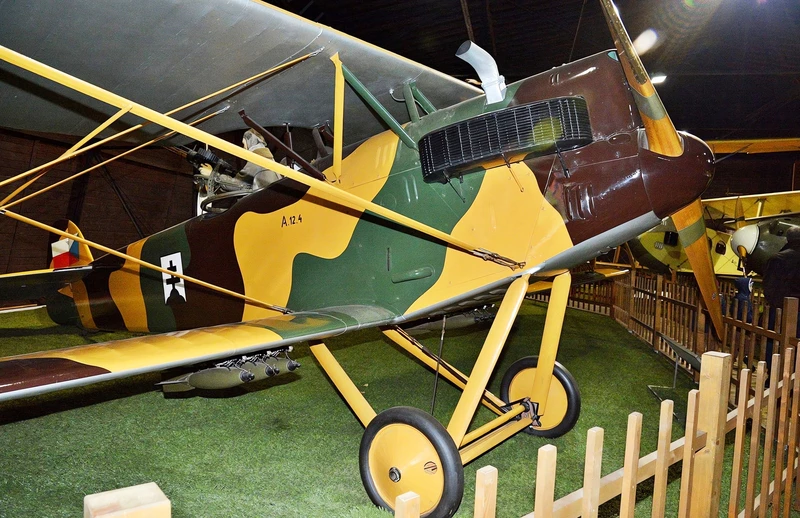
Aero A.12 | |
|---|---|
| Land | Tschechoslowakei |
| Rolle | Leichter Bomber – Aufklärungsflugzeug |
| Erstflug | 1920 |
| Gebaut | Unbekannter |
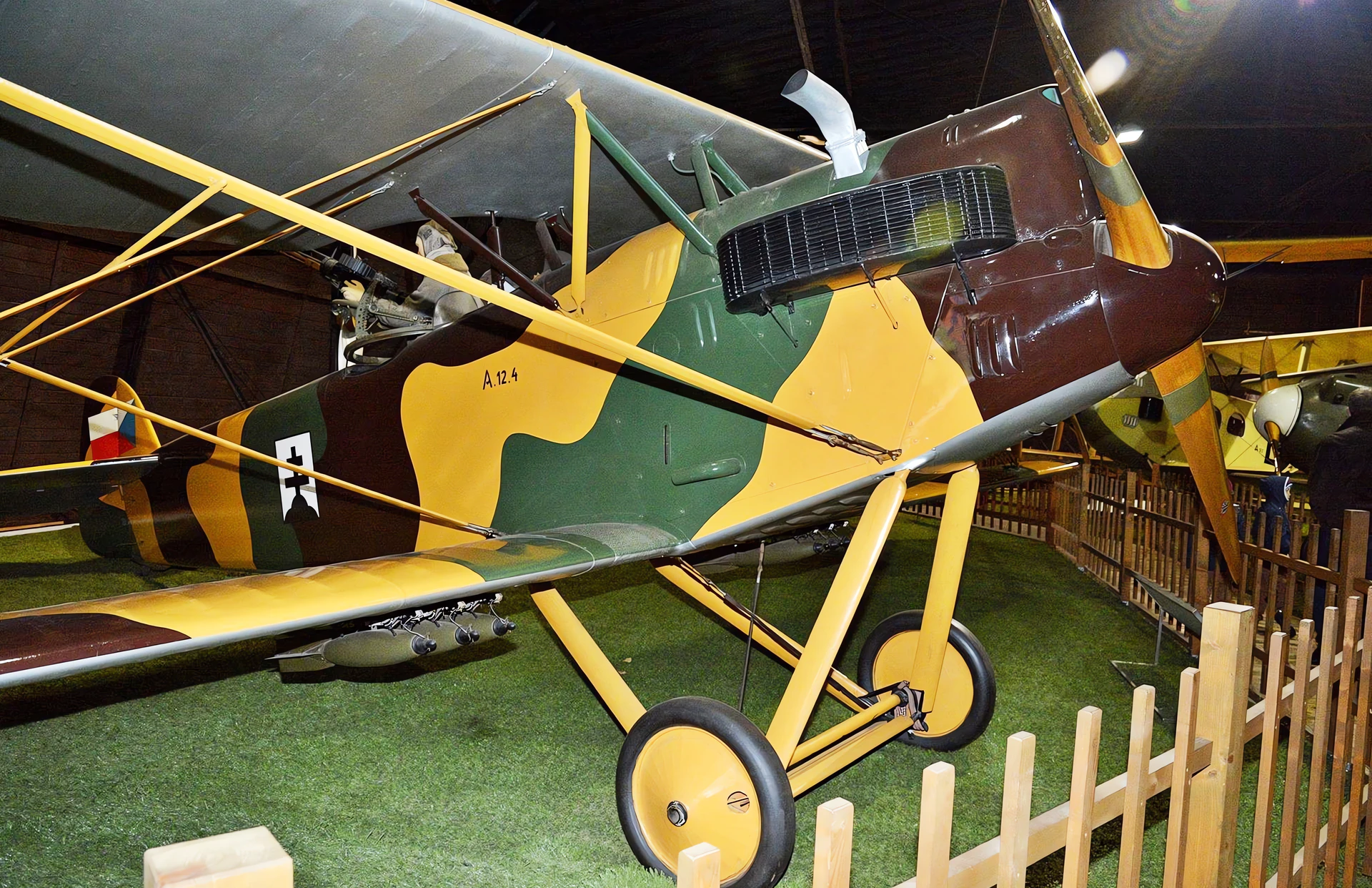
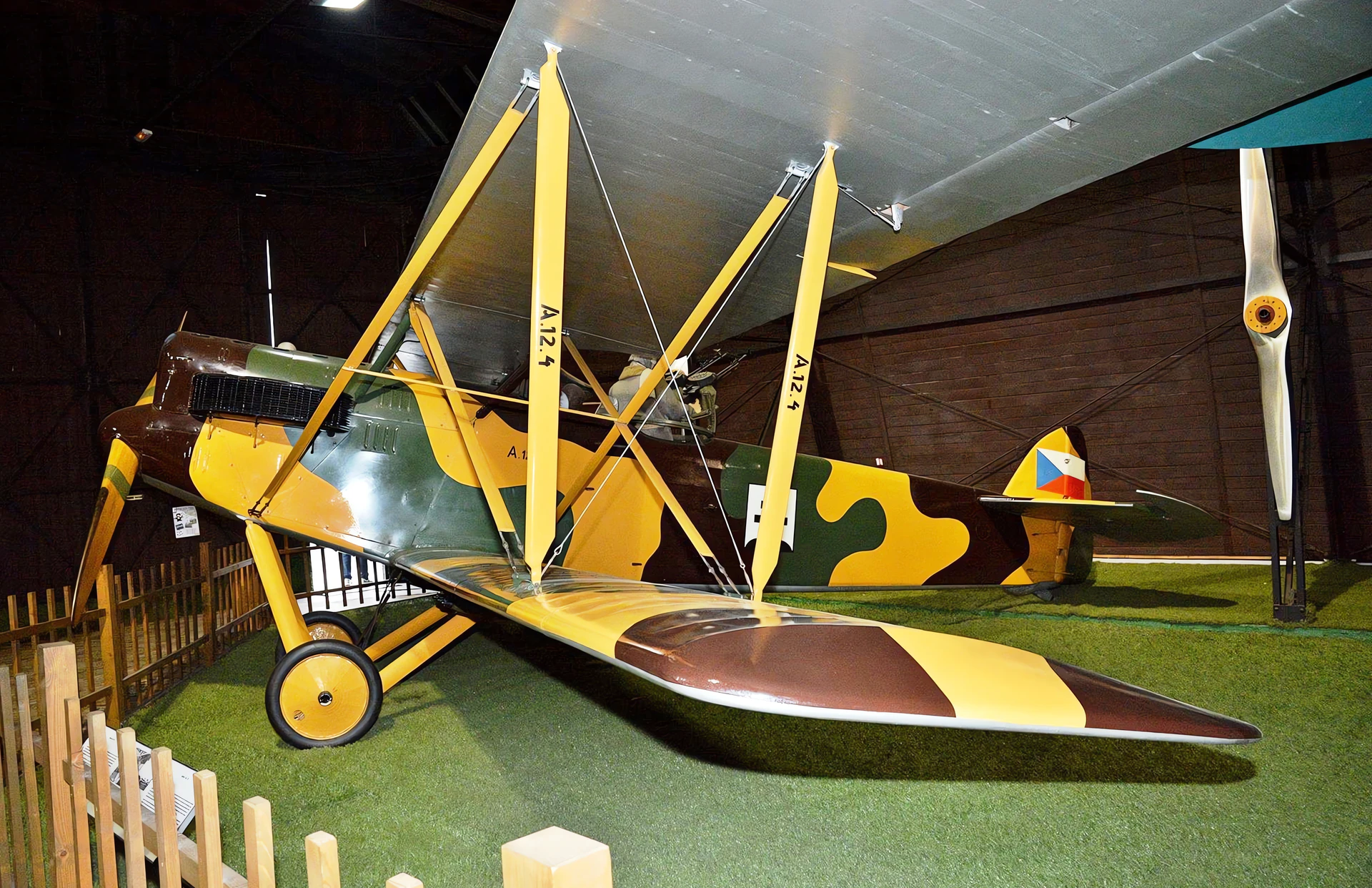
das Aero A.12 war ein tschechoslowakischer leichter Doppeldecker-Bomber und militärisches Aufklärungsflugzeug, das kurz nach dem Ersten Weltkrieg in kleinen Stückzahlen hergestellt wurde. Obwohl sie an das von Hansa-Brandenburg entworfene Flugzeug erinnerte, das Aero während des Krieges in Lizenz als Ae.10 baute, war die A.12 das eigene Design. Es ist vielleicht am bedeutendsten als direkter Nachkomme der sehr erfolgreichen A.11 und ihrer verschiedenen Derivate. Ein Beispiel des Typs wird im Letecké Muzeum in Kbely aufbewahrt.
Quelle: Aero A.12 auf Wikipedia
| Aero A.12 Walk Around | |
|---|---|
| Fotograf | Pavel Senk |
| Lokalisierung | Unbekannter |
| Fotos | 16 |


General Characteristics
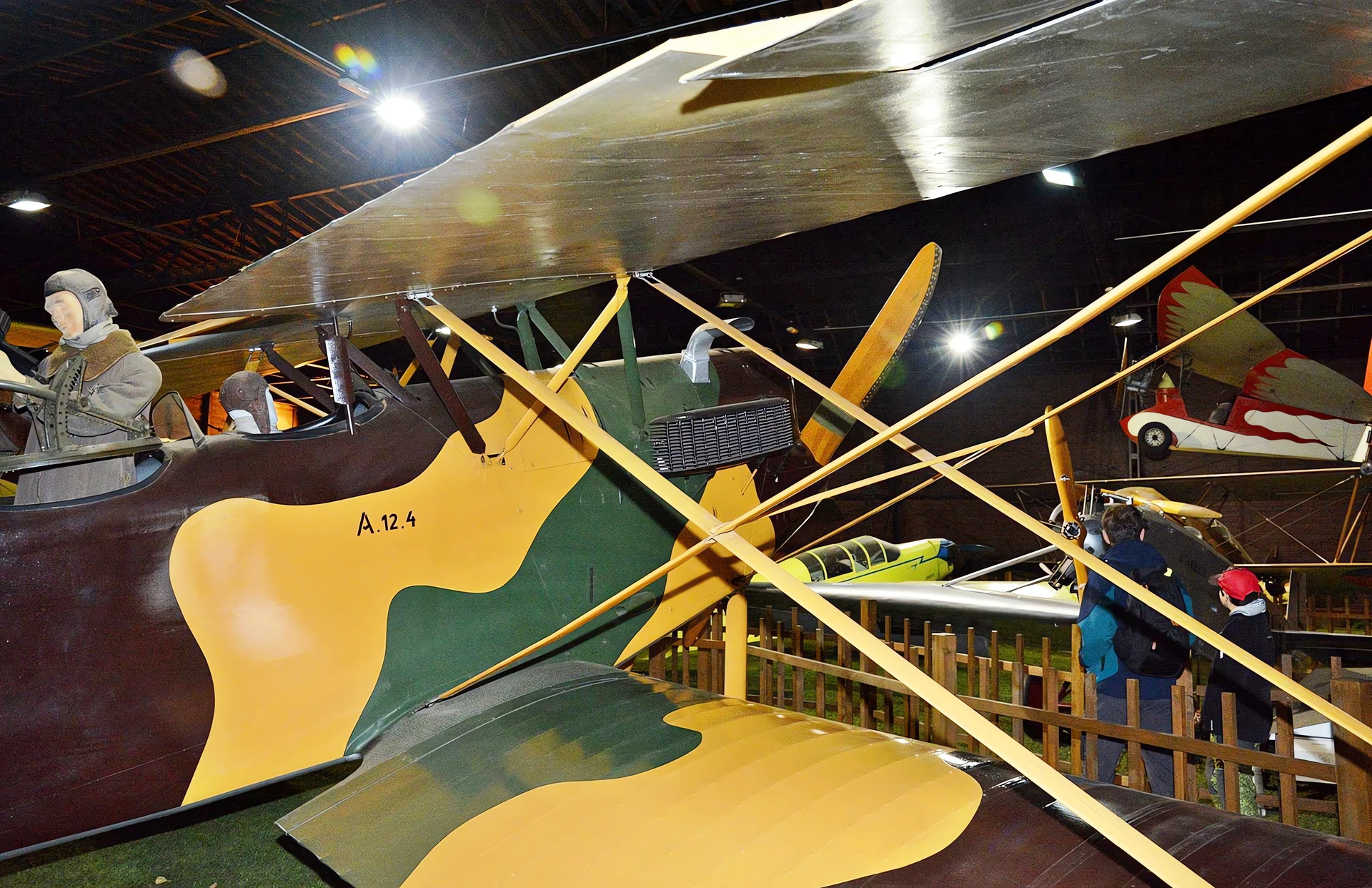
The Aero A.12 was a two-seat biplane designed and produced in Czechoslovakia in the early 1920s. It was one of the first successful military aircraft developed by the newly established Aero company for the Czechoslovakian Air Force. Primarily used for light bombing and reconnaissance, the A.12 proved reliable and served as the design basis for the highly successful A.11 series.
| Property | Typical Value (A.12) |
|---|---|
| Rolle | Light Bomber / Reconnaissance Aircraft |
| Hersteller | Aero – tovarna letadel (Czechoslovakia) |
| First Flight | Januar 1923 |
| Im Dienst | 1923–c. 1930 |
| Crew | 2 (Pilot and Observer/Gunner) |
| Länge | 8.30 m (27 ft 3 in) |
| Flügelspannweite | 12.80 m (42 ft 0 in) |
| Max Takeoff Weight | 1,537 kg (3,389 lb) (Various sources cite up to 1,600 kg) |
Design and Powerplant
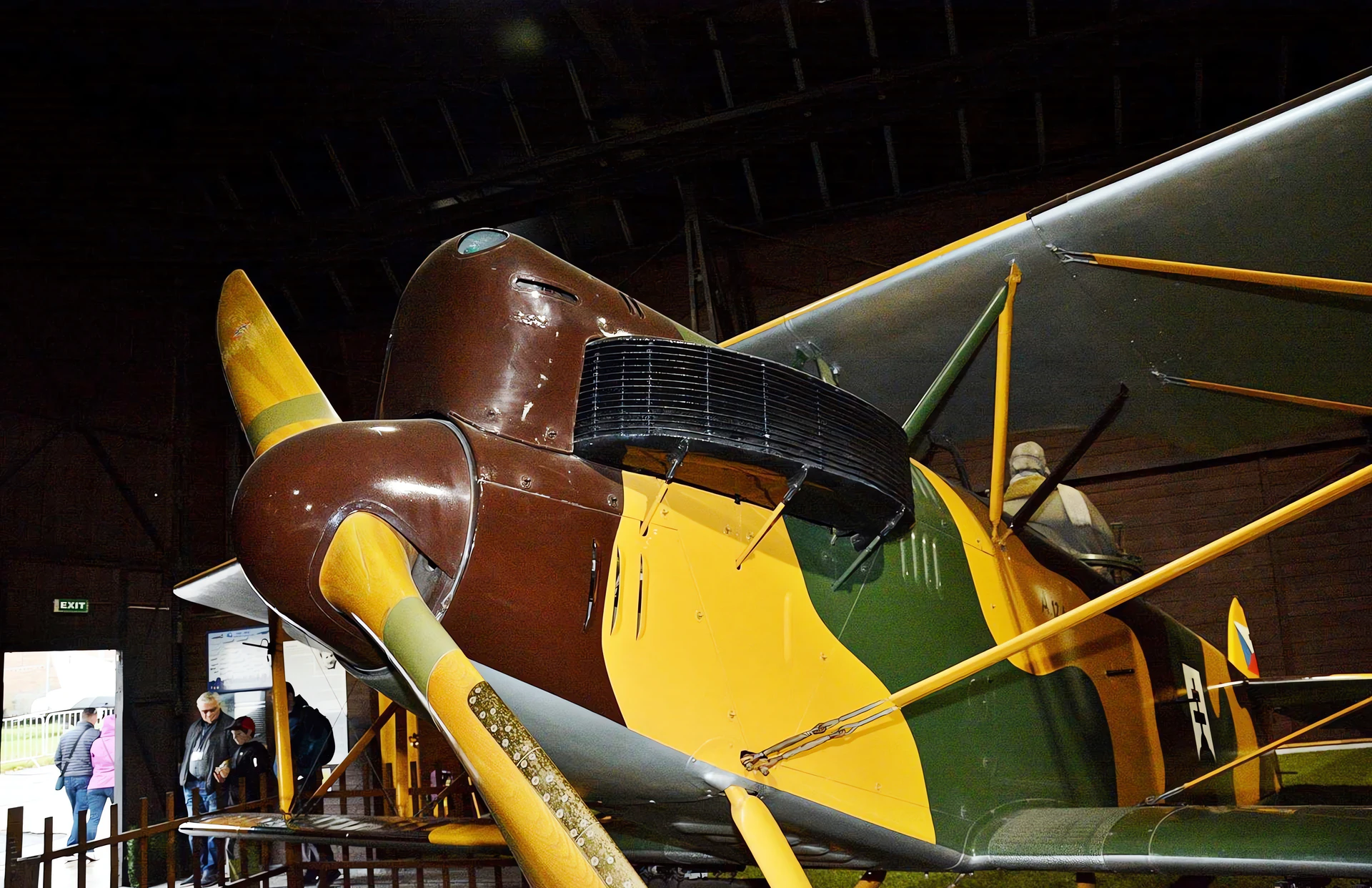
- Engine: One Maybach Mb.IV 6-cylinder, water-cooled in-line piston engine.
- Power Output: 180 kW (240 hp).
- Production: A total of 94 units were built by Aero (68) and Letov (26).
- Successor: The design was directly followed and improved upon by the Aero A.11, which replaced the German-made Maybach engine with superior, domestically produced alternatives.
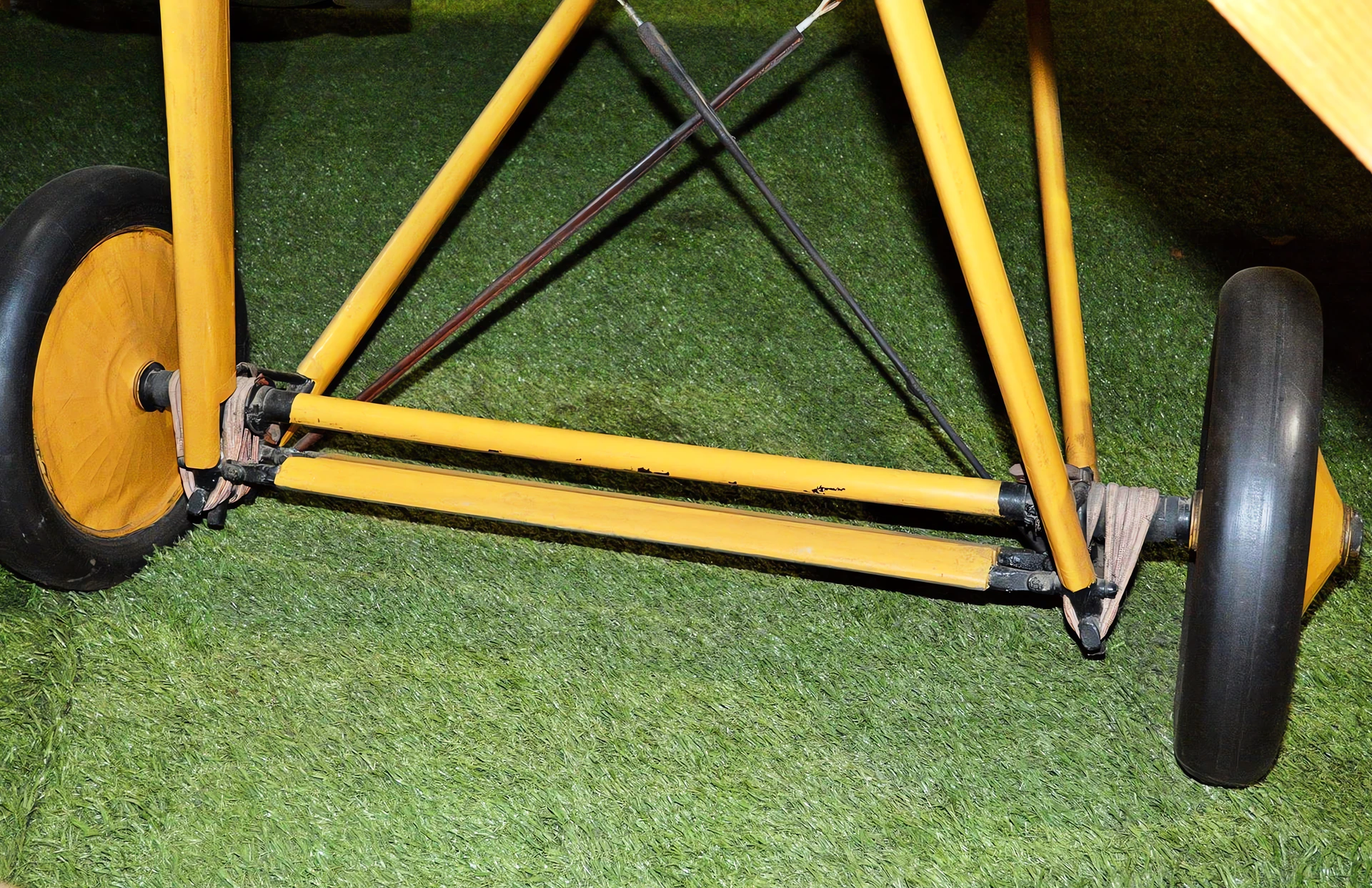
- Structure: The aircraft had a fabric-covered wooden structure, typical of biplane designs of the era.
Performance and Armament
- Maximum Speed: Up to 201 km/h (125 mph, 109 knots).
- Cruise Speed: Approximately 172 km/h (107 mph, 93 knots).
- Service Ceiling: 7,500 m (24,600 ft).
- Range: Approximately 760 km (470 mi, 410 nmi).
- Fixed Armament:
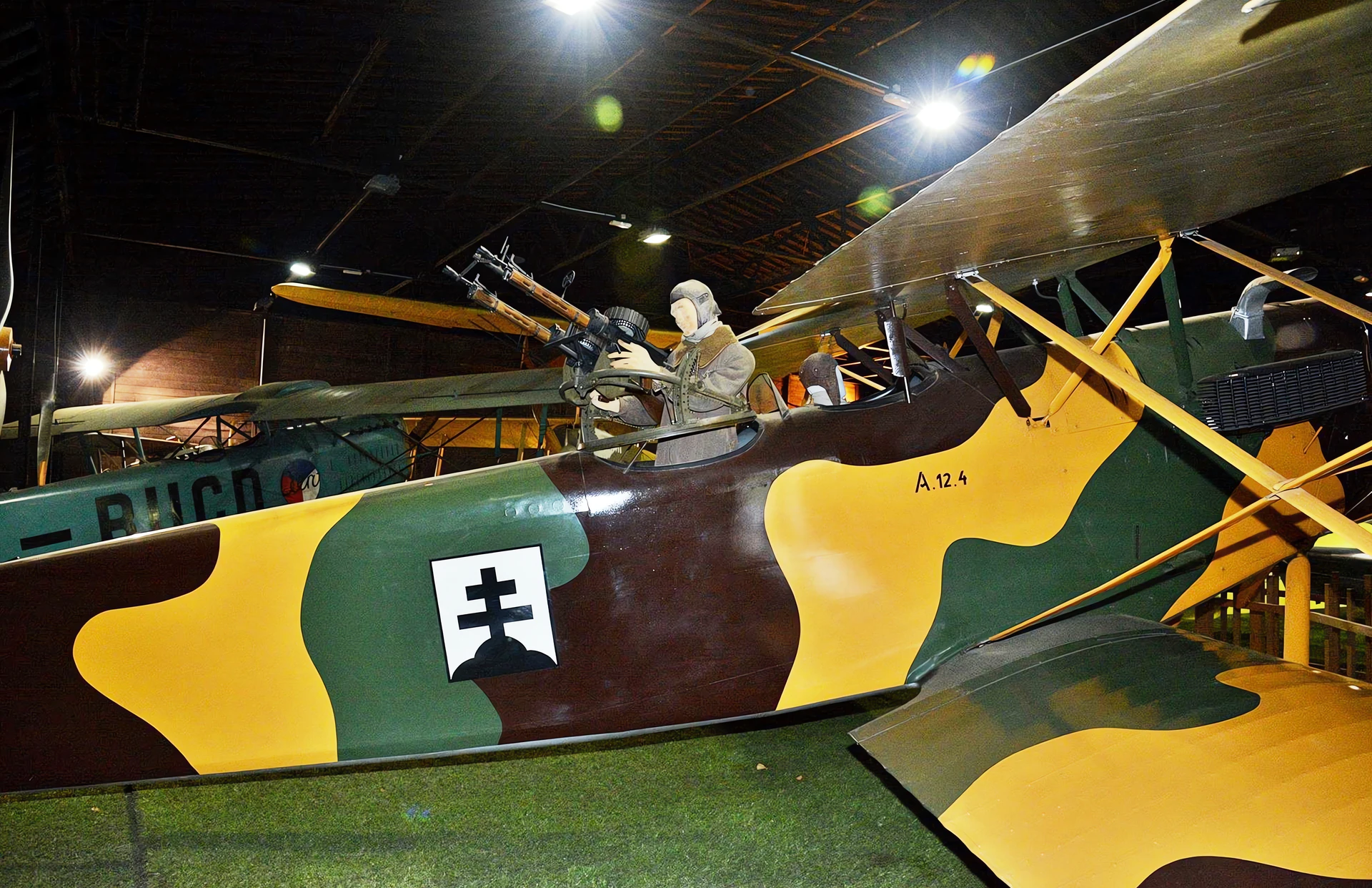
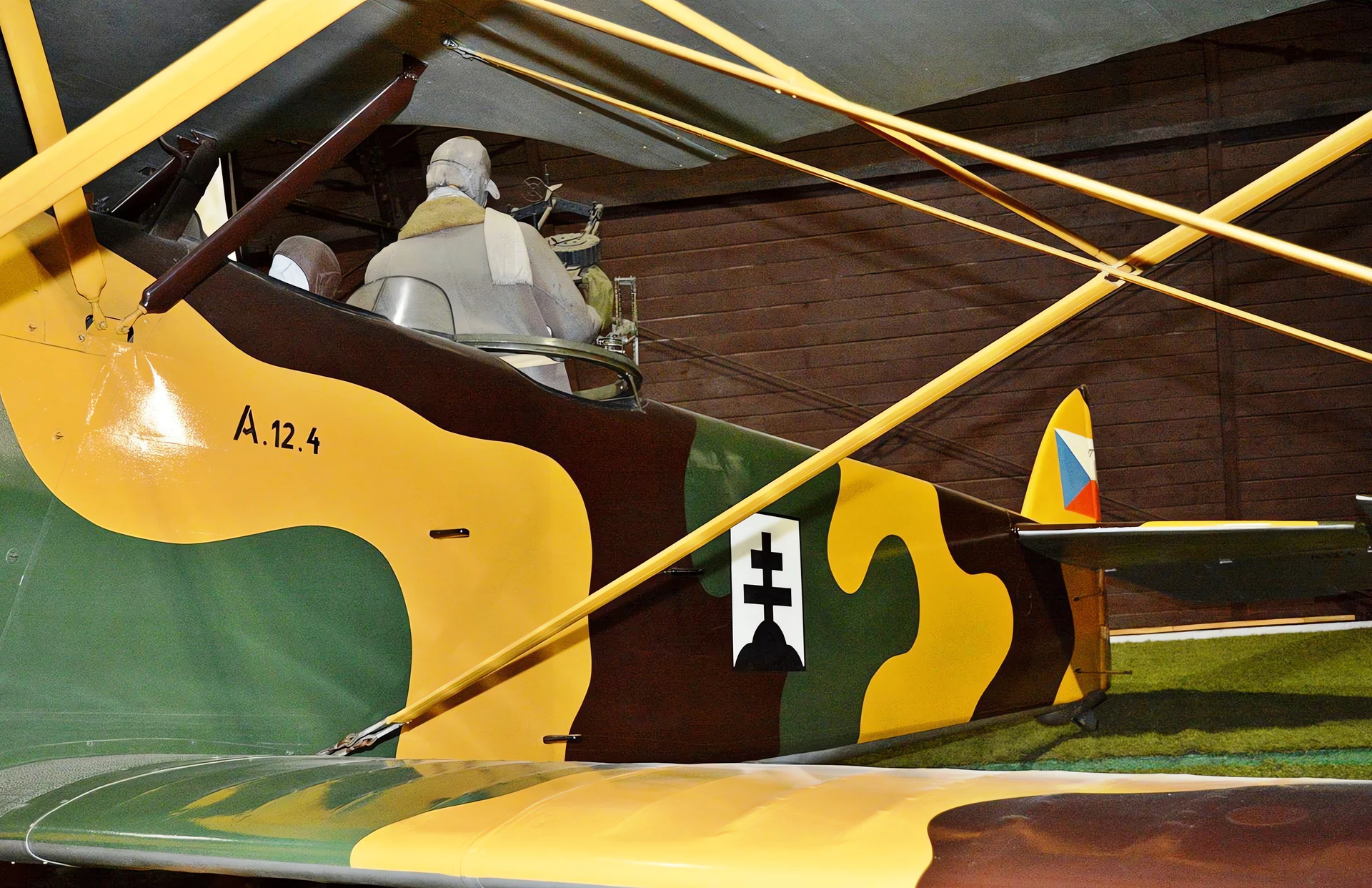
- Forward: One 7.70 mm (.303 in) Vickers machine gun, synchronized to fire through the propeller arc.
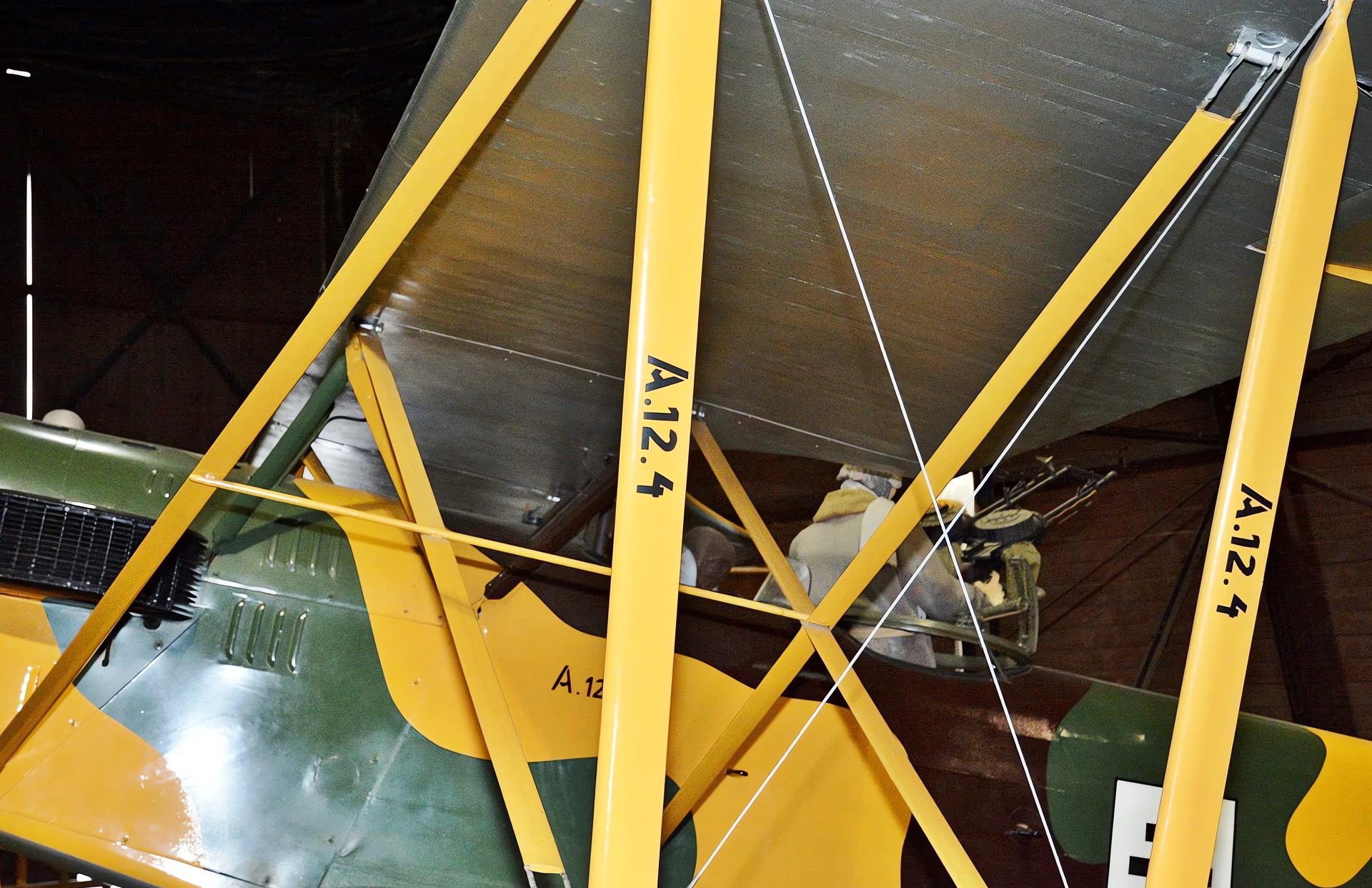
- Rear: Two 7.70 mm (.303 in) Lewis machine guns on a flexible mount in the observer’s cockpit.
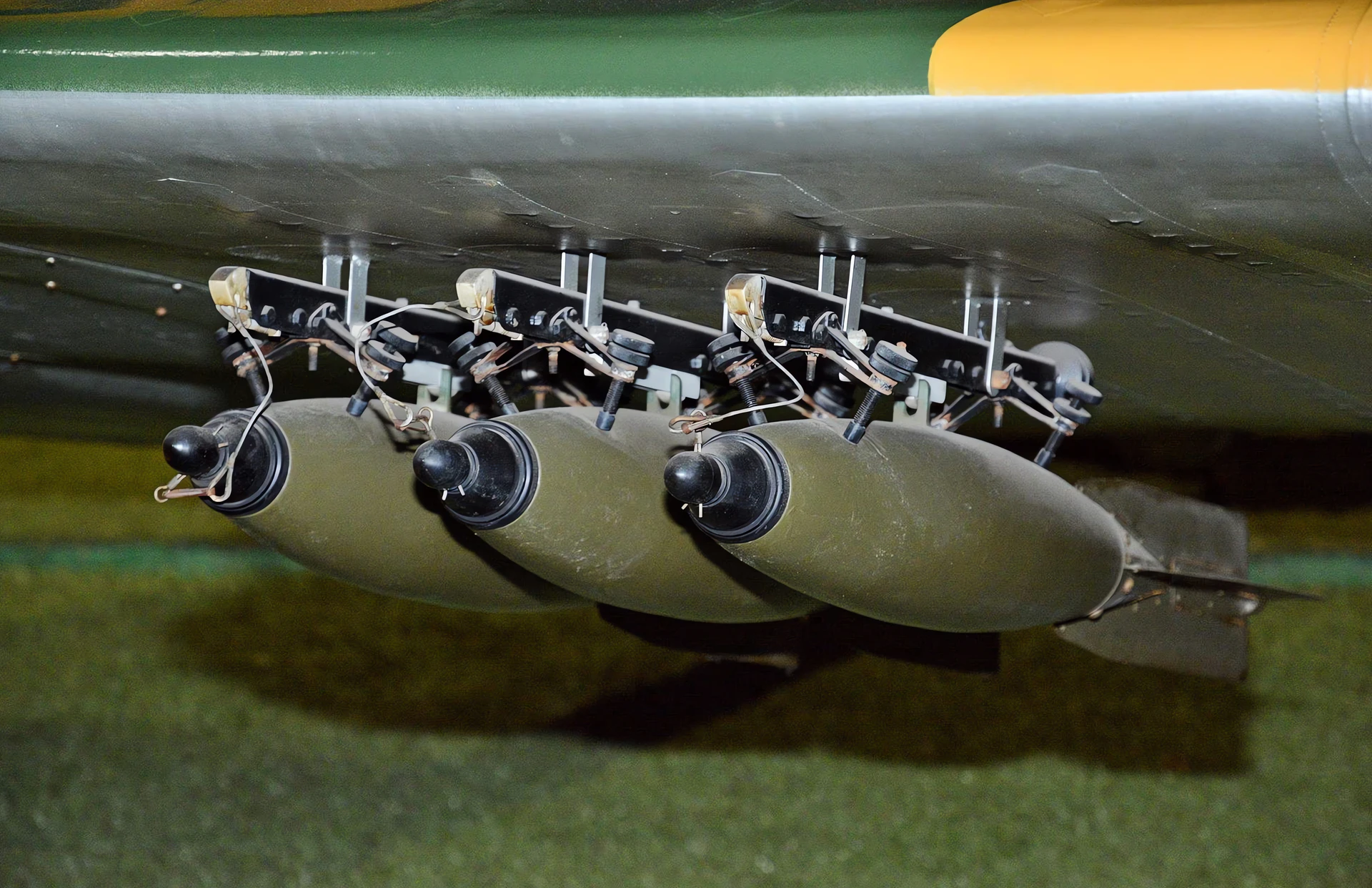
- Ordnance Load: Could carry up to 200 kg (440 lb) of bombs for its light bomber role.
Views : 314
Sie können auch sehen:
 Aero A.10 – Fotos & Videos
 Letov S-1 – Fotos & Videos
 FVM Ö1 Tummelisa – Fotos & Videos
 Bristol Bulldog – Fotos & Videos
 Breguet XIV – Fotos & Videos
 Travel Air 2000 – Fotos & Videos
 Spijker V.2 – Fotos & Video
 Supermarine Walross – Fotos & Video
 Caudron G.III – Fotos & Video
 Bucker Bu-131 Jungmann – Fotos & Video