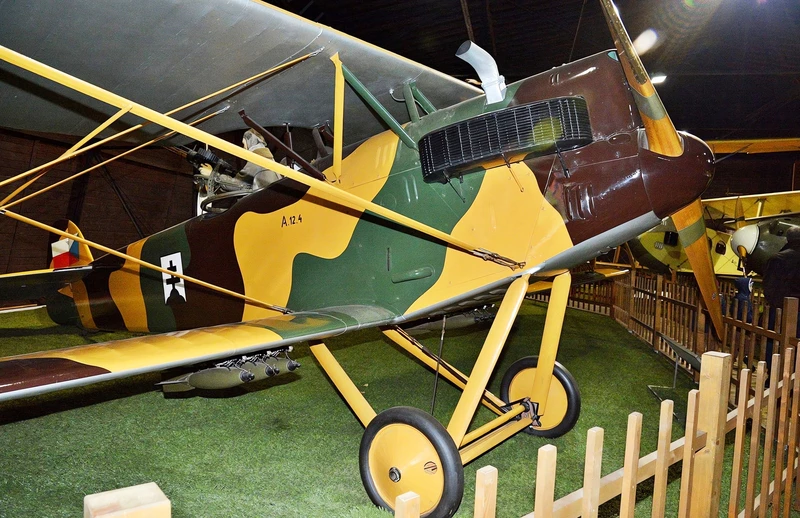
Aero A.12 | |
|---|---|
| País | Checoslováquia |
| Papel | Bombardeiro leve – Aeronave de reconhecimento |
| Primeiro voo | 1920 |
| Construído | Desconhecido |
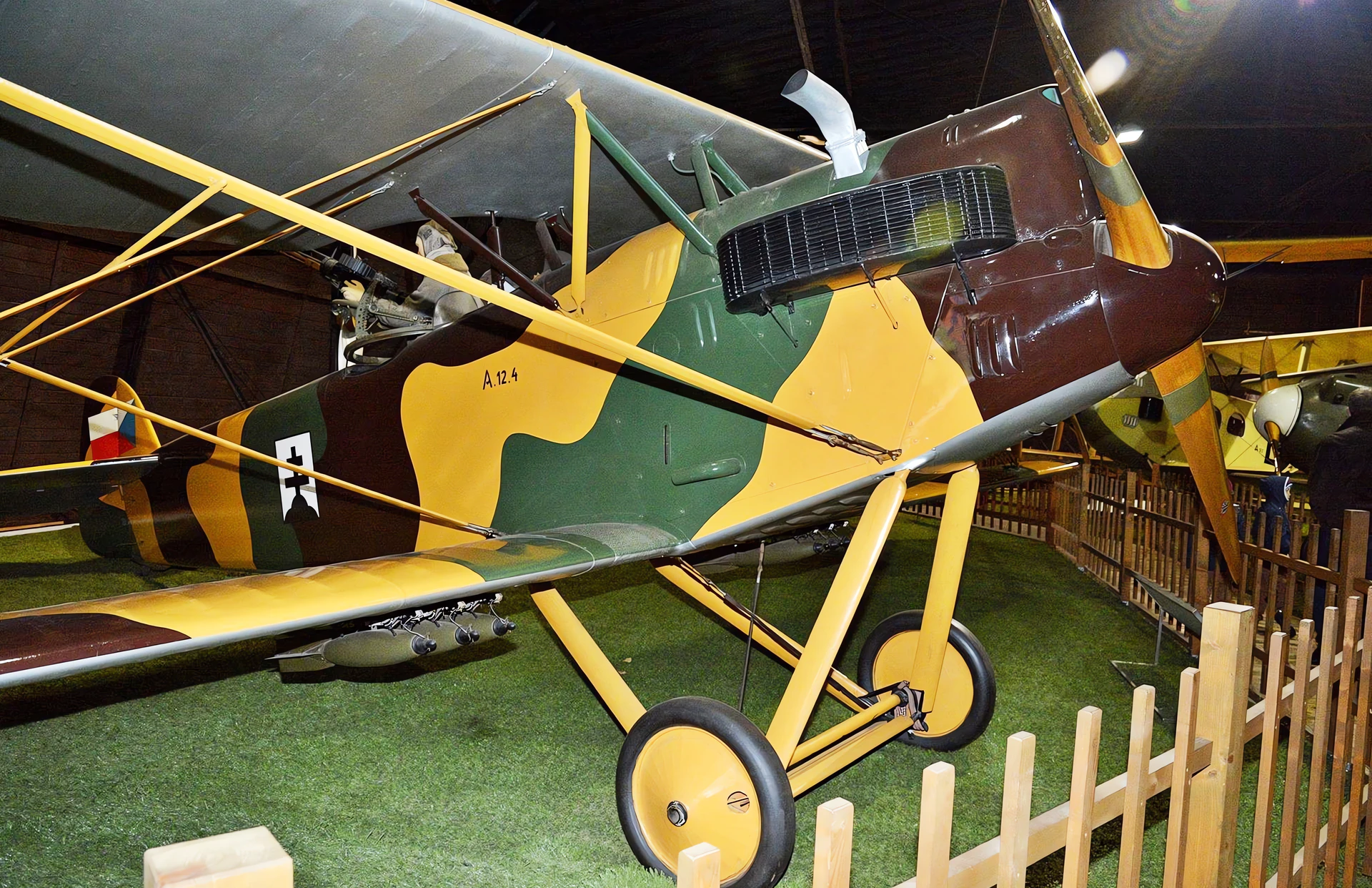
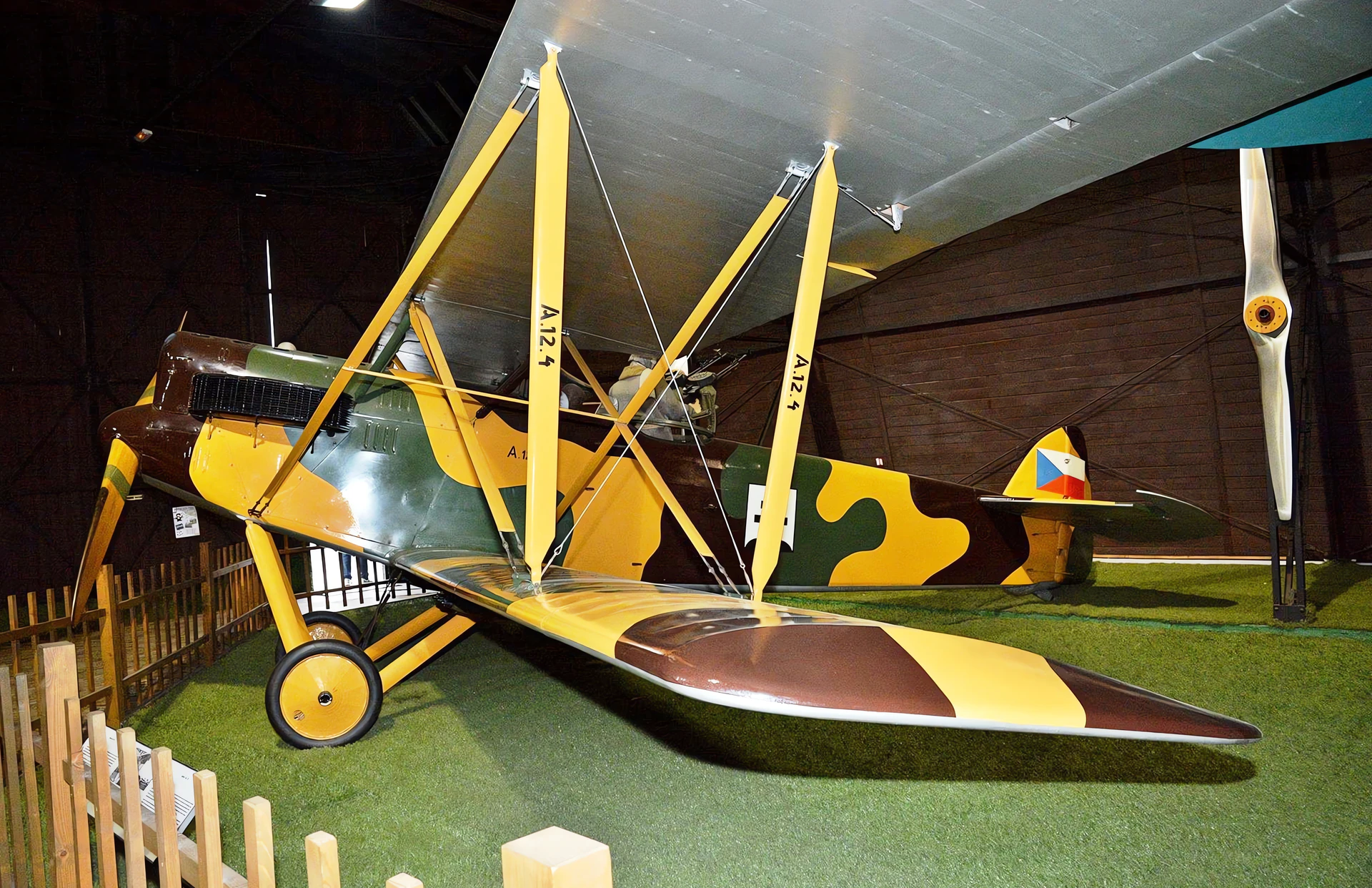
O Aero A.12 foi um bombardeiro leve biplano da Tchecoslováquia e avião de reconhecimento militar fabricado em pequeno número logo após a Primeira Guerra Mundial. Embora reminiscente da aeronave projetada pela Hansa-Brandenburg que a Aero estava construindo durante a guerra sob licença como o Ae.10, o A.12 era o próprio projeto da empresa. Talvez seja mais significativo como descendente direto do altamente bem-sucedido A.11 e seus vários derivados. Um exemplo do tipo está preservado no Letecké Muzeum em Kbely.
Fonte: Aero A.12 na Wikipédia
| Aero A.12 Walk Around | |
|---|---|
| Fotógrafo | Pavel Senk |
| Localização | Desconhecido |
| Fotos | 16 |


General Characteristics
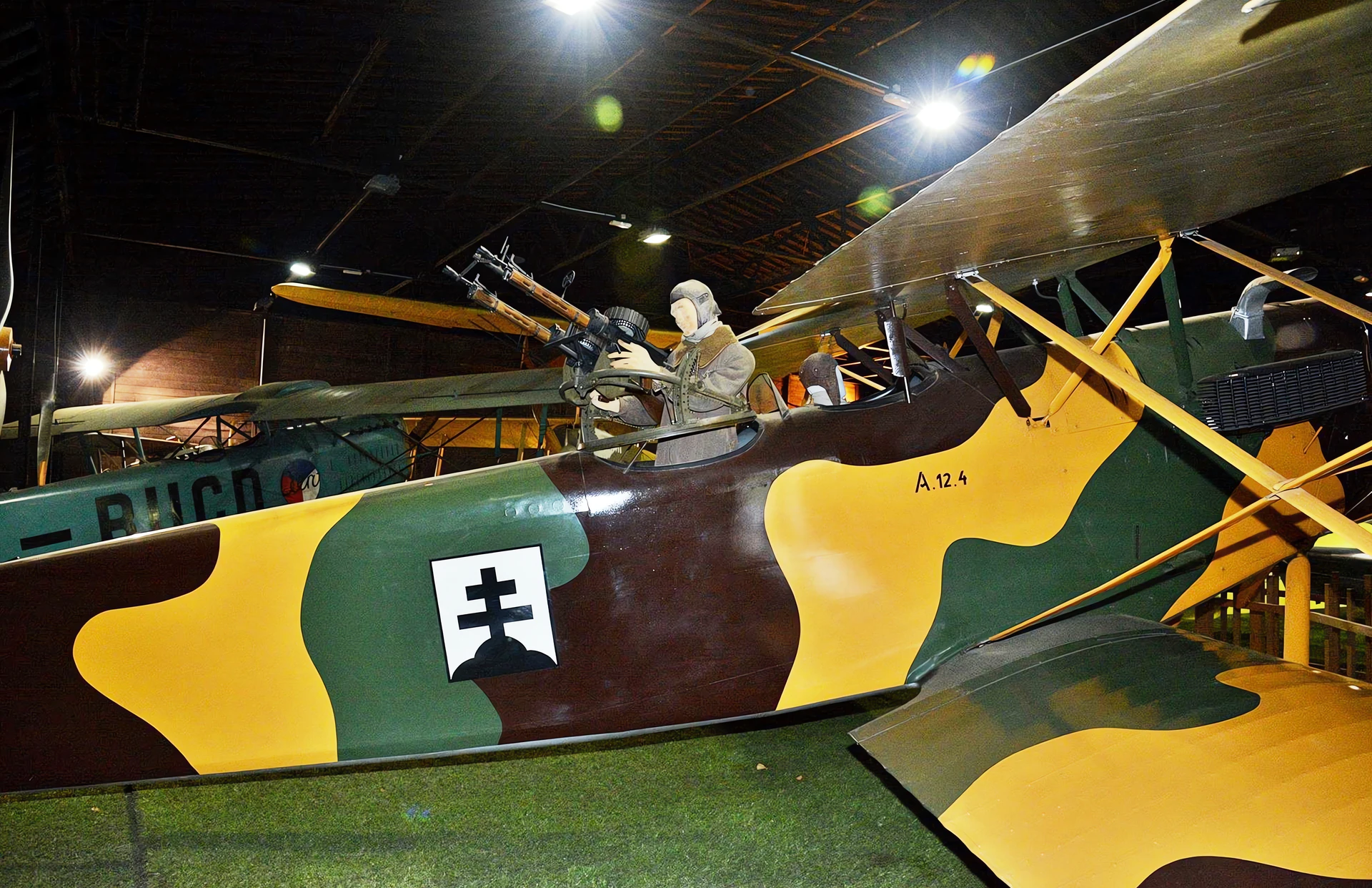
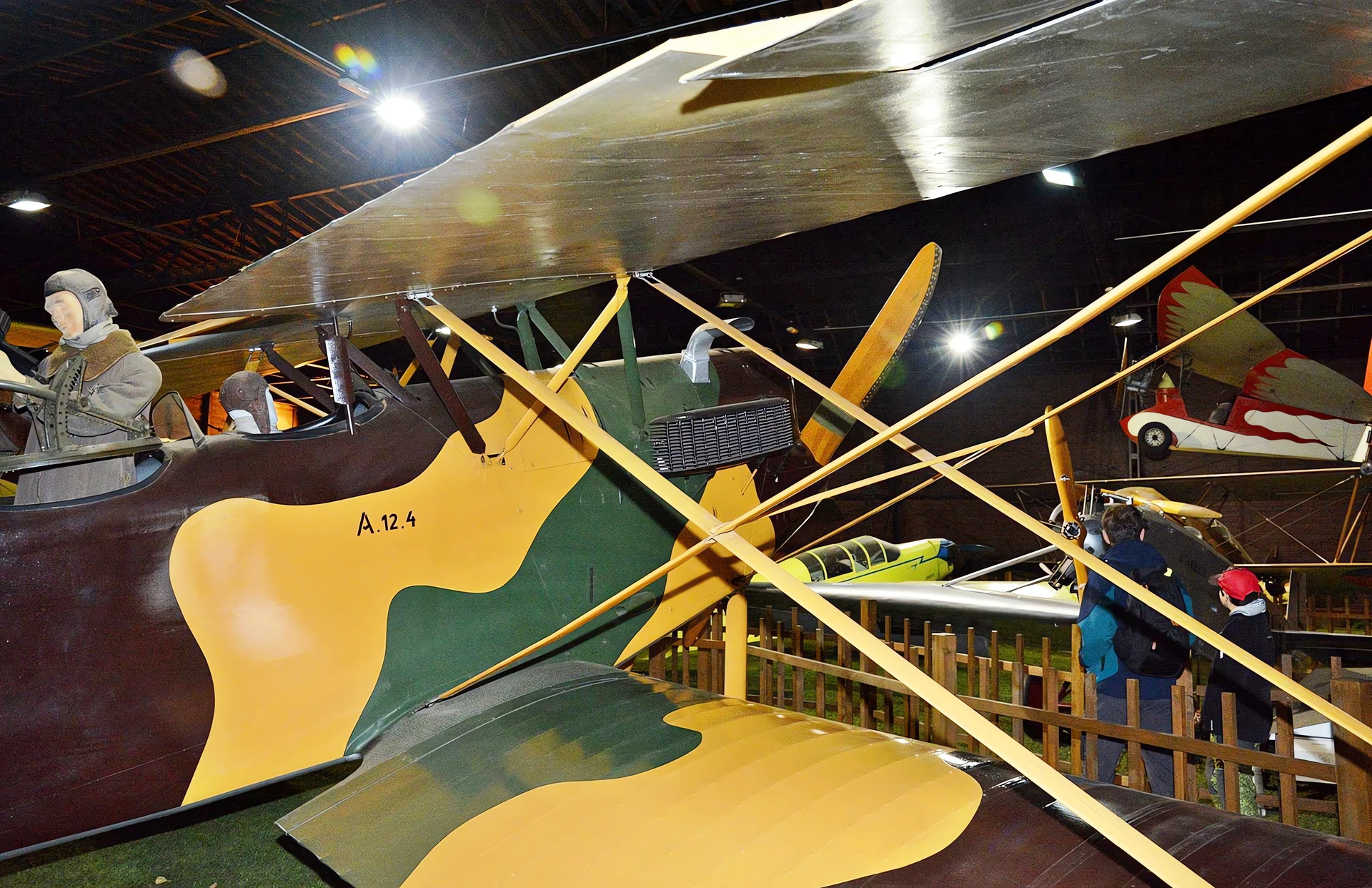
The Aero A.12 was a two-seat biplane designed and produced in Czechoslovakia in the early 1920s. It was one of the first successful military aircraft developed by the newly established Aero company for the Czechoslovakian Air Force. Primarily used for light bombing and reconnaissance, the A.12 proved reliable and served as the design basis for the highly successful A.11 series.
| Property | Typical Value (A.12) |
|---|---|
| Papel | Light Bomber / Reconnaissance Aircraft |
| Fabricante | Aero – tovarna letadel (Czechoslovakia) |
| First Flight | novembro de 1923 |
| Em Serviço | 1923–c. 1930 |
| tripulação | 2 (Pilot and Observer/Gunner) |
| comprimento | 8.30 m (27 ft 3 in) |
| Envergadura | 12.80 m (42 ft 0 in) |
| Max Takeoff Weight | 1,537 kg (3,389 lb) (Various sources cite up to 1,600 kg) |
Design and Powerplant
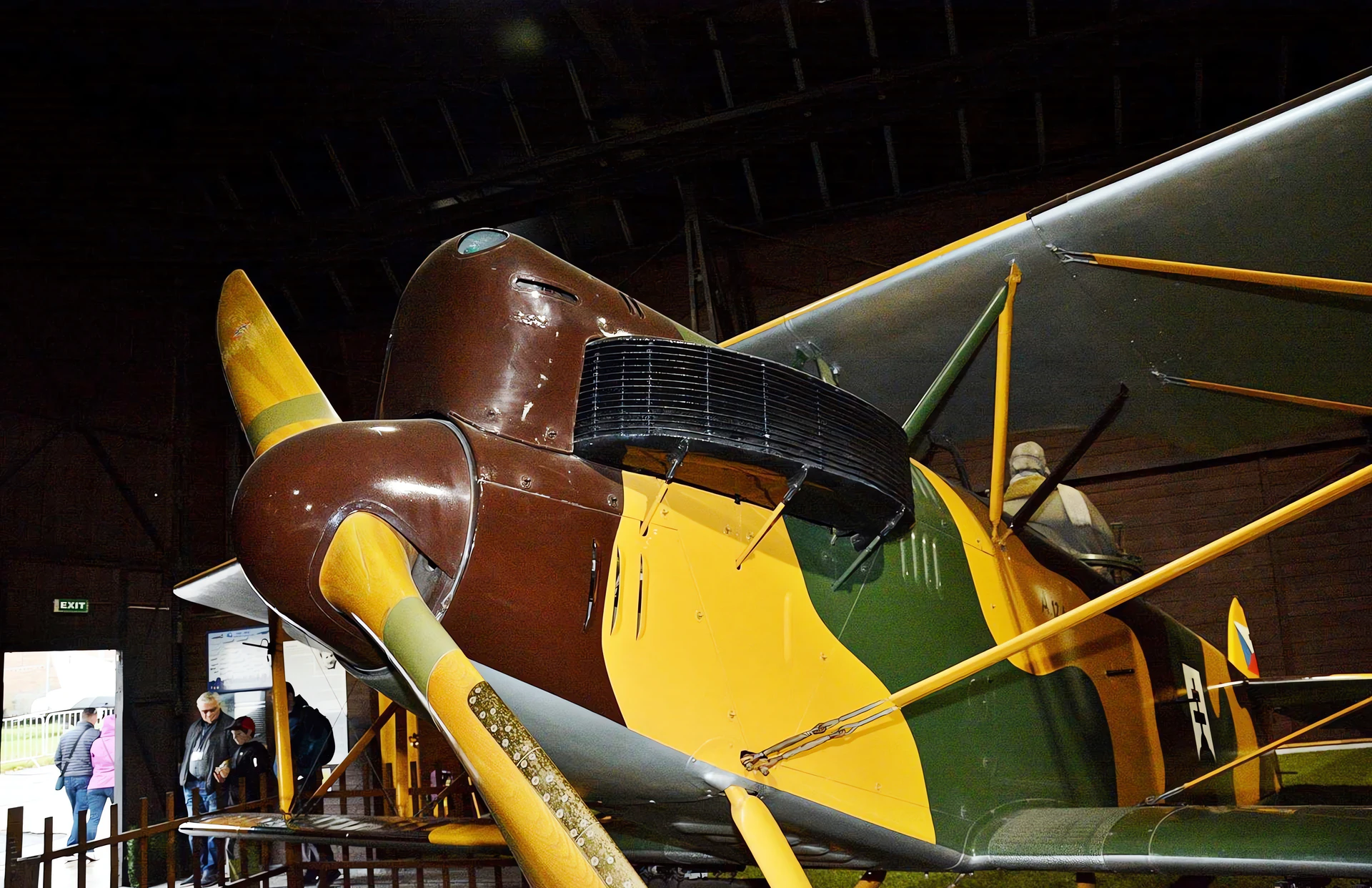
- Engine: One Maybach Mb.IV 6-cylinder, water-cooled in-line piston engine.
- Power Output: 180 kW (240 hp).
- Production: A total of 94 units were built by Aero (68) and Letov (26).
- Successor: The design was directly followed and improved upon by the Aero A.11, which replaced the German-made Maybach engine with superior, domestically produced alternatives.
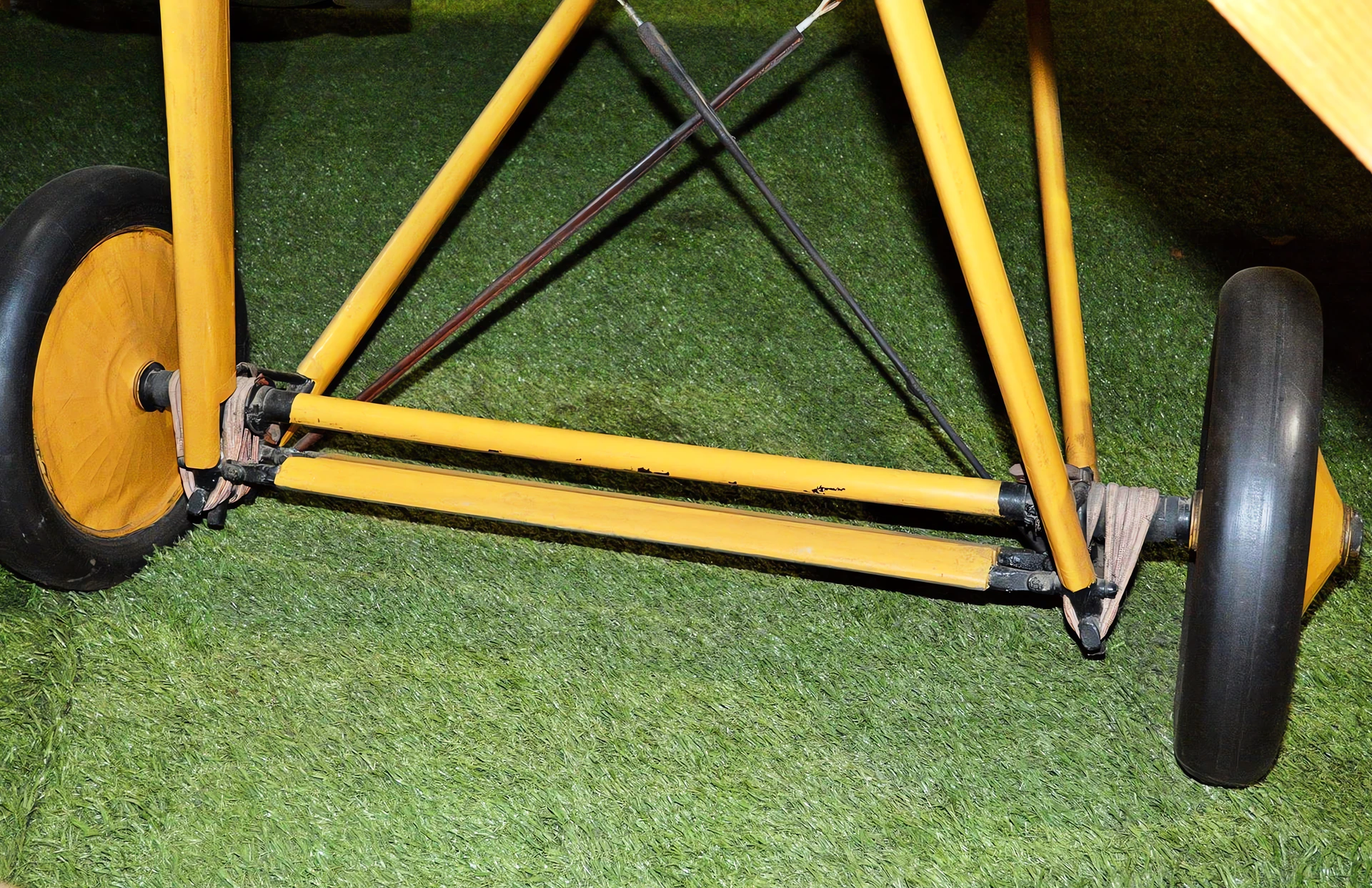
- Structure: The aircraft had a fabric-covered wooden structure, typical of biplane designs of the era.
Performance and Armament
- Maximum Speed: Up to 201 km/h (125 mph, 109 knots).
- Cruise Speed: Approximately 172 km/h (107 mph, 93 knots).
- Service Ceiling: 7,500 m (24,600 ft).
- Range: Approximately 760 km (470 mi, 410 nmi).
- Fixed Armament:
- Forward: One 7.70 mm (.303 in) Vickers machine gun, synchronized to fire through the propeller arc.
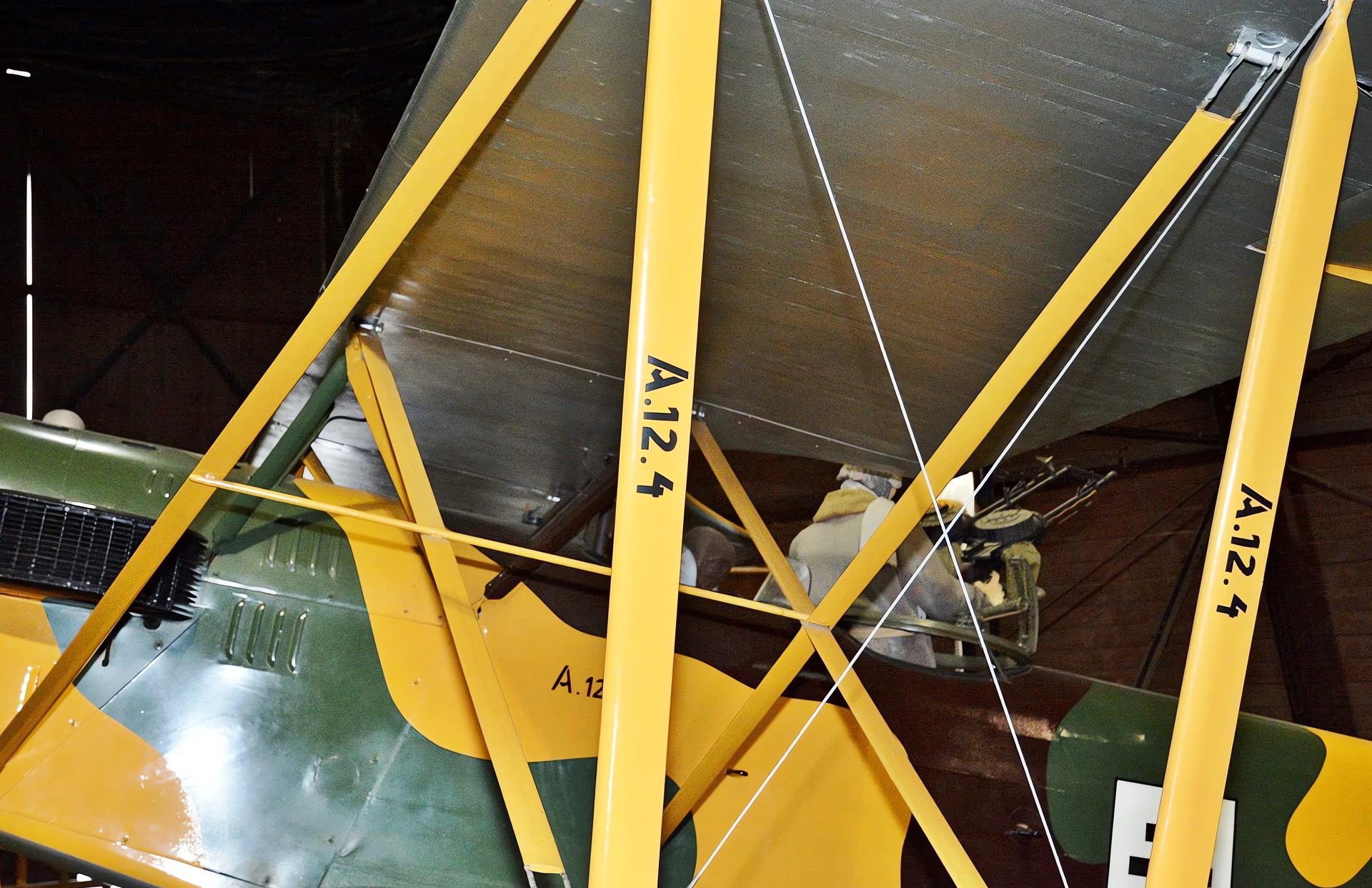
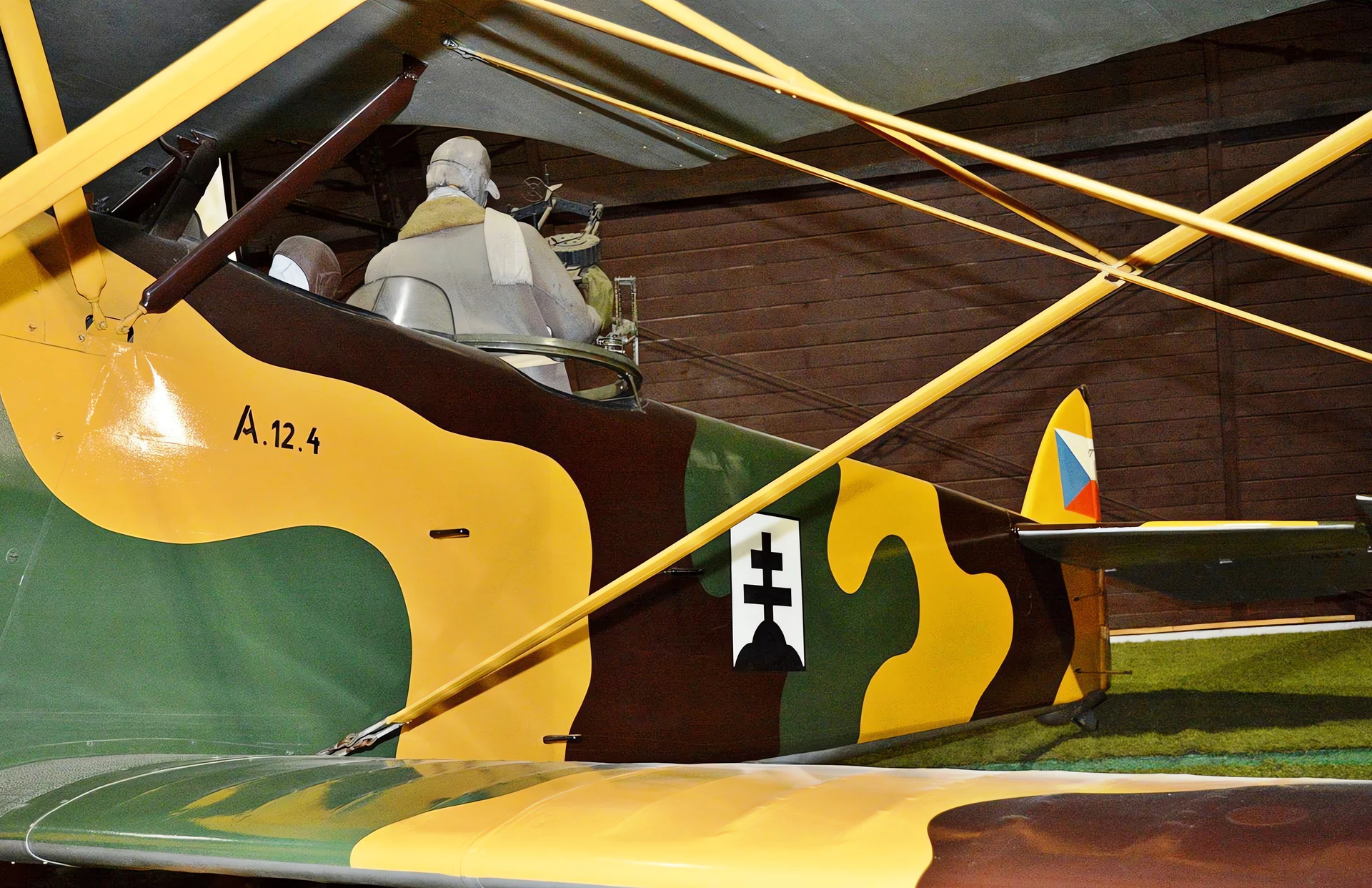
- Rear: Two 7.70 mm (.303 in) Lewis machine guns on a flexible mount in the observer’s cockpit.
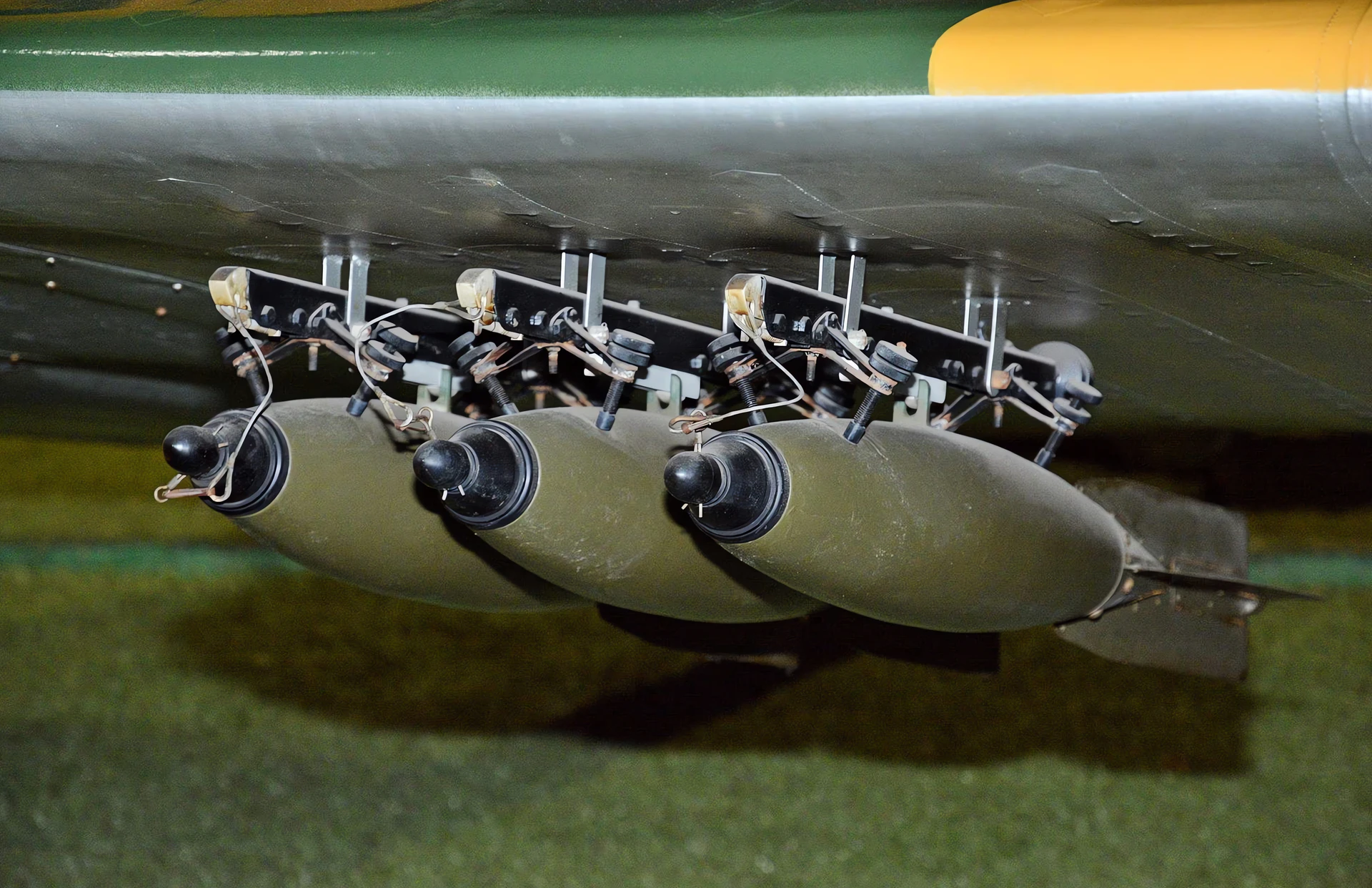
- Ordnance Load: Could carry up to 200 kg (440 lb) of bombs for its light bomber role.
Visualizações : 302
Você pode ver também:
 Aero A.10 – Fotos e Vídeos
 Letov S-1 – Fotos e Vídeos
 FVM Ö1 Tummelisa – Fotos e Vídeos
 Bristol Bulldog – Fotos e Vídeos
 Breguet XIV – Fotos e Vídeos
 Travel Air 2000 – Fotos e Vídeos
 Spijker V.2 – Fotos e Vídeo
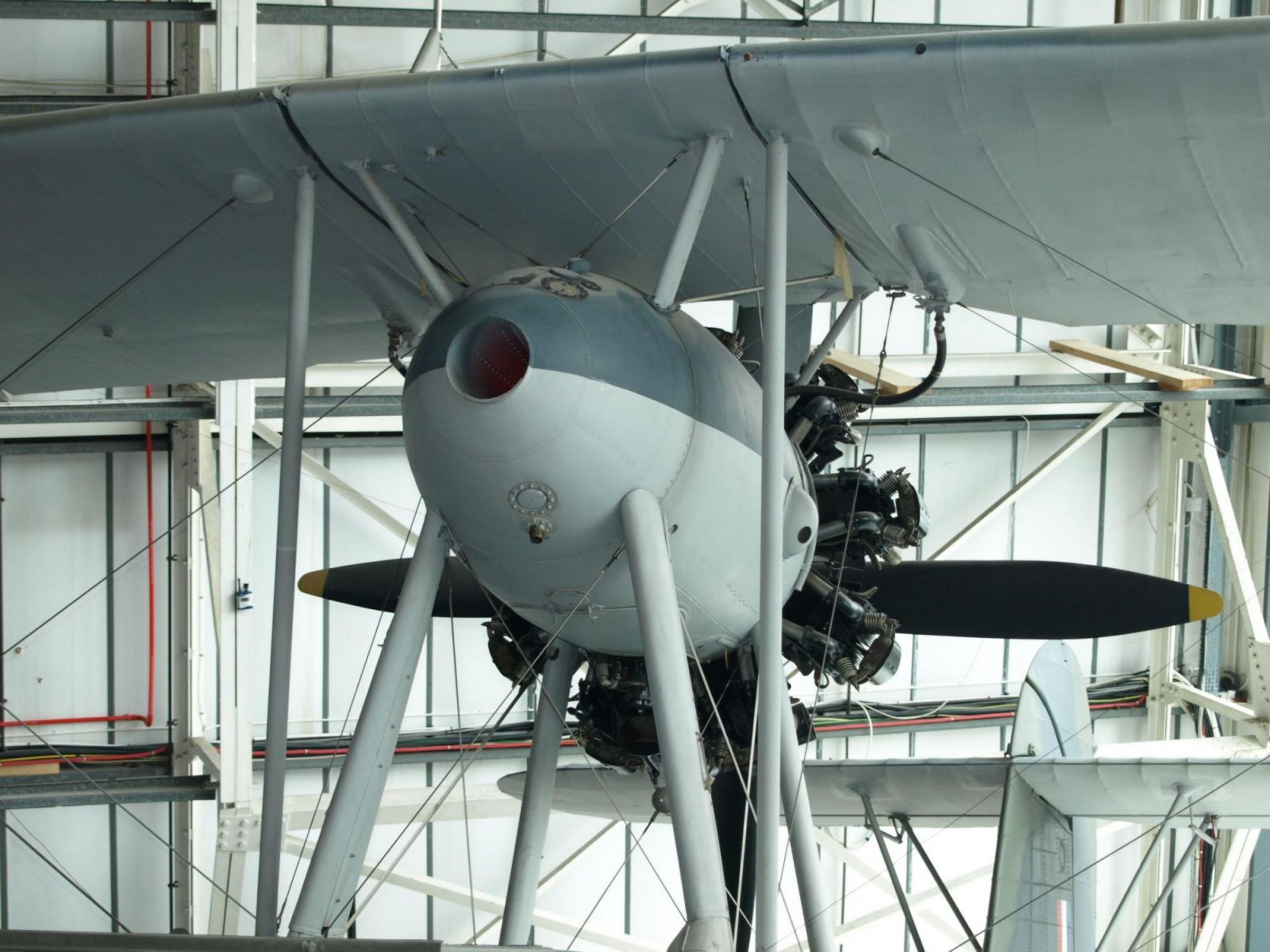 Supermarine Walrus – Fotos e Vídeo
 Caudron G.III – Fotos e Vídeo
 Bucker Bu-131 Jungmann – Fotos e Vídeo