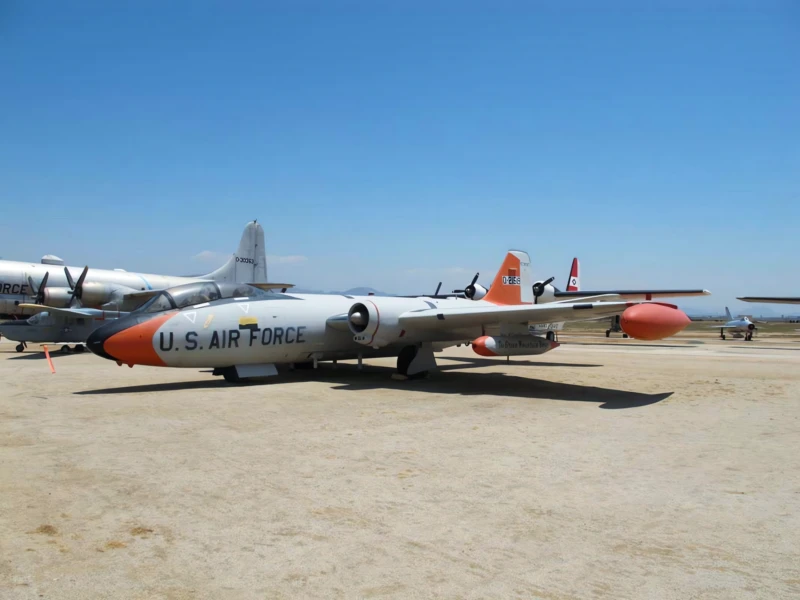
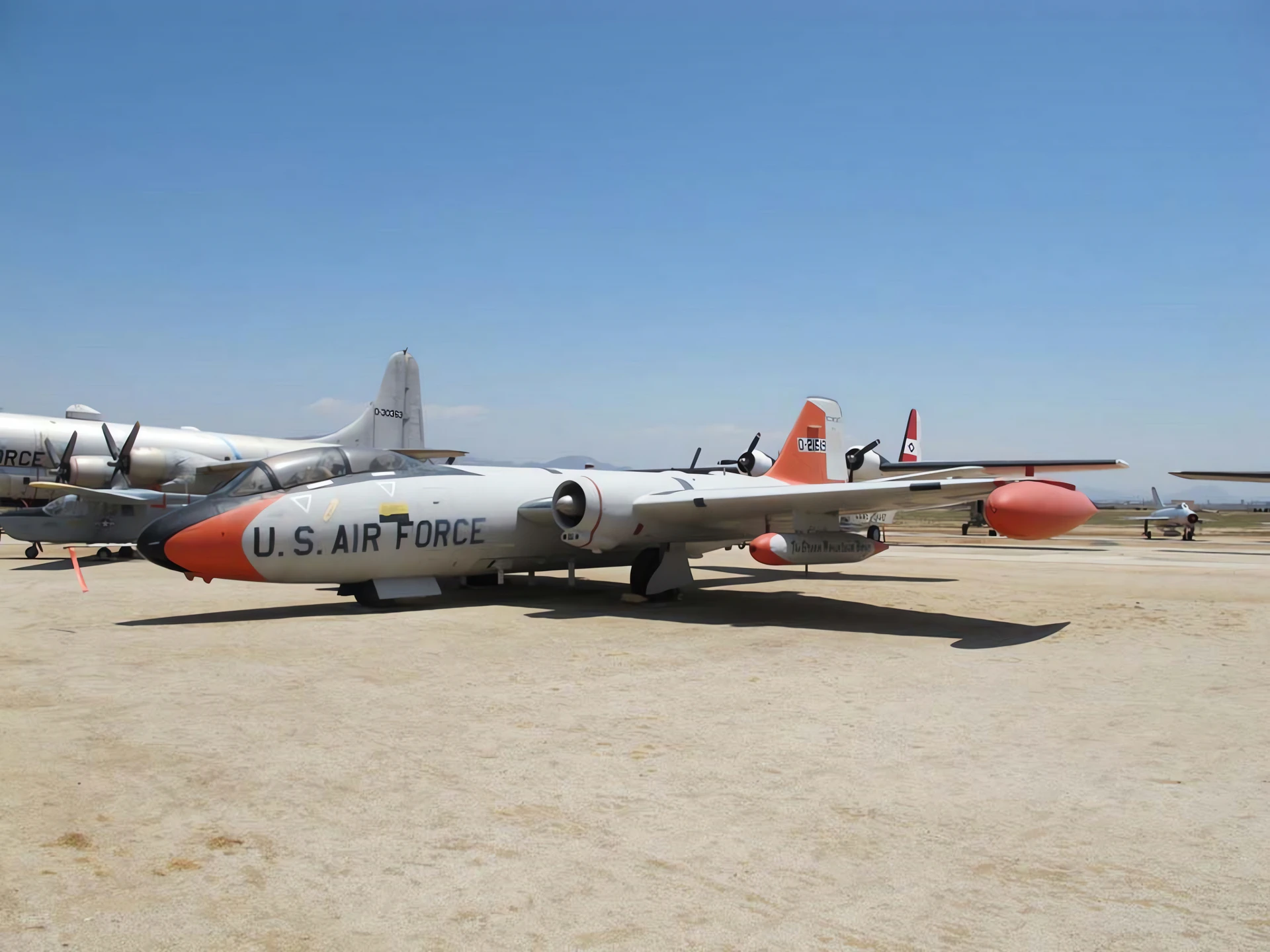
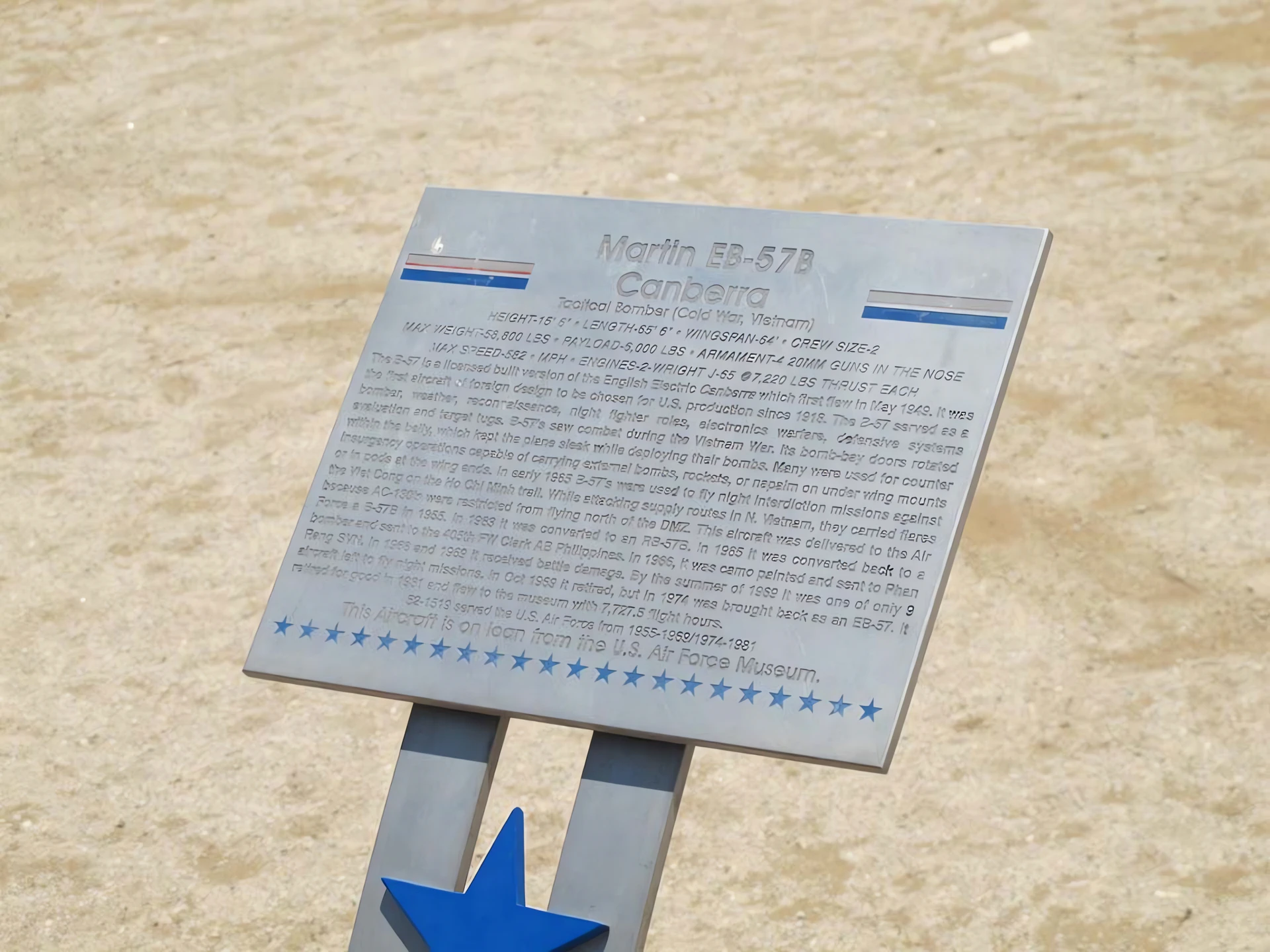
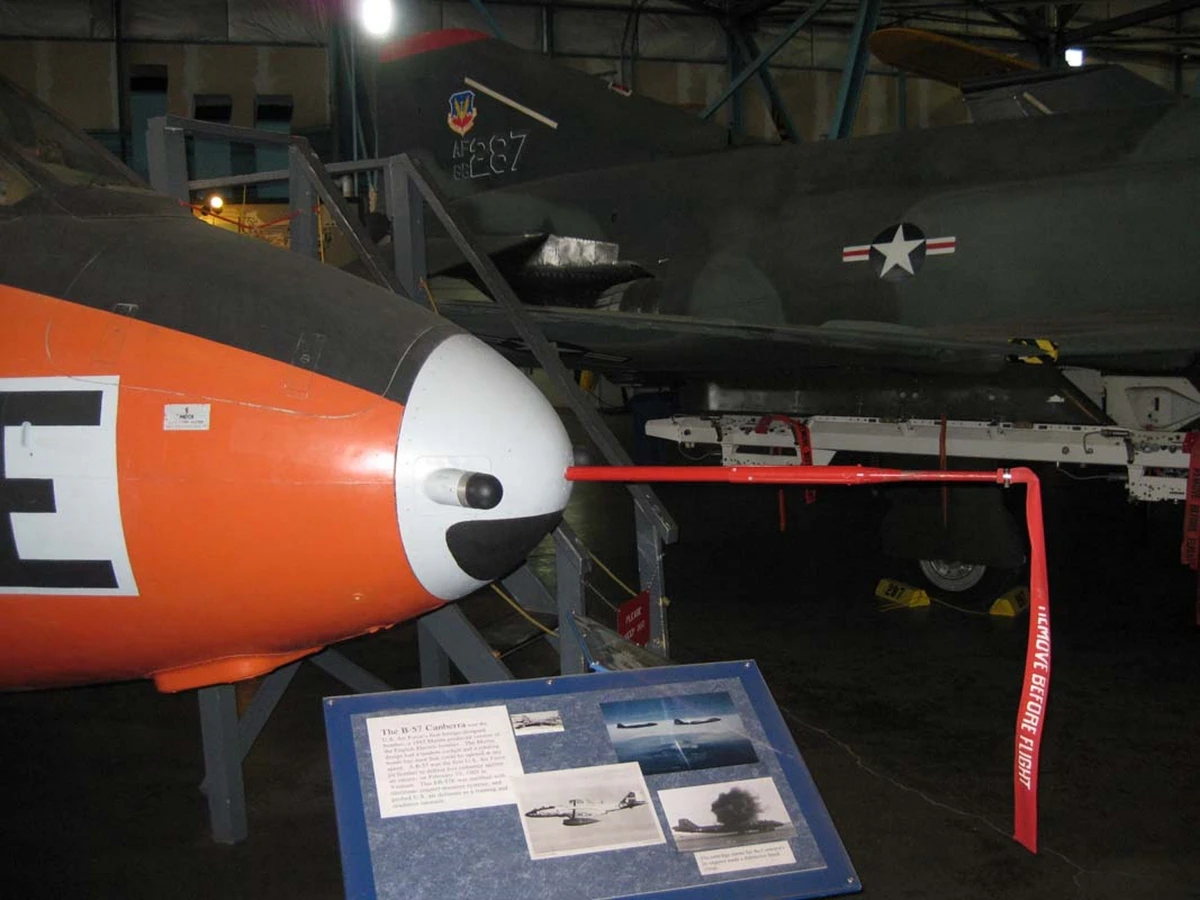
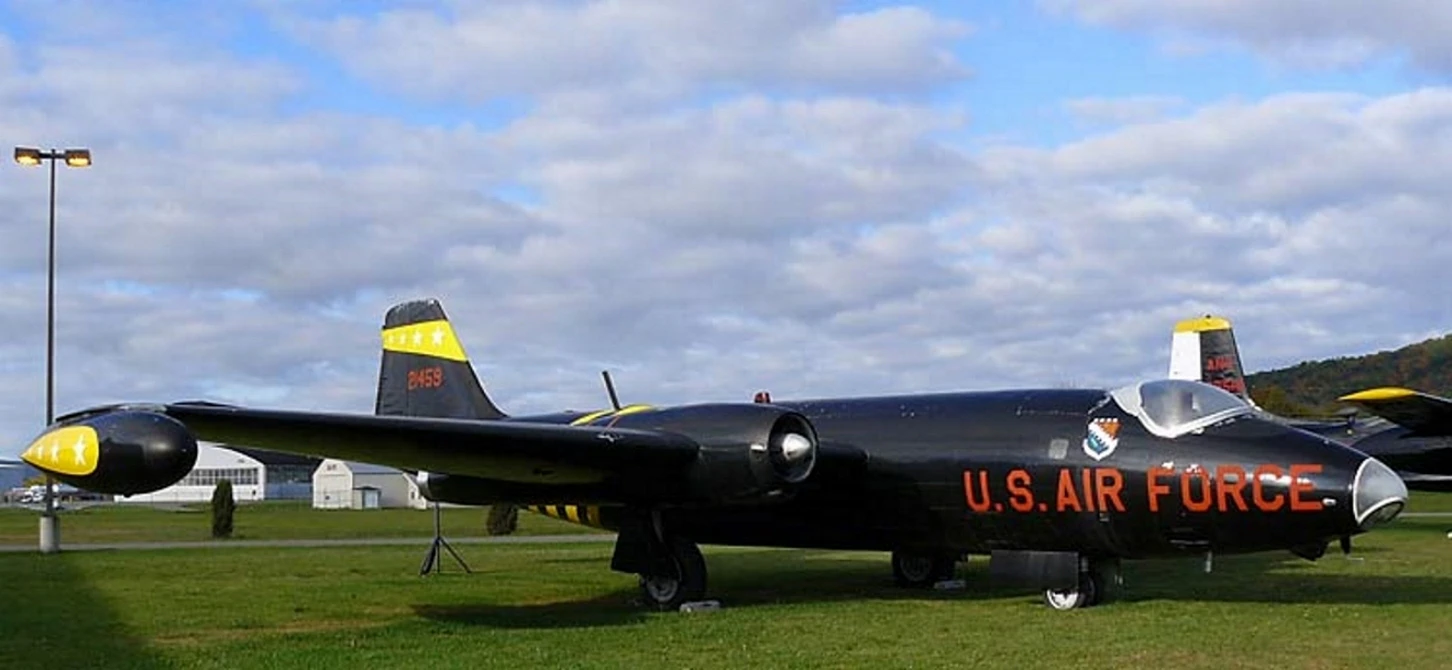
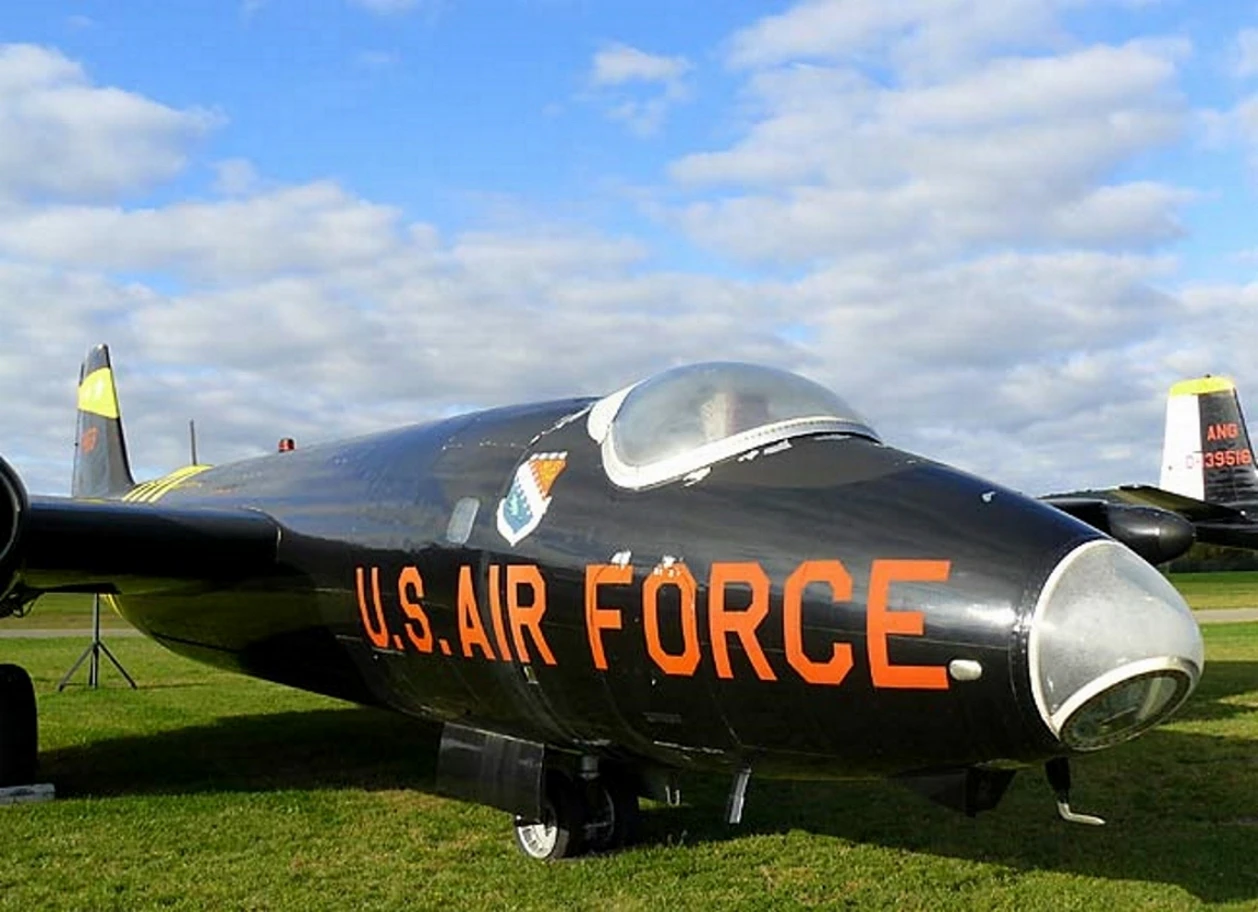
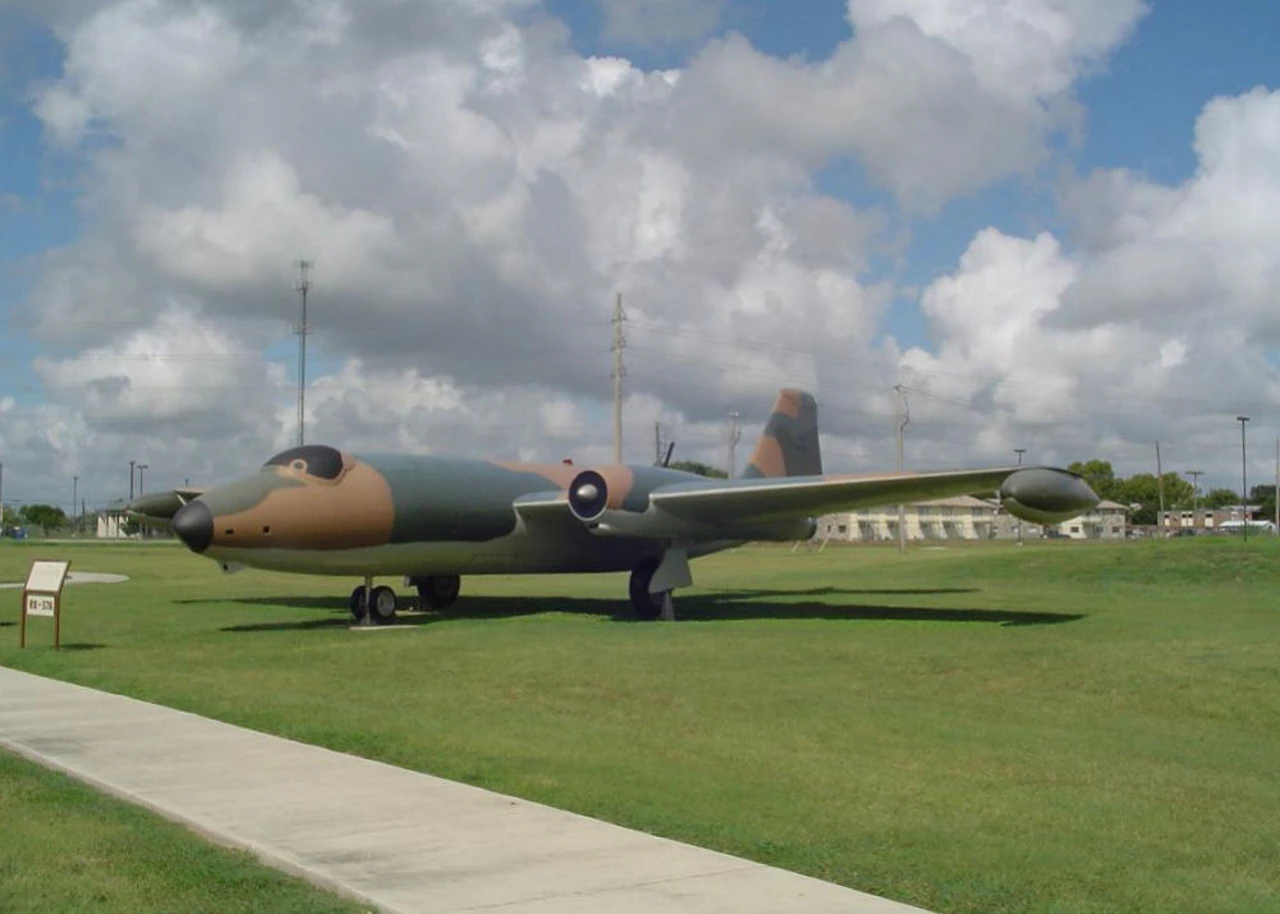
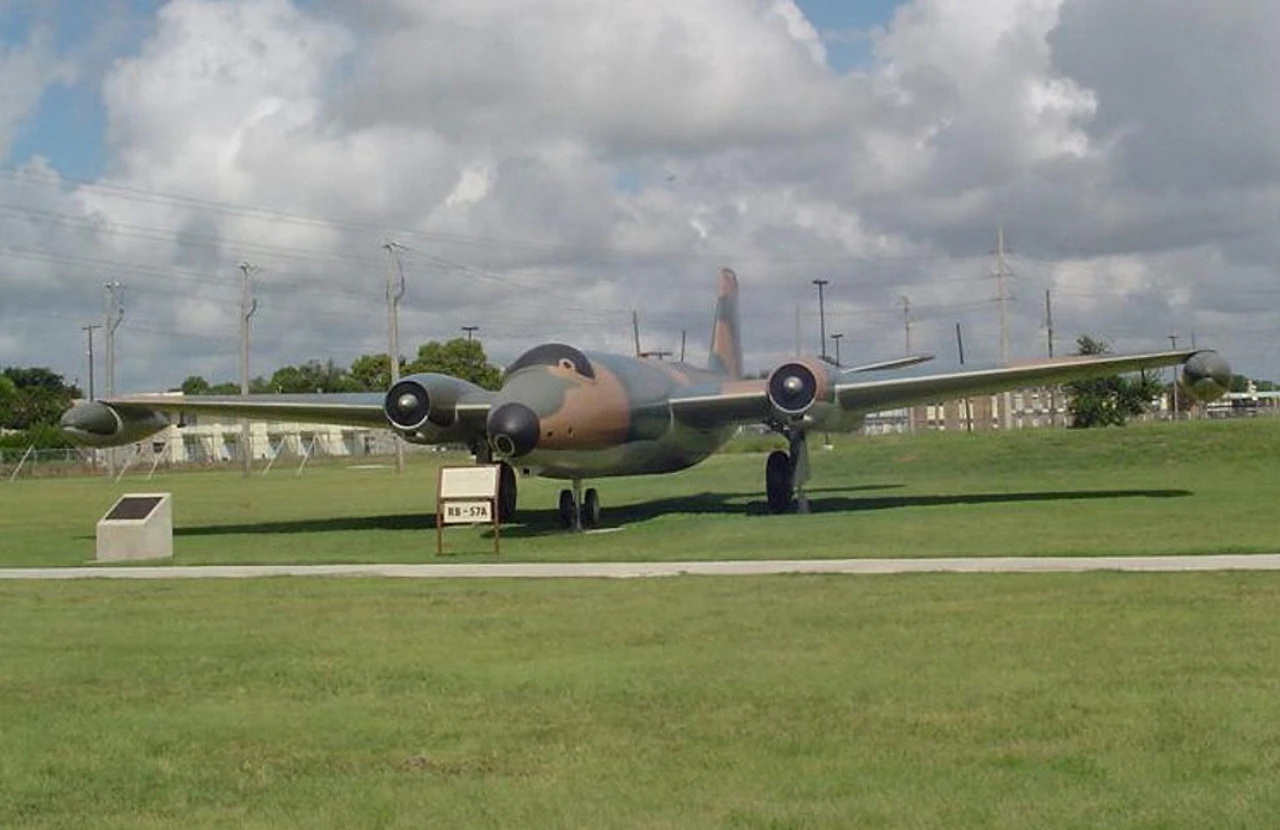
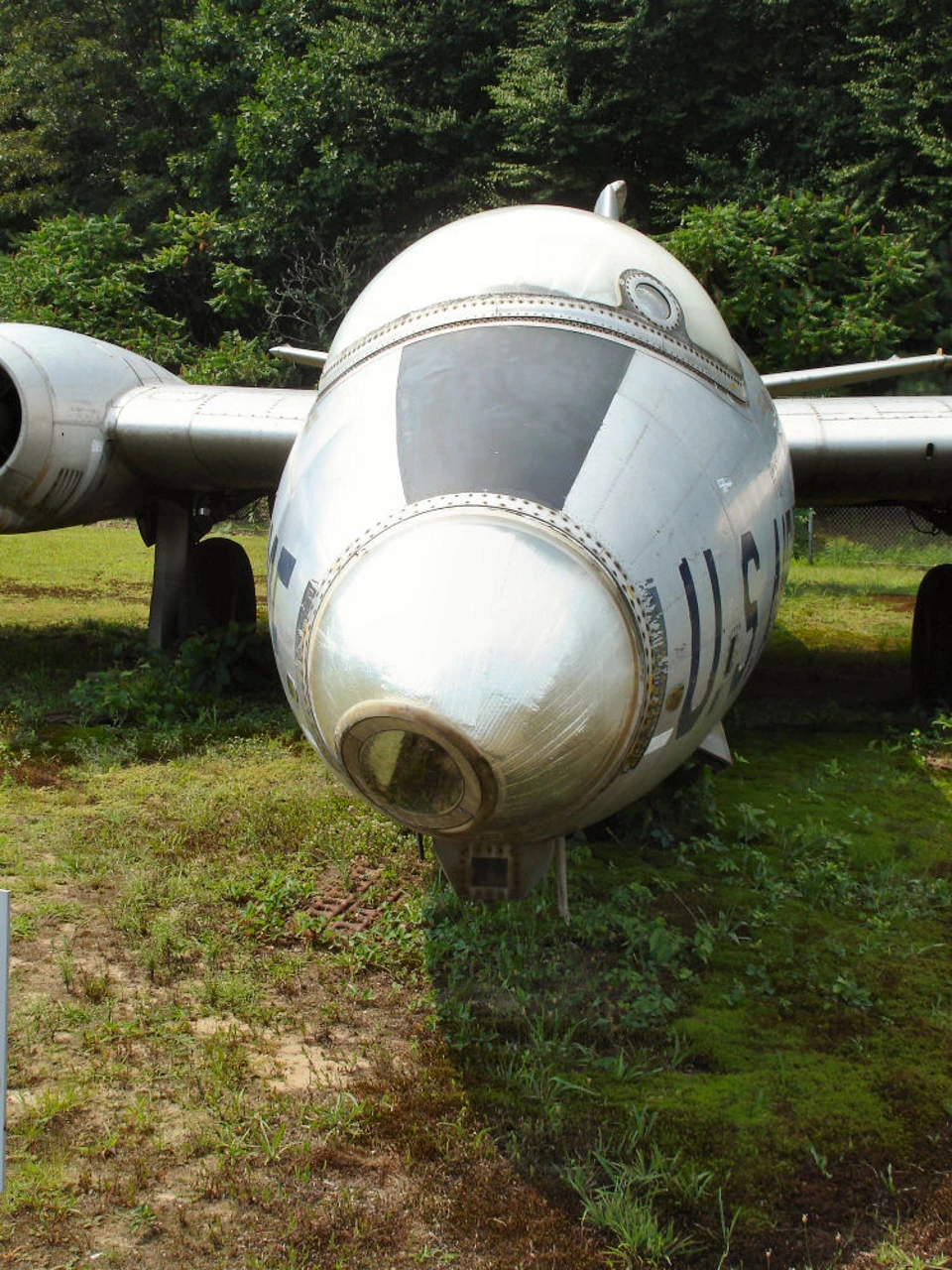
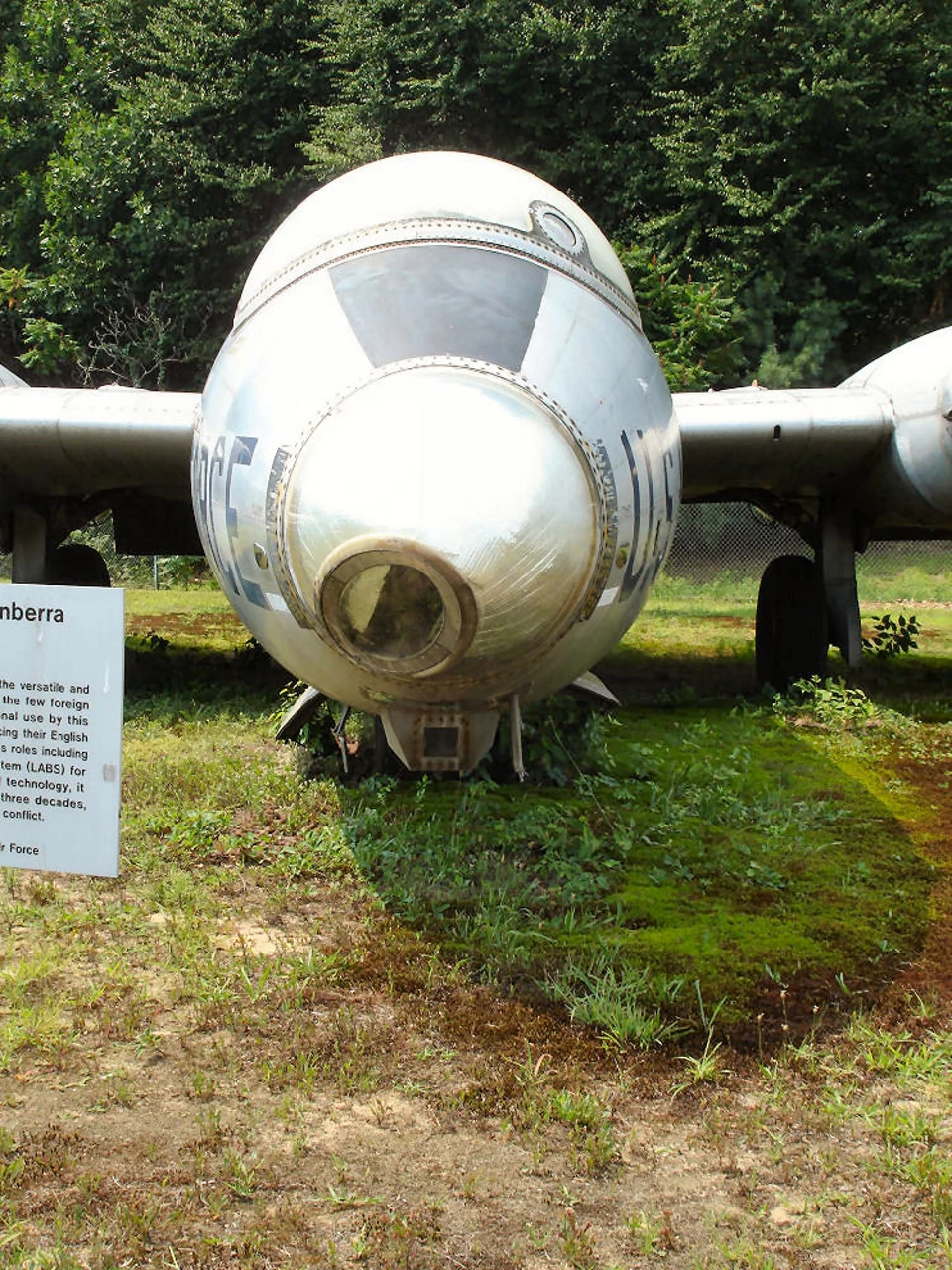
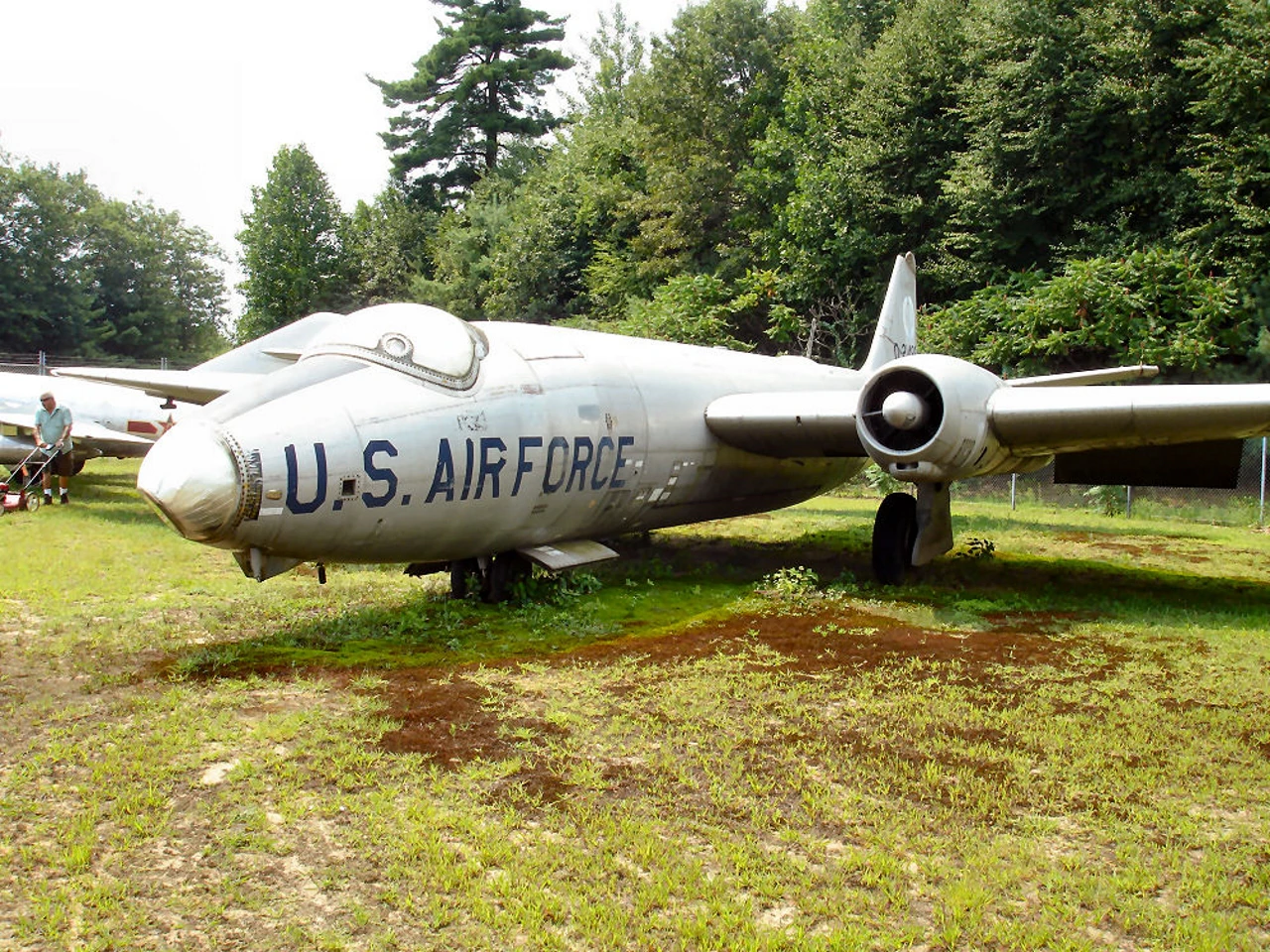
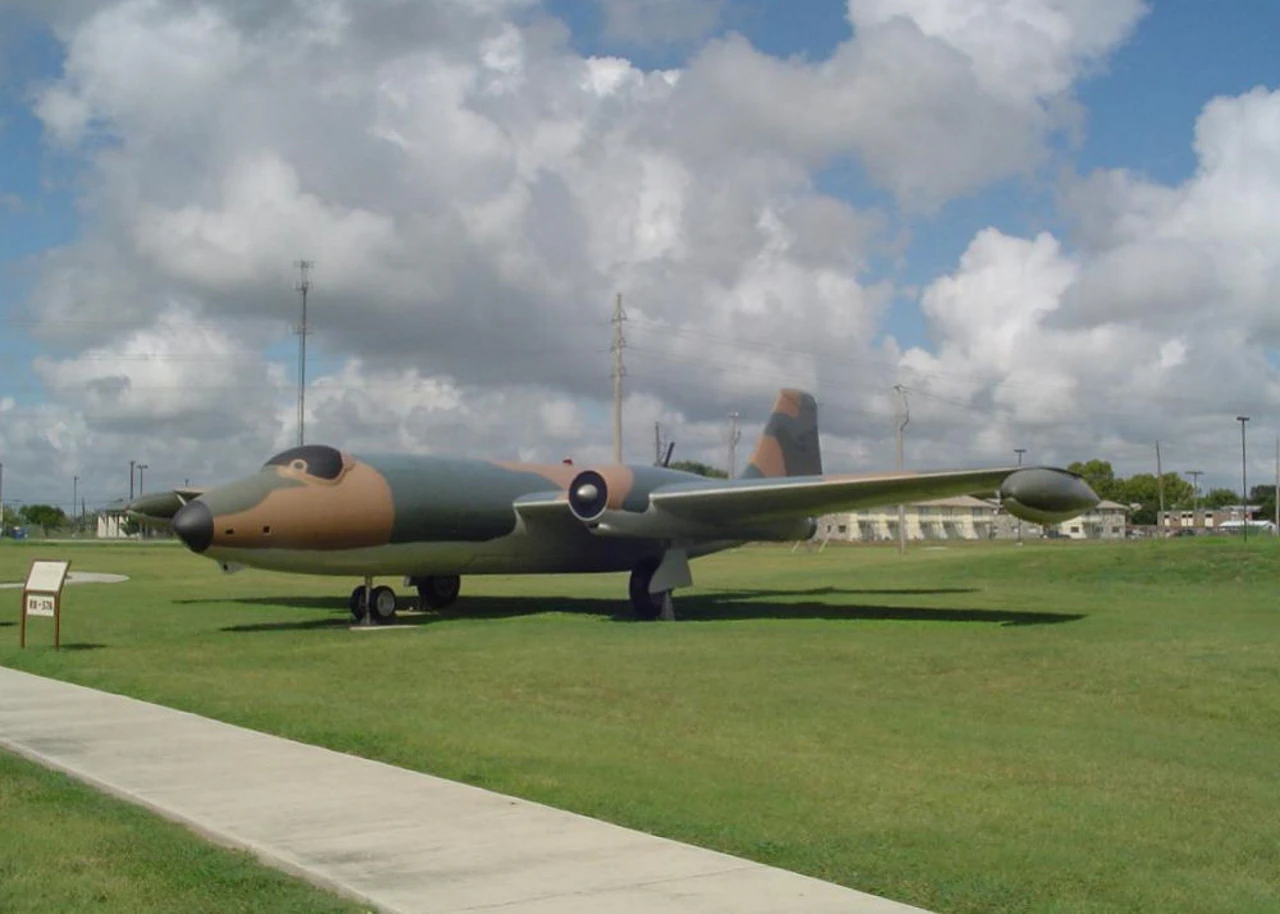
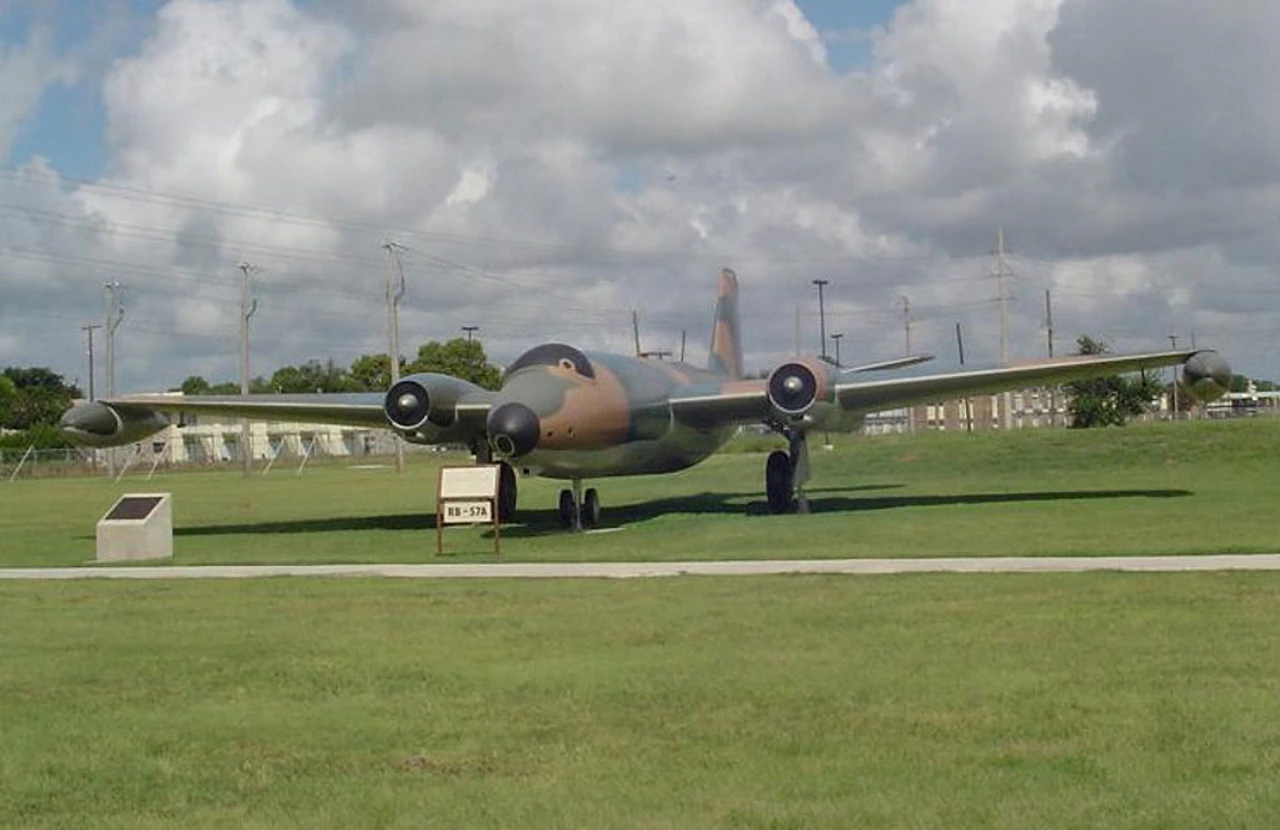
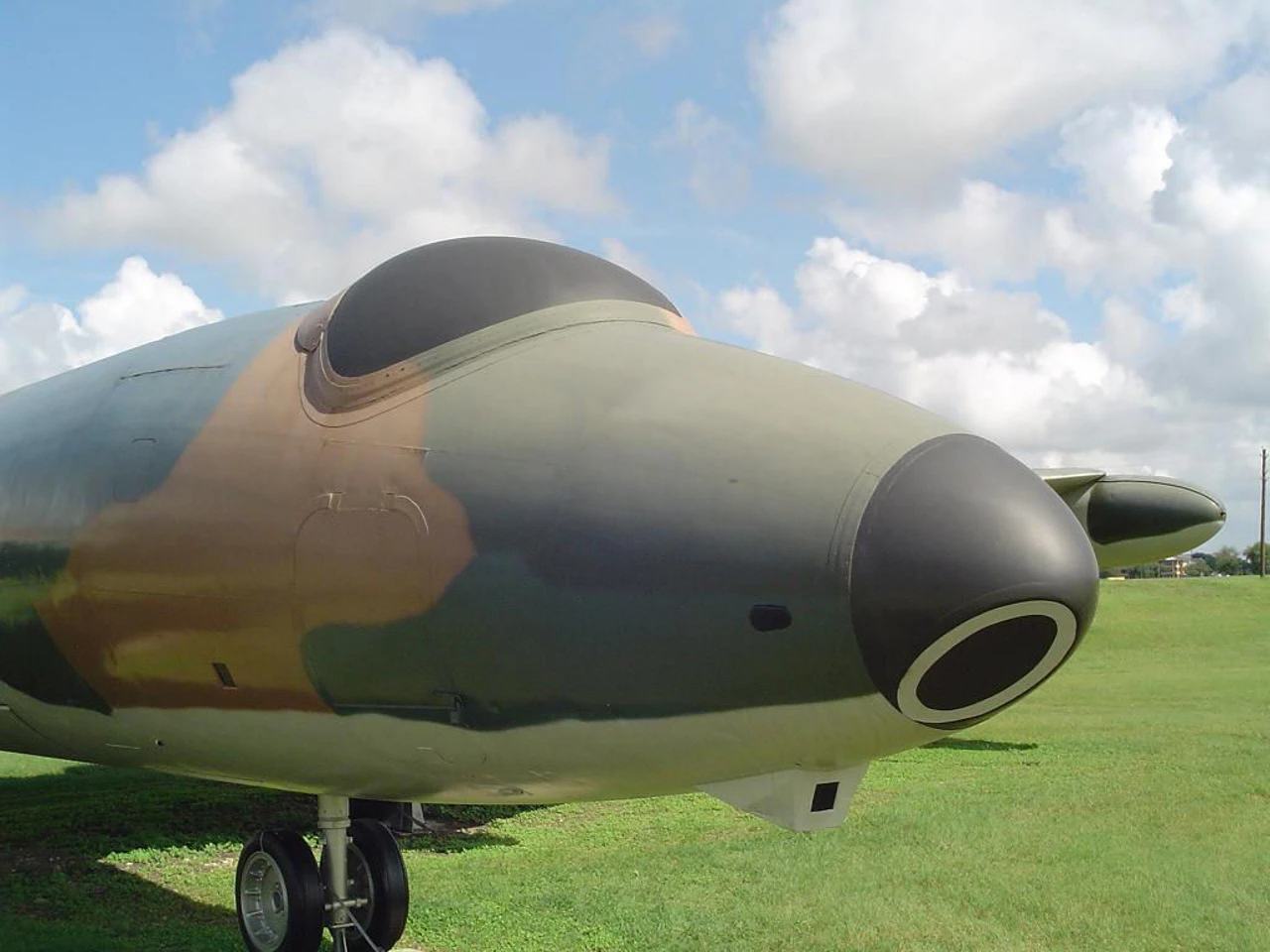
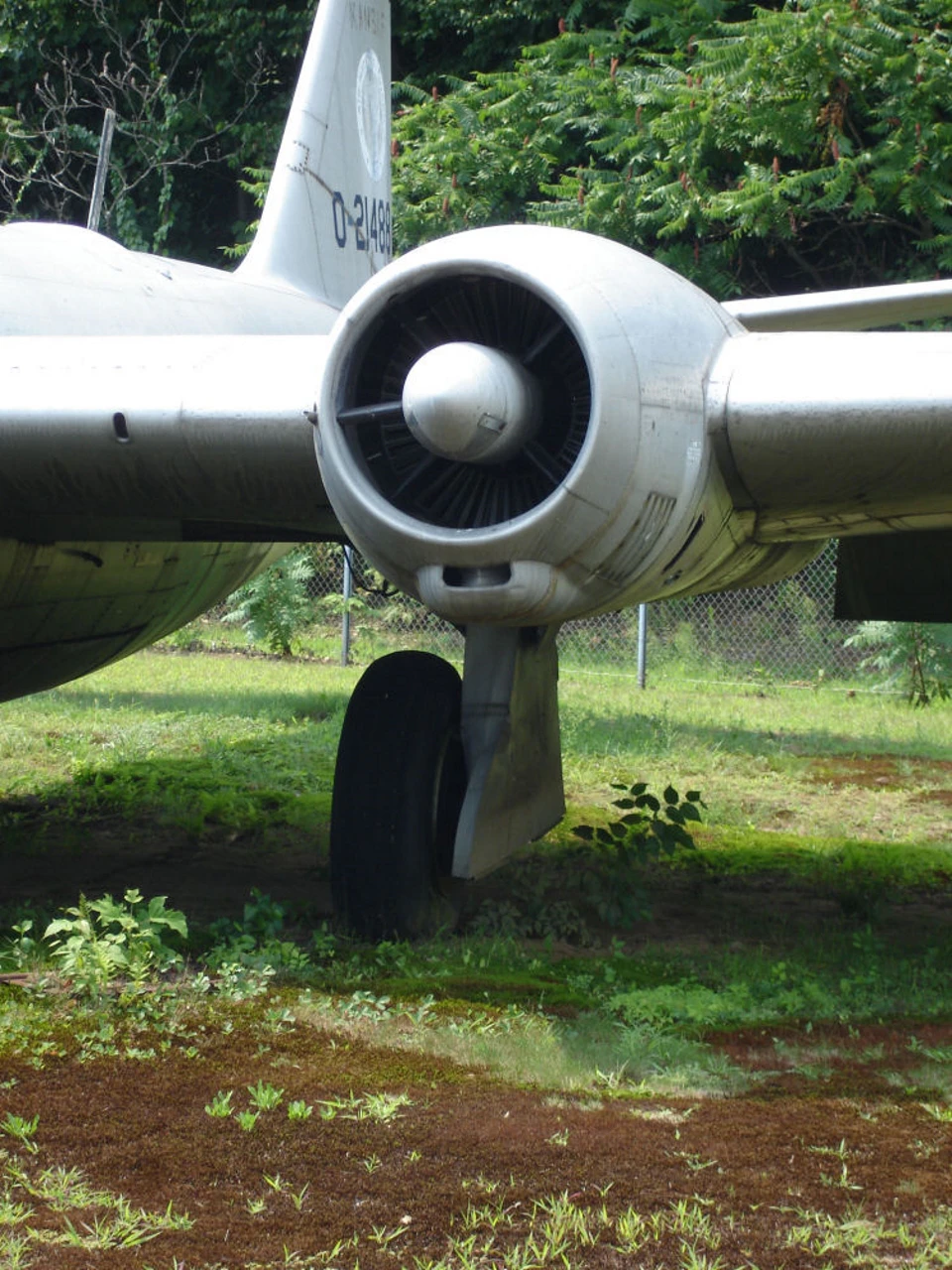
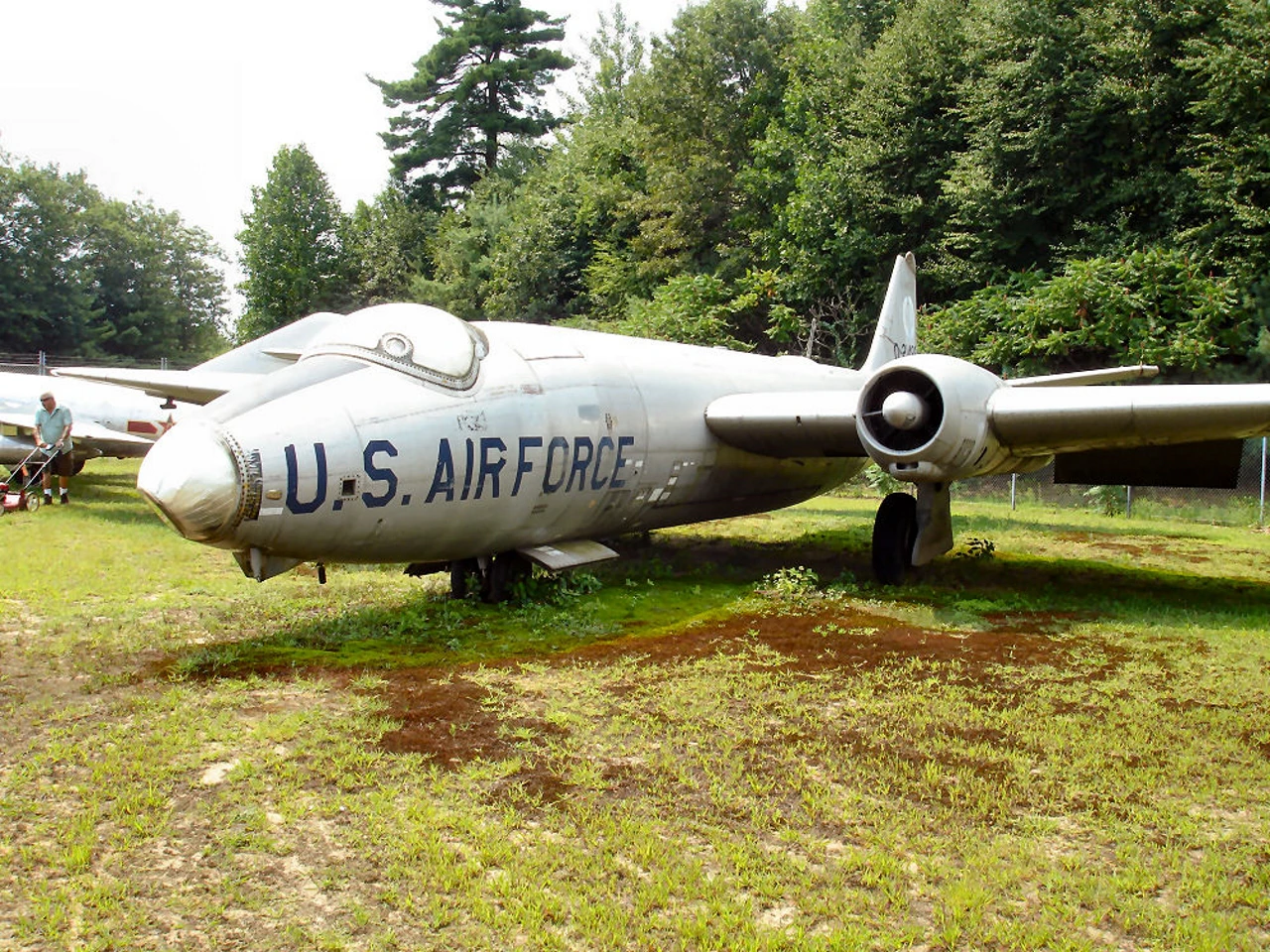
Den Martin B-57 Canberra er et amerikansk bygget, twinjet taktisk bombefly og rekognosceringsfly, der trådte i tjeneste med United States Air Force (USAF) i 1953. B-57 er en licensbygget version af British English Electric Canberra, fremstillet af Glenn L. Martin Company. De første Martin-byggede modeller lignede meget deres britisk byggede modstykker; Martin ændrede senere designet til at inkorporere større mængder komponenter fra USA og producerede flyet i flere forskellige varianter.
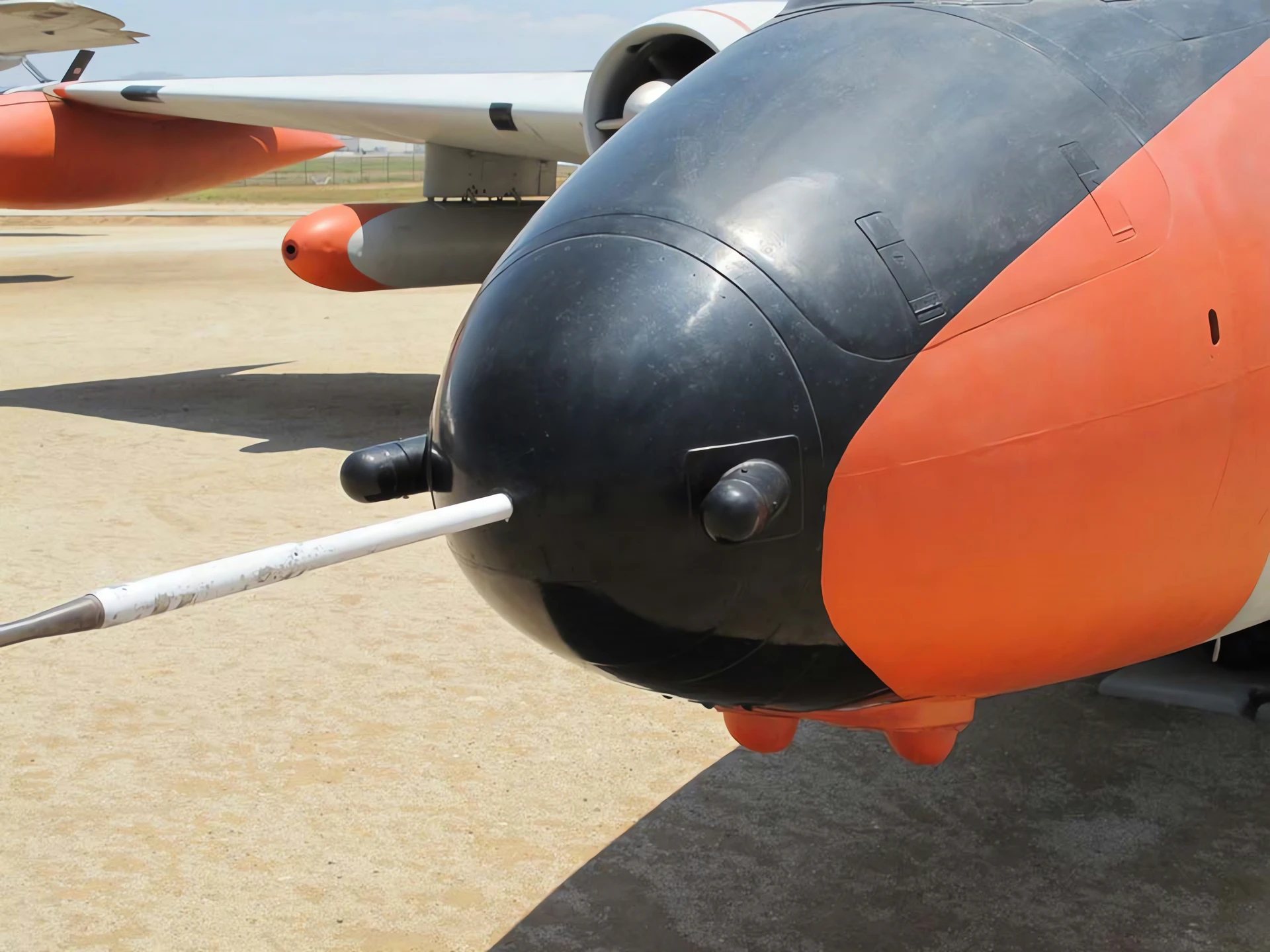
Den Martin B-57 Canberrawas a rare example of a British aircraft design (the English Electric Canberra) being licensed and mass-produced in the United States. While it excelled as a tactical bomber and “night intruder,” theEB-57Bwas a specialized electronic warfare (EW) conversion. These aircraft were packed with jammers and sensors, used primarily to train air defense crews by simulating enemy electronic attacks—blinding radars and disrupting communications to keep the “defenders” sharp.
Attribute
Technical Specification (EB-57B)
Rolle
Electronic Warfare / Aggressor Trainer
Besætning
2 (Pilot and Electronic Warfare Officer / EWO)
First Flight (B-57A)
July 20, 1953
Kraftværk
2 × Wright J65-W-5 turbojets
Thrust
7,220 lbf (32.1 kN) per engine
Maximum Speed
580 mph (930 km/h)
Interval
2,700 miles (4,345 km)
Special Equipment
Internal jammers, chaff dispensers, and wing-mounted ECM pods
Design Features: The Art of Jamming
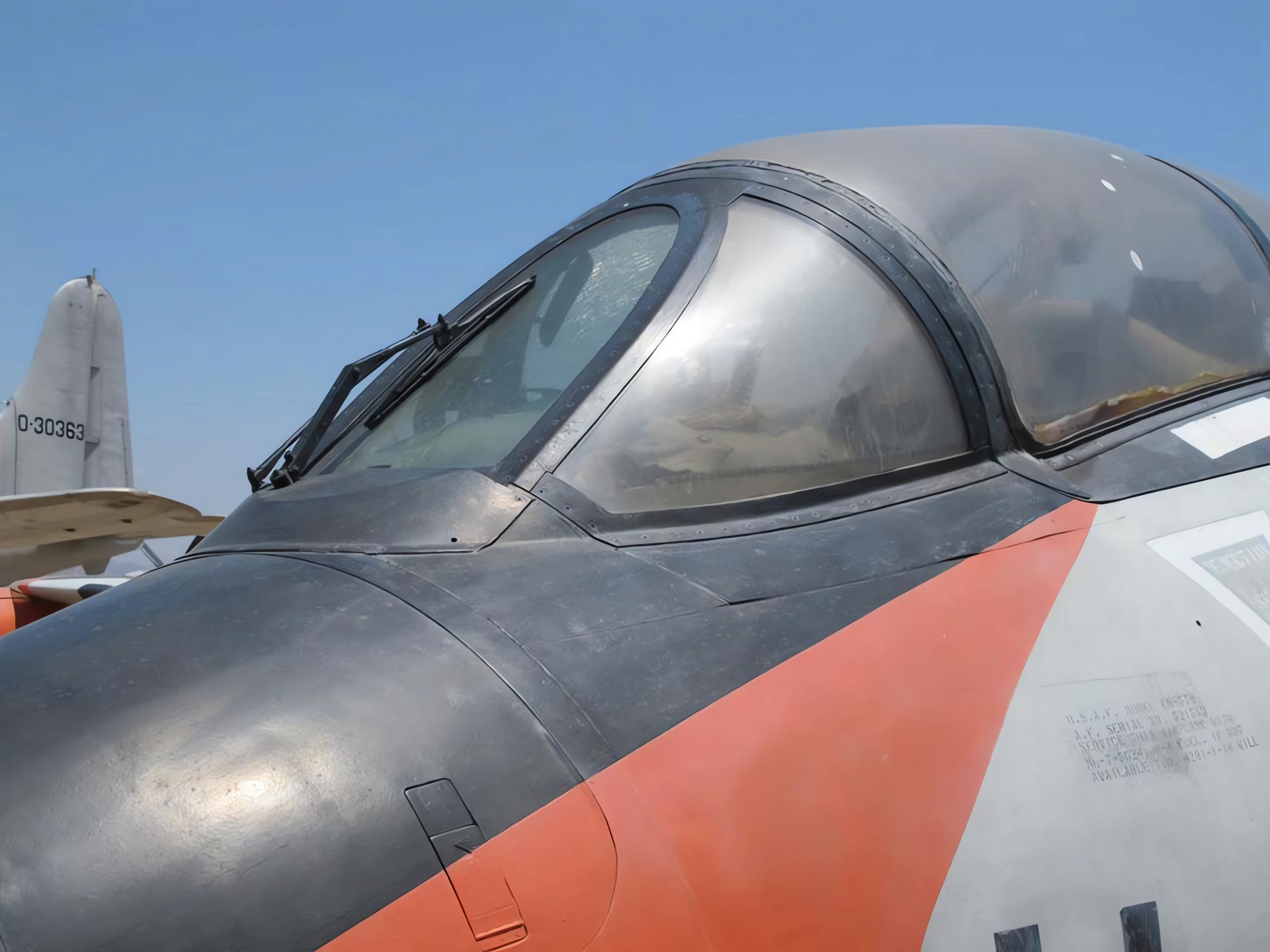
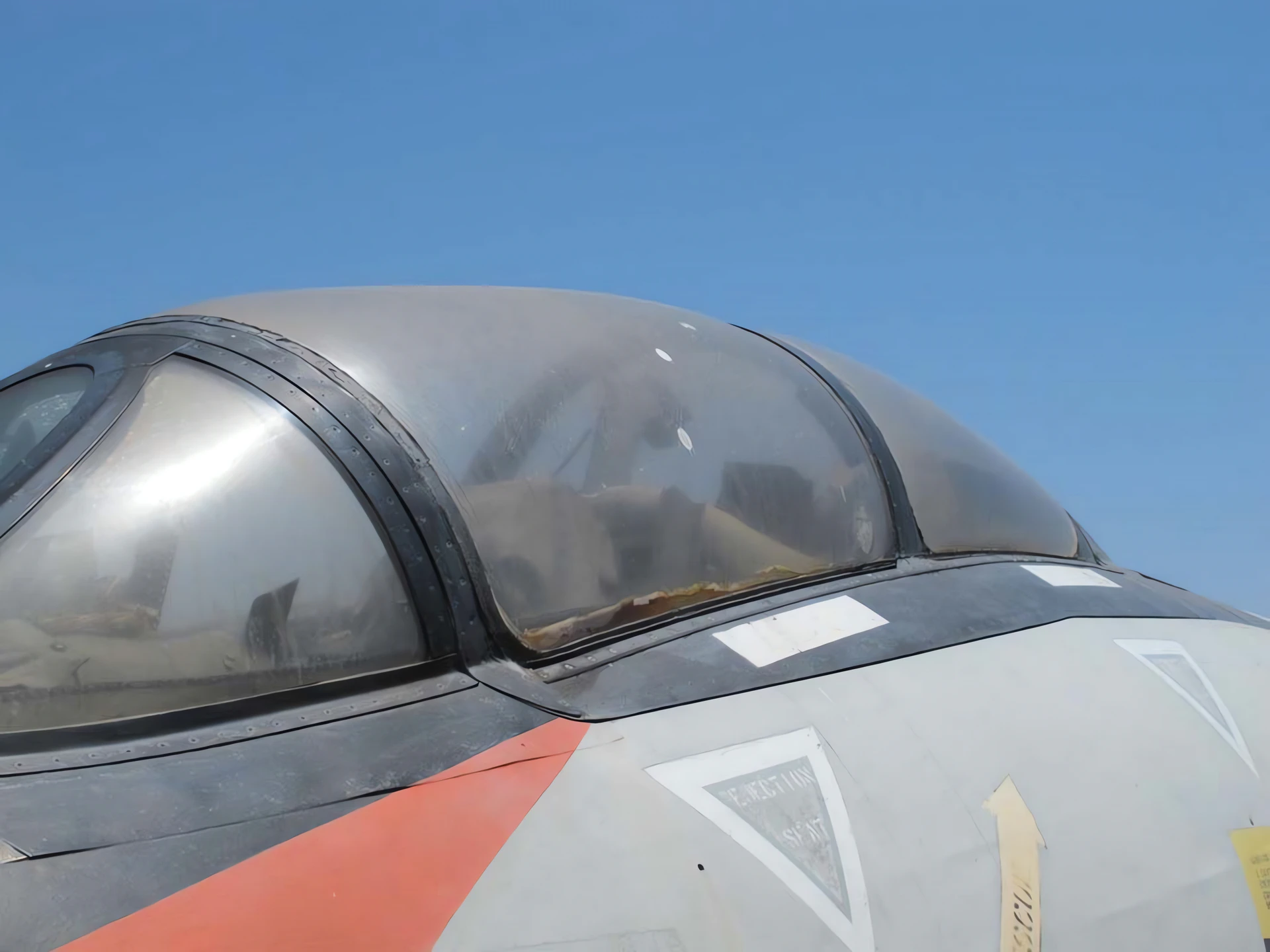
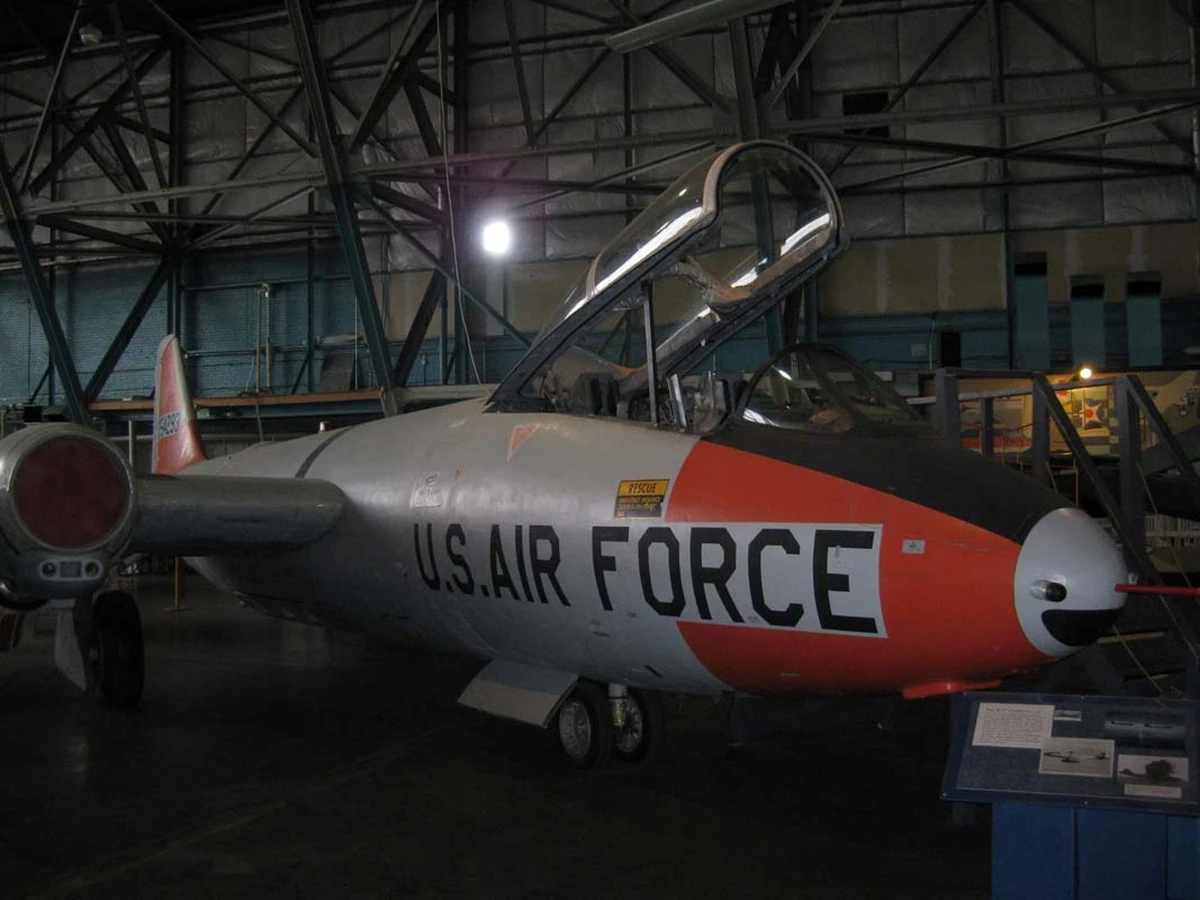
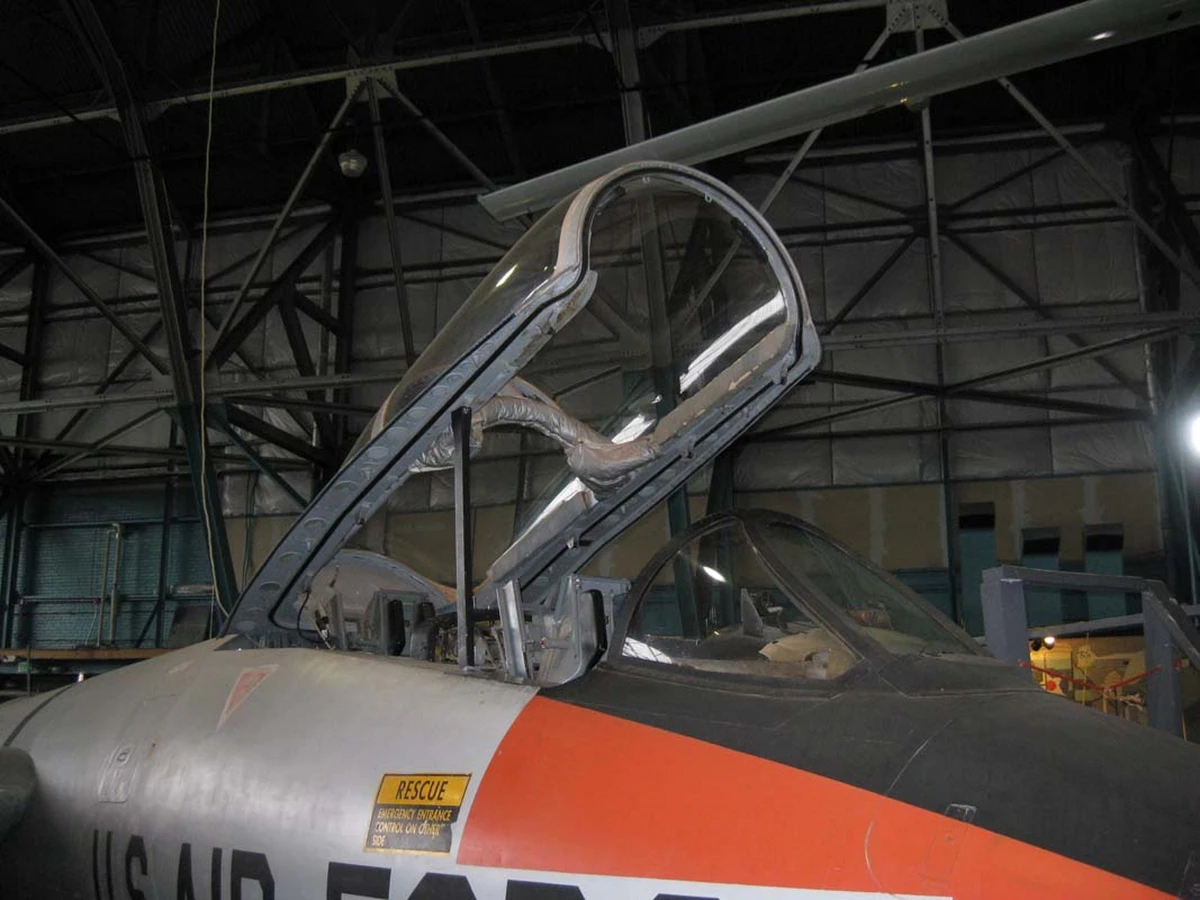
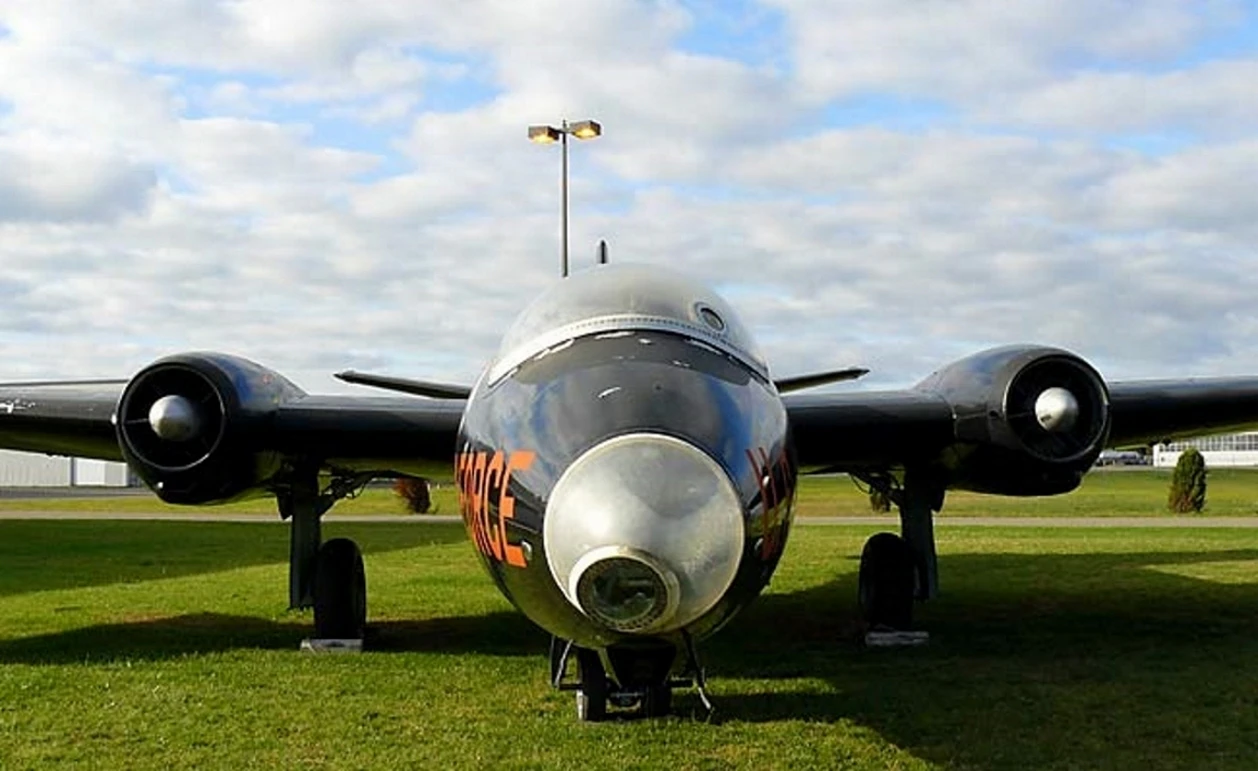
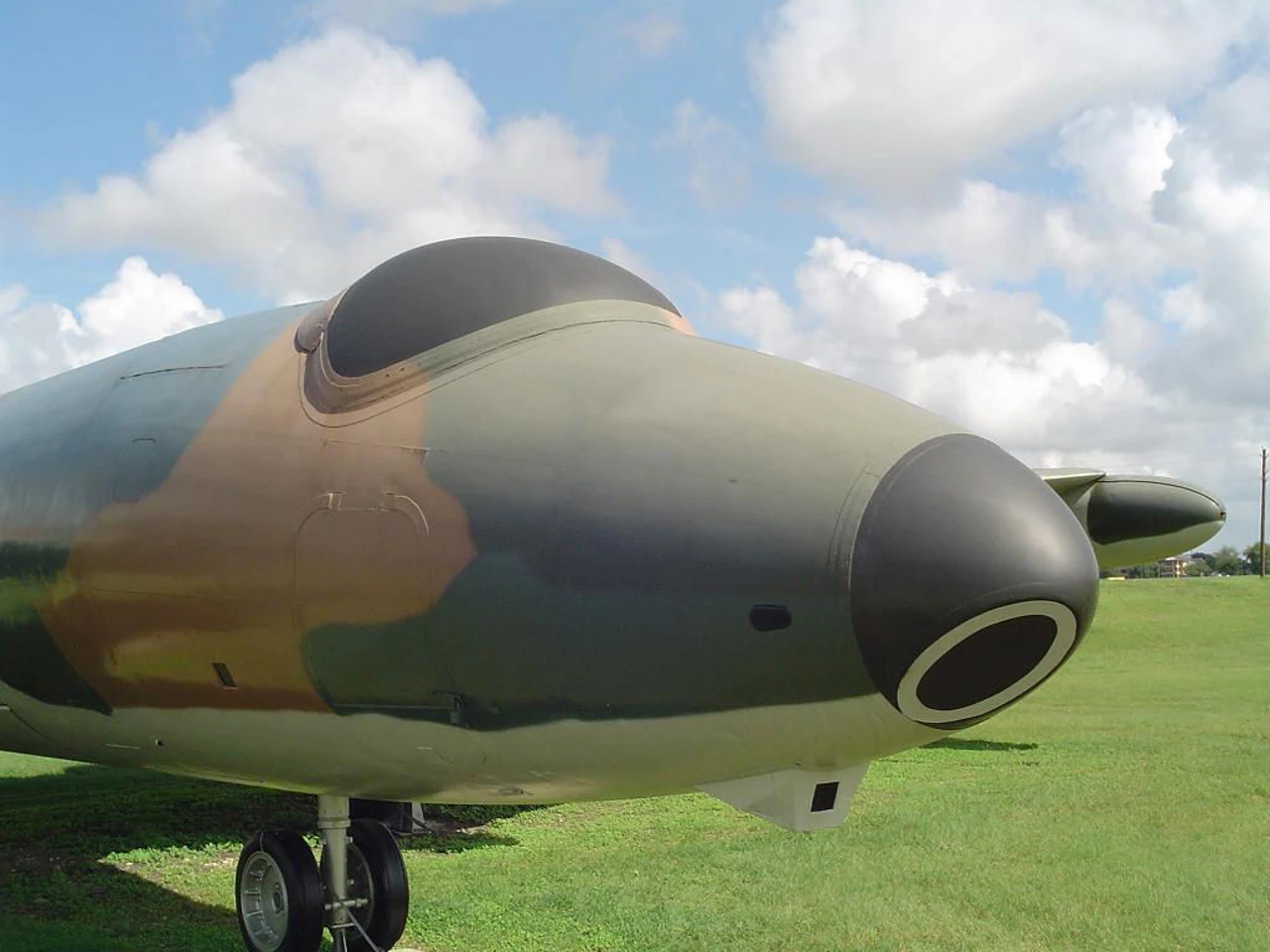
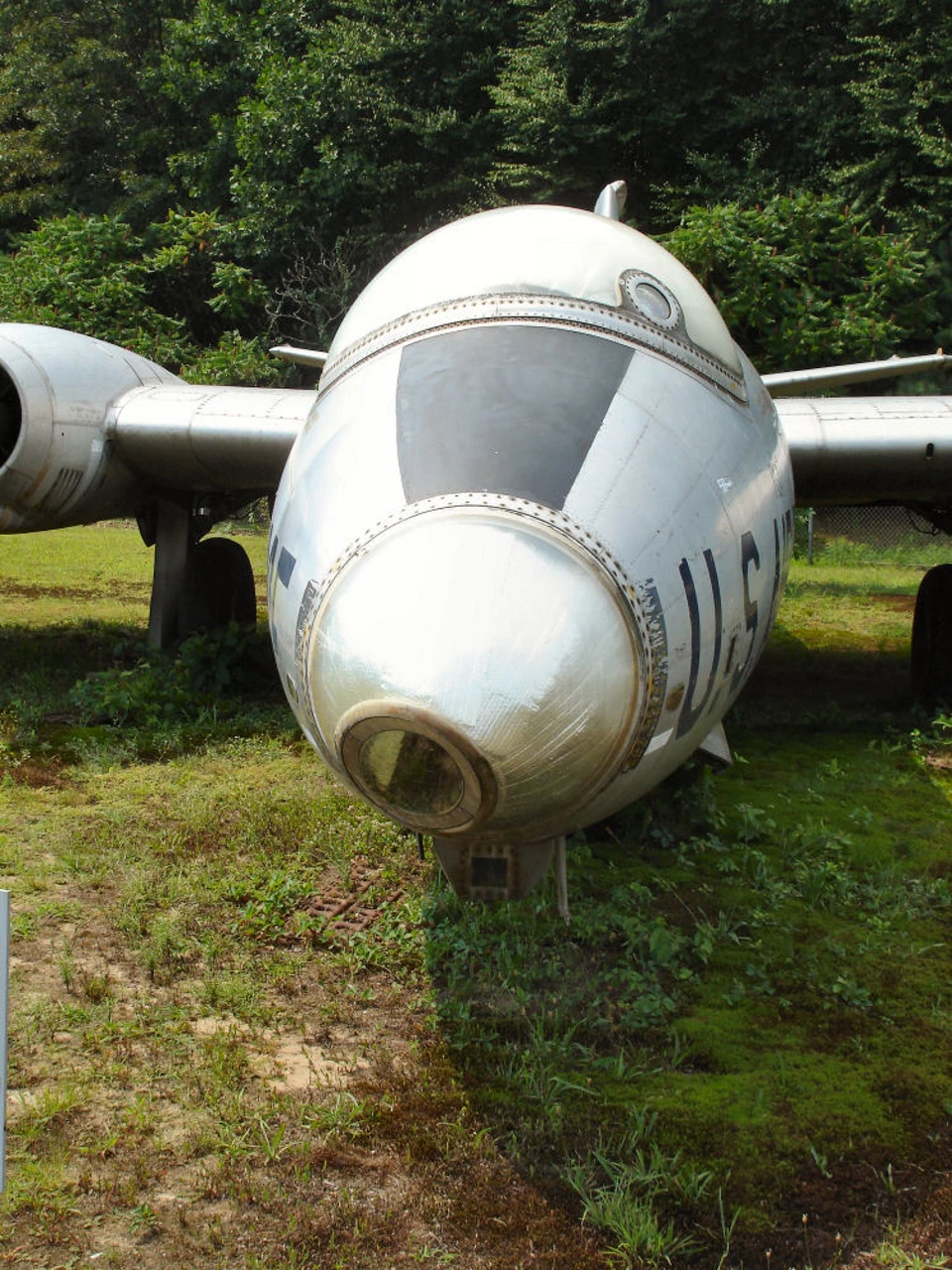
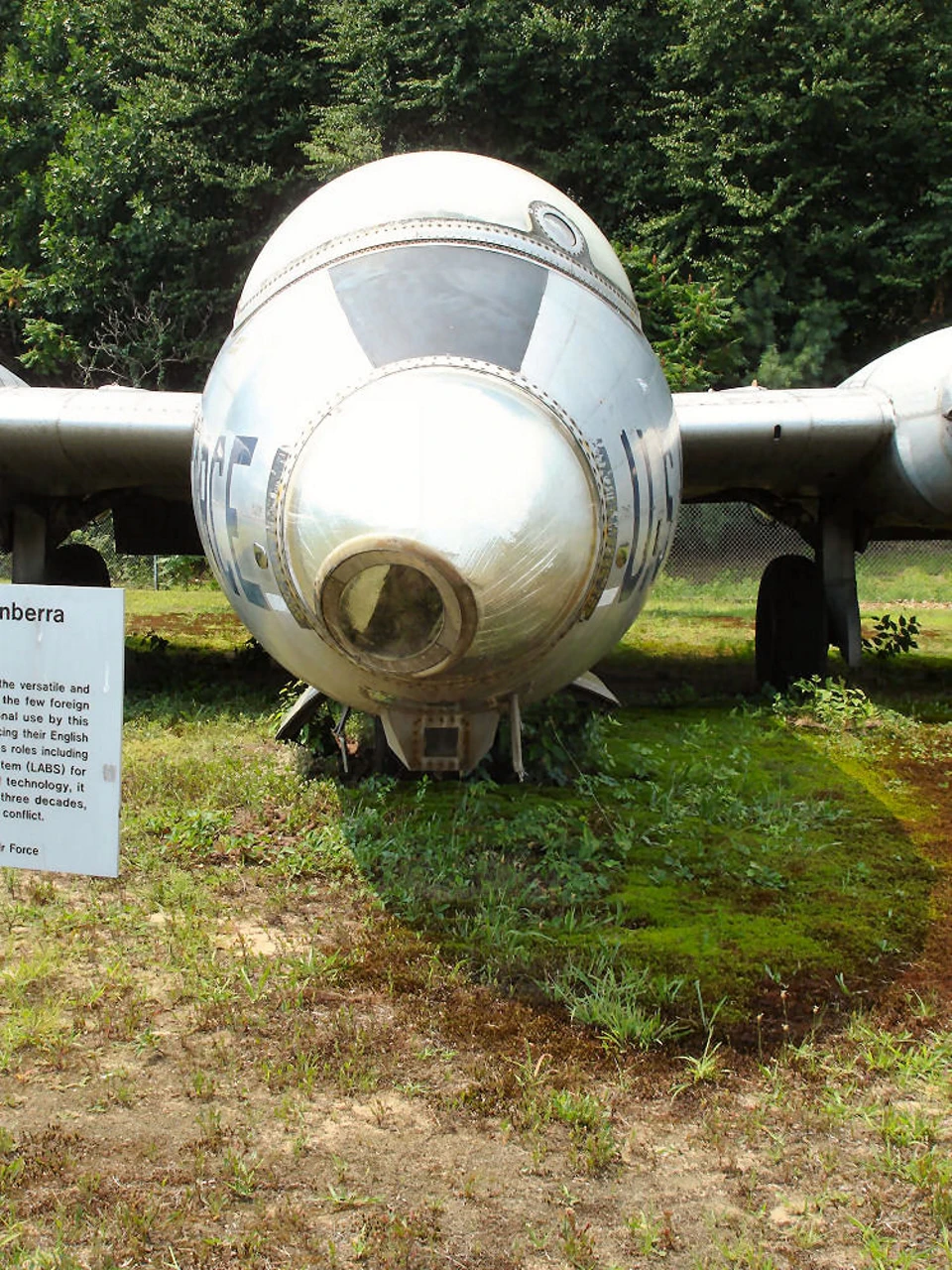
The “Tandem” Cockpit:Unlike the original British version where the navigator sat in a dark hole in the fuselage, Martin redesigned the B-57B with a fighter-style tandem cockpit under a long, continuous canopy. This gave the Electronic Warfare Officer (EWO) better situational awareness.
Rotary Bomb Bay:The B-57 featured a unique rotary bomb bay door. On the EB-57B, instead of bombs, this bay often housed massive internal electronic jamming suites and cooling systems for the high-powered vacuum tubes of the era.
Wing-Mounted ECM Pods:To expand its frequency coverage, the EB-57B frequently carried specialized Electronic Countermeasures (ECM) pods on its underwing pylons, allowing it to simulate a wide variety of Soviet radar-interference signatures.
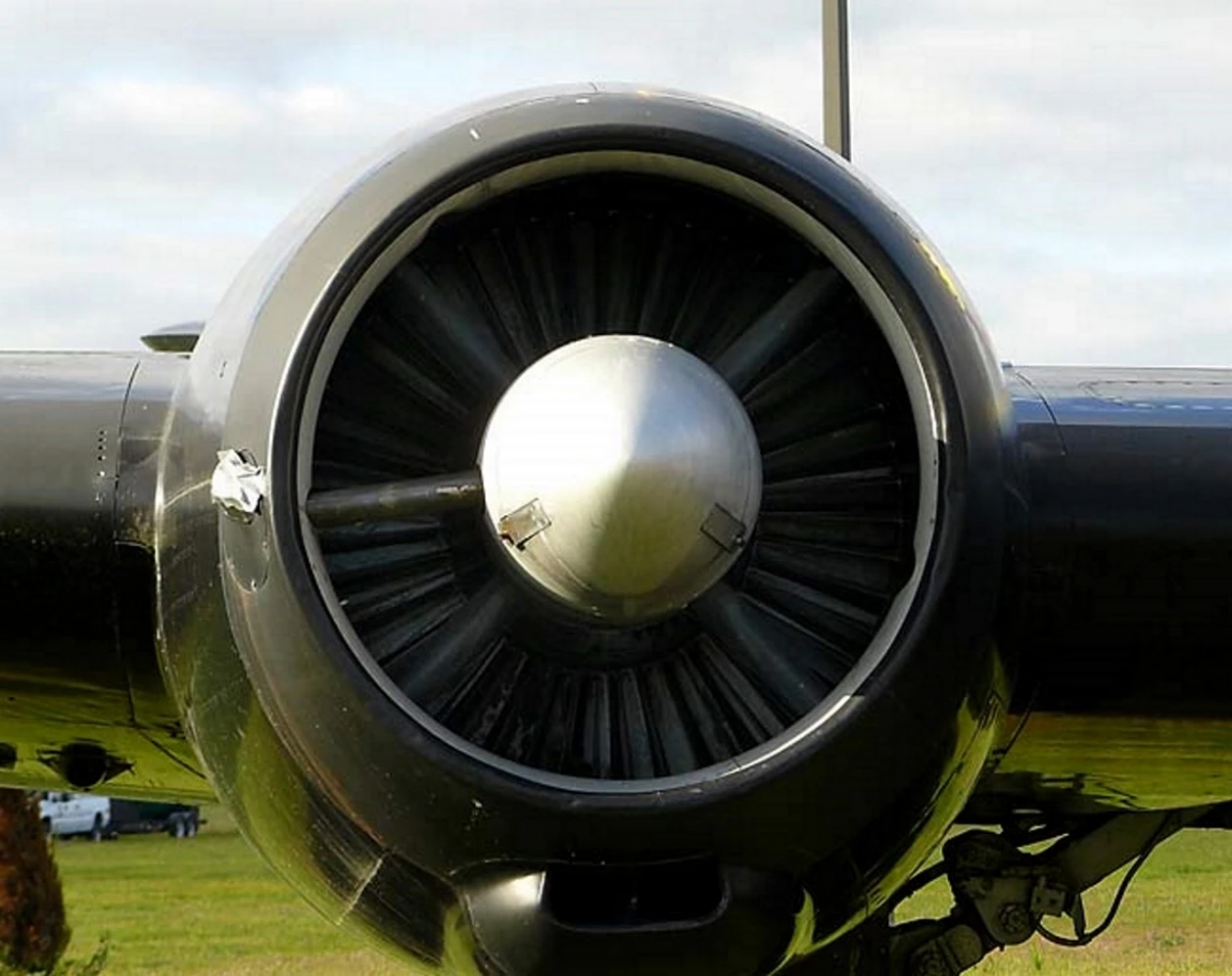
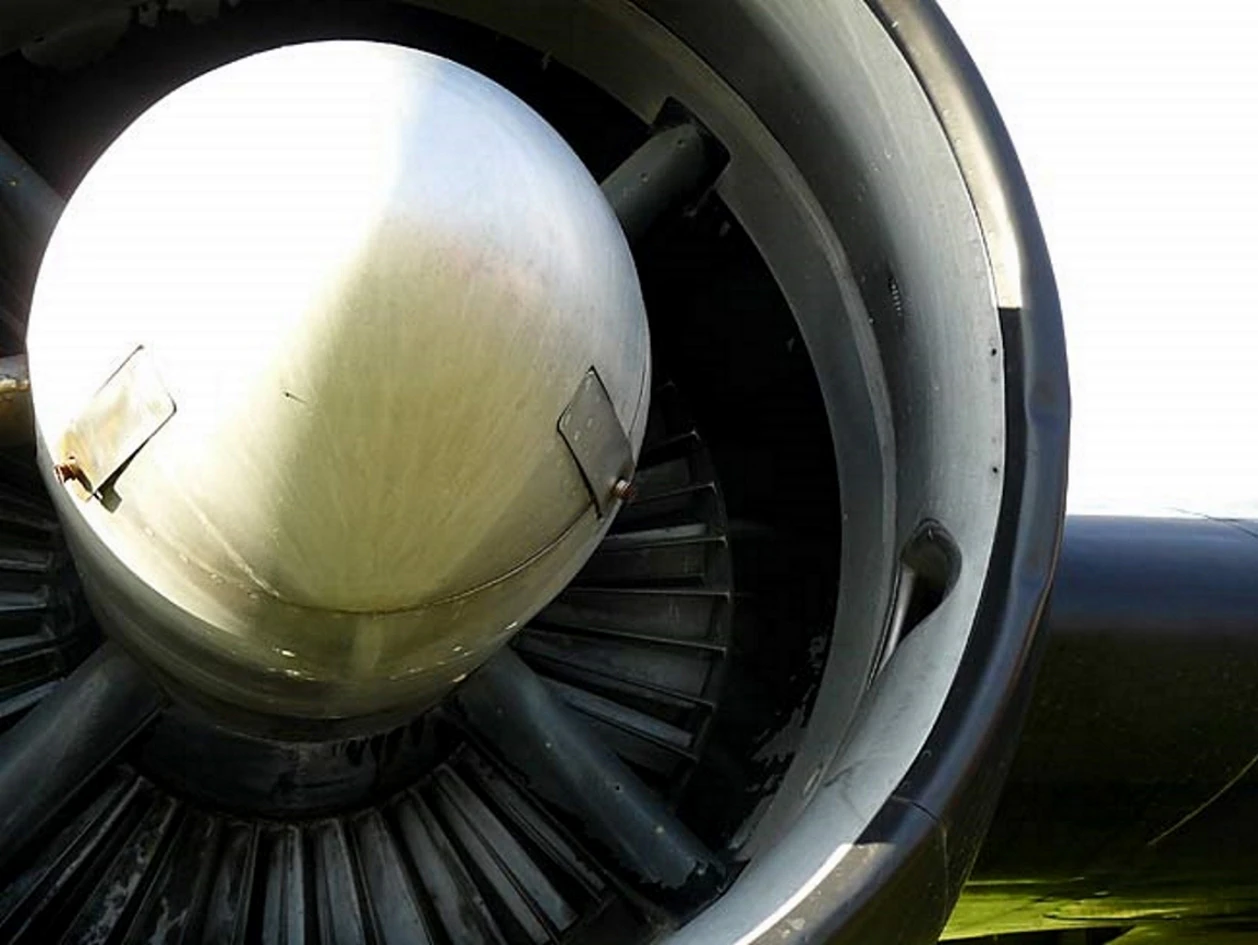
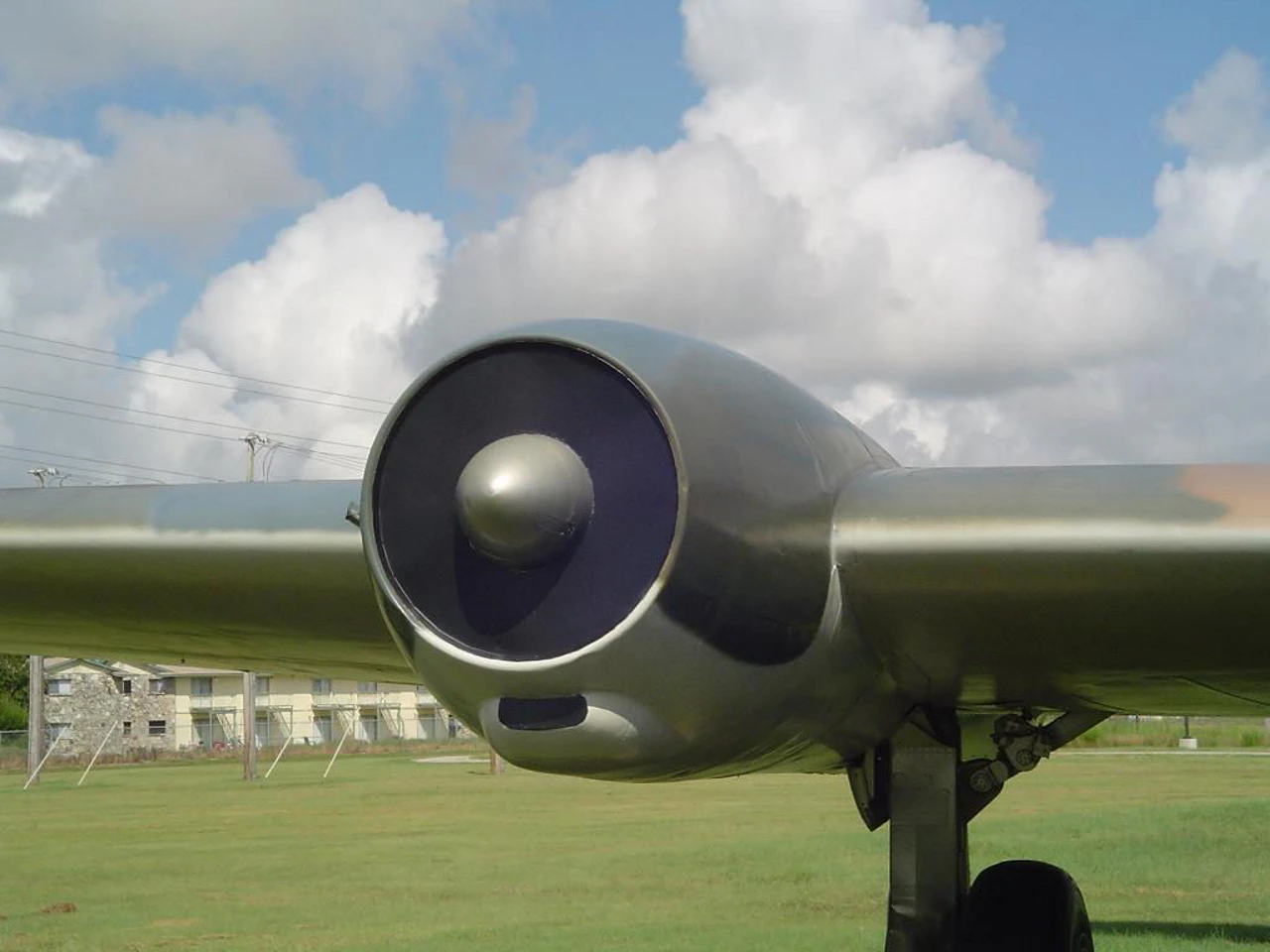
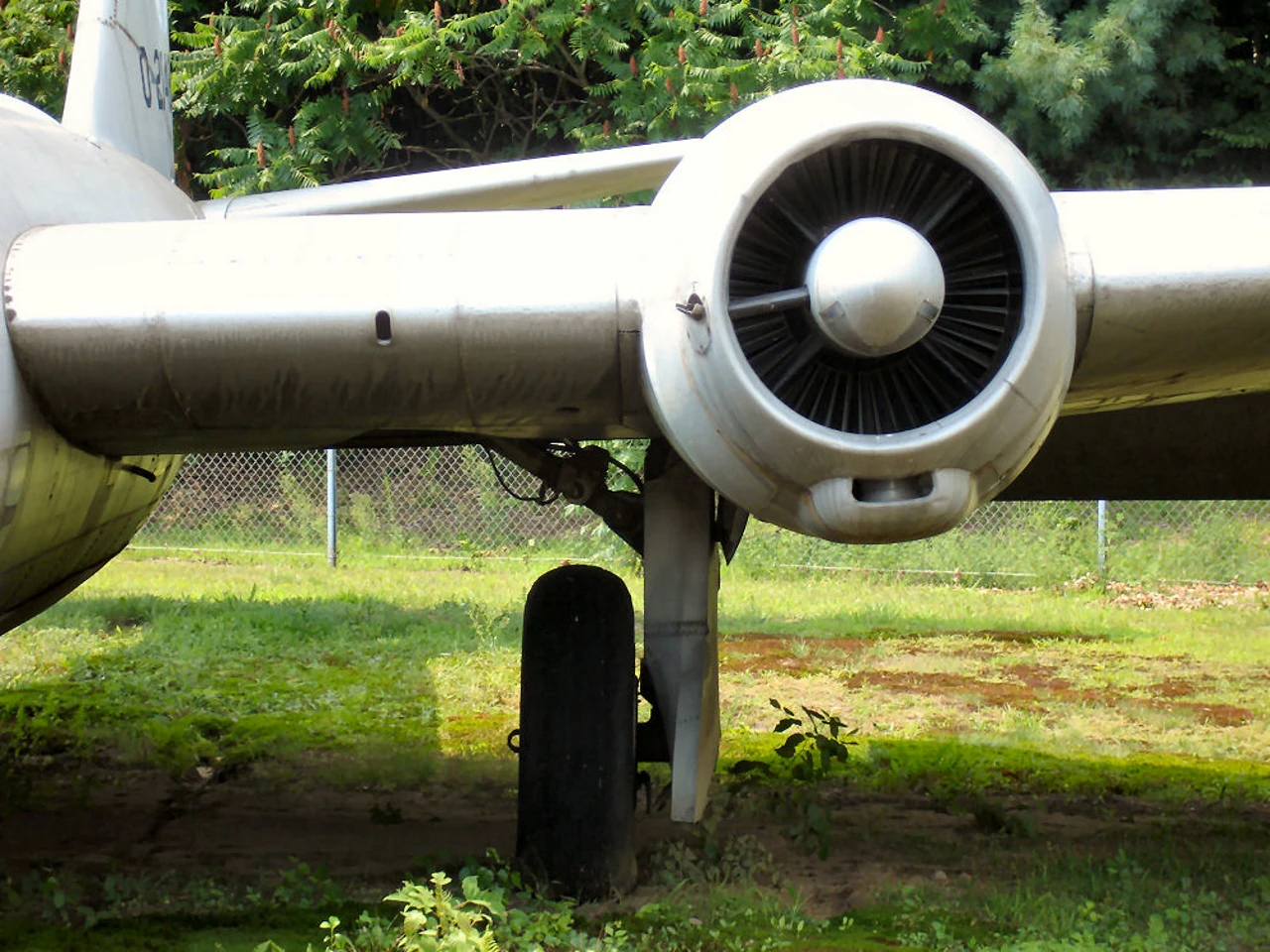
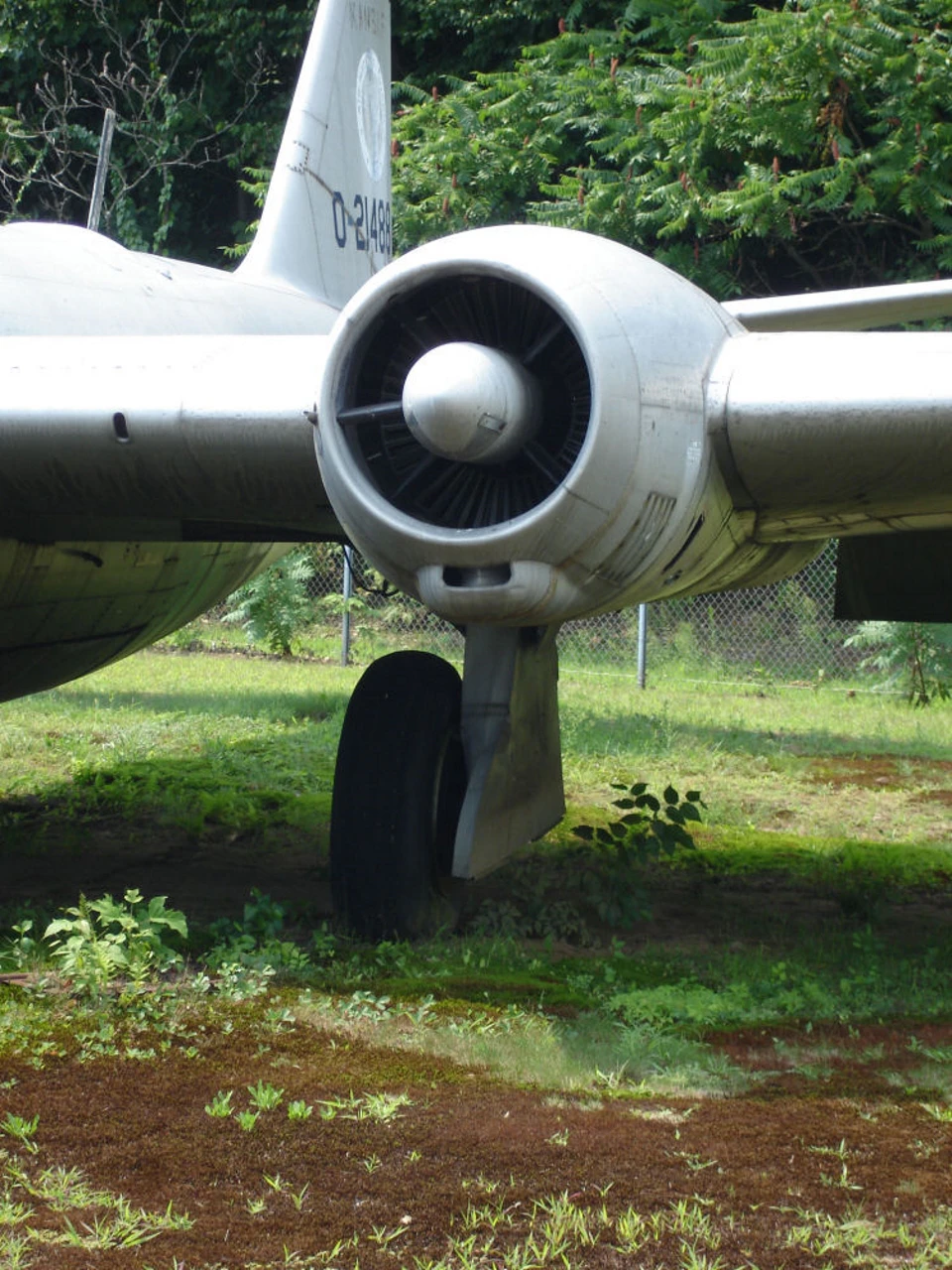
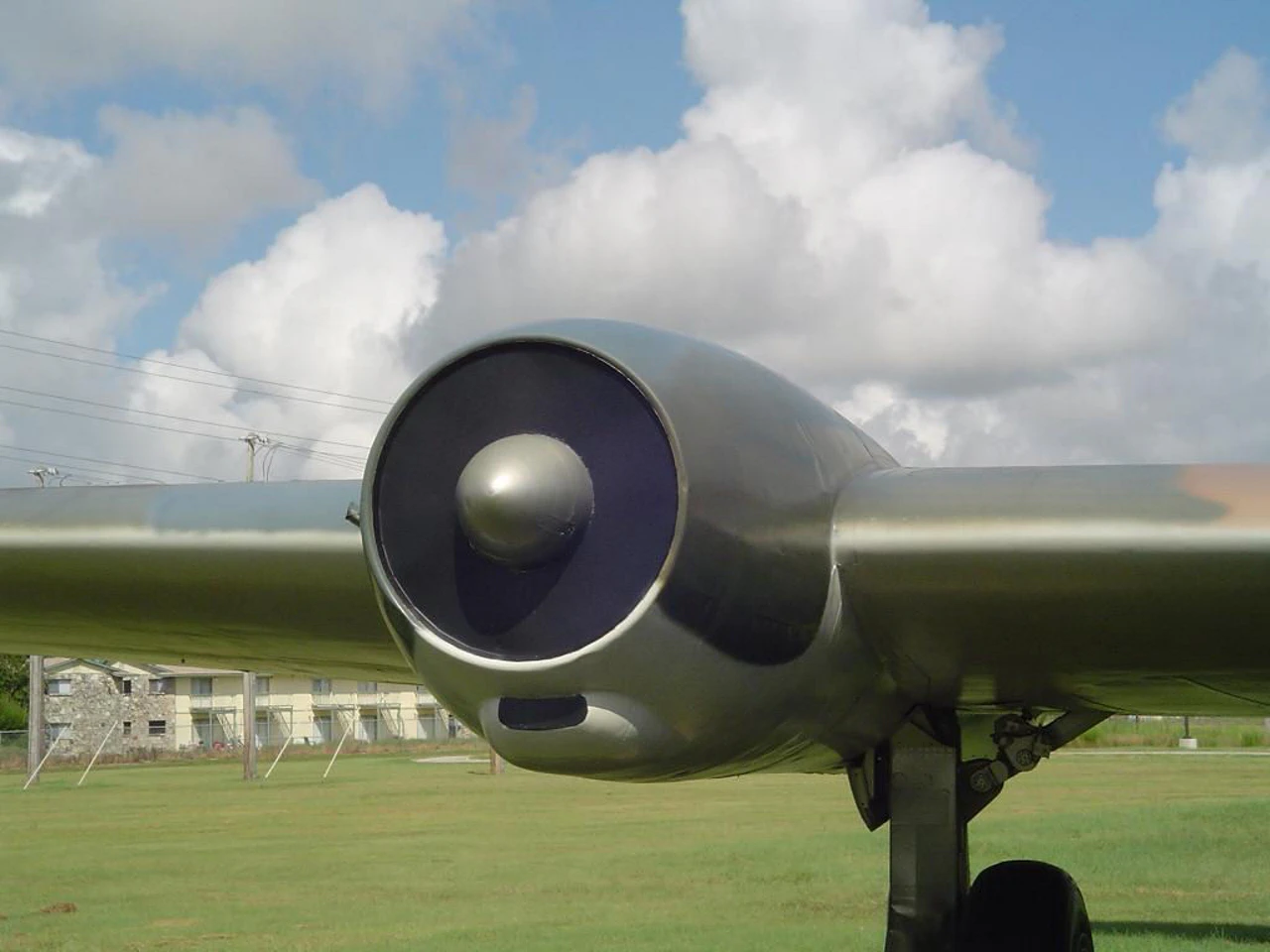
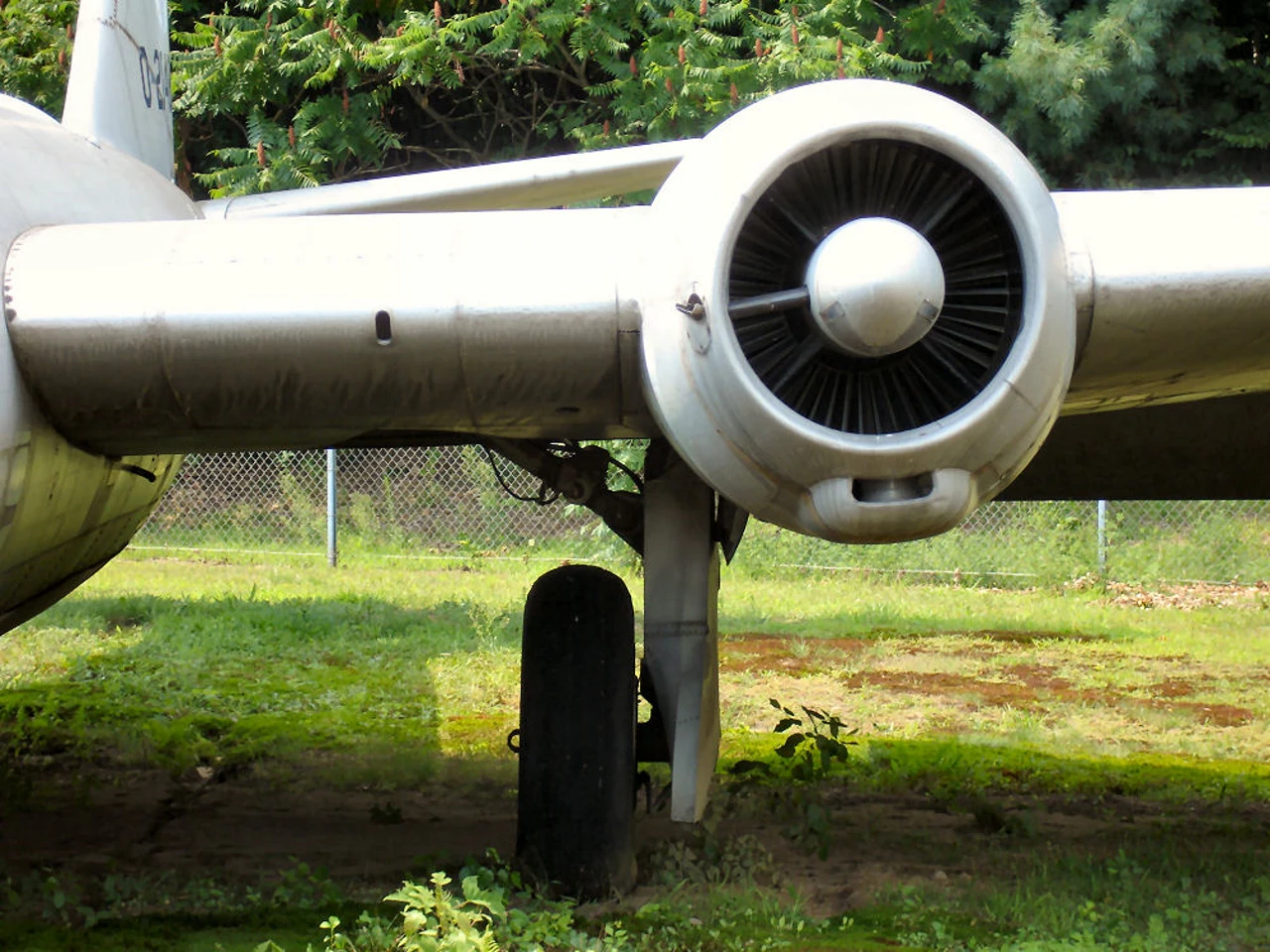
Wright J65 Engines:The US versions swapped the British Rolls-Royce Avons for the Wright J65 (a licensed Armstrong Siddeley Sapphire). These provided excellent low-altitude performance, essential for the B-57’s original mission as a “night intruder.”
Cold War Service & The “Aggressors”
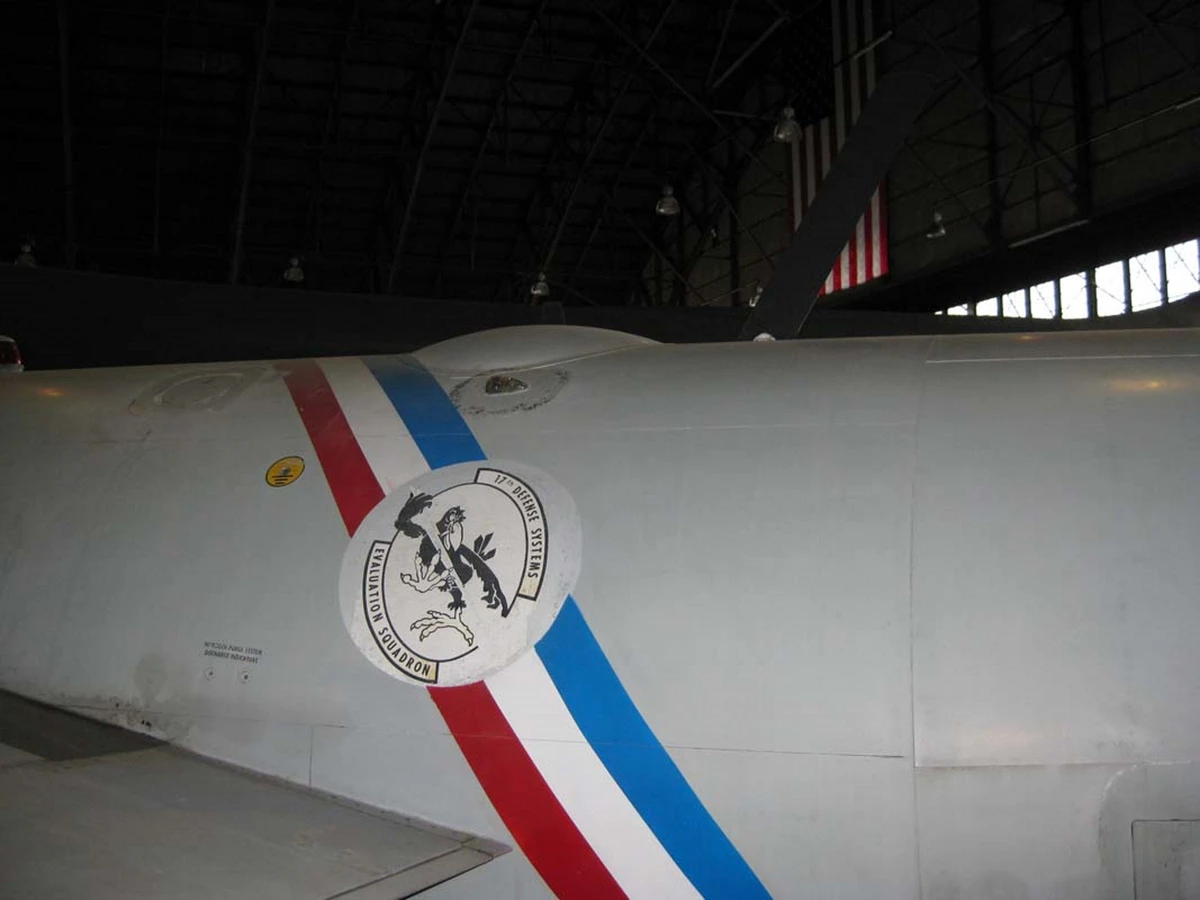
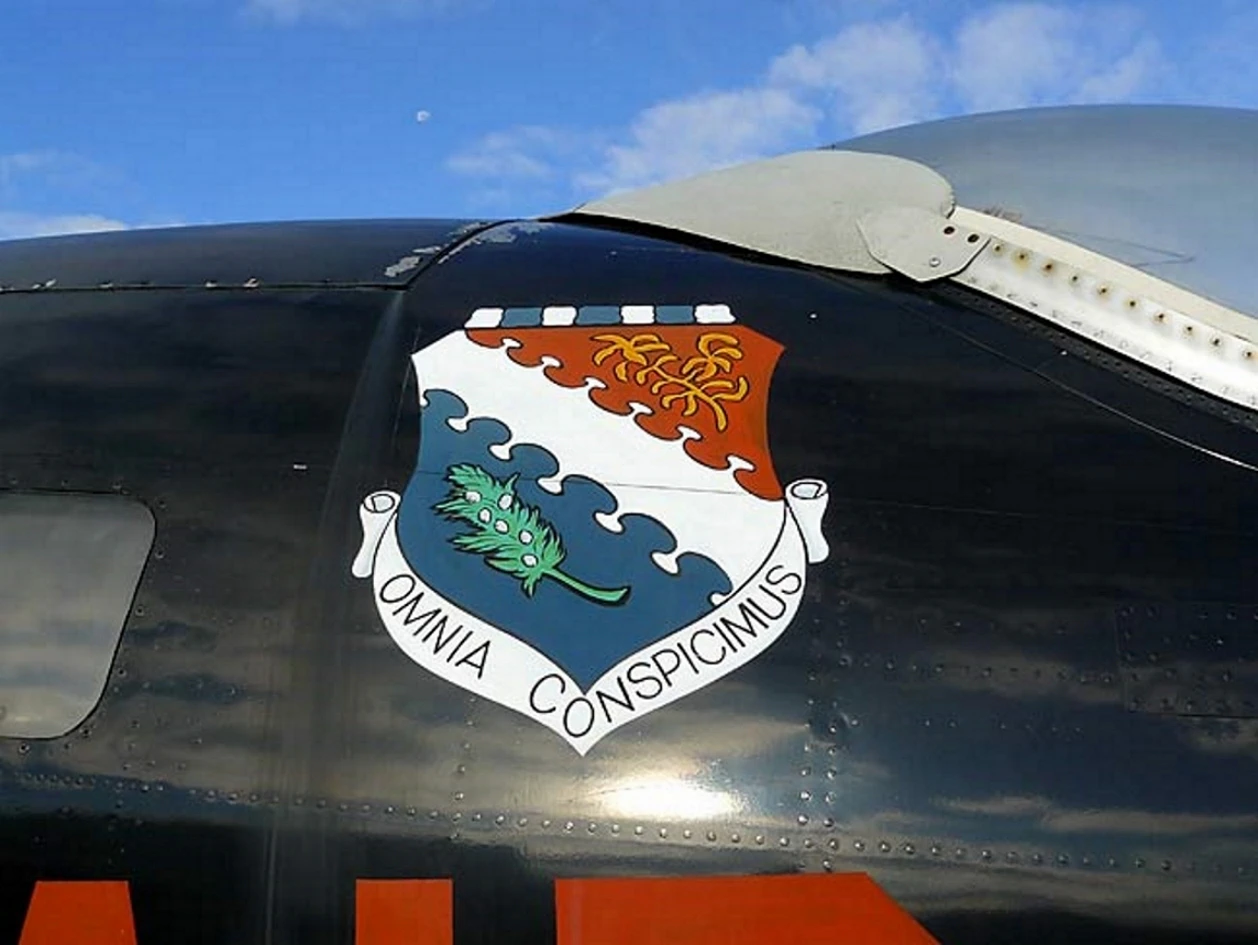
Electronic Aggressor Squadrons:The EB-57B was the backbone of the 17th and 19th Defense Systems Evaluation Squadrons. They flew against US and NATO radar sites to find “holes” in the defense network and train operators to “burn through” enemy jamming.
Vietnam Service:While the EB-57B was a trainer, its bomber brother, the B-57B, was a legend in Vietnam, notably during the “Patricia Lynn” reconnaissance missions and as the first US jet bomber to be deployed to the conflict.
Longevity:The Canberra airframe was so robust that some highly modified versions (WB-57F) arestill flying todayfor NASA, used for high-altitude atmospheric research and satellite sensor testing.
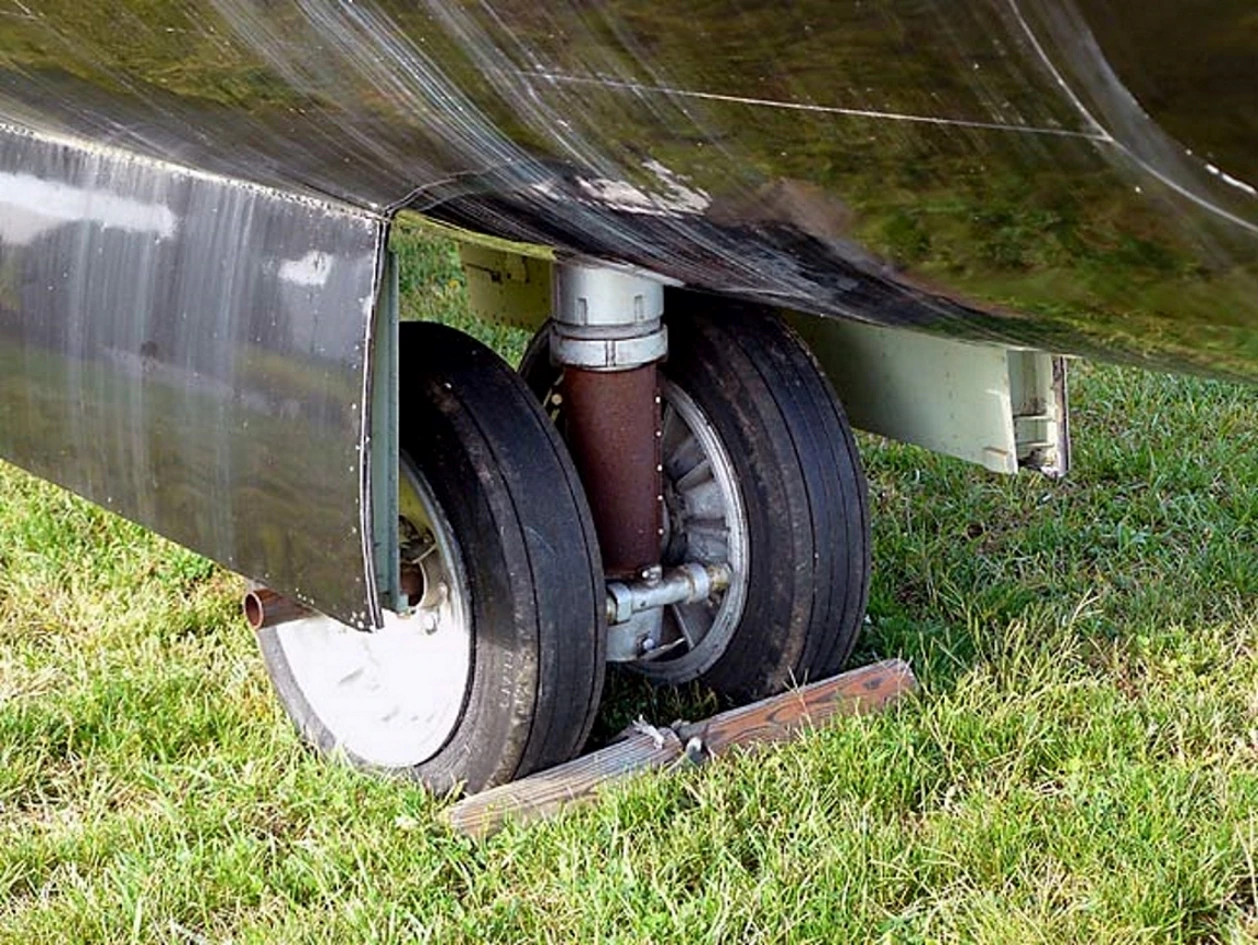
The “Whistling Wheelbarrow”:Ground crews gave the Canberra this nickname due to the high-pitched whine of its engines at idle and its tricycle landing gear configuration.



 Aero L-29 Delfín – Billeder & Video
 Verville-Sperry M-1 Messenger – Billeder og video
 Mitsubishi A6M Zero - Gå rundt
 Hawker Orkan - Gå rundt
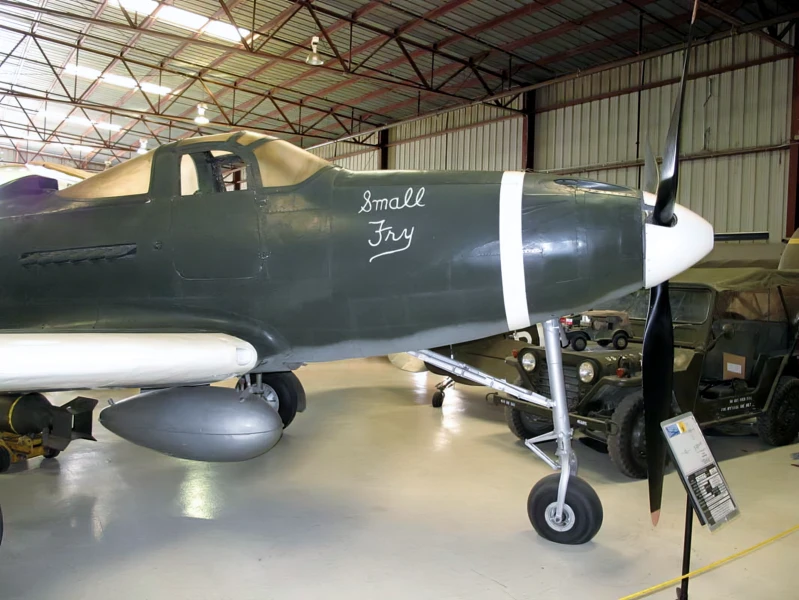 Bell P-39N Airacobra – WalkAround
 Konsolideret B-24M Befrier - WalkAround
 P-47D Tordenkile – WalkAround
 A-20 Kaos - WalkAround
 TBM-3E Avenger - Gå rundt
 Fiat G-55 Centauro - Gå rundt
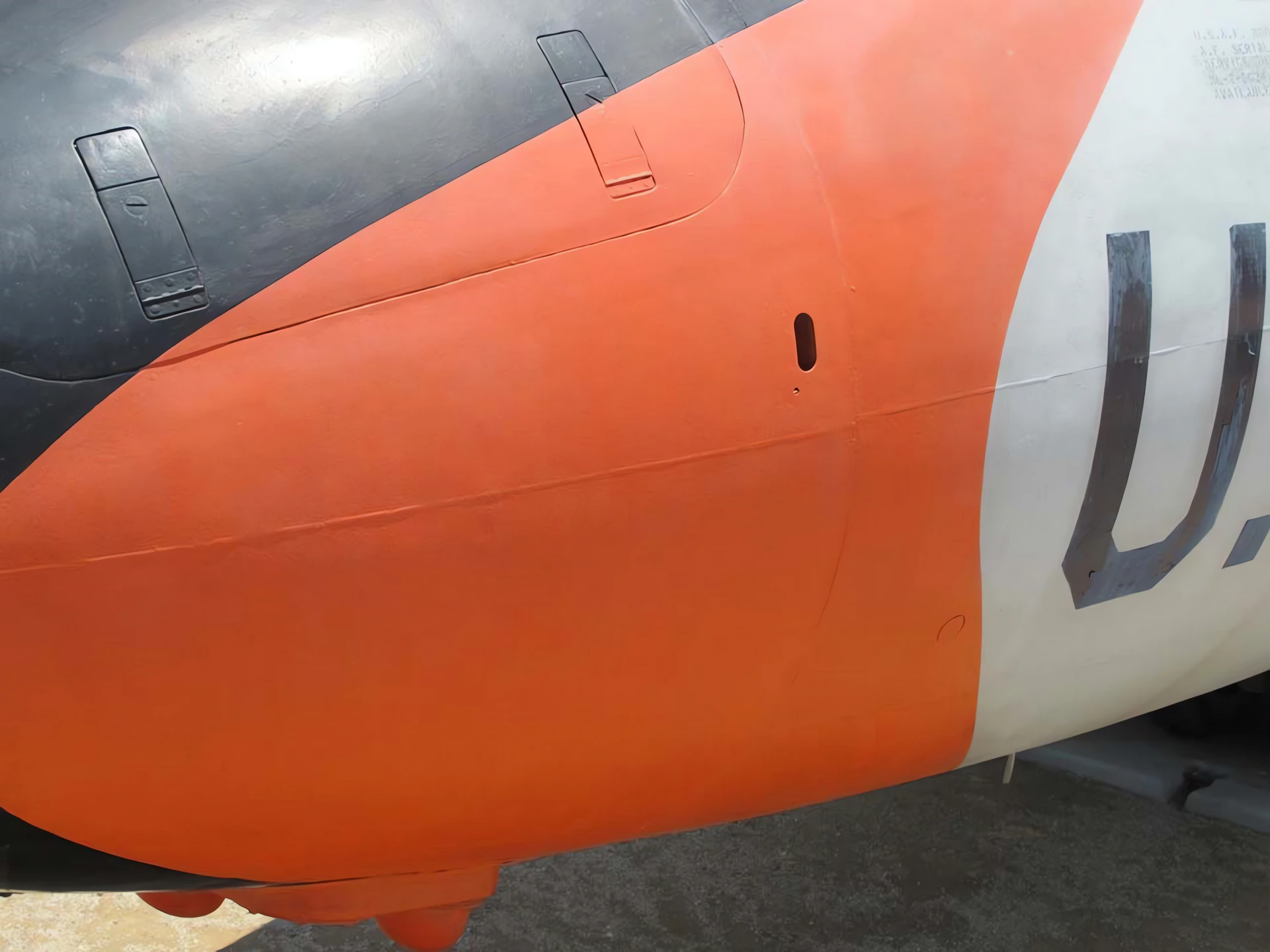
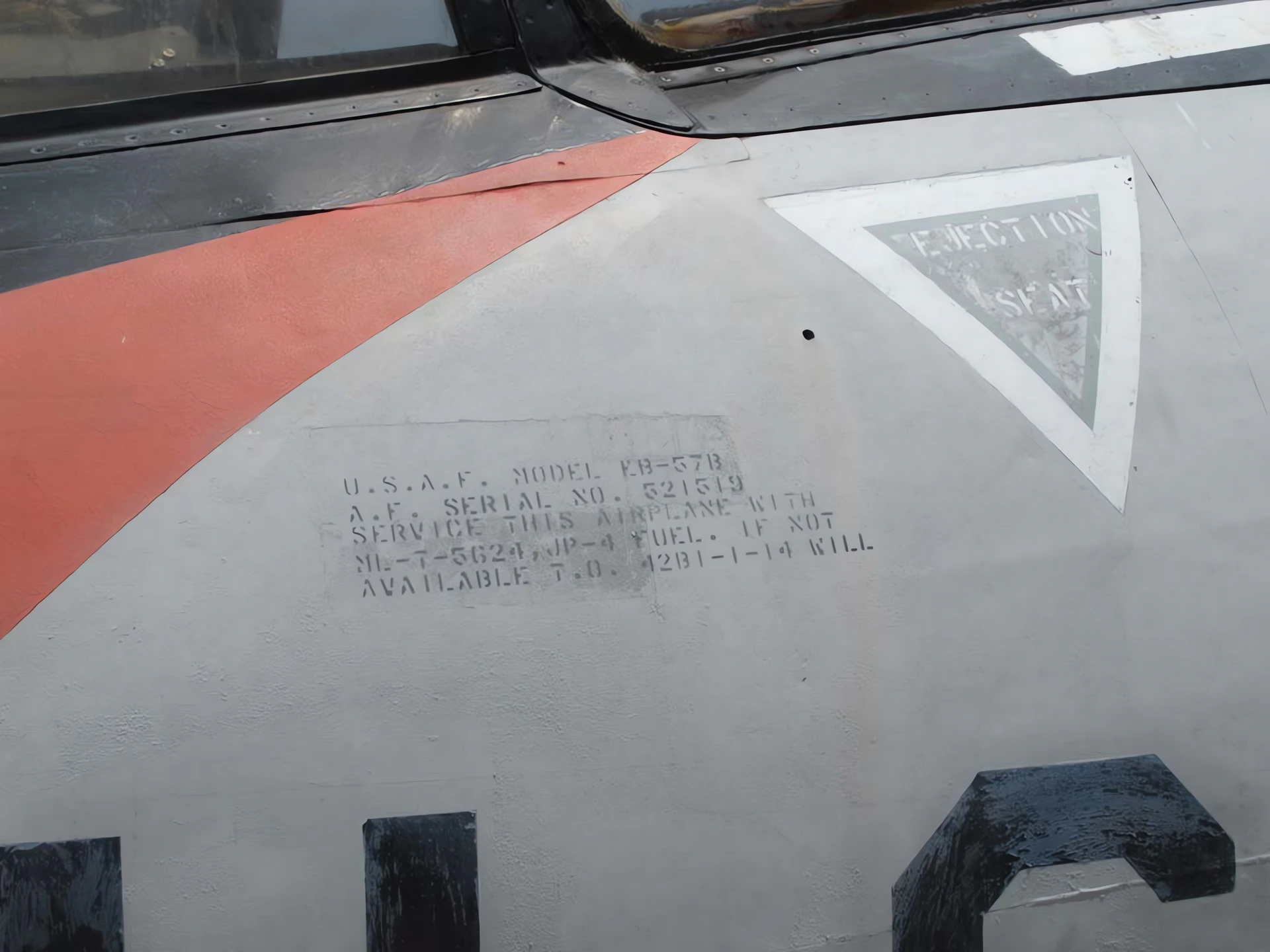
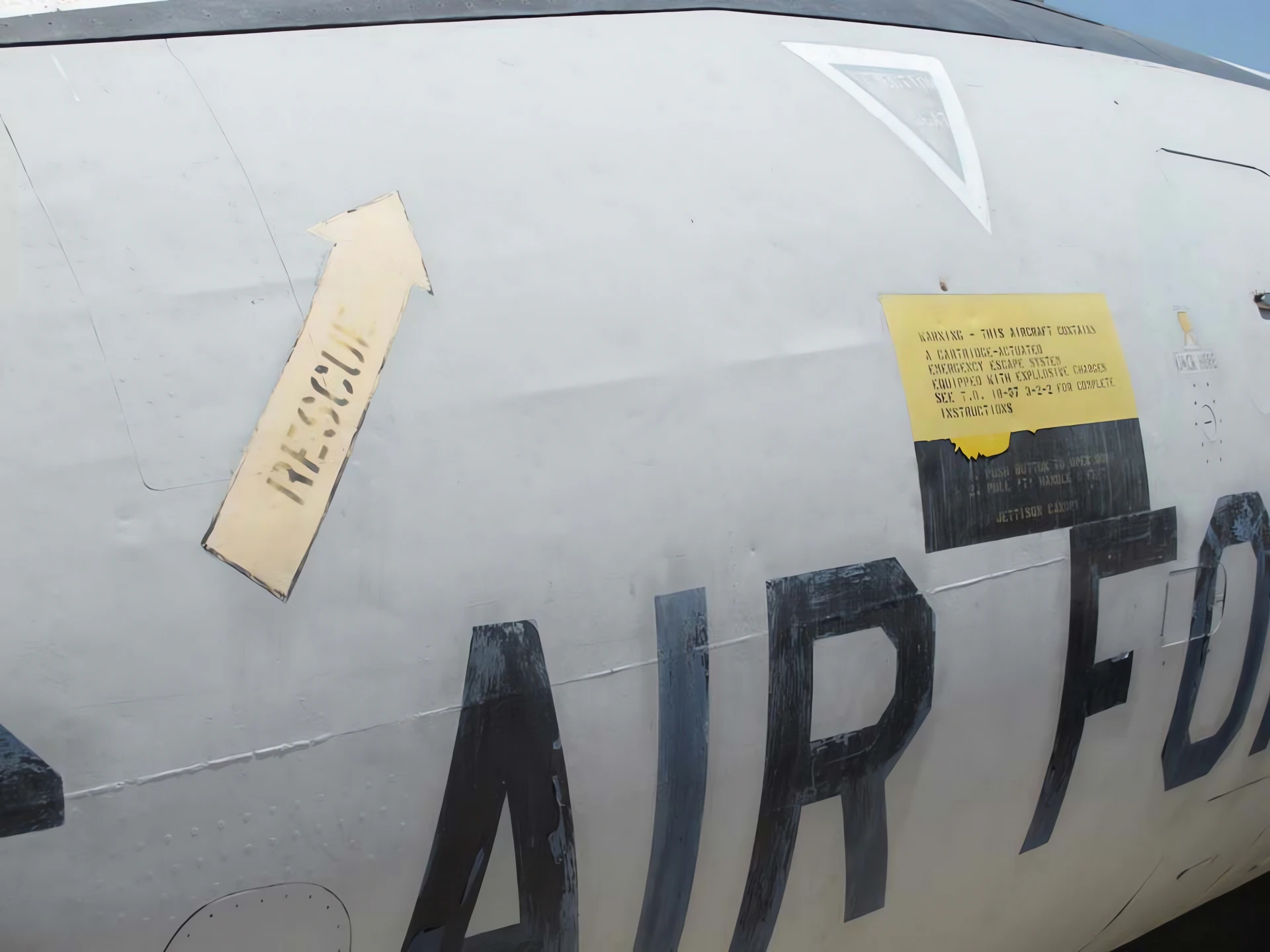
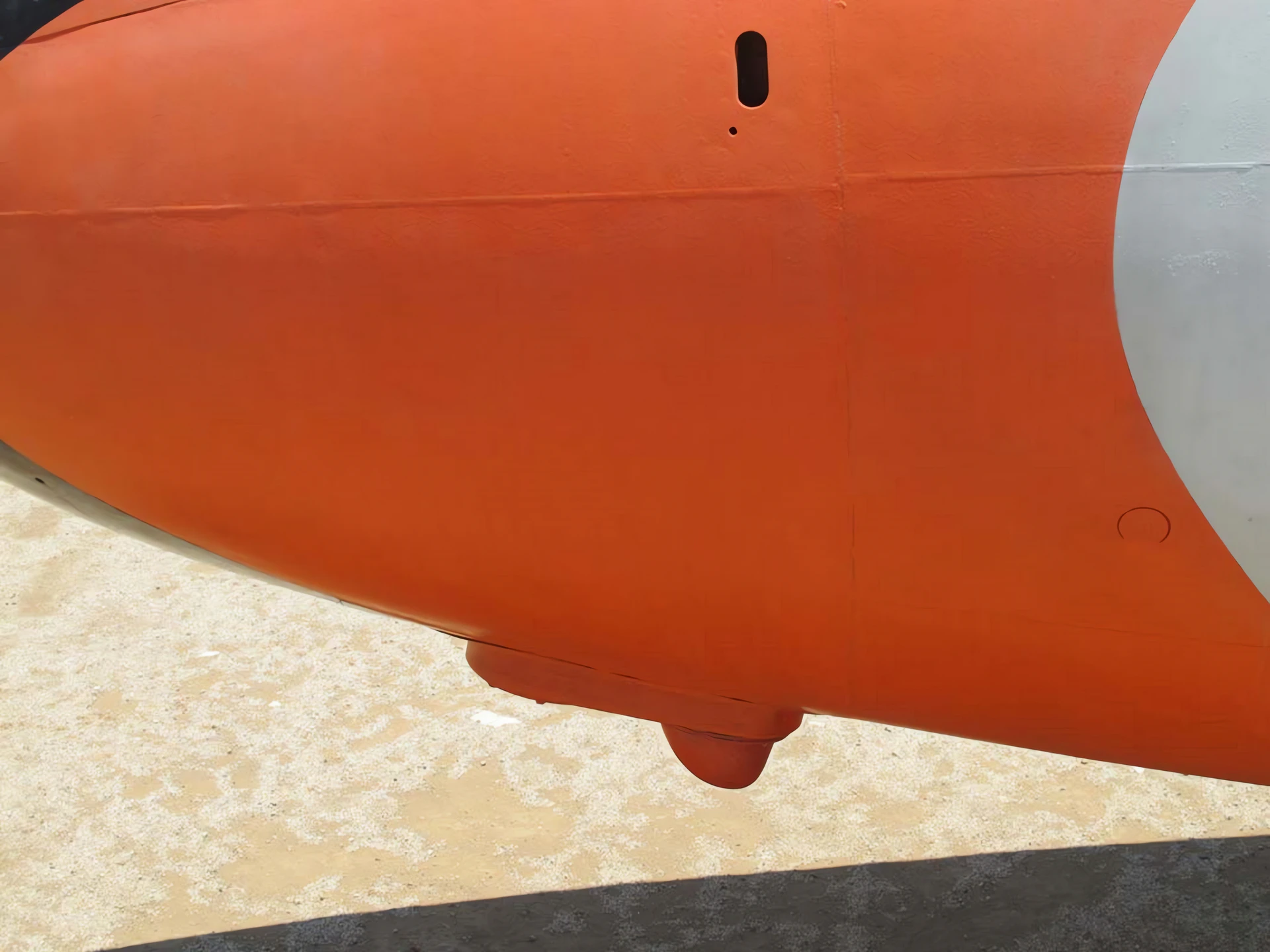
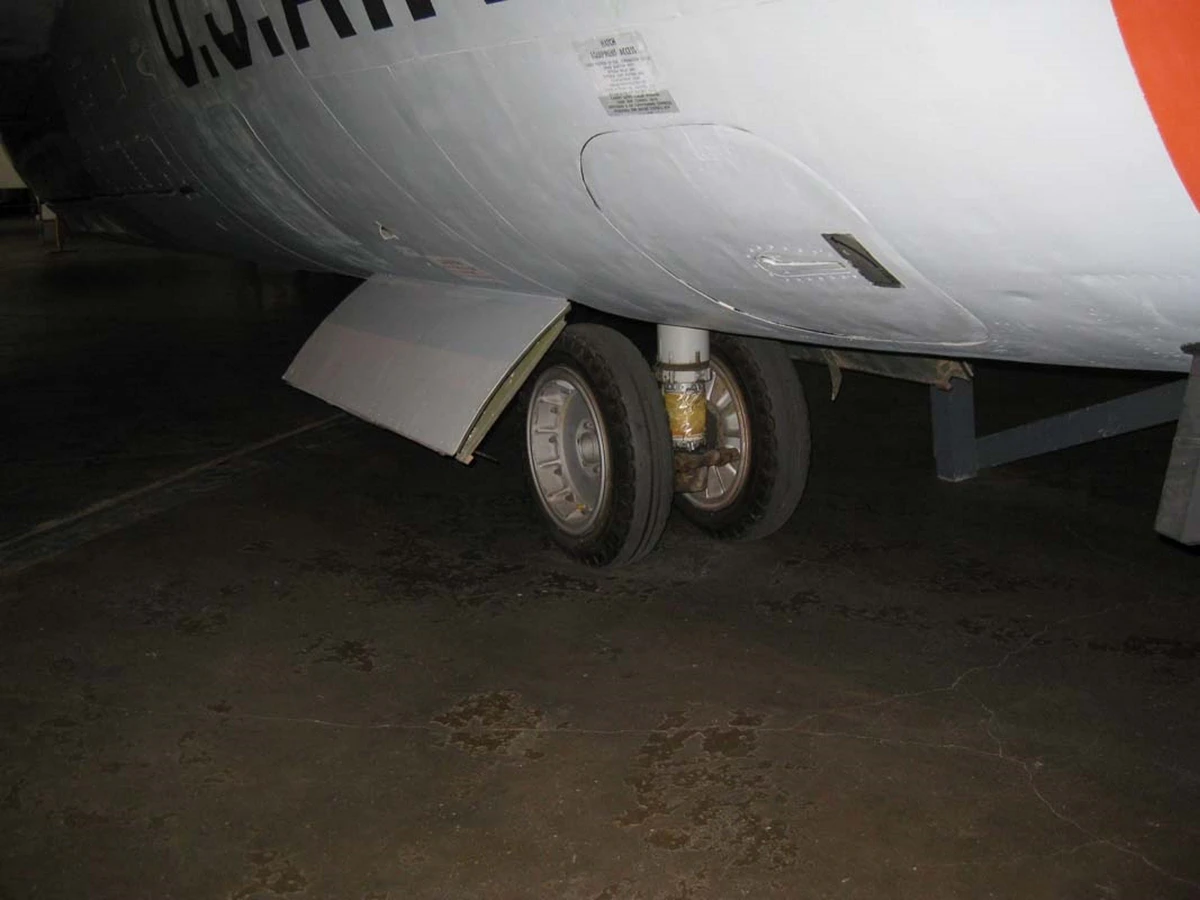
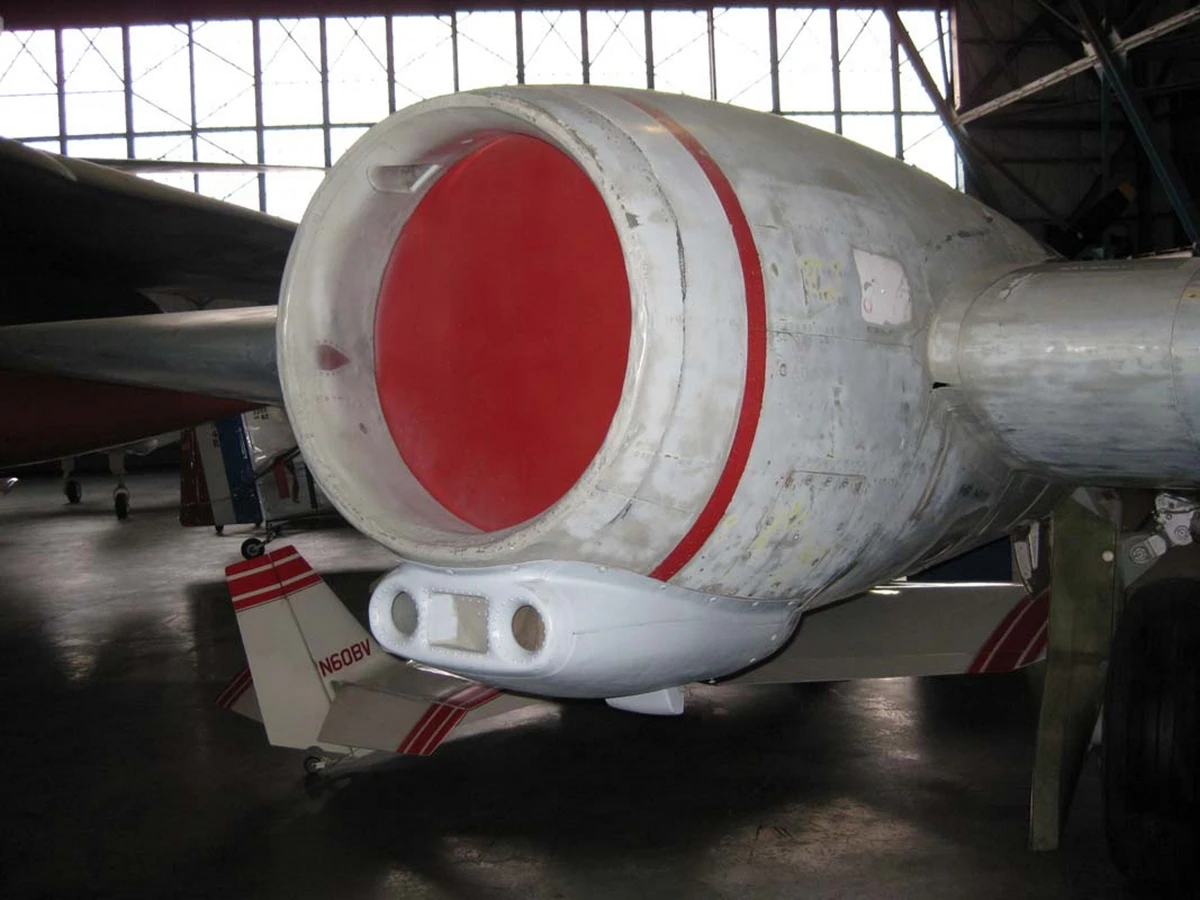
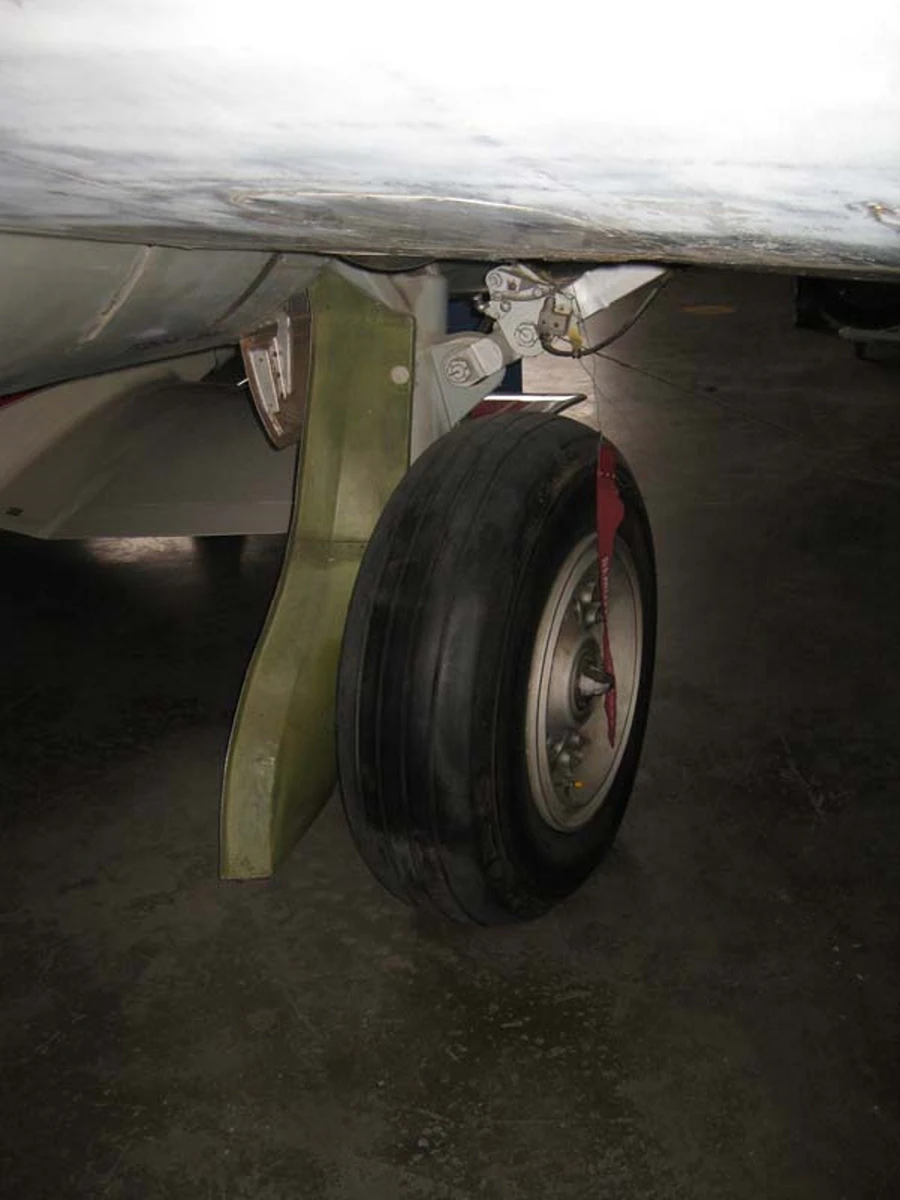
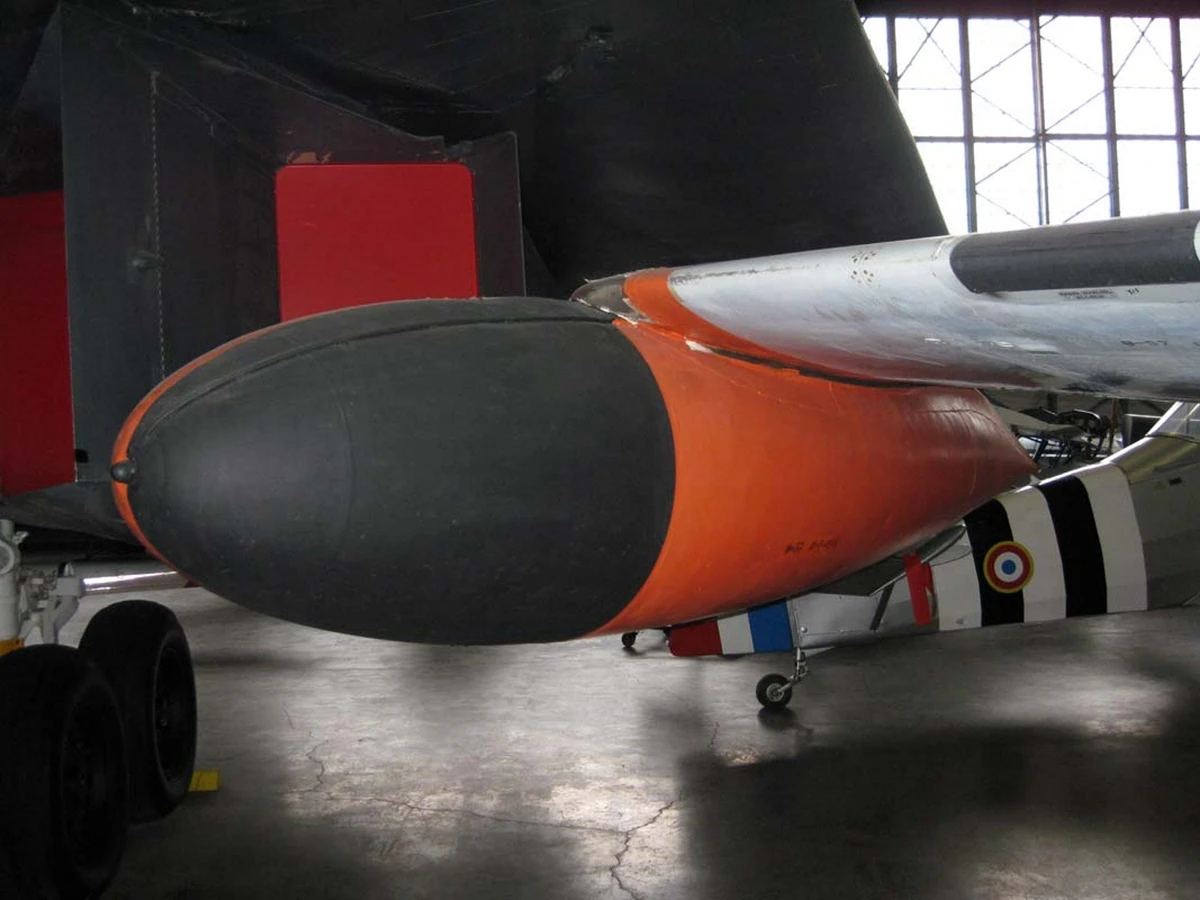
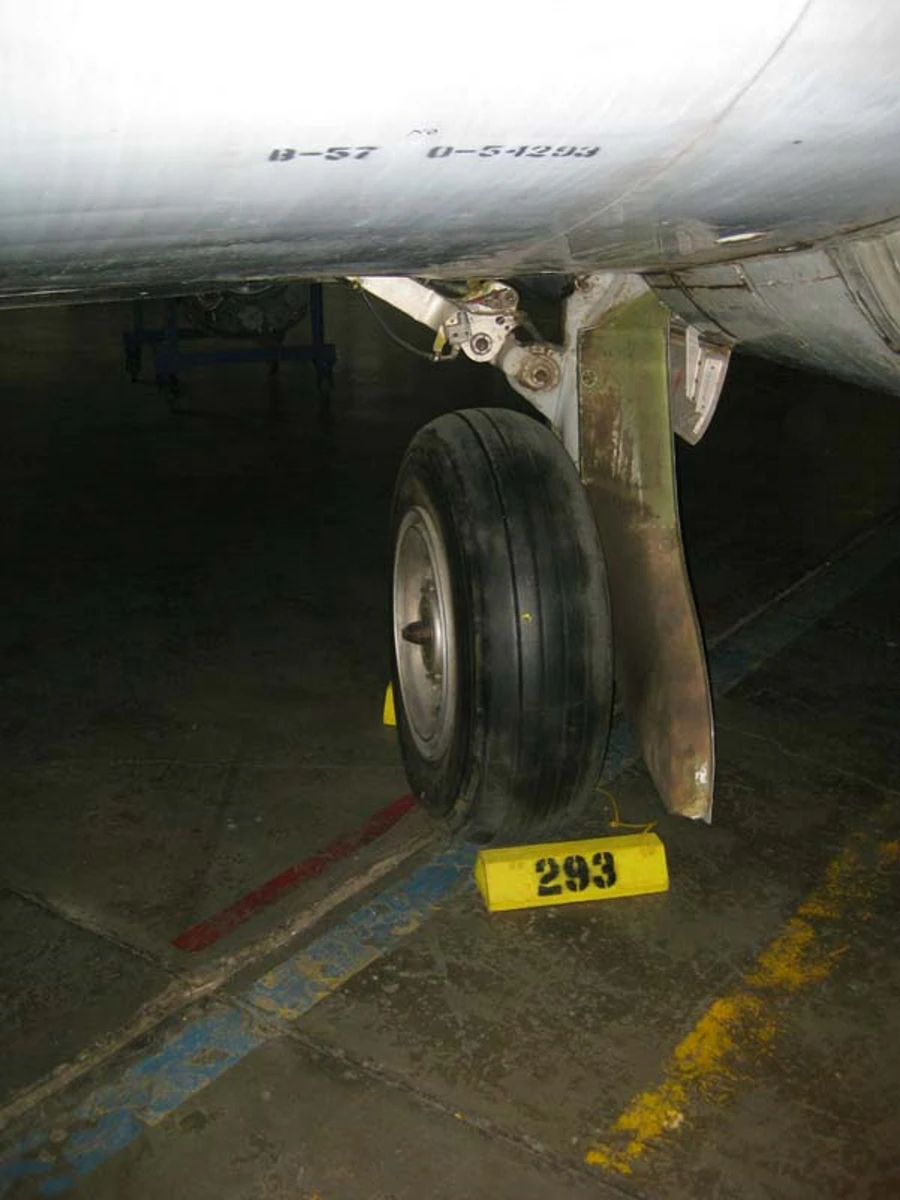
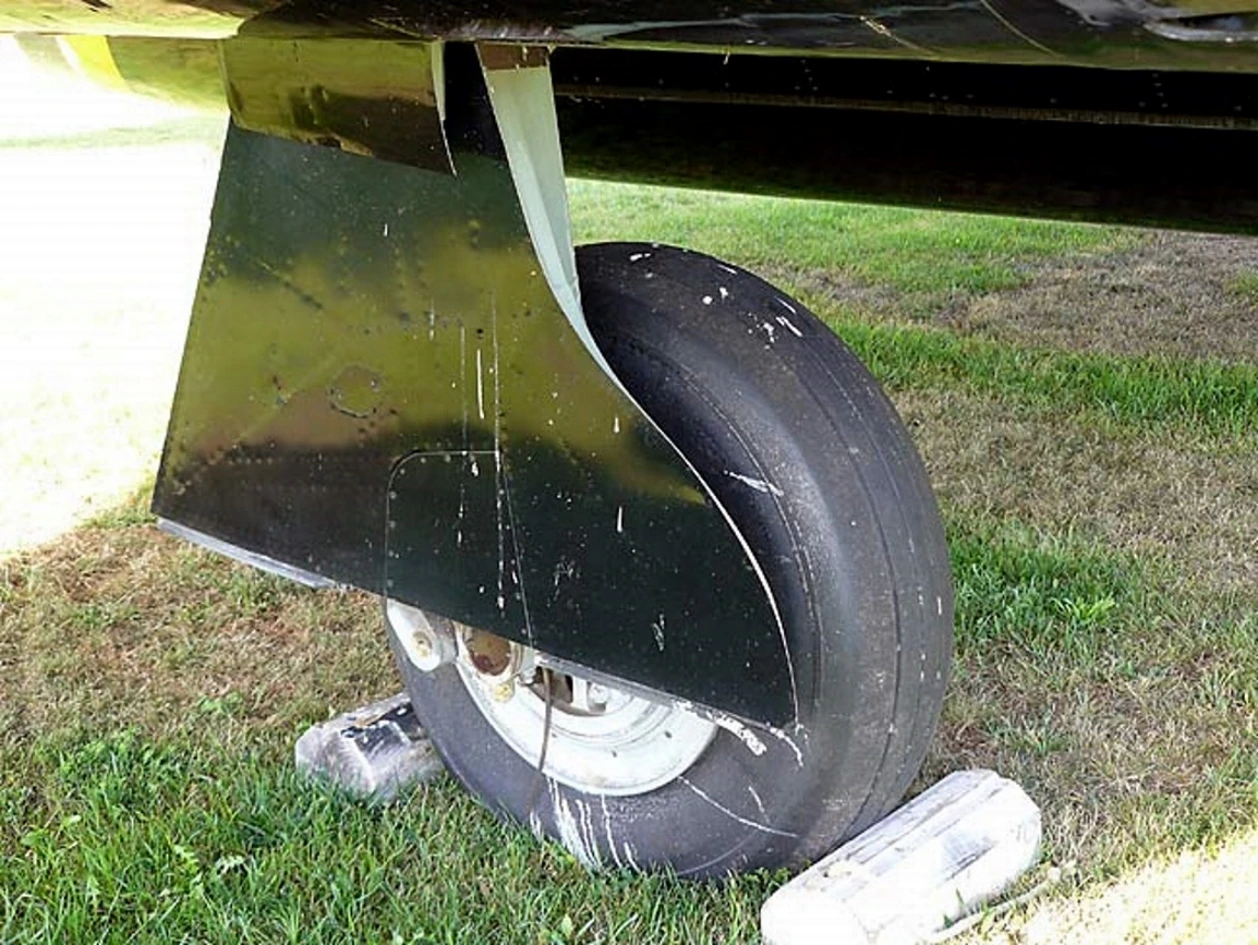
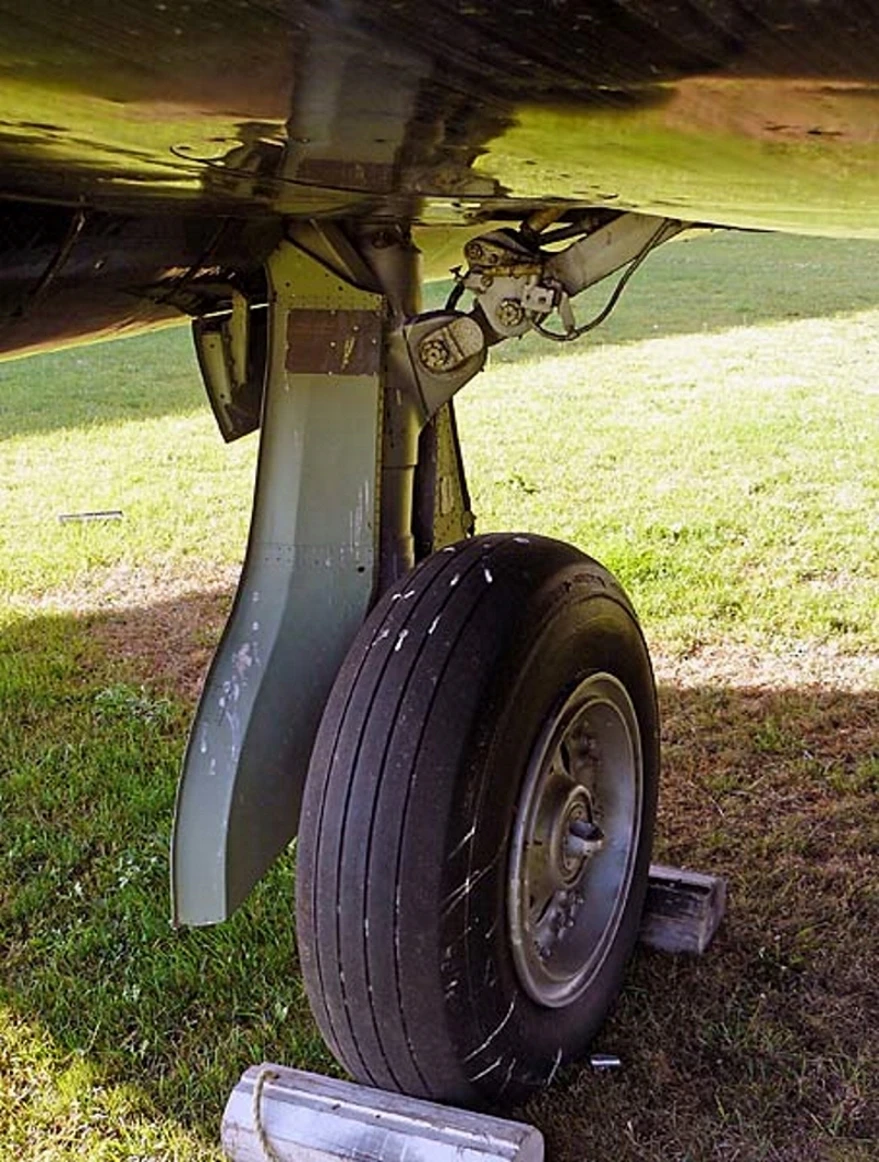
Nyt sæt med 81 fotos af en Martin EB-57B Canberra