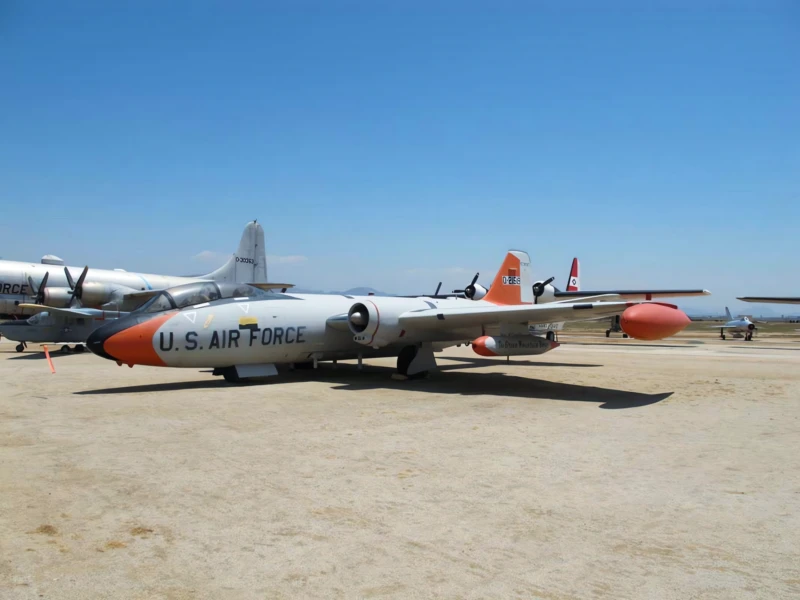
Martin B-57 Canberra | |
|---|---|
| Maa | Yhdysvallat |
| Rooli | Taktinen pommikone |
| Ensimmäinen lento | 20. heinäkuuta 1953 |
| Rakennettu | 403 |
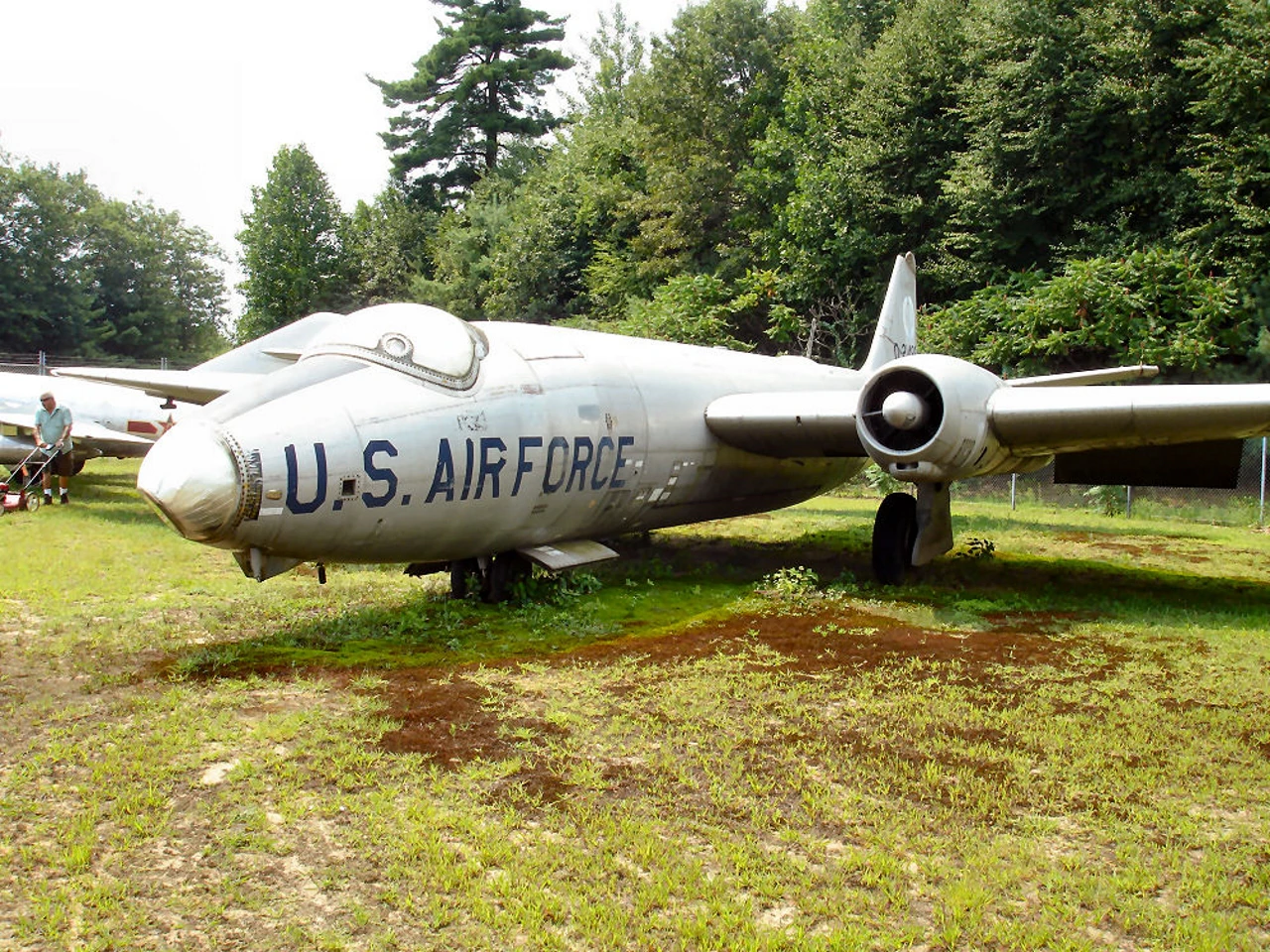
Nniiden Martin B-57 Canberra on amerikkalaisvalmisteinen taktinen pommittaja ja tiedustelukone, joka otettiin käyttöön Yhdysvaltain ilmavoimissa (USAF) vuonna 1953. B-57 on lisenssillä valmistettu versio brittiläisestä englantilaisesta Electric Canberrasta, jonka on valmistanut Glenn L. Martin Company. Alkuperäiset Martinin rakentamat mallit olivat hyvin samanlaisia kuin brittiläiset vastineensa; Martin muutti myöhemmin suunnittelua niin, että se sisälsi suurempia määriä Yhdysvalloista peräisin olevia komponentteja ja valmisti lentokoneesta useita eri versioita.

| Martin EB-57B Canberra Walk Around | |
|---|---|
| Valokuvaaja | Vladimir Jakubov |
| Lokalisointi | Maaliskuun kenttäilmamuseo |
| Valokuvat | 81 |
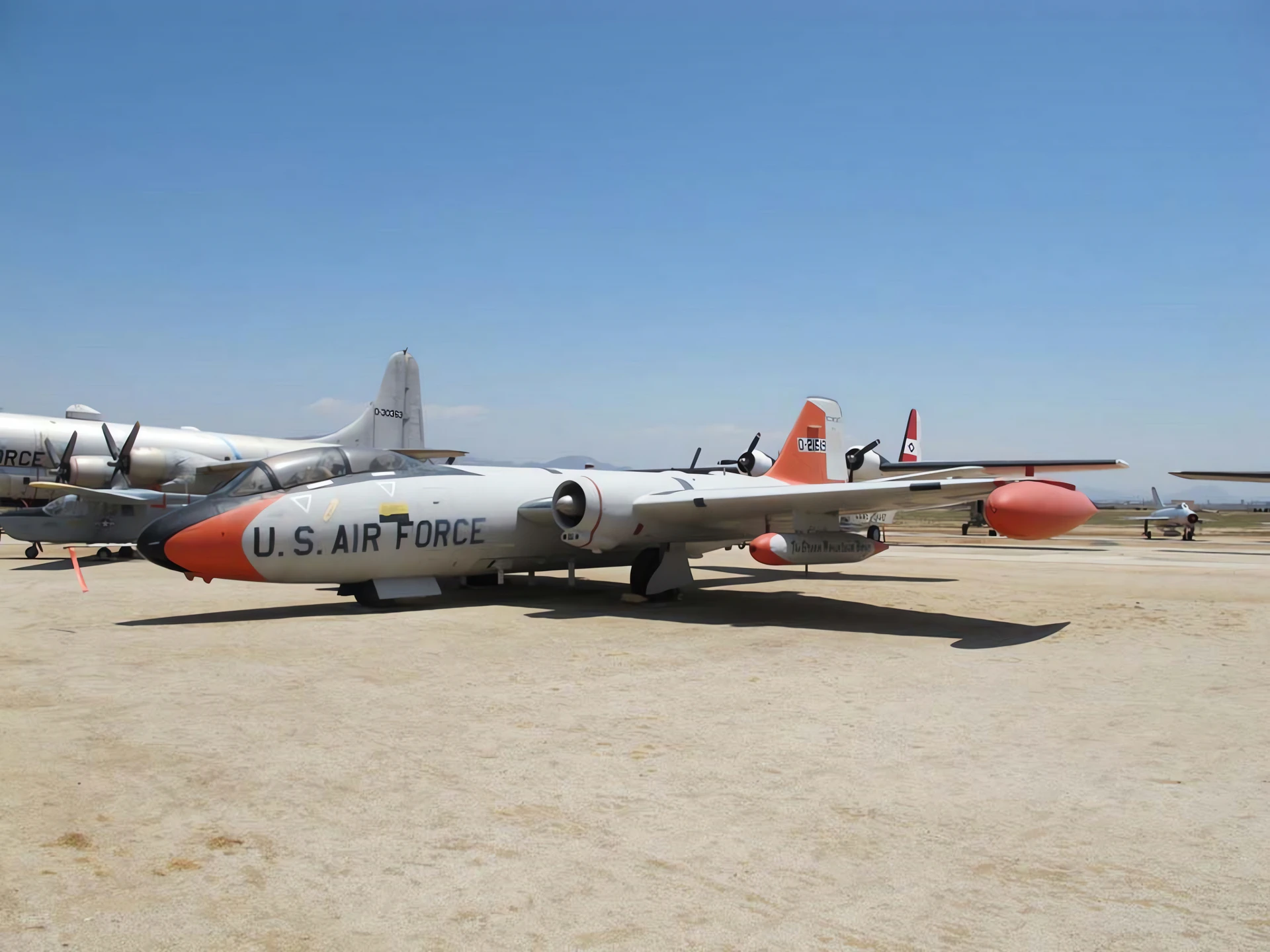
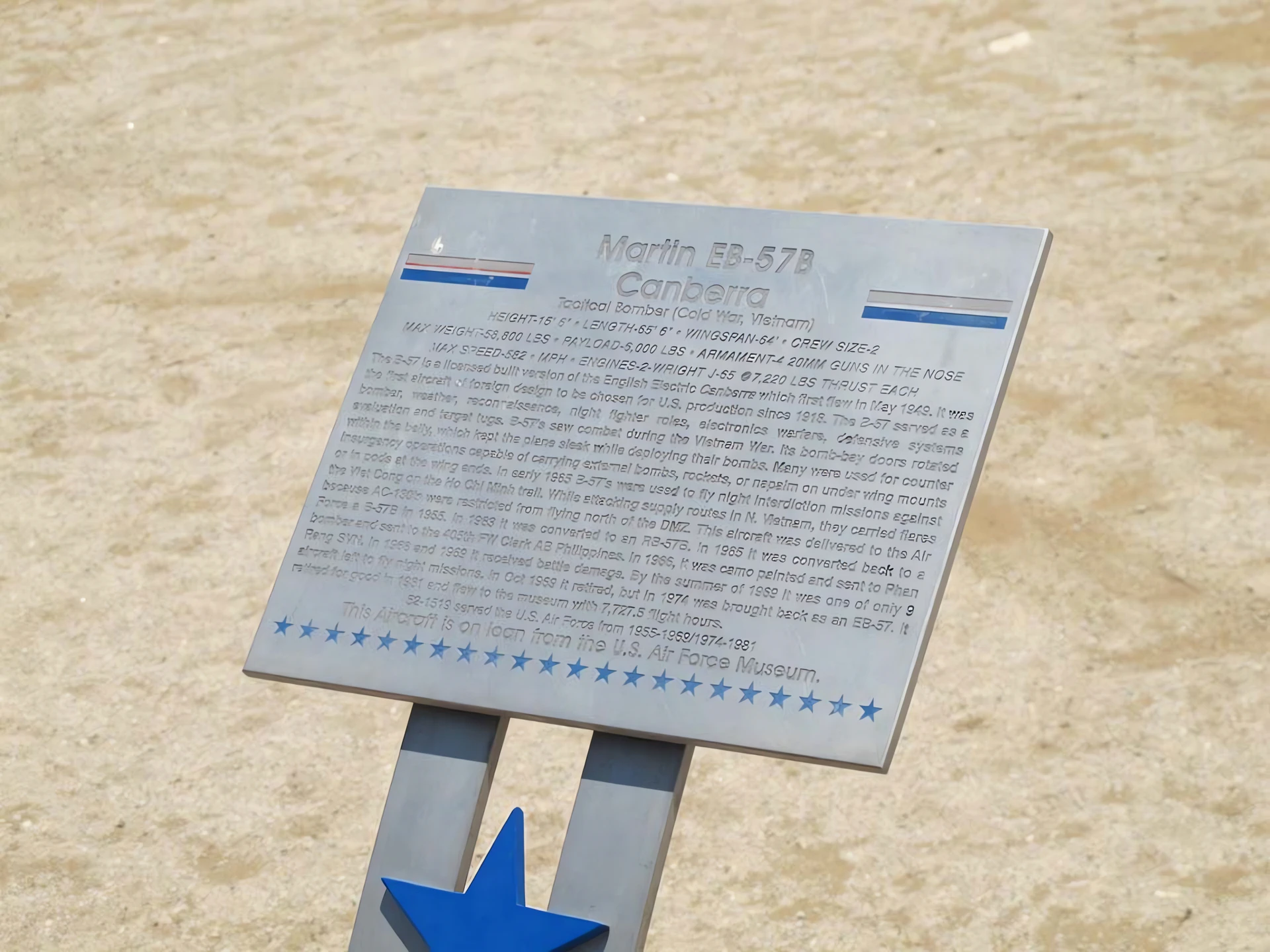
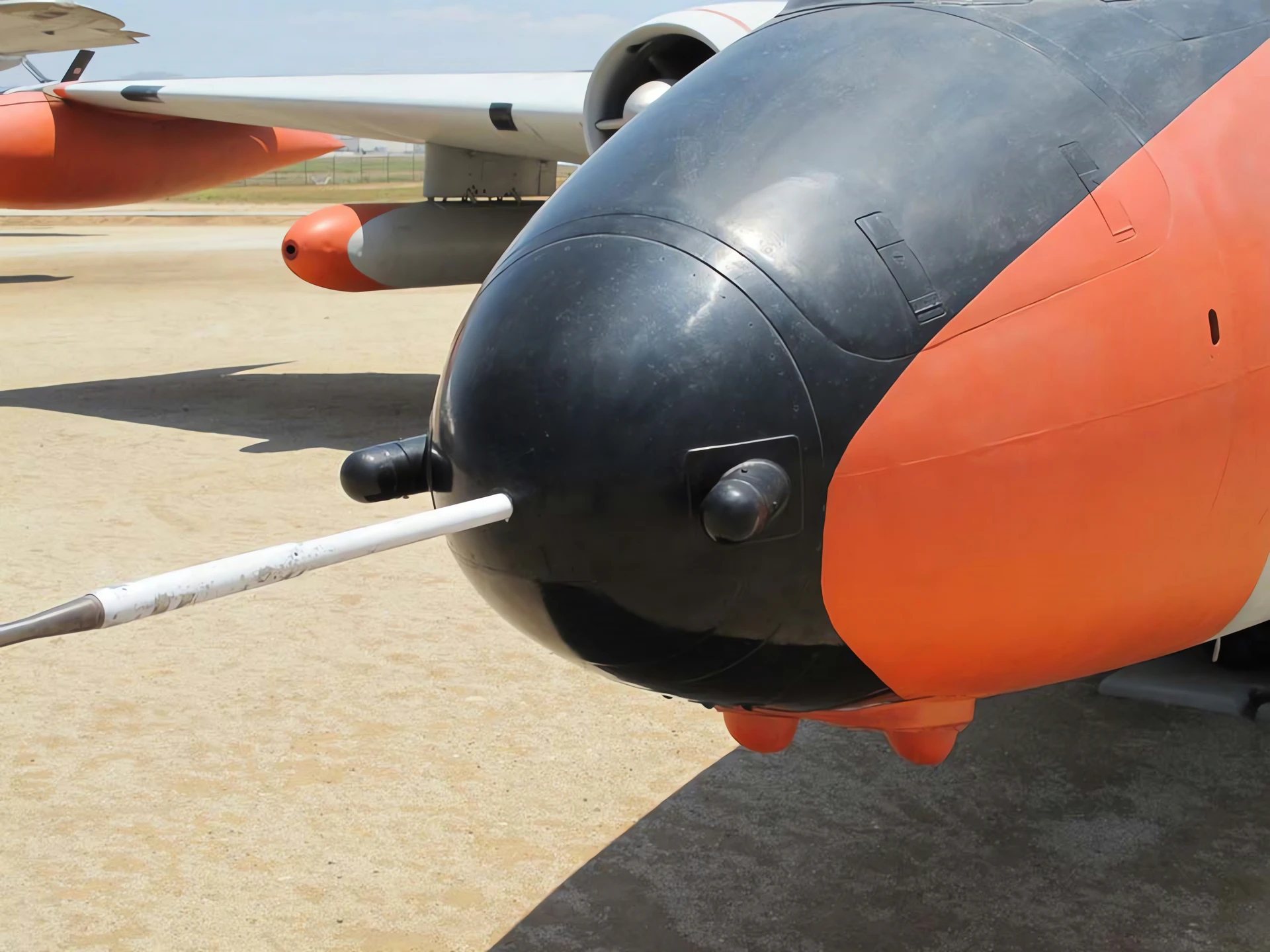
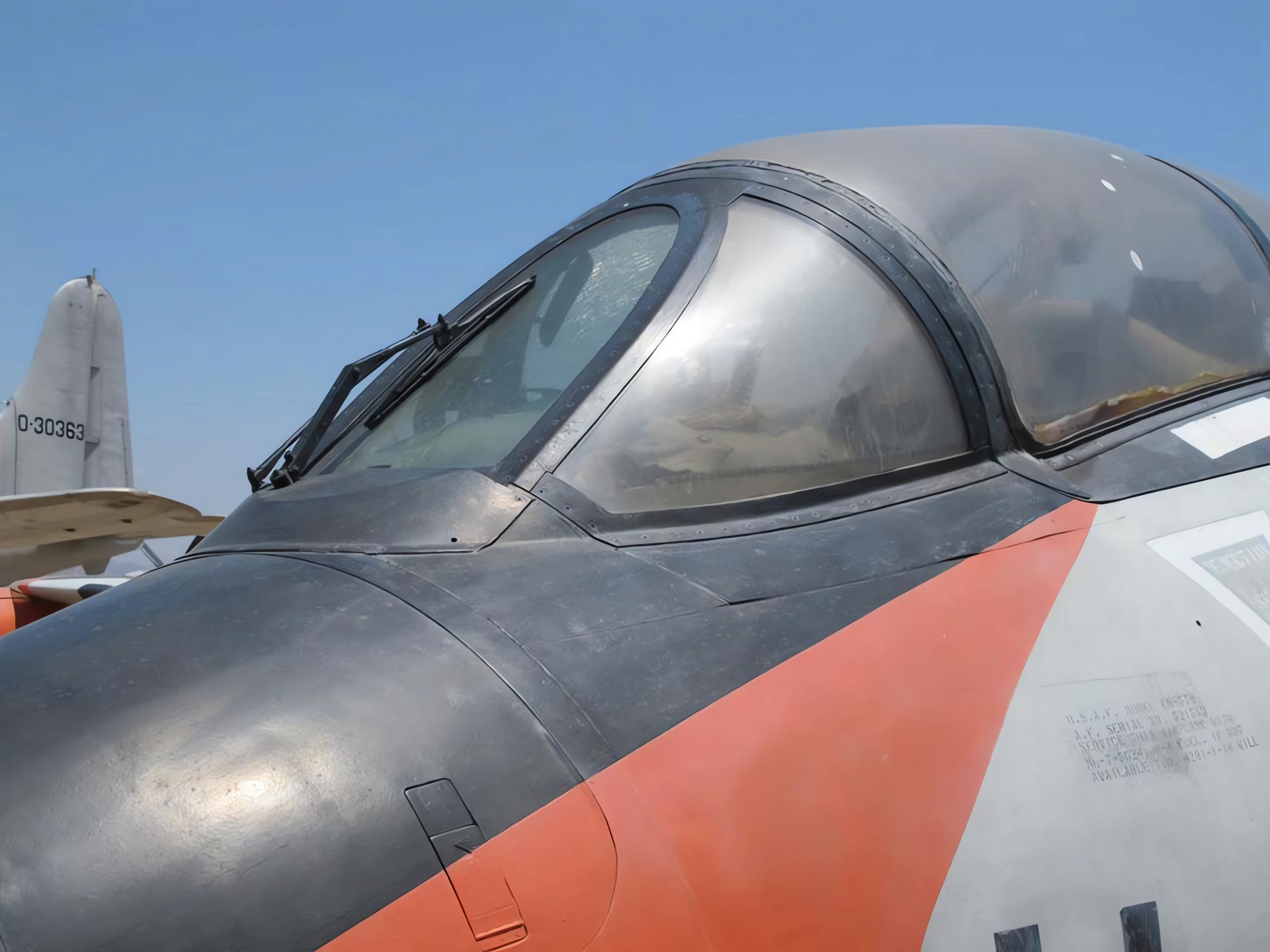
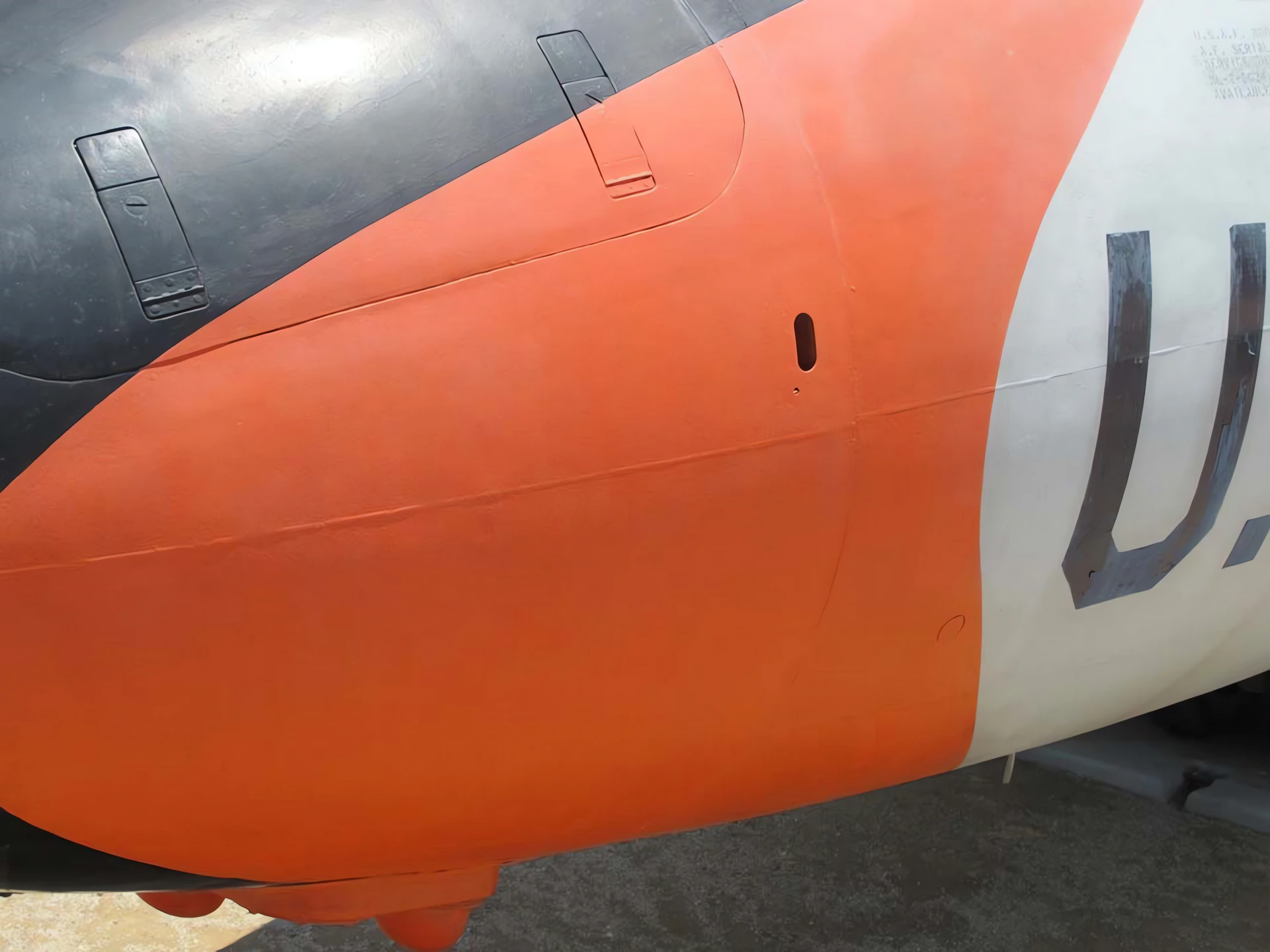
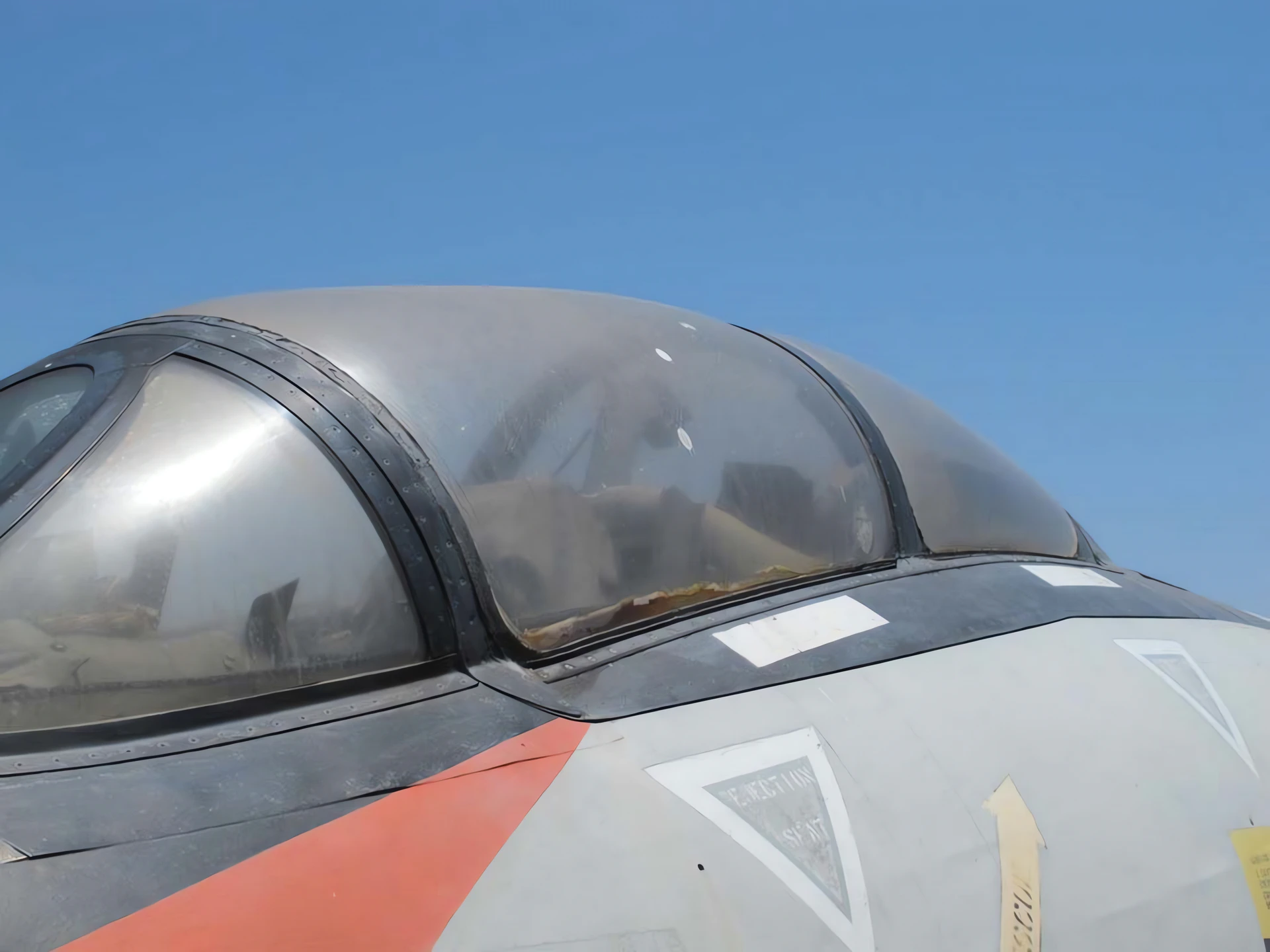
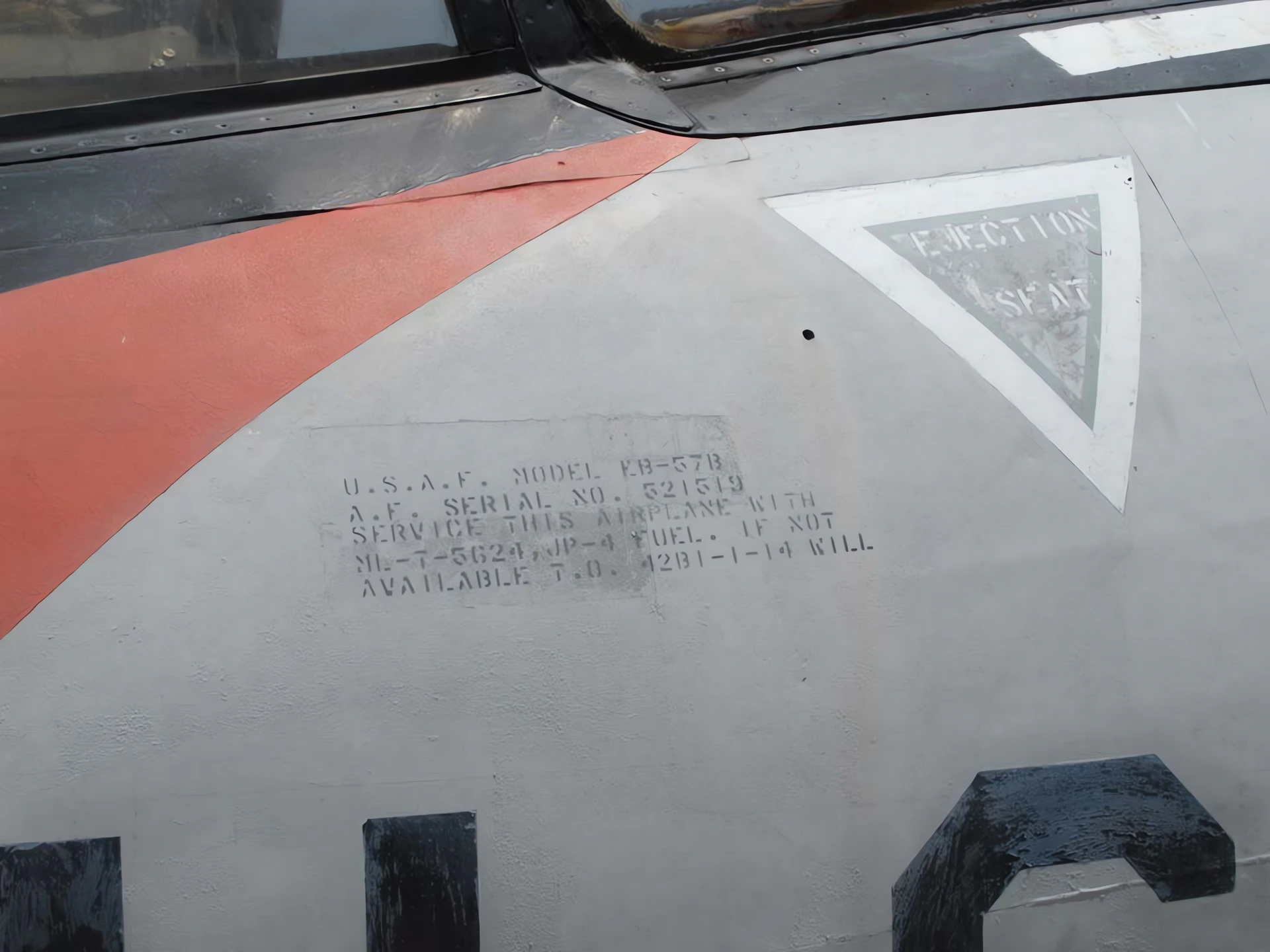
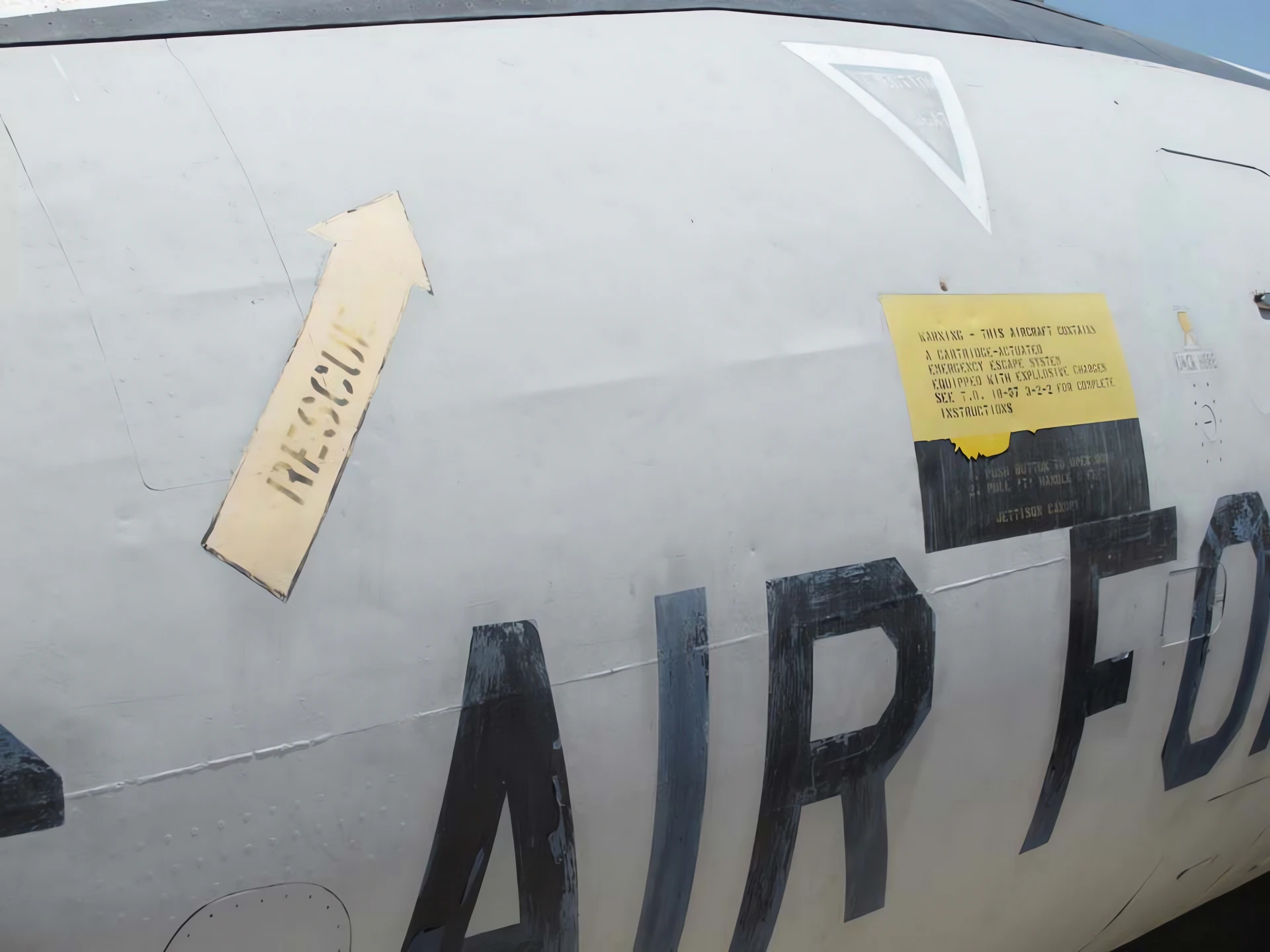
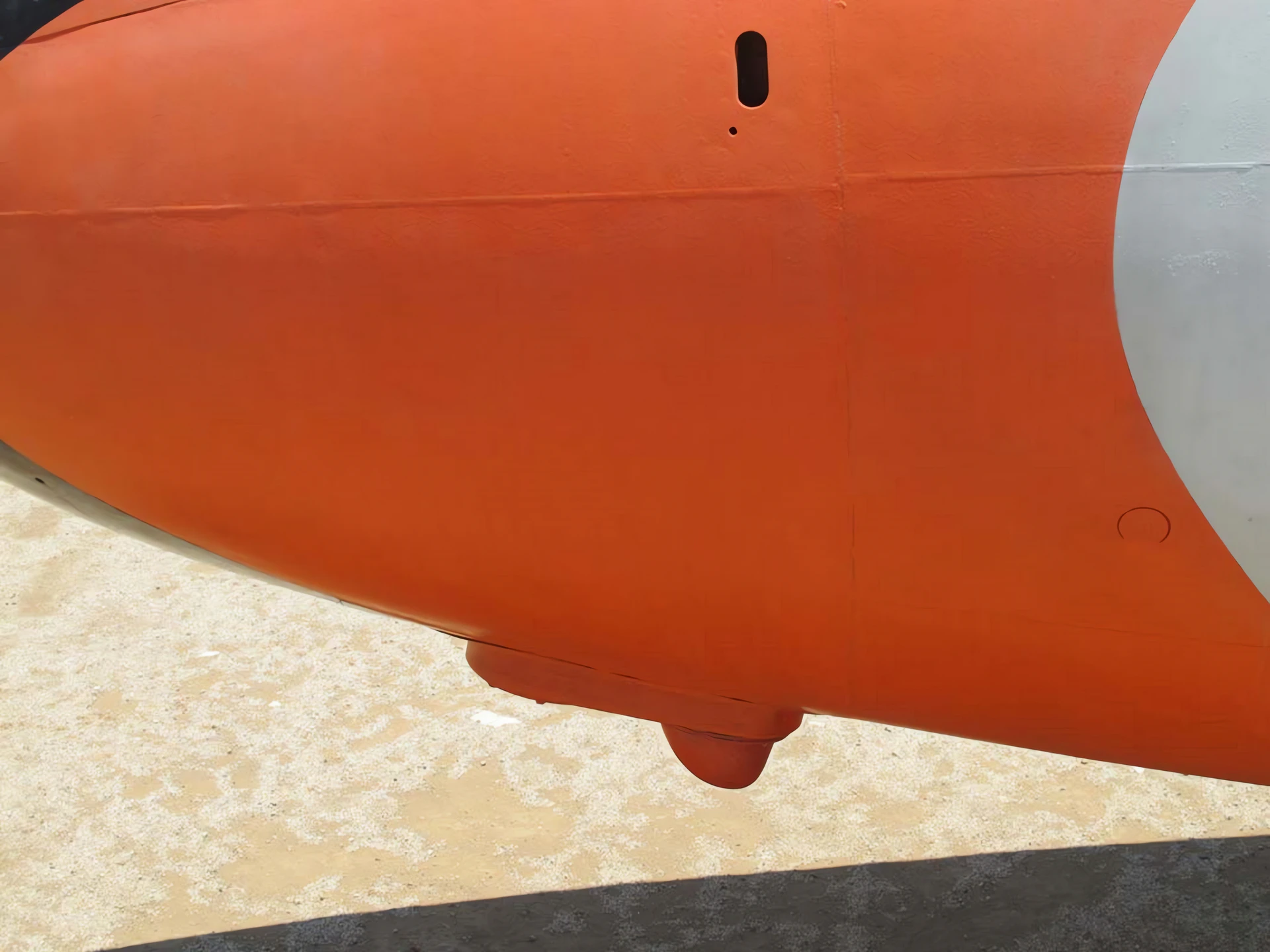
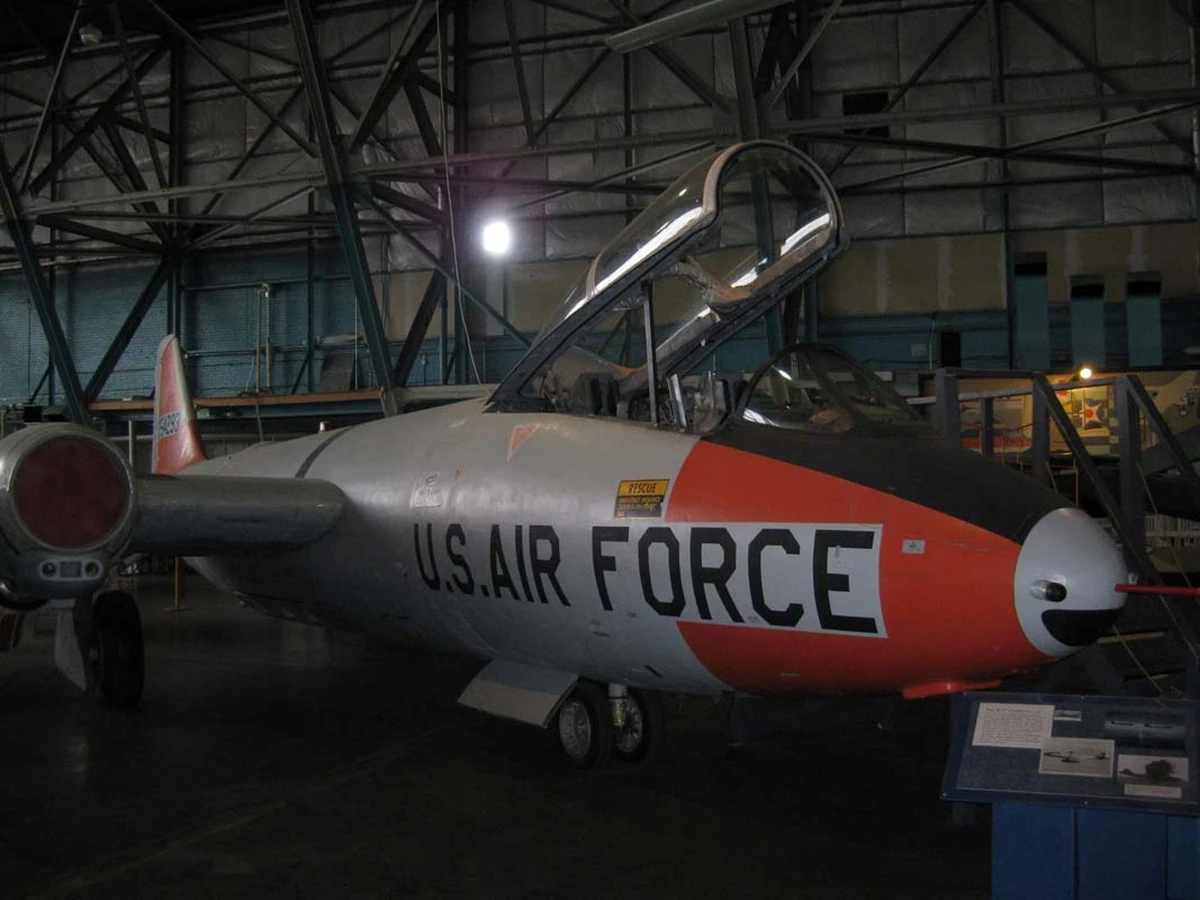
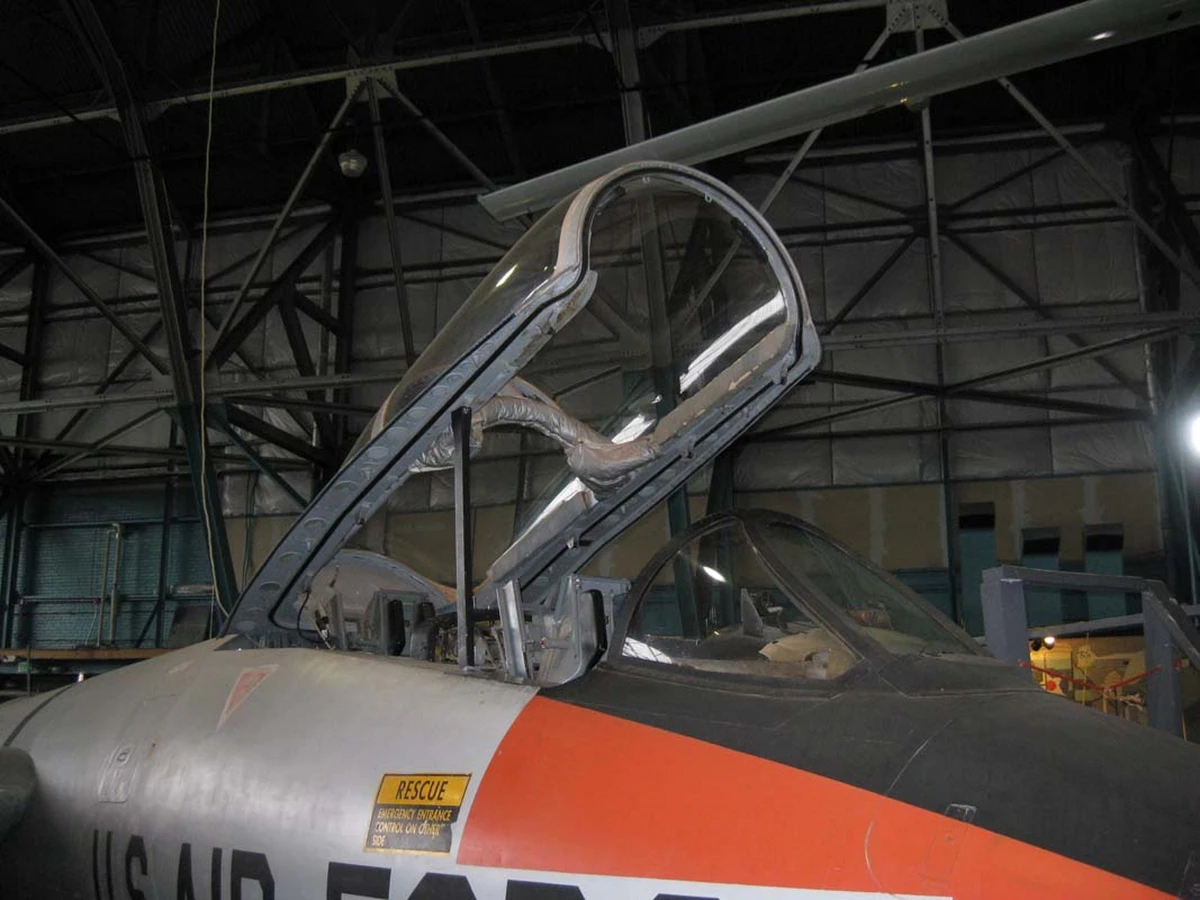
| Martin EB-57E Canberra Walk Around | |
|---|---|
| Valokuvaaja | Randy Ray, mitä minä olet? |
| Lokalisointi | Siivet Kalliovuorten ilma- ja avaruusmuseon yllä |
| Valokuvat | 21 |
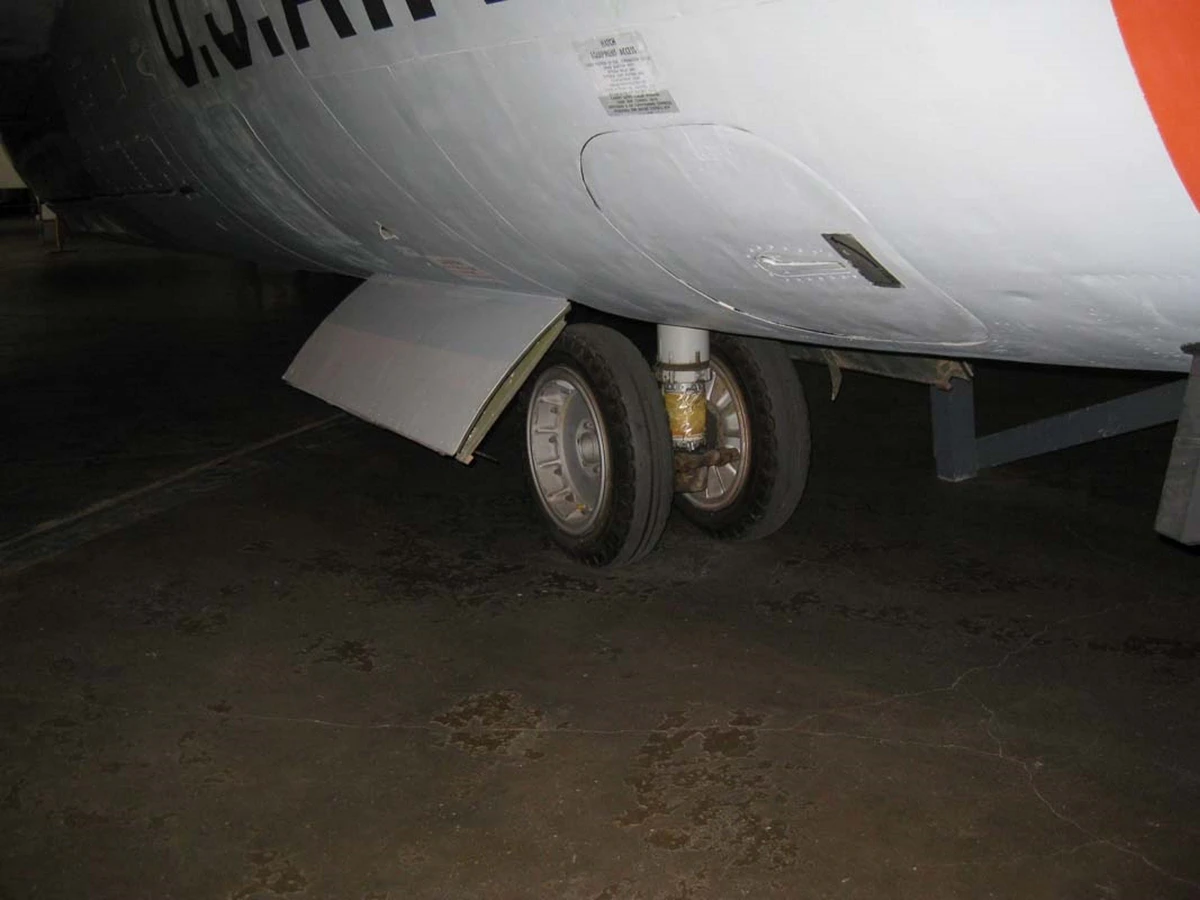
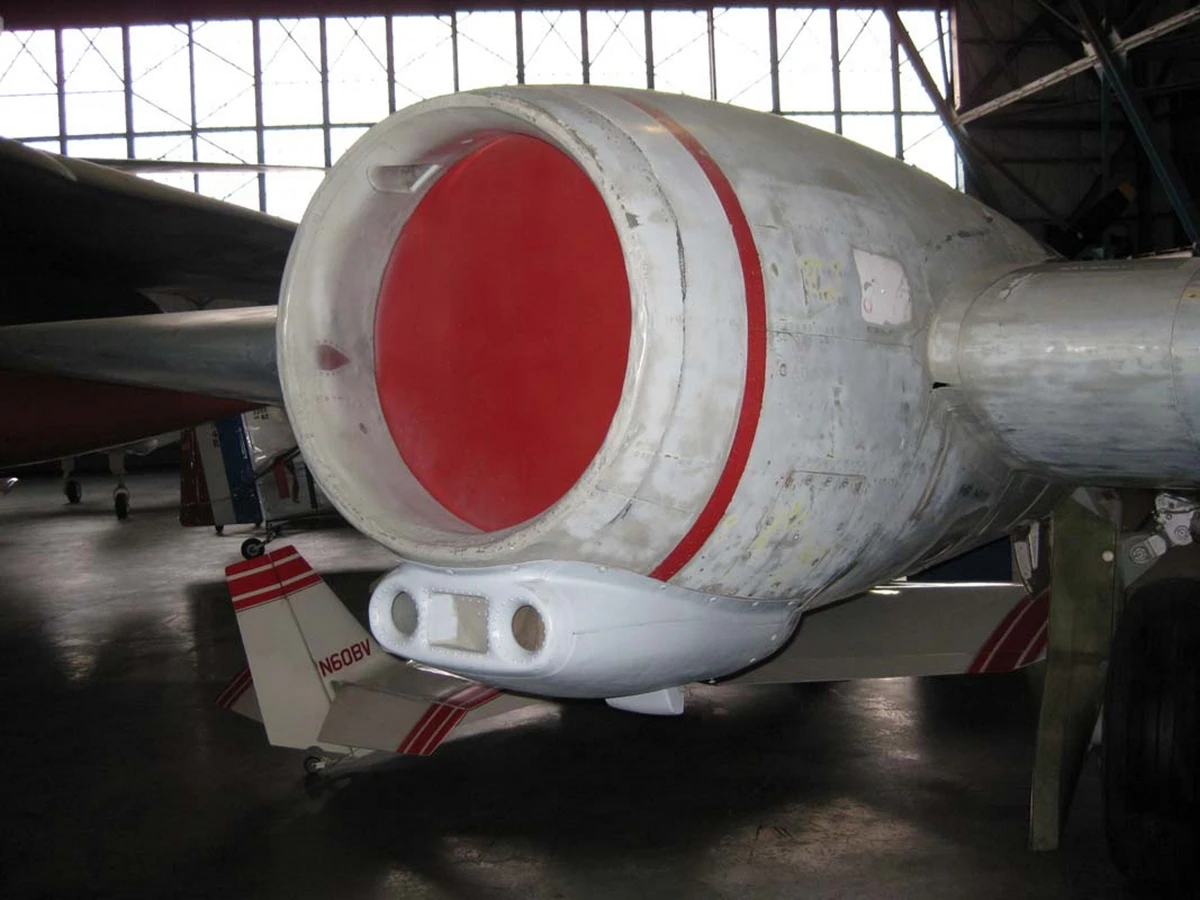
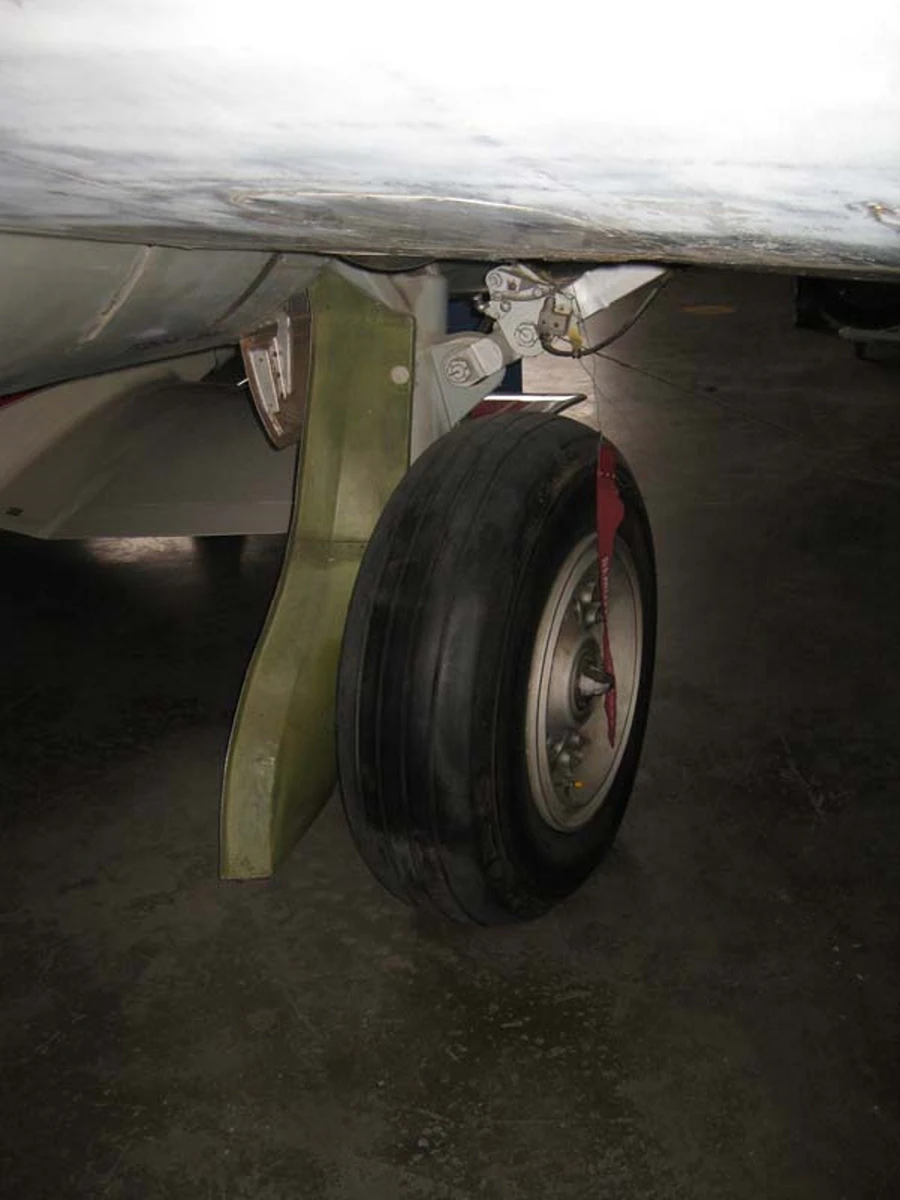
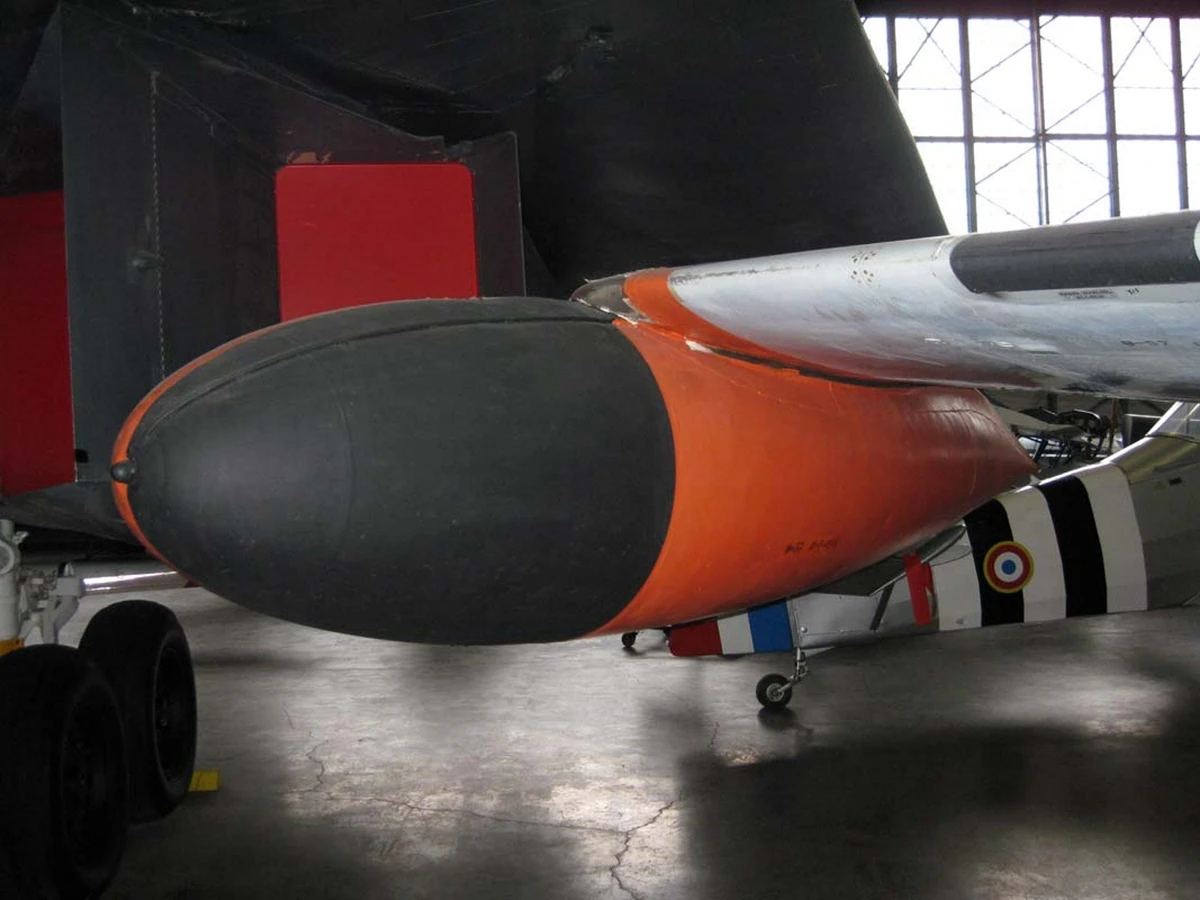
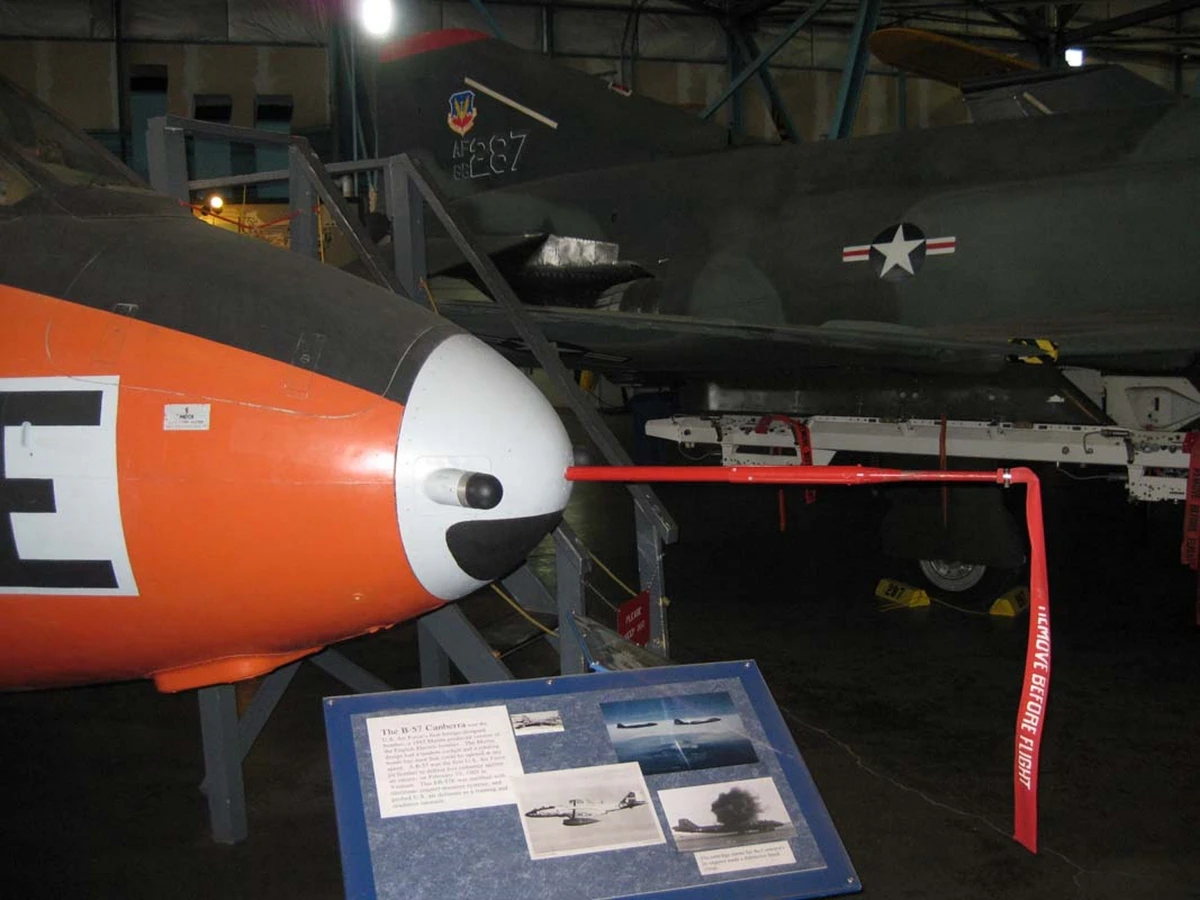
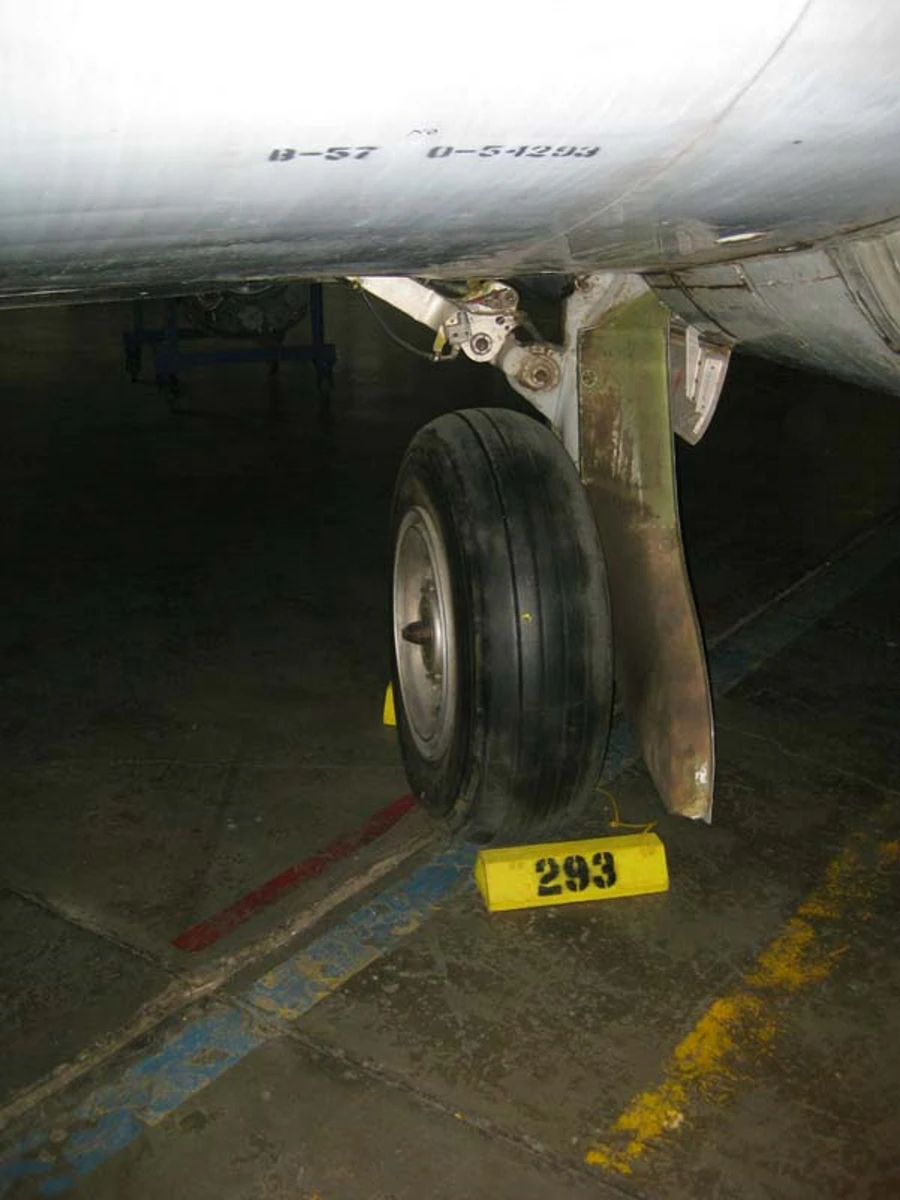
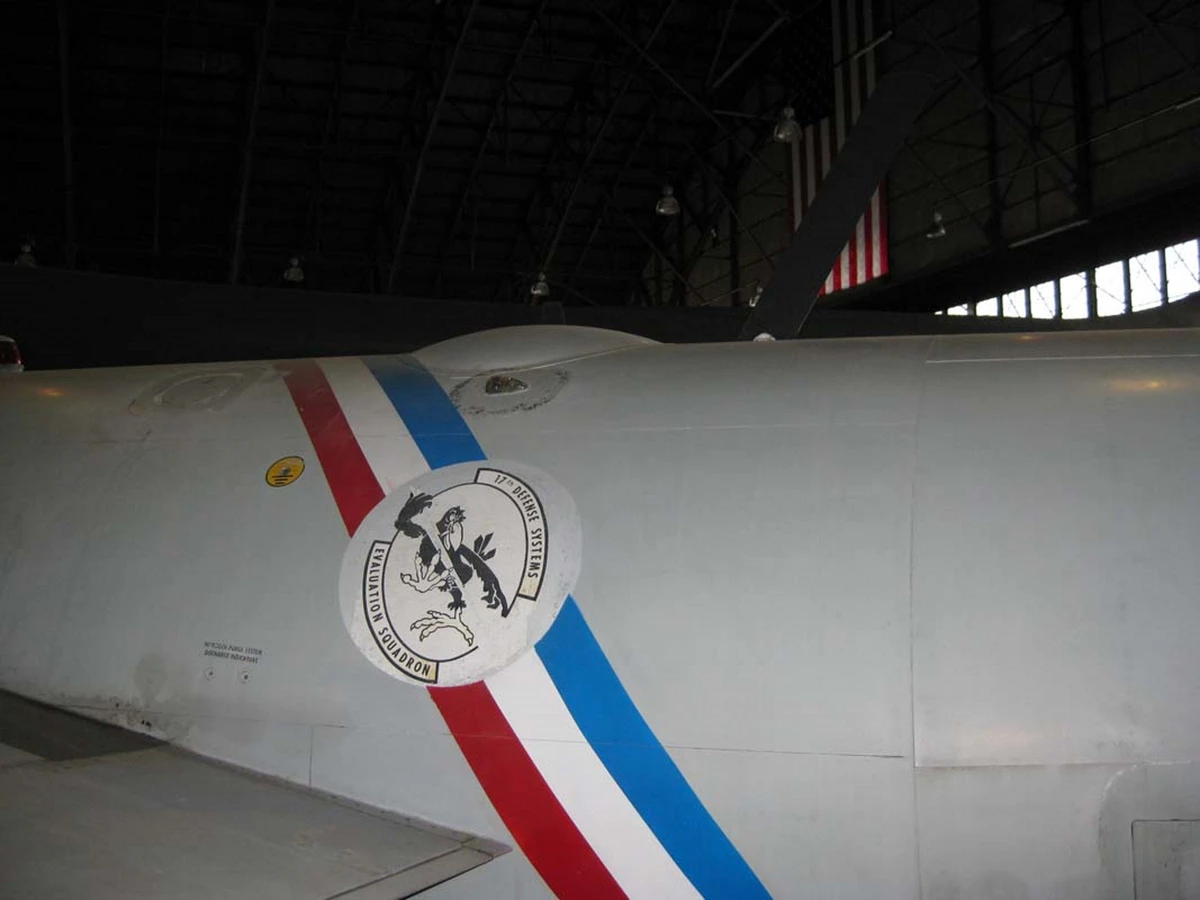
| Martin EB-57E-MA Night Intruder | |
|---|---|
| Valokuvaaja | Vladimir Jakubov |
| Lokalisointi | Linnan AFB-museo |
| Valokuvat | 209 |
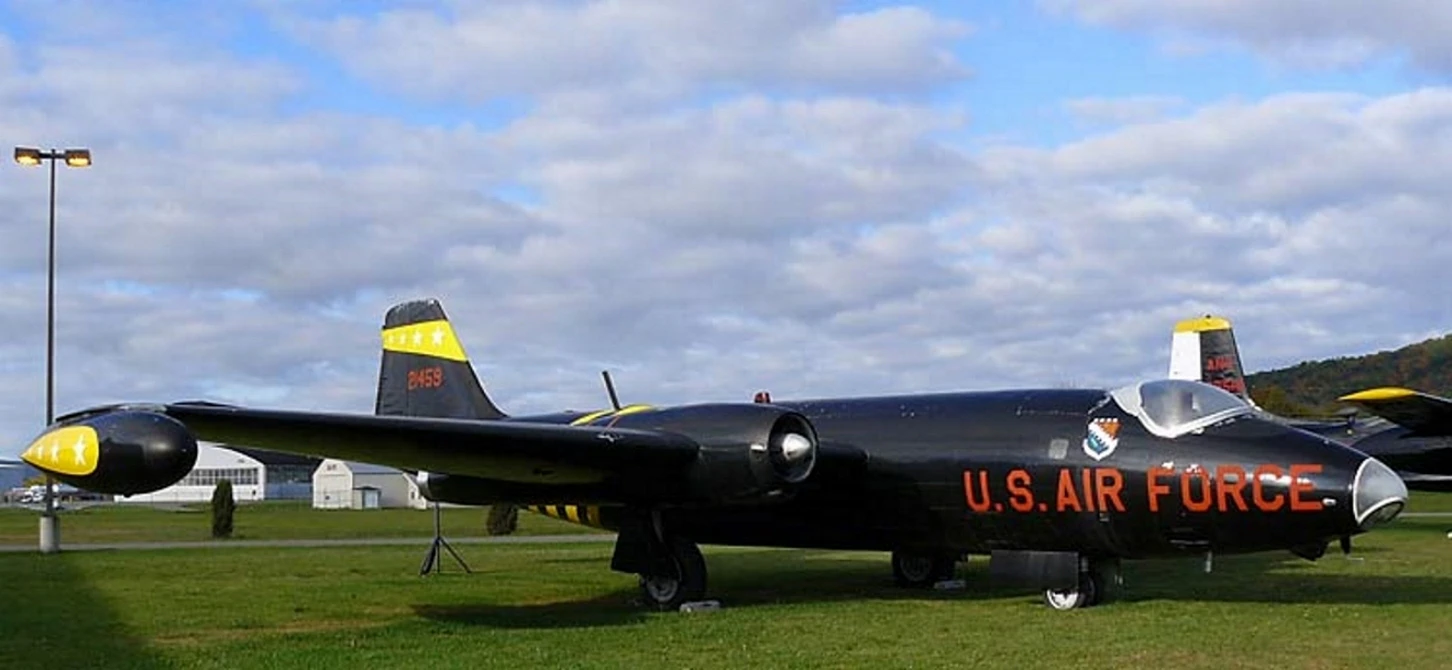
| Martin RB-57 Canberra Walk Around | |
|---|---|
| Valokuvaaja | Bill Maloney |
| Lokalisointi | Ei tietää |
| Valokuvat | 21 |
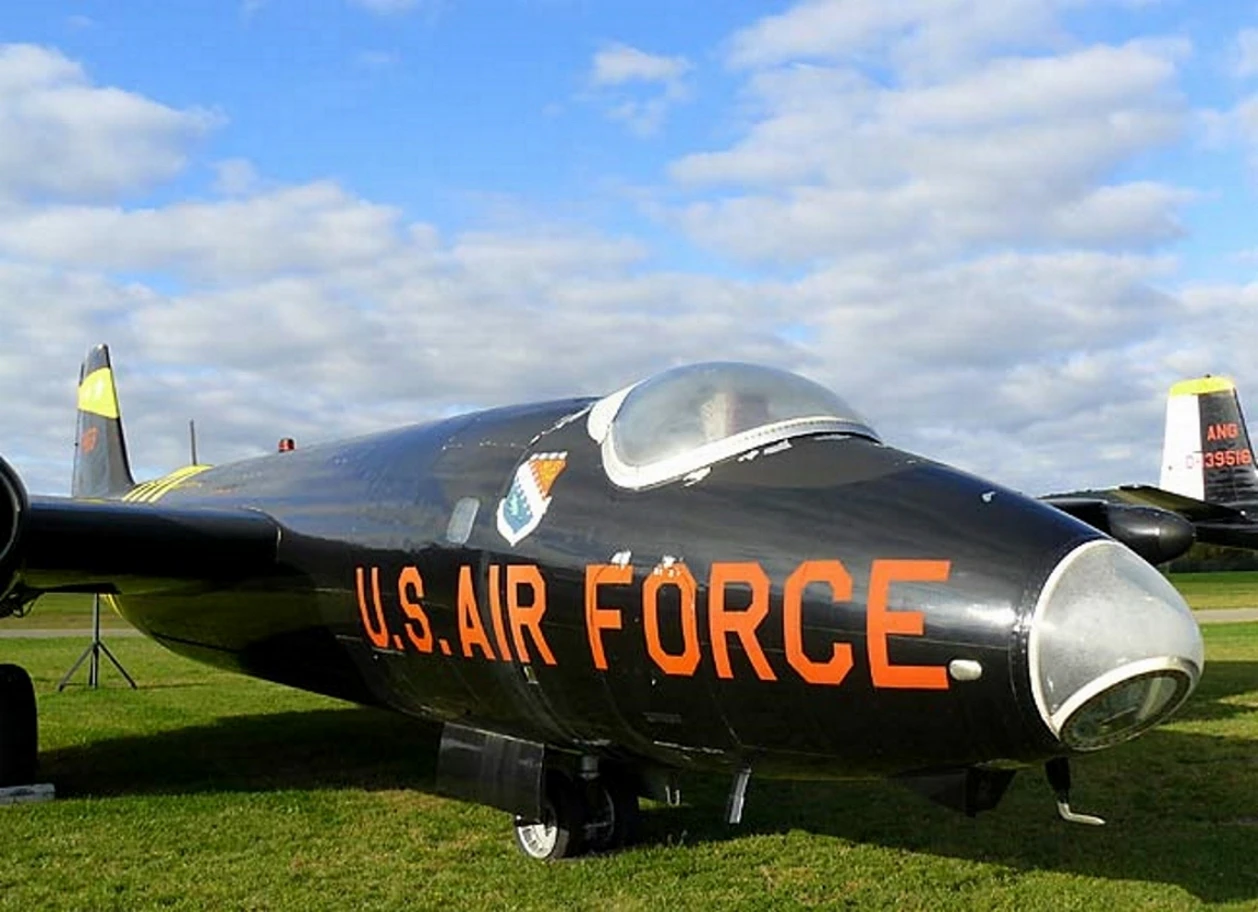
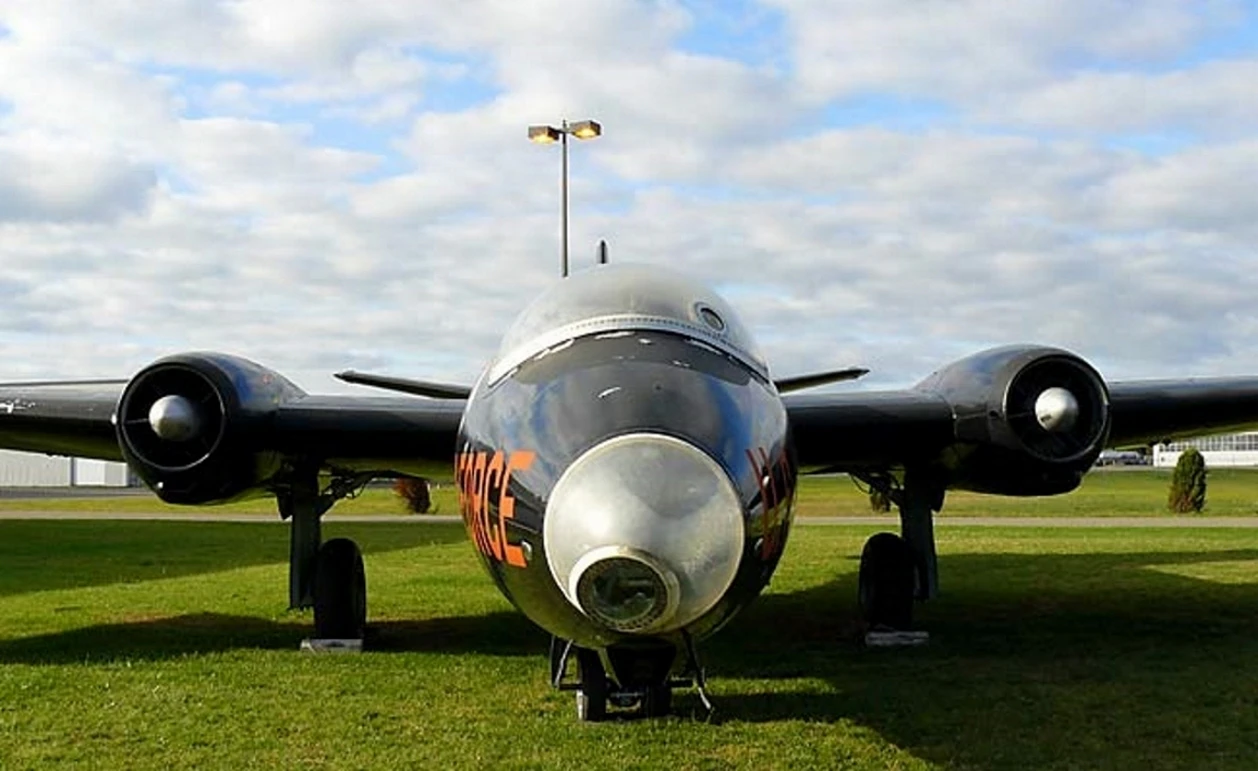
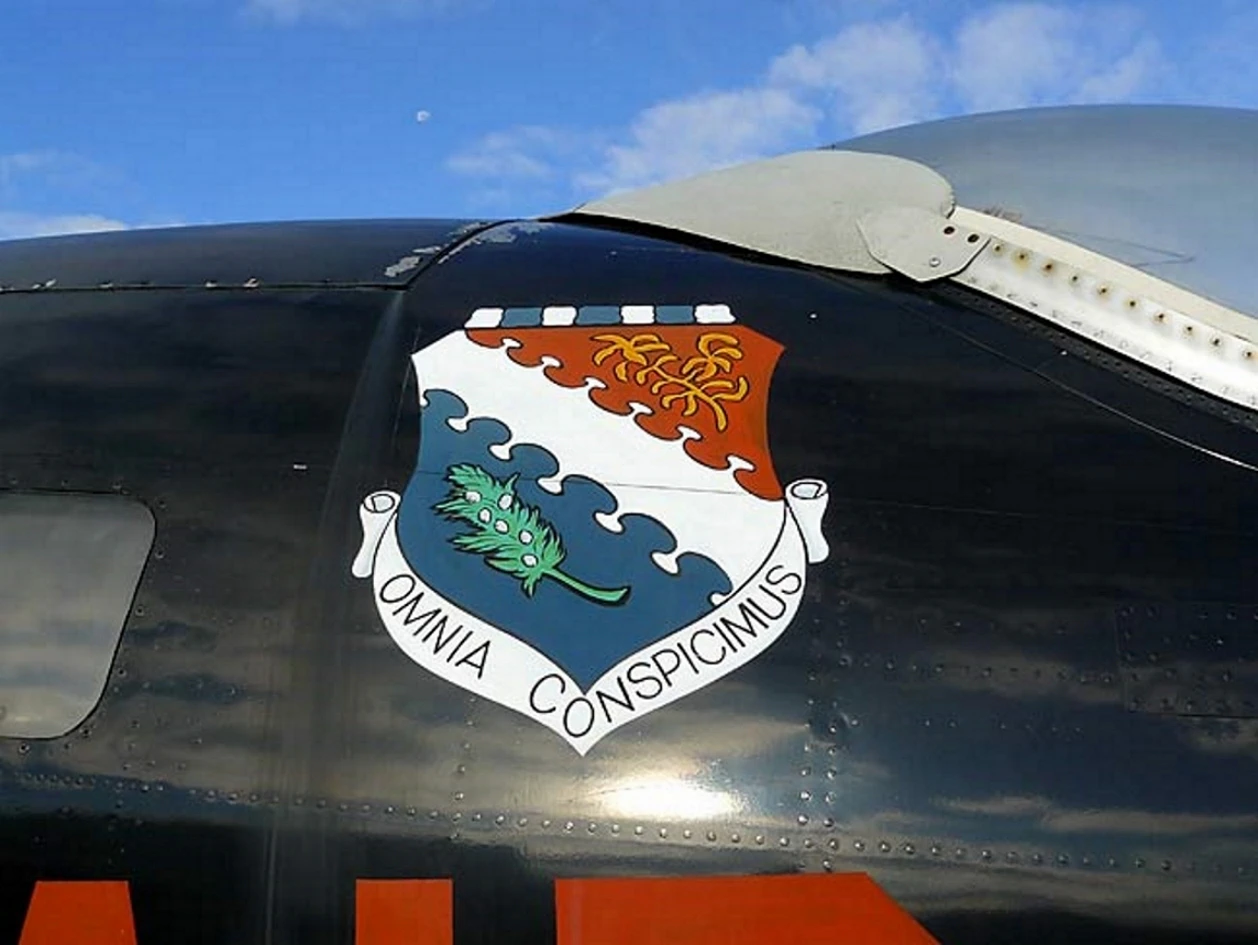
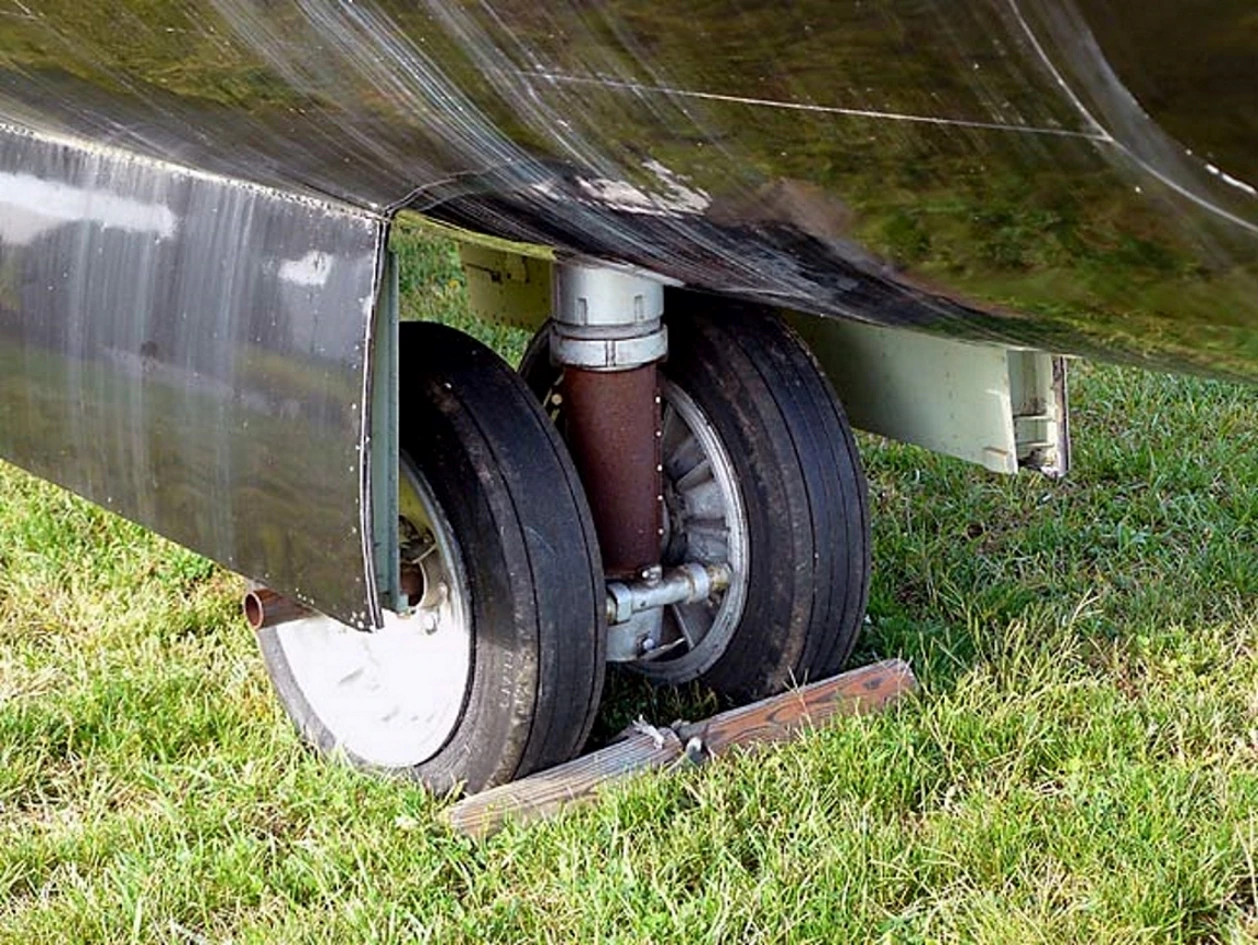
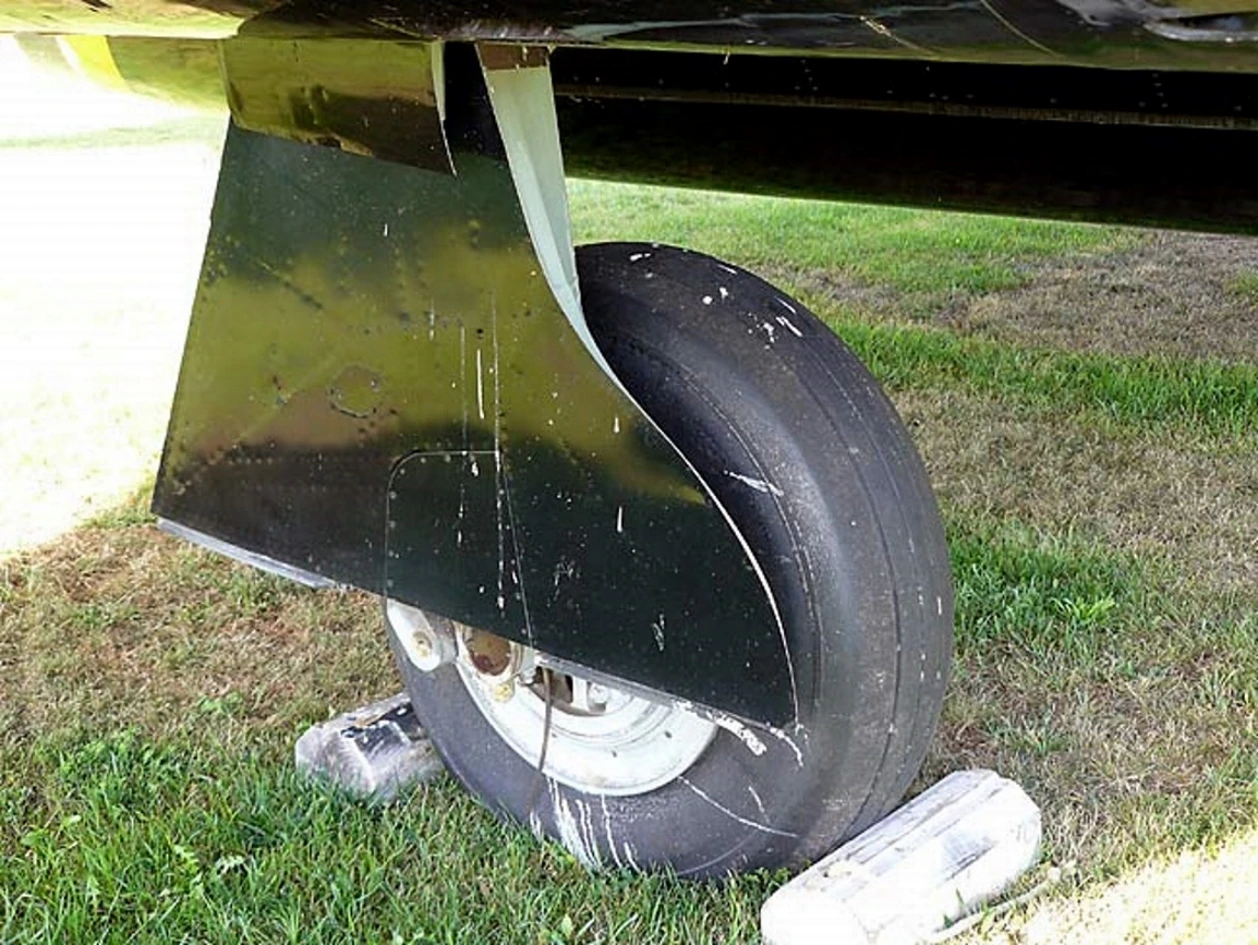
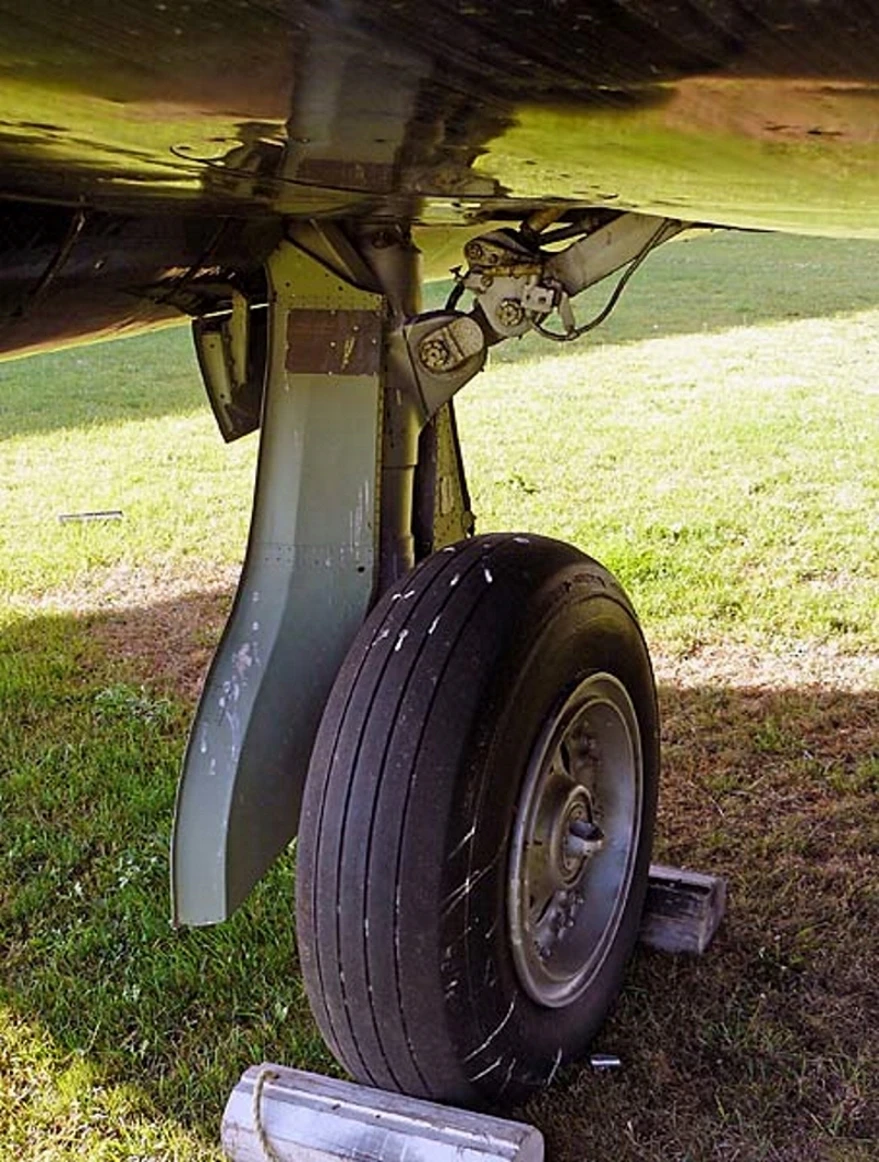
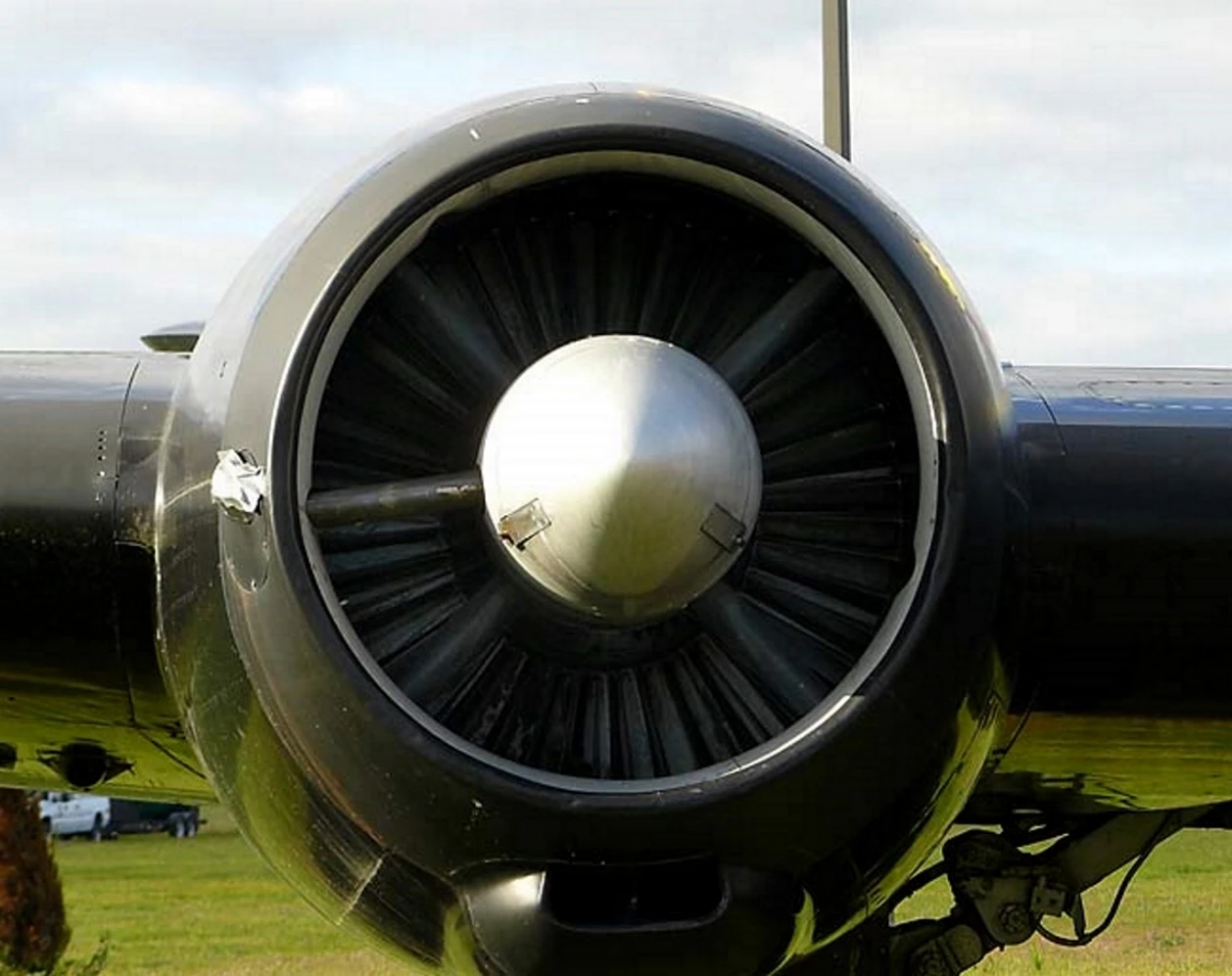
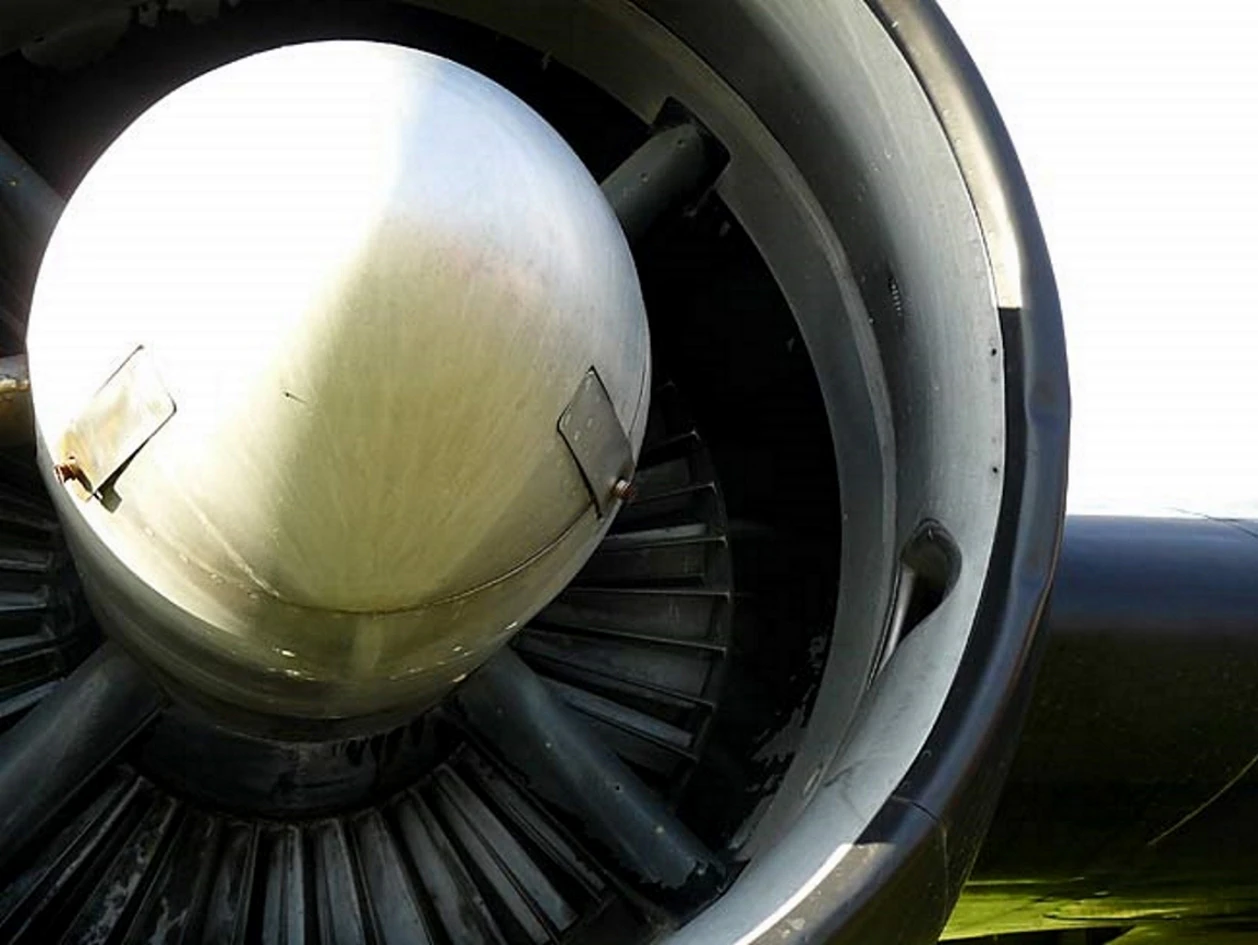
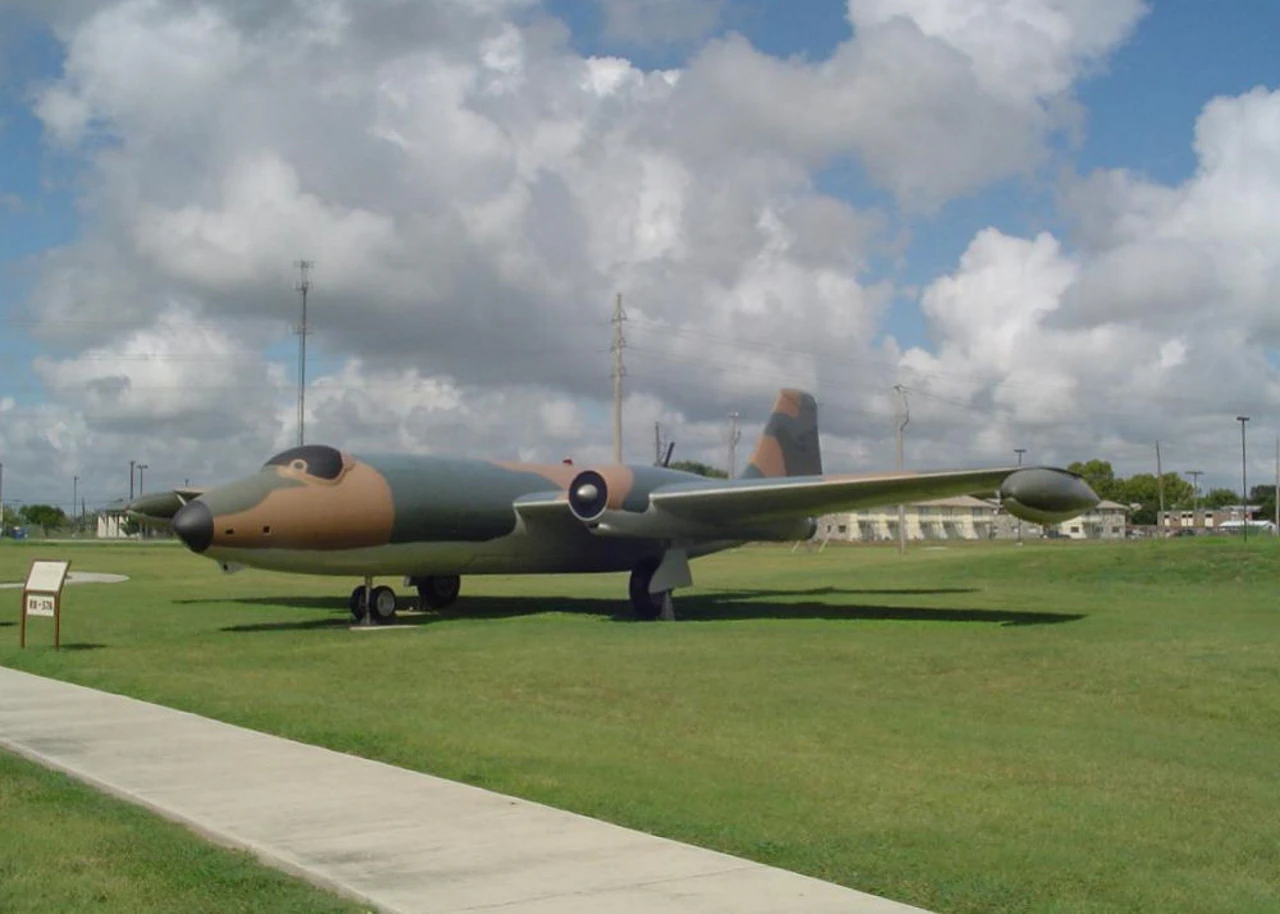
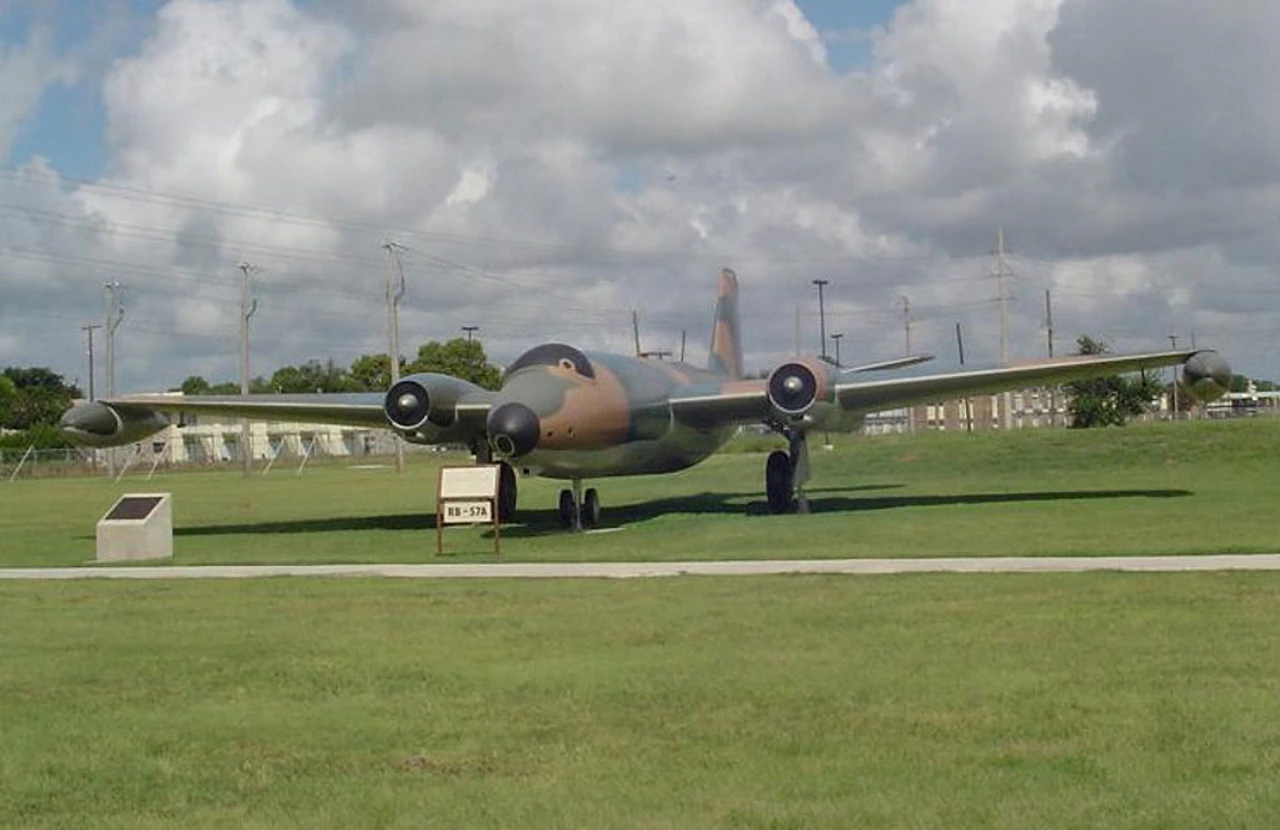
| B-57A Canberra Walk Around | |
|---|---|
| Valokuvaajat | Michael Benolkin, Ron Dobrzelecki, Martin Sagara |
| Lokalisointi | Ei tietää |
| Valokuvat | 32 |
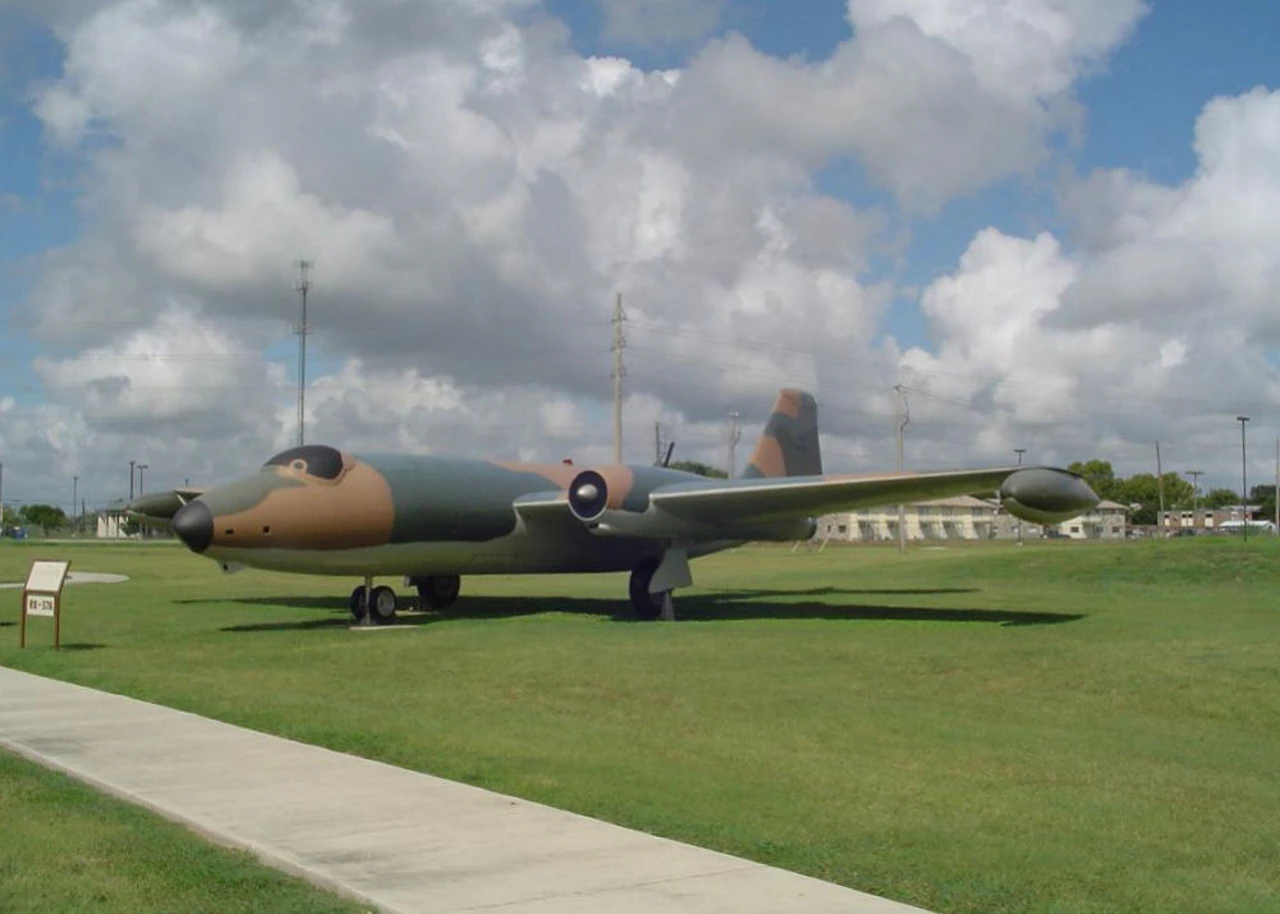
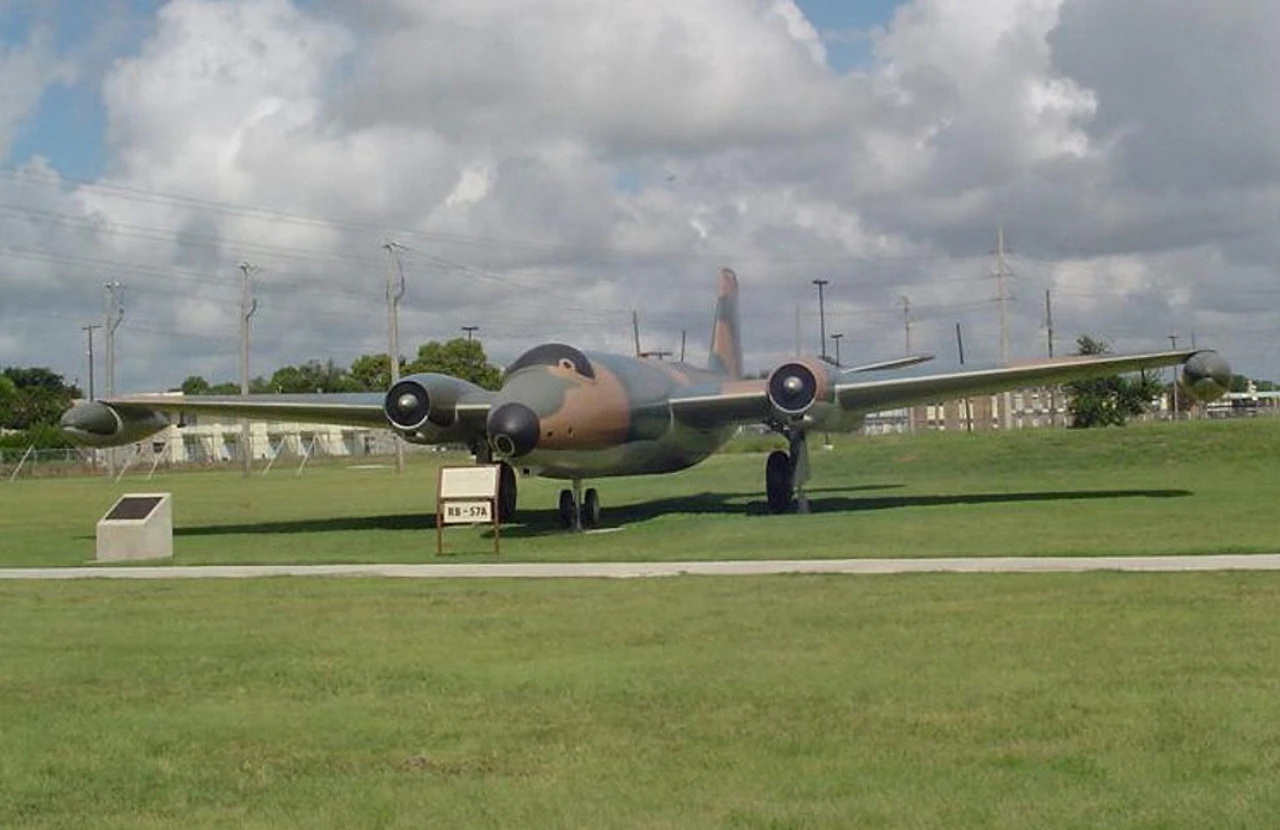
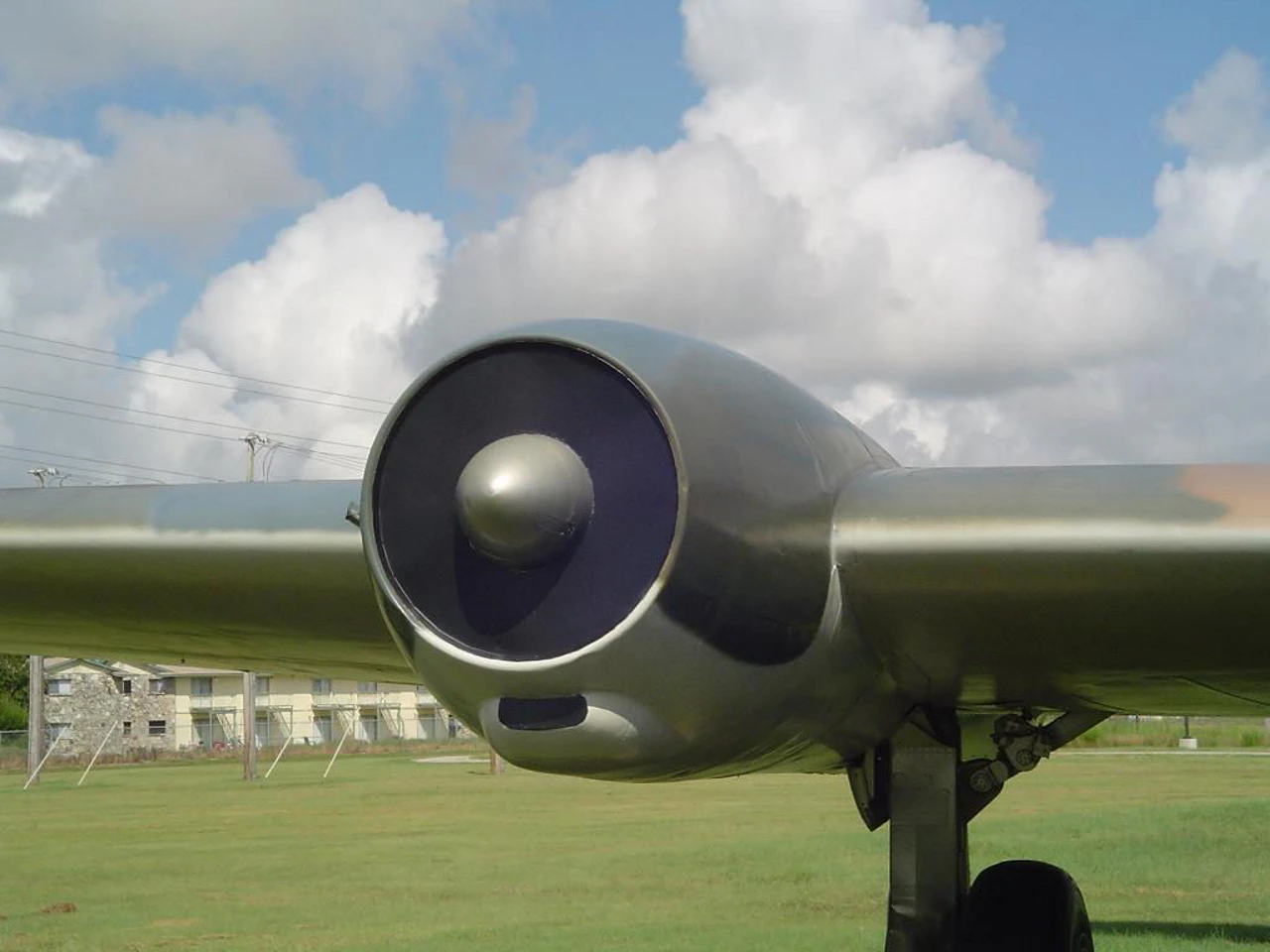
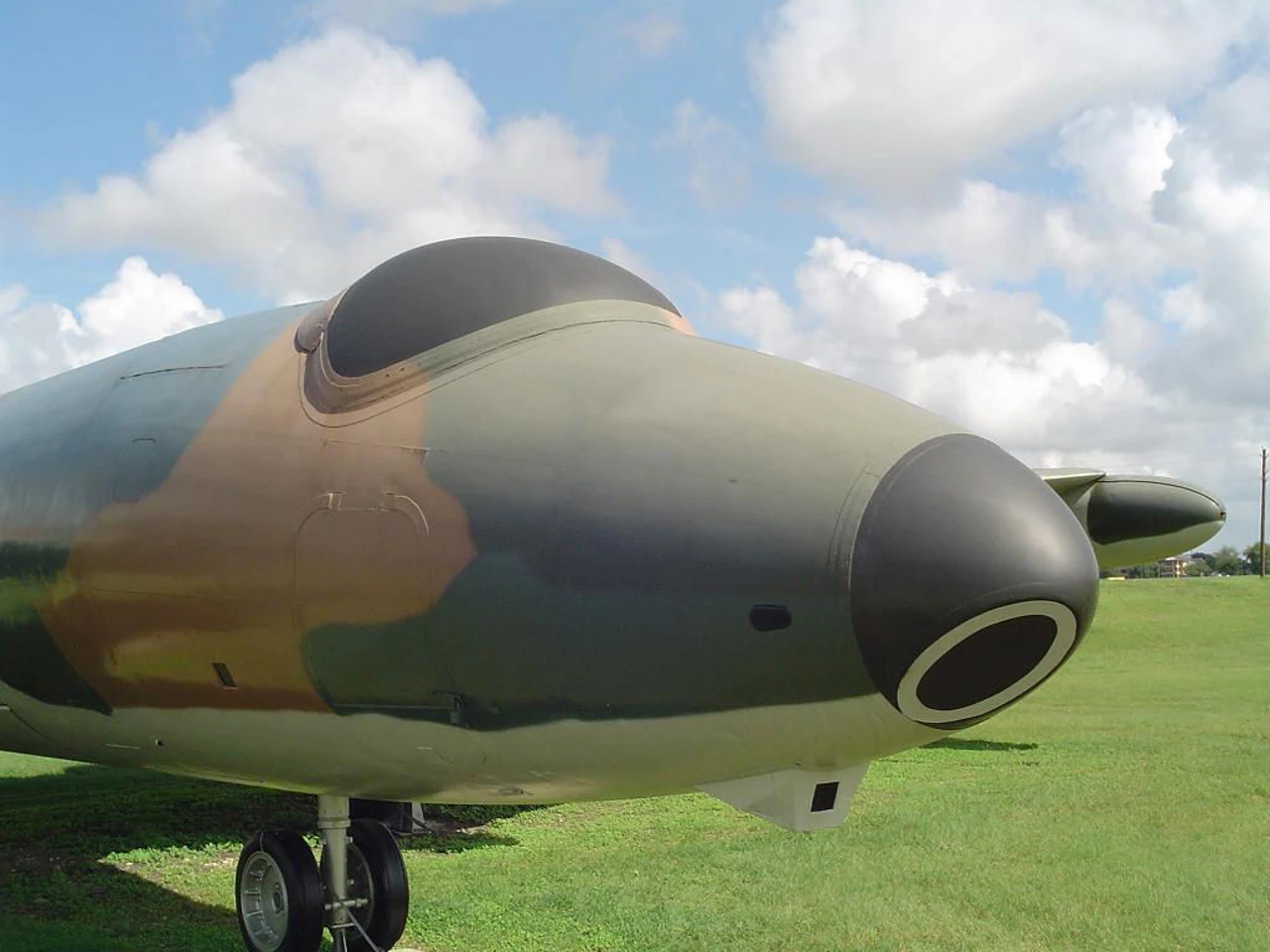
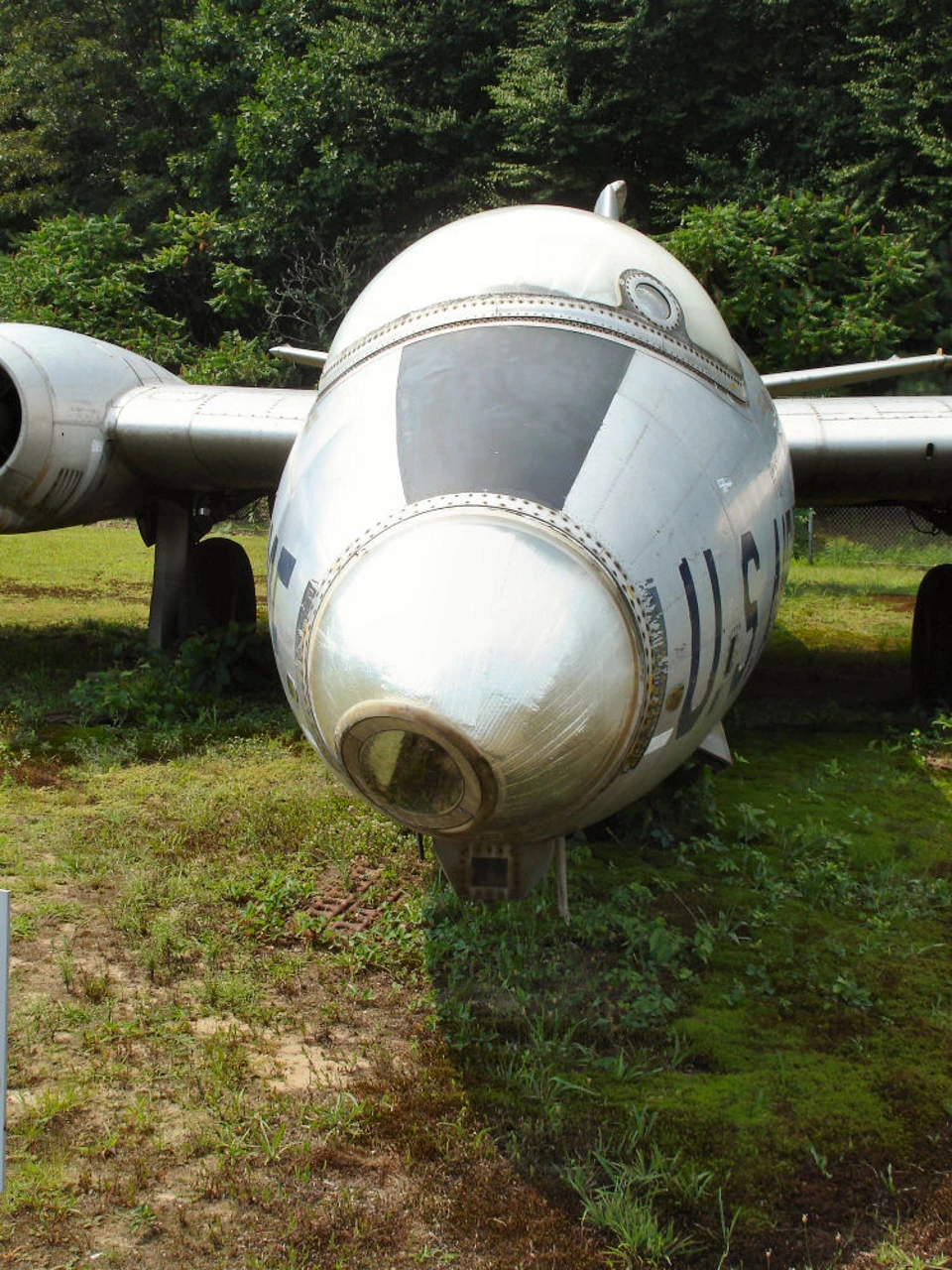
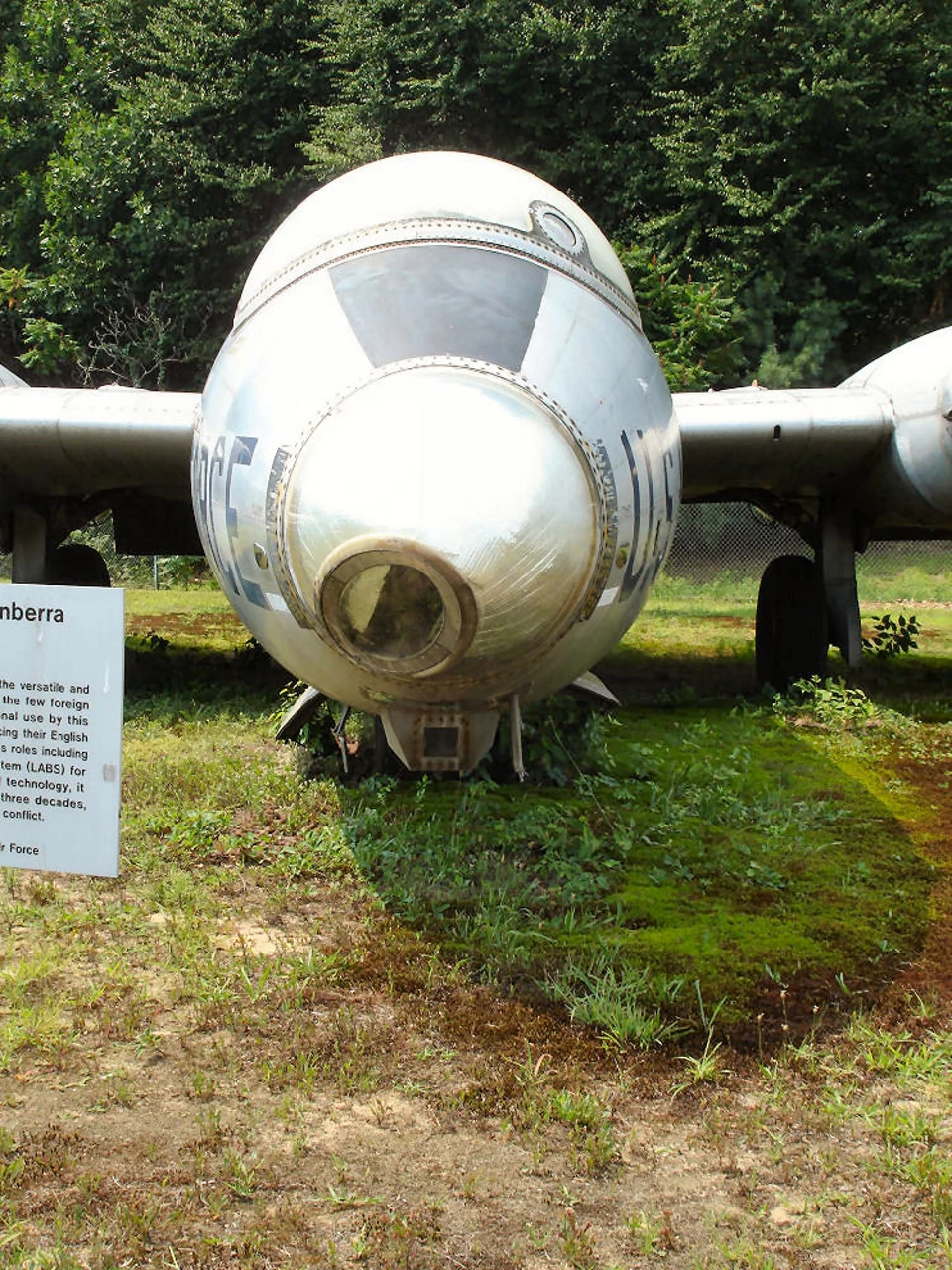
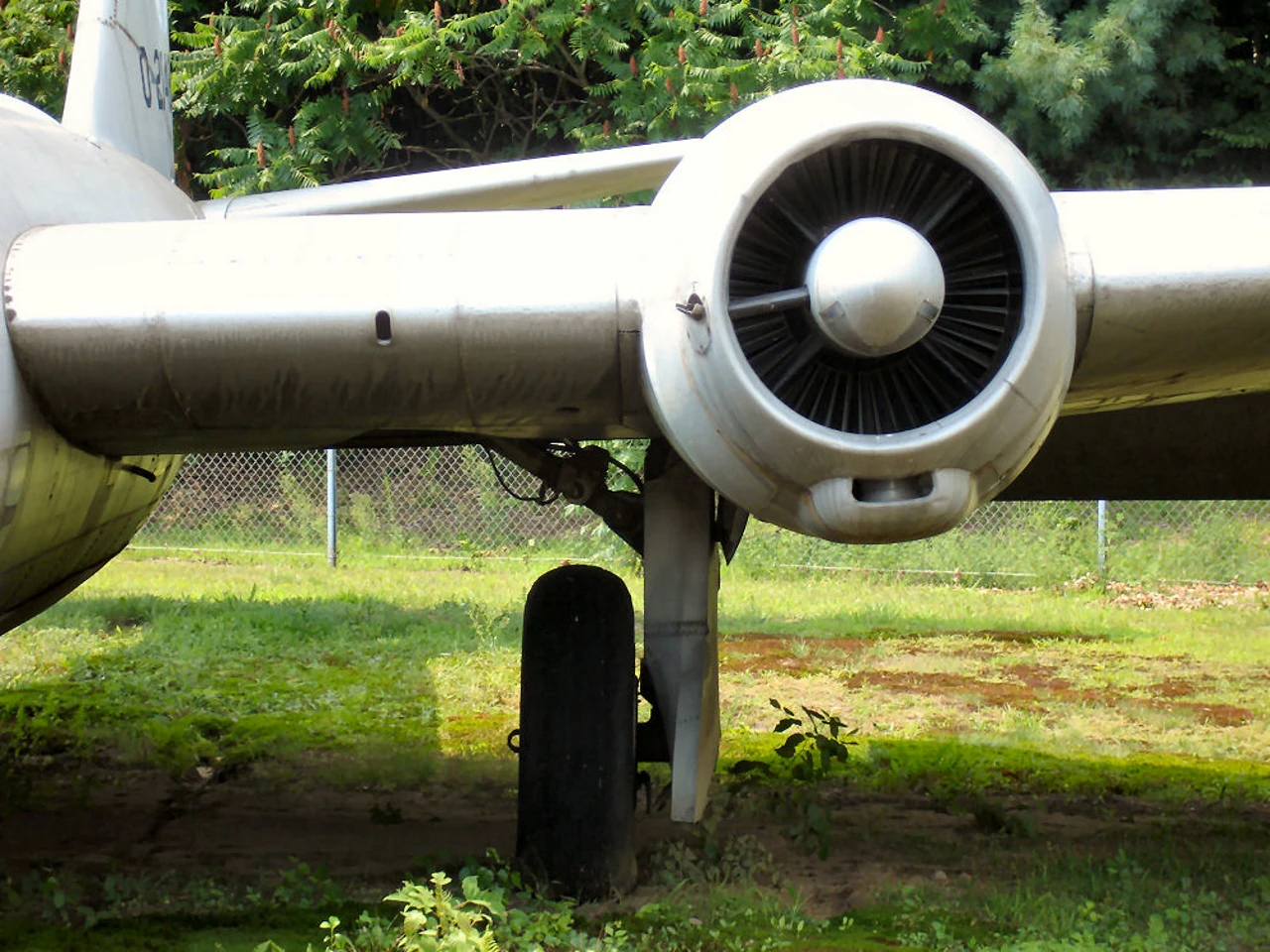
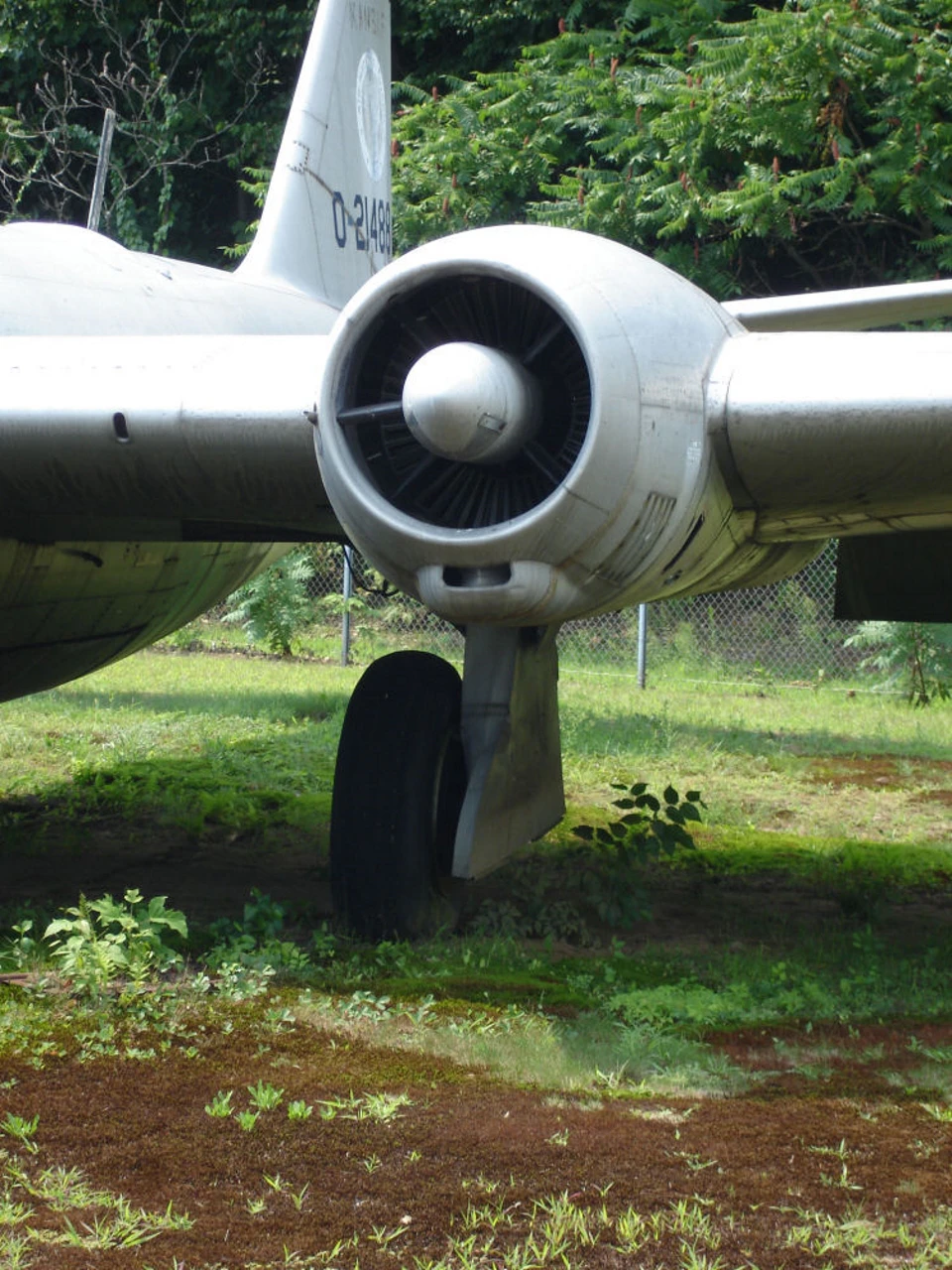
| WB-57F Canberra Walk Around | |
|---|---|
| Valokuvaaja | Fotios Rouch |
| Lokalisointi | Ei tietää |
| Valokuvat | 42 |
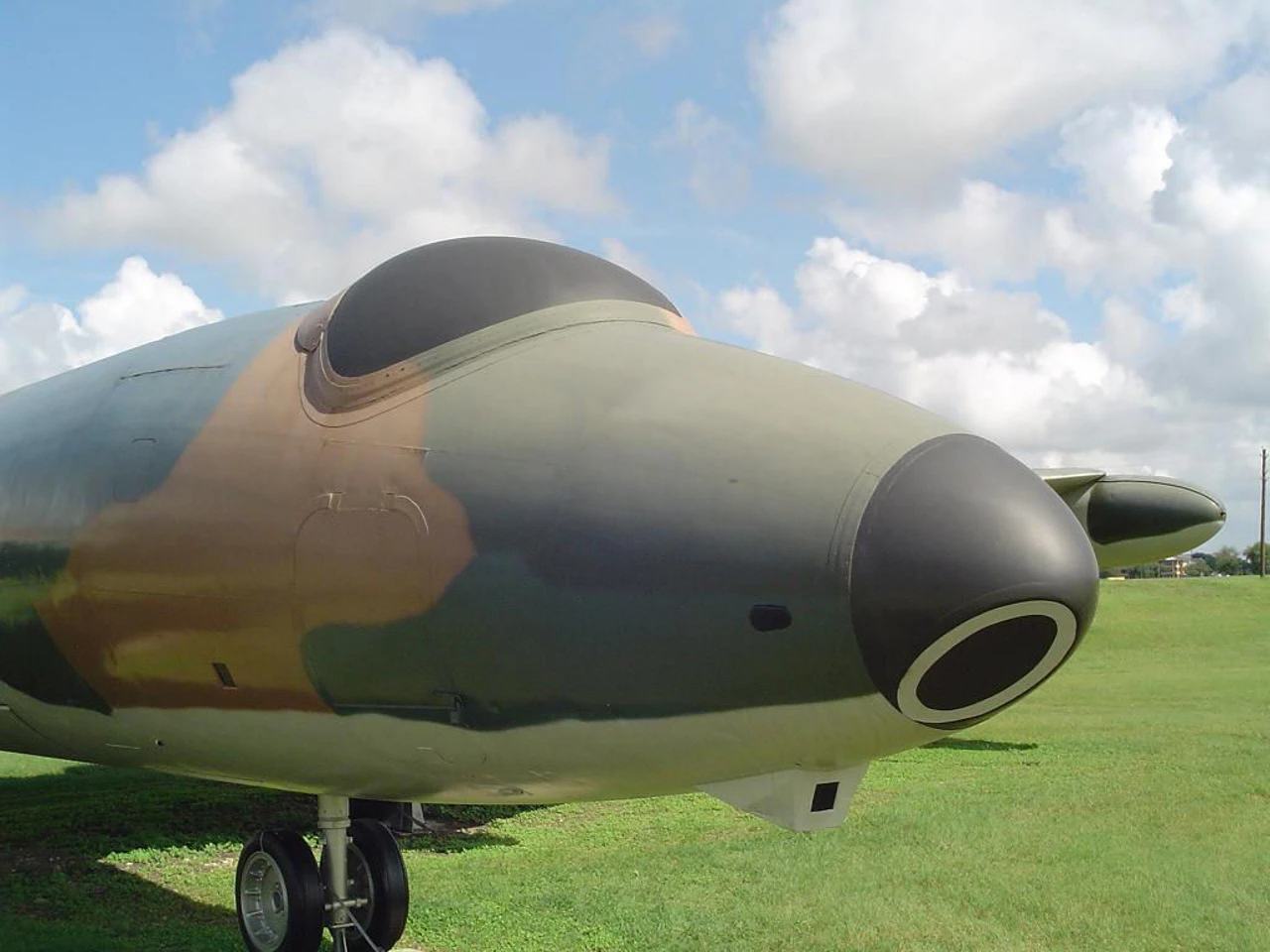
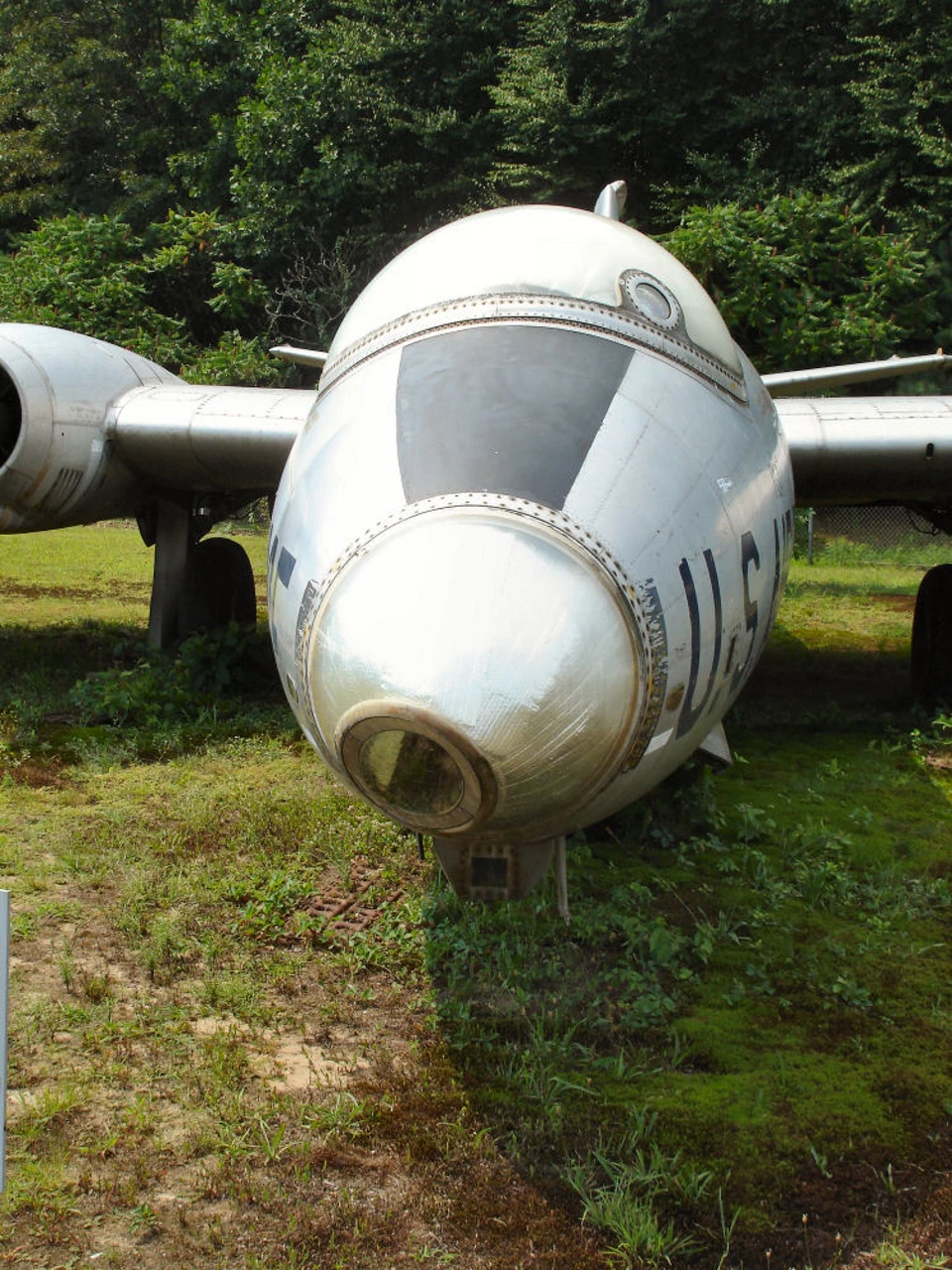
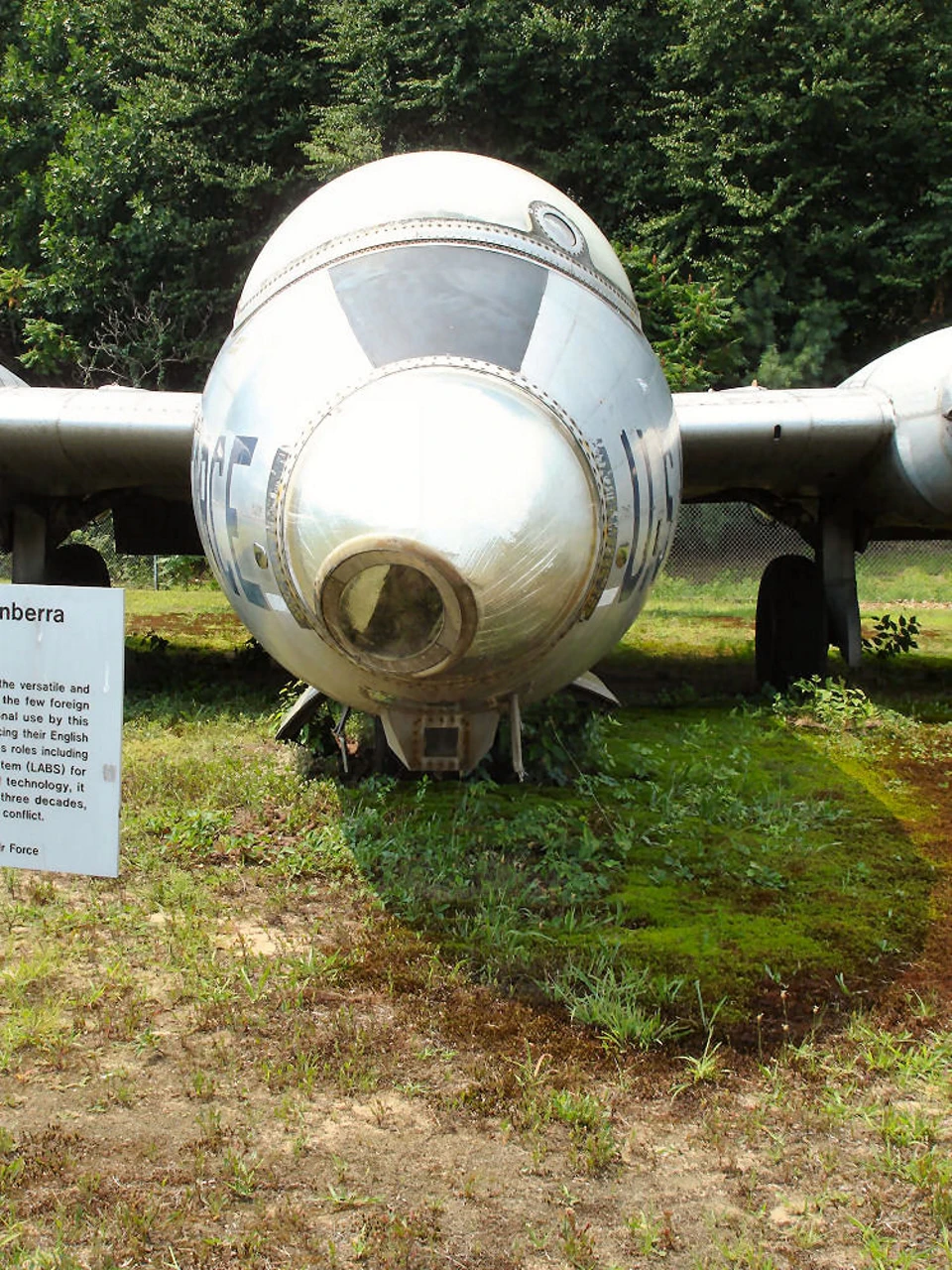
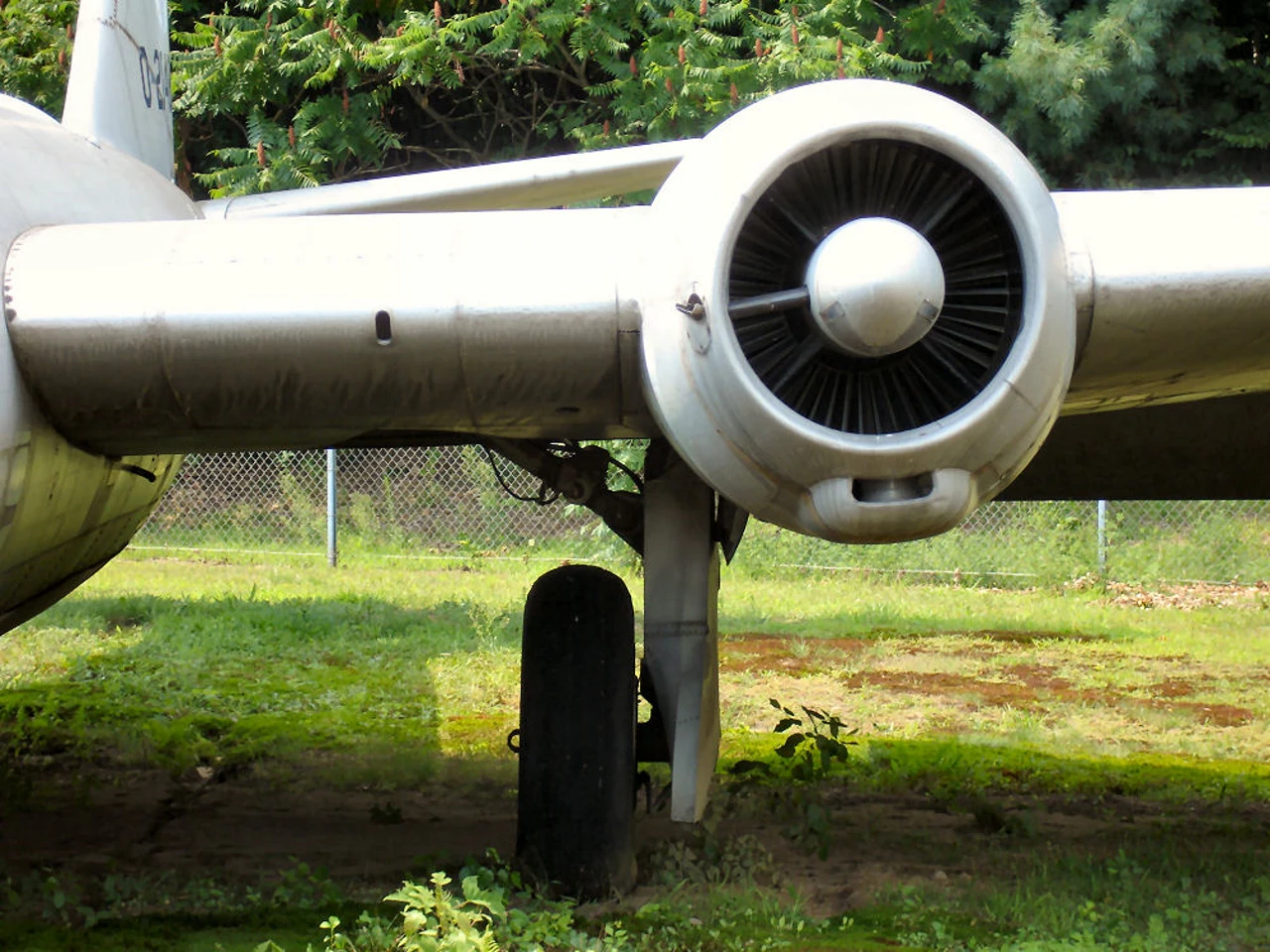
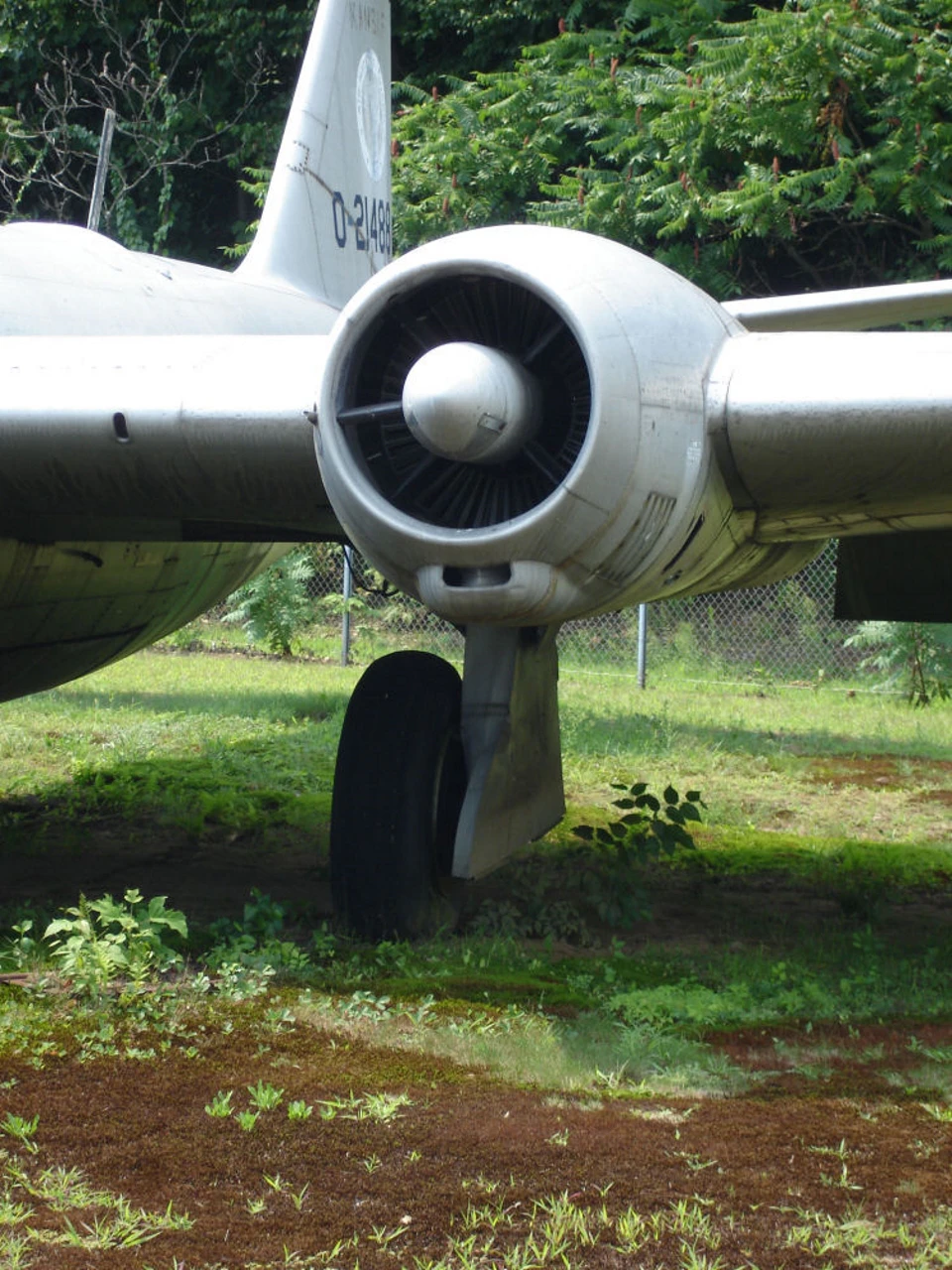
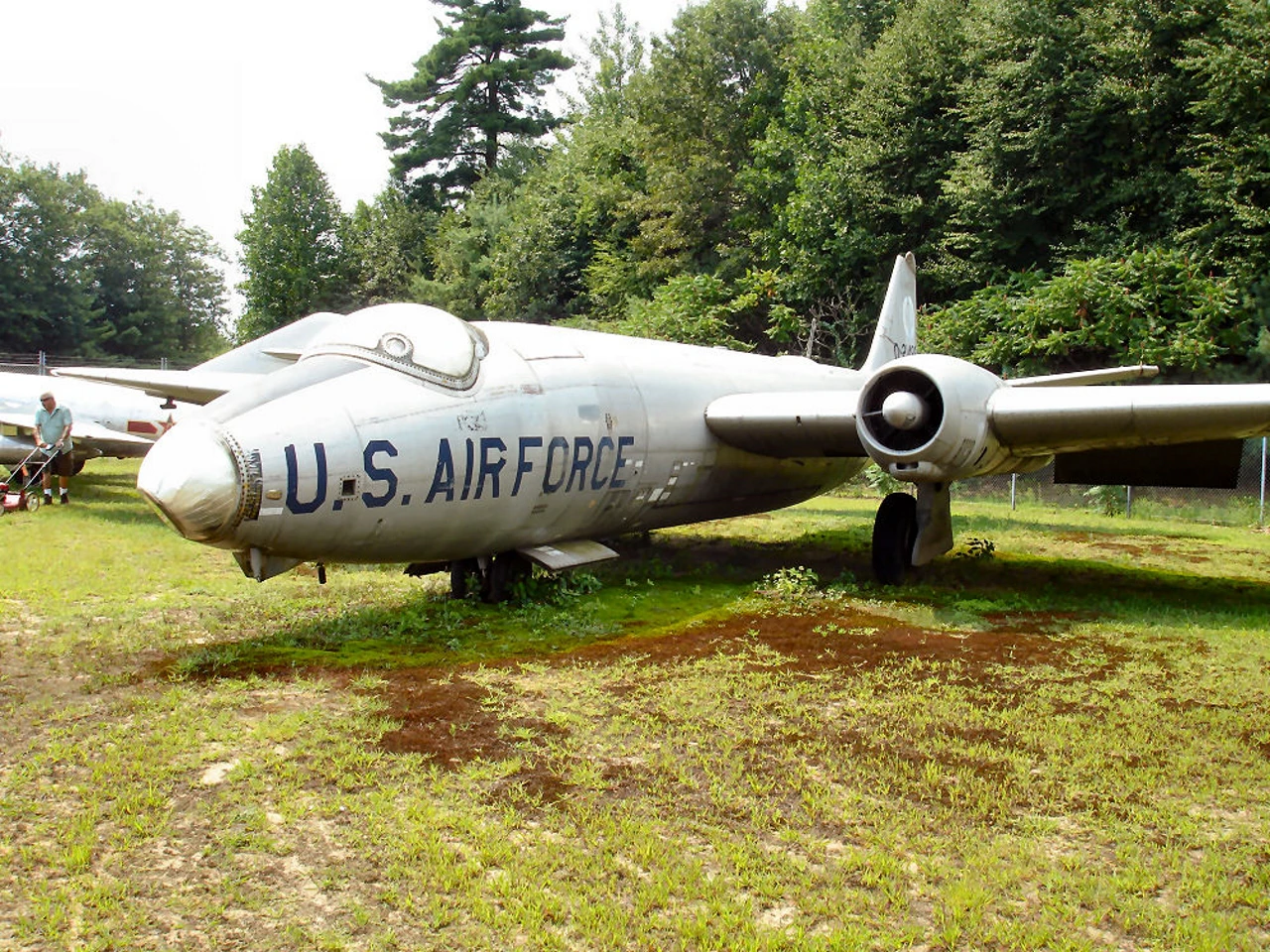
Katso myös:


A British thoroughbred with American muscles
Nniiden Martin B-57 Canberra was a rare example of a British aircraft design (the English Electric Canberra) being licensed and mass-produced in the United States. While it excelled as a tactical bomber and “night intruder,” the EB-57B was a specialized electronic warfare (EW) conversion. These aircraft were packed with jammers and sensors, used primarily to train air defense crews by simulating enemy electronic attacks—blinding radars and disrupting communications to keep the “defenders” sharp.
| Attribute | Technical Specification (EB-57B) |
|---|---|
| Rooli | Electronic Warfare / Aggressor Trainer |
| miehistö | 2 (Pilot and Electronic Warfare Officer / EWO) |
| First Flight (B-57A) | July 20, 1953 |
| Voimalaitos | 2 × Wright J65-W-5 turbojets |
| Thrust | 7,220 lbf (32.1 kN) per engine |
| Enimmäisnopeus | 580 mph (930 km/h) |
| Etäisyys | 2,700 miles (4,345 km) |
| Special Equipment | Internal jammers, chaff dispensers, and wing-mounted ECM pods |
Design Features: The Art of Jamming
- The “Tandem” Cockpit: Unlike the original British version where the navigator sat in a dark hole in the fuselage, Martin redesigned the B-57B with a fighter-style tandem cockpit under a long, continuous canopy. This gave the Electronic Warfare Officer (EWO) better situational awareness.
- Rotary Bomb Bay: The B-57 featured a unique rotary bomb bay door. On the EB-57B, instead of bombs, this bay often housed massive internal electronic jamming suites and cooling systems for the high-powered vacuum tubes of the era.
- Wing-Mounted ECM Pods: To expand its frequency coverage, the EB-57B frequently carried specialized Electronic Countermeasures (ECM) pods on its underwing pylons, allowing it to simulate a wide variety of Soviet radar-interference signatures.
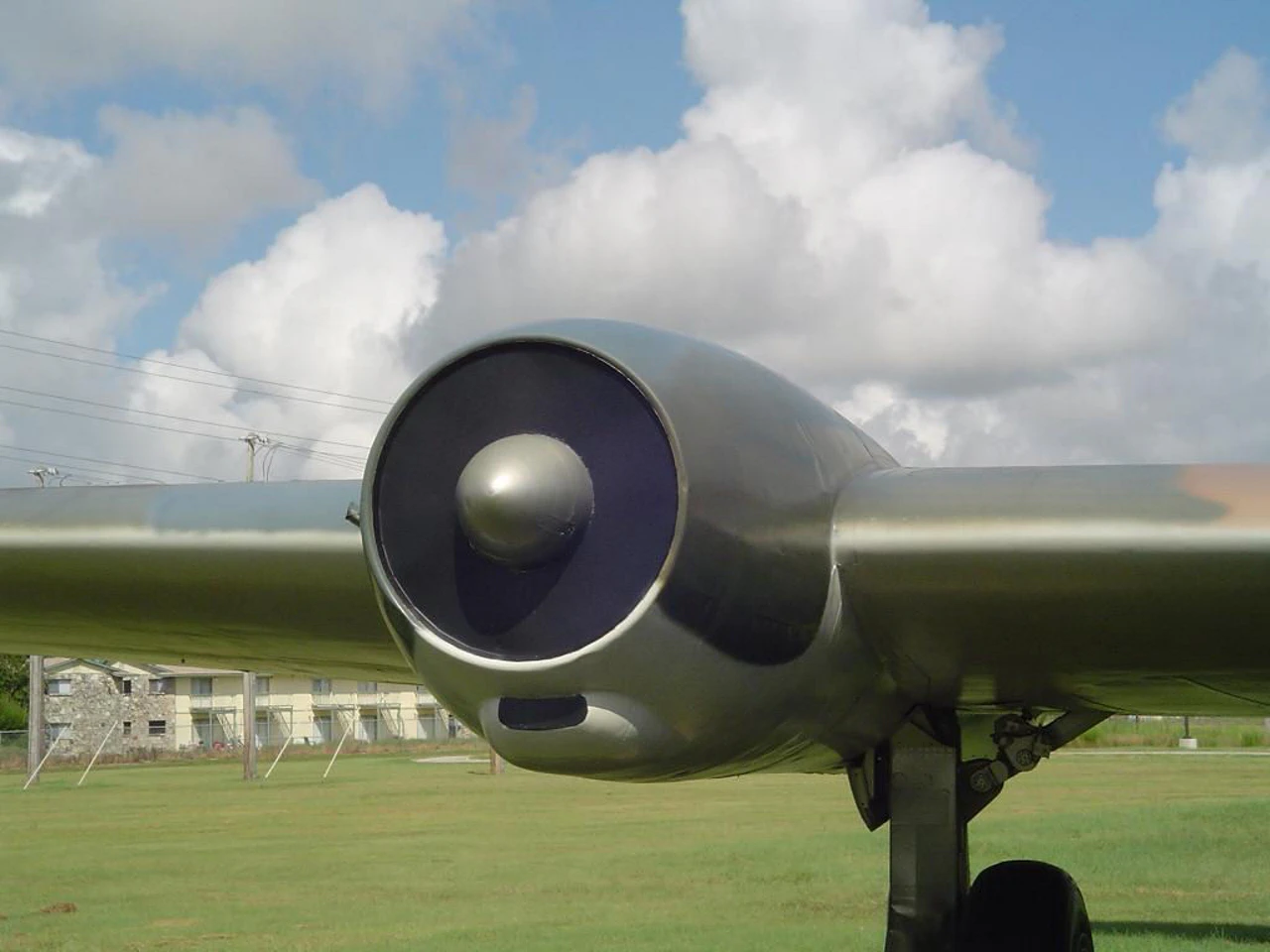
- Wright J65 Engines: The US versions swapped the British Rolls-Royce Avons for the Wright J65 (a licensed Armstrong Siddeley Sapphire). These provided excellent low-altitude performance, essential for the B-57’s original mission as a “night intruder.”
Cold War Service & The “Aggressors”
- Electronic Aggressor Squadrons: The EB-57B was the backbone of the 17th and 19th Defense Systems Evaluation Squadrons. They flew against US and NATO radar sites to find “holes” in the defense network and train operators to “burn through” enemy jamming.
- Vietnam Service: While the EB-57B was a trainer, its bomber brother, the B-57B, was a legend in Vietnam, notably during the “Patricia Lynn” reconnaissance missions and as the first US jet bomber to be deployed to the conflict.
- Longevity: The Canberra airframe was so robust that some highly modified versions (WB-57F) are still flying today for NASA, used for high-altitude atmospheric research and satellite sensor testing.
- The “Whistling Wheelbarrow”: Ground crews gave the Canberra this nickname due to the high-pitched whine of its engines at idle and its tricycle landing gear configuration.
Views : 10172
Voit myös nähdä:
 Aero L-29 Delfín – Valokuvat &; Video
 Verville-Sperry M-1 Messenger - Valokuvat ja video
 Mitsubishi A6M Zero – Kävele
 Hawker Hurricane – Kävele ympäriinsä
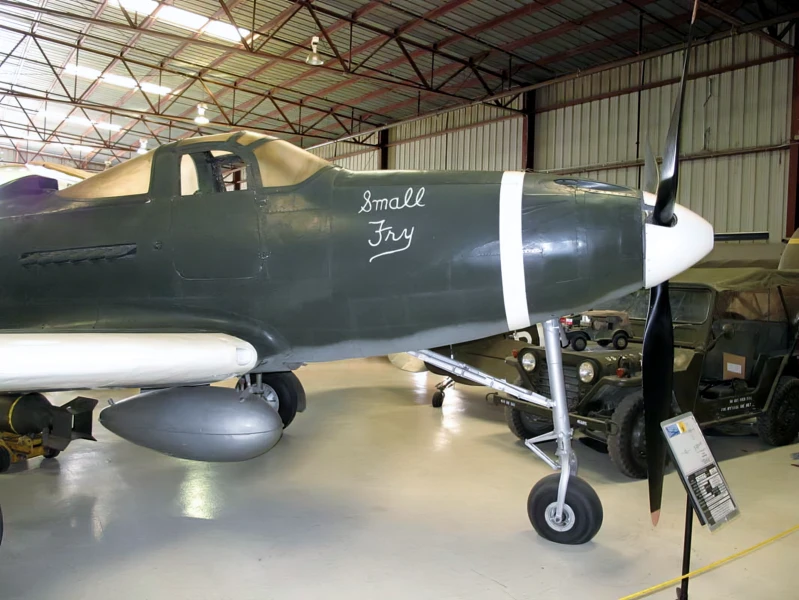 Bell P-39N Airacobra – WalkAround
 Konsolidoitu B-24M-vapauttaja – WalkAround
 P-47D Thunderbolt – WalkAround
 A-20 Havoc – WalkAround
 TBM-3E Avenger – Kävellä
 Fiat G-55 Centauro – Kävellä
New set of 81 photos of a Martin EB-57B Canberra