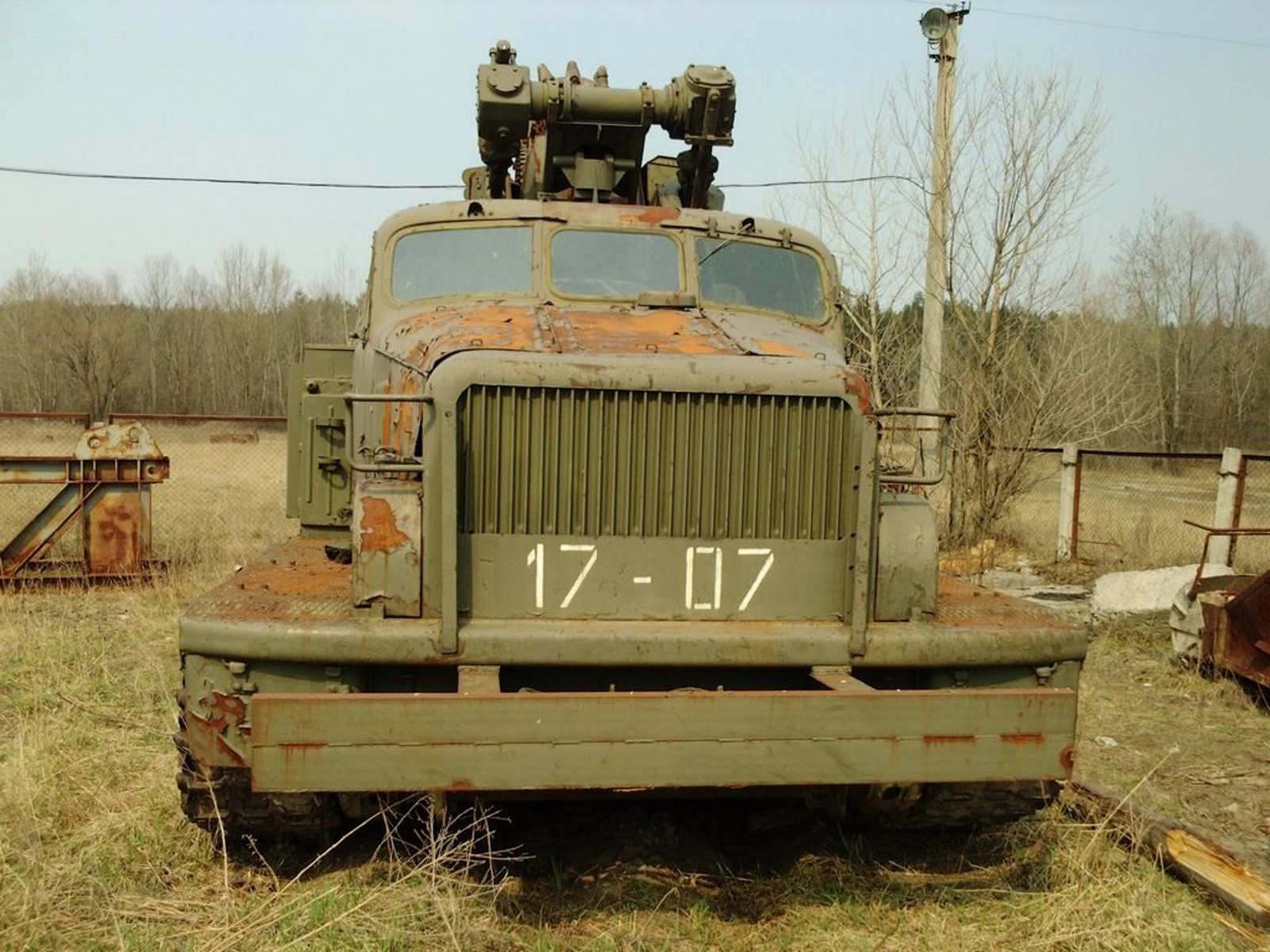
BTM-3 | |
|---|---|
| Land | Sovjetunionen |
| Rolle | Militærgravsmaskine |
| Designet | Unknow |
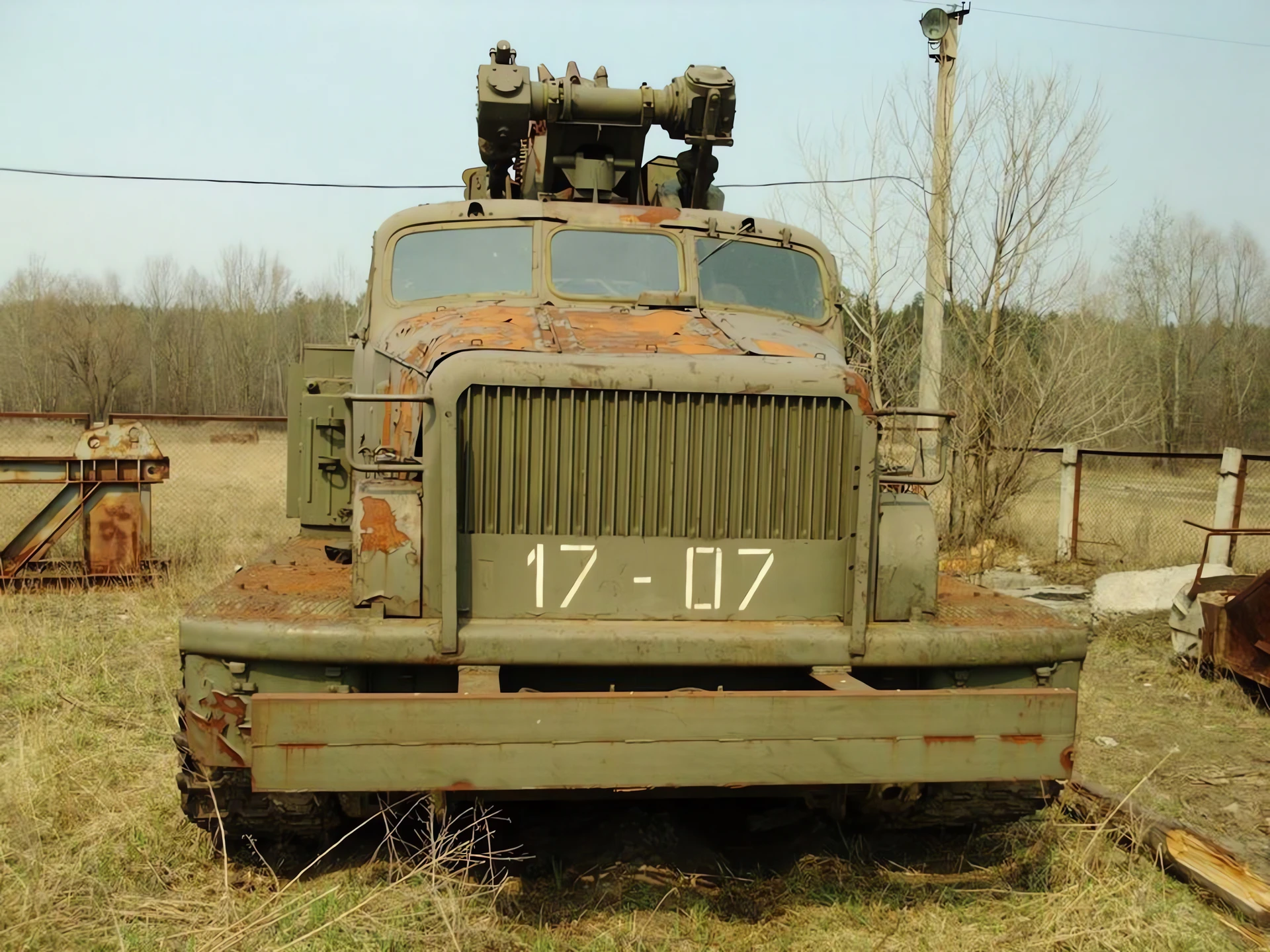
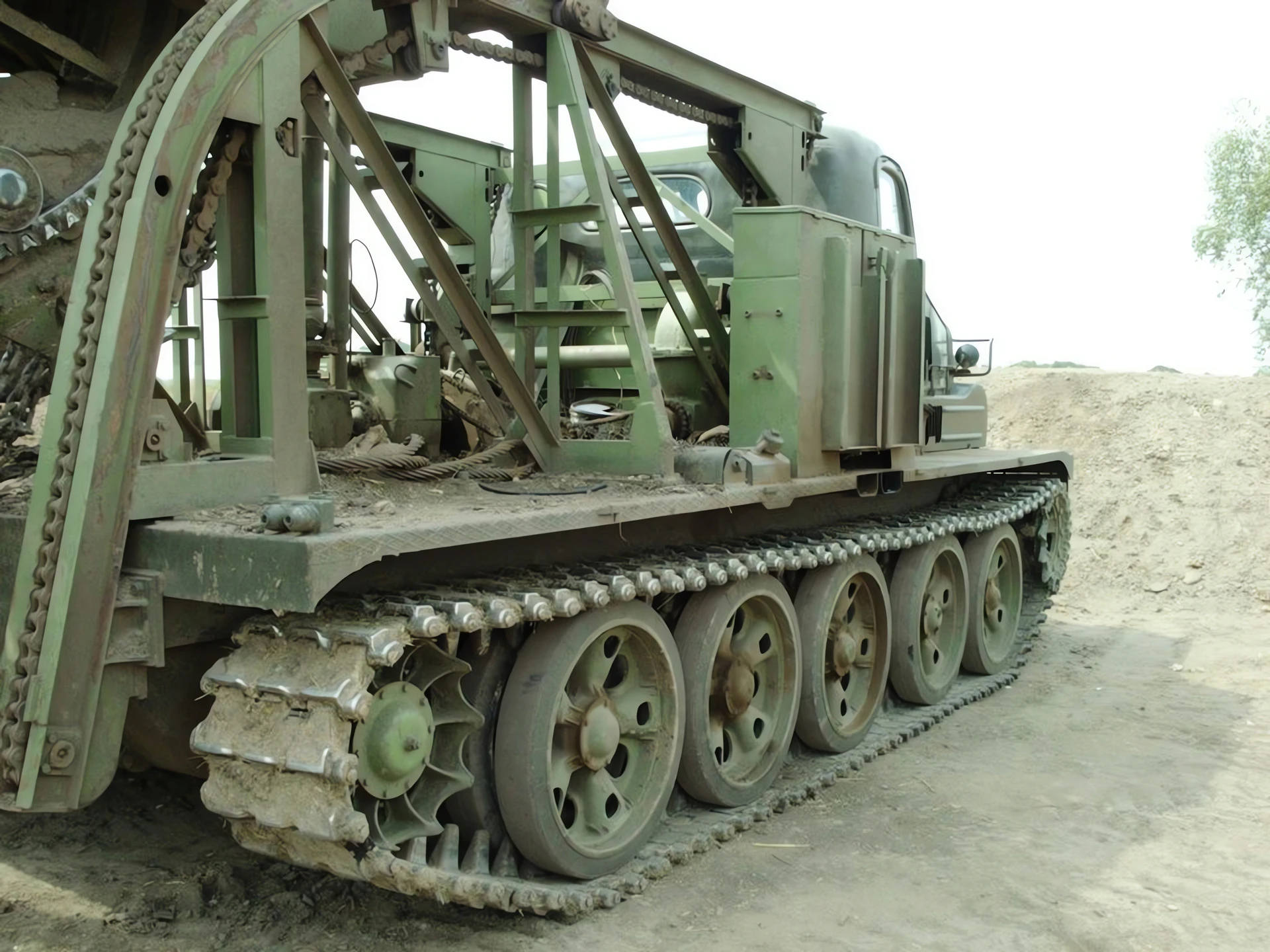
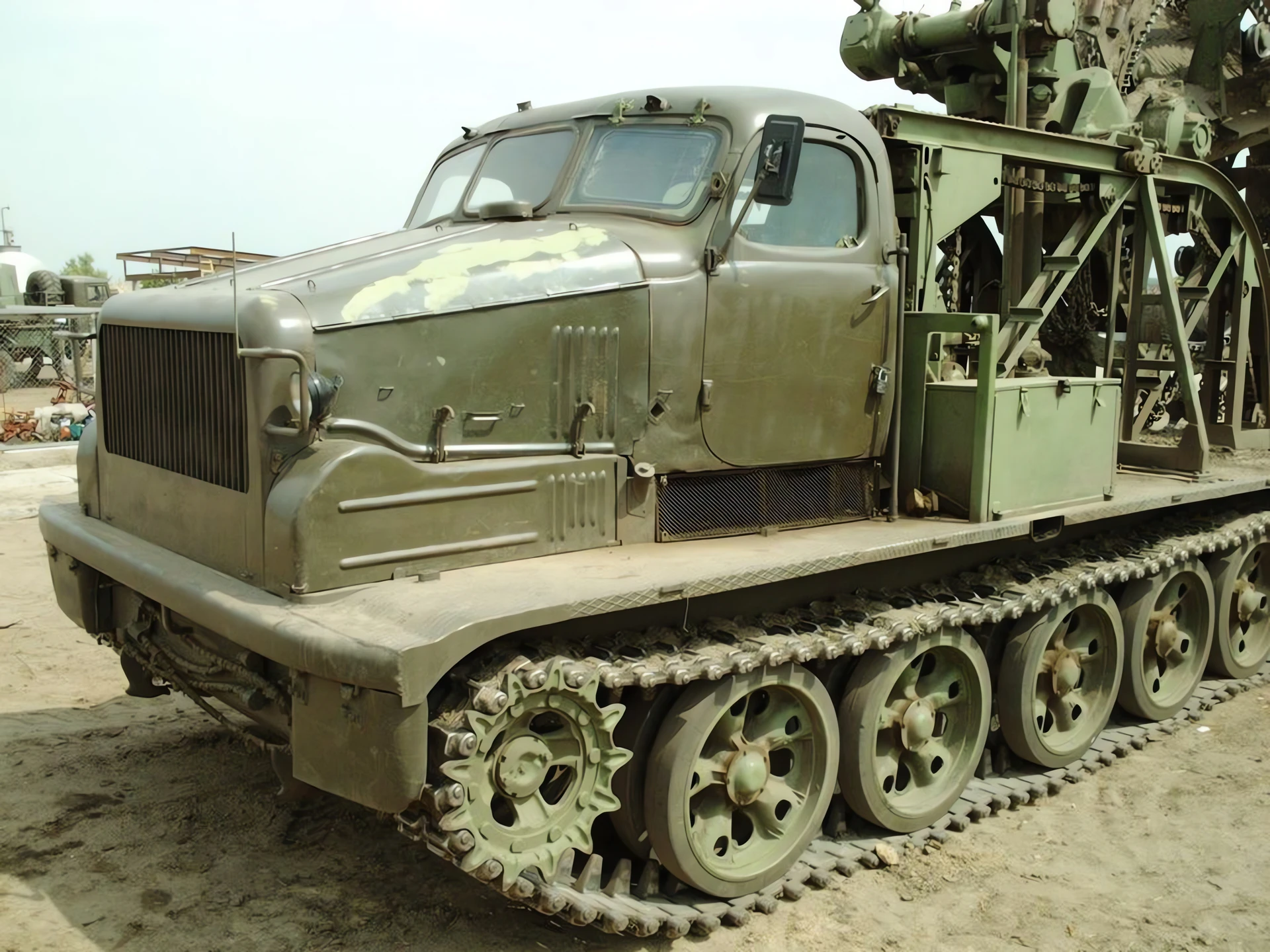
Den BTM-3 (Russisk: БТМ-Bisztrohodnaja transejnaja Быстроходная траншейная машина/machine, ungarsk: reasonable árokoló machine), fremstillet i Sovjetunionens militære trenching maskine. Højst 1,5 m dybde og ansvar for 1,1 m bred (mærker) hurtig udgravning af skyttegrave. Stenet jord gjaldt ikke.
Kilde: BTM-3 på Wiki
| BTM-3 gå rundt | |
|---|---|
| Fotografer | Unknow |
| Lokalisering | Unknow |
| Billeder | 29 |
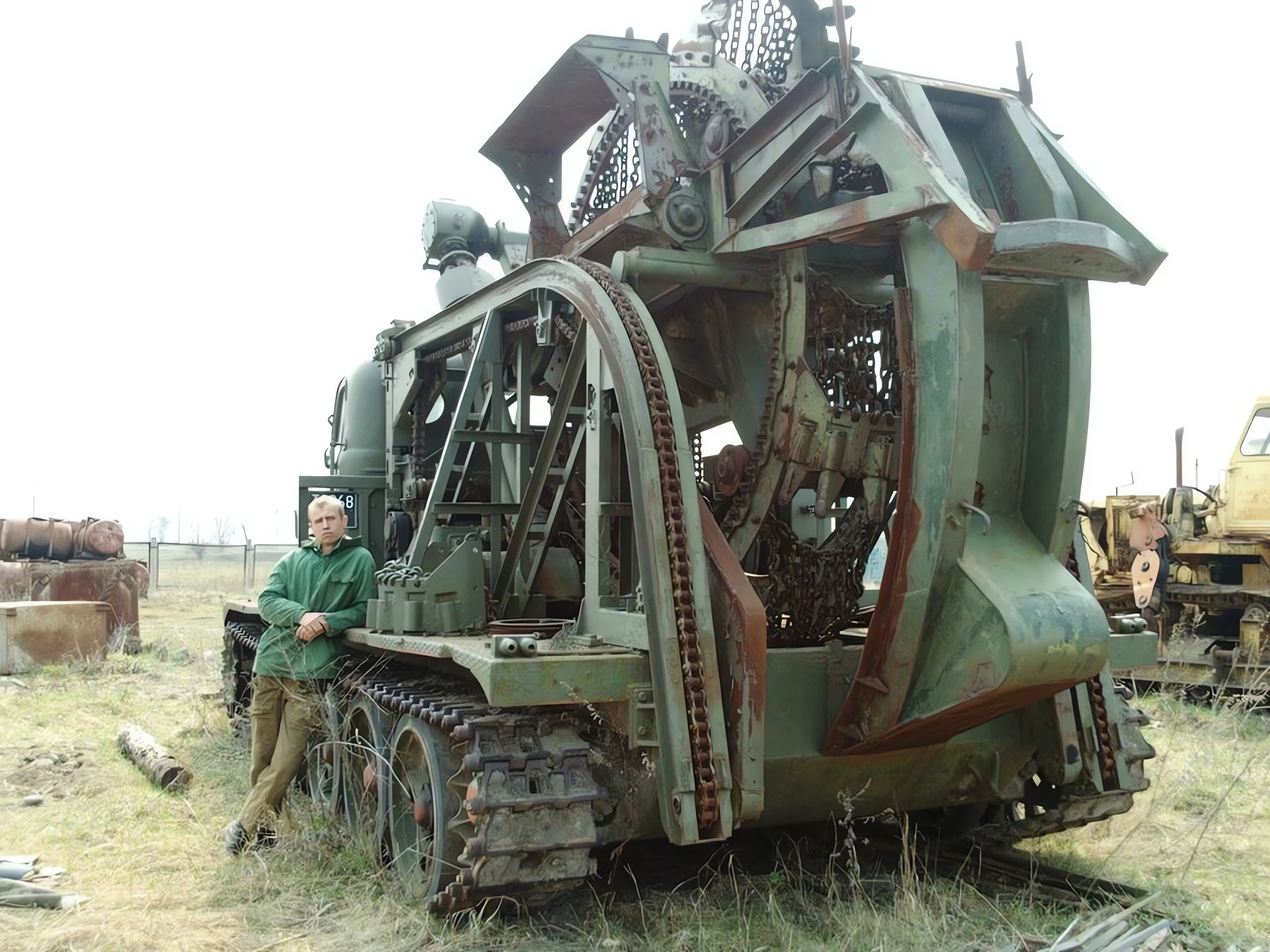
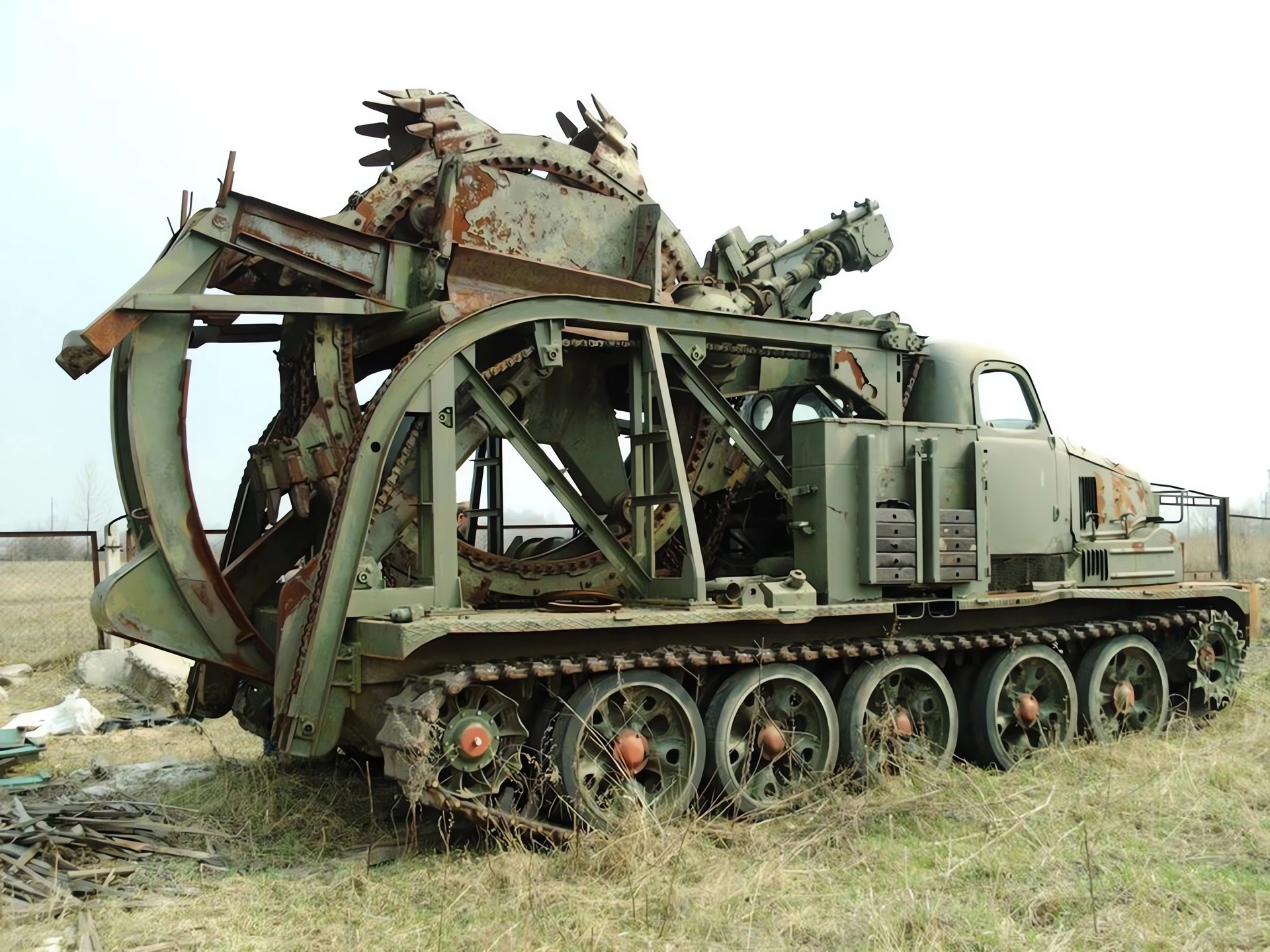
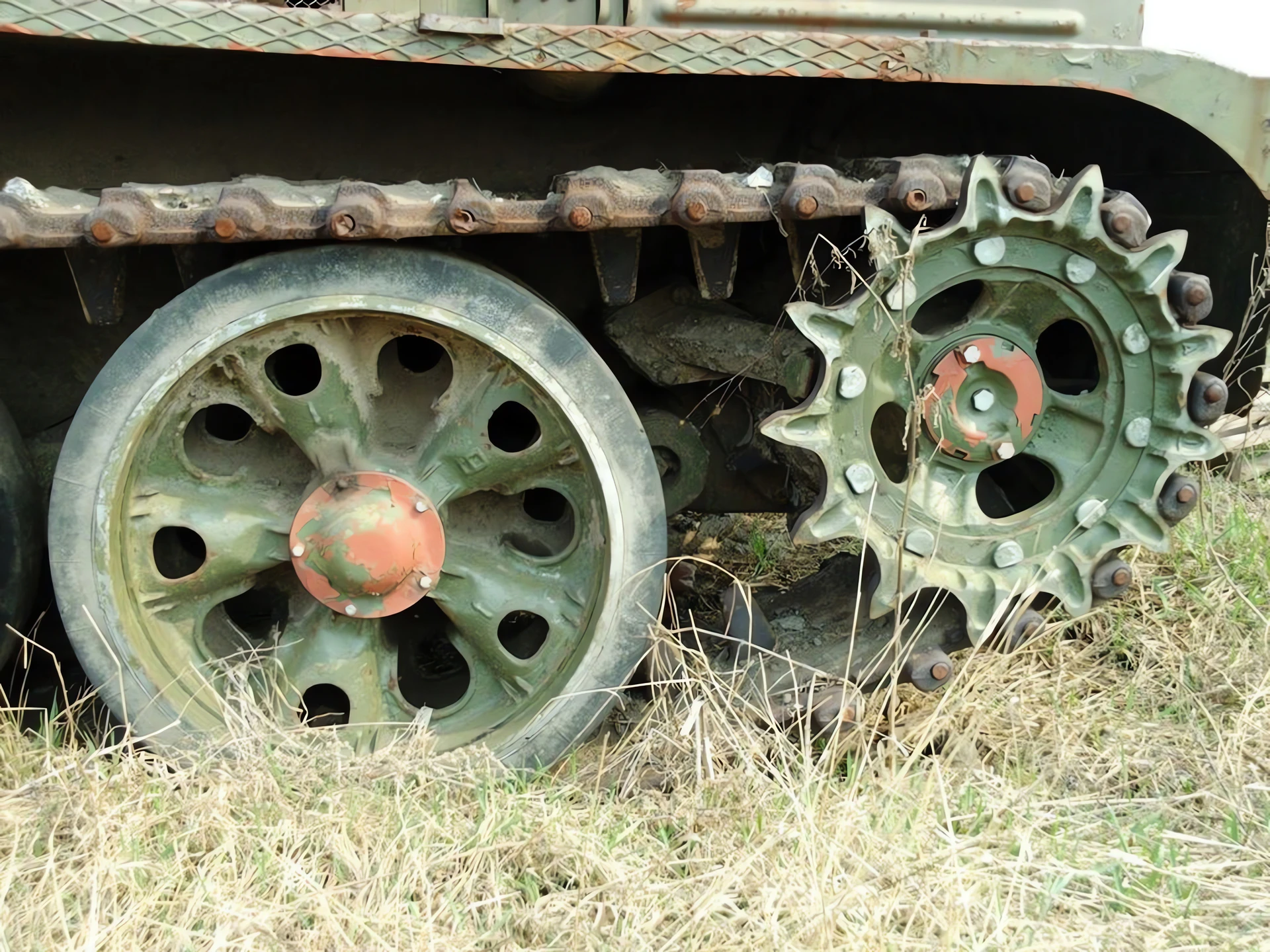


Se også:


Den BTM-3 is a post-war Soviet military excavator. The first prototypes of the vehicle appeared in the late 1950s, and serial production began around 1960. The vehicle is powered by a single 415 hp A-401 diesel engine.
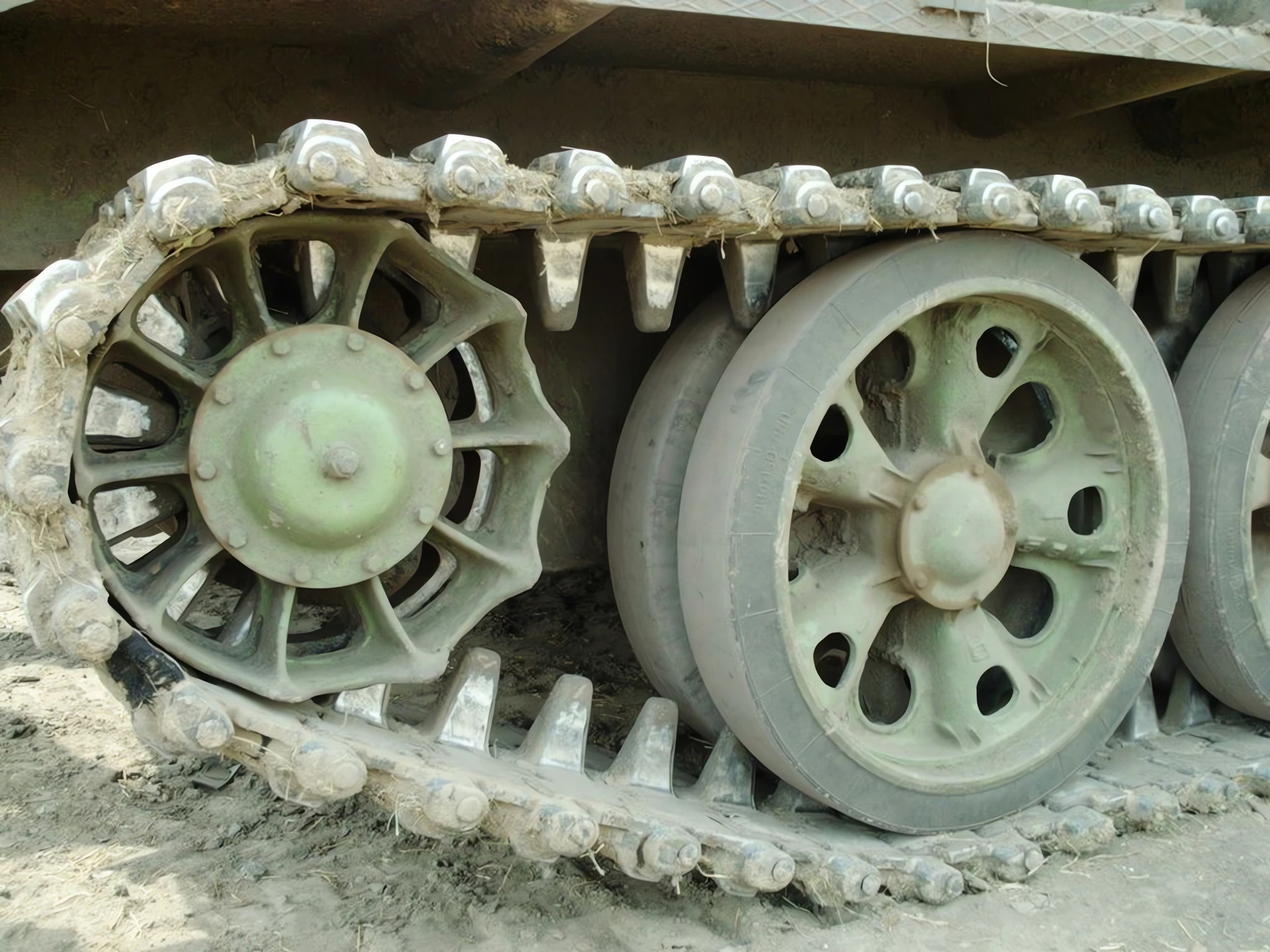
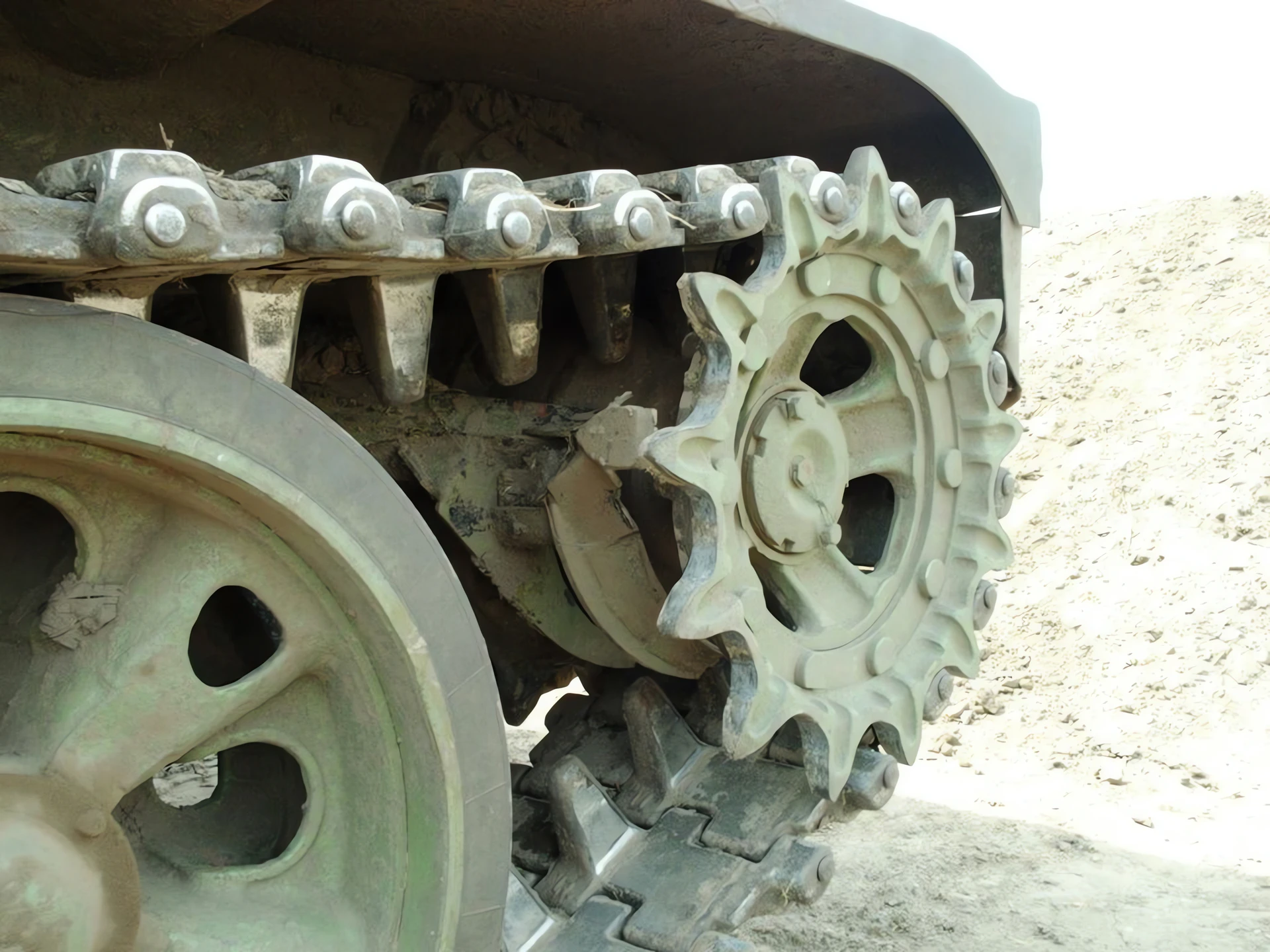
The BTM-3 was developed as a highly specialized excavator designed to create military trenches or trenches for cables or pipes in unfrozen soil. Its design was based on the ATT-409 tractor, from which many components were taken, primarily the engine and chassis.
The BTM-3 is a heavily armored vehicle, capable of withstanding small arms fire and artillery shell fragments. It has a crew of two, who are seated in a compartment at the front of the vehicle. The digging arm is located at the rear of the vehicle and can be raised and lowered hydraulically. The arm is equipped with a bucket that can dig trenches up to 1.3 meters (4.3 ft) deep and 1.1 meters (3.6 ft) wide. The BTM-3 can dig at a speed of up to 400 meters (1,300 ft) per hour.
The BTM-3 was used extensively by the Soviet Army during the Cold War, and it remains in service with the Russian military today. It has also been exported to a number of other countries, including Bulgaria, Czechoslovakia, and East Germany.
Views : 3709