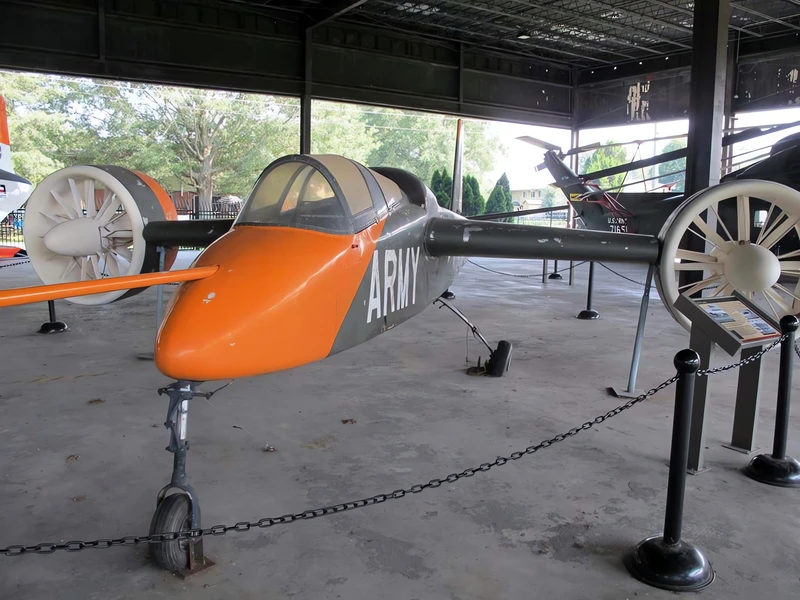
Doak VZ-4 | |
|---|---|
| Země | SPOJENÉ STÁTY |
| Roli | Výzkumný konvertiplane VTOL |
| První let | 25. února 1958 |
| Postaven | 1 |
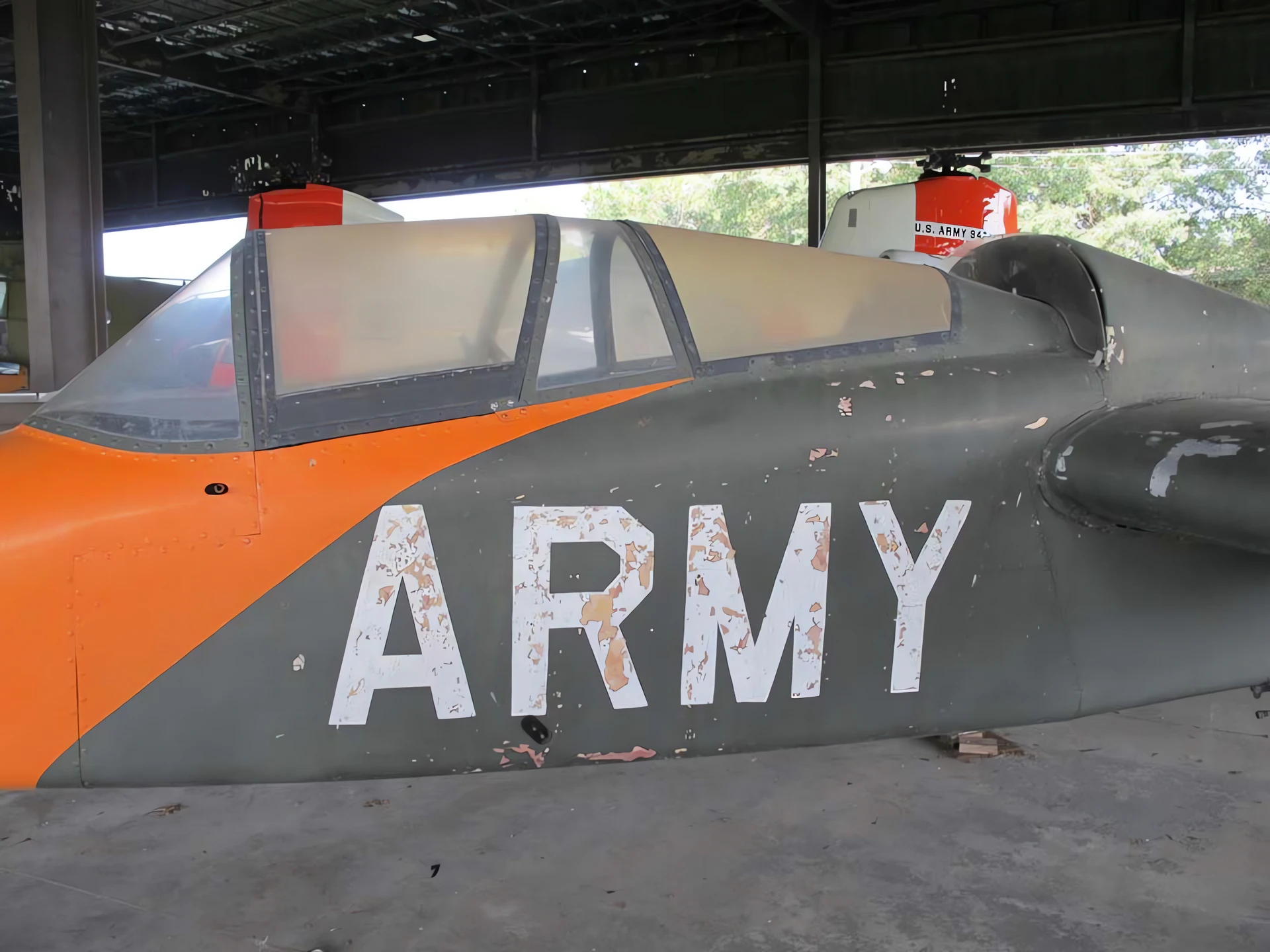
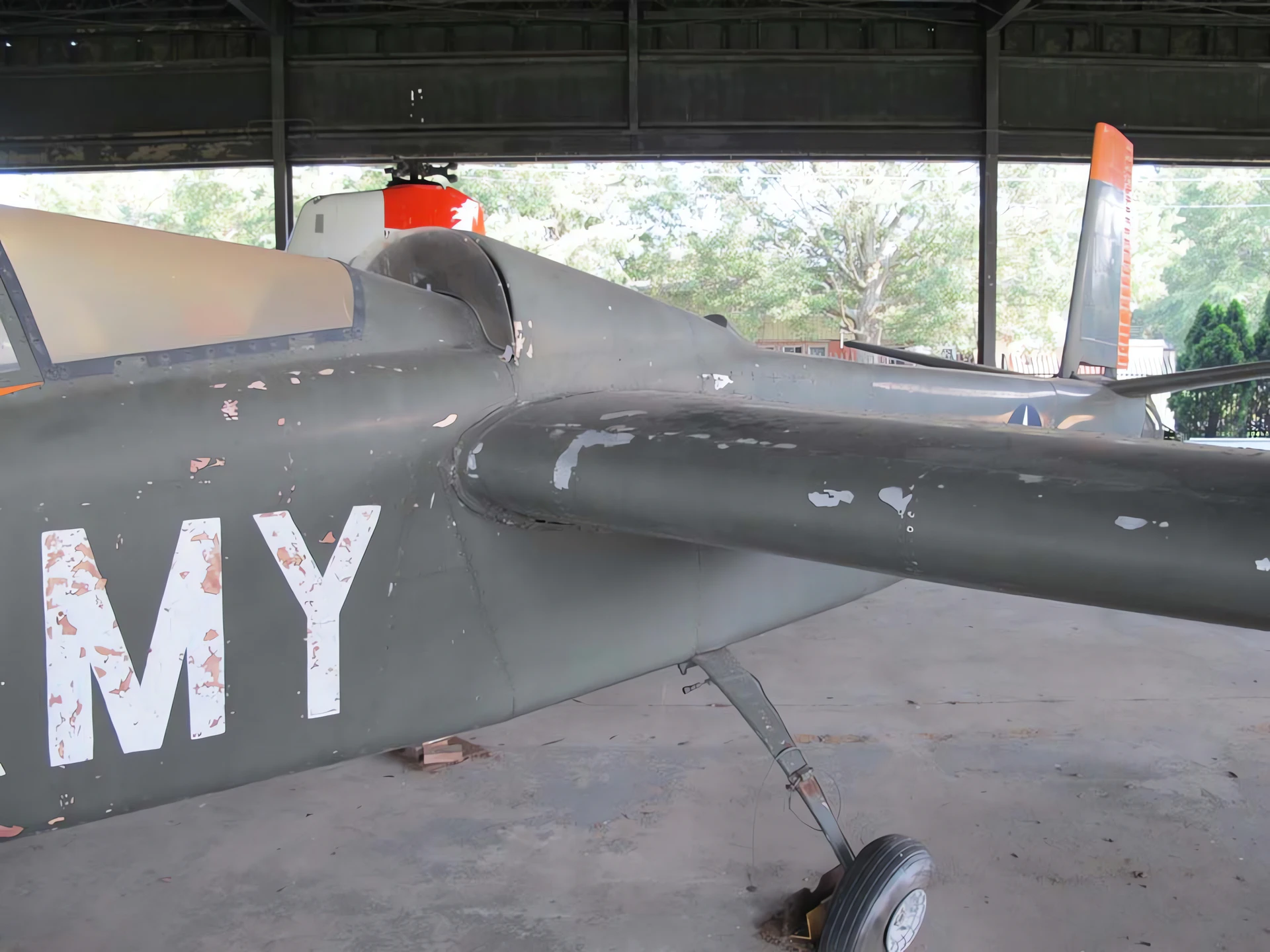
Tá Doak VZ-4 (nebo Doak Model 16) byl americký prototyp letounu s vertikálním vzletem a přistáním (VTOL) postavený v roce 1950 pro službu v armádě Spojených států. Byl vyroben pouze jeden prototyp a americká armáda jej v roce 1963 stáhla z aktivních zkoušek.
Zdroj: Doak VZ-4 na Wikipedii
| Doak 16 VZ-4DA Walk Around | |
|---|---|
| Photographer | Vladimir Yakubov |
| Localisation | US Army Transportation Museum, Fort Eustis |
| Photos | 39 |
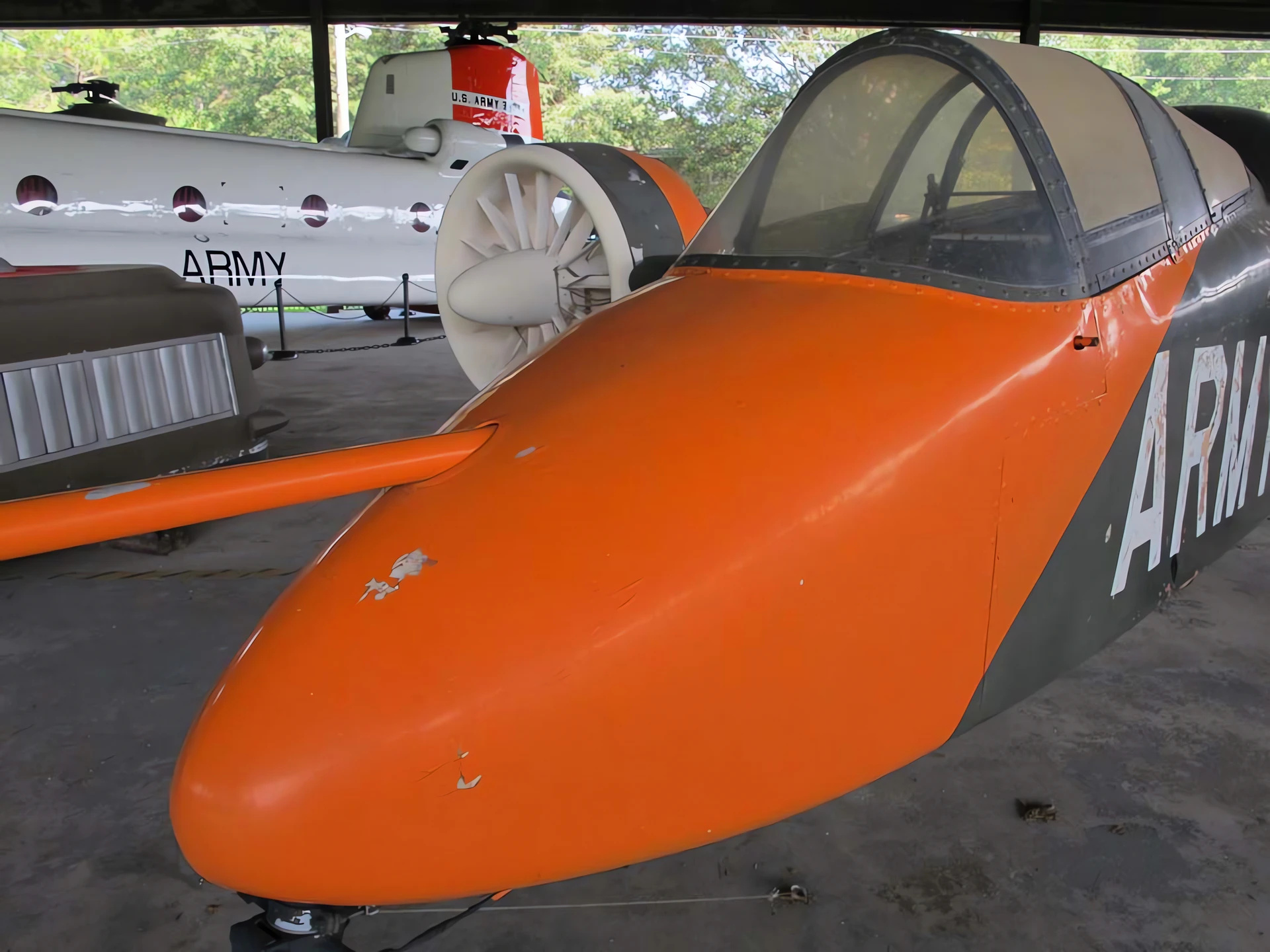
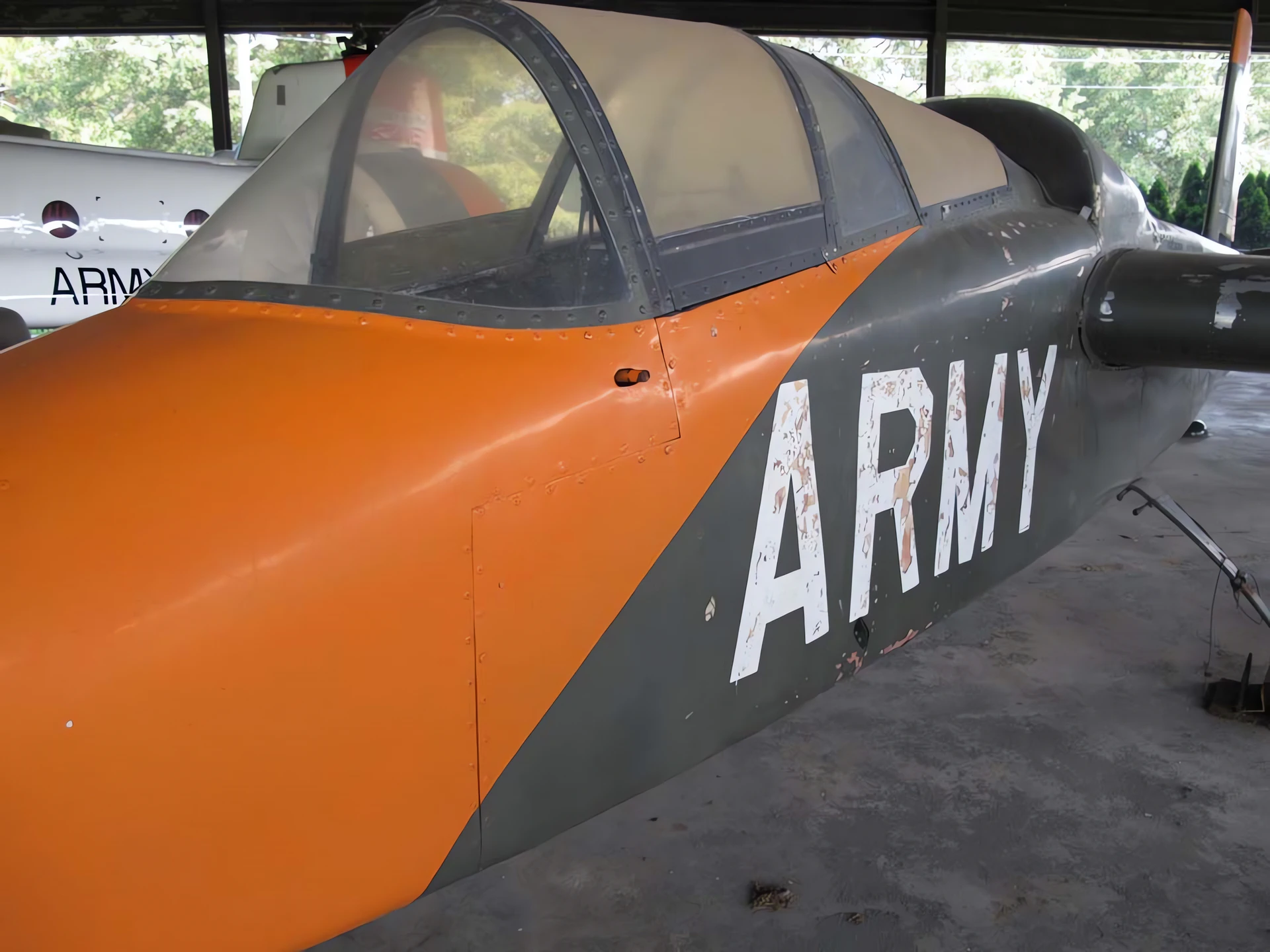
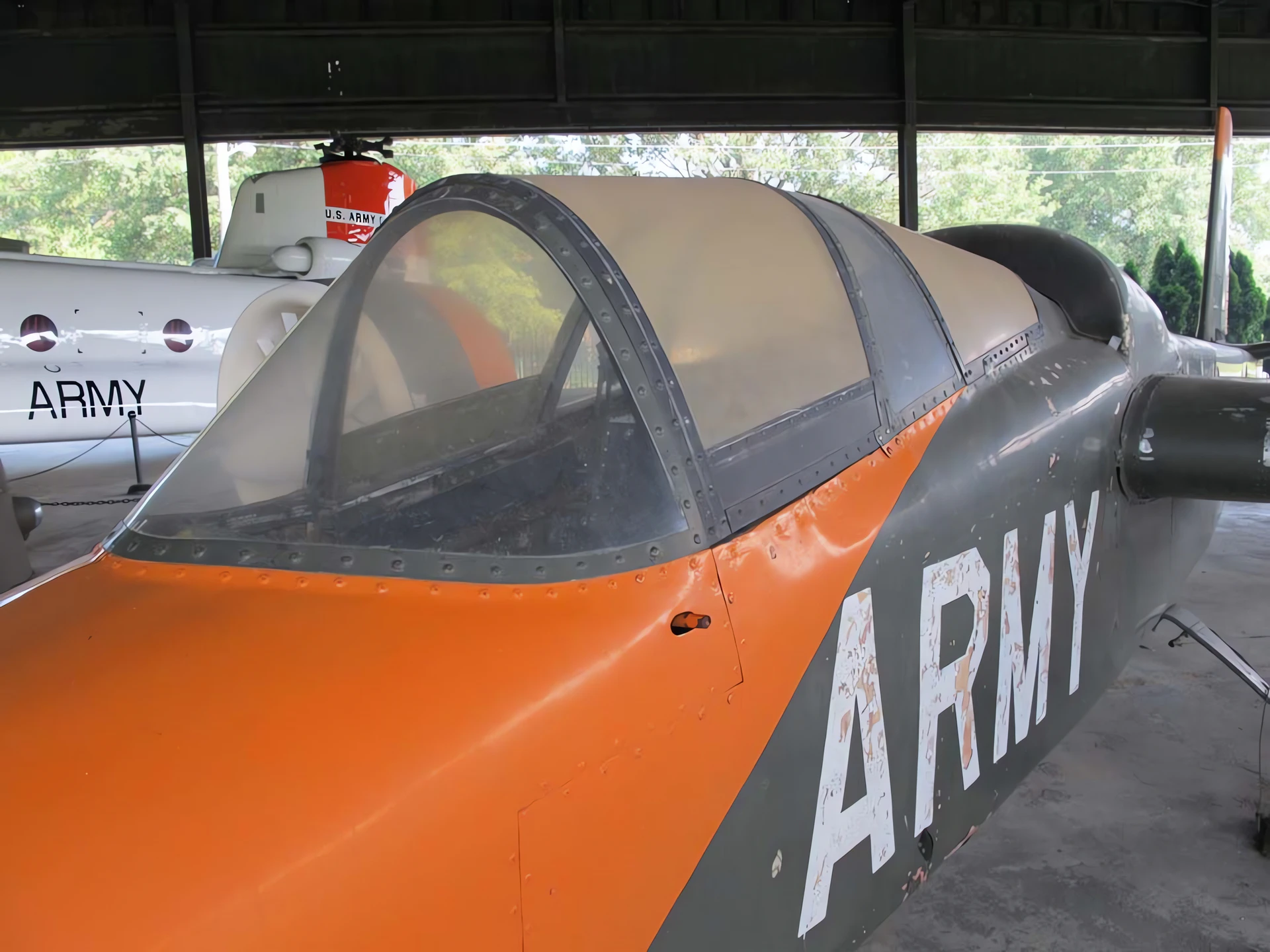

Viz také:


General Characteristics and Role
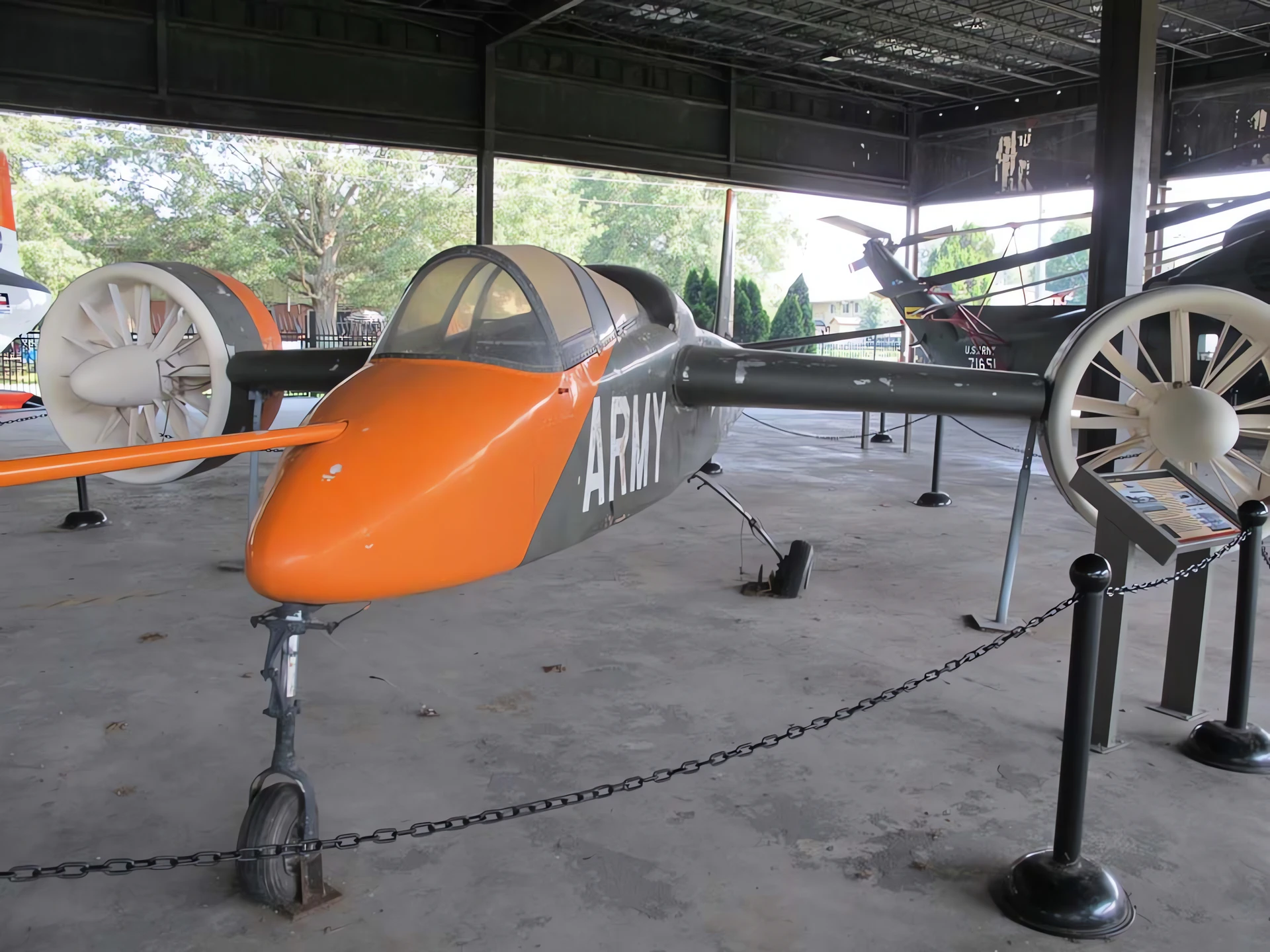
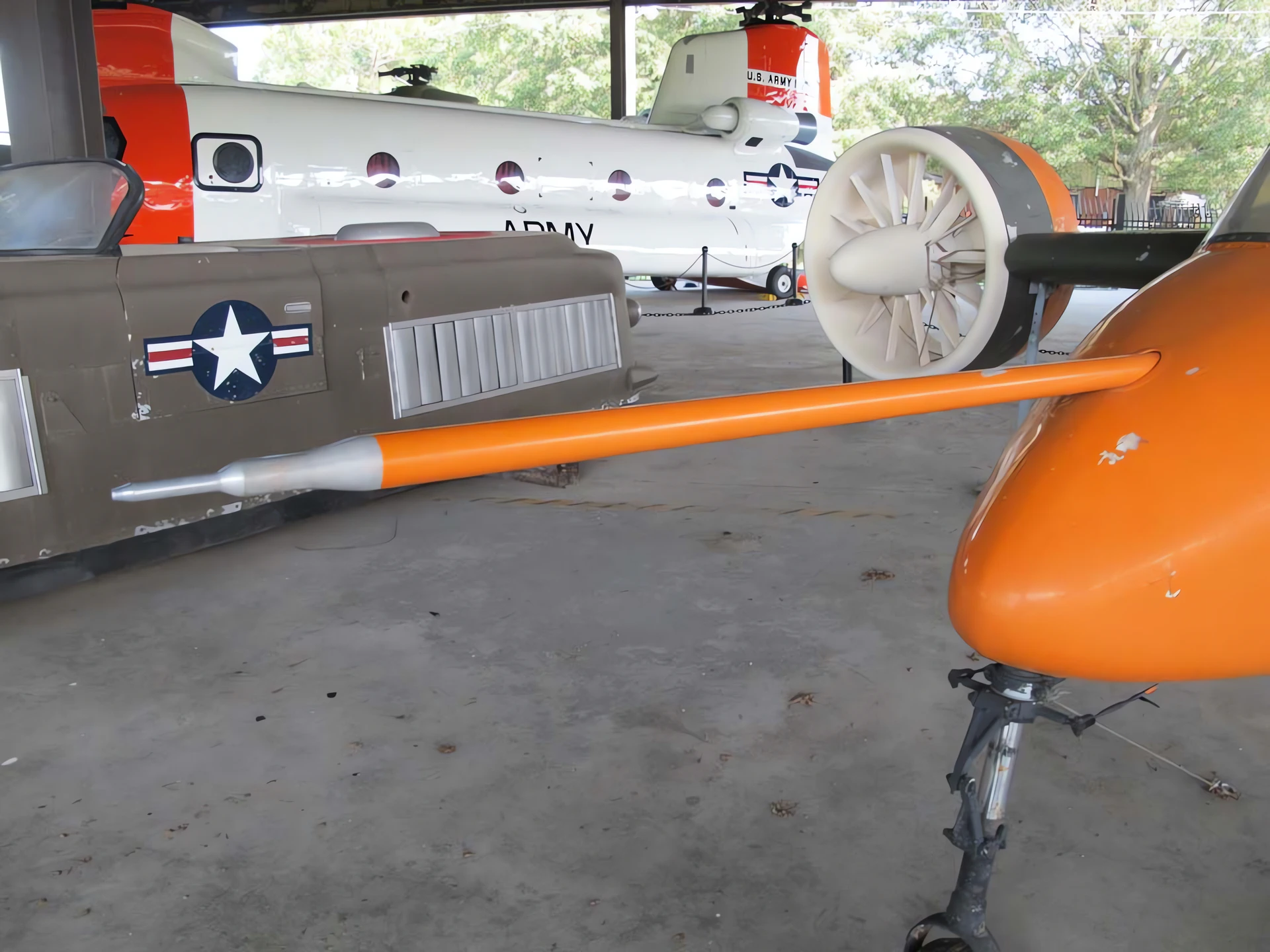
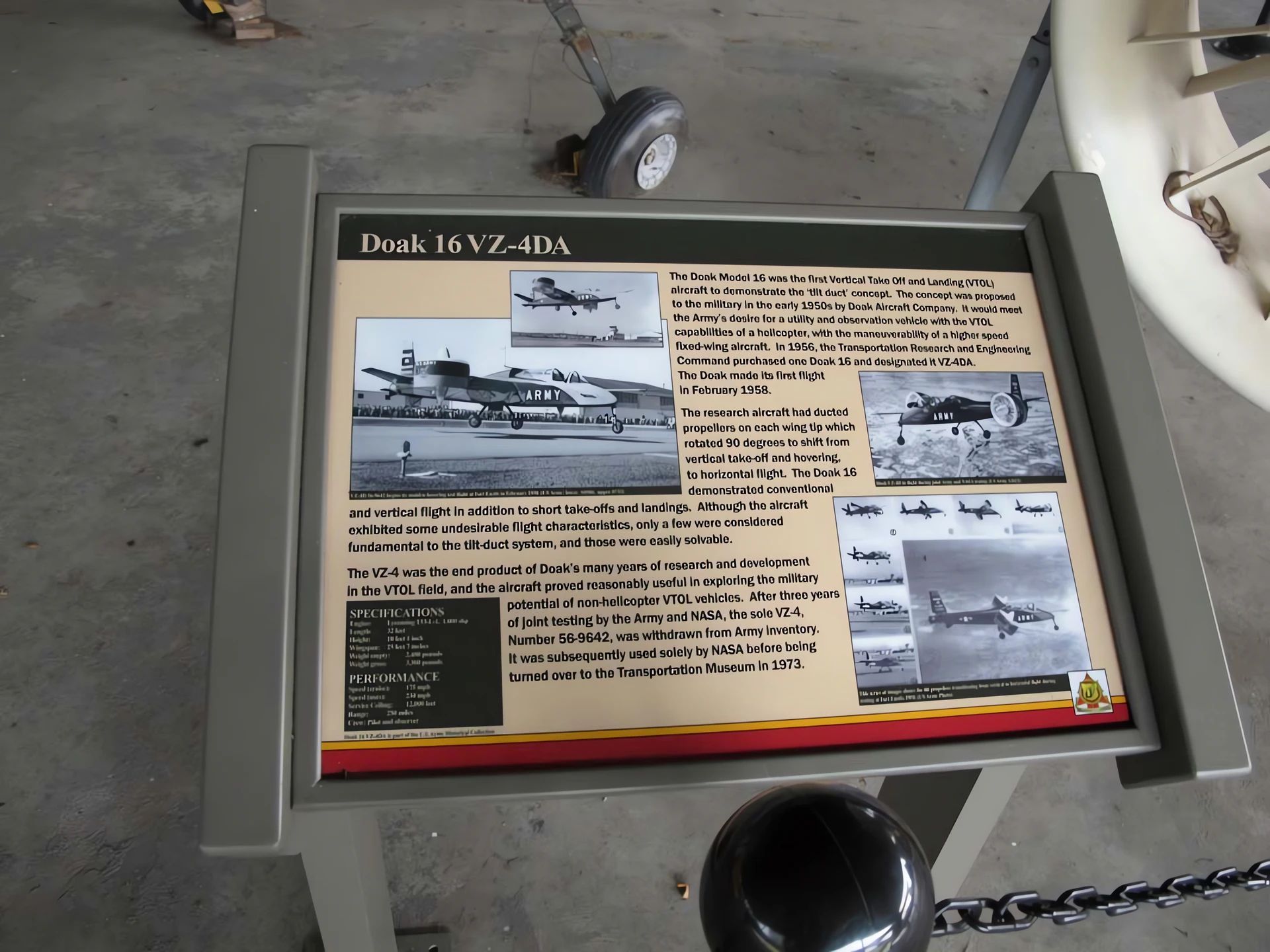
The Doak 16, designated VZ-4DA by the U.S. Army, was an experimental Vertical Takeoff and Landing (VTOL) aircraft developed in the late 1950s. It was designed to explore the concept of a “convertiplane” that could take off and land vertically like a helicopter, but transition to forward flight like a conventional fixed-wing aircraft for faster cruise speeds. The Doak 16 used a unique propulsion system: a single engine drove two large, tilting ducted fans located at the wingtips. The entire fan assemblies could be rotated 90 degrees, a configuration known as a ducted fan tilt-wing. This technology was highly experimental, part of a push by the U.S. military to find practical VTOL solutions for observation and utility roles.
| Property | Typical Value (VZ-4DA) |
|---|---|
| Roli | Experimental VTOL Research Aircraft |
| National Origin | United States (U.S. Army) |
| Výrobce | Doak Aircraft Company |
| First Flight | February 1958 (Conventional), February 1959 (Vertical) |
| Posádky | 2 (Pilot and Observer) |
| Délka | 9.75 m (32 ft 0 in) |
| Rozpětí křídel | 4.88 m (16 ft 0 in) |
| Výška | 3.05 m (10 ft 0 in) |
| Gross Weight | 1,450 kg (3,200 lb) |
Powerplant and Propulsion System
- Engine: 1 x Lycoming T53-L-1 turboshaft engine (later used in the Bell UH-1 Huey).
- Power Output: 825 shp (615 kW).
- Propulsion: Two tilting ducted fans (impellers), each connected to the engine via a transmission system to ensure synchronous rotation and thrust.
- Flight Control: In vertical mode, control was provided by vanes located in the ducted fan exhaust. In forward flight, conventional rudder, elevator, and ailerons were used.
- Maximum Speed (Cruise): Approximately 370 km/h (230 mph).
- Service Ceiling: 6,096 m (20,000 ft).
Program Outcome and Legacy
- Test Program: The VZ-4DA successfully demonstrated the transition from vertical to horizontal flight and back, validating the ducted fan tilt-wing concept.
- Performance: Although the tests were successful, the VZ-4DA suffered from complex mechanical systems required to articulate the fans and transfer power, and it had a limited payload capacity.
- Conclusion: The U.S. Army concluded the program in 1960. While the ducted fan concept showed promise, the Army ultimately shifted focus to lighter turboshaft helicopters (like the Bell UH-1) and other VTOL concepts that were considered more mechanically simple and scalable.
- Preservation: The single prototype built, tail number 56-6942, is preserved and on display at the U.S. Army Transportation Museum at Joint Base Langley-Eustis, Virginia.
Zobrazení : 2332
Můžete také vidět:
 Bell XV-15 Tiltrotor – Fotografie & videa
 Avro Canada VZ-9 Avrocar – Fotografie & Videa
 Ryan X-13 Vertijet – Fotografie a videa
 Dornier Do 31E3 – Fotografie & Video
 Jakovlev Jak-38 – Fotografie & Video
 Messerschmitt Bf 109G-2 – Procházka Kolem
 General Motors FM-2 Wildcat – WalkAround
 Junkers Ju-52 Tante Ju – Procházka Kolem
 Messerschmitt Me-109E – Procházka Kolem
 Supermarine Spitfire Mk.XVI – Procházka Kolem