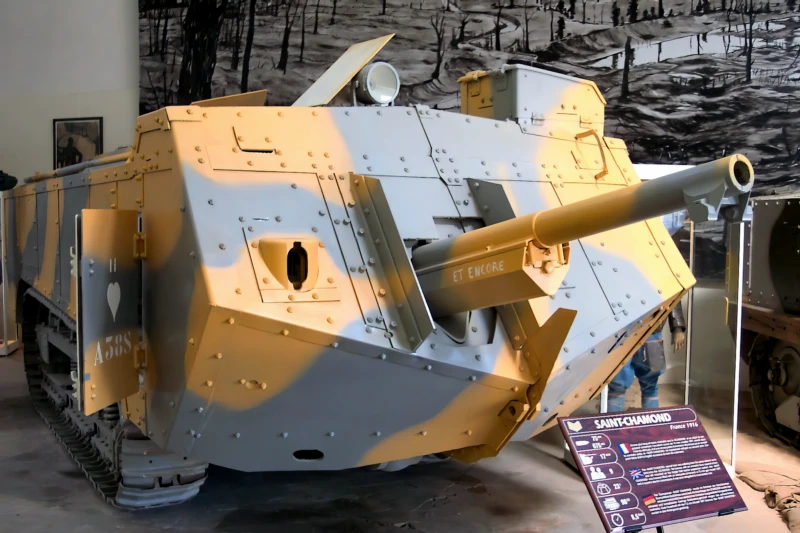
圣查蒙德 | |
|---|---|
| 国家 | 法国 |
| 类型 | 中型坦克 |
| 质量 | 23吨 |
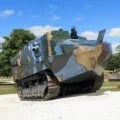
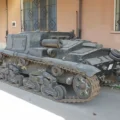
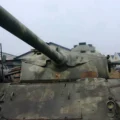
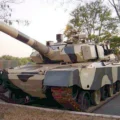
这 圣查蒙德 是第一次世界大战的第二辆法国重型坦克,从1917年4月到1918年7月制造了400辆。虽然根据目前的定义,它不是一个坦克,但在早期坦克开发的叙述中,它通常被接受和描述为这样。圣查蒙德号诞生于与施耐德CA1坦克制造商的商业竞争,是一个动力不足和根本不足的设计。它的主要弱点是霍尔特"卡特彼勒"轨道。与车辆的长度和重量(23吨)相比,它们太短了。然而,后来的模型试图通过安装更宽更强的履带鞋、更厚的前装甲和更有效的75毫米Mle 1897野战枪来纠正坦克的一些原始缺陷。共建造了400辆圣查蒙德坦克,包括48辆手无寸铁的凯森坦克。圣查蒙德坦克一直从事各种行动,直到1918年夏末,由于战斗已经离开战壕,进入空地,战斗才变得更加有效。然而,最终,圣查蒙德坦克计划完全被进口的英国重型坦克所取代。
源: 韦基佩迪亚的圣查蒙德
| Saint Chamond – WalkAround | |
|---|---|
| 摄影师 | Unknow |
| 本地化 | 未知 |
| 照片 | 68 |
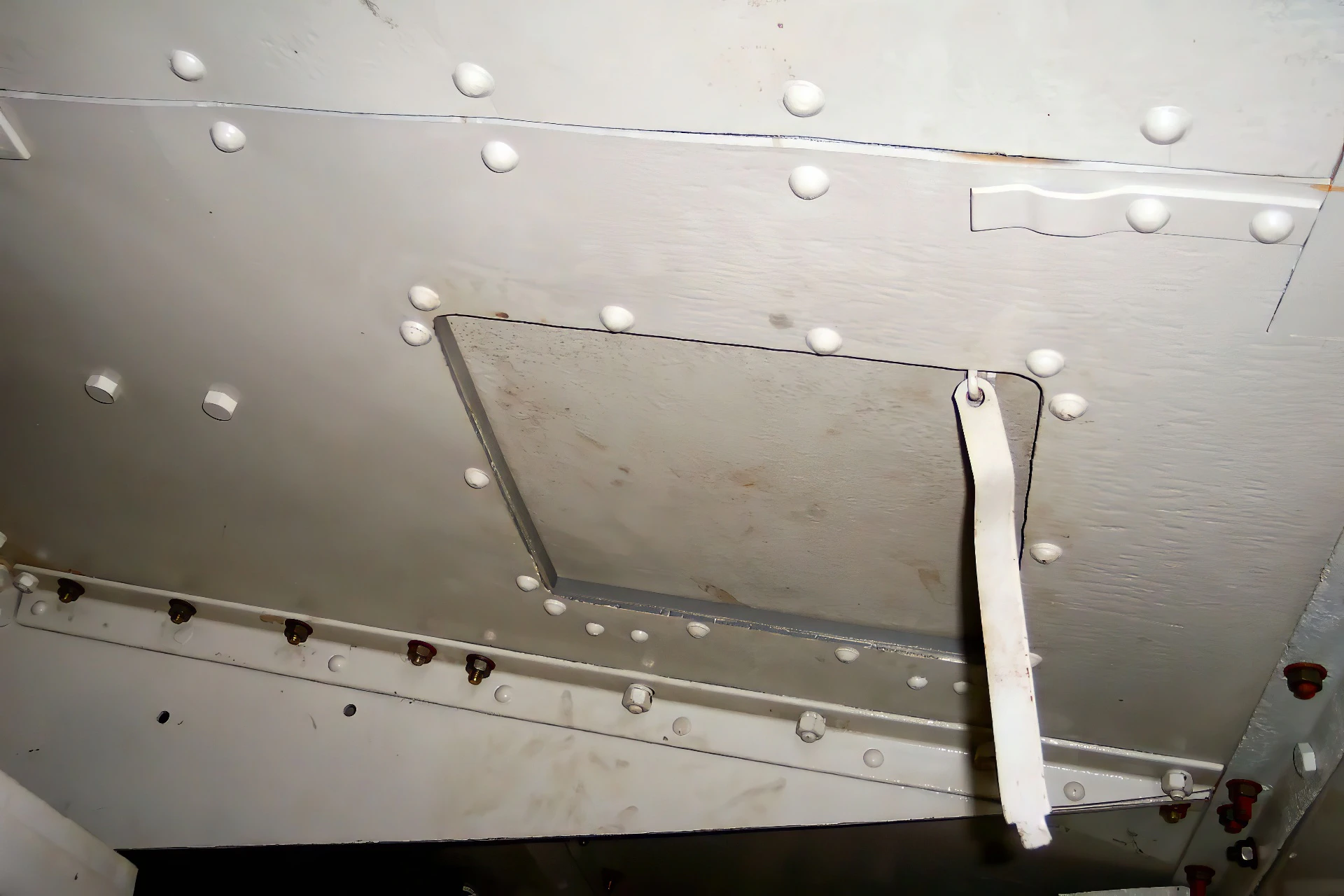
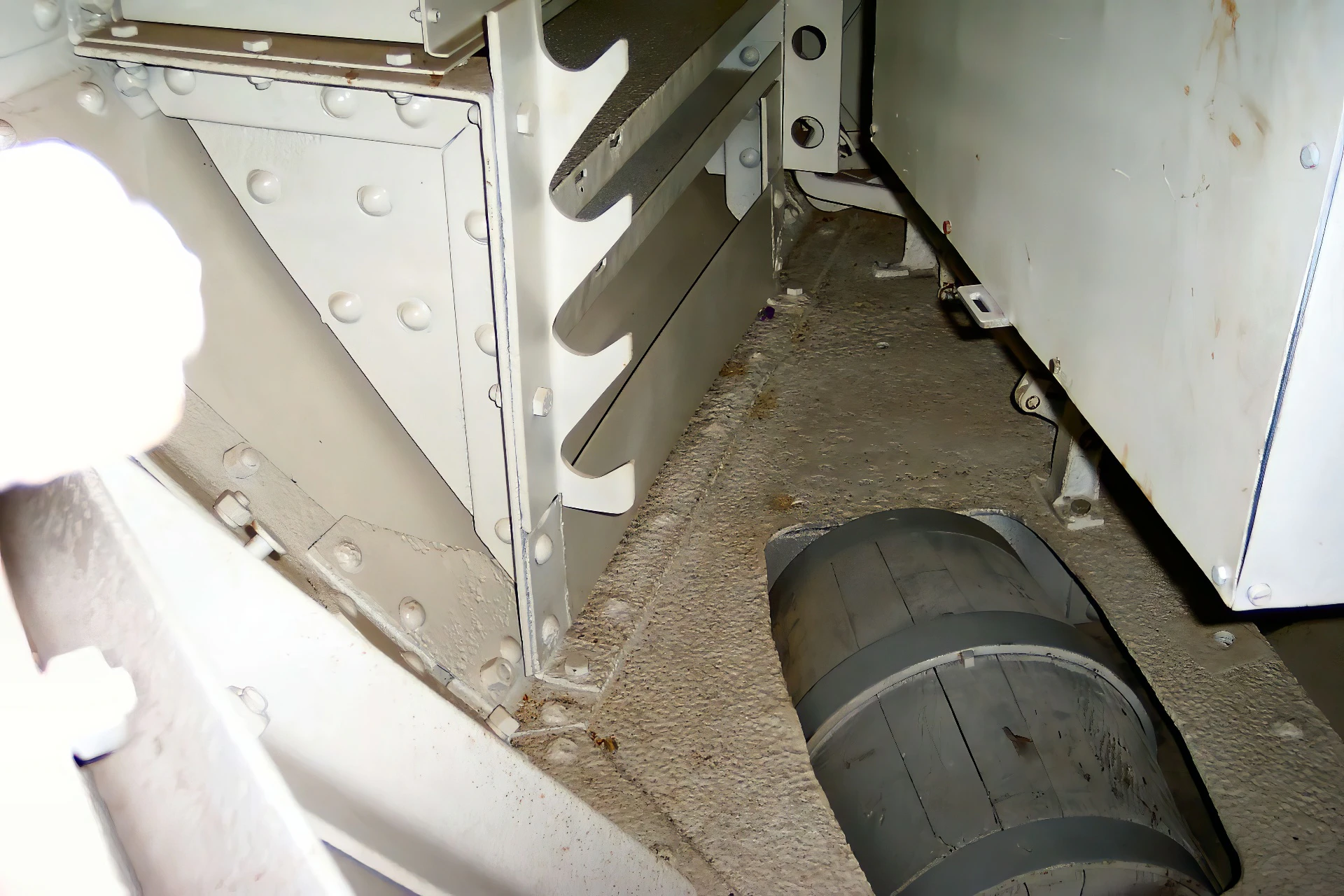
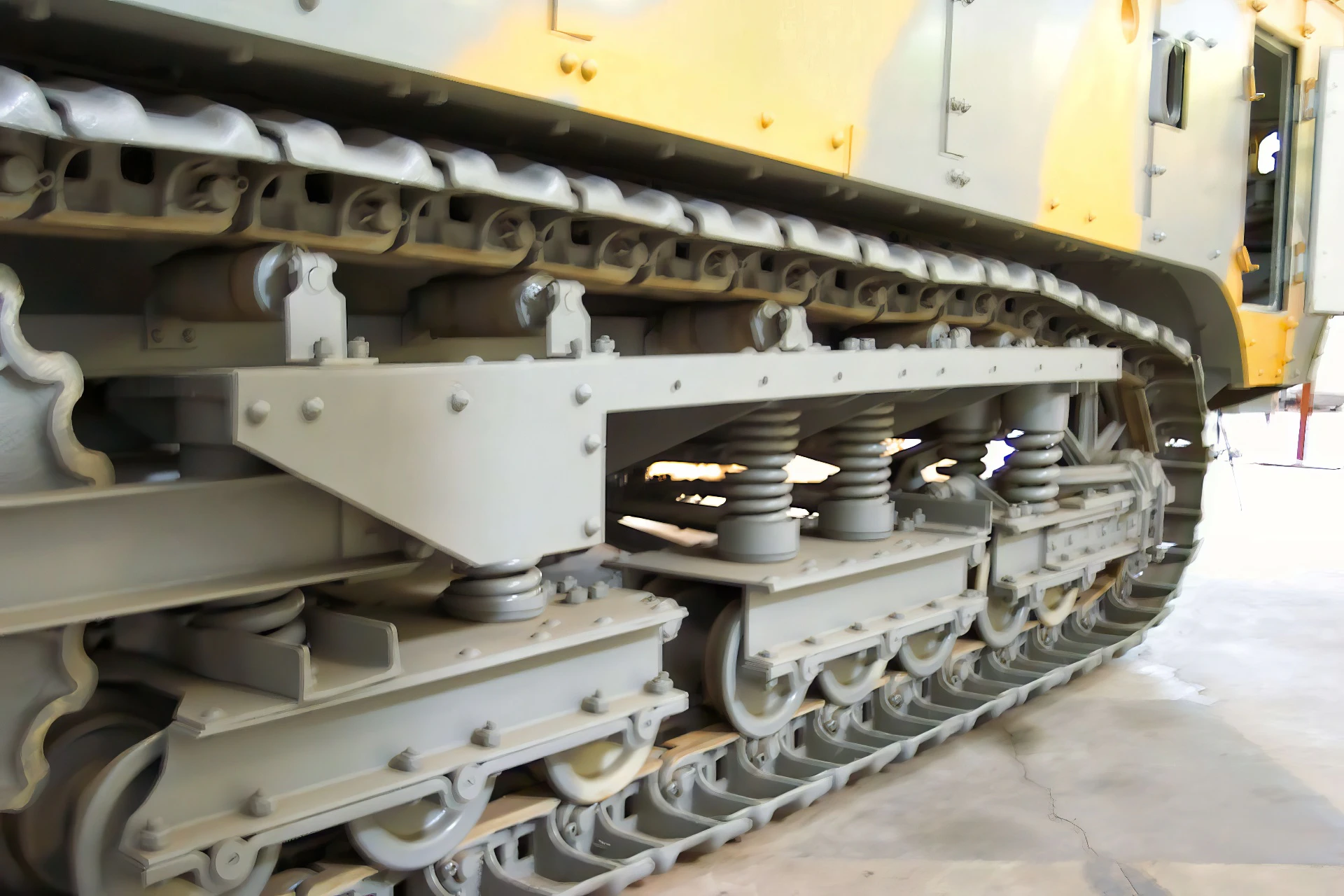
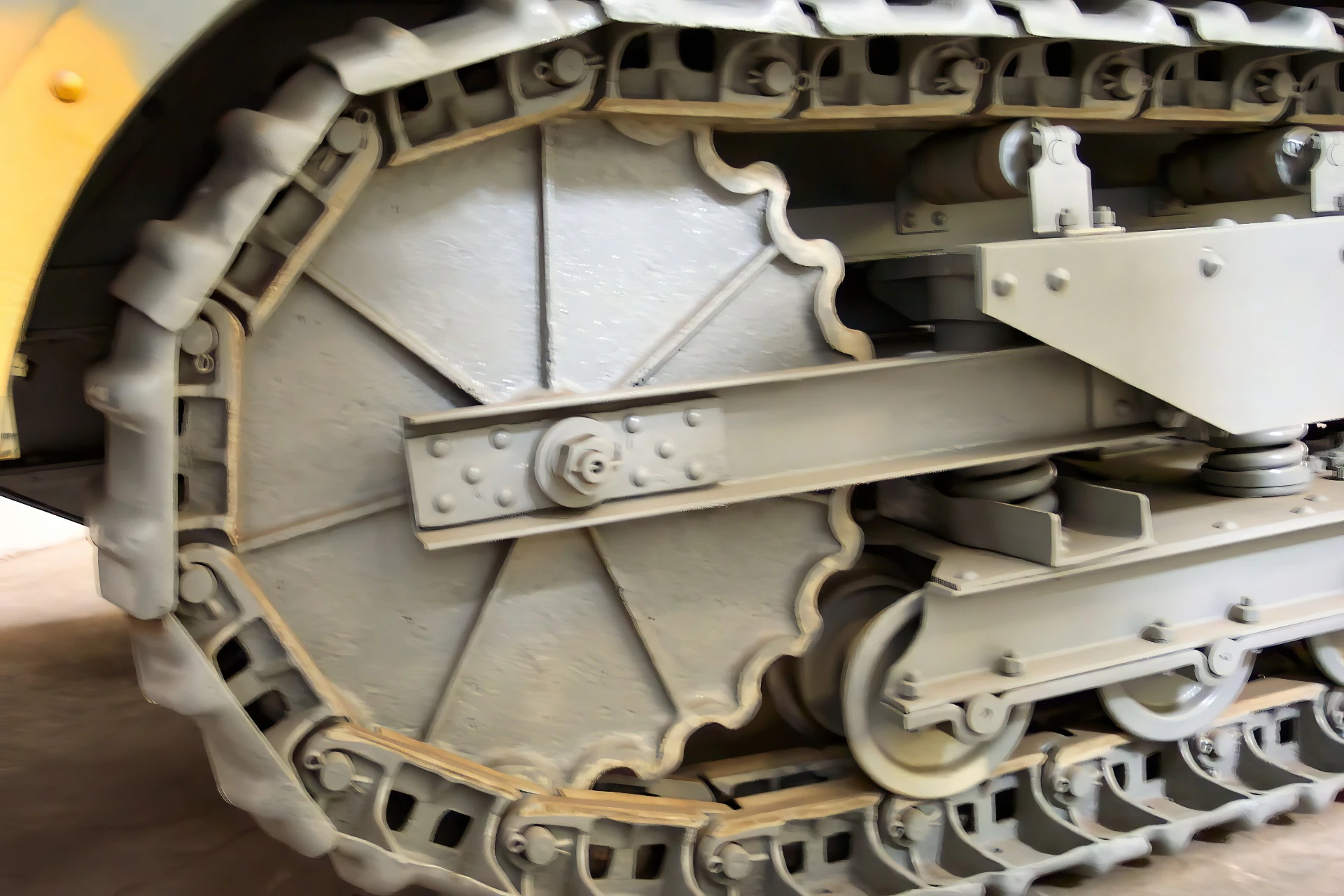
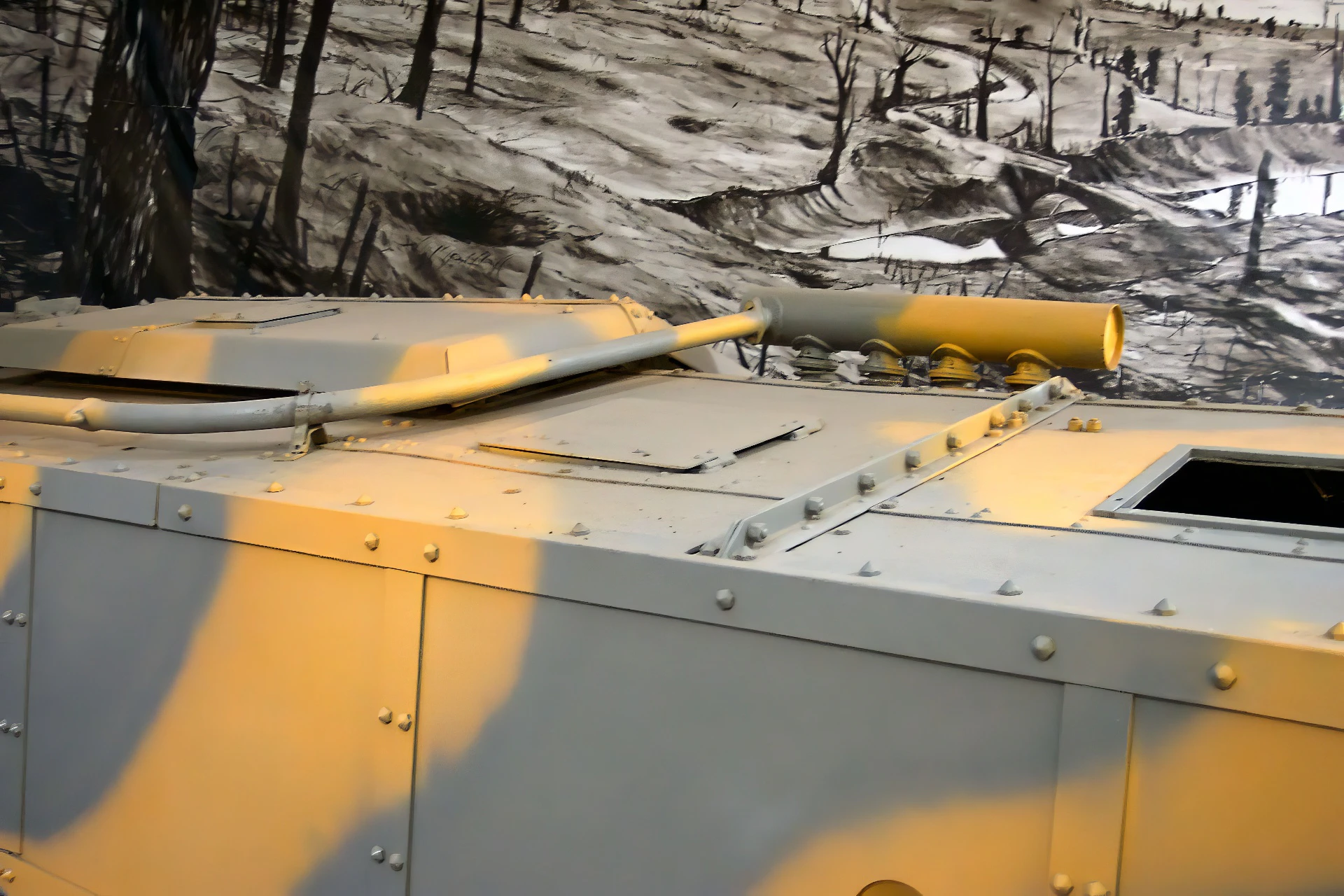
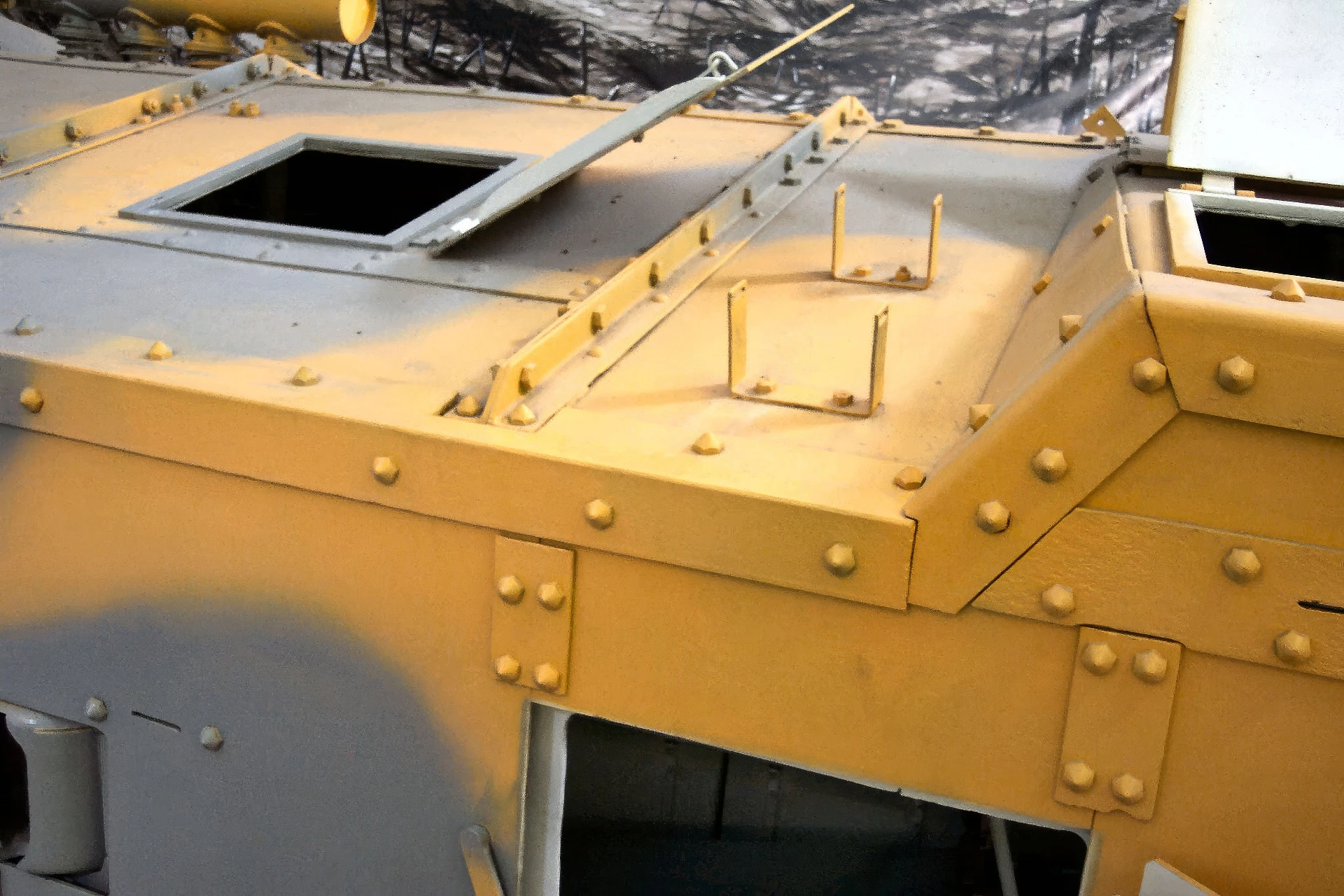
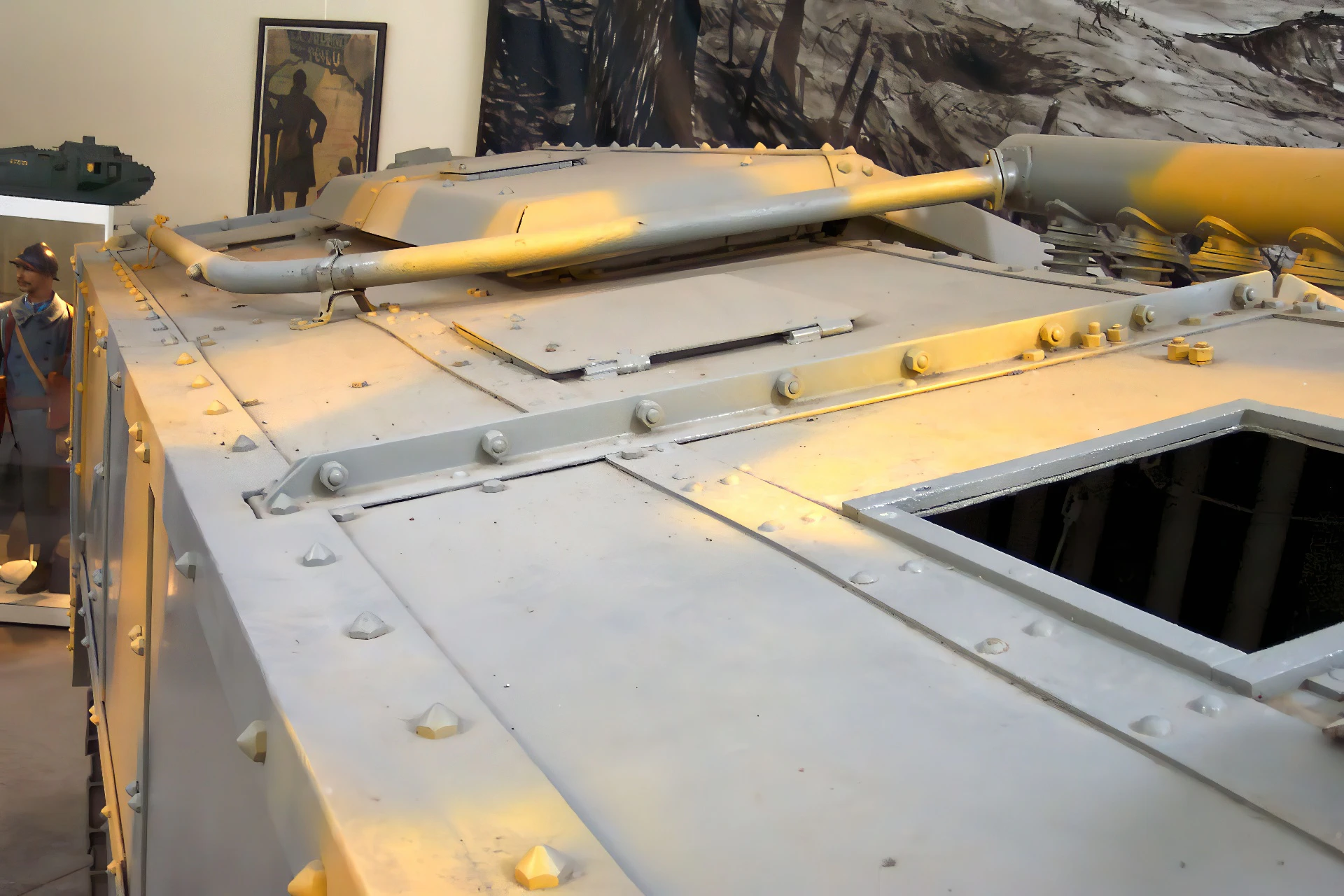
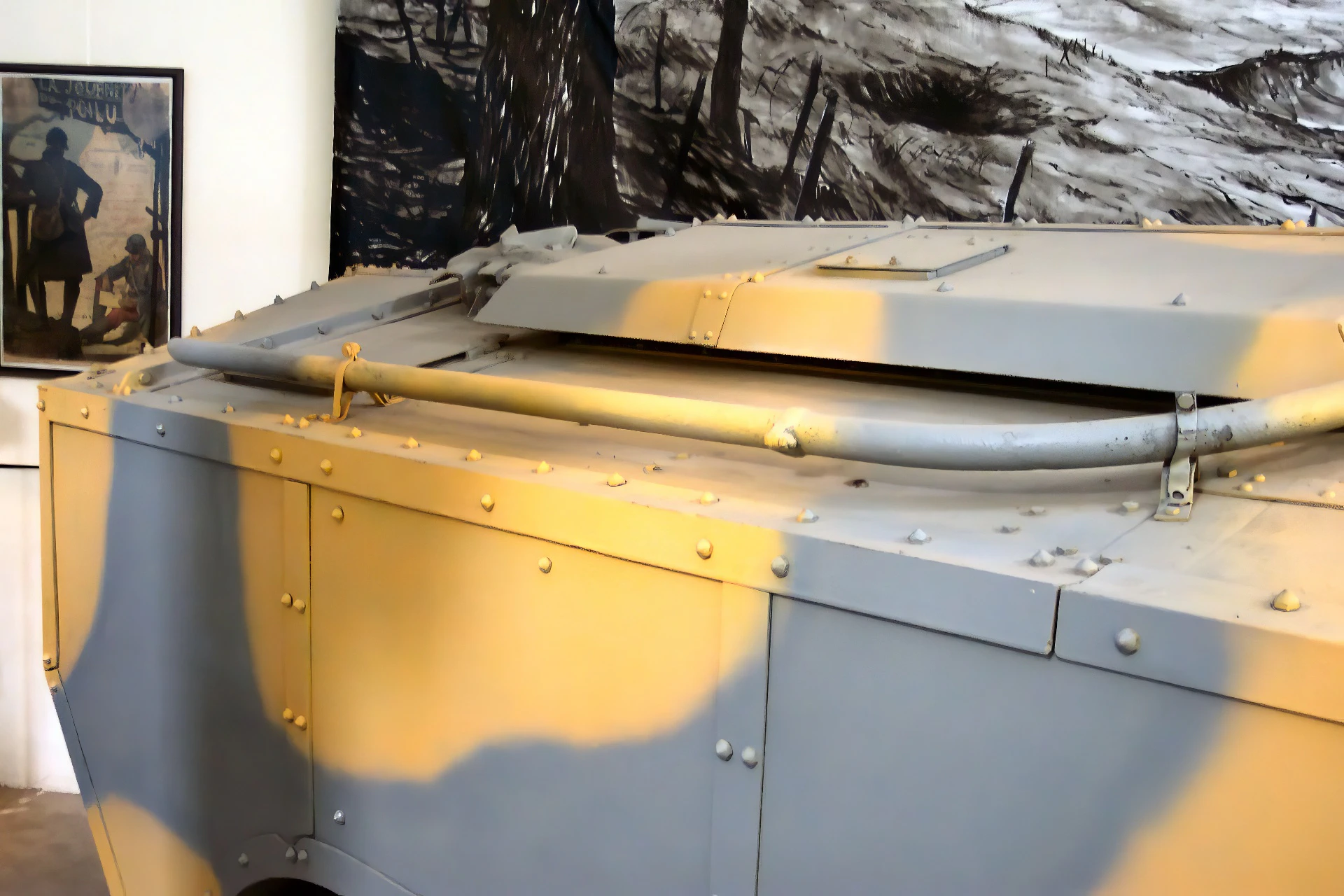

| Saint Chamond – WalkAround | |
|---|---|
| 摄影师 | Unknow |
| 本地化 | 未知 |
| 照片 | 47 |
Overview and Context
The Saint-Chamond was the second French heavy assault tank to enter service during World War I, with approximately 400 units produced between 1917 and 1918. Born out of industrial rivalry with the manufacturers of the first French tank (the Schneider CA1), it was an ambitious but deeply flawed design.
Its primary goal was to bring the firepower of a potent artillery piece, the French 75 mm field gun, directly against enemy trenches and fortifications.
设计和规格
- Shape and Hull: It had a long, boxy superstructure with significant overhangs at both the front and rear of the vehicle, extending well beyond the relatively short, narrow tracks. This gave it a massive, ungainly silhouette.
- 主要武器: A long-barreled 75 mm gun (either the Saint-Chamond L12C TR or the standard Mle 1897 field gun in later versions) was rigidly mounted in the front of the hull, offering only a very limited traverse.
- Secondary Armament: Four 8 mm Hotchkiss machine guns, one mounted in each side (front, rear, left, right).
- Propulsion: The tank used a complex and innovative petrol-electric transmission system (Crochat-Colardeau). A 90 hp Panhard engine drove a generator, which in turn powered two electric motors linked separately to each track. This allowed for smooth steering but was heavy and prone to overheating and mechanical issues.
- 船员: The tank typically required a large crew of eight to nine men.
- 装甲: Initially thin, with maximum armor plating of around 11.5 mm on the front and 8.5 mm on the sides. Later models increased side armor to 17 mm and added a spaced layer to the front to resist German armor-piercing bullets.
Combat Performance and Flaws
Despite its powerful main gun, the Saint-Chamond was plagued by critical operational deficiencies:
- Trench Crossing: The overly long hull combined with the relatively short track length and heavy forward weight caused the tank’s nose to violently dig into the ground or get irrevocably stuck in trenches and shell craters, making it notoriously poor for traversing the scarred terrain of the Western Front.
- Underpowered: The 90 hp engine was inadequate for the tank’s operational weight of around 23 metric tons, severely limiting its cross-country speed and agility (top speed was only about 8-12 km/h).
- Vulnerable: Its thin side armor left the crew vulnerable to heavy machine gun fire, a major issue that was only partially addressed in late-production models.
The Saint-Chamond remained in service until late 1918, mostly performing as a 自行火炮 or being converted into unarmed supply/recovery vehicles, as it was eventually superseded by the more reliable and tactically superior Renault FT light tank and imported British heavy tanks.
意见:4452