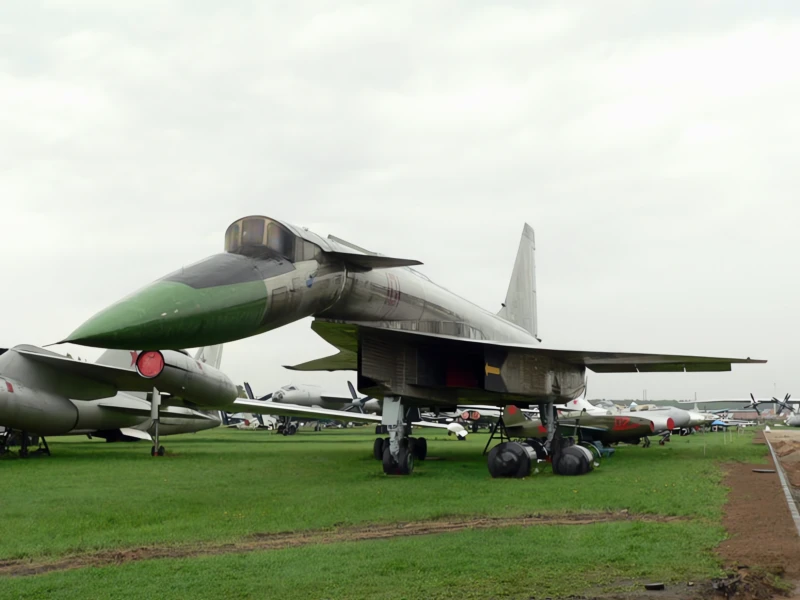
Sukhoi T-4 | |
|---|---|
| Državi | Sovjetski |
| Vlogo | Bombnik – izvidnik |
| Prvi let | 22. avgust 1972 |
| Zgrajena | 4 |
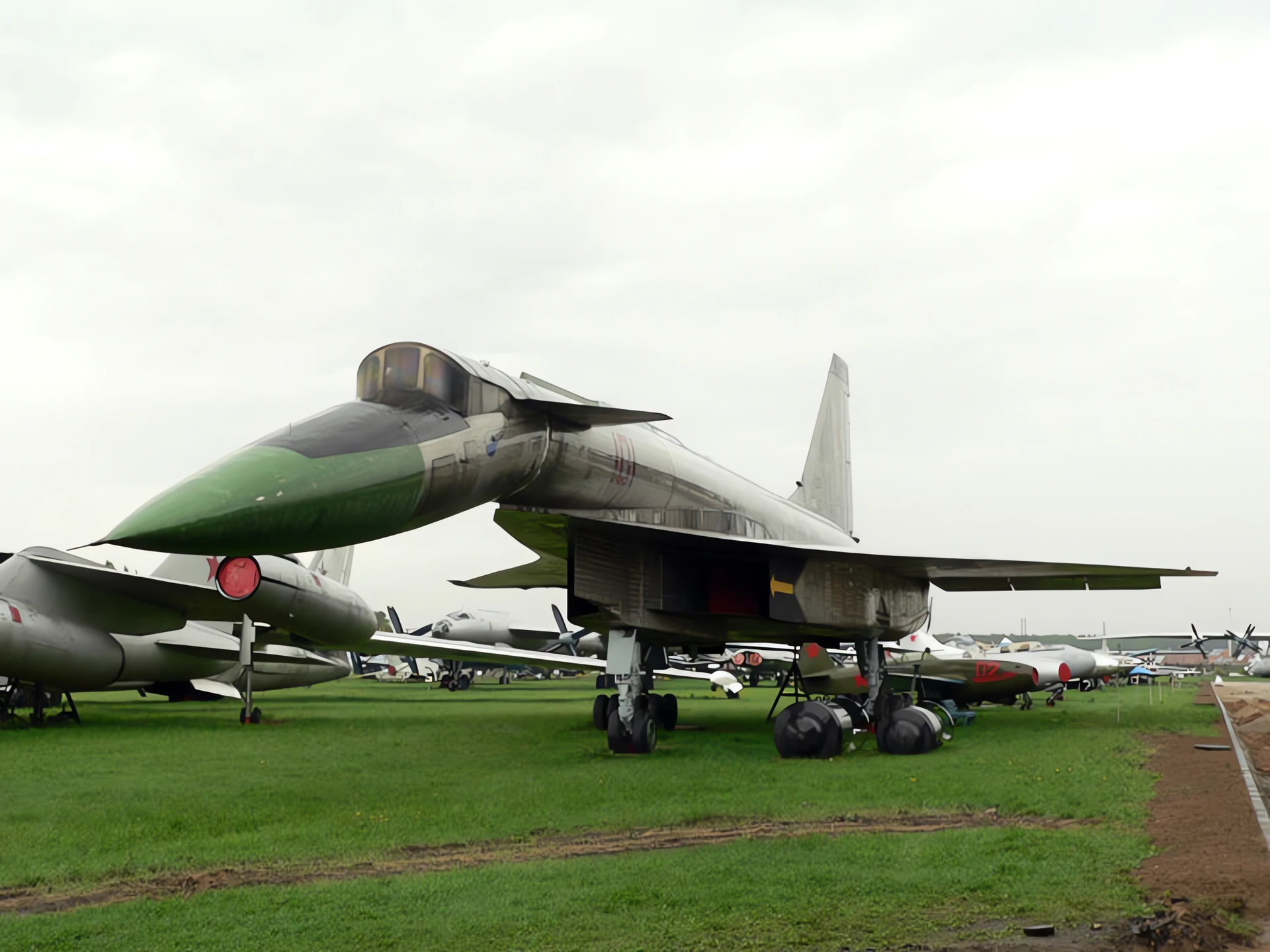
V Sukhoi T-4, ali "Letalo 100", ali "Projekt 100", ali "Sotka" je bilo sovjetsko visokohiterinsko izvidno, protiladijsko in strateško bombno letalo, ki se ni nadaljevalo izven prototipne faze. Včasih se imenuje Su-100.
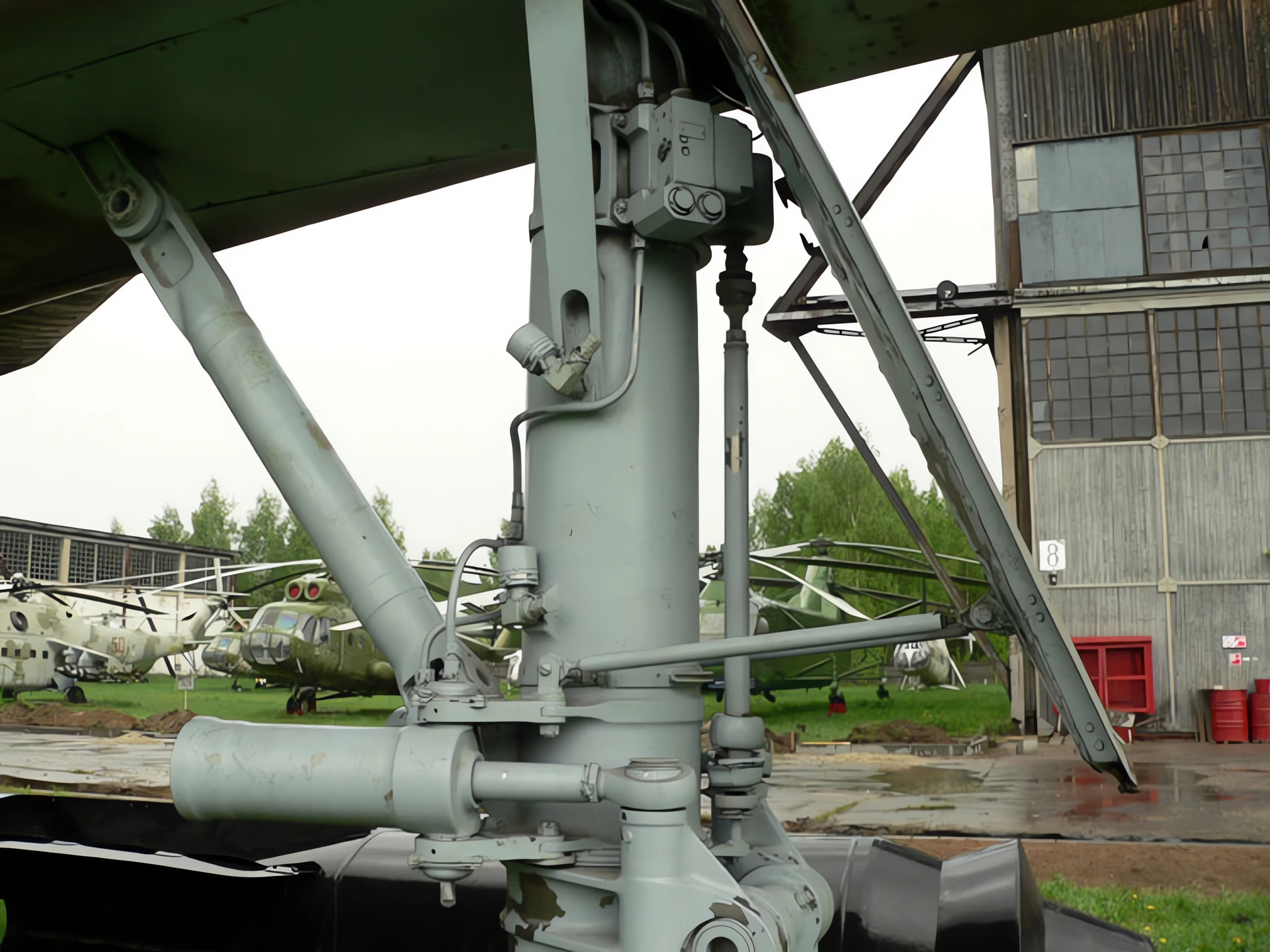
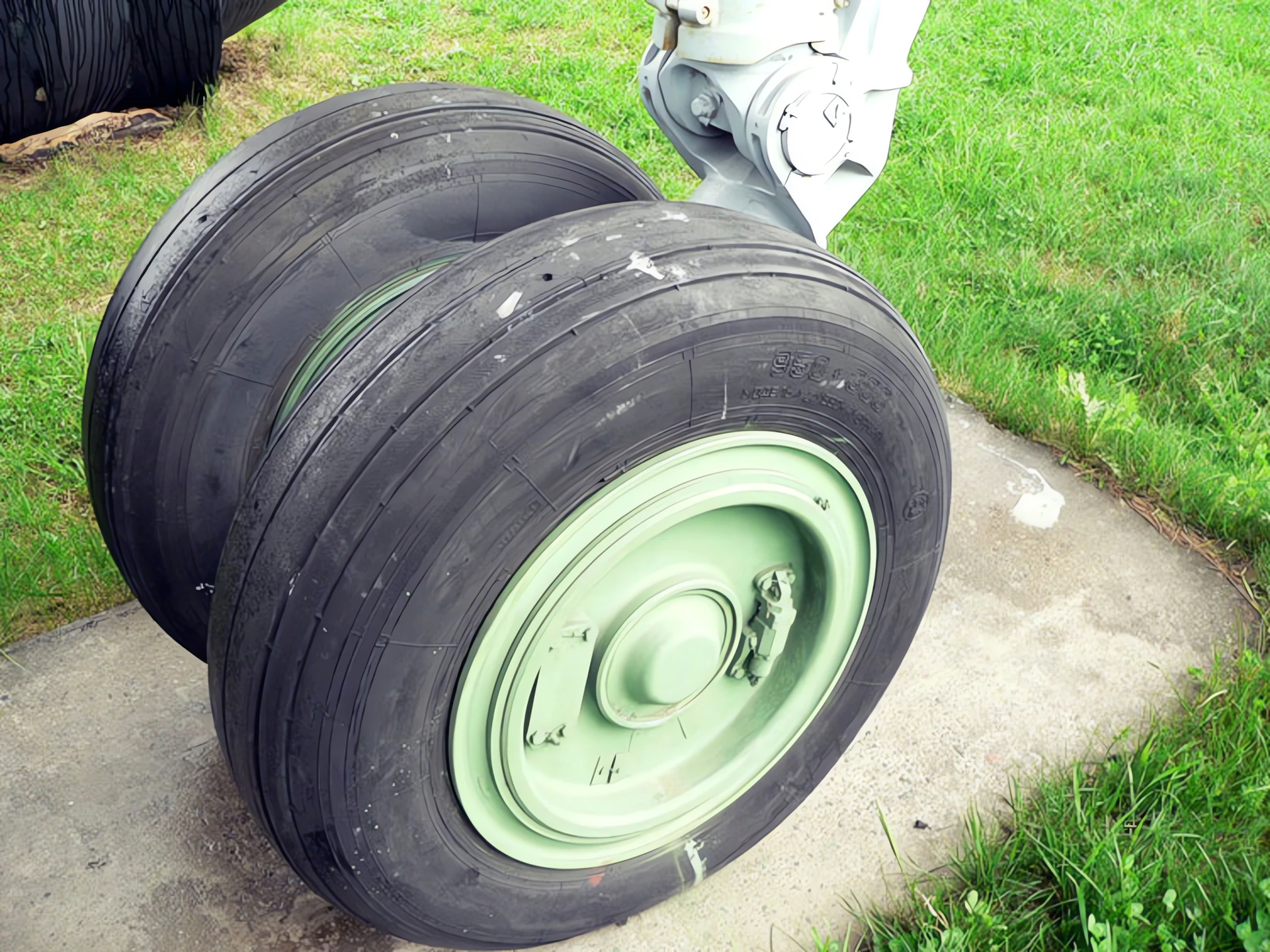
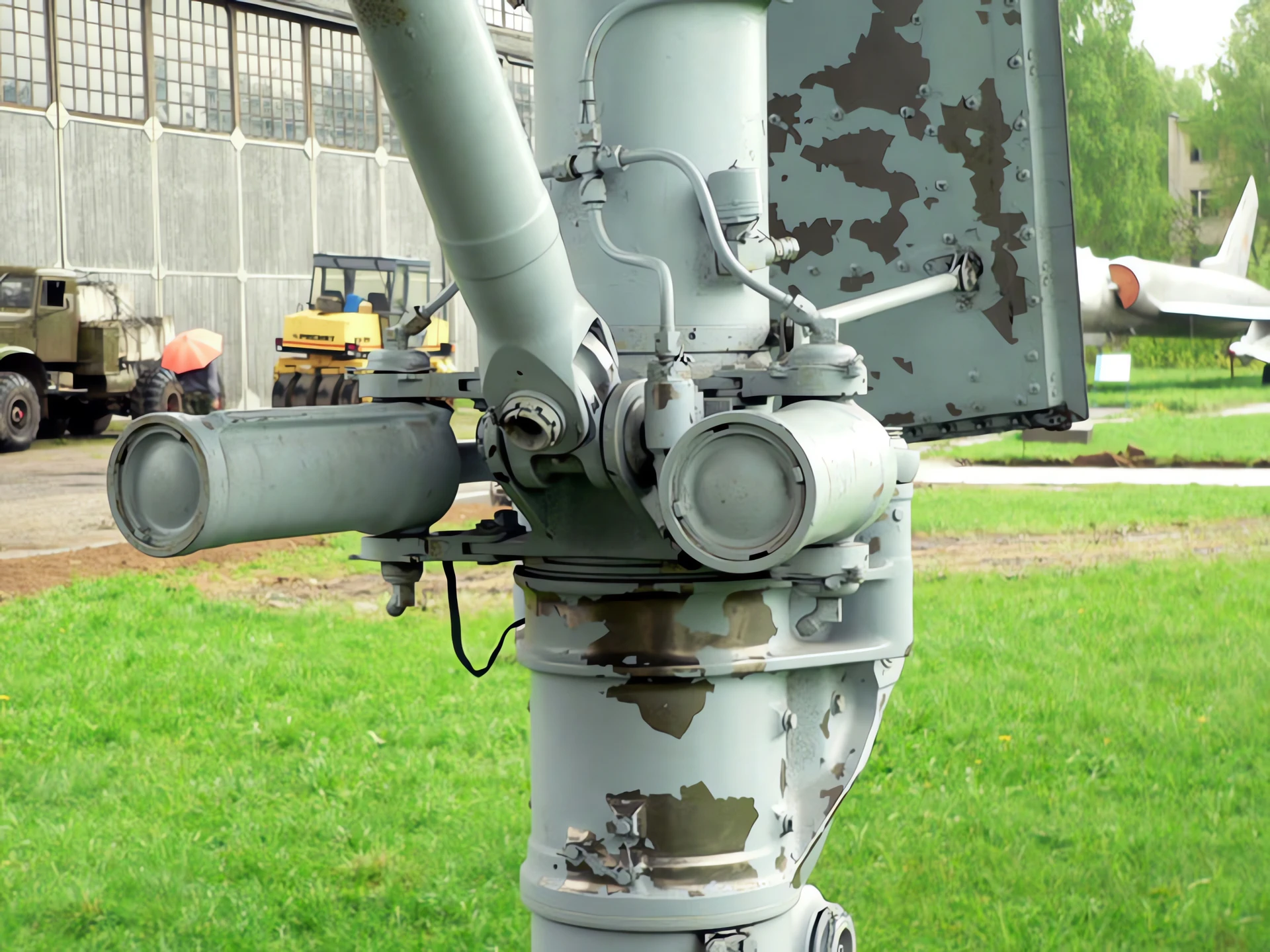
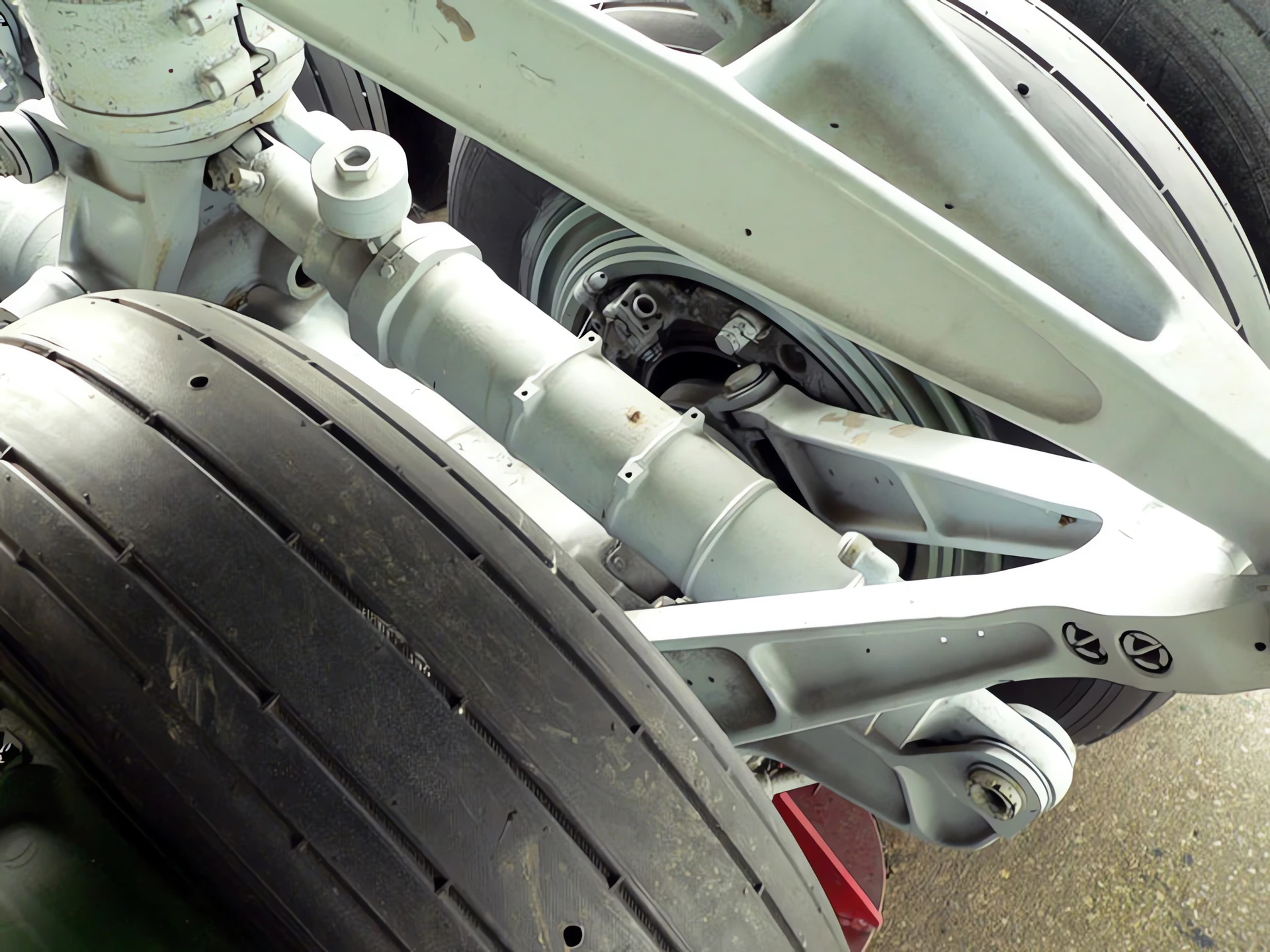
| Sukhoi 100/T-4-1 Sprehod Okoli | |
|---|---|
| Fotograf | Sergej Zhabin |
| Lokalizacijo | Ruski muzej zračnih sil |
| Fotografije | 36 |
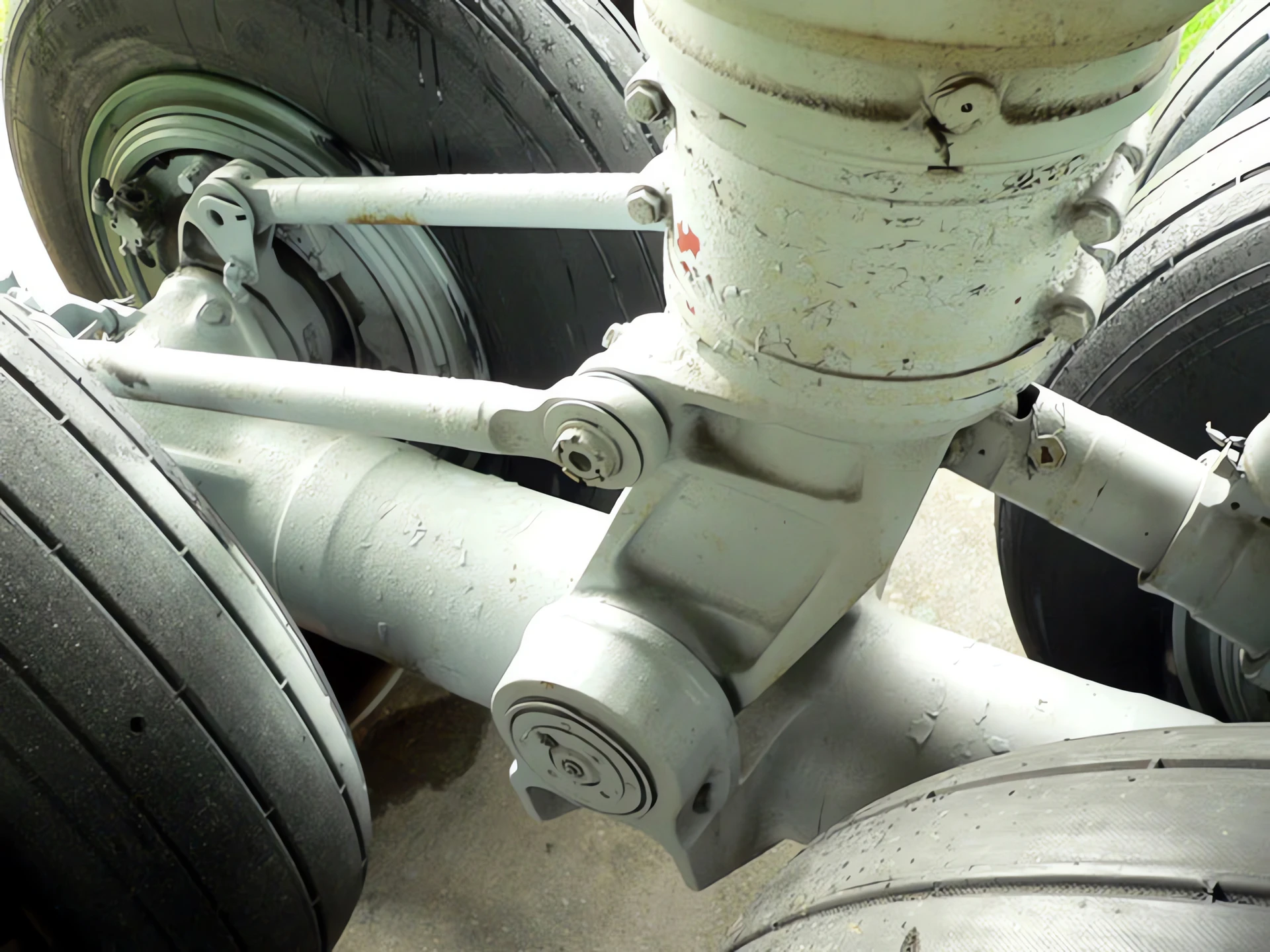
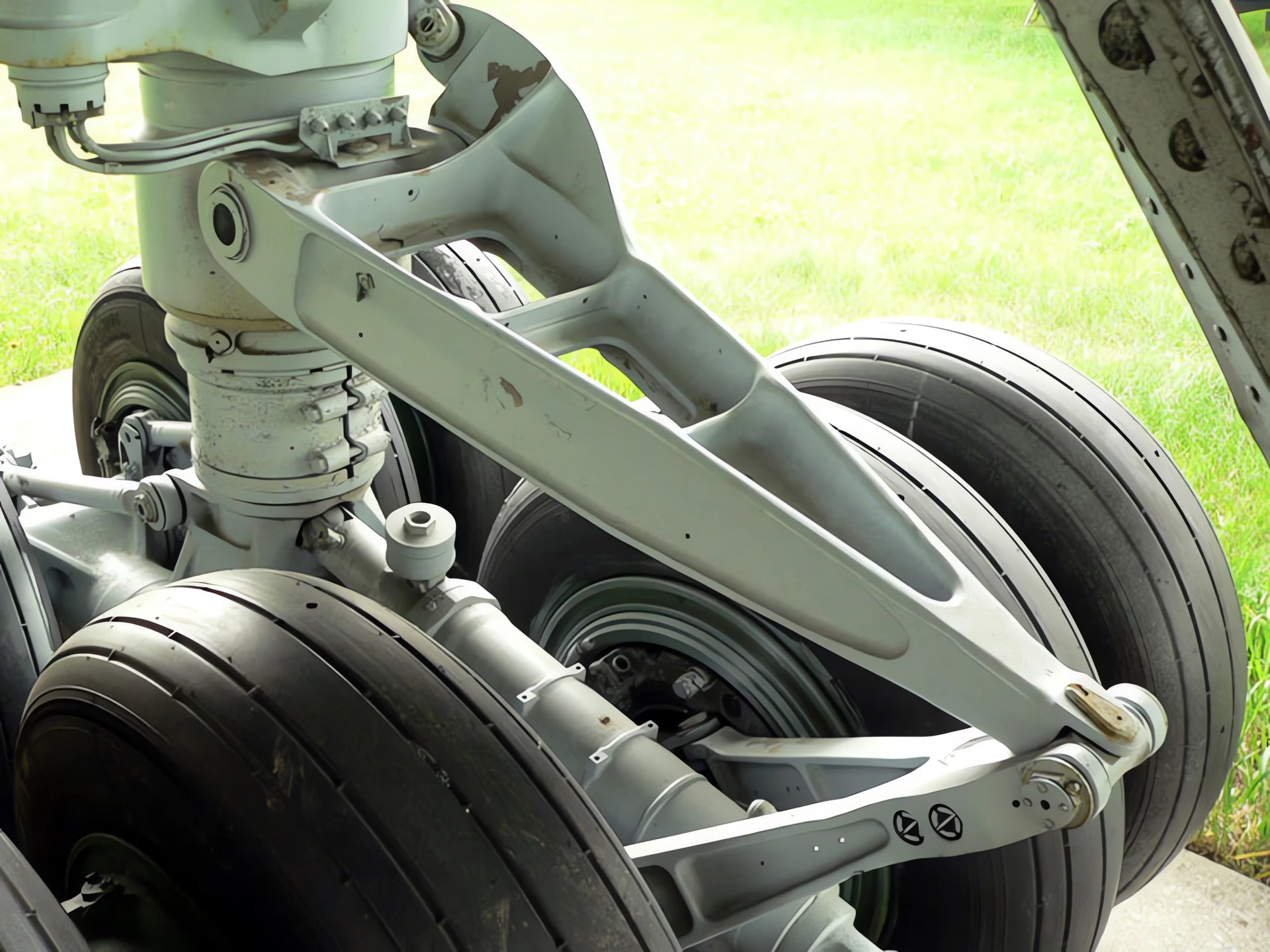

Glej tudi:


☭ General Characteristics and Role
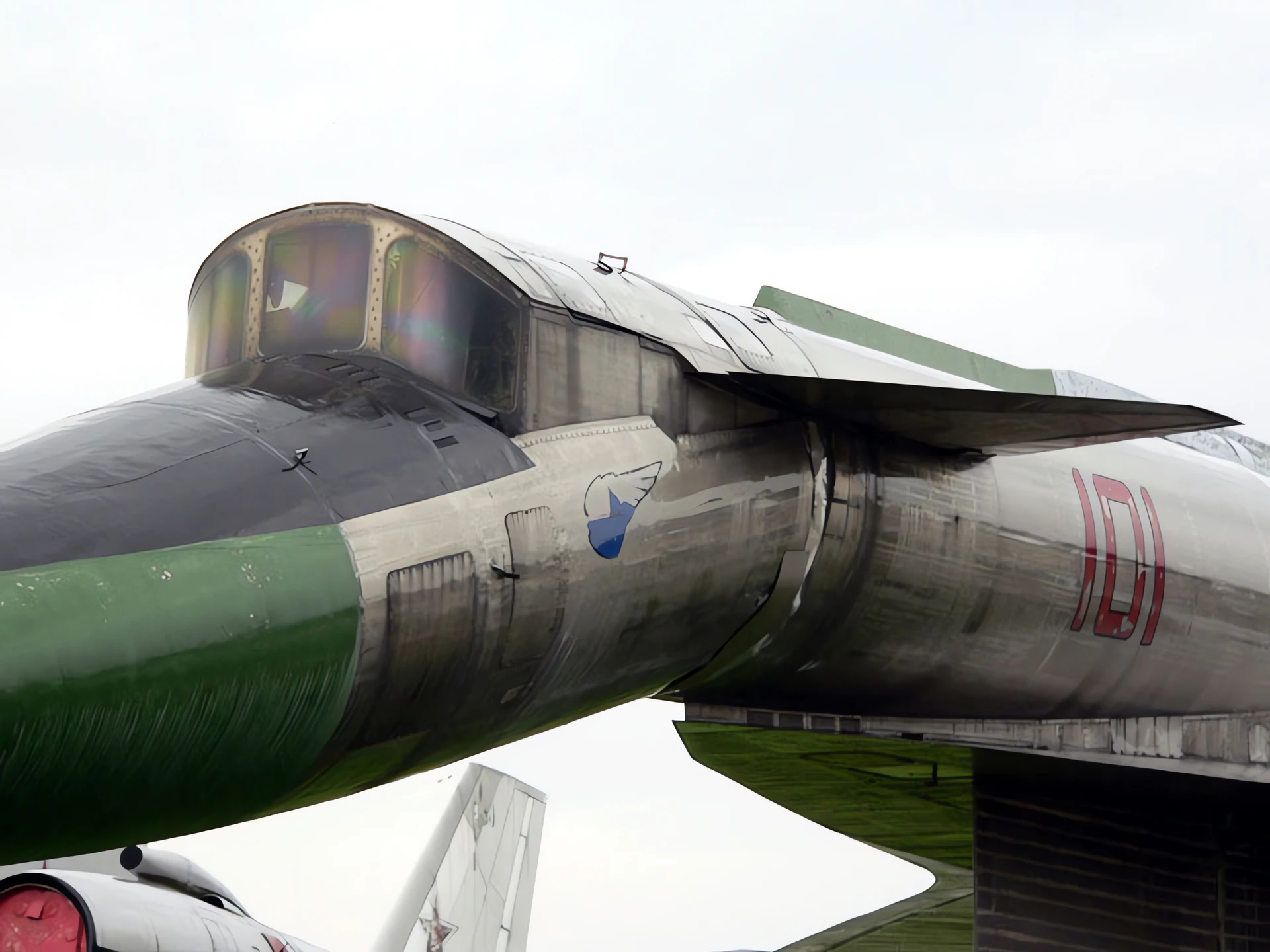
The Sukhoi T-4 (NATO reporting name: “Sotka,” meaning “hundred” in Russian, referring to its original design number T-100) was a highly advanced, experimental Soviet strategic reconnaissance and heavy bomber aircraft. It was designed in the 1960s to compete with projects like the American XB-70 Valkyrie. The T-4 was intended to fly at speeds up to Mach 3.0 at high altitudes, making it virtually invulnerable to contemporary interception. It was characterized by its extensive use of titanium and high-strength steel in its structure to withstand the high temperatures generated by sustained supersonic flight. The aircraft was also unique for its lack of a forward windscreen during high-speed flight; the nose section was hinged to droop for low-speed visibility, relying on a periscope for high-speed flight.
| Property | Typical Value (T-4 Prototype) |
|---|---|
| Vrsta | Supersonic Strategic Reconnaissance/Bomber (Experimental) |
| National Origin | Soviet Union (USSR) |
| proizvajalec | Sukhoi Design Bureau |
| First Flight | August 22, 1972 |
| Posadke | 2 (Pilot, Navigator/Weapons Officer) |
| Max Takeoff Weight | Approx. 135,000 kg (297,624 lb) |
| Length (Nose Up) | 44.5 m (146 ft 0 in) |
| Peruti | 22.0 m (72 ft 2 in) |
Powerplant and Performance
- Engines: 4 x Kolesov RD36-41 afterburning turbojets.
- Maximum Thrust (with afterburner): 157.0 kN (35,280 lbf) each.
- Design Maximum Speed: Mach 3.0 (Approx. 3,200 km/h or 2,000 mph).
- Tested Maximum Speed: Mach 1.3 (limited by test program restrictions).
- Service Ceiling: 20,000–24,000 m (65,600–78,700 ft).
- Armament: Designed to carry Kh-45 anti-ship/anti-radiation cruise missiles (two carried semi-recessed under the fuselage), or conventional/nuclear bombs.
- Notable Feature: Utilized a drooping nose to improve visibility during taxiing, takeoff, and landing, similar to Concorde, which retracted flush with the fuselage at high speeds.
Status and Legacy
- Program Status: Only one prototype flew (a second was partially built). The program was officially cancelled in 1974 before achieving its Mach 3 design goal, primarily due to immense cost, technological complexity, and political pressure from Andrei Grechko, the Soviet Minister of Defence.
- Technological Influence: The T-4 program resulted in significant advancements in Soviet metallurgy, specifically the welding and forming of titanium and high-strength steel, which later benefited the Sukhoi Su-27 fighter program and subsequent high-speed Soviet designs.
- Rivalry: The cancellation of the T-4 cleared the way for the development of the swing-wing Tupolev Tu-22M and the slightly slower, but mass-produced, Tu-160 “Blackjack” strategic bomber.
- Sole Survivor: The only remaining prototype (board number “101”) is currently preserved and on display at the Central Air Force Museum in Monino, Russia.
Ogledi : 2617
Prav tako si lahko ogledate:
 Suhoj Su-26 - fotografije in video posnetki
 Suhoj Su-25 - Fotografije in video posnetki
 Sukhoi Su-15 – Fotografije & Video posnetki
 Suhoj Su-24М Fencer – fotografije in video
 Suhoj Su-35 - fotografije in video
 Sukhoi Su-7 – Fotografije & Video
 Sukhoi Su-27 – WalkAround
 Sukhoi Su-32FN – WalkAround
 Sukhoi Su-17UM3 – WalkAround
 Hawker Sea Fury – Sprehod Okoli