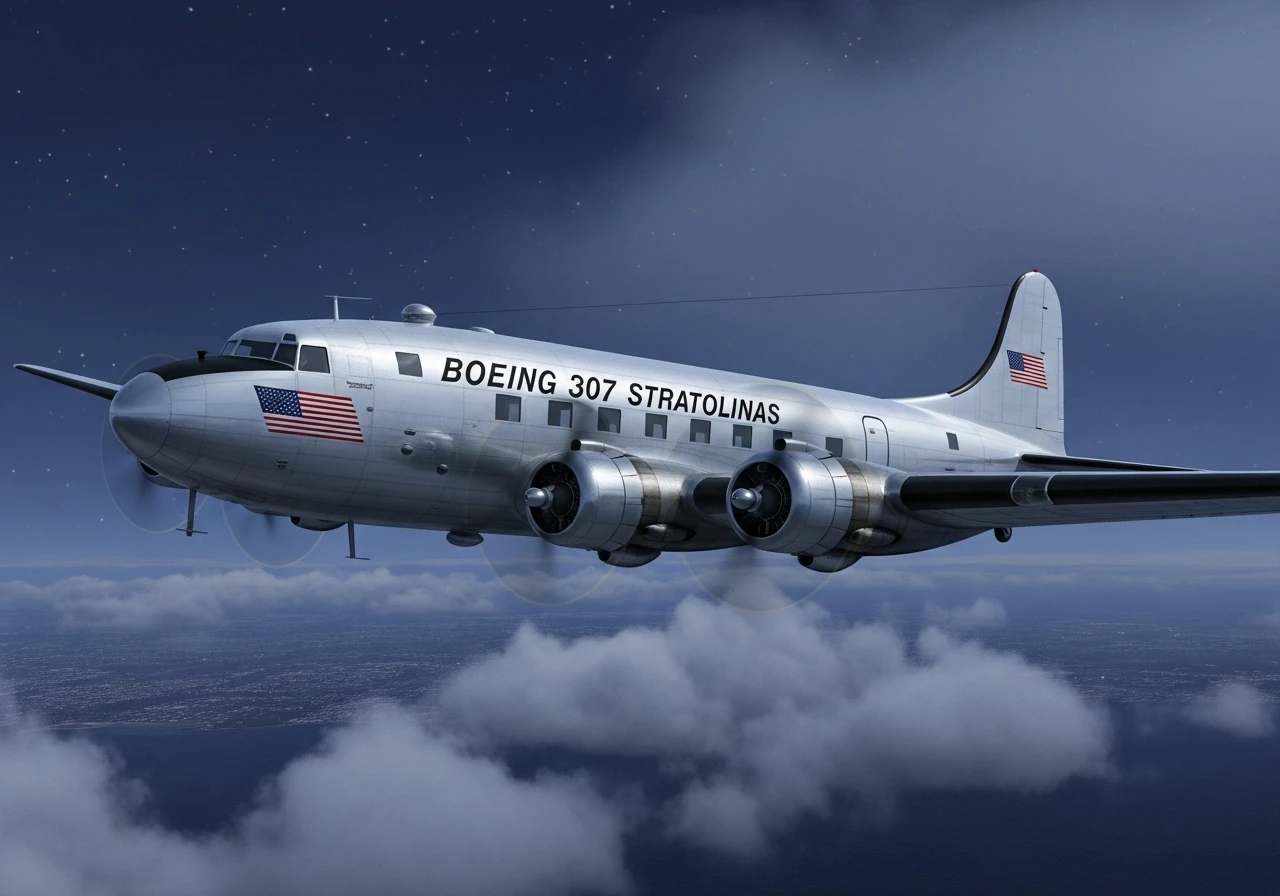
Боинг 307 Стратолинер | |
|---|---|
| Страны | США |
| Роль | Авиалайнера |
| Первый полет | 31 декабря 1938 г. |
| Построен | 10 |
Teh Боинг Модель 307 Стратолинер был первым коммерческим транспортным самолетом, который вошел в эксплуатацию с кабиной под давлением. Эта функция позволила самолету путешествовать на высоте 20000 футов (6000 м), значительно выше многих погодных возмущений. Дифференциал давления составил 2,5 psi (17 kPa), поэтому на высоте 14 700 футов (4480 м) давление воздуха в салоне было эквивалентно высоте 8000 футов (2440 м). Модель 307 была вместимостью для экипажа из шести и 33 пассажиров. В дополнение к своей гражданской службе он также летал в качестве Boeing C-75 Stratoliner военно-воздушных сил США, которые использовали его в качестве дальнего грузового самолета.
Источник: Боинг 307 Стратолинер в Википедии
| Боинг Модель 307 Стратолинер Прогулка вокруг | |
|---|---|
| Фотограф | Владимир Якубов |
| Локализации | Национальный музей авиации и космонавтики |
| Фотографии | 107 |
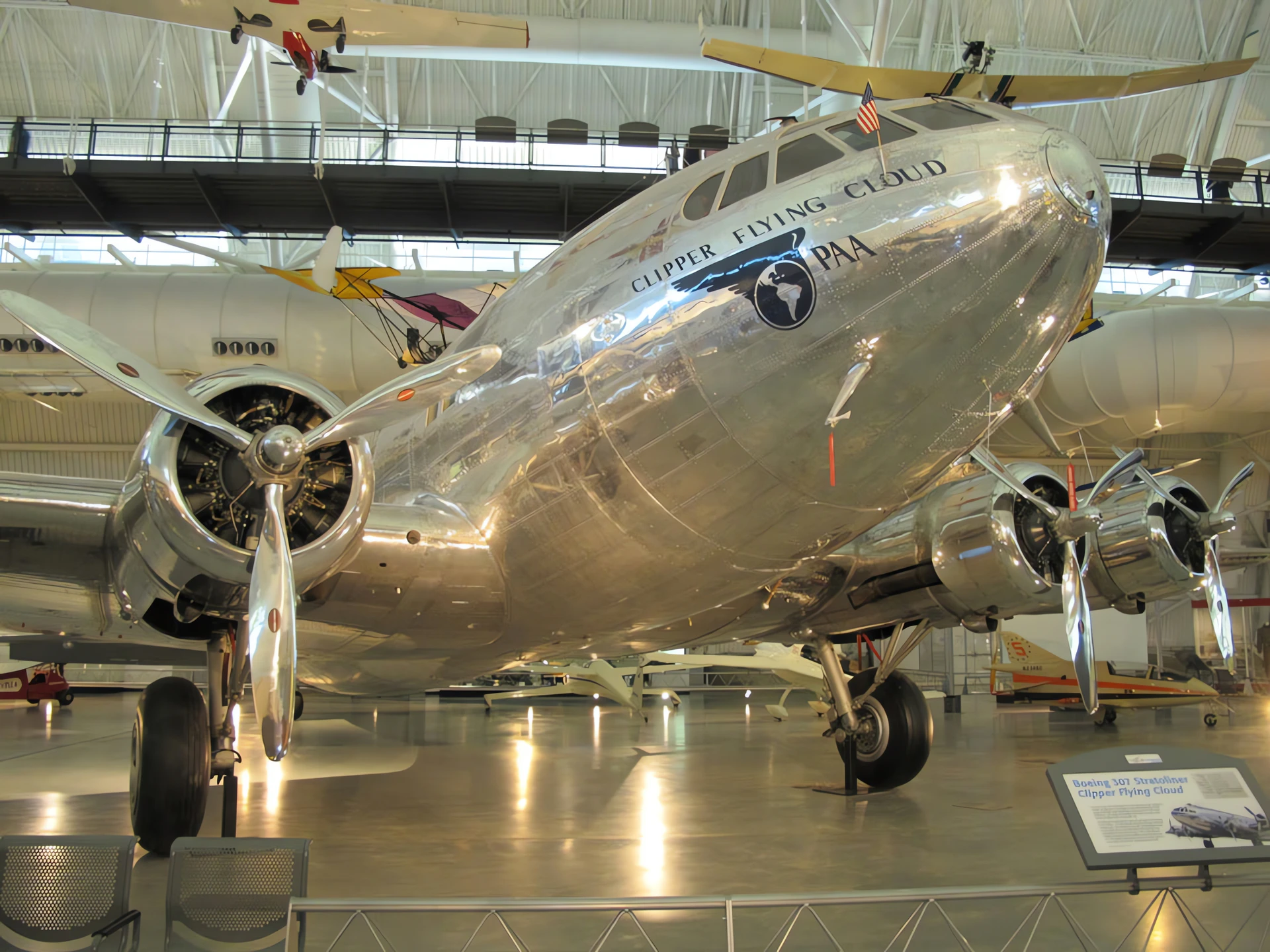
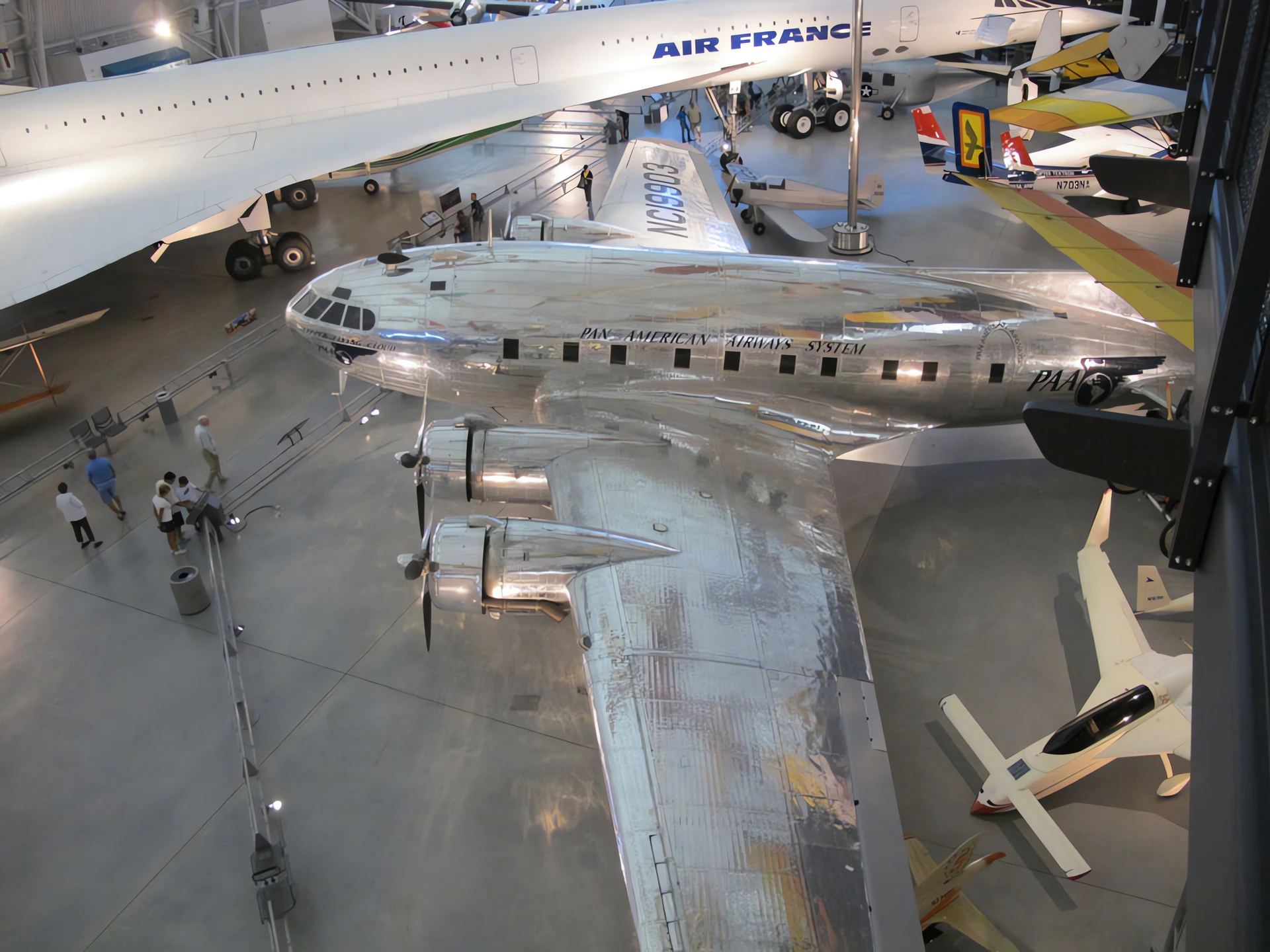
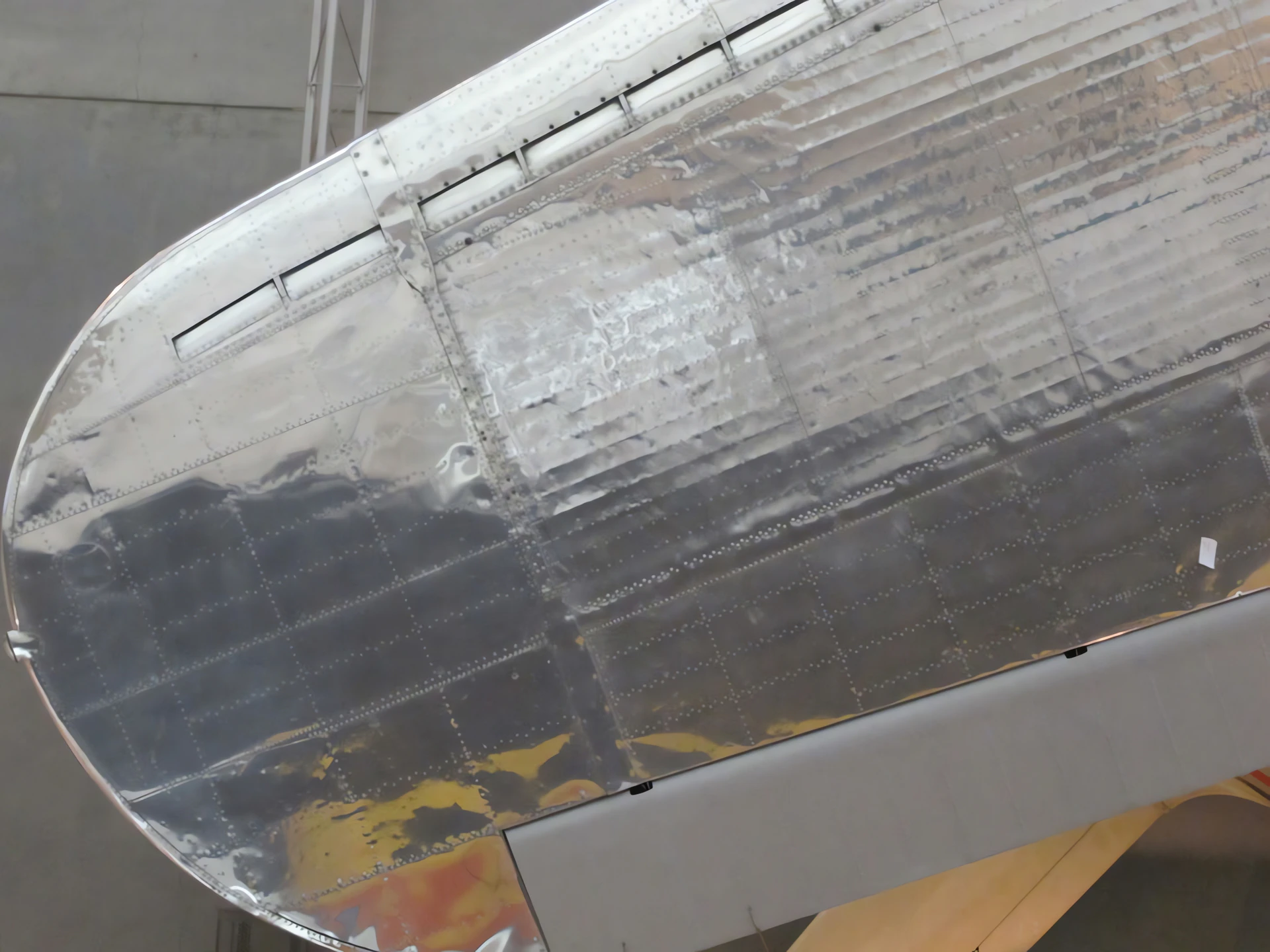
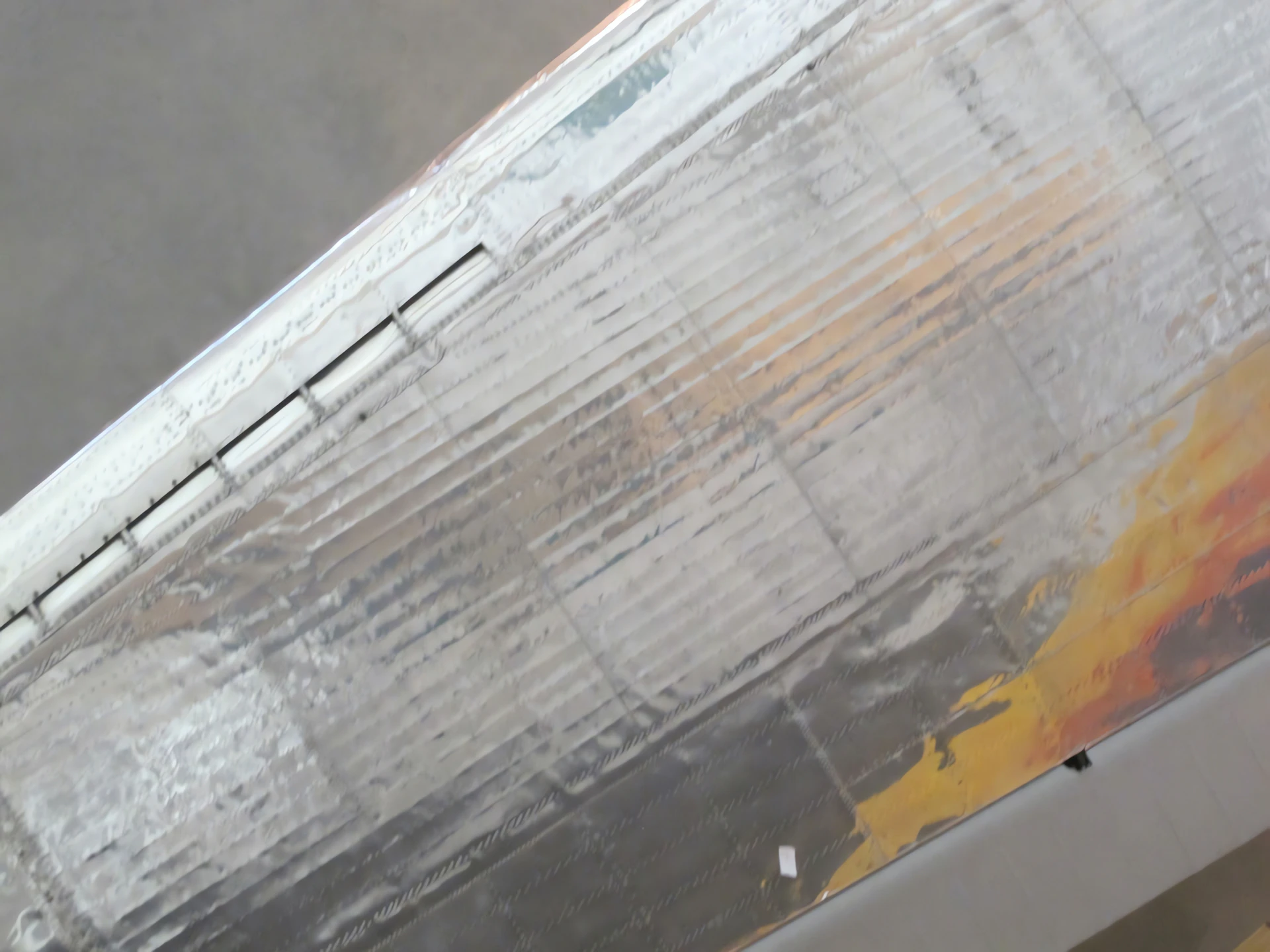
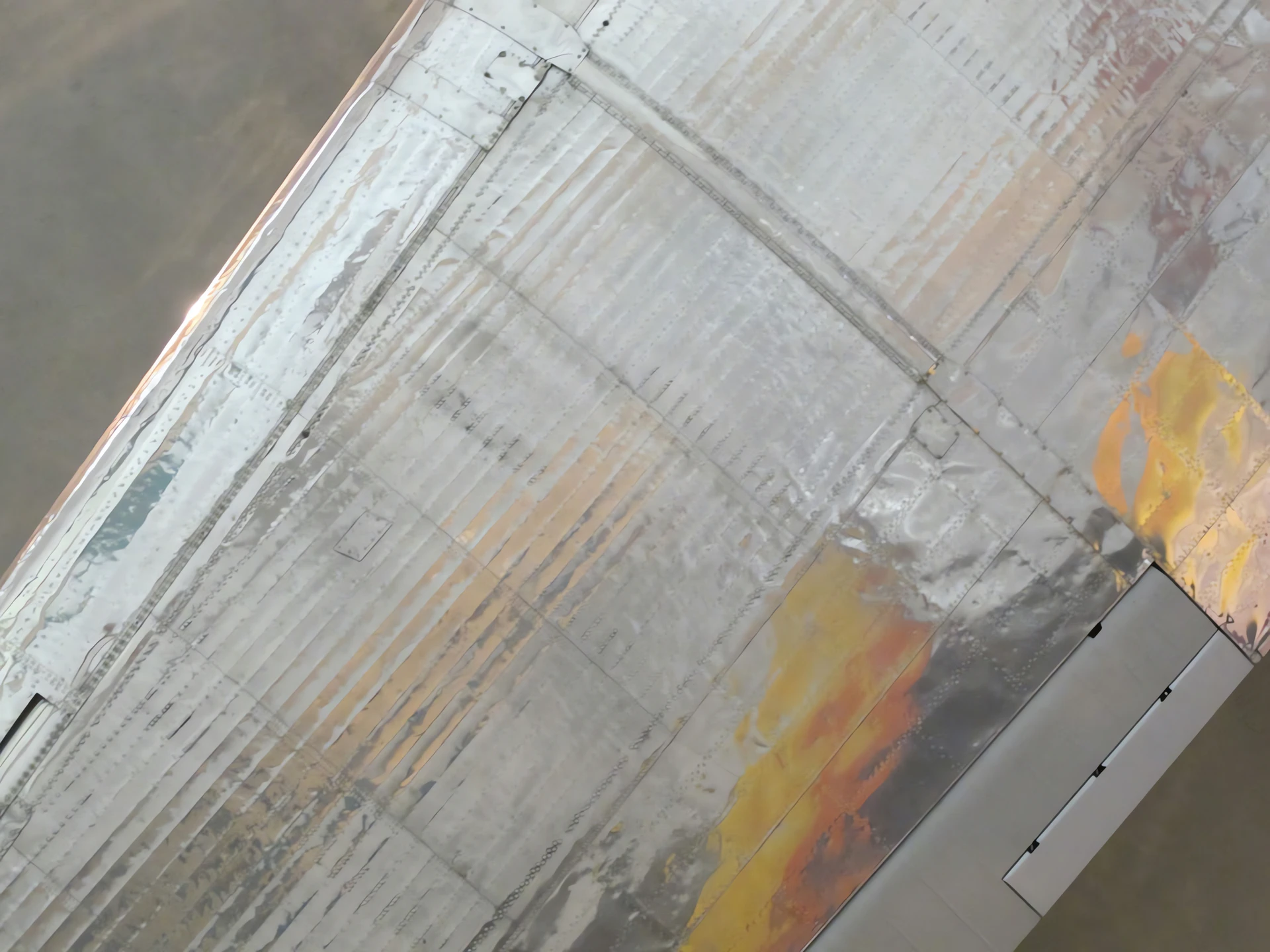
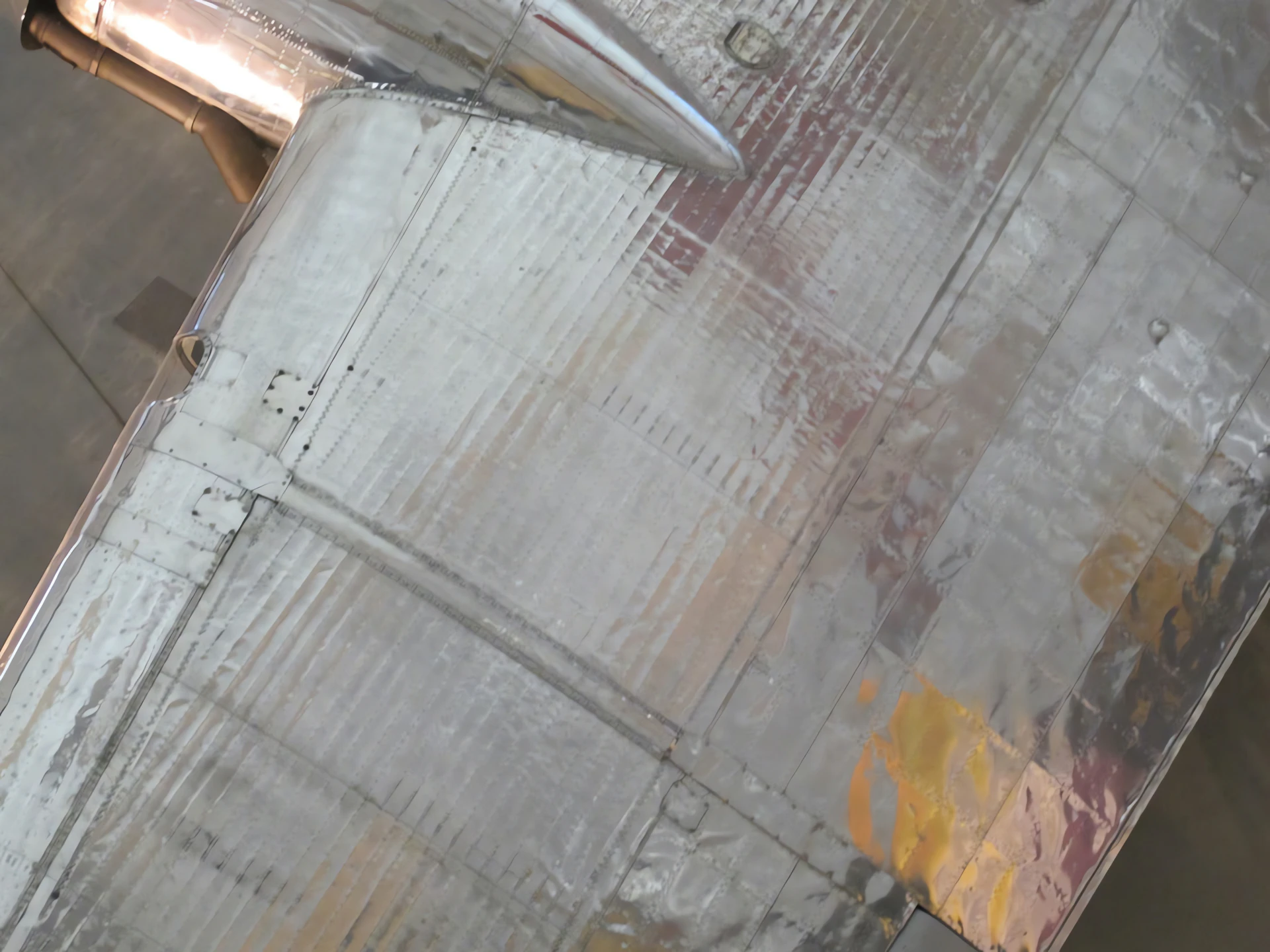
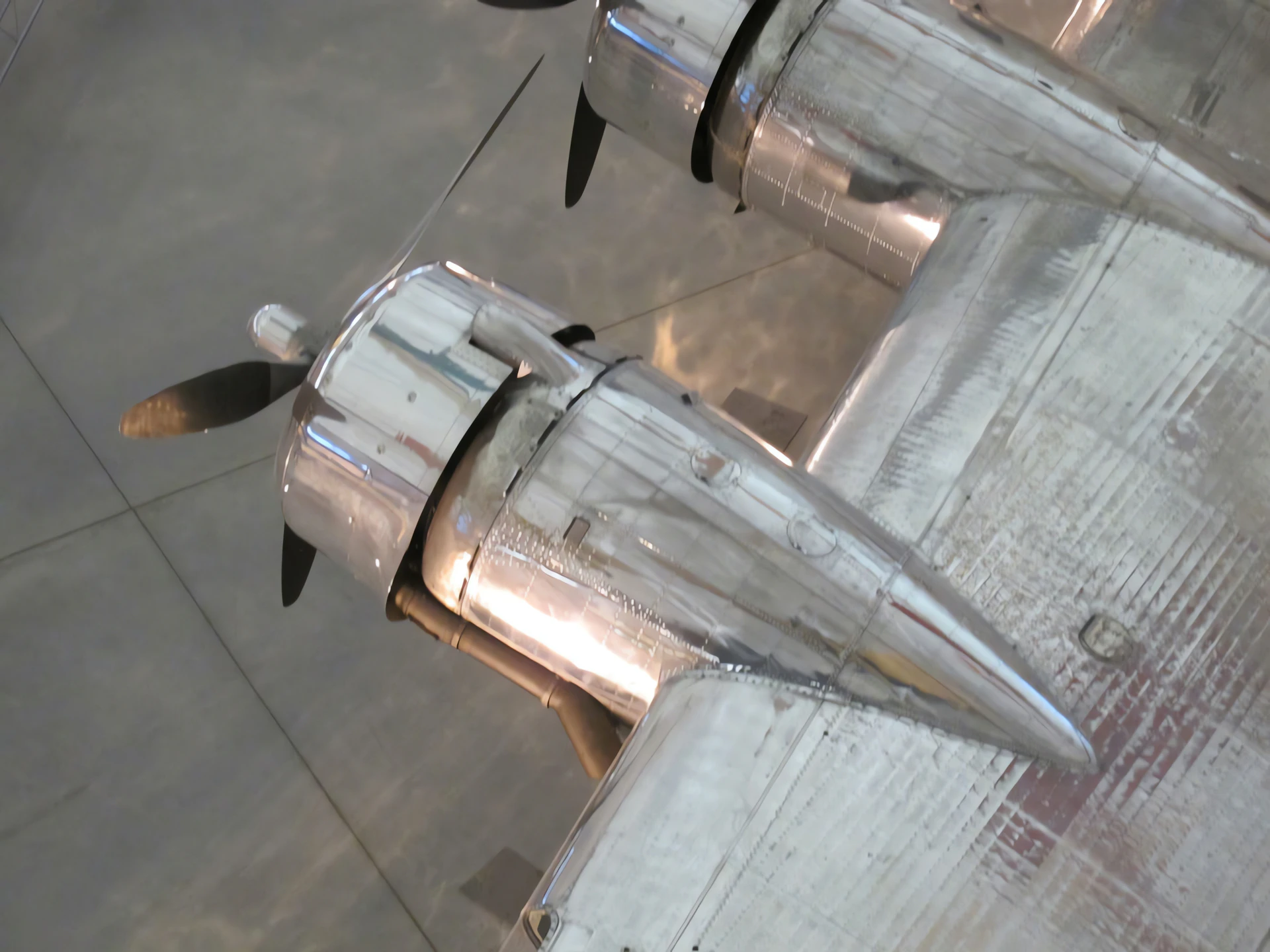
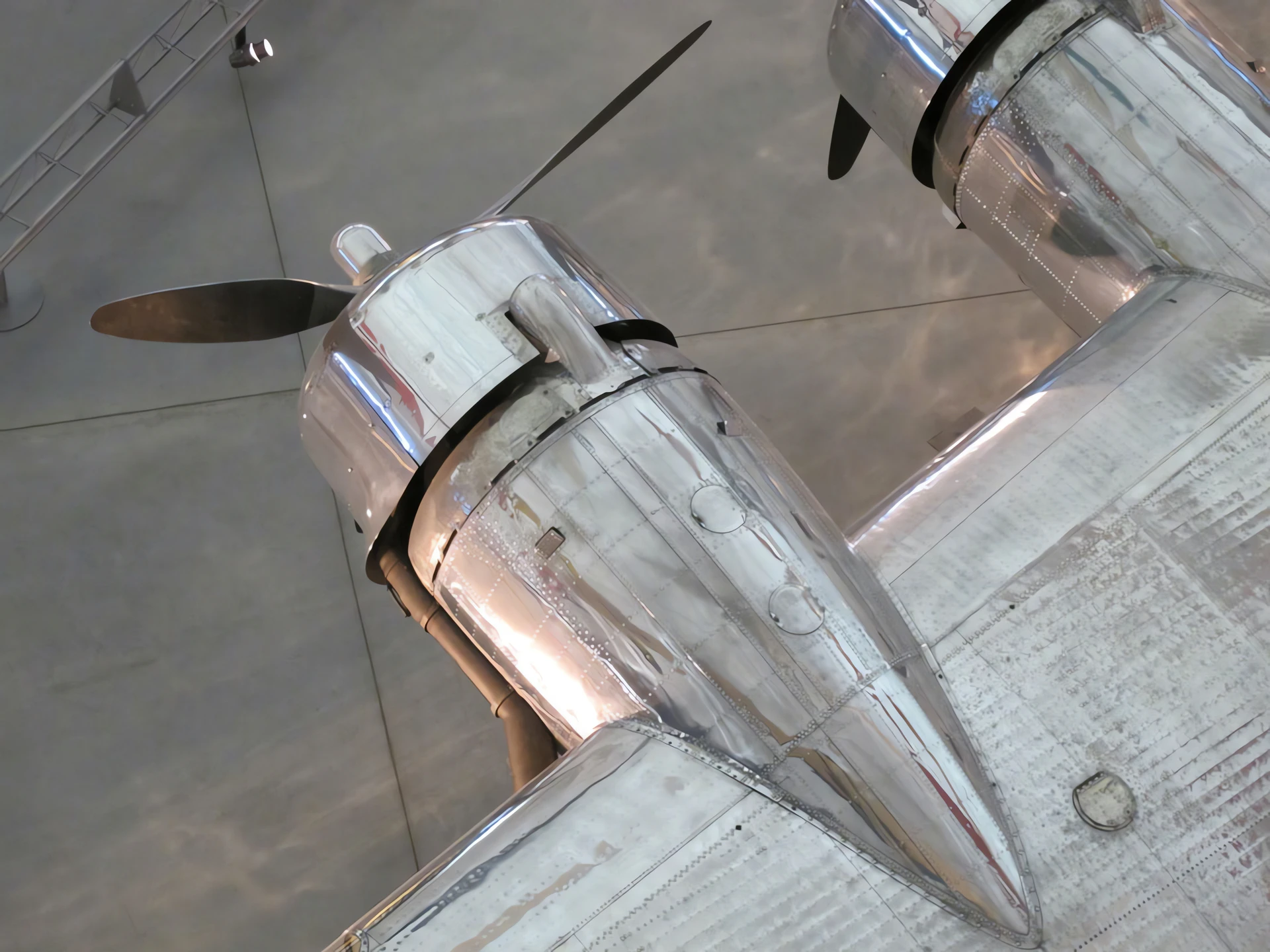
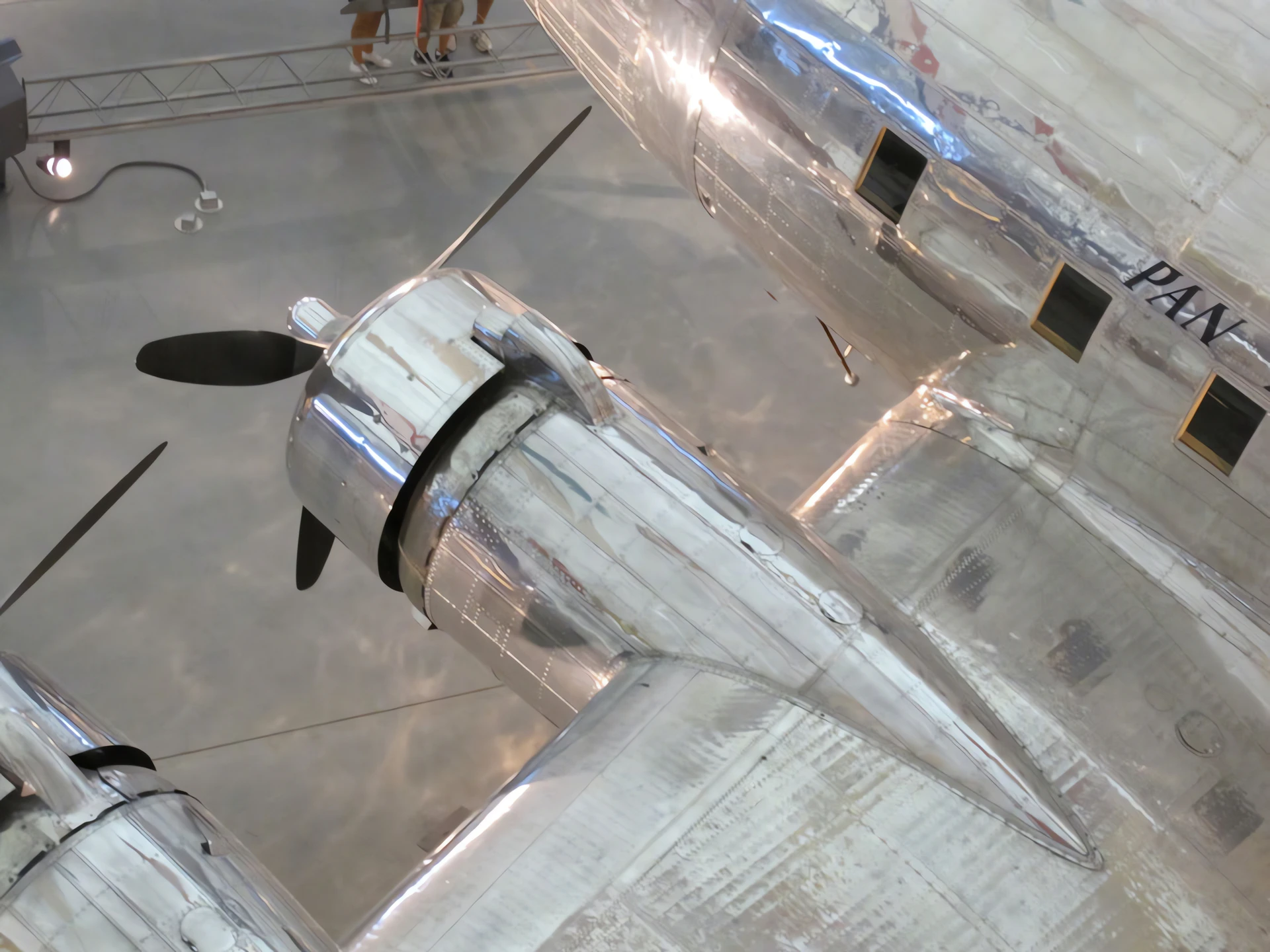

| Boeing Model 307 Stratoliner Walk Around | |
|---|---|
| Фотограф | Michael Benolkin |
| Локализации | Неизвестная |
| Фотографии | 27 |
Читайте также:


A Revolution in Civil Aviation
Teh Боинг Модель 307 Стратолинер was a milestone in aviation history. Introduced in 1938, it was the first commercial transport aircraft to feature a pressurized cabin. This allowed the Stratoliner to fly at 20,000 feet, far above the turbulent weather that plagued earlier airliners like the DC-3. By utilizing the wings, tail, and engines of the B-17 Flying Fortress, Boeing created a robust, high-altitude cruiser that changed the definition of luxury and speed in the “Golden Age” of flight.
| Attribute | Technical Specification (Boeing 307) |
|---|---|
| Роль | Long-Range Commercial Airliner / Military Transport |
| Экипажа | 5 (Pilot, Co-pilot, Flight Engineer, 2 Flight Attendants) |
| First Flight | 31 декабря 1938 г. |
| Силовая установка | 4 × Wright GR-1820-G102 Cyclone radials |
| Horsepower | 1,100 hp (820 kW) per engine |
| Максимальная скорость | 241 mph (388 km/h) |
| Cruising Altitude | 20,000 feet (6,100 m) |
| Passenger Capacity | 33 (Day) / 25 (Night Sleeper) |
Engineering the High-Altitude Cabin
- Circular Fuselage: Unlike the flat-sided aircraft of the era, the 307 featured a perfectly circular cross-section. This shape was necessary to evenly distribute the internal pressure stresses required to maintain a breathable atmosphere at high altitudes.
- Pressurization System: The Stratoliner used engine-driven superchargers to pump air into the cabin. This allowed passengers to enjoy an “8,000-foot” environment while the aircraft cruised at 20,000 feet, effectively avoiding the “bumps” of low-level air.
- B-17 DNA: To save on development costs and improve reliability, Boeing used the flight surfaces of the B-17C Flying Fortress. The wings, landing gear, and horizontal stabilizers were nearly identical to the bomber, giving the 307 legendary structural strength.
- Sleeper Comfort: The wide fuselage allowed for reclining seats and berths, making it one of the first true “sleeper” transports for transcontinental travel.
The “C-75” and Notable History
- Military Service (C-75): During WWII, the five Stratoliners operated by TWA were pressed into service for the Army Air Transport Command. Designated as C-75s, they were used for high-priority transatlantic flights because their pressurization allowed them to fly above most interception threats.
- Howard Hughes and the “Flying Penthouse”: The famous billionaire bought a Stratoliner and converted it into a lavish private office and home. After being damaged in a hurricane, the fuselage was eventually converted into a “Cosmic Muffin” house boat.
- Rare Survival: Only 10 Stratoliners were ever built. The only surviving example, the “Flying Cloud” (formerly of Pan Am), was meticulously restored by Boeing volunteers and is now at the Steven F. Udvar-Hazy Center.
Просмотров: 3084
Вы также можете увидеть:
 Boeing YC-14 – фото и видео
 Boeing 80 – Фото и видео
 Boeing KC-97 Stratofreighter – Фото и Видео
 Boeing X-40A – Фото и Видео
 Boeing 247 – Фото и видео
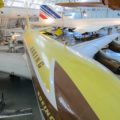 Boeing 367-80 – Фото и Видео
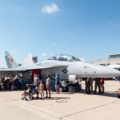 Boeing EA-18G Growler – Фото и Видео
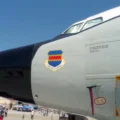 Boeing RC-135 – Фото и Видео
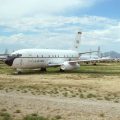 Boeing T-43 Bobcat – фото и видео
 C-17 Глобусмастер — WalkAround