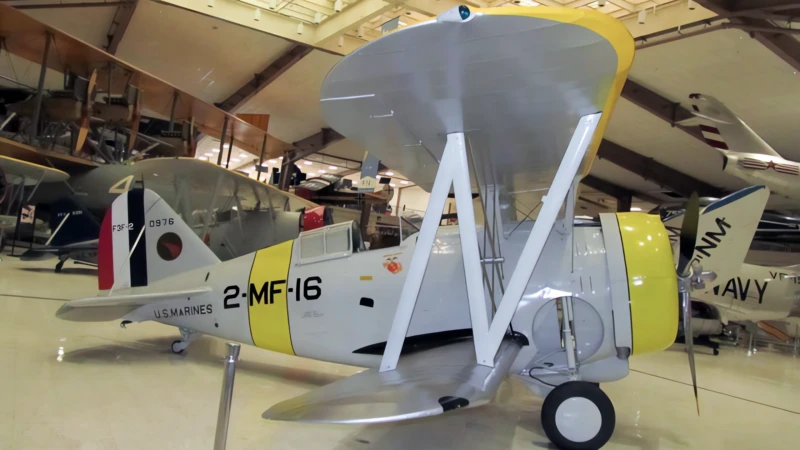
Grumman F3F | |
|---|---|
| País | Eua |
| Papel | Aviões |
| Primeiro voo | 20 de março de 1935 |
| Construído | 147 |
O Grumman F3F foi o último caça biplano americano entregue à Marinha dos Estados Unidos (na verdade, o último caça biplano entregue a qualquer braço aéreo militar americano) e serviu entre as guerras. Projetado como uma melhoria no F2F de assento único, entrou em serviço em 1936. Foi aposentado dos esquadrões da linha de frente no final de 1941, antes que pudesse servir na Segunda Guerra Mundial, e foi substituído pela primeira vez pelo Brewster F2A Buffalo. O F3F, que herdou a configuração do trem de pouso principal retrátil projetada por Leroy Grumman, usada pela primeira vez no Grumman FF, serviu de base para um projeto de biplano, desenvolvido no muito mais bem-sucedido F4F Wildcat.
Fonte: Grumman F3F na Wikipédia
| Grumman F3F-3 Caminhada em Torno | |
|---|---|
| Fotógrafos | Cees Hendriks |
| Localização | Desconhecido |
| Fotos | 40 |
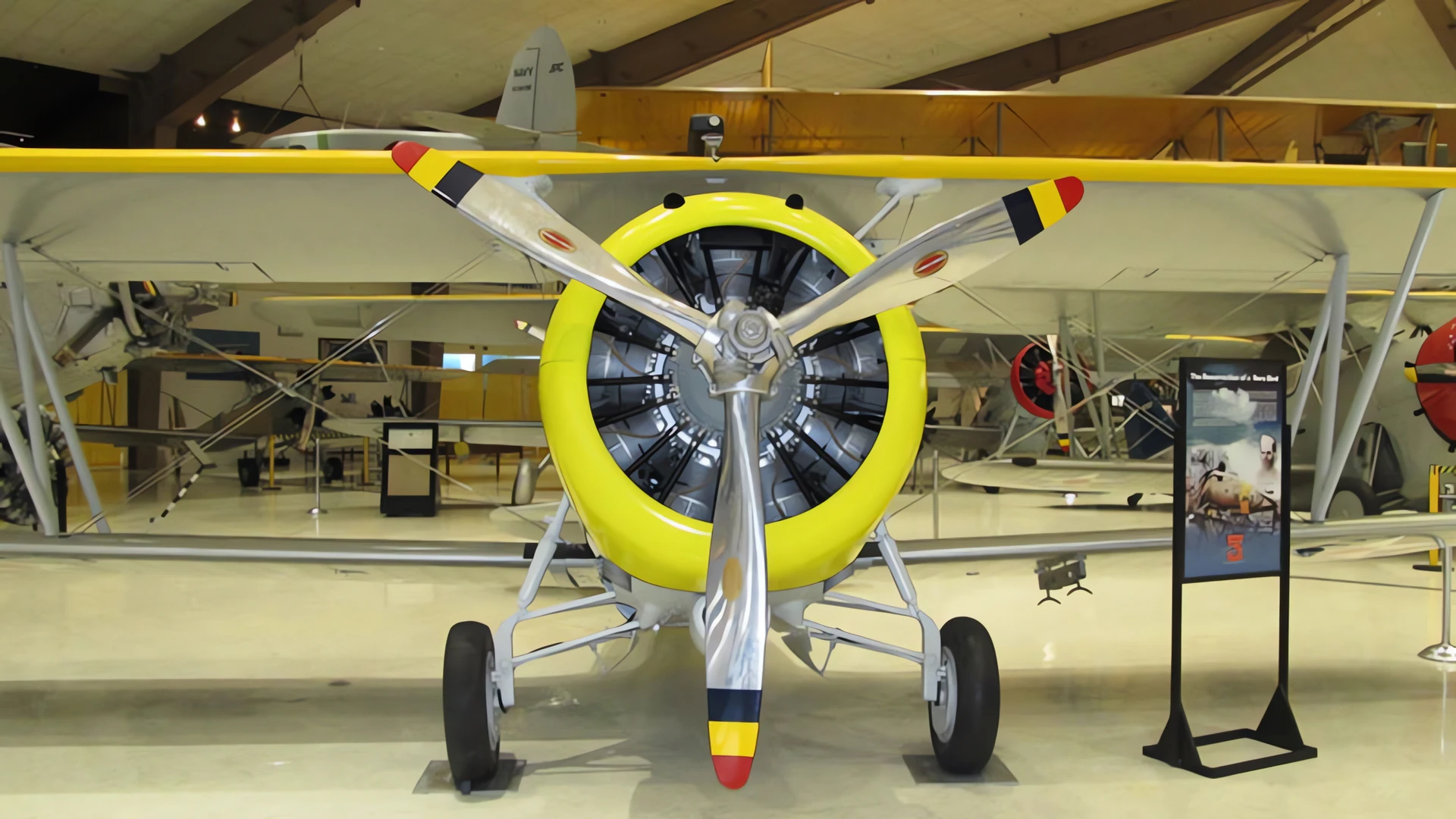
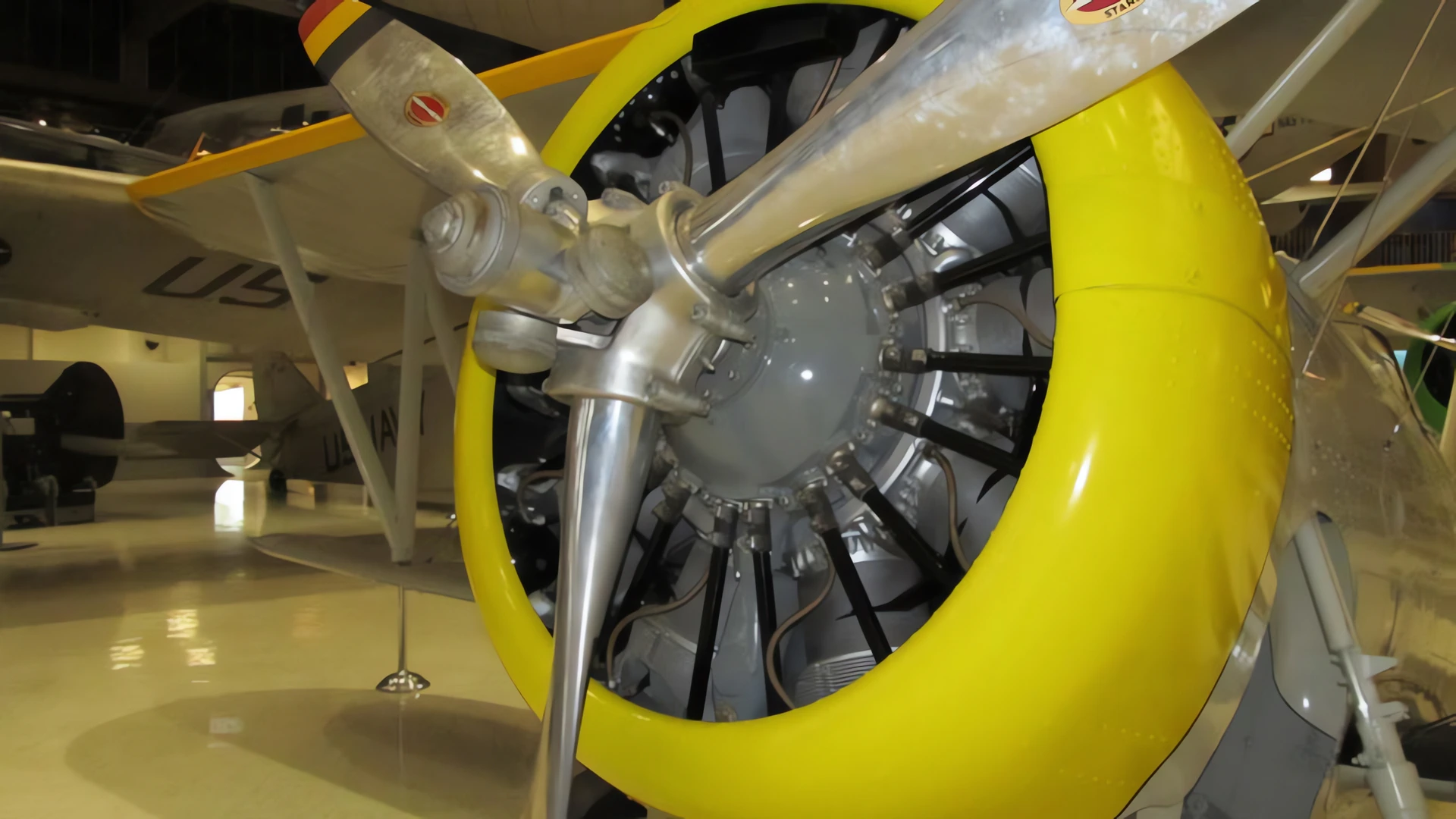
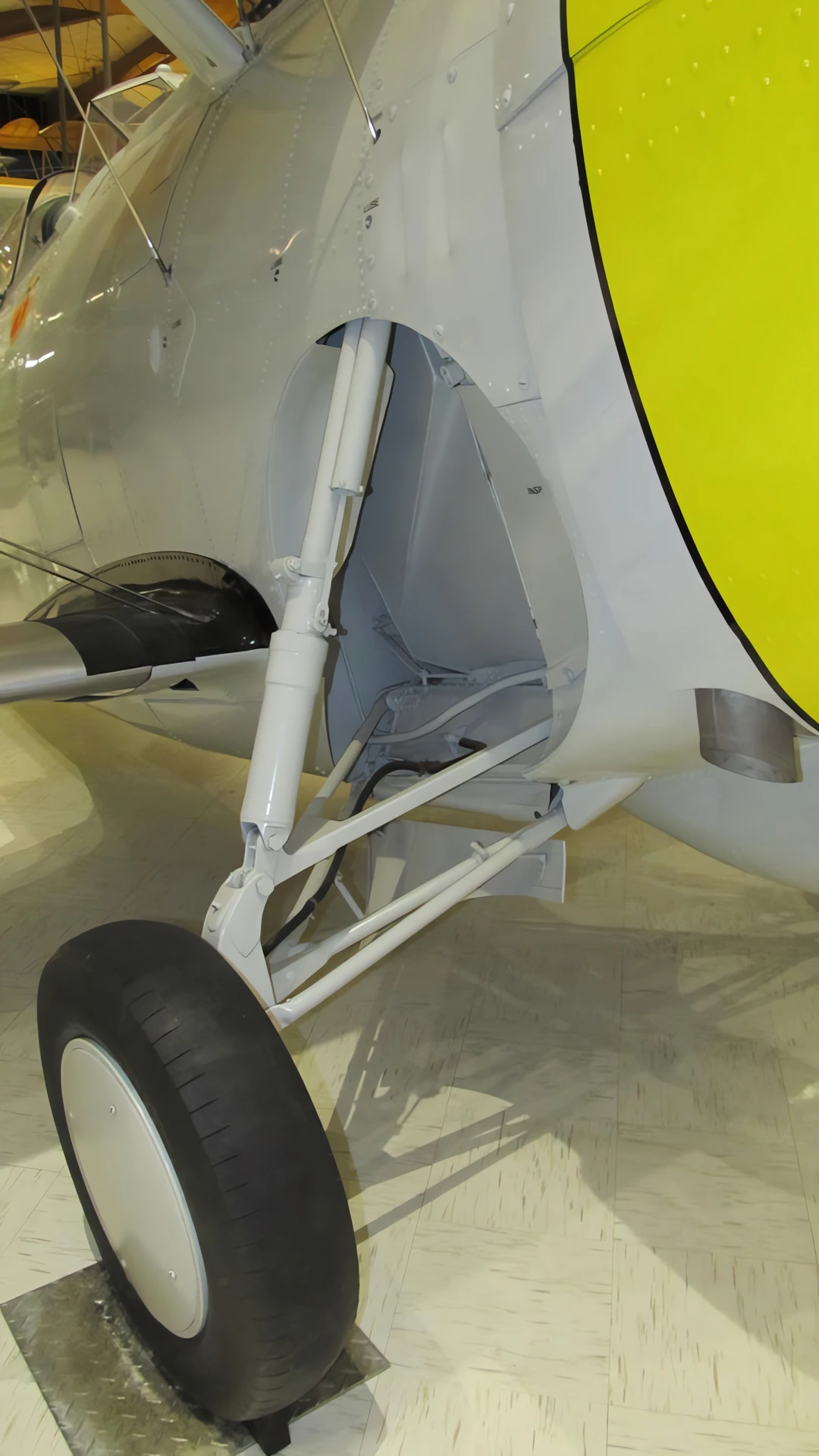
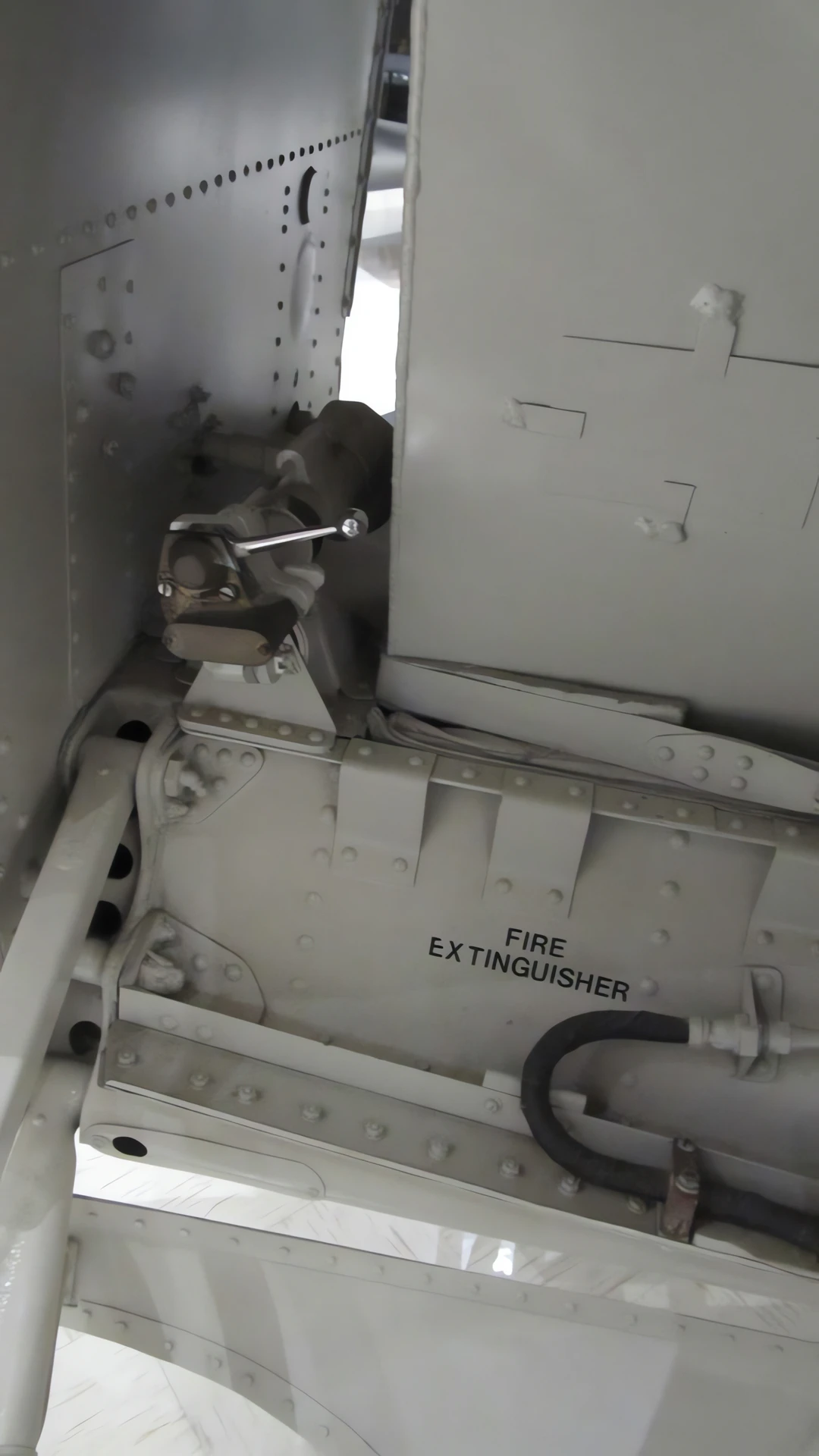
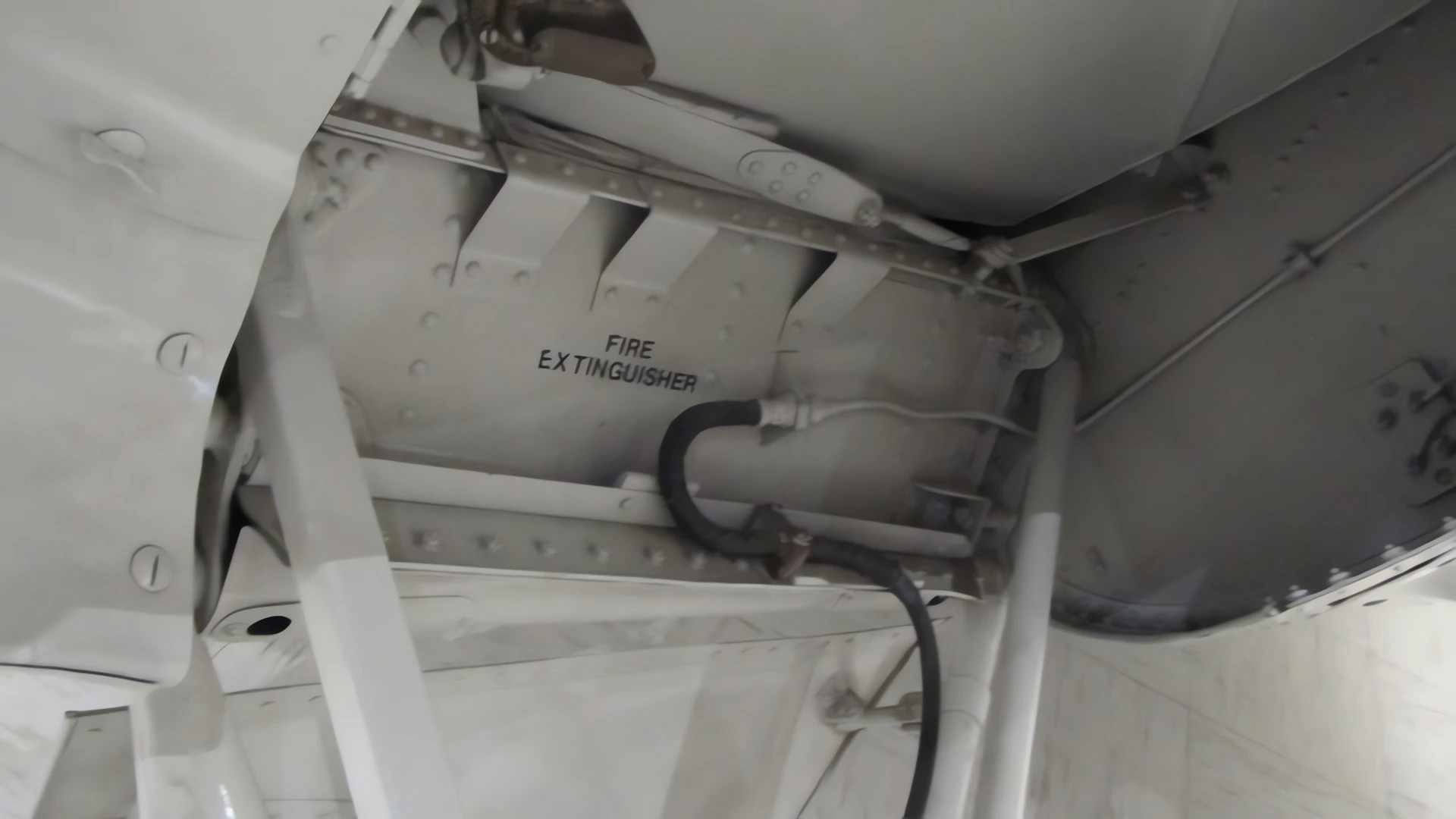
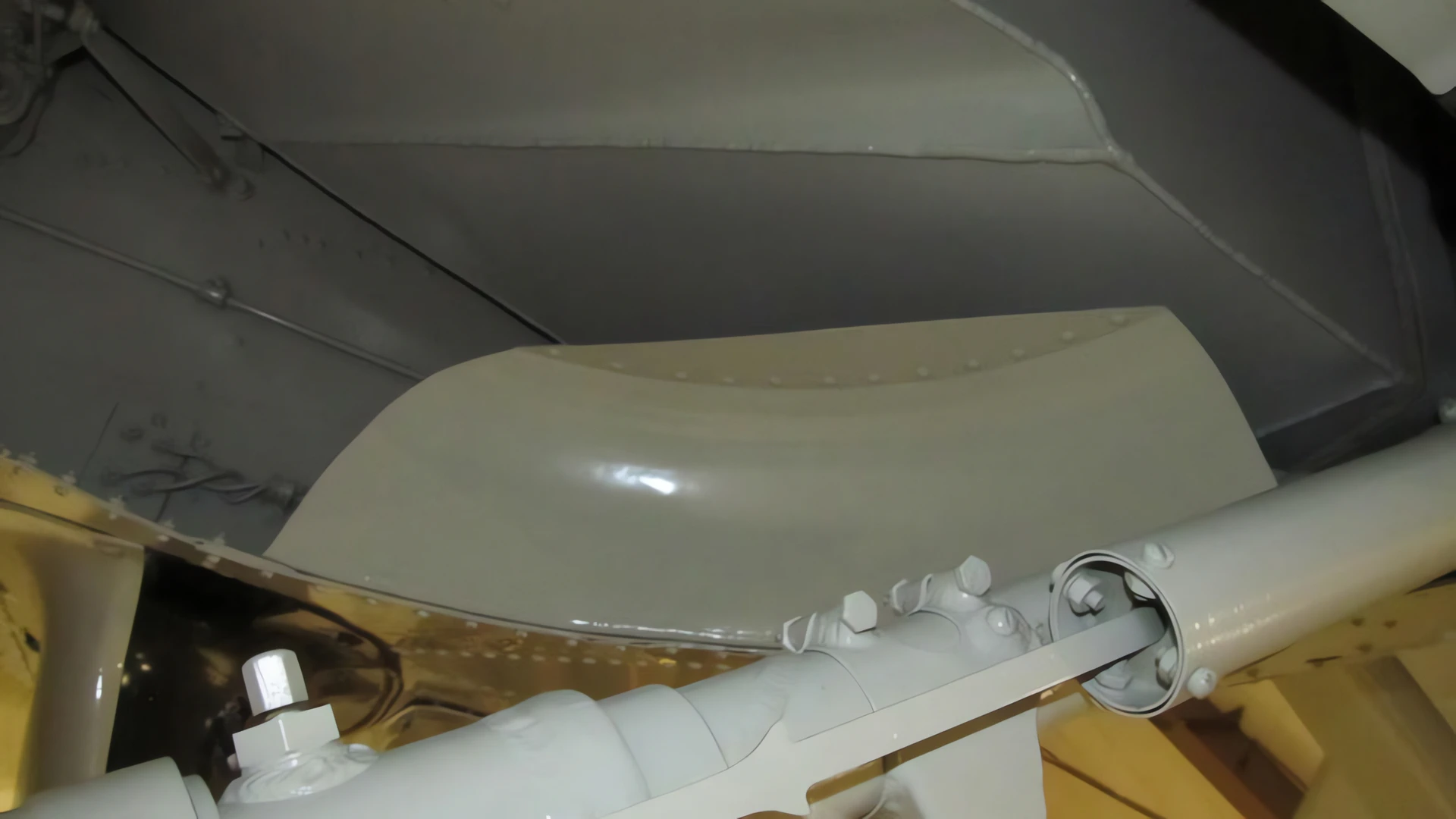
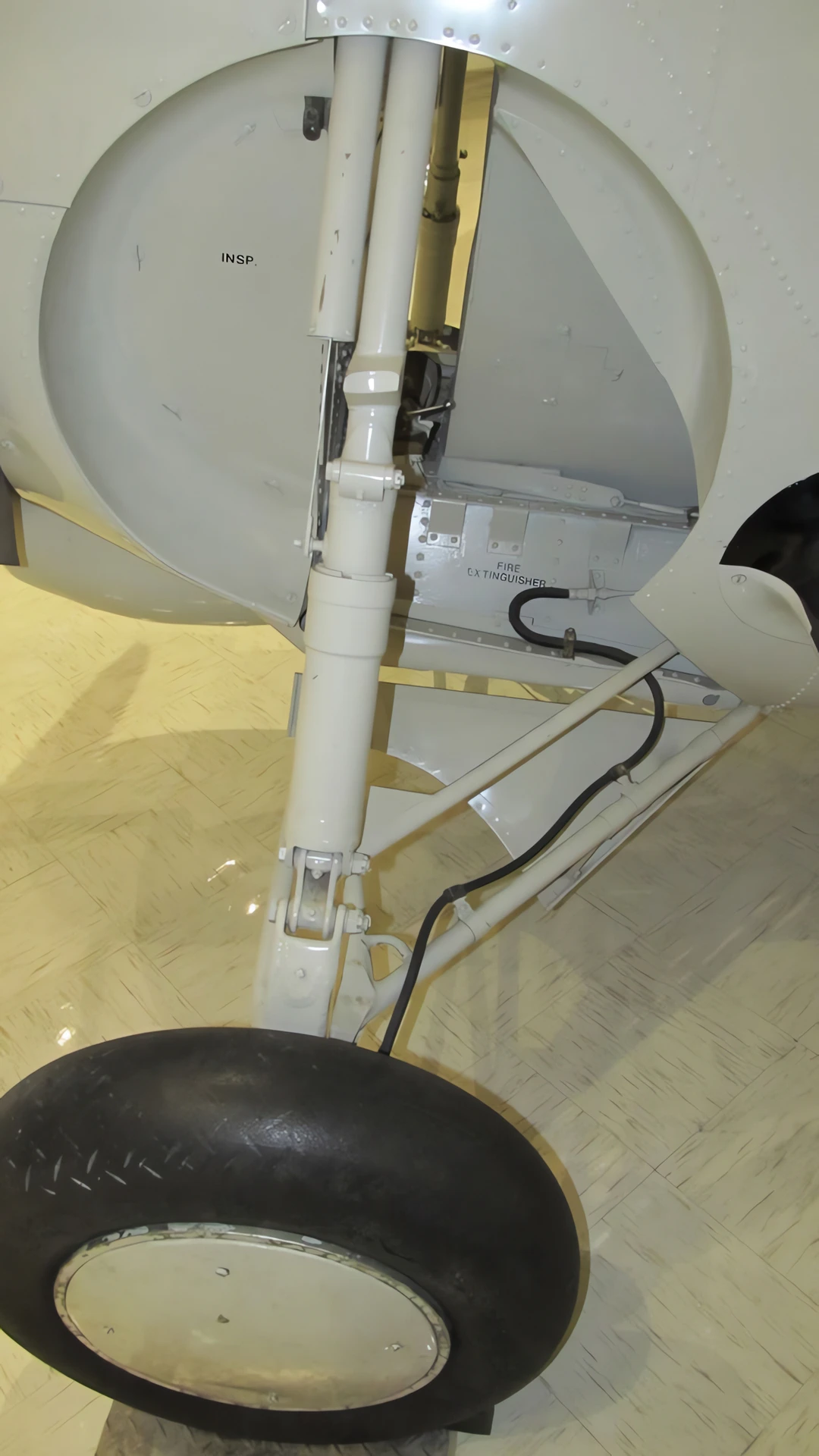
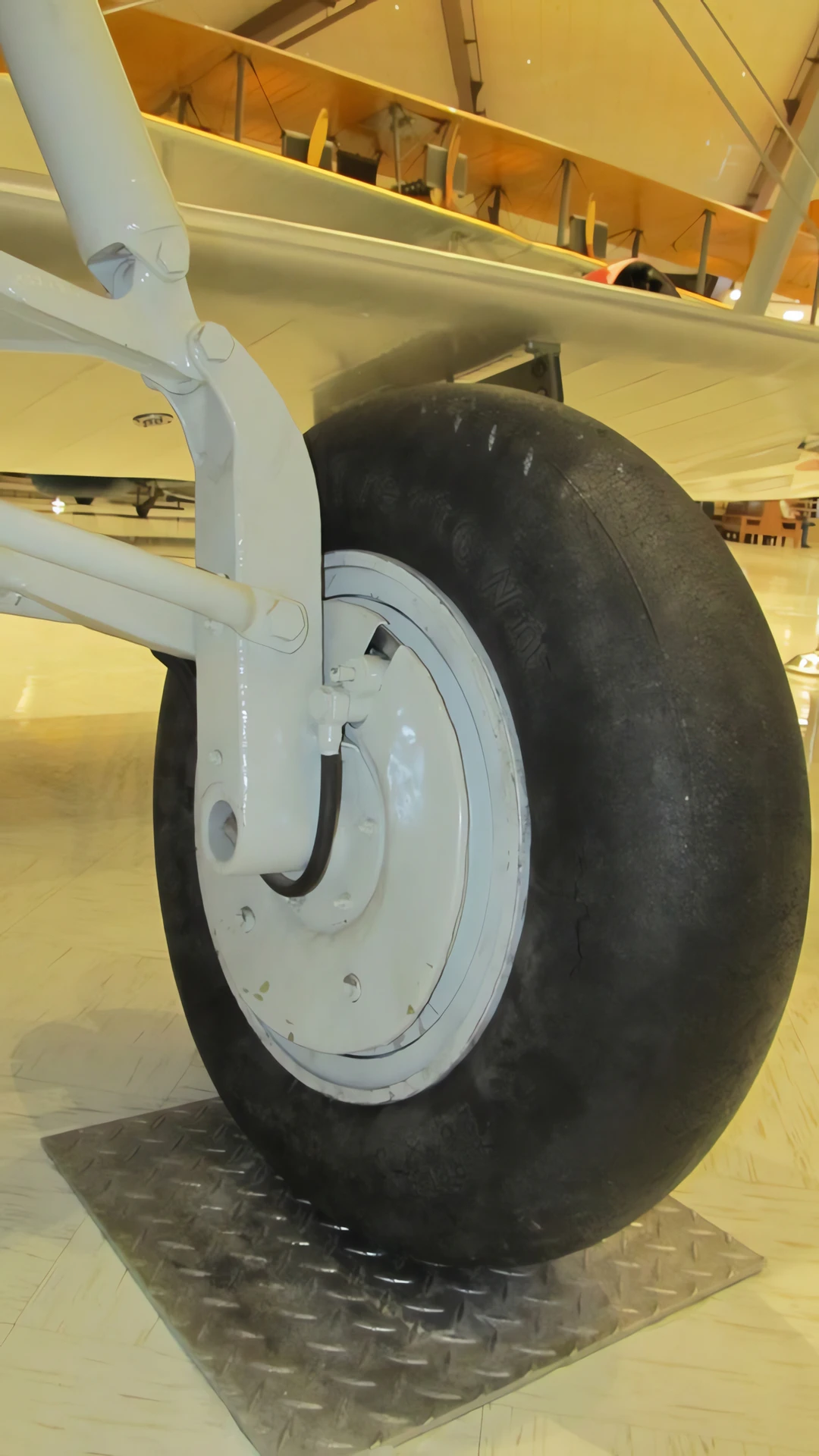
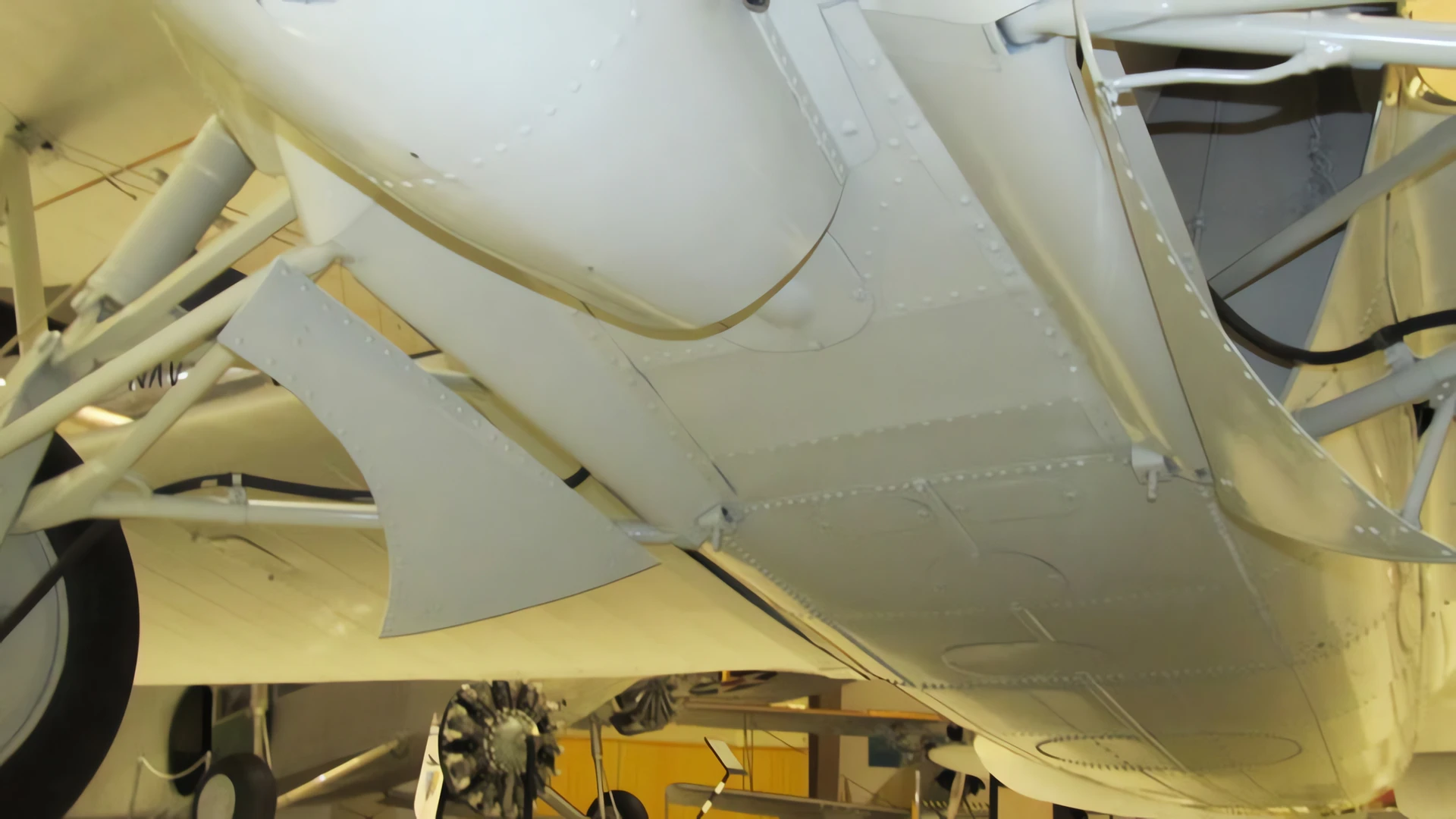

| Grumman F3F-2 Walk Around | |
|---|---|
| Fotógrafo | Fotios Rouch |
| Localização | Desconhecido |
| Fotos | 30 |
Veja também:


The End of an Era
O Grumman F3F-3 represents the absolute zenith of biplane fighter technology for the U.S. Navy. Often called the “Flying Barrel” due to its short, tubby fuselage, it was designed to cram the most powerful engine possible into the smallest airframe. While the world was moving toward monoplanes like the Messerschmitt Bf 109, the F3F-3 remained the fleet’s premier interceptor until 1941. It was the last biplane fighter ever ordered by the U.S. military, serving as the final bridge before the arrival of the legendary monoplane “Cats.”
| Attribute | Technical Specification (F3F-3) |
|---|---|
| Papel | Carrier-based Fighter |
| tripulação | 1 (Pilot) |
| First Flight (F3F series) | March 20, 1935 |
| Usina | 1 × Wright R-1820-22 “Cyclone” 9-cylinder radial |
| Horsepower | 950 hp (708 kW) |
| Maximum Speed | 264 mph (425 km/h) |
| Rate of Climb | 2,750 ft/min (14 m/s) |
| Armamento | 1 × .30 cal M1919 Browning; 1 × .50 cal M2 Browning |
Engineering a “Super Biplane”
- Retractable Landing Gear: Like its predecessor, the F2F, the F3F featured Grumman’s signature manual retractable gear. The wheels tucked flush into the sides of the fuselage, a complex mechanism that required the pilot to vigorously crank a hand-lever 28 times.
- The “NACA” Cowling: The F3F-3 utilized an advanced NACA engine cowling that helped streamline the bulky radial engine while simultaneously improving cooling, allowing for the higher speeds necessary to keep up with early monoplanes.
- All-Metal Fuselage: While the wings were still fabric-covered over a metal frame to save weight, the fuselage was a modern aluminum monocoque structure, providing the “Iron Works” durability Grumman was becoming known for.
- Short-Coupled Maneuverability: Because of its short length and dual-wing lift, the F3F-3 was incredibly agile in a dogfight, possessing a turn radius that most modern monoplanes could never hope to match.
Pre-War Service & Legacy
- “Yellow Wings” Era: The F3F-3 is the iconic representative of the “Golden Age” of naval aviation, characterized by bright yellow upper wings (for visibility in case of a ditching) and colorful tail markings indicating the aircraft’s carrier and squadron.
- The Last of its Kind: Only 27 of the “-3” variant were built. They were the last biplanes delivered to the Navy, and by the time Pearl Harbor was attacked, they had been relegated to training roles as the F4F Wildcat took over the front lines.
- The Wildcat Connection: If you look closely at the F3F, you can see the “DNA” of the F4F Wildcat. Grumman essentially took the F3F fuselage, removed the second wing, and strengthened the gear to create the G-16, which eventually evolved into the Wildcat.
- The Gulfhawk: A civilian version, the G-22 Gulfhawk II, was flown by legendary pilot Al Williams for major airshows. It is now a center-piece at the National Air and Space Museum.
Views : 4598
Você pode ver também:
 Aero A.12 – Fotos e Vídeos
 FVM Ö1 Tummelisa – Fotos e Vídeos
 Travel Air 2000 – Fotos e Vídeos
 Grumman F-9 Cougar – Fotos & Vídeo
 Grumman F6F Hellcat – Fotos & Vídeo
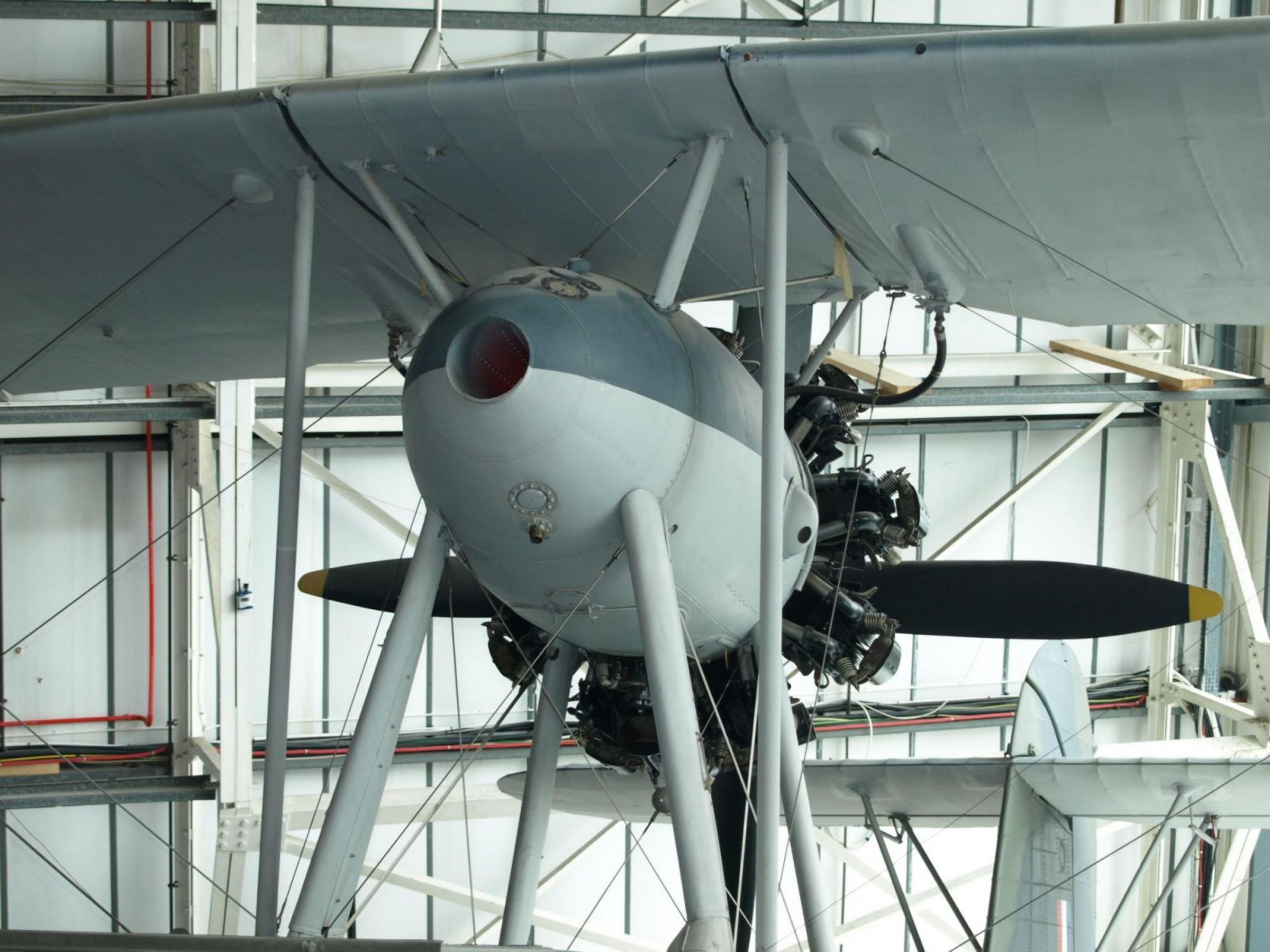 Supermarine Walrus – Fotos e Vídeo
 C-2A Greyhound – Fotos e Vídeo
 Caudron G.III – Fotos e Vídeo
 Bucker Bu-131 Jungmann – Fotos e Vídeo
 Grumman F8F Bearcat – Fotos & Vídeo