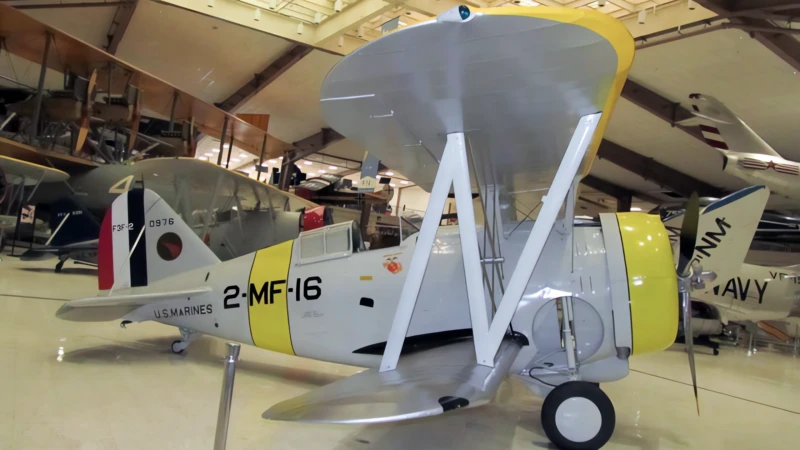
Grumman F3F | |
|---|---|
| Χώρα | Ηπα |
| Ρόλο | Μαχητικά αεροσκάφη |
| Πρώτη πτήση | 20 Μαρτίου 1935 |
| Χτισμένο | 147 |
Teh Grumman F3F ήταν το τελευταίο αμερικανικό διπλάνο μαχητικό αεροσκάφος που παραδόθηκε στο Πολεμικό Ναυτικό των Ηνωμένων Πολιτειών (πράγματι, το τελευταίο διπλάνο μαχητικό που παραδόθηκε σε οποιοδήποτε αμερικανικό στρατιωτικό αεροπορικό σκέλος) και υπηρέτησε μεταξύ των πολέμων. Σχεδιασμένο ως βελτίωση του μονοθέσιου F2F, τέθηκε σε υπηρεσία το 1936. Αποσύρθηκε από τις μοίρες πρώτης γραμμής στα τέλη του 1941 πριν μπορέσει να υπηρετήσει στον Δεύτερο Παγκόσμιο Πόλεμο και αντικαταστάθηκε για πρώτη φορά από το Brewster F2A Buffalo. Το F3F, το οποίο κληρονόμησε τη σχεδιασμένη από τη Leroy Grumman, ανασυρόμενη διαμόρφωση του κύριου συστήματος προσγείωσης που χρησιμοποιήθηκε για πρώτη φορά στο Grumman FF, χρησίμευσε ως βάση για ένα σχέδιο διπλάνου που τελικά εξελίχθηκε στο πολύ πιο επιτυχημένο F4F Wildcat.
| Grumman F3F-3 με τα πόδια γύρω από | |
|---|---|
| Φωτογράφους | Σίες Χέντρικς |
| Εντοπισμού | Αγνοώ |
| Φωτογραφίες | 40 |
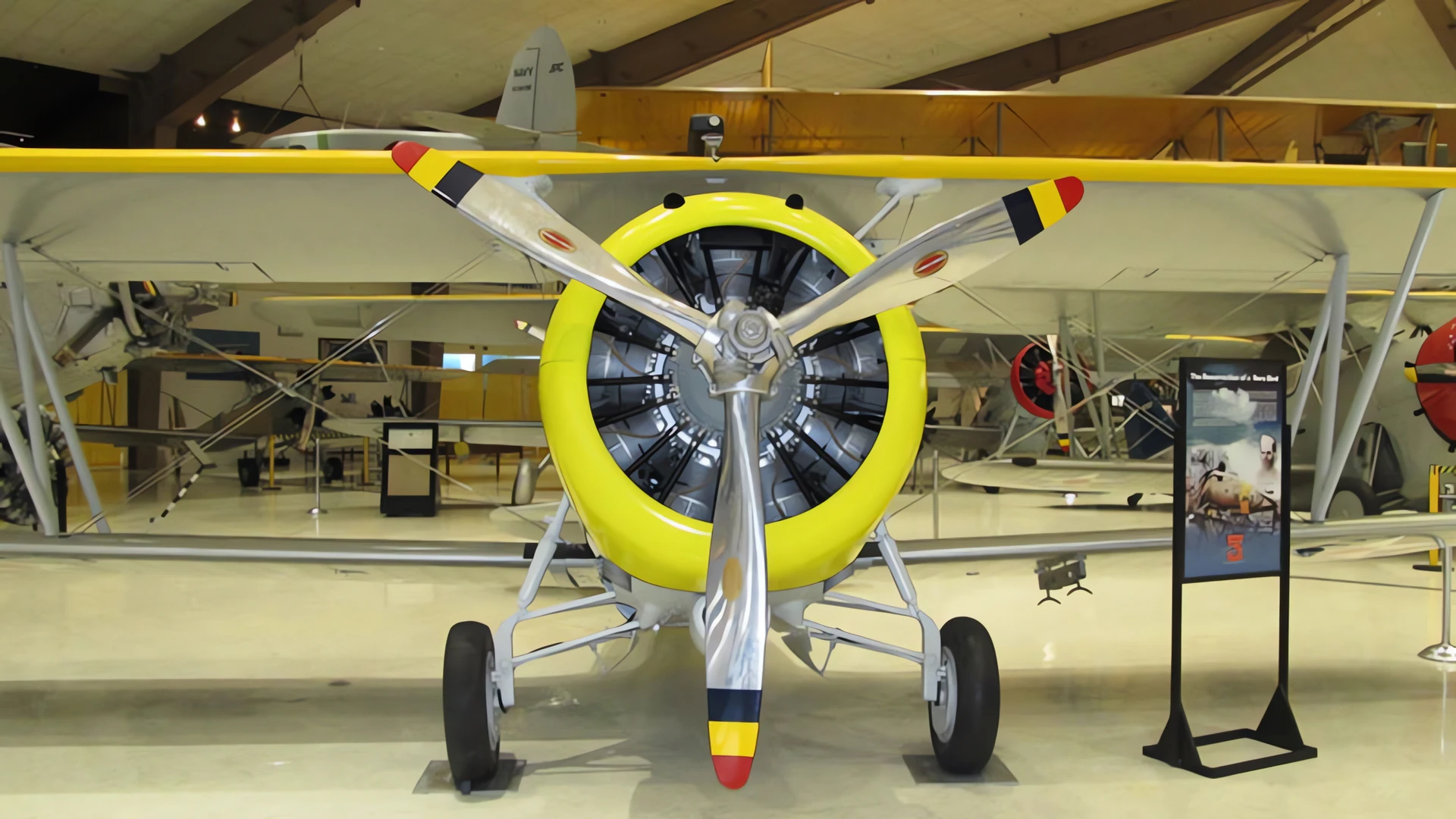
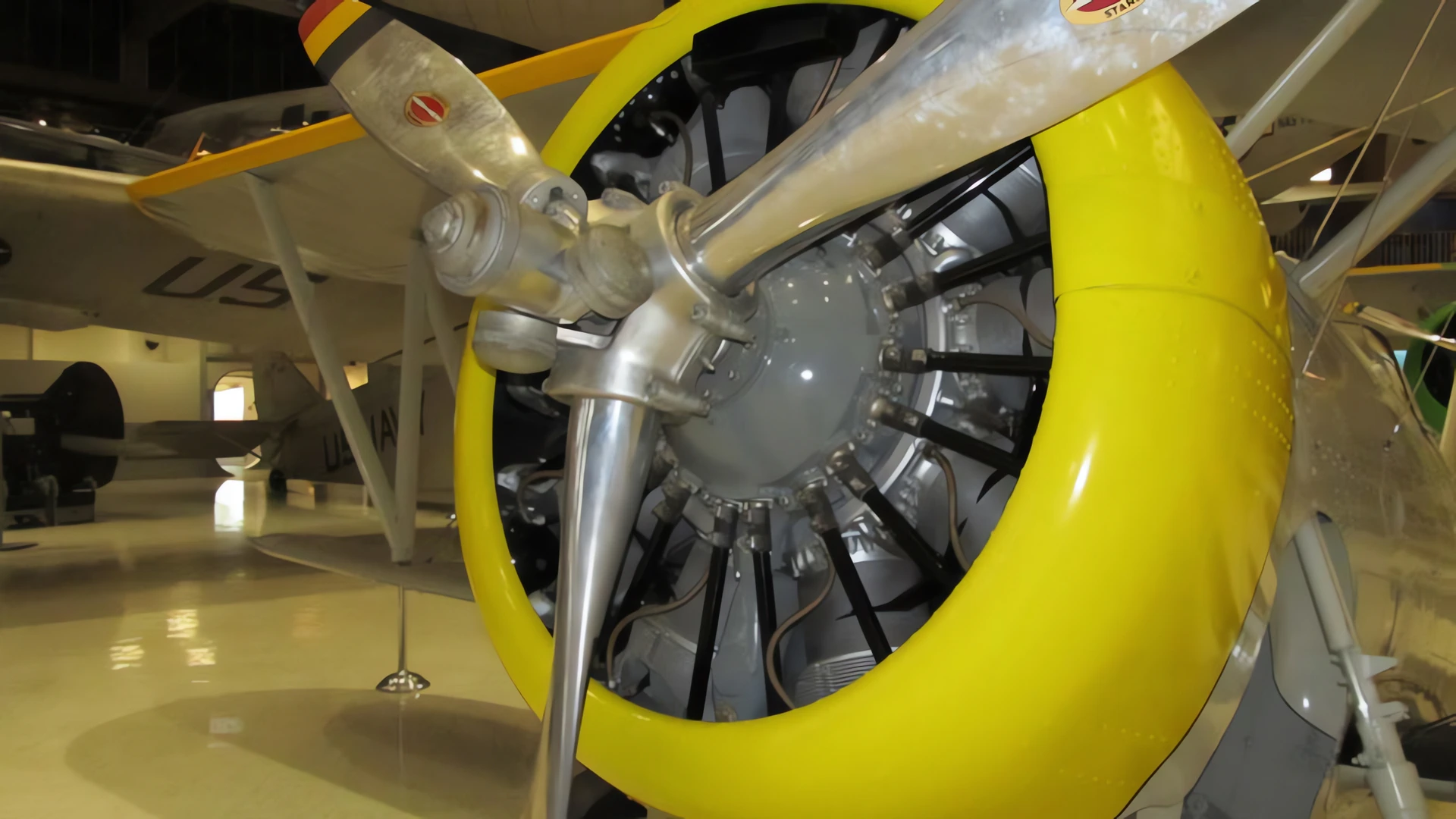
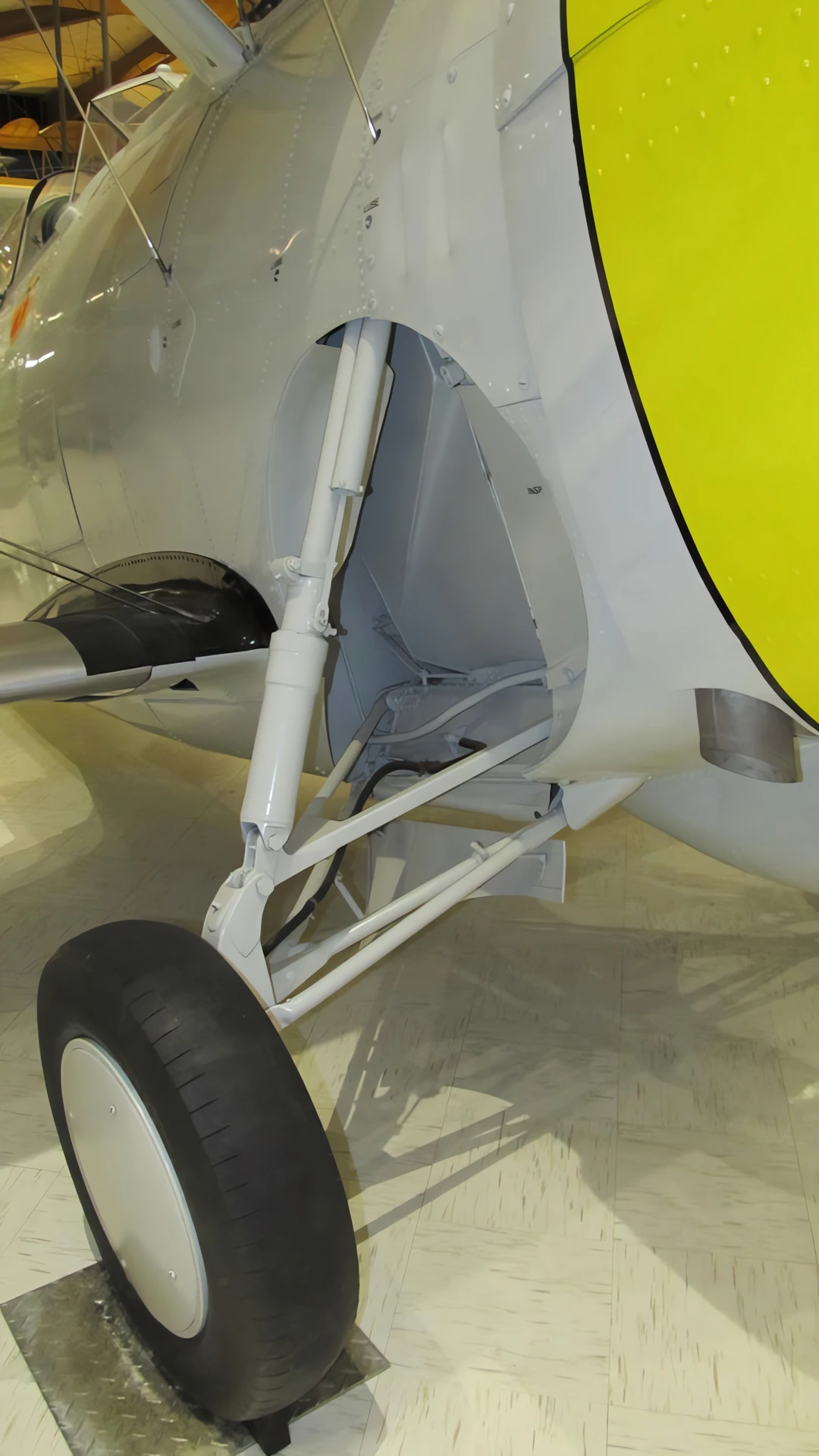
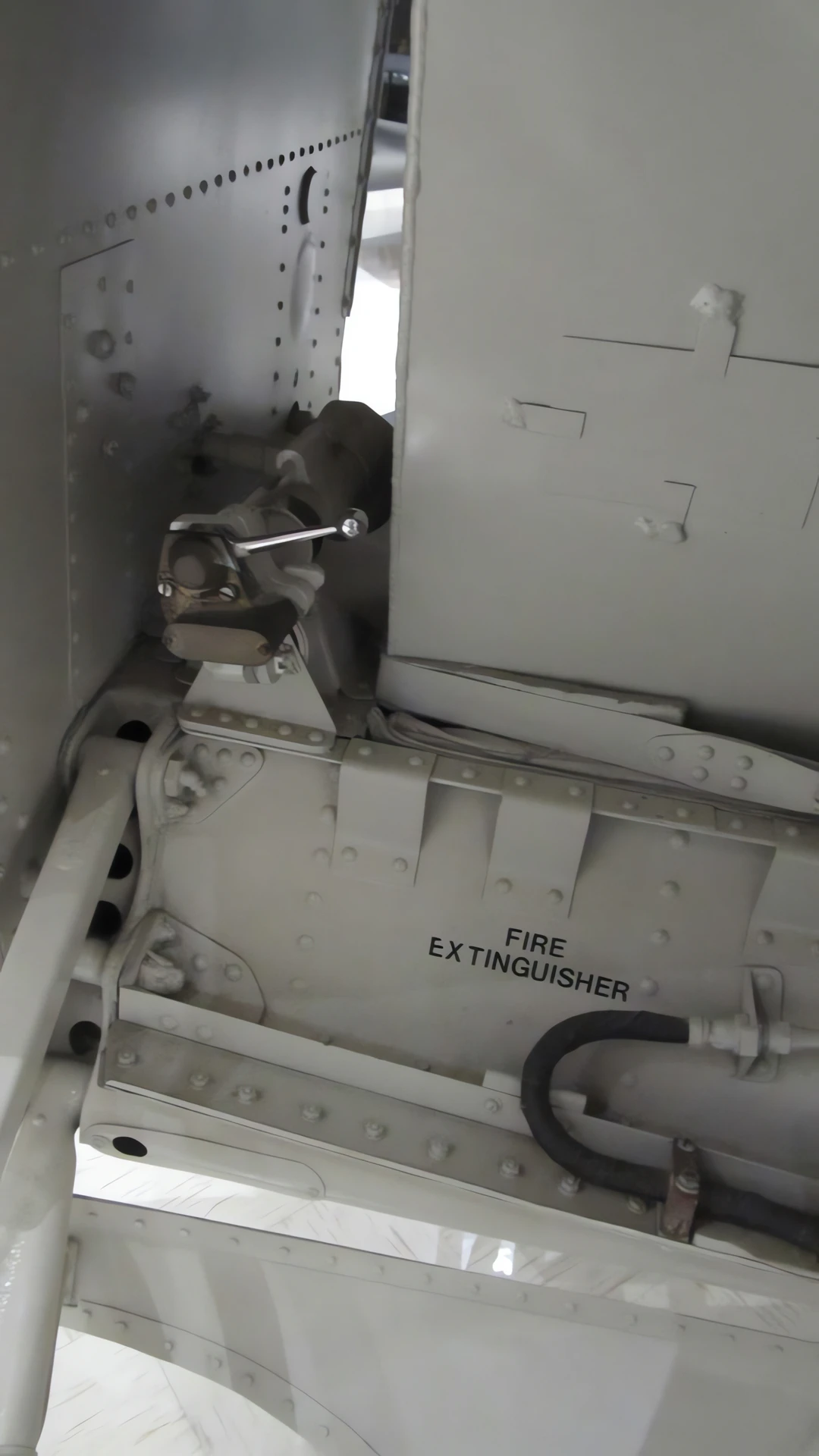
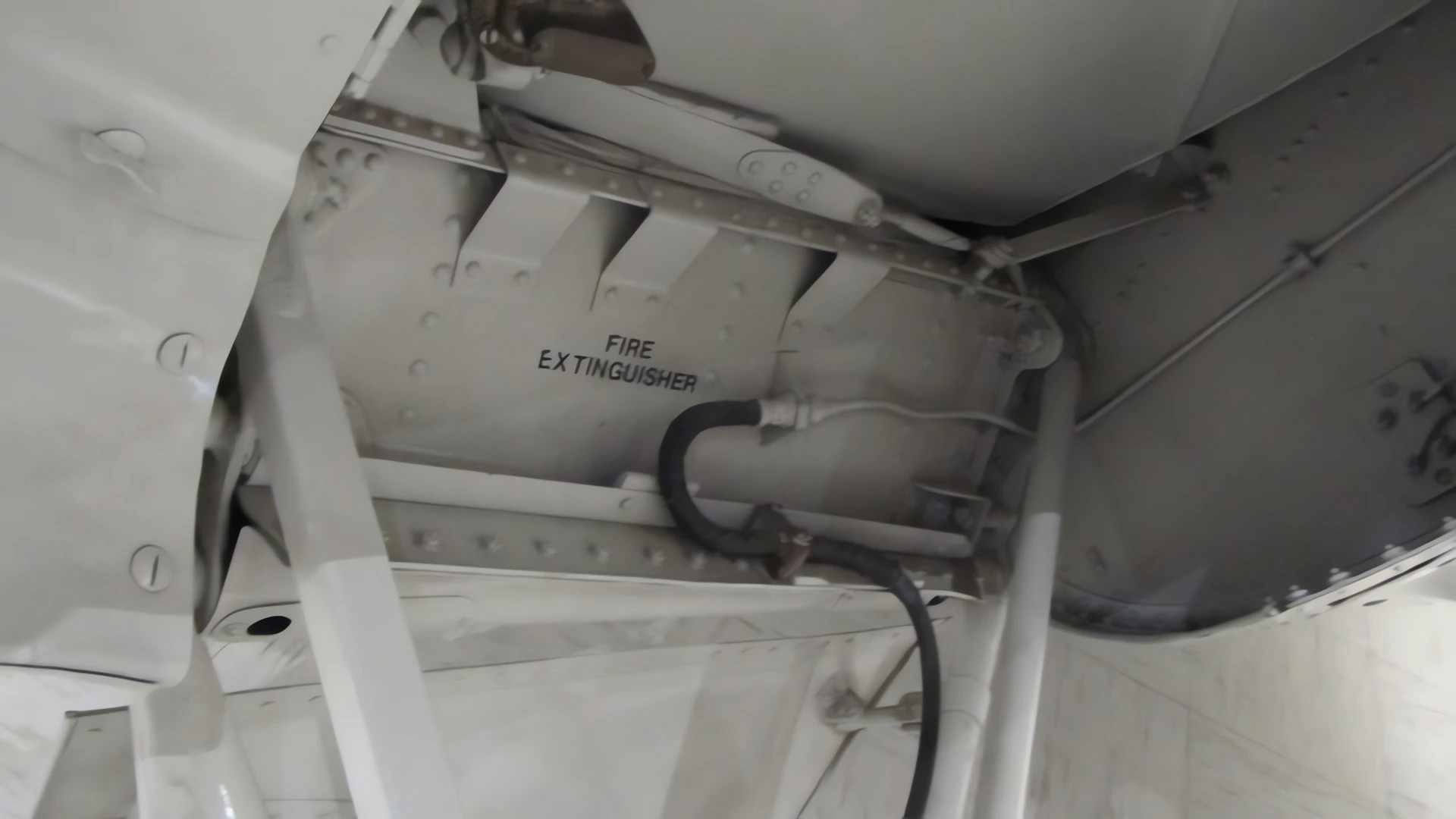
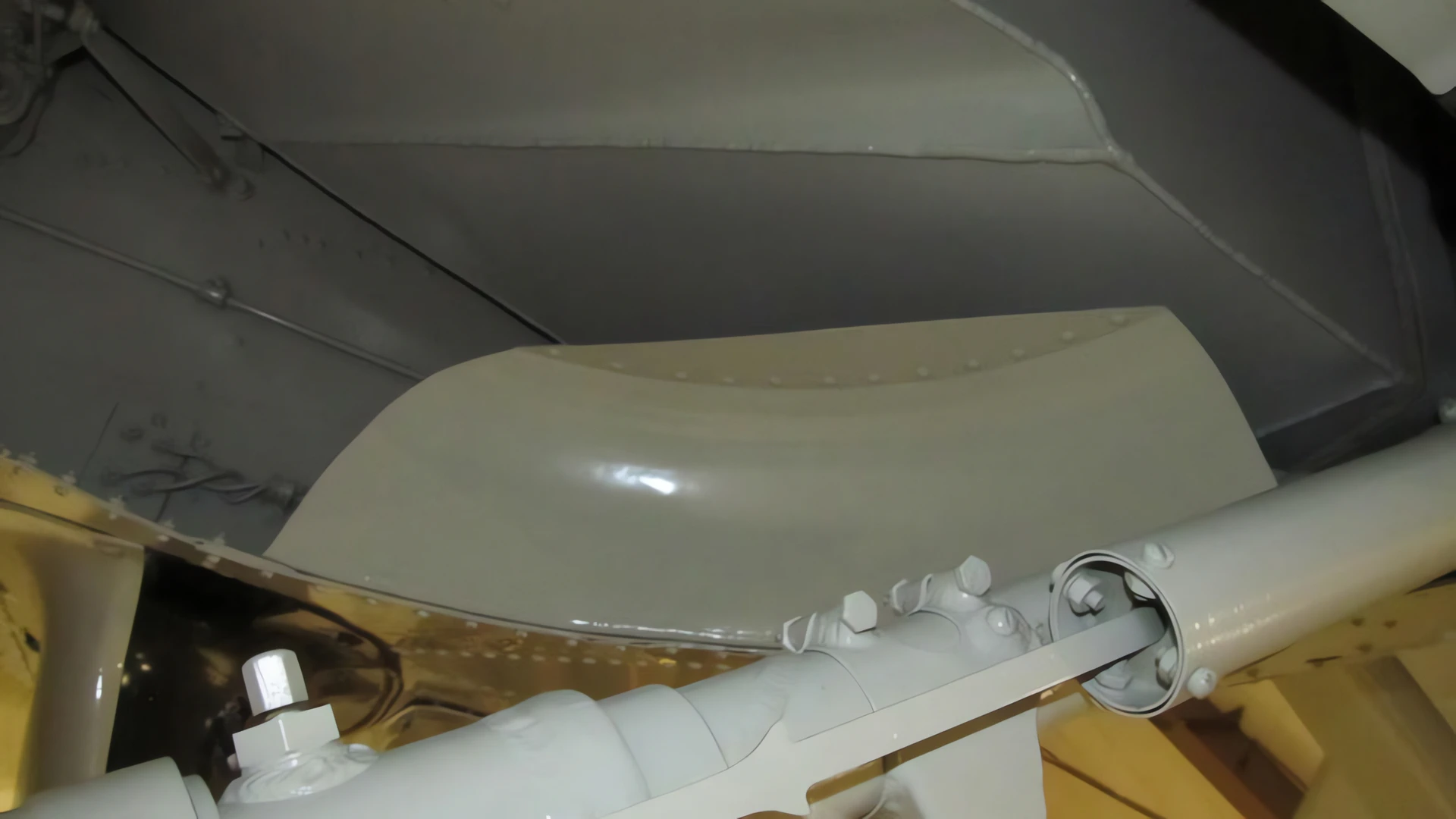
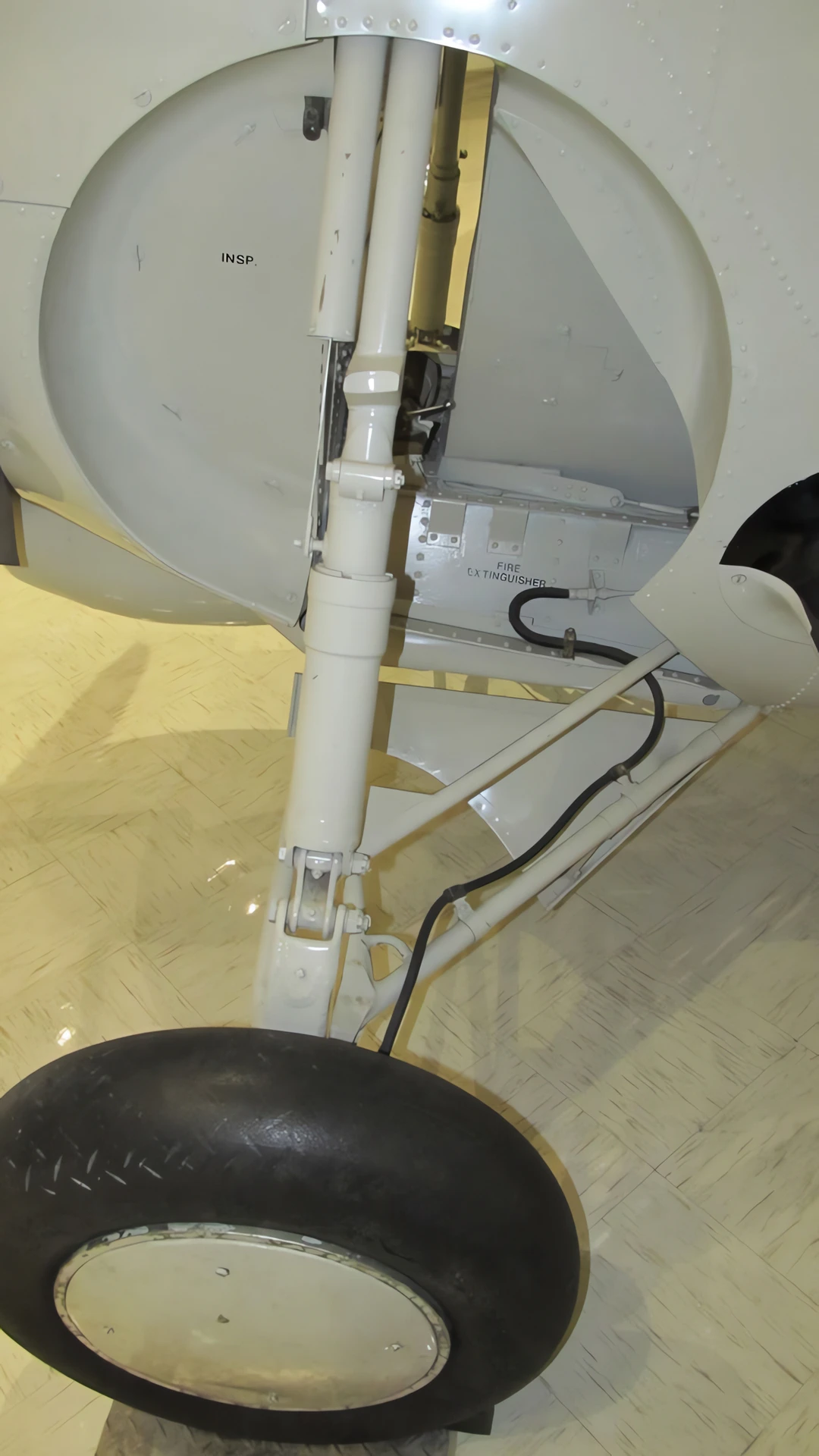
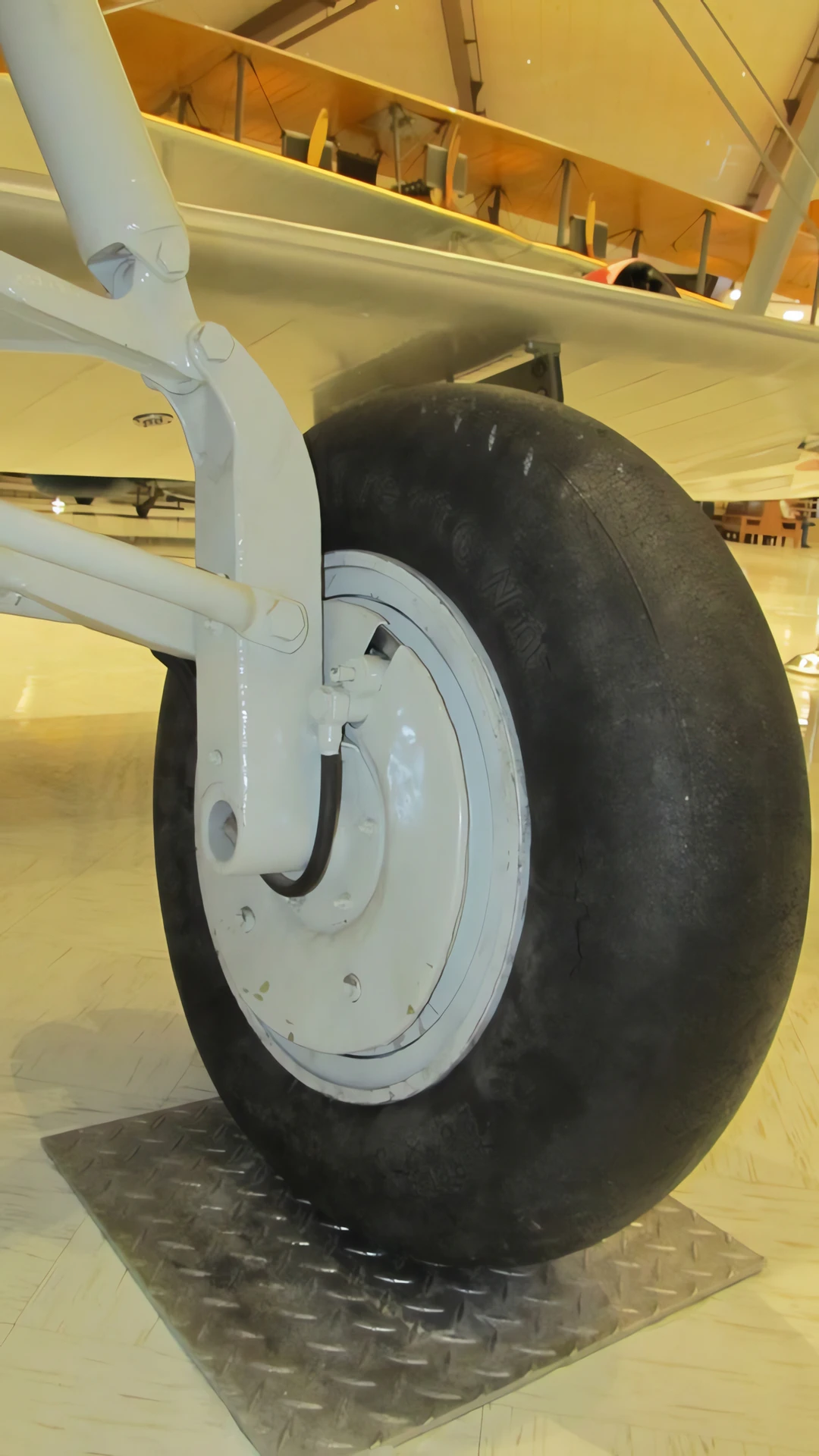
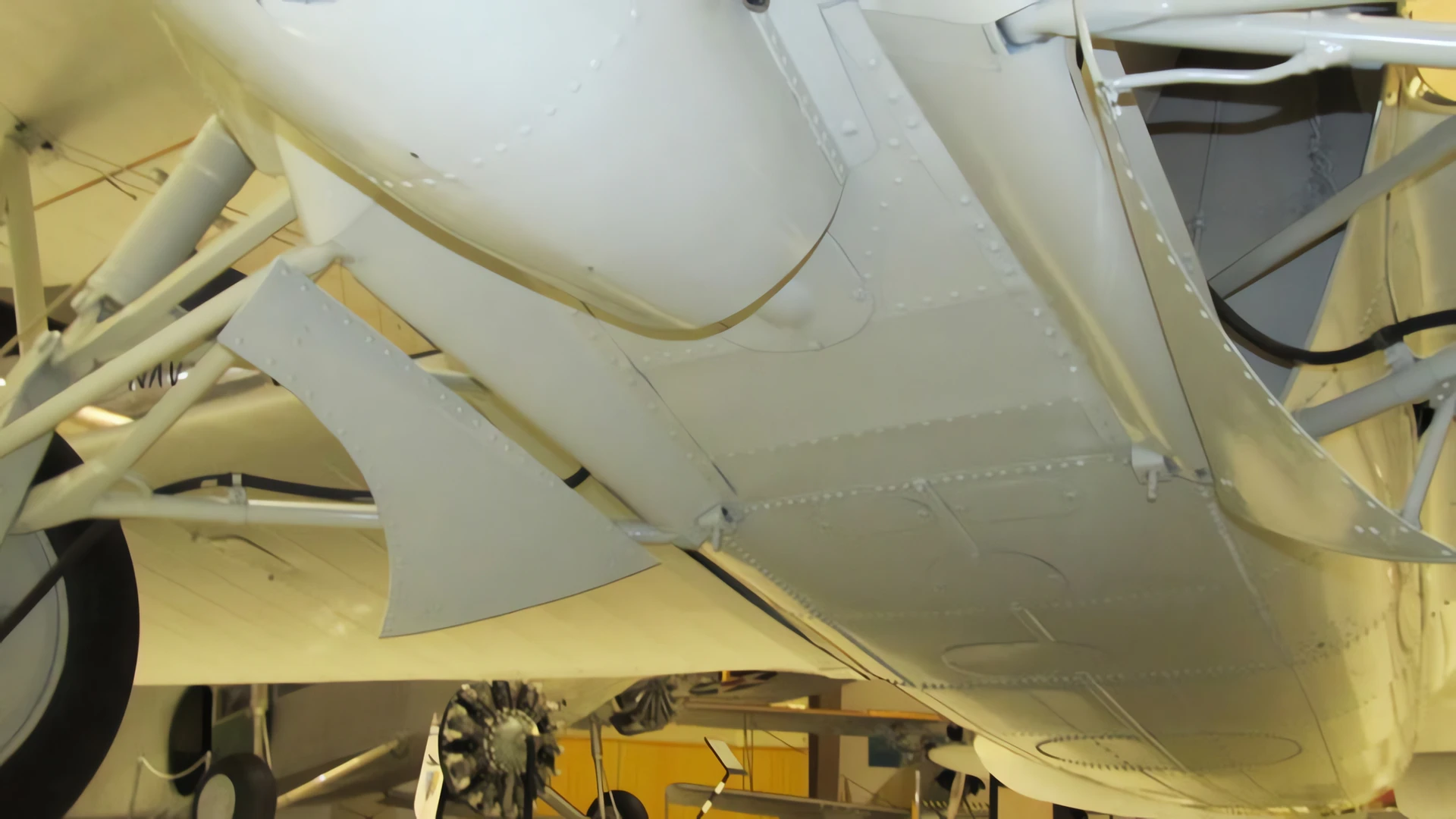

| Grumman F3F-2 Walk Around | |
|---|---|
| Φωτογράφος | Fotios Rouch |
| Εντοπισμού | Αγνοώ |
| Φωτογραφίες | 30 |
Δείτε επίσης:


The End of an Era
Teh Grumman F3F-3 represents the absolute zenith of biplane fighter technology for the U.S. Navy. Often called the “Flying Barrel” due to its short, tubby fuselage, it was designed to cram the most powerful engine possible into the smallest airframe. While the world was moving toward monoplanes like the Messerschmitt Bf 109, the F3F-3 remained the fleet’s premier interceptor until 1941. It was the last biplane fighter ever ordered by the U.S. military, serving as the final bridge before the arrival of the legendary monoplane “Cats.”
| Attribute | Technical Specification (F3F-3) |
|---|---|
| Ρόλο | Carrier-based Fighter |
| Πλήρωμα | 1 (Pilot) |
| First Flight (F3F series) | March 20, 1935 |
| Πλάστης ισχύος | 1 × Wright R-1820-22 “Cyclone” 9-cylinder radial |
| Horsepower | 950 hp (708 kW) |
| Maximum Speed | 264 mph (425 km/h) |
| Rate of Climb | 2,750 ft/min (14 m/s) |
| Οπλισμός | 1 × .30 cal M1919 Browning; 1 × .50 cal M2 Browning |
Engineering a “Super Biplane”
- Retractable Landing Gear: Like its predecessor, the F2F, the F3F featured Grumman’s signature manual retractable gear. The wheels tucked flush into the sides of the fuselage, a complex mechanism that required the pilot to vigorously crank a hand-lever 28 times.
- The “NACA” Cowling: The F3F-3 utilized an advanced NACA engine cowling that helped streamline the bulky radial engine while simultaneously improving cooling, allowing for the higher speeds necessary to keep up with early monoplanes.
- All-Metal Fuselage: While the wings were still fabric-covered over a metal frame to save weight, the fuselage was a modern aluminum monocoque structure, providing the “Iron Works” durability Grumman was becoming known for.
- Short-Coupled Maneuverability: Because of its short length and dual-wing lift, the F3F-3 was incredibly agile in a dogfight, possessing a turn radius that most modern monoplanes could never hope to match.
Pre-War Service & Legacy
- “Yellow Wings” Era: The F3F-3 is the iconic representative of the “Golden Age” of naval aviation, characterized by bright yellow upper wings (for visibility in case of a ditching) and colorful tail markings indicating the aircraft’s carrier and squadron.
- The Last of its Kind: Only 27 of the “-3” variant were built. They were the last biplanes delivered to the Navy, and by the time Pearl Harbor was attacked, they had been relegated to training roles as the F4F Wildcat took over the front lines.
- The Wildcat Connection: If you look closely at the F3F, you can see the “DNA” of the F4F Wildcat. Grumman essentially took the F3F fuselage, removed the second wing, and strengthened the gear to create the G-16, which eventually evolved into the Wildcat.
- The Gulfhawk: A civilian version, the G-22 Gulfhawk II, was flown by legendary pilot Al Williams for major airshows. It is now a center-piece at the National Air and Space Museum.
Views : 4631
Μπορείτε επίσης να δείτε:
 Aero A.12 – Φώτο &; Βίντεο
 FVM Ö1 Tummelisa – Φώτο & Βίντεο
 Travel Air 2000 – Φώτο &; Βίντεο
 Grumman F-9 Cougar – Φώτο & Βίντεο
 Grumman F6F Hellcat – Φώτο & Βίντεο
 Supermarine Walrus – Φώτο & Βίντεο
 C-2A Greyhound – Φώτο &; Βίντεο
 Caudron G.III – Φώτο & Βίντεο
 Bucker Bu-131 Jungmann – Φώτο & Βίντεο
 Grumman F8F Bearcat – Φώτο & Βίντεο