Cadillac Gage Commando | |
|---|---|
| País | Eua |
| Papel | Carro blindado |
| concebido | junho de 1962 |
| Construído | 3200+ |
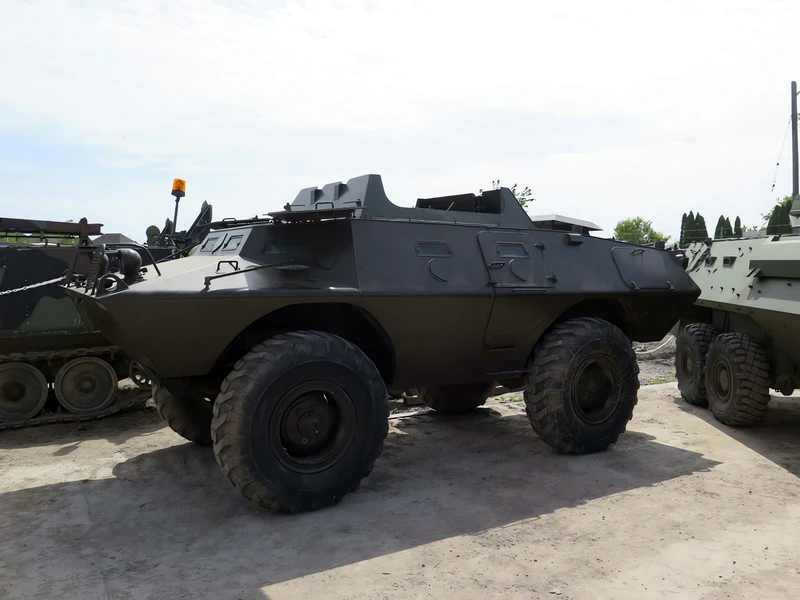
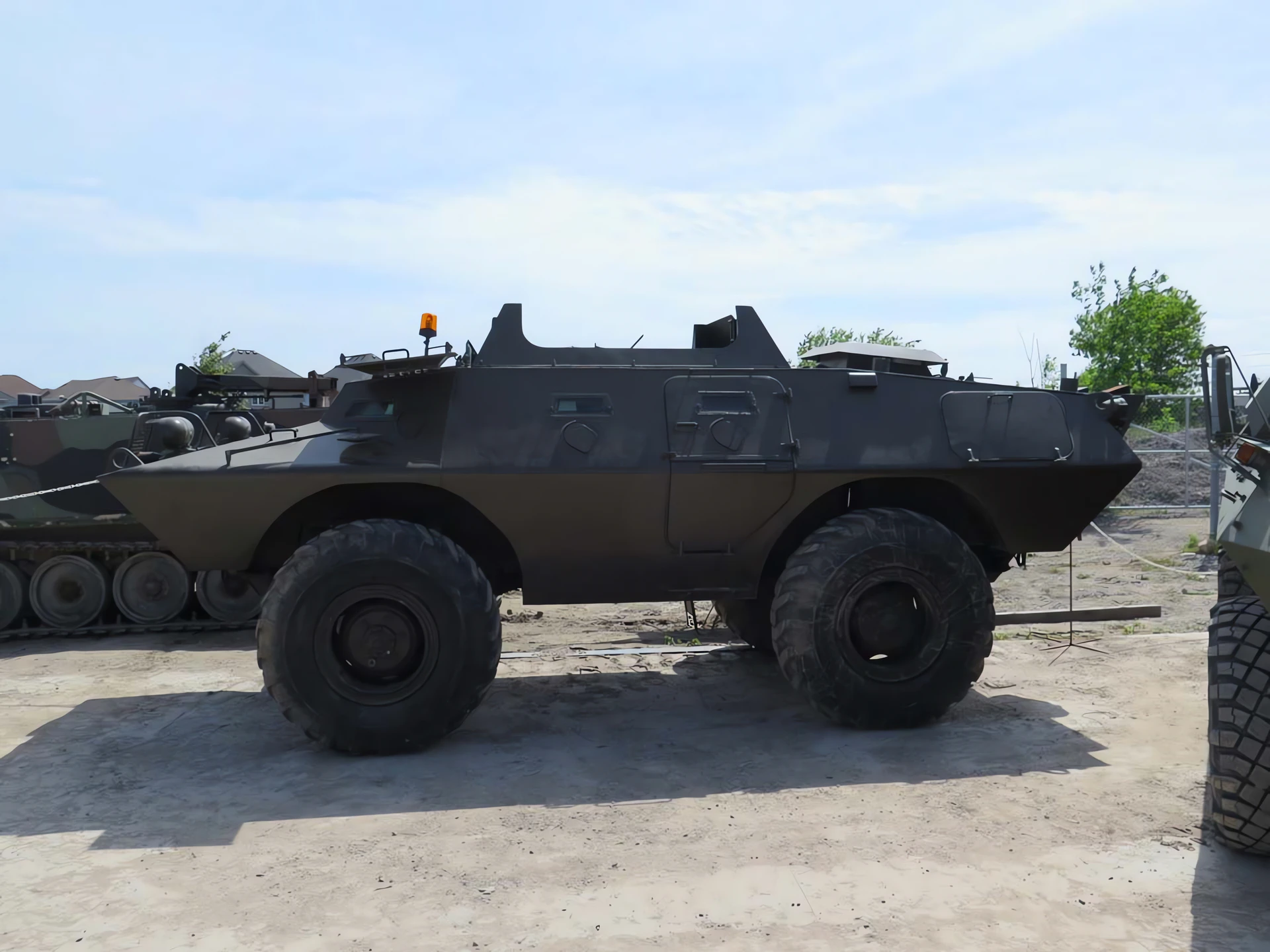
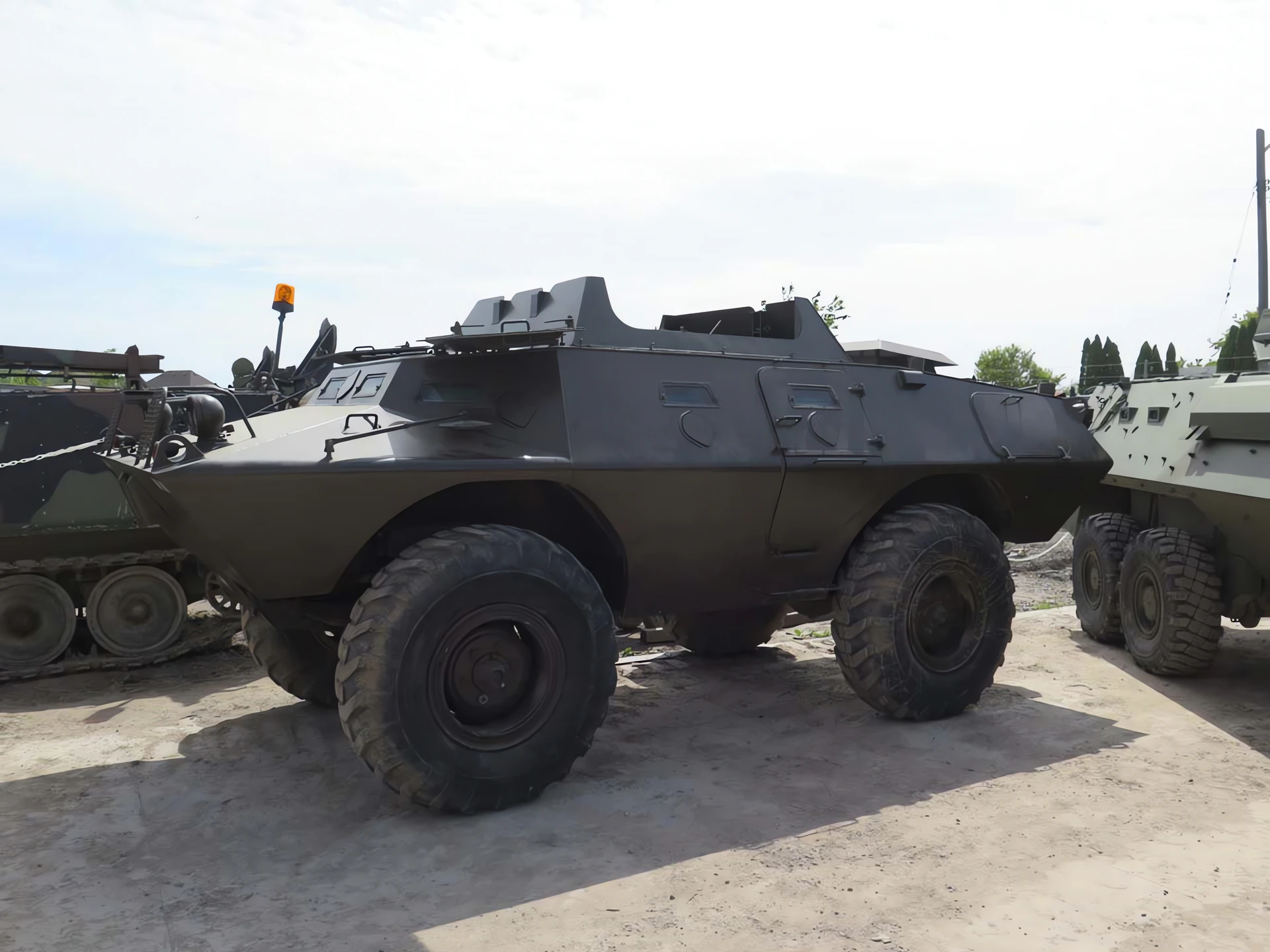
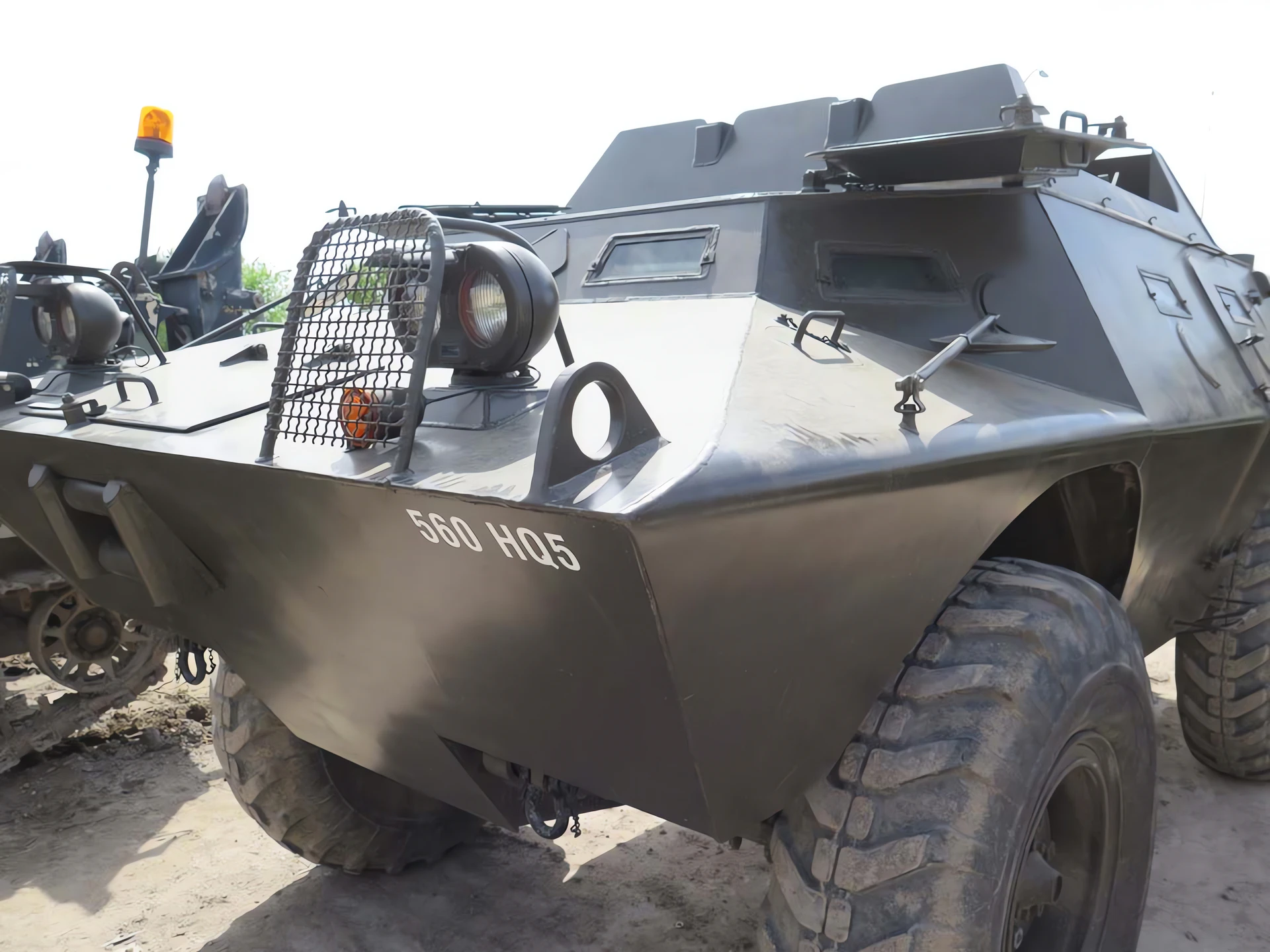
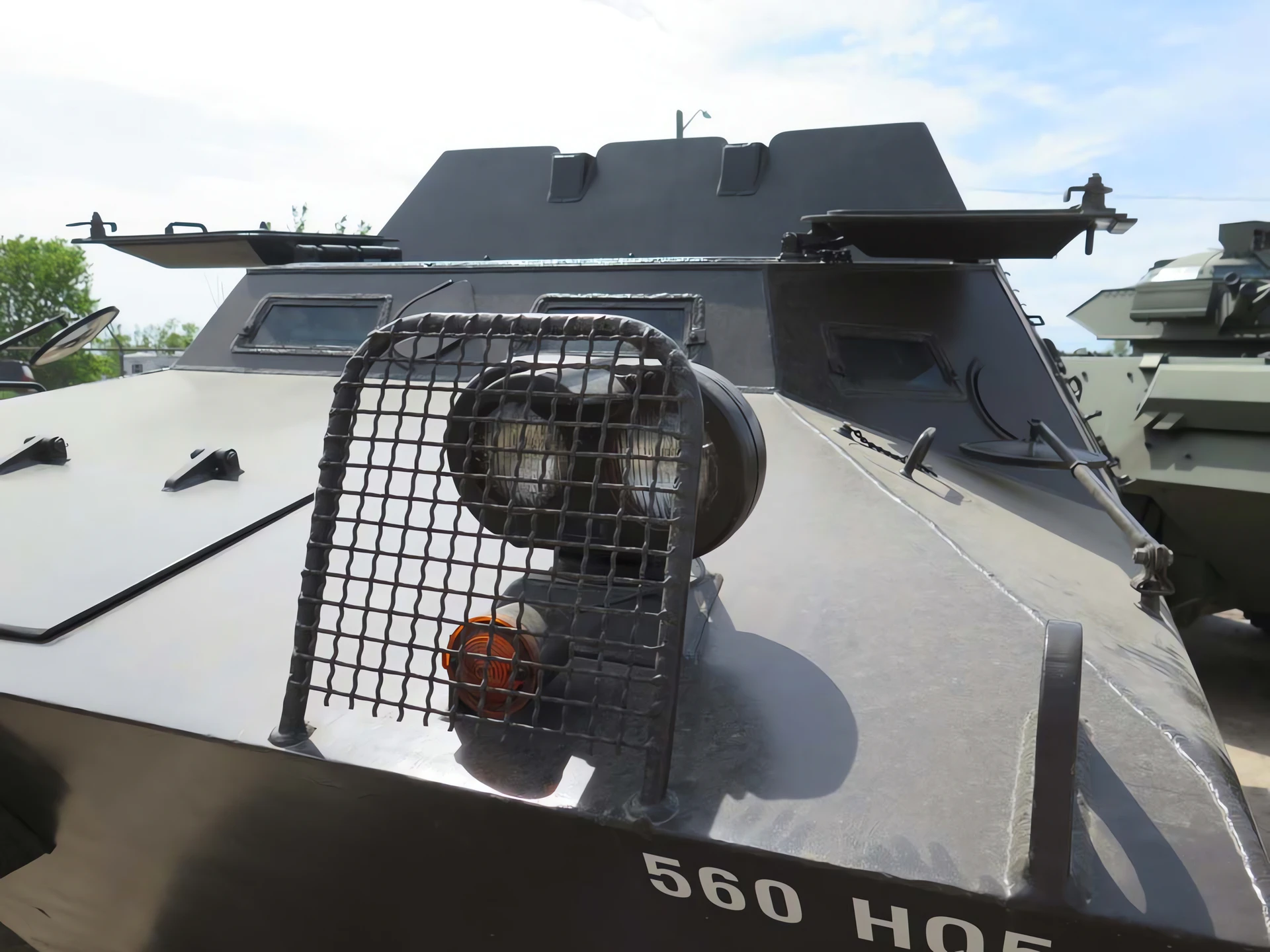
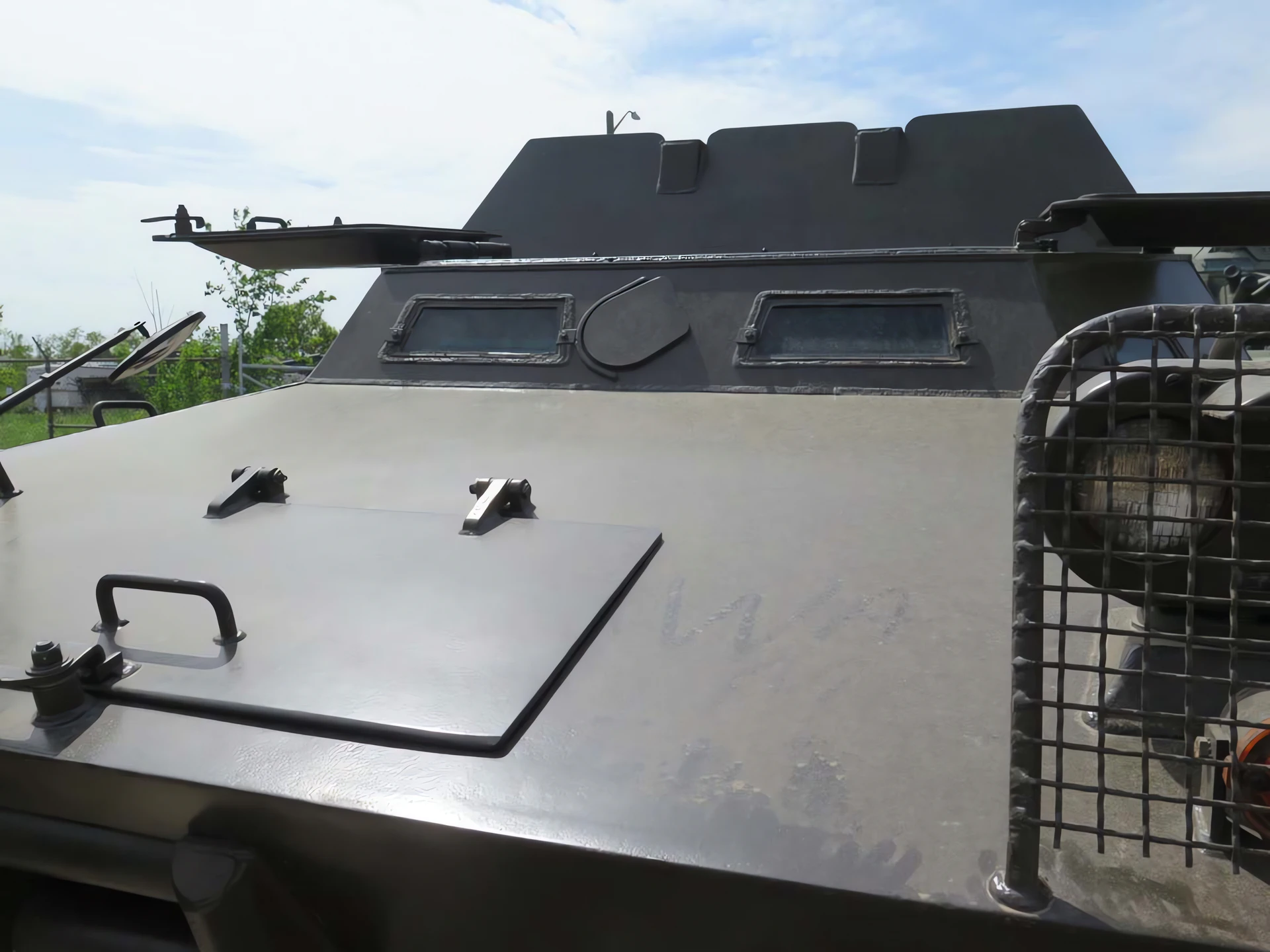
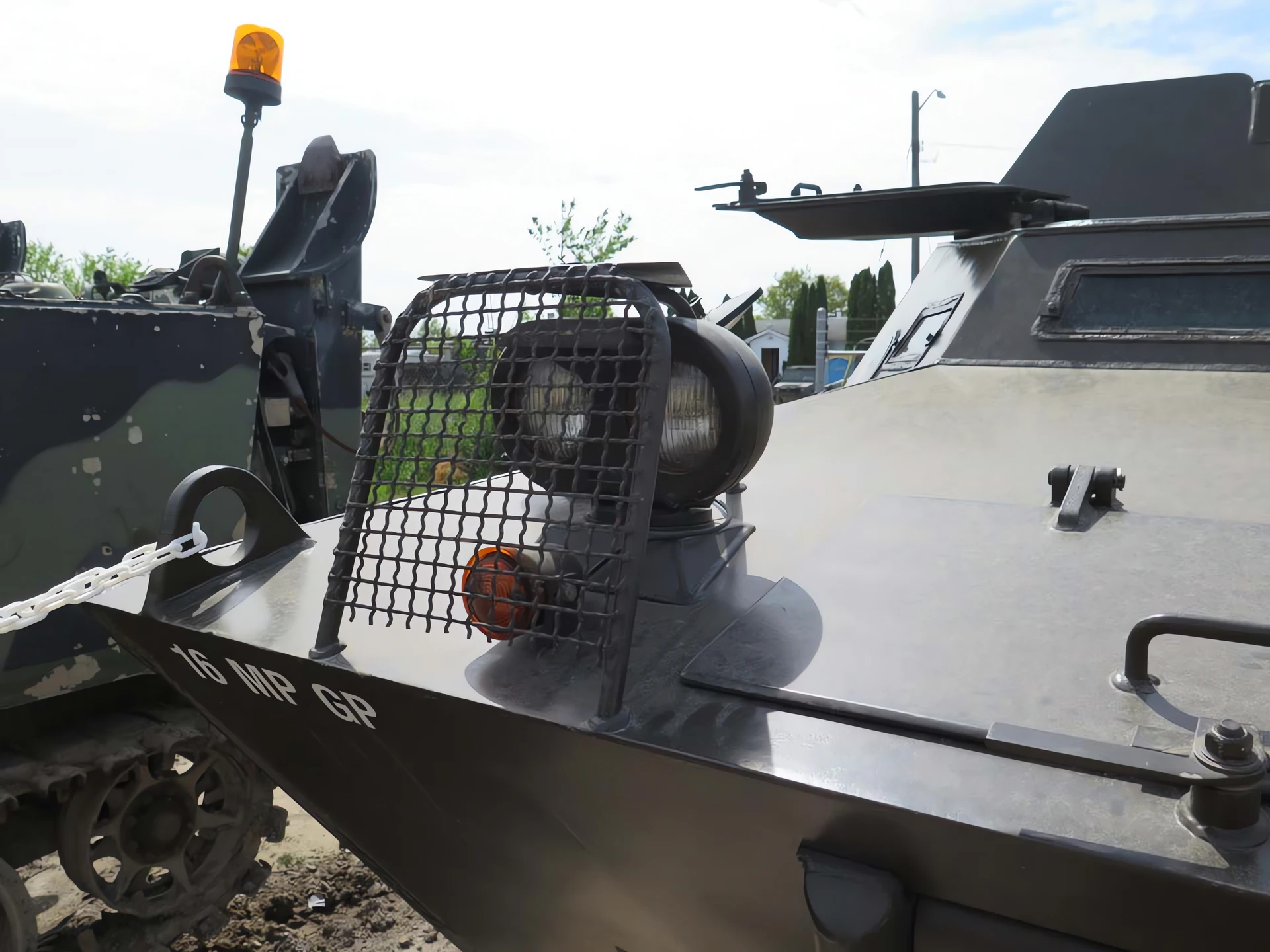
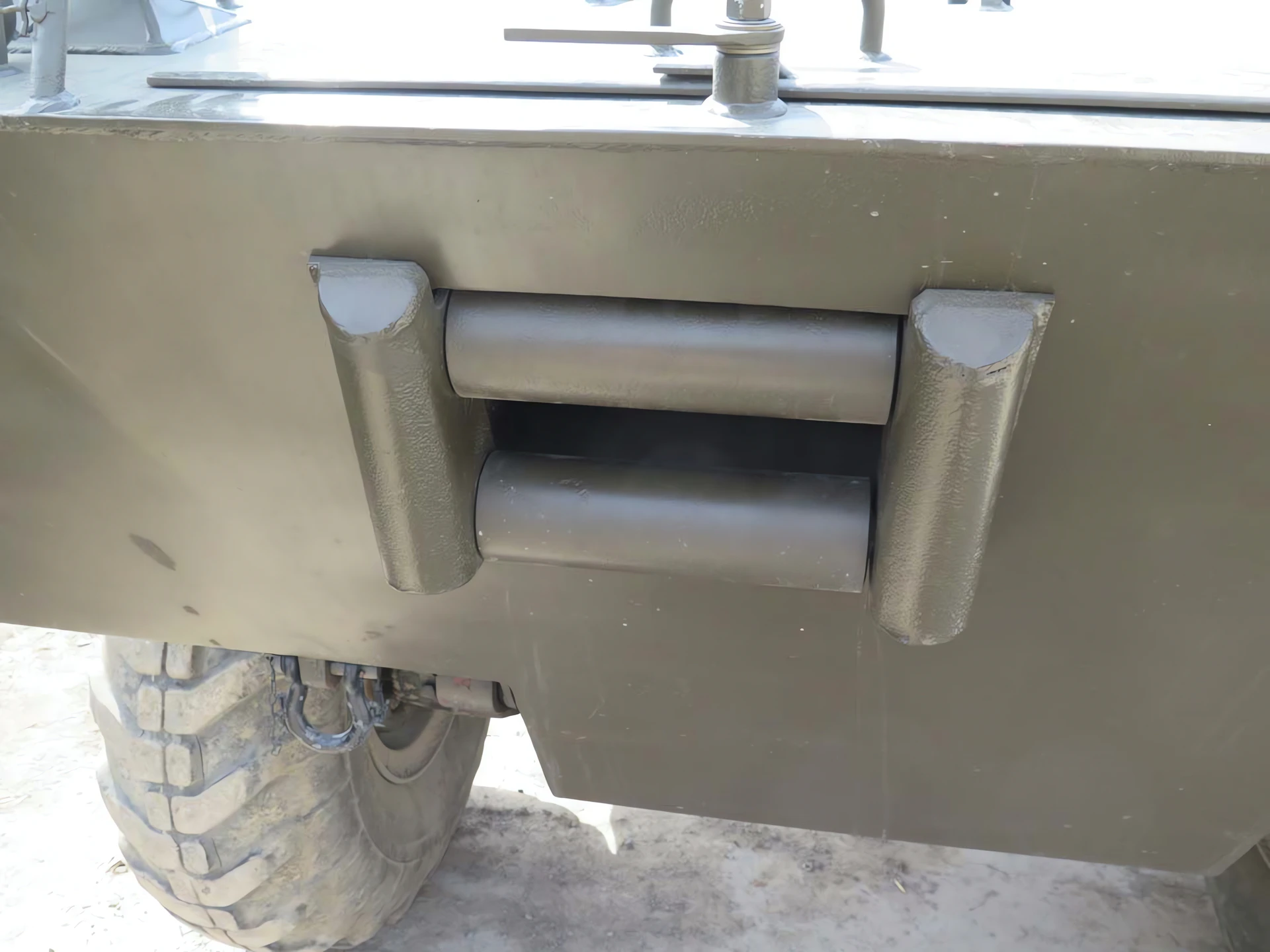
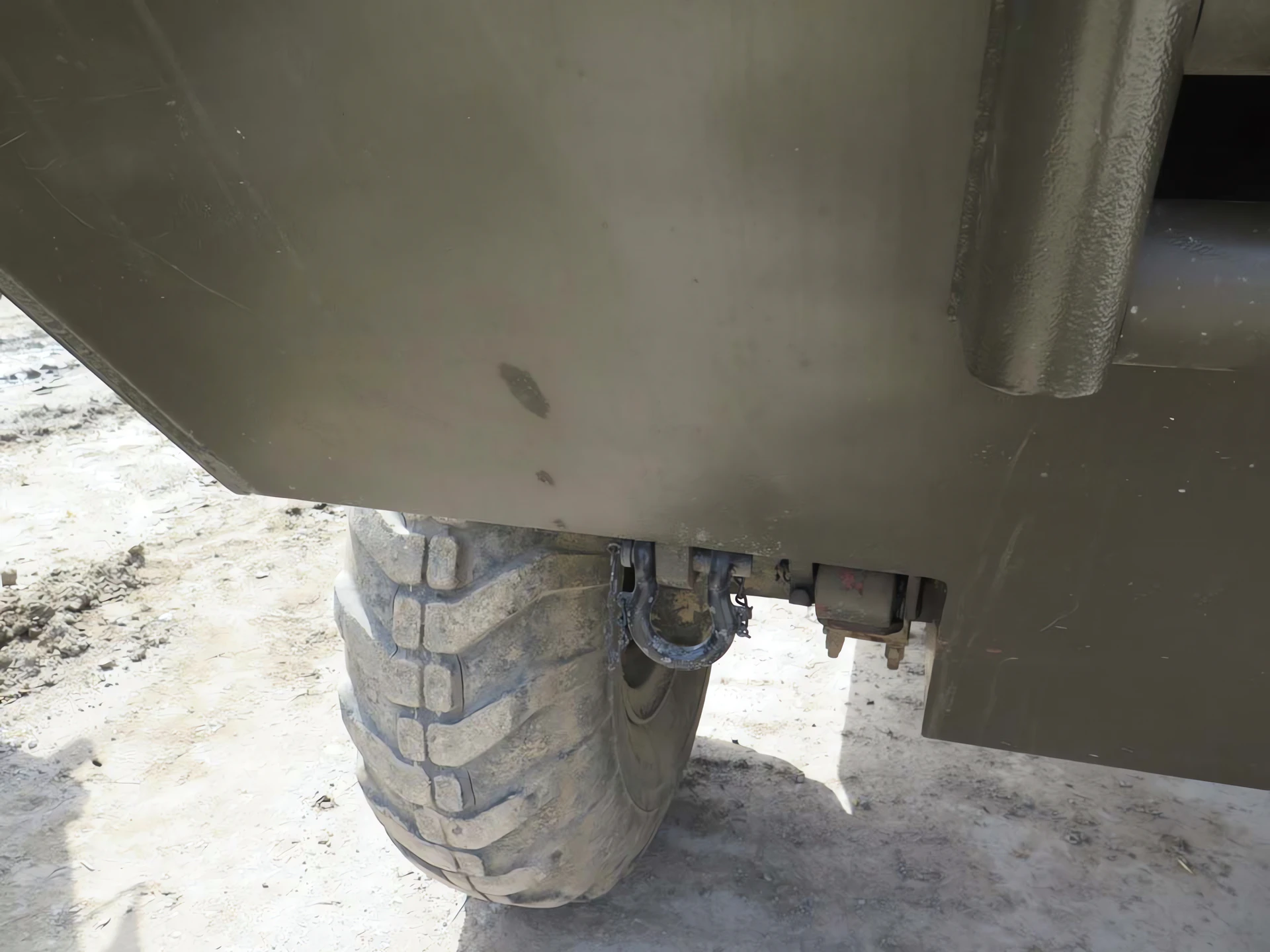
O Cadillac Gage Commando, frequentemente denotado como o M706 no serviço militar dos EUA, era um carro blindado americano projetado para ser anfíbio. Foi projetado por Cadillac Gage especificamente para o Corpo de Polícia Militar dos Estados Unidos durante a Guerra do Vietnã como um veículo armado de escolta de comboios. O Commando foi um dos primeiros veículos a combinar os papéis tradicionalmente separados de um porta-aviões blindado e um carro blindado convencional, assim como o SOVIÉTICO BTR-40. Sua notável altura, capacidade anfíbia e motor impermeável permitiram que as equipes americanas lutassem efetivamente nas selvas do Vietnã observando seus oponentes sobre vegetação espessa e fording os rios profundos do país
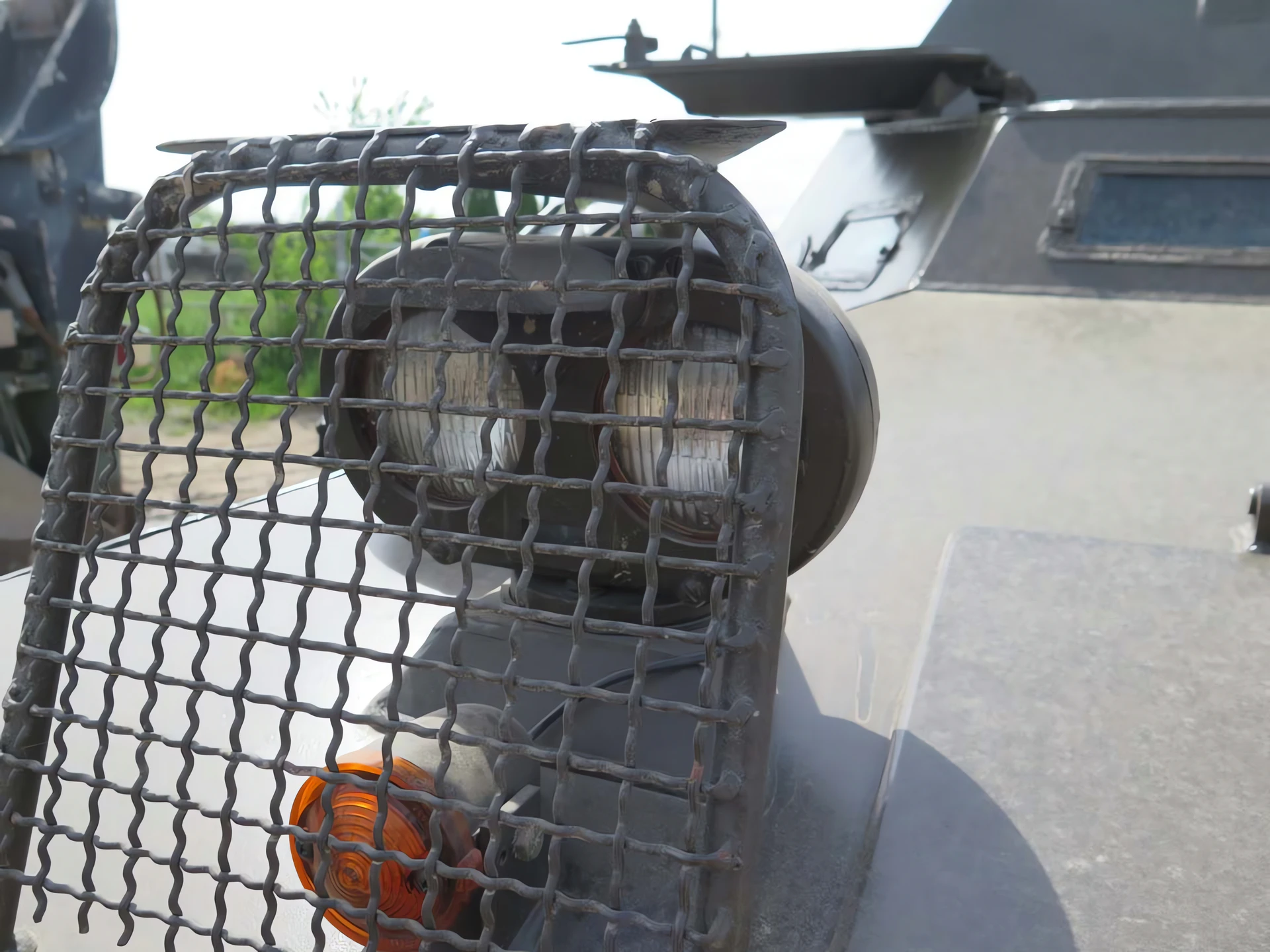
| V-100 Commando Walk Around | |
|---|---|
| Photographer | Vladimir Yakubov |
| Localisation | Ontario Regiment Museum, Oshawa |
| Photos | 81 |

Veja também:


General Characteristics and Role
The Cadillac Gage V-100 Commando is an American four-wheeled armored car that was developed in the early 1960s. Designed for the dual role of reconnaissance and internal security (counter-insurgency), the V-100 was characterized by its simple, rugged design and amphibious capability. It was one of the first successful post-war wheeled armored vehicles to be mass-exported worldwide, seeing extensive combat during the Vietnam War, where its mobility and light armor provided a significant advantage in escort and perimeter defense duties. The V-100’s primary feature is its V-shaped hull, which offers better protection against mine blasts compared to conventional flat hulls, though its armor protection against heavy weapons is limited.
| Property | Typical Value (V-100) |
|---|---|
| Papel | Armored Personnel Carrier, Reconnaissance, Internal Security |
| National Origin | Estados Unidos |
| Fabricante | Cadillac Gage (Textron Marine & Land Systems) |
| Service Entry | 1964 |
| Crew/Capacity | 2 (Driver, Commander) + 10 Passengers |
| Configuração | 4×4, Wheeled Armored Vehicle |
| comprimento | 5.69 m (18 ft 8 in) |
| Largura | 2.26 m (7 ft 5 in) |
| altura | 2.39 m (7 ft 10 in) (To turret roof) |
| Combat Weight | 9.88 tonnes (10.9 short tons) |
Powerplant and Mobility
- Engine: 1 x Chrysler V8 gasoline engine (later models often upgraded to diesel).
- Power Output: 200 hp (149 kW).
- Maximum Speed (Road): 100 km/h (62 mph).
- Maximum Speed (Water): 4.8 km/h (3 mph) (Amphibious, propelled by wheels).
- Mobility: Permanent four-wheel drive and a short wheelbase provide high cross-country mobility. The vehicle is fully amphibious without special preparation.
Armament and Armor
- Armor: All-welded steel construction, providing protection against small arms fire and shell fragments.
- Primary Armament: Usually configured with an open-top turret mounting twin 7.62 mm machine guns (e.g., M73 or M60), or sometimes a combination of a 7.62 mm and a .50 cal (12.7 mm) heavy machine gun.
- Alternative Armament: Variants could be fitted with a larger turret housing a 20 mm cannon or 40 mm grenade launcher for heavier fire support.
- Legacy: The V-100 led to the development of the larger and more heavily armed V-150 and V-200 series, and its chassis layout continues to influence modern armored vehicle design.
Visualizações : 2562