Cadillac Gage Commando | |
|---|---|
| Krajiny | Spojené štáty americké |
| Úlohu | Obrnené auto |
| navrhnutý | júna 1962 |
| Postavený | 3200+ |
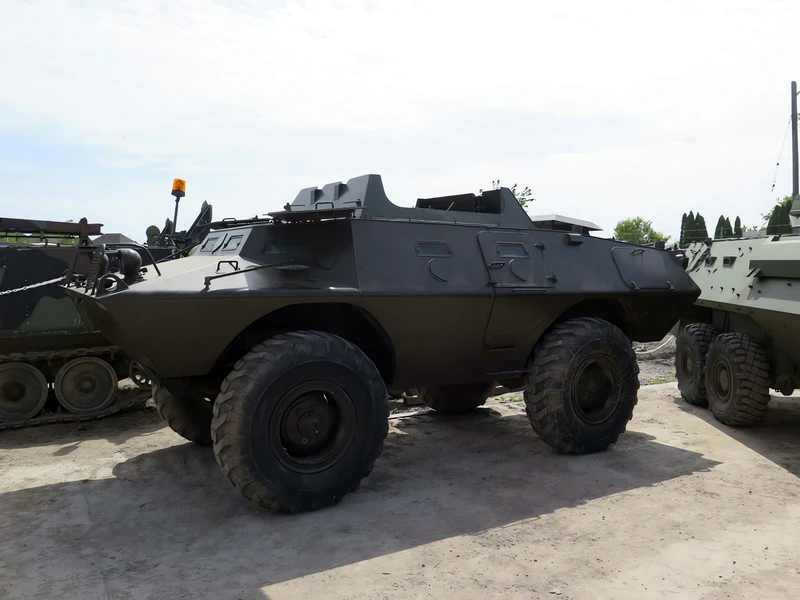
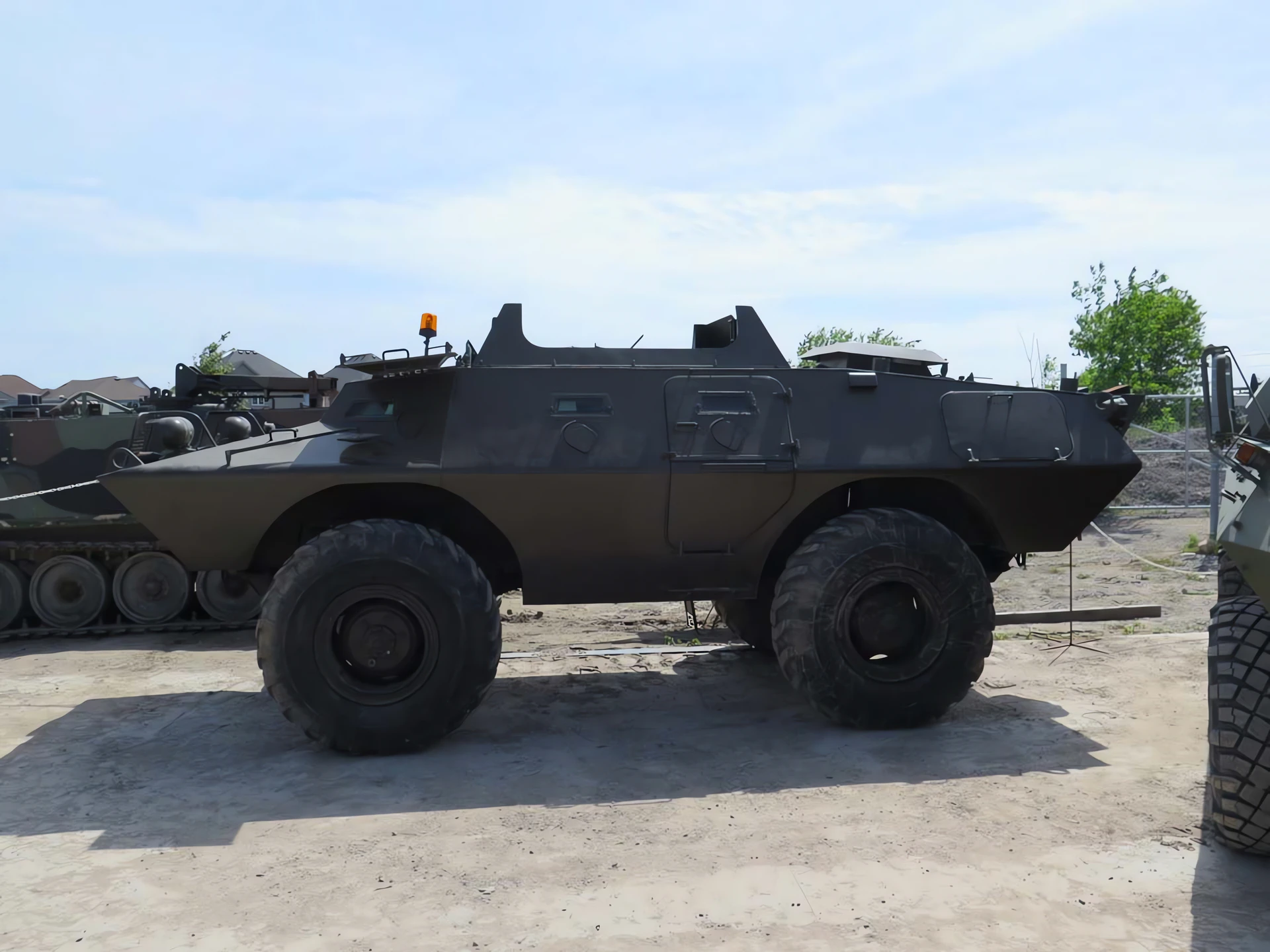
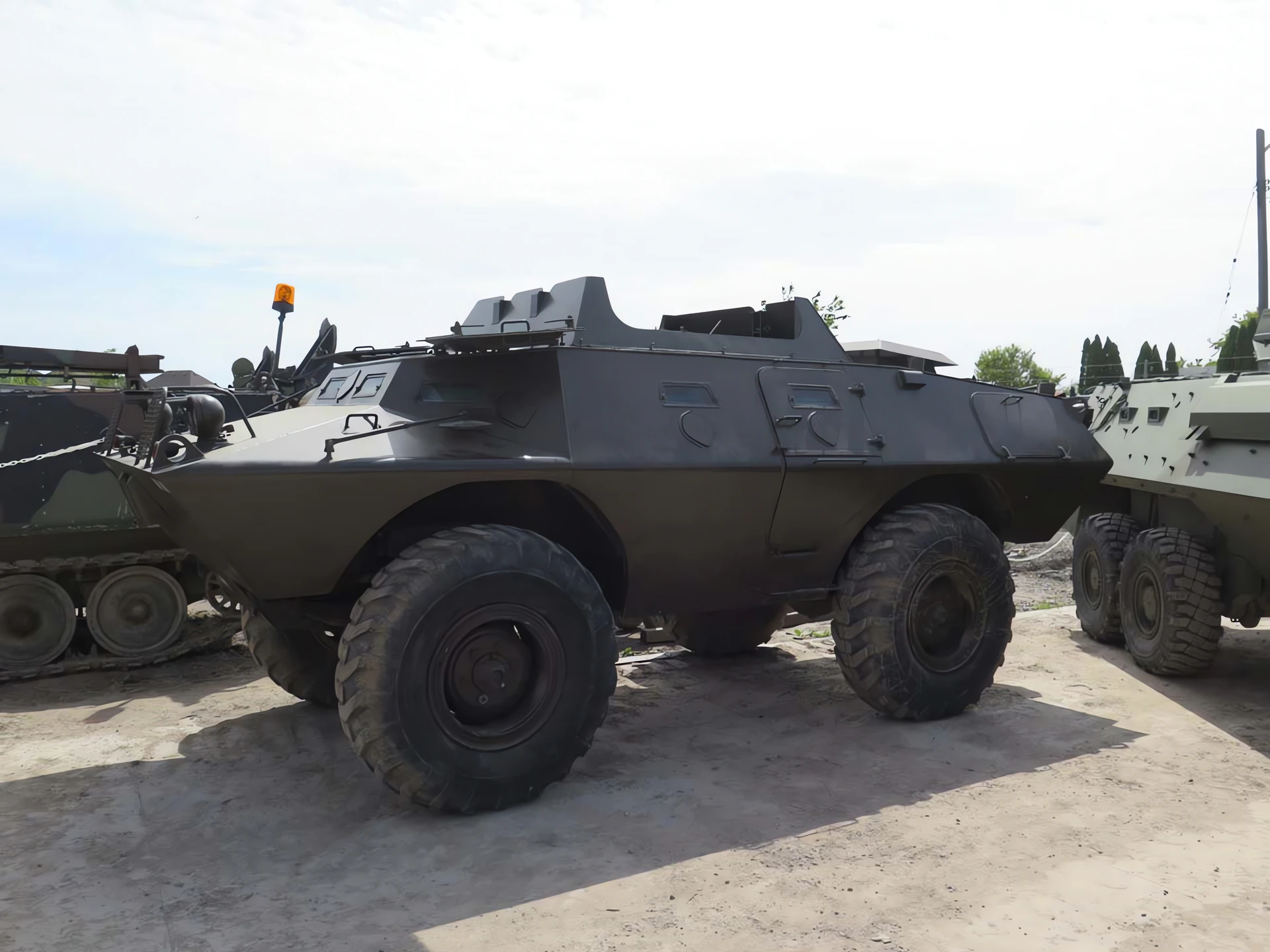
Komisia Cadillac Gage Commando, často označovaný ako M706 v americkej vojenskej službe, bolo americké obrnené auto navrhnuté tak, aby bolo obojživelné. Bol skonštruovaný Cadillacom Gageom špeciálne pre Vojenský policajný zbor Spojených štátov počas vojny vo Vietname ako ozbrojené sprievodné vozidlo konvoja. Commando bolo jedným z prvých vozidiel, ktoré kombinovalo tradične samostatné úlohy obrneného transportéra a konvenčného obrneného automobilu, podobne ako sovietsky BTR-40. Jeho pozoruhodná výška, obojživelné schopnosti a vodotesný motor umožnili americkým posádkam efektívne bojovať v džungliach Vietnamu pozorovaním svojich protivníkov nad hustou vegetáciou a brodením hlbokých riek v krajine.
Zdrojový: Cadillac Gage Commando na Wikipédii
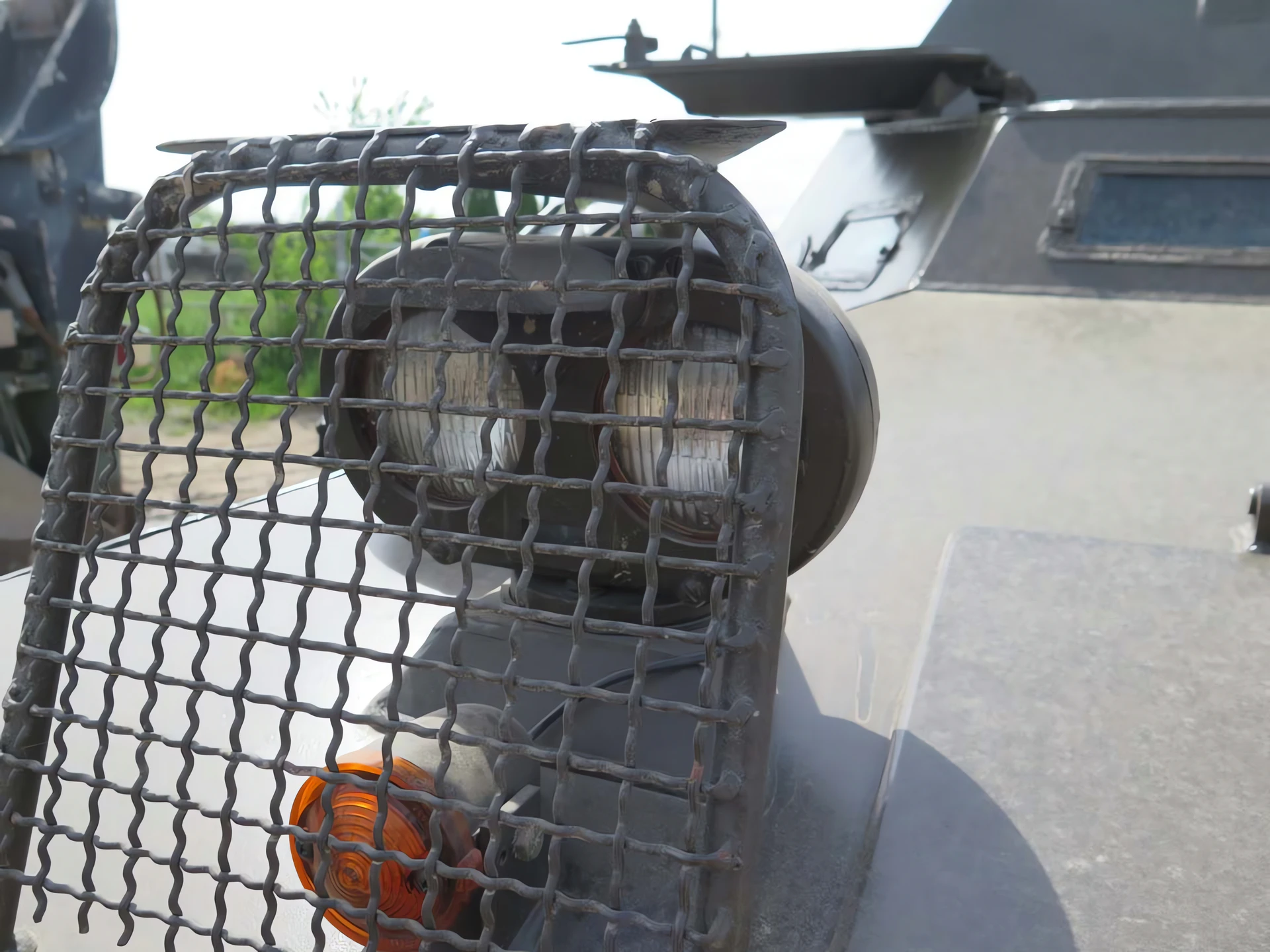
| V-100 Commando Walk Around | |
|---|---|
| Photographer | Vladimir Yakubov |
| Localisation | Ontario Regiment Museum, Oshawa |
| Photos | 81 |
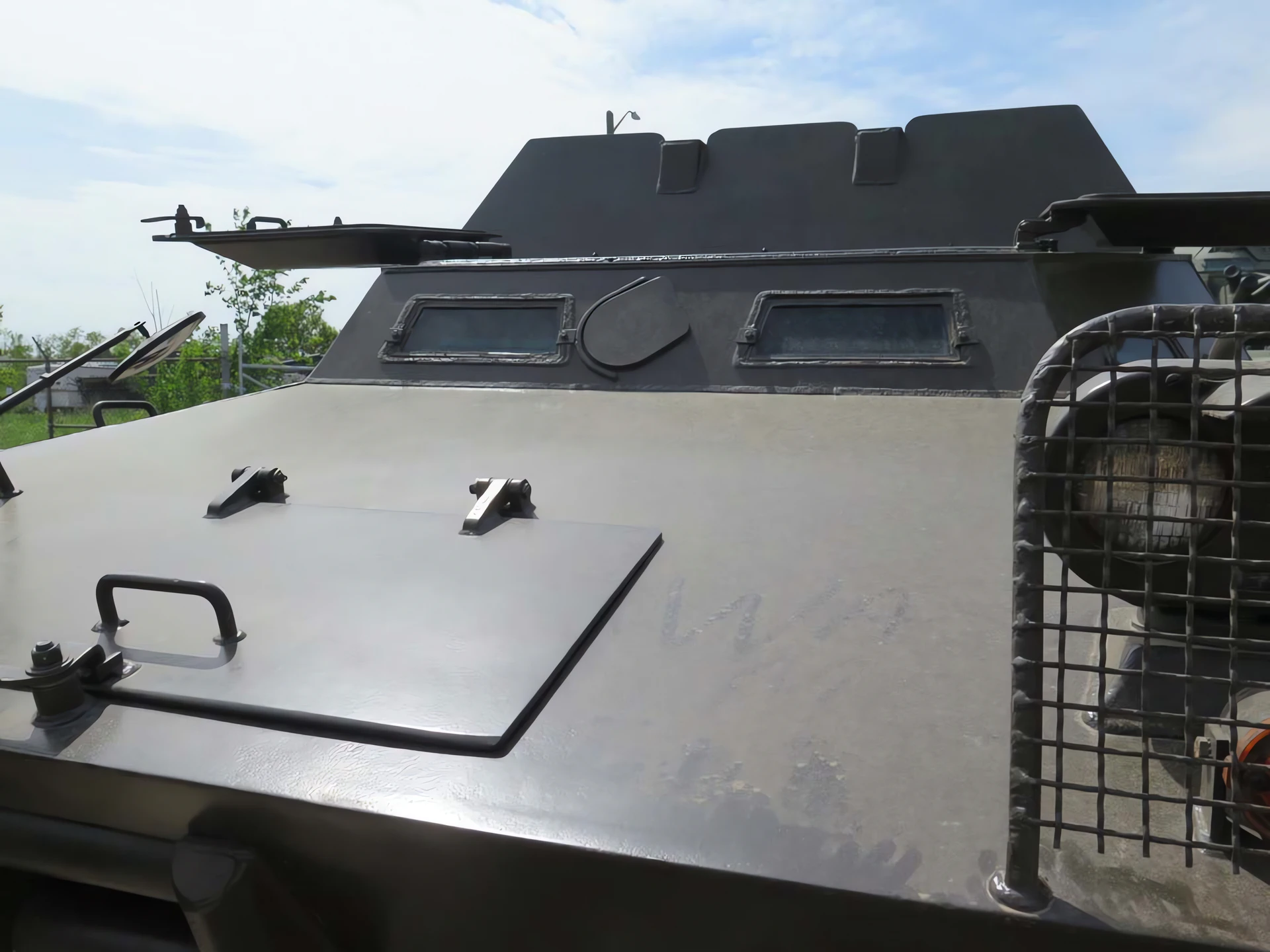
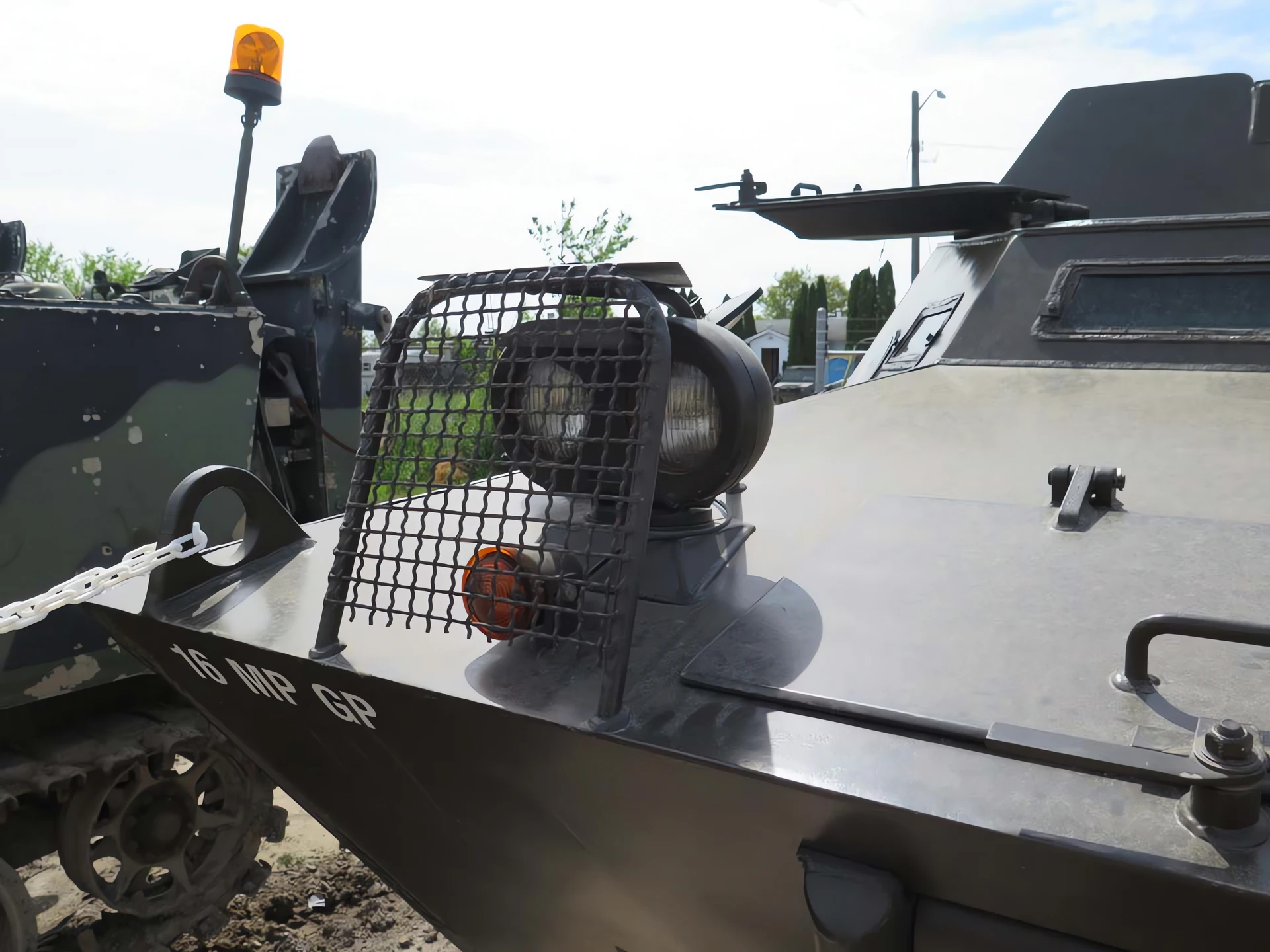
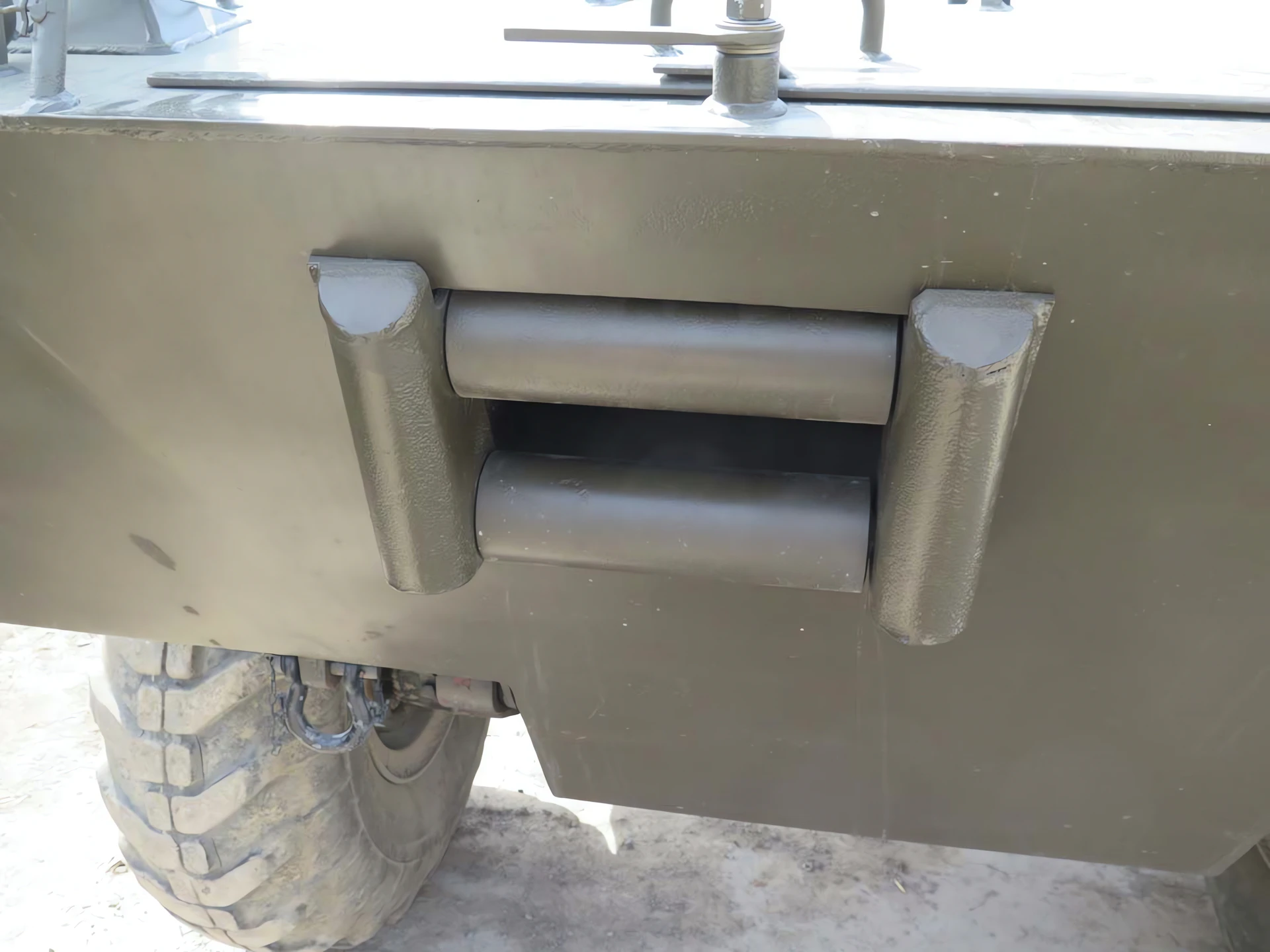
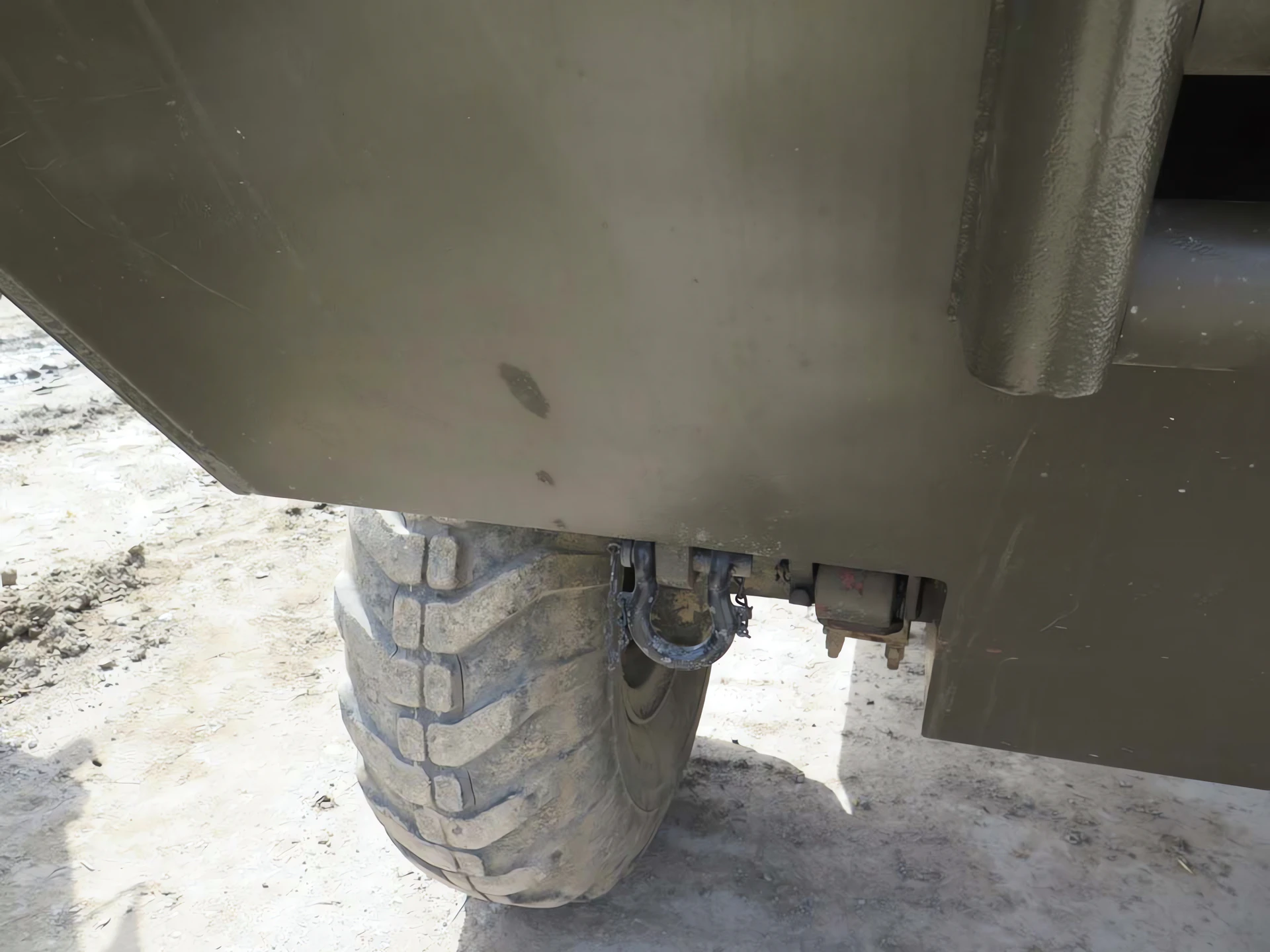

Pozri tiež:


General Characteristics and Role
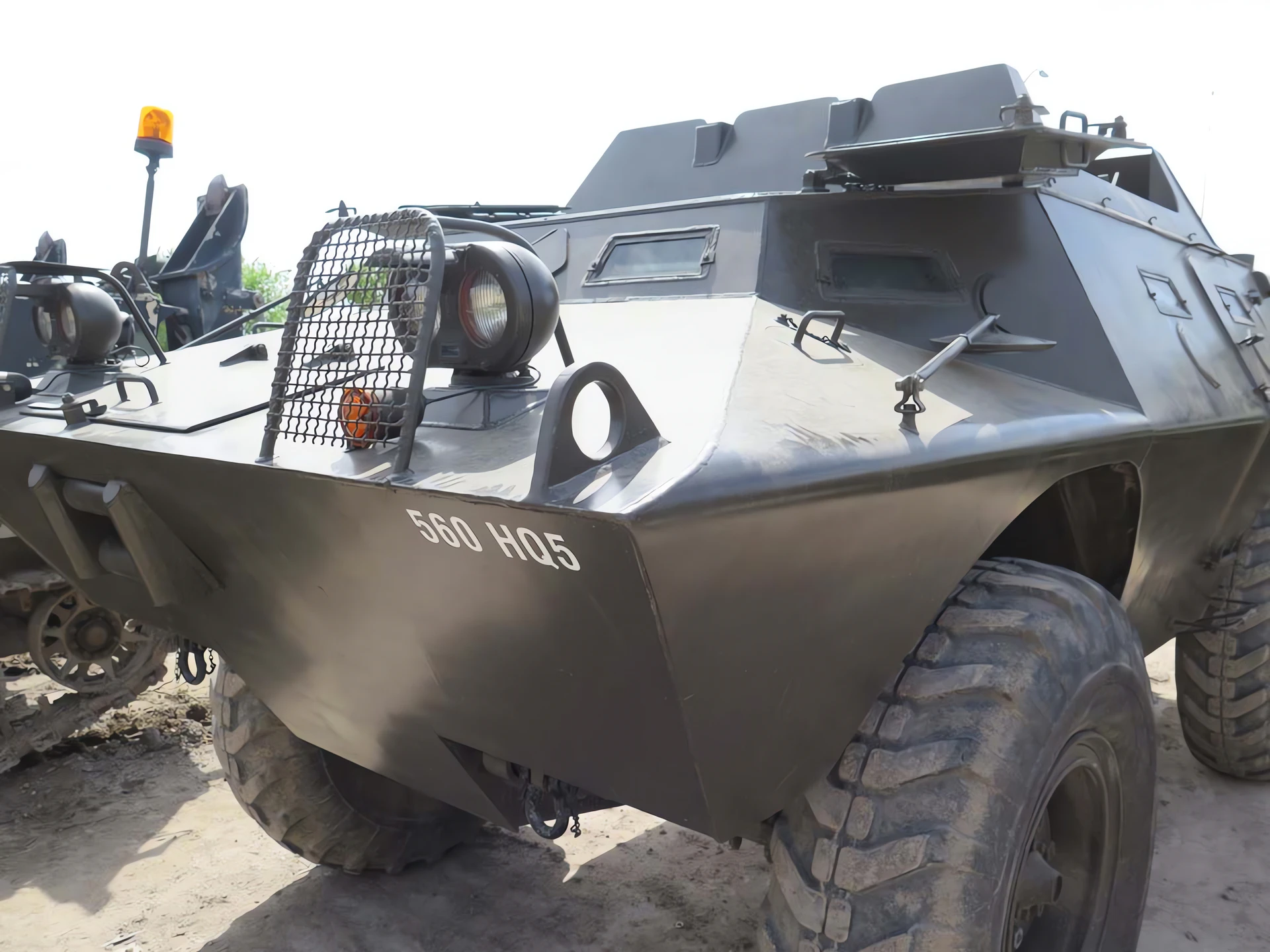
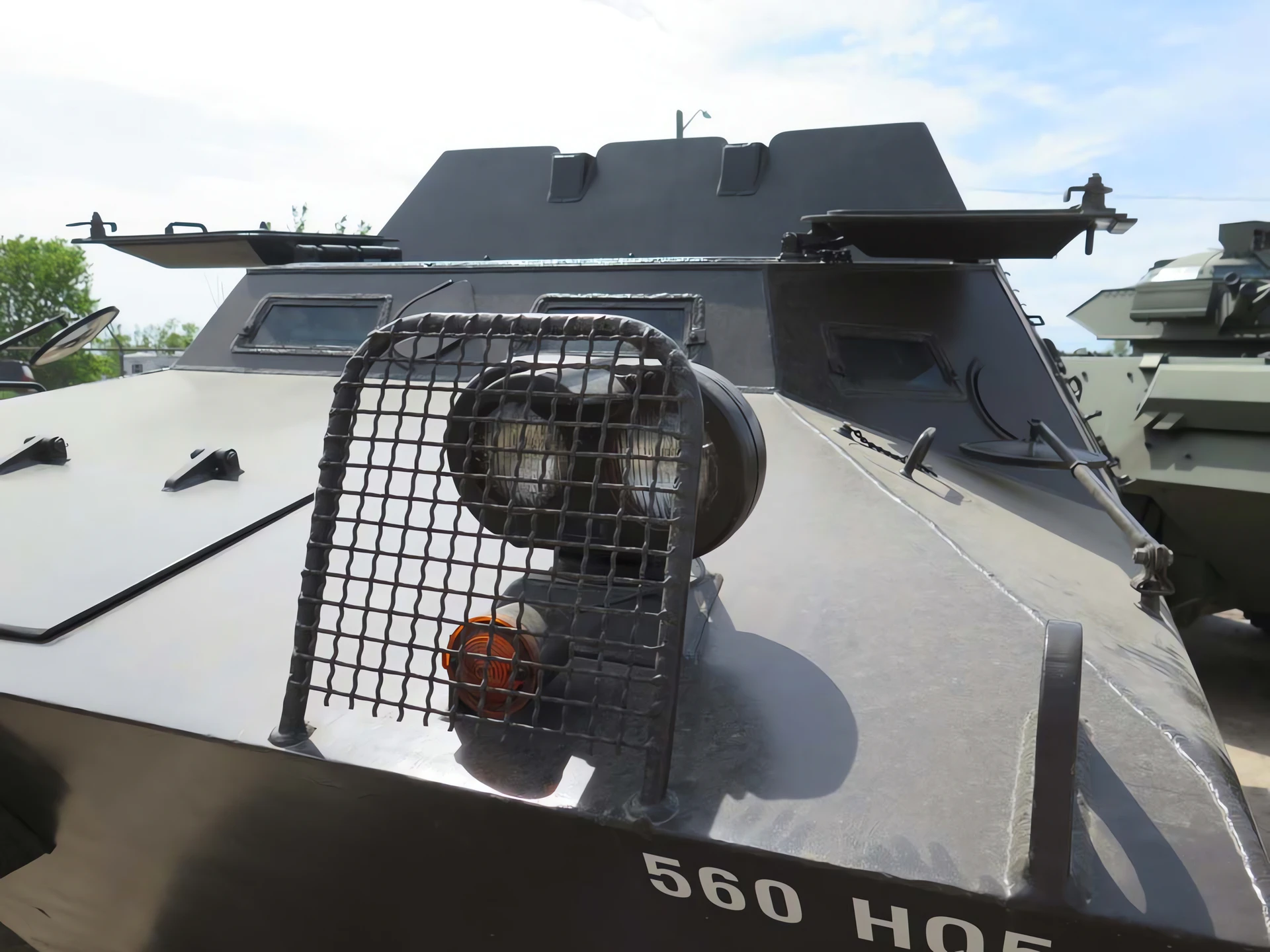
The Cadillac Gage V-100 Commando is an American four-wheeled armored car that was developed in the early 1960s. Designed for the dual role of reconnaissance and internal security (counter-insurgency), the V-100 was characterized by its simple, rugged design and amphibious capability. It was one of the first successful post-war wheeled armored vehicles to be mass-exported worldwide, seeing extensive combat during the Vietnam War, where its mobility and light armor provided a significant advantage in escort and perimeter defense duties. The V-100’s primary feature is its V-shaped hull, which offers better protection against mine blasts compared to conventional flat hulls, though its armor protection against heavy weapons is limited.
| Property | Typical Value (V-100) |
|---|---|
| Úlohu | Armored Personnel Carrier, Reconnaissance, Internal Security |
| National Origin | Spojené štáty americké |
| Výrobca | Cadillac Gage (Textron Marine & Land Systems) |
| Service Entry | 1964 |
| Crew/Capacity | 2 (Driver, Commander) + 10 Passengers |
| Konfigurácia | 4×4, Wheeled Armored Vehicle |
| Dĺžka | 5.69 m (18 ft 8 in) |
| Šírka | 2.26 m (7 ft 5 in) |
| Výška | 2.39 m (7 ft 10 in) (To turret roof) |
| Combat Weight | 9.88 tonnes (10.9 short tons) |
Powerplant and Mobility
- Engine: 1 x Chrysler V8 gasoline engine (later models often upgraded to diesel).
- Power Output: 200 hp (149 kW).
- Maximum Speed (Road): 100 km/h (62 mph).
- Maximum Speed (Water): 4.8 km/h (3 mph) (Amphibious, propelled by wheels).
- Mobility: Permanent four-wheel drive and a short wheelbase provide high cross-country mobility. The vehicle is fully amphibious without special preparation.
Armament and Armor
- Armor: All-welded steel construction, providing protection against small arms fire and shell fragments.
- Primary Armament: Usually configured with an open-top turret mounting twin 7.62 mm machine guns (e.g., M73 or M60), or sometimes a combination of a 7.62 mm and a .50 cal (12.7 mm) heavy machine gun.
- Alternative Armament: Variants could be fitted with a larger turret housing a 20 mm cannon or 40 mm grenade launcher for heavier fire support.
- Legacy: The V-100 led to the development of the larger and more heavily armed V-150 and V-200 series, and its chassis layout continues to influence modern armored vehicle design.
Views : 2567