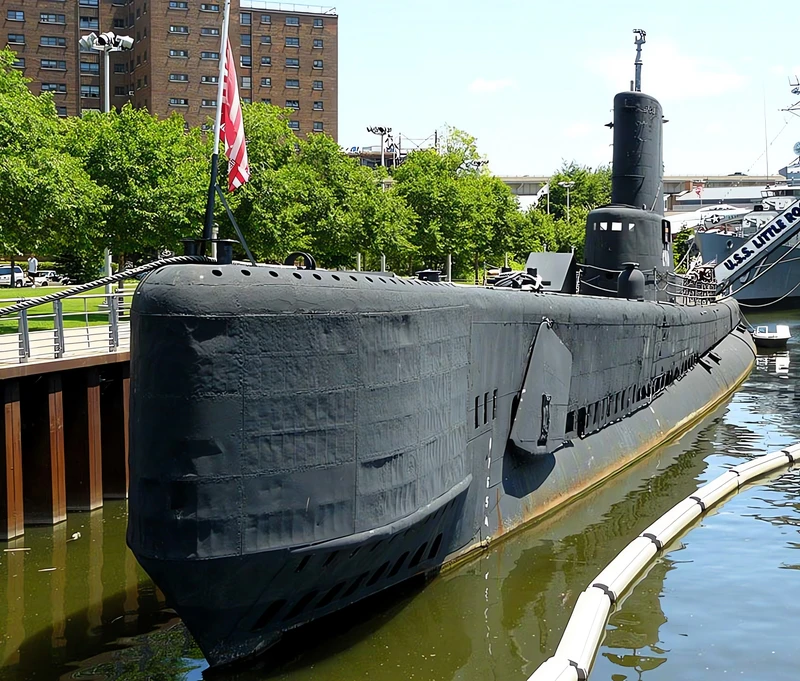
USS Croaker | |
|---|---|
| Country | USA |
| Role | Nasty-class patrol boat |
| Launched | 19 December 1943 |
| Decommissioned | 2 April 1968 |
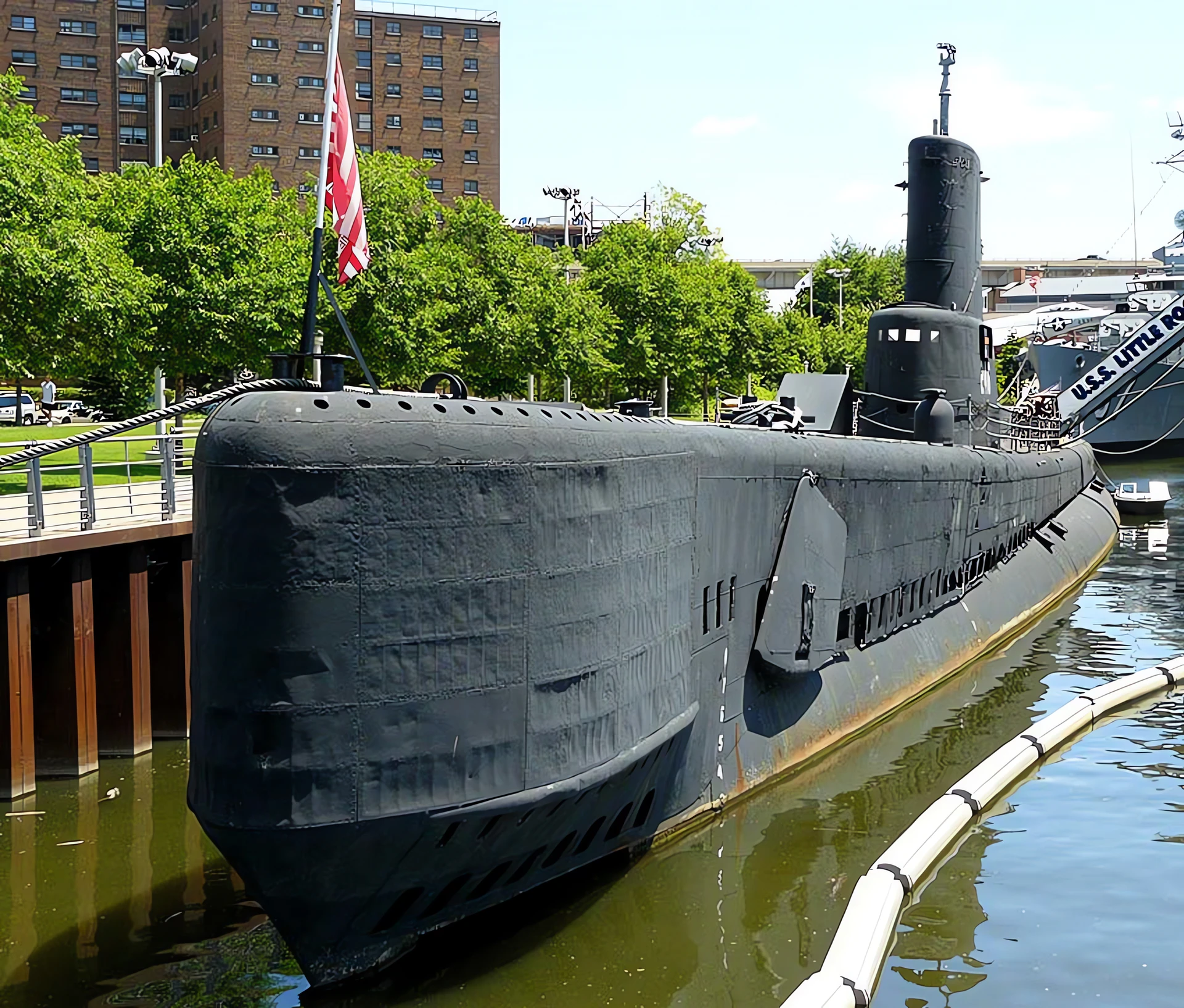
USS Croaker (SS/SSK/AGSS/IXSS-246), a Gato-class submarine, was the first ship of the United States Navy to be named for the croaker, any of various fishes which make throbbing or drumming noises. Her keel was laid down on 1 April 1943 by Electric Boat Company in Groton, Connecticut. She was launched on 19 December 1943 (sponsored by the wife of Admiral William H. P. Blandy), and commissioned on 21 April 1944, with Commander John E. Lee in command.
Source: USS Croaker on Wikipedia
| Submarine USS Croaker Walk Around | |
|---|---|
| Photographer | Bill Maloney |
| Localisation | Buffalo and Erie County Naval & Military Park |
| Photos | 136 |
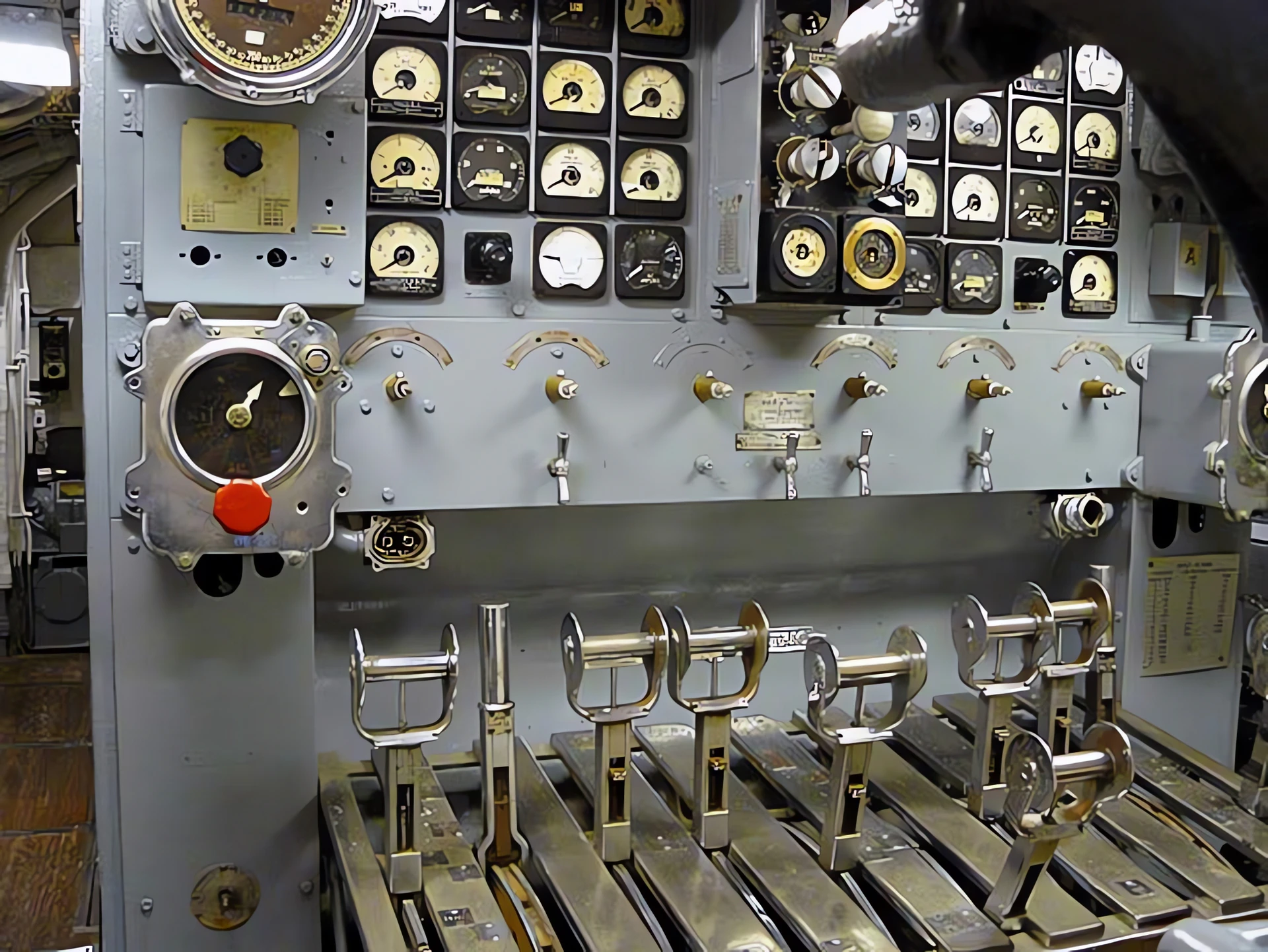
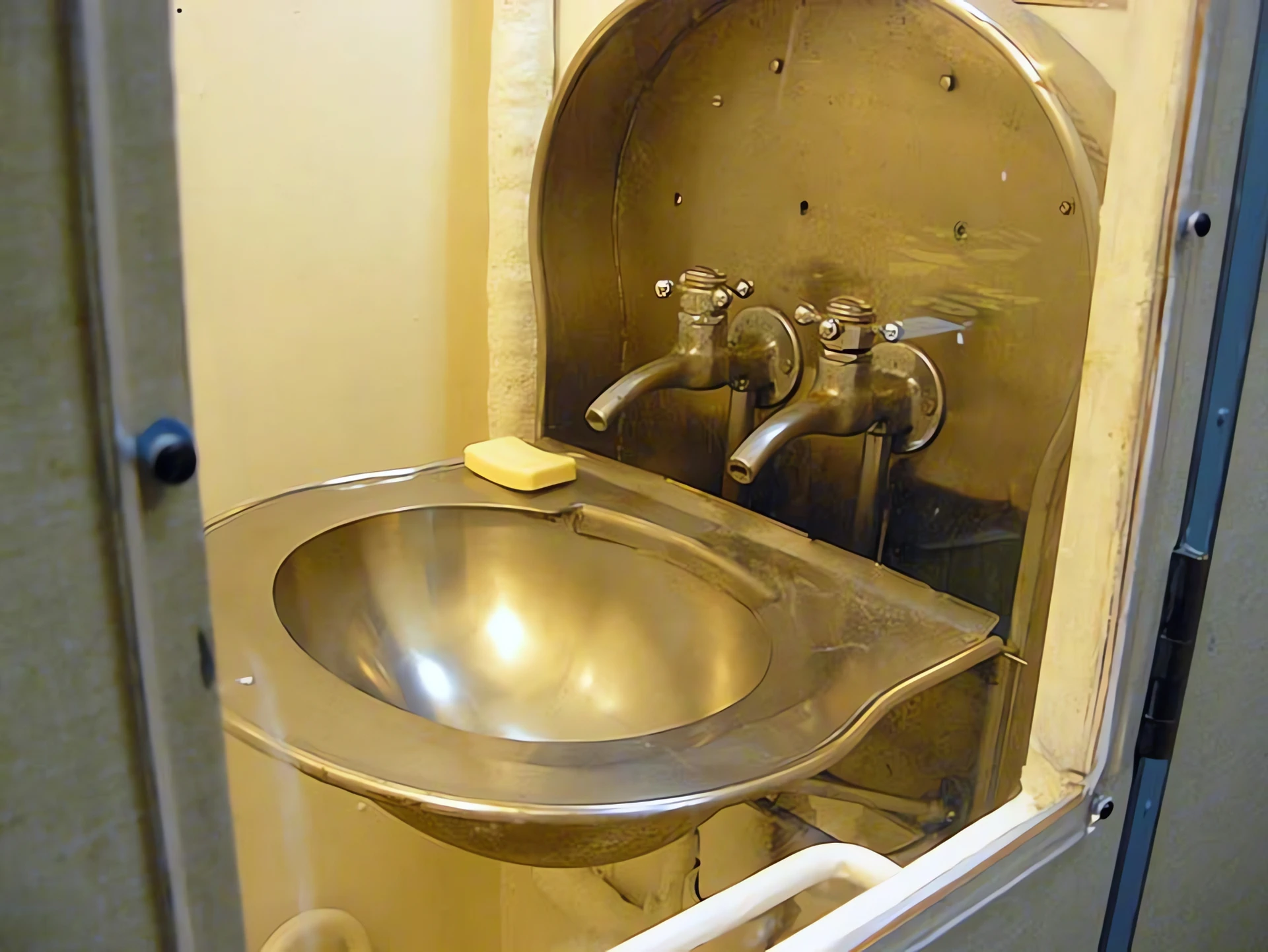
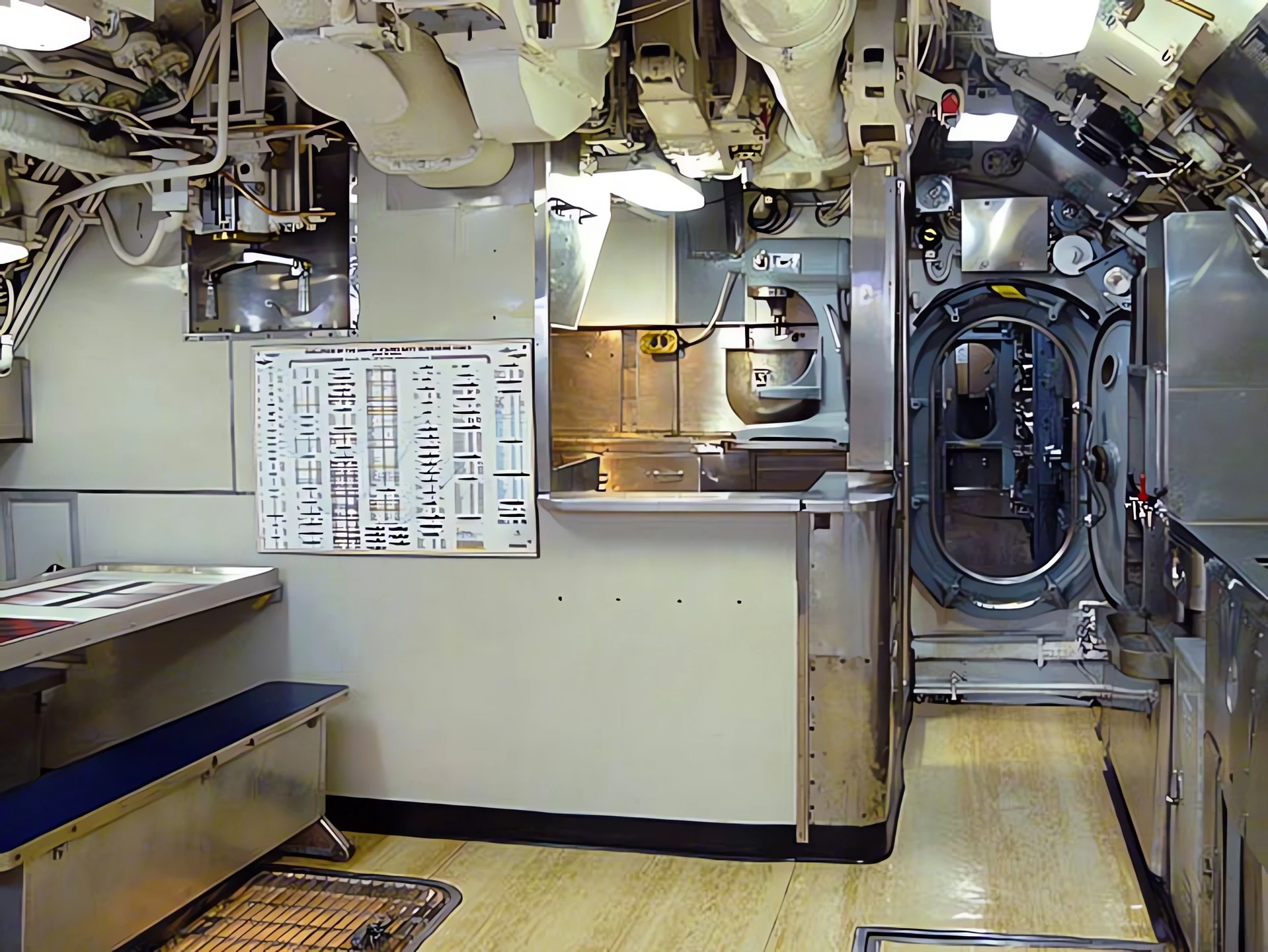
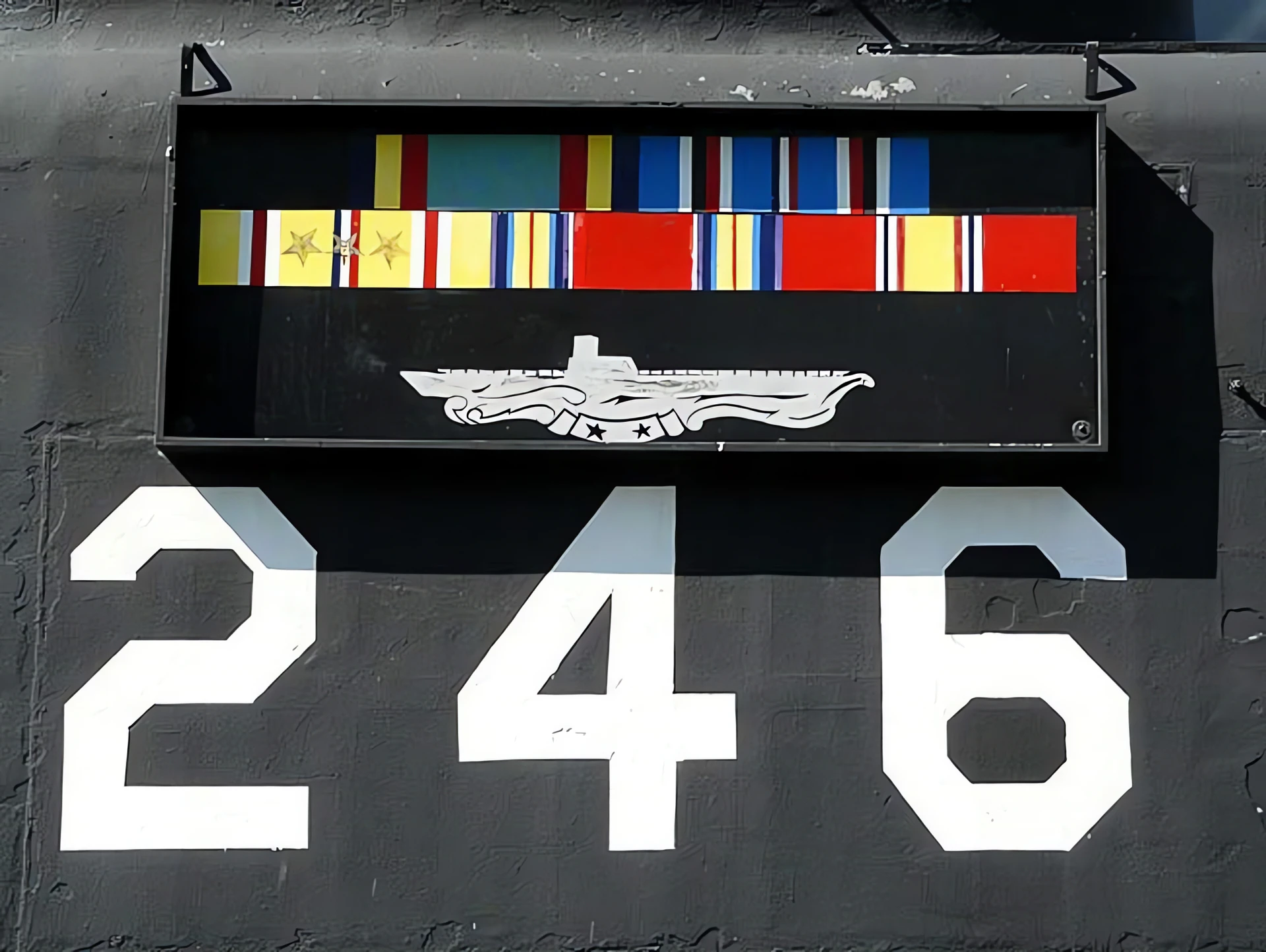
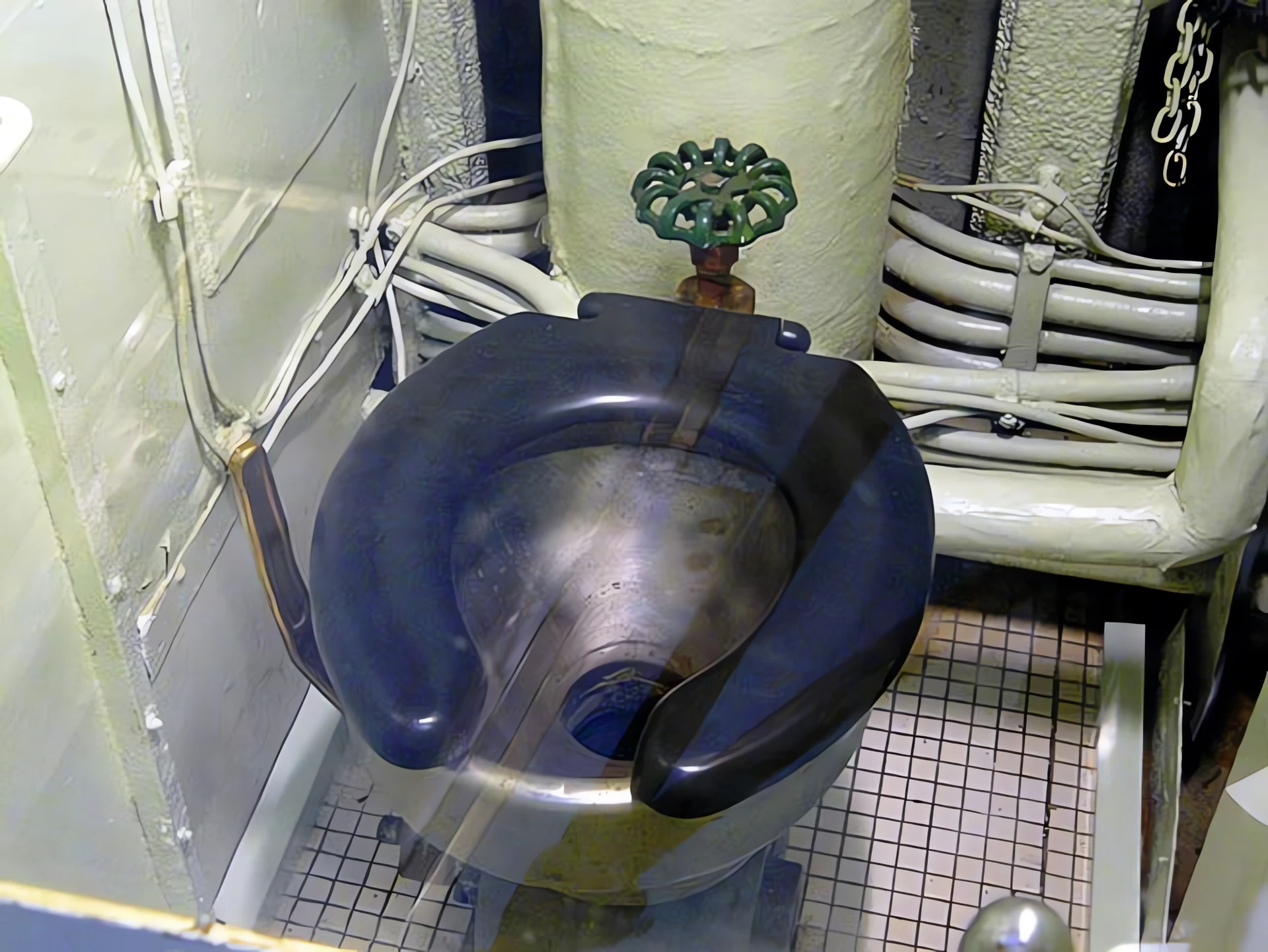

See also:


General Characteristics and Role
The USS Croaker (SS-246) is a submarine of the Gato-class, the backbone of the U.S. Navy’s submarine fleet during World War II. Commissioned in 1944, Croaker conducted six successful war patrols in the Pacific Theater, sinking the Japanese cruiser Nagara and several freighters. After World War II, she underwent conversion to an SSK-type hunter-killer submarine (SSK-246) during the Cold War, featuring enhanced sonar and quieting features to combat Soviet submarines. Her final classifications were AGSS (Auxiliary Submarine) and IXSS (Miscellaneous Unclassified Submarine). Today, the Croaker is preserved as a museum ship at the Buffalo and Erie County Naval & Military Park in Buffalo, New York.
| Property | Typical Value (Gato-class, WWII Configuration) |
|---|---|
| Class & Type | Gato-class Diesel-Electric Submarine |
| National Origin | United States |
| Builder | General Dynamics Electric Boat, Groton, CT |
| Laid Down | 1 April 1943 |
| Commissioned | 21 April 1944 |
| Displacement | 1,525 tons (surfaced); 2,424 tons (submerged) |
| Length | 95.02 m (311 ft 9 in) |
| Beam | 8.31 m (27 ft 3 in) |
| Draft | 5.2 m (17 ft) maximum |
| Test Depth | 91 m (300 ft) |
| Complement (Crew) | 6 officers, 54 enlisted (WWII) |
Propulsion and Performance
- Propulsion: 4 x General Motors Model 16-248 V16 Diesel engines driving electric generators for surface power and battery charging.
- Submerged Power: 4 x General Electric electric motors driving two propellers via reduction gears.
- Power Output: 5,400 shp (surfaced); 2,740 shp (submerged).
- Speed: 21 kn (39 km/h) surfaced; 9 kn (17 km/h) submerged.
- Range: 11,000 nmi (20,000 km) surfaced at 10 kn.
- Endurance: 75 days on patrol.
Armament and Conversion
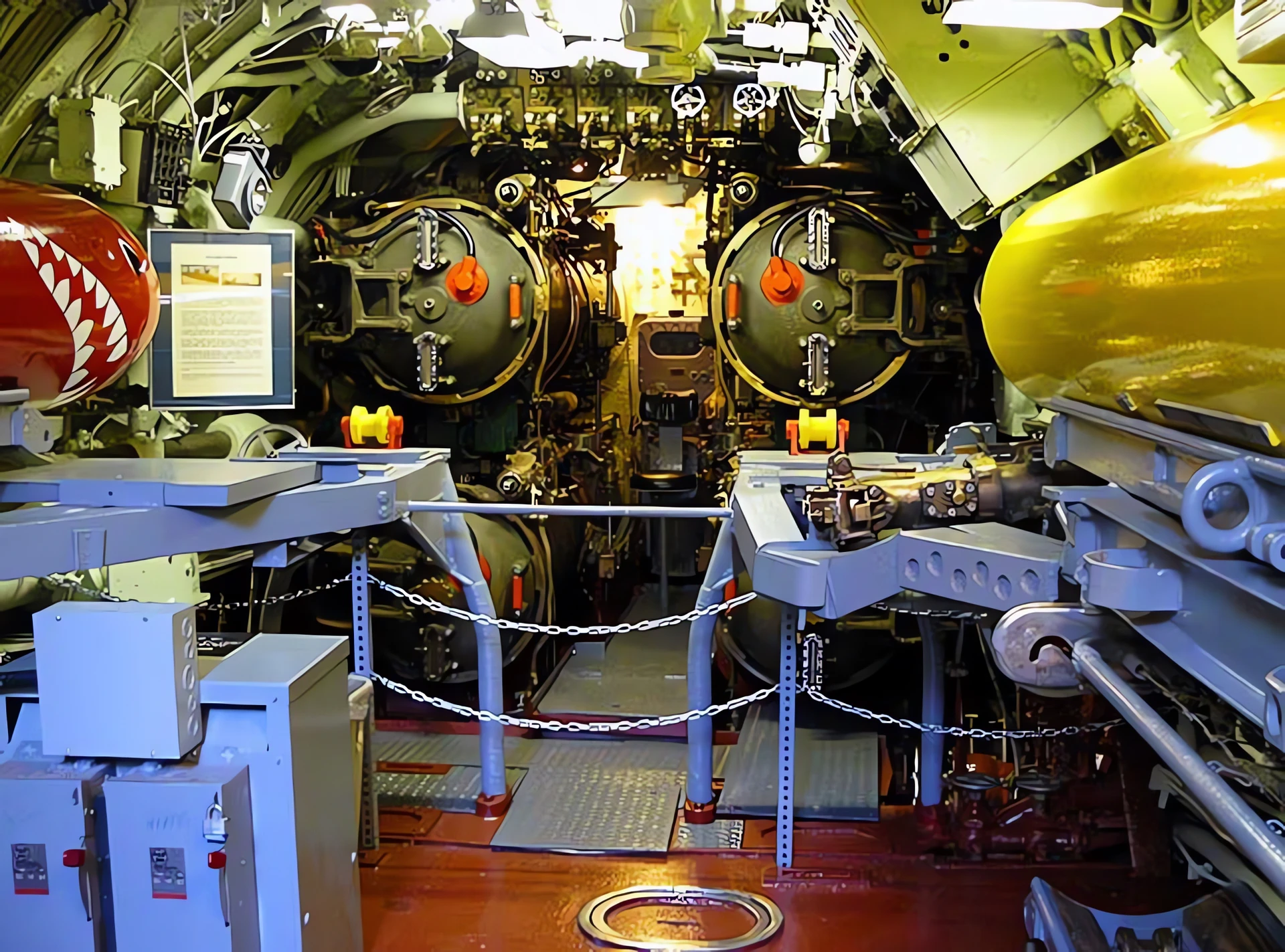
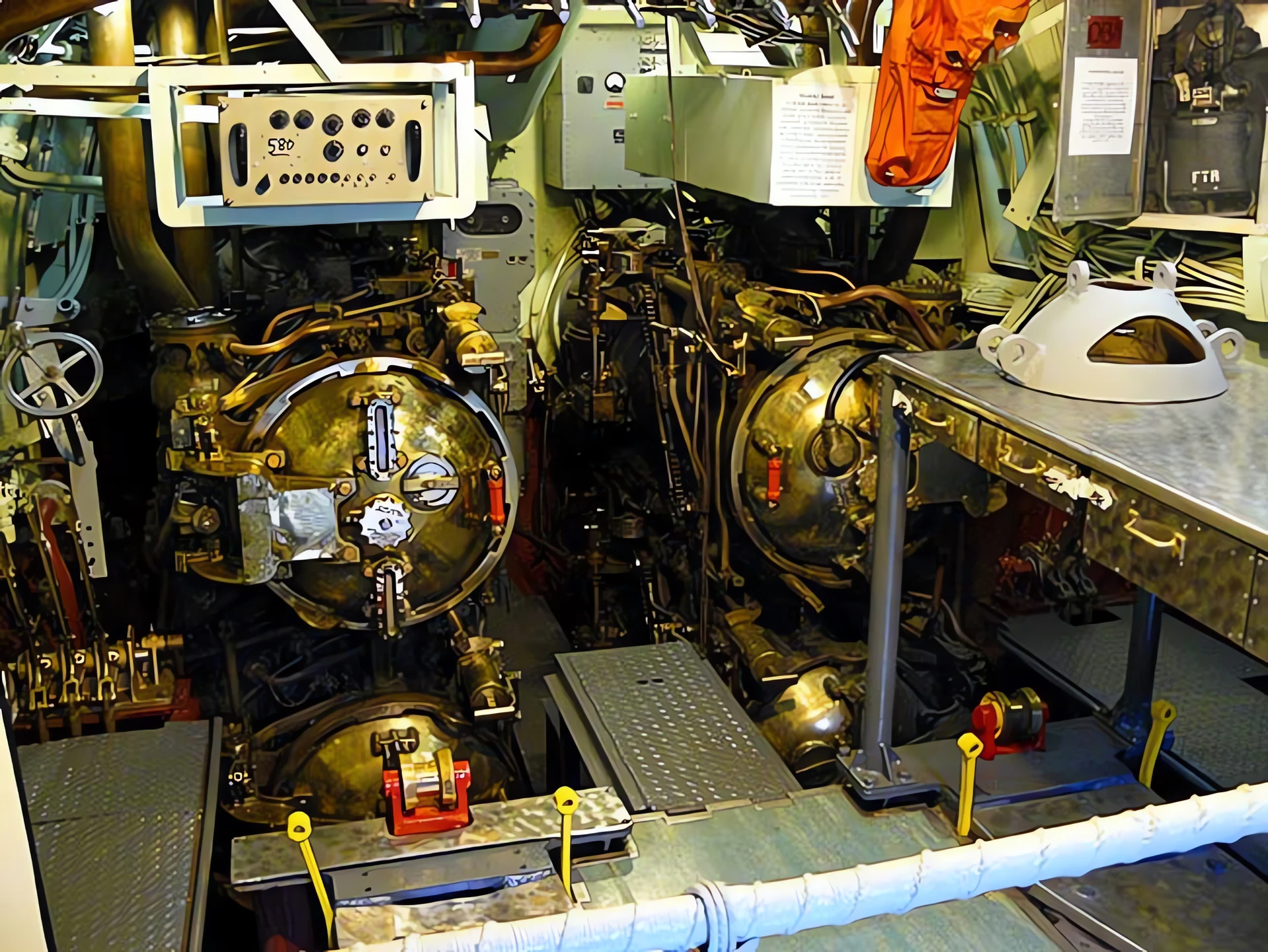
- Torpedo Tubes (WWII): 10 x 21-inch (533 mm) Torpedo Tubes (6 forward, 4 aft). Carried 24 torpedoes.
- Deck Guns (WWII): 1 x 3-inch (76 mm) / 50 caliber deck gun, plus various Bofors 40 mm and Oerlikon 20 mm anti-aircraft cannon.
- Hunter-Killer (SSK-246) Conversion: Deck guns were removed, a large bow sonar array was installed (replacing two forward torpedo tubes), and the boat was extensively streamlined and silenced for Anti-Submarine Warfare (ASW) missions.
- War Record: Credited by JANAC (Joint Army-Navy Assessment Committee) with sinking 6 Japanese ships totaling 19,710 tons.
Views : 1366
You can see also :
 USS Becuna – Photos & Videos
 USS Cod – Photos & Videos
 USS Requin SS-481 – Photos & Videos
 Intelligent Whale – Photos & Videos
 USS Pampanito (SS-383) – Photos & Videos
 Seehund – Photos & Videos
 USS Blueback (SS-581) – Photos & Video
 USS Bowfin SS-287 – Photos & Video
 USS Lionfish SS-298 – Photos & Video
 U-505 Type IXc U-Boat – Photos & Video