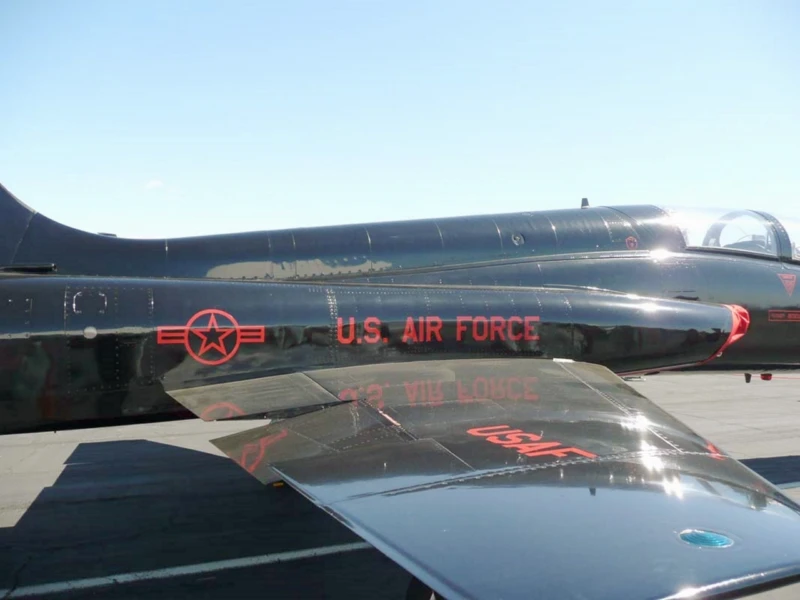
Northrop T-38 Talon | |
|---|---|
| Country | USA |
| Role | Advanced trainer |
| Produced | 1961–1972 |
| Built | 1146 |
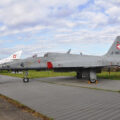
The Northrop T-38 Talon is a two-seat, twin-engined supersonic jet trainer. It was the world’s first supersonic trainer and is also the most produced. The T-38 remains in service as of 2017 in several air forces. The United States Air Force (USAF) operates the most T-38s. In addition to training USAF pilots, the T-38 is used by NASA. The U.S. Naval Test Pilot School is the principal US Navy operator (other T-38s were previously used as USN aggressor aircraft until replaced by the similar Northrop F-5 Tiger II). Pilots of other NATO nations fly the T-38 in joint training programs with USAF pilots. As of 2015, the T-38 has been in service for over 50 years with its original operator, the United States Air Force.
Source: Northrop T-38 Talon on Wiki
| Northrop T-38A Talon Walk Around | |
|---|---|
| Photographer | Vladimir Yakubov |
| Localisation | Capital City Air Show |
| Photos | 58 |
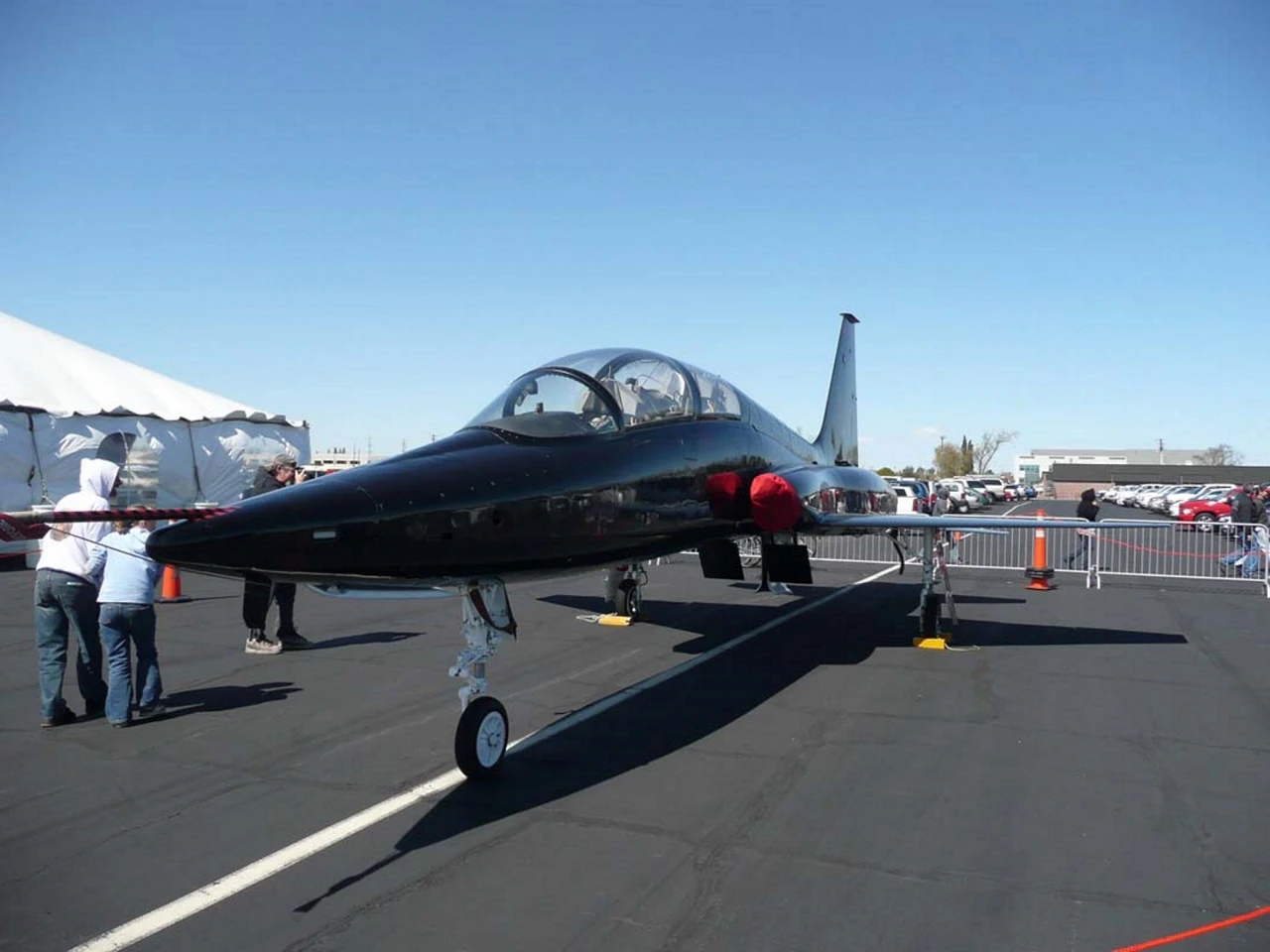
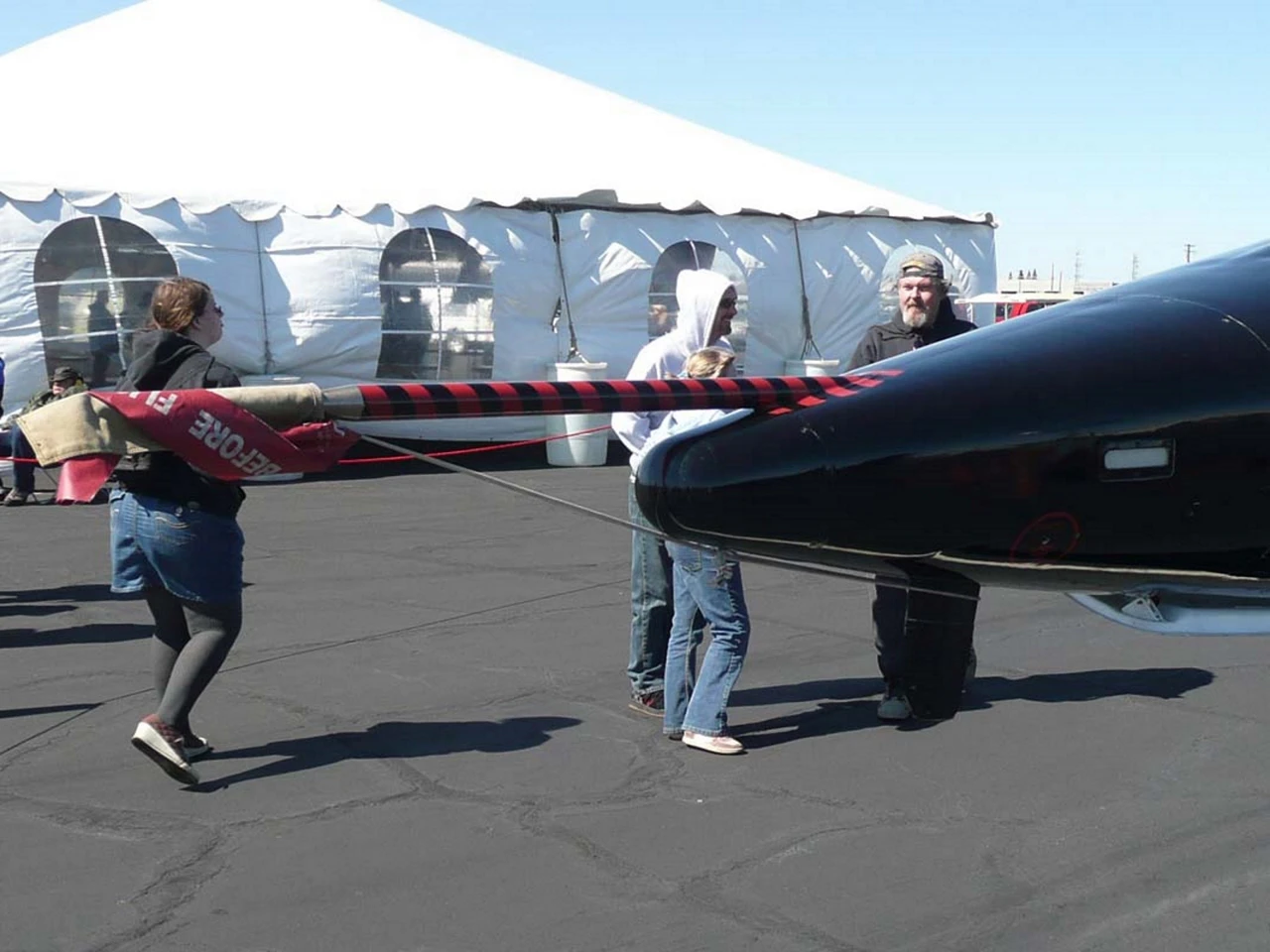
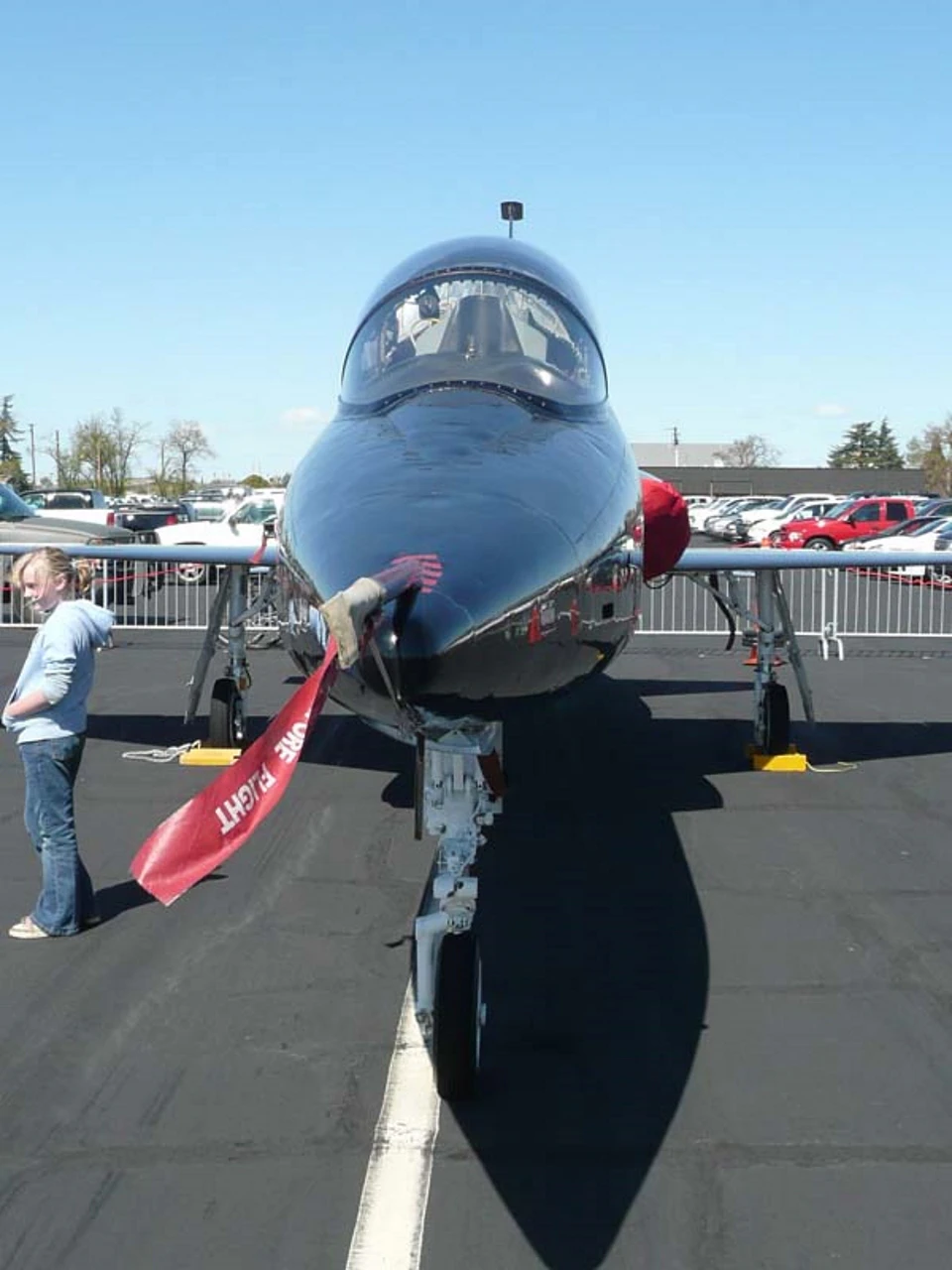
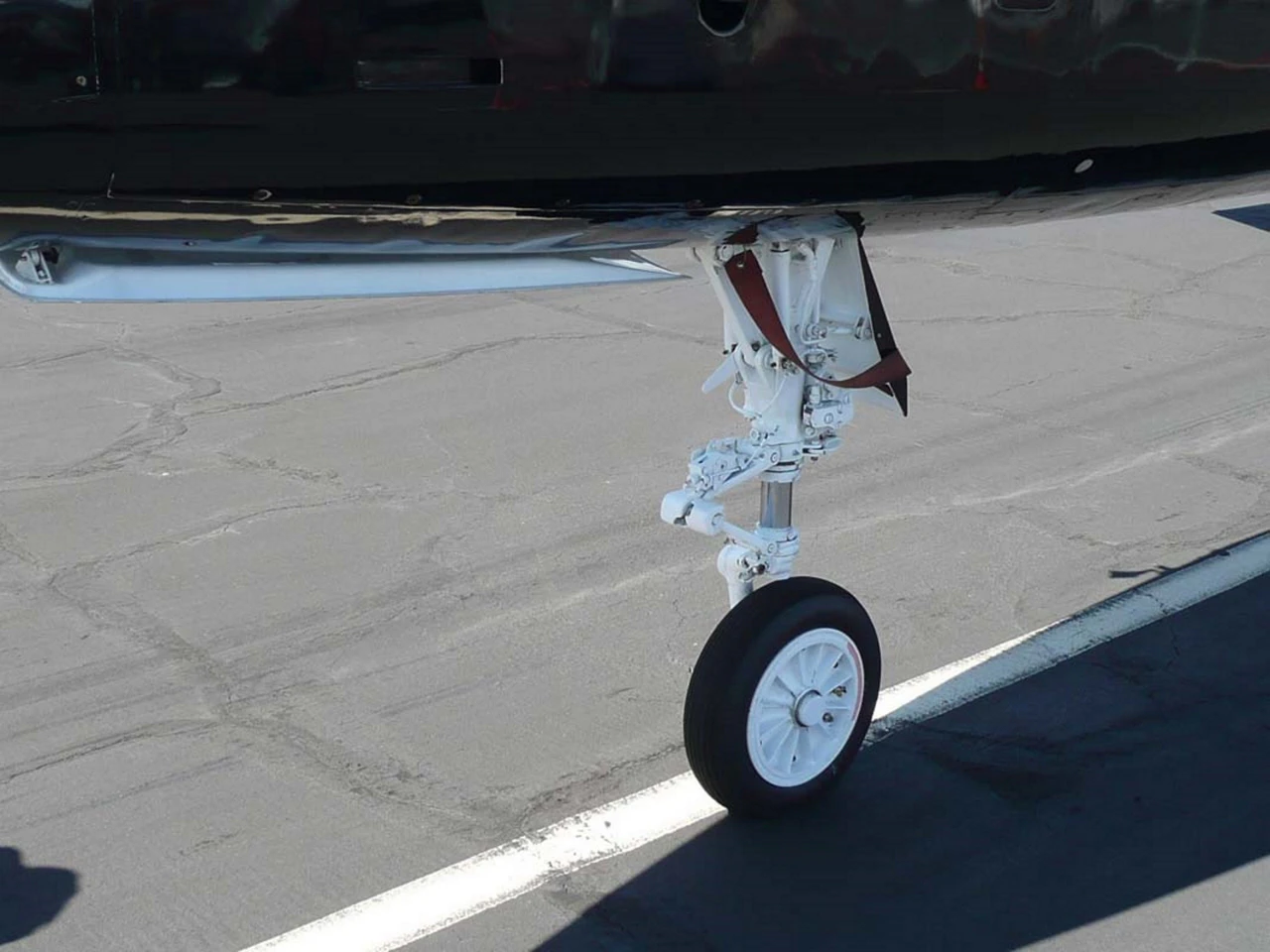
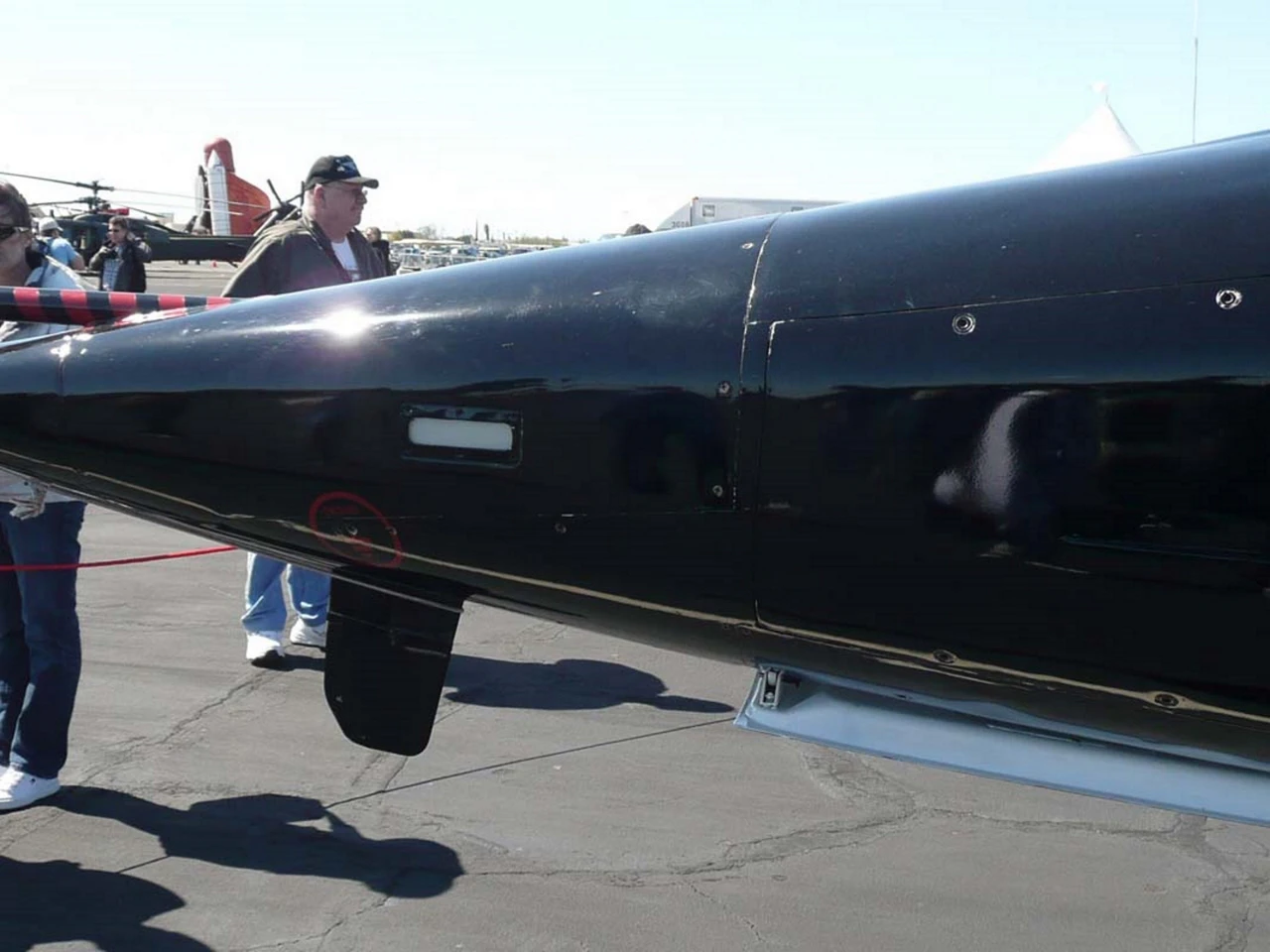
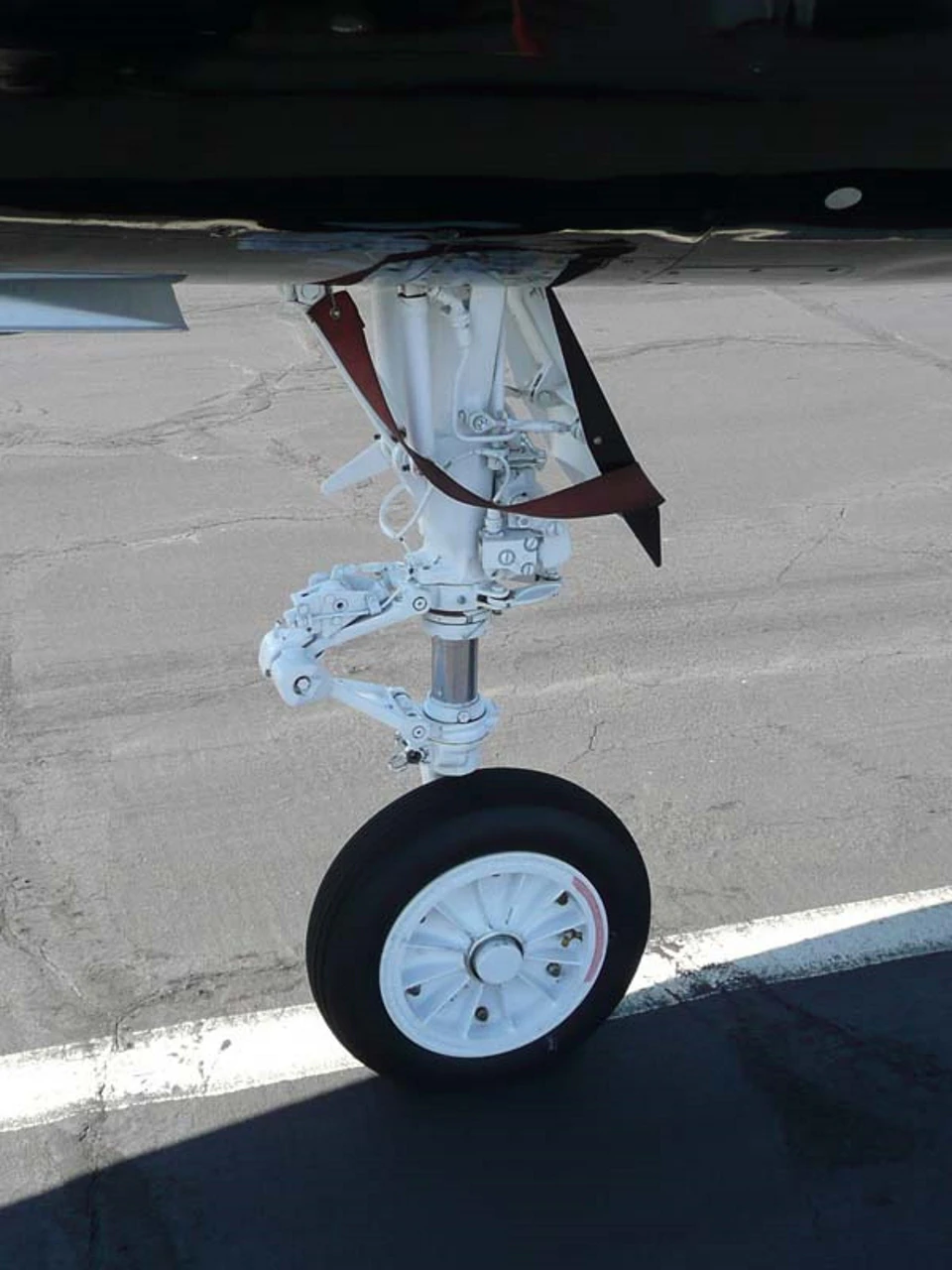
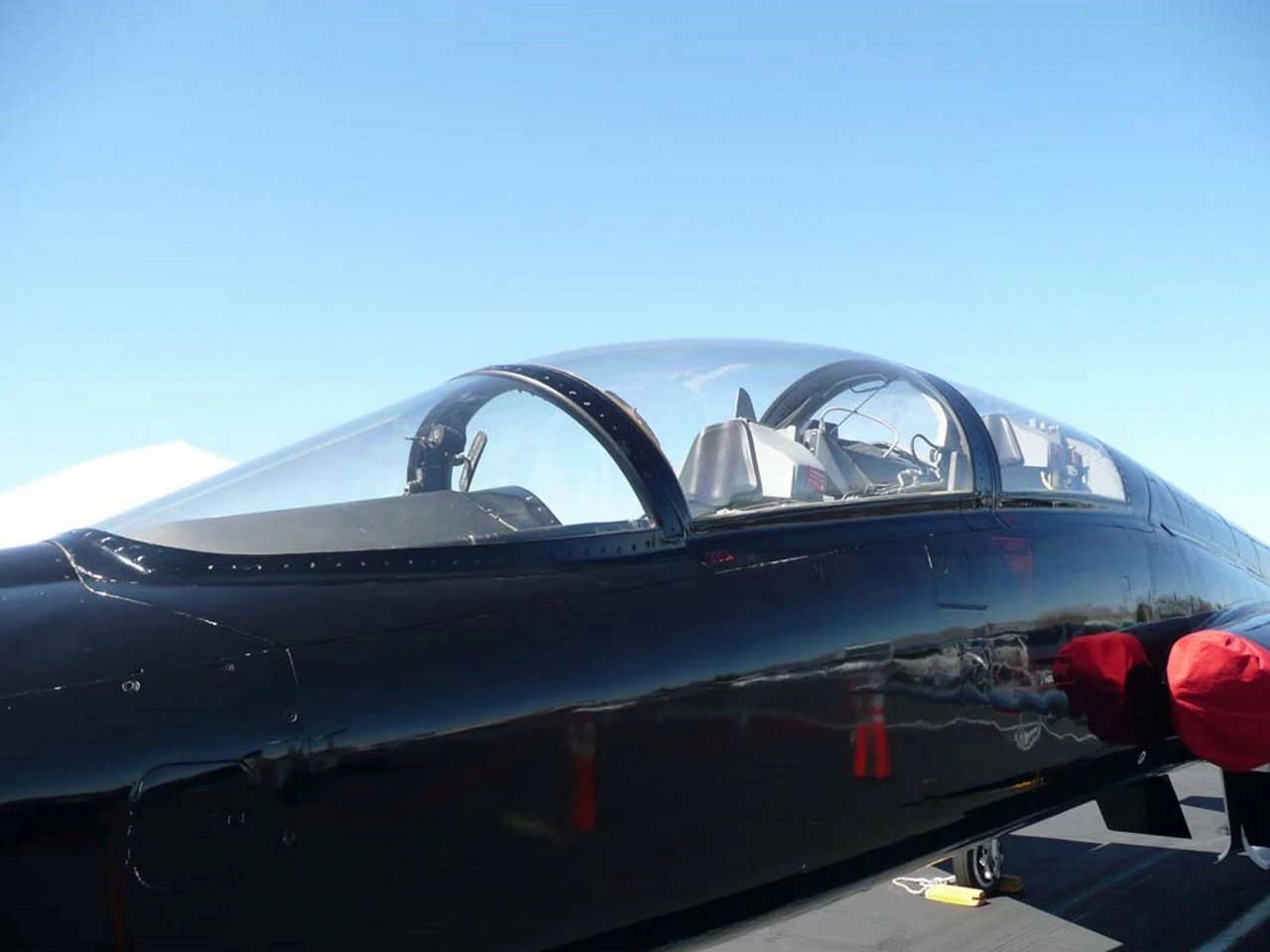
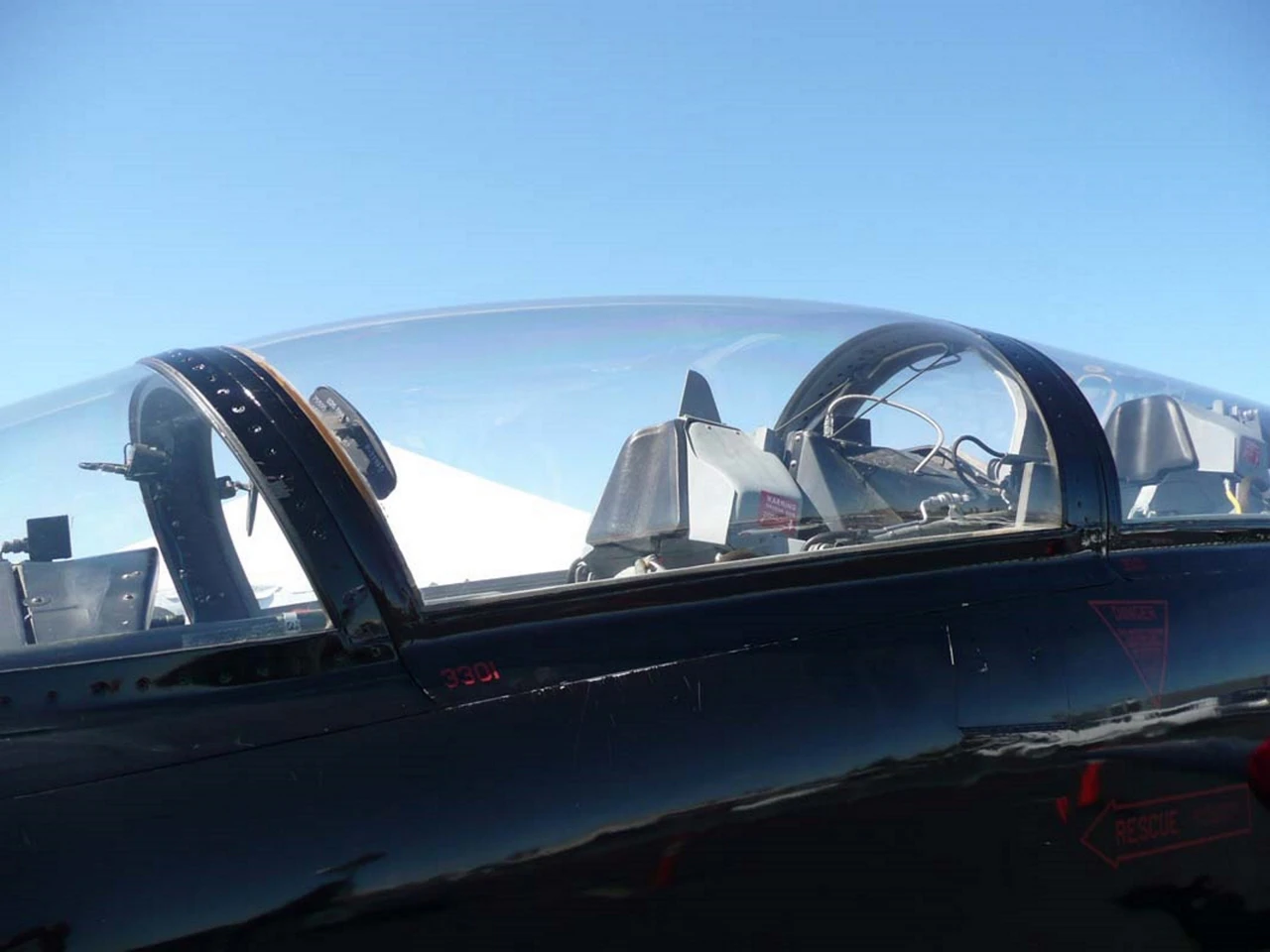
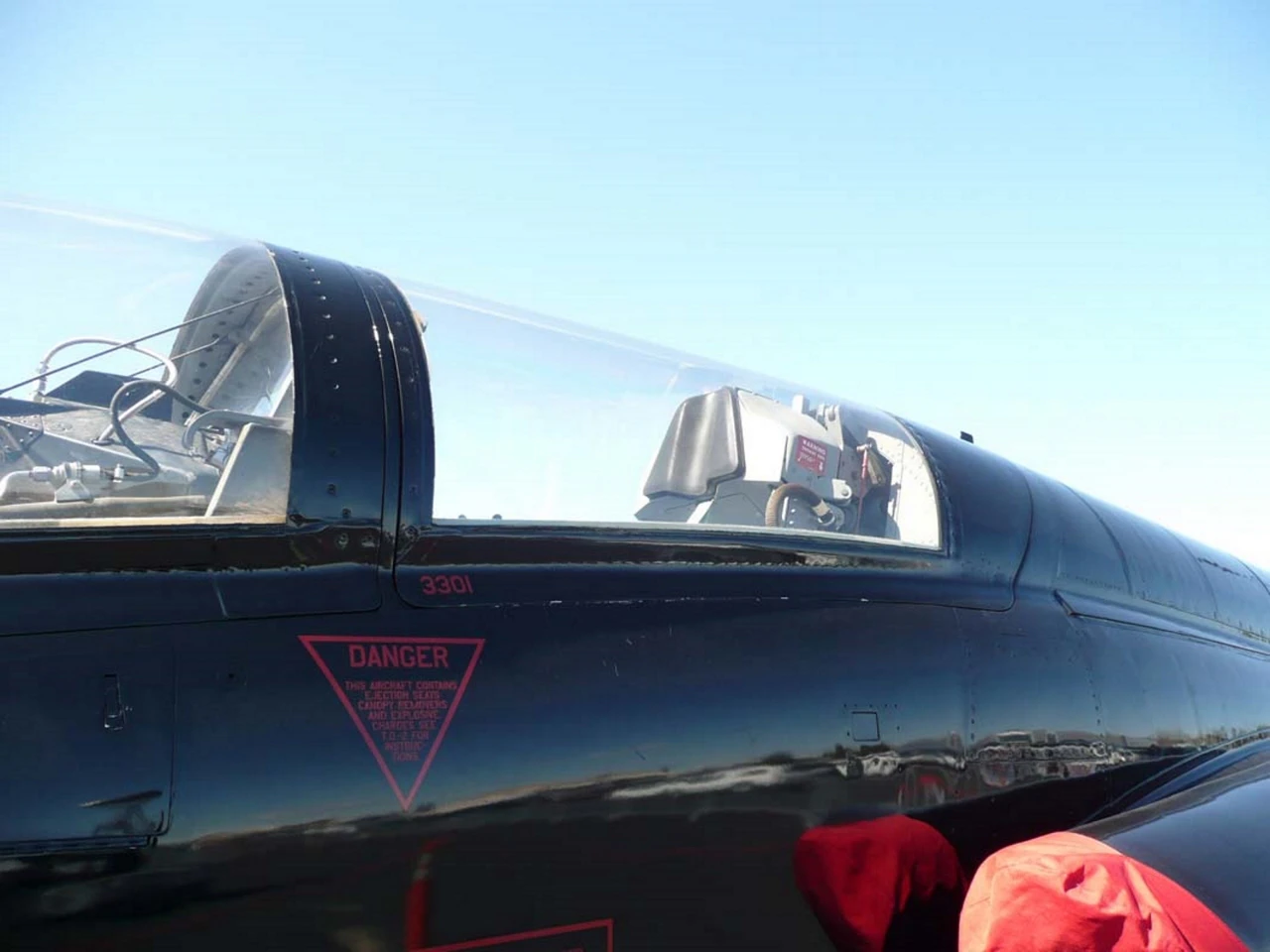

| Northrop T-38A Talon ‘black’ Walk Around | |
|---|---|
| Photographer | Cees Hendriks |
| Localisation | Unknow |
| Photos | 40 |
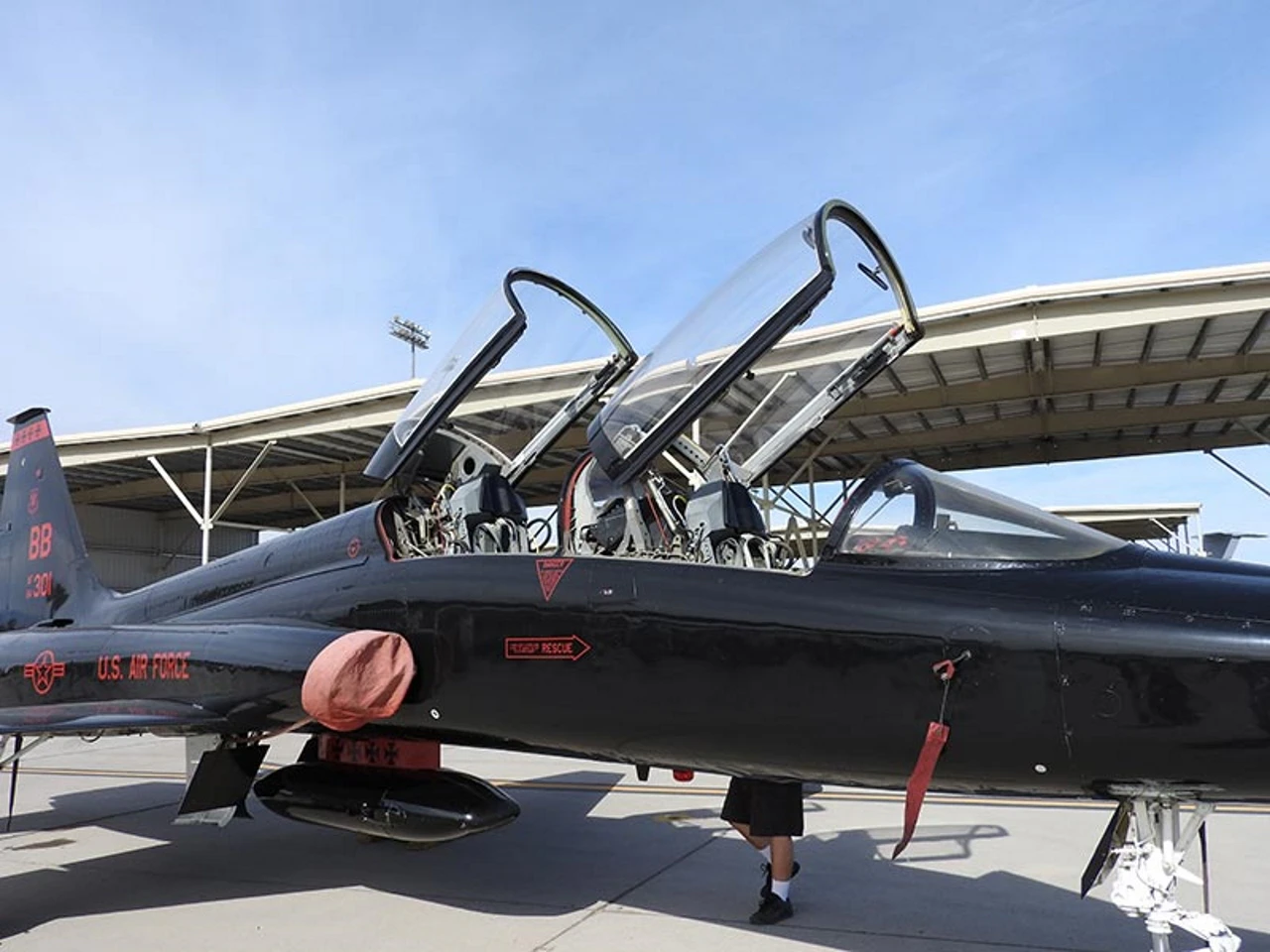
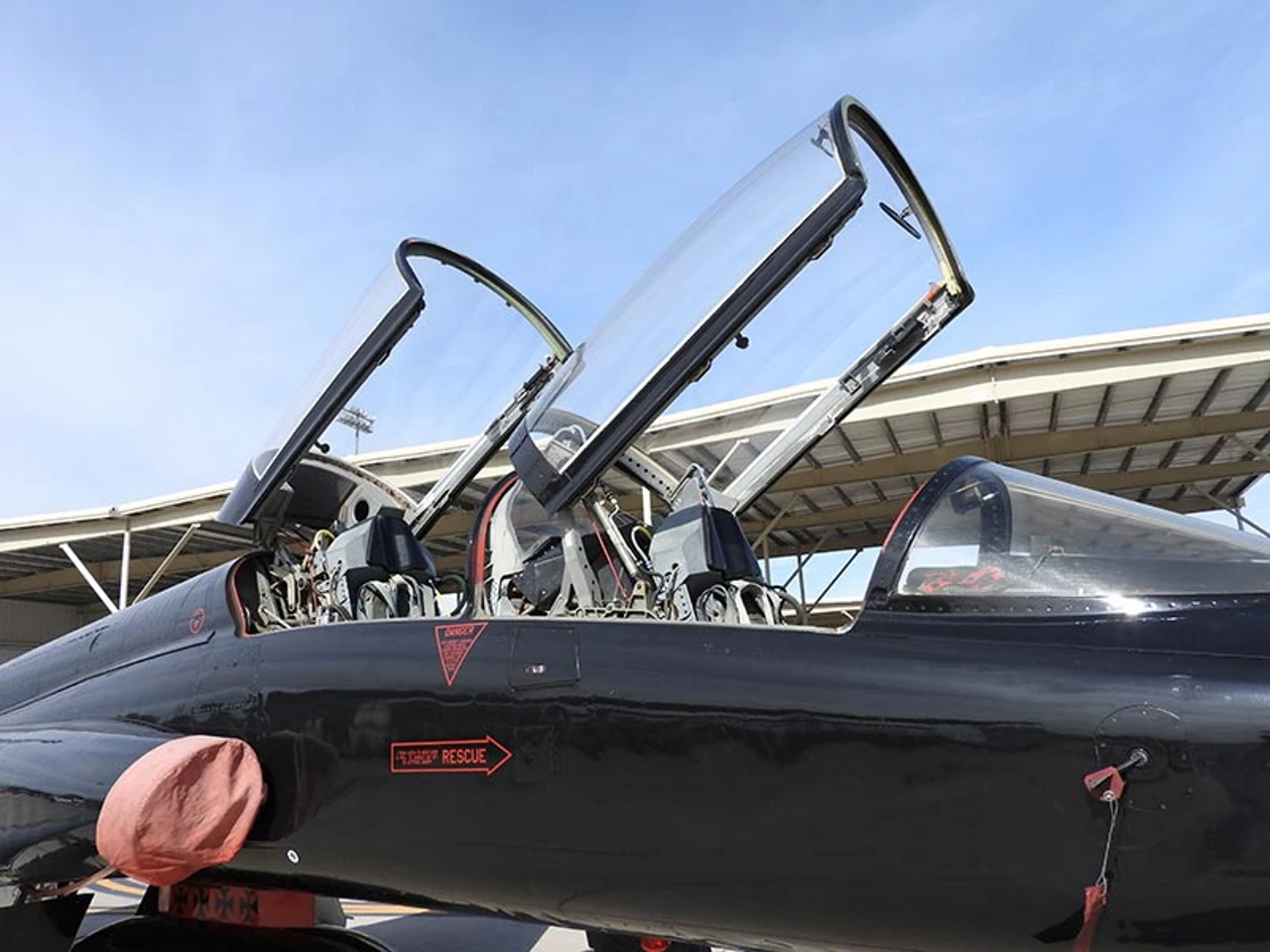
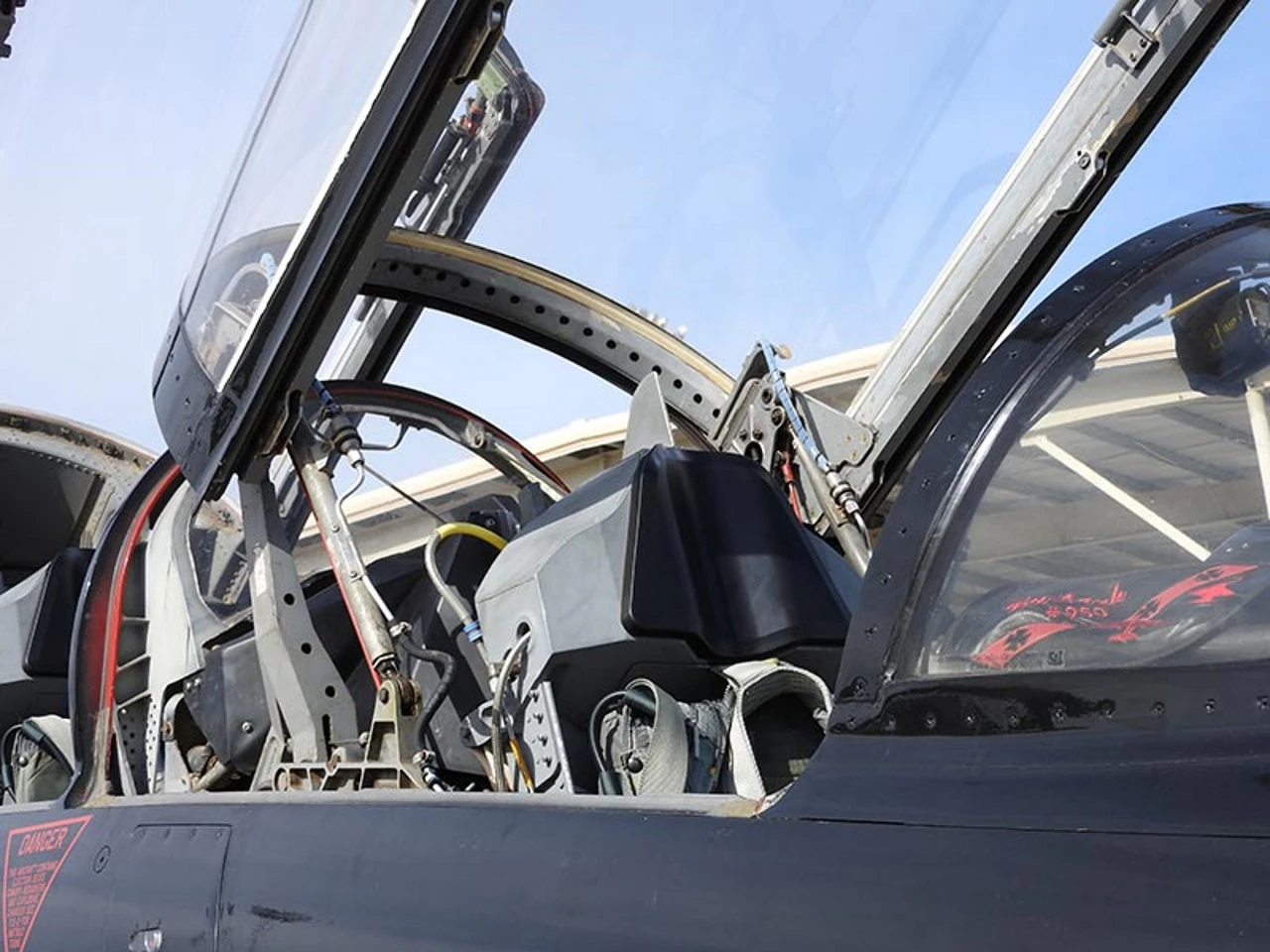
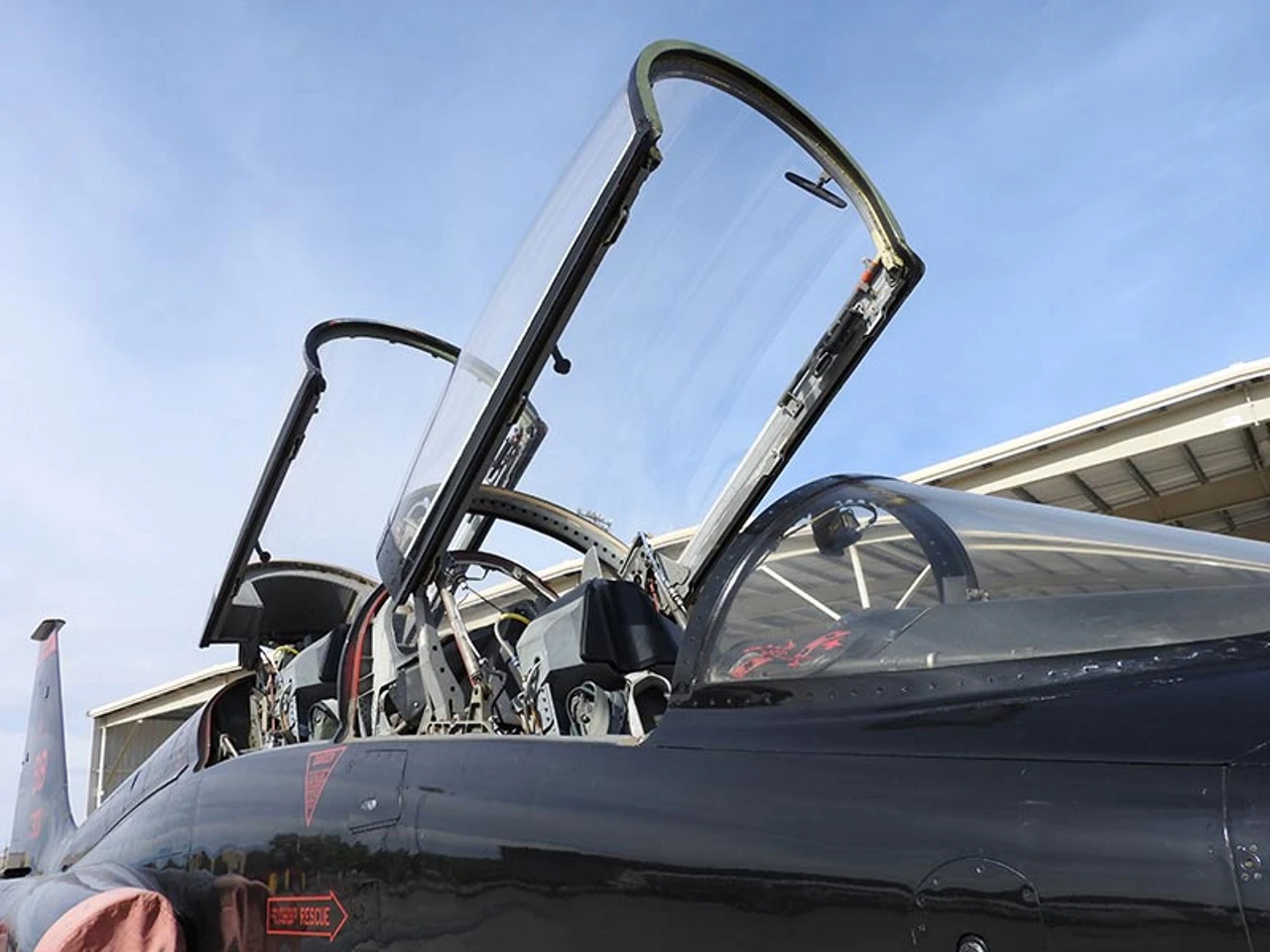
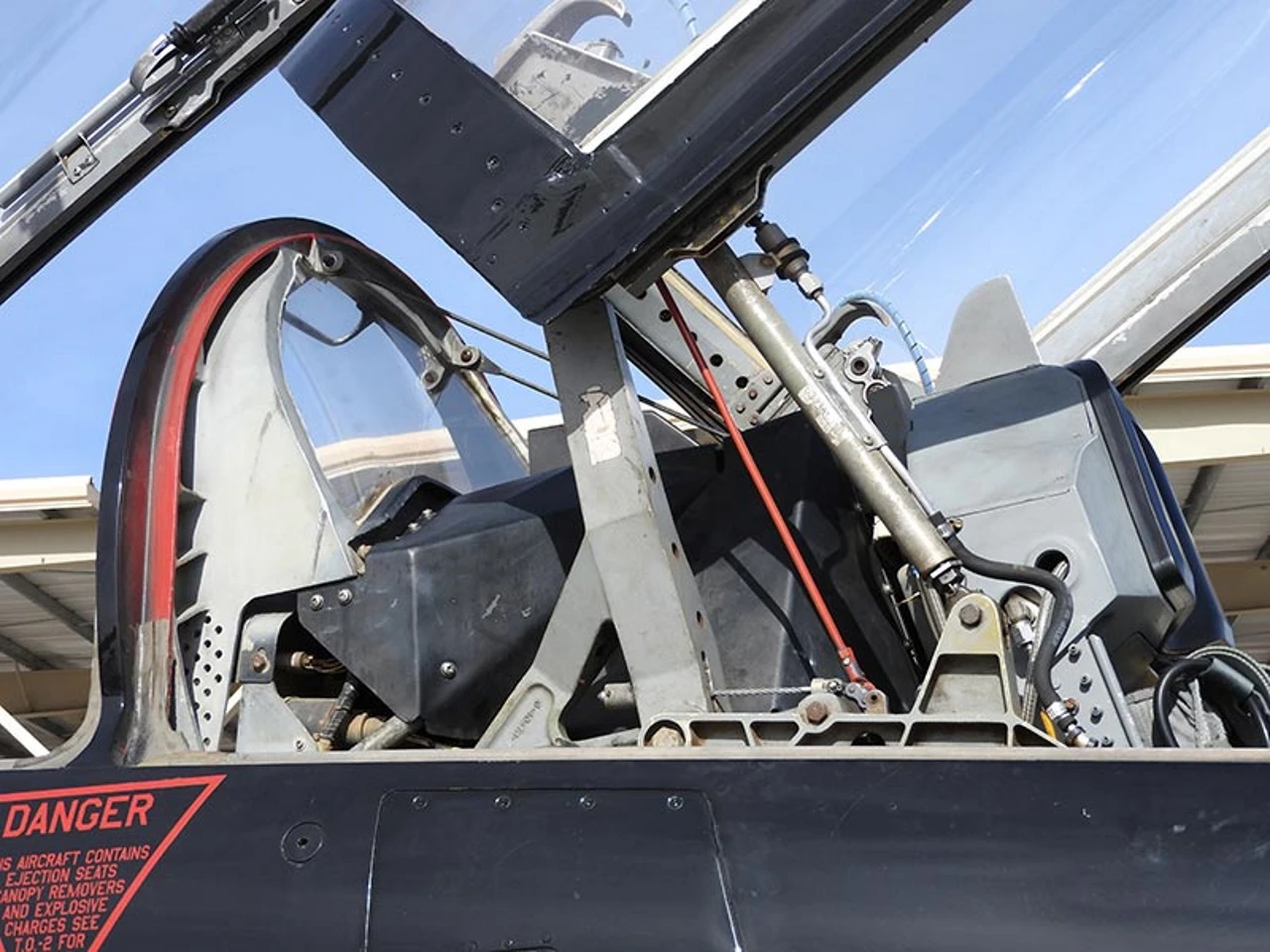
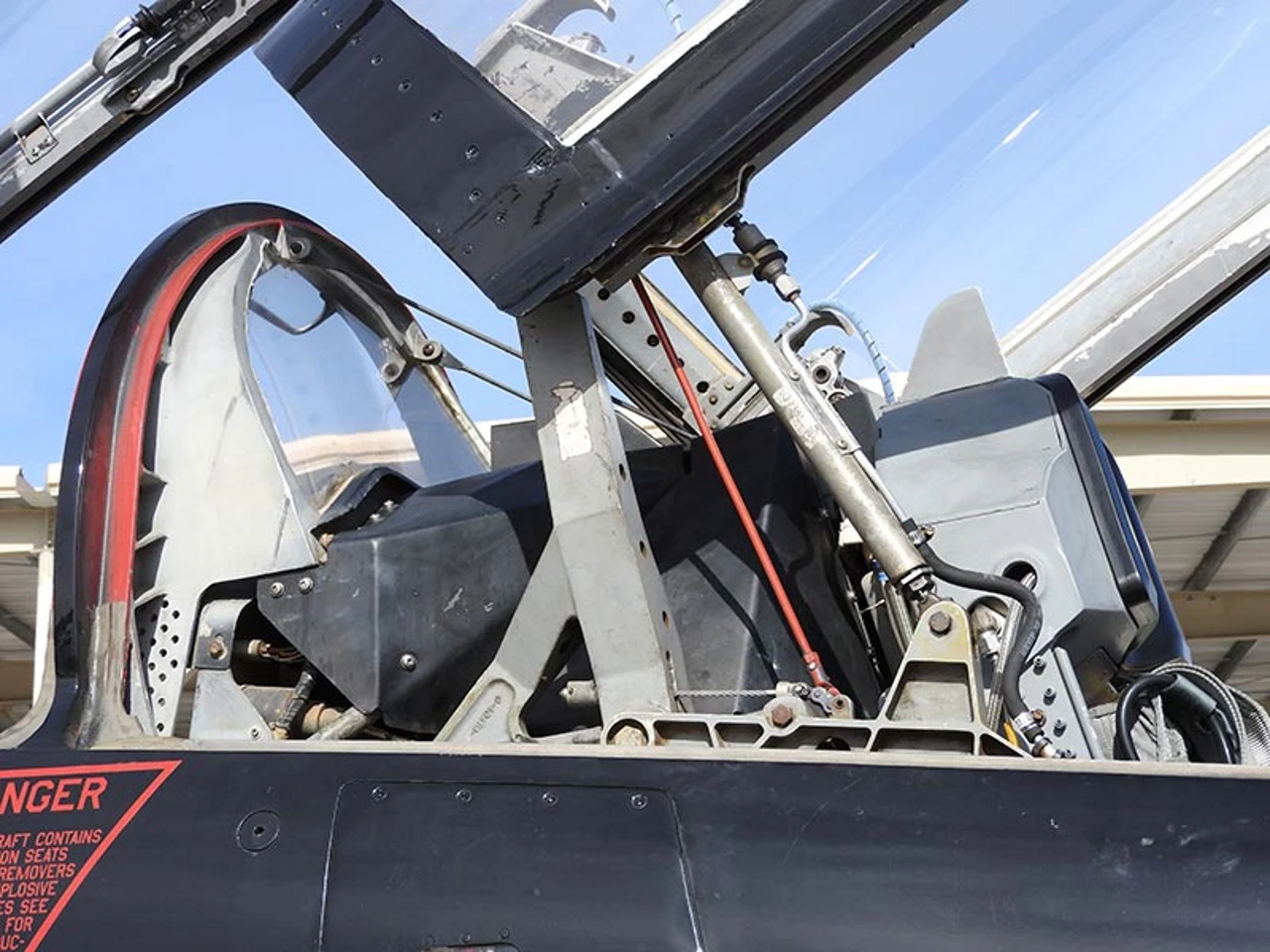
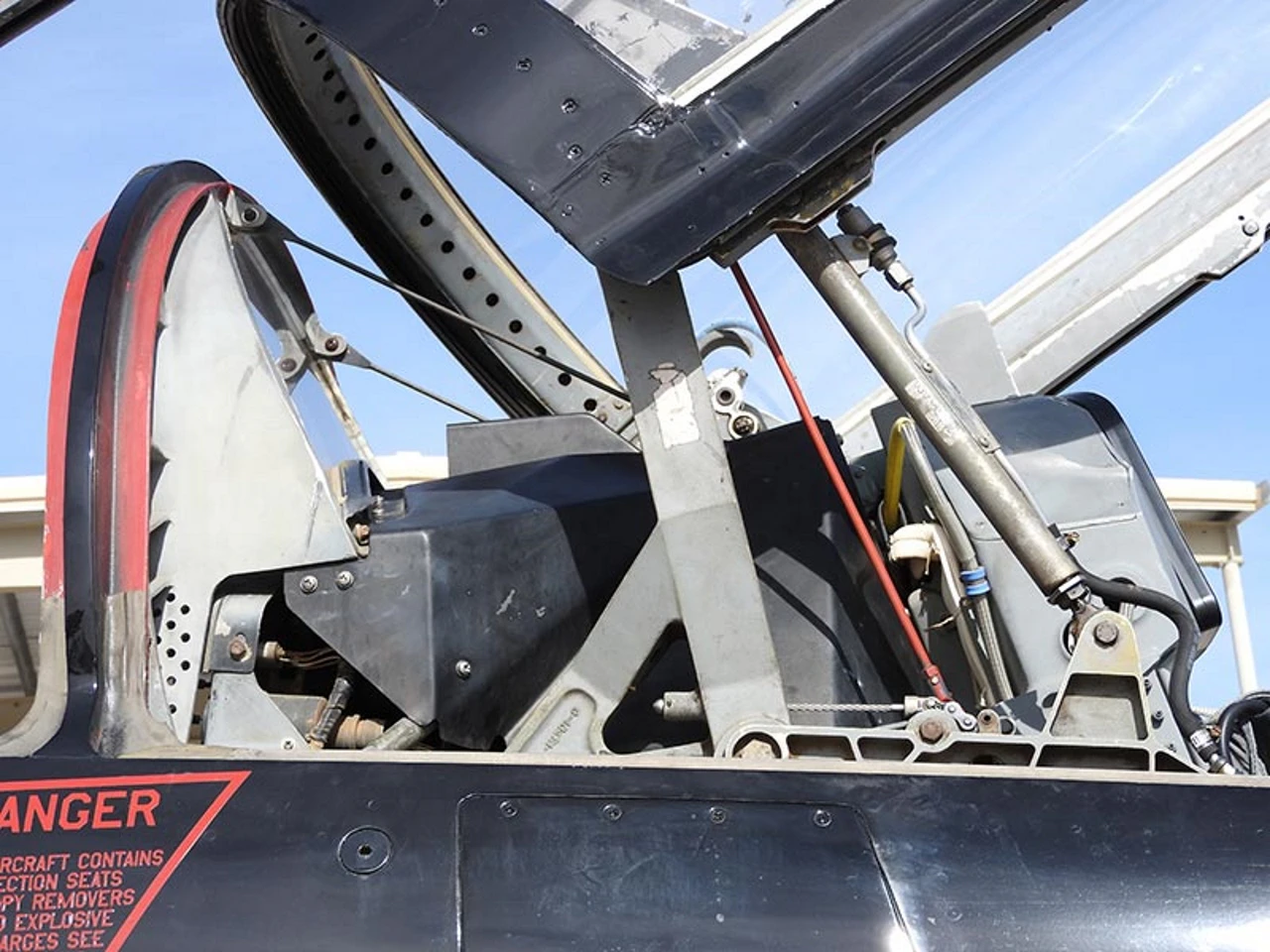
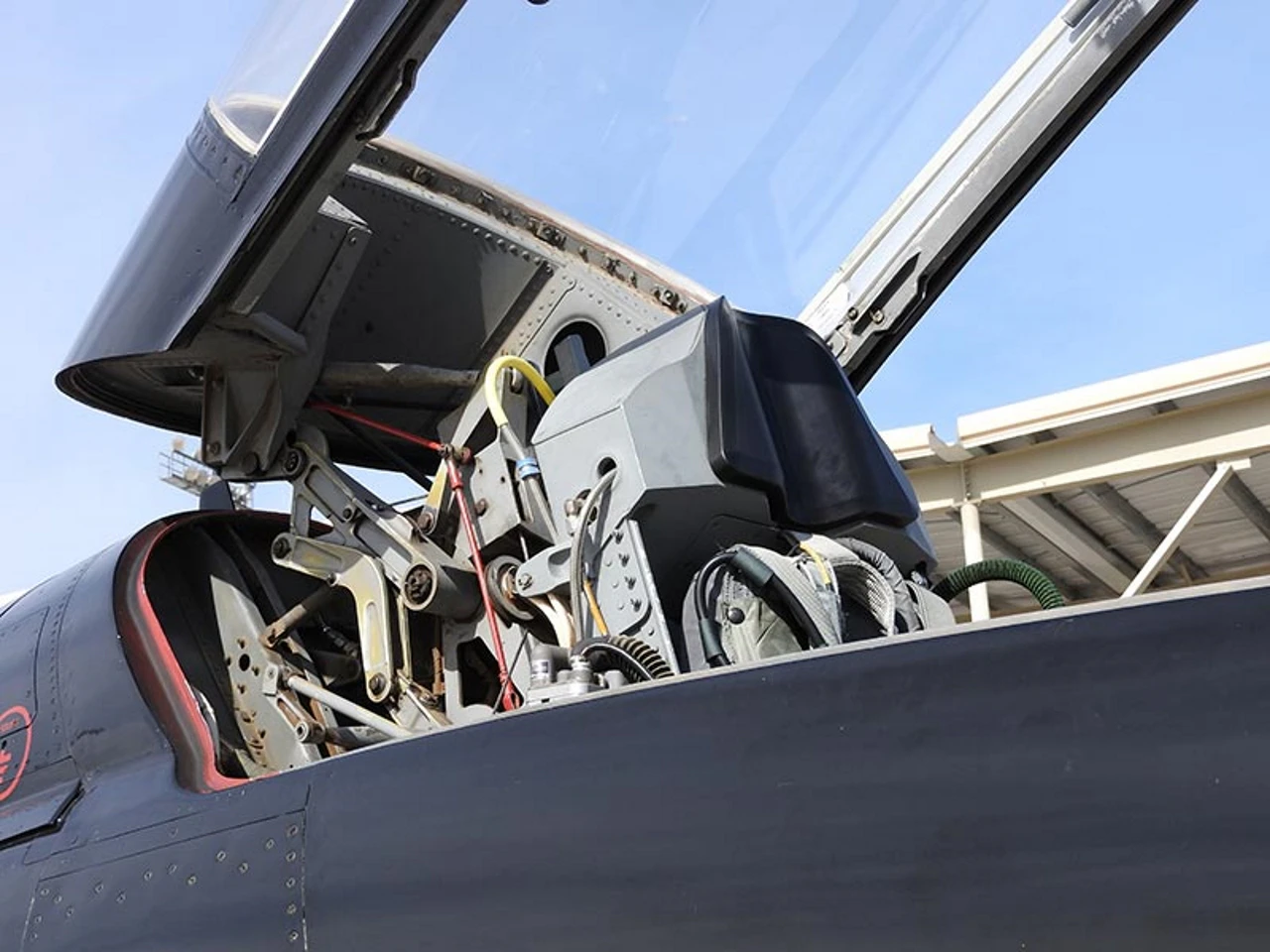
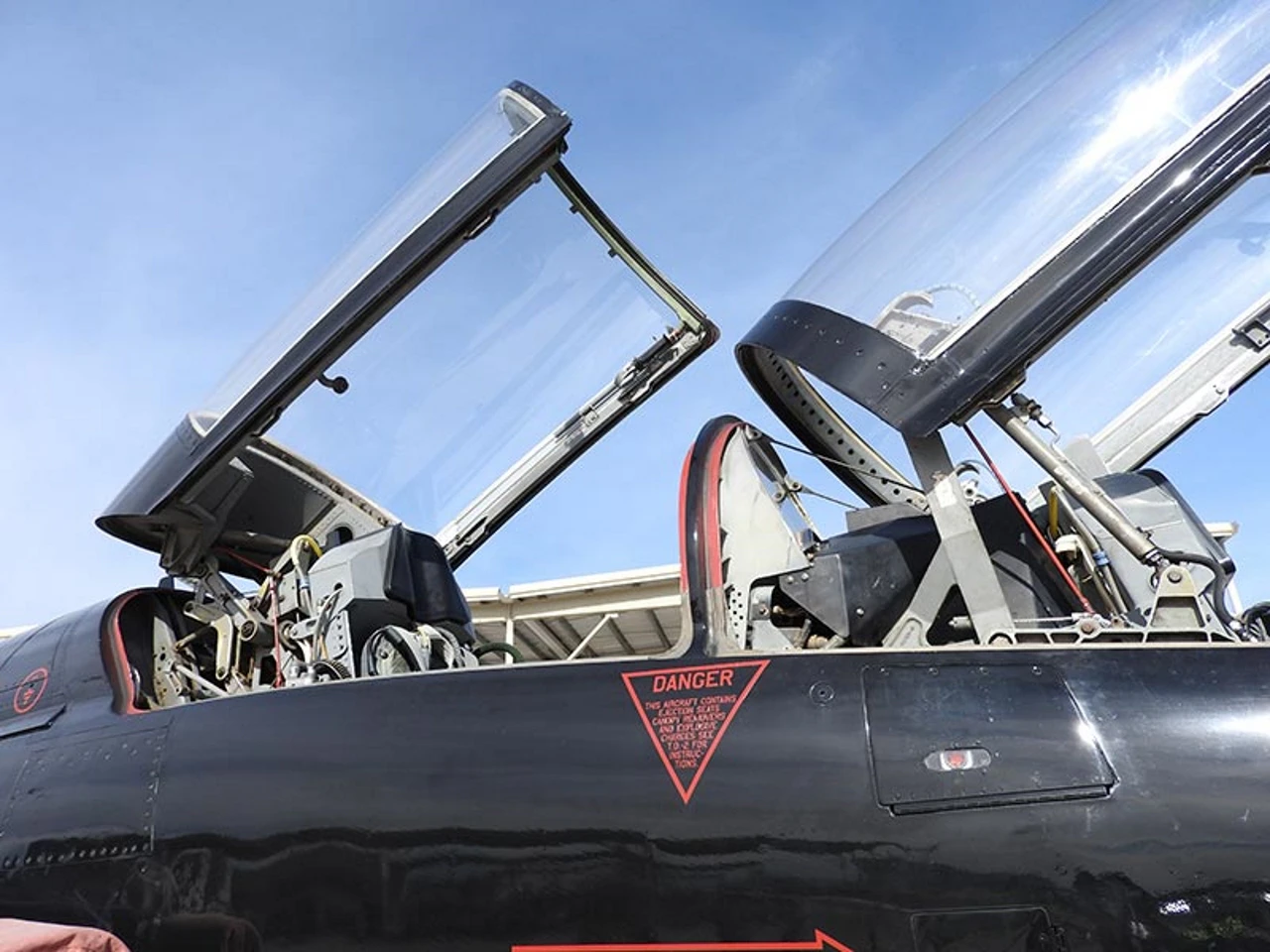
| Northrop T-38A Talon Walk Around | |
|---|---|
| Photographer | Vladimir Yakubov |
| Localisation | Western Museum of Flight, Torrance |
| Photos | 80 |
See also:


The Supersonic Schoolroom
The Northrop T-38 Talon is a legendary twin-engine, high-altitude jet that has served as the backbone of advanced pilot training for over 60 years. Introduced in 1961, it was the first supersonic trainer in history. Its sleek, “coke-bottle” fuselage and high-performance engines allow it to mimic the flight characteristics of front-line fighters. Beyond training nearly 80,000 Air Force pilots, the T-38 has been the “personal sports car” for NASA astronauts, used for proficiency training, travel, and as a chase plane for every major space program from Apollo to the Space Shuttle.
| Attribute | Technical Specification (T-38C) |
|---|---|
| Role | Advanced Supersonic Jet Trainer |
| Crew | 2 (Student and Instructor in tandem) |
| First Flight | March 10, 1959 |
| Powerplant | 2 × General Electric J85-GE-5 turbojets |
| Thrust | 2,900 lbf (12.9 kN) each with afterburner |
| Maximum Speed | 812 mph (Mach 1.08 at sea level; Mach 1.3 at altitude) |
| Service Ceiling | 55,000+ feet (16,764 m) |
| Rate of Climb | 33,600 feet per minute (170 m/s) |
Design Engineering: The Area Rule Masterpiece
- Area Rule “Coke Bottle” Shape: To achieve supersonic speeds with relatively small engines, Northrop applied the “Area Rule”—narrowing the fuselage where the wings meet. This reduces transonic drag, allowing the sleek Talon to slip through the sound barrier with ease.
- High Wing Loading: The T-38 features small, thin, swept-back wings. This design provides high speed and a smooth ride in turbulence but results in a high landing speed (around 170 mph), requiring precision from student pilots.
- Ease of Maintenance: Northrop designed the Talon so that critical components are “waist-high.” Mechanics can reach most systems without ladders, and an entire engine can be swapped in about 20 minutes.
- T-38C Modernization: The “C” model introduced a “glass cockpit” with digital displays, a Head-Up Display (HUD), and a Virtual Proximity Warning System, bridging the gap between this 1960s airframe and modern 5th-generation fighters like the F-22 and F-35.
The Astronaut’s Best Friend
- The “White Rocket” at NASA: NASA has maintained a fleet of T-38s at Ellington Field since the early 1960s. Astronauts use them to develop “quick-thinking” skills in high-pressure environments, a direct carry-over to spaceflight.
- The Jackie Cochran Records: In 1961, legendary pilot Jackie Cochran used the T-38 to set eight world records for speed, distance, and altitude, proving the aircraft’s exceptional performance to a global audience.
- Thunderbirds Era: During the fuel crisis of the 1970s, the USAF Thunderbirds demonstration team switched from the thirsty F-4 Phantom to the economical T-38. They flew the Talon for eight seasons, showcasing its incredible maneuverability.
- Combat Cousin: The T-38 was the direct basis for the F-5 Freedom Fighter. While they look nearly identical, the F-5 features a wider wing for weapons hardpoints and lead-computing gunsights.
Views : 4469
You can see also :
 Northrop Gamma – Photos & Videos
 Northrop YC-125 Raider – Photos & Videos
 Northrop JB-1 Bat – Photos & Videos
 Northrop Alpha – Photos & Video
 Northrop YF-17 Cobra – Photos & Video
 Northrop N-9MB – Photos & Video
 Northrop YA-9 – Photos & Video
 Northrop P-61 Black Widow – Photos & Video
 Northrop A-17A – Photos & Video
 Northrop F-5 – Photos & Video