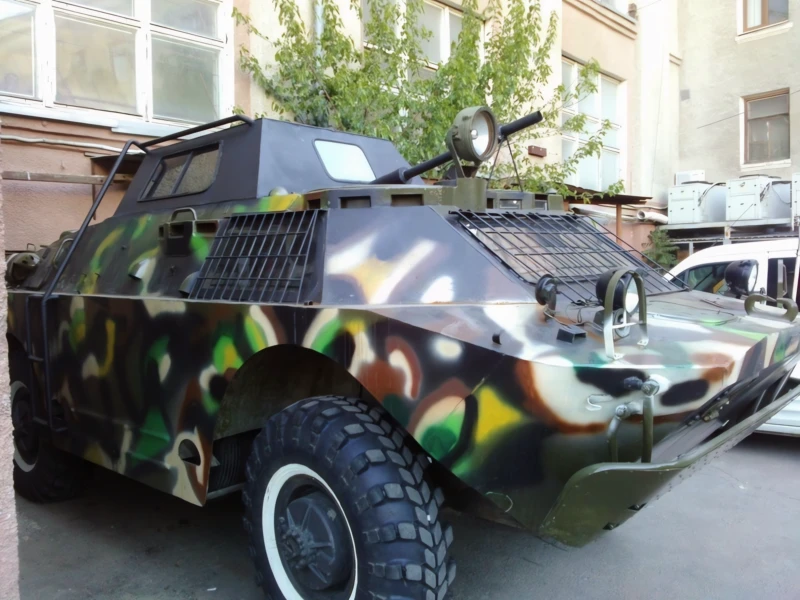
BRDM-2 | |
|---|---|
| Country | Soviet Union |
| Role | Amphibious Armoured Scout Car |
| In service | 1962–present |
| Built | 7200 |
The BRDM-2 (Boyevaya Razvedyvatelnaya Dozornaya Mashina, Боевая Разведывательная Дозорная Машина, literally “Combat Reconnaissance/Patrol Vehicle”) is an amphibious armoured patrol car used by Russia and the former Soviet Union. It was also known under the designations BTR-40PB, BTR-40P-2 and GAZ 41-08. This vehicle, like many other Soviet designs, has been exported extensively and is in use in at least 38 countries. It was intended to replace the earlier BRDM-1, compared to which it had improved amphibious capabilities and better armament.
Source: BRDM-2 on Wikipedia
| BRDM-2 Walk Around | |
|---|---|
| Photographer | Unknow |
| Localisation | Unknow |
| Photos | 77 |
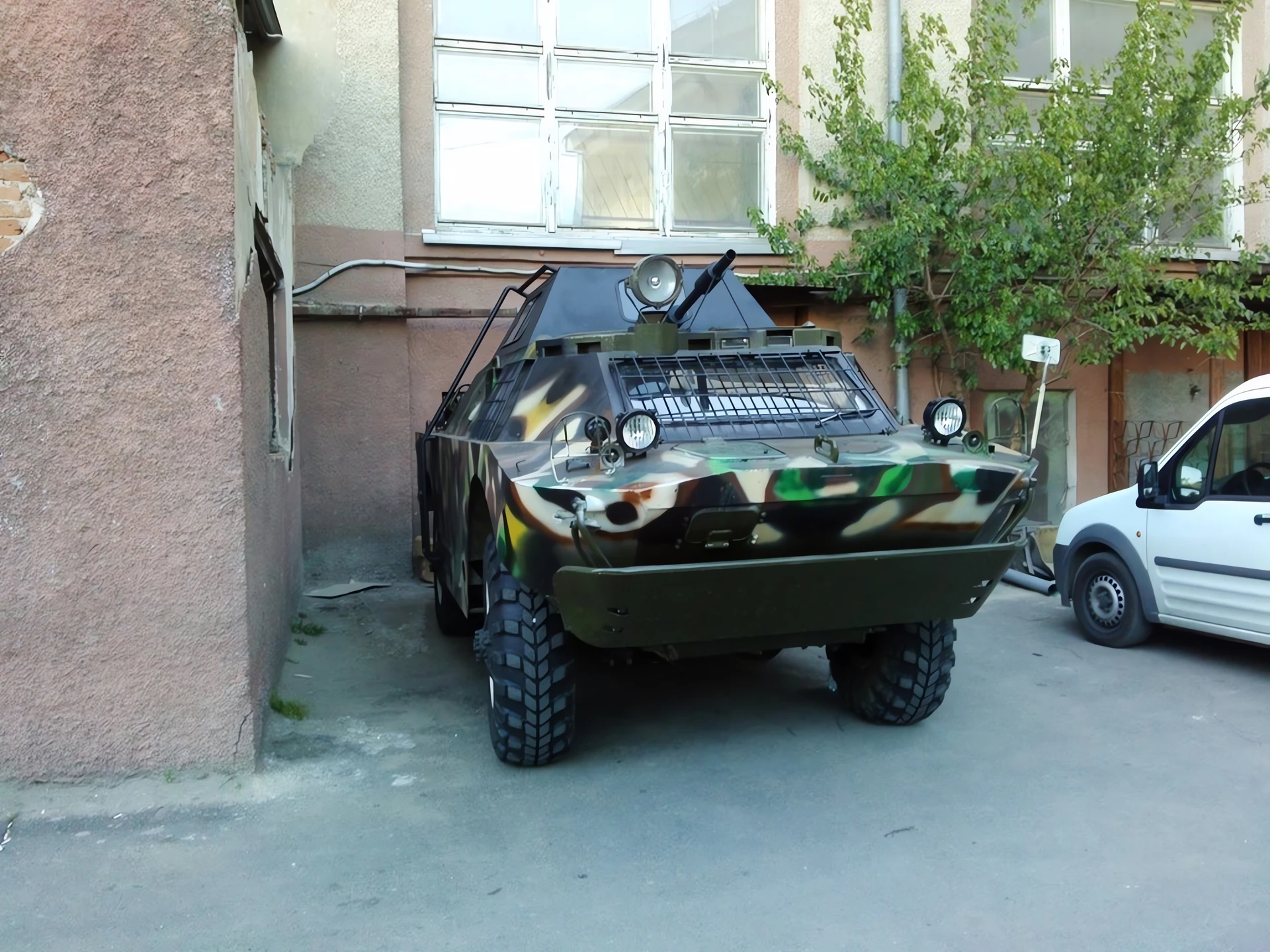
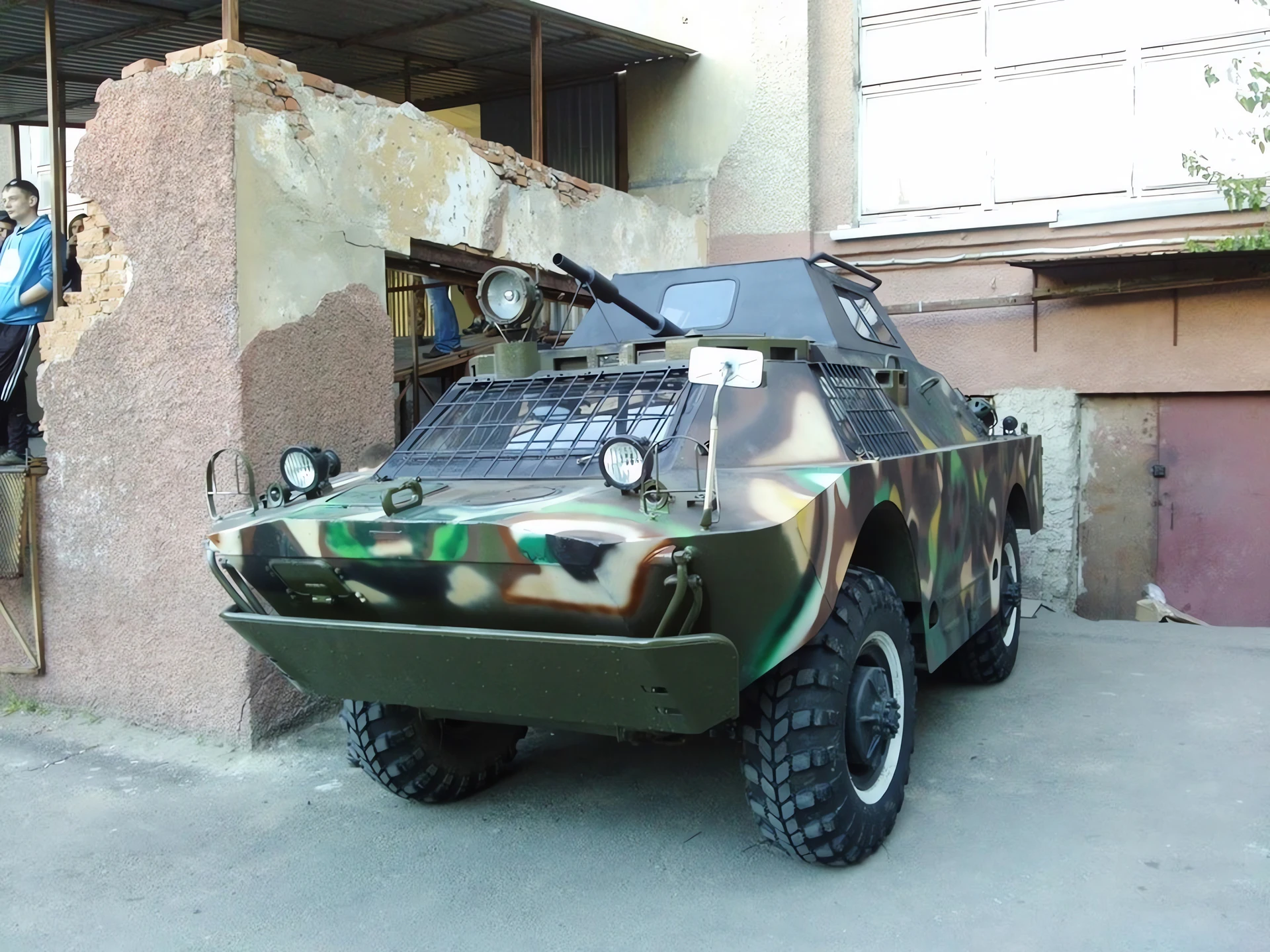


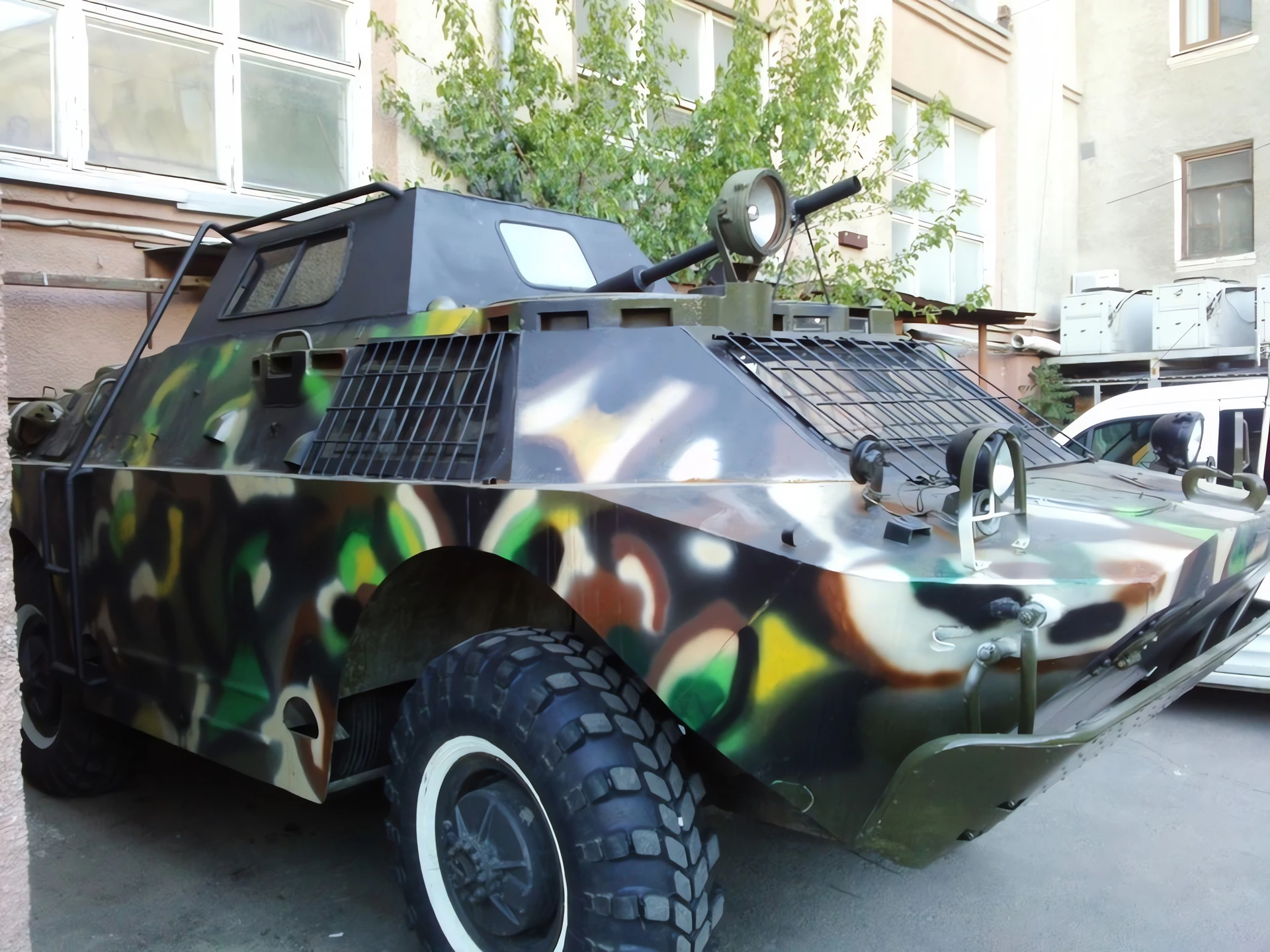
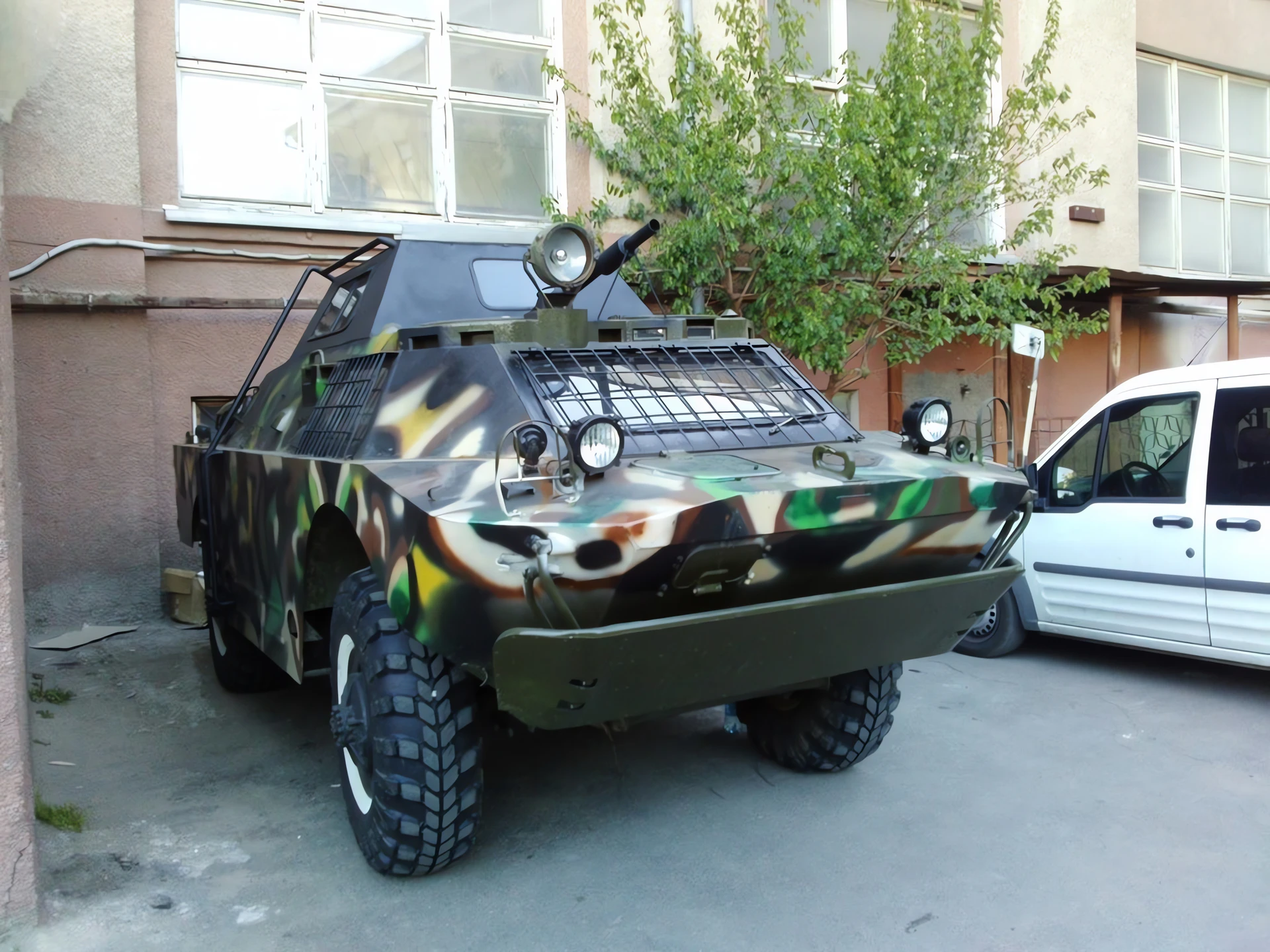
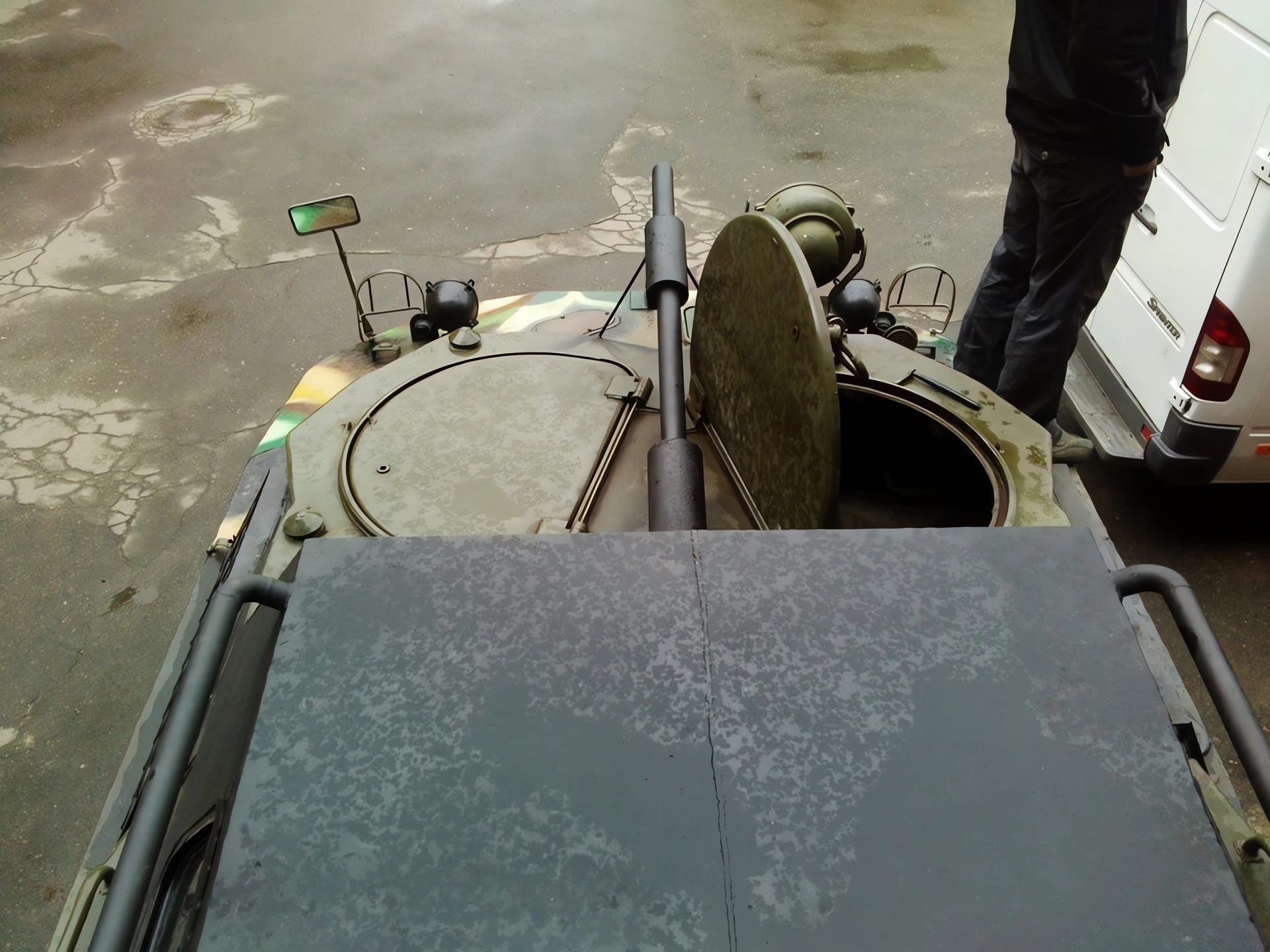

| BRDM-2 Walk Around | |
|---|---|
| Photographer | Jose Luis Silva Chang |
| Localisation | Unknow |
| Photos | 33 |
| BRDM-2 with AGS-17 Walk Around | |
|---|---|
| Photographer | Юрий Пашолок |
| Localisation | Unknow |
| Photos | 100 |
See also:


The Eyes of the Red Army
The BRDM-2 was designed in the early 1960s to replace the aging BRDM-1. It was built to be a fast, lightly armored, and fully amphibious scout car that could lead the charge for Soviet mechanized divisions. Its mission was to find enemy lines, swim across rivers without preparation, and survive small arms fire. With over 7,000 units produced and exported to over 50 countries, it remains one of the most recognizable armored vehicles in the world today.
| Attribute | Technical Specification (BRDM-2) |
|---|---|
| Role | Amphibious Armored Scout Car |
| Crew | 4 (Commander, Driver, Gunner, Radio Op) |
| In Service | 1962 – Present |
| Powerplant | 1 × GAZ-41 V-8 petrol engine |
| Horsepower | 140 hp (104 kW) |
| Maximum Speed | 100 km/h (62 mph) road / 10 km/h (6 mph) water |
| Armament | 14.5mm KPVT machine gun; 7.62mm PKT (coaxial) |
| Armor | Up to 14mm (Steel) |
Unique Mobility & Amphibious Design
- Hidden “Belly Wheels”: The BRDM-2’s most unique feature is a set of four small, chain-driven auxiliary wheels tucked into the center of the chassis. These can be lowered by the driver to help the vehicle cross wide trenches or avoid getting “high-centered” on obstacles.
- Water Jet Propulsion: For swimming, the BRDM-2 uses a single water jet mounted at the rear, protected by a circular door when on land. This allows the vehicle to navigate currents and steer in the water using the same steering wheel used for road driving.
- Central Tire Inflation (CTIS): The driver can adjust the tire pressure from inside the cab. Lowering the pressure increases the “footprint” of the tires, allowing the heavy 4×4 to crawl through deep mud or soft sand.
- Trim Vane: A foldable “nose” or splash plate is located at the front. When entering the water, this is raised to prevent the bow from dipping under and to improve the vehicle’s “boat” characteristics.
Variants & Operational Legacy
- The “BPU-1” Turret: The standard scout version uses the same turret found on the BTR-60PB. The 14.5mm KPVT heavy machine gun is devastating against light vehicles and low-flying helicopters.
- ATGM Carriers (9P148): The BRDM-2 chassis was widely modified to carry anti-tank guided missiles. Instead of a turret, these versions have a retractable launcher for Konkurs or Fagot missiles.
- Chemical/Radiation Recon (BRDM-2RKh): These variants carry specialized equipment for marking contaminated zones, often seen with “flag-planting” devices on the rear to warn following troops.
- Global Service: From the deserts of the Middle East to the jungles of Vietnam and the modern battlefields of Ukraine, the BRDM-2 remains in use due to its simplicity, speed, and ease of maintenance.
Views : 4478
You can see also :
 FV721 Fox CVR – Photos & Video
 Carro Armato M13-40 – Walk Around
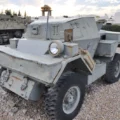 Scout Car Ford Mk.1 – Photos & Video
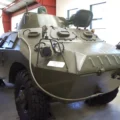 PSzH-IV – Photos & Video
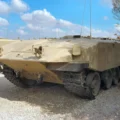 IDF Achzarit – Photos & Video
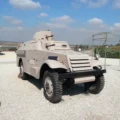 M3 Scout Converted into an Armored Car – Photos & Video
 Daimler Armoured Car Mk II – Photos & Video
 Humber Mk IV – Photos & Video
 Eland 90 mk7 – Photos & Video
 Panhard EBR Armoured Car – Walk Around